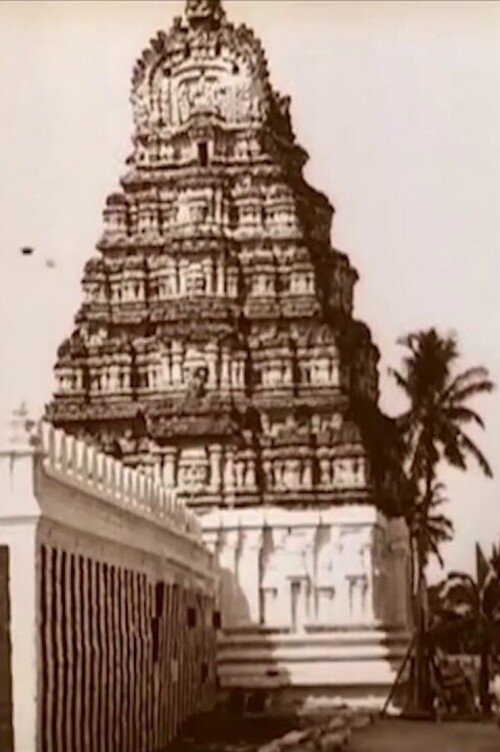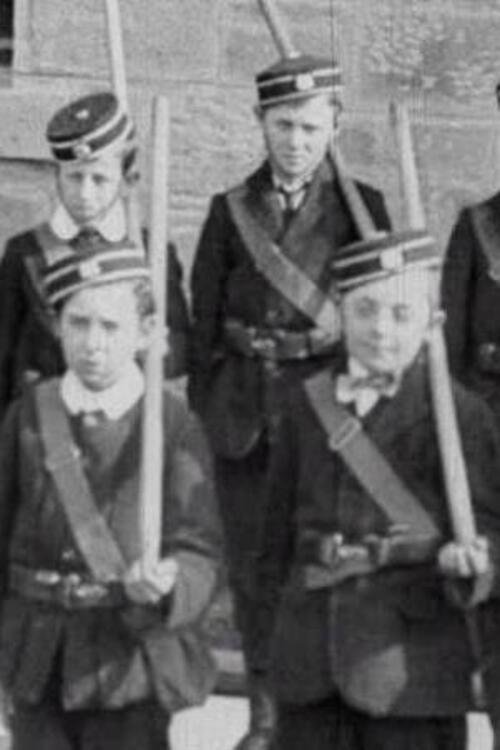
Northumberland army reserve's new home reveals Tardis-like tendencies as the town of Haltwhistle pours inside.
Social & External
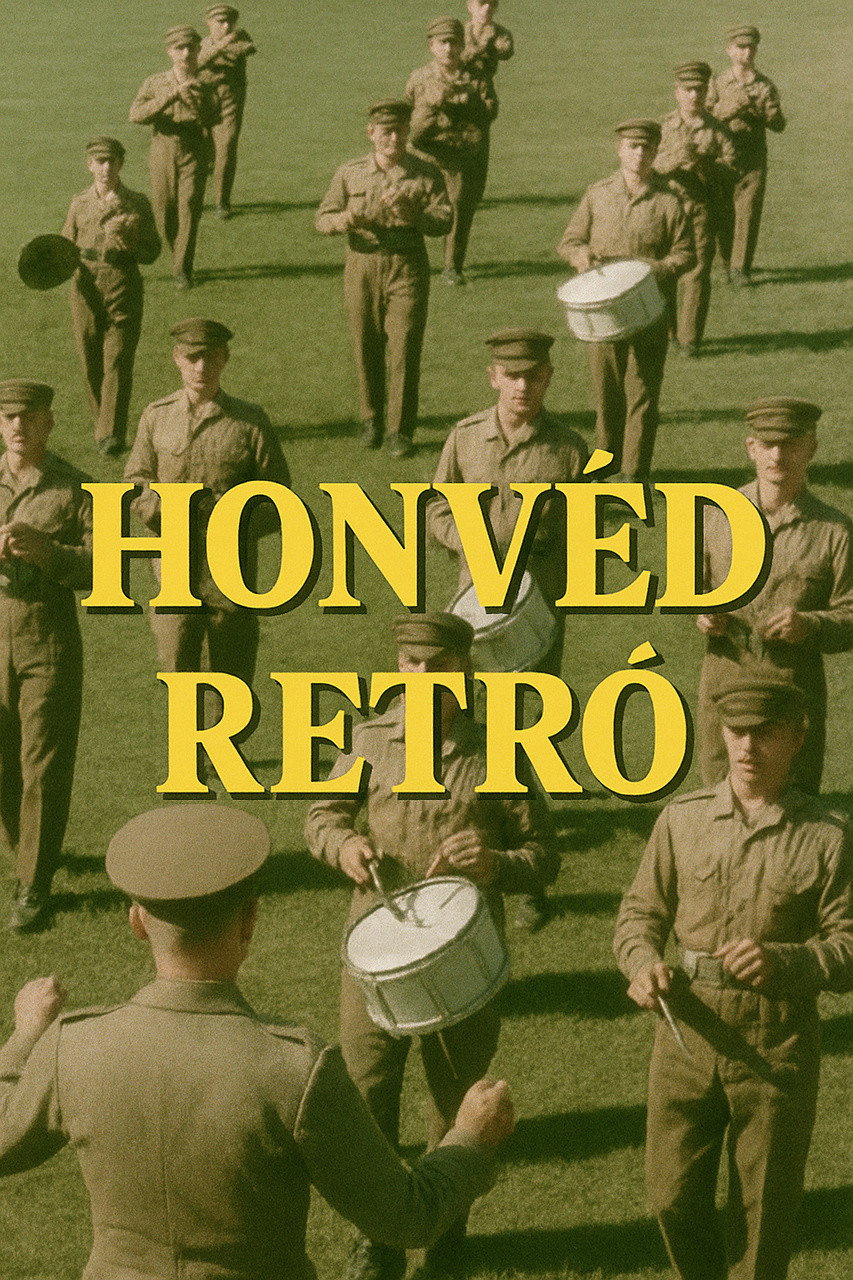
A feature length, lively - montage style - documentary, capturing the essence of what life was like in socialist Hungary's conscript army, using contemporary videos.
In Thailand, all males turning 21 must participate in the military draft lottery. Drawing a black card grants exemption. Drawing a red card results in two years of military service. This short film follows two girls, who were born as males, as they participate in the drafting process.

This provocative documentary uncovers a lost chapter in Canadian military history: how the Armed Forces dealt with homosexual behaviour among soldiers, during and after World War II. More than 60 years later, a group of five veterans, barely adults when they enlisted, break the silence to talk about how homosexual behaviour "was even more unmentionable than cancer." Yet amidst the brutality of war, instances of sexual awakening among soldiers and officers were occuring. Initially, the Army overlooked it, but as the war advanced, they began to crack down: military tribunals, threats of imprisonment, discharge and public exposure. After the war, officers accused of homosexuality were discharged. Back home in Canada, reputations and careers were ruined. For the young men who had served their country with valour, this final chapter was often too much to bear. Based on the book Courting Homosexuals in the Military by Paul Jackson.
A documentary film-project by Dmytro Komarov. He was the first journalist to witness and film the horrors of the just-liberated towns of Bucha, Irpin and Hostomel. He saw the first emotions of people immediately after the de-occupation of Kyiv region, Kharkiv region, and Kherson region. The documentary is the author's view of the war from angles that you won't see in the news. Unique, rare, exclusive comments from those whose hands and minds are shaping our future victory. The main heroes of documentary are both ordinary Ukrainians who heroically show their strength and power every day for a year and high-ranking officials such as Minister of Defense of Ukraine Oleksiy Reznikov, Chief of the General Staff of the Armed Forces of Ukraine Kyrylo Budanov, Major General Oleksandr Syrskyi, Commander of the Air Force of the Armed Forces of Ukraine Lieutenant General Mykola Oleshchuk. Initially, "Year" was a series of journalistic reports, later they were edited into a two-part film.
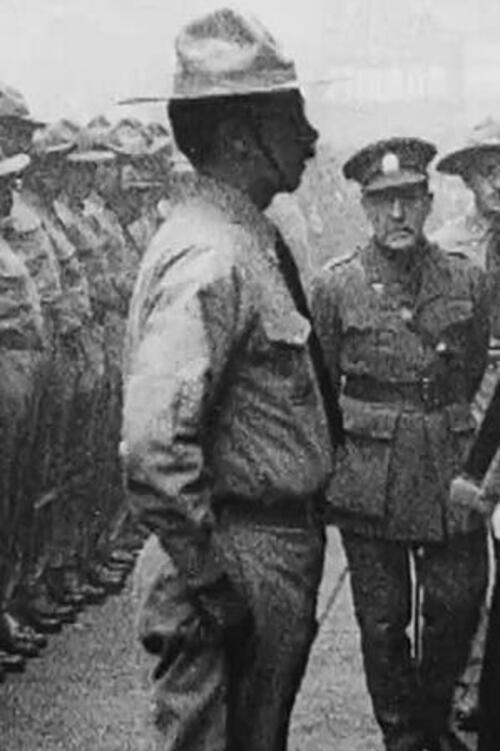
Colonial recruits from Trinidad meet the Lord Mayor of London during WWI.
An actuality film from Oct 1899 of the Colstream Guards departing on the troop ship Gascon for the Boer War in South Africa.
A holiday of sorts for Stockport army reserves, fitting high-jinks between drills over two weeks of summer training in South Wales.
Within the French and American armies, virtual reality prepares soldiers for their future battles just as it treats post-traumatic stress disorder after their baptism of fire. Antoine Chapon meets Cyril, former military video game designer and a veteran, who is dealing with the return to civilian life and loss of identity.
Maria Luiza da Silva is the first transgender in the history of the Brazilian Armed Forces. After 22 years of work in the military, she retired due to disability. The film explores the complex barriers she faced and her path of affirmation as a trans, military and Catholic woman.
Seven years after completing an Israeli Defense Course for female combat soldiers, director Hen Lasker returns to take a deeper look at the place where she first fell in love with a woman. Over the course of 66 days and nights, Lasker shoots a fly-on-the-wall documentary that allows unprecedented intimacy into the lives of the trainees and commanders of the Israeli army. The dichotomy of the innocence of these baby-faced trainees with the heavy burden of military service is a central theme of the film, illustrated in a scene where they discuss losing their virginity while waiting their turn to fire a machine gun. But it is the director’s relationship with Smadar, a breathtaking commander struggling to mask her gentle soul with a strict military persona, which makes the film truly enchanting. The intersection of love, duty, and personal growth thrive through to the film’s surprisingly moving finish.
"You belong to the country for the next two years." The film describes Woo-cheol's struggles with becoming part of a group while trying to maintain his individuality throughout his military service period. A humorous yet cynical portrait of military groupism.
Looking back at the turmoil of the 1950s today, it's hard not to be sad. Even though one knows the end of the story, he is always waiting for something to happen to prevent this bitter ending. He wants the mistakes made to be noticed, a common point to be agreed and the accident that says I am coming to be prevented. But in vain... After the accident today, all we can do is look at the causes of the accident and learn from it... Beginning from the mid-1950s, the democracy, which was knitted stitch by knot before, began to unravel again, stitch by stitch. A tense, harsh, vicious period has opened in the political arena... It seemed impossible to see the future and take precautions in that dusty smoke...
An examination of Israel and its society after many months of war, seen initially through the prism of viral social media posts - and exclusive interviews with the soldiers behind them. These posts, some shared millions of times, show soldiers humiliating bound Palestinians, ransacking their homes, joking as they detonate schools and whole districts, and laughing as they launch high explosive ordnance into densely-packed areas. The award-winning team behind this Basement Films production traveled to Israel to interview some of these soldiers, who proudly defended themselves and their videos, some expressing callous disregard for Palestinians in Gaza. Through additional interviews with Israeli radical groups, politicians, and media figures, the film reveals Israeli Jewish society in the aftermath of October 7th, gripped by a vengeance and hate that puts into question any possibility for peace.
We came to the end of the road. We told you the story of the establishment of a democracy throughout 9 episodes... We witnessed the collapse of a one-party regime. We witnessed the disappearance of the national chiefdom. Together we experienced the holding of the first free general elections and the raising of democracy in pain. And finally, we told you about the birth, rise and fall of a new power. Where we ended up was a military intervention. Whatever the reasons, the storm of revolution had blown once. Now the task of the officers who seized power on the morning of May 27 was to contain that storm. But it didn't. After a while, the storm started to drag the revolutionaries in front of it. The historical scenario was repeated. The Revolution ate some of their children. The revolution was now speaking its own language...
Turkish democracy got over the 27th of May and the 12th of March and set off again, but the storm did not subside and the mutual reckoning was not over. On the contrary, new fronts were opened in the country and blood began to flow like a gutter. Finally, on September 12, there was a knock on the door again. Those who came that day changed everything, everything. Nothing would ever be the same again, nothing would be the same as before.
Svetlana has lost her son who was found dead while he was in the army. As she tries to shed light on the culture of violence and abuse in the Belarusian military, a group of young friends from the techno underground soon face being drafted themselves. They go to rave parties in undershirts and round sunglasses, but in a moment the party could be over – at least until huge protests break out in the streets following the recent ‘re-election’ of dictator-president and Putin sympathiser, Aleksandr Lukashenko. A glimmer of hope and a promise of change, which only causes the brutality of the authoritarian society to erupt in full force.