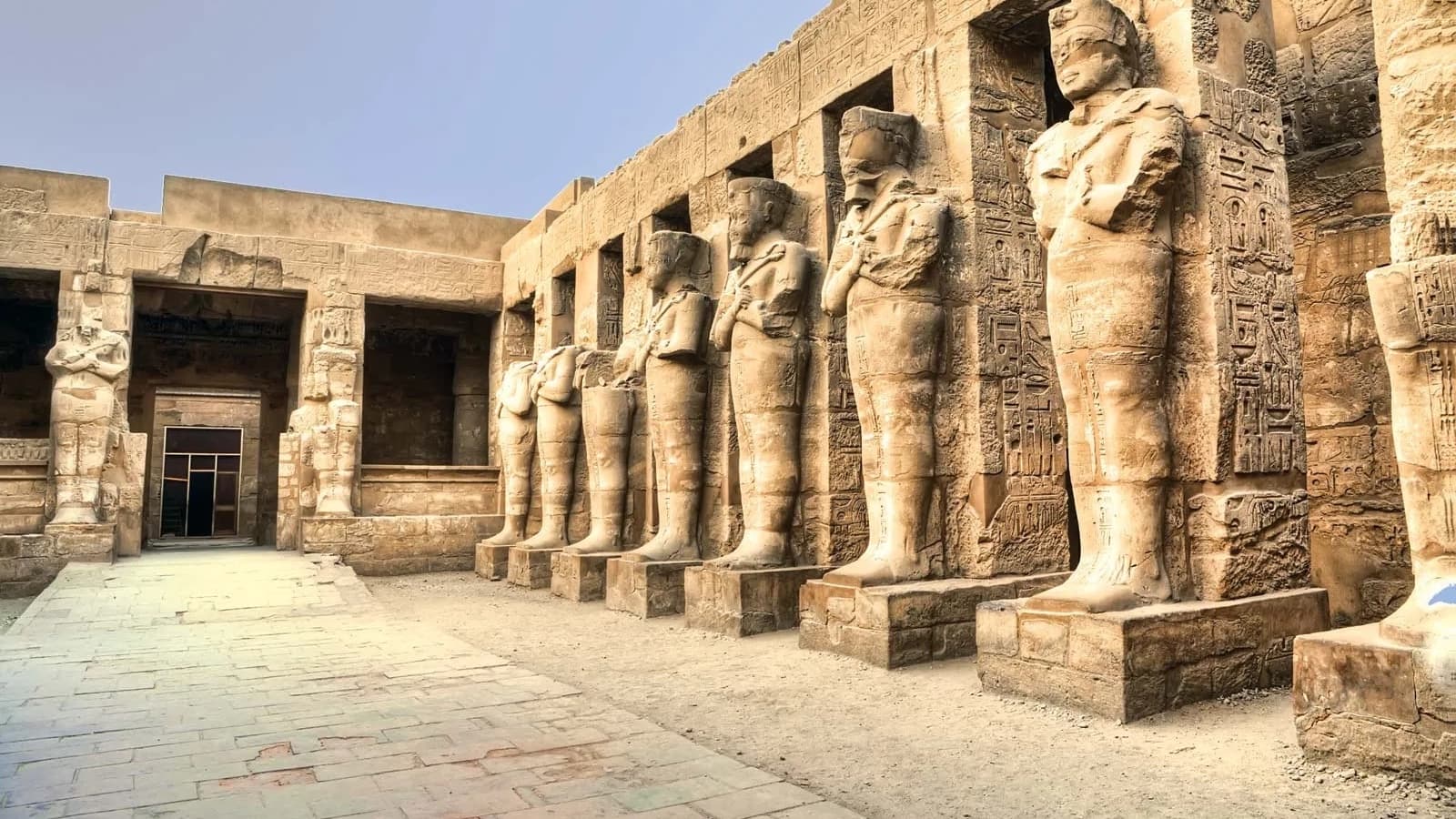
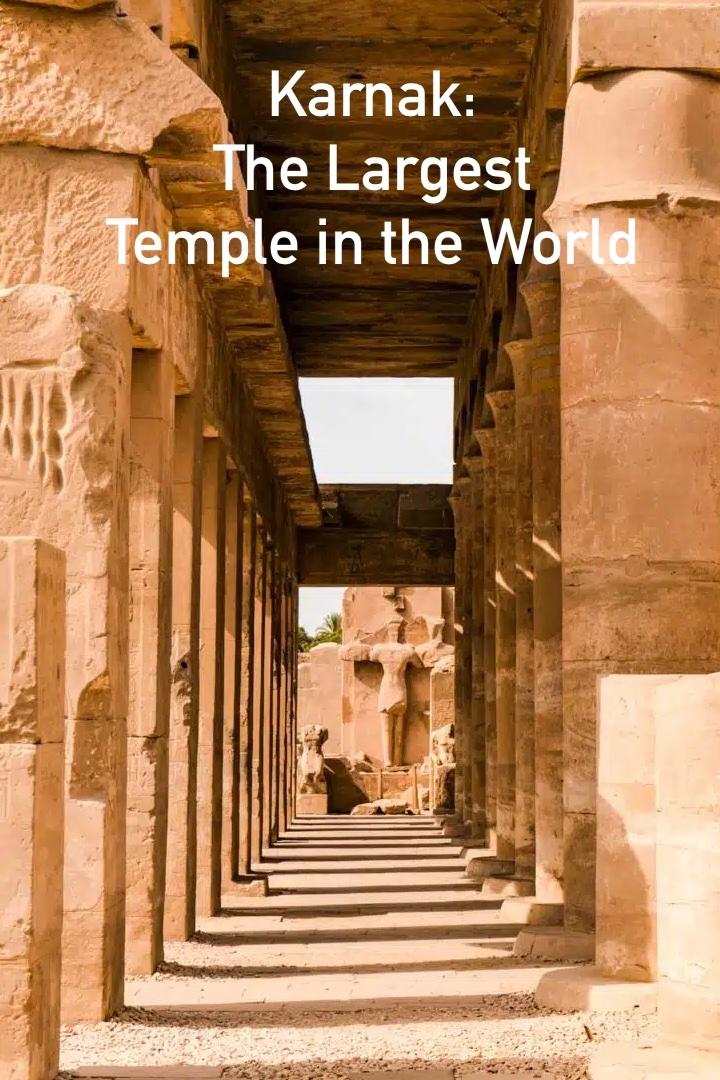
Explores the development of methods that allowed the architects of ancient Egypt to build Karnak, the most intriguing and significant temple of all ancient Egypt.
Social & External
In the 14 months prior to the revolution, filmmaker Lillie Paquette follows key opposition figures and young activists as they struggle against the odds and at great personal risk to remove an uncompromising US-backed regime.
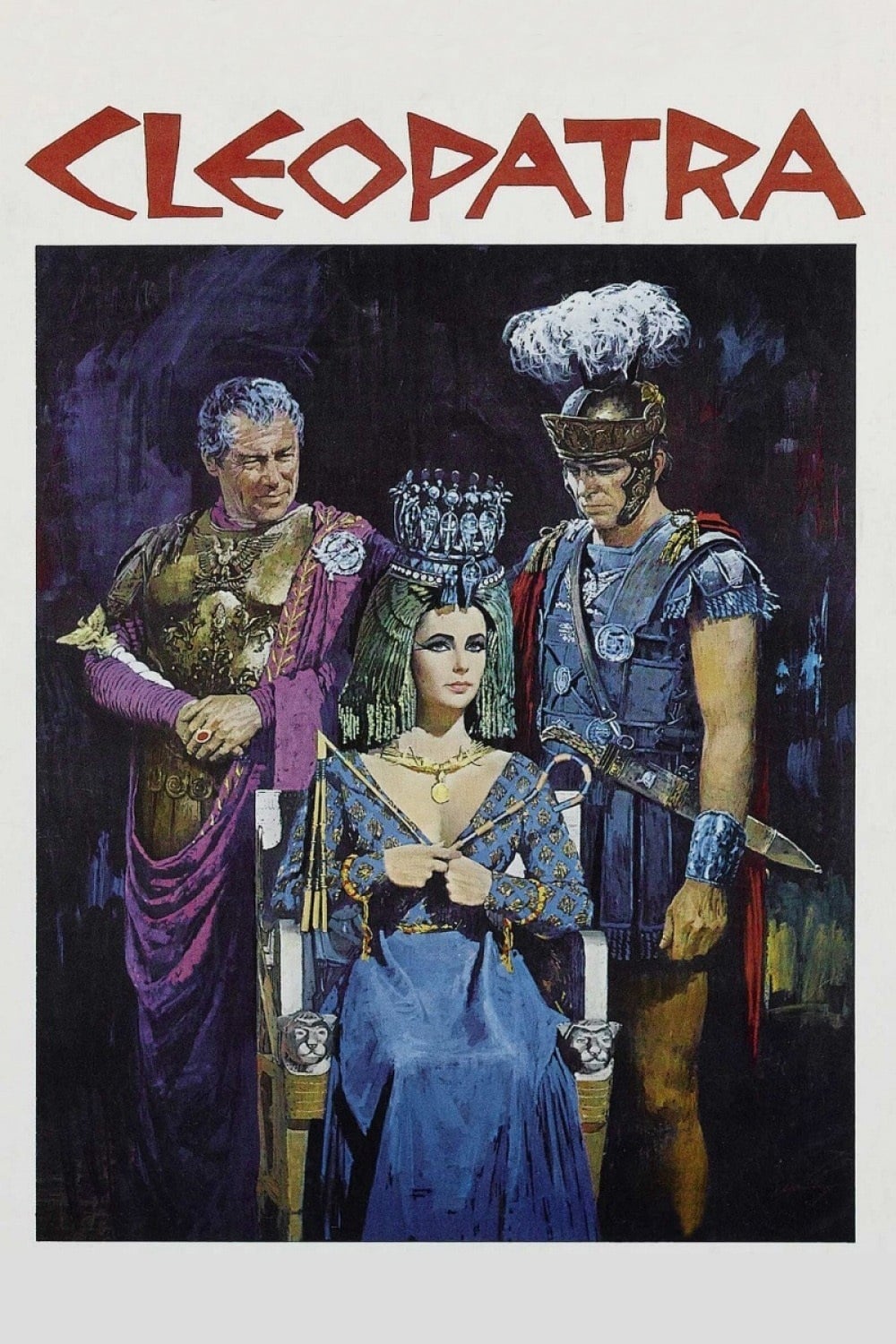
Determined to hold on to the throne, Cleopatra seduces the Roman emperor Julius Caesar. When Caesar is murdered, she redirects her attentions to his general, Marc Antony, who vows to take power—but Caesar’s successor has other plans.
Escaping death, a Hebrew infant is raised in a royal household to become a prince. Upon discovery of his true heritage, Moses embarks on a personal quest to reclaim his destiny as the leader and liberator of the Hebrew people.
True story of Ashraf Marwan, who was President Nasser's son-in-law and special adviser and confidant to his successor Anwar Sadat - while simultaneously Israeli Intelligence's most precious asset of the 20th century. Based on NYT bestselling book 'The Angel: The Egyptian Spy Who Saved Israel' by Uri Bar-Joseph.
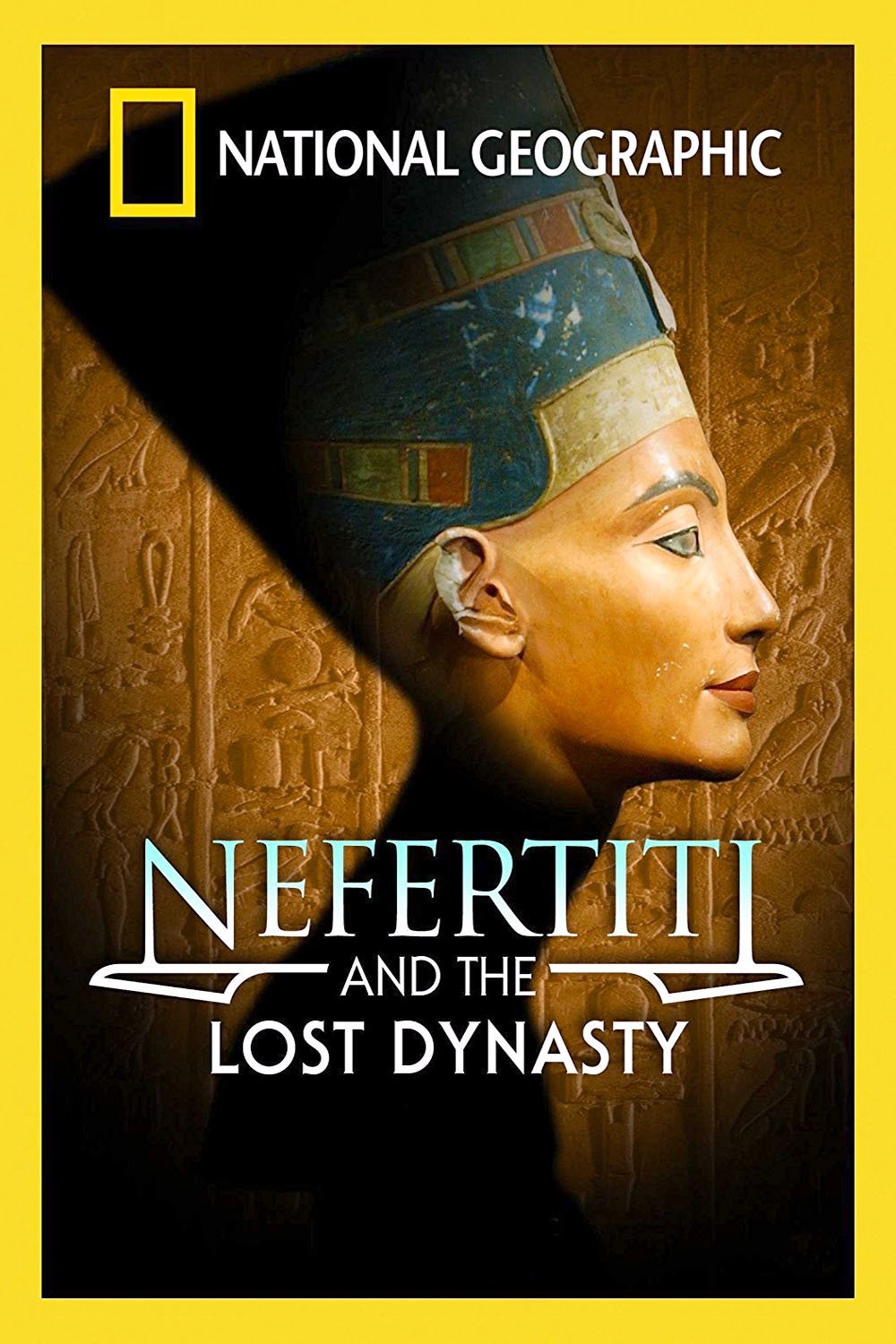
It is one of Egypt's enduring mysteries. What happened to Nefertiti and her husband, Akhenaten - the radical king, and likely father of King Tut? In a dark and mysterious tomb located in the Valley of the Kings, there is a small chamber with two mummies without sarcophagi or wrappings. At times, both have been identified as Queen Nefertiti by scholars, filmmakers and historians. But the evidence has been circumstantial at best.
Travel to ancient Egypt to see how science was used to tell time, make a workable calendar, and align huge buildings. You'll learn about the connection the ancient Egyptians felt with the stars and various astronomical phenomena, and experience some of the most spectacular temples and tombs of the ancient world recreated in all of their original splendor. Telly Award winner. Narrated by John Rhys-Davies, of the Indiana Jones films and The Lord of the Rings films.

The great history of Egypt is inscribed on its monuments, temples and tombs, but hieroglyphs – the written language of the ancient Egyptians – fell silent until 1822 when a young French scholar, Jean-François Champollion, became the first person to decipher their texts for over a thousand years. Champollion’s insights and the work of other scholars helped bring an entire civilisation back to life. Today, researchers are increasingly interested in the authors who created these hieroglyphic works. Near Luxor, The Latest Secrets of Hieroglyphs follows a new generation of Egyptologists as they unlock the texts inscribed inside a richly adorned tomb, revealing the beliefs and lives of the priests, scribes, painters, engravers and builders who created this grand funerary monument.
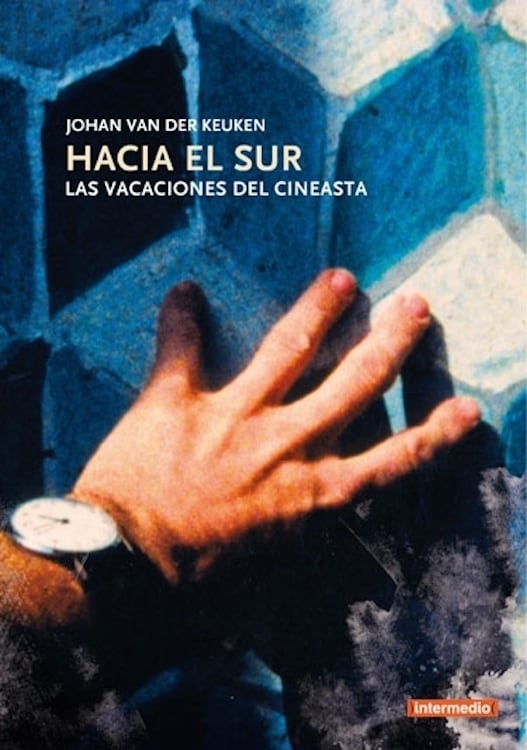
Johan van der Keuken went against the grain in 1980: from Amsterdam (on April 30 with the coronation riots and squatting actions) via Paris, southern France and Italy to Egypt. He made his personal travelogue in three parts for VPRO television. Later, he fused the three parts into one long movie.
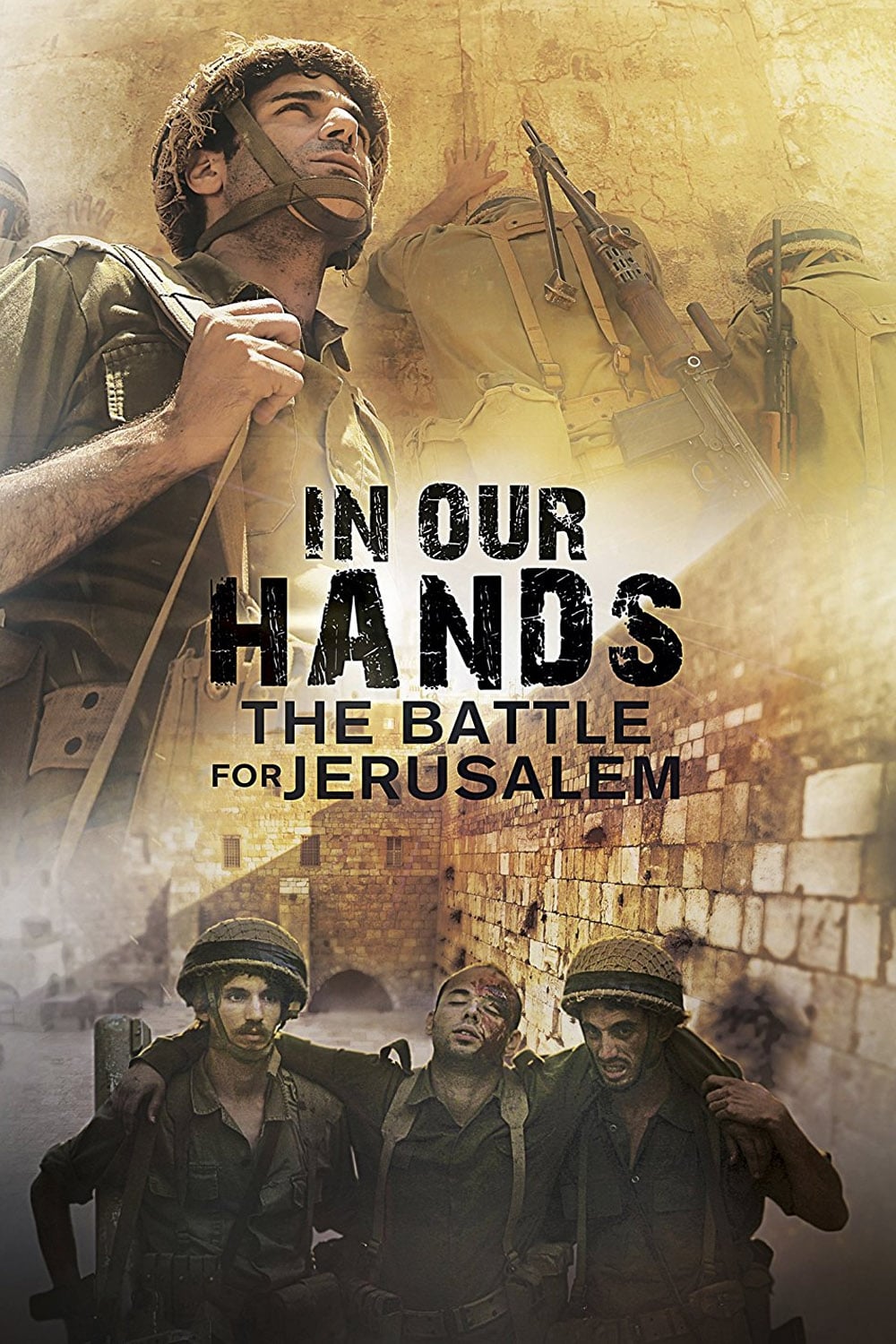
Produced by CBN Documentaries and Biblical Productions, "In Our Hands" tells the story of the Battle of Jerusalem in the Six-Day War through the eyes of the IDF's 55th Paratrooper Brigade
Go beyond the lost human history! A profile and examination of the recent findings of a highly advanced human settlement submerged at the end of the Ice Age when the sea level rose. The story of Atlantis has its roots in actual historical events!
Alexander, the King of Macedonia, leads his legions against the giant Persian Empire. After defeating the Persians, he leads his army across the then known world, venturing farther than any westerner had ever gone, all the way to India.
The aging Julius Caesar finds himself intrigued by the young Egyptian queen Cleopatra.
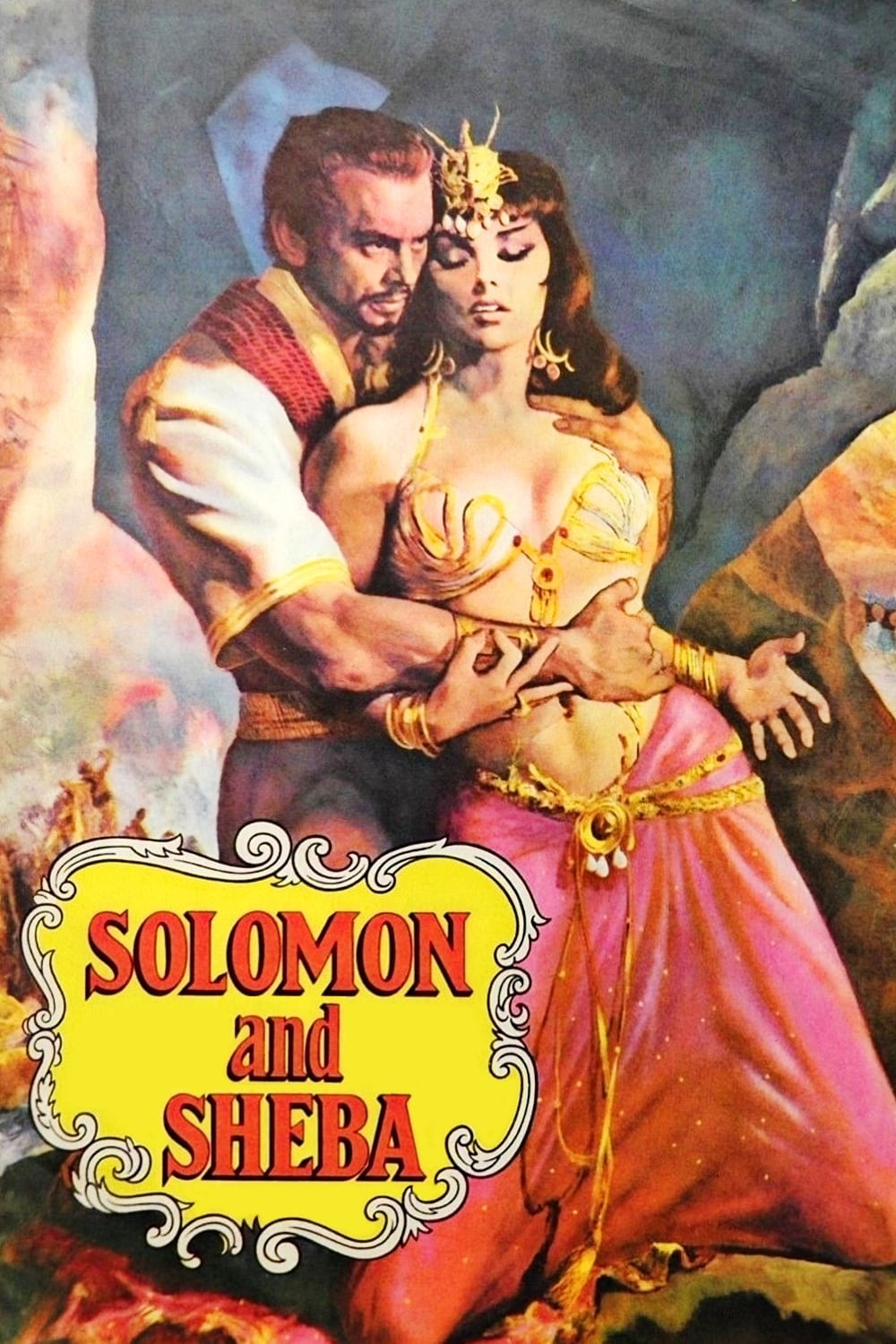
Near death, King David has a vision that his poet son, Solomon, should succeed him, rather than hot-headed Adonijah. Furious, Adonijah departs the court, swearing he will become king. Other rulers are concerned that Solomon's benevolent rule and interest in monotheism will threaten their tyrannical, polytheistic kingdoms. The Queen of Sheba makes an agreement with the Egyptian pharaoh to corrupt Solomon for their mutual benefit.
Egyptians were famed for their extravagant building techniques and extraordinary gods, but what about the ordinary citizens? How did they lead their day to day lives? What did they do for entertainment? Did they believe in their gods? Discover astonishing facts that throw new light on our understanding of the Ancient Egyptians.
Rome was famed for the decadence of its ruling class, however, what about the ordinary citizens of these ancient cultures? How did they lead their day to day lives in an age when the average life expectancy was little more than forty? Did they believe in the Pagan Gods? What were their sex lives like? What did they do for entertainment? How ordinary Romans lived is, for the most part ...
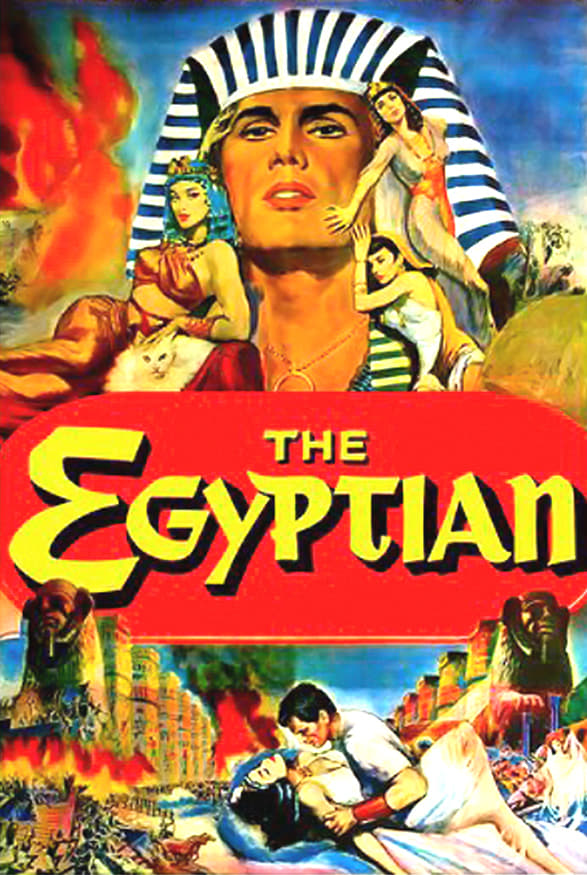
In eighteenth-dynasty Egypt, Sinuhe, a poor orphan, becomes a brilliant physician and with his friend Horemheb is appointed to the service of the new Pharoah. Sinuhe's personal triumphs and tragedies are played against the larger canvas of the turbulent events of the 18th dynasty. As Sinuhe is drawn into court intrigues he learns the answers to the questions he has sought since his birth.
Egypt's Great Pyramid may be humanity's greatest achievement: a skyscraper of stone built without computers or complex machinery. This super-sized tomb has fascinated historians and archaeologists for centuries, but exactly how the ancient Egyptians finished the monument and fitted its two and a half million blocks in a quarter of a century has long remained an enigma. Today the secrets of the pyramid are finally being revealed thanks to a series of new findings. At the foot of the monument, archaeologists are uncovering the last surviving relic of the pharaoh Khufu, whose tomb it is: a huge ceremonial boat buried in flat-pack form for more than 4500 years. It's a clue that points to the important role that ships and water could have played in the pyramids' construction. This documentary follows investigations that reveal how strong the link between pyramids and boats is. It's a story of more than how Egypt built a pyramid: it's about how the pyramid helped build the modern world.
A captured architect designs an ingenious plan to ensure the impregnability of the tomb of a self-absorbed Pharaoh, obsessed with the security of his next life.
The grail is not the gold, nor the books of ancient wisdom, but the 3,000 year old DNA of the mummies, which may lead to a cure for malaria.
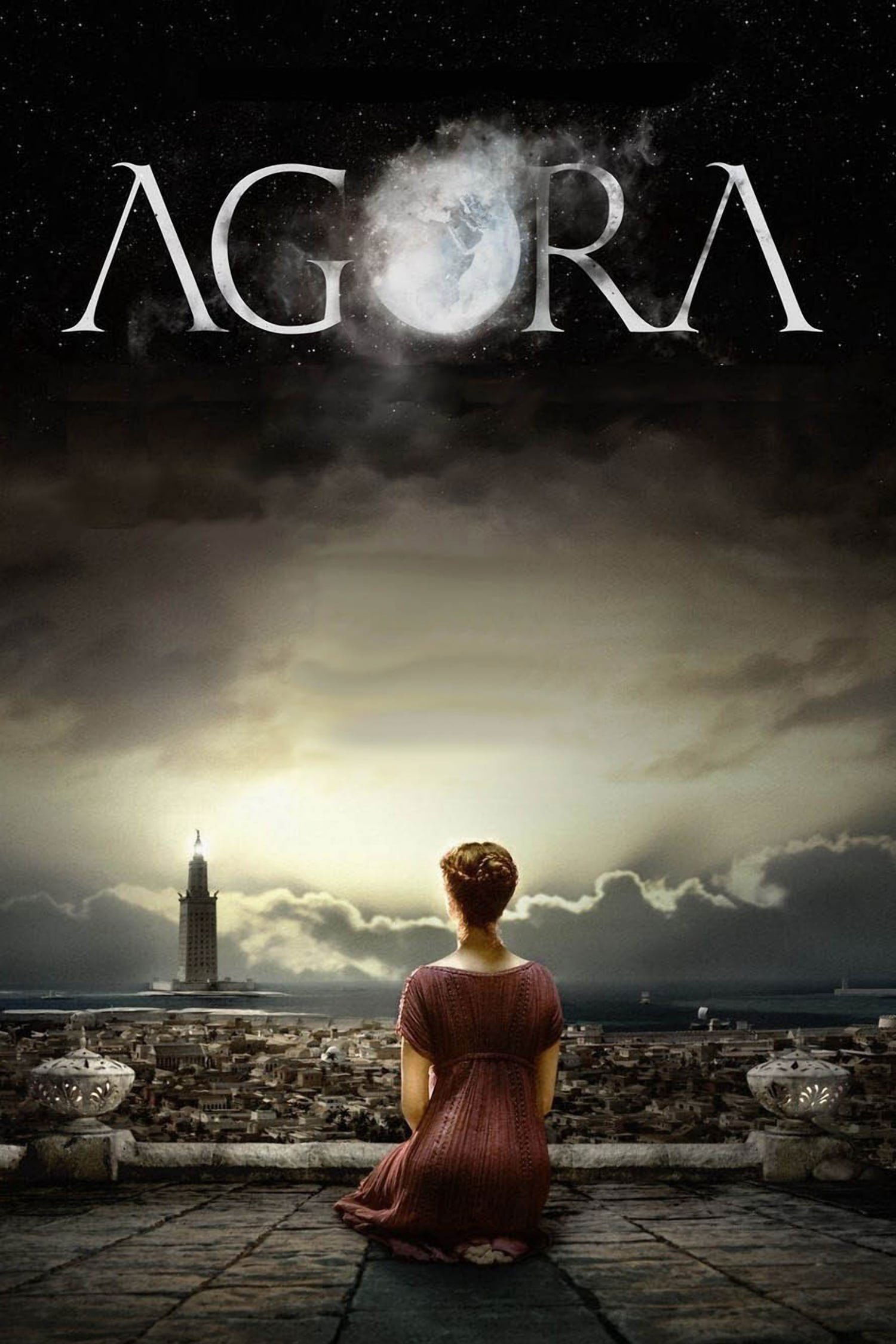
We all know about Alexandria, one of the greatest cities of the classical world, with its great Library and fabled Lighthouse. But Heracleion? A great port and religious centre at the mouth of the Nile, it was mentioned by the likes of Herodotus, but at some point it vanished, and its location became unknown.