An orphaned indigenous girl is taken away to an all white school so that the school can get grant money.
Social & External
Unknown Role
This cinematic VR experience offers insights into the struggles and conflicts of growing up an Indigenous man.
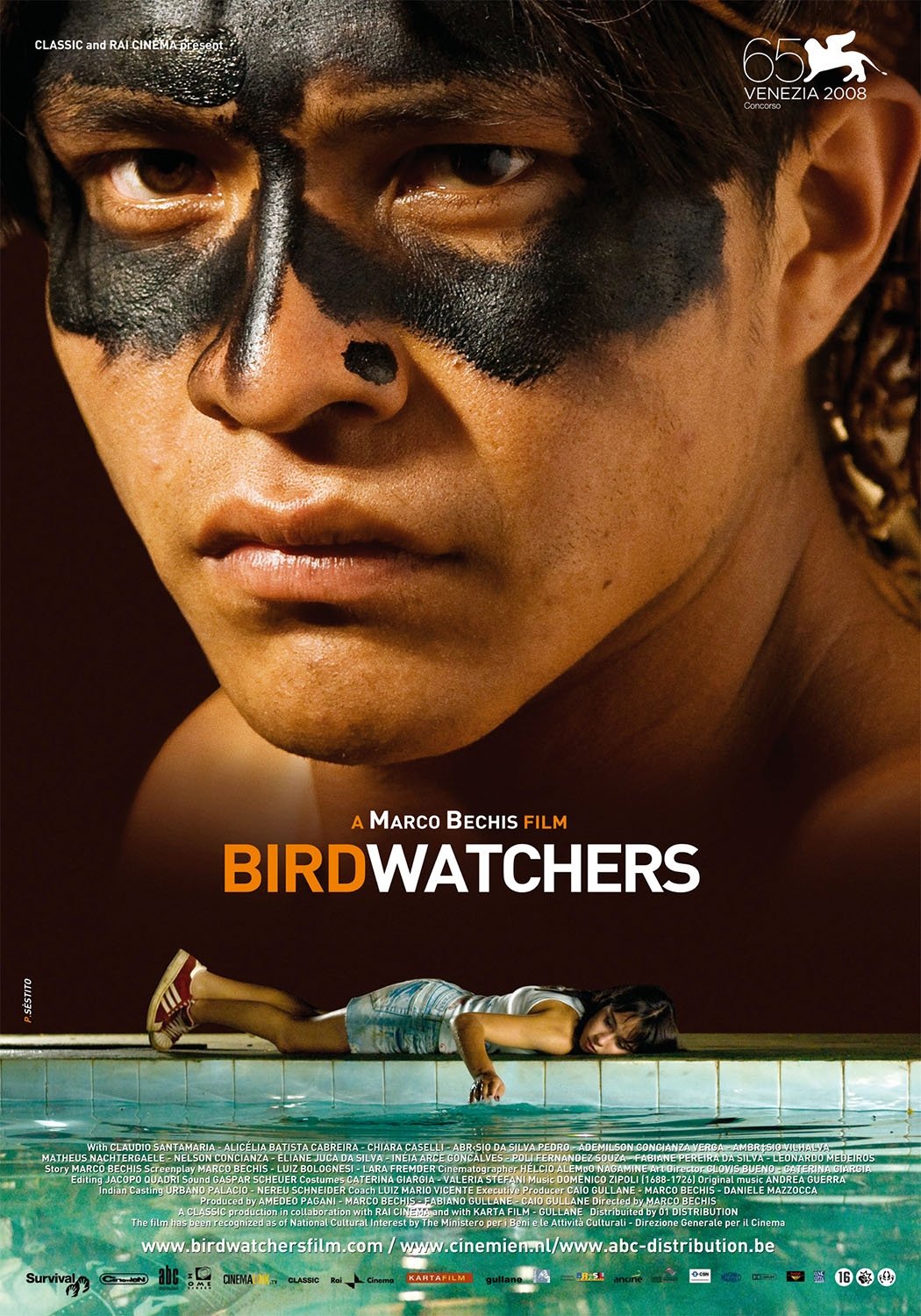
A 13-year-old Indian boy is found unconscious after being attacked in the jungle by the evil spirit Fayu Ujmu. A shaman attempts to ritually tame the spirit and advises the boy’s father to capture it. This story is based on a Chachi Indian legend; it was shot with indigenous inhabitants of the jungle community of Loma Linda, on the Rio Cayapas.
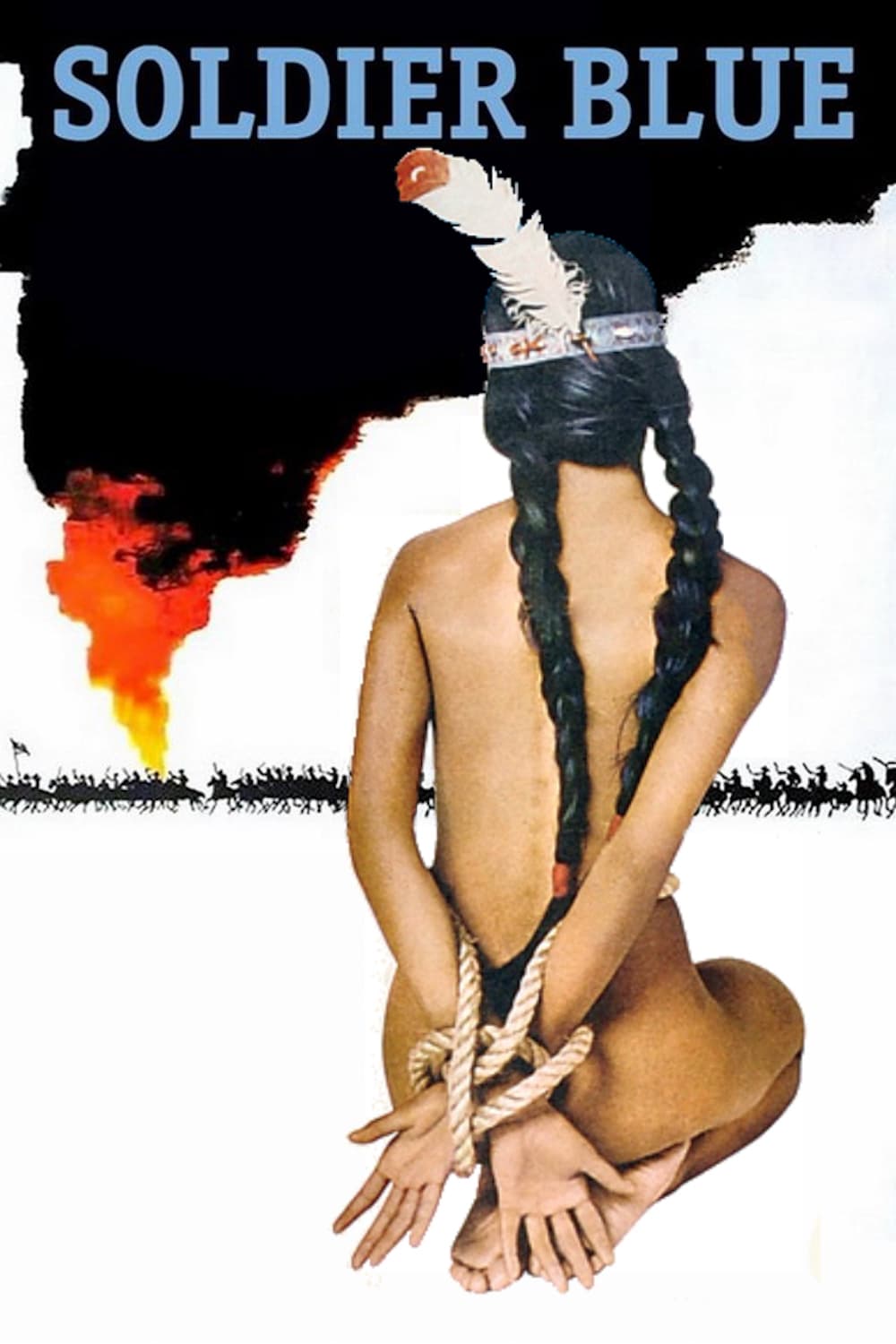
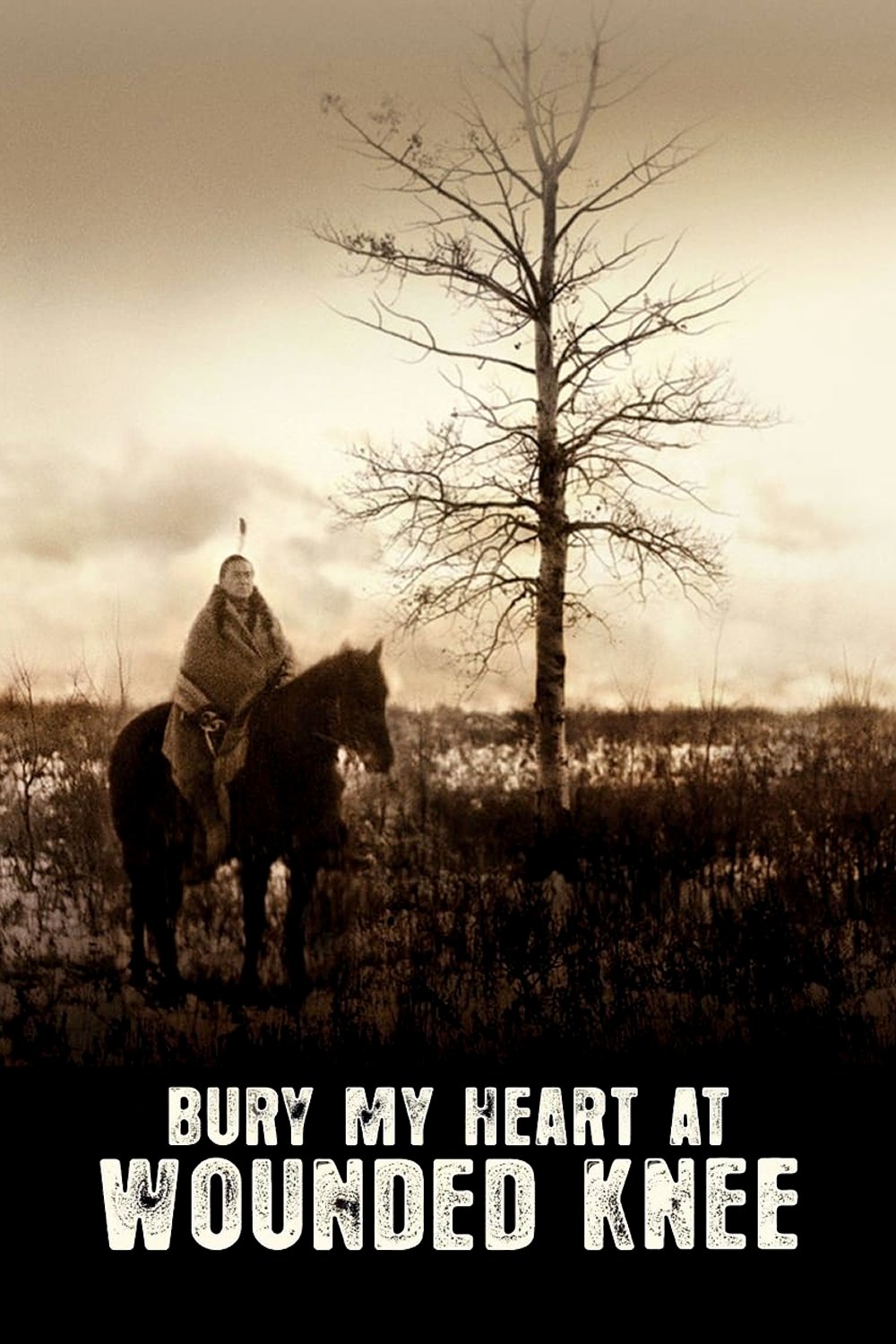
Beginning just after the bloody Sioux victory over General Custer at Little Big Horn, the story is told through two unique perspectives: Charles Eastman, a young, white-educated Sioux doctor held up as living proof of the alleged success of assimilation, and Sitting Bull the proud Lakota chief whose tribe won the American Indians’ last major victory at Little Big Horn.
Mato Grosso do Sul, Brazil, the present. When a young Guarani-Kaiowá woman commits suicide, Nádio leads his community to form a protest camp on the borders of a local farm that sits on their ancestral burial ground.
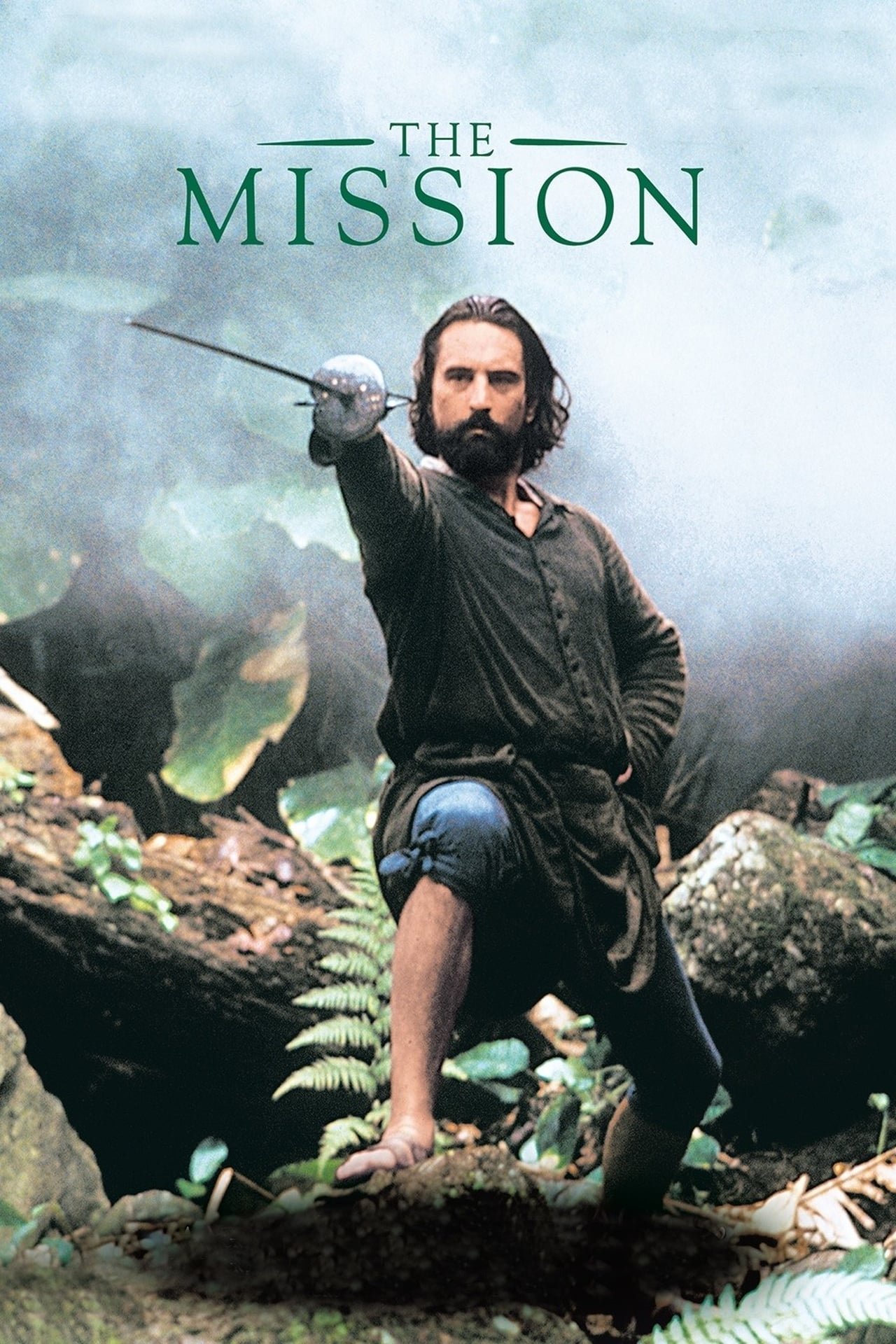
When a Spanish Jesuit goes into the South American wilderness to build a mission in the hope of converting the Indians of the region, a slave hunter is converted and joins his mission. When Spain sells the colony to Portugal, they are forced to defend all they have built against the Portuguese aggressors.
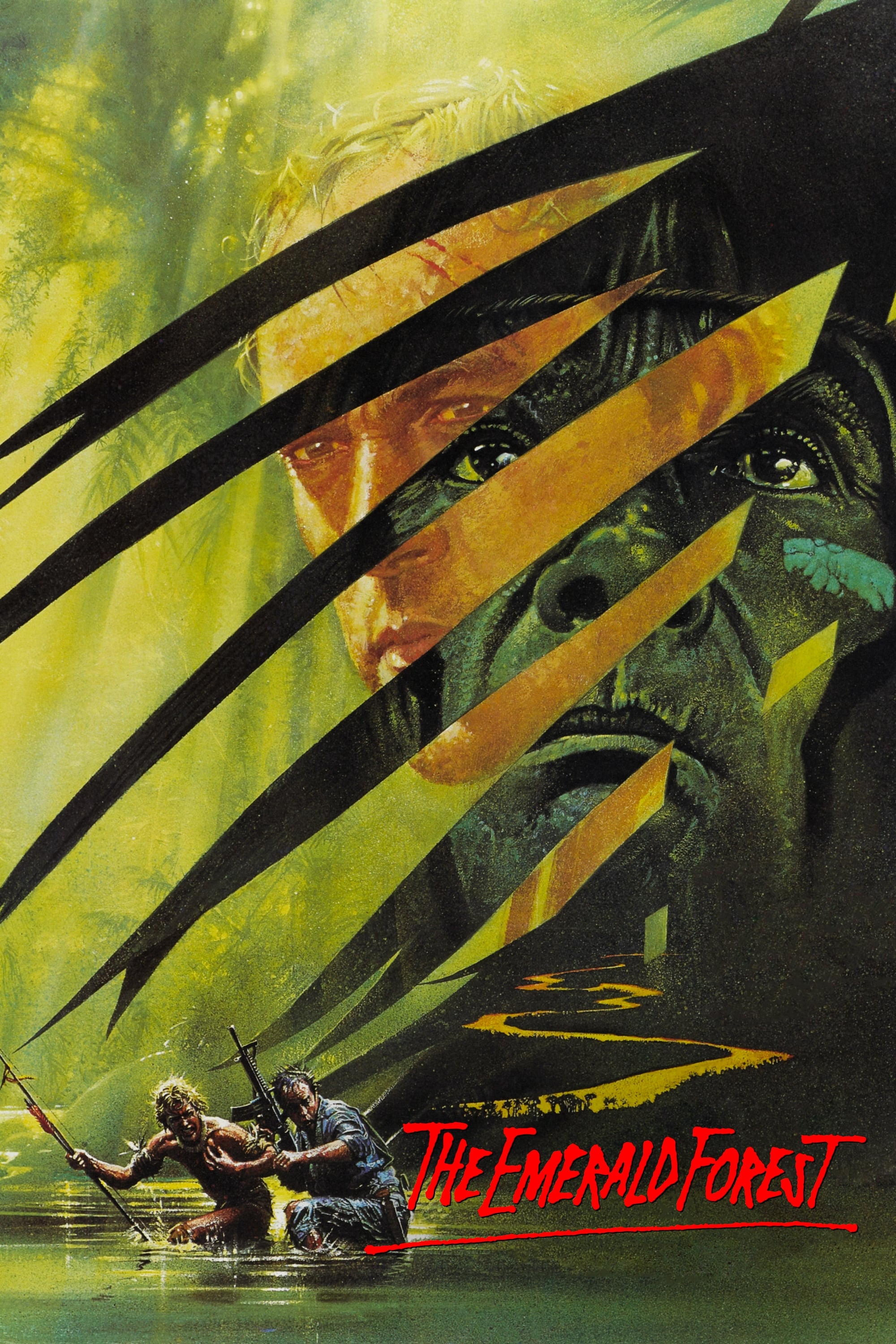
For ten years, engineer Bill Markham has searched tirelessly for his son Tommy who disappeared from the edge of the Brazilian rainforest. Miraculously, he finds the boy living among the reclusive Amazon tribe who adopted him. And that's when Bill's adventure truly begins. For his son is now a grown tribesman who moves skillfully through this beautiful-but-dangerous terrain, fearful only of those who would exploit it. And as Bill attempts to "rescue" him from the savagery of the untamed jungle, Tommy challenges Bill's idea of true civilization and his notions about who needs rescuing.
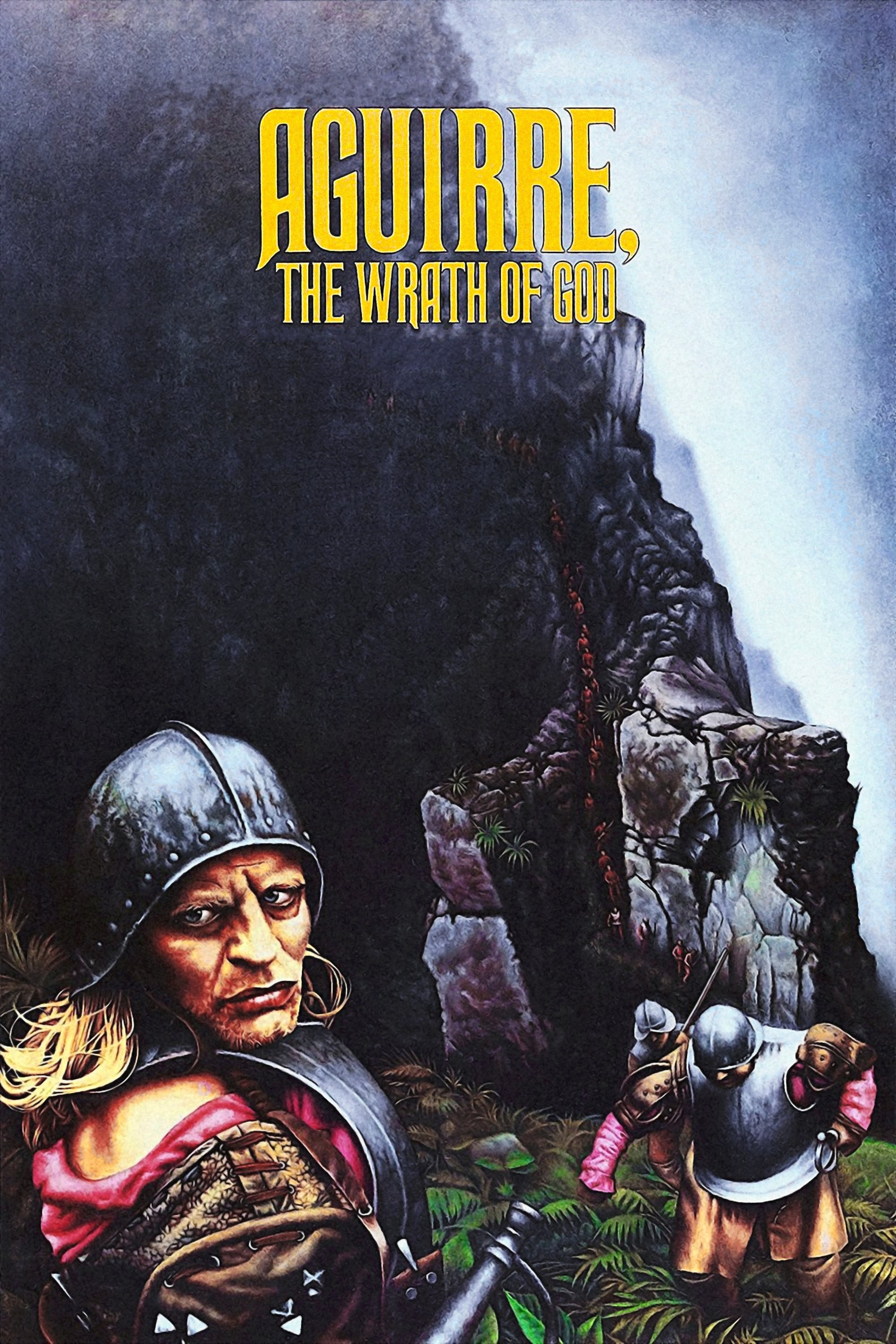
A few decades after the destruction of the Inca Empire, a Spanish expedition led by the infamous Aguirre leaves the mountains of Peru and goes down the Amazon River in search of the lost city of El Dorado. When great difficulties arise, Aguirre’s men start to wonder whether their quest will lead them to prosperity or certain death.

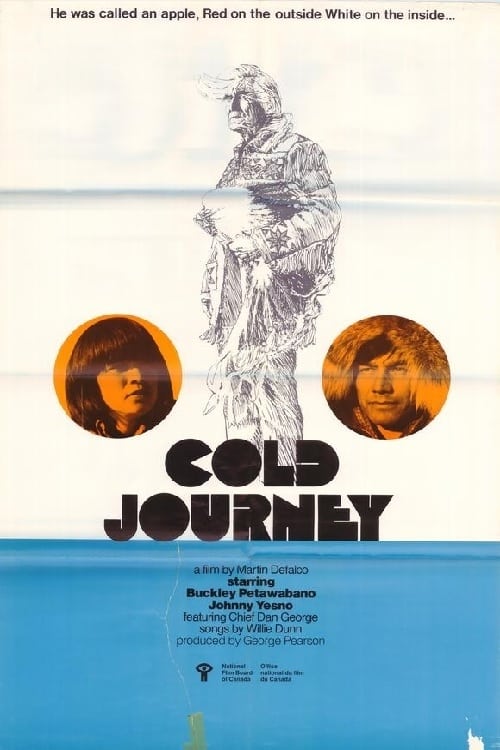
A young indigenous man contracts tuberculosis and is sent to the Charles Camsell Indian Hospital in Edmonton. He struggles with the aftereffects of the illness but tries to move forward and get a job.
After a cavalry group is massacred by the Cheyenne, only two survivors remain: Honus, a naive private devoted to his duty, and Cresta, a young woman who had lived with the Cheyenne two years and whose sympathies lie more with them than with the US government. Together, they must try to reach the cavalry's main base camp. As they travel onward, Honus is torn between his growing affection for Cresta.
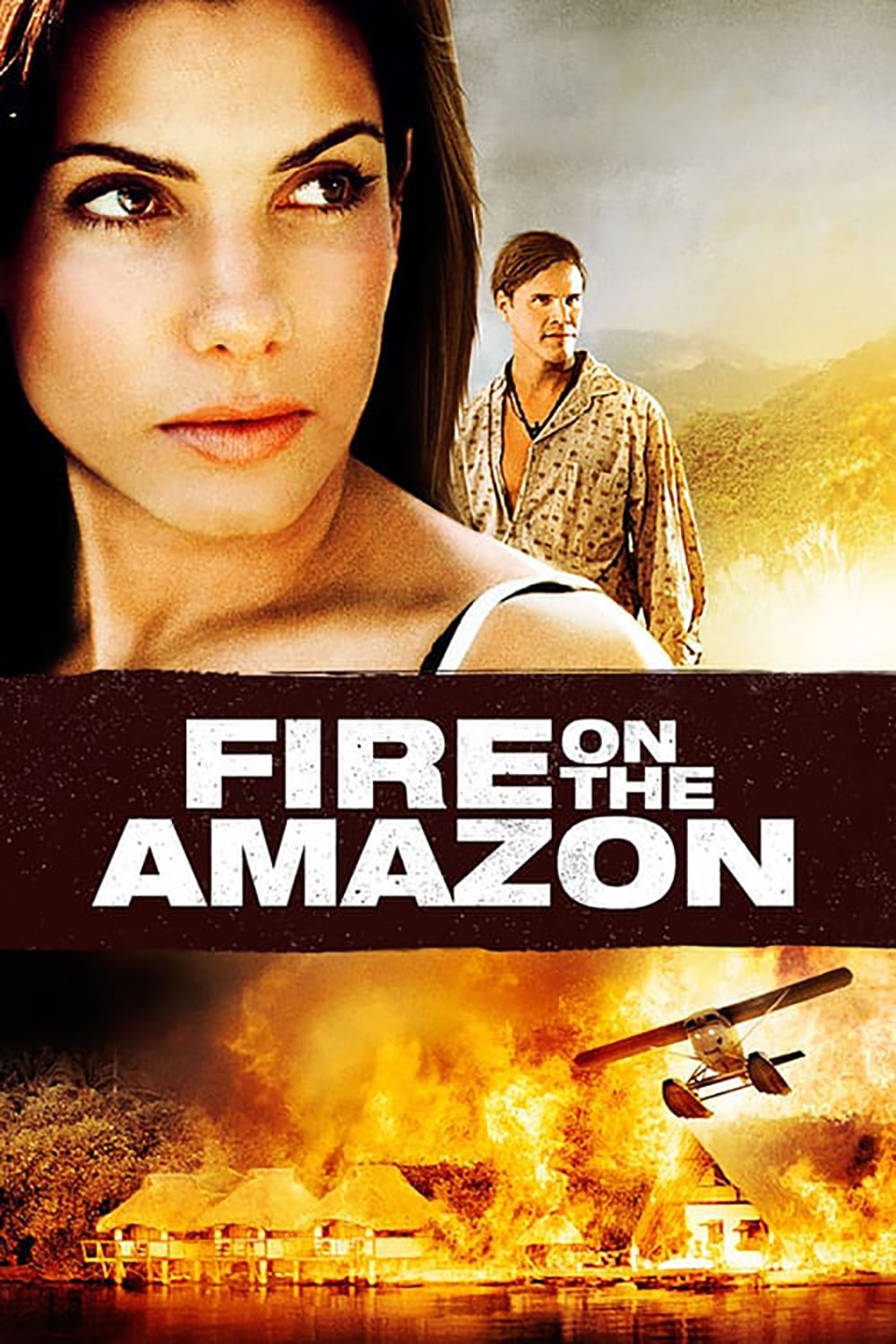
When a well-known environmental researcher is murdered in the Amazon jungle, an arrogant photojournalist joins forces with a beautiful young activist to find out who is responsible. Along they way, they fall in love as they discover the men responsible for the killing would be more than willing to murder again if it will keep them quiet.
Three Kiowa boys attempt to escape a government boarding school in 1891, Oklahoma.
Two Northern Cheyenne men take a road trip from Montana to New Mexico to bail out the sister of one of them who has been framed and arrested in Santa Fe. On the way, they begin to reconnect to their spiritual heritage.
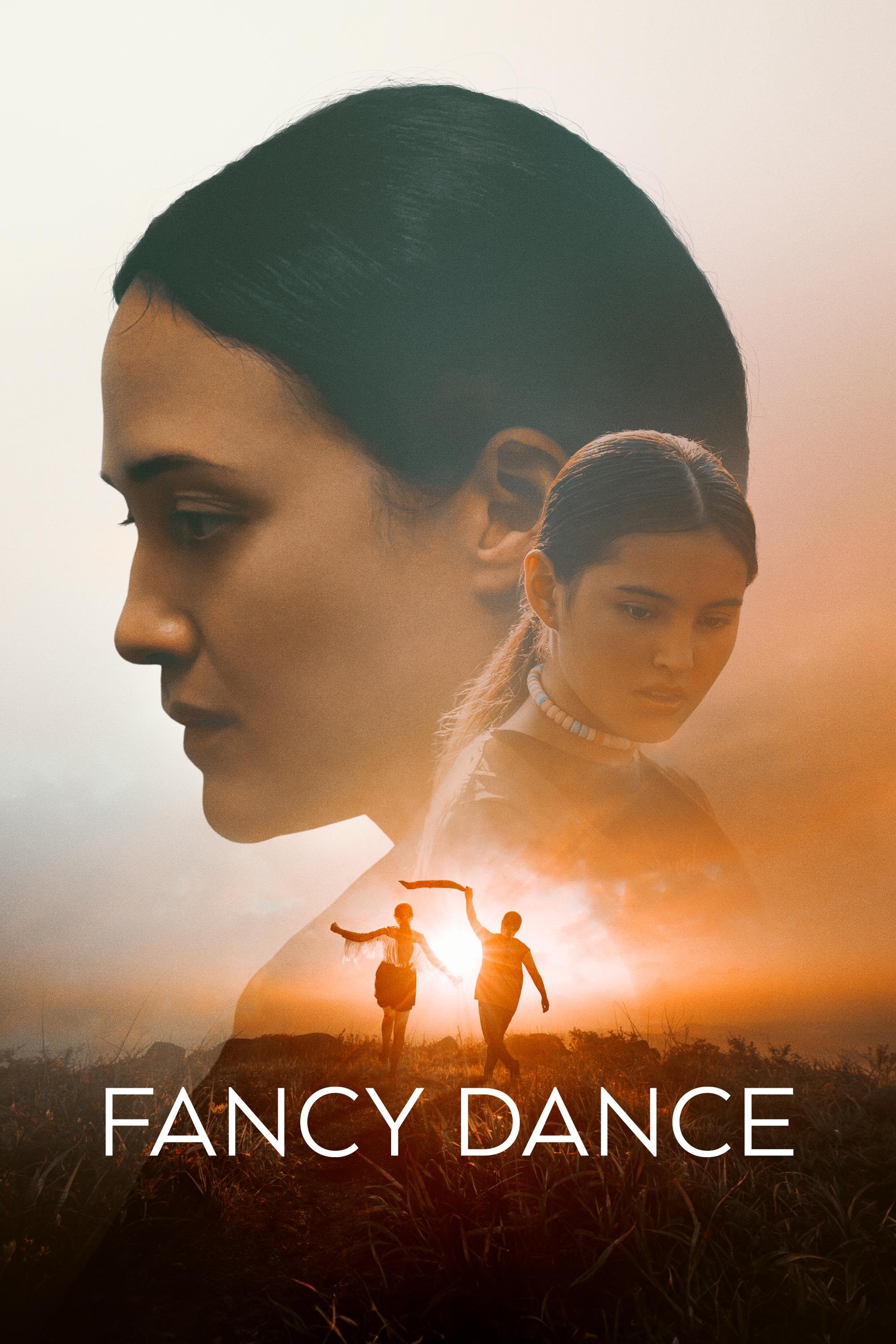
Following her sister's disappearance, Jax and her niece Roki must stick together. Desperate to keep what's left of their family intact, Jax and Roki defy the law and hit the road on a journey to the Grand Nation Powwow in Oklahoma City.
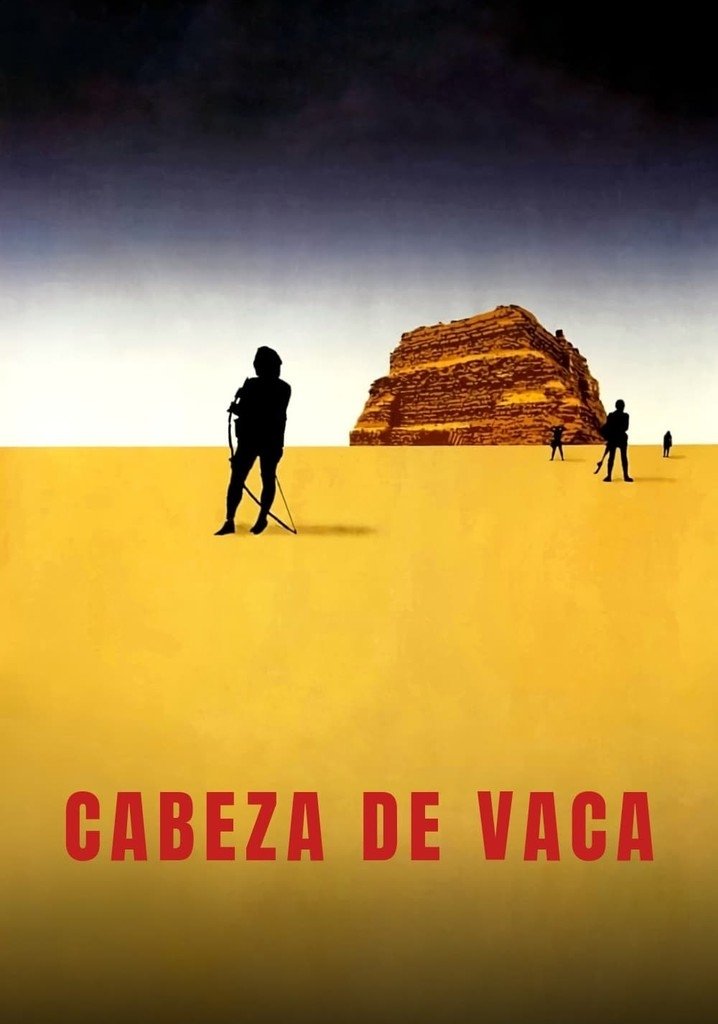
In 1528, a Spanish expedition flounders off the coast of Florida with 600 lives lost. One survivor, Alvar Nunez Cabeza de Vaca, roams across the American continent searching for his Spanish comrades. Instead, he discovers the Iguase, an ancient Indian tribe. Over the next eight years, Cabeza de Vaca learns their mystical and mysterious culture, becoming a healer and a leader. But soon this New World collides with the Old World as Spanish conquistadors seek to enslave the Indians, and Cabeza de Vaca must confront his own people and his past.
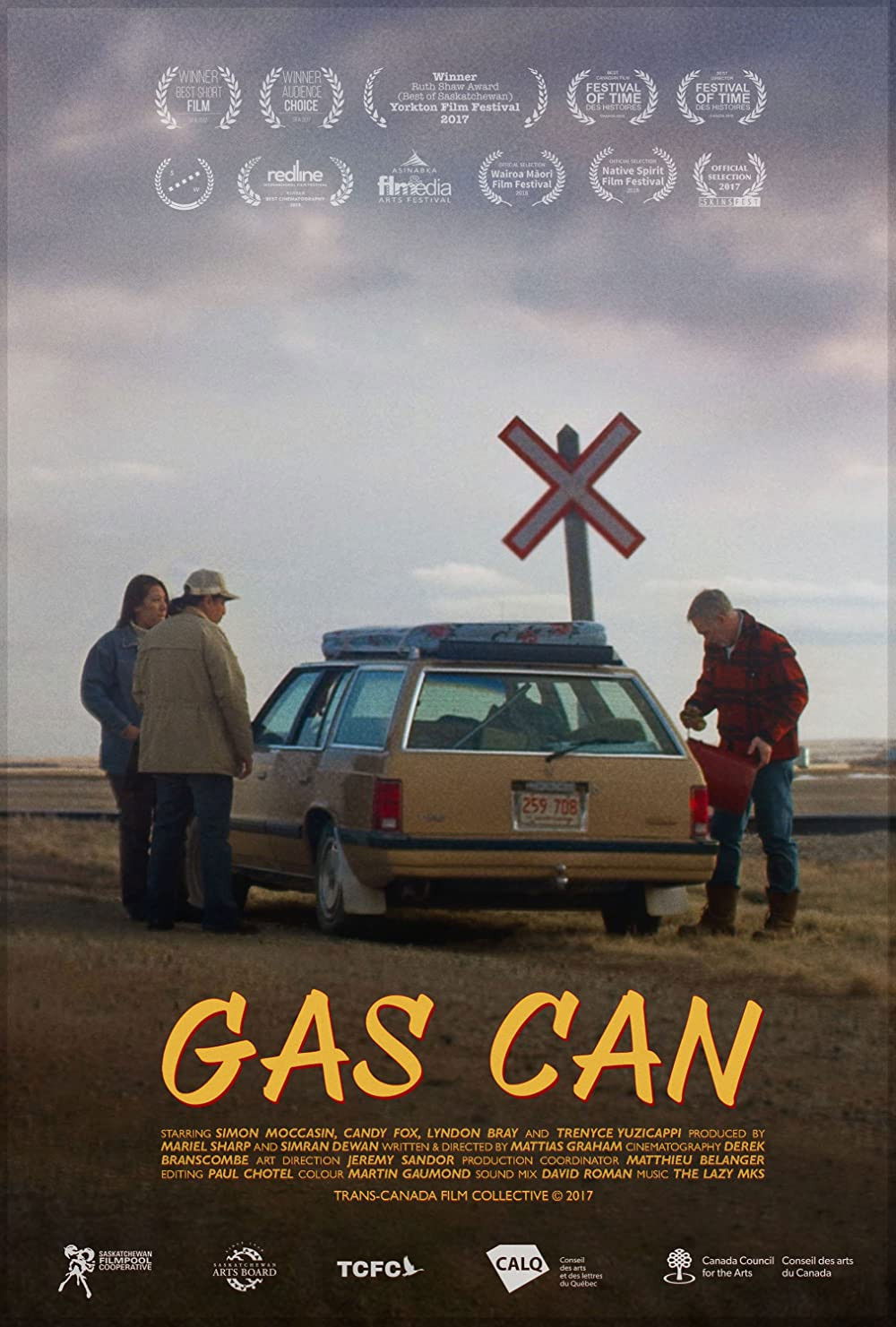
A Cree family in 1970s Saskatchewan must ask an old farmer for help when their car runs out of gas while moving to the city.
A legendary Native American-hating Army captain nearing retirement in 1892 is given one last assignment: to escort a Cheyenne chief and his family through dangerous territory back to his Montana reservation.
An ancient Indian warrior who has reached the end of his life is brought back from his 'death' to save his family from a raiding party of enemy Indians in this unique story of 'Indians without a single cowboy.
A poignant moral dilemma unfolding against lush mountainous landscapes, The Albino’s Trees follows Yuku (Ryohei Matsuoka), an animal control hunter who takes on a lucrative job to kill a rare white deer considered to be a god of the forest by a nearby village. Though Yuku initially steps up to the task in order to support his mother’s medical bills, his will begins to falter as he gets to know the villagers and the reasons behind their difficult choice to live as outsiders.
Eami means ‘forest’ in Ayoreo. It also means ‘world’. The story happens in the Paraguayan Chaco, the territory with the highest deforestation rate in the world. 25,000 hectares of forest are being deforested a month in this territory which would mean an average of 841 hectares a day or 35 hectares per hour. The forest barely lives and this only due to a reserve that the Totobiegosode people achieved in a legal manner. They call Chaidi this place which means ancestral land or the place where we always lived and it is part of the "Ayoreo Totobiegosode Natural and Cultural Heritage". Before this, they had to live through the traumatic situation of leaving the territory behind and surviving a war. It is the story of the Ayoreo Totobiegosode people, told from the point of view of Asoja, a bird-god with the ability to bring an omniscient- temporal gaze, who becomes the narrator of this story developed in a crossing between documentary and fiction.
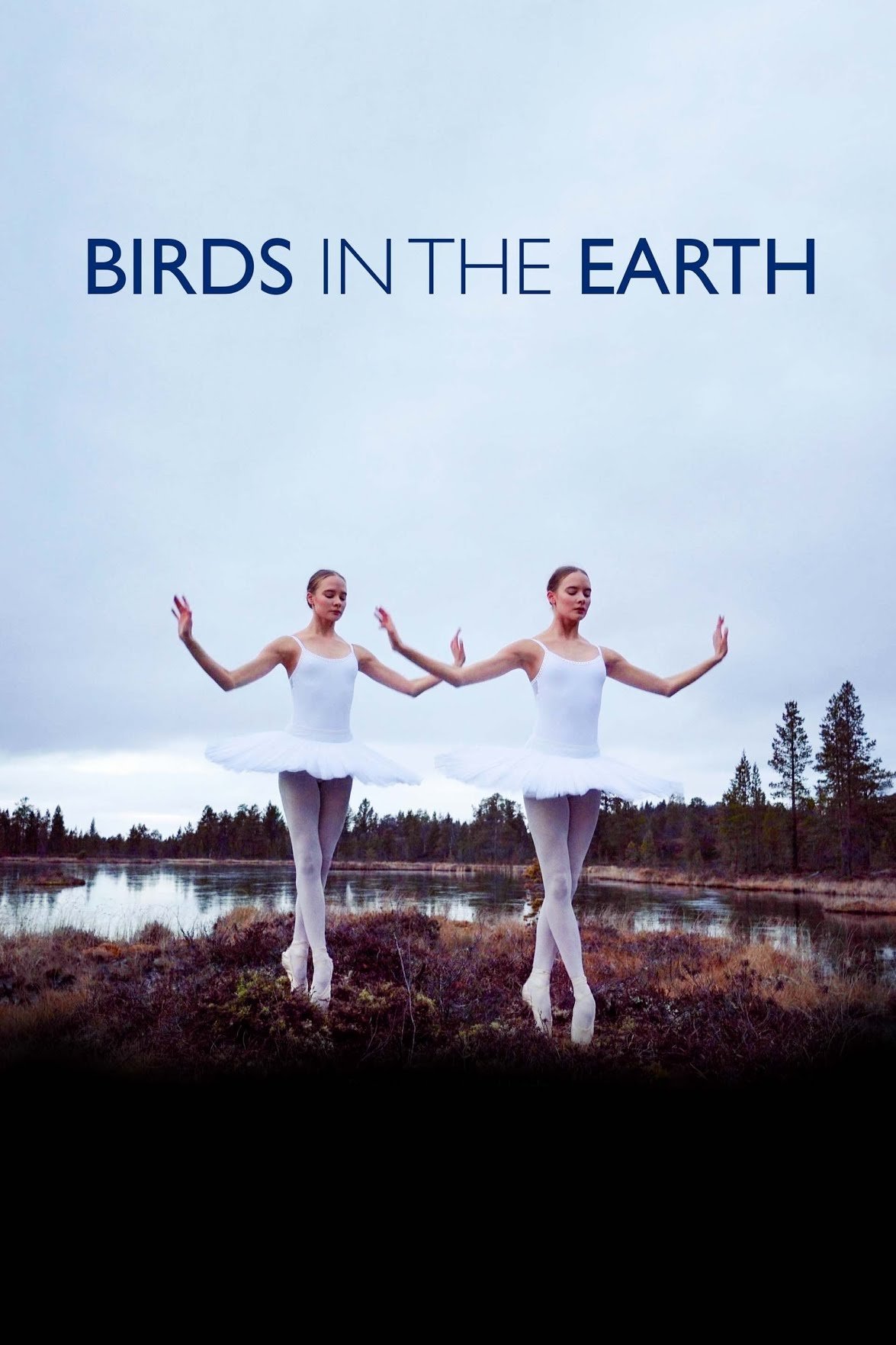
Sami dance students Birit and Katja Haarla dance through the villages and lost woods of Sápmi all the way to where the important decisions are made. The polarity of Nature and the Western way of life is filtered through sharp humour.