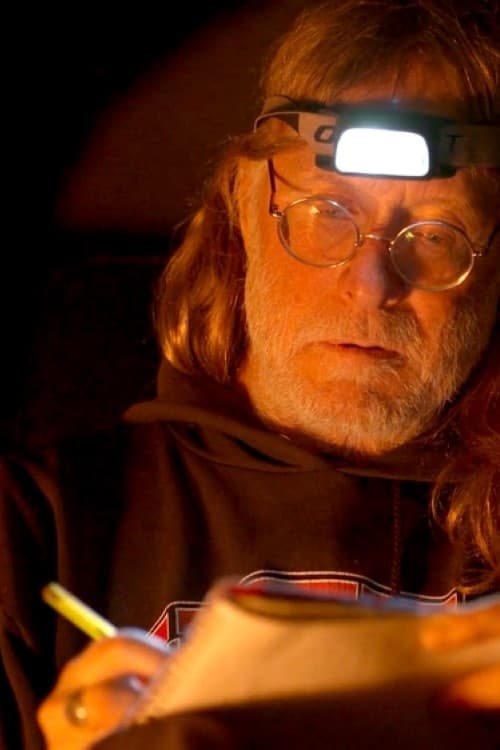
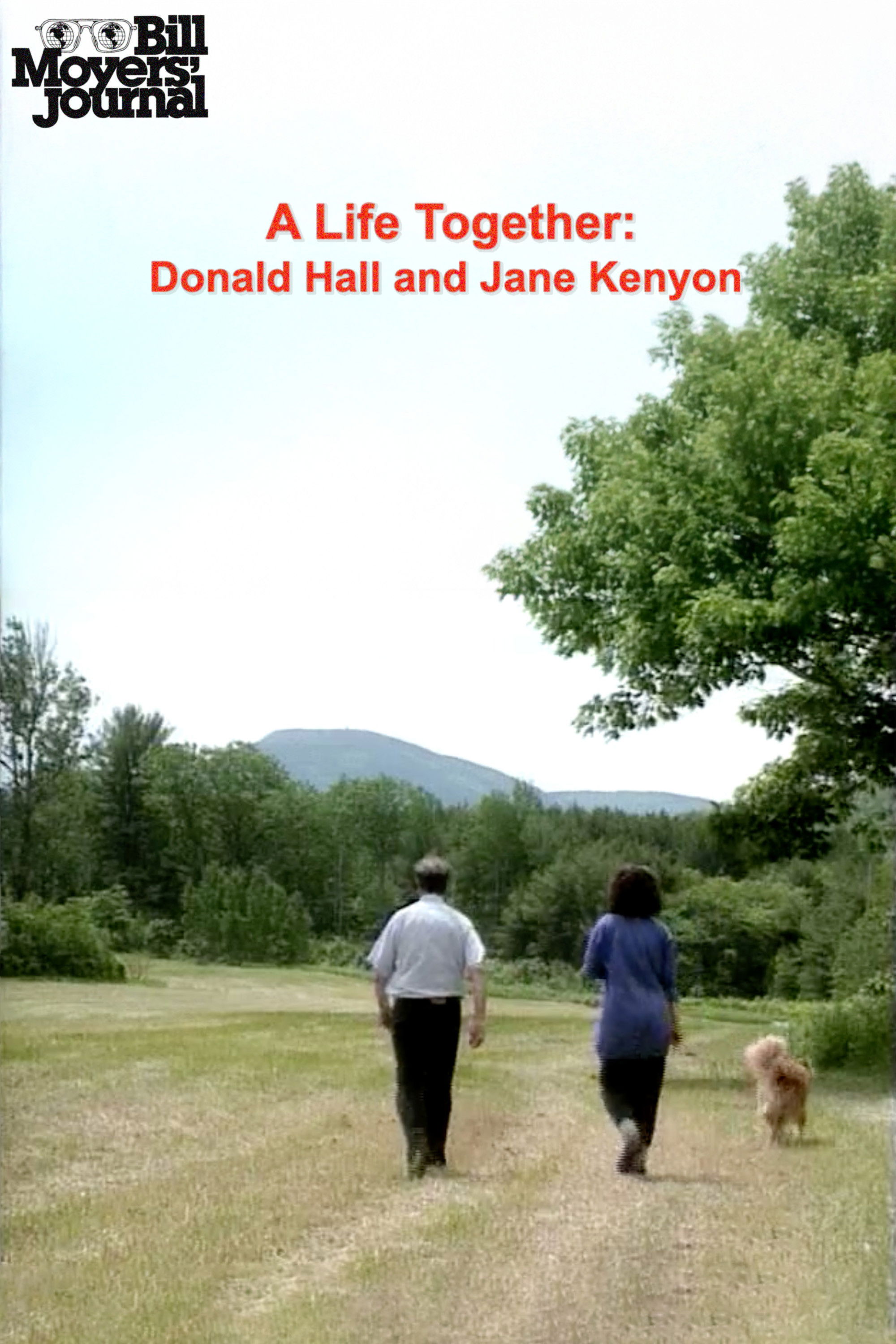
Performance and conversation with husband-and-wife poets Donald Hall and Jane Kenyon at a New Jersey festival, in their Wilmot (N.H.) hometown and their Eagle Pond farmhouse.
Social & External
Self
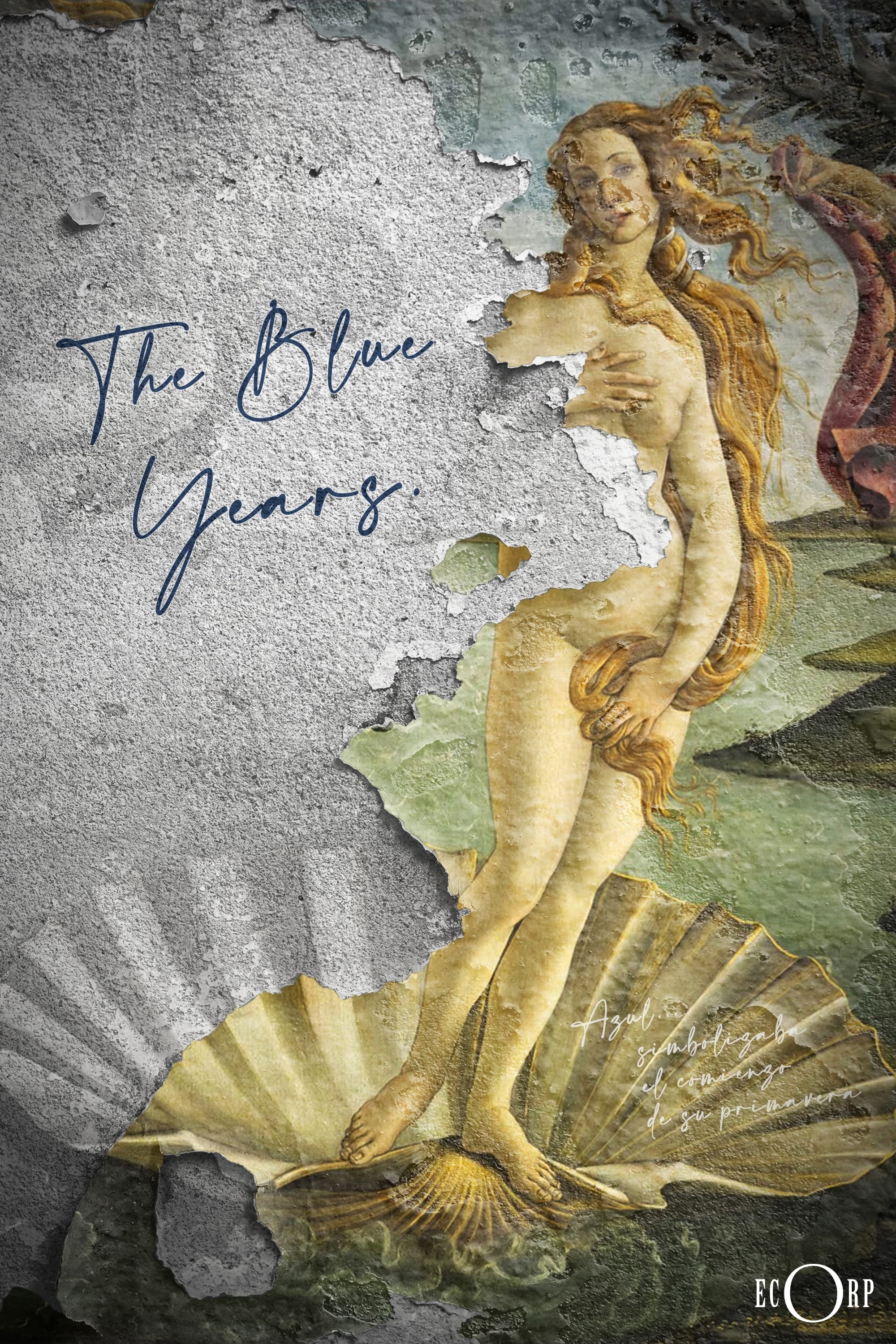
The female breast has been a motif for as long as there has been art. For centuries, people have been creating works that showcase this intimate and emotionally charged part of the body. Today, female artists are questioning traditional ideals of beauty and countering the male-dominated perspective of the breast with their own.
Poetic stroll in the work of Jean Genet.
Romantic art was a response to the social upheavals of the 19th century, as shown by works by its emblematic painters Friedrich, Venetsianov and Delacroix.
A docu-drama depicting the life and work of celebrated North Georgia poet and novelist Byron Herbert Reece.

Following fateful scientific reports, protestors pose the argument for a better future against the vested interest of industry. Small to large, individual to collective, where do I fit into this?
Voices in Wartime is a 2004 documentary that explores the human experience of war through poetry. Combining interviews with soldiers, journalists, and historians, it reveals how war affects individuals and societies across time and place. The film features poets from around the world – from Homer and Wilfred Owen to Shoda Shinoe and modern writers in Iraq and Nigeria – showing how poetry expresses the pain, trauma, and truth of conflict. By linking verse with real-life accounts, Voices in Wartime highlights how poetry helps us understand the emotional and moral impact of war.
On October 1, 2013, the elusive street artist Banksy launched a month-long residency in New York, an art show he called Better Out Than In. As one new work of art was presented each day in a secret location, a group of fans, called “Banksy Hunters,” took to the streets and blew up social media.
Jean Sénac, born in Béni Saf in Algeria in 1926 and died in Algiers in 1973, is today considered one of the great French writers and poets and the only one of his reputation to have accompanied the Algerian revolution before November 1954. part of all the debates and got involved, very early and with immense enthusiasm, in a work of commitment which ended badly. His poetry, his sexual preferences and his political lyricism work against him: rejected as much by the Pieds Noirs as by the FLN activists then by the power in place in Algiers, Jean Sénac was assassinated in 1973 at his home in Algiers, in circumstances never clarified.
About Jösta Hagelbäck (1945-2009), Swedish film director, writer, poet, musician, actor etc. A human bipolar mixture of genius and madman. Invited to Hollywood, had an artistic hit with the film "Kejsaren/The Emperor" (1979) at the Berlin Film Festival.
Cacaso, a Brazilian poet, lived in Rio de Janeiro. Born Antonio Carlos de Brito (1944-1987) he was one of the leaders of the marginal poetry movement. Cacaso filled notebooks not only with poems but reflections, drawings and collages. He also became a lyricist and partner of celebrated songwriters such as Tom Jobim, Edu Lobo, Toninho Horta, João Donato and Sivuca.
Once described by the press as "one of the most controversial figures on the Australian art scene", avant-garde poet and playwright Christopher Barnett achieved a level of notoriety in the Melbourne underground theatre scene during the ‘70s and ‘80s, before self-exiling to France. He remains there today, running an experimental theatre lab working with the marginalised and underprivileged, applauded by the establishment (including former French Prime Minister Jean-Marc Ayrault) and faithful to his belief that art can change the world. These Heathen Dreams is an intimate portrait of Barnett's life and revolutionary philosophy. Combining archival footage dating back to the ‘60s with contemporary observational documentation and text from Barnett's writings, it is a poignant and inspiring study of the power of both art and political activism.
Filmed on location in Montana and Washington State, this 1976 biography of poet and teacher Richard Hugo features readings of some of his most famous poems as well as interviews with his family and friends.
Yesterday, today, tomorrow. The days pass, and so does life. Watching the waves to come and go, Laurence compiles sharp fragments of her life. This is an intimate and delicate portrait of a woman, who after all the struggles knows when the most important of all days is.
It's a sensitive, moving doc chronicling the life of Tétrault's brother Philip , a Montreal poet, musician and diagnosed paranoid schizophrenic. A promising athlete as a child, Philip began experiencing mood swings in his early 20s. His extended family, including his daughter, share their conflicted feelings love, guilt, shame, anger with the camera. They want to make sure he's safe, but how much can they take?
Using the author's personal estate, current images of places where she lived or were dear to her, and archival images of television and film; using parts of her prose and poetry always with first-person testimonies; from Porto to Lisbon, from Granja to Lagos, from the Atlantic Sea to the Mediterranean, from Greece to 25 April: the passions and disappointments of a life and work dedicated to the search for the real, freedom and justice.
Everyone thinks that Bob Kane created Batman, but that’s not the whole truth. One author makes it his crusade to make it known that Bill Finger, a struggling writer, actually helped invent the iconic superhero, from concept to costume to the very character we all know and love. Bruce Wayne may be Batman’s secret identity, but his creator was always a true mystery.
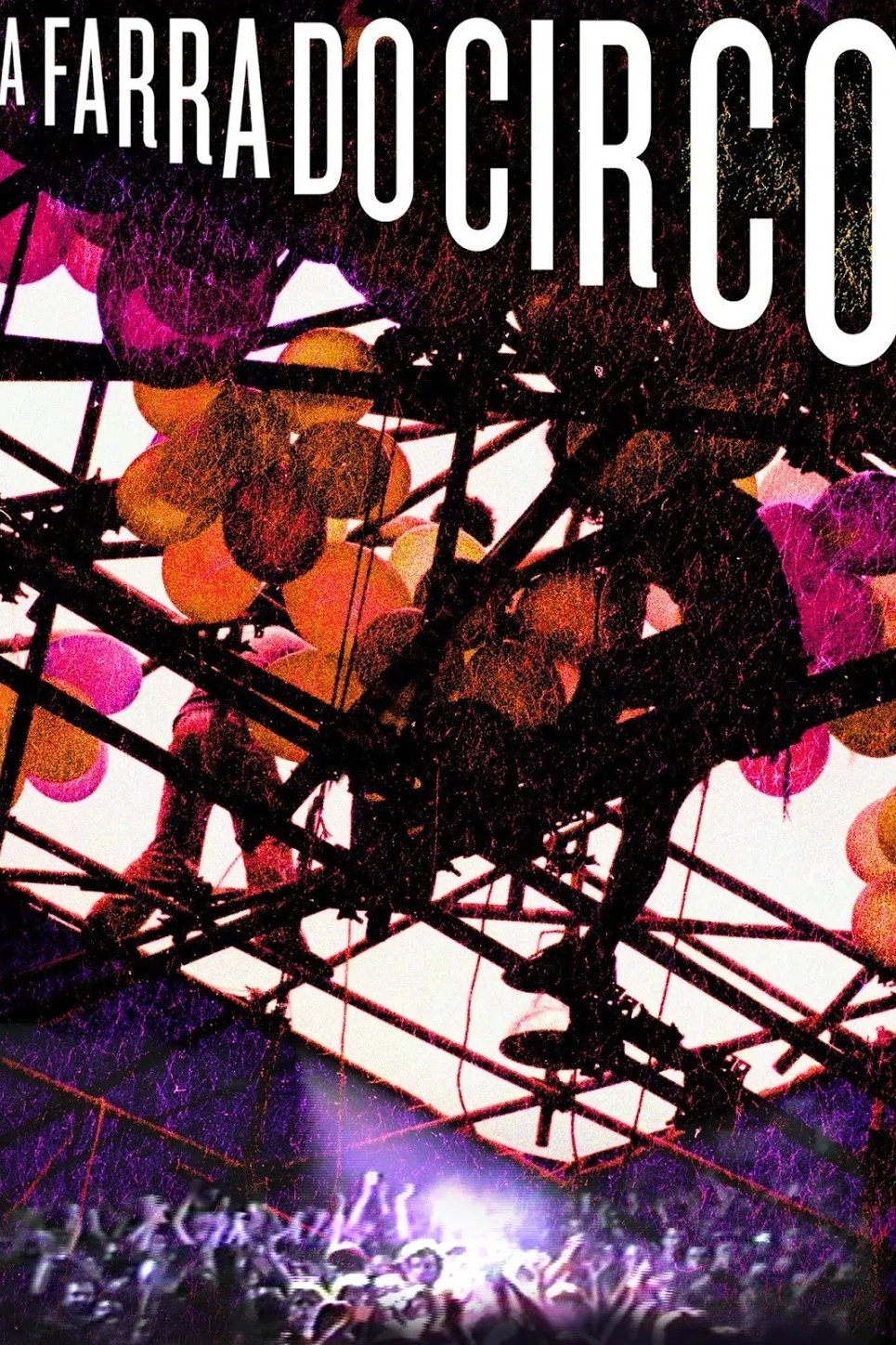
This documentary highlights the evolution of Brazil's Circo Voador venue from homespun artists' performance space to national cultural institution.
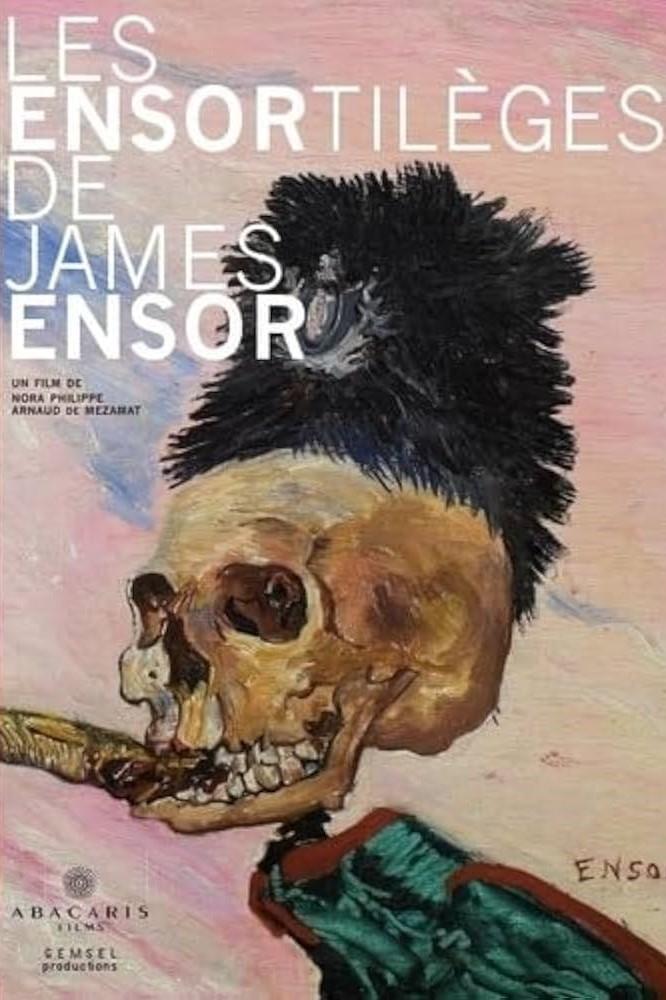
This film explains what James Ensor (1860-1949) meant for the development of art and makes palpable where he got his inspiration from.