Social & External
The people behind it
Georges Vinter
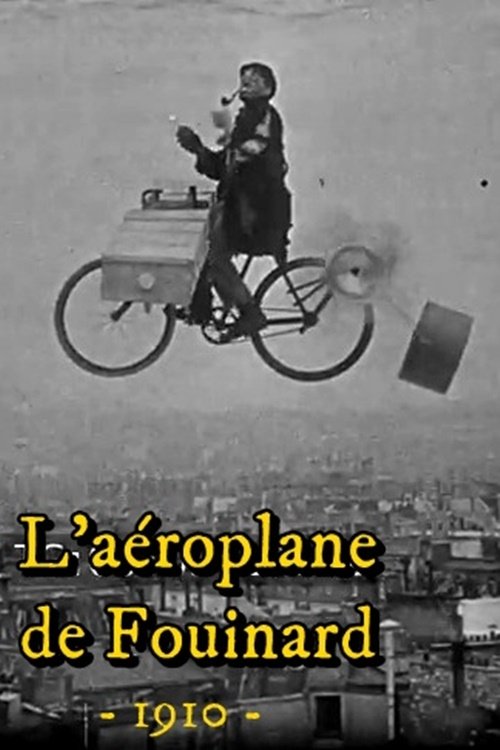
Fouinard
Abraham Cadabra, an unconfident young man buys a magic book and top hat in the hope of using magic to impress the girl of his dreams, Penelope Predicament. However, when he meets her for a date, he discovers that his rival, Jock Strong has beaten him to it. Abraham tries to use magic to win Penelope over, but magic may not be the solution.
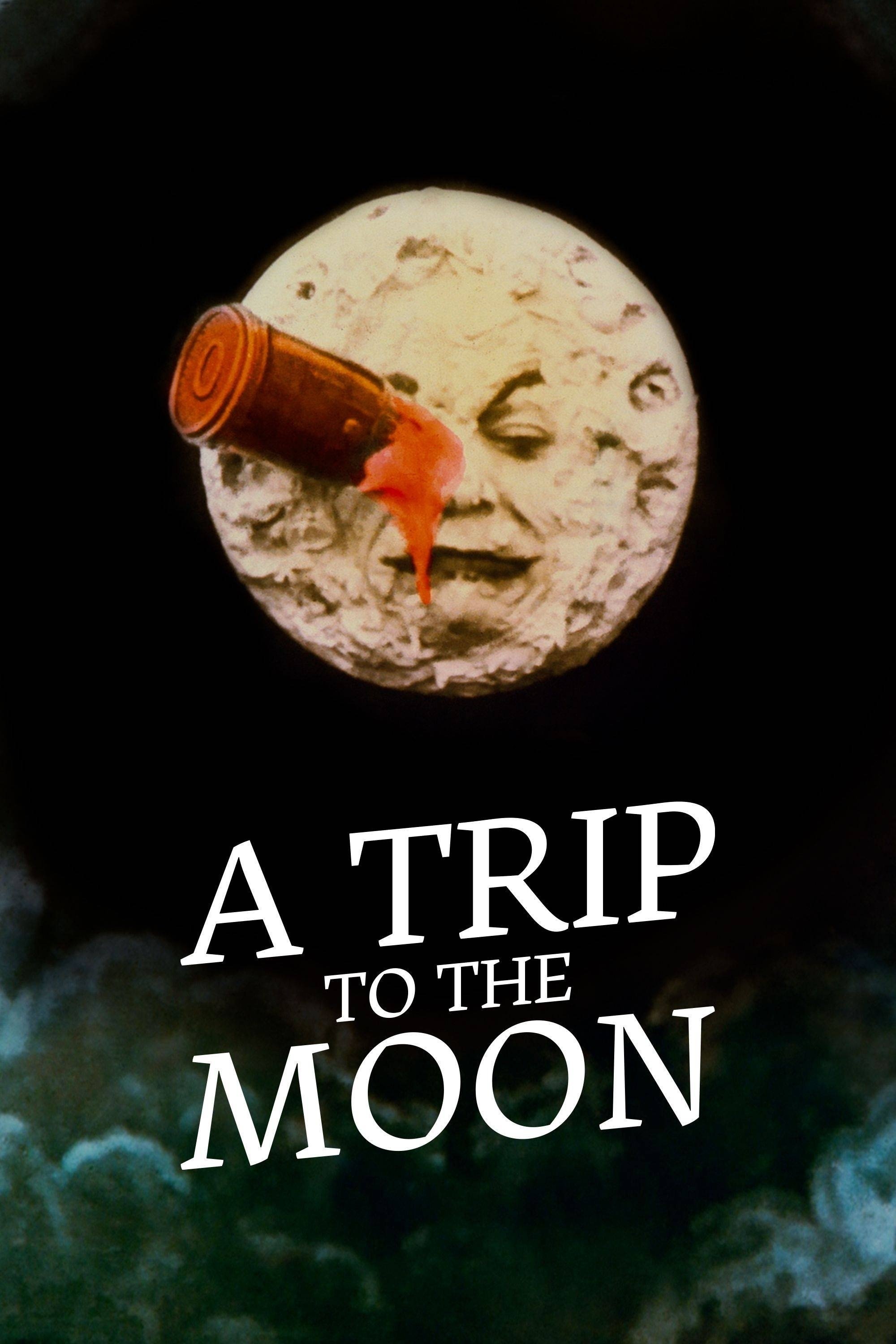
Professor Barbenfouillis and five of his colleagues from the Academy of Astronomy travel to the Moon aboard a rocket propelled by a giant cannon. Once on the lunar surface, the bold explorers face the many perils hidden in the caves of the mysterious planet.
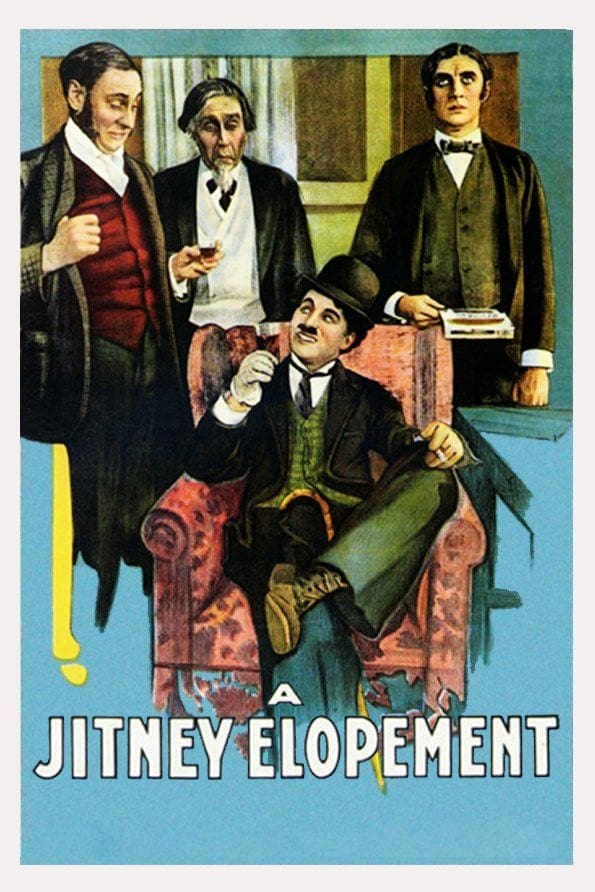
A club man's country jaunt with friends leads to a breach of promise suit by a landlady.
A henpeck man inherits a fortune and starts a club for women-haters.
The frothy experiences of a vain little flapper. Her father induces an actor friend to become a gentlemanly cave man and the film becomes another variation of the 'Taming of the Shrew' theme.
Joe and Eve are engaged, but Joe cannot help contrasting the drabness of her attire with the dressy clothes of their friends. Eve overhears him talking of this and breaks with him. Then, with the help of her friend, Mazie, she metamorphoses into a ravishing beauty. Joe is remorseful, but the situation is made more complex when he suspects Eve of questionable relations with her boss.
An unemployed man, who dreams of living it large, finds a rich man drunk and lying in the sewer. Things take a turn when he imprisons him and takes his identity to get a taste of his lifestyle.
The Smith's visit San Francisco to attend a horse show only to have their precocious daughter cause some minor comical mishaps and their over-sized canine refusing to obey commands.
Buster clowns around in a blacksmith's shop until he and the smithy get in a fight which sends the smithy to jail. Buster helps several customers with horses, then destroys a Rolls Royce while fixing the car parked next to it.
Walking along with his bulldog, Charlie finds a "good luck" horseshoe just as he passes a training camp advertising for a boxing partner "who can take a beating." After watching others lose, Charlie puts the horseshoe in his glove and wins. The trainer prepares Charlie to fight the world champion. A gambler wants Charlie to throw the fight. He and the trainer's daughter fall in love.
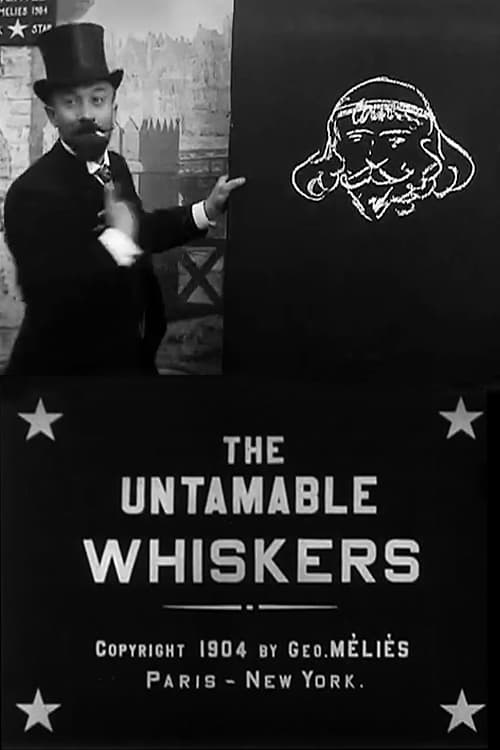
The background of this picture represents a scene along the beautiful river Seine in Paris. A gentleman enters, and taking a blackboard from the side of the picture, he draws on it a sketch of a novelist. Then, standing in the centre, he causes the living features of his sketch to appear in the place of his own, which is utterly devoid of whiskers. The change is made so mysteriously that the eye cannot notice it until one sees quite another person in the place of the first. Again another sketch is shown on the board, this one being that of a miser; then an English cockney; a comic character; a French policeman, and last of all, the grinning visage of Mephistopheles. It is almost impossible to give this film a more definite description; suffice it to say that it is something entirely new in motion pictures and is sure to please. (Méliès Catalog)
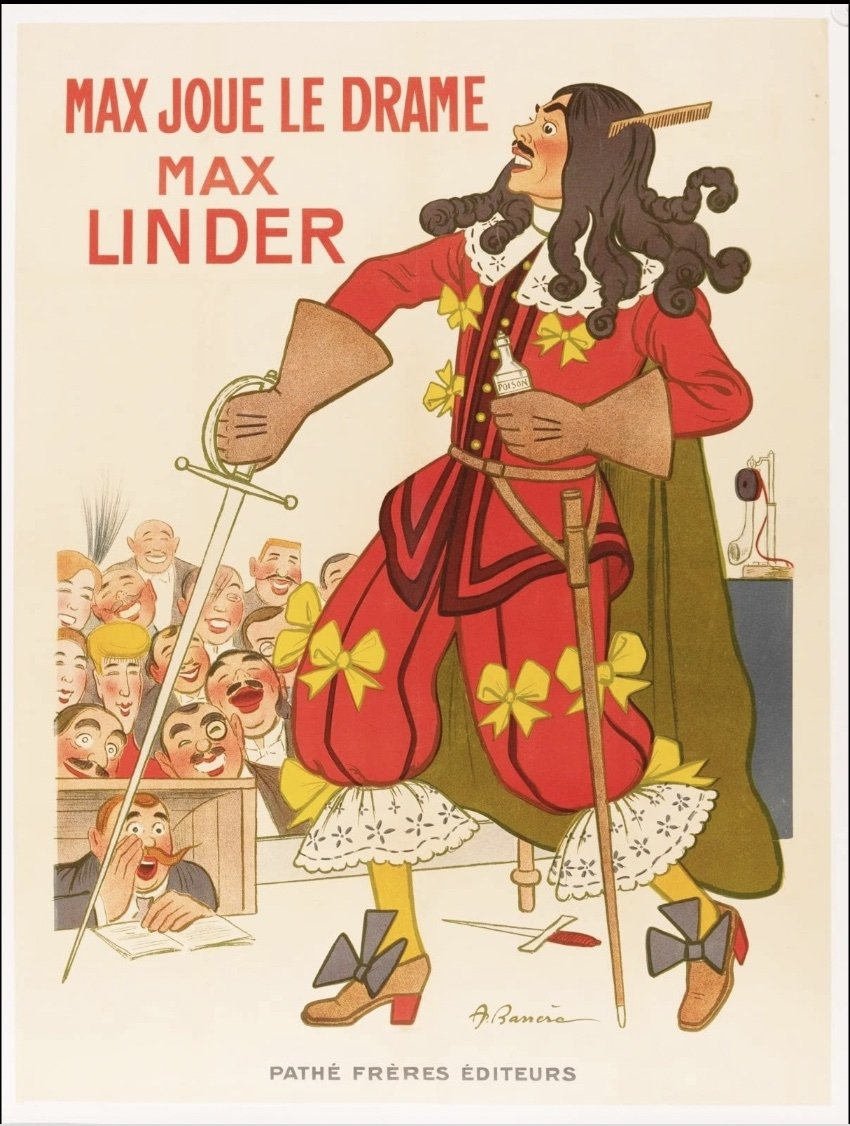
When Max's friends doubt his acting ability, he invites them to a dramatic theatrical performance.
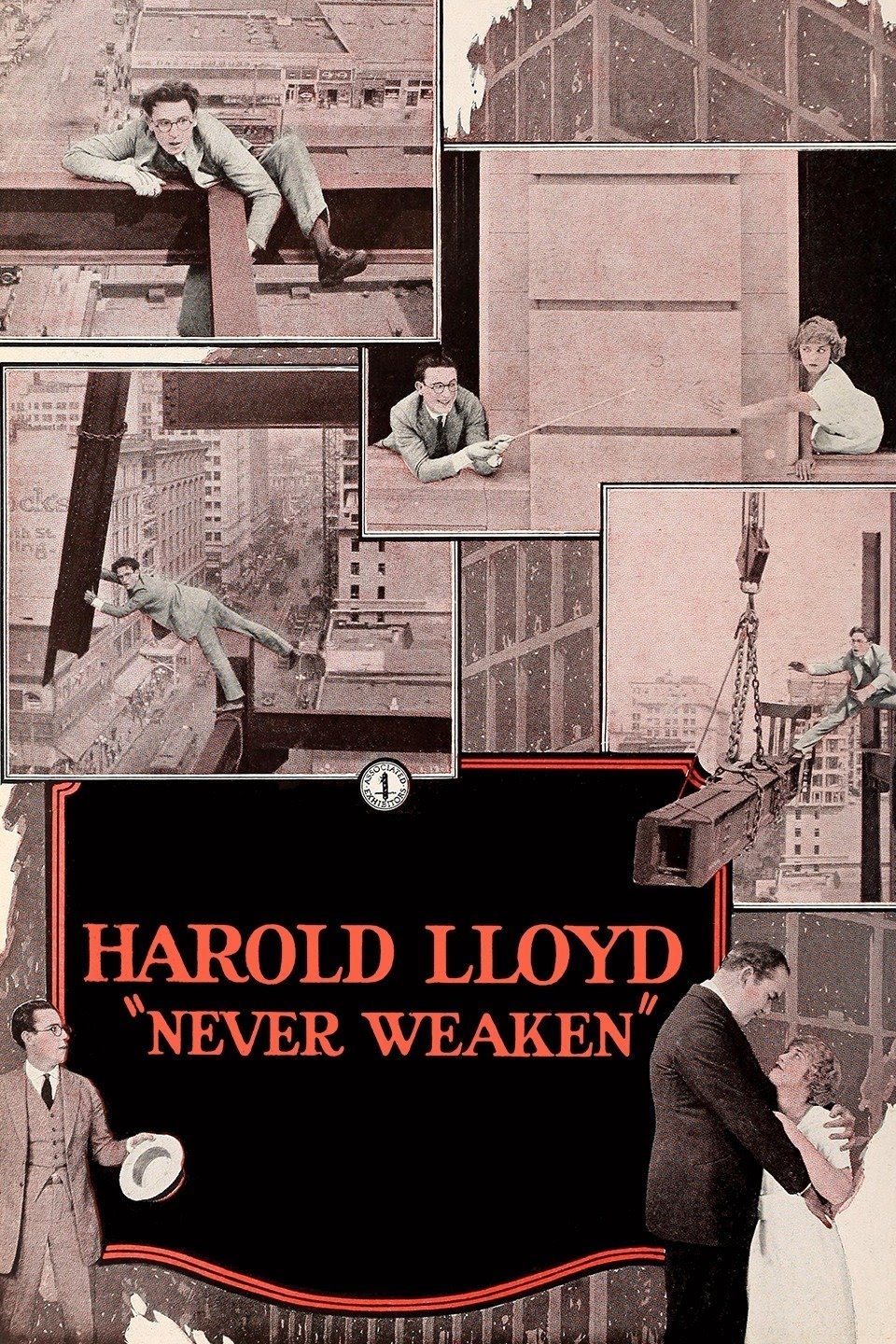
A young man schemes to drum up business for his girlfriend's employer but after seeing her being intimate with another man, he attempts to commit suicide.
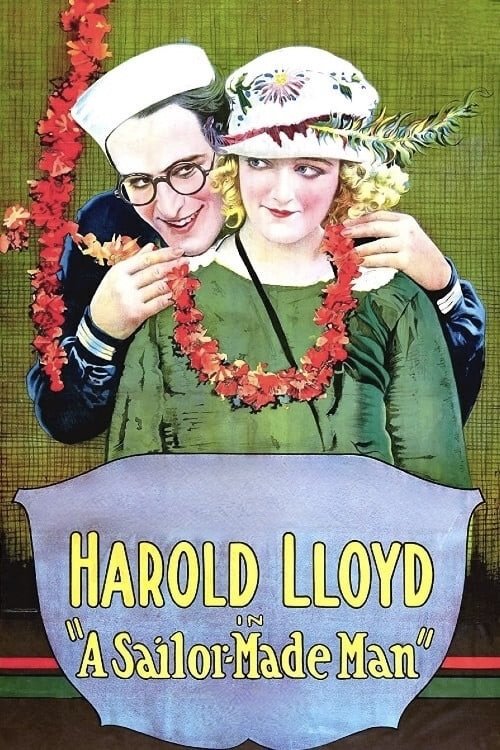
An idle, wealthy playboy foolishly joins the Navy when the father of the girl he wants to marry tells him to get a job to prove himself worthy.
While at an amusement park, trying vainly to forget the girl he has lost, a young man sees the girl with her new boyfriend. When her dog gets loose in the park, both suitors have to help her catch it. Then, the girl's uncle, a balloonist, gives her a pass for two in his balloon, provided that her mother approves. She then offers to take along the first of her admirers who is able to get her mother's consent.
Tex Benton (cowboy star Tom Mix) wants to marry Janet McWhorter (Kathleen O'Connor), but her father (Charles K. French) will give his blessings only if Tex works on his sheep ranch. Tex, a cattleman through and through, refuses and gets his aggressions out by stirring things up at the local saloon.
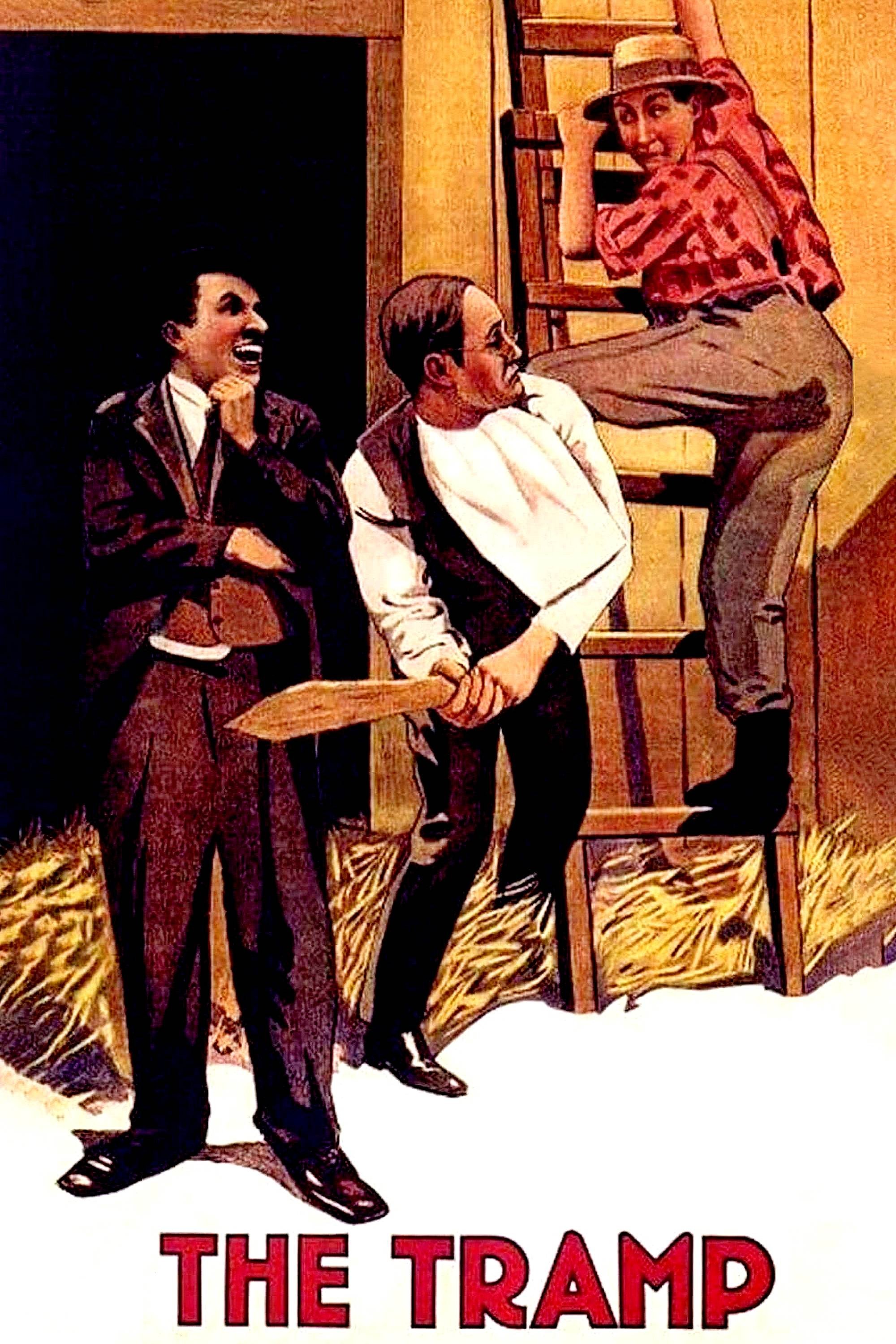
A tramp cares for a boy after he's abandoned as a newborn by his mother. Later the mother has a change of heart and aches to be reunited with her son.
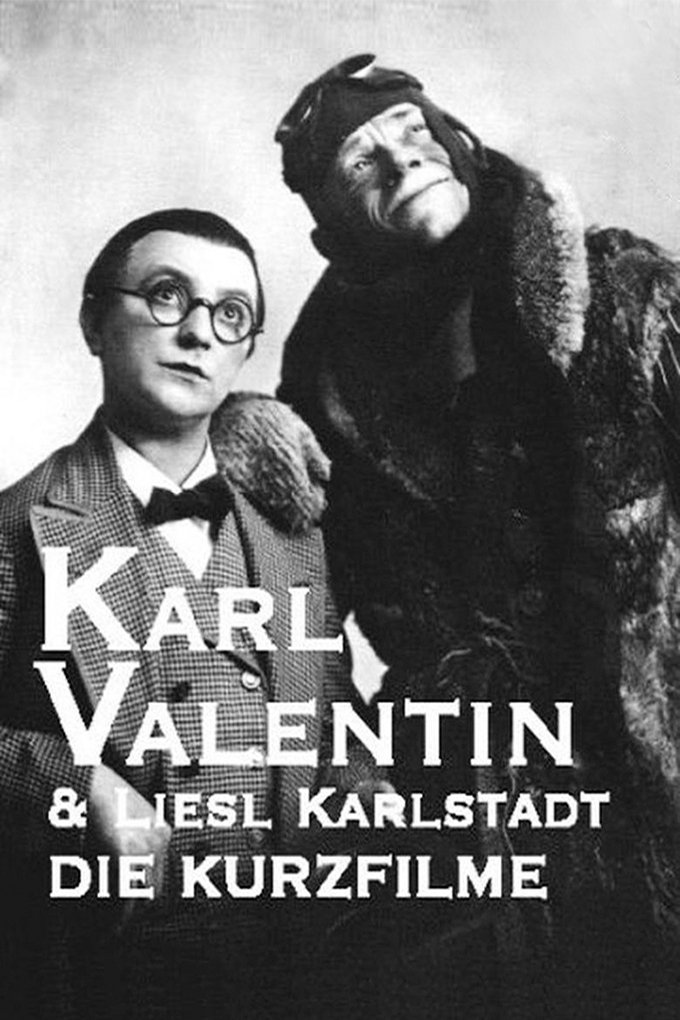
Karl Valentin and Liesl Karlstadt at the Oktoberfest.
The wealthy hat maker Cederström has two daughters, Marianne and Lotte. He has decided that Marianne should marry Melander even though she loves the poet Malm. Lotte on the other hand loves Melander.
19th release in 'The Smith Family' series of 2-reel comedies.
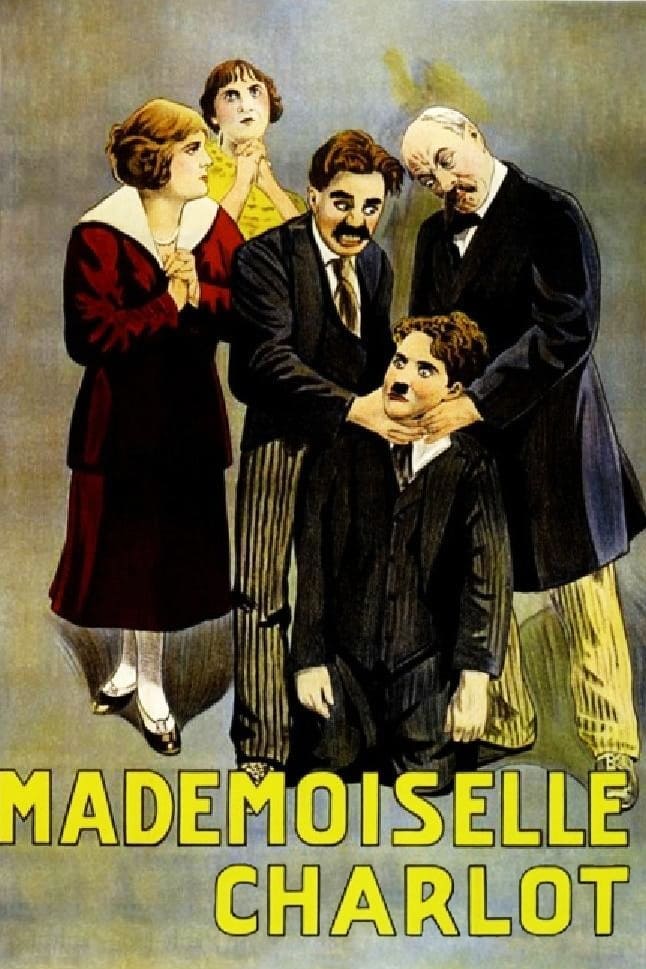
Mother, father and daughter go to the park. The women doze off on a bench while the father plays a hide-and-seek game with a girl, blindfolded. Charlie leads him into a lake. Both dozing ladies on the bench fall for Charlie and invite him for dinner. The father returns home with a friend. Charlie rushes upstairs and dresses like a woman, shaving his mustache. Both men fall for Charlie.
Aspiring filmmakers Mel Funn, Marty Eggs and Dom Bell go to a financially troubled studio with an idea for a silent movie. In an effort to make the movie more marketable, they attempt to recruit a number of big name stars to appear, while the studio's creditors attempt to thwart them.
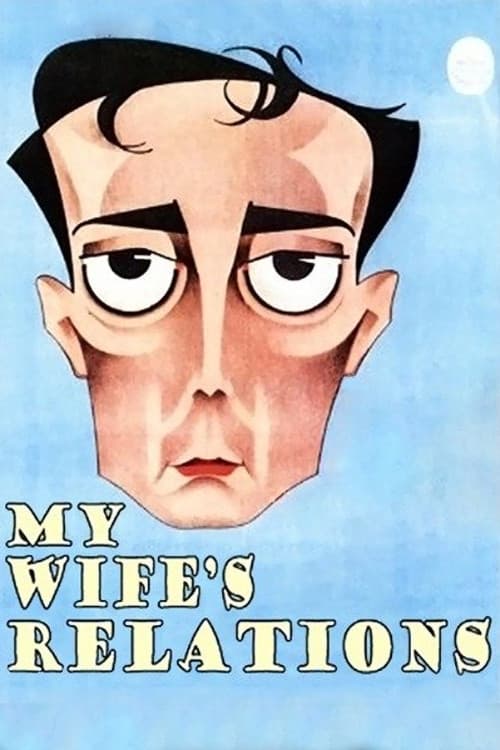
Buster and a woman are mistakenly married and her initially unfriendly family begins to treat him nicely when they come to believe he has a large inheritance awaiting him.
Edna's father wants her to marry wealthy Count He-Ha. Charlie, Edna's true love, impersonates the Count at dinner, but the real Count shows up and Charlie is thrown out. Later on Charlie and Edna are chased by her father, The Count, and three policeman. The pursuers drive off a pier.
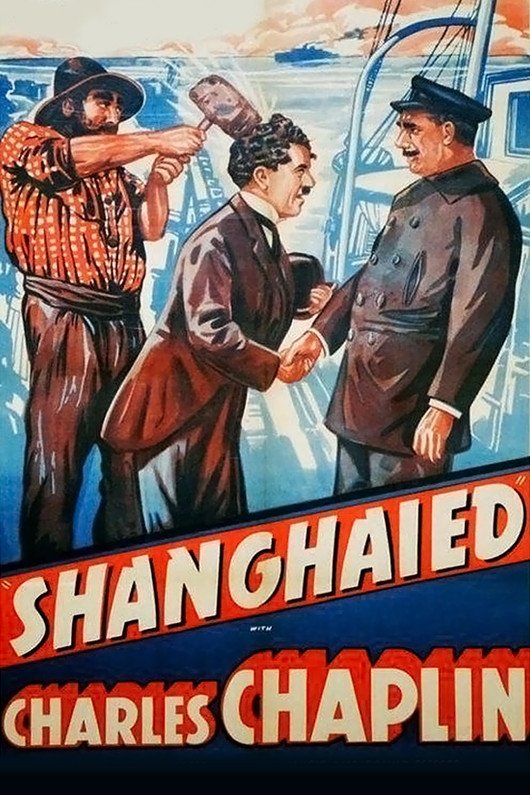
A shipowner intends to scuttle his ship on its last voyage to get the insurance money. Charlie, a tramp in love with the owner's daughter, is grabbed by the captain and promises to help him shanghai some seamen. The daughter stows away to follow Charlie. Charlie assists in the galley and attempts to serve food during a gale.
A magical glowing white motorcar ignores policemen, drives up buildings, flies through outer space, and can transform into a horse and carriage.
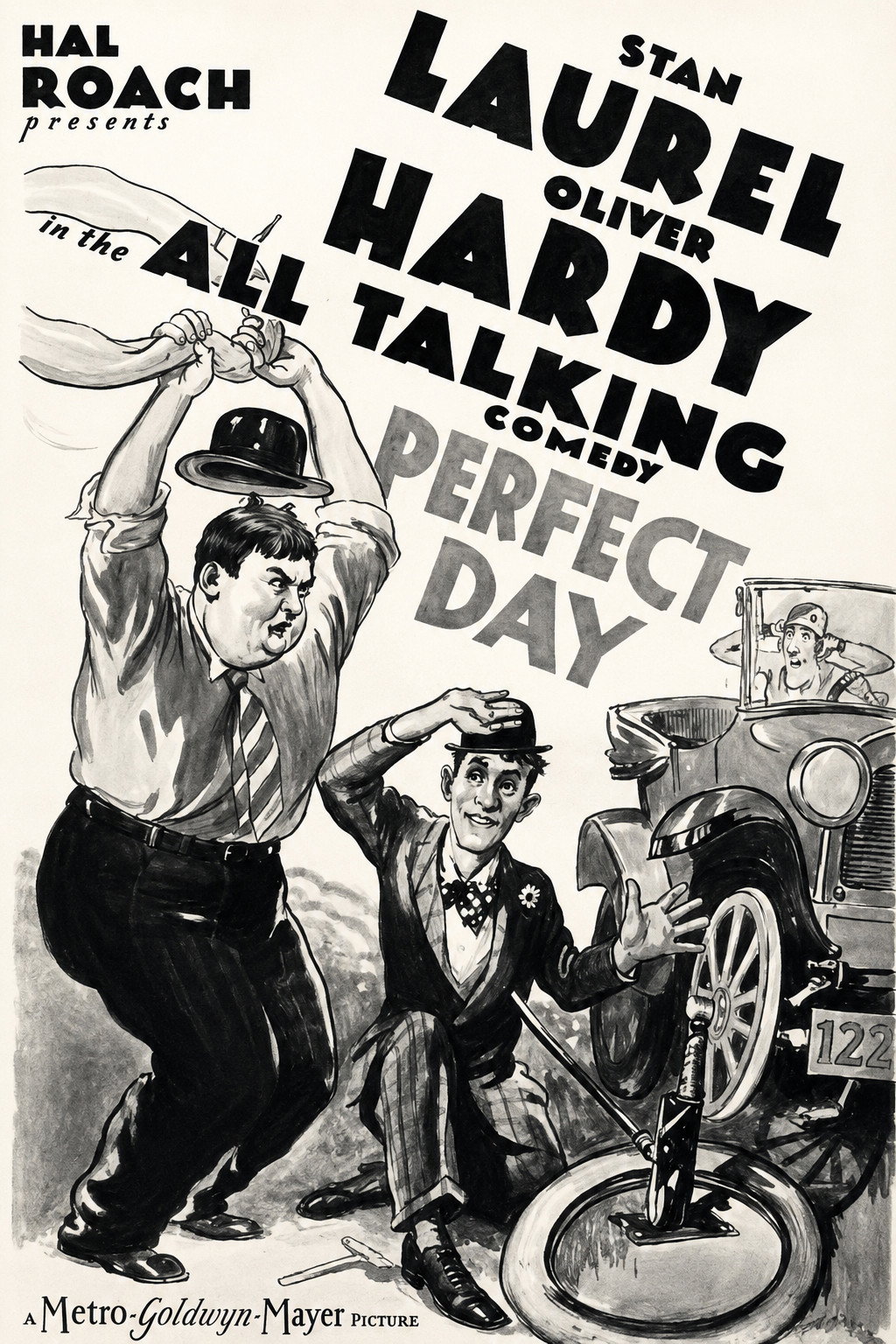
Two families embark on a pleasant Sunday picnic but manage to run into a variety of issues with their temperamental automobile. Each incident requires repeated exits and reboardings by Laurel, Hardy, their wives and grouchy, gout-ridden Uncle Edgar.
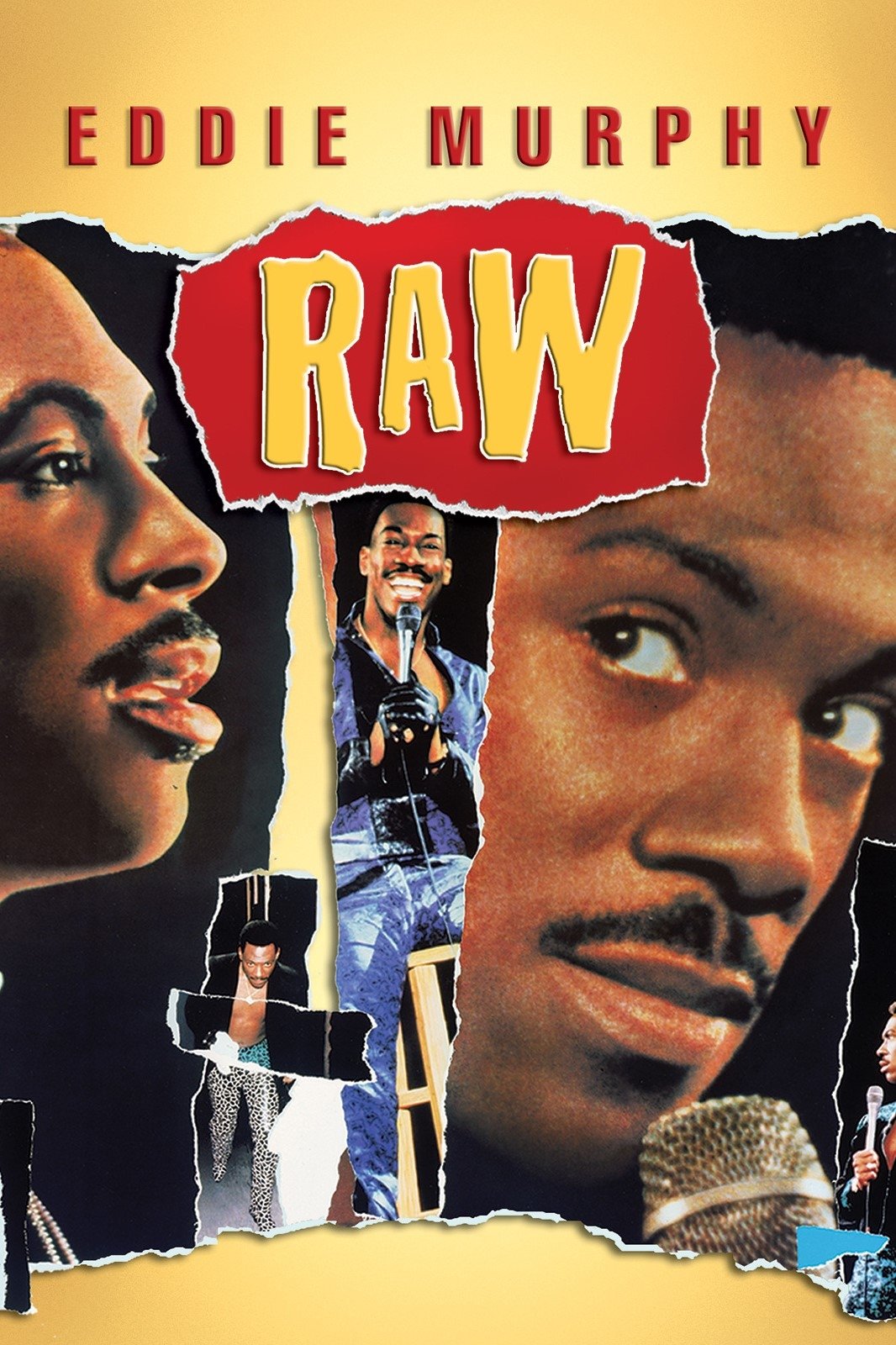
Eddie Murphy delights, shocks and entertains with dead-on celebrity impersonations, observations on '80s love, sex and marriage, a remembrance of Mom's hamburgers and much more.
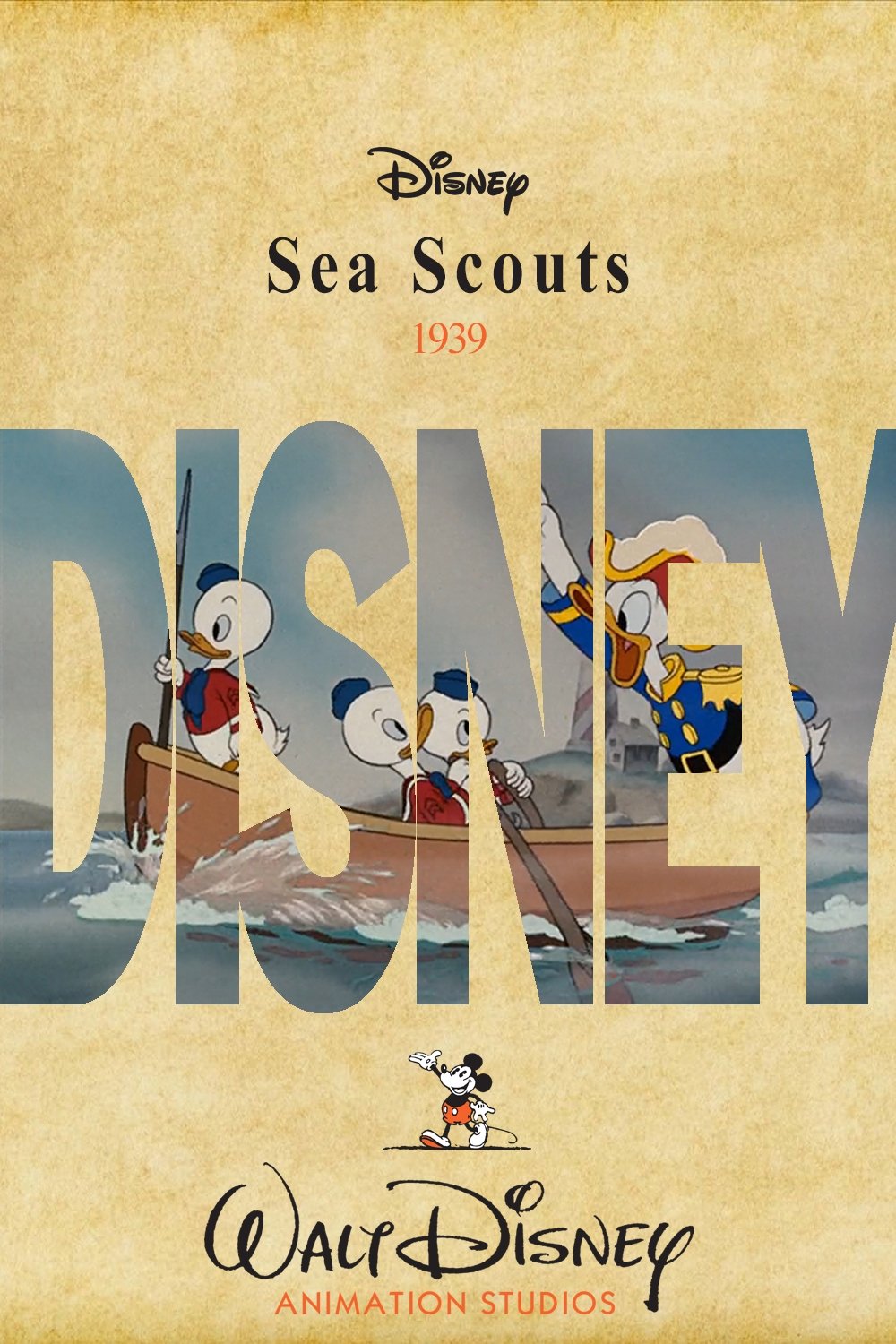
Donald is an admiral on a seagoing voyage with his nephews in which they encounter a ravenous shark.
A commitment-phobic 27-year old’s relationship is put to the test when she and her boyfriend attend 7 weddings in the same year.
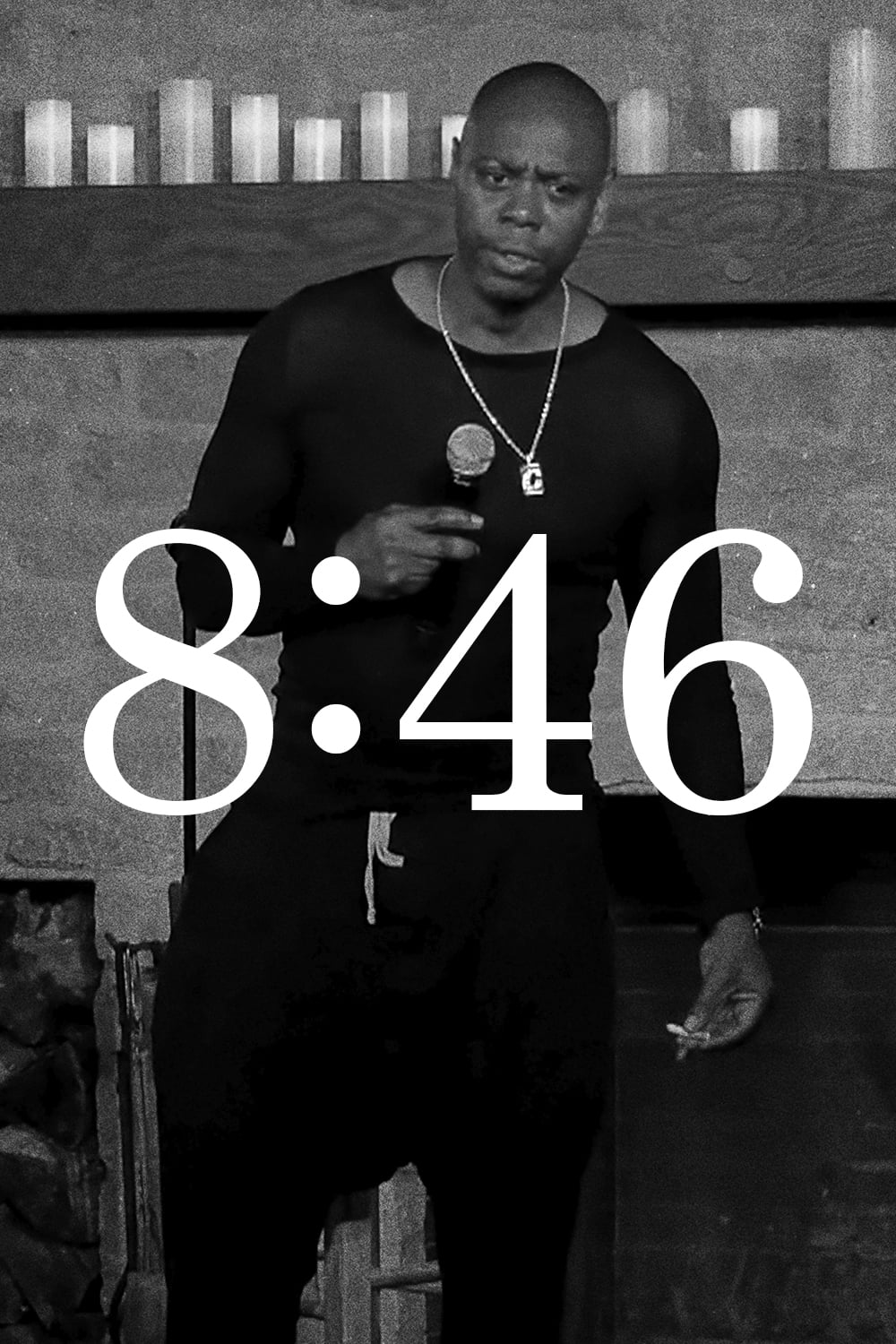
From Dave: Normally I wouldn't show you something so unrefined, I hope you understand.
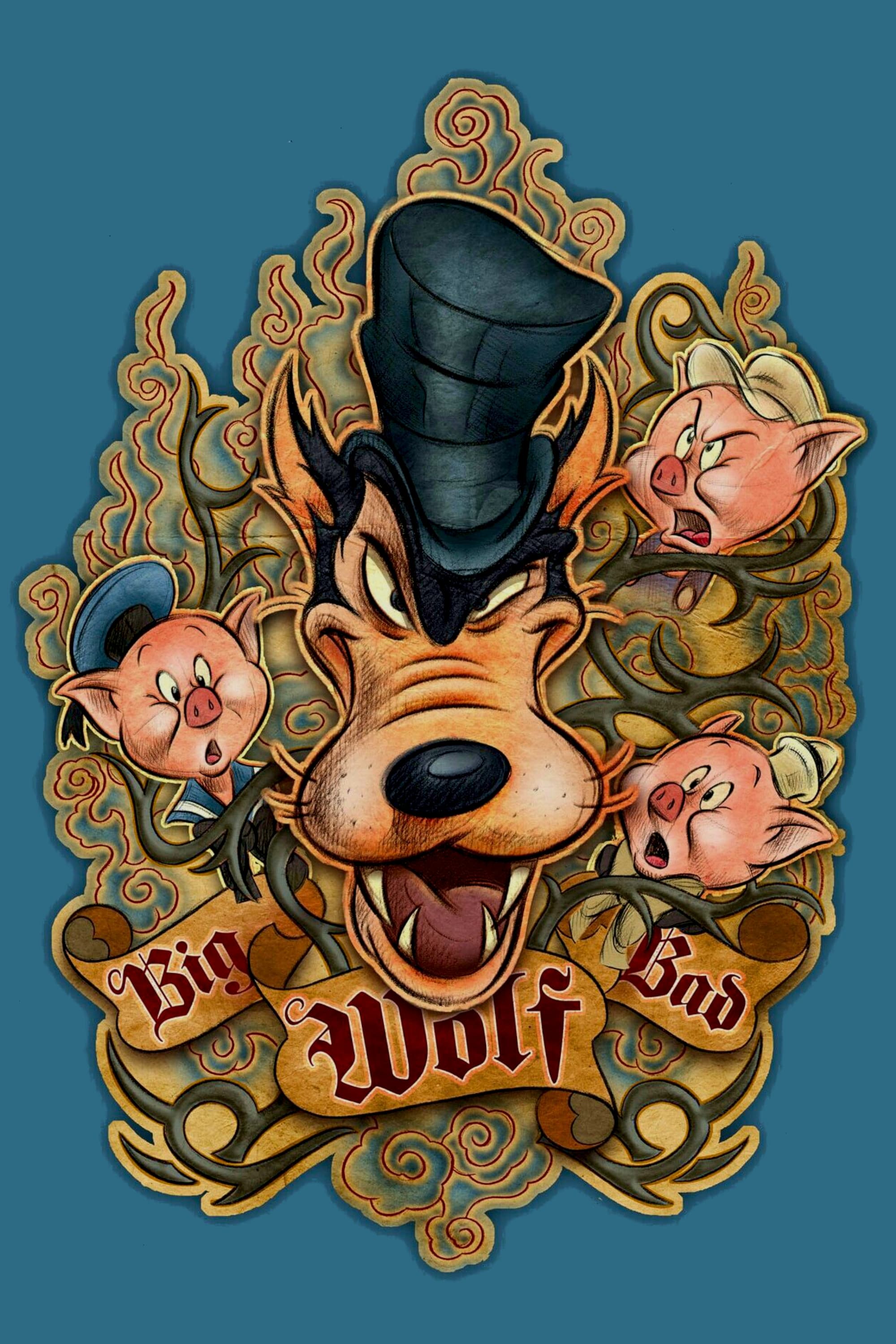
The Big Bad Wolf torments Little Red Riding Hood and the Three Little Pigs.
The Little Fellow finds the girl of his dreams and work on a family farm. He helps defend the farm against criminals, and all seems well, until he discovers the girl of his dreams already has someone in her life. Unwilling to be a problem in their lives, he takes to the road, though he is seen skipping and swinging his cane as if happy to be back on the road where he knows he belongs.
Stan and Ollie are musicians attempting to travel by train to Pottsville.
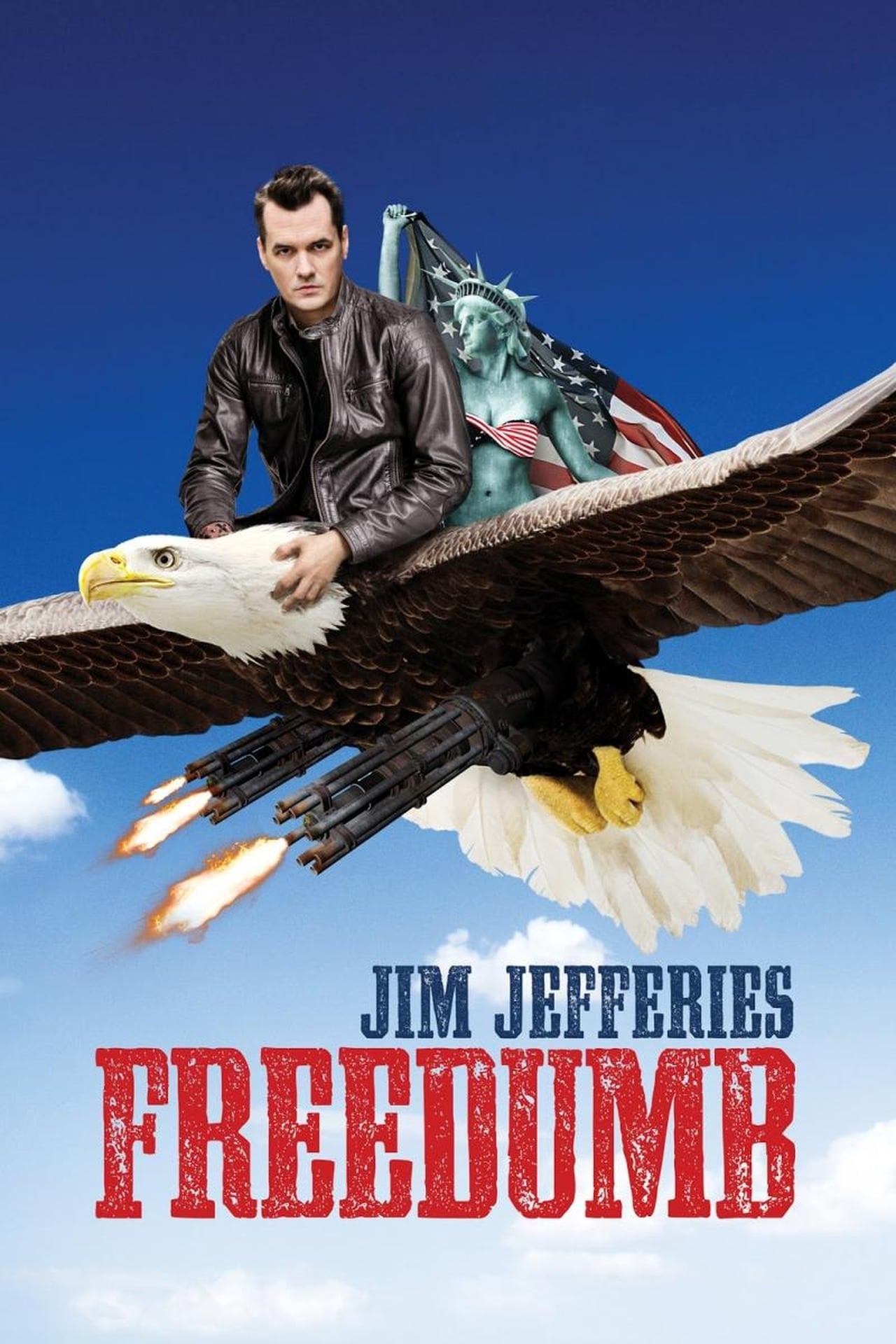
Between scenes from an excruciating date, Jim Jefferies digs into generational differences, his own bad habits and the shifting boundaries in comedy.
Returning for a second Netflix comedy special, Jim Jefferies unleashes his famously ferocious black humor to a packed house in Nashville, Tennessee.
In what might be his most personal and introspective hour yet, Bill offers hilarious takes on everything from male sadness to dating advice.
Adam Sandler hits the stage for a thrillingly unpredictable comedy special featuring songs, jokes, party-crashing dogs and plenty of love.
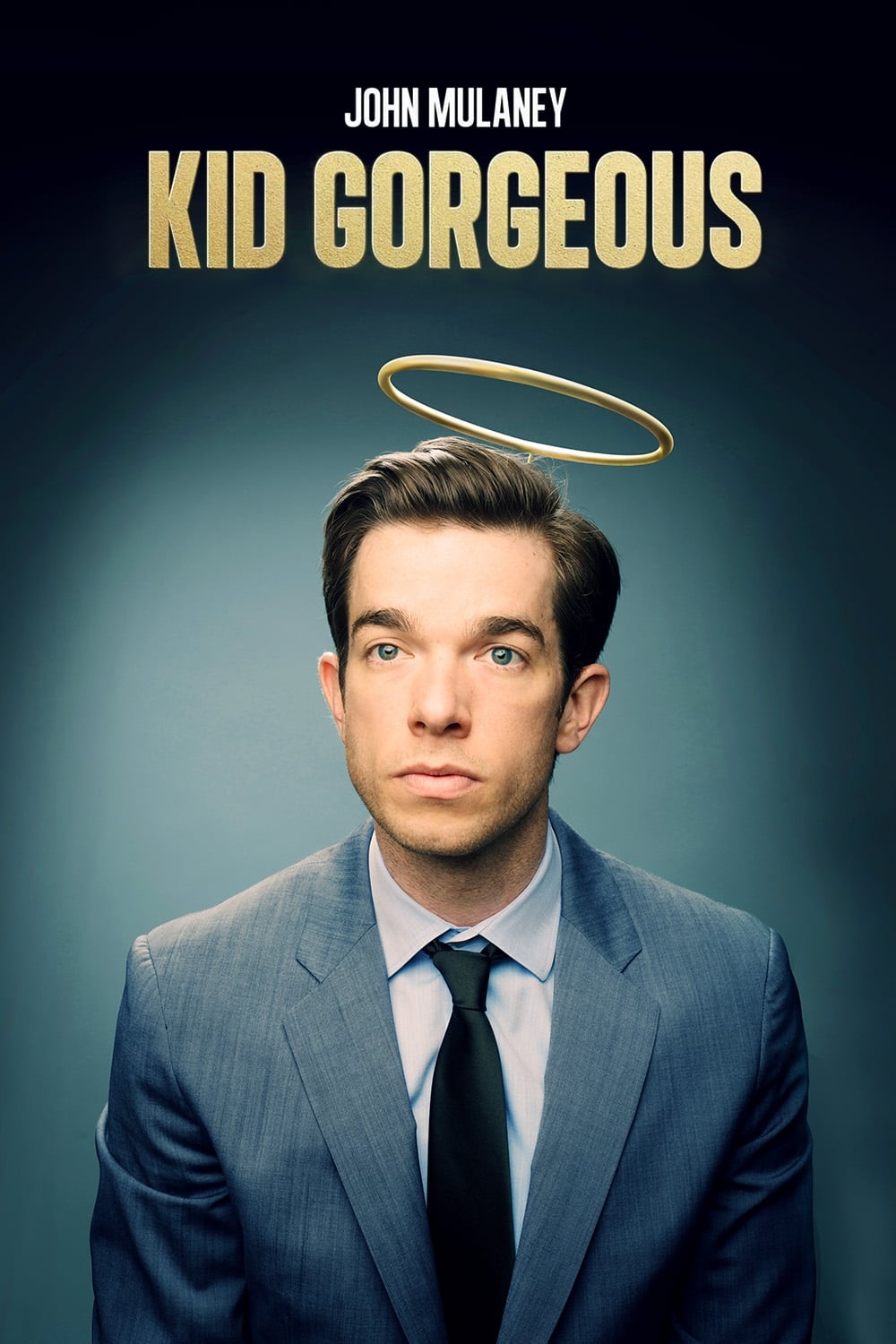
John Mulaney relays stories from his childhood and "SNL," eviscerates the value of college and laments getting older in this electric comedy special.
38-year-old Alice has everything to become the next editor-in-chief of Rebelle magazine except for her uptight image. But when the young and charming Balthazar, barely 20, crosses Alice's path, she realizes that he holds the key to her promotion.