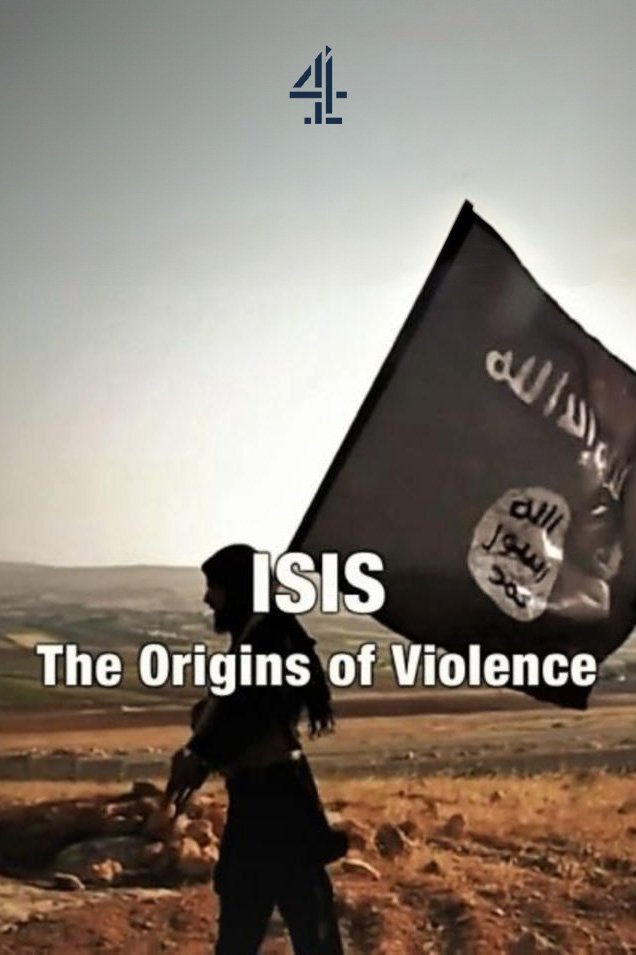
Historian Tom Holland traces the origins of Isis’ barbaric and sadistic violence which it claims is justified by the tenets and scriptures of Islam.
Social & External
The people behind it
Tom Holland
Self - Presenter
In times of conflict, a companion can be the final thread linking one to human connection. In Call of Duty: Warzone, communication is fractured, making it even harder to truly know those you play with. Dialogue is just a series of terse exchanges of orders and instructions; everything revolves around the game, everything is subsumed by war. Forming a meaningful connection with an anonymous player seems nearly impossible. In The Zone, the protagonists confront this challenge, pushing beyond the fleeting interactions dictated by random matchmaking. They seek to reclaim their humanity, engaging with pressing themes — religion, terrorism, and representation — subtly embedded in the game’s mechanics and geography.
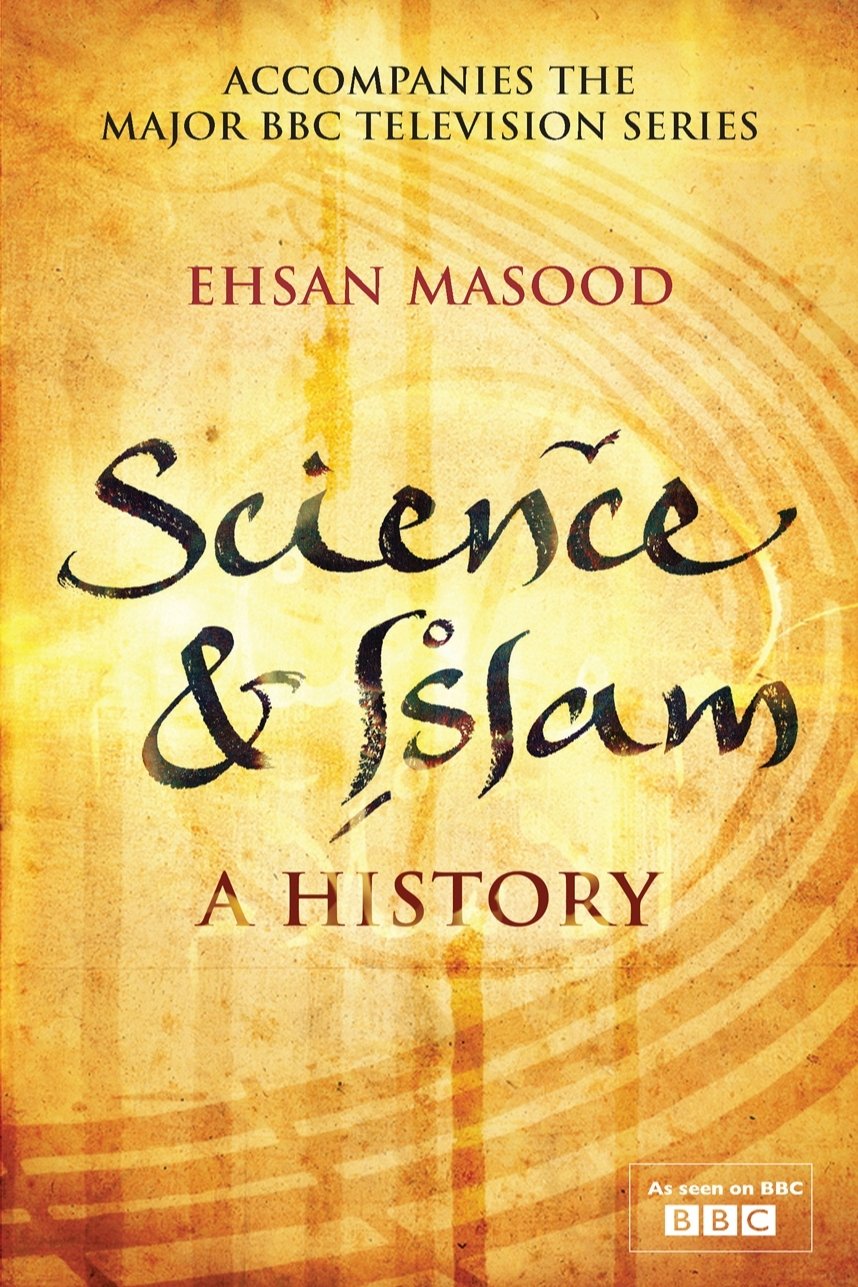
Jim Al-Khalili travels through Syria, Iran, Tunisia and Spain to tell the story of the great leap in scientific knowledge that took place in the Islamic world between the 8th and 14th centuries.
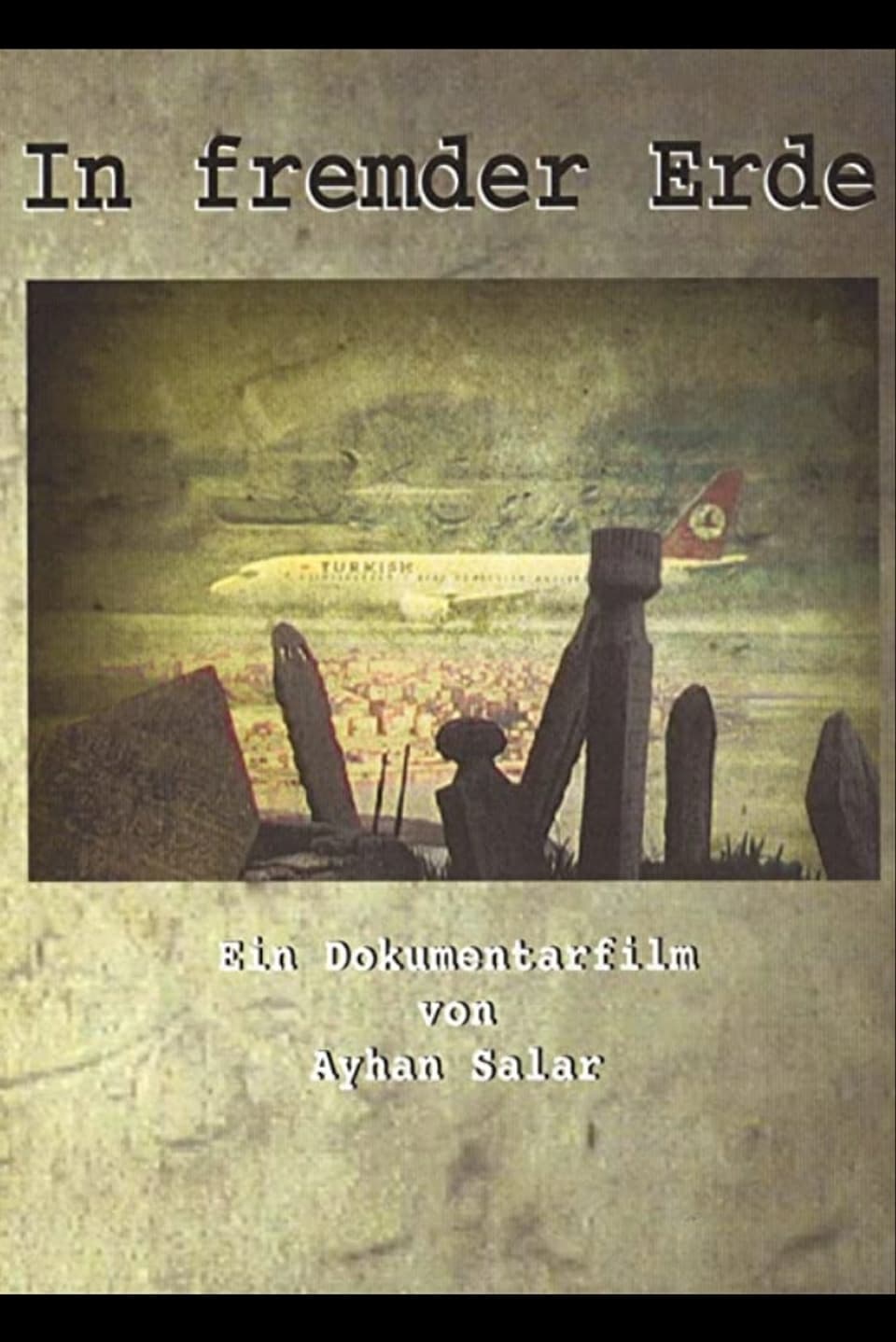
In fremder Erde (In Foreign Soil) documents the Muslim traditions of burial in Turkey and Germany, but above all, the paths the dead take to return to Anatolian soil.
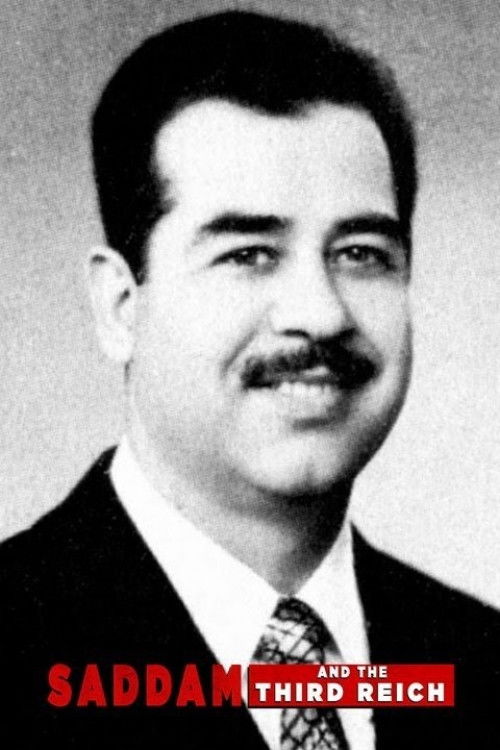
The key individuals of the Iraqi-Nazi connection.
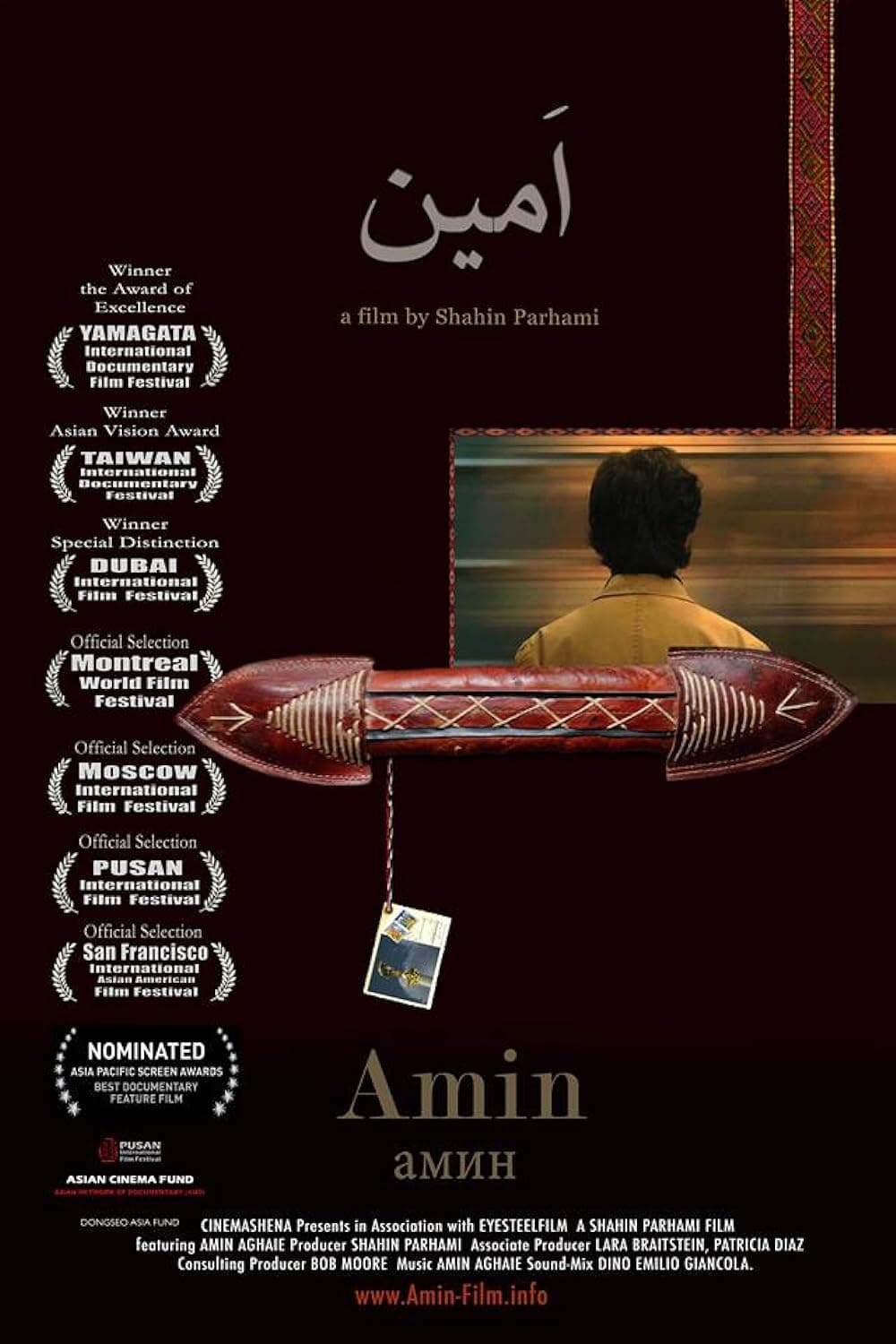
AMIN portrays Qashqai musician Amin Aghaie, a young modern nomad and his family who despite facing steep financial, cultural and political obstacles are dedicated to their art and culture. Amin travels to remote towns and villages to record the music of the surviving masters whose numbers decline each year. His nomadic family are selling their meager belongings to help support their son's education in performance and ethnomusicology at Tchaikovsky's Conservatory in Kyiv, Ukraine, but it is not enough. Amin, desperate to finish his academic education, sells his violins one at a time just to pay for his tuition.
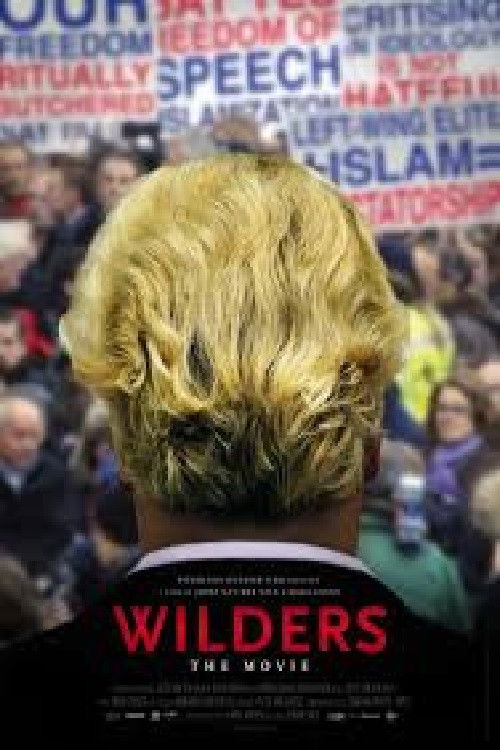
A look at the Geert Wilders effect.
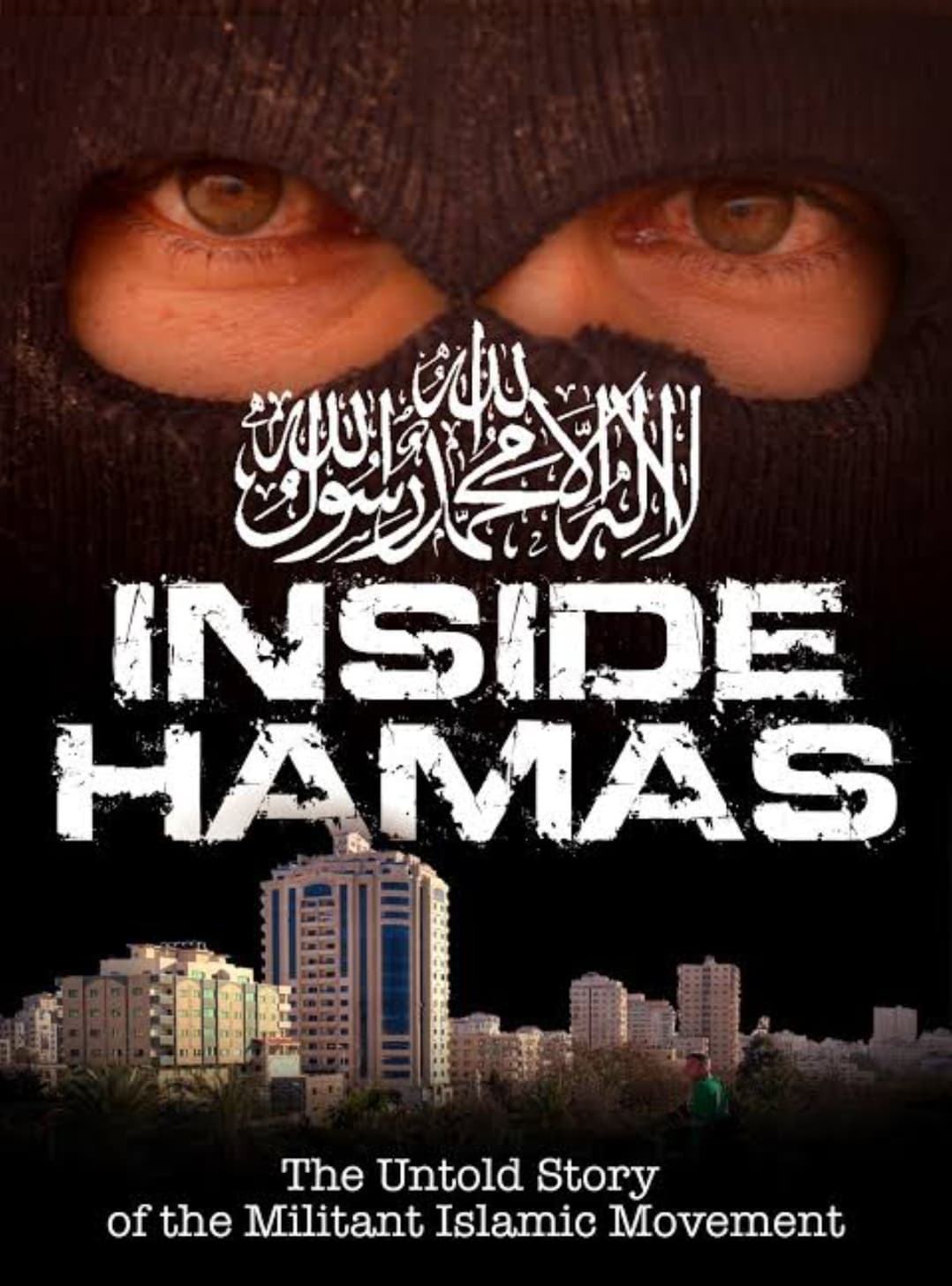
What is the reality of daily life in Gaza, along the border of Israel? Can the religious organization of Hamas, rivals to the PLO, move from international pariah to meaningful political player with citizens' interests at heart? Developed over two years and with unprecedented access to this 'terrorist' organization, this documentary uncovers the deeper issues defining life in Gaza under Hamas.
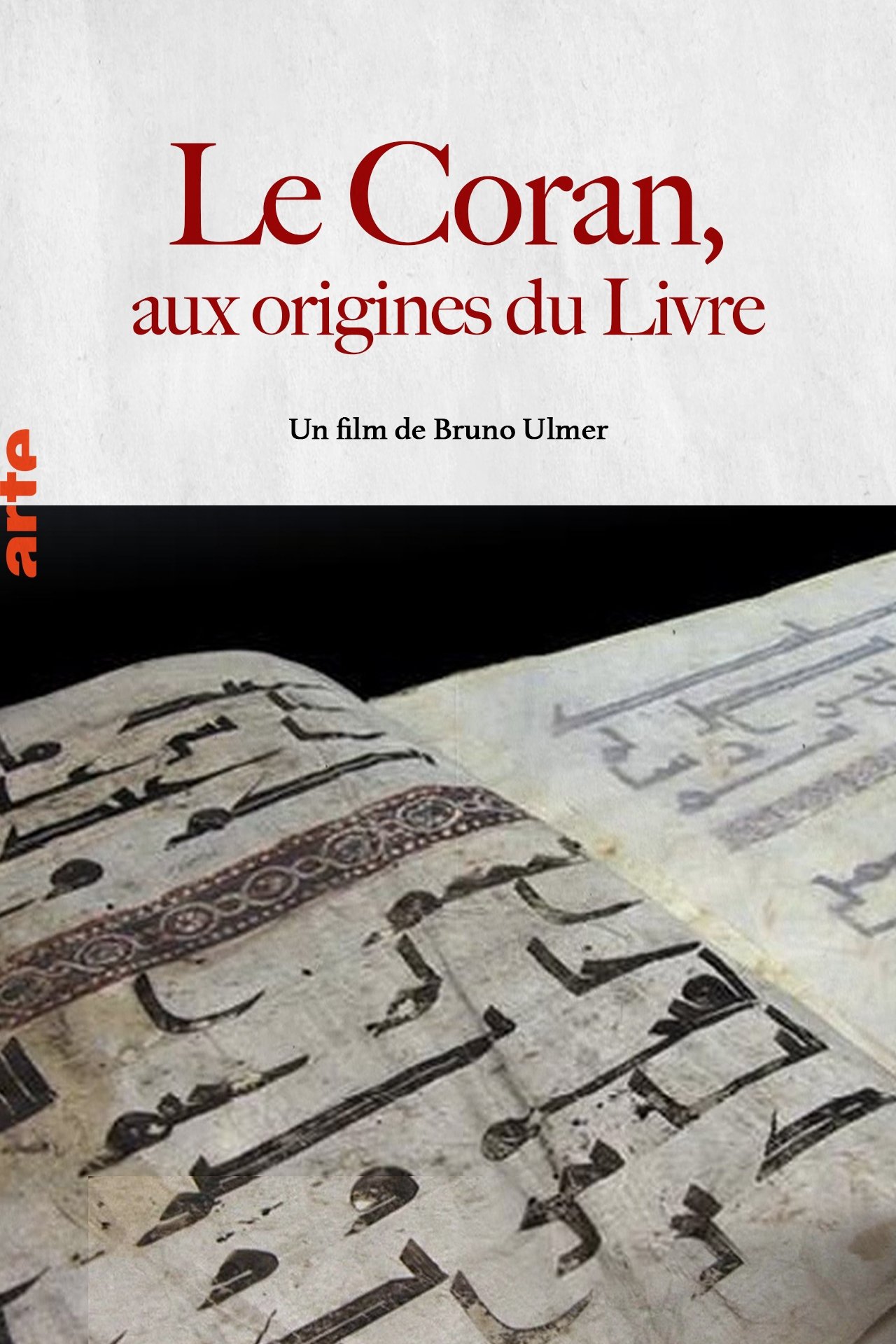
The Quran is the Holy Book of Islam, a religion shared by more than a billion followers worldwide. For the Muslim tradition, since its revelation to the Prophet Muhammad between the year 610 and 632 of the Christian era in Mecca and Medina, the Koran is immutable, and has remained maintained. However, recent discoveries of Koranic manuscripts analyzed by scientists, dated around the year 680 - the oldest known in the world - revealed that the Koran has a history. During the first century of Islam, and before the canonical version of the Caliph Uthman imposed itself, the holy book of Islam would have known competing versions, a different organization of the suras, variable readings due to a writing, in its beginnings, very rudimentary… It is to this meeting of knowledge, at the crossroads between the Muslim tradition and scientific research, that this journey to the origins of the Koran invites.
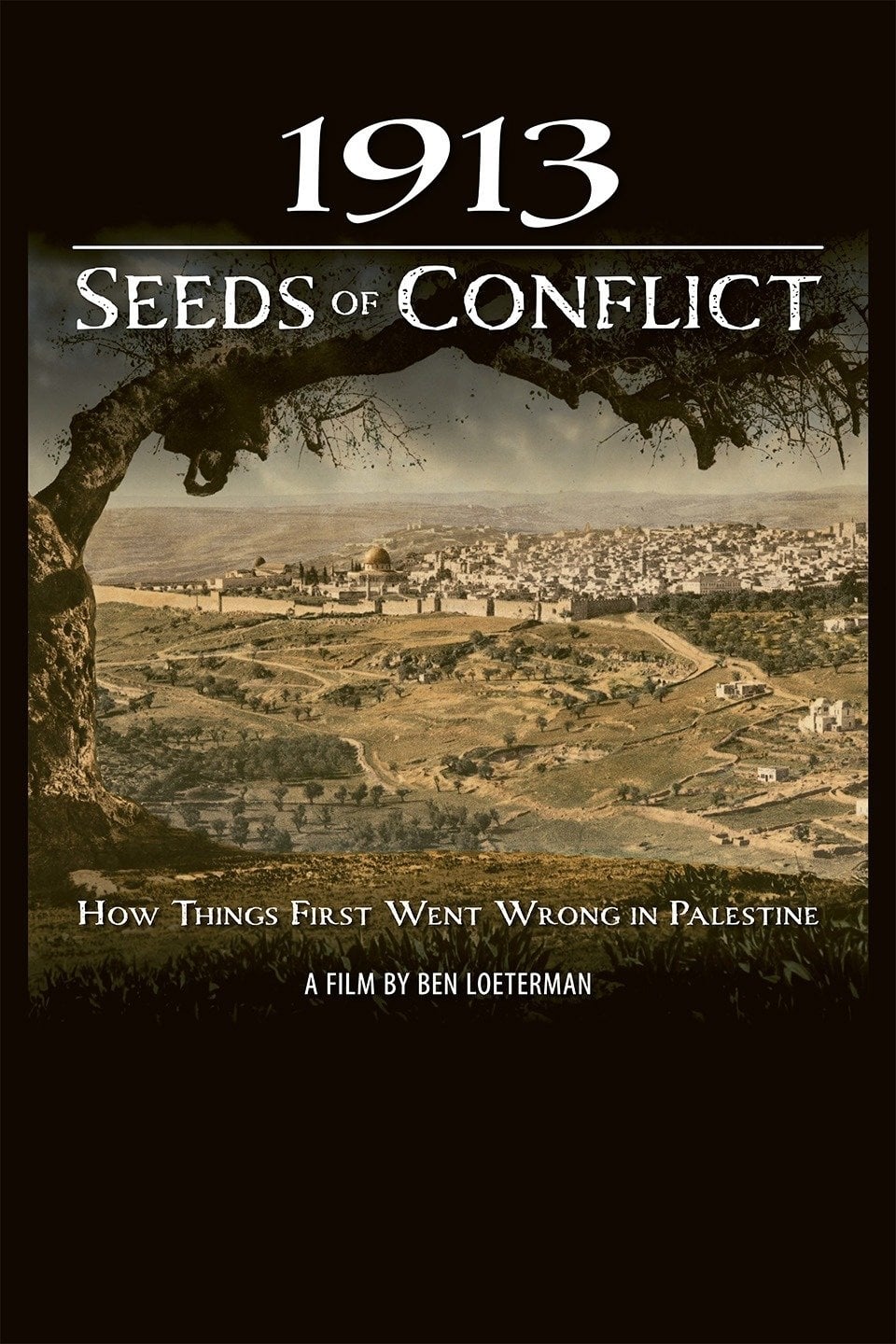
Explore an overlooked moment in pre-WWI Palestine when people's identities overlapped, and Jewish, Muslim, and Christian communities intermingled freely. Few could contemplate the conflict that would engulf their region for the next century.
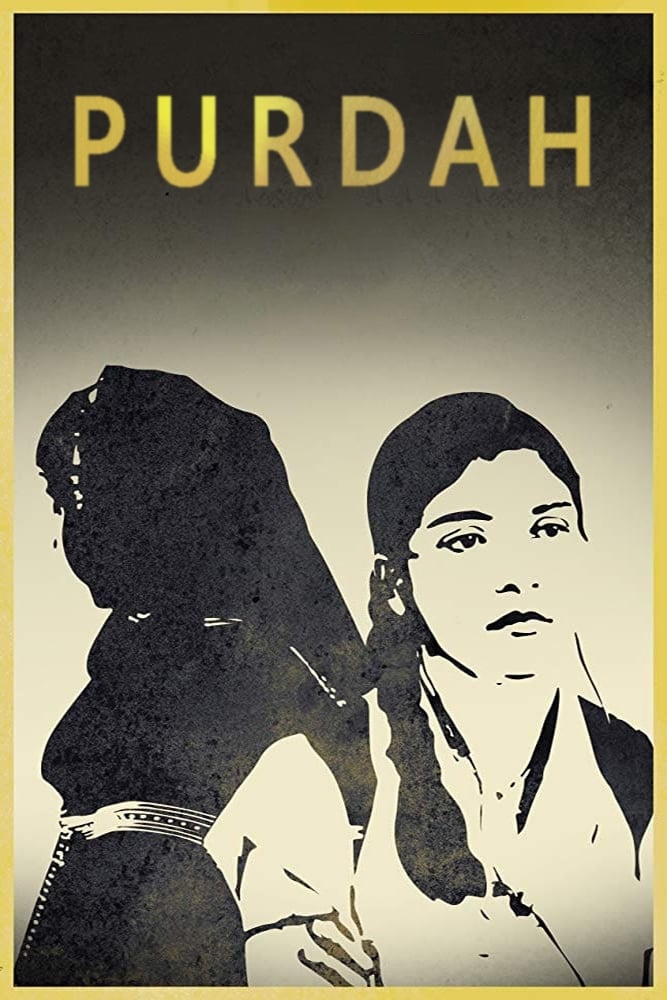
The inspiring story of a young Indian Muslim woman who trades her burka for dreams of playing on the Mumbai Senior Women's Cricket Team and how the harsh realities for women in her country creates an unexpected outcome for her own family, ultimately shattering and fueling aspirations.
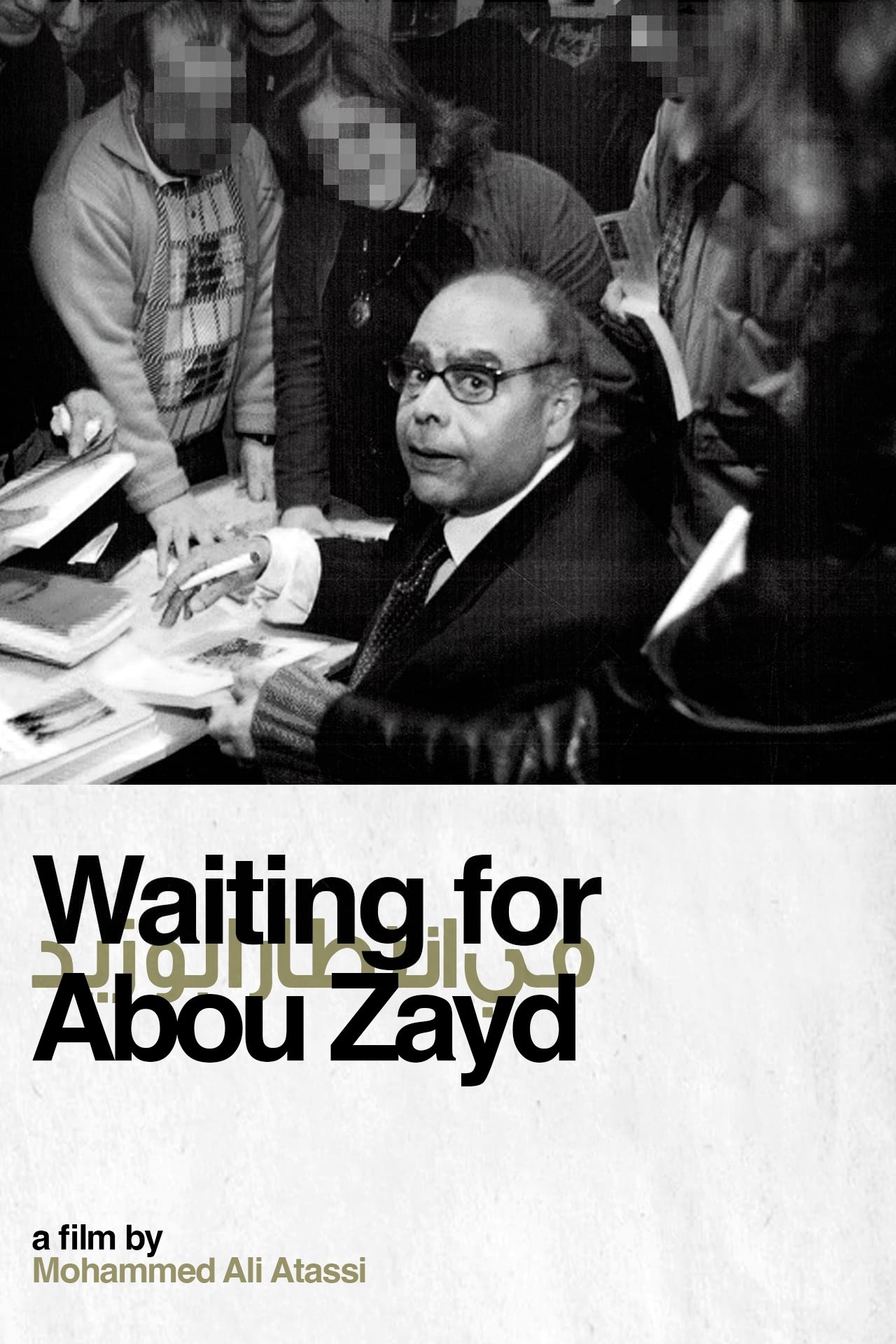
"Nasr Hamed Abou Zayd is not Godot, and the expectation promised by the title is misleading: this great gentleman is present in almost every shot. Who is he? An Egyptian Muslim theologian of international reputation, he has published exegeses of the Koran which led to his being condemned for apostasy. Exile, forced divorce from his wife Ibtihal Younes since his marriage was subject to annulment, separation from his son, such are the consequences of his writings. But Abou Zayd has not given up, residing in Leiden in the Netherlands, he continues, always on the road, to give conferences, to explain with great serenity his positions in public debates, on television, etc. C It is this particularly impressive dedication that Mohammad Ali Atassi's camera recorded over a period of six years.
Flight Number 884 is a film about the wishes and desires of Muslim immigrants. Every year thousands of bodies of Turkish immigrants are flown back from Europe to small villages - villages they had left long ago. The film follows the dead body of a Muslim on its last journey from Vienna to a graveyard in Turkey.
While many in the Western world view Islam as socially repressive, in Indonesia, the world's largest Muslim country, exists a community of biological men who live openly as women-- the warias. As four warias strive to find romance, intimacy, and acceptance, they encounter unique obstacles that force them to make extraordinary sacrifices to keep the ones they love.
Unwittingly (and politically), this film ends up being self-reflective. The French filmmaker Sylvie Ballyot was shooting a feminist documentary in Yemen when her tapes were requisitioned by the authorities. Adrift in unknown territory with the only help of a translator, Ballyot carried on, shooting images of herself in public spaces –the only woman in a crowd of men. Her reactions in a culture she is not familiar with get combined with interviews with students who talk about love, family, and sexuality.
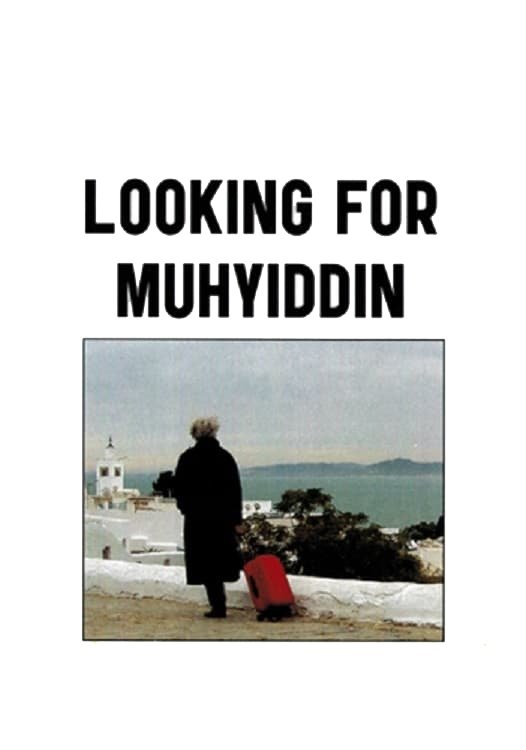
A man (played by the filmmaker Nacer Khemir) returns home to Tunis to bury his mother. After the burial, his father gives him an "amana" to be handed to a certain Sheikh named Muhyiddin. Taken by his father's request, the man immediately sets out on an epic journey to find the long lost Sheikh and deliver the "amana."
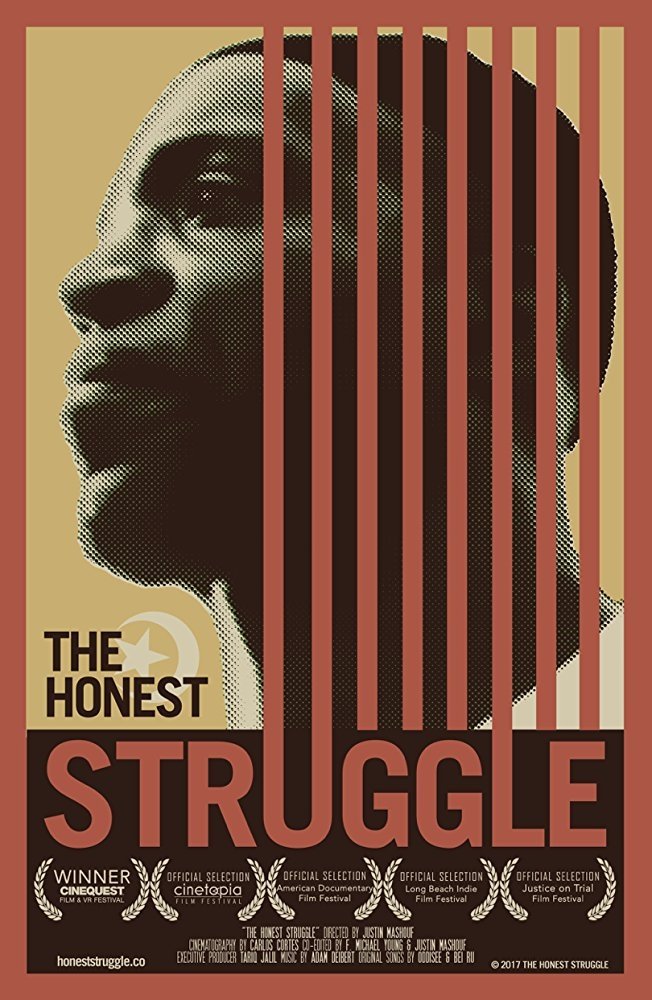
After over 25 years of incarceration, a Muslim convert re-enters society in the Southside of Chicago to face the same streets that ruined his life. The film is a raw portrait of a man struggling with his past as a gang chief while trying to survive an honest life and redefine himself in a world in which he feels no belonging.
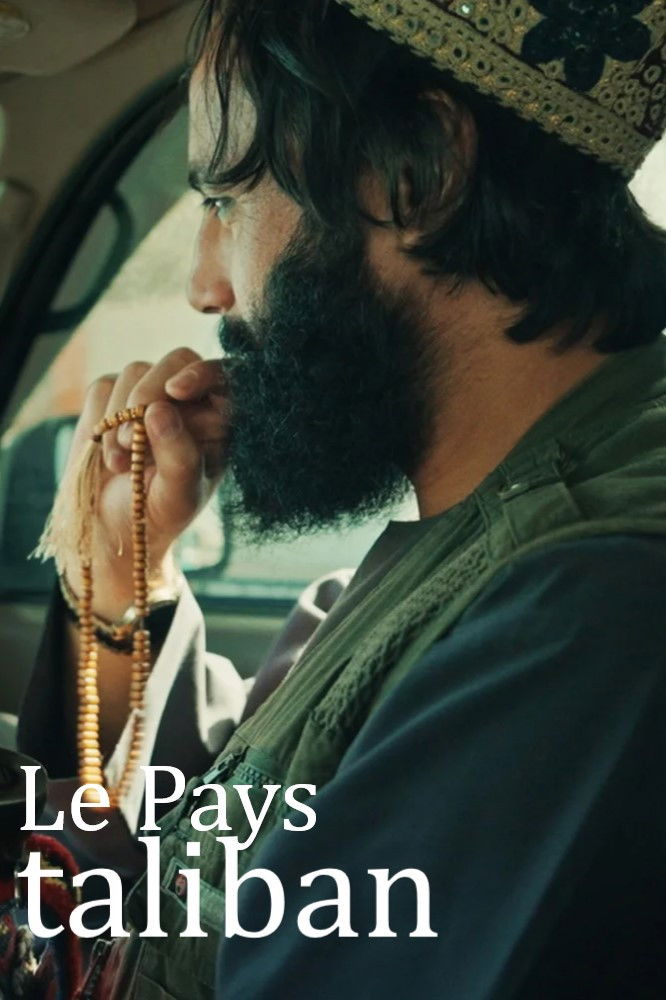
Almost five years after their return to power, a new era has dawned under the yoke of the Taliban, an inflexible fundamentalist regime. Under their rule, the former republic has disappeared, replaced by an ultra-rigid power structure closed off from the rest of the world and the foreign press. An "Islamic Emirate of Afghanistan", largely unrecognised, even by Islamic theocracies. After four shoots, mainly carried out outside the official framework, "The Taliban Country" offers a glimpse into the heart of this new Afghan reality. Through the eyes of the men and women facing these upheavals, the film paints a portrait of a paradoxical and radical system. It offers an in-depth look at the workings of a state characterised by extreme rigour, unparalleled in the contemporary world.
Forbidden to Wander chronicles the experiences of a 25-year-old Arab American woman traveling on her own in the occupied territories of the West Bank and Gaza Strip during the summer of 2002. The film is a reflection on the complexity of Palestinian existence and the torturously disturbing "ordinariness" of living under constant curfew. The film's title reflects this, as the Arabic words used to describe the imposed curfew "mane' tajawwul" literally translate as "forbidden to wander". The video is also the journey of personal discovery for the filmmaker, the wanderer who falls in love with a Palestinian man in Gaza.
A string of threatening emails escalates into a revenge plot involving a newly married US marshal and his ex-girlfriend.
An inside look at one of the most anticipated movie sequels ever with James Cameron and cast.
Al Pacino's deeply-felt rumination on Shakespeare's significance and relevance to the modern world through interviews and an in-depth analysis of "Richard III."
Director Michael Apted revisits the same group of British-born adults after a 7 year wait. The subjects are interviewed as to the changes that have occurred in their lives during the last seven years.
SEDUCED AND ABANDONED combines acting legend Alec Baldwin with director James Toback as they lead us on a troublesome and often hilarious journey of raising financing for their next feature film. Moving from director to financier to star actor, the two players provide us with a unique look behind the curtain at the world's biggest and most glamourous film festival, shining a light on the bitter-sweet relationship filmmakers have with Cannes and the film business. Featuring insights from directors Martin Scorsese, 'Bernando Bertolucci' and Roman Polanski; actors Ryan Gosling and Jessica Chastain and a host of film distribution luminaries.
Serving life in prison for murdering their parents, Lyle and Erik Menendez speak out in this documentary explaining the shocking crime and ensuing trials.
Brilliant, long in-the-works story of the life and art of the world's greatest comedian and the cinema's first genius, Charlie Chaplin. Produced, written and directed by renowned film critic Richard Schickel.
Alex Gibney explores the charged issue of pedophilia in the Catholic Church, following a trail from the first known protest against clerical sexual abuse in the United States and all way to the Vatican.
Police pull over a woman who claims she just gave birth. But the baby — and the blood — aren't hers. Twisted lies unravel in this true-crime documentary.
This revealing documentary honors the legendary Sidney Poitier—iconic actor, filmmaker, and civil rights activist. Featuring interviews with Denzel Washington, Spike Lee, Halle Berry, and more.
Through deeply personal interviews with her siblings and an examination of the photographs, letters, and belongings left behind, Mariska assembles a new portrait of her mother Jayne Mansfield, an extraordinary and complex woman.
A look at the origins, history and conspiracies behind the "Majestic 12", a clandestine group of military and corporate figureheads charged with reverse-engineering extraterrestrial technology.
This documentary focuses on the actors and their journey over two summers to create the remake to the original IT, by Stephen King. The documentary originally released as bonus material, bundled with IT: Chapter Two.
A detailing of the rise to prominence and global sporting superstardom of six supremely talented young Manchester United football players (David Beckham, Nicky Butt, Ryan Giggs, Paul Scholes, Phil and Gary Neville). The film covers the period 1992-1999, culminating in Manchester United's European Cup triumph.
Just two years away from turning 30, participants in Michael Apted's documentary series are facing serious questions of identity and purpose, wondering whether they've found their place in the world.
Vulgar, taunting texts blow up the phones of a teen and her boyfriend. Who's sending them — and why? This twisty documentary reveals the shocking answer.
A night of drunken chaos rocks a quiet Dutch town in this shocking documentary about a teen's birthday invite that accidentally went viral on Facebook.
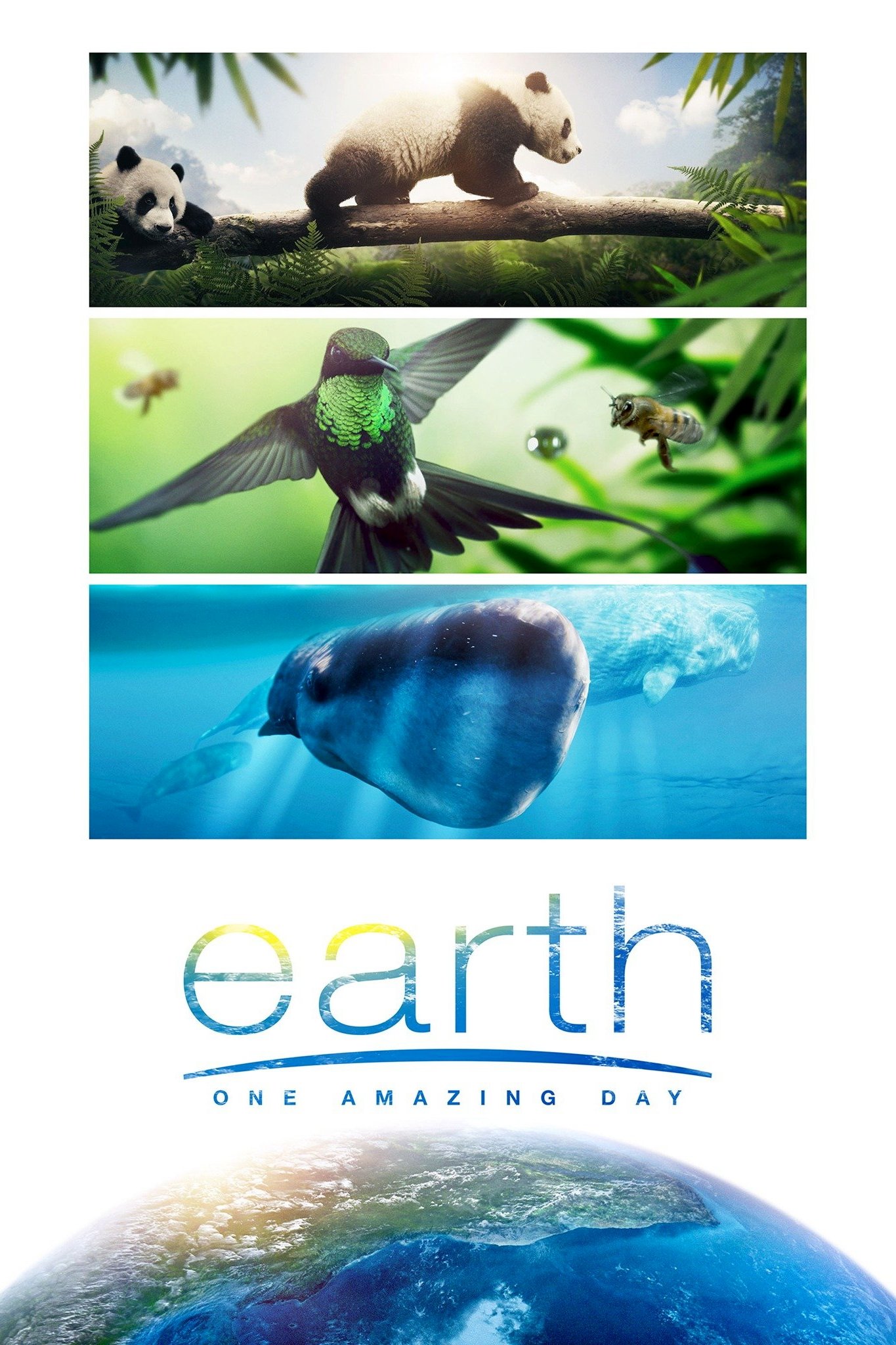
An astonishing journey revealing the awesome power of the natural world. Over the course of one single day, we track the sun from the highest mountains to the remotest islands to exotic jungles.
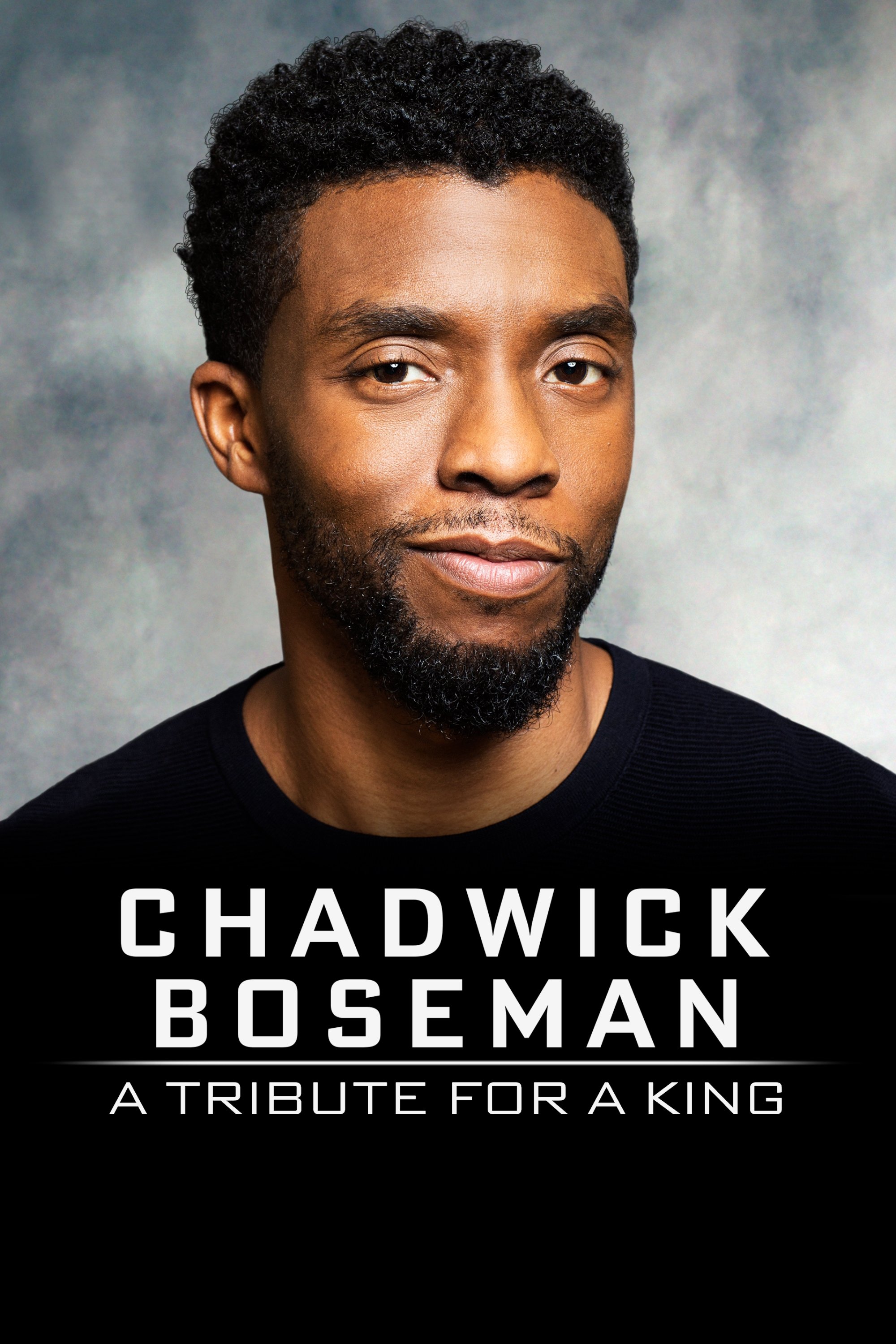
A tribute to Chadwick Boseman, celebrating his life and legacy.