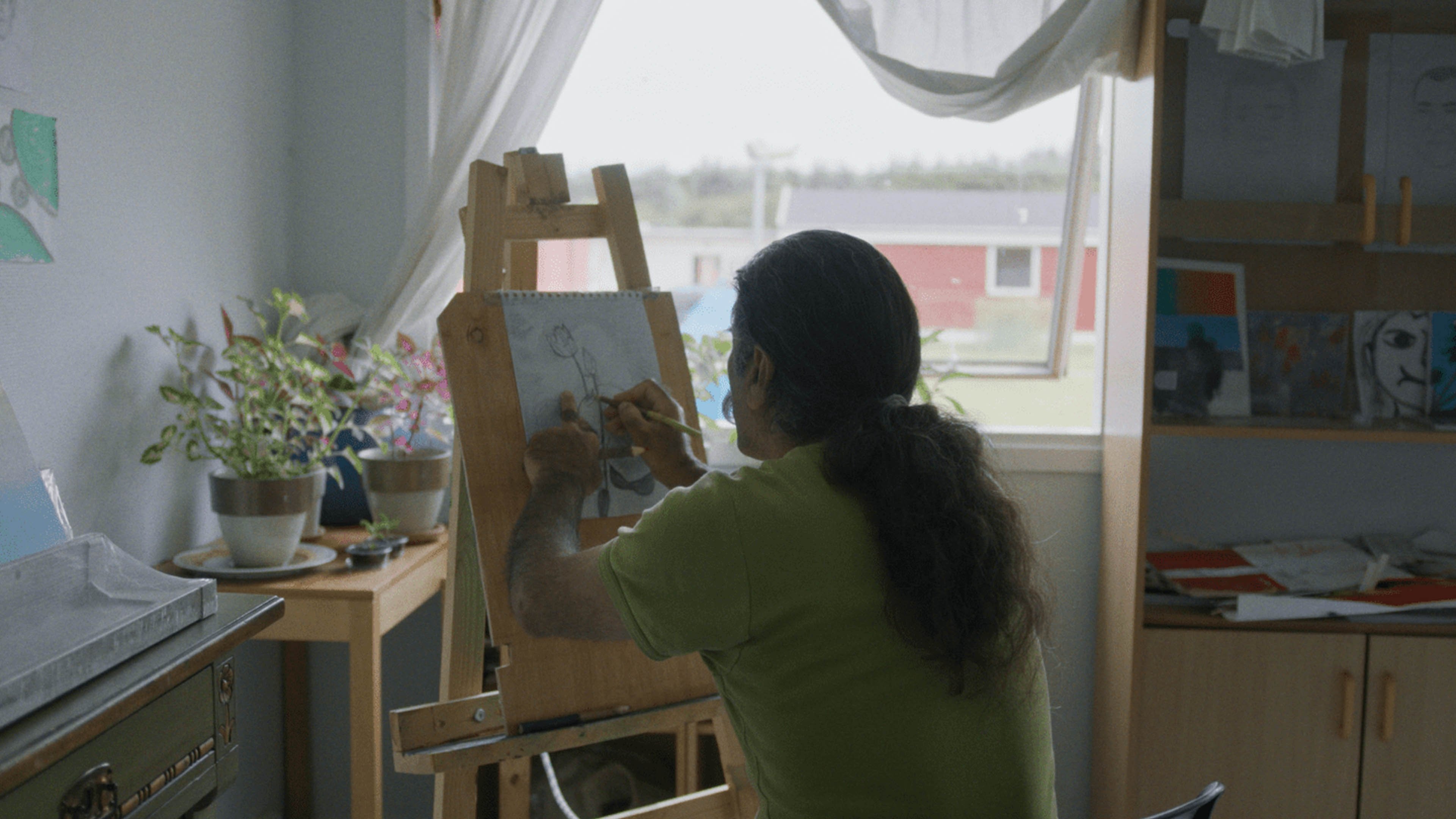
Artin, a young Iranian bodybuilder, and Jahan, a Kurdish man who recently discovered his love for painting, live in Kærshovedgård, a former prison now used as a deportation center.
Social & External
A film about the Tibetan Freedom Concert in San Francisco in 1996.
The challenges of the present, expectations for the future, and the dreams of those who experience the reality of public high school in Brazil. Through the voices of students, principals, teachers and experts, "Not Even In a Wildest Dream" offers a reflection on the value of education.
Journalist Dermi Azevedo has never stopped fighting for human rights and now, three decades after the end of the military dictatorship in Brazil, he's witnessing the return of those same practices.
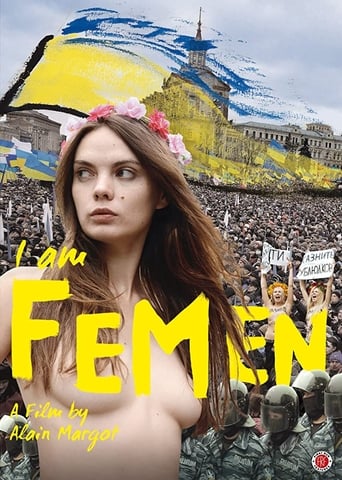
Oxana is a woman, a fighter, an artist. As a teenager, her passion for iconography almost inspires her to join a convent, but in the end she decides to devote her talents to the Femen movement. With Anna, Inna and Sasha, she founds the famous feminist group which protests against the regime and which will see her leave her homeland, Ukraine, and travel all over Europe. Driven by a creative zeal and a desire to change the world, Oxana allows us a glimpse into her world and her personality, which is as unassuming, mesmerising and vibrant as her passionate artworks.
In the wilderness of the Bucharest Delta, nine children and their parents lived in perfect harmony with nature for 20 years – until they are chased out and forced to adapt to life in the big city.
The documentary begins when the fictionalized drama ends. Sara spent three years volunteering to save refugees on the same journey that made her so famous, and was suddenly arrested in Aug. 2018, accused by Greek authorities of running a criminal enterprise with charges including “international espionage and people smuggling.” If convicted, she faces up to 25 years in prison and the end of her humanitarian career. Shot over three years, the film follows Sara’s fight for justice and journey of self-discovery.
Once upon a time, the Venezuelan village of Congo Mirador was prosperous, alive with fisherman and poets. Now it is decaying and disintegrating—a small but prophetic reflection of Venezuela itself.
A girl from St. Petersburg walks around protest-ridden Moscow, talking to riot police and believing that sooner or later they will go over to the side of the demonstrators. An 18-year-old student of a St. Petersburg college introduces herself as Alice and tells about herself that from the age of four she lived in an orphanage and in foster families. In Moscow, Alisa, for whom this is the first rally in her life, walks along the police cordons and looks under the OMON helmet. "Under the mask you can't see, are you even human?"
For more than forty years, Belela Herrera has dedicated her life to saving that of others. The politically persecuted, those displaced by civil wars, and the world's refugees are her concern and vocation. Her story is also that of a woman who defined herself and twisted the destiny reserved for girls of her social class: marrying to a man from high society, having a large family and a comfortable and elegant existence . And it is also the story of a female legacy that is part and consequence of the invisible resistance of thousands of women.
Pauline, Norah, Kristina and others wait for hours, sitting under a hut deep in the Bois de Vincennes. In front of the administrative detention center (CRA) in Paris, they have all come to see their loved ones locked up. Lives on hold, awaiting deportation or release. On this stage, these women tell their stories, talk to each other, share their experience, their revolt and their dreams with new visitors. They are the mirror of migrant detention, its reverse view.
In the Briançonnais mountains, in France, men and women on the roads of exile find the courage to cross the passes on foot, risking their lives. Arrived at the end of a long journey, exhausted, they do not know if they could settle down somewhere to start their life over. It is this transitional time that "The Adventure" tells. Ossoul, the Sudanese poet, Mamadou, survivor of an icy night at the Col de l'Échelle, Charlotte, Mother Courage and others are gradually getting back on their feet and settling to embark on a new life. Filmed over three years, "L'Aventure" is a story of resilience, friendships and revealed emotions. The portraits are drawn and deepened until everyone can recognize themselves in the other, put themselves in their place and understand them.
Olivia Martin McGuire (China Love) parallels a grandfather’s journey to safety during the Cultural Revolution with his granddaughter’s fight for freedom in Hong Kong today. Interweaving unflinching testimony of the elder’s exodus from the Chinese mainland, exquisitely animated recreations of the perilous escape to Hong Kong through land and sea, and vivid, evocative archival footage of both mid-20th-century China and the Hong Kong protests today, Freedom Swimmer emerges as a gripping and timely account of the struggle for survival across generations.
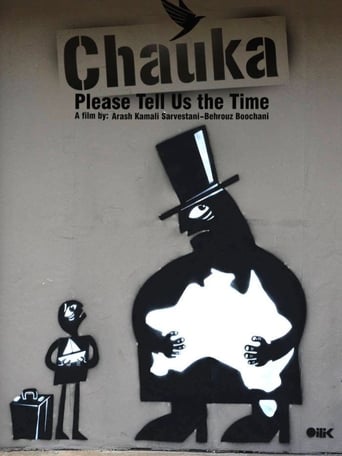
An urgent and powerful documentary, shot in a detention centre where asylum seekers trying to reach Australian shores are indefinitely detained. Secretly shot on a mobile phone by Iranian journalist Behrouz Boochani while detained on Manus, in Papua New Guinea, the film is a collaboration with Dutch-Iranian filmmaker Arash Kamali Sarvestani. Boochani recounts, via the testimonies of fellow inmates, the abuse and violence inflicted and the precarious state of limbo they find themselves in. Chauka, the name of the dreaded solitary confinement unit within the detention centre, was originally the name of a beautiful bird and symbol of the Manus Island. By interweaving dialogue with two Manusian men and shots of daily life on the island, the film gives a much-needed voice to Manus inhabitants, understandably distressed by the current situation. With marked restraint, the film exposes lives broken by shocking immigration policies.
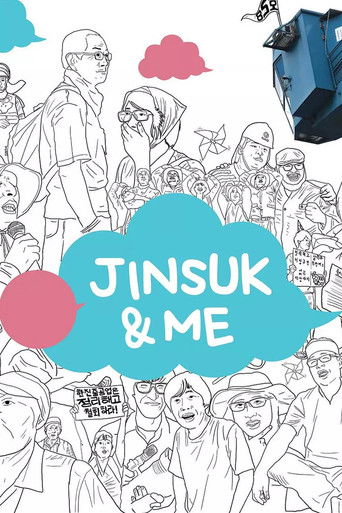
I have been pretty satisfied with my life before I got on the bus. When I do in June 2011, my whole life turns upside down. I am just a regular passenger at first. Like other people I was sorry, and felt obliged to help and care for other passengers. Then I begin to film these common heroes with my camera. Those who speak about hope, who provide it and get on the bus, Ms. Kim Jin-suk, and other crane laborers who risk their safety while demonstrating for their rights on high. She, while stationed insecurely on high, begins interacting with the world through Twitter and makes friends. Then I realize I really love her. Will we have her back safely?
The 6 Guarani villages of Jaraguá, in São Paulo, fight for land rights, for human rights and for the preservation of nature. They suffer from the proximity to the city, which brings lack of resources, pollution of rivers and springs, racism, police violence, fires, lack of infrastructure and sanitation, among others. Unable to live like their ancestors, their millenary culture is lost as it merges with the urban culture.
An undercover documentary film produced and directed by British filmmaker Dominic Brown, about the struggle of the indigenous Sahrawi people of Western Sahara. The documentary covers the current human rights and political situation of the Sahrawi. There are several interviews recorded with human rights victims including an elderly lady who had been attacked in her home the previous day by Moroccan security forces. There is also a focus given to the alleged vested interests of countries in the region, particularly France. The film states that the French Government's close relationship with Morocco, their trade deals and their use of veto over the terms of the UN mission in Western Sahara are major factors.
Refuge(e) traces the incredible journey of two refugees, Alpha and Zeferino. Each fled violent threats to their lives in their home countries and presented themselves at the US border asking for political asylum, only to be incarcerated in a for-profit prison for months on end without having committed any crime. Thousands more like them can't tell their stories.
A reflection on the concept of invisibility, narrated by women who clean public spaces in Mexico City. Combining documentary, fiction and still photography, the film is an intimate mosaic of testimonies and experiences that highlight the precariousness of work in the cleaning industry, in a world where subcontracting rules.