Social & External
The people behind it
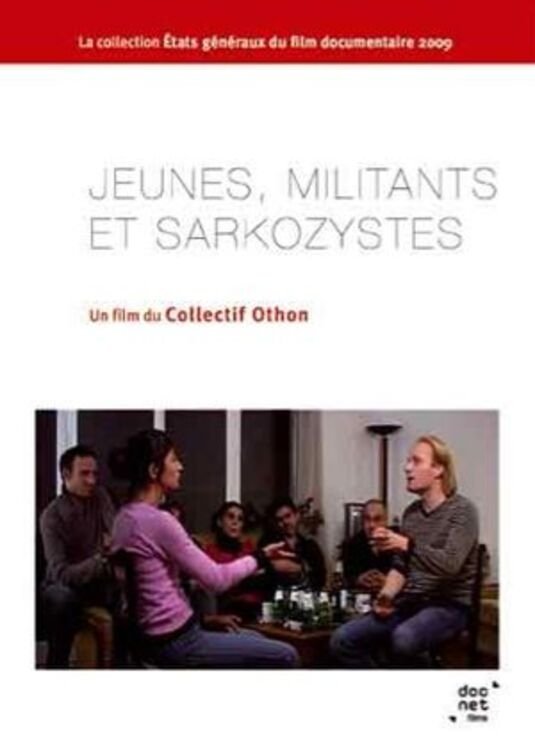
François Bégaudeau
Militant de gauche
Gaelle Bantegnie
Militante de gauche
Guillaume Lemoine
Militant sarkozyste
Guillaume Richard
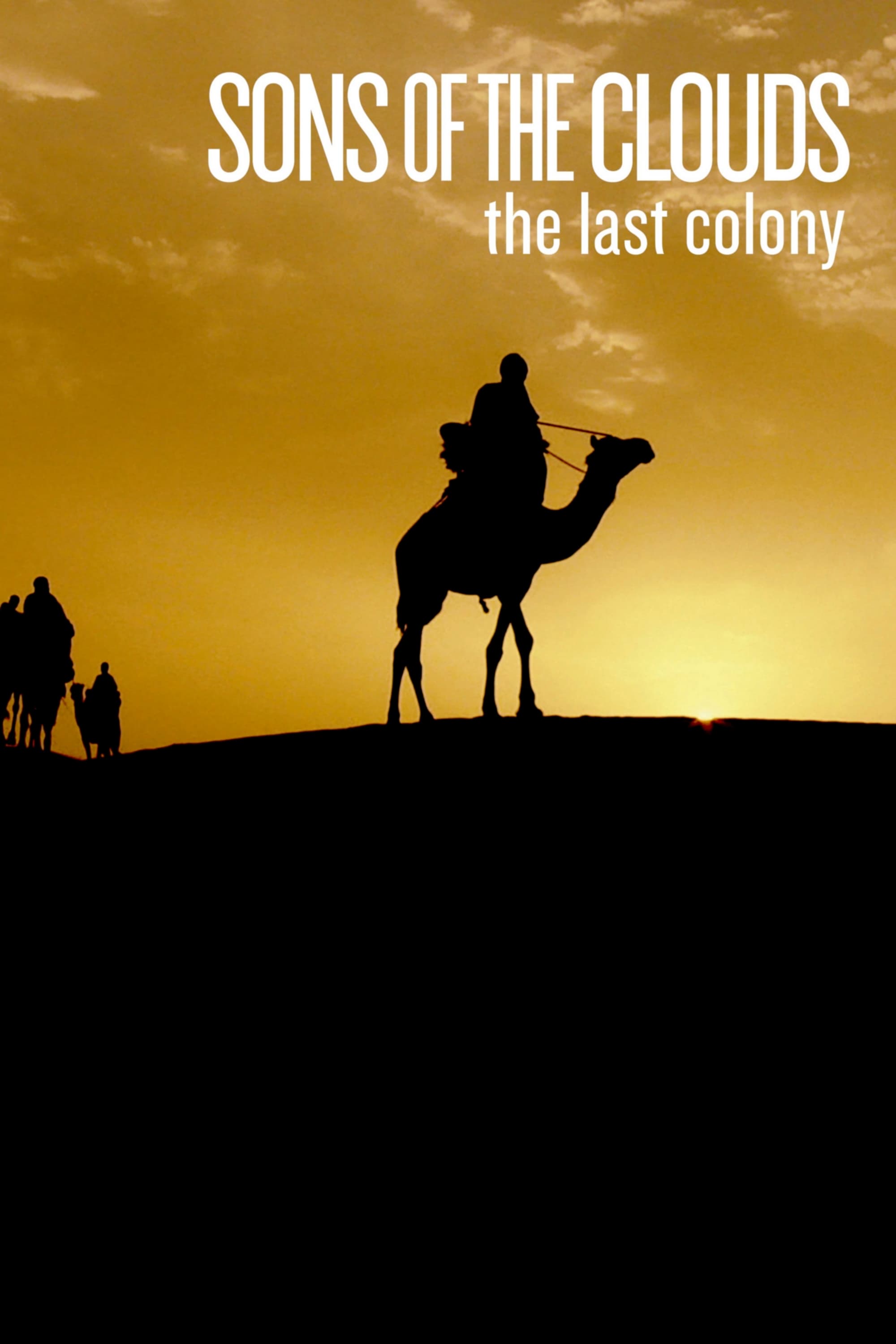
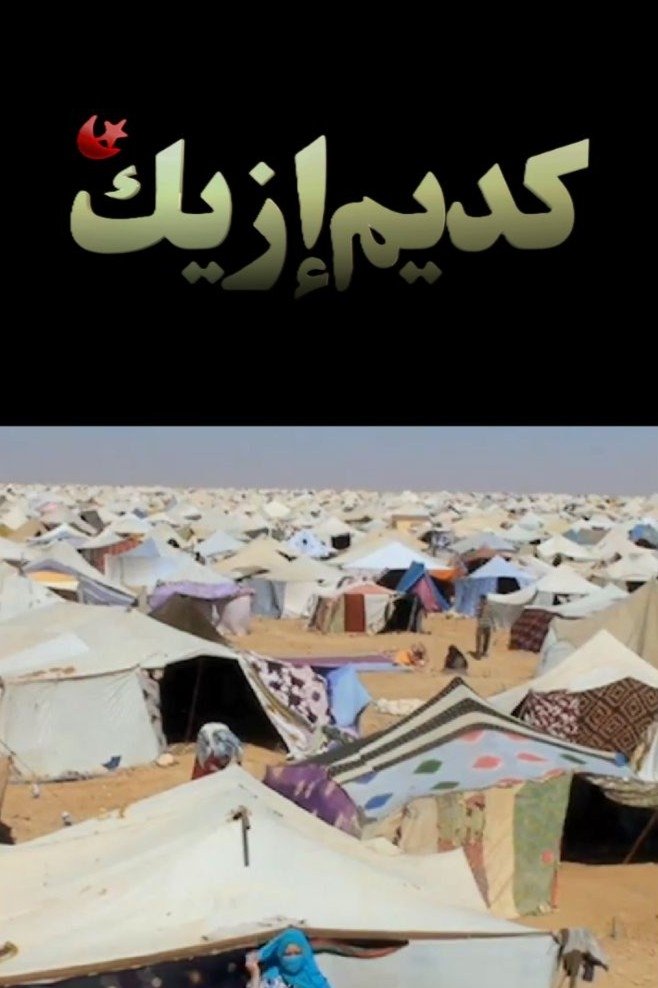
The political upheaval in North Africa is responsibility of the Western powers —especially of the United States and France— due to the exercise of a foreign policy based on practical and economic interests instead of ethical and theoretical principles, essential for their international politic strategies, which have generated a great instability that causes chaos and violence, as occurs in Western Sahara, the last African colony according to the UN, a region on the brink of war.
abel and Antonio are human rights activists. They were awoke by the loud noise of sirens and the roar of thousands of screamings. They picked what they could, between what was the camcorder. They switched it on and started recording what their eyes could not believe: the savage assault and destruction of the largest protest camp ever raised in the Sahara: Gdeim Izik. Tried to contact international press but their satellite phone had been disabled. Antonio and Isabel had to find a way to show these images to the world. It wouldn't be easy. They would have to spend nine days hidden in a safe house during one of the most obscure incidents in the Moroccan history.
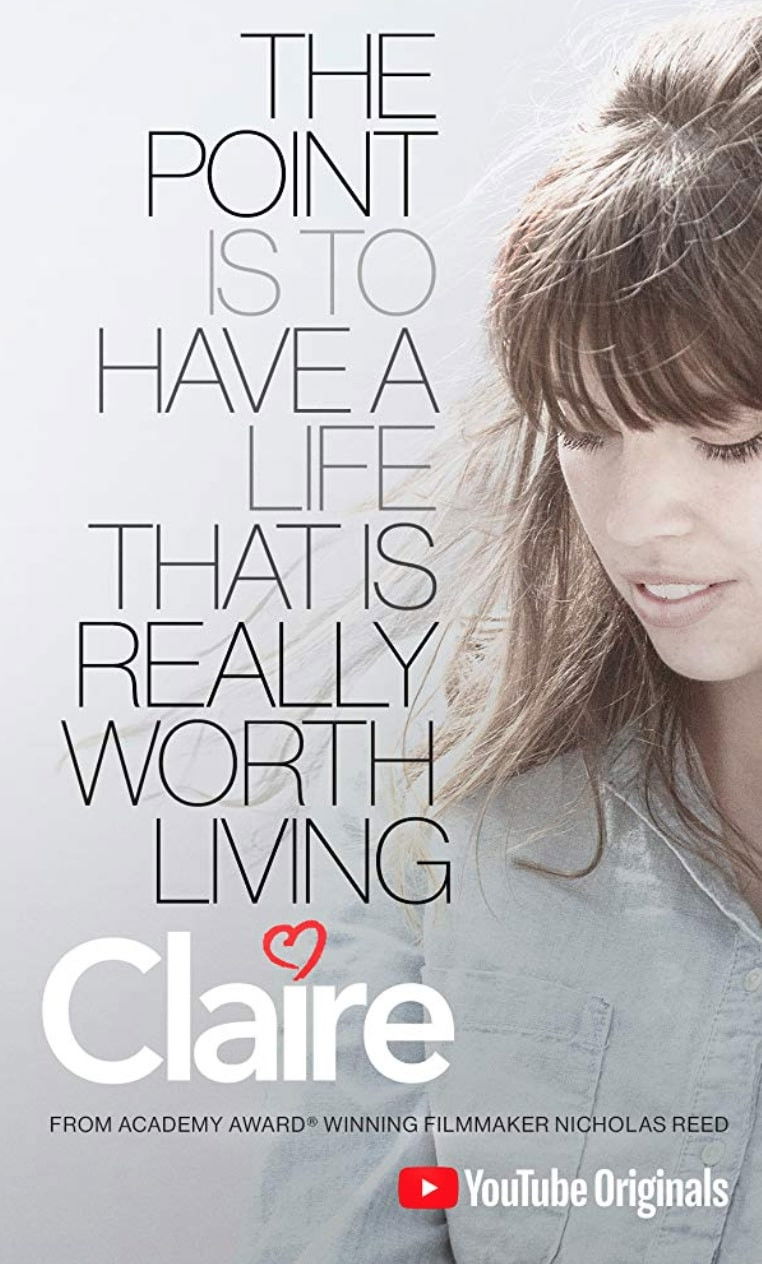
Directed by Oscar-winning filmmaker Nick Reed & Ryan Azevedo, the film tells the story of activist and Claire’s Place Foundation Founder Claire Wineland through interviews and footage, exploring her fight with cystic fibrosis and how she has inspired millions to find purpose and to live proudly.
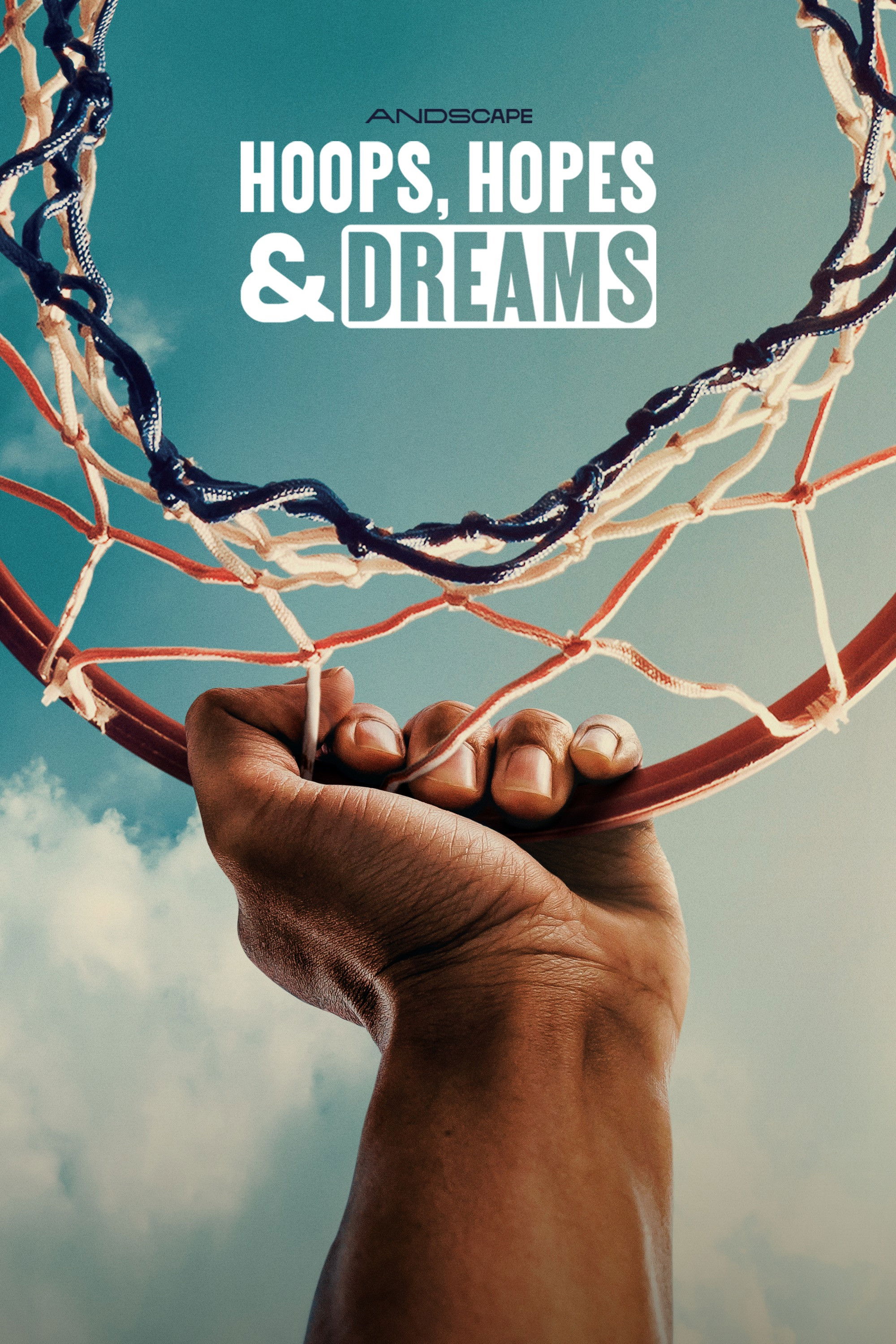
The untold story about how Dr. Martin Luther King Jr. and an all-star team of civil rights activists took to basketball courts to rally young voters while winning hearts of communities, and how their strategy has echoed in contemporary politics.
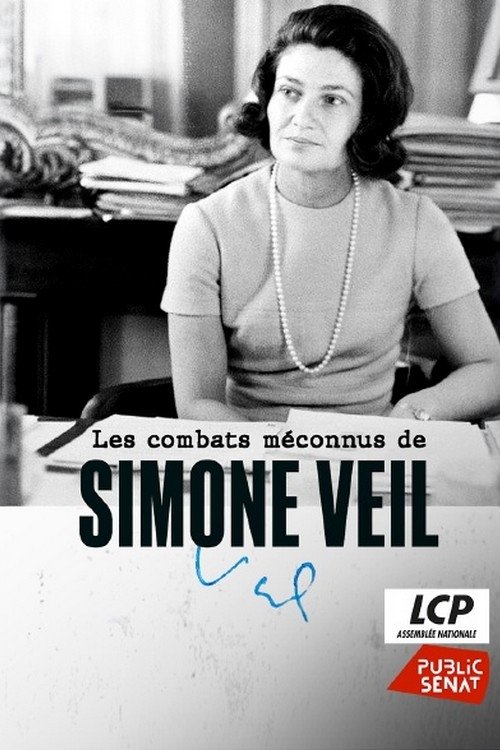
Women's work, gender equality, prison conditions, AIDS patients, humanization of hospitals, parental authority, equal pay... Simone Veil fought many battles that are little known today. As we prepare to celebrate the 50th anniversary of the law on abortion, enacted on January 17, 1975, the time has come to tell her story in a new way through this portrait of a woman ahead of her time: in the light of her other struggles.
This is a documentary about an honest search for the truth about the Federal Reserve Bank and the legality of the Internal Revenue System. Through extensive interviews with recognised experts and authority, the director shows an astonishing revelation of how the Federal Government and the Bankers have fooled the American public by taking thier wages and putting it in the pockets of the super-rich.
Around a fire in the middle of the forest, two former members of the armed anti-capitalist group La Bande à Fasel meet three young activists from the Mormont ZAD, XR Rébellion and anti-racist groups active in Switzerland. During a night as blank as a page, the five characters reflect on revolt, its forms and its limits, past and present.
The Disobbedienti emerged from the Tute Bianche during the demonstrations against the G8 summit in Genoa in July 2001. The “Tute Bianche” were the white-clad Italian activists who used their bodies – protected by foam rubber, tires, helmets, gas masks, and homemade shields – in direct acts and demonstrations as weapons of civil disobedience. The Tute Bianche first appeared in Italy in 1994 in the midst of a social setting in which the “mass laborer,” who had played a central role in the 1970s in production and in labor struggles, was gradually replaced in the transition to precarious post-Fordist means of production. “Disobbedienti” thematizes the Disobbedienti’s origins, political bases, and forms of direct action on the basis of conversations with seven members of the movement.
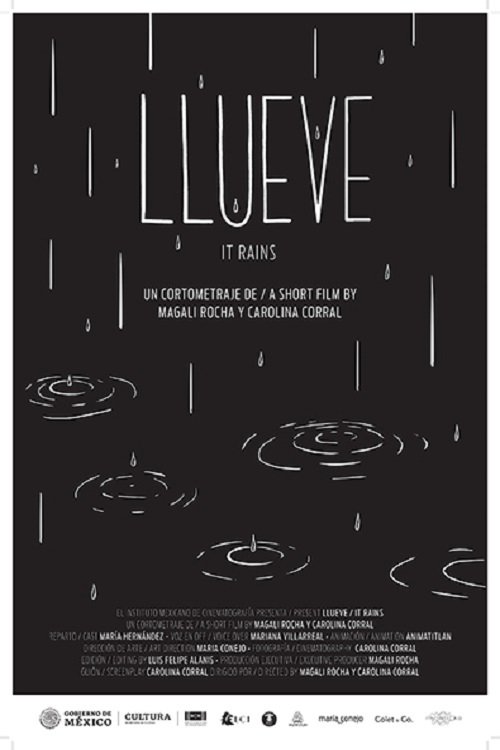
Is that what mass graves are like, one body on top of the other and nothing else? Through the rain, Oliver sends signals to his mother to help her unearth the truth.
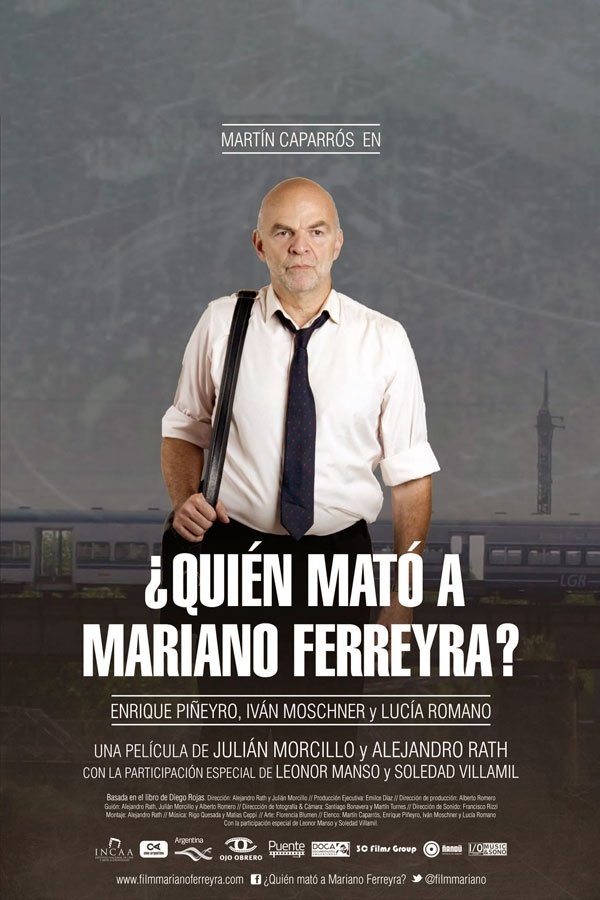
The journalist Andrés Oviedo must write about the murder of a young political activist Mariano Ferreyra for the magazine where he works. Oviedo performs a series of interviews and dialogues with familiars and friends of Ferreyra. The search for the truth and the motifs of the crime lead him to confront his publishers, who removed him from the case. In front of the arising complications, Andrés doubts to proceed with the investigation, but the support of his daughter, of the same generation as Mariano, helps him to continue. (FILMAFFINITY)
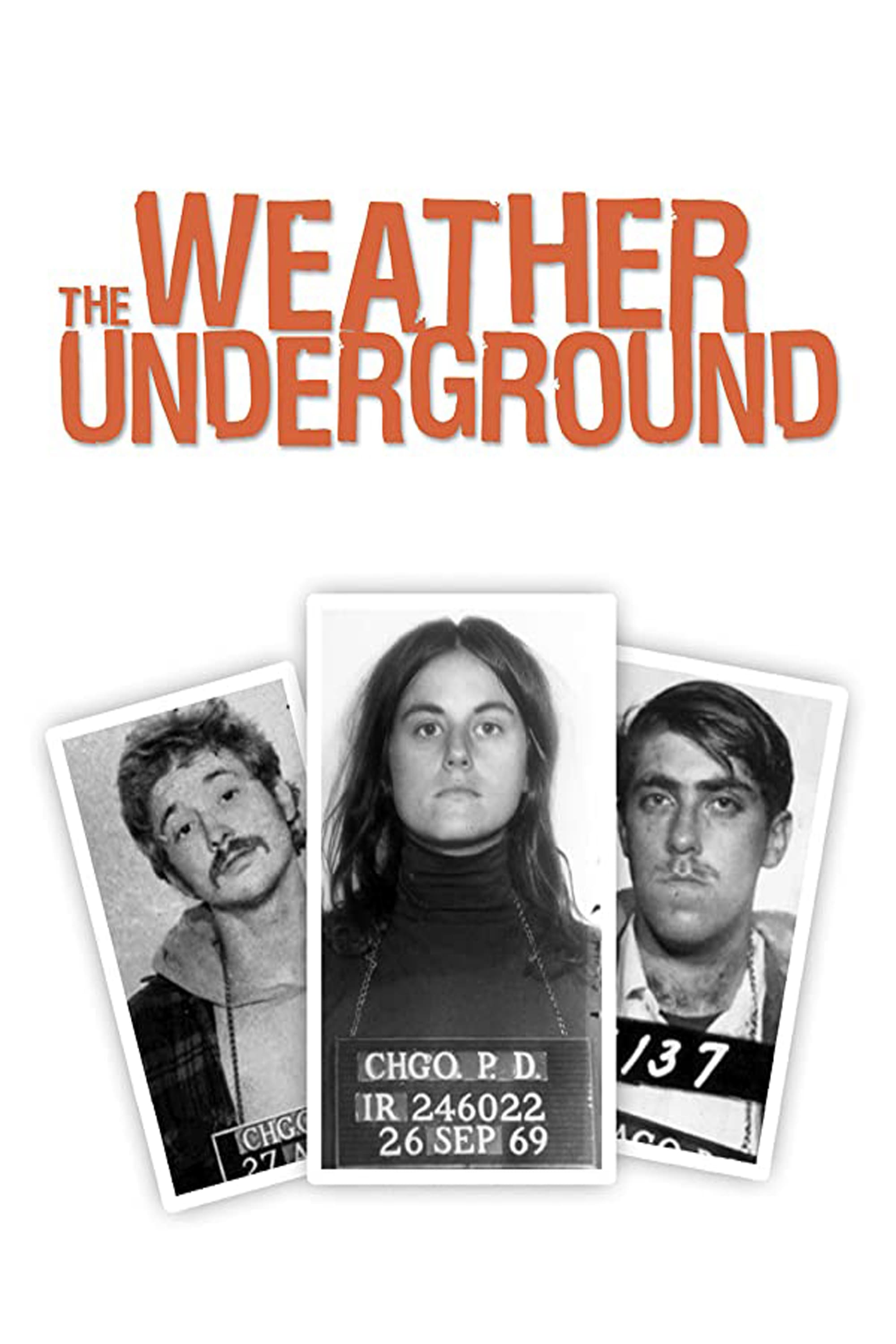
The remarkable story of The Weather Underground, radical activists of the 1970s, and of radical politics at its best and most disastrous.
A documentary on Queercore, the cultural and social movement that began as an offshoot of punk and was distinguished by its discontent with society's disapproval of the gay, bisexual, lesbian and transgender communities.
A student is held up in the library while a riot rages outside. As SDS protesters head to burn the library down, he has to fend them off with his baseball bat. This film opens with actual footage of civil disturbances in the 1960s, and moves on to images of historical American figures.
Three intrepid women battle for Indigenous women's treaty rights.
Oxana is a woman, a fighter, an artist. As a teenager, her passion for iconography almost inspires her to join a convent, but in the end she decides to devote her talents to the Femen movement. With Anna, Inna and Sasha, she founds the famous feminist group which protests against the regime and which will see her leave her homeland, Ukraine, and travel all over Europe. Driven by a creative zeal and a desire to change the world, Oxana allows us a glimpse into her world and her personality, which is as unassuming, mesmerising and vibrant as her passionate artworks.
Dublin, June 2024: thousands of men seeking asylum in Ireland are homeless. Olivia and her group of volunteers are trying to find safe locations where the men can sleep each night, but the government is actively enforcing its new policy against homeless encampments, and the far-right are lurking.
A road trip across five countries to explore the social and political movements as well as the mainstream media's misperception of South America while interviewing seven of its elected presidents.
Takes us inside the world of Anonymous, the radical "hacktivist" collective that has redefined civil disobedience for the digital age. The film explores early hacktivist groups like Cult of the Dead Cow and Electronic Disturbance Theater, then moves to Anonymous' raucous beginnings on the website 4chan. Through interviews with current members, people recently returned from prison or facing trial, writers, academics, activists and major players in various "raids," the documentary traces Anonymous’ evolution from merry pranksters to a full-blown movement with a global reach, the most transformative civil disobedience of our time.
This documentary follows oceanographer Sylvia Earle's campaign to save the world's oceans from threats such as overfishing and toxic waste.
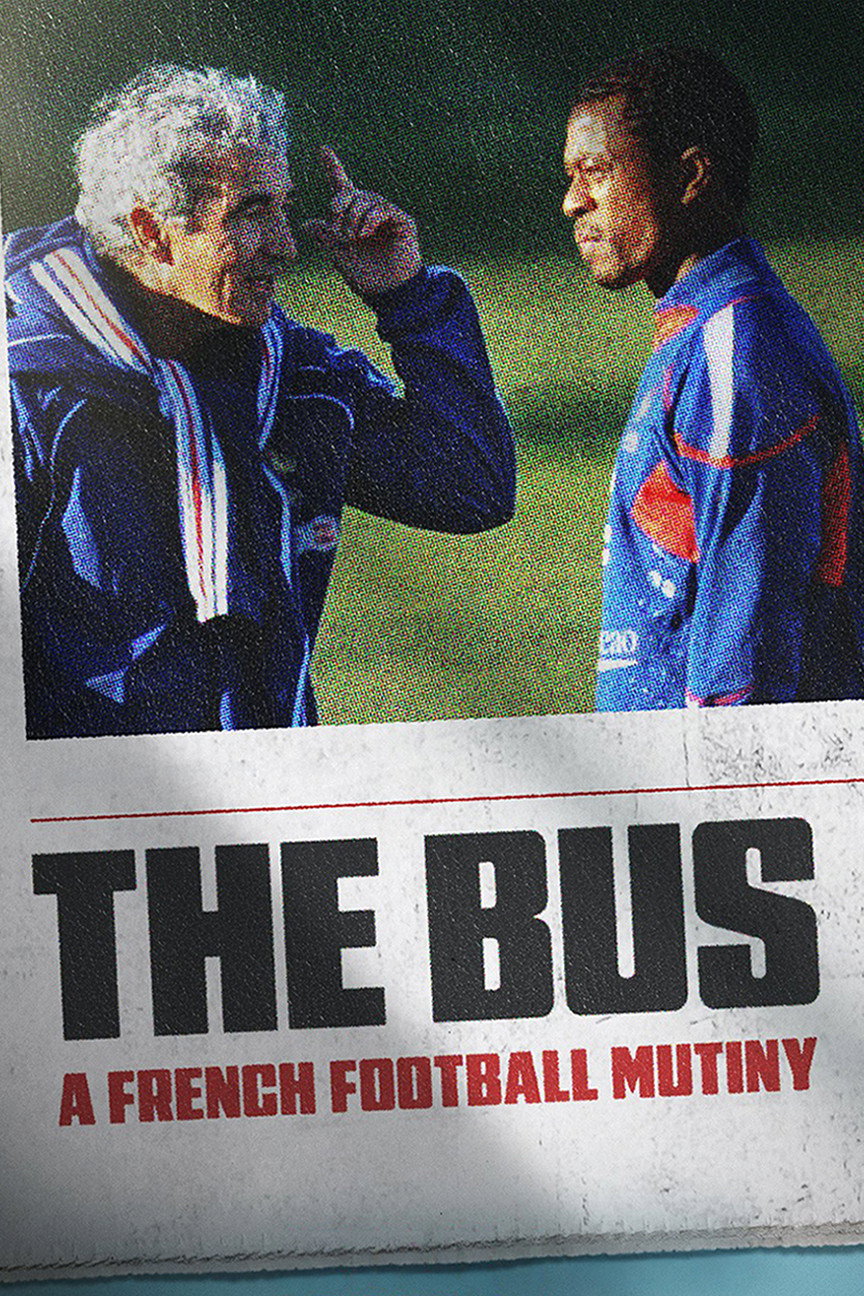
This documentary revisits the French football team's controversial 2010 World Cup and the bus strike that sparked global headlines and national outrage.
A documentary chronicling Queen and Lambert's incredible journey since they first shared the stage together on "American Idol" in 2009.
An inside look at one of the most anticipated movie sequels ever with James Cameron and cast.
This revealing documentary honors the legendary Sidney Poitier—iconic actor, filmmaker, and civil rights activist. Featuring interviews with Denzel Washington, Spike Lee, Halle Berry, and more.
A documentary on Jacques Vergès, the controversial lawyer and former Free French Forces guerrilla, exploring how Vergès assisted, from the 1960s onwards, anti-imperialist terrorist cells operating in Africa, Europe, and the Middle East. Participants interviewed include Algerian nationalists Yacef Saadi, Zohra Drif, Djamila Bouhired and Abderrahmane Benhamida, Khmer Rouge members Nuon Chea and Khieu Samphan, once far-left activists Hans-Joachim Klein and Magdalena Kopp, terrorist Carlos the Jackal, lawyer Isabelle Coutant-Peyre, neo-Nazi Ahmed Huber, Palestinian politician Bassam Abu Sharif, Lebanese politician Karim Pakradouni, political cartoonist Siné, former spy Claude Moniquet, novelist and ghostwriter Lionel Duroy, and investigative journalist Oliver Schröm.
The film follows adventurer Jeff Johnson as he retraces the epic 1968 journey of his heroes Yvon Chouinard and Doug Tompkins to Patagonia.
A backstage and on-stage look at Justin Bieber during his rise to super stardom.
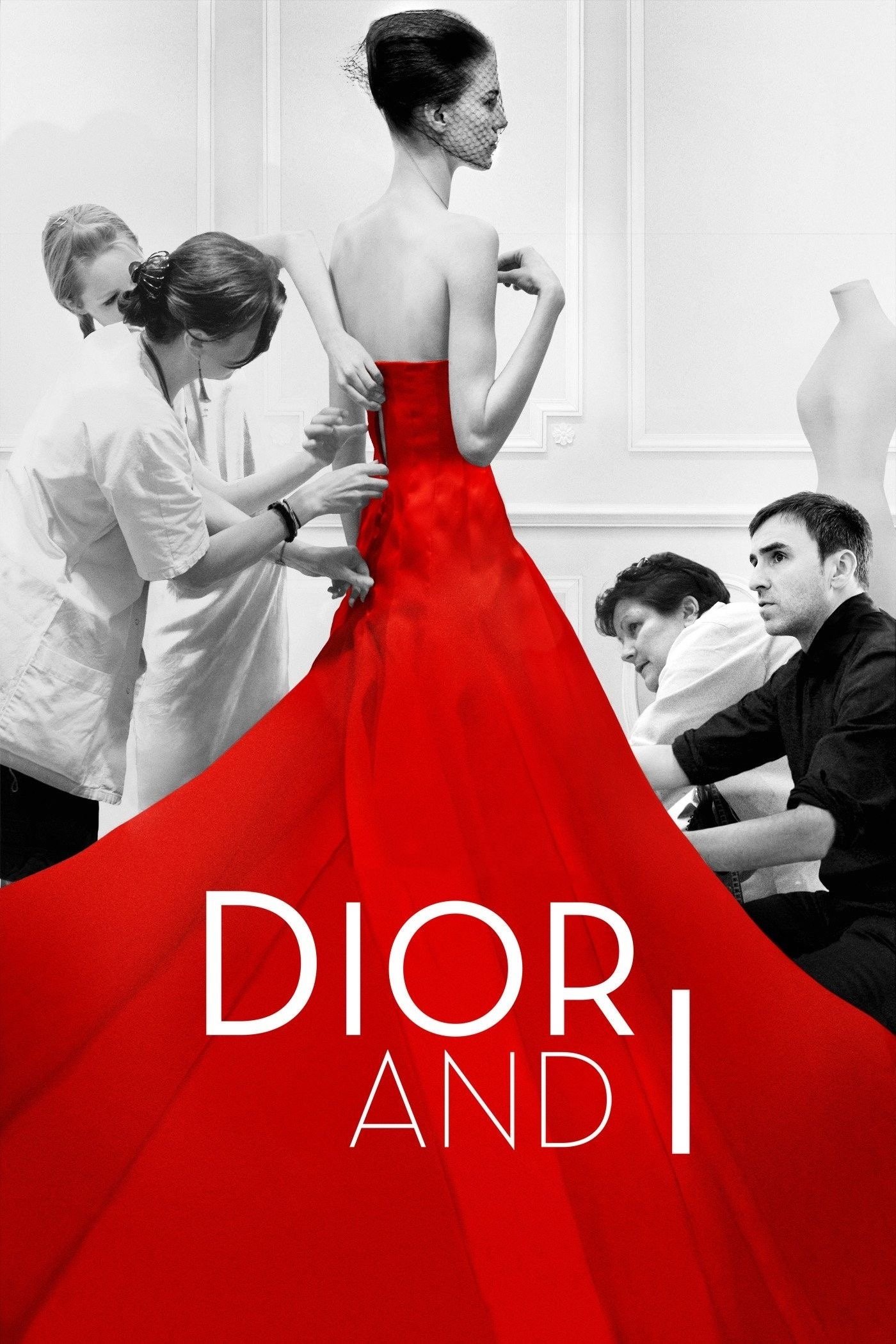
Behind-the-scenes documentary revealing what goes on inside the colourful, privileged, and sometimes stressful Christian Dior fashion house.
This special explores the return of Obi-Wan Kenobi and Anakin Skywalker to the screen, as well as Ewan McGregor and Hayden Christensen to their classic roles. Director Deborah Chow leads the cast and crew as they create new heroes and villains that live alongside new incarnations of beloved Star Wars characters, and an epic story that dramatically bridges the saga films.
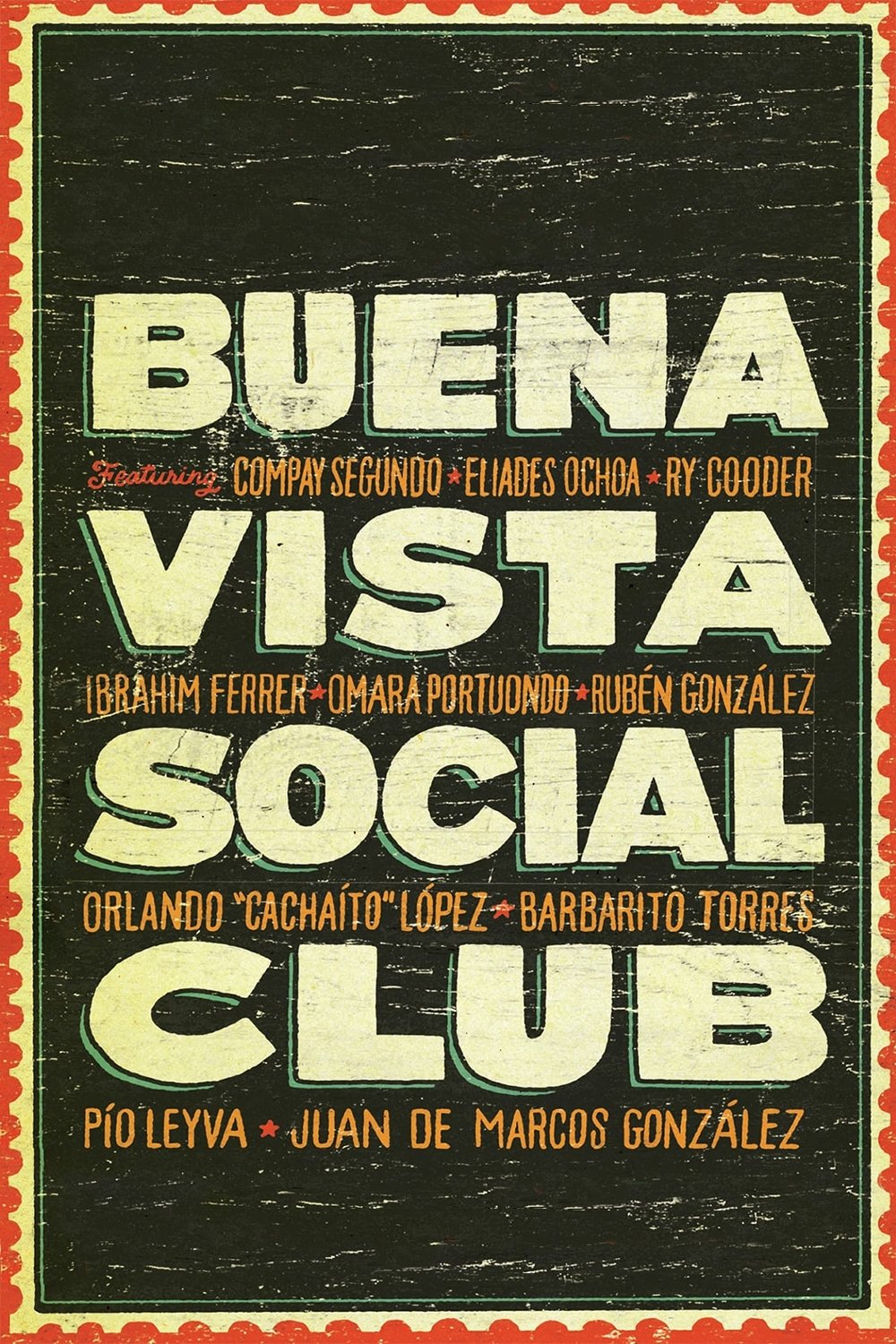
In this fascinating Oscar-nominated documentary, American guitarist Ry Cooder brings together a group of legendary Cuban folk musicians (some in their 90s) to record a Grammy-winning CD in their native city of Havana. The result is a spectacular compilation of concert footage from the group's gigs in Amsterdam and New York City's famed Carnegie Hall, with director Wim Wenders capturing not only the music -- but also the musicians' life stories.
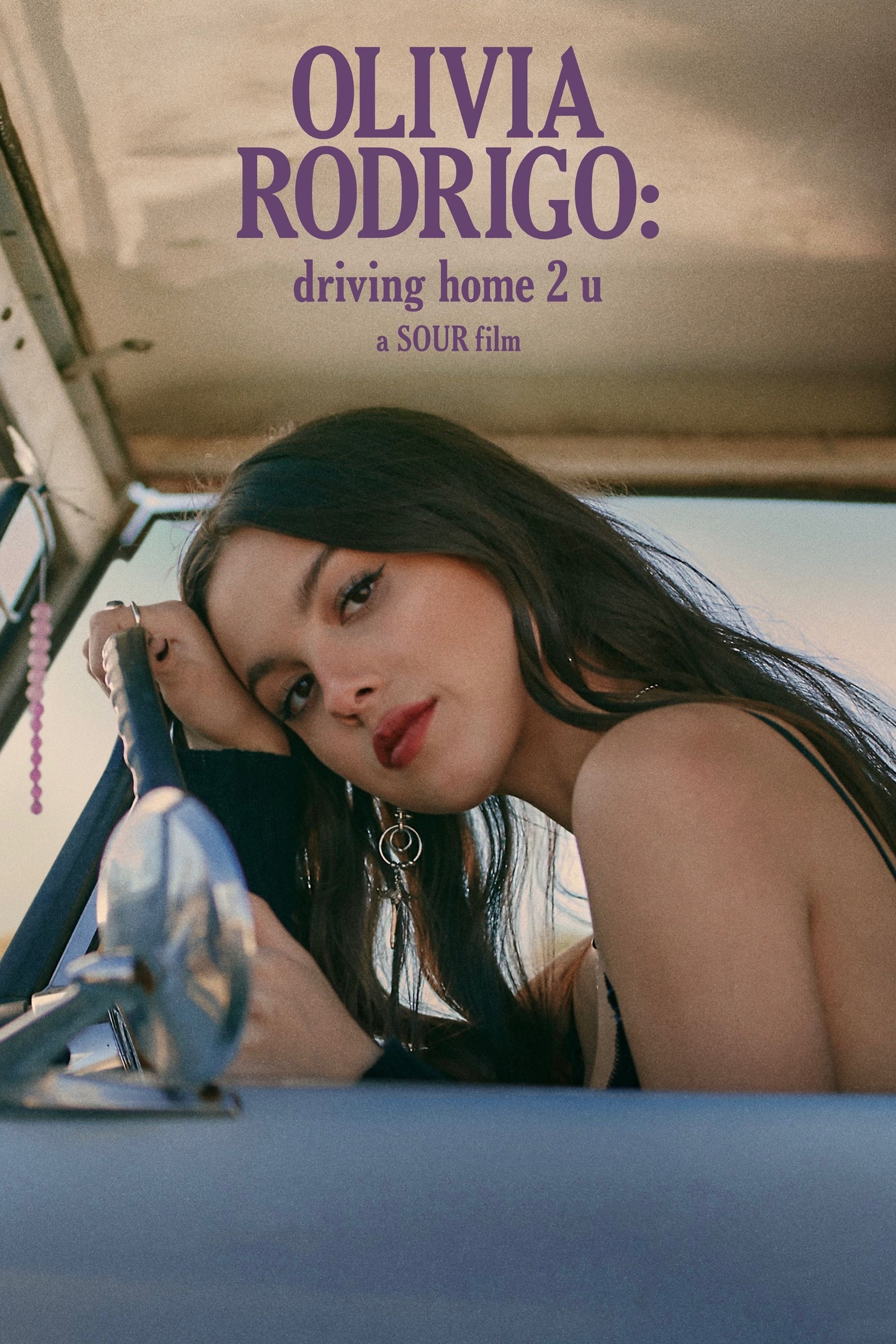
Grammy® winner singer-songwriter Olivia Rodrigo takes a familiar road trip from Salt Lake City, where she began writing her debut album “SOUR,” to Los Angeles. Along the way, Rodrigo recounts the memories of writing and creating her record-breaking debut album and shares her feelings as a young woman navigating a specific time in her life. Through new live arrangements of her songs, intimate interviews and never-before-seen footage from the making of the album, audiences will follow Olivia along on a cinematic journey exploring the story of “SOUR.”
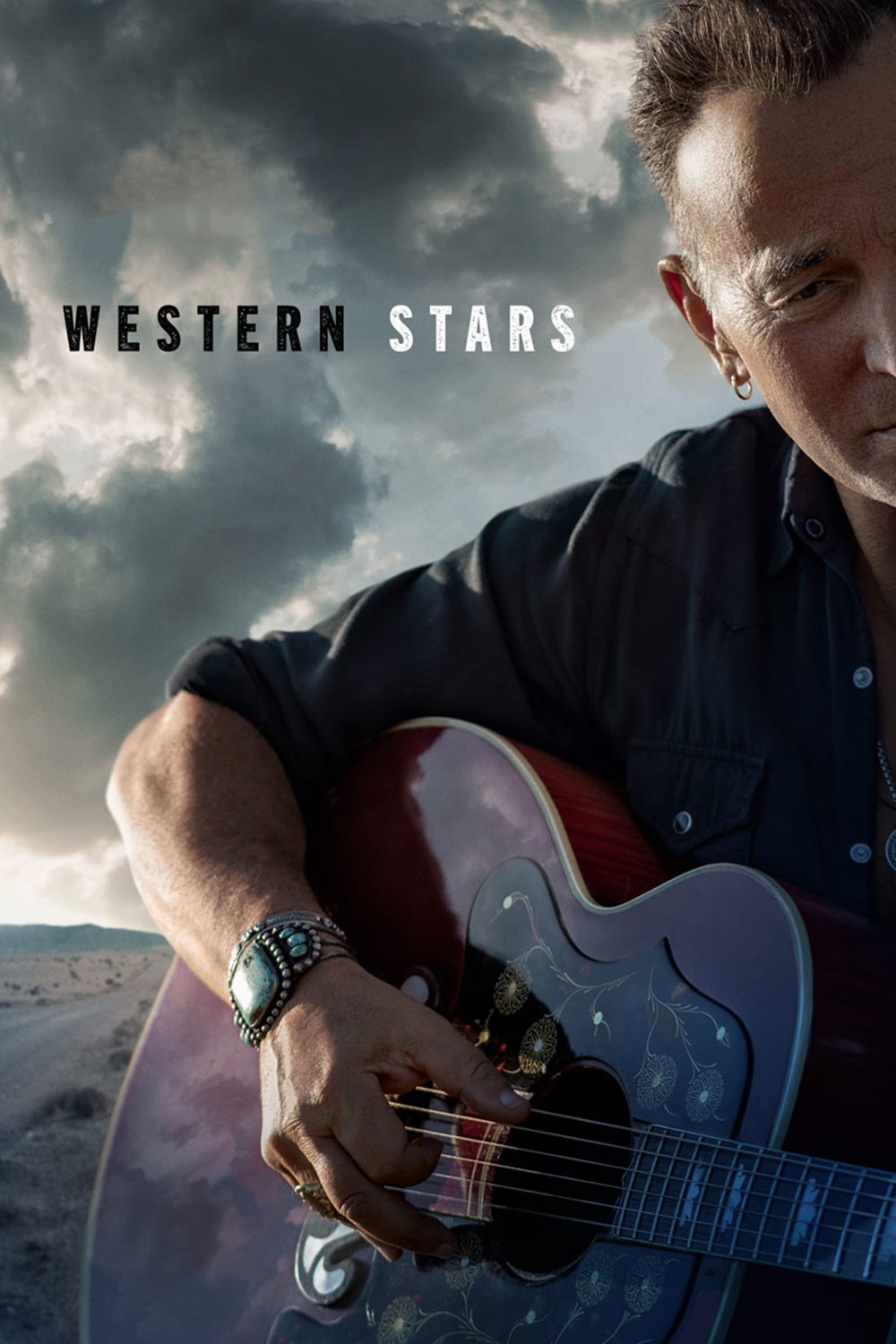
The incomparable Bruce Springsteen performs his critically acclaimed latest album and muses on life, rock, and the American dream, in this intimate and personal concert film co-directed by Thom Zimny and Springsteen himself.
A detailing of the rise to prominence and global sporting superstardom of six supremely talented young Manchester United football players (David Beckham, Nicky Butt, Ryan Giggs, Paul Scholes, Phil and Gary Neville). The film covers the period 1992-1999, culminating in Manchester United's European Cup triumph.
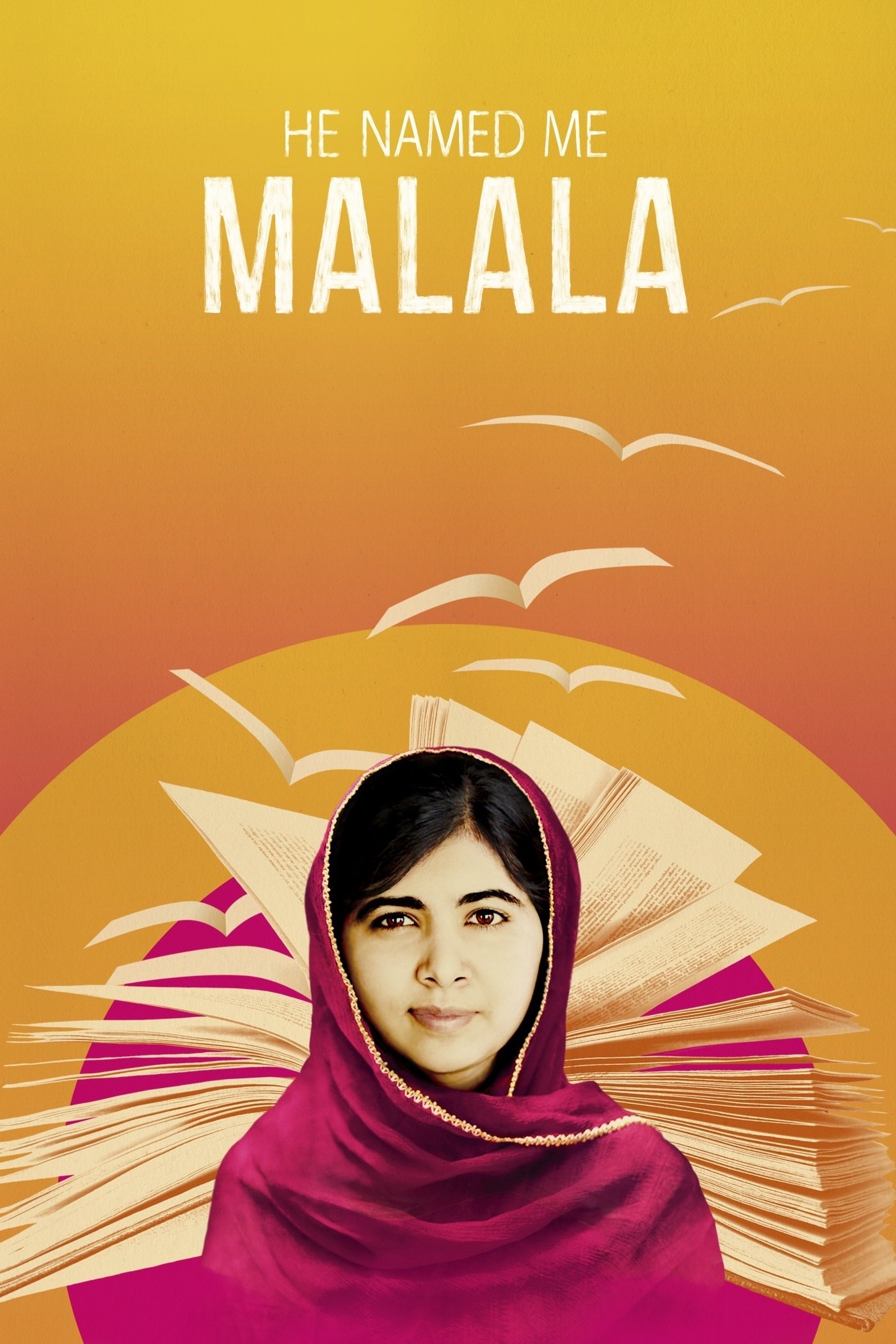
A look at the events leading up to the Taliban's attack on the young Pakistani school girl, Malala Yousafzai, for speaking out on girls' education and the aftermath, including her speech to the United Nations.
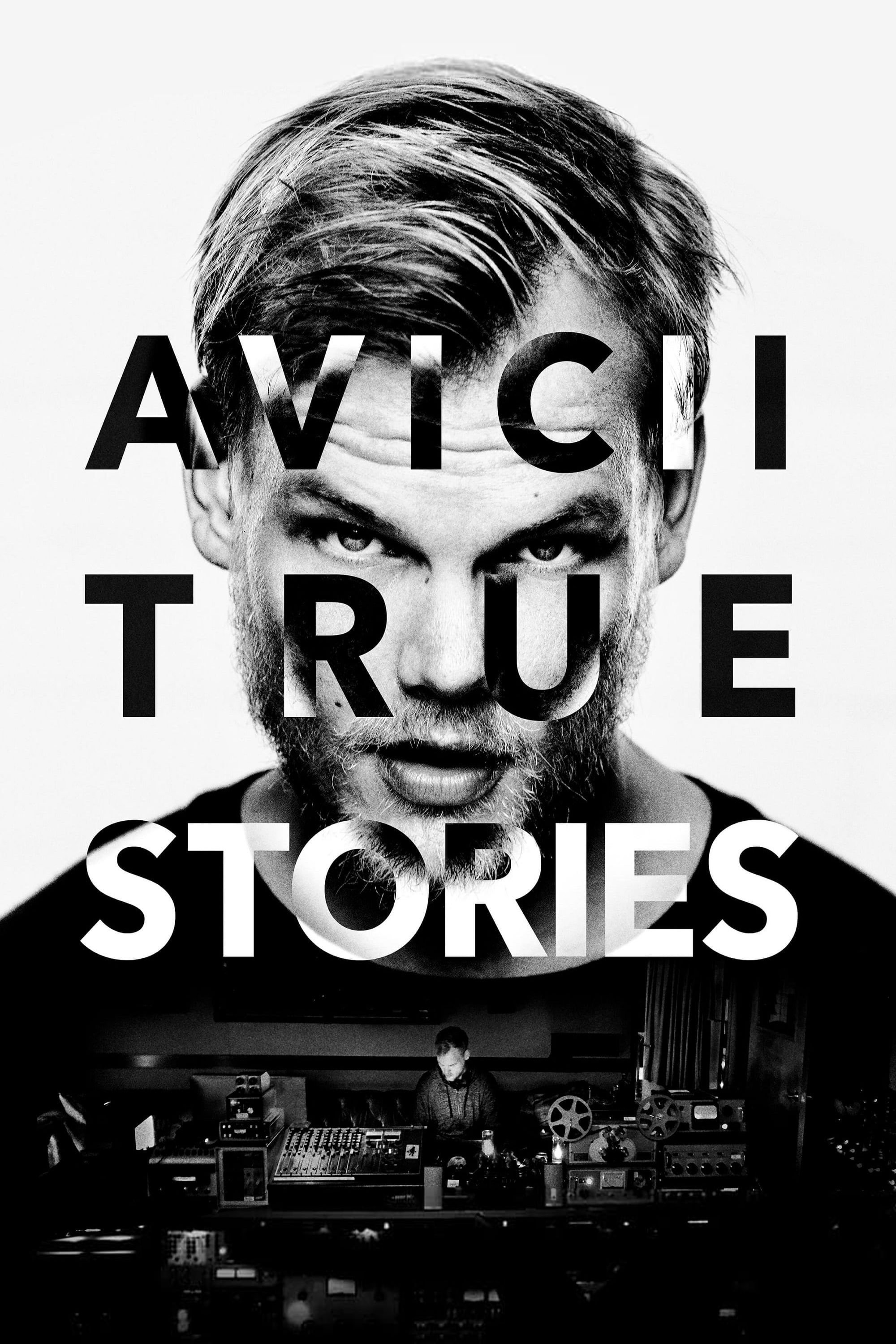
Documentary about the arena-packing Swedish DJ, chronicling his explosive rise to fame and surprising decision to retire from live performances in 2016.
With mesmerizing footage and time lapses of animators at work, this behind-the-scenes special captures the artistry of a unique tale years in the making.