Social & External
The people behind it
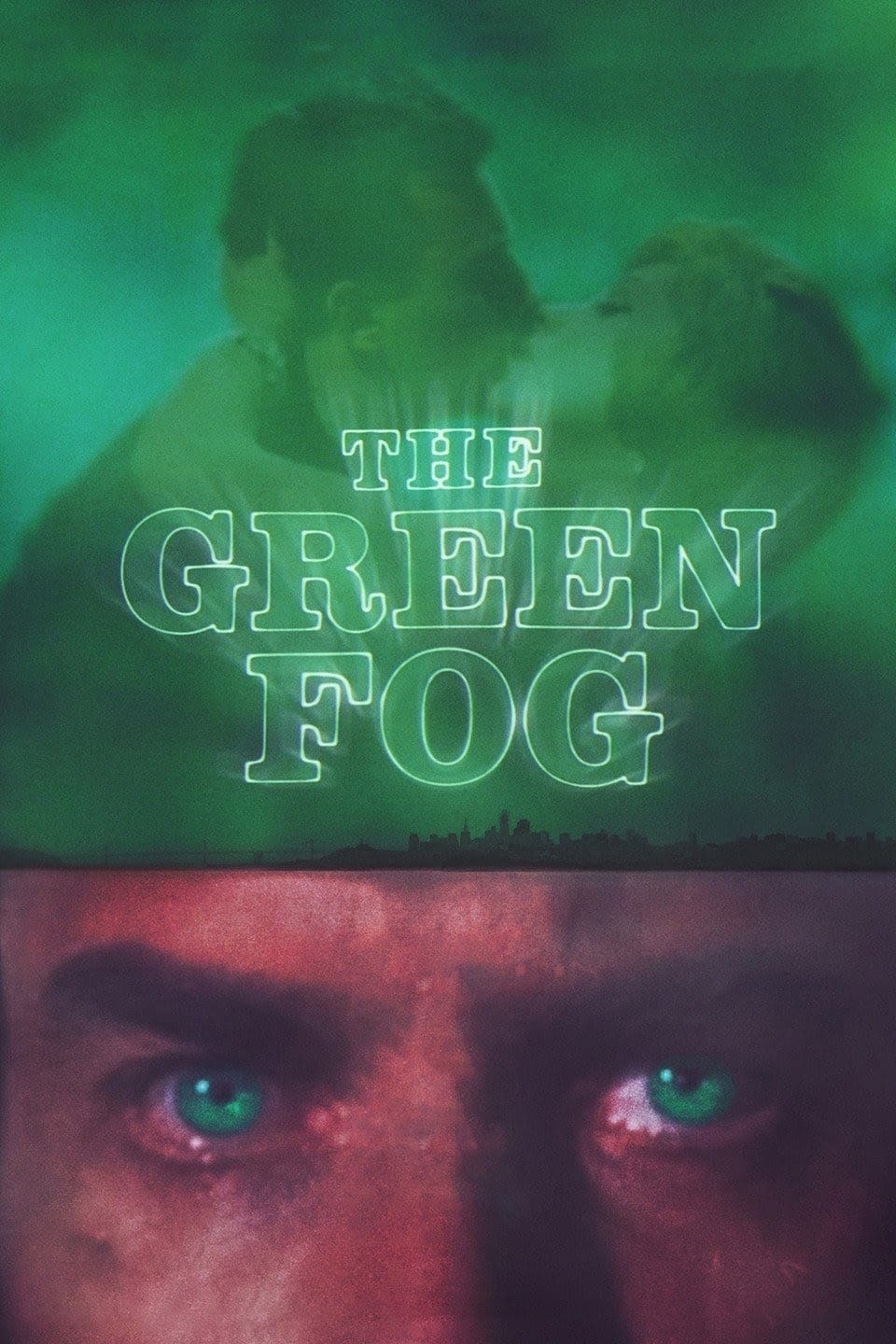
A tribute to a fascinating film shot by Alfred Hitchcock in 1958, starring James Stewart and Kim Novak, and to the city of San Francisco, California, where the magic was created; but also a challenge: how to pay homage to a masterpiece without using its footage; how to do it simply by gathering images from various sources, all of them haunted by the curse of a mysterious green fog that seems to cause irrepressible vertigo…
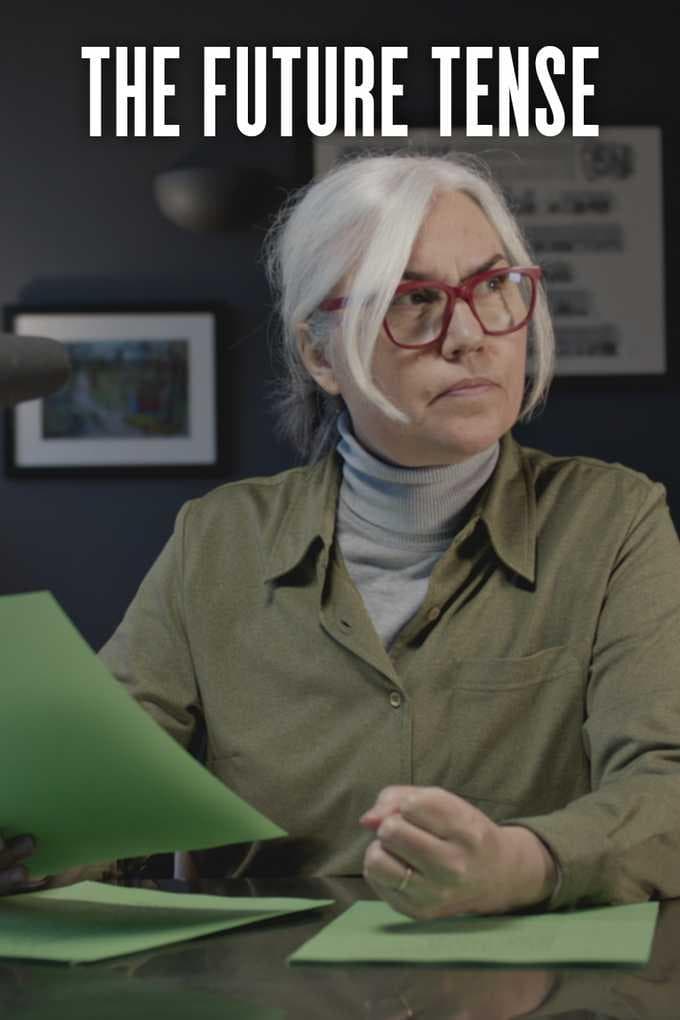
Staged as a series of voiceover sessions, written with gloriously off-balanced precision and dipped in the color green, THE FUTURE TENSE unfolds as a poignant tale of tales, exploring the filmmakers’ own experiences in aging, parenting, mental illness, along with the brutal history that lies submerged beneath Ireland’s heavy, moist earth.
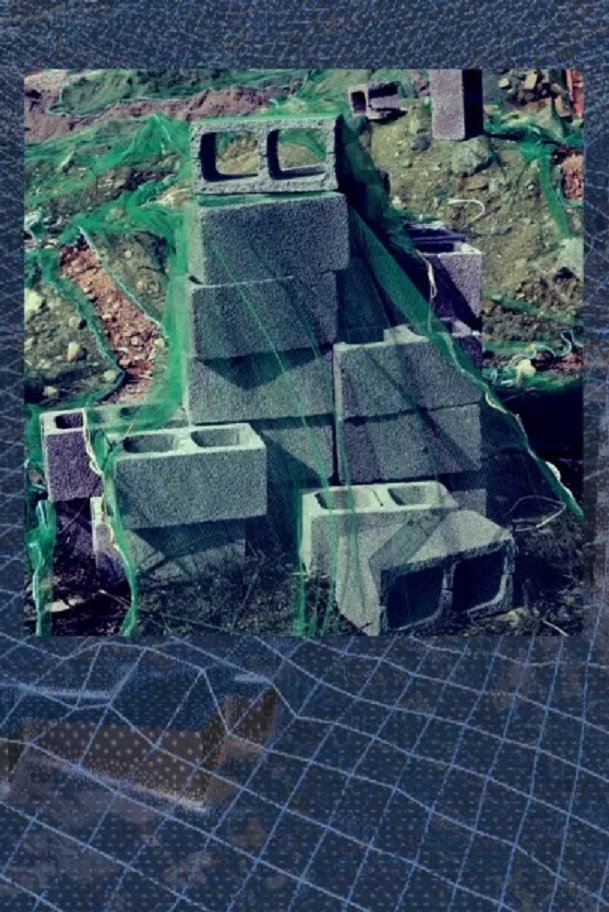
Video essay ‘Rock and Cliff' investigates the creation of Horn Town, a new model village and centre of large scale tourist development, and the experiences of rural residents moved there through government-led displacement. Horn Town is located in Wulong, a rural district near the Three Gorges Dam administered by the Chongqing municipality (a city of 30 million people). Narrated in the style of a science documentary but using local Chongqing dialect, the video brings a geological and topographical perspective to types of 'rocks' found in the area,from mythological stones from a mountain cliff, to ruins of the original settlement, to a stone sculpture from a dubious 'Land Art Biennial', in order to address issues of land acquisition, top-down development and spatial politic.
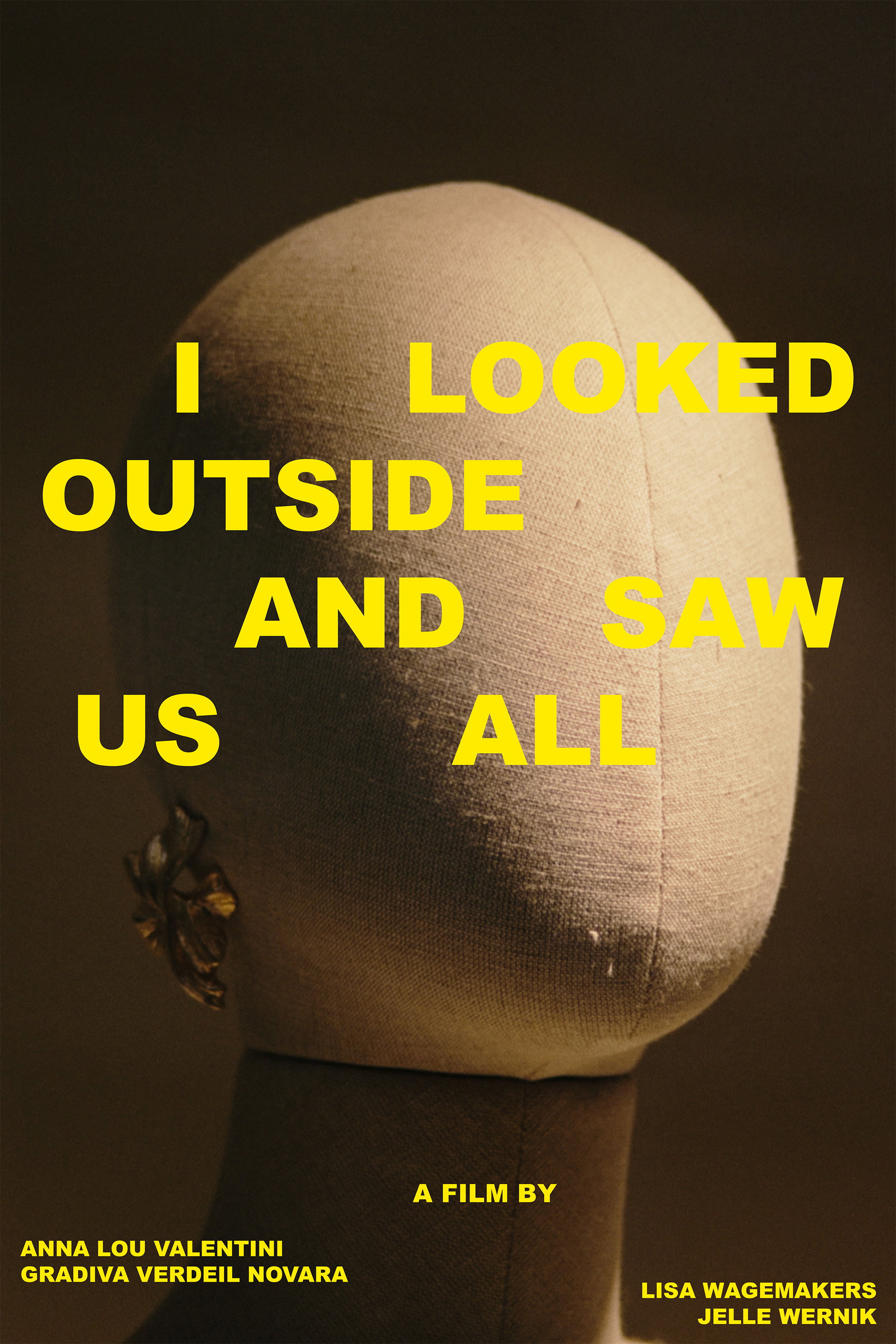
A variety of storefront mannequins look at, contemplate on, and talk about public space.
Originally produced anonymously and distributed by RTMark, Untitled #29.95 tells the story of the commercial art establishment's attempt to turn video art into a precious commodified object through the release of limited editions during the nineties.
The world’s museums are closed. What are you missing? Take a real-time walk through the Louvre towards the “greatest painting ever” and contemplate what it would be like to be there yourself.
In addition to being a popular excursion destination, Äskhult's village outside Kungsbacka on the west coast of Sweden is a place where our past is kept alive while creating opportunities for a more sustainable future.
In the dressing room of the French cinema, minutes before attending a lecture, François Truffaut recalls his trajectory
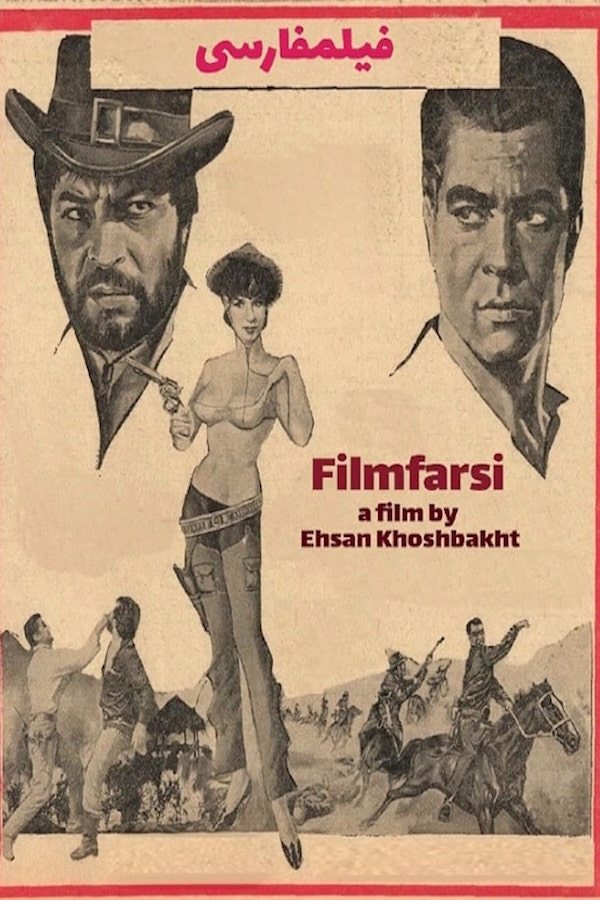
A found-footage essay, Filmfarsi salvages low budget thrillers and melodramas suppressed following the 1979 Islamic revolution.
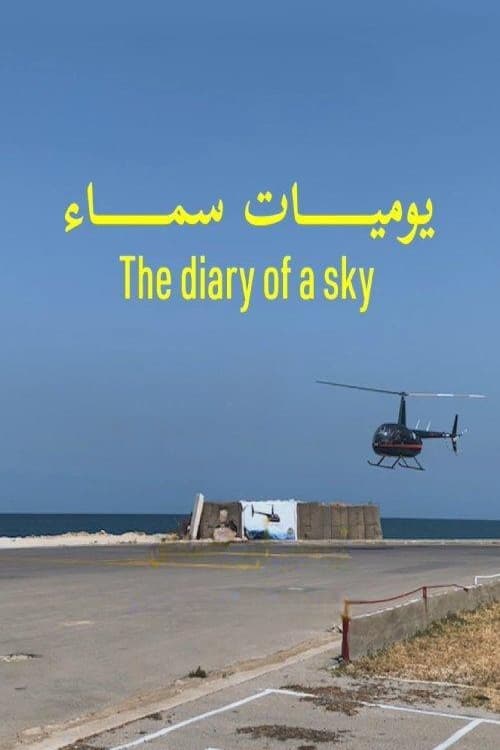
The film unfolds an atmospheric symphony of violence over Beirut, revealing the haunting fusion of incessant Israeli military flights and the hum of generators during blackouts. This 45-minute video essay plunges viewers into a chilling chronicle of daily life transformed by the weaponization of the air, where the terror of repeated incursions becomes a disconcertingly banal backdrop.
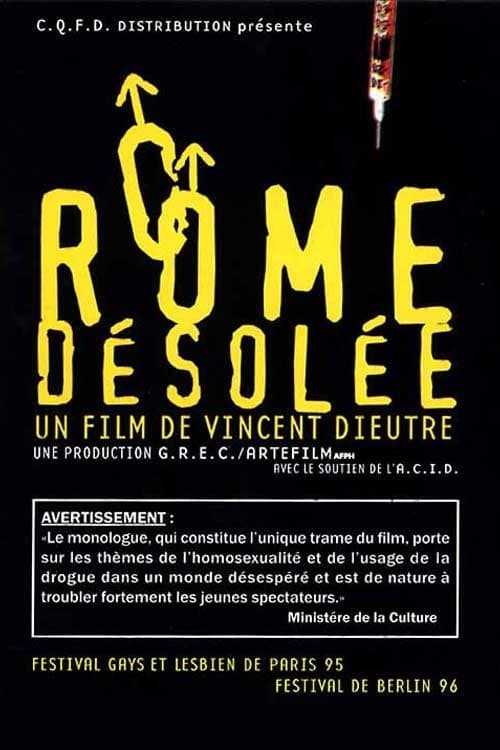
Chronicles of a male homosexual drug addict in 1980's in voice-over with long take scenes from Rome, television snippets of news of Gulf War and commercials.
Berkay Özdinç turns the ghost hotel into a protagonist, which conduces to the meeting of his parents and is thus associated with his existence. In the film which goes over the places, while wandering in the current state of the hotel, he reawakens the memory of the place with his parents’ narration.
Pole, who are you? This film collage that combines archival and contemporary materials, documentary and staged pictures, press reports, social announcements, sale offers and speech excerpts is an attempt to answer this question. Referring to the Polish tradition of a creative documentary in the style of Wojciech Wiszniewski, the film presents various manifestations of Polishness: patriotic and religious rituals, everyday traditions as well as characteristic landscapes or intimate memories from childhood.
With noise-canceling headphones, they communicate with an inaudible counterpart. Decoupled, they move around the room and meet their surroundings. Intimate stories and needs are discussed. The personal blends into a shared portrait.
Depicting the biography of a corrupt banker poses a cinematic dilemma. How can the intentions of an individual systematic contexts and historical eventualities be brought into harmony? Thomas Furhapters nearly one hour film Michael Berger Eine Hysterie turns this problem outward by not covering up the moment of speculation. The subject of the film, Austrian investment banker Michael Berger, who became a dollar millionaire through a risky hedge fund, remains a chimera an absent individual who also cannot be captured through his crime.
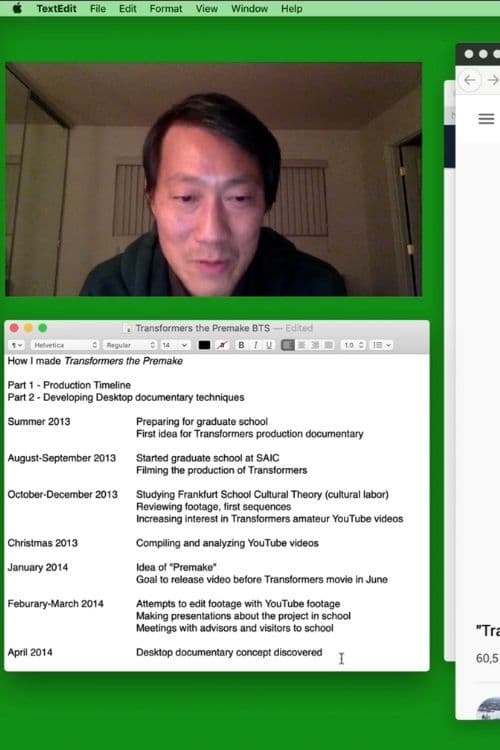
The mind process behind the film, Transformers the Premake, explained by Kevin B Lee himself.
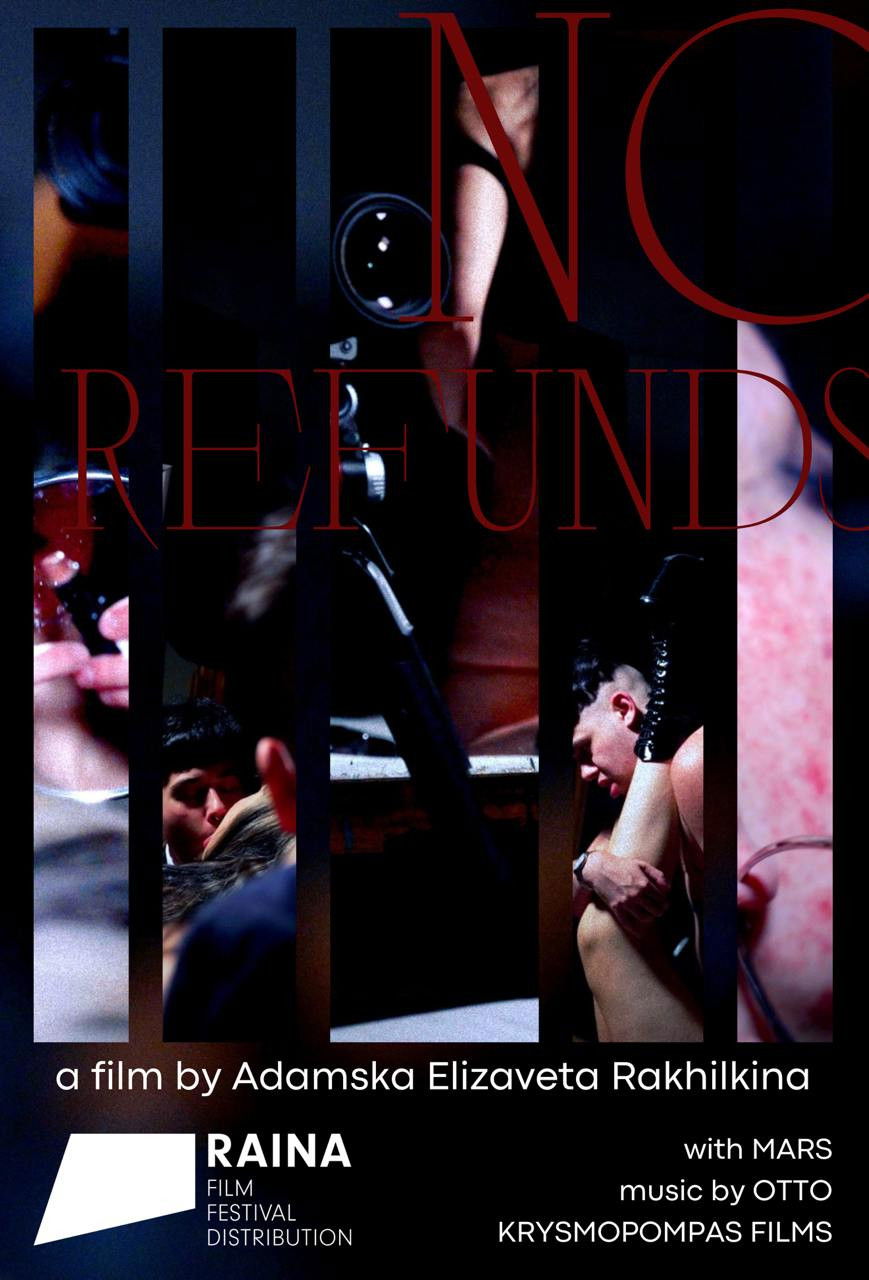
"No Refunds" is a visceral, tangled descent into the transactional dynamics of intimate encounters, told through the language of bodies, sheets, and reflections, where the purchase of queer sex work is laid bare. As the filmmaker simultaneously takes on the roles of client and audience, the boundaries between documentary and performance fade, unraveling the artifice at the heart of sex work and the act of filmmaking.
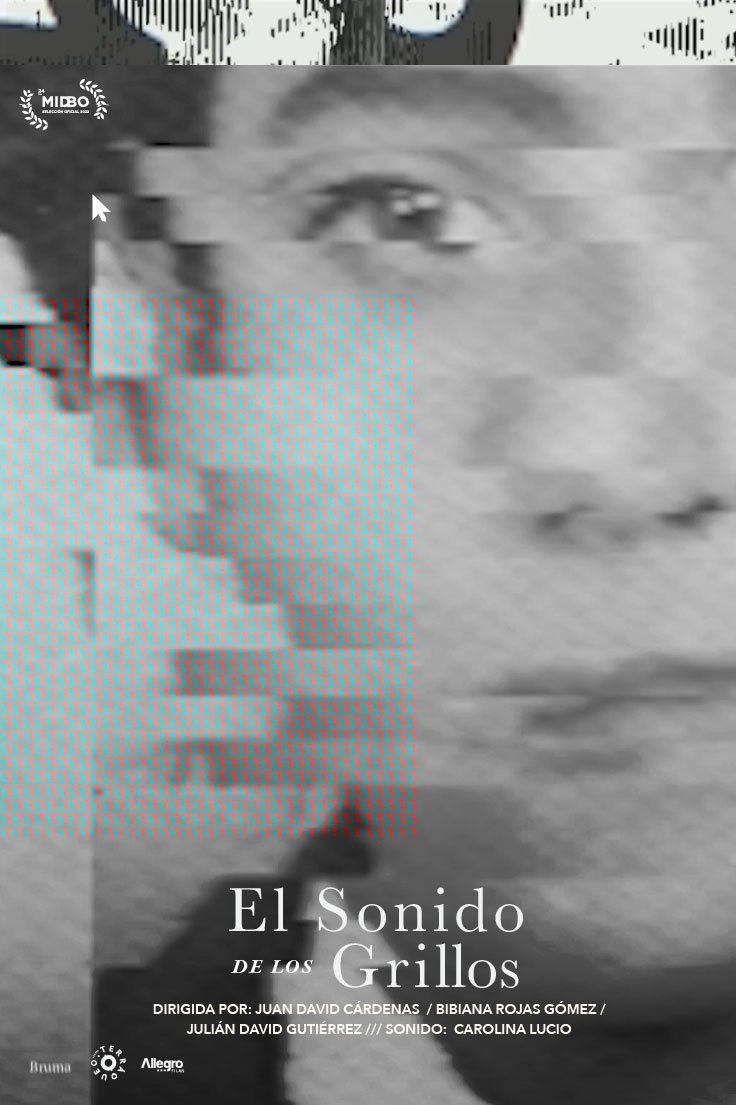
After the disappearance of Aldemar his wife decided to get overall uncertainty by including him in the list of deaths in the 1938 Colombian National Census. Today, 83 years later, I repeat her. I try to find myself among the numbers in the digital database in order to finish the torture that has also implied my own disappearance.
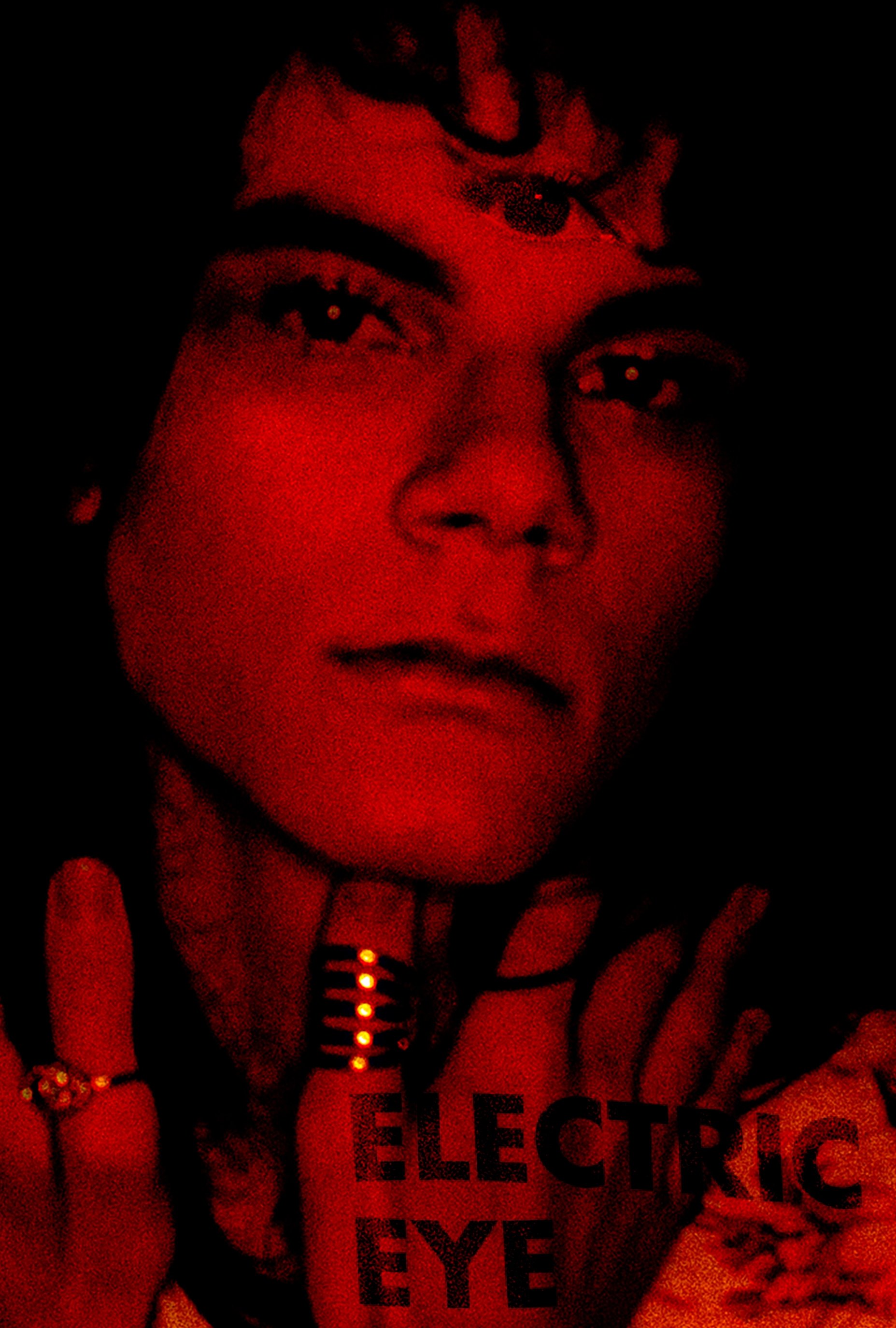
An experimental short film, shot during the COVID-19 pandemic, made by one person. Using recorded scenes and archival footage, the short presents an unorthodox narrative to explore the themes of self-identification, identity, gender expression and androgyny.
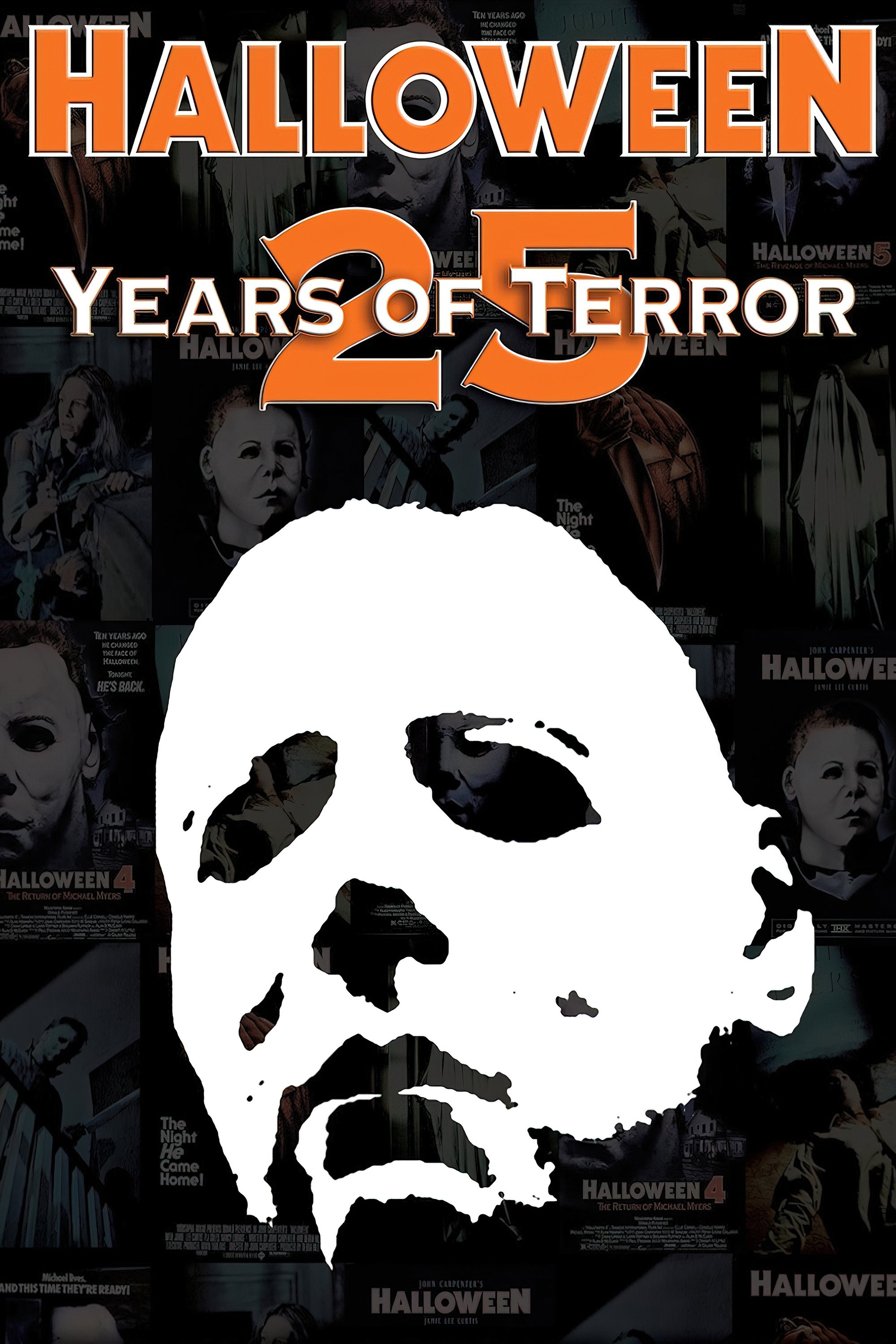
Follow the evolution of the 'Halloween' movies over the past twenty-five years. It examines why the films are so popular and revisits many of the original locations used in the films - seeing the effects on the local community. For the first time, cast, crew, critics and fans join together in the ultimate 'Halloween' retrospective.
A documentary about the life and films of director John Ford.
Daniel Craig candidly reflects on his 15 year adventure as James Bond. Including never-before-seen archival footage from Casino Royale to the upcoming 25th film No Time To Die, Craig shares his personal memories in conversation with 007 producers, Michael G Wilson and Barbara Broccoli.
A compilation of over 30 years of private home movie footage shot by Lithuanian-American avant-garde director Jonas Mekas, assembled by Mekas "purely by chance", without concern for chronological order.
Alexander McQueen's rags-to-riches story is a modern-day fairy tale, laced with the gothic. Mirroring the savage beauty, boldness and vivacity of his design, this documentary is an intimate revelation of McQueen's own world, both tortured and inspired, which celebrates a radical and mesmerizing genius of profound influence.
A visual montage portrait of our contemporary world dominated by globalized technology and violence.
An inside look at one of the most anticipated movie sequels ever with James Cameron and cast.
A purely observational non-fiction film that takes viewers into the ethically murky world of end-of-life decision making in a public hospital.
A deep dive into the making of the Paranormal Activity films with first time ever interviews with cast and crew, never-before-seen footage from the movies, and a preview of the seventh installment in the franchise.
A documentary examining the decade of the 1970s as a turning point in American cinema. Some of today's best filmmakers interview the influential directors of that time.
A documentary on legendary movie-poster artist Drew Struzan.
SEDUCED AND ABANDONED combines acting legend Alec Baldwin with director James Toback as they lead us on a troublesome and often hilarious journey of raising financing for their next feature film. Moving from director to financier to star actor, the two players provide us with a unique look behind the curtain at the world's biggest and most glamourous film festival, shining a light on the bitter-sweet relationship filmmakers have with Cannes and the film business. Featuring insights from directors Martin Scorsese, 'Bernando Bertolucci' and Roman Polanski; actors Ryan Gosling and Jessica Chastain and a host of film distribution luminaries.
A documentary on the making of the three Godfather films, with interviews and recollections from the film makers and cast. This feature also includes the original screen tests of some of the actors for "The Godfather" film, and some candid moments on the set of "The Godfather: Part III."
In an intimate and joyful story of love in the face of loss, celebrated poets Andrea Gibson and Megan Falley find strength—and unexpected hilarity—in what might be their final year together.
Amber Heard and Nicole Kidman discuss their characters Mera and Atlanna.
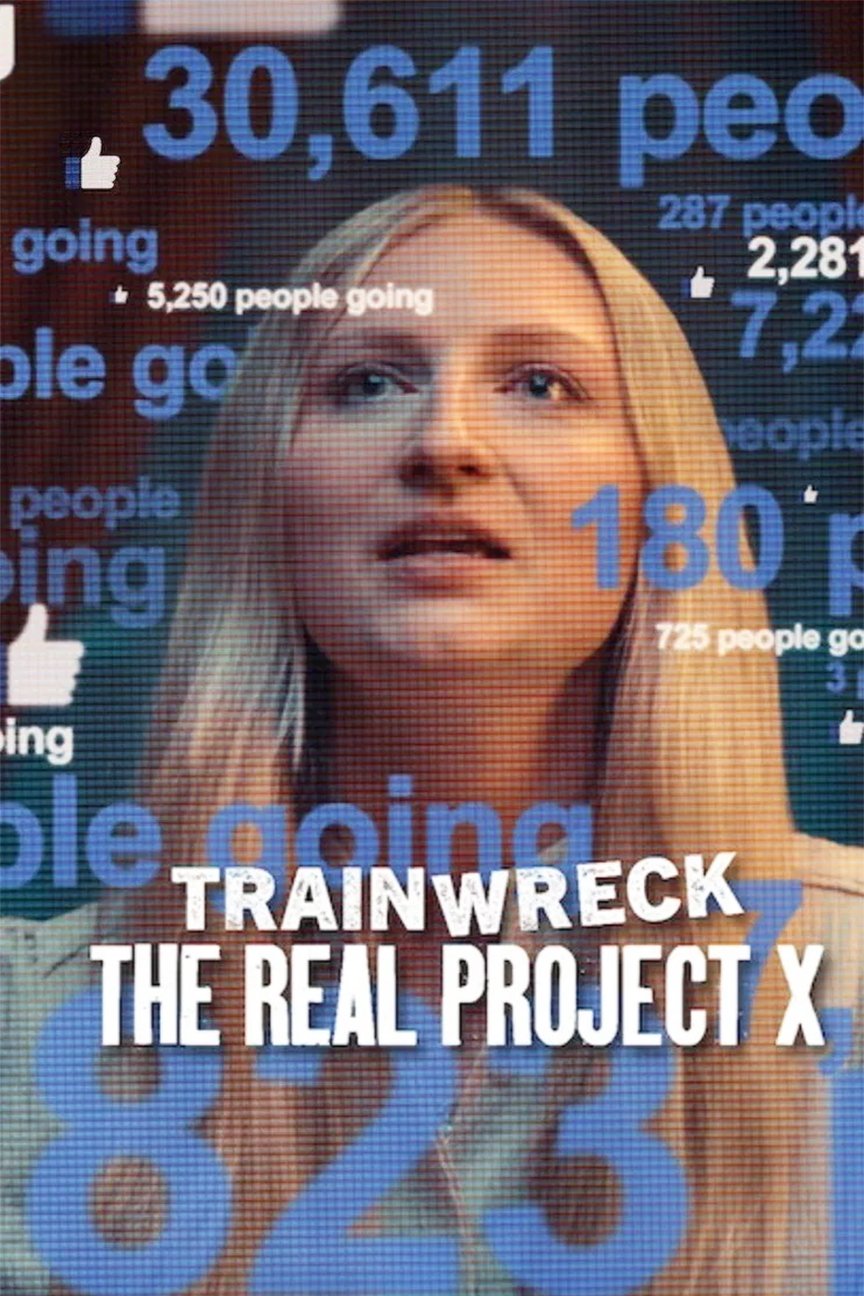
A night of drunken chaos rocks a quiet Dutch town in this shocking documentary about a teen's birthday invite that accidentally went viral on Facebook.
Through deeply personal interviews with her siblings and an examination of the photographs, letters, and belongings left behind, Mariska assembles a new portrait of her mother Jayne Mansfield, an extraordinary and complex woman.
A string of threatening emails escalates into a revenge plot involving a newly married US marshal and his ex-girlfriend.
Brilliant, long in-the-works story of the life and art of the world's greatest comedian and the cinema's first genius, Charlie Chaplin. Produced, written and directed by renowned film critic Richard Schickel.
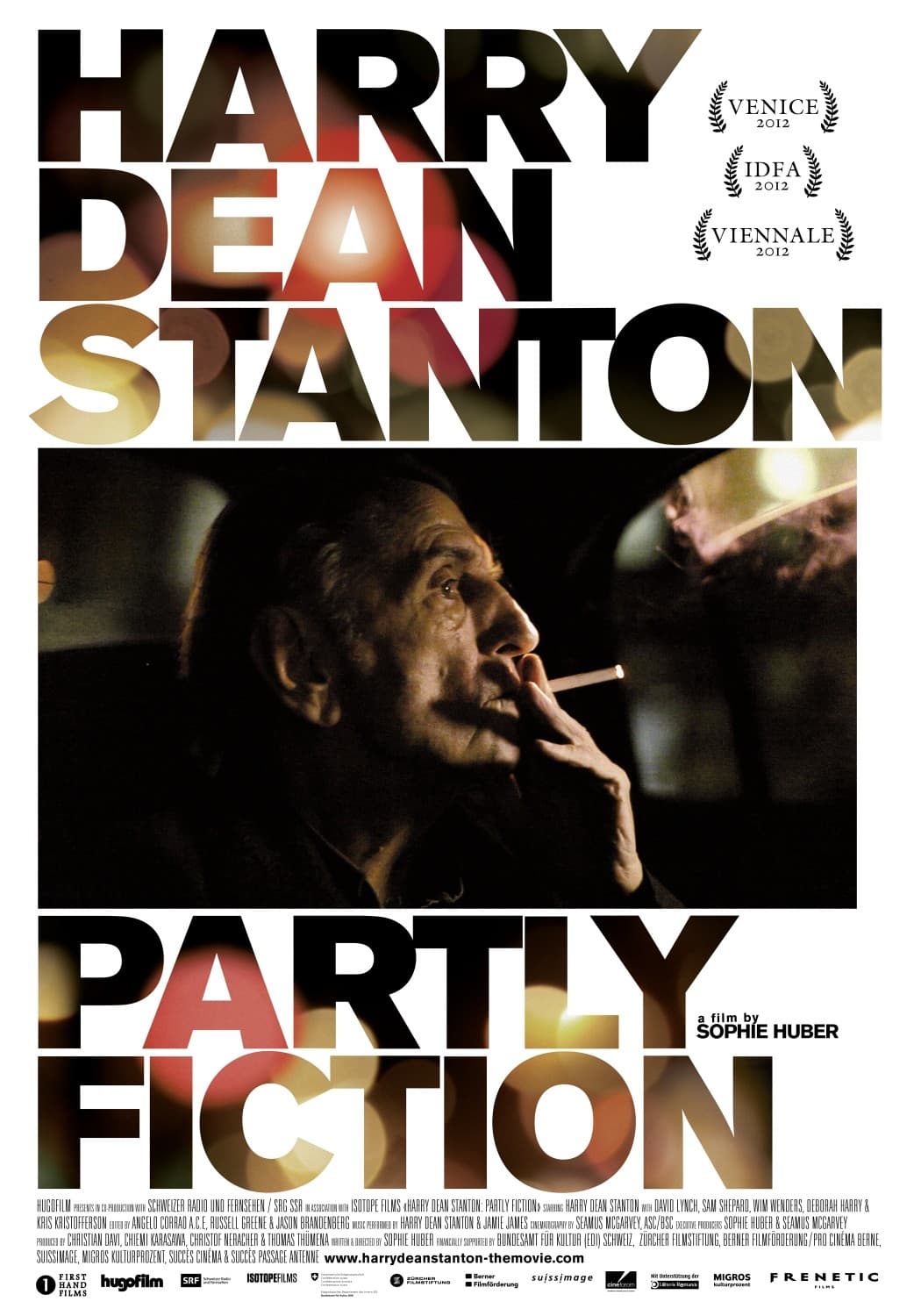
An impressionistic portrait of the iconic actor Harry Dean Stanton comprised of intimate moments, film clips from some of his 250 films and his renditions of American folk songs.