Social & External
The people behind it
Táňa Fischerová
Commentary (voice)
Petr Pelzer
Jan Slabý
Ivan Gübel
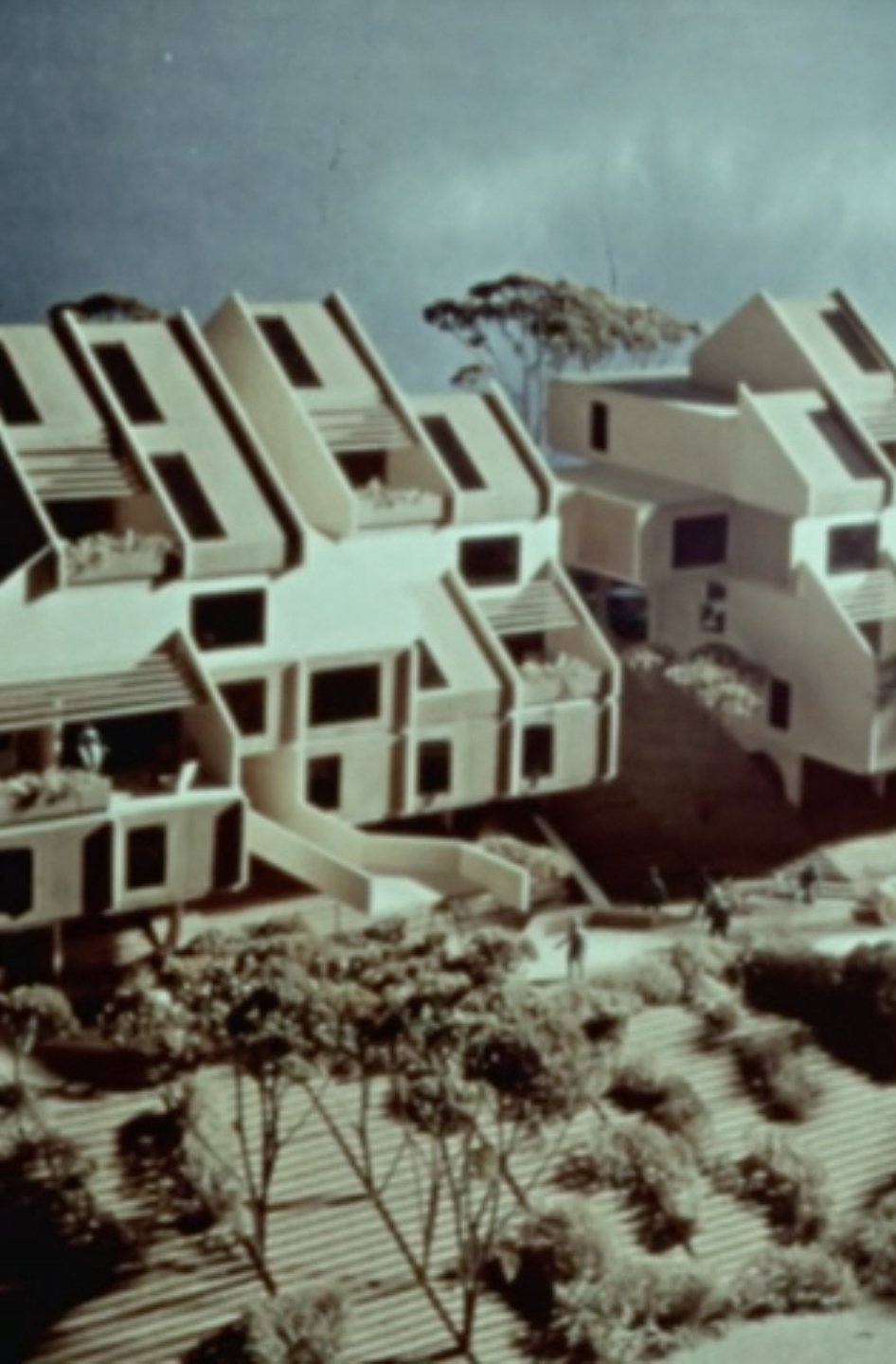
The human side of town planning, as exemplified in Baltimore, Maryland. The Coldspring Project concerned a proposed housing development for lower and upper income levels on a three hundred-acre site adjoining a wildlife sanctuary. The film records the differences aired in meetings of various interest groups that tried to modify the plan according to their views, and the compromise reached, based on plans drawn up by Montréal architect Moshe Safdie.
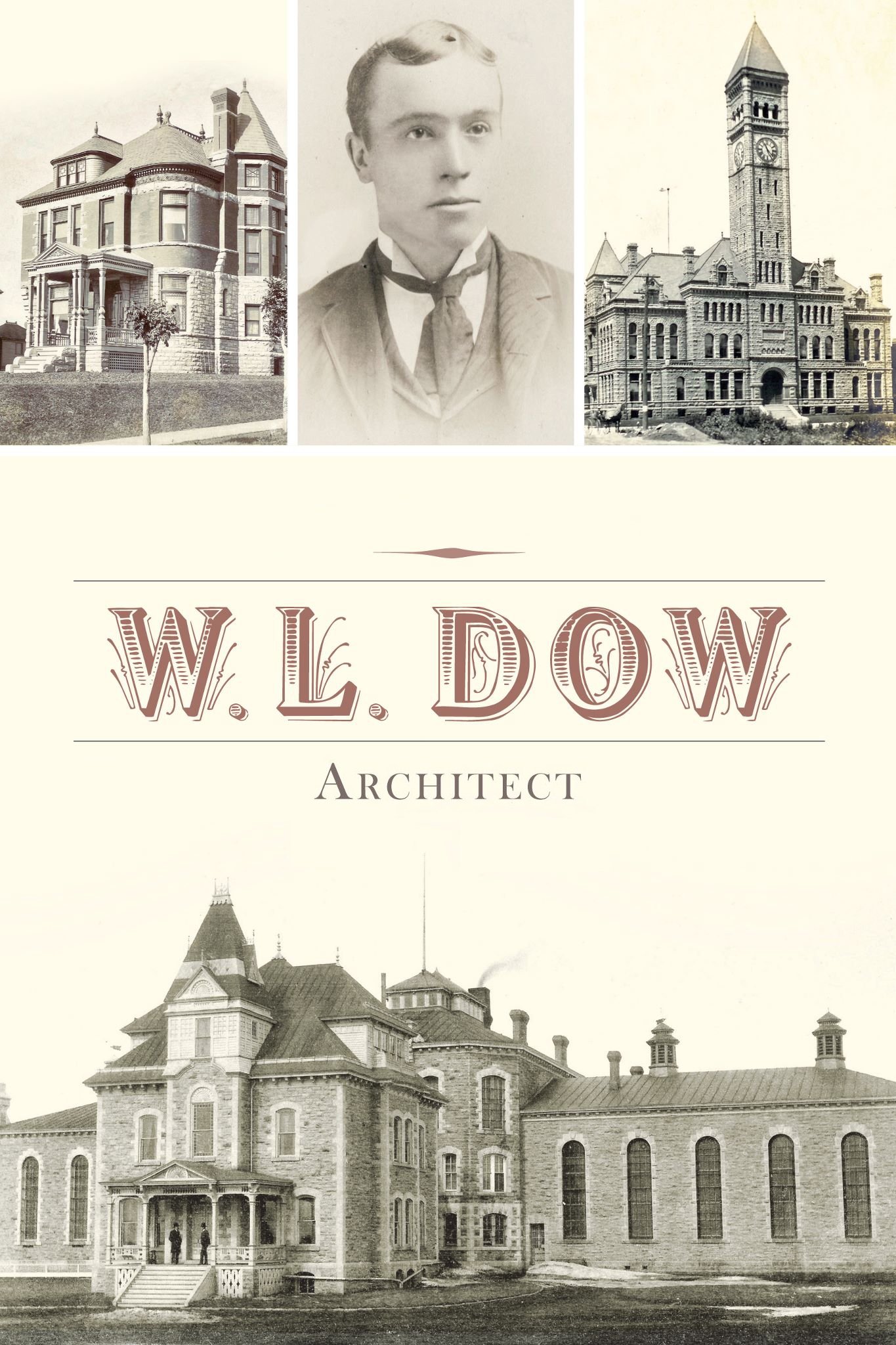
Wallace Dow has been referred to as the "Builder on the Prairie" and was considered the premier architect of South Dakota in the late 19th century. "W.L. Dow, Architect" is a documentary about the man who came to Dakota Territory in 1880 and built a number of iconic structures.
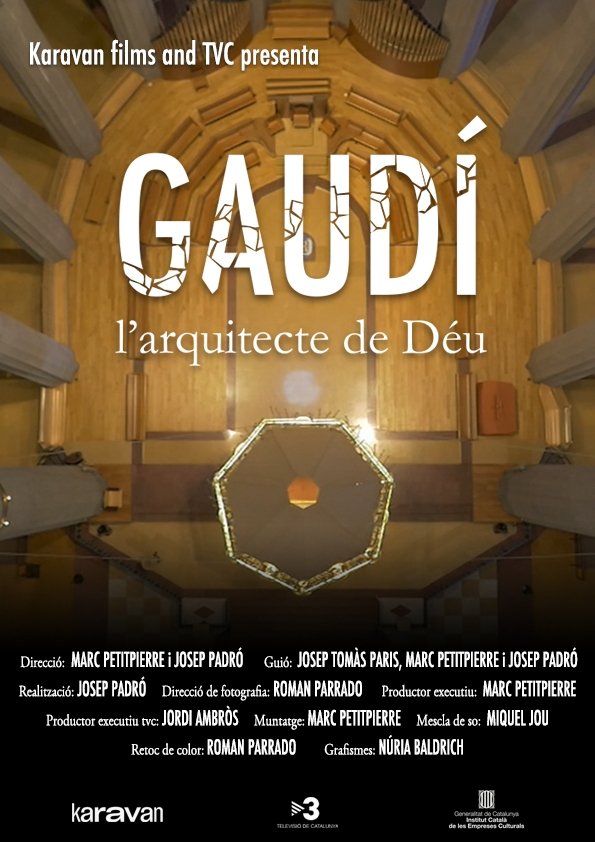
“Gaudí, l’arquitecte de Déu” is a story of faith, of overcoming, about five lay that decided to create an assossiation to demonstrate that Gaudí deserves one of most valuable titles of the Church: beatification. The Pro-Beatification Association of Antoni Gaudí has been working more than 25 years to manage to beatify the architect of Reus, picking up all witnesses and proofs that demonstrate that Gaudi lived like a beatus and, the most difficult part, wiaiting for a miracle to happen attributed do Gaudí himself, an essential condition for his beatification. The documentary will follow this case, showing Gaudi’s life and work from a new outlook, more intimate and linked to spirituality and beliefs of the architect.
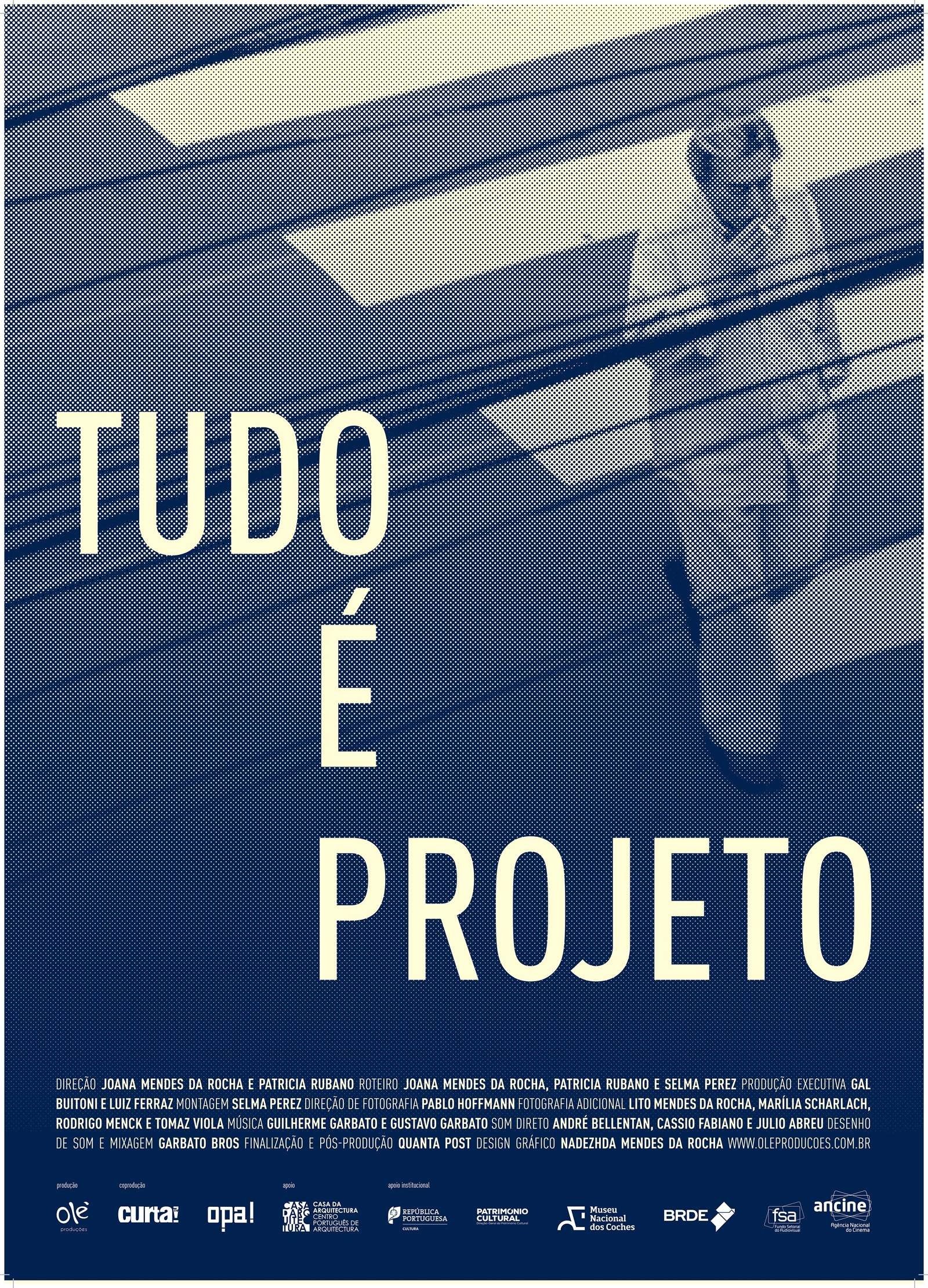
Documentary about the life and work of the architect Paulo Mendes da Rocha, told by him in prominence for Joana, his daughter. With more than 80 years of age, Paulo Mendes is today one of the most important and renowned architects in the world, but, above all, he is a thinker who has controversial ideas and opinions about urbanism, nature, humanity, art and technique deserve to be heard. In a constant dialogue between interviewee / father and interviewer / daughter, Joana is the guiding thread of the film. As in all personal relationships, especially between parents and children, the thread that leads is also that which is conducted.
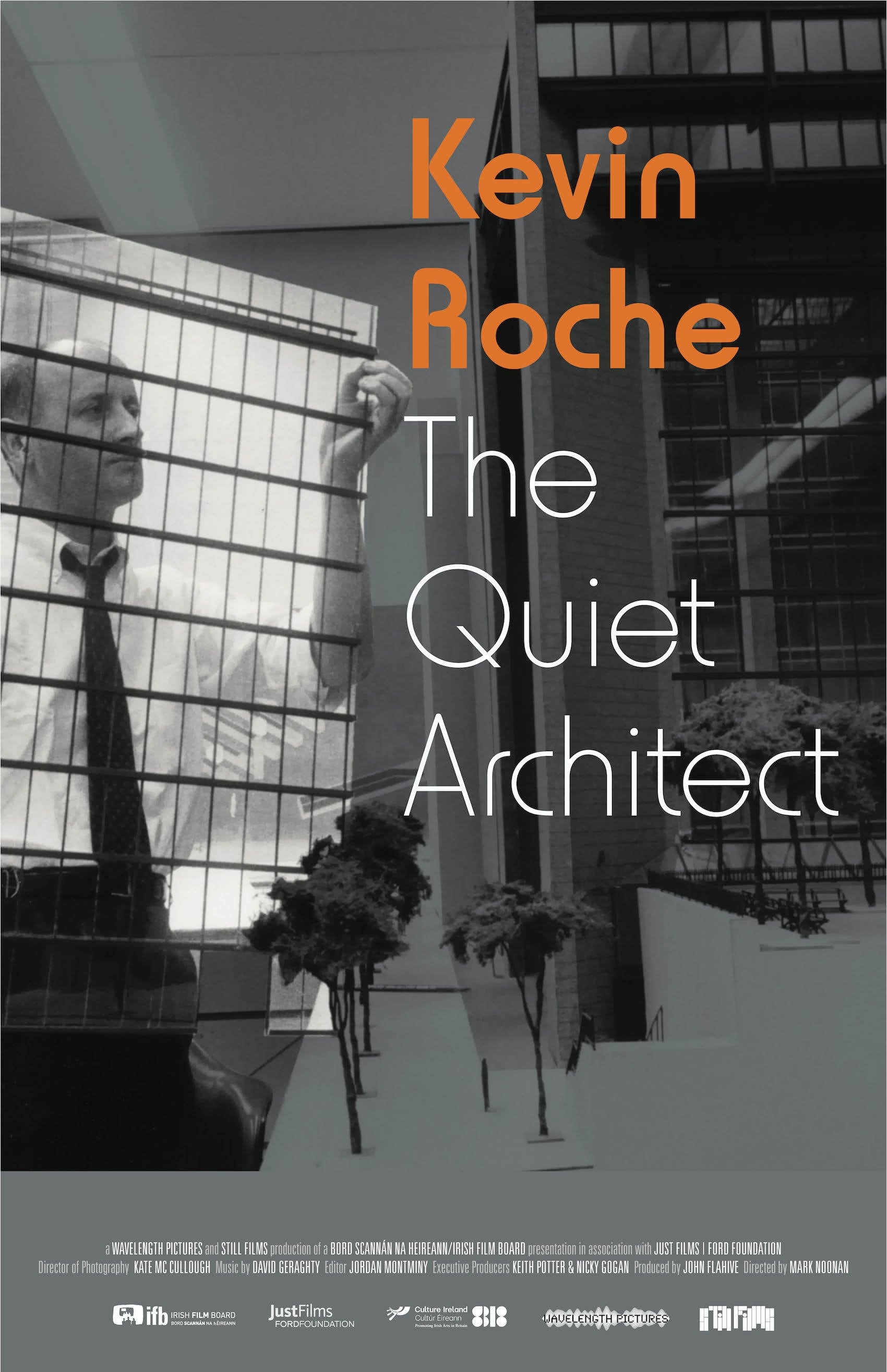
Kevin Roche: The Quiet Architect is a feature documentary film that considers many of the key architectural questions through the 70 year career of Pritzker Prize winning Irish-American architect Kevin Roche, including the relationship between architects and the public they serve. Still working at age 94, Kevin Roche is an enigma, a man with no interest in fame who refuses retirement and continually looks to the future regardless of age. Roche's architectural philosophy is that 'the responsibility of the modern architect is to create a community for a modern society' and has emphasised the importance for peoples well-being to bring nature into the buildings they inhabit. We consider the application of this philosophy in acclaimed buildings such as the Ford Foundation, Oakland Museum and at New York's Metropolitan Museum of Art for whom Kevin Roche was their principal architect for over 40 years.
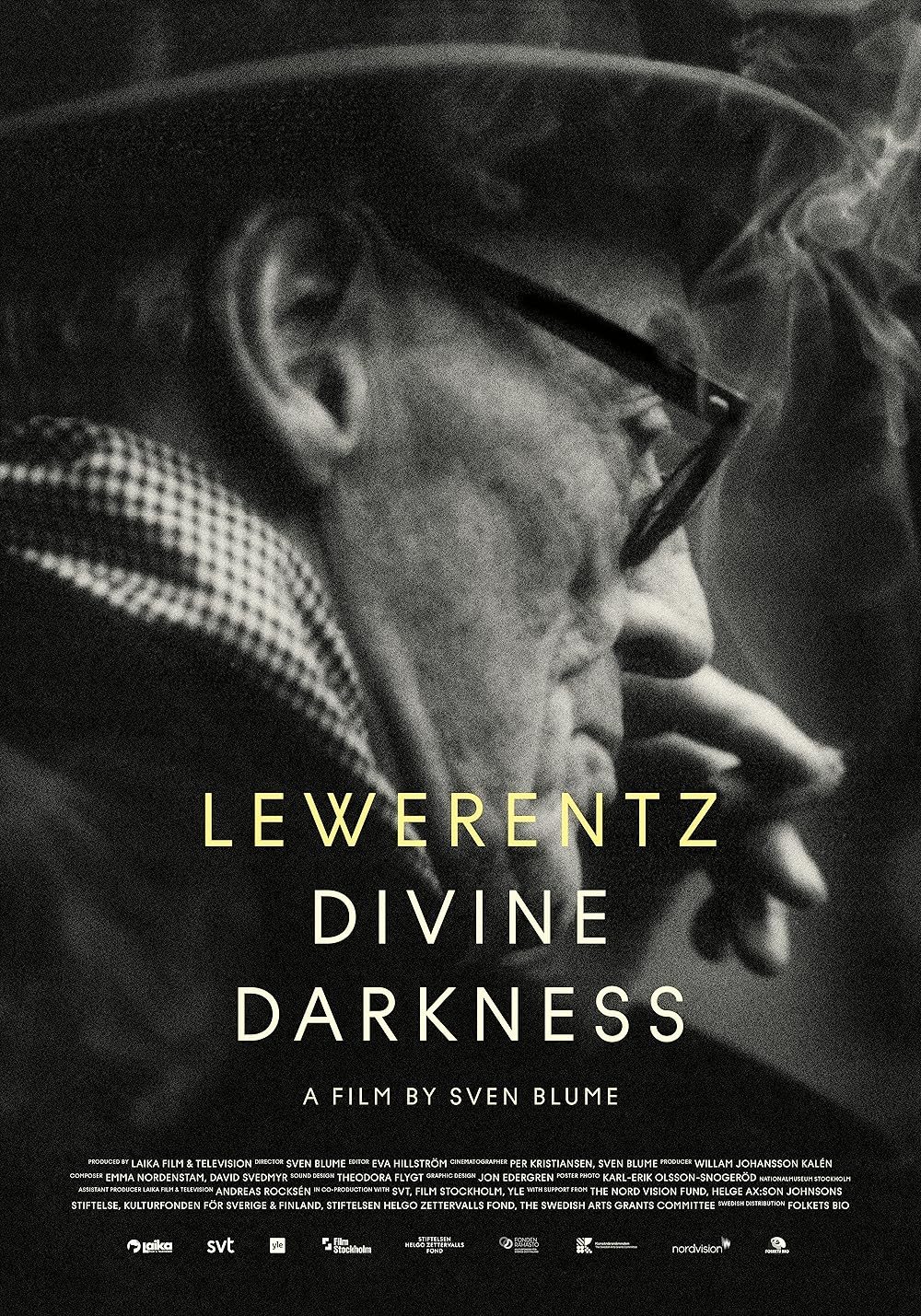
A cultural-historical portrait of the renowned and enigmatic architect Sigurd Lewerentz, who rarely allowed himself to be captured on film.
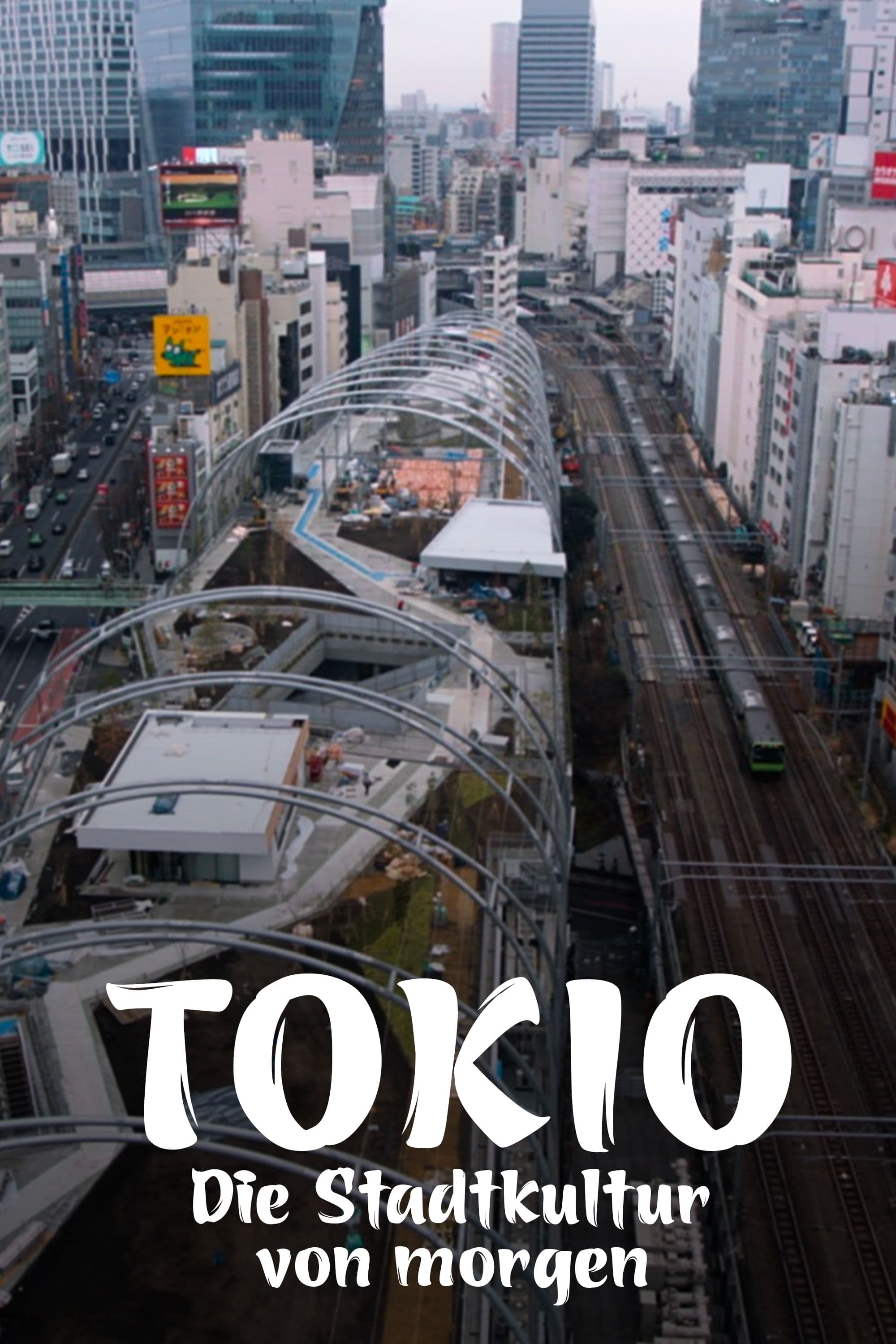
Tokyo, the largest city in the world, wants to create a new urban culture. It is returning to the urban traditions and building techniques of the small town. The aim is to create a new balance between megacity and small-scale garden city. Tokyo's architects are the driving force. They want to create a new urban culture with revolutionary ideas.
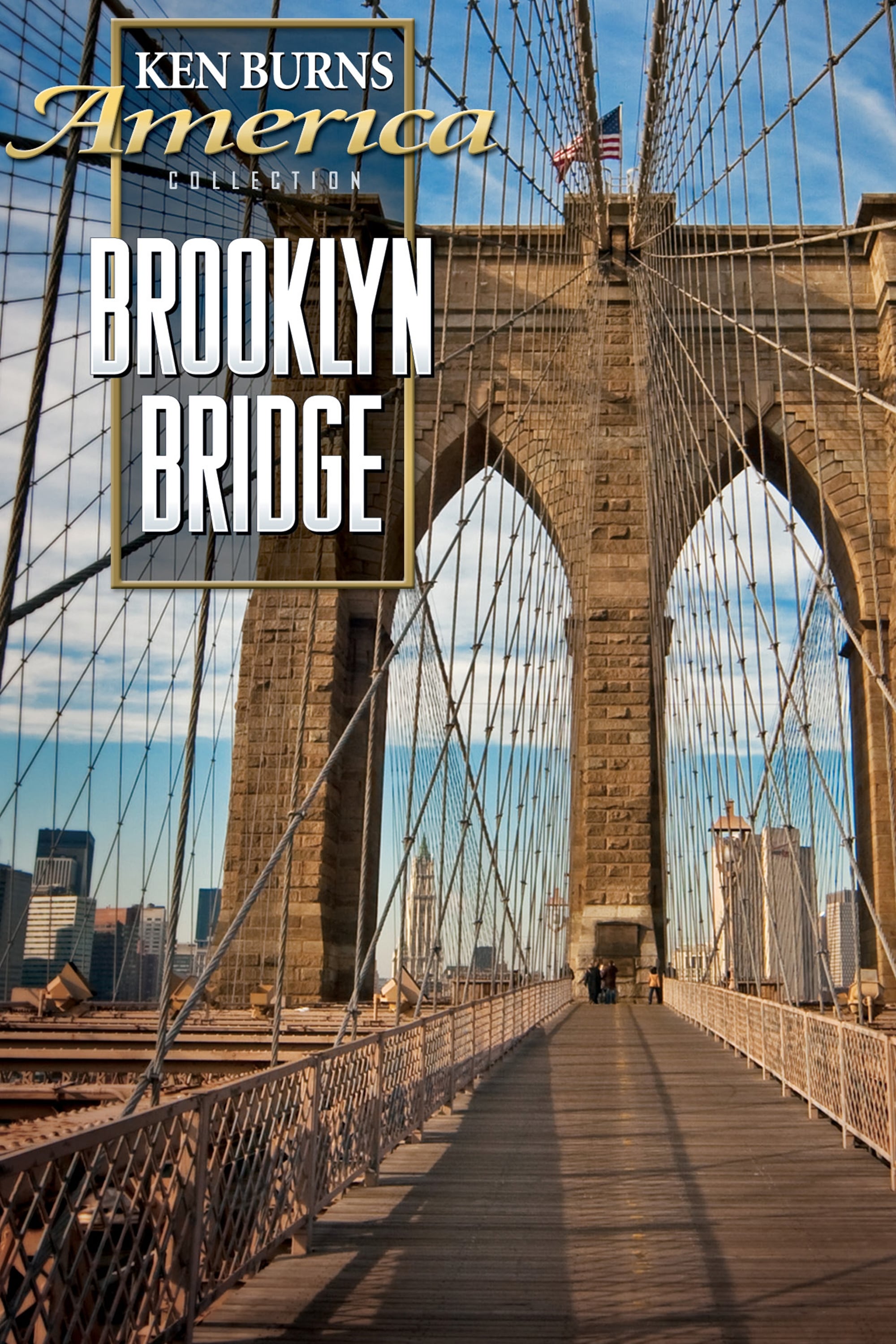
Today it's a symbol of strength and vitality. 135 years ago, it was a source of controversy. This documentary examines the great problems and ingenious solutions that marked the construction of the Brooklyn Bridge. From conception to construction, it traces the bridge's transformation from a spectacular feat of heroic engineering to an honored symbol in American culture.
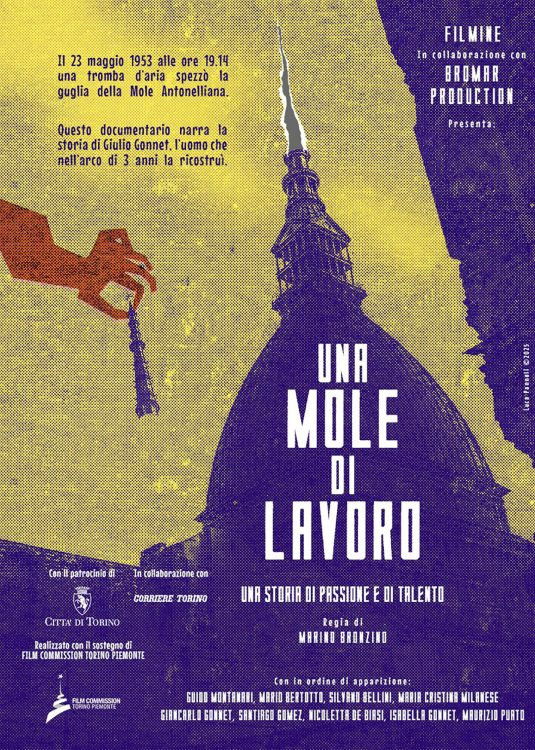
The incredible story of the reconstruction, after the collapse caused by a storm in 1953, of the spire of the Mole Antonelliana, monument and symbol of the city of Turin, Italy.
Architecture critic Patrick Nuttgens narrates a documentary on the 20th century architect Edwin Lutyns, exploring the plans and buildings of the man who designed Liverpool Metropolitan Cathederal and the city of New Delhi.
The “Bowlingtreff” is a bowling alley situated right in the centre of Leipzig opened in July 1987. At that time the quality of life in Leipzig and the whole GDR got worse. Houses collapsed because of poor conditions, public life and amusement was on a very low level. The “Bowlingtreff” was not merely an urban entertainment centre but a revolution in those days. Built with the help of hundreds of volunteers without permission of the state authorities in Berlin the building expresses a free and international architecture known as postmodernism. It is an architecture that was never seen before in Leipzig. Marble and parquet on the floor, a glass roof and beautiful pink pillars. The atmosphere was western as time witnesses remember it.
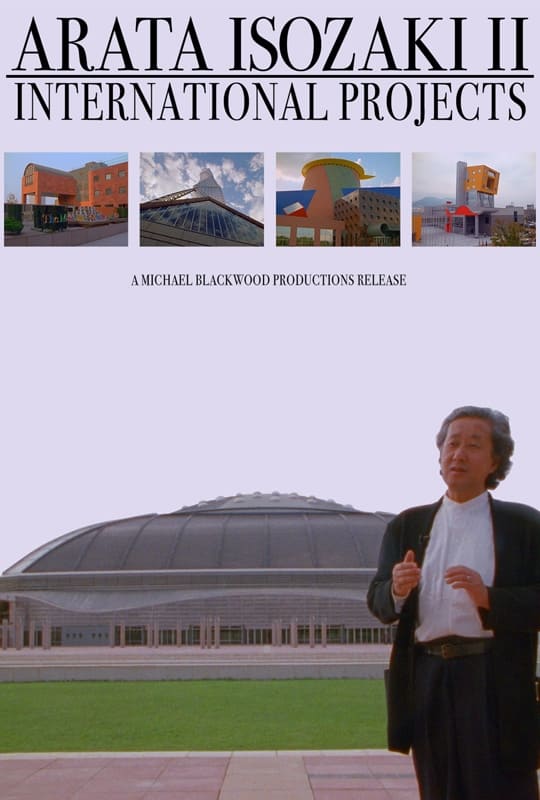
Through a blend of Japanese history and Western influence, Arata Isozaki has built a career around his boldly distinctive architectural style. Constantly challenging the concepts of space, form and tradition, Isozaki’s work dares us to imagine a merging of cultures where artistic movements and methods bind together in riveting new forms. "ARATA ISOZAKI II: INTERNATIONAL PROJECTS" follows the architect to many of his most famous sites including the Barcelona Olympic Sports Palace, Disney’s Team Building in Orlando, New York’s Palladium nightclub, as well as the newly completed Museum of Contemporary Art in Los Angeles.
A film about non-territorial office space, multi-mobile knowledge workers, Blackberries and Miles&More. A road movie discovering the working world of tomorrow. This documentary will take you on a journey through the post-industrial knowledge and services workshops, our supposed future working place. In this new world work will be handled more liberally. Time clocks cease to exist. Attention is not compulsory any more. The resource “human“ comes into focus. The film closely follows the high-tech work force – people who are highly mobile and passionate to make their work their purpose in life. Further episodes resume this topic and lead into the world of modern office architecture and into the world of Human Resource Management.
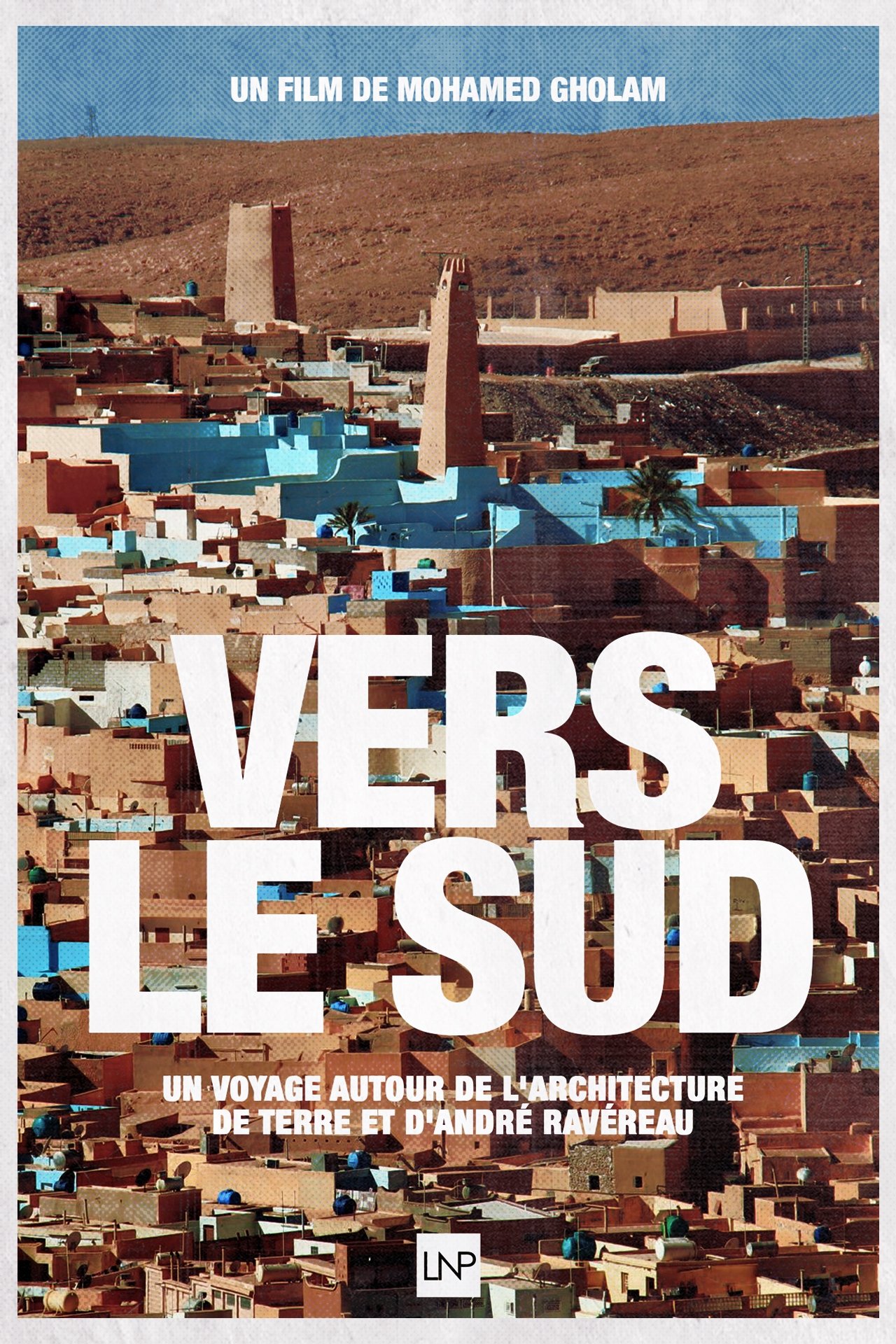
Across two countries, France and Algeria, and five cities, Mohamed Gholam takes us south to tell us about the earthen and vernacular-inspired architecture of André Ravéreau. Passing through Lyon, Marseille, Algiers, and Djelfa, this adventure will take us to Ghardaïa, in the Algerian desert. The documentary presents the following buildings: L'Orangerie in Lyon, the Village Terre de l'Isle-d'Abeau in Villefontaine, the Unité d'Habitat or Cité Radieuse in Marseille, L'Aérohabitat in Algiers, the Palais des Raïs or Bastion 23 in Algiers, the Hôtel des Postes in Ghardaïa, and the low-cost housing of Sidi Abbaz de Bounoura.
For most of America's history, sacred buildings represented our greatest feats of innovative engineering and artistic design. Unlock the elements of design that make these structures so fascinating and unveil the meaning in religious architecture, ranging from grand cathedrals and simple country churches to synagogues and mosques.
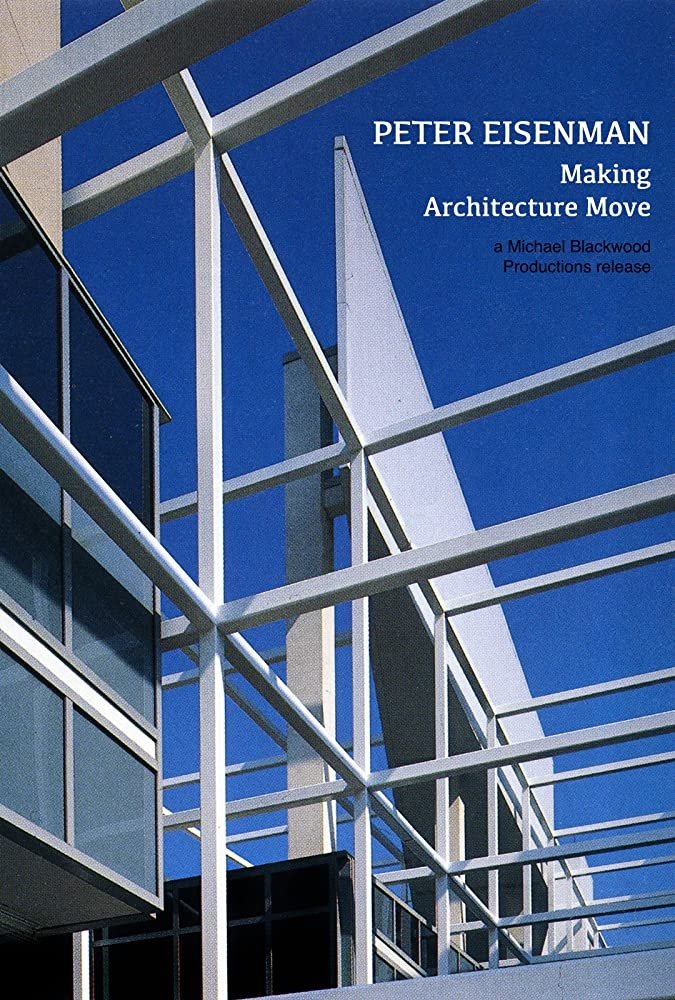
With the participation of famed architects such as Frank Gehry, Daniel Libeskind and Zaha Hadid, Peter Eisenman: Making Architecture Move provides an intimate look into the work of the daring and controversial creator. Filmed in the U.S. and Germany, Eisenman takes the viewer through several of his buildings, including the Wexner Center in Columbus, Ohio, while explaining his upcoming projects such as the Rebstockpark community in Frankfurt and the Max Reinhardt monument in Berlin. His predecessors and contemporaries offer praise and commentary on Eisenman's complex body of work including their own thoughts and theories surrounding his unique style.
A short documentary about urban planning and the harmonisation of old and new building elements in Jerusalem of the 1970's, led by the architect Moshe Safdie.
The award winner Japanese architect Toyo Ito designed the International Baroque Museum in Puebla, Mexico. He is well known for his majestic buildings in Europe and Asia that rise with nature inspired geometry and complex shapes that could belong in a fantasy. Nobody knew how to build this project until a team of Mexican constructors accepted the challenge after two years of nobody stepping up to it. But there was a catch. They only had 27 weeks to build something comparable to the Guggenheim in NYC. This is the story of that team who tested the Mexican genius to solve a complex puzzle told by the men and women who made it. On time. On a budget. Against all odds.
A string of threatening emails escalates into a revenge plot involving a newly married US marshal and his ex-girlfriend.
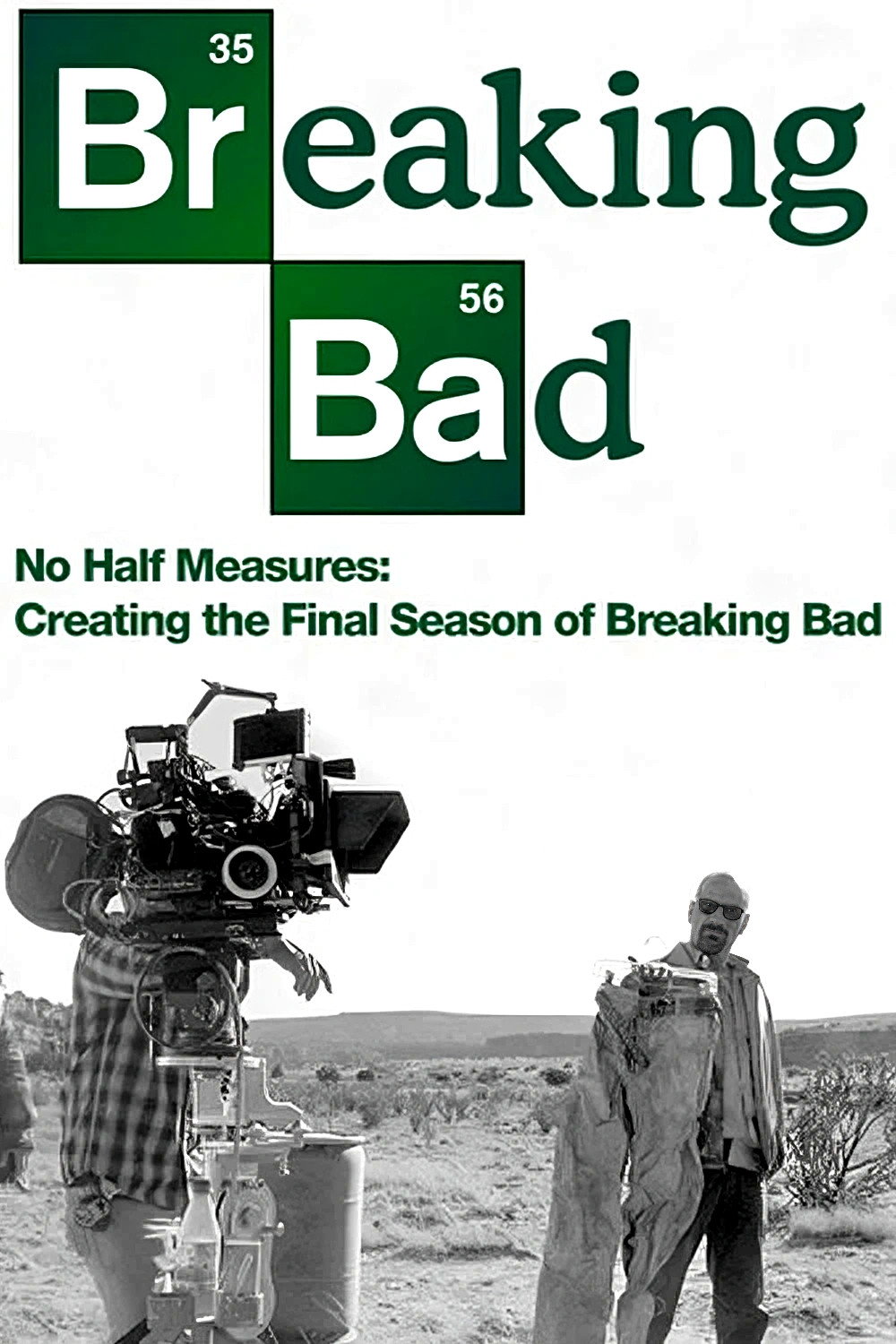
A documentary about the making of season five of the acclaimed AMC series Breaking Bad.
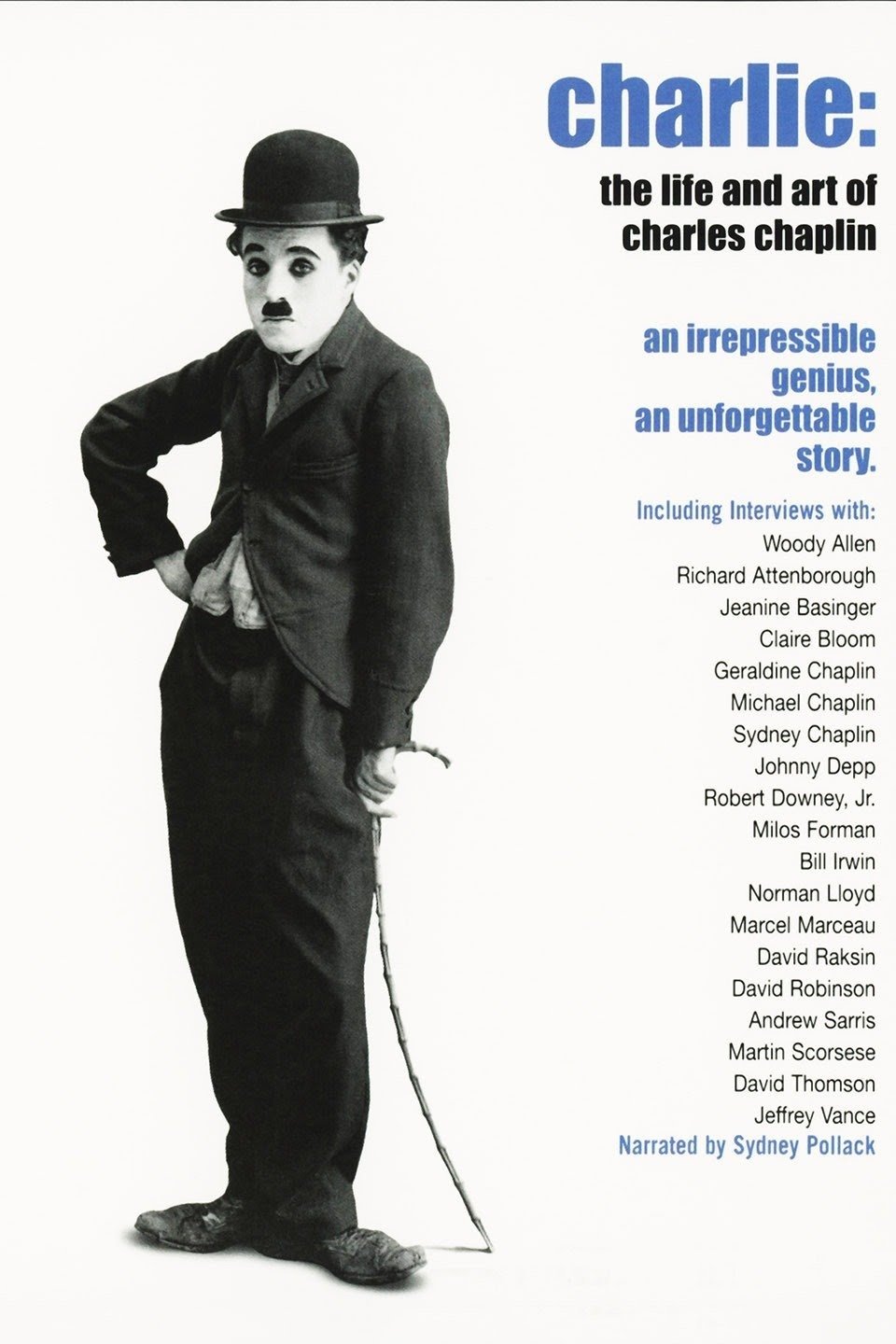
Brilliant, long in-the-works story of the life and art of the world's greatest comedian and the cinema's first genius, Charlie Chaplin. Produced, written and directed by renowned film critic Richard Schickel.
Artists in LA discover the work of forgotten Polish sculptor Stanislav Szukalski, a mad genius whose true story unfolds chapter by astounding chapter.
“Showrunners” is the first ever feature length documentary film to explore the fascinating world of US television showrunners and the creative forces aligned around them. These are the people responsible for creating, writing and overseeing every element of production on one of the United State’s biggest exports – television drama and comedy series. Often described as the most complex job in the entertainment business, a showrunner is the chief writer / producer on a TV series and, in most instances, the show’s creator. Battling daily between art and commerce, showrunners manage every aspect of a TV show’s development and production: creative, financial and logistical.
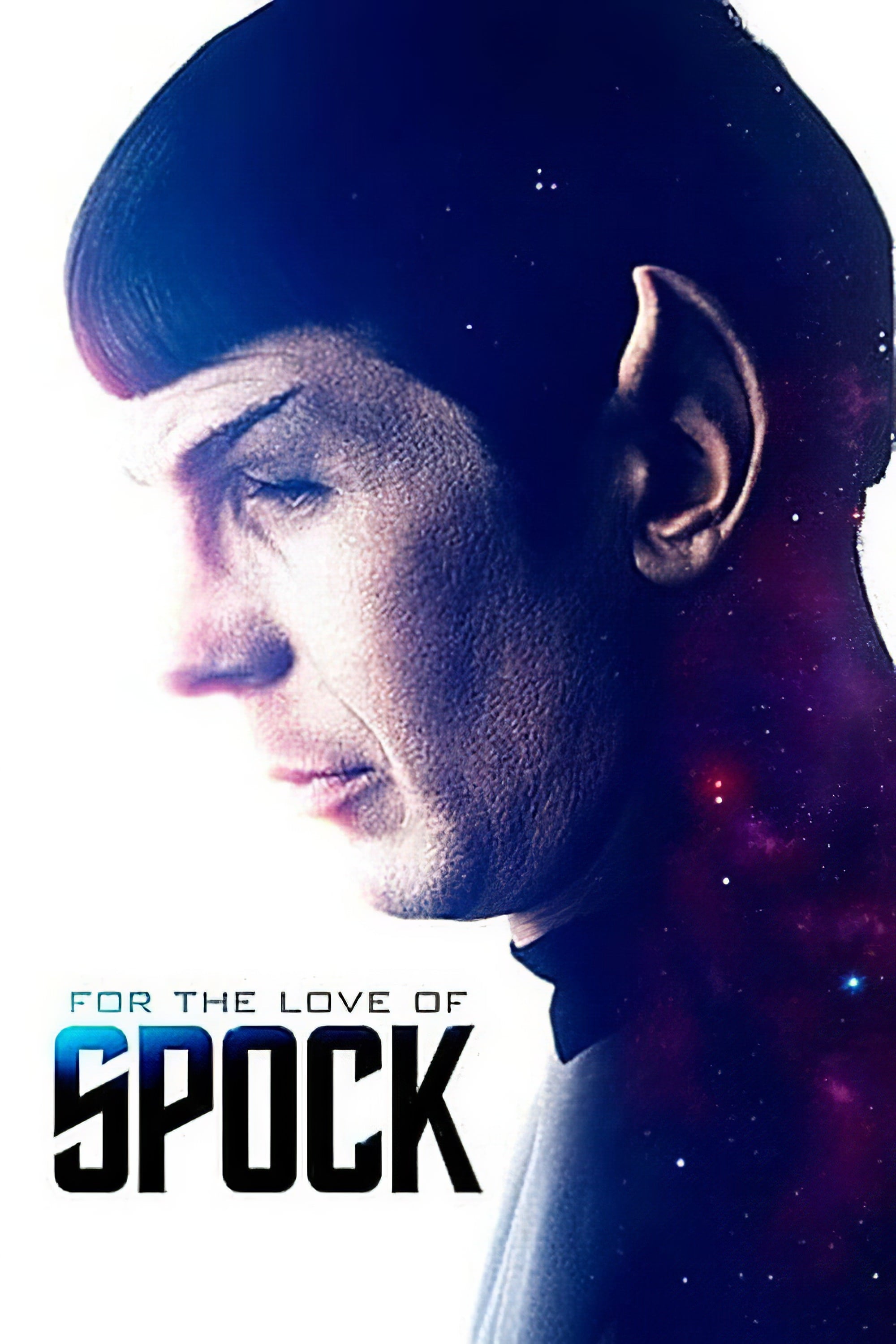
The life of Mr. Spock, as well as that of Leonard Nimoy, the actor who played him for almost fifty years, written and directed by his son: Adam.
An inside look at one of the most anticipated movie sequels ever with James Cameron and cast.
The life and career of an actor, artist, and icon. His own journey through his own camera.
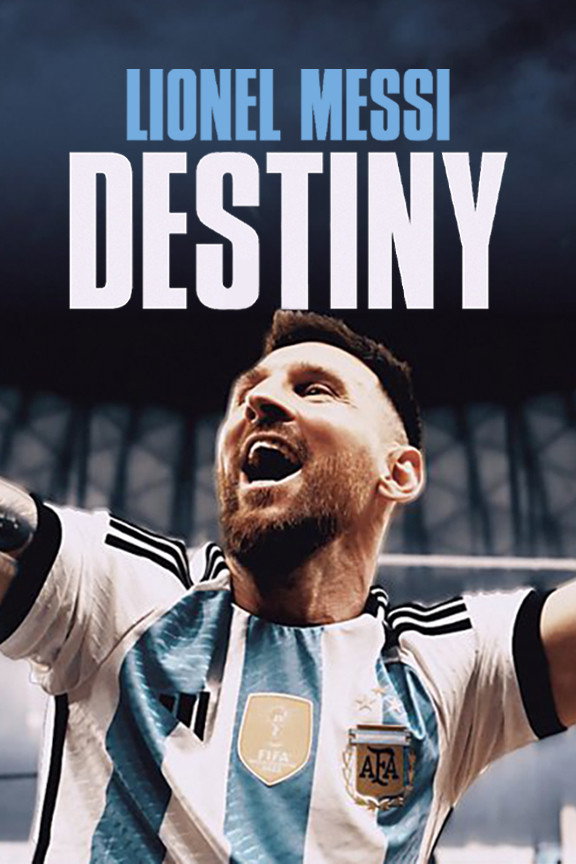
Behind-the-scenes documentary about how Lionel Messi succeeded in lifting the World Cup – the only trophy to have eluded him in an incredible career.
A comedic, brutally honest documentary following self-destructive TV writer Dan Harmon as he takes his live podcast on a national tour.
The life and career of one of comedy's most inimitable modern voices, Mr. Gilbert Gottfried.
The Making-of James Cameron's Avatar. It shows interesting parts of the work on the set.
This revealing documentary honors the legendary Sidney Poitier—iconic actor, filmmaker, and civil rights activist. Featuring interviews with Denzel Washington, Spike Lee, Halle Berry, and more.
Al Pacino's deeply-felt rumination on Shakespeare's significance and relevance to the modern world through interviews and an in-depth analysis of "Richard III."
Daniel Craig candidly reflects on his 15 year adventure as James Bond. Including never-before-seen archival footage from Casino Royale to the upcoming 25th film No Time To Die, Craig shares his personal memories in conversation with 007 producers, Michael G Wilson and Barbara Broccoli.
A documentary about the life and films of director John Ford.
Documentary of the making of the sequel to the popular Schwarzenegger film, The Terminator.
Over 35 years after Bob Lazar's revelations, this documentary exposes secrets of a facility the government still denies. Featuring Lazar's testimony, recreations, and new evidence, it reopens a case that continues to spark global curiosity
Join the likes of Jeremy Renner, Hailee Steinfeld, Florence Pugh, and Vincent D’Onofrio as they reveal how Marvel Studios’ “Hawkeye” was conceived and created. Witness firsthand what it took to pull off the show’s pulse-pounding action set pieces, and discover how iconic characters from the pages of Marvel Comics such as Kate Bishop were adapted and brought to life for the six-episode series.
A visual montage portrait of our contemporary world dominated by globalized technology and violence.