Social & External
The people behind it
Jan Kačer
Commentary (voice)
Alfred Strejček
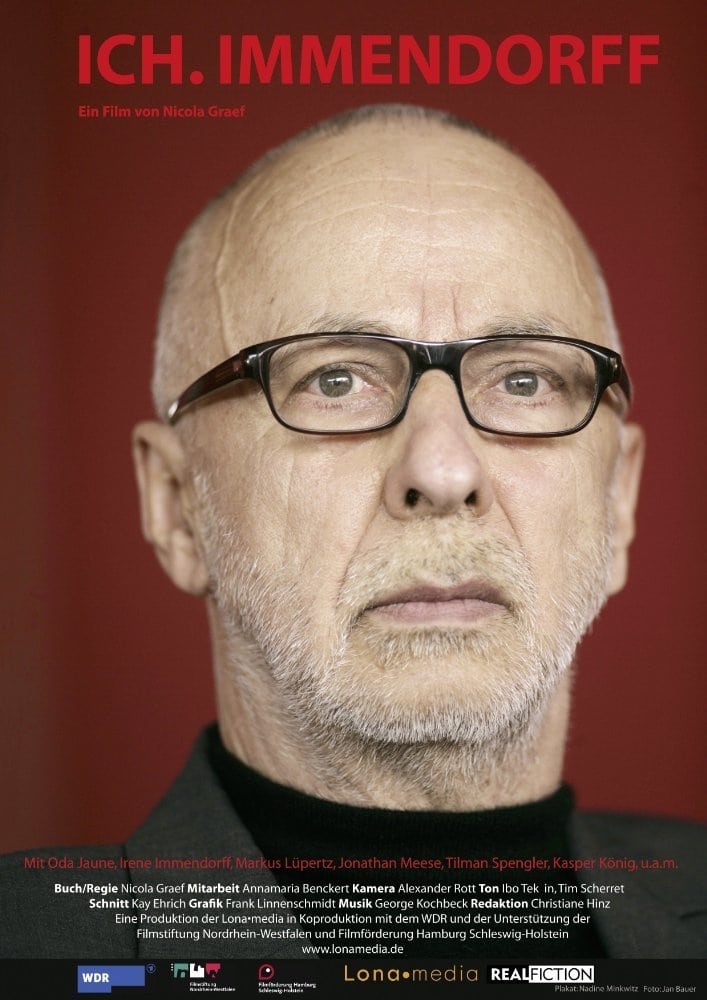
Documentary film about the painter and sculptor Jörg Immendorff who ranks among the most important German artists. The filmmakers accompanied Immendorff over a period of two years – until his death in May 2007. The artist had been living for nine years knowing that he was terminally ill with ALS. The film shows how Immendorff continued to work with unabated energy and how he tried not to let himself be restrained by his deteriorating health.
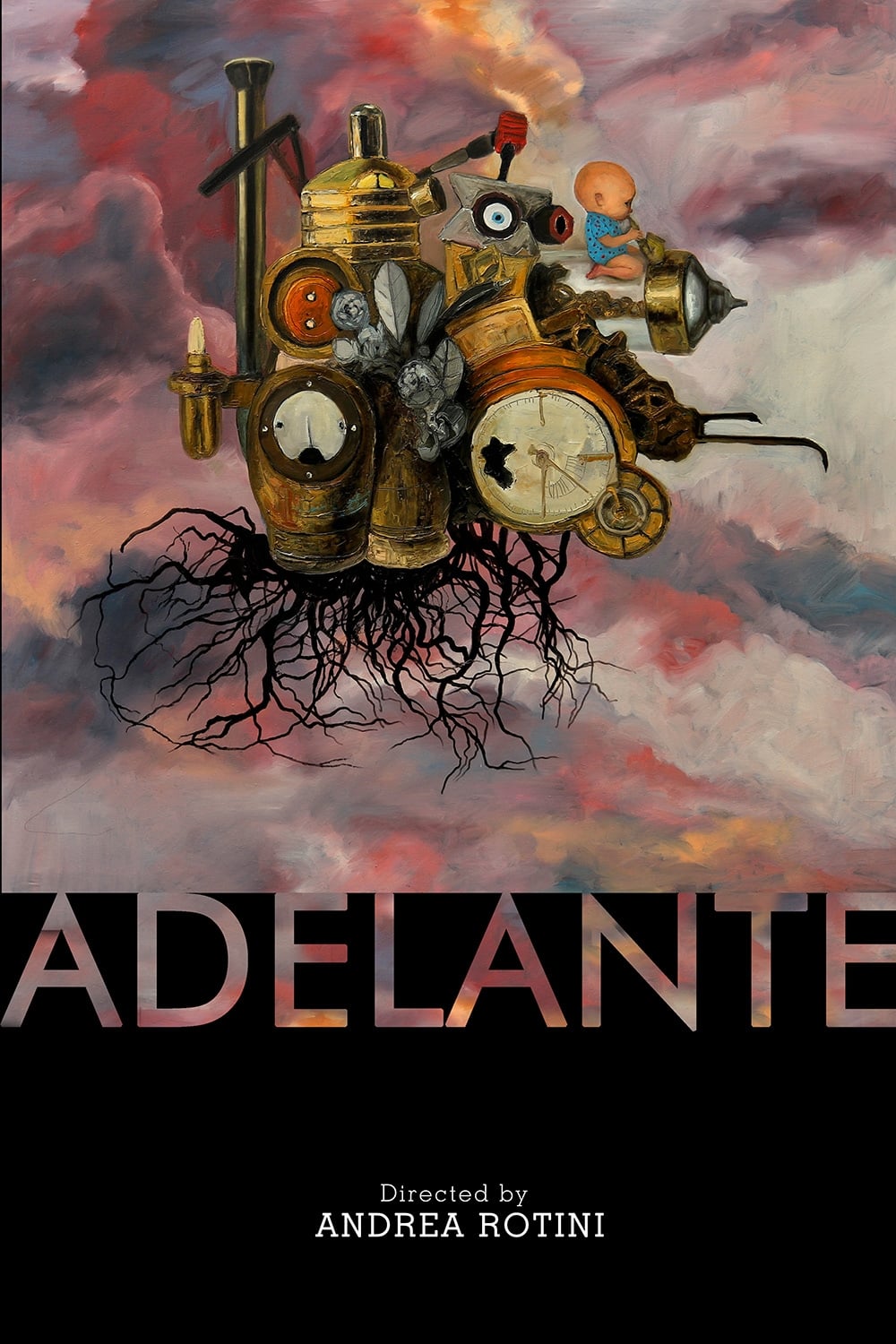
A documentary about the artist Desiderio, directed by Andrea Rotini. With the partecipation of Alessandro Riva, Chiara Canali, Francesco Santaniello. Texts and translations by Gemma Jalenti
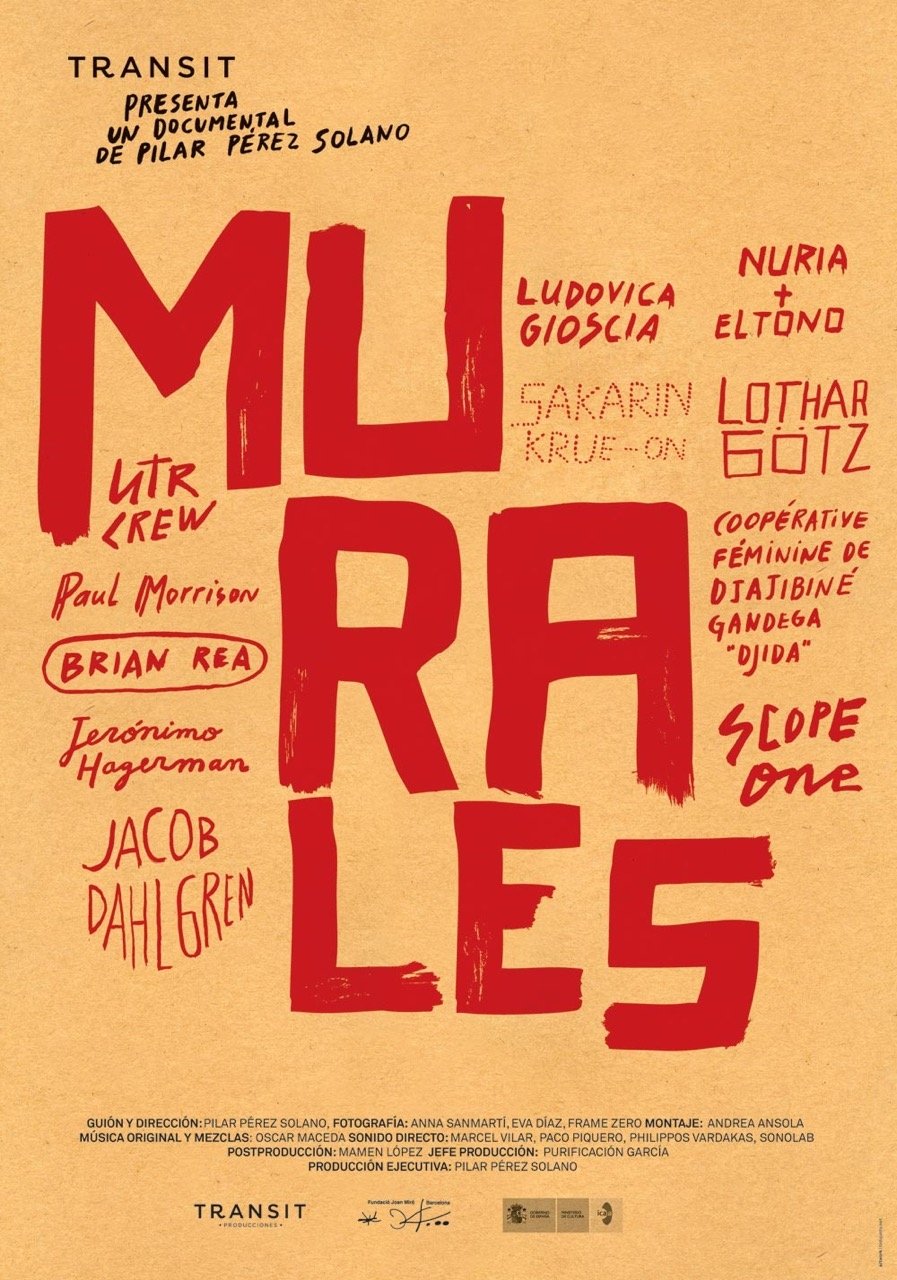
This documentary follows mural artists of different cultures and styles as they live together for several weeks ahead of an exhibition in Barcelona.
An exploration of Toronto's goth scene...
Janina Ramirez explores the BBC archives to create a TV history of Leonardo Da Vinci, discovering what lies beneath the Mona Lisa and even how he acquired his anatomical knowledge.
Director Agnès Varda and photographer/muralist JR journey through rural France and form an unlikely friendship.
Colour, form, area - this is the formula of the greatest pioneer of abstract painting. Kandinsky came to art late in life, but his impact through Der Blaue Reiter (The Blue Rider) and Bauhaus paved the way for modern art. In 1913, he created one of the first abstract pictures, the theoretical basis of which was inspired by his essay Uber das Geistige in der Kunst (On the Spiritual in Art). Accompanied by Mussorgsky's Pictures From An Exhibition Labarthe goes on a sensual journey which makes the soul resound with colours and forms. "A picture has to resound and must be bathed in an inner glow." Kandinsky
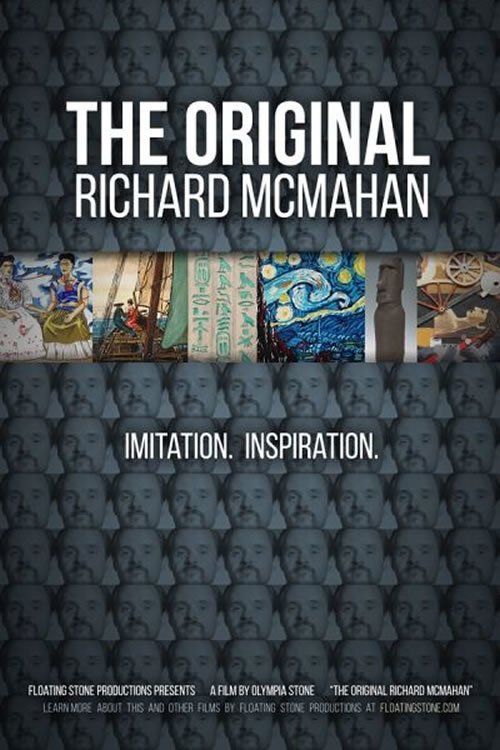
The multi-talented outsider artist Richard McMahan is on a quest to painstakingly re-create thousands of famous and not-so-famous paintings and artifacts–in miniature.
Manet’s portraits are rarely afforded such close attention as they are given in this exquisitely crafted and insightful film presented by art expert Tim Marlow. Manet’s portraiture comprised about half his work, giving life on canvas to family, friends and the literary, political and artistic figures of the day.
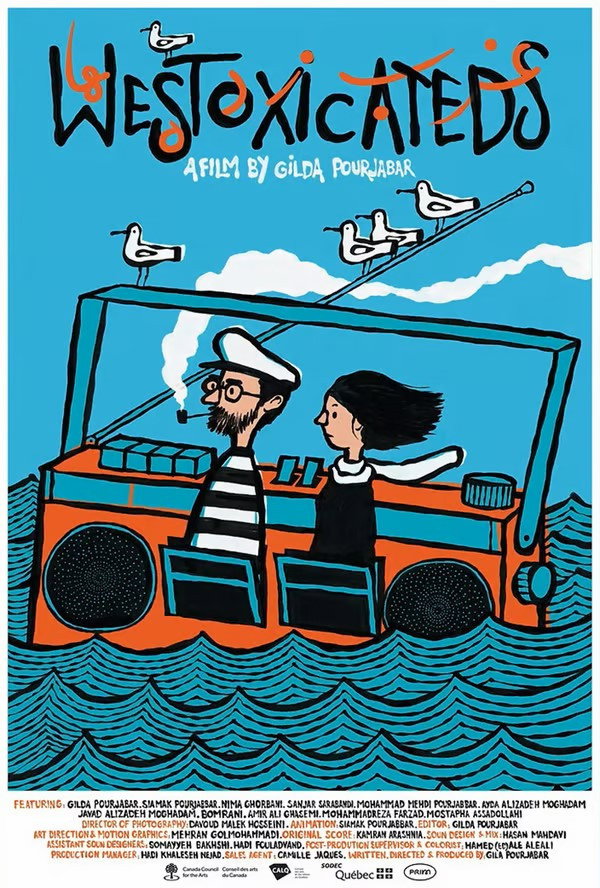
Stuck in a creative rut, filmmaker Gilda Pourjabar returns to Iran, her homeland, to talk with her brother Siamak, an illustrator based in Tehran. This encounter raises questions about their relationship to Western popular art, as they grew up in a culture that the current political regime describes as “westoxicated.” This documentary uses playful animations by Siamak, inspired by Franco-Belgian comics and rock concert posters, superimposed on archival footage of the most recent popular uprisings in Iran to become a logical collaboration for these artists who shared a record collection as children. Together, they examine how art slips through the cracks of repression to light the rebellious sparks in the hearts of young people.
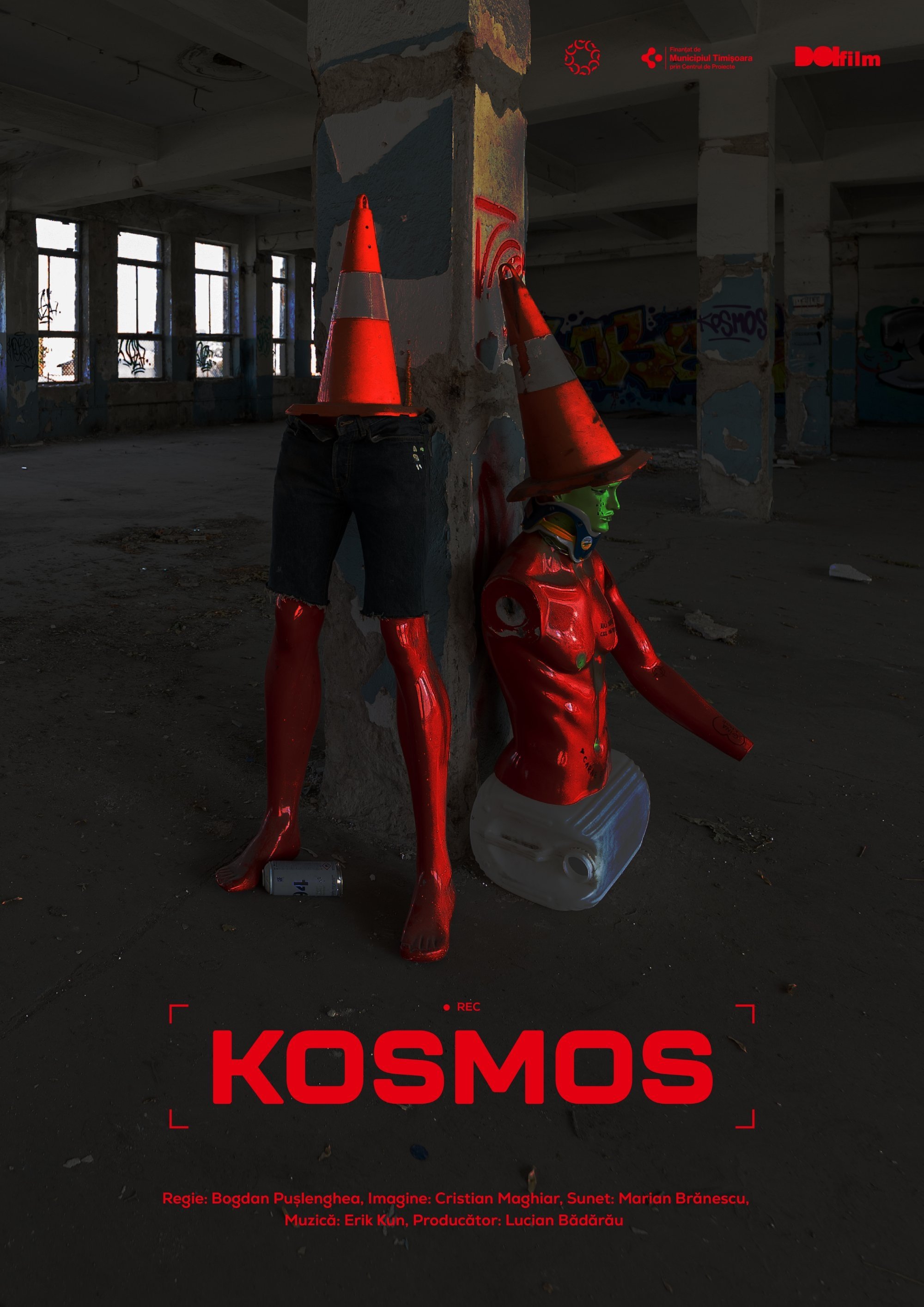
A documentary about the Kosmos collective in Timisoara: a self-organized group of artists, curators, and musicians who revived a former textile factory.
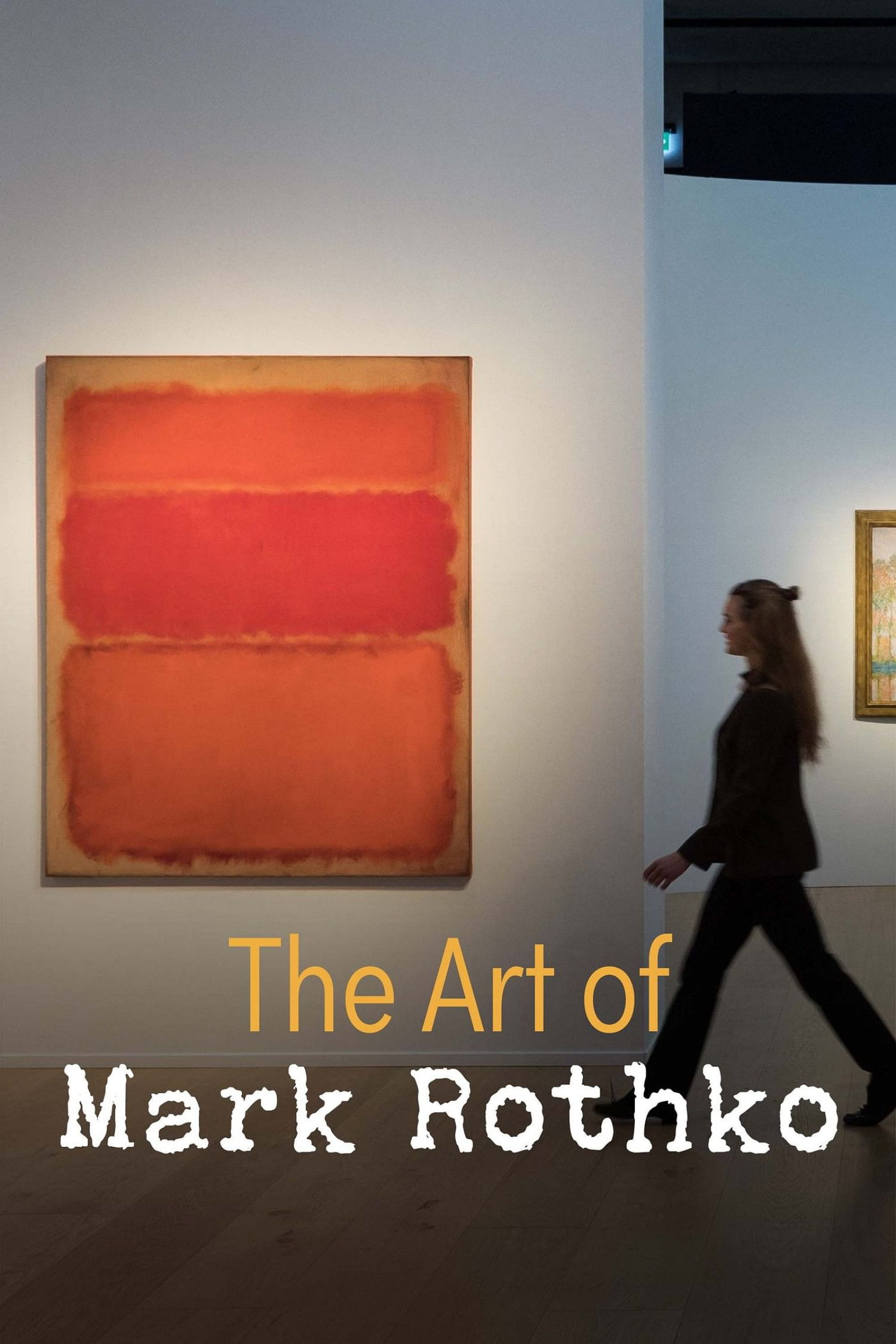
This film traces the elusive trajectory of Mark Rothko (1903-1970), the American master of abstract expressionism who called his work "a pharmacy for the soul." Moving from Latvia to the US as a child, he left Yale to paint, later inspired by Italy to create his iconic color fields. Full of vibrant colors, drama, and emotion, this subtle portrait makes his legendary art shine forth.
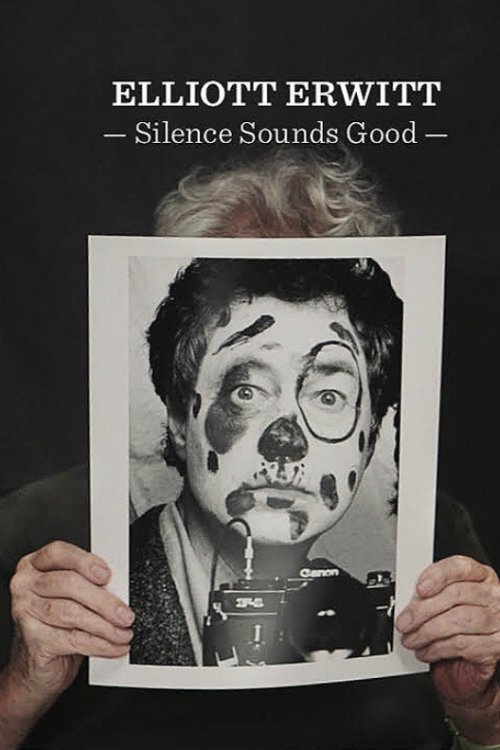
Elliott Erwitt has spent his entire adult life taking photographs, of presidents, popes and movie stars, as well as regular people and their pets. His work is iconic in world culture while his life is largely unknown.
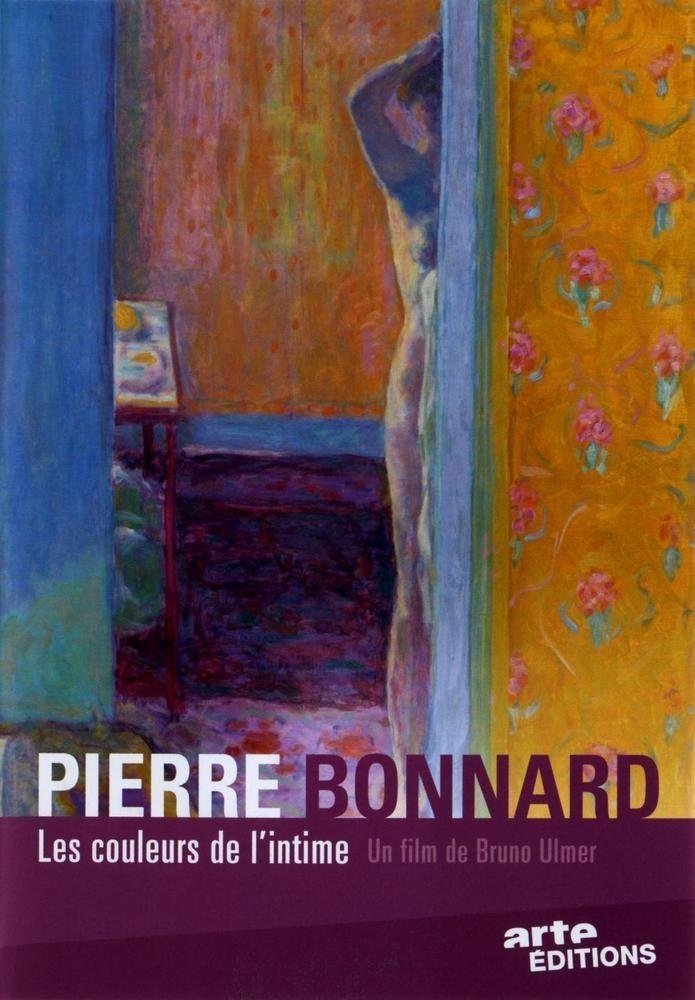
How did Bonnard, one of the great masters of 20th-century painting, a secretive, anxious man with an ordinary everyday life, become this undisputed painter of intimacy, capable of transforming reality into a unique and incandescent world? Through his paintings, but also his private journals, his correspondence with Matisse and Vuillard, the photographs he loved, and the places where he lived, the film immerses us in the world of this master of color.
An intimate view of a young autistic savant named Richard Wawro from Scotland who is also an internationally acclaimed artist. Describes the joy and self-confidence that have accompanied his developing skills. Intended to help those working with the profoundly handicapped to recognize the creative potential that may lie hidden within these individuals
A documentary following JR's artwork giving a global voice to everyday people.
Introduces the world of painter René Magritte through an assemblage of the painter's images. Includes statements by Magritte about his intentions and anecdotes from his friends Mesens and Scutenaire.
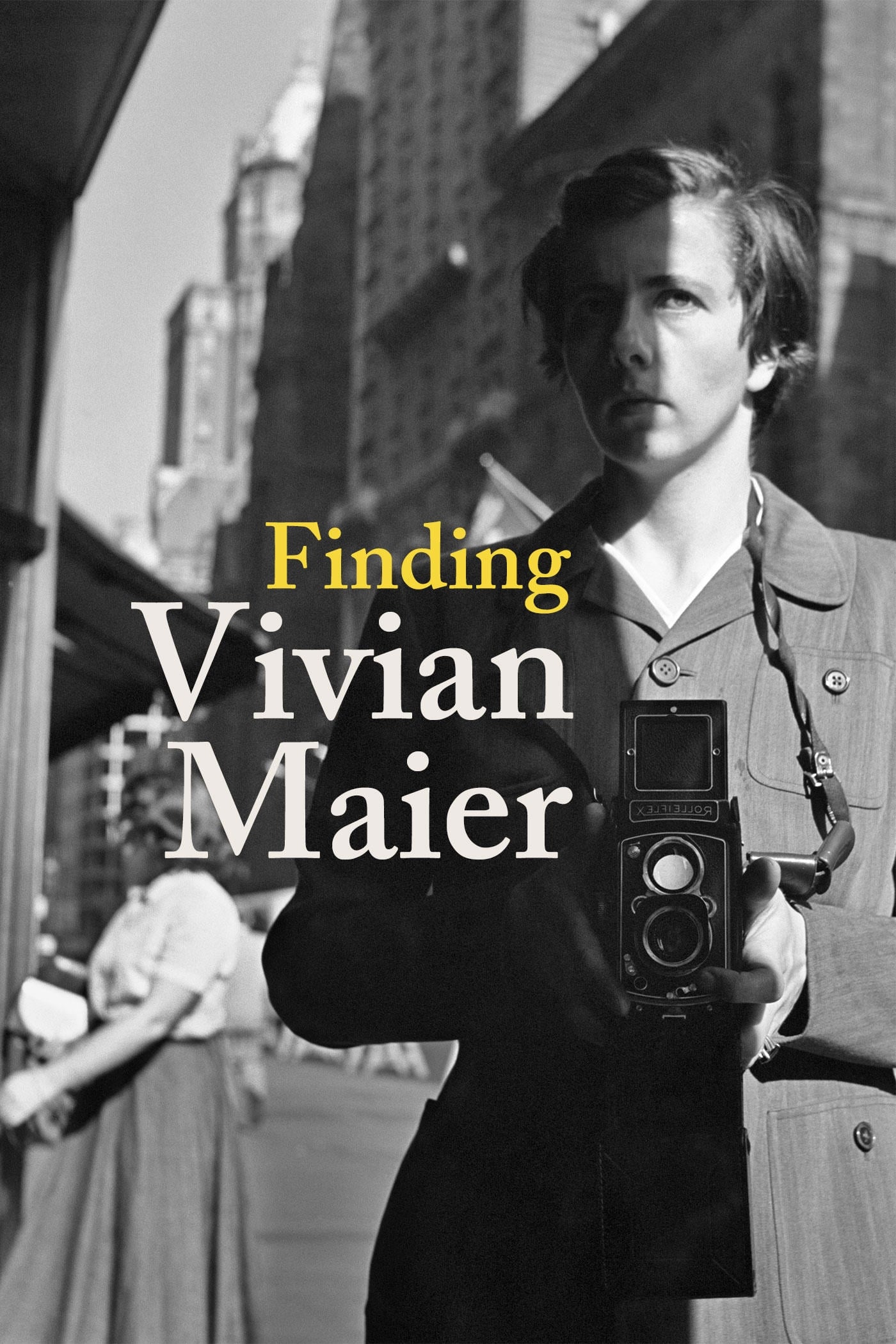
Vivian Maier's photos were seemingly destined for obscurity, lost among the clutter of the countless objects she'd collected throughout her life. Instead these images have shaken the world of street photography and irrevocably changed the life of the man who brought them to the public eye. This film brings to life the interesting turns and travails of the improbable saga of John Maloof's discovery of Vivian Maier, unravelling this mysterious tale through her documentary films, photographs, odd collections and personal accounts from the people that knew her. What started as a blog to show her work quickly became a viral sensation in the photography world. Photos destined for the trash heap now line gallery exhibitions, a forthcoming book and this documentary film.
A visual montage portrait of our contemporary world dominated by globalized technology and violence.
A backstage and on-stage look at Justin Bieber during his rise to super stardom.
Al Pacino's deeply-felt rumination on Shakespeare's significance and relevance to the modern world through interviews and an in-depth analysis of "Richard III."
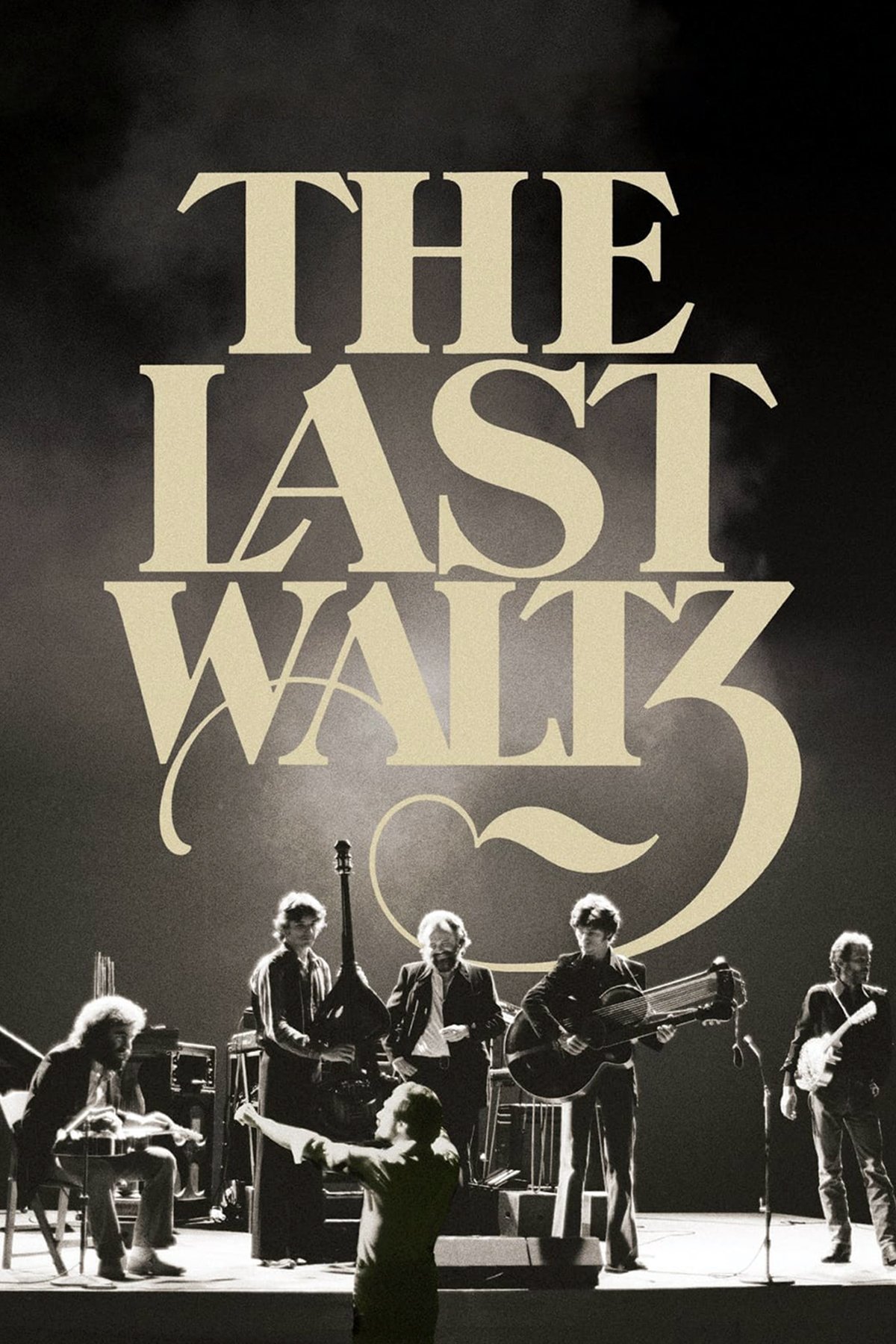
Martin Scorsese's documentary intertwines footage from The Band's incredible farewell tour with probing backstage interviews and featured performances by Eric Clapton, Bob Dylan, Joni Mitchell, Van Morrison, and other rock legends.
The Making-of James Cameron's Avatar. It shows interesting parts of the work on the set.
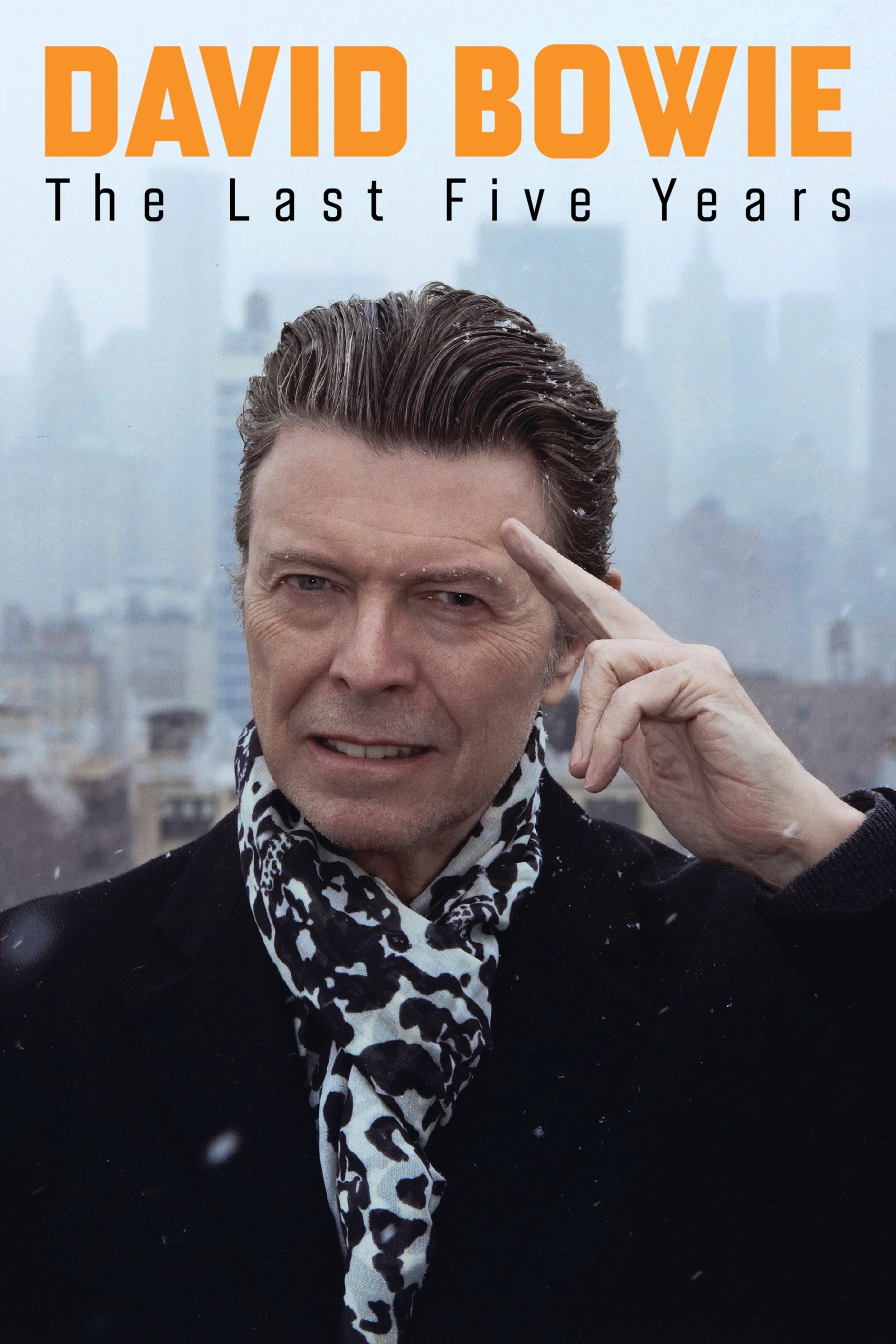
In the last five years of his life, David Bowie ended nearly a decade of silence to engage in an extraordinary burst of activity, producing two groundbreaking albums and a musical. David Bowie: The Last Five Years explores this unexpected end to a remarkable career. Made with remarkable access, Francis Whately’s documentary is a revelatory follow-up to his acclaimed 2013 documentary David Bowie: Five Years, which chronicled Bowie’s golden ‘70s and early-‘80s period.
Those who knew iconic funnyman John Candy best share his story, in their own words, through never-before-seen archival footage, imagery, and interviews.
A documentary about how a dominant cultural and demographic institution both sustains their traditional activities and adapts to the digital revolution.
Journey into the extraordinary world of "The Witcher" — from casting the roles to Jaskier's catchy song — in this behind-the-scenes look at the series.
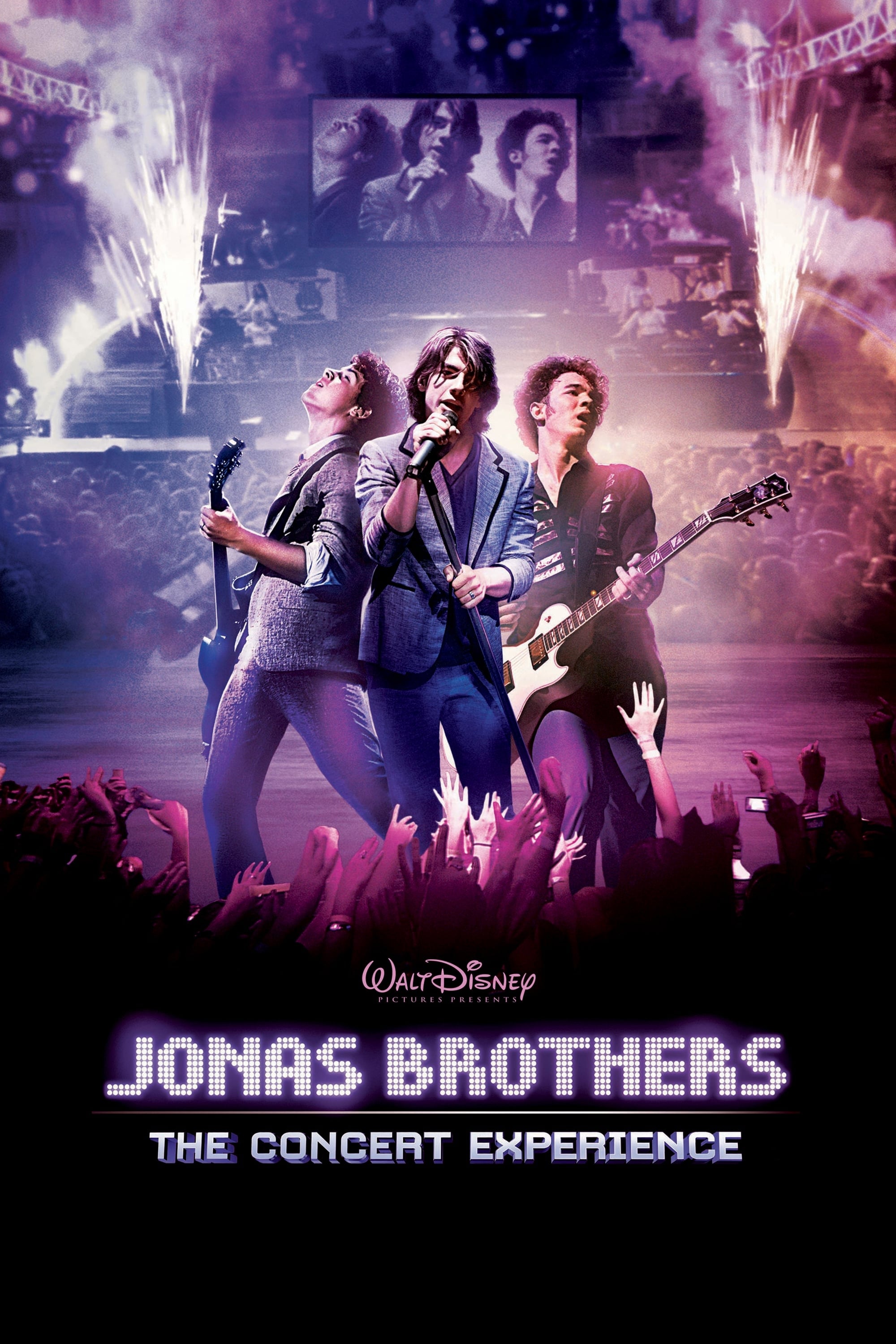
Grab a backstage pass to the Jonas Brothers' motion picture debut! Kevin, Joe and Nick are "Burning Up" the stage and inviting you inside their personal world for the adventure of a lifetime. This colossal movie event launches the world's hottest band straight into your living room – and includes guest appearances by chart-topping artists Demi Lovato and Taylor Swift! Secure your VIP pass to a once-in-a-lifetime experience with the Jonas Brothers. Get ready to hang out with this multitalented trio, and take an intimate look at what their lives are like offstage and behind the scenes. It's the music-filled movie event perfect for the whole family!
Director Michael Apted revisits the same group of British-born adults after a 7 year wait. The subjects are interviewed as to the changes that have occurred in their lives during the last seven years.
The life and career of an actor, artist, and icon. His own journey through his own camera.
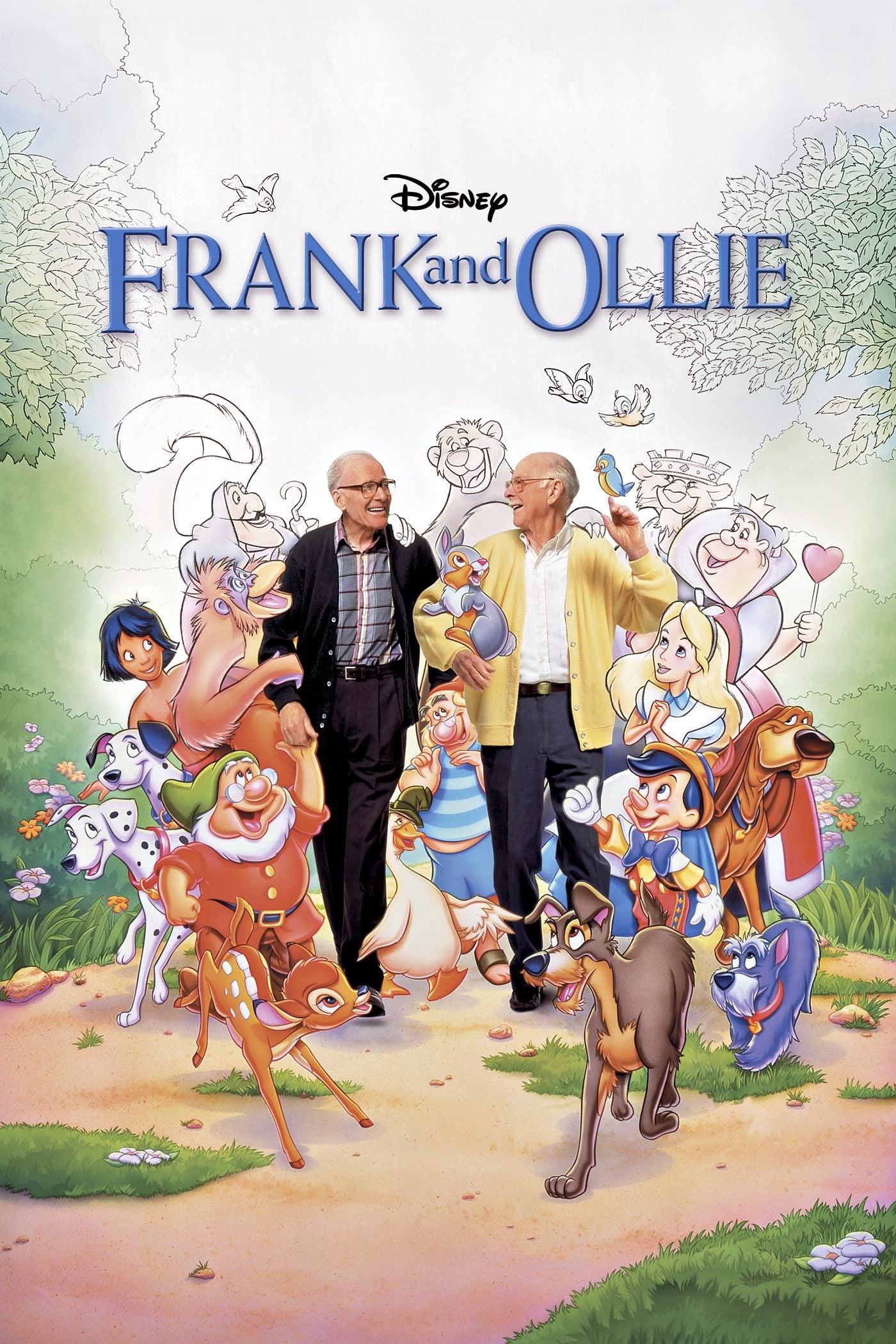
Before computer graphics, special effects wizardry, and out-of-this world technology, the magic of animation flowed from the pencils of two of the greatest animators The Walt Disney Company ever produced -- Frank Thomas and Ollie Johnston. Frank and Ollie, the talent behind BAMBI, PINOCCHIO, LADY AND THE TRAMP, THE JUNGLE BOOK, and others, set the standard for such modern-day hits as THE LION KING. It was their creative genius that helped make Disney synonymous with brilliant animation, magnificent music, and emotional storytelling. Take a journey with these extraordinary artists as they share secrets, insights, and the inspiration behind some of the greatest animated movies the world has ever known!
Over 35 years after Bob Lazar's revelations, this documentary exposes secrets of a facility the government still denies. Featuring Lazar's testimony, recreations, and new evidence, it reopens a case that continues to spark global curiosity
Artists in LA discover the work of forgotten Polish sculptor Stanislav Szukalski, a mad genius whose true story unfolds chapter by astounding chapter.
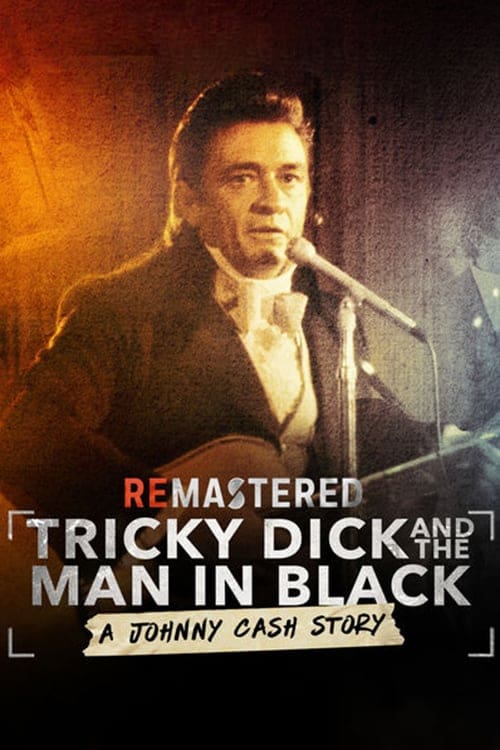
This documentary chronicles Johnny Cash's 1970 visit to the White House, where Cash's emerging liberal ideals clashed with Richard Nixon's policies.
An inside look at one of the most anticipated movie sequels ever with James Cameron and cast.
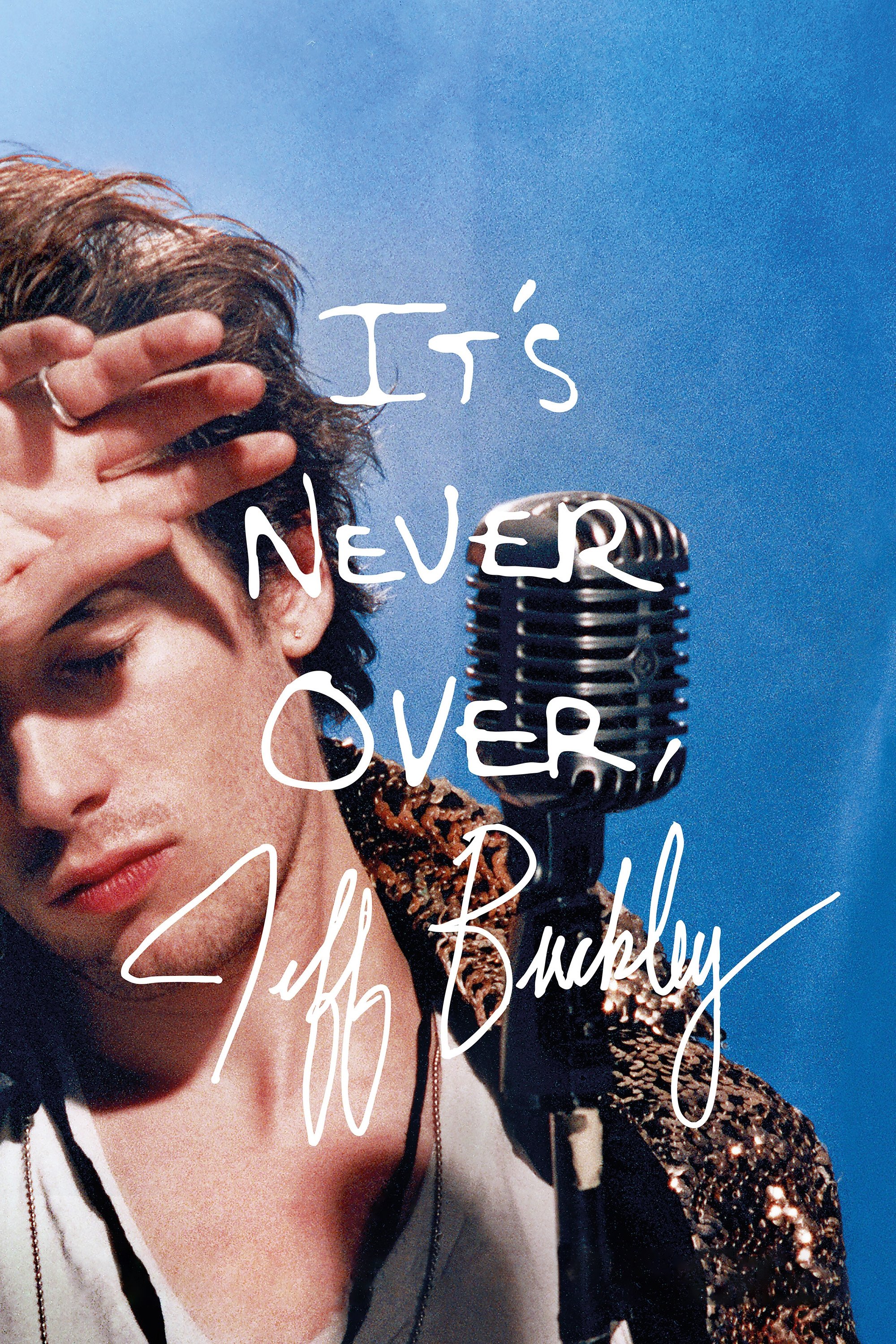
Rising musician Jeff Buckley had only released one album when he died suddenly in 1997. Now, never-before-seen footage, exclusive voice messages, and accounts from those closest to him offer a portrait of the captivating singer.
A string of threatening emails escalates into a revenge plot involving a newly married US marshal and his ex-girlfriend.