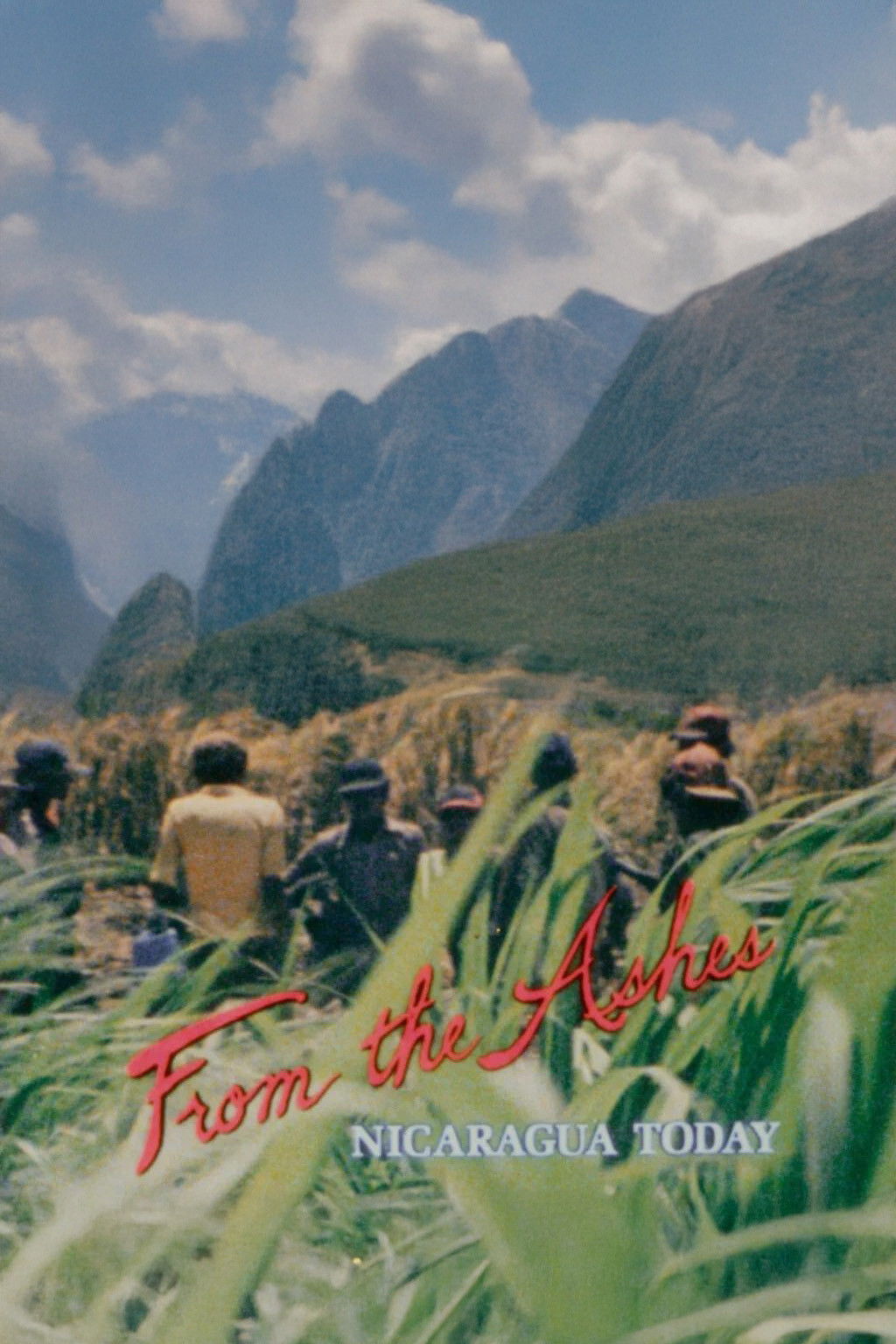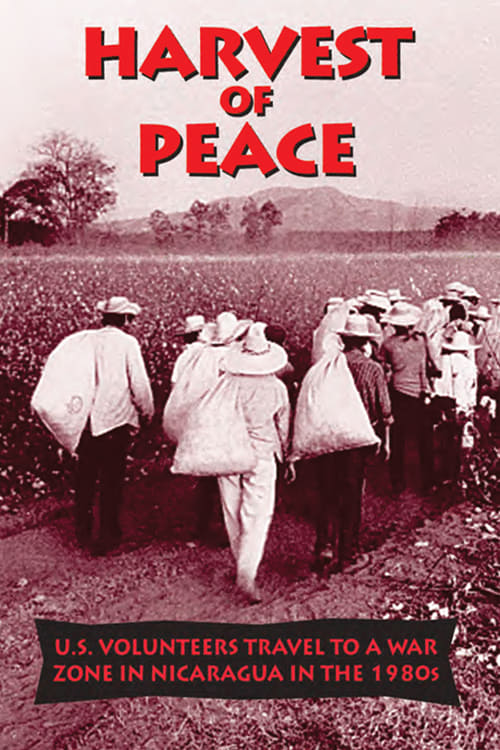
Portrait of a group of 150 U.S. citizens who spent two weeks participating in the cotton harvest in a remote village in Nicaragua, seeing for themselves the impact of the U.S.-backed Contra war.
Social & External
American resort developers bear down on the wild west coast of Nicaragua, hoping to build the next tourist paradise. With lax labour and environmental regulations, some of the developers take full advantage of the situation, and the local fishermen start accusing them of exploitation and land thievery. Unexpectedly, in the midst of this conflict, firebrand Daniel Ortega and the Sandinistas sweep back into government, boldly empowering the local fishermen. The tables turn viciously on the American developers, who get much more than they bargained for. But when the local fishermen, corrupted by new found power, begin acting in the same manner as the American developers, questions are posed about human nature, morality, and ethics on a much larger scale.
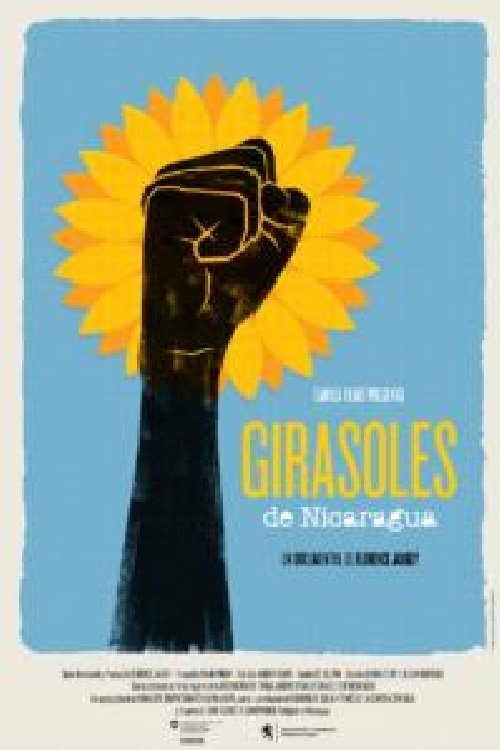
Sixteen female sex workers have been named judicial aides by Nicaragua’s Supreme Court to facilitate the resolution of conflicts that come up in their work. It is the first time in the world that sex workers have had access to this function. The film accompanies some of these women in their mediation work and in the actions they promote through their association, Girasoles (Sunflowers) of Nicaragua, to gain recognition and regulations for autonomous sex work.
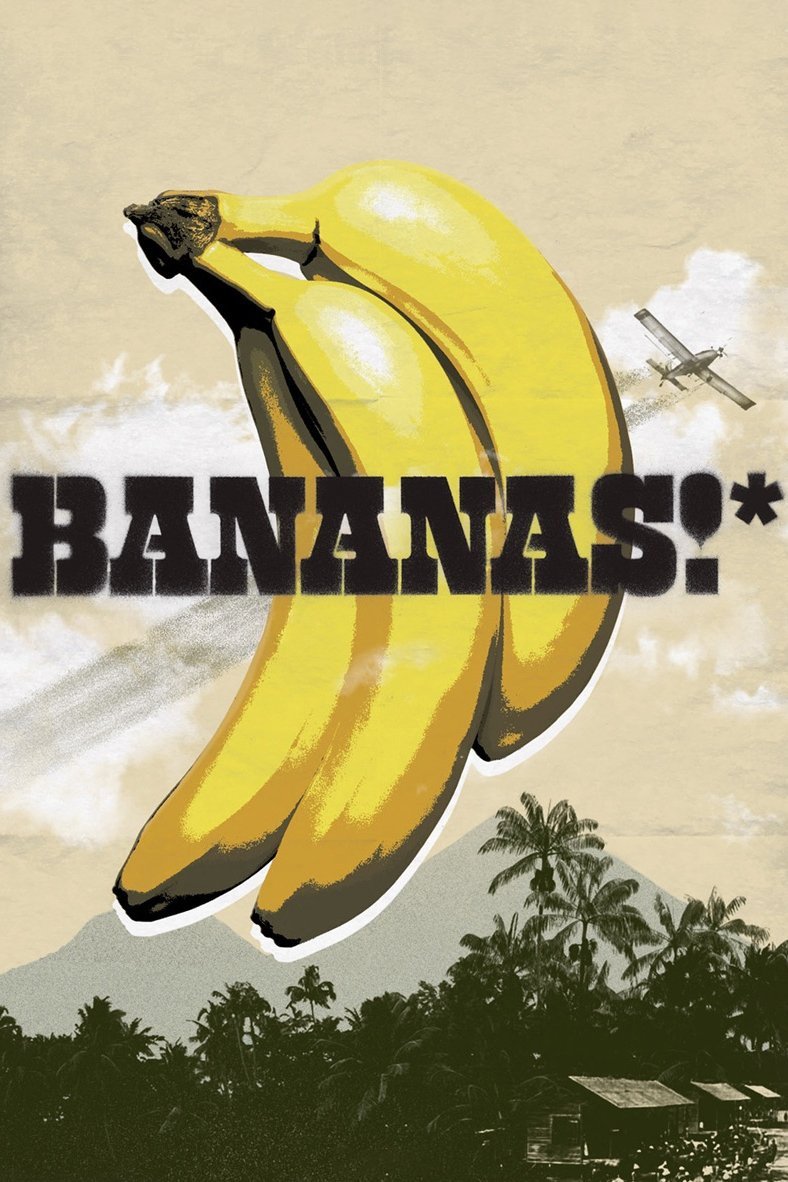
Juan “Accidentes” Dominguez is on his biggest case ever. On behalf of twelve Nicaraguan banana workers he is tackling Dole Food in a ground-breaking legal battle for their use of a banned pesticide that was known by the company to cause sterility. Can he beat the giant, or will the corporation get away with it?
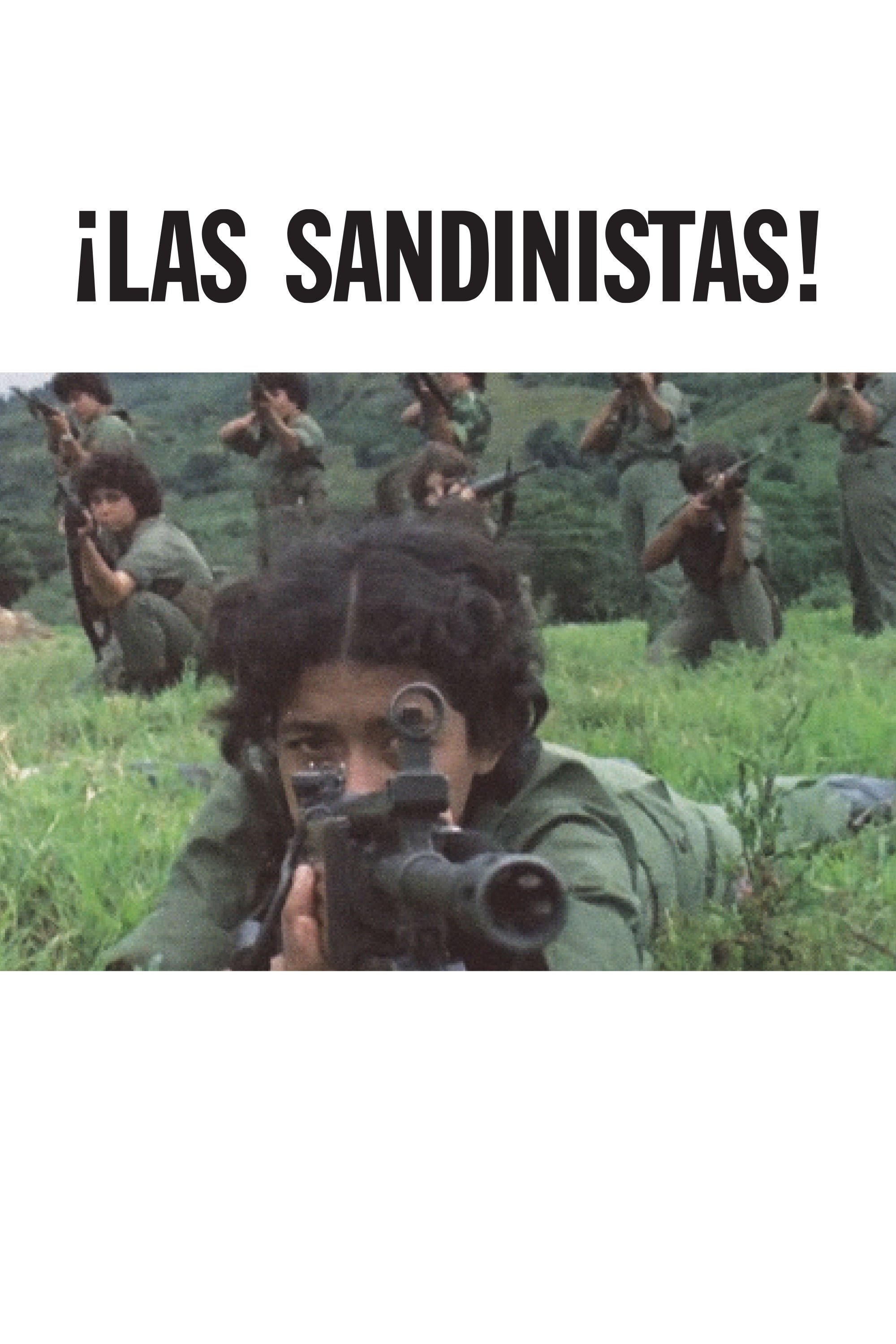
¡Las Sandinistas! uncovers the disappearing stories of women who shattered barriers to lead combat and social reform during Nicaragua’s 1979 Sandinista Revolution, and who continue to lead Nicaragua’s current struggle for democracy and equality.
The conflict between Dole Food Company and Swedish filmmaker Fredrik Gertten unfolds dramatically in the documentary "BIG BOYS GONE BANANAS!" as the corporation attempts to suppress Gertten's earlier film, "BANANAS!"—chronicling Nicaraguan workers' lawsuit against Dole. Initially selected for the 2009 Los Angeles Film Festival, "BANANAS!" was abruptly removed from competition, followed by a negative article in the Los Angeles Business Journal and legal threats from Dole's attorneys. Gertten captures this saga of corporate intimidation, media manipulation, and legal challenges in his documentary, showcasing the struggles documentary filmmakers face and highlighting the threat to freedom of speech posed by powerful corporations protecting their reputations.
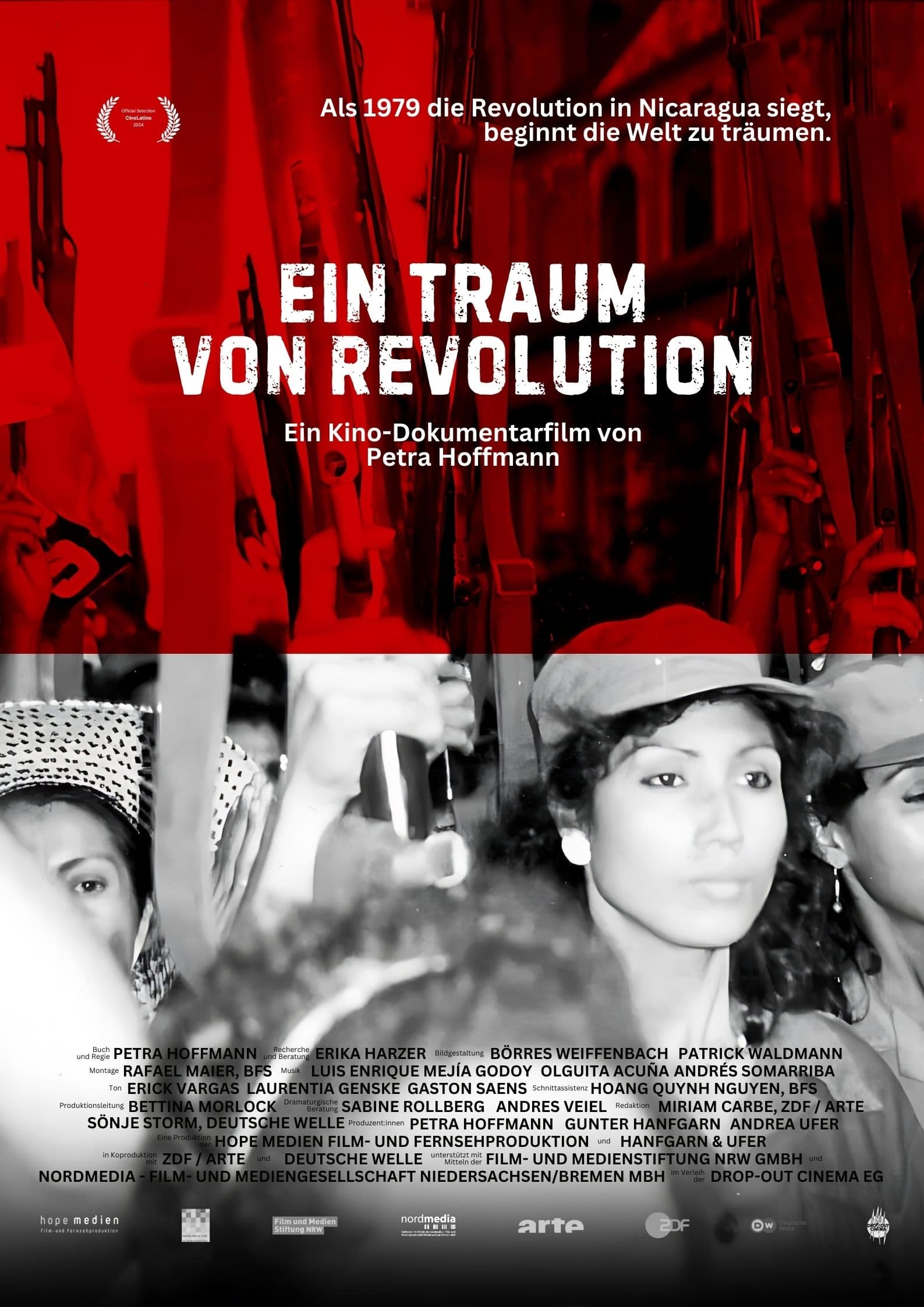
When the revolution in Nicaragua won its victory nearly 40 years ago, the world began to dream. A young generation was taking the reins in a country of grand utopias. From West Germany alone, 15,000 “brigadists” travelled to help rebuild the war-torn country: liberals, greens, unionists, social democrats, leftists and church representatives harvested coffee and cotton, built schools, kindergartens and hospital wards. No movement has mobilised so many people. What became of the hopes and dreams of the revolutionaries and their supporters?
A group of Miskito Indians use Nicaraguan child soldiers in their resistance against the Sandinistas.
In the mid-1990s, Dieter Dubbert accidentally ends up with the Miskito Indians in Bismuna, Nicaragua. Here he begins to work with drug-addicted and delinquent young people from Germany who would otherwise disappear into homes and prisons.
Christian, Finn and Moritz became addicted to drugs as teenagers. In 1999, the film "Bismuna - Ein Abenteuerfilm" was made about the three teenagers and their counselor as they traveled to an indigenous tribe for the drug cure. Now, some 10 years later, it shows what the men have done with their lives.
Born from the ashes of the iconic punk band Ebba Grön, this documentary tells the story of Imperiet and their journey to become the leading star of the post-punk generation and one of Sweden's biggest rock bands. It's also the story of Sweden, at a time in which they took their firm position on the world stage and when political commitment from the artists was a necessity.
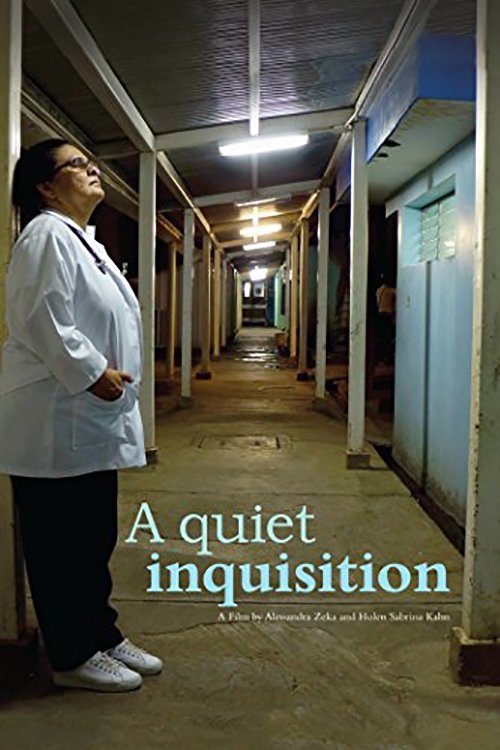
At a public hospital in Nicaragua, Ob/Gyn Dr. Carla Cerrato must choose between following a law that bans all abortions and endangers her patients or taking a risk and providing the care that she knows can save a woman's life. In 2007, Dr. Cerrato’s daily routine took a detour. The newly elected government of Daniel Ortega, a former Marxist revolutionary who converted to Catholicism to win votes, overturned a 130-year-old law protecting therapeutic abortion. The new law entirely prohibits abortion, even in cases of rape, incest, or when a woman’s life is at stake. As Carla and her colleagues navigate this dangerous dilemma, the impact of this law emerges—illuminating the tangible reality of prohibition against the backdrop of a political, religious, and historically complex national identity. The emotional core of the story—the experiences and situations of the young women and girls who are seeking care—illustrate the ethical implications of one doctor's response.
A portrait of a remote area in the rural north of Nicaragua facing difficulties with the revolutionary process. It follows Marlon Stuart, the regional FSLN political organiser, at the time of the 1984 elections.
Shot in 1983–84 and focusing on the work of the Historical Institute, this film witnesses how Nicaraguans are recovering their history, the memory of Sandino’s struggle, to transform their sense of identity.
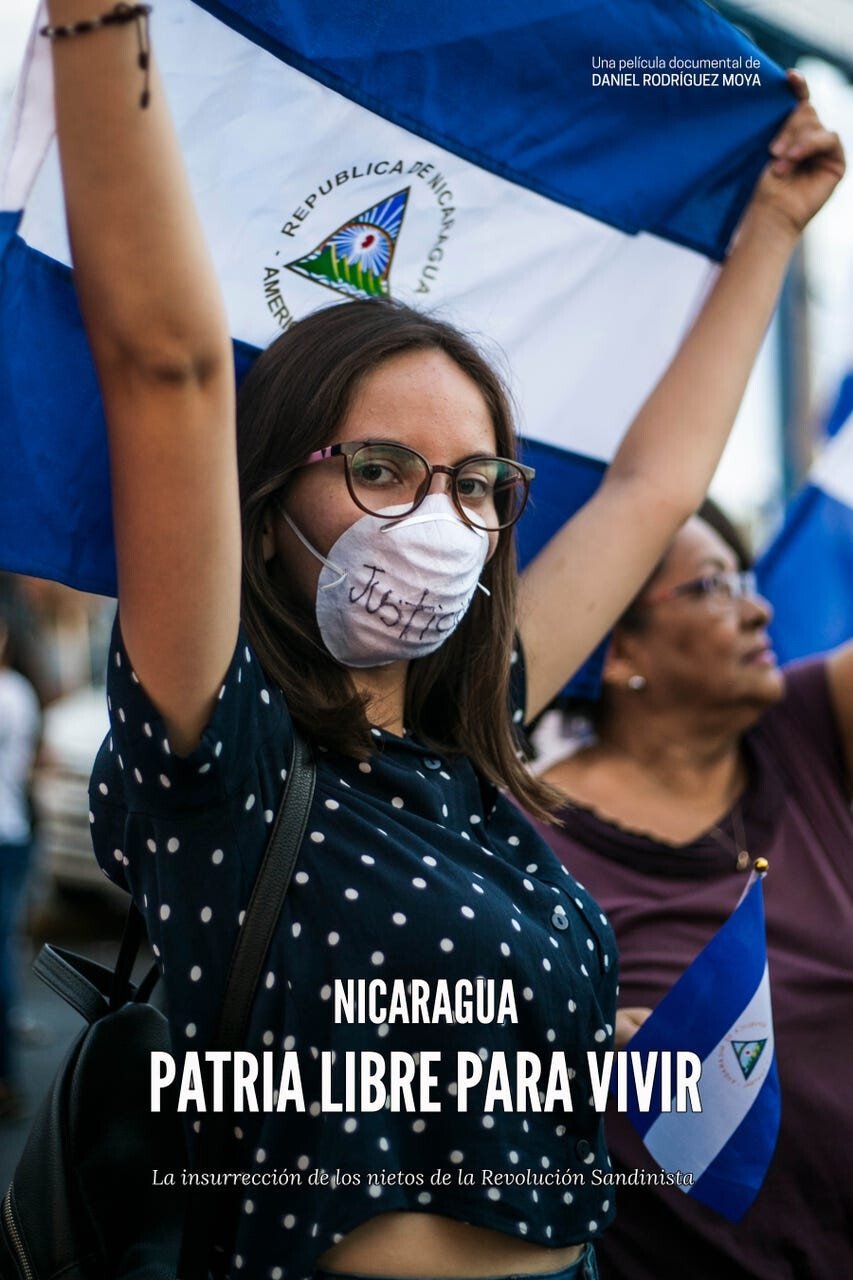
In this documentary portrait of post-revolutionary Nicaragua, director Helena Solberg follows the Chavarría family while examining the broader social and political changes following the 1979 overthrow of the Somoza dictatorship. Interweaving personal testimony with archival footage of U.S. intervention, revolutionary struggle, and national reform efforts, the film reflects on the hopes and tensions shaping the country’s future.
Nicaragua land of lakes and volcanoes and this video will show you the most touristic places in Nicaragua, among them stand out the city of Leon, El Canyon de Somoto, Chinandega, Granda, Masaya, among others. Music: Nicaragua Mia - The Best Of Tino Lopez Guerra.
A naturalistic story about the realities of healthcare and houselessness from the perspective of Ramon Duarte, a houseless welder who receives care from Miami Street Medicine, a street medicine team. In Miami, where rising housing costs are forcing folks onto the streets, the doctor's work is more important than ever.
Three Nicaraguan-American artists from the Washington D.C. Metro area discuss growing up in two cultures and how it influences their art.
A powerful three-part documentary studying the US involvement in Guatemala, El Salvador and Nicaragua. The differing factions - Sandinista leaders, Guatemalan campesinos, CIA operatives, Contras and US government apologists - are interviewed and, in the absence of a controlling narration, the audience is encouraged to draw its own conclusions.
A detailing of the rise to prominence and global sporting superstardom of six supremely talented young Manchester United football players (David Beckham, Nicky Butt, Ryan Giggs, Paul Scholes, Phil and Gary Neville). The film covers the period 1992-1999, culminating in Manchester United's European Cup triumph.
A documentary on the life of John Lennon, with a focus on the time in his life when he transformed from a musician into an antiwar activist.
A compilation of over 30 years of private home movie footage shot by Lithuanian-American avant-garde director Jonas Mekas, assembled by Mekas "purely by chance", without concern for chronological order.
When Allied forces liberated the Nazi concentration camps in 1944-45, their terrible discoveries were recorded by army and newsreel cameramen, revealing for the first time the full horror of what had happened. Making use of British, Soviet and American footage, the Ministry of Information’s Sidney Bernstein (later founder of Granada Television) aimed to create a documentary that would provide lasting, undeniable evidence of the Nazis’ unspeakable crimes. He commissioned a wealth of British talent, including editor Stewart McAllister, writer and future cabinet minister Richard Crossman – and, as treatment advisor, his friend Alfred Hitchcock. Yet, despite initial support from the British and US Governments, the film was shelved, and only now, 70 years on, has it been restored and completed by Imperial War Museums under its original title "German Concentration Camps Factual Survey".
A documentary about the making of season five of the acclaimed AMC series Breaking Bad.
A documentary focused on plastic pollution in the world's oceans.
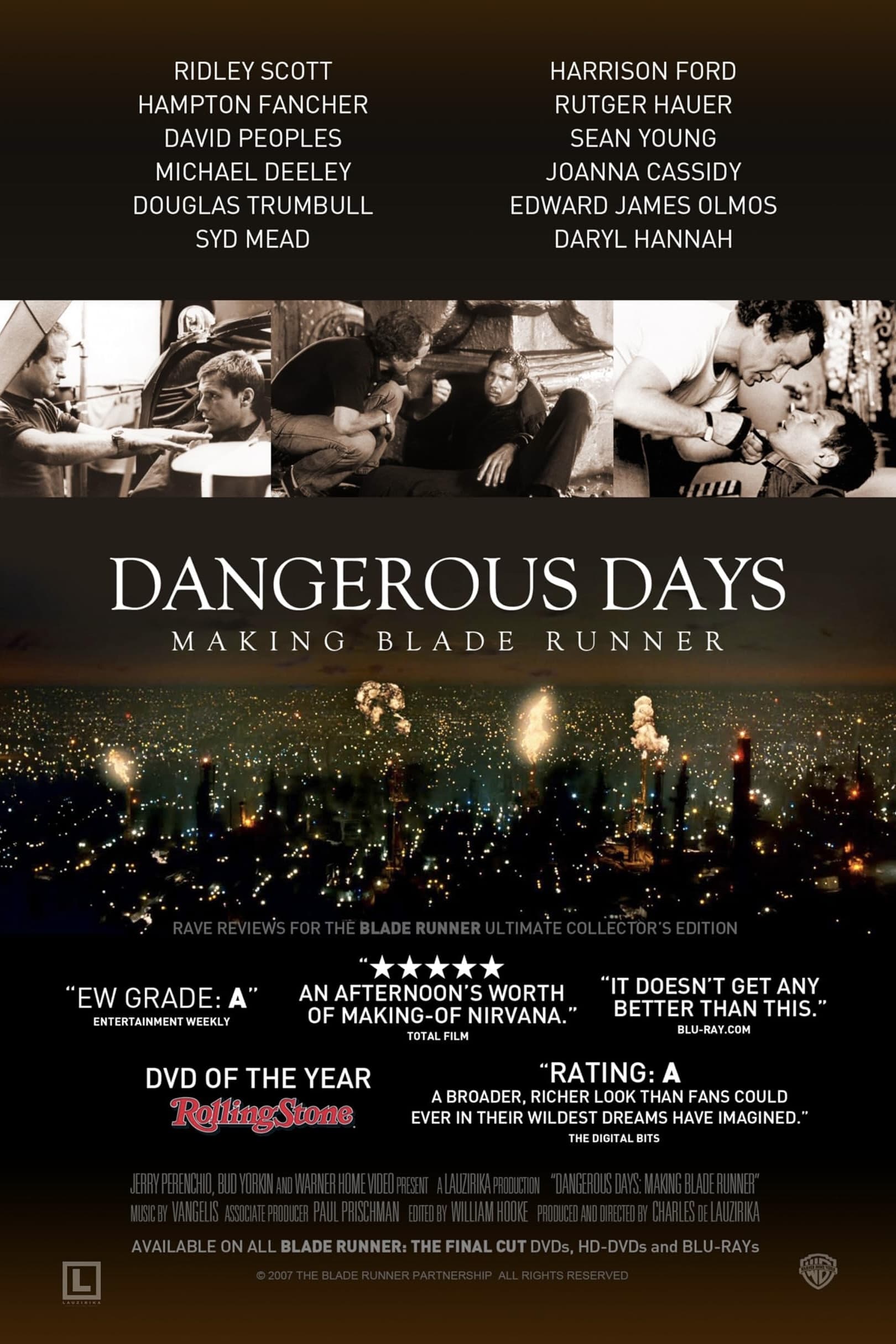
The definitive 3½-hour documentary about the troubled creation and enduring legacy of the science fiction classic 'Blade Runner', culled from 80 interviews and hours of never-before-seen outtakes and lost footage.
Through deeply personal interviews with her siblings and an examination of the photographs, letters, and belongings left behind, Mariska assembles a new portrait of her mother Jayne Mansfield, an extraordinary and complex woman.
“Showrunners” is the first ever feature length documentary film to explore the fascinating world of US television showrunners and the creative forces aligned around them. These are the people responsible for creating, writing and overseeing every element of production on one of the United State’s biggest exports – television drama and comedy series. Often described as the most complex job in the entertainment business, a showrunner is the chief writer / producer on a TV series and, in most instances, the show’s creator. Battling daily between art and commerce, showrunners manage every aspect of a TV show’s development and production: creative, financial and logistical.
A documentary chronicling Vogue editor-in-chief Anna Wintour's preparations for the 2007 fall-fashion issue.
A visual montage portrait of our contemporary world dominated by globalized technology and violence.
Stars of "The Walking Dead," Andrew Lincoln and Danai Gurira, walk down memory lane and visit iconic locations where pivotal moments between their characters, Rick and Michonne, were filmed.
With mesmerizing footage and time lapses of animators at work, this behind-the-scenes special captures the artistry of a unique tale years in the making.
Alexander McQueen's rags-to-riches story is a modern-day fairy tale, laced with the gothic. Mirroring the savage beauty, boldness and vivacity of his design, this documentary is an intimate revelation of McQueen's own world, both tortured and inspired, which celebrates a radical and mesmerizing genius of profound influence.
The authorized documentary celebrating the film that redefined Hollywood, 50 years after its premiere. Featuring rare archival footage and interviews with acclaimed Hollywood directors alongside Steven Spielberg, top shark scientists, and conservationists, the film uncovers the behind-the-scenes chaos and how the film launched the summer blockbuster, inspired a new wave of filmmakers, and paved the way for shark conservation that continues today.
A documentary about the making of David Fincher's 2008 film THE CURIOUS CASE OF BENJAMIN BUTTON. Virtually every element in the evolution of the Fincher's film is documented here, from the project's attachment to numerous other directors during the 1990s, to its shoot in 2006 and 2007 in New Orleans, to its complex, CGI-intensive postproduction process.
This revealing documentary honors the legendary Sidney Poitier—iconic actor, filmmaker, and civil rights activist. Featuring interviews with Denzel Washington, Spike Lee, Halle Berry, and more.
Journey into the extraordinary world of "The Witcher" — from casting the roles to Jaskier's catchy song — in this behind-the-scenes look at the series.
A documentary about how a dominant cultural and demographic institution both sustains their traditional activities and adapts to the digital revolution.
A glimpse into the raw and simple power of nature through encounters with farm animals: the eponymous Gunda, a mother pig; two cows, and a one-legged chicken.