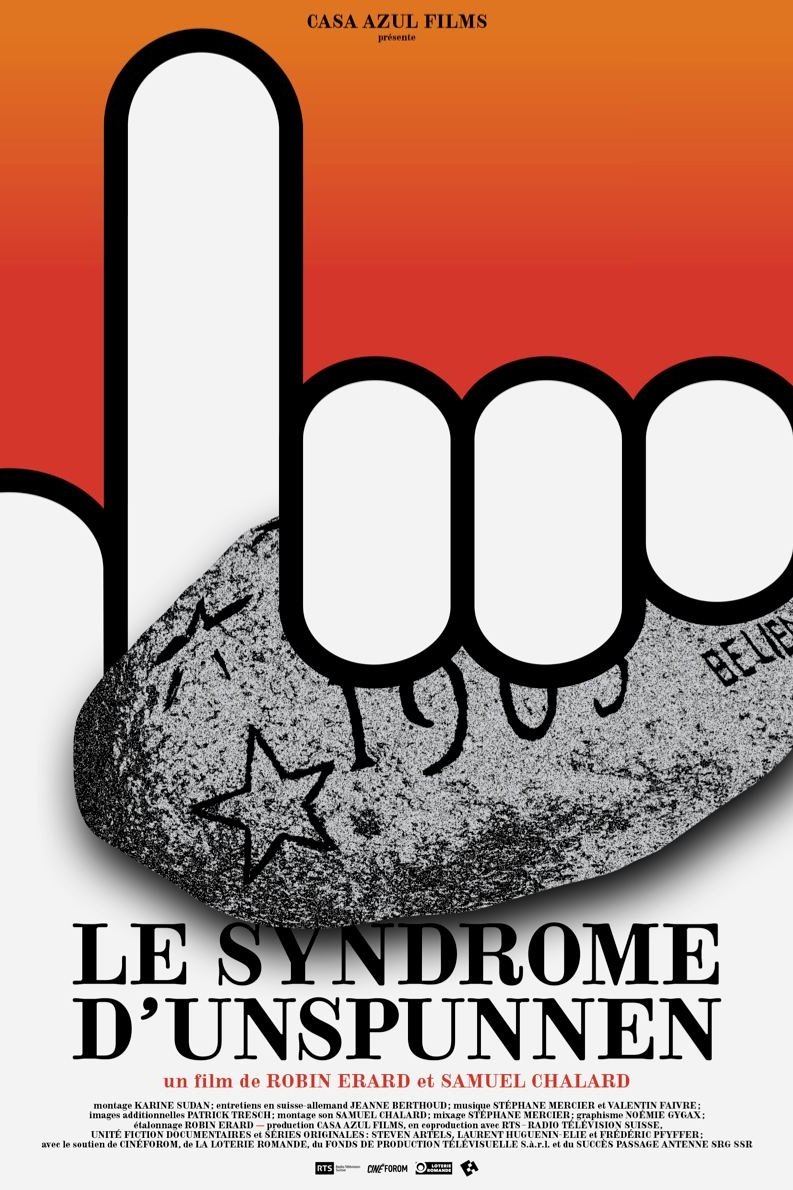
220 years after its "birth", 40 years after its theft, 22 years after its reappearance and 18 years after its second disappearance, two filmmakers follow the trail of the "unspeakable" Unspunnenstein.
Social & External
The people behind it
What happens when man's reason is used as a weapon to slice through the accumulated detritus of ignorant and benighted ages and into the glorious new world of Enlightenment? The old is cleared away and the space is created for the new, but at what cost? Does reason itself have sufficient capacity to create a comprehensive world for man to exist as man, or does he become something else?
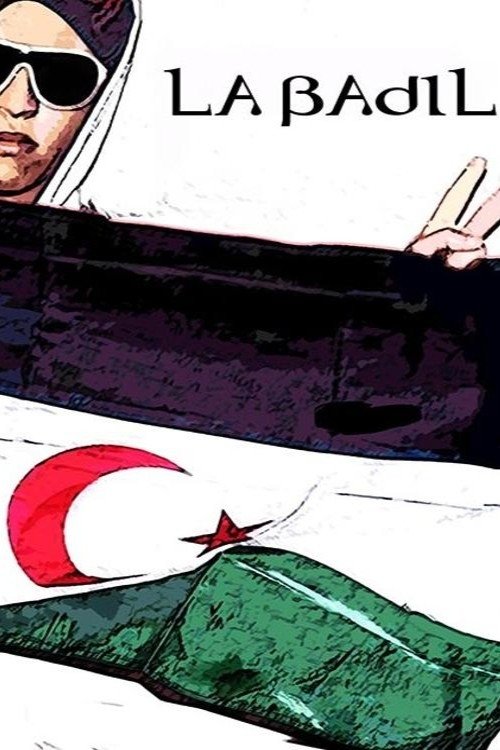
La Badil (No Other Choice), was filmed undercover in the Moroccan controlled territories of Western Sahara, on the eve of the second anniversary of the 2010 uprisings at Gdeim Izik that heralded the start of the Arab Spring. It sheds new light on the decades long conflict and the Sahrawi people's struggle for self-determination.
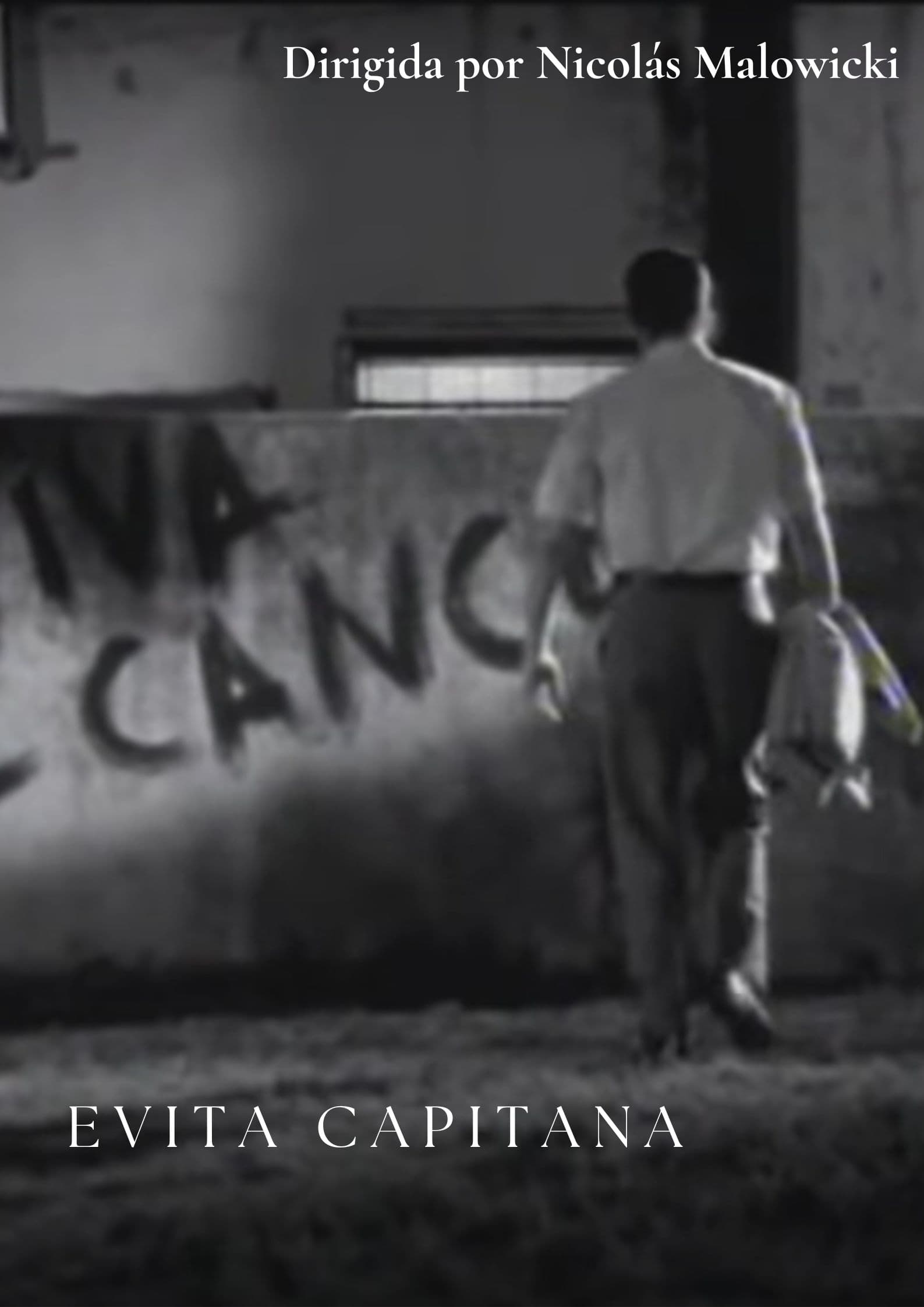
A mix of fiction and documentary, "Evita Capitana" takes place in the final of the 1951 Argentina's soccer championship, where Banfield faced the then imposing Racing Club. An important political figure sides with Banfield, representing the humble and needed, but power thinks otherwise.
This film will tell the story of a tour of France undertaken by two children of "controlled origin"—as Mouss and Hakim wryly put it. For us, the reference to the century-old schoolbook Le Tour de la France par deux enfants by Augustine Fouillée is far more than a mere nod; published in the wake of the Franco-Prussian War of 1870, this reader was a fiercely patriotic manual designed to shape the education and morals of young French children. Written under the pseudonym "G. Bruno," the book recounted the journey of two children, André and Julien Volden, who—following the Prussian annexation of Alsace-Lorraine and the death of their father—set out to find their uncle across France’s beautiful provinces. The book was steeped in nationalism and a martial spirit, instilling the values of the Third Republic—equality and citizenship—with a heavy hand, ensuring that no one dared to stand out from the crowd.
Three months of riots and street fighting. Three months of marches and demonstrations, but the anger of Algerias Kabyle population has not diminished. This rank and file mouvement mistrusts political parties, and presents a real threat to the Algerian government. Berber-speaking, Kabylian native, director Samia Chala followed Mohand, one of the young people who initiated those riots, through his village of Avizar, 40 kilometers from Tizi Ouzou, to get the inside story. Because of her background and intimate knowledge of the region, Samia was allowed to film without any police escort, and this produced a rare document.
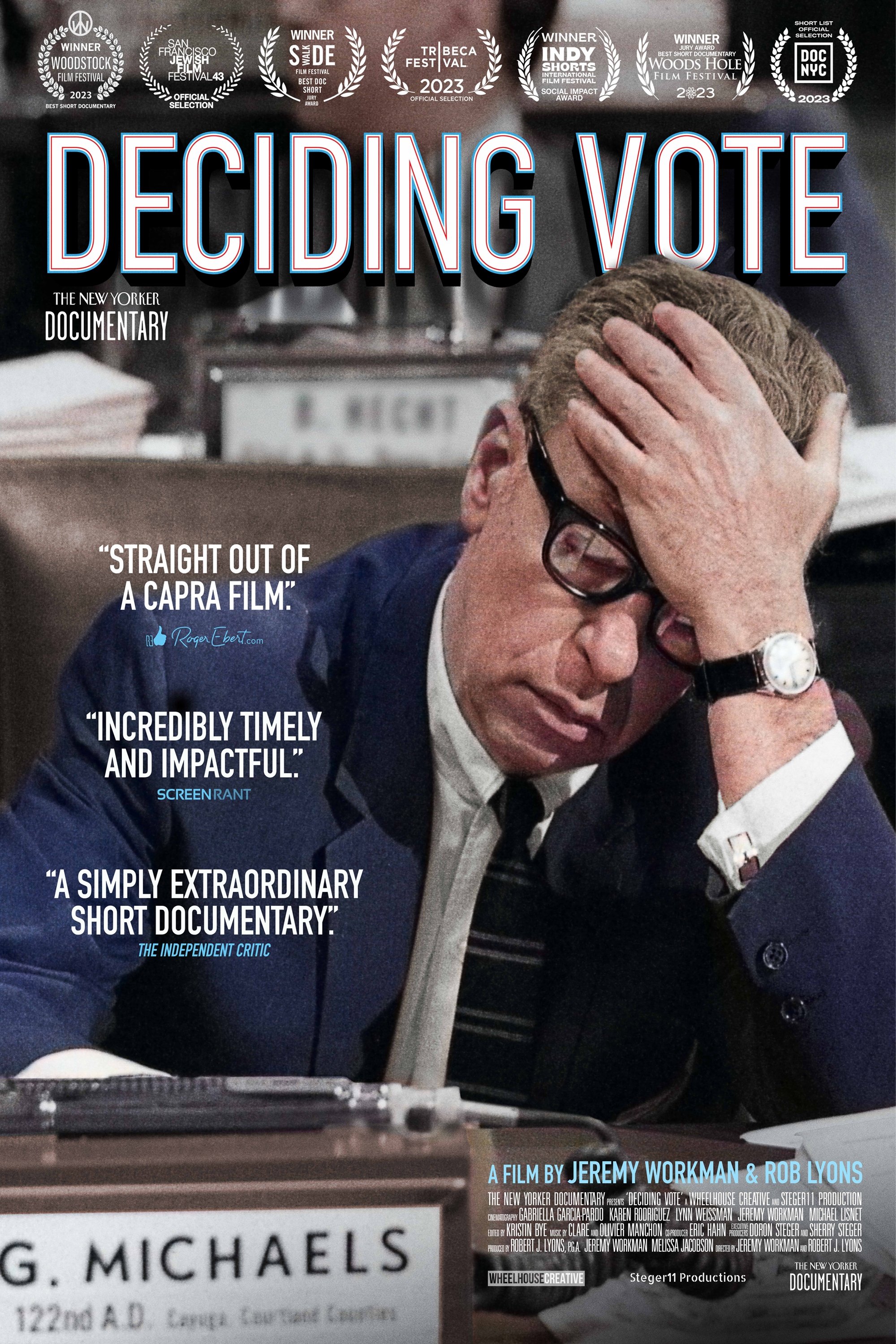
50 years ago, assemblyman George Michaels cast a single vote on New York's abortion bill that changed the course of American history but destroyed his political career in the process.
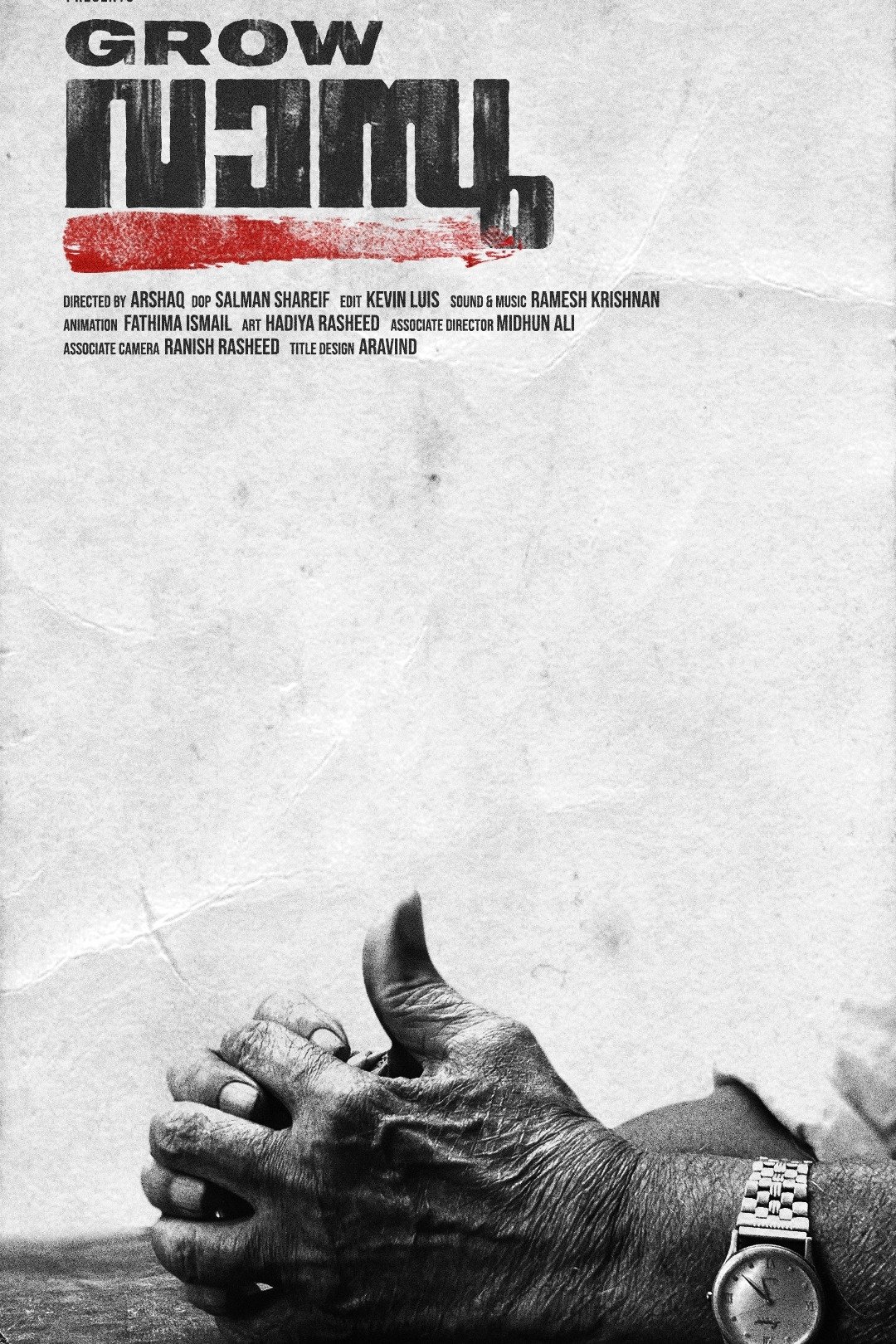
Grow Vasu is a biographical documentary on the life of comrade Ayinoor Vasu aka Grow Vasu, a leader of the working class, as well as a champion of Muslim, Dalit, and marginalized communities and human rights movements. At 94 years young, he was jailed for questioning the authority, yet, Vasu continues his fight against oppression, for justice, and for the revolution. The film follows a narrative style divided into ten chapters consists of his personal-political up and downs.
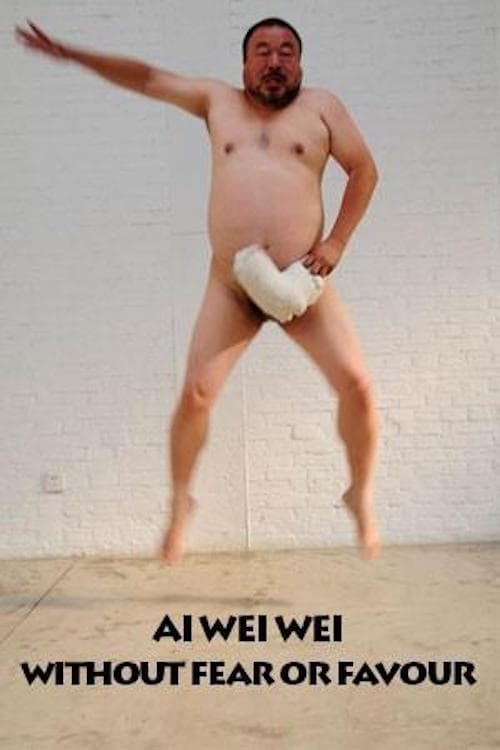
Arts documentary, first broadcast before Ai Weiwei's arrest by the Chinese authorities in April 2011, and his subsequent release after being detained for 11 weeks. Architect, photographer, curator and blogger, Ai Weiwei is China's most famous and politically outspoken contemporary artist. Alan Yentob explores the story of Ai Weiwei's life and art, and reveals how this most courageous and determined of artists continues to fight for artistic freedom of expression while living under the restrictive shadows of authoritarian rule.
In the second film, the author tells about the struggle of blacks for the right to feel equal with all US citizens. Commentary of the mayor of Cairo, one of the cities in the American South, about the suppression of the rebels, about the most brutal methods of fighting African American protesters. Jesse Jackson's speech. Jesse Jackson's commentary on the Black Rights Organization. Comments by female residents of Jackson, the capital of Mississippi, on the degree of mental development of whites and blacks. A story about the Ku Klux Klan, about Robert Shelton - the head of the Ku Klux Klan. Speech by American singer and dramatic actor Paul Robson, his commentary. Shots of the Olympics, victories in the competition of black athletes. About reprisals against Negro organizations. The widow of the American writer Ernest Hemingway Mary and the American scientist Henry Winston speak out about support for African Americans and the fight against racism.
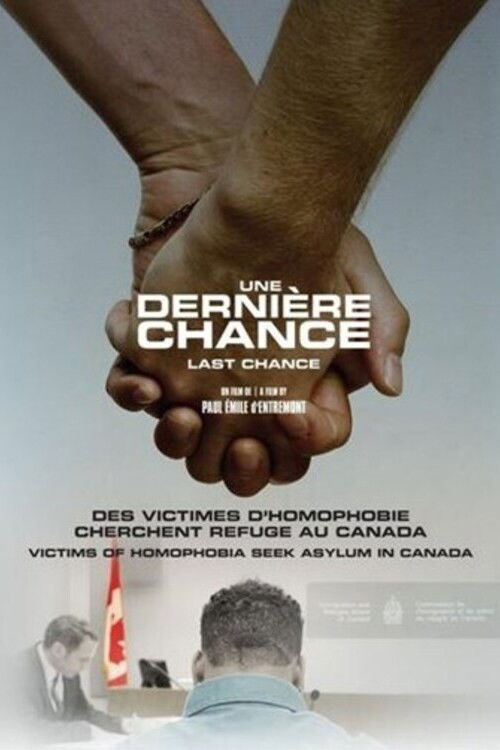
This feature documentary tells the stories of 5 asylum seekers who flee their native countries to escape homophobic violence. They face hurdles integrating into Canada, fear deportation and anxiously await a decision that will change their lives forever.
LENIN’S PAWN is a hybrid documentary with dark humor following actor Sergiu Voloc, a modern-day Don Quixote whose lonely fight against Lenin monuments across Moldova turns into an absurd confrontation with a system that rebuilds them overnight.
Throughout the Islamic world, each year hundreds of women are shot, stabbed, strangled or burned to death by male relatives because they are thought to have “dishonoured” their families. They may have lost their virginity, refused an arranged marriage or left an abusive husband. Even if a woman is raped or merely the victim of gossip, she must pay the price. Crimes of Honour documents the terrible reality of femicide – the belief that a girl’s body is the property of the family, and any suggestion of sexual impropriety must be cleansed with her blood. We meet women in hiding from their families, a brother who describes his reasons for killing the sister he loved, and a handful of women who have committed themselves to the protection of young women in danger of losing their lives.
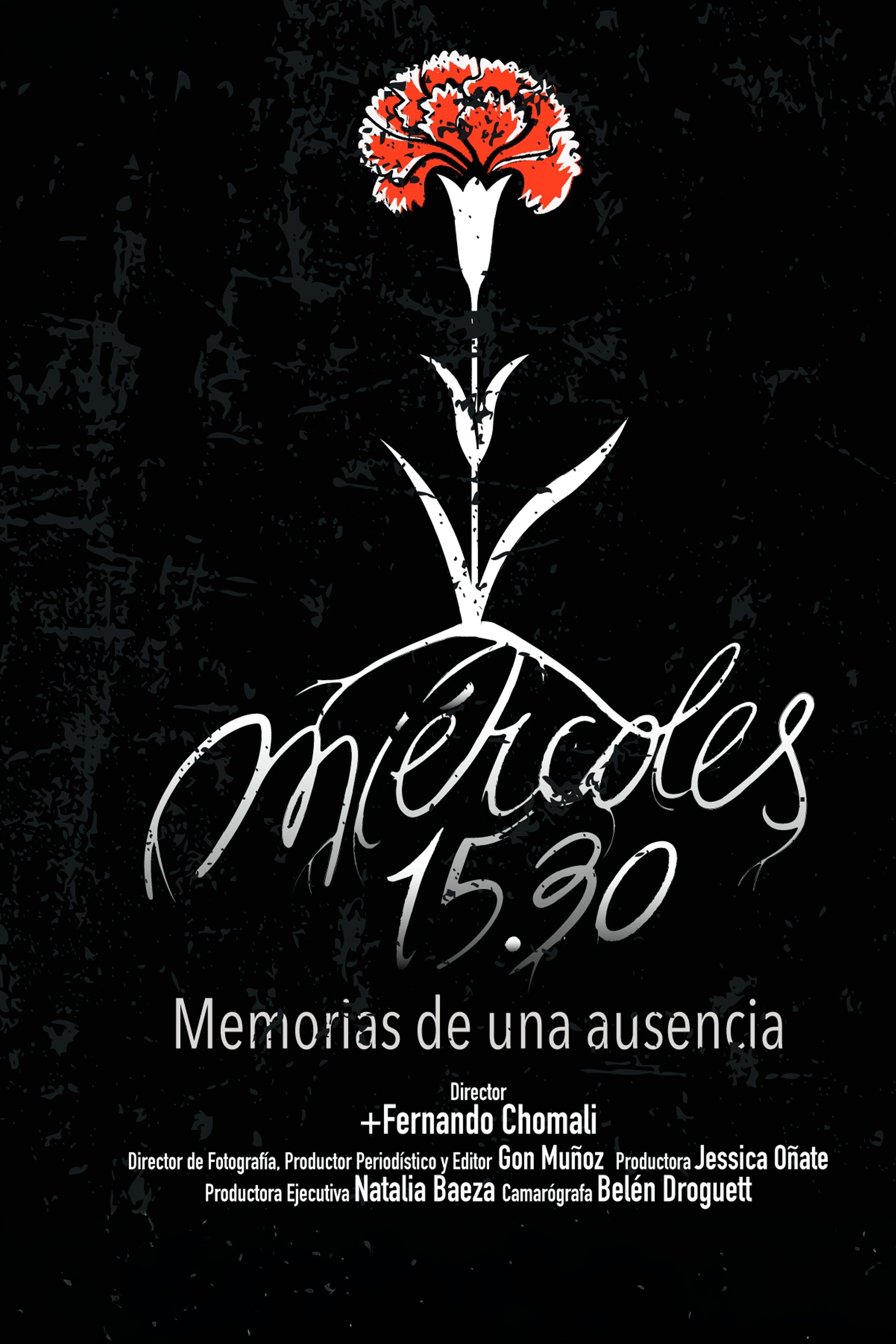
Directed by the Archbishop of Concepción, Monsignor Fernando Chomali, the documentary ‘Miércoles 15.30, memorias de una ausencia’ addresses the stories of loss, pain, and the search for justice of the Association of Relatives of Disappeared Detainees of Concepción. The Association, created under the auspices of the Archbishopric of Concepción and the Human Rights Pastoral during the dictatorship, has been working and meeting for more than 40 years to find their relatives.
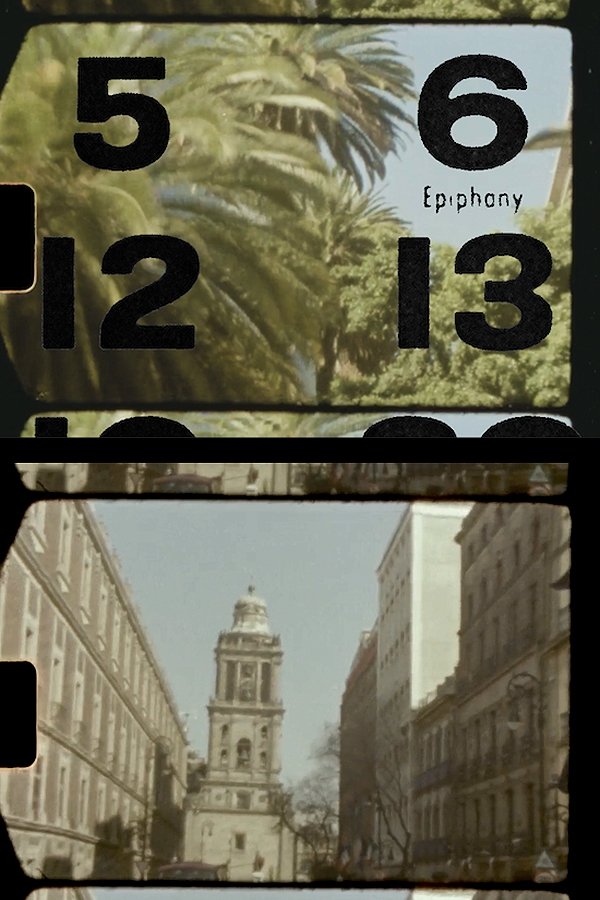
The bleached palette and home-movie aesthetics of Super 8 footage provide the image track for this testimonial about an illegal abortion in Mexico City in the 1960s, delivered in voiceover by the filmmaker’s mother. In its account of this intimate and disorienting memory, Lesser Choices summons a time of profound uncertainty—a moment from an era without rights—and offers a warning to the present.
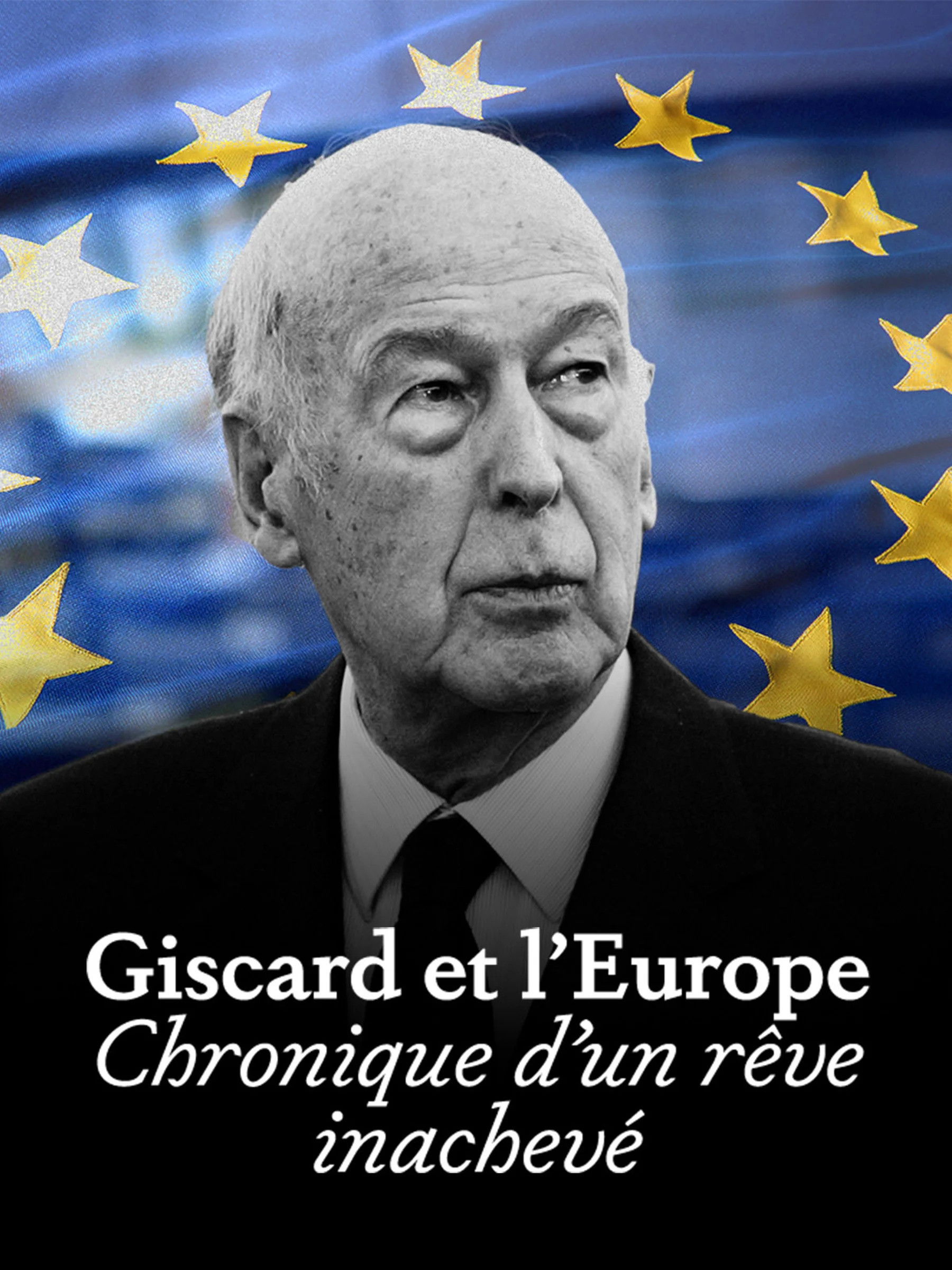
Over half a century of public service, Valéry Giscard d'Estaing embodied the dream of a united and strong Europe. From the youthful enthusiasm of the 1950s to the disillusionment of the 2005 referendum, his career chronicles an ideal confronted with the realities of power, national resistance, and populist winds. He tirelessly attempted to realize his youthful dream: a United States of Europe.
Al Pacino's deeply-felt rumination on Shakespeare's significance and relevance to the modern world through interviews and an in-depth analysis of "Richard III."
A documentary on the expletive's origin, why it offends some people so deeply, and what can be gained from its use.
Director Michael Apted revisits the same group of British-born adults after a 7 year wait. The subjects are interviewed as to the changes that have occurred in their lives during the last seven years.
Through deeply personal interviews with her siblings and an examination of the photographs, letters, and belongings left behind, Mariska assembles a new portrait of her mother Jayne Mansfield, an extraordinary and complex woman.
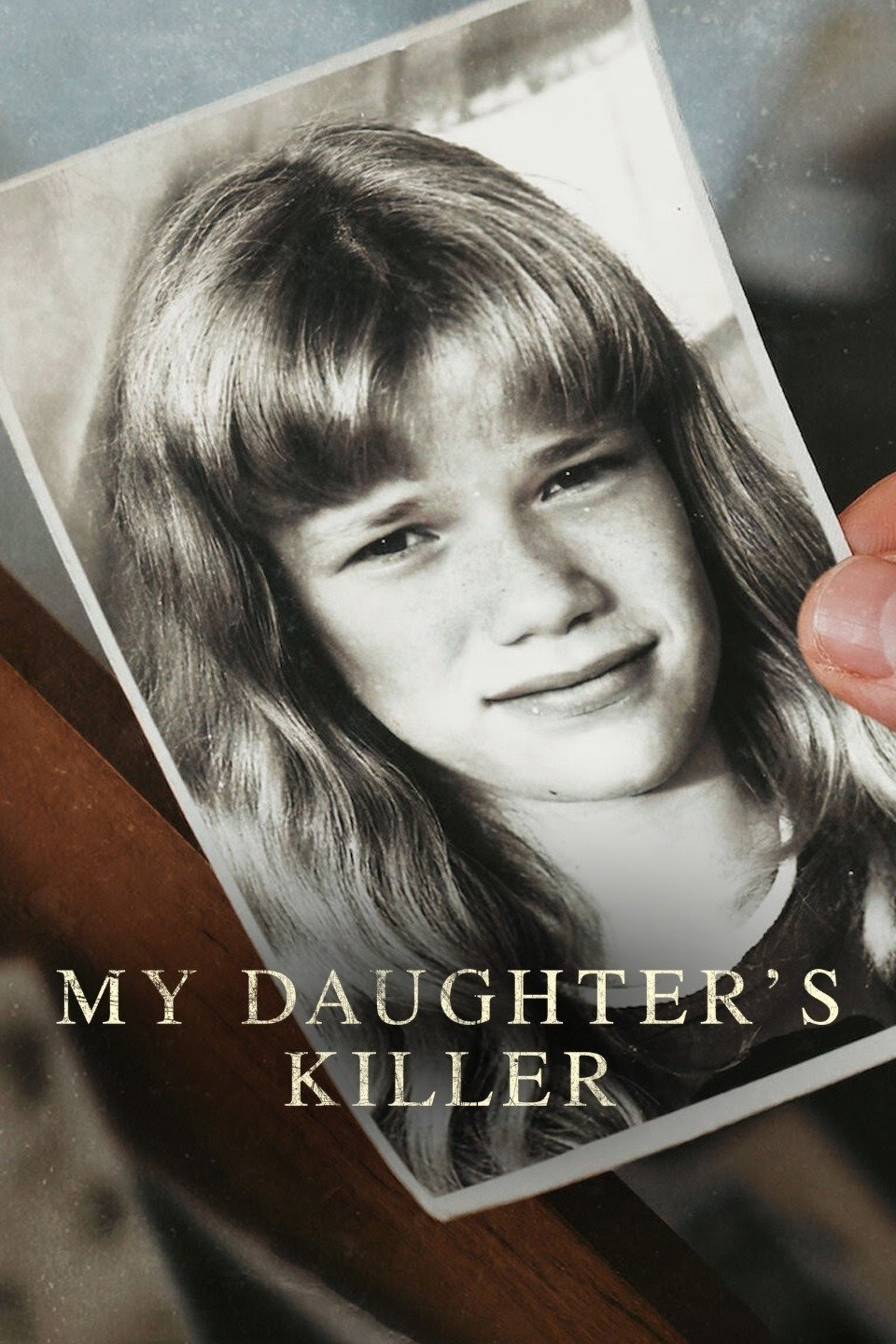
A father fights for decades to bring his daughter's killer to justice in France and Germany before taking extreme measures.
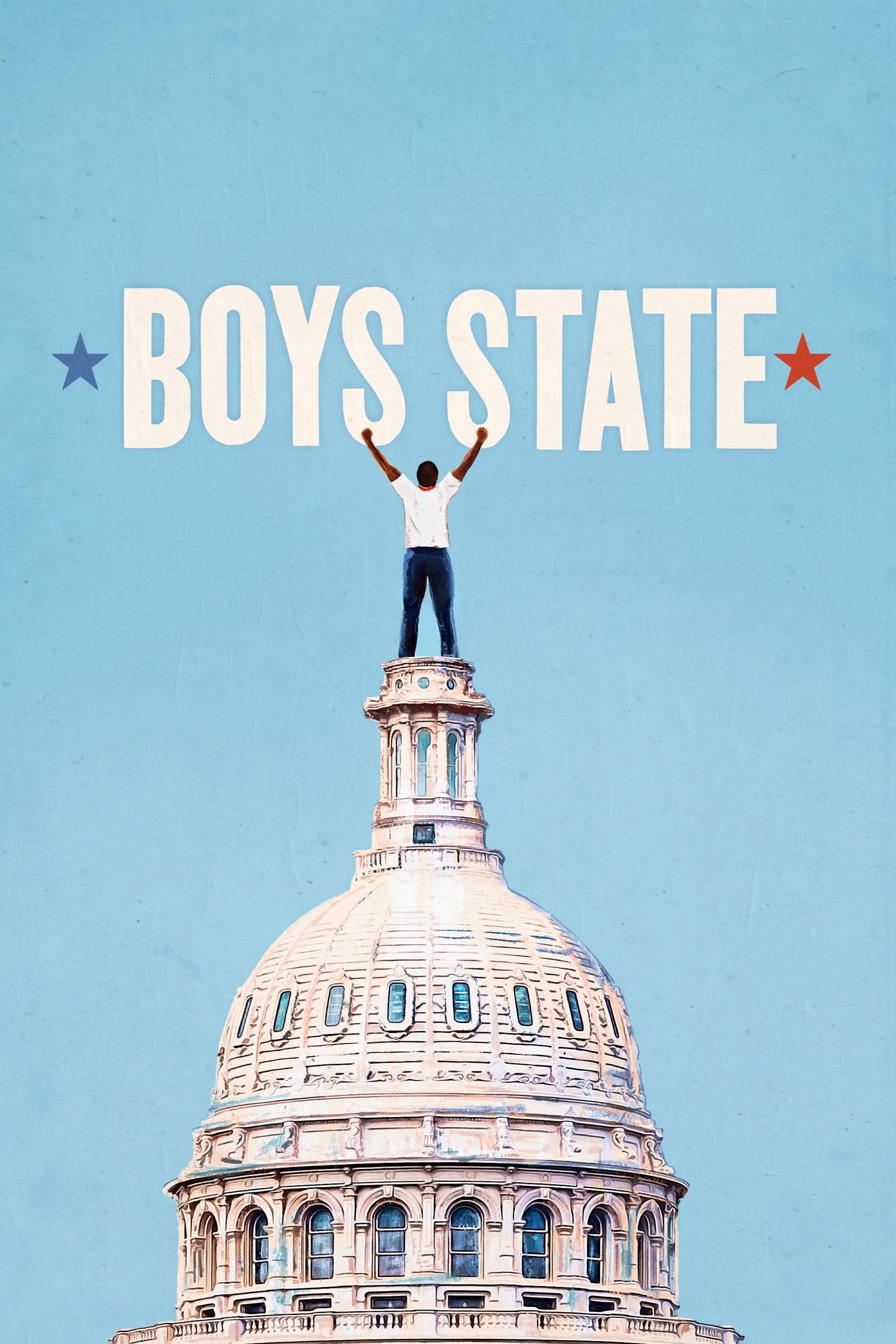
This raucous journey into the heart of democracy captures an unusual rite of passage: 1,100 teenage boys from across Texas coming together to build a representative government from the ground up.
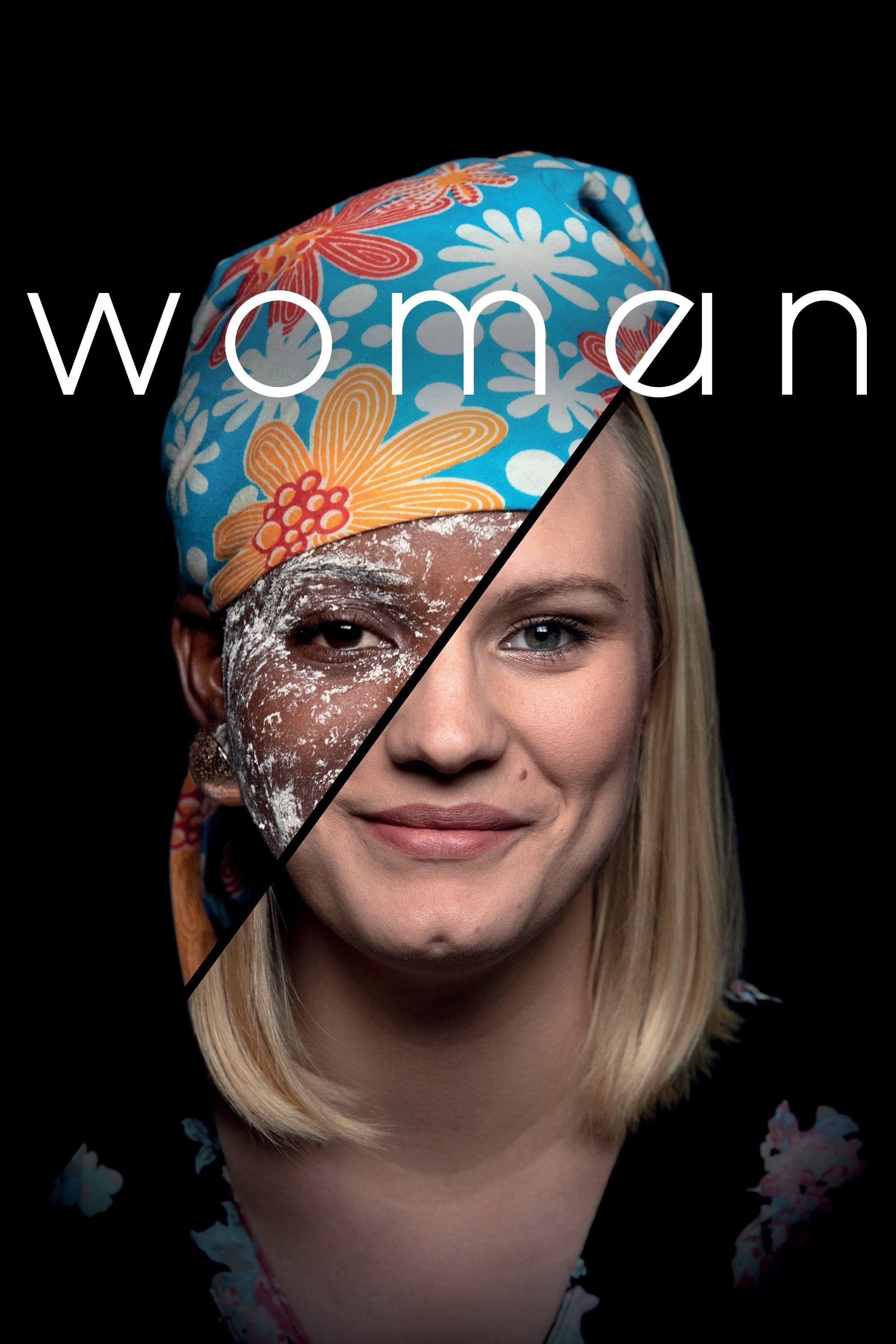
The film is based on interviews with 2,000 women from 50 countries, and covers the status of women all over the world. The topics covered include forced marriages, sexual assault, female genital mutilation, acid attacks, motherhood, sexuality, menstruation, education and the professional success of women.
Justice Ruth Bader Ginsburg now 84, and still inspired by the lawyers who defended free speech during the Red Scare, Ginsburg refuses to relinquish her passionate duty, steadily fighting for equal rights for all citizens under the law. Through intimate interviews and unprecedented access to Ginsburg’s life outside the court, RBG tells the electric story of Ginsburg’s consuming love affairs with both the Constitution and her beloved husband Marty—and of a life’s work that led her to become an icon of justice in the highest court in the land.
An inside look at one of the most anticipated movie sequels ever with James Cameron and cast.
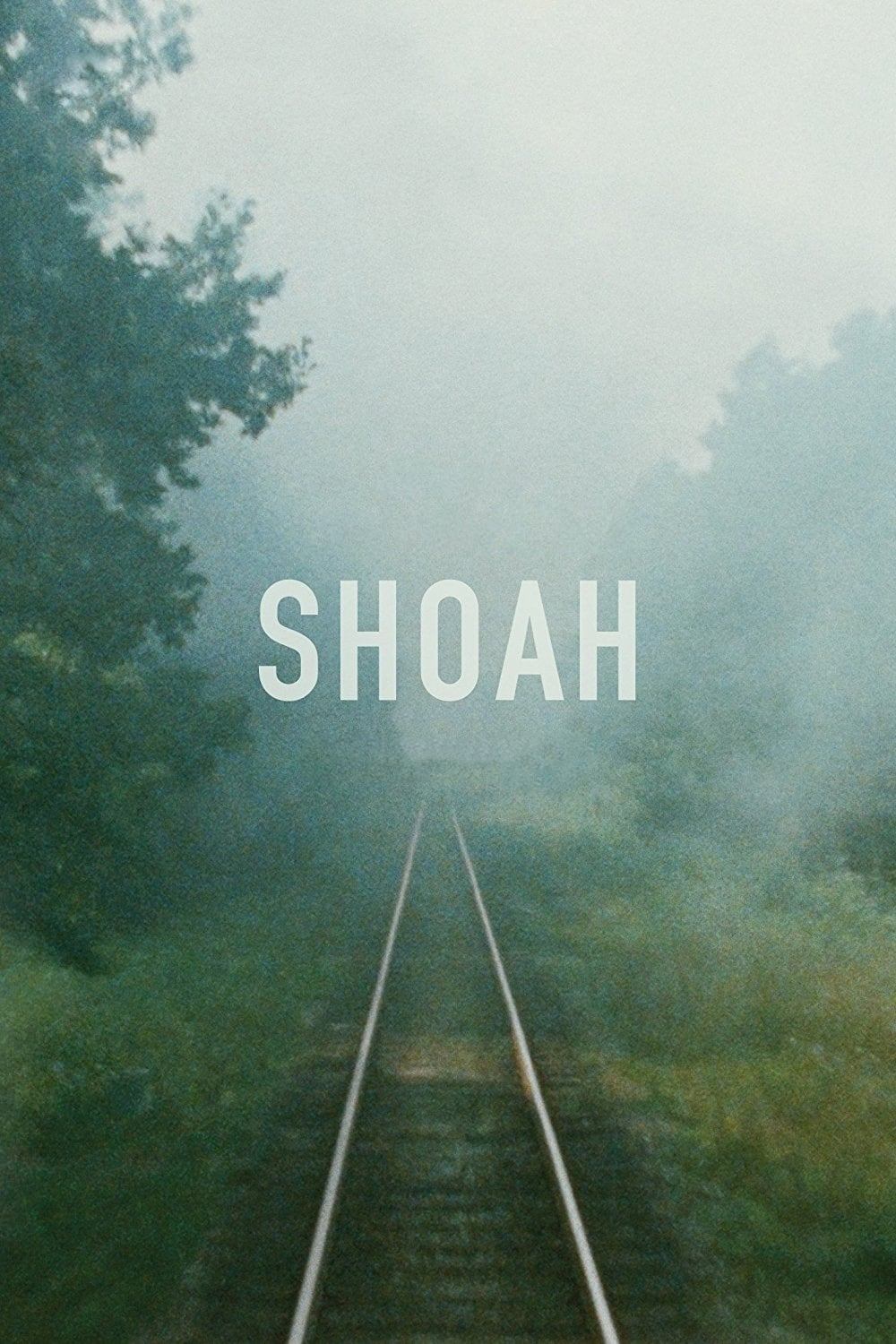
Director Claude Lanzmann spent 11 years on this sprawling documentary about the Holocaust, conducting his own interviews and refusing to use a single frame of archival footage. Dividing Holocaust witnesses into three categories – survivors, bystanders, and perpetrators – Lanzmann presents testimonies from survivors of the Chelmno concentration camp, an Auschwitz escapee, and witnesses of the Warsaw Ghetto Uprising, as well as a chilling report of gas chambers from an SS officer at Treblinka.
When Allied forces liberated the Nazi concentration camps in 1944-45, their terrible discoveries were recorded by army and newsreel cameramen, revealing for the first time the full horror of what had happened. Making use of British, Soviet and American footage, the Ministry of Information’s Sidney Bernstein (later founder of Granada Television) aimed to create a documentary that would provide lasting, undeniable evidence of the Nazis’ unspeakable crimes. He commissioned a wealth of British talent, including editor Stewart McAllister, writer and future cabinet minister Richard Crossman – and, as treatment advisor, his friend Alfred Hitchcock. Yet, despite initial support from the British and US Governments, the film was shelved, and only now, 70 years on, has it been restored and completed by Imperial War Museums under its original title "German Concentration Camps Factual Survey".

Over 35 years after Bob Lazar's revelations, this documentary exposes secrets of a facility the government still denies. Featuring Lazar's testimony, recreations, and new evidence, it reopens a case that continues to spark global curiosity


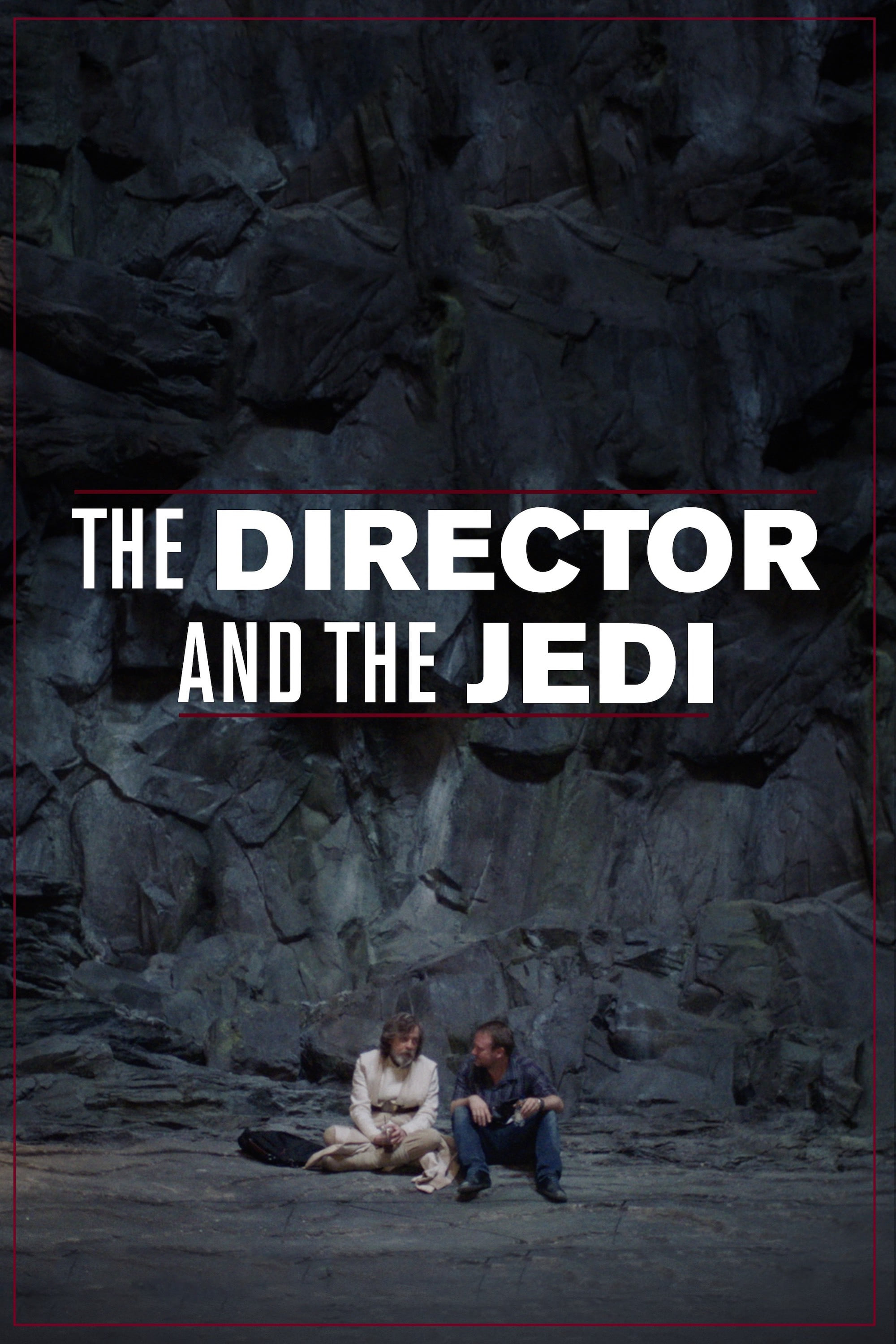
An intimate documentary delving into Rian Johnson's process as he comes in as a director new to the Star Wars universe.
This revealing documentary honors the legendary Sidney Poitier—iconic actor, filmmaker, and civil rights activist. Featuring interviews with Denzel Washington, Spike Lee, Halle Berry, and more.
In an intimate and joyful story of love in the face of loss, celebrated poets Andrea Gibson and Megan Falley find strength—and unexpected hilarity—in what might be their final year together.
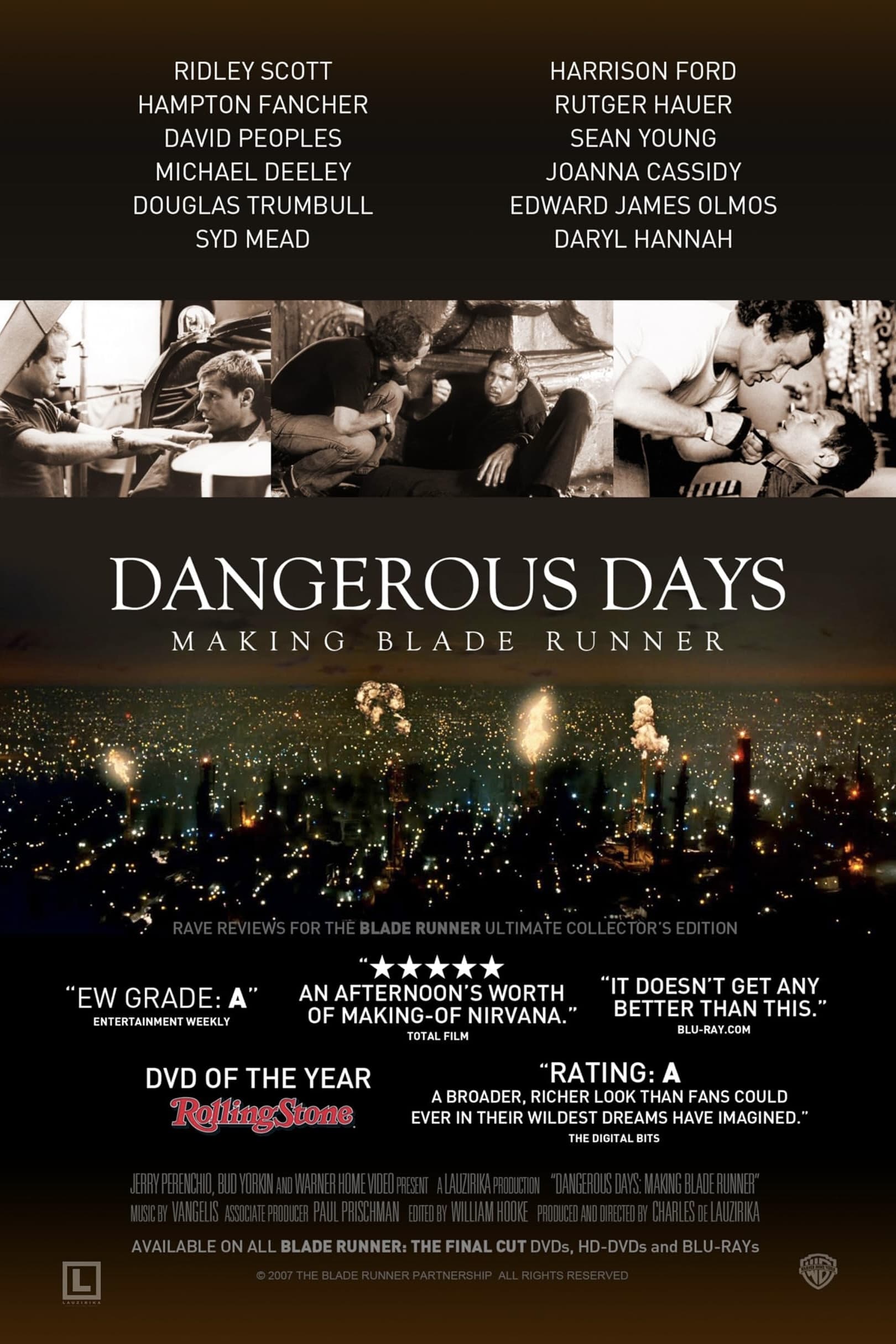
The definitive 3½-hour documentary about the troubled creation and enduring legacy of the science fiction classic 'Blade Runner', culled from 80 interviews and hours of never-before-seen outtakes and lost footage.
A documentary about the making of season five of the acclaimed AMC series Breaking Bad.
The film follows adventurer Jeff Johnson as he retraces the epic 1968 journey of his heroes Yvon Chouinard and Doug Tompkins to Patagonia.
A subjective documentary that explores various theories about hidden meanings in Stanley Kubrick's classic film The Shining. Five very different points of view are illuminated through voice over, film clips, animation and dramatic reenactments.
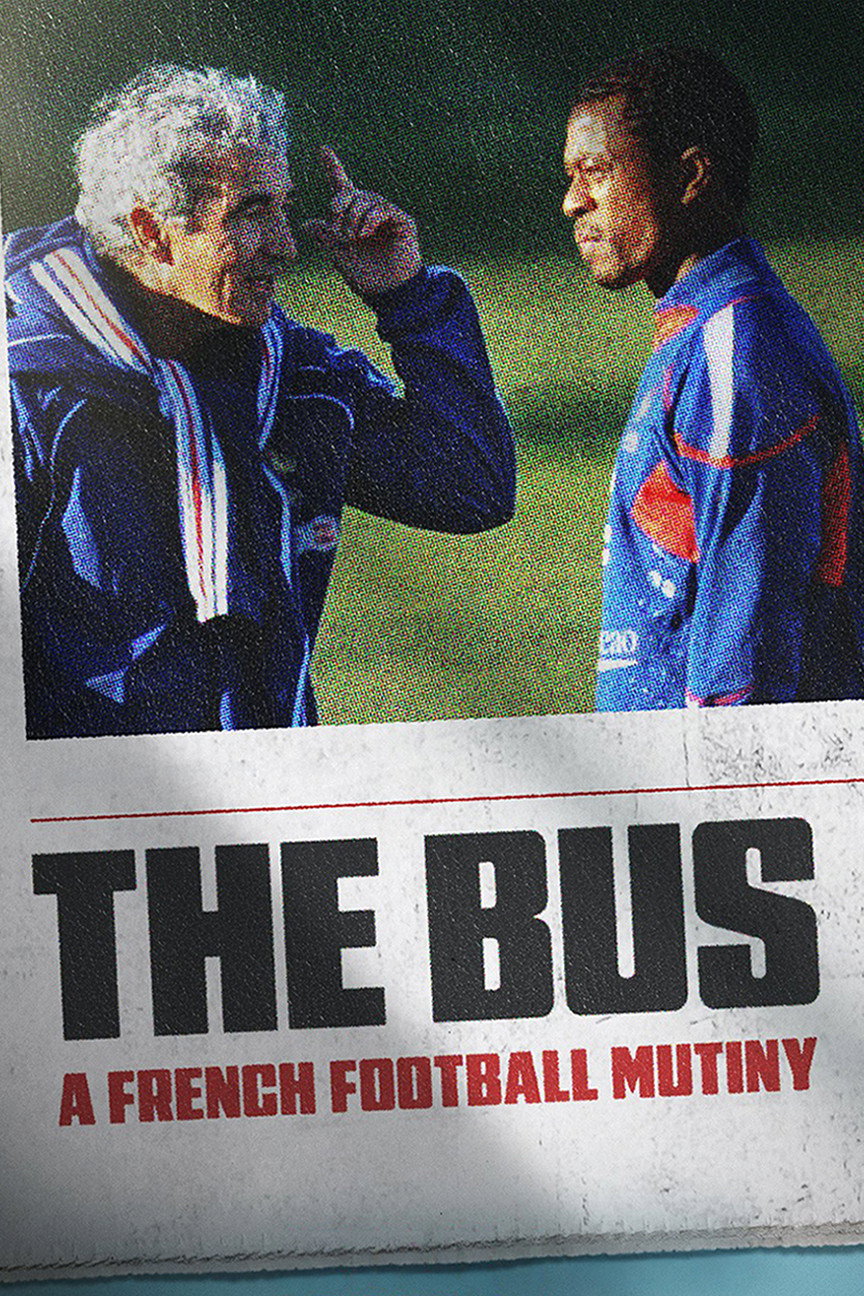
This documentary revisits the French football team's controversial 2010 World Cup and the bus strike that sparked global headlines and national outrage.