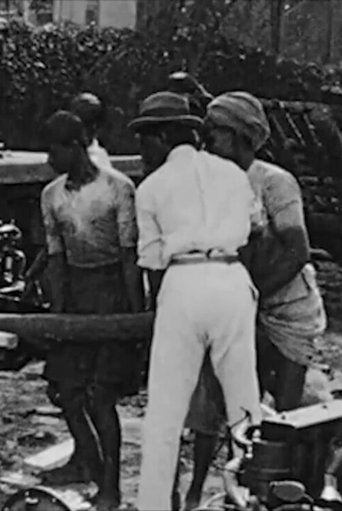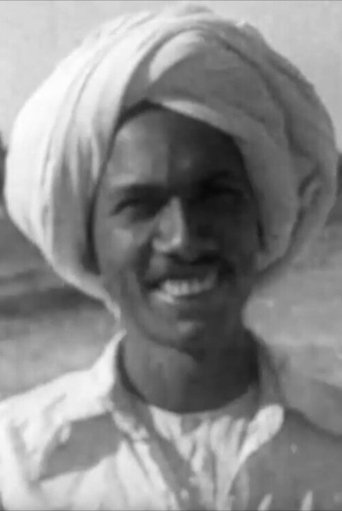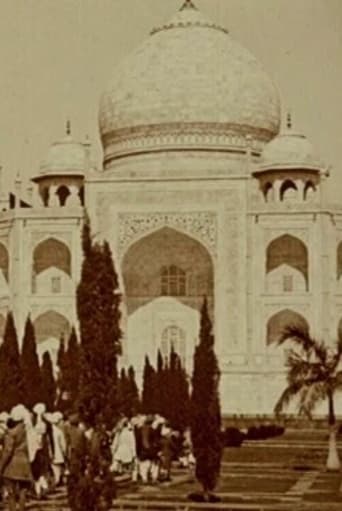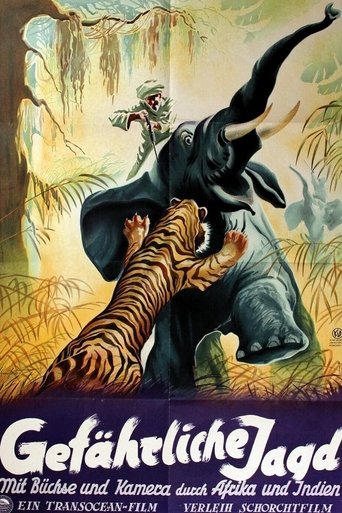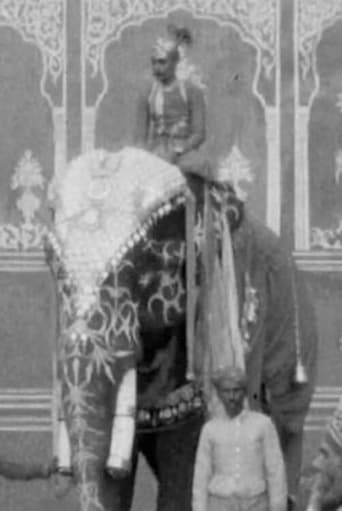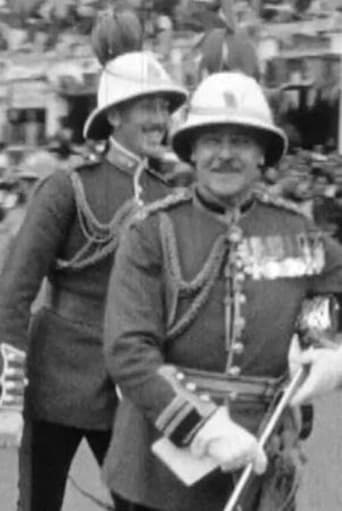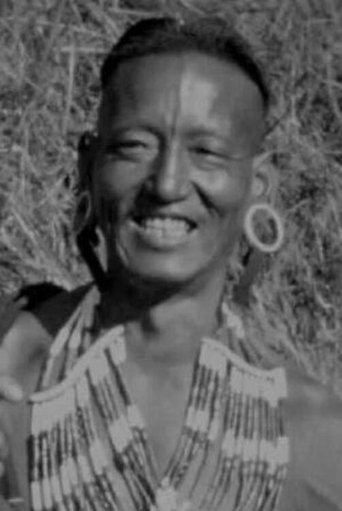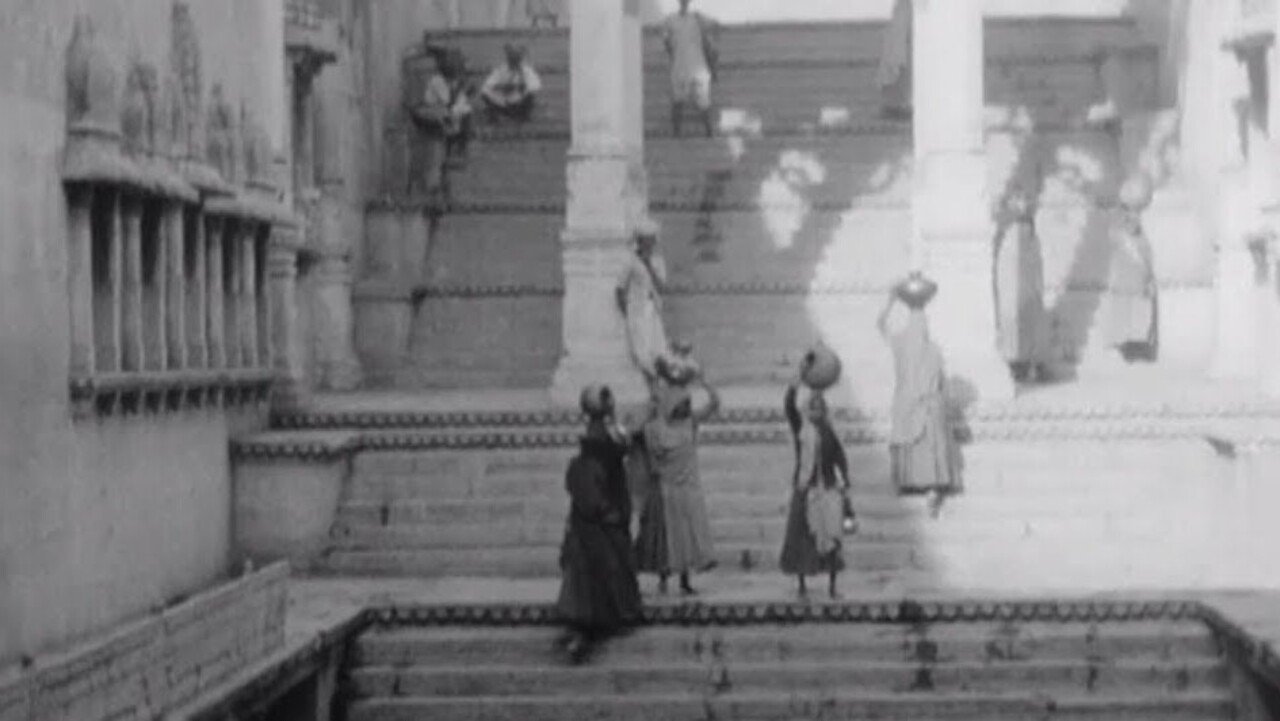
Amateur film showing daily life in Bundi, India.
Social & External
Meru is the electrifying story of three elite American climbers—Conrad Anker, Jimmy Chin, and Renan Ozturk—bent on achieving the impossible.
It delivers enough venom in one bite to kill a hundred people, yet it solely preys on other snakes. Through rare footage follow the King Cobra on its journey throughout the rainforests of India seeking food and a mate.
The story of the short life, and brutal gang rape and murder in Delhi in December 2012 of an exceptional and inspiring young woman. The rape of the 23 year old medical student by 6 men on a moving bus, and her death, sparked unprecedented protests and riots throughout India and led to the first glimmers of a change of mindset. Interwoven into the story line are the lives, values and mindsets of the rapists whom the film makers have had exclusive and unprecedented access to interview before they hang. The film examines the society and values which spawn such violent acts, and makes an optimistic and impassioned plea for change.
The Kumbh Mela is a great roving Hindu spiritual festival that has moved around India for more than four thousand years, erecting temporary cities along the Ganges River.
Today India and Pakistan are home to one fifth of the world's population. They are rising powers but hostile neighbours. Their enmity can be traced back to the week of their birth, 70 years ago. On 15 August 1947, Britain would give up the Indian Empire, partitioning it in into two independent countries, India and Pakistan. This film tells the story of the seven days that led up to their independence and the last days of the British Raj.
The Run is a feature length documentary film which follows Australian Pat Farmer’s test of human spirit and behind the scenes drama as he runs the length of India – 80 kilometres a day for 64 days with the backdrop of colourful, enchanting, challenging, organized chaos of India, which will saturate your senses.
At a time when French flags are being burned and French embassies targeted, this documentary delves into the growing disaffection between French-speaking Africa and the former colonial power. Through the voices of African leaders, pan-African activists, and committed young people, the film questions the persistence of a relationship marked by the aftermath of colonization, the opaque agreements of "Françafrique," and a military presence deemed paternalistic.
For 'Et les chiens se taisaient' Maldoror adapted a piece of theatre by the poet and politician Aimé Césaire (1913–2008), about a rebel who becomes profoundly aware of his otherness when condemned to death. His existential dialogue with his mother reverberates around the African sculptures on display at the Musée de l'Homme, a Parisian museum full of colonial plunder whose director was the Surrealist anthropologist Michel Leiris.
In this era of “reconciliation”, Indigenous land is still being taken at gunpoint. Unist’ot’en Camp, Gidimt’en checkpoint and the larger Wet’suwet’en Nation are standing up to the Canadian government and corporations who continue colonial violence against Indigenous people. The Unist’ot’en Camp has been a beacon of resistance for nearly 10 years. It is a healing space for Indigenous people and settlers alike, and an active example of decolonization. The violence, environmental destruction, and disregard for human rights following TC Energy (formerly TransCanada) / Coastal GasLink’s interim injunction has been devastating to bear, but this fight is far from over.
Indian freedom fighter Mahatma Gandhi was assassinated on 30 January 1948. Why was he killed and what events occurred before and after his murder? This documentary shows how India was dogged by nationalism and religious conflict on its path to independence - and how these factors mark the country to this day.
Commissioned by the journal Présence Africaine, this short documentary examines how African art is devalued and alienated through colonial and museum contexts. Beginning with the question of why African works are confined to ethnographic displays while Greek or Egyptian art is celebrated, the film became a landmark of anti-colonial cinema and was banned in France for eight years.
Documentary chronicling the government relocation of 10,000 Navajo Indians in Arizona.
The inspiring story of a young Indian Muslim woman who trades her burka for dreams of playing on the Mumbai Senior Women's Cricket Team and how the harsh realities for women in her country creates an unexpected outcome for her own family, ultimately shattering and fueling aspirations.
The first Black-collegiate polo team at Morehouse College chases national USPA certification, training a rag-tag team of charismatic cowboys who’ve never played the sport into tournament-winning polo stars.
December 3, 1984. Bhopal, India. The biggest and deadliest chemical disaster of all time. Nearly twenty years later the ordeal isn't over, justice has not been done. Had the disaster occurred in the developed world, heads would have rolled, prison sentences would have been served, changes would have been made. But the disaster didn't happen in the West, but in this obscure Indian city.
A chronicle of the violence that occurred in much of the African continent throughout the 1960s. As many African countries were transitioning from colonial rule to other forms of government, violent political upheavals were frequent. Revolutions in Zanzibar and Kenya in which thousands were killed are shown, the violence not only political; there is also extensive footage of hunters and poachers slaughtering different types of wild animals.
Equal parts punk and psychedelia, the Flaming Lips emerged from Oklahoma City as one of the most bracing bands of the late 1980s. The Fearless Freaks documents their rise from Butthole Surfers-imitating noisemakers to grand poobahs of orchestral pop masterpieces. Filmmaker Bradley Beesely had the good fortune of living in the same neighborhood as lead Lip Wayne Coyne, who quickly enlisted his buddy to document his band's many concerts and assorted exploits. The early footage is a riot, with tragic hair styles on proud display as the boys attempt to cover up their lack of natural talent with sheer volume. During one show, they even have a friend bring a motorcycle on stage, which is then miked for sound and revved throughout the performance, clearing the club with toxic levels of carbon monoxide. Great punk rock stuff. Interspersed among the live bits are interviews with the band's family and friends, revealing the often tragic circumstances of their childhoods and early career.
For nine months in 1930, seven Bretons, lobster fishermen, were "forgotten" on a volcanic island by their employers, Normans from Le Havre, heirs of the last French whalers. Four employees would die on the spot. Their descendants today revive the memory of this human tragedy which also struck 42 Madagascans. Starting from a sordid social conflict, the documentary shows that the “Forgotten Saint Paul” mark the end of an era of “colonization”, a term rarely used for the French Southern Territories, but nevertheless close to reality. This is the story of the Third World, as its discoverer, Yves de Kerguelen, named it.
The River of Life and Death captures the slow time in the well-known Indian pilgrimage place of Benares, the act of purification by water, the burning funeral pyres, and the dandling snakeheads under the temple stairs.
Chileans are asked about their definition of the word (and the concept of) "power", as they answer images flash on the screen of powerful and powerless figures in Chilean history.