This visual essay by John Bengtson, author of Silent Echoes: Discovering Early Hollywood Through the Films of Buster Keaton, reveals the locations where Keaton's 1923 comedy feature Three Ages was filmed in Hollywood, USC, and Los Angeles.

Social & External
Narrator
a documentary and a fiction about reflecting on "pre-cinema".
A short documentary about the rapidly disappearing era of heritage movie palaces and the film going experience once offered within those hallowed walls.
Three stand-up comedians seek fame and fortune in the hottest comedy scene in the world: San Francisco in the 1980s.
This film was broadcast on La Sept in October 1990 as a part of Hélène Mochiri's Cinéma de poche program devoted to Soviet cinema. The documentary was produced in-house at La Sept and based on an exclusive interview with Alexei Guerman in May of that year. It has not been seen since.
The history of Frankenstein's journey from novel to stage to screen to icon.
Jack L. Warner, Harry Warner, Albert Warner and Sam Warner were siblings who were born in Poland and emigrated to Canada near the turn of the century. In 1903, the brothers entered the budding motion picture business. In time, the Warner Brothers moved into film production and would open their own studio in 1923.
An investigation of how Hollywood's fabled stories have deeply influenced how Americans feel about transgender people, and how transgender people have been taught to feel about themselves.
A brand new feature-length documentary featuring new interviews with the cast and crew of Anna and the Apocalypse, produced exclusively by Second SIght Films for their 2-disc Blu-ray release of the movie.
A documentary about film producer Hal Roach.
Offbeat documentarian Chris Smith provides a behind-the-scenes look at how Jim Carrey adopted the persona of idiosyncratic comedian Andy Kaufman on the set of Man on the Moon.
Retrospective documentary on the making of the 70's women-in-prison exploitation cult favorites "The Big Doll House" and "The Big Bird Cage".
A filmmaker's lifelong dream quickly becomes his worst nightmare when he attempts to make a low budget horror film about an aborted fetus that seeks revenge on its family.
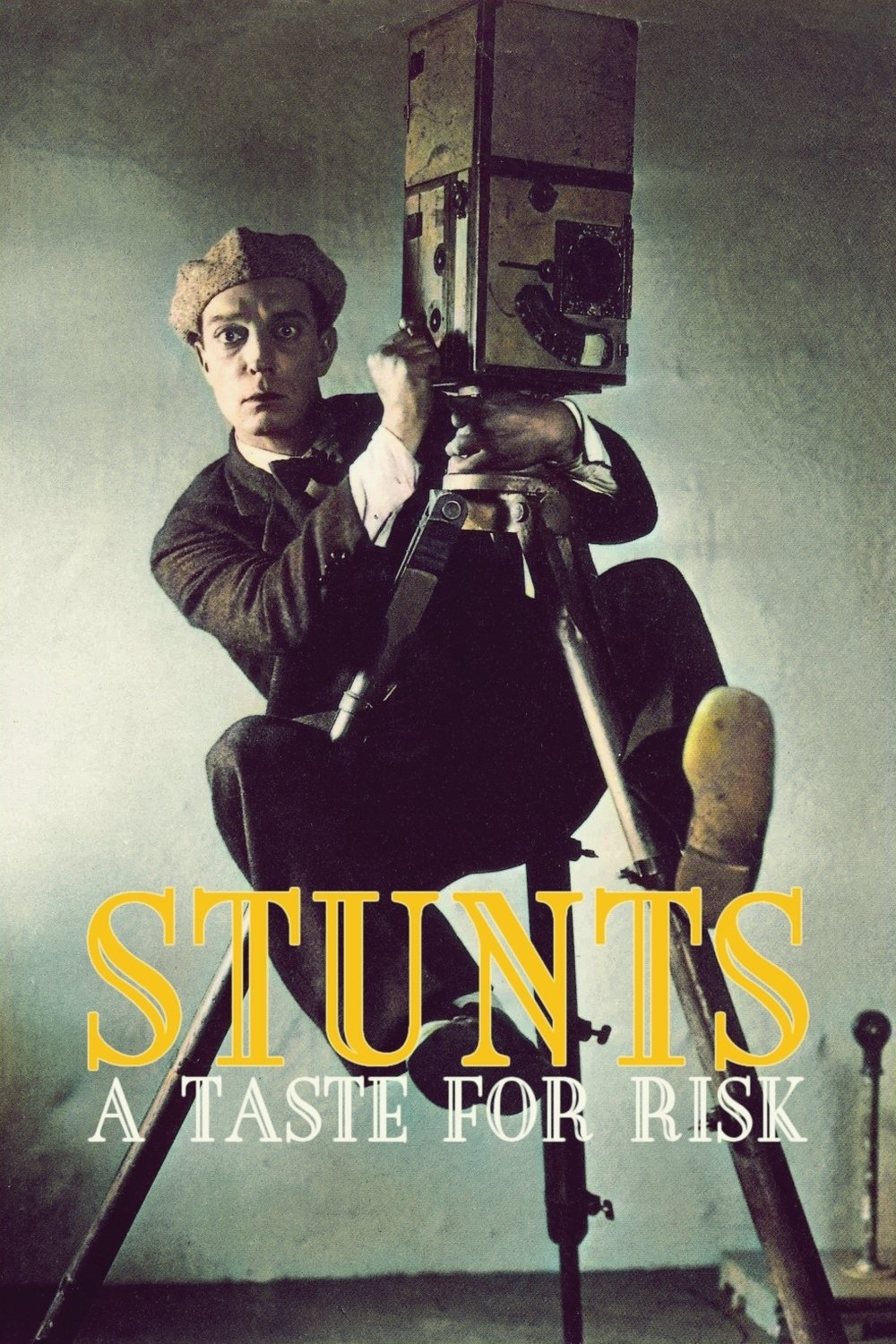
A new documentary film revisits the golden age of kung fu stuntmen and action directors in Hong Kong during the 1960s-'80s, exploring their pain and struggles. The documentary is a tribute to kung fu stuntmen. “They risked their lives for stunts,” said kung fu choreographer Yuen Bin. In their heyday, these stuntmen and choreographers presented the best, most creative and most complicated kung fu fight sequences anywhere in the world, creating stunts that looked seemingly impossible.

Return to Oz for a fantastic behind-the-scenes journey with this expansive look inside the characters, choreography, and creativity that make up the movie's unforgettable world.
To celebrate the release of a new movie for their 20th anniversary, this documentary offers some behind-the-scenes footages.
The greatness, fall and renaissance of Hammer, the flagship company of British popular cinema, mainly from 1955 to 1968. Tortured women and sadistic monsters populated oppressive scenarios in provocative productions that shocked censorship and disgusted critics but fascinated the public. Movies in which horror was shown in offensive colors: dreadful stories, told without prejudices, that offered fear, blood, sex and stunning performances.
This visual essay by John Bengtson, author of Silent Echoes: Discovering Early Hollywood Through the Films of Buster Keaton, reveals the locations where Keaton's 1927 comedy feature College was filmed in Hollywood, Los Angeles, and Orange County. A compilation of short films produced between 1917-1922. Coney Island (1917), Back Stage (1919), Convict 13 (1920) and Daydreams (1922).

On the 35th anniversary of the release of the landmark film "The Godfather," (March 15, 1972) we look back at the time and place of the film's conception and shooting.