Ben Model discusses scoring music for silent movies.
Social & External
The people behind it
Ben Model
Narrator
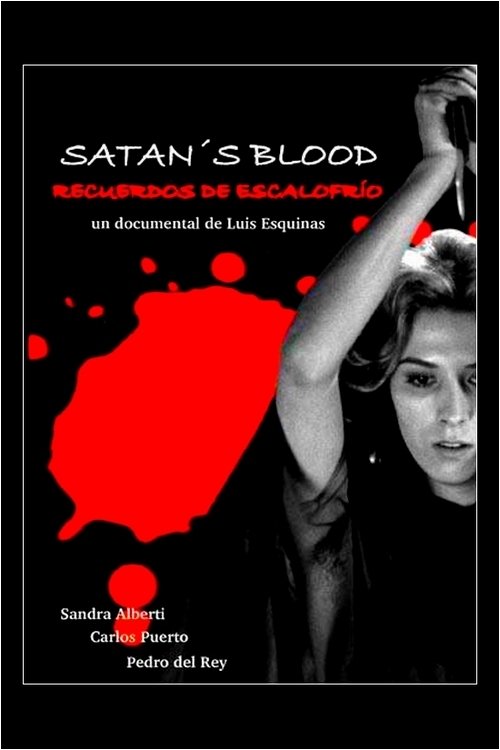
The story of the shooting of Satan's Blood (Escalofrío), a film directed by Carlos Puerto in 1978.
Delves into the history of the most extreme and shocking films that have ever been made. chronicles the timeline of Red Films: those films that are too extreme for the mainstream and historically have been circulated via the bootleg circuit.
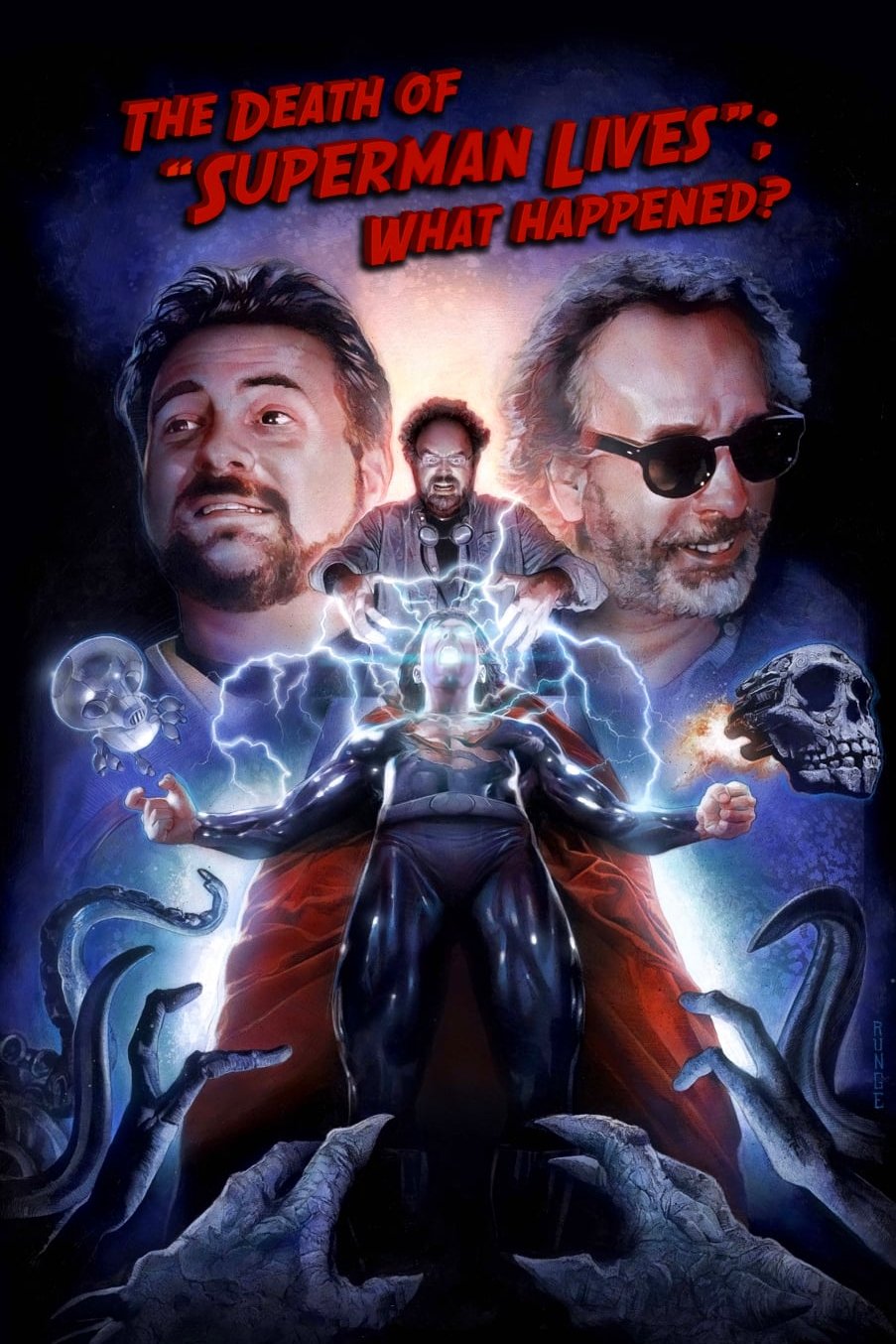
The Death of 'Superman Lives': What Happened? feature film documents the process of development of the ill fated "Superman Lives" movie, that was to be directed by Tim Burton and star Nicolas Cage as the man of steel himself, Superman. The project went through years of development before the plug was pulled, and this documentary interviews the major filmmakers: Kevin Smith, Tim Burton, Jon Peters, Dan Gilroy, Colleen Atwood, Lorenzo di Bonaventura and many many more.
A documentary about Hong Kong cinema mythology via Julien Carbon and Laurent Courtiaud’s experience as screenwriters in the HK film industry, working for Wong Kar-wai, Tsui Hark, Daniel Lee and Johnnie To
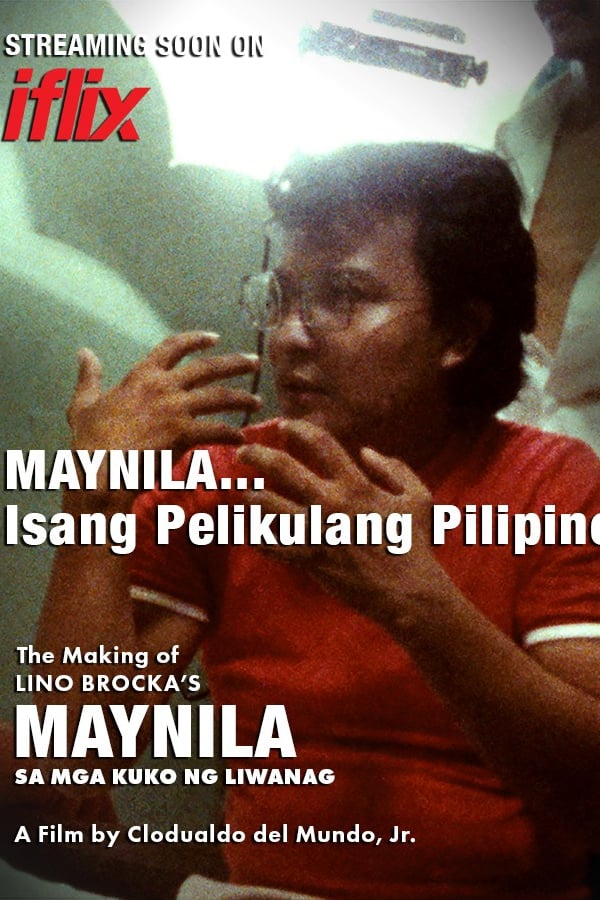
Making-of documentary about Lino Brocka's 1975 film "Manila in the Claws of Light," featuring interviews and behind-the-scenes footage.
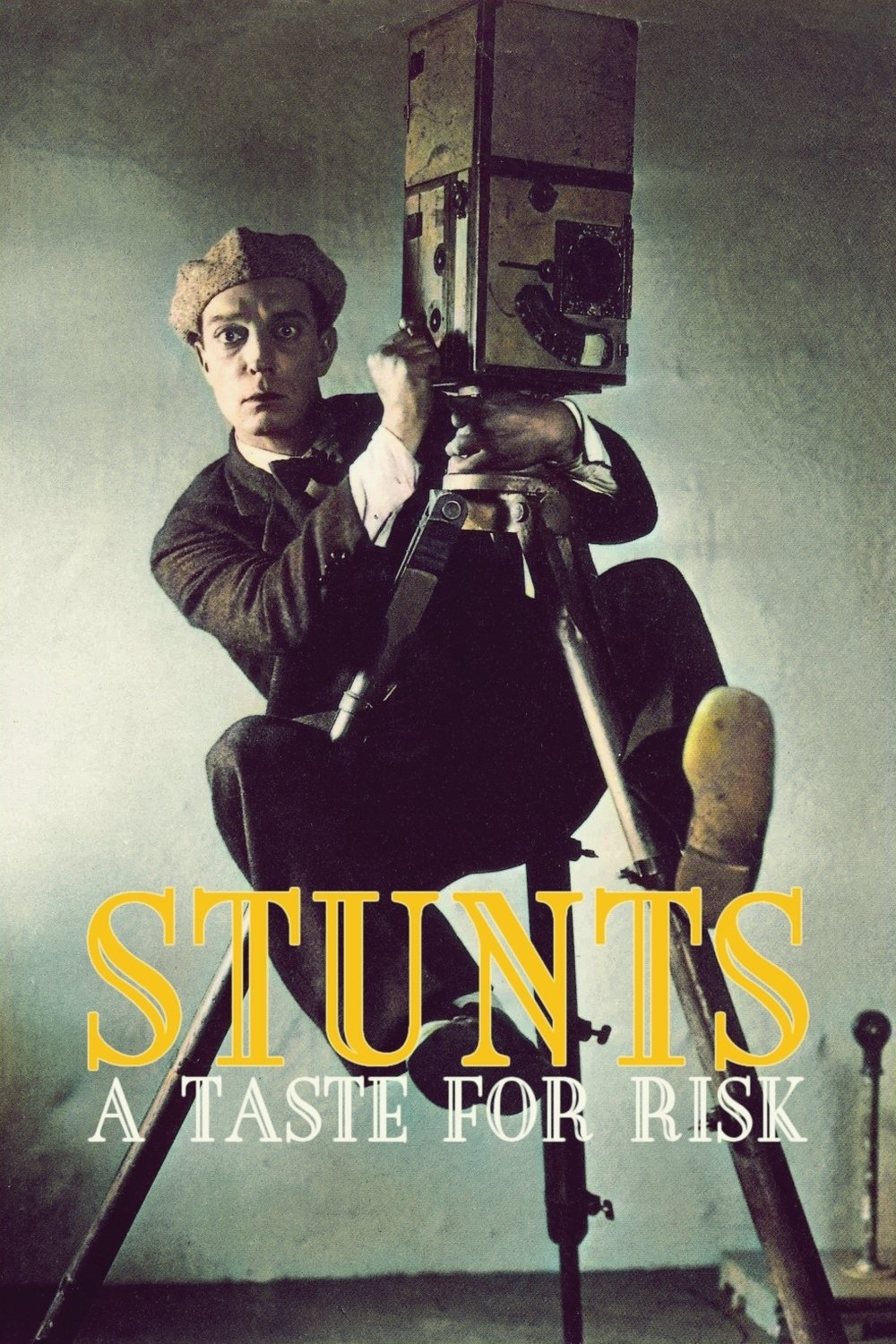
The amazing story of stunts, men and women who risk their lives every day on set to get the perfect action scene.
How are the sex scenes filmed? What tricks are used to fake the desire? How do the interpreters prepare and feel? Spanish actors and directors talk about the most intimate side of acting, about the tricks and work methods when narrating exposed sex. In Spain the general rule is that there are no rules. Each film, each interpreter, faces it in very different ways.
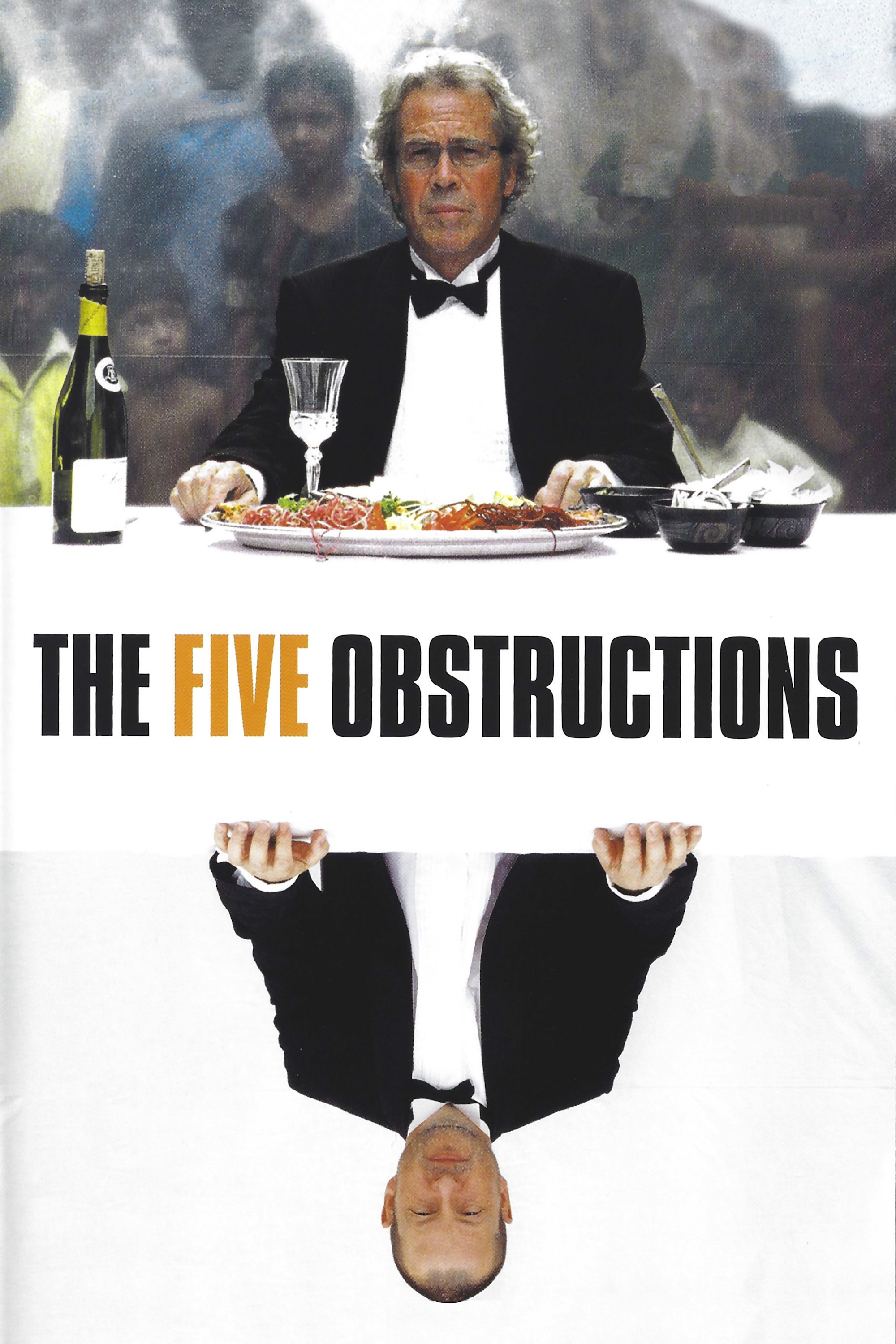
In 1967, experimental filmmaker Jorgen Leth created a striking short film, The Perfect Human, starring a man and women sitting in a box while a narrator poses questions about their relationship and humanity. Years later, Danish director Lars von Trier made a deal with Leth to remake his film five times, each under a different set of circumstances and with von Trier's strictly prescribed rules. As Leth completes each challenge, von Trier creates increasingly further elaborate stipulations.
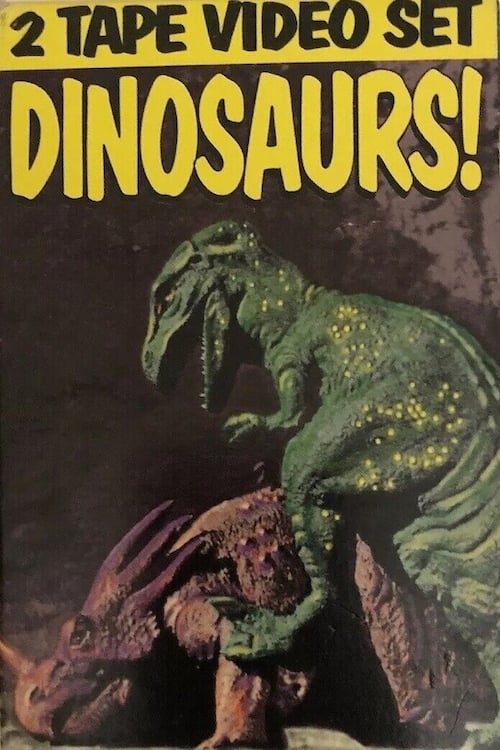
Dinosaurs Vs. Apes: DINOSAUR MOVIES and HOLLYWOOD GOES APE! have been hailed as the definitive documentaries on the prehistoric and anthropoid creatures that have appeared on the silver screen. Filled with rare movie clips, behind-the-scenes footage and interviews.
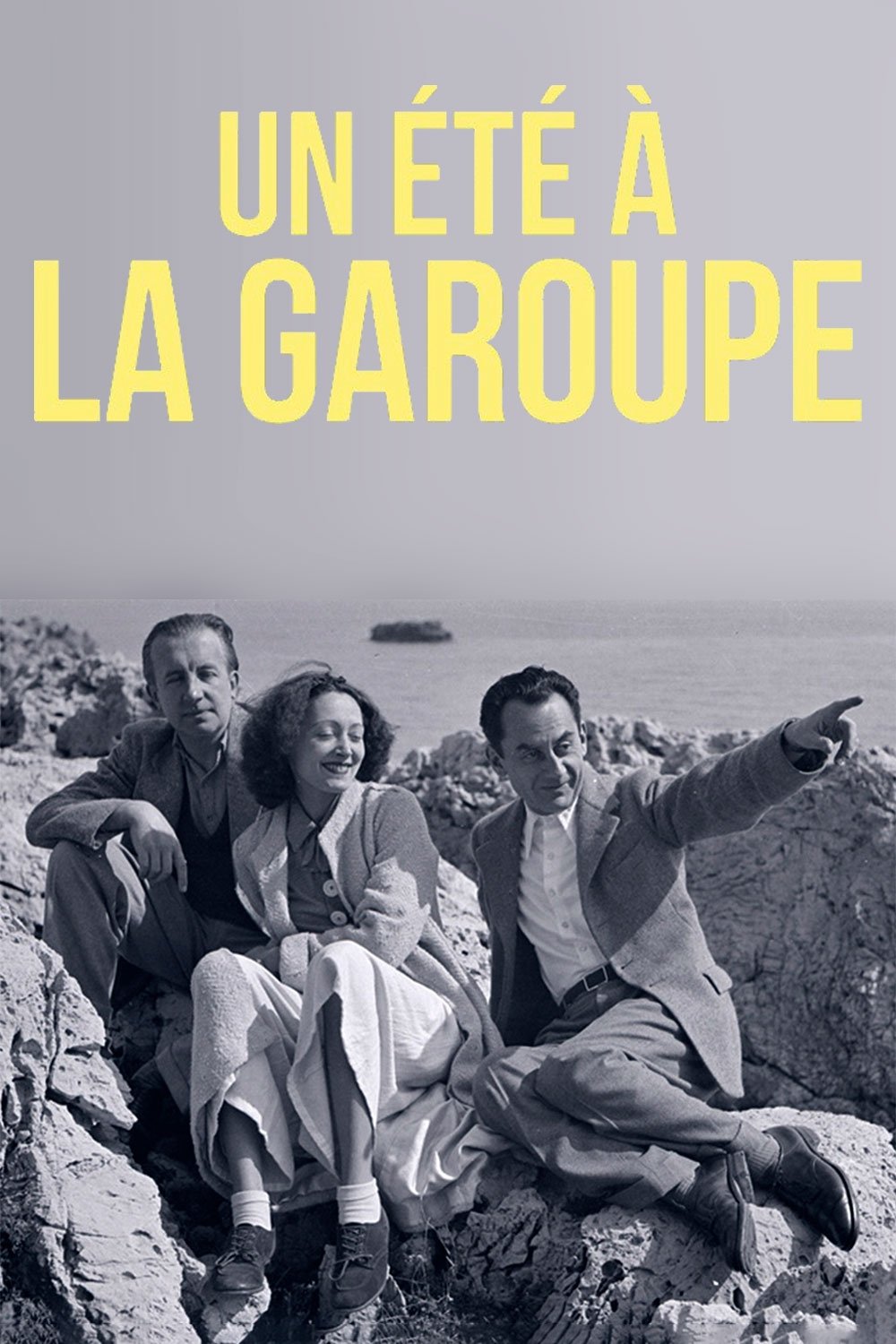
La Garoupe, a beach in Antibes, in 1937. For one summer, the painter and photographer Man Ray films his friends Pablo Picasso, Dora Maar, Paul Eluard and his wife Nusch, as well as Lee Miller. During these few weeks, love, friendship, poetry, photography and painting are still mixed in the carefree and the creativity specific to the artistic movements of the interwar period.
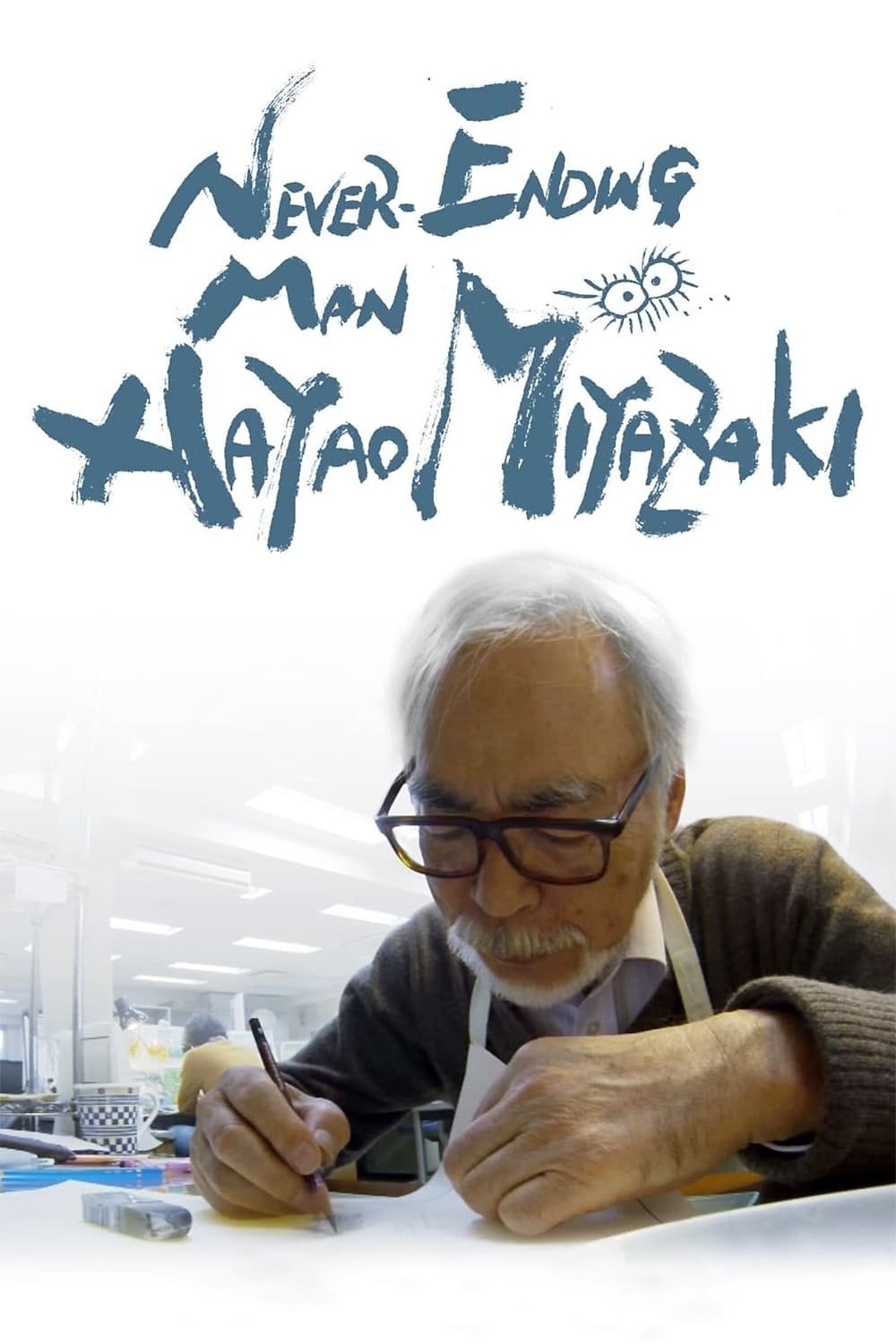
A look at legendary Japanese animator Hayao Miyazaki following his retirement in 2013.
The evolution of The Scarecrow (1920) is discussed in this documentary.
Documentary about the development of Buster Keaton's The Haunted House (1921).
Documentary about the Buster Keaton short Hard Luck (1921).
A short documentary on the works of Buster Keaton.
The special effects in The Play House (1921) are discussed.
A discussion on restoring title cards to English from foreign source prints.
The actors in My Wife's Relations (1922) are discussed in this documentary.
Bruce Lawton discusses Buster Keaton's The Blacksmith (1922), a film that Keaton had dismissed as a "lesser" work.
Music is an integral part of most films, adding emotion and nuance while often remaining invisible to audiences. Matt Schrader shines a spotlight on the overlooked craft of film composing, gathering many of the art form’s most influential practitioners, from Hans Zimmer and Danny Elfman to Quincy Jones and Randy Newman, to uncover their creative process. Tracing key developments in the evolution of music in film, and exploring some of cinema’s most iconic soundtracks, 'Score' is an aural valentine for film lovers.
Daniel Craig candidly reflects on his 15 year adventure as James Bond. Including never-before-seen archival footage from Casino Royale to the upcoming 25th film No Time To Die, Craig shares his personal memories in conversation with 007 producers, Michael G Wilson and Barbara Broccoli.
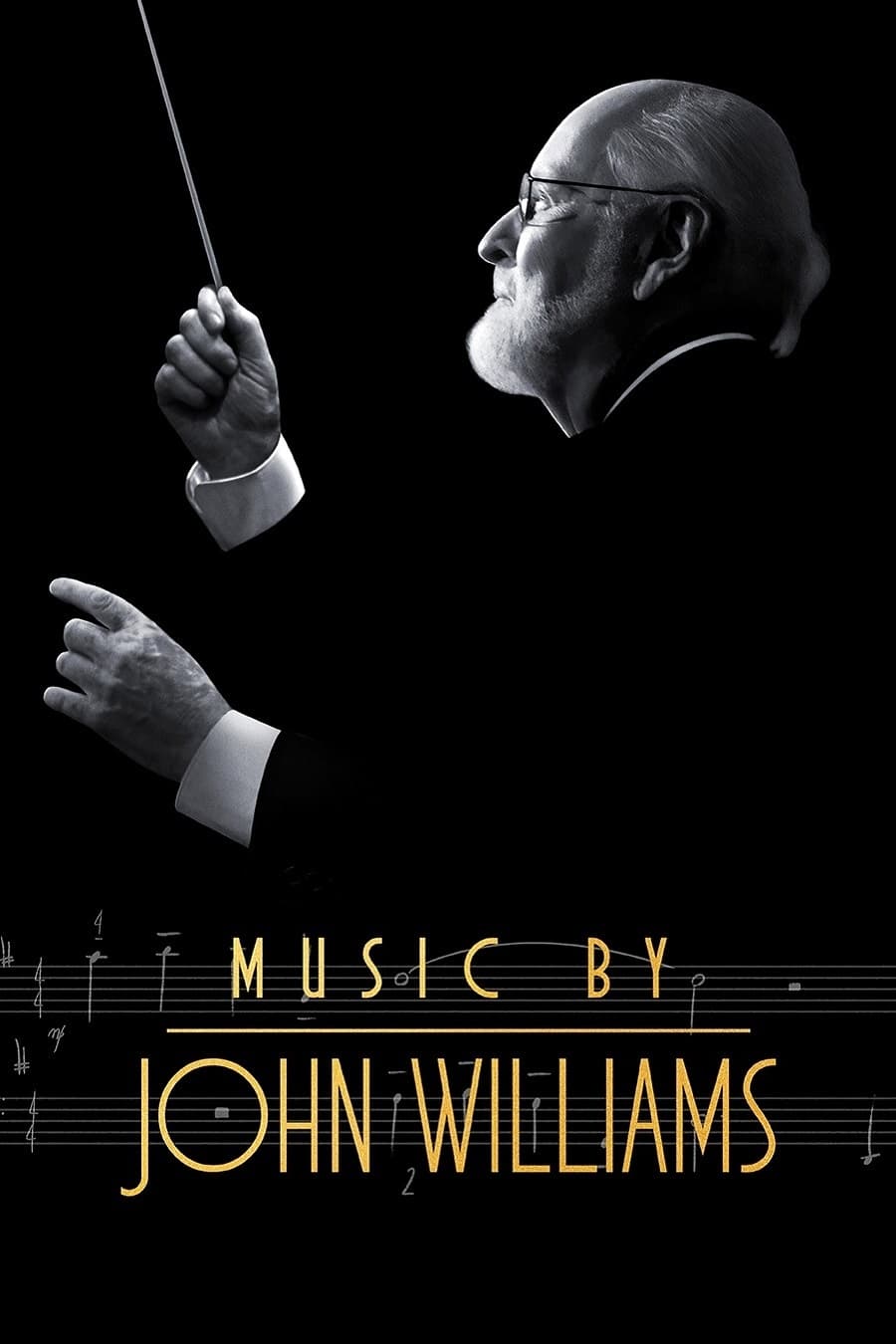
His unforgettable scores are an essential part of some of the most beloved movies of our time, over a career that spans decades. See and hear maestro John Williams' own story, with insights from filmmakers, musicians, and others he has inspired, complete with rare behind-the-scenes looks at the making of movie history.
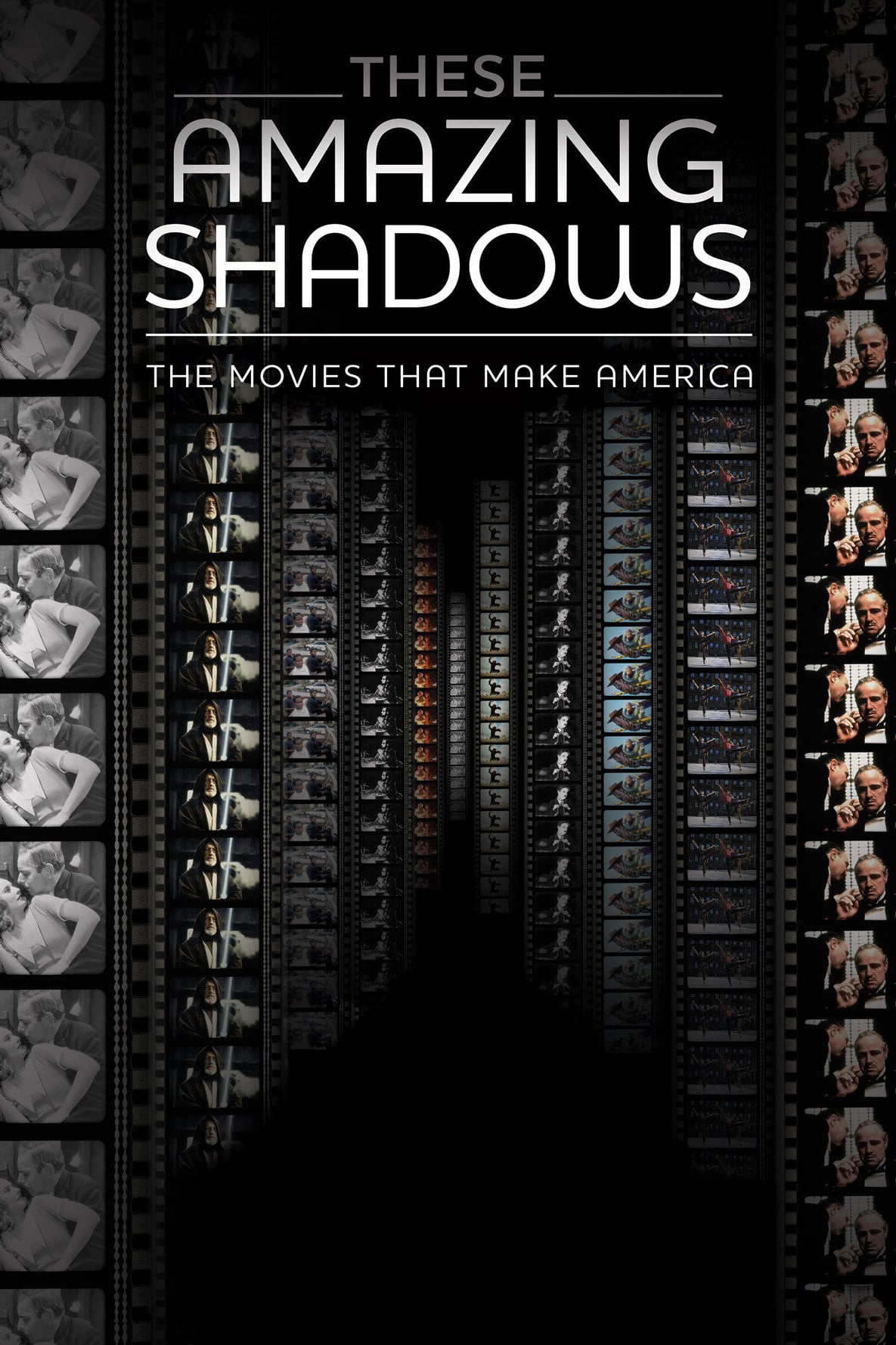
Tells the history and importance of The National Film Registry, a roll call of American cinema treasures that reflects the diversity of film, and indeed the American experience itself.
This special explores the return of Obi-Wan Kenobi and Anakin Skywalker to the screen, as well as Ewan McGregor and Hayden Christensen to their classic roles. Director Deborah Chow leads the cast and crew as they create new heroes and villains that live alongside new incarnations of beloved Star Wars characters, and an epic story that dramatically bridges the saga films.
Pull back the curtain on the remarkable history of six decades of James Bond music, from Sean Connery’s Dr No through to Daniel Craig’s final outing in No Time to Die.
SEDUCED AND ABANDONED combines acting legend Alec Baldwin with director James Toback as they lead us on a troublesome and often hilarious journey of raising financing for their next feature film. Moving from director to financier to star actor, the two players provide us with a unique look behind the curtain at the world's biggest and most glamourous film festival, shining a light on the bitter-sweet relationship filmmakers have with Cannes and the film business. Featuring insights from directors Martin Scorsese, 'Bernando Bertolucci' and Roman Polanski; actors Ryan Gosling and Jessica Chastain and a host of film distribution luminaries.
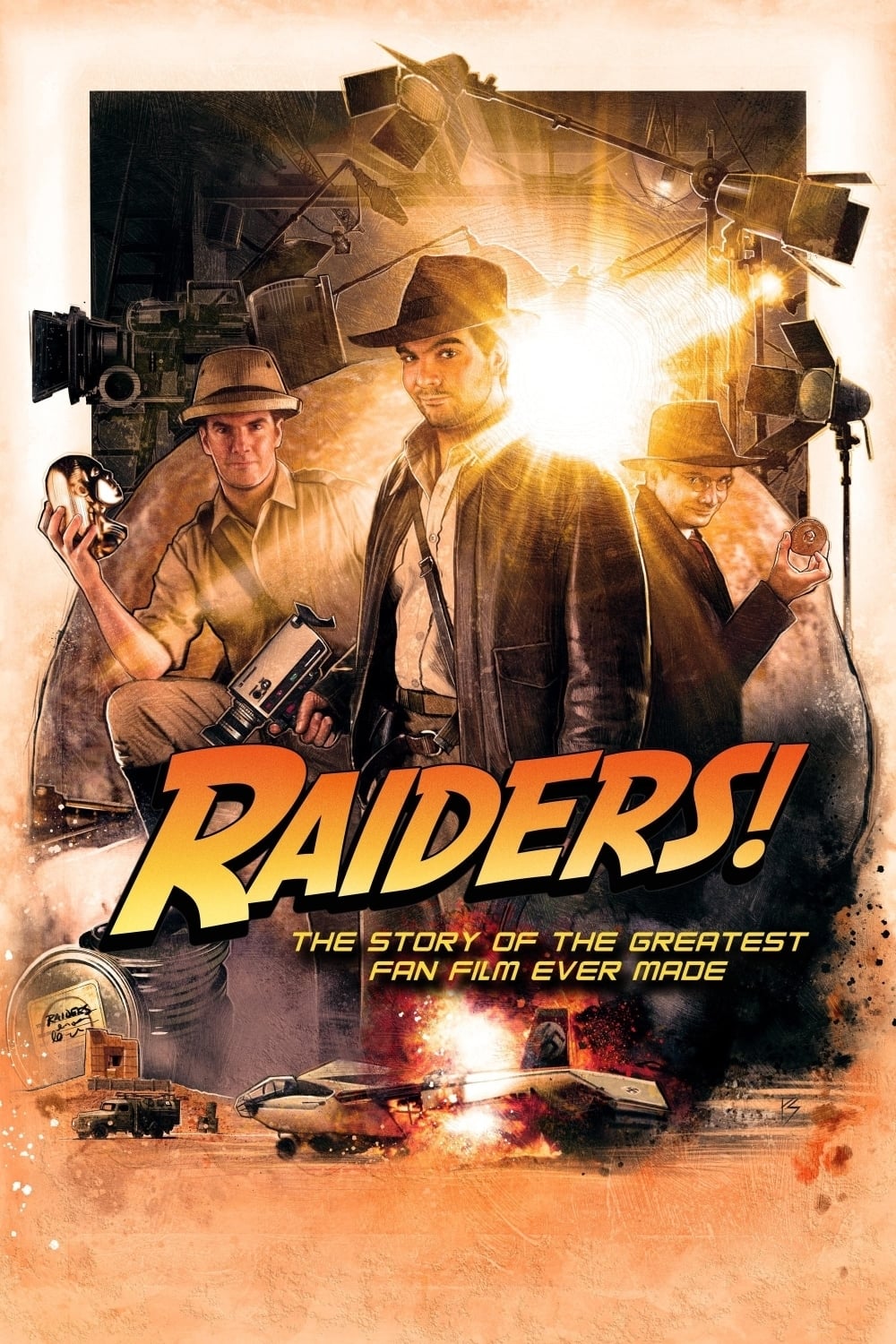
In 1982, three 11 year-olds in Mississippi set out to remake their favorite film: Raiders of the Lost Ark. It took seven turbulent years that tested the limits of their friendship and nearly burned down their mother's house. By the end, they had completed every scene except one... the explosive airplane scene. 30 years later, they attempt to finally realize their childhood dream by building a replica of the 75 foot "Flying Wing" plane from Raiders in a mud pit in the backwoods of Mississippi... and then blow it up! This is the story behind the making of what is known as "the greatest fan film ever made."
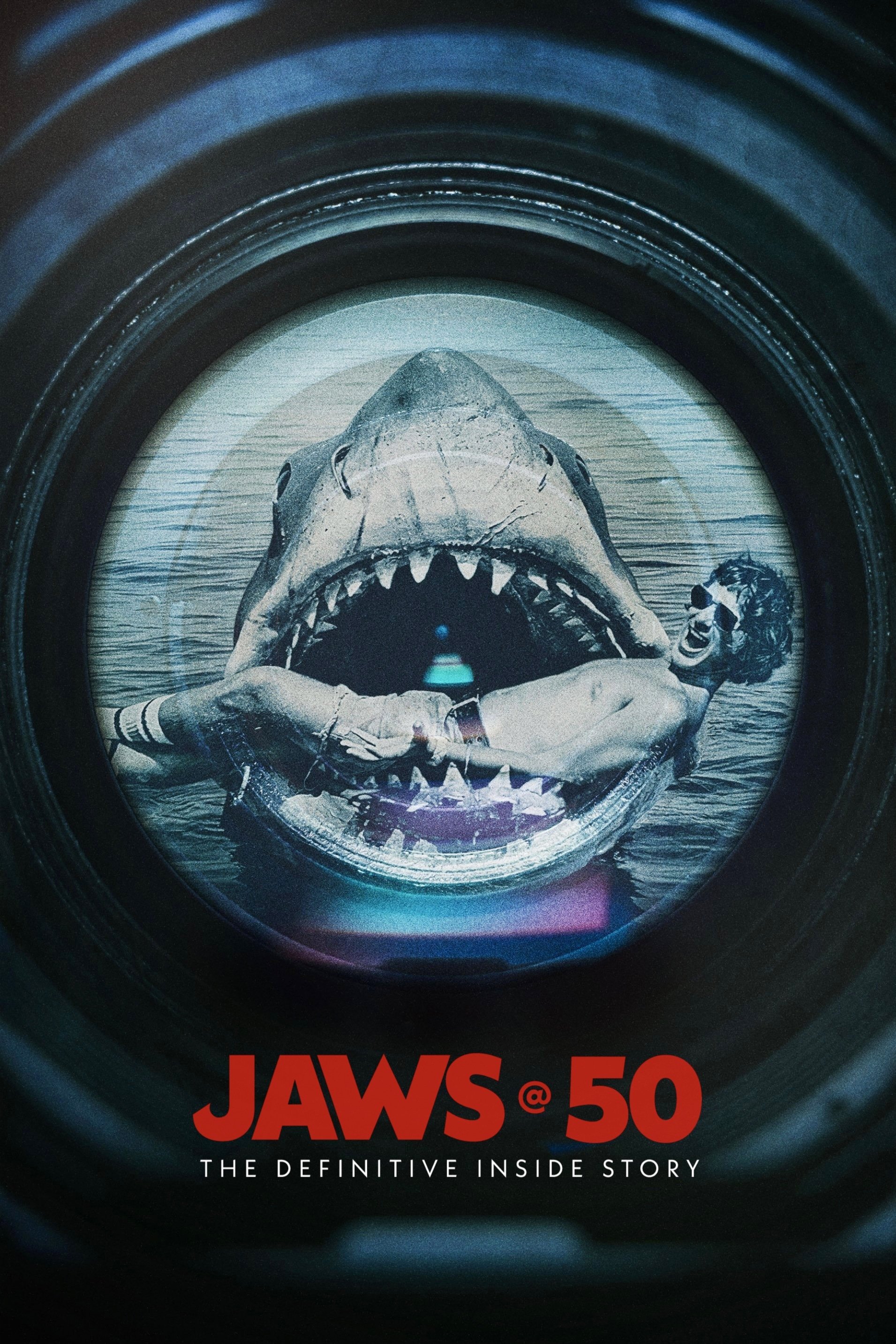
The authorized documentary celebrating the film that redefined Hollywood, 50 years after its premiere. Featuring rare archival footage and interviews with acclaimed Hollywood directors alongside Steven Spielberg, top shark scientists, and conservationists, the film uncovers the behind-the-scenes chaos and how the film launched the summer blockbuster, inspired a new wave of filmmakers, and paved the way for shark conservation that continues today.
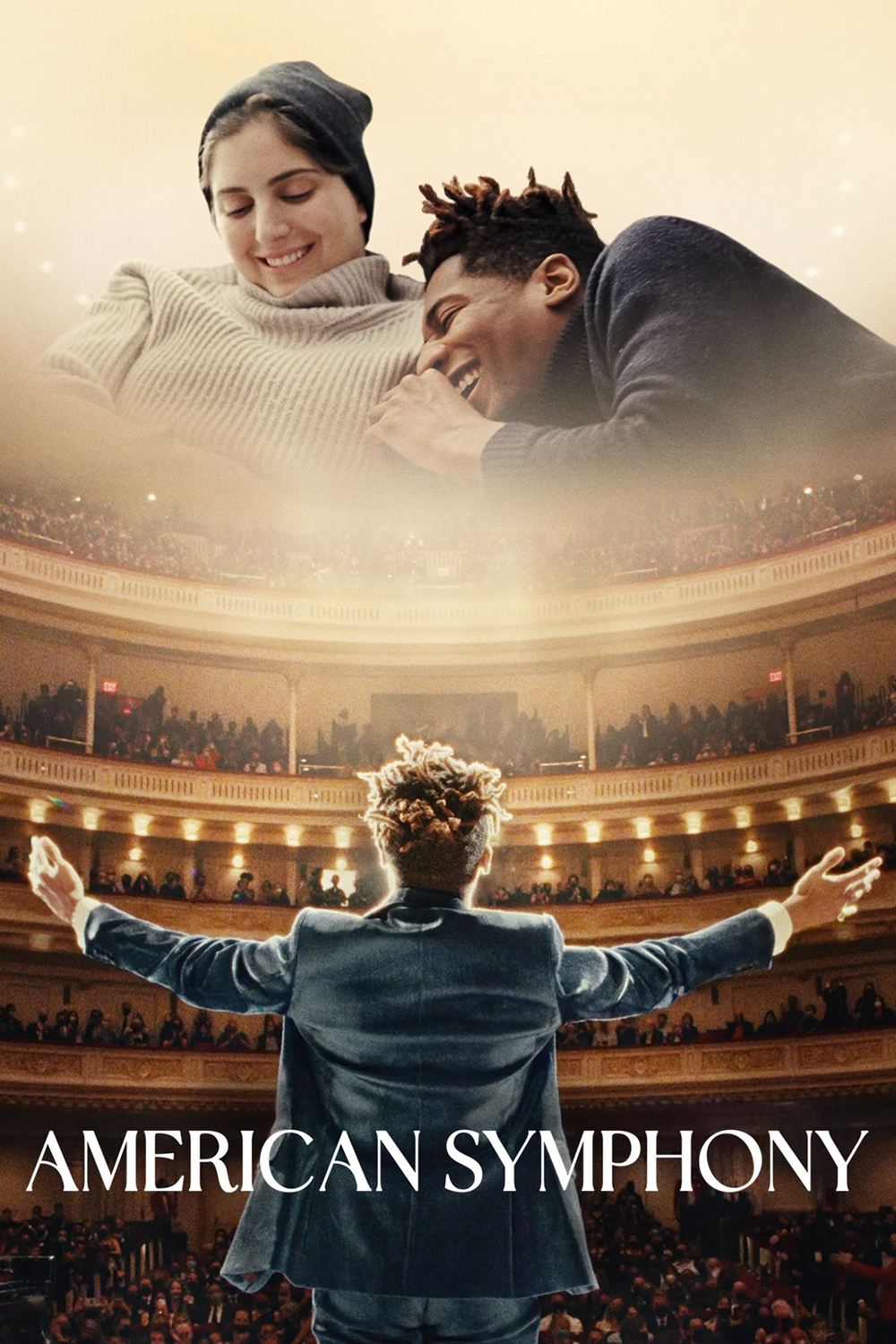
Musician Jon Batiste attempts to compose a symphony as his wife, writer Suleika Jaouad, undergoes cancer treatment.
This revealing documentary honors the legendary Sidney Poitier—iconic actor, filmmaker, and civil rights activist. Featuring interviews with Denzel Washington, Spike Lee, Halle Berry, and more.
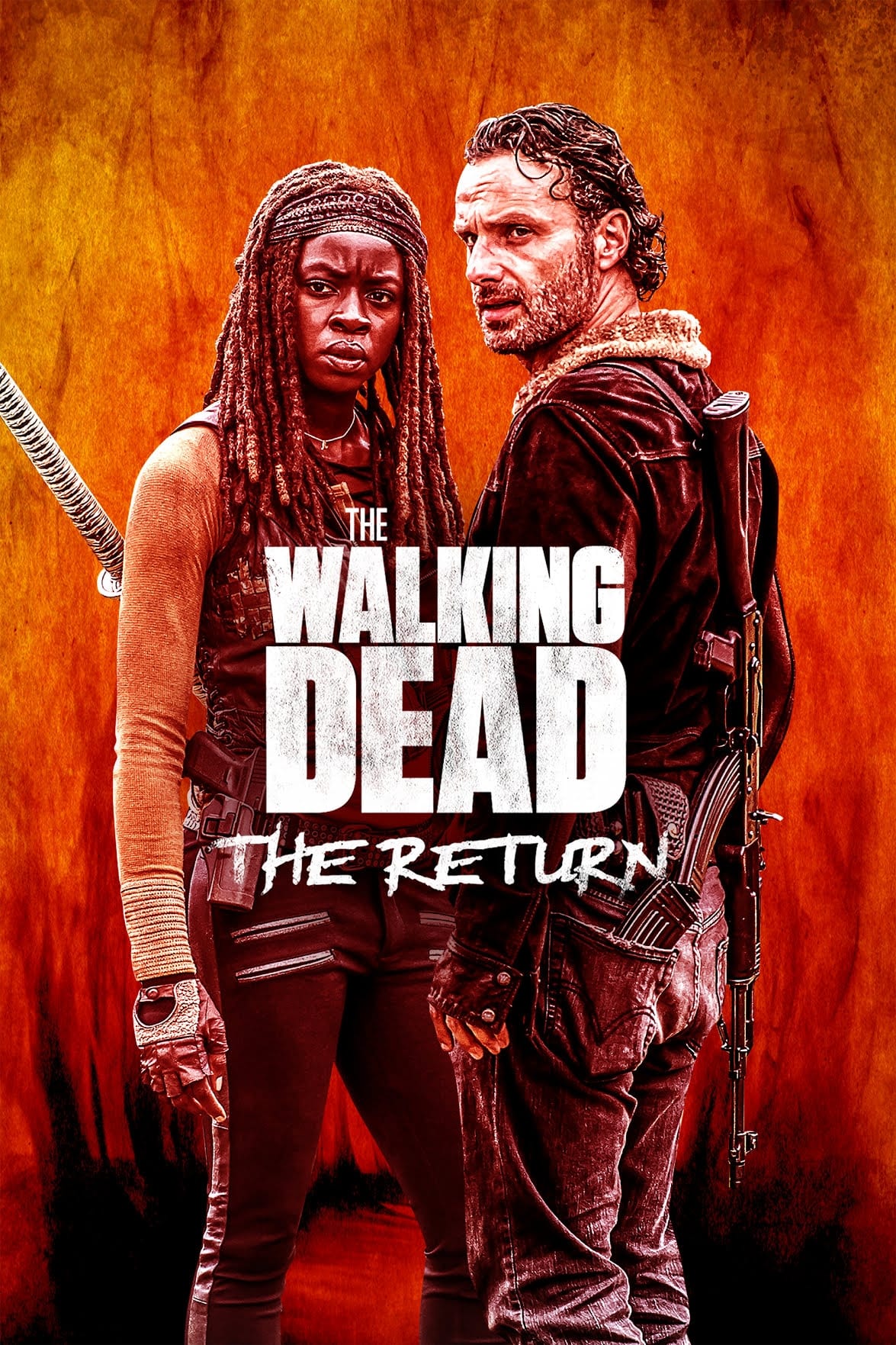
Stars of "The Walking Dead," Andrew Lincoln and Danai Gurira, walk down memory lane and visit iconic locations where pivotal moments between their characters, Rick and Michonne, were filmed.
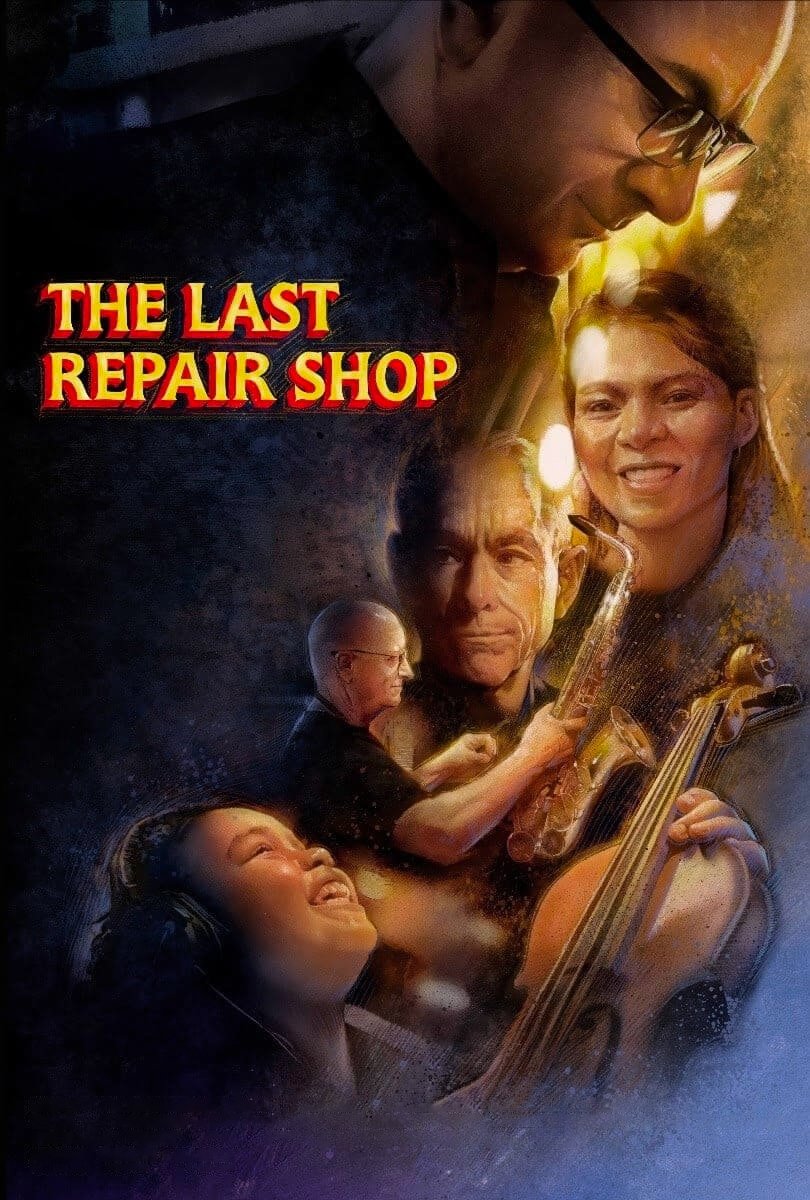
In a warehouse in the heart of Los Angeles, a dwindling handful of devoted craftspeople maintain more than 80,000 student musical instruments, the largest remaining workshop in America of its kind. Meet four unforgettable characters whose broken-and-repaired lives have been dedicated to bringing so much more than music to the schoolchildren of this city.
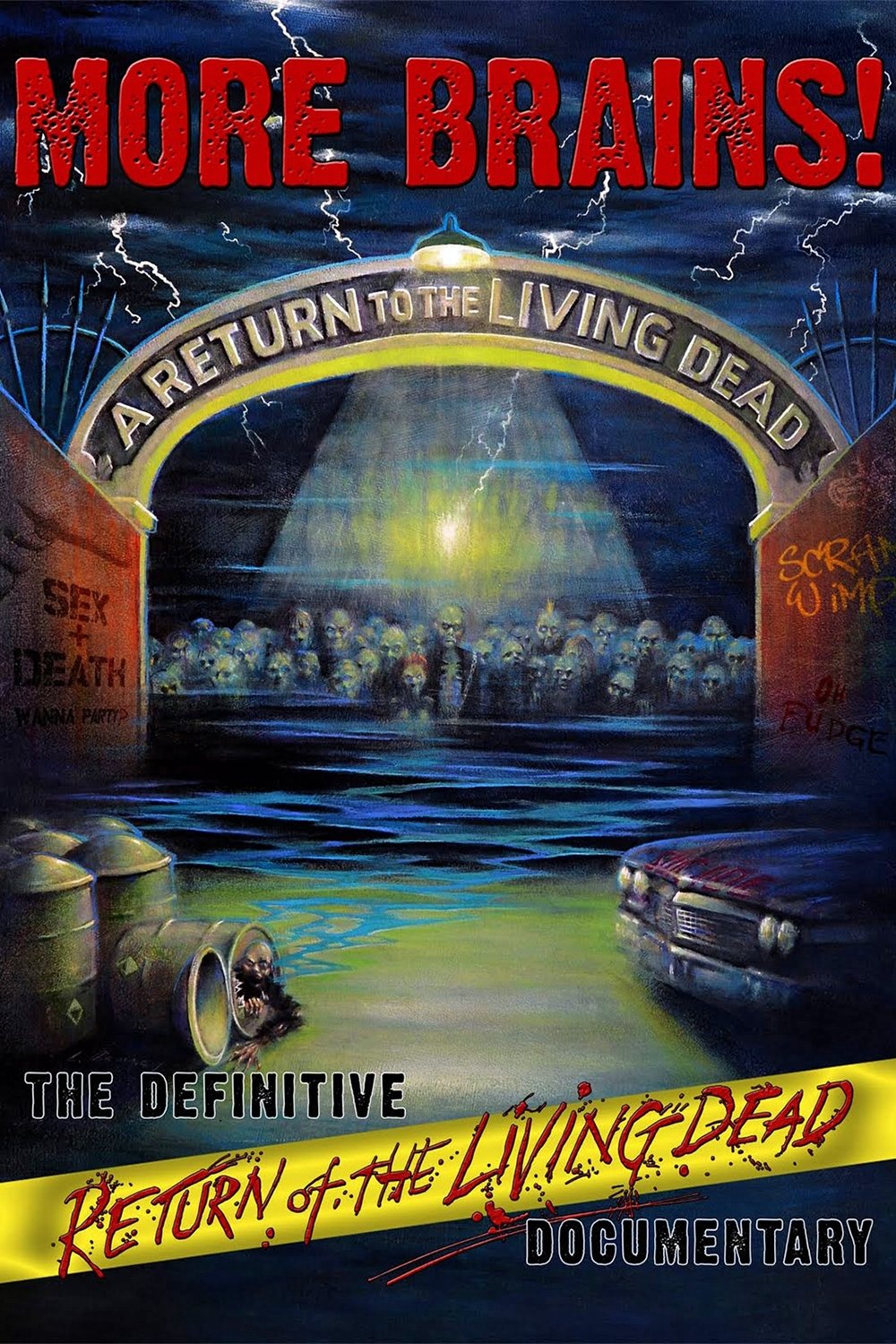
Retrospective documentary about the making of the horror cult classic "The Return of the Living Dead."
The film follows adventurer Jeff Johnson as he retraces the epic 1968 journey of his heroes Yvon Chouinard and Doug Tompkins to Patagonia.
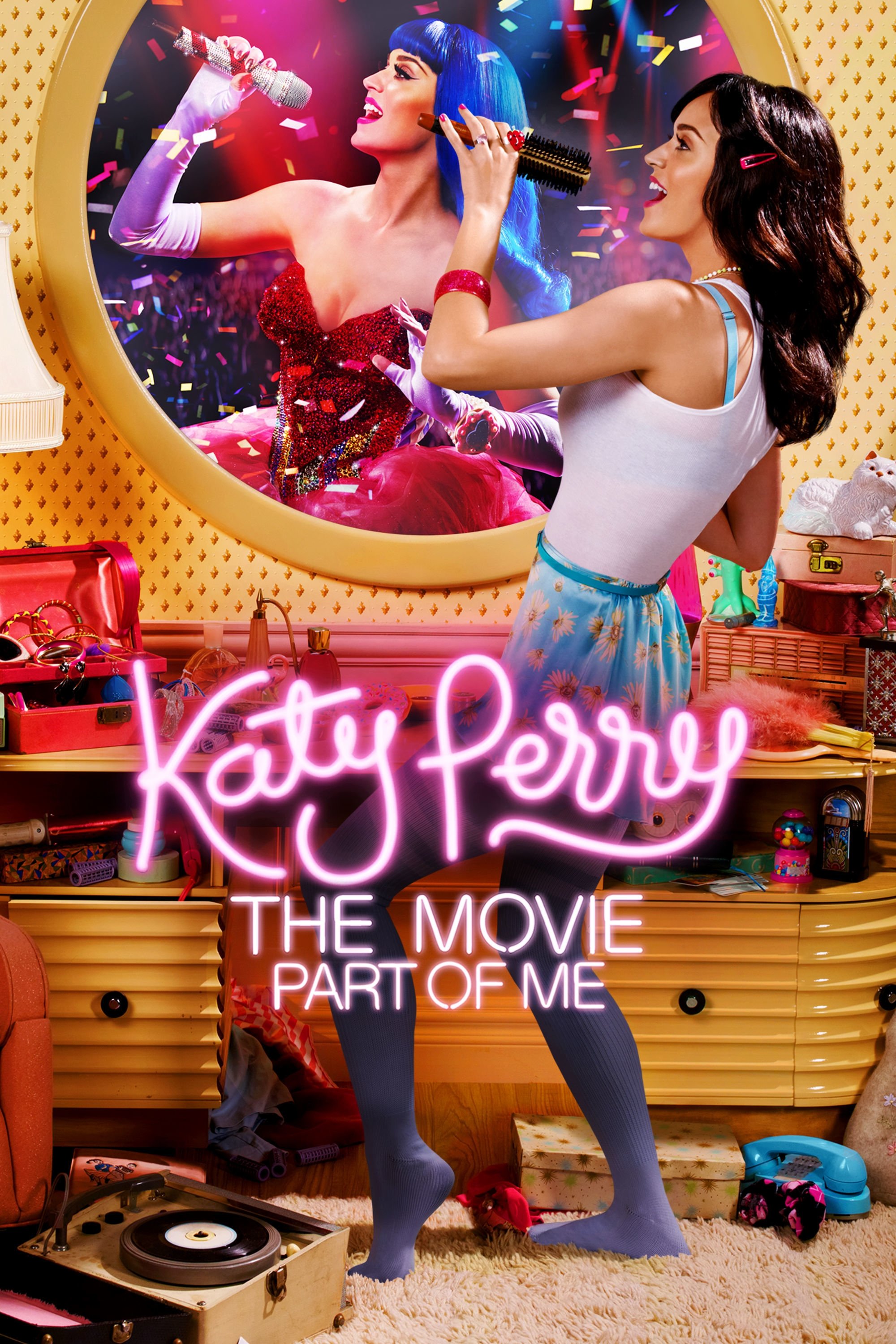
Giving fans unprecedented access to the real life of the music sensation, Katy Perry: Part of Me exposes the hard work, dedication and phenomenal talent of a girl who remained true to herself and her vision in order to achieve her dreams. Featuring rare behind-the-scenes interviews, personal moments between Katy and her friends, and all-access footage of rehearsals, choreography, Katy’s signature style and more, Katy Perry: Part of Me reveals the singer’s unwavering belief that if you can be yourself, then you can be anything.
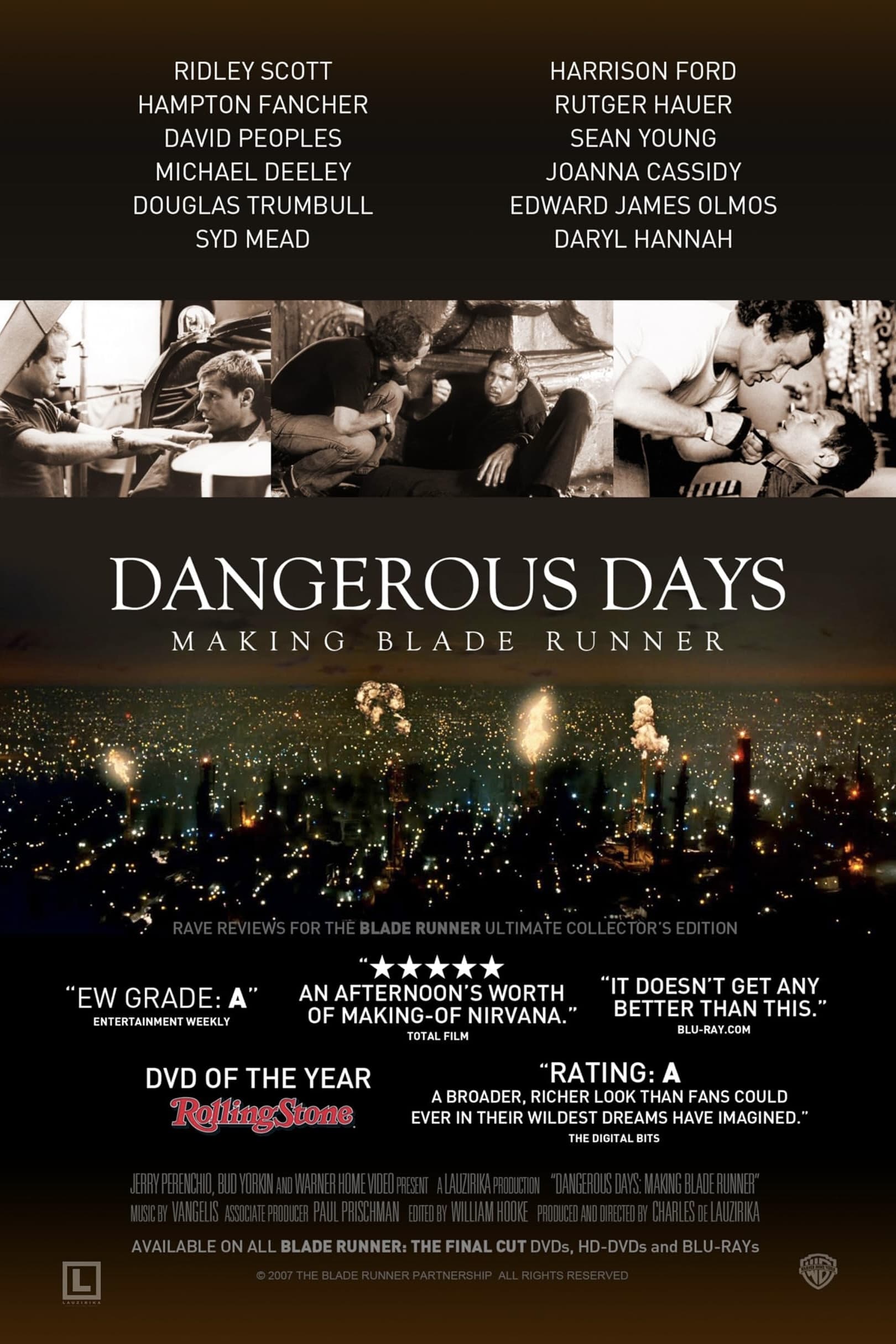
The definitive 3½-hour documentary about the troubled creation and enduring legacy of the science fiction classic 'Blade Runner', culled from 80 interviews and hours of never-before-seen outtakes and lost footage.
An inside look at one of the most anticipated movie sequels ever with James Cameron and cast.
Amber Heard and Nicole Kidman discuss their characters Mera and Atlanna.
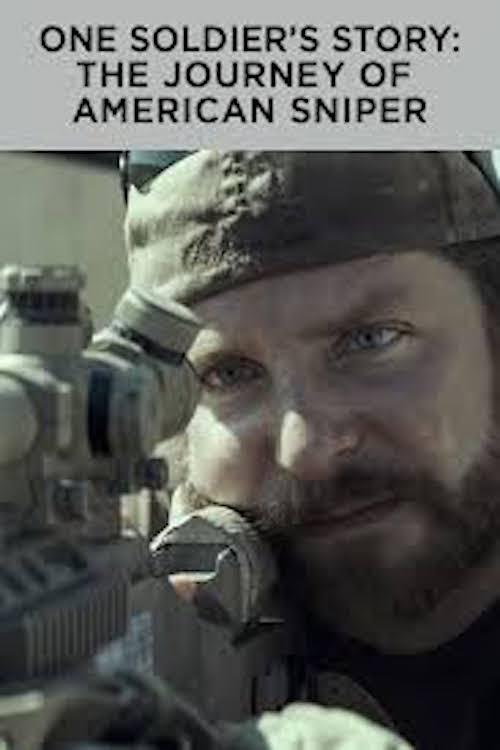
Join director Clint Eastwood and his creative team, along with Bradley Cooper and Sienna Miller, as they overcome enormous creative and logistic obstacles to make a film that brings the truth of Navy SEAL Chris Kyle's story to the screen.