Social & External
The people behind it
With the use of montage sequences, voiced over with the observations of the children, van der Keuken was able to use artistic expression to portray the sightless children’s unique perspective of the world.
Documentary film that takes a visual and anthropological journey through man's spirit across the thin line dividing excessive faith in religious believes and the passion with which he devotes himself to worldly pleasures in a city that coexists in harmony with its double standards. Religion, faith, politics, violence and death are intimately bound in this social portrait.
As an unprecedented wave of book banning is sparked in Texas, Florida, and beyond, librarians under siege join forces as unlikely defenders fighting for intellectual freedom on the front lines of democracy.
A documentary about the Bibliothèque Nationale in Paris. It presents the building, with its processes of cataloguing and preserving all sorts of printed material, as both a monument of cultural memory and as a monstrous, alien being.
A brief glimpse through the life of Granny Lue. A woman of faith, fearlessness, and fierce energy, she never allowed her disability to determine her ability to live.
The film builds up a portrait of a great Sudanese film-maker, Gadalla Gubara. At eighty-seven, he is one of the pioneers of cinema in Africa. He has recently lost his sight but still continues to film life in Sudan as no one before him. Through his oeuvre, Gadalla reveals to us a Sudan both mysterious and misunderstood. Despite censorship and lack of financial support over sixty years, he has produced cinema that is independent and unique in a country where freedom of expression is a rare luxury.
With a mission of collecting, preserving and making accessible the materials of human culture, the New York Public Library plays a vital role in the cultural life of the Big Apple. This film provides a multifaceted portrait of the institution. Viewers will learn about the library's history, collections and research centers as well as the individuals charged with upholding its mission while always keeping an eye to the future.
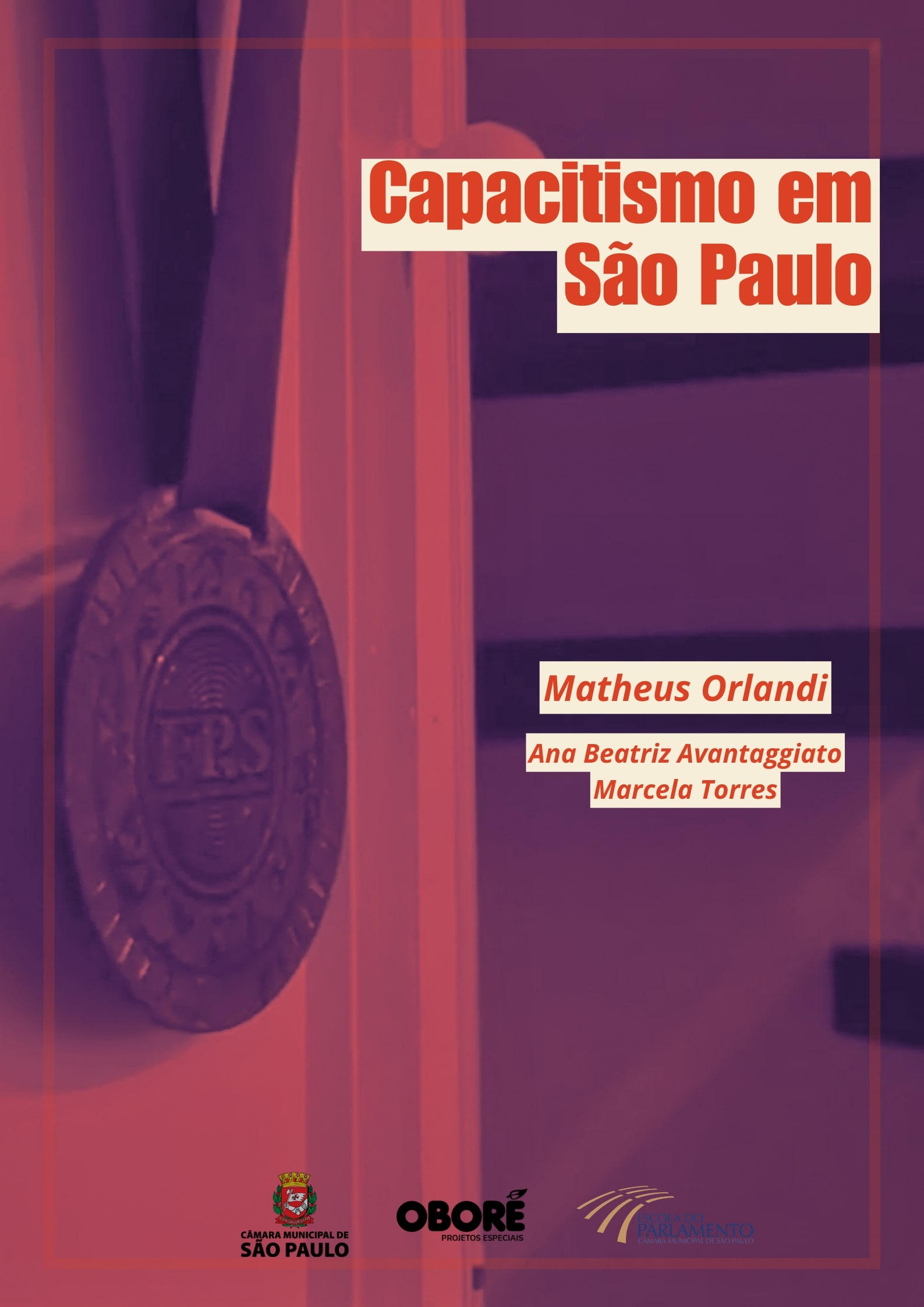
Through intimate stories and day-to-day routines we get a naturalistic glimpse into the lives of individuals with disabilities in the bustling urban landscape of São Paulo. The film captures personal moments and how modern societies confront (or fail to confront) ableism and inclusion.
A short made for TV with director Peter Greenaway discussing the dazzling 3.5 minute opening sequence from his film, 'Prospero's Books'. As Prospero (John Gielgud) walks through his library, Greenaway comments on the historical, mythological, biblical & fictional characters occupying the library.
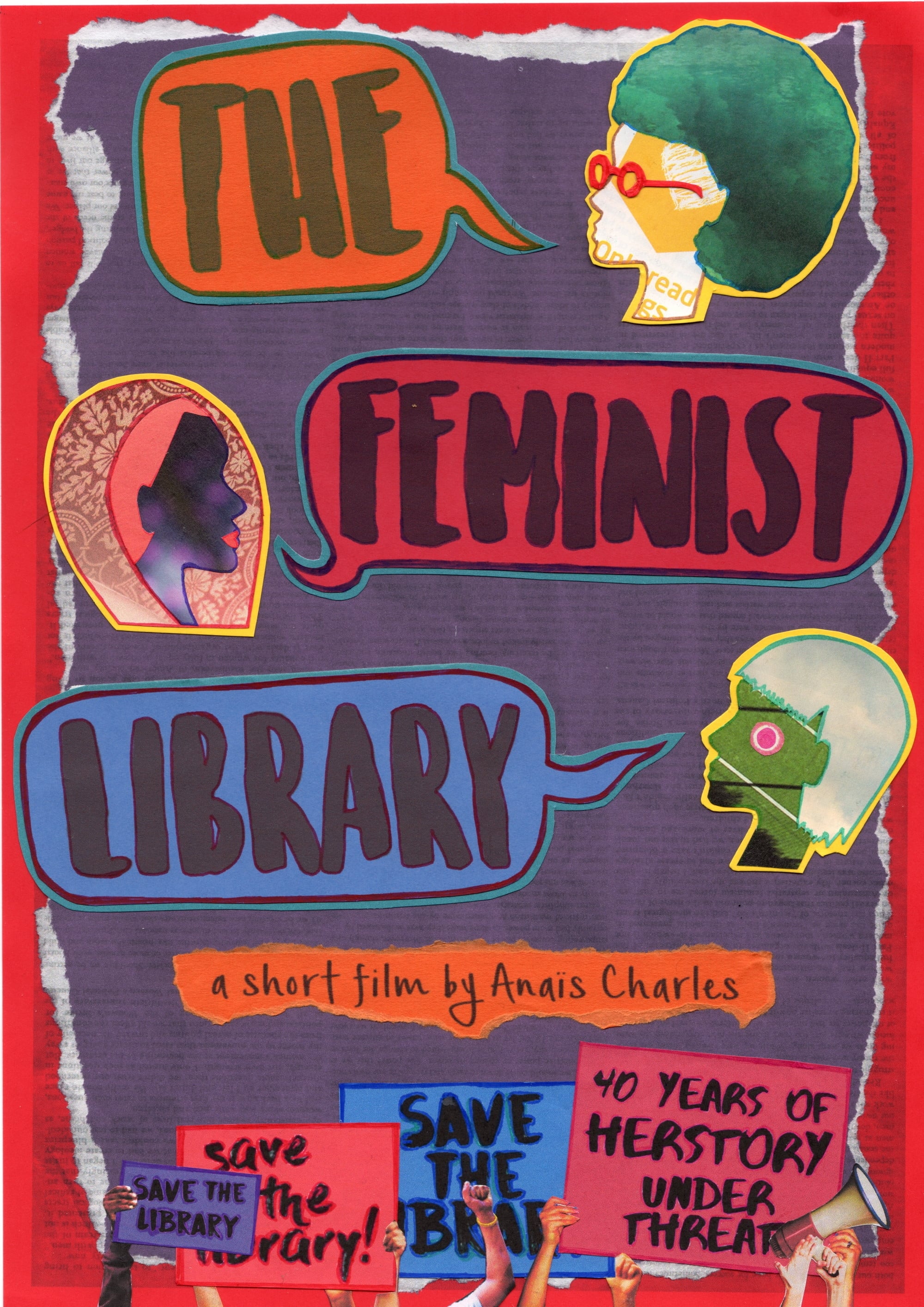
The Feminist Library: A Short Film was made in support of the Save the Feminist Library Campaign, documenting a crucial moment in the library's herstory as it fights for its very survival. Shortlisted for the Women's History Network Community Prize, the film revisits the story of the library's inception and emphasises why feminism remains essential today.
Four blind Indian boys compete to become chess masters.
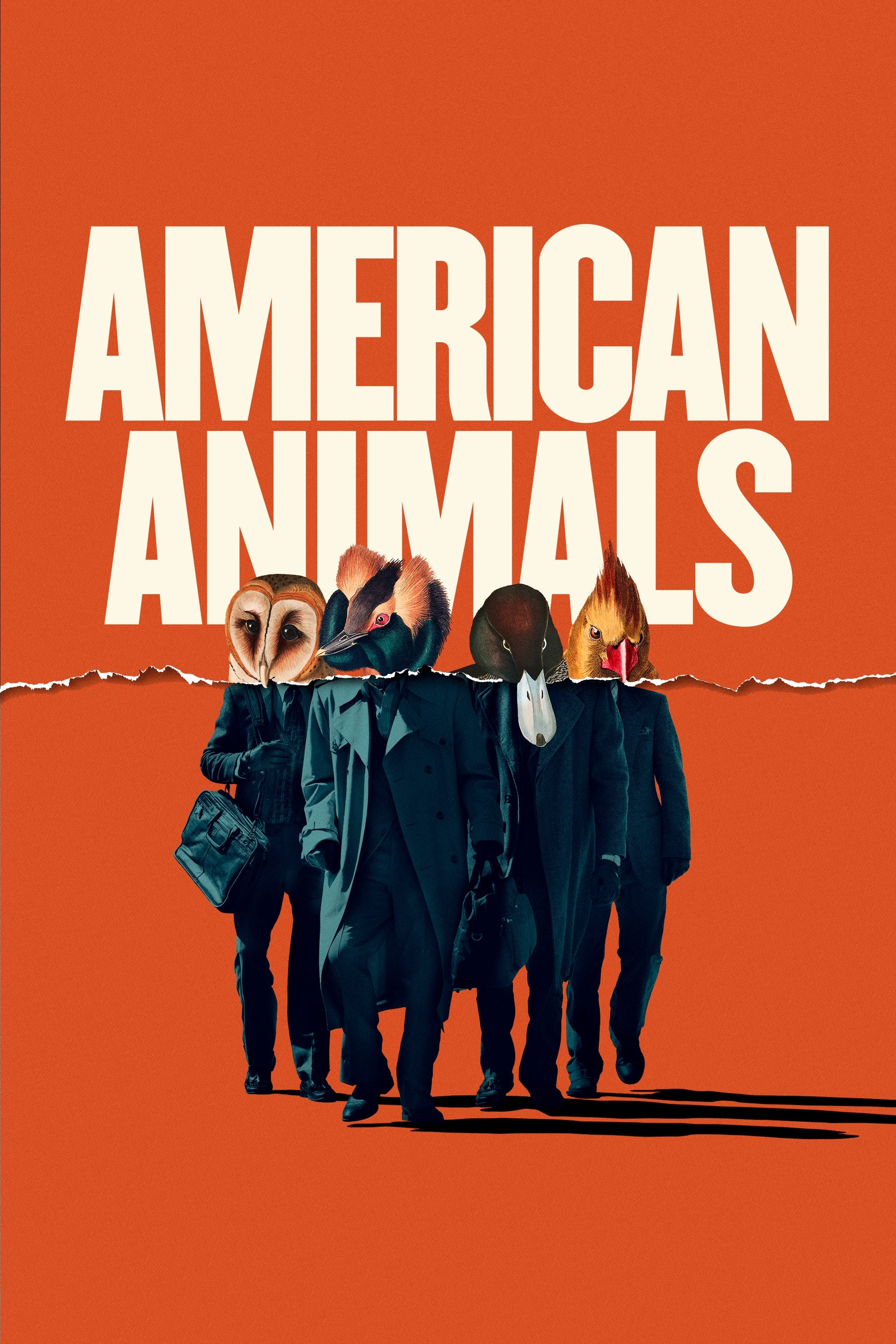
Lexington, Kentucky, 2004. Four young men attempt to execute one of the most audacious art heists in the history of the United States.
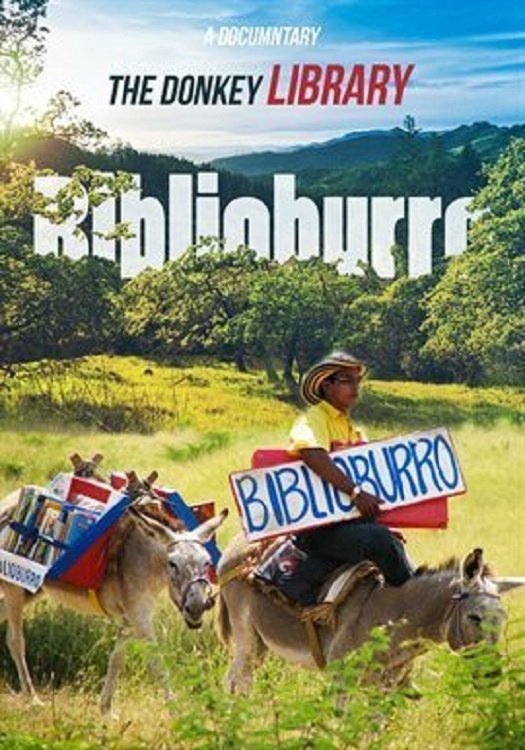
This documentary follows the life of a one-of-a-kind man, and his one-of-a-kind library. Luis Soriano is a Colombian schoolteacher who spends weekends taking his donkey, and book collection, to the poverty-ridden towns of Magdalena Province. Facing down drug dealers, dangerous creatures, and overbearing heat, Soriano bravely faces down fear to promote education and literature.
Besides presenting an actual exhibition, this film about a Monument of National Literatuře also presents an interpretation of the history of Czech literature that was subject to the mores of that time. It looks at the exhibition chronologically, it comments on documents from the beginnings of the national literature up to the 1950s, emphasises the importance of the relationship of the present time with the national cultural tradition. It labels the museum itself as a “people’s university” and draws attention to its educational role.
The film follows five people who lost their sight in armed conflicts, gathering fragments of their present-day lives. Through an enveloping sound composition, veiled archival material, footage shot by the protagonists themselves, and a sensitive visual approach, the film explores memory, perception, and our relationship to the visible. Steering away from spectacle, it invites us to hear what often goes unheard, and to feel differently. In an age saturated with images, this documentary offers a sensory experience where listening becomes a gesture of resistance and human reconnection.
Sculptor/painter Katie Dallam entered the boxing ring for her first professional fight and, 140 blows to the head later, suffered major brain damage. (Her life became the basis for the movie Million Dollar Baby). Irish musician Graham Sharpe’s career was on the rise when advancing tinnitus caused a ringing in his ears so bad that it put an end to his rock-and-roll dreams. Sculptor Alice Wingwall experienced complete loss of sight from a degenerative eye disease. Game over for these three, right? Not so fast. Each managed to struggle, innovate, and, ultimately, through their art, transform themselves into someone new.
Despite a lifetime of adversity, a blind high school wrestler attempts to win a State Championship before the end of his senior year.
In a world that spins faster and faster, bibliomaniacs take refuge from the rush and the noise inside the library. Amid whispers, they confess the meaning of life. A celebration of thought and obsession, where libraries reveal their inhabitants
Documentary which tells the story of a group of men and women who risked their lives to rescue a library - and preserve a nation's history - in the midst of the Bosnian war. Amid bullets and bombs and under fire from shells and snipers, this handful of passionate book-lovers safeguarded more than 10,000 unique, hand-written Islamic books and manuscripts - the most important texts held by Sarajevo's last surviving library.
Ranjit, a farmer in India, takes on the fight of his life when he demands justice for his 13-year-old daughter, the victim of a brutal gang rape. His decision to support his daughter is virtually unheard of, and his journey unprecedented.
A documentary about how a dominant cultural and demographic institution both sustains their traditional activities and adapts to the digital revolution.
Tells the history and importance of The National Film Registry, a roll call of American cinema treasures that reflects the diversity of film, and indeed the American experience itself.
In an intimate and joyful story of love in the face of loss, celebrated poets Andrea Gibson and Megan Falley find strength—and unexpected hilarity—in what might be their final year together.
Through deeply personal interviews with her siblings and an examination of the photographs, letters, and belongings left behind, Mariska assembles a new portrait of her mother Jayne Mansfield, an extraordinary and complex woman.
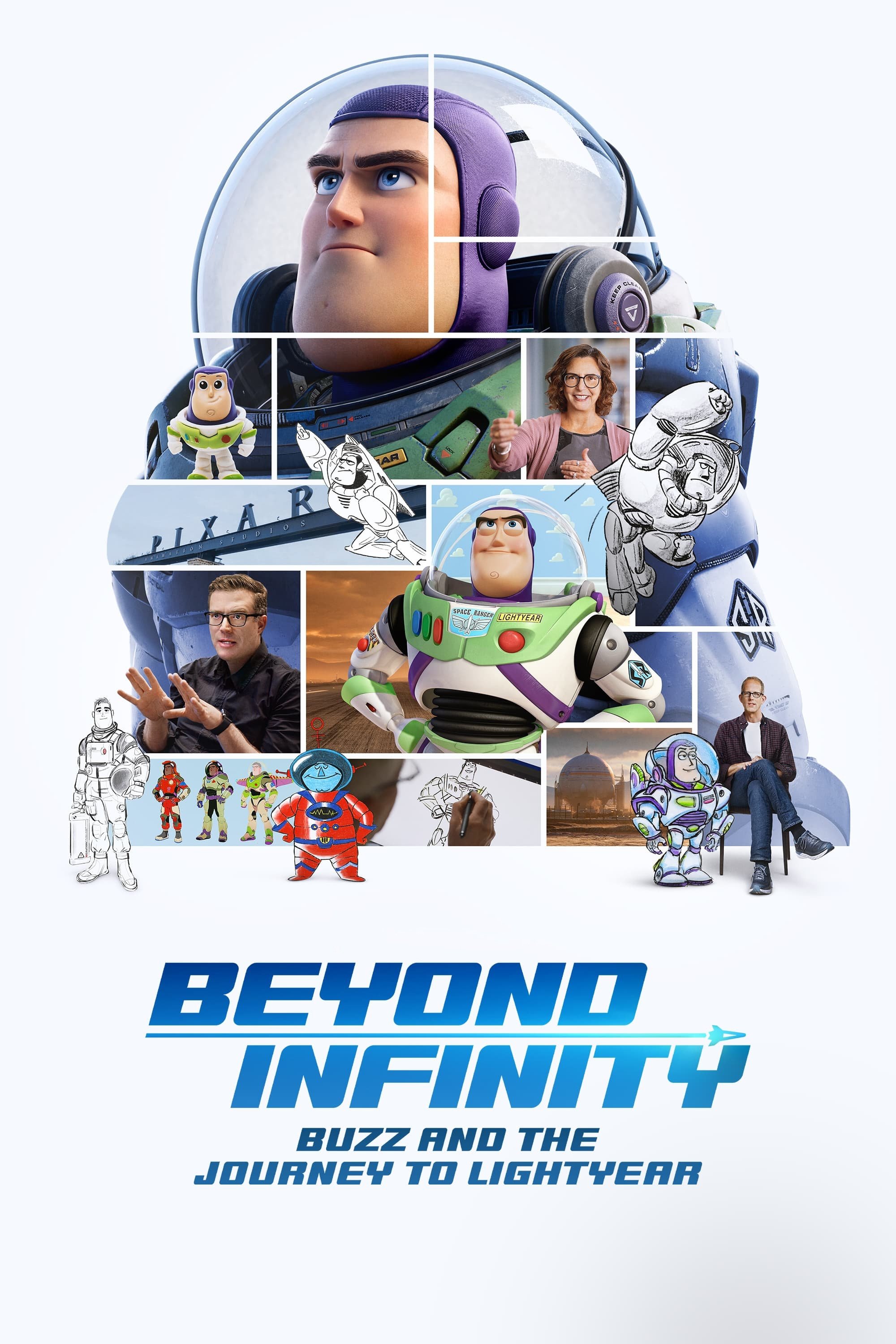
Explore the evolution of Buzz Lightyear from toy to human in the making of Pixar’s Lightyear. Dive into the origin and cultural impact of everyone’s favorite Space Ranger, the art of designing a new “human Buzz,” and the challenges faced by the Lightyear crew along the way.
Those who knew iconic funnyman John Candy best share his story, in their own words, through never-before-seen archival footage, imagery, and interviews.
The Making-of James Cameron's Avatar. It shows interesting parts of the work on the set.
Alexander McQueen's rags-to-riches story is a modern-day fairy tale, laced with the gothic. Mirroring the savage beauty, boldness and vivacity of his design, this documentary is an intimate revelation of McQueen's own world, both tortured and inspired, which celebrates a radical and mesmerizing genius of profound influence.
The film follows adventurer Jeff Johnson as he retraces the epic 1968 journey of his heroes Yvon Chouinard and Doug Tompkins to Patagonia.
Over 35 years after Bob Lazar's revelations, this documentary exposes secrets of a facility the government still denies. Featuring Lazar's testimony, recreations, and new evidence, it reopens a case that continues to spark global curiosity
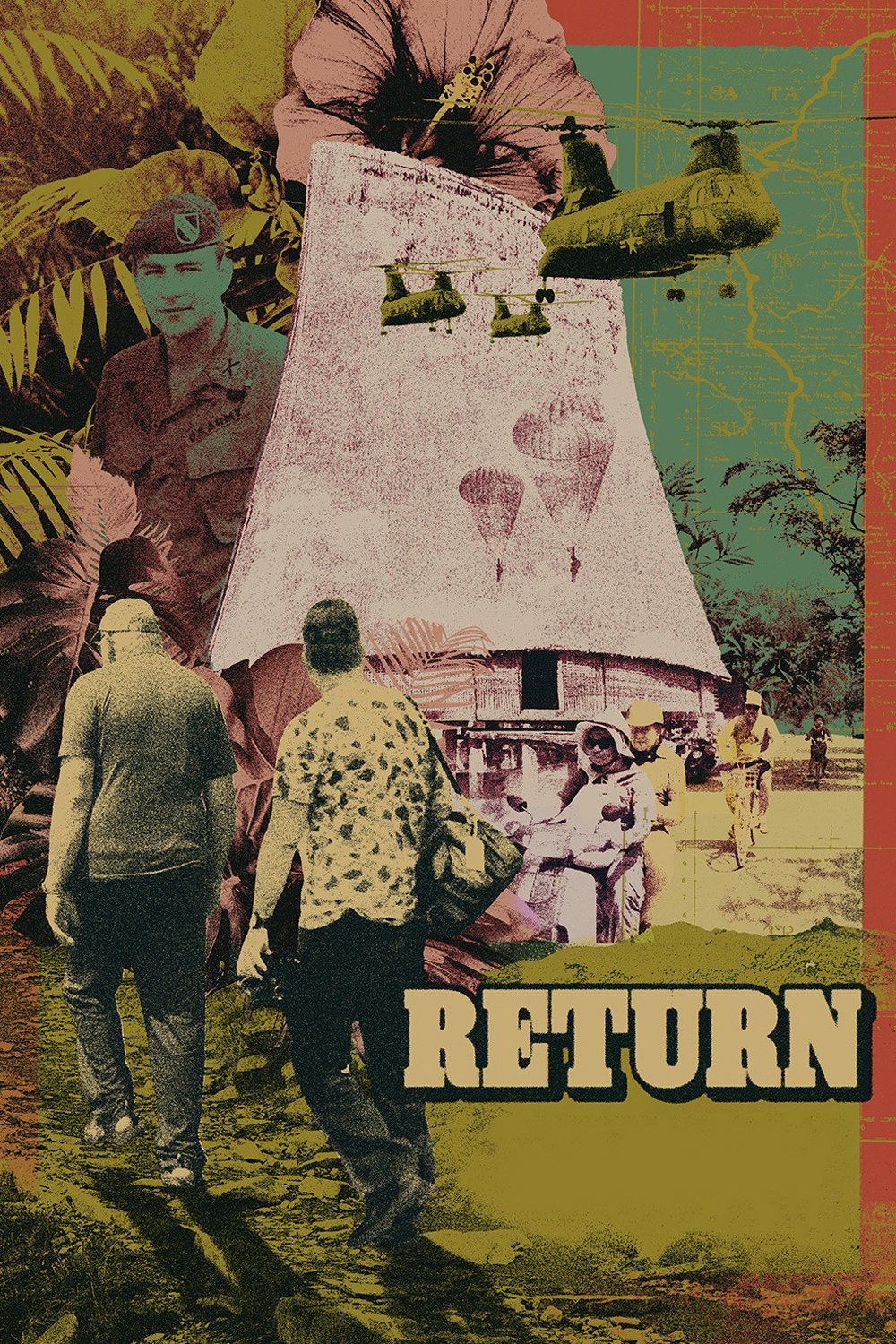
RETURN tells the story of a retired Green Beret who embarks on a healing journey from Montana to Vietnam. There he retraces his steps, shares his wartime experiences with his son, treats his Post-Traumatic Stress Disorder, and seeks out the mountain tribespeople he once lived with and fought alongside as a Special Forces officer.
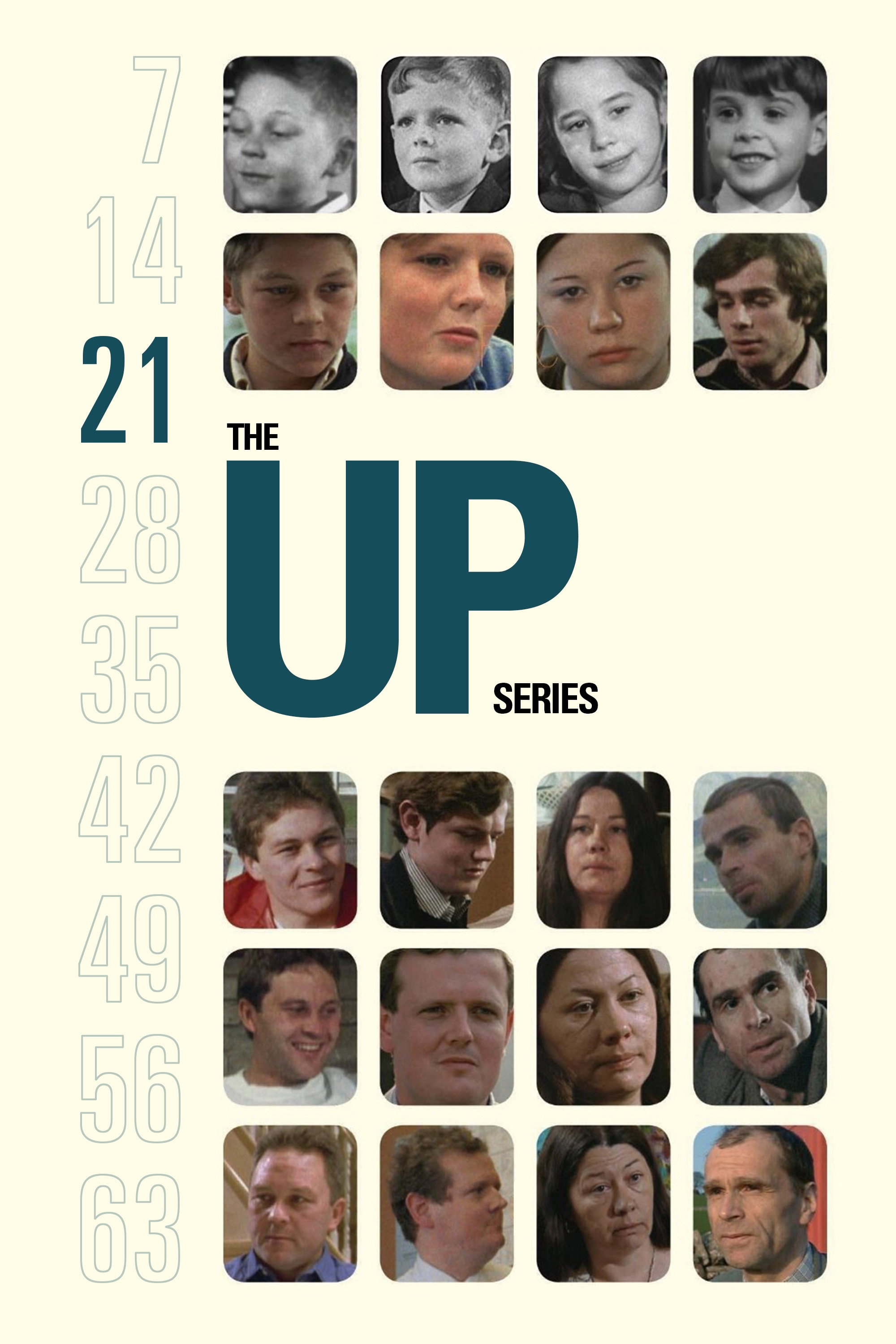
After another 7 year wait, director Michael Apted revisits the same group of British-born children from Seven Up! and 7 Plus Seven. The subjects are interviewed as to the changes that have occurred in their lives during the last seven years.
A documentary about the life and films of director John Ford.
A documentary about the making of David Fincher's 2008 film THE CURIOUS CASE OF BENJAMIN BUTTON. Virtually every element in the evolution of the Fincher's film is documented here, from the project's attachment to numerous other directors during the 1990s, to its shoot in 2006 and 2007 in New Orleans, to its complex, CGI-intensive postproduction process.
An inside look at one of the most anticipated movie sequels ever with James Cameron and cast.
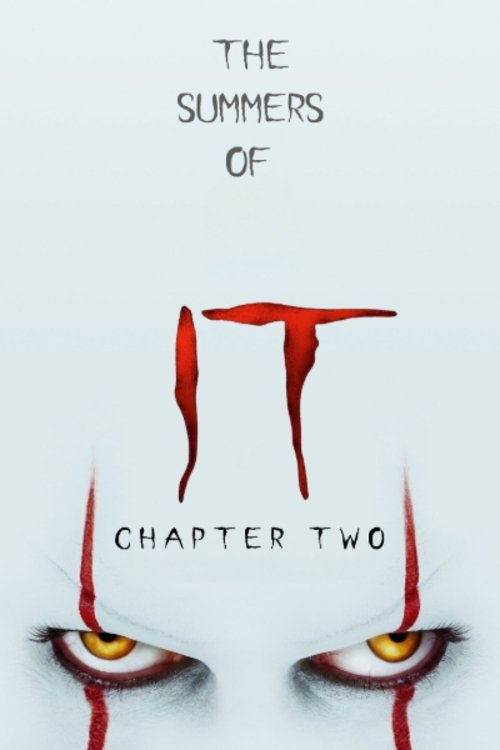
This documentary focuses on the actors and their journey over two summers to create the remake to the original IT, by Stephen King. The documentary originally released as bonus material, bundled with IT: Chapter Two.
A documentary detailing the epic Rogues' Gallery of DC Comics from The Joker and Lex Luthor, Sinestro, Darkseid and more, this documentary will explore the Super Villains of DC Comics.
A visual montage portrait of our contemporary world dominated by globalized technology and violence.
SEDUCED AND ABANDONED combines acting legend Alec Baldwin with director James Toback as they lead us on a troublesome and often hilarious journey of raising financing for their next feature film. Moving from director to financier to star actor, the two players provide us with a unique look behind the curtain at the world's biggest and most glamourous film festival, shining a light on the bitter-sweet relationship filmmakers have with Cannes and the film business. Featuring insights from directors Martin Scorsese, 'Bernando Bertolucci' and Roman Polanski; actors Ryan Gosling and Jessica Chastain and a host of film distribution luminaries.