Social & External
The people behind it
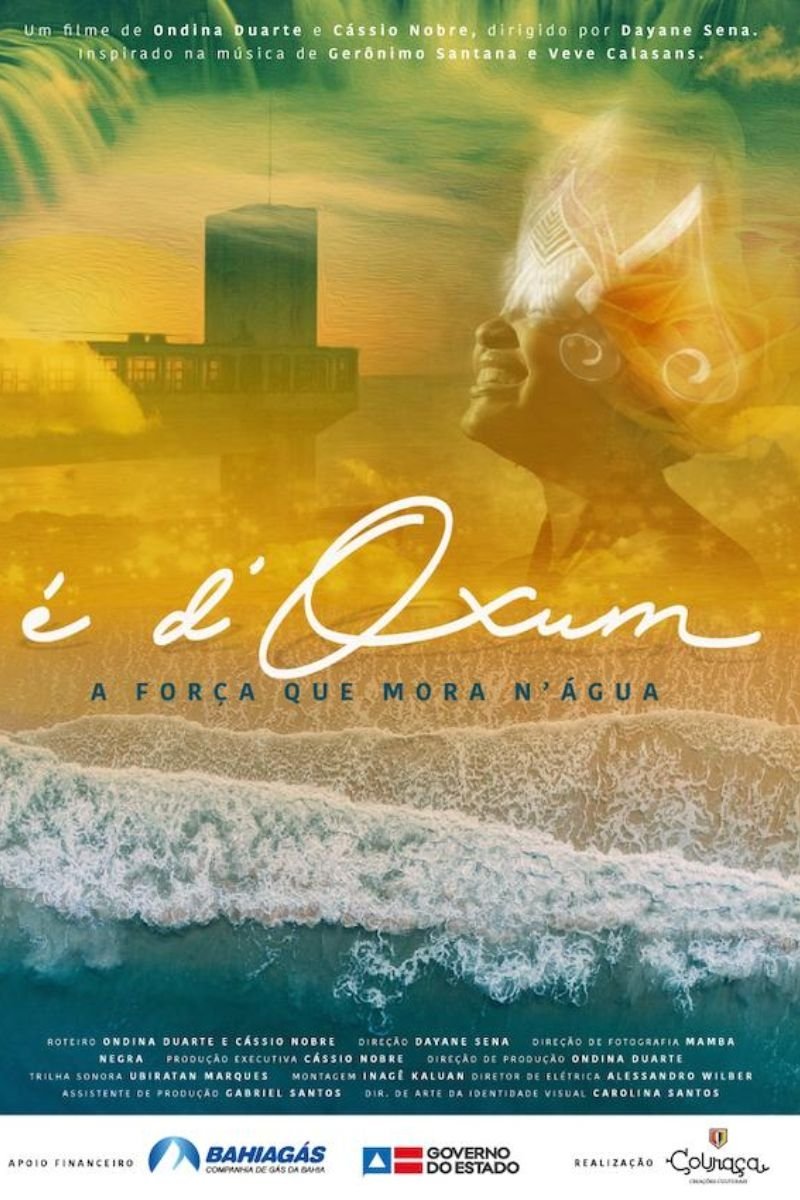
Gerônimo Santana
Self
Vevé Calasans
Self (archive footage)
Margareth Menezes
Márcia Short
Lia Chaves
Ana Mametto
Daniela Mercury
Edvaldo Brito
Armandinho
Ubiratan Marques
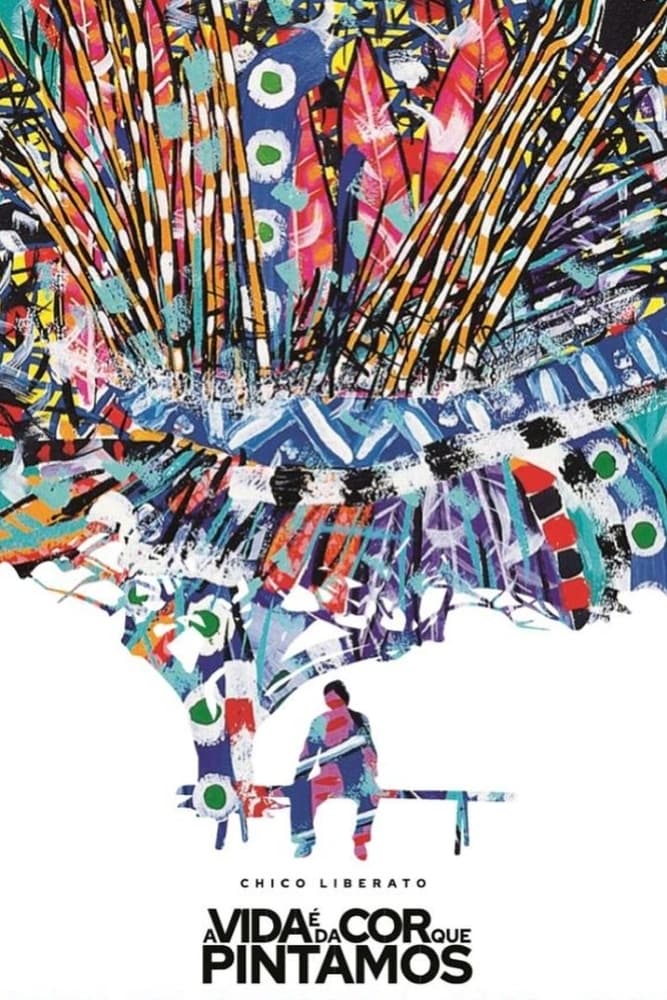
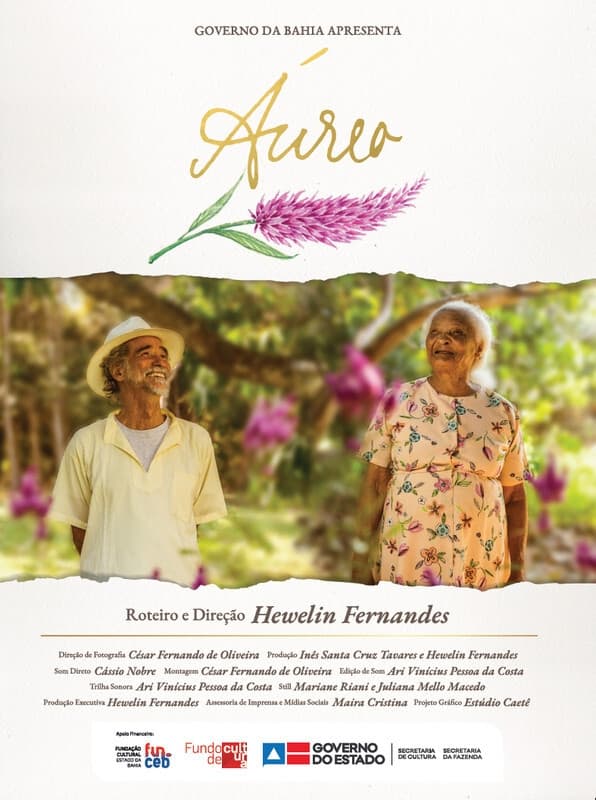
Perpetuating art was the main objective in the life of visual artist, filmmaker and cultural manager Chico Liberato, who died in January, 2023. A pioneer of animation cinema in Bahia, he left a legacy for the area, and even in his family.
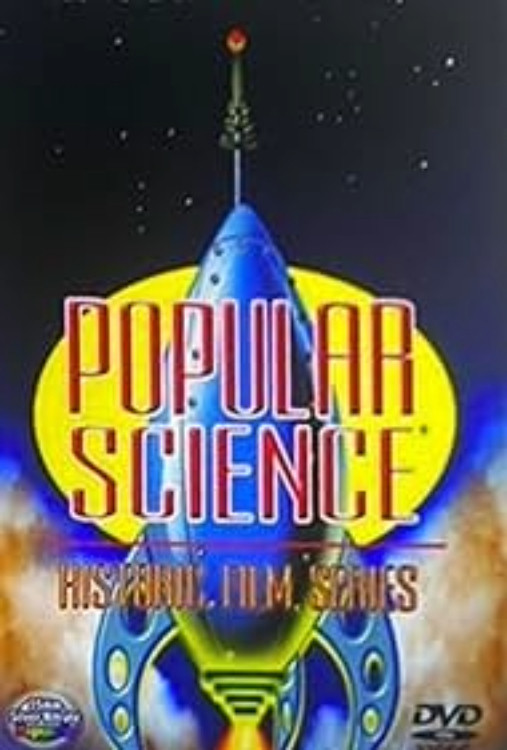
The usual interesting sequences, depicting a home made sun dial, some gadgets for the modern kitchen. Professor Oakes, and Dorothy Lamour singing "Moon Over Burma" (coming soon to your favorite theatre: Moon Over Burma (1940)).
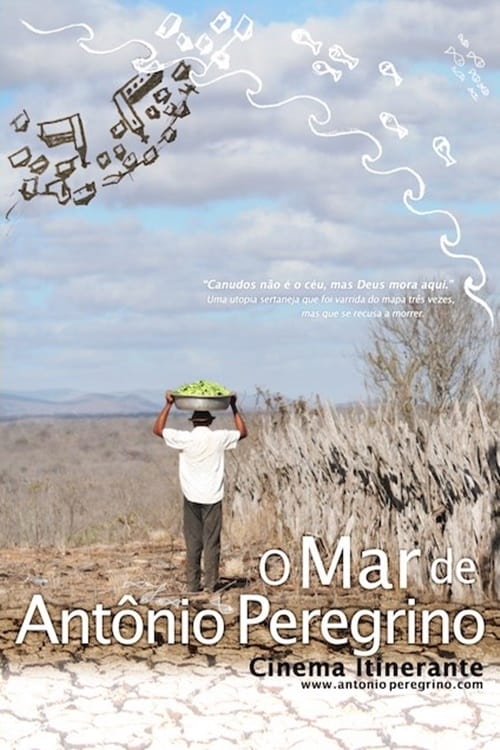
"O Mar de Antônio Peregrino" tells the fascinating story of the pilgrim Antonio Conselheiro and the village of Canudos. In a region feared by its long droughts, thousands of outcast peasants and Indians came together to build a country utopia. The city has been wiped off the map three times but refuses to die. The film is a journey in search of the people and dreams of Canudos. Guided by Antônio Conselheiro's famous phrase “The drought will turn into the sea, and the sea will turn into the drought”, the film goes through the drought and the flood to meet a warm and strong people who never surrendered, cherished with the music of hope and missing.
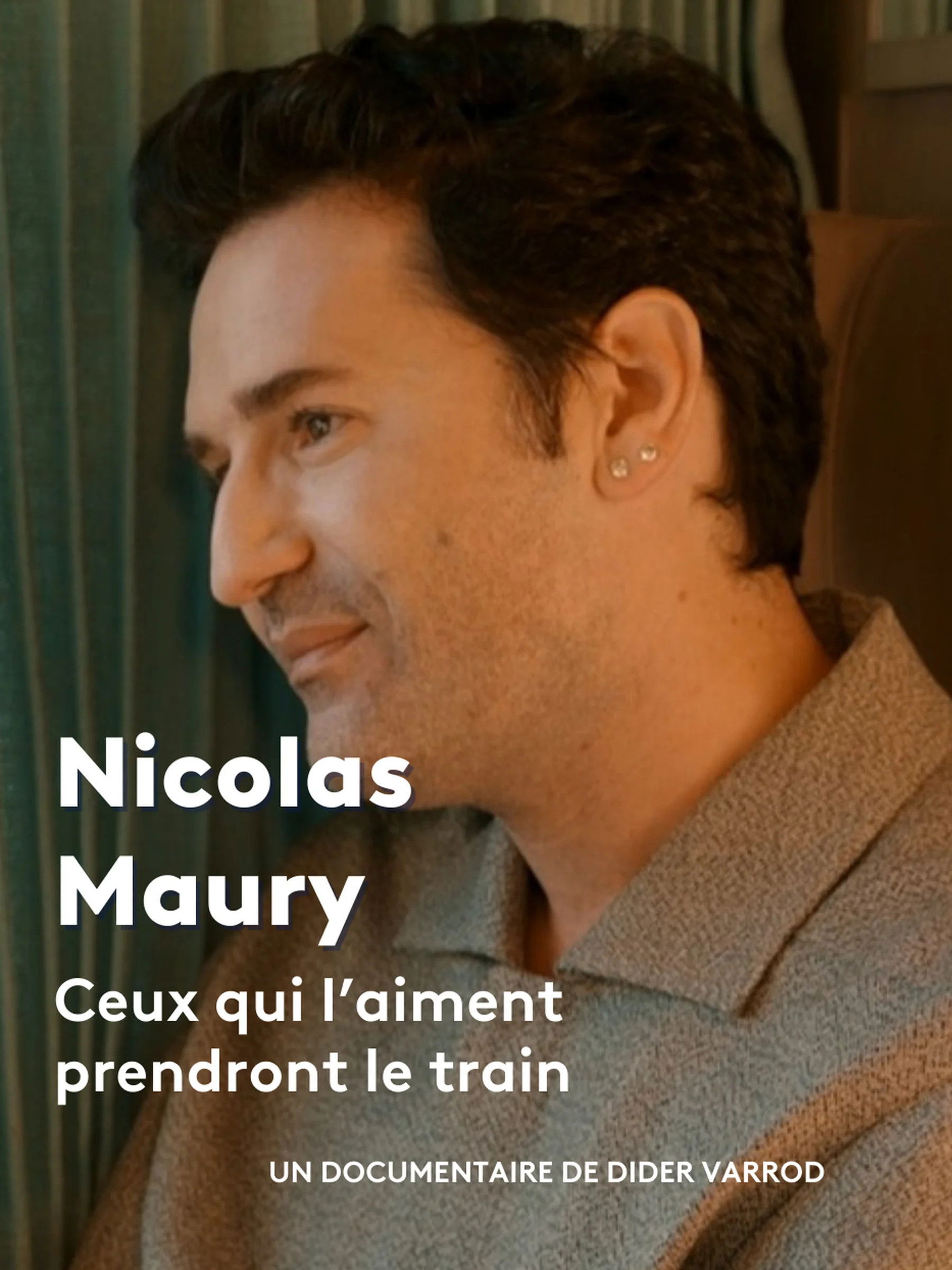
Between the nostalgia of resurfacing roots and the desire to venture into song to experience a rebirth, Nicolas Maury reveals himself unguarded before Didier Varrod, with a deeply moving sincerity. Nicolas Maury released his first album, La porcelaine de Limoges, in January 2023—a new experience for this unique, demanding, and multifaceted actor. It is an opportunity to paint an intimate portrait of him through an extended interview on a train between Paris and Limoges. In this specific setting, which was also that of his first (silent) film role with Patrice Chéreau in Those Who Love Me Can Take the Train, Nicolas discovers archives and hears from close acquaintances who speak about him. A documentary film, like a kind of initiation rite, it moves back and forth between memories of France and childhood, and his condition as a man and artist today, taking on a new identity through music.
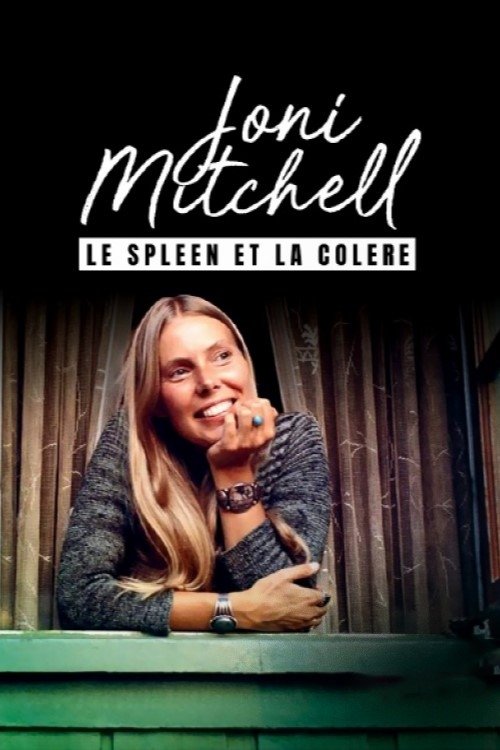
Joni Mitchell has been called the queen of folk music and one of the biggest pop stars of the 60s and 70s. Even today, her lyrics and unique guitar style continue to inspire new generations of singers and songwriters.
One of the most important events in Brazilian history, the Búzios Revolt of 1798 was led by dozens of black men who rose up to overthrow the colonial government, proclaim independence and establish a democratic Republic, free from slavery. The boldness of these men called on the people to make the Revolution and the conspiracy spread to the city of Bahia. The seizure of power is near. But the movement is denounced, the government sets up a Devassa against hundreds of people and four of them are hanged and quartered.
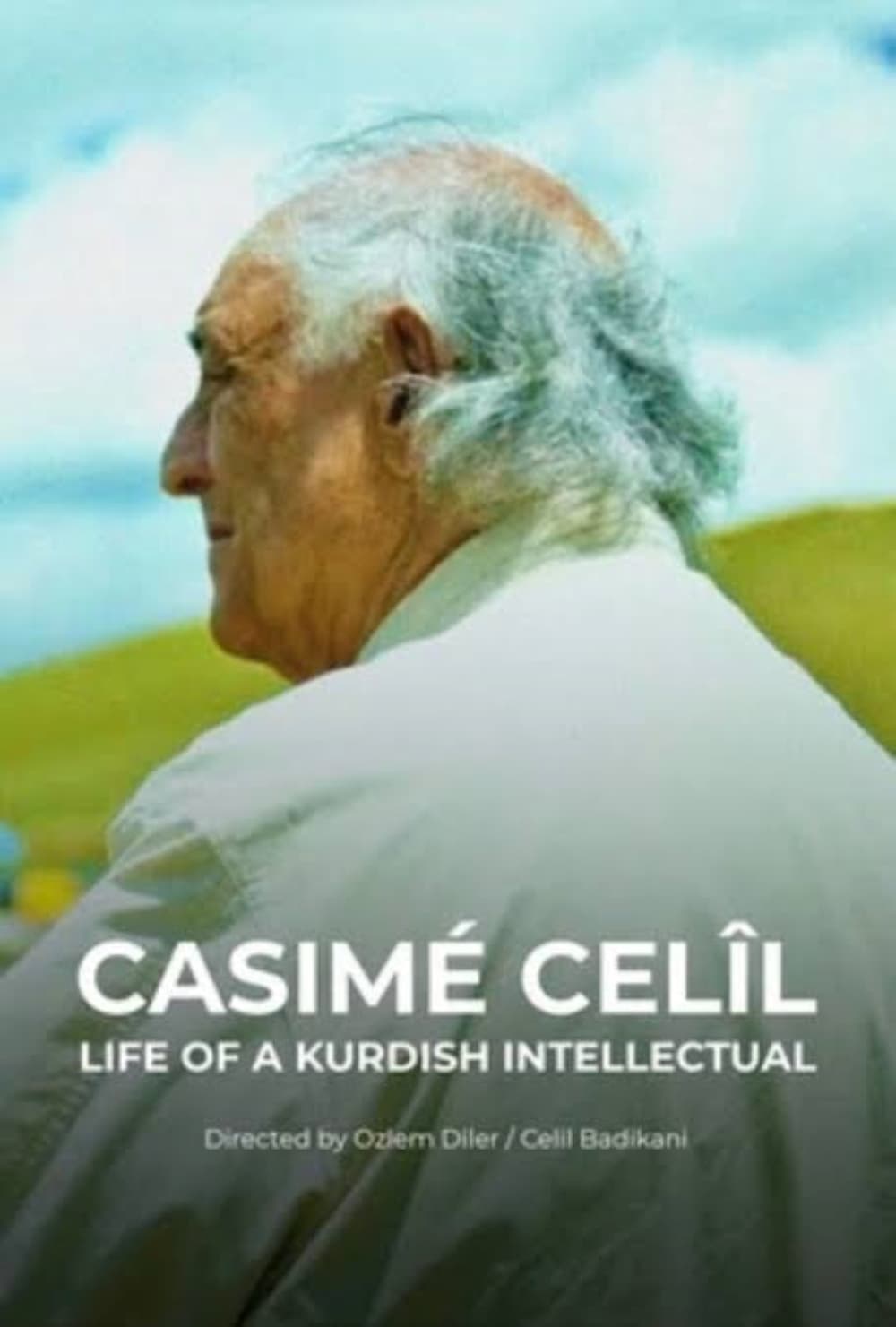
Casimê Celîl was born into a Yezidi Kurdish family in 1908, in a village called Kızılkule, located in Digor, Kars. The village and family life, which he longed to remember throughout his life, ends with the massacre they endured in 1918. During his long road to Erivan, Armenia, he lost all his family members. Left all alone, Casim was placed into an orphanage and was forced to change his name. To remember who he was and where he came from, every morning he repeated the mantra “Navê min Casim e, Ez kurê Celîlim, Ez ji gundê Qizilquleyê Dîgorê me, Ez Kurdim, Kurdê Êzîdî me”, which translates to: “My name is Casim, I am the son of Celîl, I come from the village of Kızılkule in Digor, I am a Kurd, and I am Yezidi”. He clings to every piece of his culture he can find, reads, and saves whatever Kurdish literature or art he comes across. As the year’s pass, Casim finds himself with an impressive collection of Kurdish culture and history.
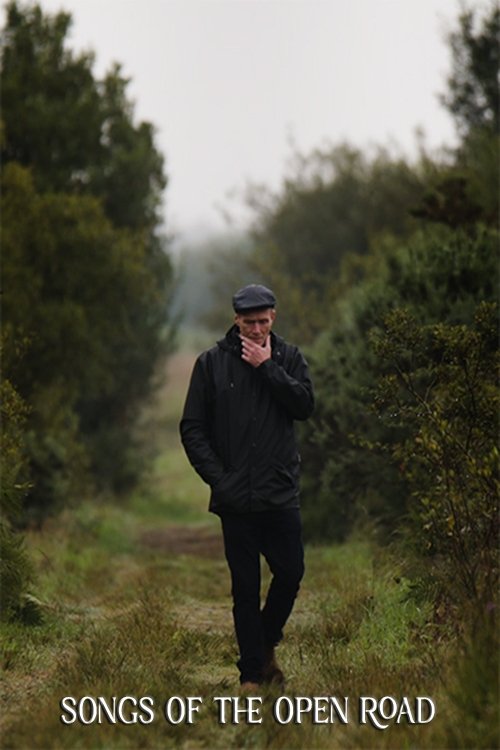
“Songs of The Open Road” sheds light on the life of the award-winning Irish Traveller, Traditional Singer, Thomas McCarthy. Thomas comes from a long line of singers and musicians who kept the tradition of singing strong within the Irish Traveller community. He now knows over a thousand songs and since 2021 has set about collecting a repertoire of this fabulous part of Traveller heritage. Filmmaker Pat Collins’ evocative documentary, Songs Of The Open Road’ sheds light on the life and prowess of this great storyteller who was named Traditional Singer of the Year in the prestigious ‘Gradam Ceoil Awards’ in 2019. The film follows Thomas as he moves from his home in London to perform, sing and speak in various venues, festivals and clubs throughout Ireland and England.
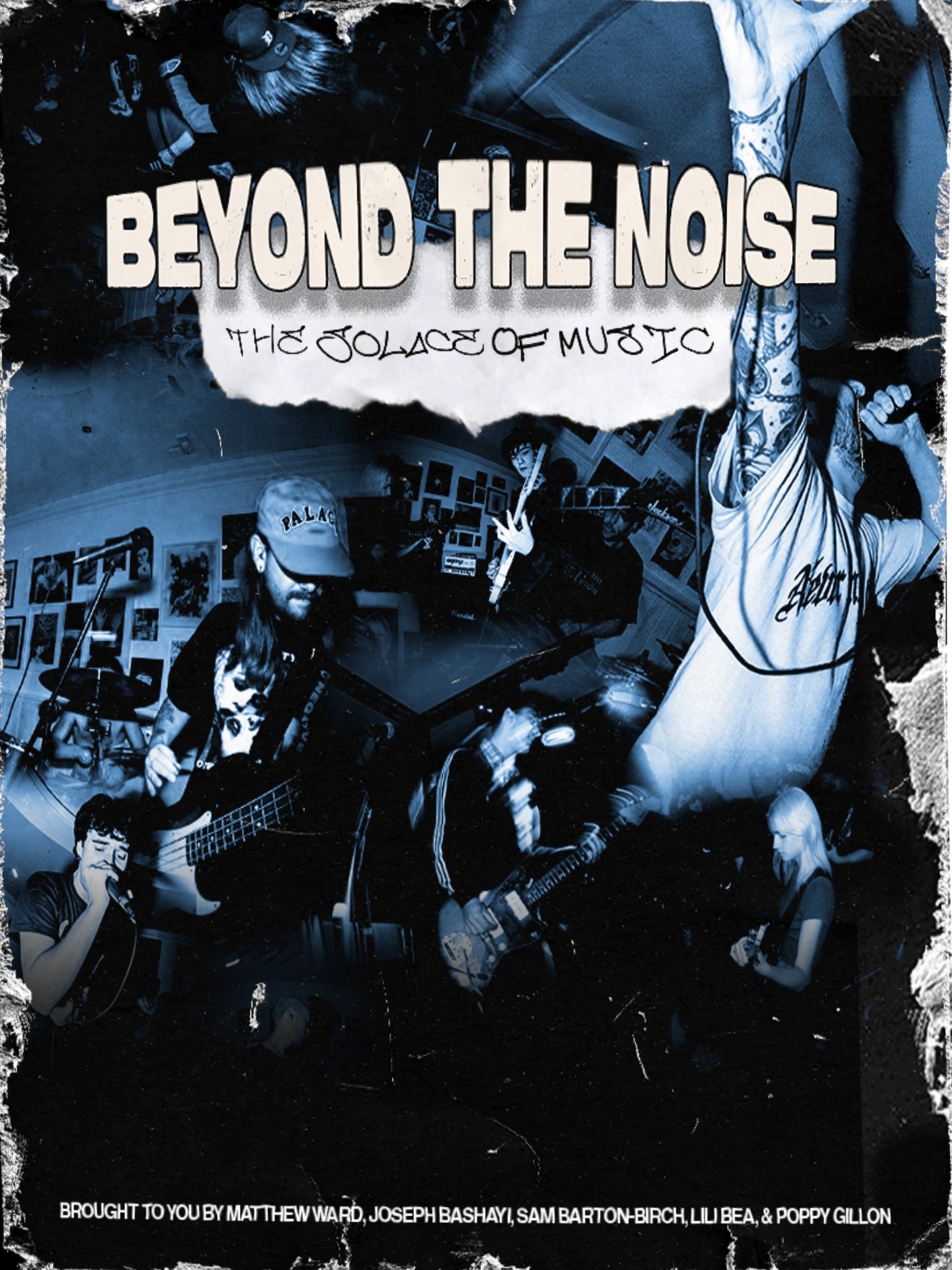
An exploration into the benefits of music in uk youth culture. Understanding the comfort it can provide.
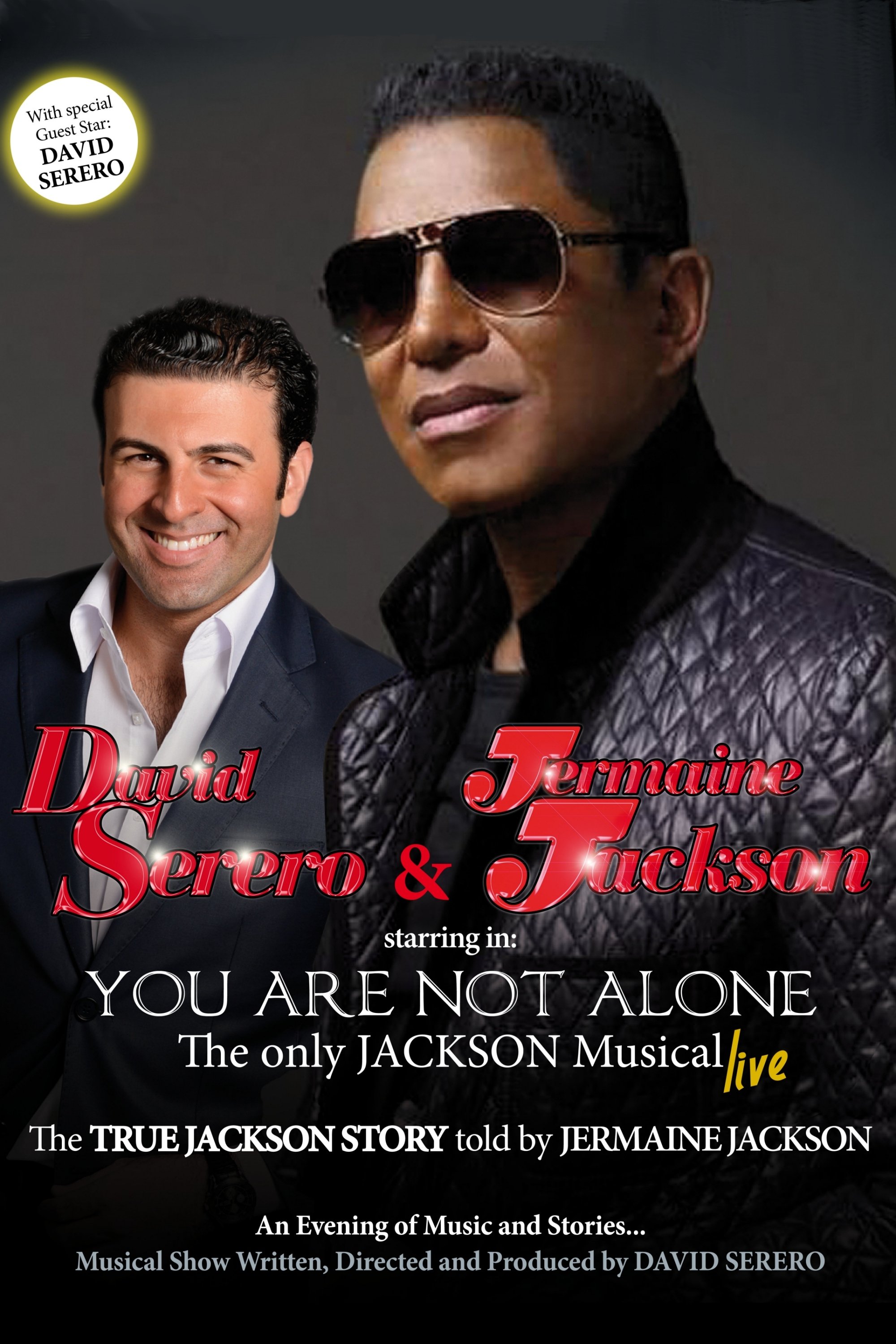
YOU ARE NOT ALONE, the Musical was performed in Paris (in English) by Jermaine Jackson. During this evening of music and stories, Jermaine Jackson told the whole Jackson story from their native house in Gary, Indiana, to Motown where they became the Jackson Five and from Michael's Thriller to his tragic death. You'll learn everything you need to know about the greatest family in the entertainment industry.
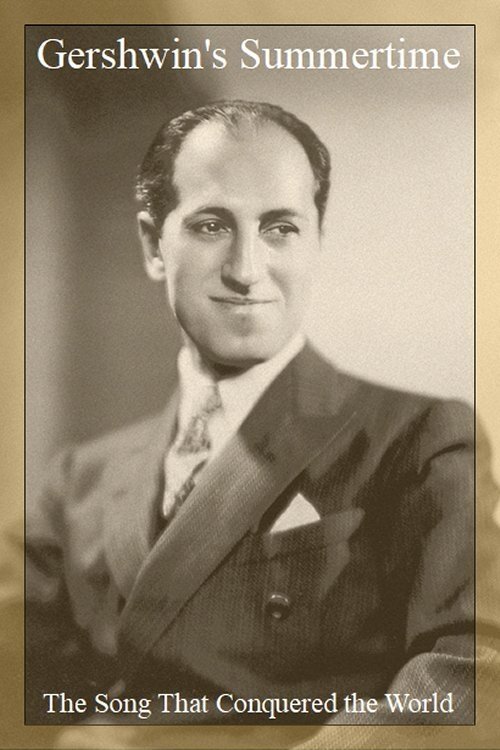
The song "Summertime" was written by George Gershwin for the 1935 opera Porgy and Bess. The lyrics are by DuBose Heyward and although not thought to be directly involved, Ira Gershwin gets an official credit. The song soon developed a life of it's own beyond the original opera and has been recorded and adapted into many different styles of music from jazz to opera, rock to reggae, soul to samba. It has been recorded and performed in many different languages around the world and remains one of the most famous and best loved songs ever written. This documentary looks at its history, how it came to be created, and its subsequent history as it traveled through time and around the world. "Summertime" is the most covered song on the planet. At least 25,000 versions of it exist.
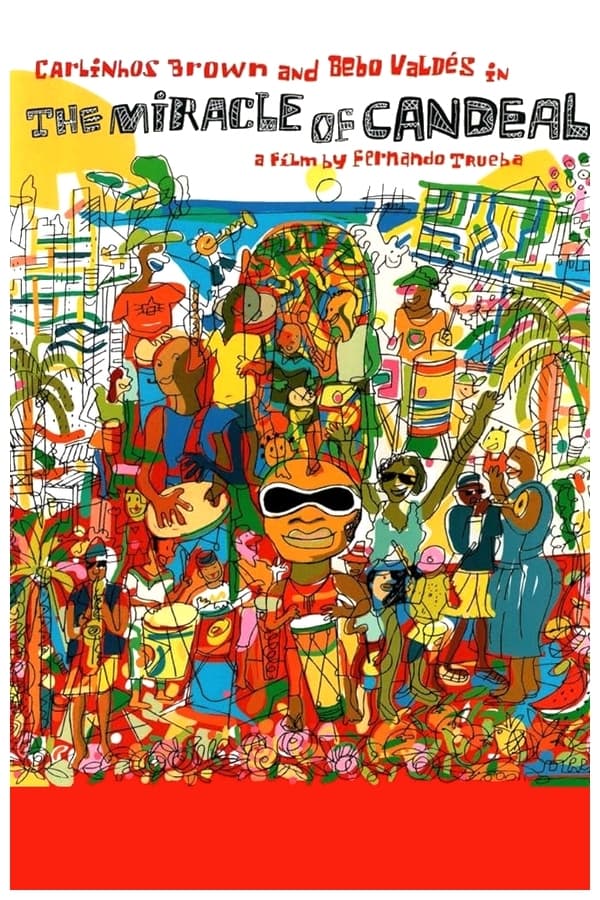
The story of the Candeal favela in Salvador de Bahia, Brazil, where musician Carlinhos Brown carries out social and cultural initiatives that protect and enrich the lives of its inhabitants every day.
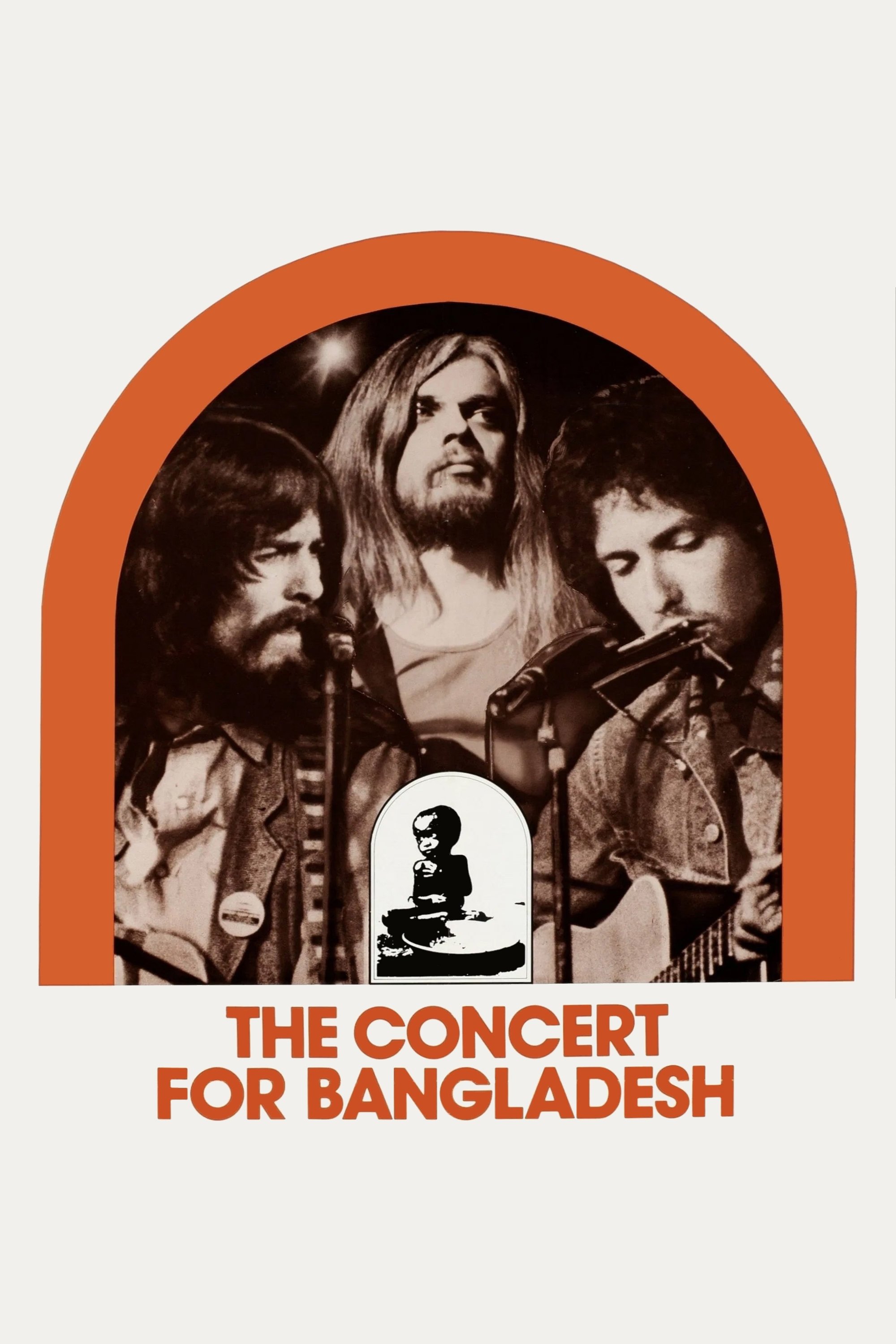
A film about the first benefit rock concert when major musicians performed to raise relief funds for the poor of Bangladesh. The Concert for Bangladesh was a pair of benefit concerts organised by former Beatles guitarist George Harrison and Indian sitar player Ravi Shankar. The shows were held at 2:30 and 8:00 pm on Sunday, 1 August 1971, at Madison Square Garden in New York City, to raise international awareness of, and fund relief for refugees from East Pakistan, following the Bangladesh Liberation War-related genocide.
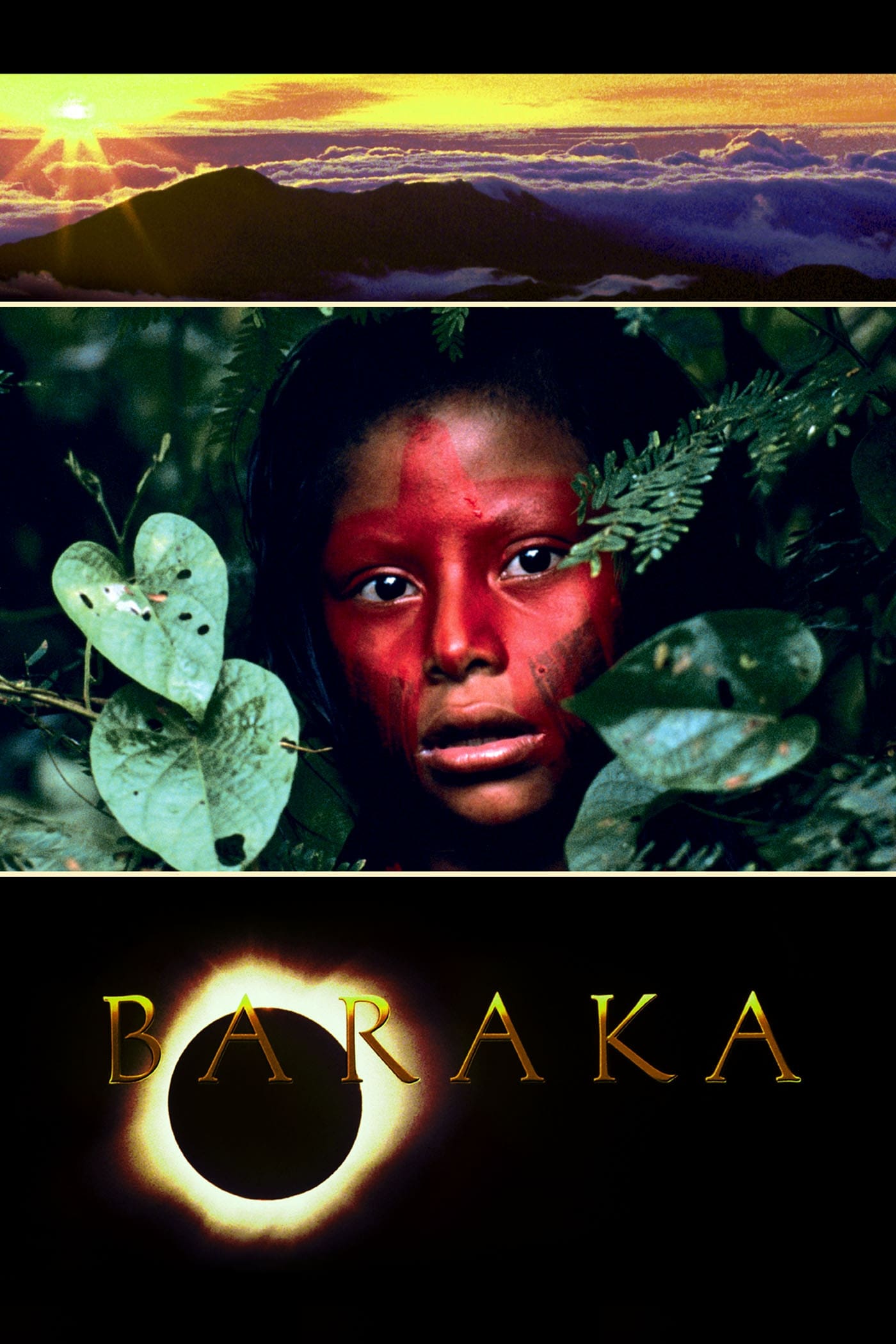
A visual montage portrait of our contemporary world dominated by globalized technology and violence.
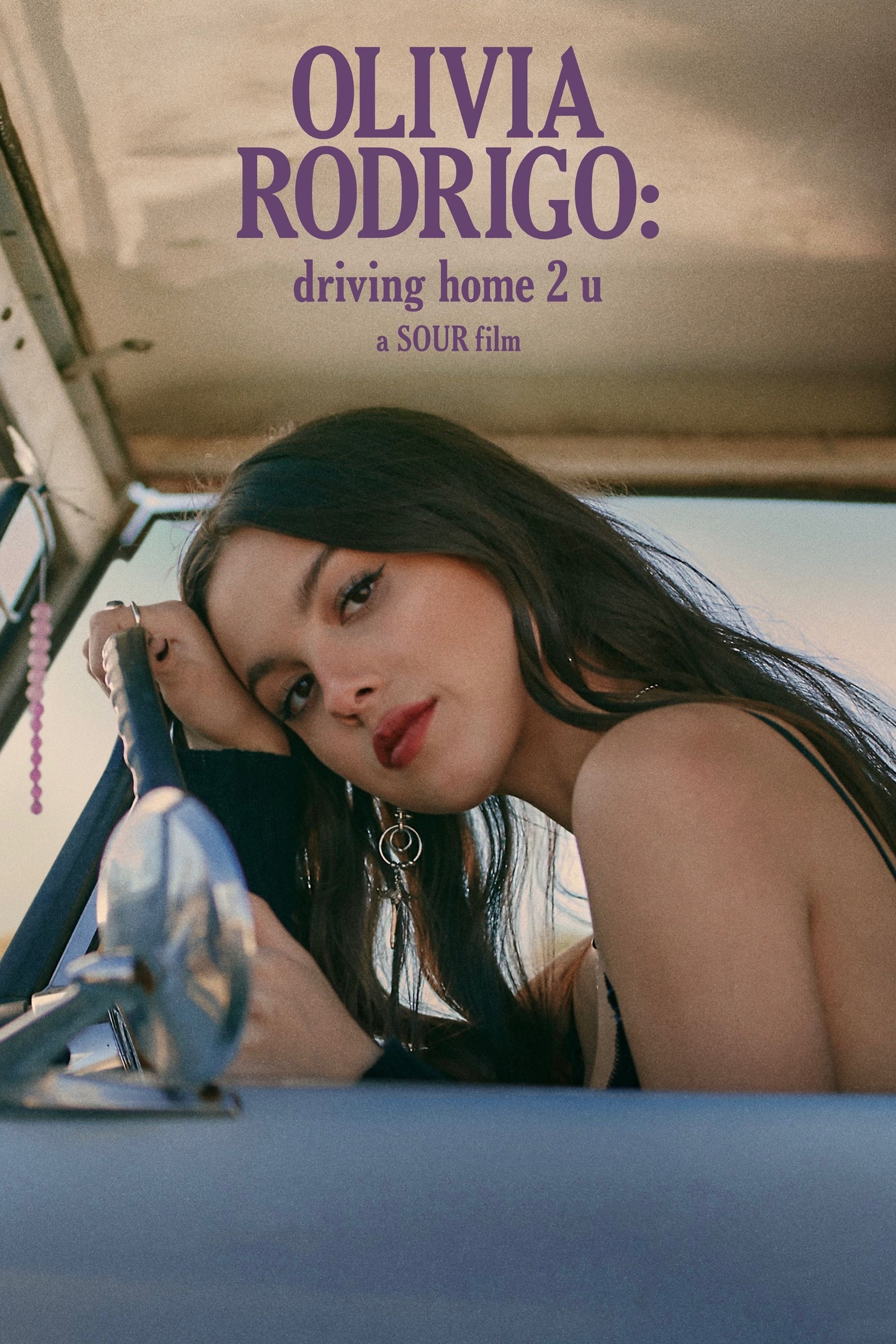
Grammy® winner singer-songwriter Olivia Rodrigo takes a familiar road trip from Salt Lake City, where she began writing her debut album “SOUR,” to Los Angeles. Along the way, Rodrigo recounts the memories of writing and creating her record-breaking debut album and shares her feelings as a young woman navigating a specific time in her life. Through new live arrangements of her songs, intimate interviews and never-before-seen footage from the making of the album, audiences will follow Olivia along on a cinematic journey exploring the story of “SOUR.”
The film follows adventurer Jeff Johnson as he retraces the epic 1968 journey of his heroes Yvon Chouinard and Doug Tompkins to Patagonia.
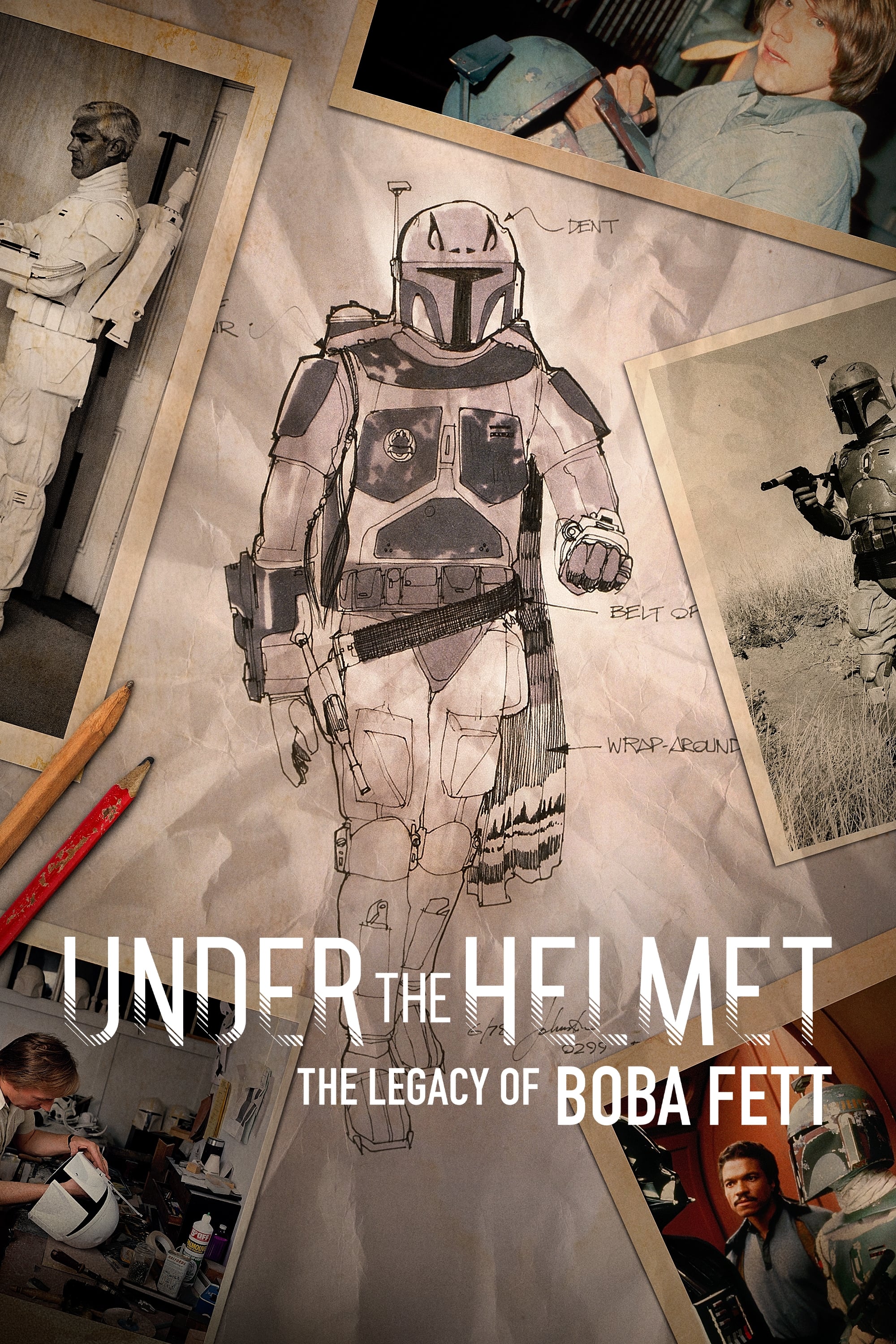
A special celebrating the origins and legacy of Star Wars' legendary bounty hunter, Boba Fett.
A documentary about how a dominant cultural and demographic institution both sustains their traditional activities and adapts to the digital revolution.
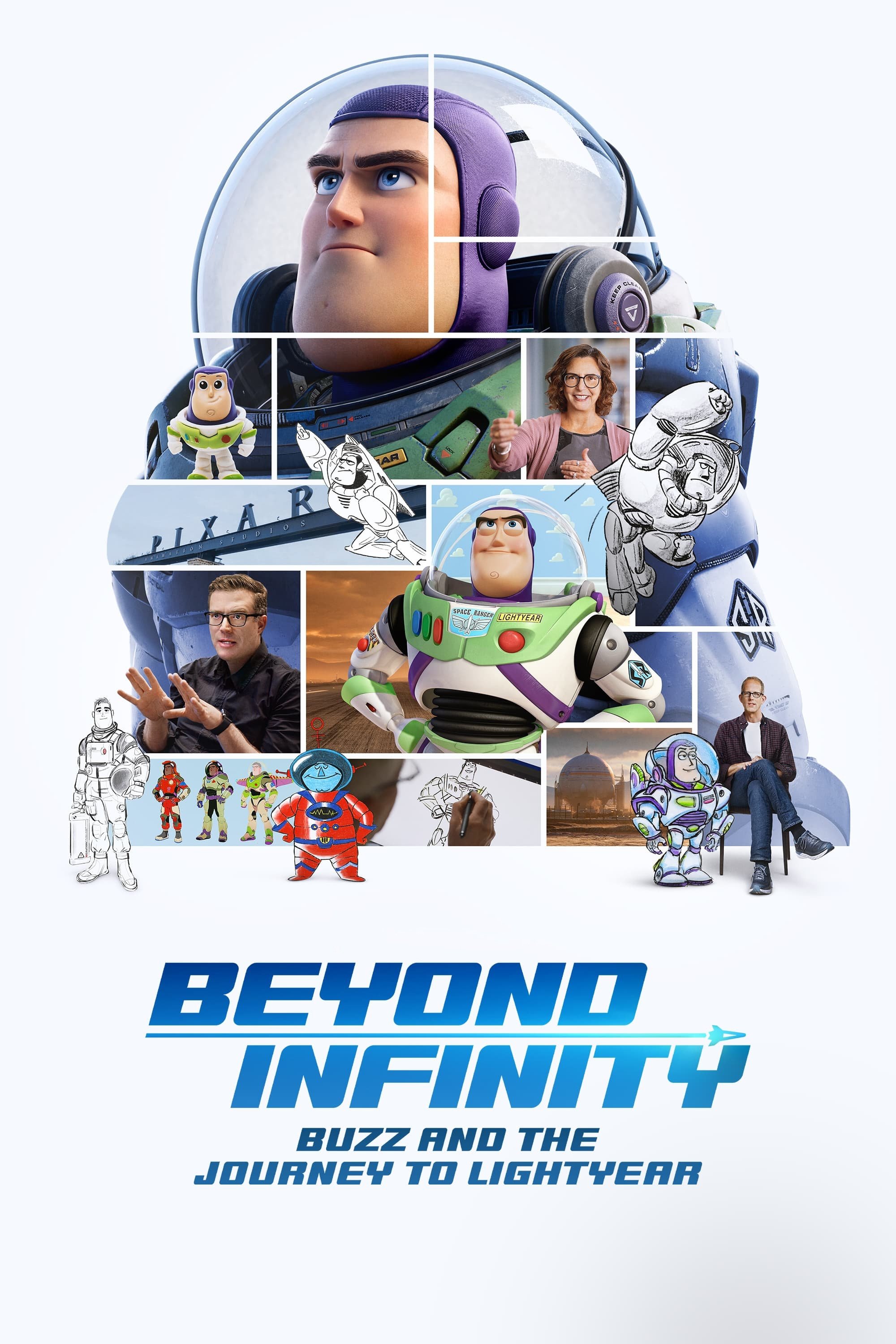
Explore the evolution of Buzz Lightyear from toy to human in the making of Pixar’s Lightyear. Dive into the origin and cultural impact of everyone’s favorite Space Ranger, the art of designing a new “human Buzz,” and the challenges faced by the Lightyear crew along the way.
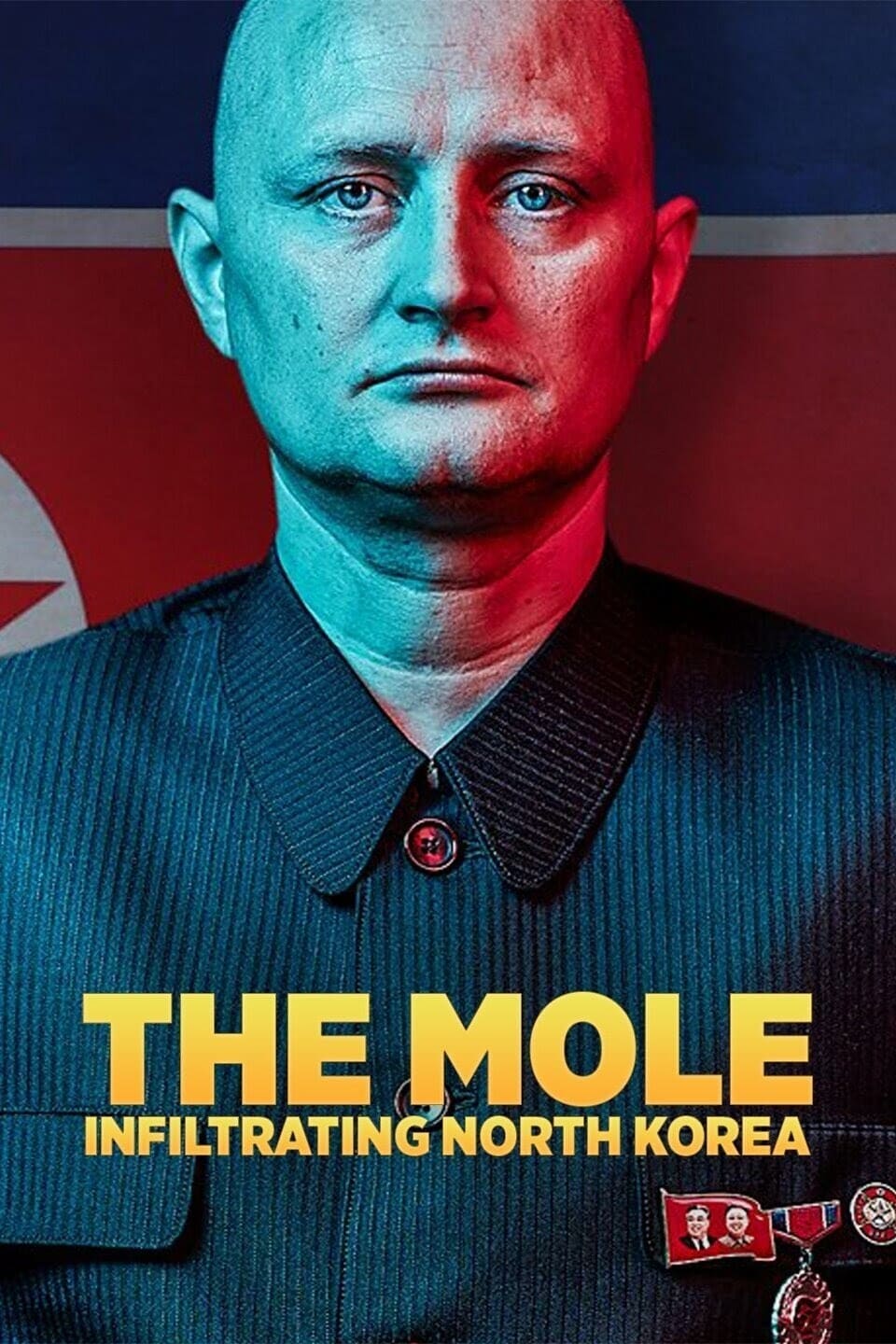
A real-life undercover thriller about two ordinary men who embark on an outrageously dangerous ten-year mission to penetrate the world's most secretive and brutal dictatorship: North Korea.
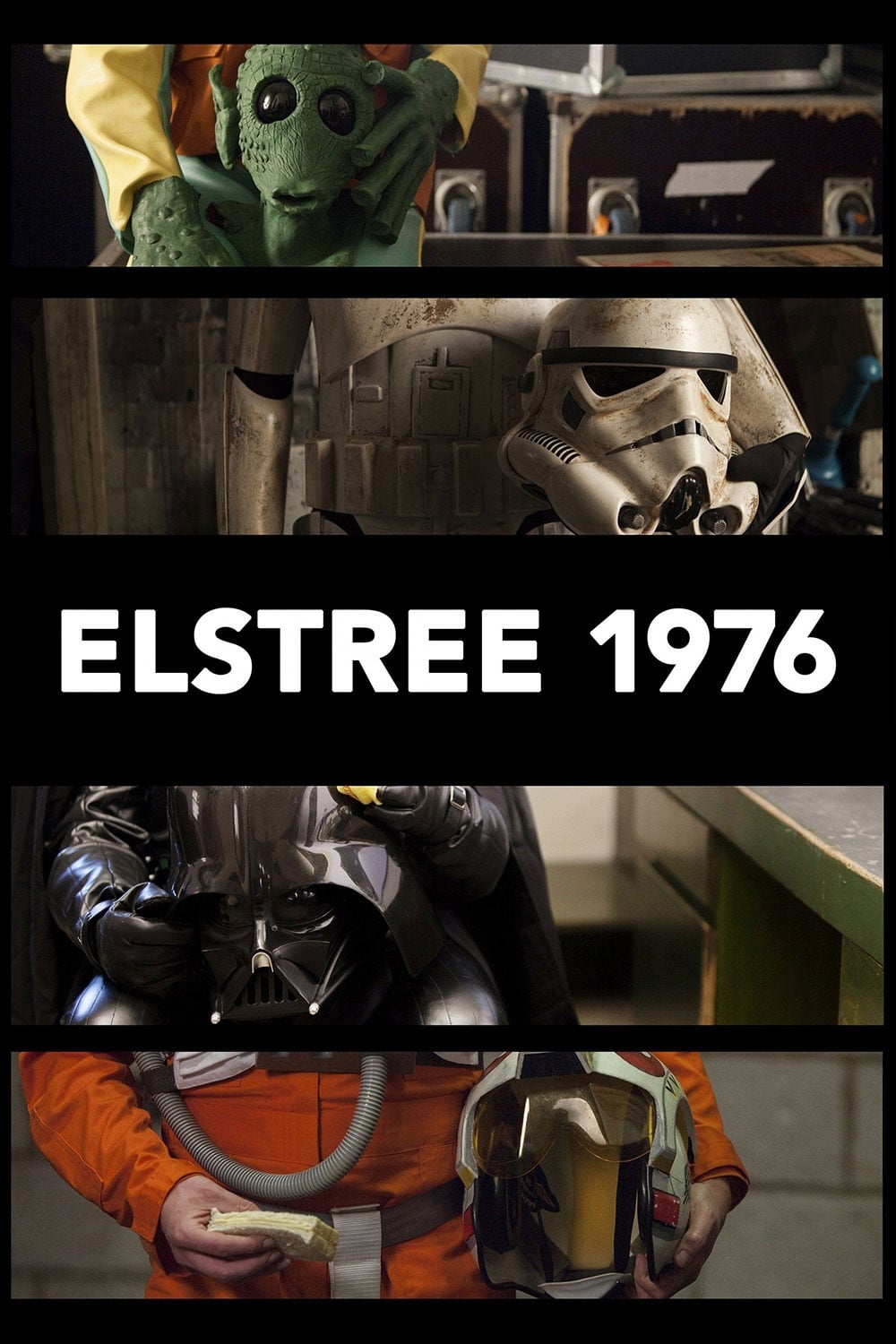
A documentary about ten very different lives connected by having appeared onscreen wearing masks or helmets in Star Wars.
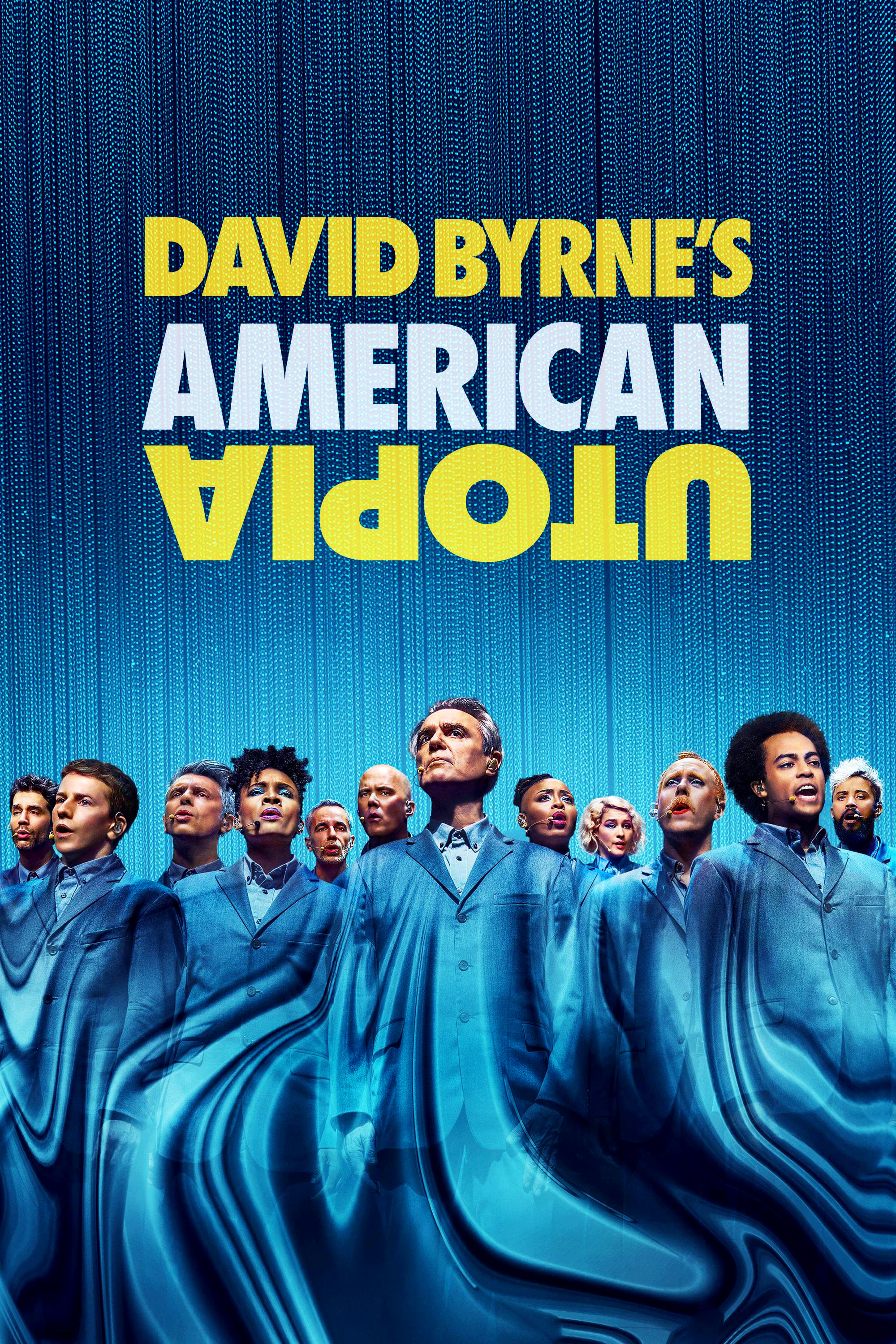
A filmed version of David Byrne's Broadway show, a unifying musical celebration that inspires audiences to connect to each other and to the global community.
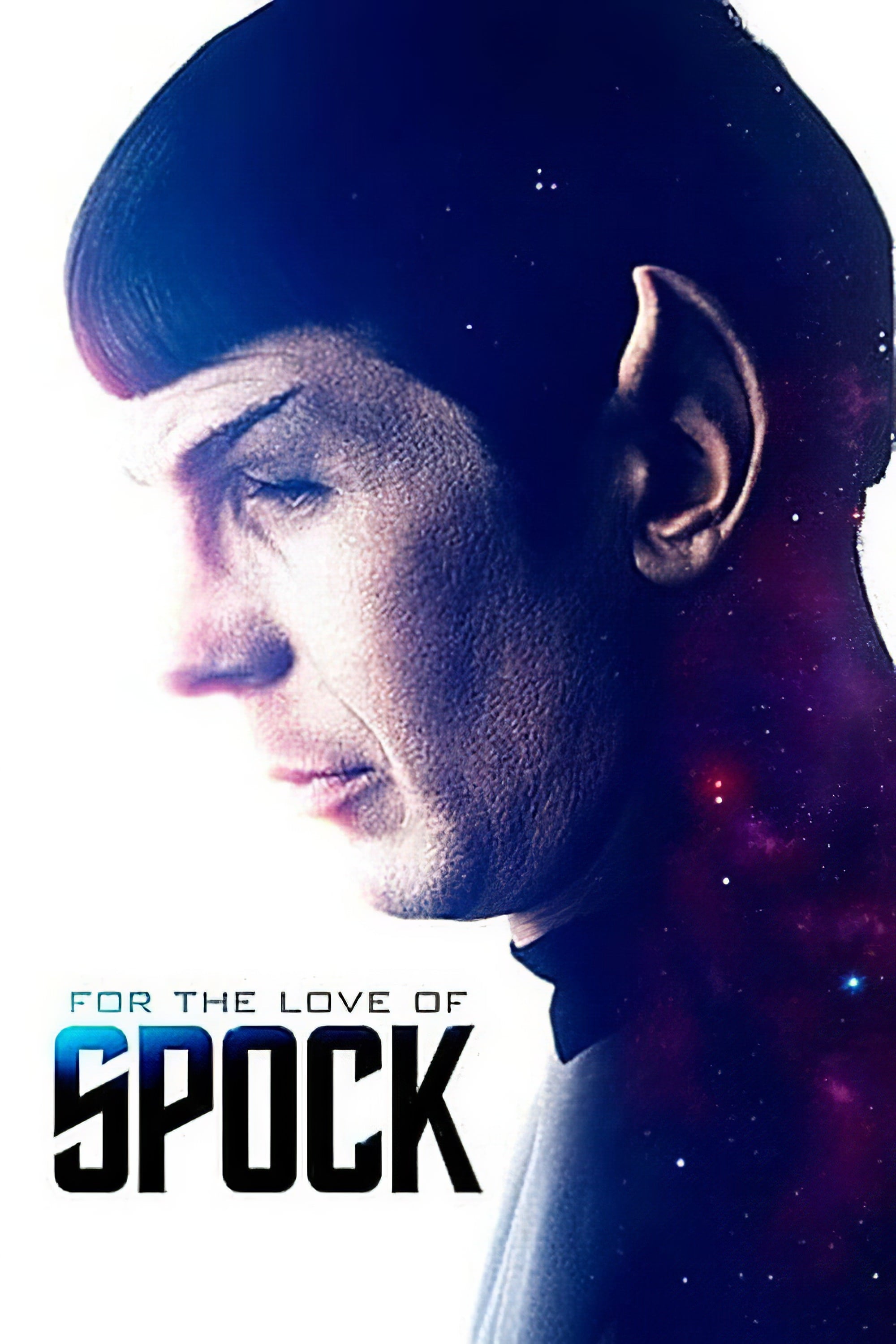
The life of Mr. Spock, as well as that of Leonard Nimoy, the actor who played him for almost fifty years, written and directed by his son: Adam.
A look at the origins, history and conspiracies behind the "Majestic 12", a clandestine group of military and corporate figureheads charged with reverse-engineering extraterrestrial technology.
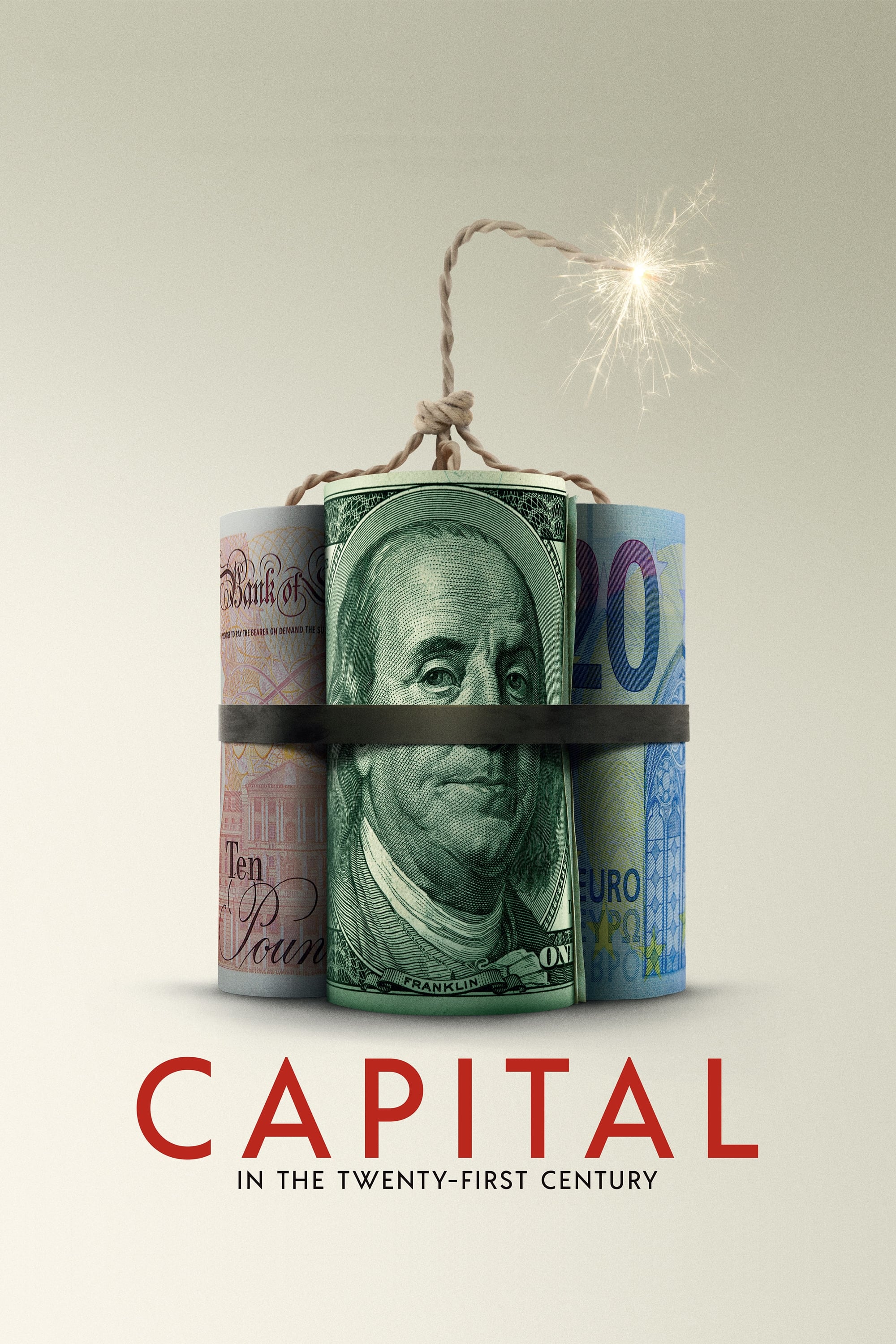
Film adaptation of French economist Thomas Piketty's ground-breaking global bestseller of the same name: an eye-opening journey through wealth and power.
The life and career of an actor, artist, and icon. His own journey through his own camera.
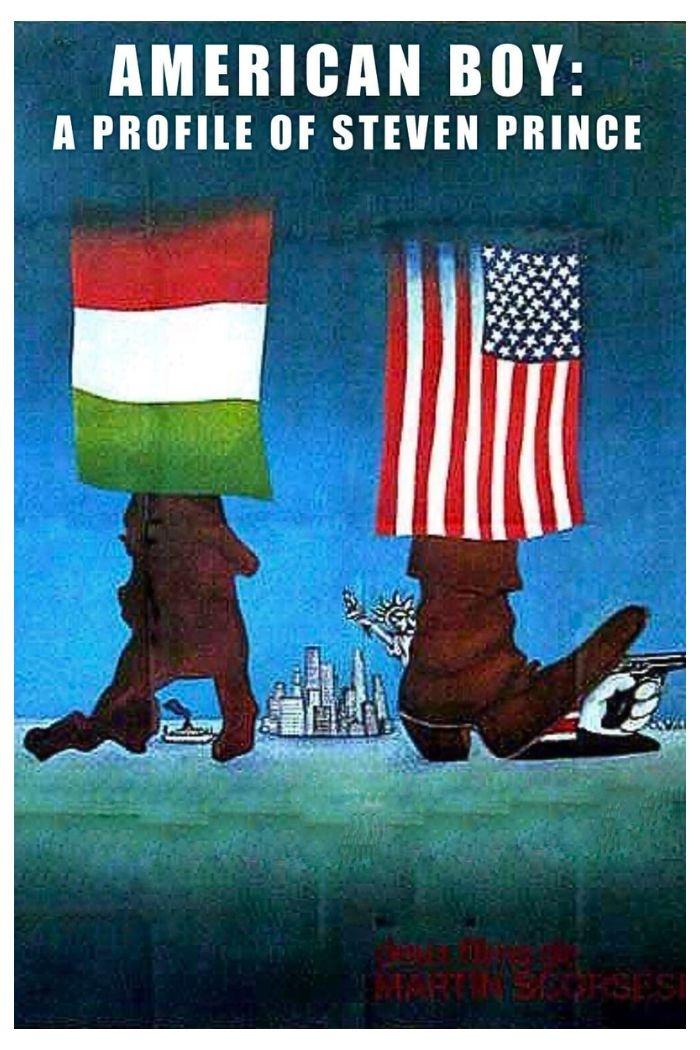
Martin Scorsese spends an evening with larger-than-life raconteur Steven Prince—a former drug addict, road manager for Neil Diamond, and actor—as he recounts stories from his colorful life.
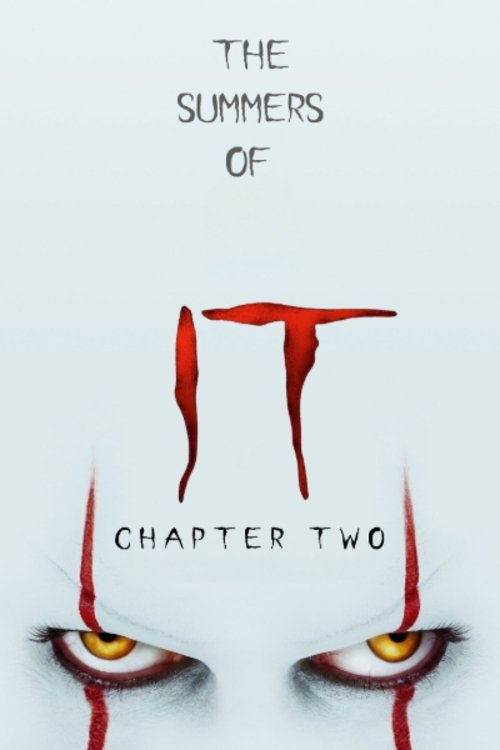
This documentary focuses on the actors and their journey over two summers to create the remake to the original IT, by Stephen King. The documentary originally released as bonus material, bundled with IT: Chapter Two.
A unique cinematic experience that invites audiences on a vibrant journey through the life of cultural icon Pharrell Williams. Told through the lens of LEGO® animation, turn up the volume on your imagination and witness the evolution of one of music's most innovative minds.
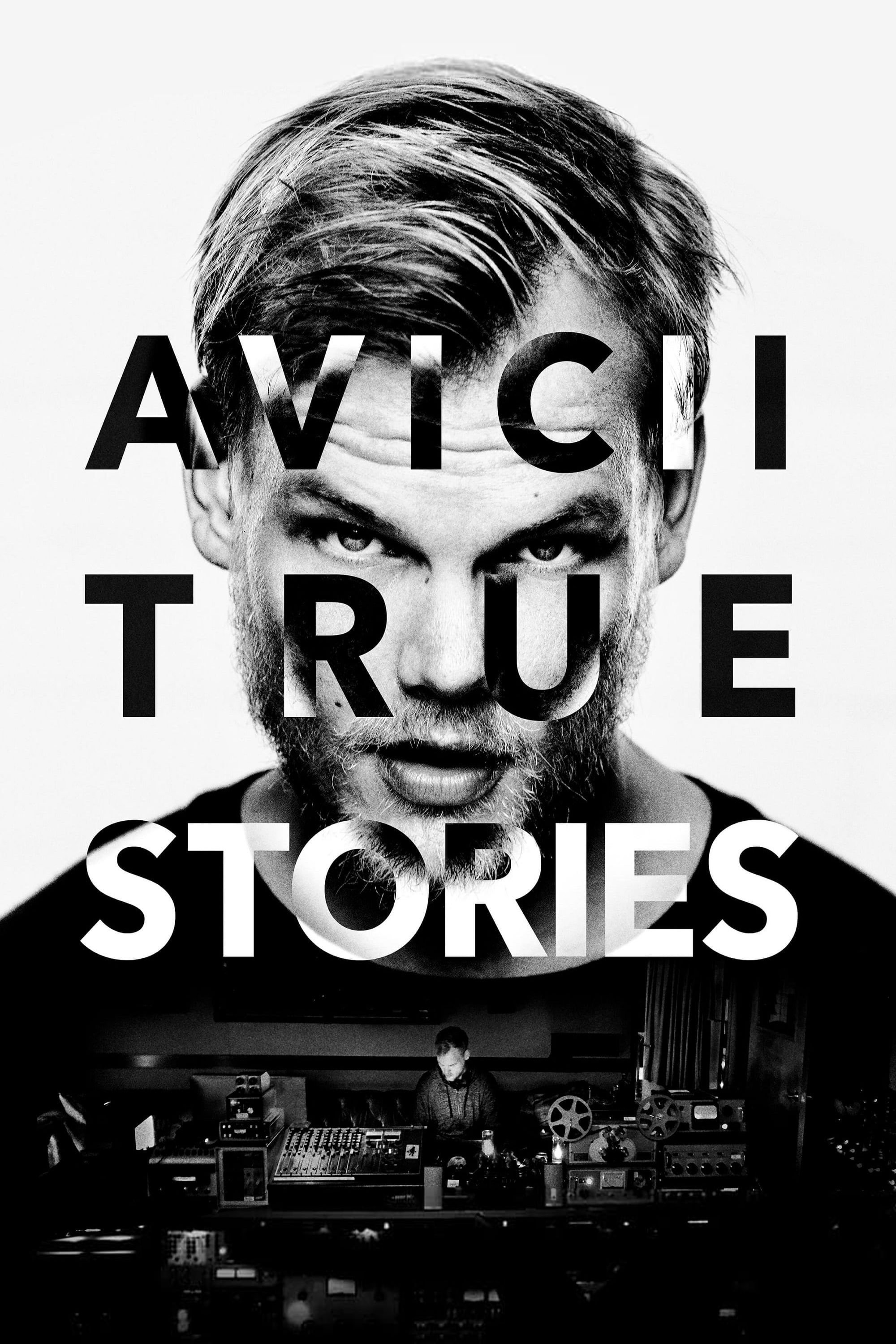
Documentary about the arena-packing Swedish DJ, chronicling his explosive rise to fame and surprising decision to retire from live performances in 2016.
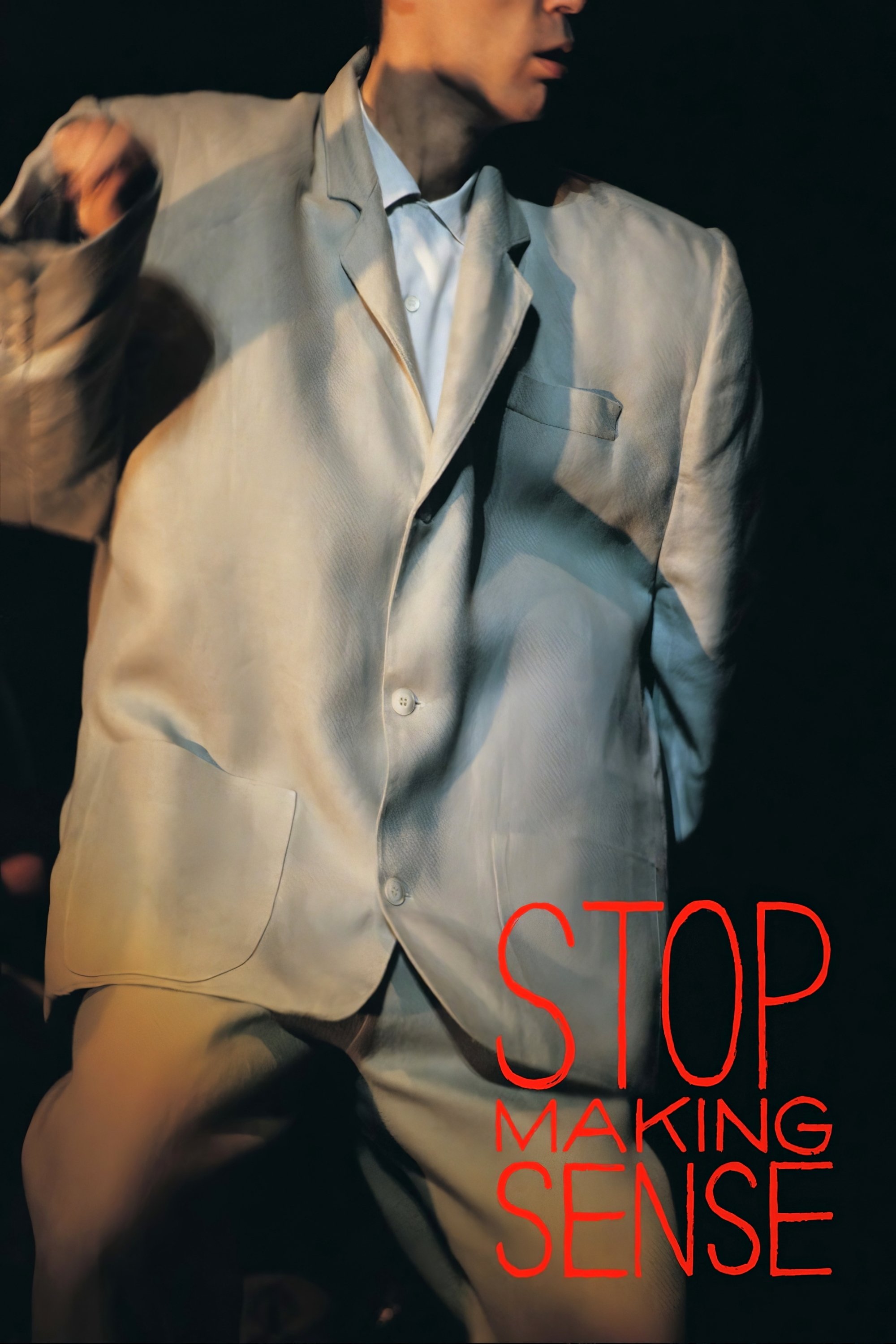
A concert film documenting Talking Heads at the height of their popularity, on tour for their 1983 album "Speaking in Tongues." The band takes the stage one by one and is joined by a cadre of guest musicians for a career-spanning and cinematic performance that features creative choreography and visuals.
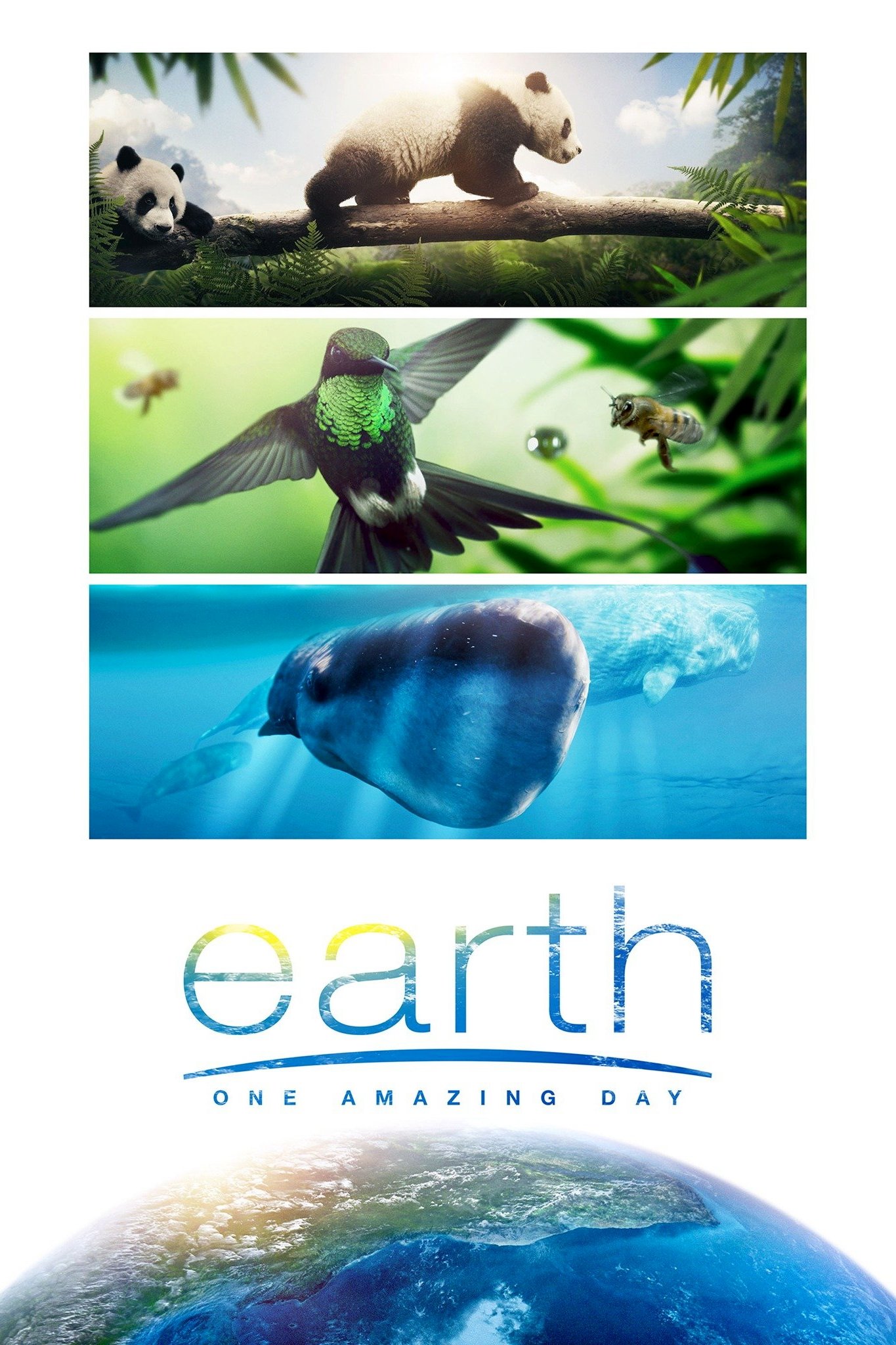
An astonishing journey revealing the awesome power of the natural world. Over the course of one single day, we track the sun from the highest mountains to the remotest islands to exotic jungles.
A paralysingly beautiful documentary with a global vision—an odyssey through landscape and time—that attempts to capture the essence of life.