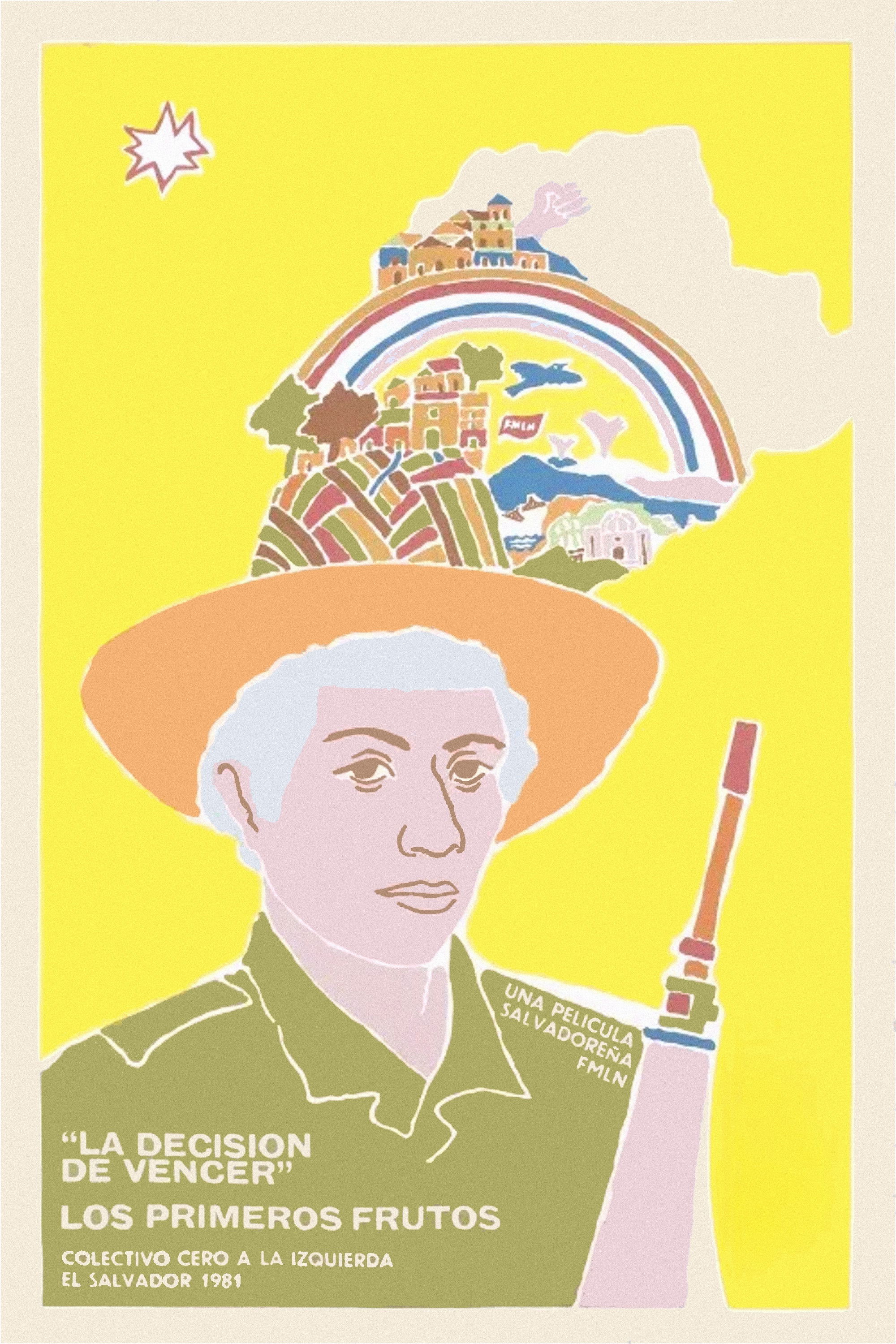
This documentary juxtaposes scenes of El Salvador's opposition factions, including U.S. government advisors and government troops, and guerrillas and their sympathizers.
Social & External
This portait of life on the tea plantations is decidedly rosy – clearly, there are no exploited workers here. However, the film provides an intriguing overview of tea production – from the planting of tea seeds to the final shipping of the precious leaves across the globe.
Ka Hoʻina documents members of Hui Mālama I Nā Kūpuna O Hawaiʻi Nei's final repatriation of over 140 sets of iwi kupuna and provides an intimate look into the legacy forged by these committed and passionate few, ensuring that Hawaiians will mālama or care for kupuna for generations to come.
In the fifties, when the future Democratic Republic of Congo was still a Belgian colony, an entire generation of musicians fused traditional African tunes with Afro-Cuban music to create the electrifying Congolese rumba, a style that conquered the entire continent thanks to an infectious rhythm, captivating guitar sounds and smooth vocals.
Fleeing the 1980 Civil War in El Salvador, Dora Rodriguez, among a group of twenty-five asylum seekers, were abandoned by their guide and left to fend for themselves in the relentless Sonoran desert of Arizona.
An investigation into the unfolding history of nuclear testing, uranium mining, and nuclear waste disposal on indigenous lands in the US. It raises the voices of those who witnessed and experienced the consequences of nuclear colonialism and those who still resist.
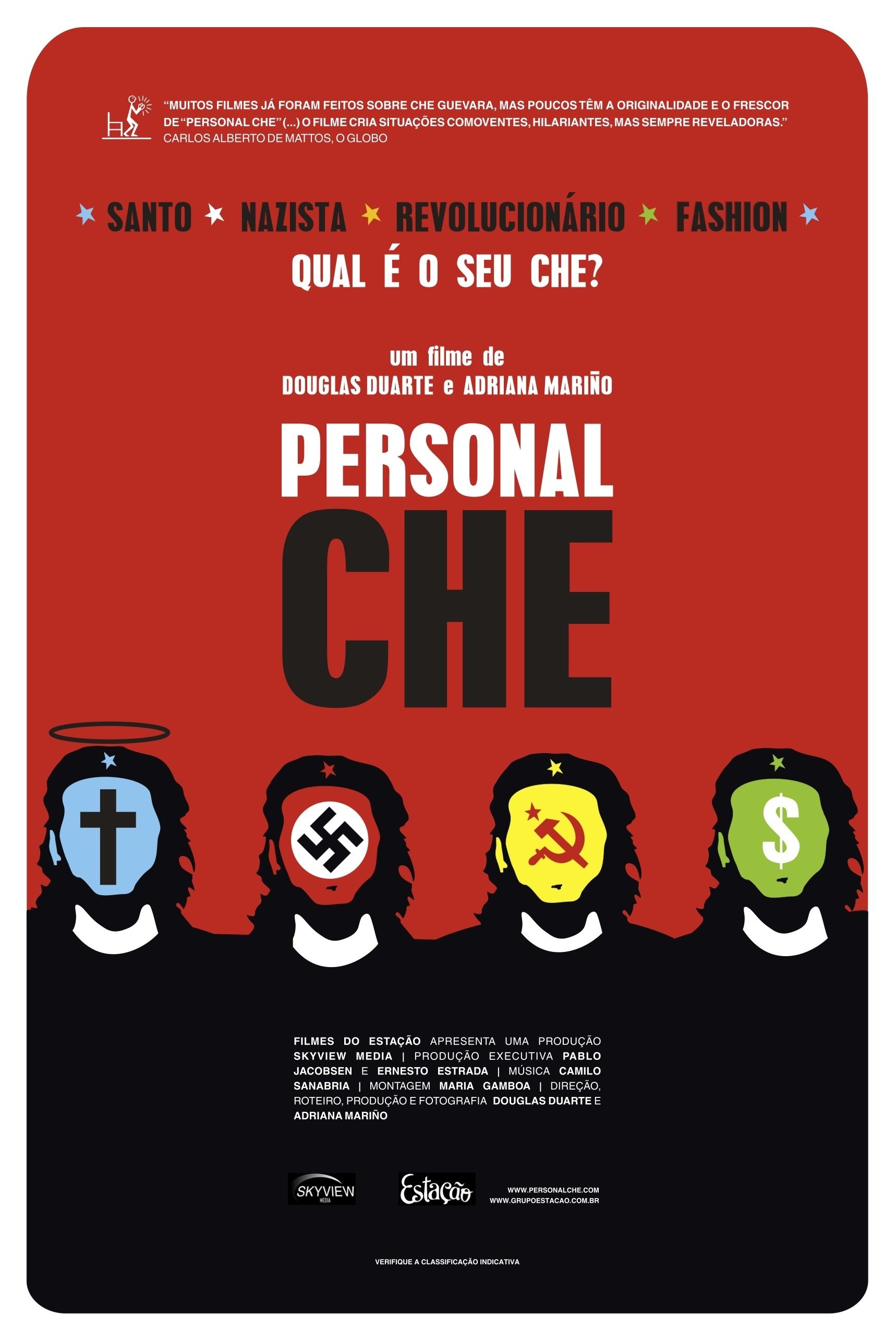
A documentary that explores the myth behind the truth. Different people around the globe reinterpret the legend of Che Guevara at will: from the rebel living in Hong Kong fighting Chinese domination, to the German neonazi preaching revolution and the Castro-hating Cuban. Their testimonies prove that the Argentinian revolutionary's historical impact reverberates still. But like with all legends, each sees what he will, in often contradictory perspectives.

Returning to the island that her father left 50 years earlier, the filmmaker goes back in time to retrace the history of her name.
It is El Salvador, 1989, three years before the end of a brutal civil war that took 75,000 lives. Maria Serrano, wife, mother, and guerrilla leader is on the front lines of the battle for her people and her country. With unprecedented access to FMLN guerrilla camps, the filmmakers dramatically chronicle Maria's daily life in the war.
Carrie Davis was part of the child removal system near the end of the Sixties Scoop. With guidance from her uncle Emmett Sack and the community, Carrie reconnects to their land, language, and culture.

Hacking at Leaves documents artist and hazmat-suit aficionado Johannes Grenzfurthner as he attempts to come to terms with the United States' colonial past, Navajo tribal history, and the hacker movement. The story hones in on a small tinker space in Durango, Colorado, that made significant contributions to worldwide COVID relief efforts. But things go awry when Uncle Sam interferes with the film's production.

Demonstrations, confrontations, parties and divisions marked one of the most important university campaigns of the decade: the 1968 student elections.
The ocean contains the history of all humanity. The sea holds all the voices of the earth and those that come from outer space. Water receives impetus from the stars and transmits it to living creatures. Water, the longest border in Chile, also holds the secret of two mysterious buttons which were found on its ocean floor. Chile, with its 2,670 miles of coastline and the largest archipelago in the world, presents a supernatural landscape. In it are volcanoes, mountains and glaciers. In it are the voices of the Patagonian Indigenous people, the first English sailors and also those of its political prisoners. Some say that water has memory. This film shows that it also has a voice.
Learn about the trajectory of student leader Marcos Medeiros and learn more about his exile in France and Cuba. In 1968, he joined the counterculture when political activism became an audiovisual expression of intervention in social reality.
Reflects a depressing and hopeless reality by following some of the members of "la dieciocho", the so-called 18th Street gang in a poor San Salvador neighborhood.
A Maasai human rights lawyer fights to stop the evictions of his people from their homelands in Tanzania. On the outskirts of Serengeti National Park in East Africa, Maasai face eviction from their land to make way for international tourism and hunting grounds. Human rights lawyer Joseph Oleshangay campaigns for his community to remain on its homeland as it has done for generations. While he represents Maasai communities in court, Joseph also remains close to his traditions among the cattle at his rural home near the Ngorongoro Crater. Risking his life to gather evidence from recently depopulated villages, Joseph battles in court where he leads the fight to resist the evictions.
Commissioned by the journal Présence Africaine, this short documentary examines how African art is devalued and alienated through colonial and museum contexts. Beginning with the question of why African works are confined to ethnographic displays while Greek or Egyptian art is celebrated, the film became a landmark of anti-colonial cinema and was banned in France for eight years.