Social & External
The people behind it
Stanislav Bártl
Self
Josef Elster
Petr Mixa
Pavel Prošek
Josef Řehák
Josef Řehák jun.
Josef Sekyra
Josef Svoboda
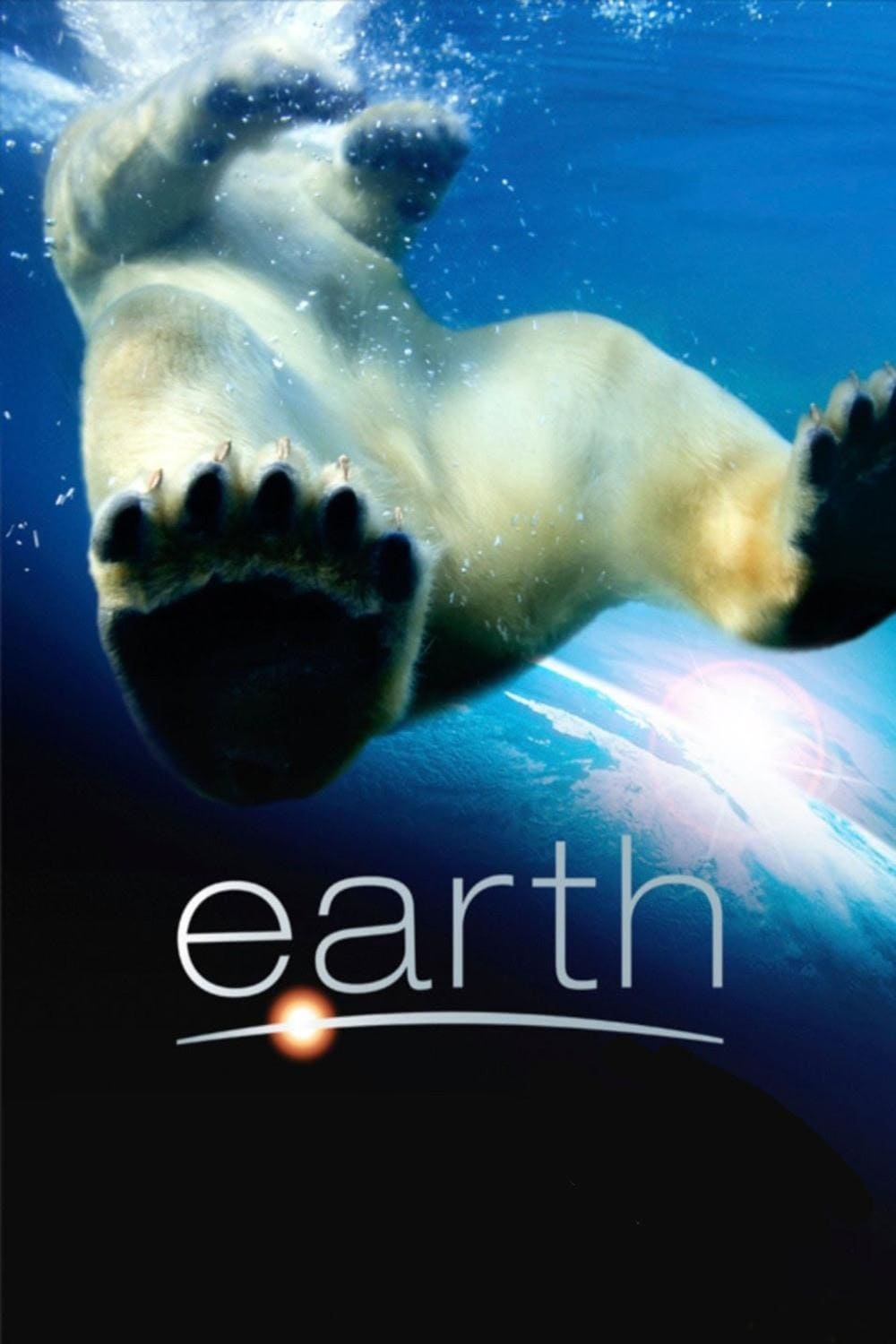
An epic story of adventure, starring some of the most magnificent and courageous creatures alive, awaits you in EARTH. Disneynature brings you a remarkable story of three animal families on a journey across our planet – polar bears, elephants and humpback whales.
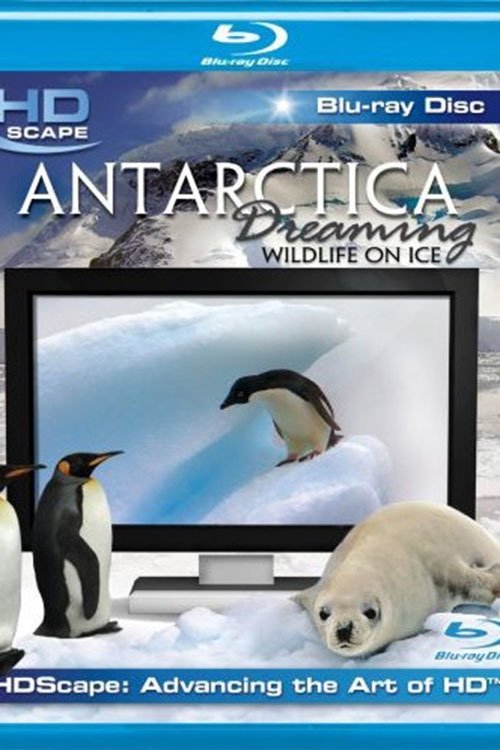
Imagine a world coloured by ice and fire, carved by hurricane force winds, weighted by glaciers, carpeted by wildlife perfectly adapted to freezing conditions and winters of perpetual darkness: a world essentially inhospitable to man, still largely unexplored. It is the White Continent... Antarctica. Featuring the Antarctica Peninsula, South Georgia and the Falkland Islands, Antarctica Dreaming documents all major Antarctic and sub-Antarctic animals. Their lifecycles captured over an entire season of varying climate conditions, from wild white blizzards to fire red sunsets reflected in a glassy sea.
A vast white wilderness that stretches across the south of our planet; a giant natural laboratory that has long occupied the human psyche. Antarctica is a continent of remote natural wonder. For brief moments each year this hauntingly beautiful landscape opens up, beckoning scientists and explorers from around the world to investigate its frozen secrets. 'Journey into the White Desert' takes us on a mesmerizing visual adventure into this mysterious continent, introducing us to a team of South African scientists, researchers and explorers who have braved the inhospitable continent in the quest to learn its secrets. The film explores South Africa's role in the greatest wilderness on earth and showcases some of the groundbreaking research that could make the difference to our survival on this planet.
Documents part 1 of the Jan./Feb. 2002 light DXpedition to Antarctic's South Sandwich Islands on the vessel, Braveheart, where the VP8THU team activate one of amateur radio's remote areas.
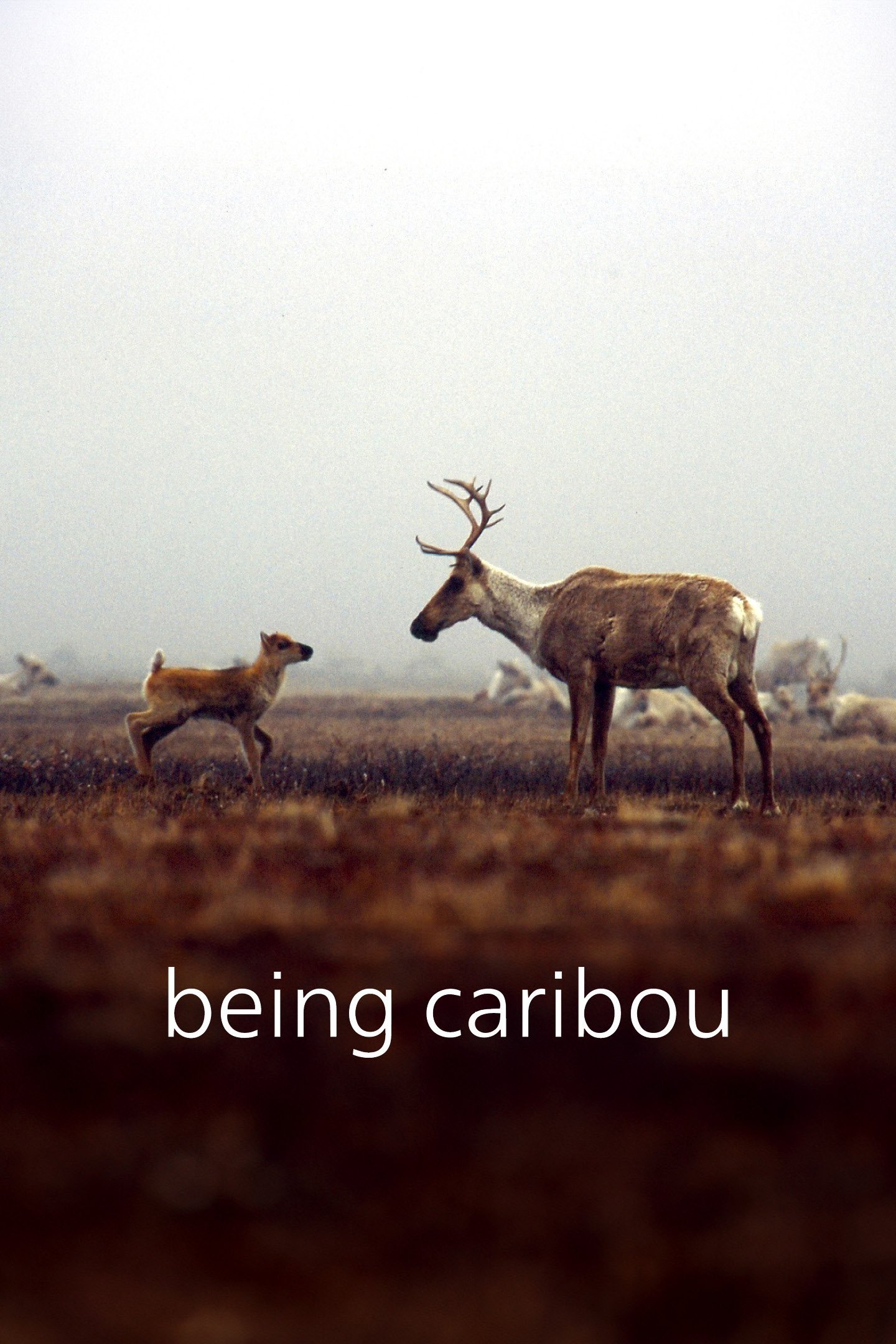
Wildlife biologist Karsten Heuer and his wife, environmentalist Leanne Allison follow a herd of 120,000 caribou on foot across 1500 km of Arctic tundra, hoping to raise awareness of the threats to the caribou's survival. Along this journey, they brave torrid conditions, dangerous wildlife and treacherous terrain all in the hopes of learning the truth about this epic migration.
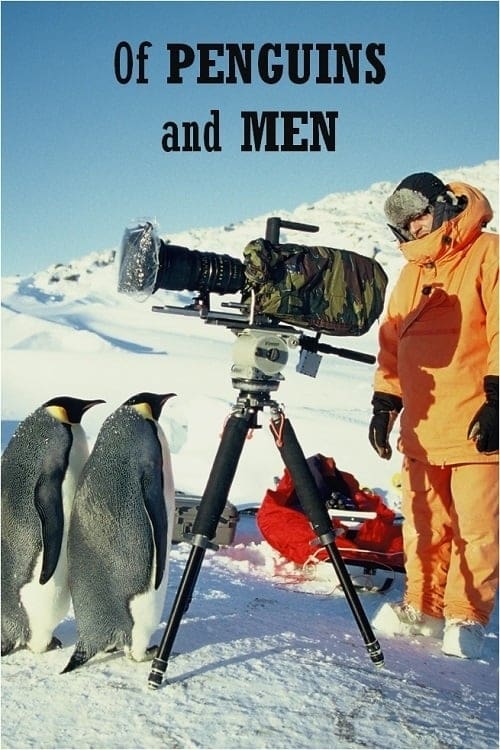
A behind-the-scenes look at the making of "March of the Penguins".
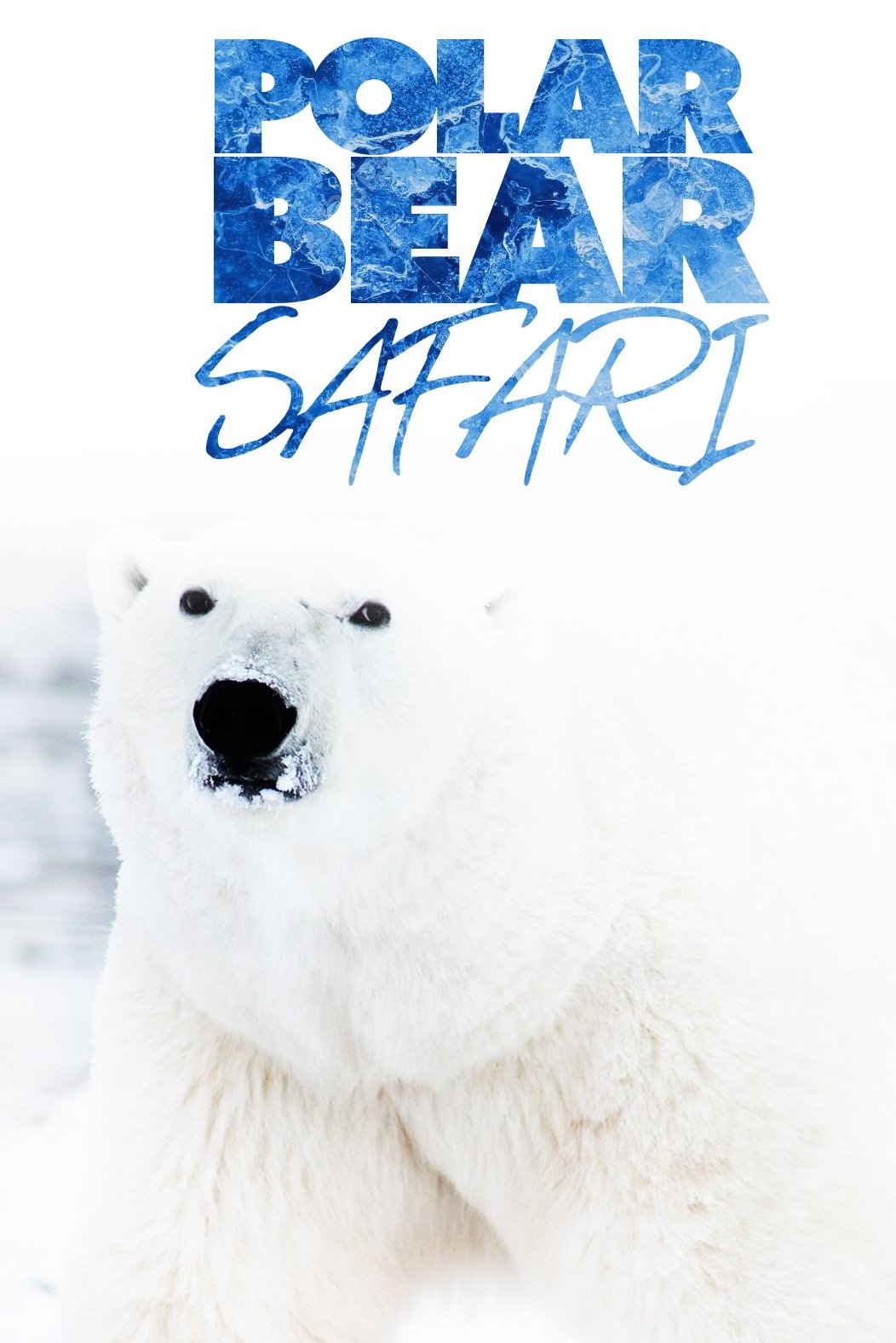
Polar Bear Safari follows Randy, a wealthy trophy hunter on a 15-day hunting expedition in search of a polar bear and discusses the reliance of the Inuit on guiding these hunting trips to keep the community living in Resolute Bay in the Canadian Arctic where unemployment is high. The local Inuits selling their bear hunting licenses to wealthy hunters to help combat their financial woes.
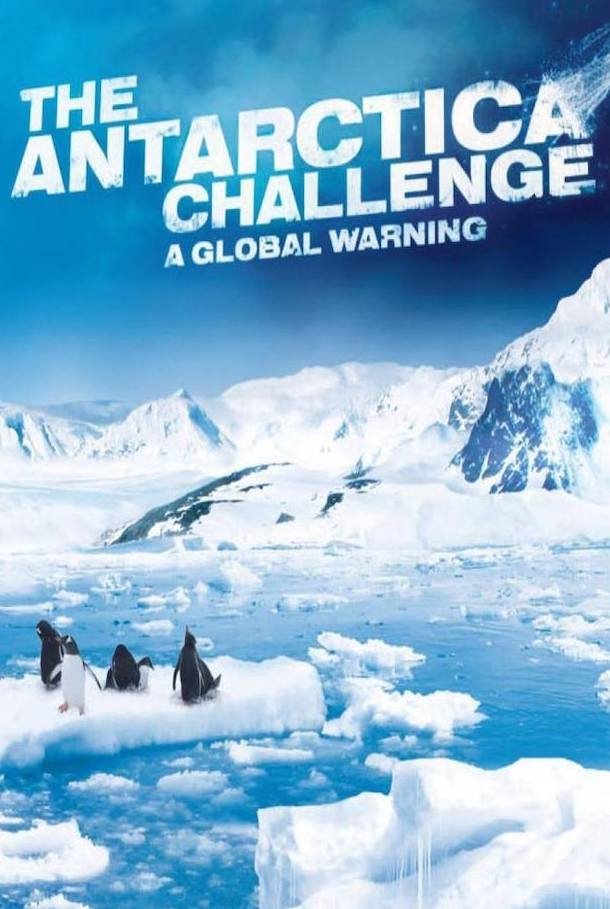
An up-to-date look at the climate change research currently being done by the scientists stationed in Antarctica.
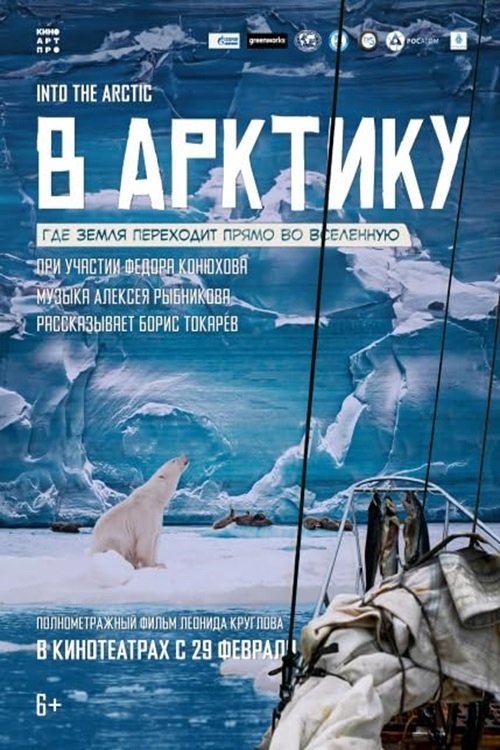
The documentary film “To the Arctic,” filmed by director and ethnographer Leonid Kruglov, is dedicated to the discoveries and research of the largest icy desert in the world. For the first time, the film captures all the most remote and inaccessible Arctic archipelagos of the Russian high-latitude Arctic, which are scattered over an area of more than 10,000 km. Among them are Franz Josef Land, Novaya Zemlya, Severnaya Zemlya, Ushakov Island and the New Siberian Islands archipelago, Wrangel Island and the De Long archipelago, as well as many other hidden corners of the North.
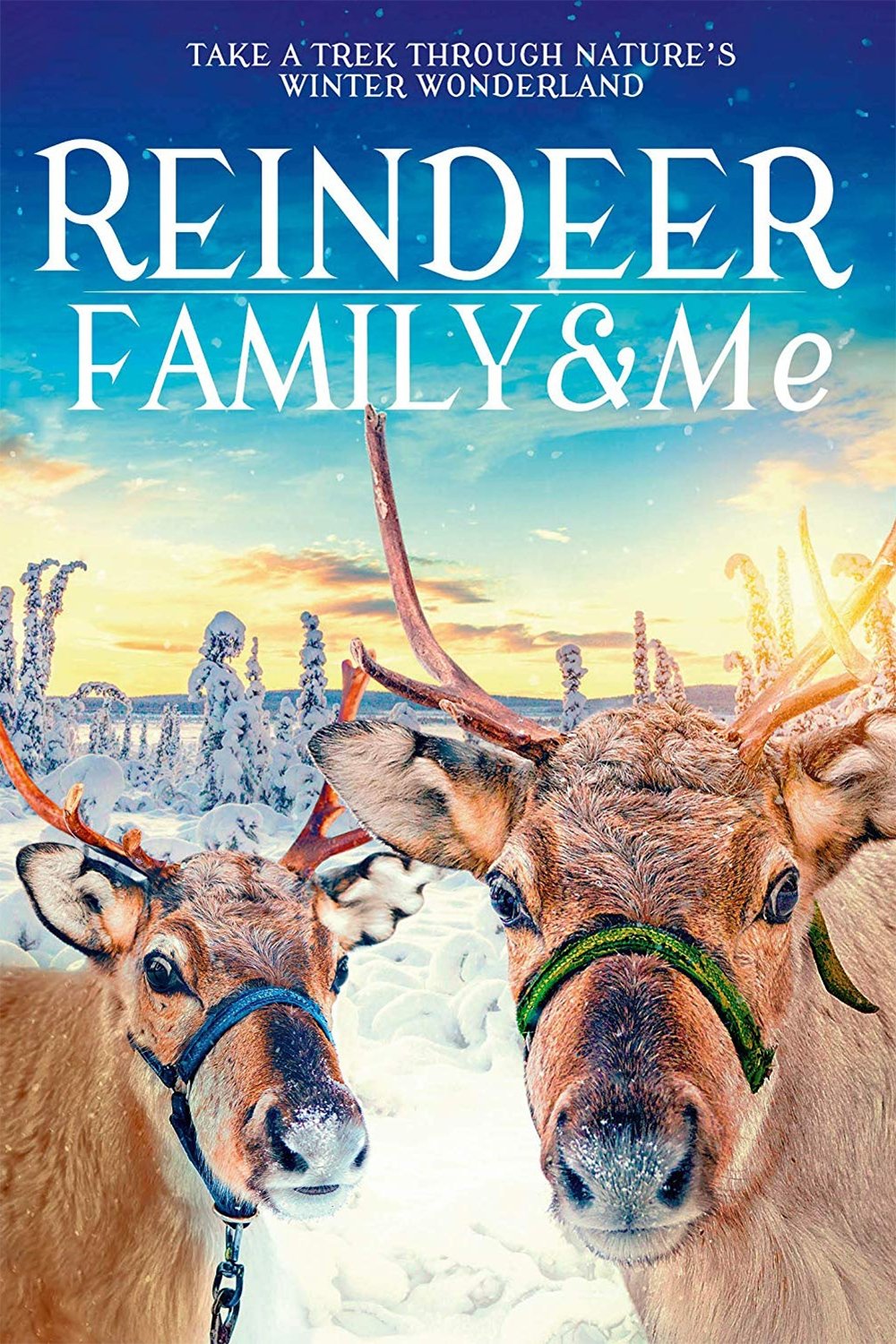
Wildlife cameraman Gordon Buchanan travels to the frozen north, deep inside the Arctic Circle, to meet the ancient Sami people and the animals they hold so close - reindeer.
The wildlife of the tundra on Alaska's north coast is particularly threatened by climate change.
This film shows the splendor, enormous scope and indescribable beauty of this untouched land far to the north of Alaska, one of the last havens for caribou herds and polar bears. Shot over a period of four years, this film offers a unique insight in the lives of the most charismatic arctic animals.
The bleakness of Antarctica is a fallacy. The ice continent is full of life and offers a biodiversity of which only about two percent are known. Much of it is under water and could determine the future of human beings. When the northern lights cover the ice landscape in summer, the animals in the Antarctic are in a paradisiacal state. Whales blow their fountains in the sky, penguins fly like small rockets into the water, seals dive for crabs under the glittering ice floes. From the bay of the Ross Sea to the ice shelf, from the huge penguin colonies to steaming volcanoes, a life in rhythm with the ice. But the consequences of climate change are slowly becoming apparent here too. While some species are dying, others are spreading. They could bring new viruses and bacteria with them, and new dangers for humans too. The structure of nature has gotten off course. How many generations will still be able to experience the magic of Antarctica?
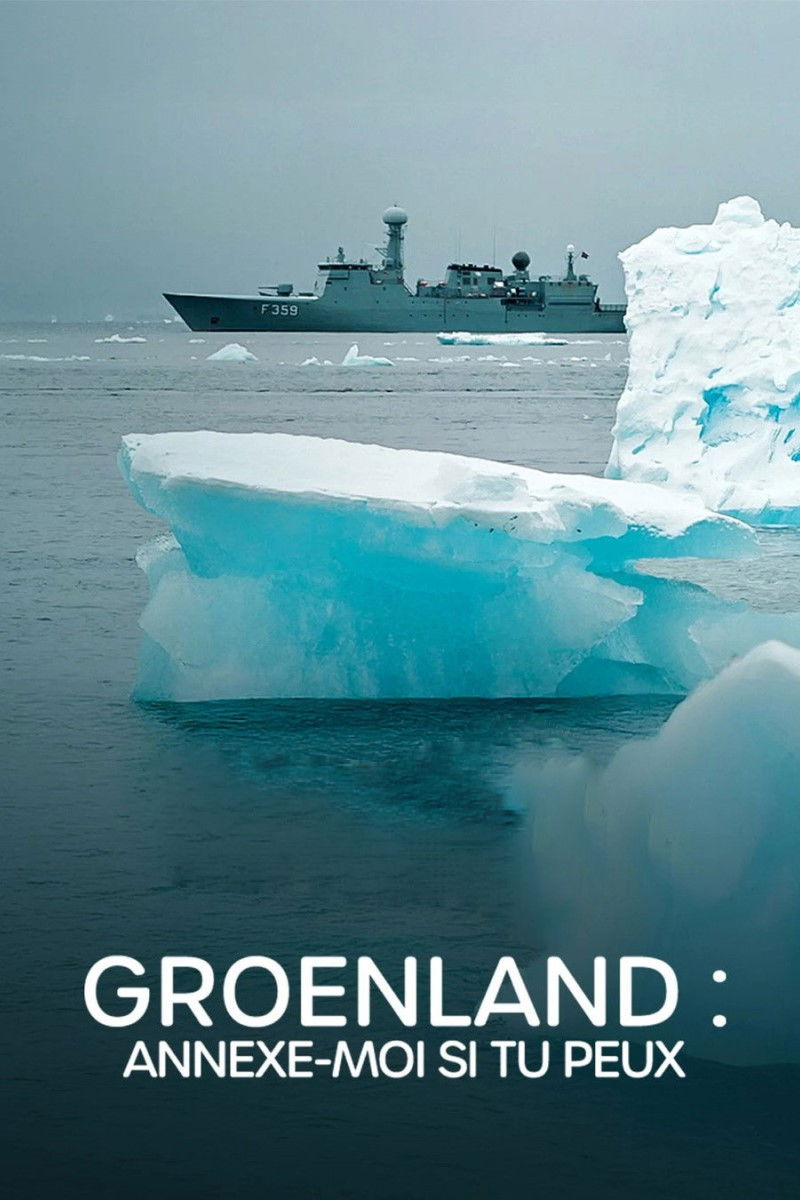
Greenland, a semi-autonomous territory of Denmark, is currently at the center of international covetousness and tensions. In his rivalry with China for technological supremacy, Donald Trump has made the acquisition of this Arctic territory a priority in order to secure American control over rare earth elements, of which Greenland is believed to hold one of the world's largest reserves.
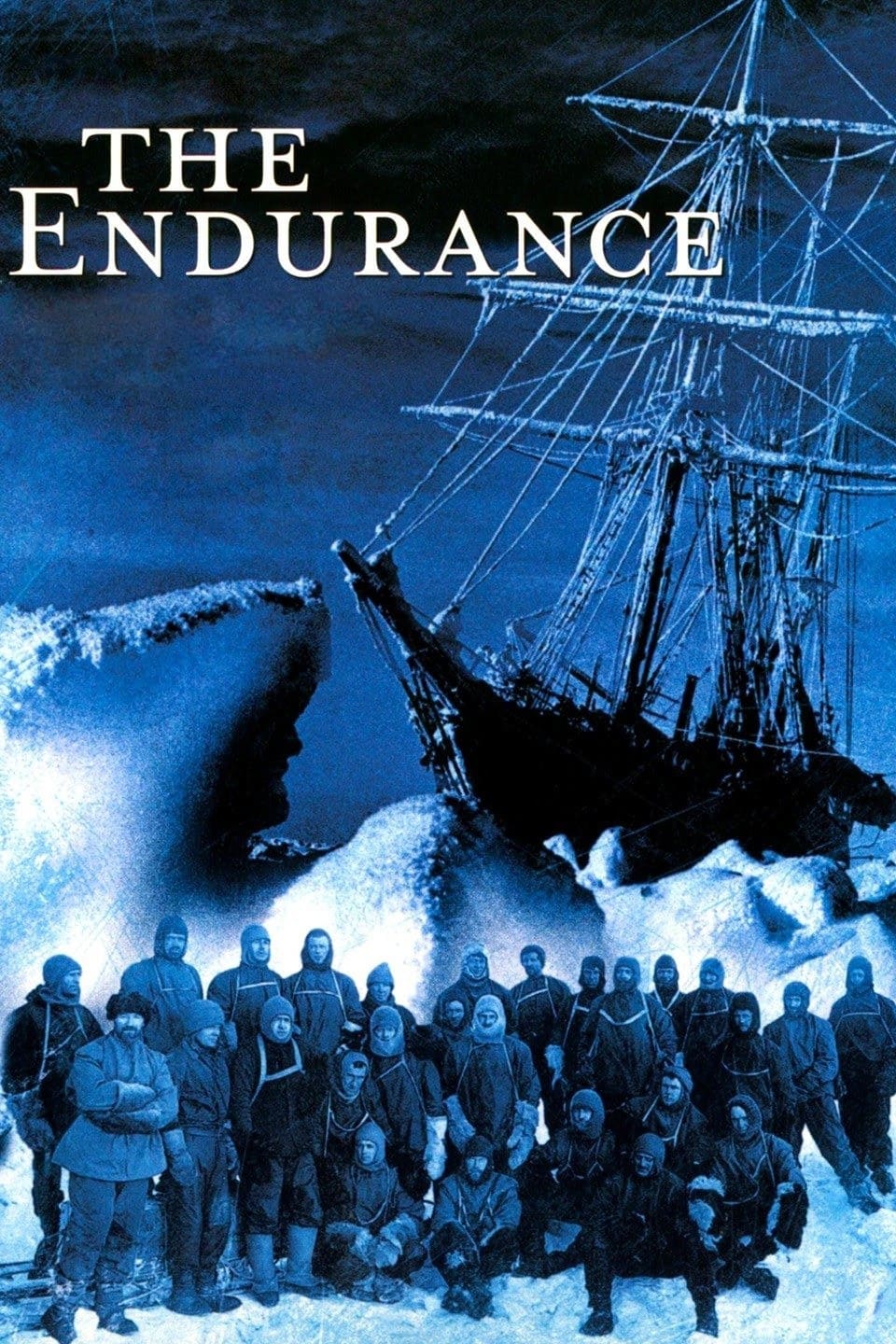
Documentary on the Shackleton Antartic expedition. A retelling of Sir Ernest Shackleton's ill-fated expedition to Antarctica in and the crew of his vessel 'The Endurance', which was trapped in the ice floes and frigid open ocean of the Antarctic in 1914. Shackleton decided, with many of his crew injured and weak from exposure and starvation, to take a team of his fittest men and attempt to find help. Setting out in appalling conditions with hopelessly inadequate equipment, they endured all weather and terrain and finally reached safety. Persuading a local team of his confidence that the abandoned team would still be alive, he set out again to find them. After almost 2 years trapped on the ice, all members of the crew were finally rescued.
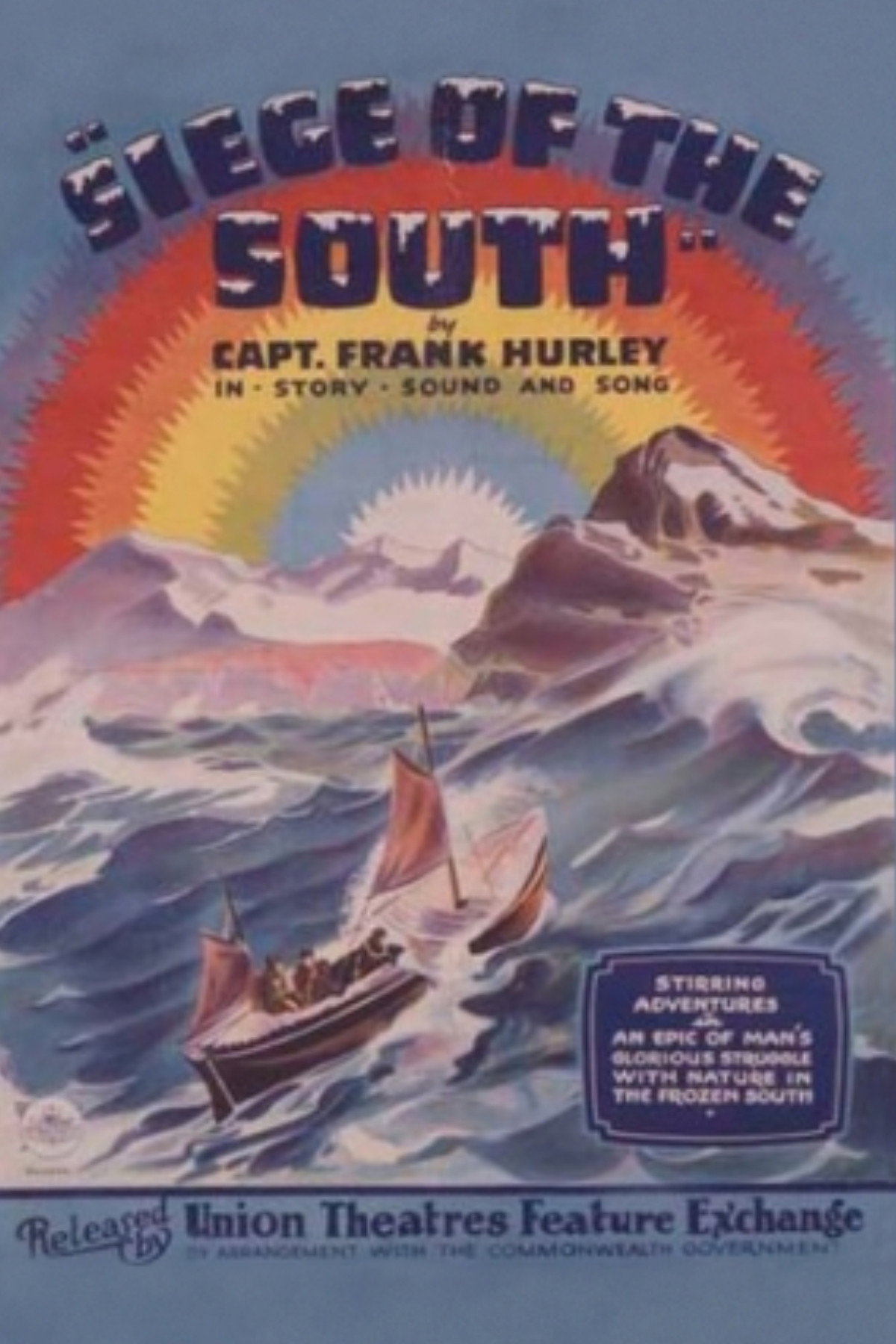
Siege of the South is a 1931 Australian documentary film by Frank Hurley. It featured Douglas Mawson. It was based on footage taken on the BANZ Expedition to Antarctica in 1930–31. The film debuted in Brisbane in 1931.
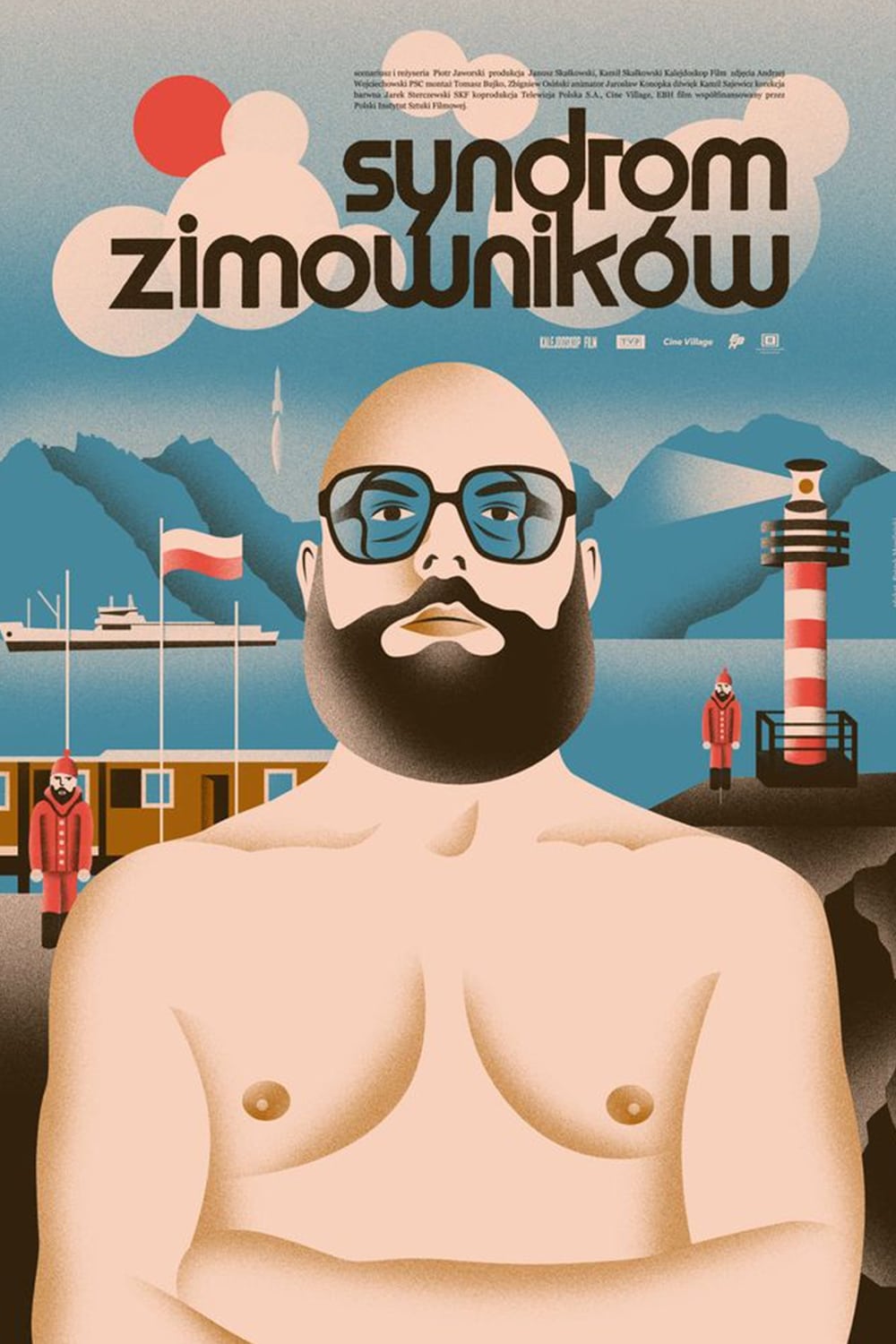
Does doctor Jan Terelak belong to an “elitist” group of the most unethical experimenters? The Polish scientist tested boundaries of human mental resilience in extreme conditions of solitude in Antarctica. The starting point for Piotr Jaworski's documentary is the psychologist's journal. The project from forty years ago was focused on studying the mental condition of polar explorers at the Polish station. Men were in the situation of confinement, comparable to a space mission. The film reconstructs these events, referring to the then contemporary context and changes in the perception of science.
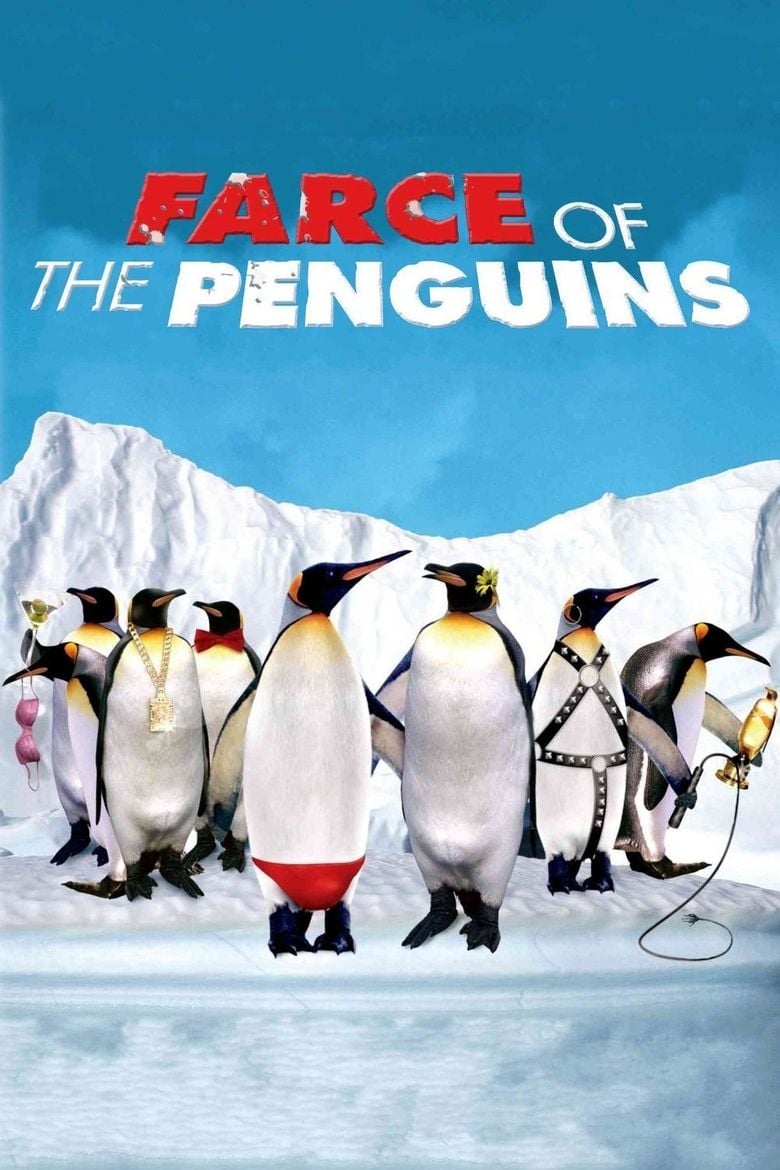
In this spoof of "March of the Penguins," nature footage of penguins near the South Pole gets a soundtrack of human voices. Carl and Jimmy, best friends, walk 70 miles to the mating grounds where the female penguins wait. The huddled masses of females - especially Melissa and Vicki - talk about males, mating, and what might happen this year. Carl, Jimmy, and the other males make the long trek talking about food, fornication and flatulence. Until this year, Carl's sex life has been dismal, but he falls hard for Melissa. She seems to like him. A crisis develops when Jimmy comes upon something soft in the dark. Can friends forgive? Does parenthood await Carl and Melissa?
A string of threatening emails escalates into a revenge plot involving a newly married US marshal and his ex-girlfriend.
Al Pacino's deeply-felt rumination on Shakespeare's significance and relevance to the modern world through interviews and an in-depth analysis of "Richard III."
Through deeply personal interviews with her siblings and an examination of the photographs, letters, and belongings left behind, Mariska assembles a new portrait of her mother Jayne Mansfield, an extraordinary and complex woman.
The Making-of James Cameron's Avatar. It shows interesting parts of the work on the set.
Those who knew iconic funnyman John Candy best share his story, in their own words, through never-before-seen archival footage, imagery, and interviews.
The life and career of an actor, artist, and icon. His own journey through his own camera.
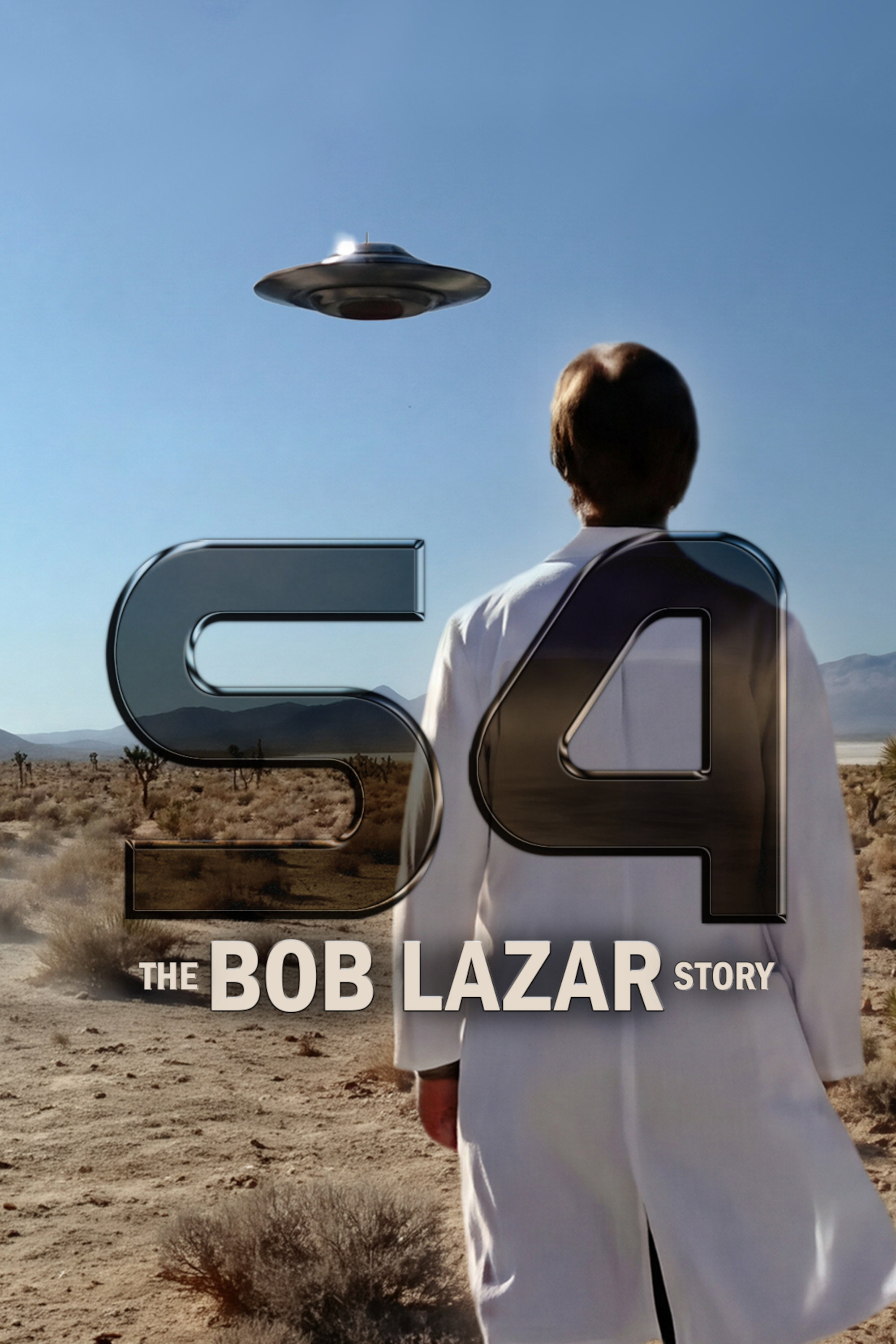
Over 35 years after Bob Lazar's revelations, this documentary exposes secrets of a facility the government still denies. Featuring Lazar's testimony, recreations, and new evidence, it reopens a case that continues to spark global curiosity
Director Michael Apted revisits the same group of British-born adults after a 7 year wait. The subjects are interviewed as to the changes that have occurred in their lives during the last seven years.
An inside look at one of the most anticipated movie sequels ever with James Cameron and cast.
Martin Scorsese's documentary intertwines footage from The Band's incredible farewell tour with probing backstage interviews and featured performances by Eric Clapton, Bob Dylan, Joni Mitchell, Van Morrison, and other rock legends.
A visual montage portrait of our contemporary world dominated by globalized technology and violence.
The life of Mr. Spock, as well as that of Leonard Nimoy, the actor who played him for almost fifty years, written and directed by his son: Adam.
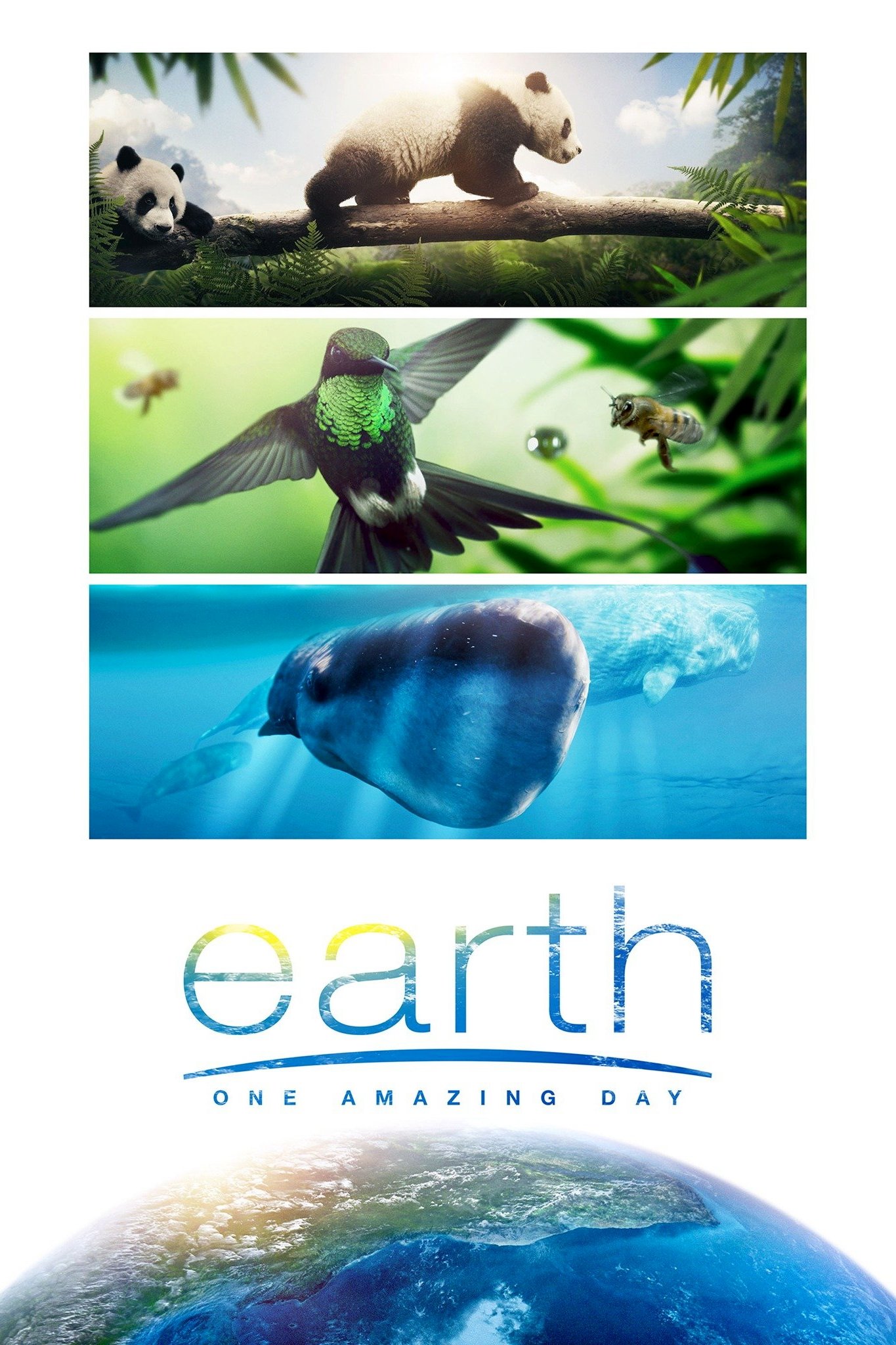
An astonishing journey revealing the awesome power of the natural world. Over the course of one single day, we track the sun from the highest mountains to the remotest islands to exotic jungles.
A purely observational non-fiction film that takes viewers into the ethically murky world of end-of-life decision making in a public hospital.
Brilliant, long in-the-works story of the life and art of the world's greatest comedian and the cinema's first genius, Charlie Chaplin. Produced, written and directed by renowned film critic Richard Schickel.
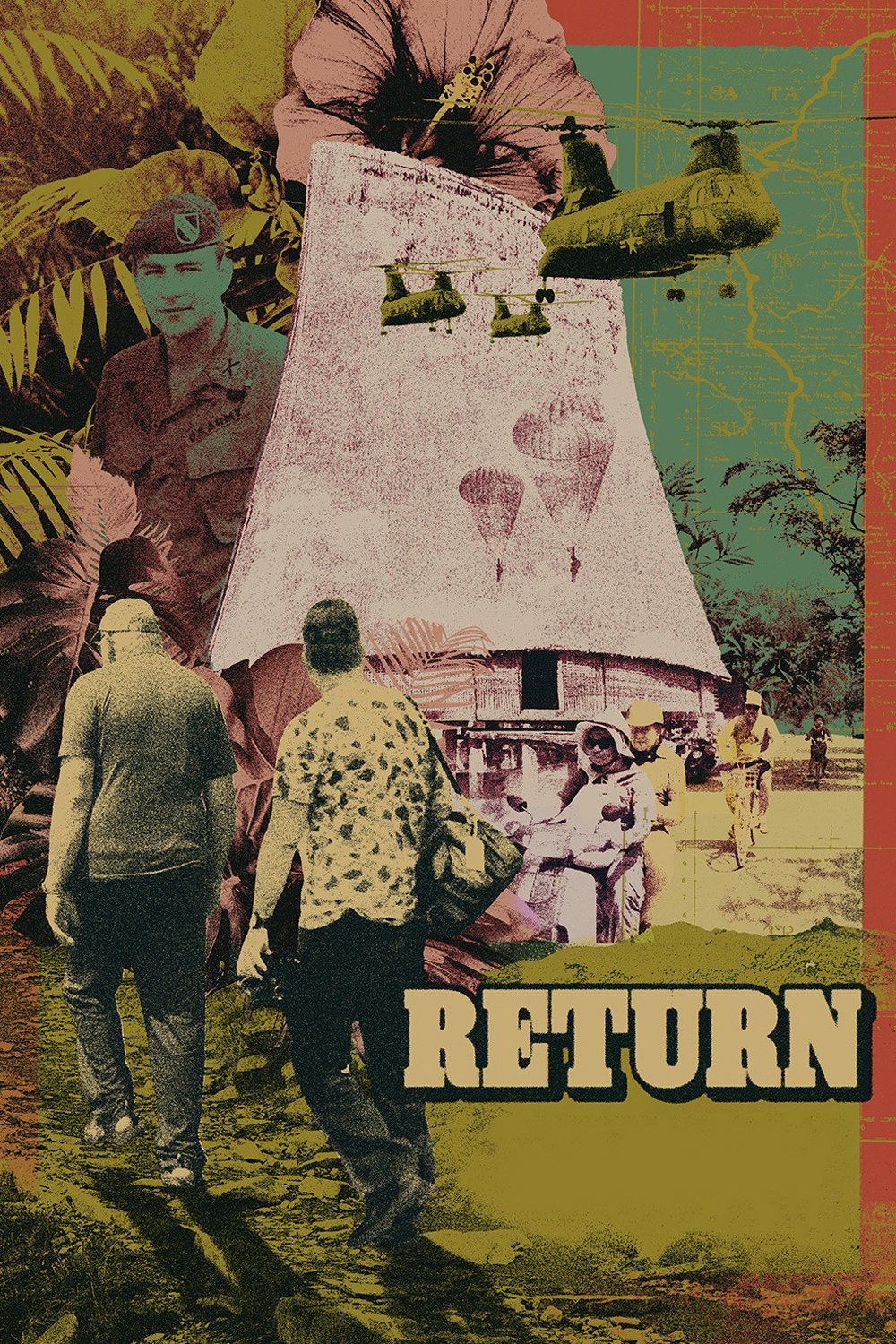
RETURN tells the story of a retired Green Beret who embarks on a healing journey from Montana to Vietnam. There he retraces his steps, shares his wartime experiences with his son, treats his Post-Traumatic Stress Disorder, and seeks out the mountain tribespeople he once lived with and fought alongside as a Special Forces officer.
SEDUCED AND ABANDONED combines acting legend Alec Baldwin with director James Toback as they lead us on a troublesome and often hilarious journey of raising financing for their next feature film. Moving from director to financier to star actor, the two players provide us with a unique look behind the curtain at the world's biggest and most glamourous film festival, shining a light on the bitter-sweet relationship filmmakers have with Cannes and the film business. Featuring insights from directors Martin Scorsese, 'Bernando Bertolucci' and Roman Polanski; actors Ryan Gosling and Jessica Chastain and a host of film distribution luminaries.
A tribute to Chadwick Boseman, celebrating his life and legacy.
The film follows adventurer Jeff Johnson as he retraces the epic 1968 journey of his heroes Yvon Chouinard and Doug Tompkins to Patagonia.