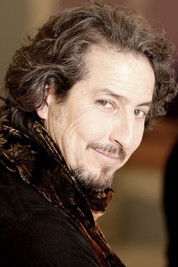
A profile on Moses Pendleton, the founder of the Pilobolus Dance Theater and MOMIX.
Social & External
The people behind it
Moses Pendleton
Self
Alison Chase
Daniel Ezralow
The remarkable spirit of tap dancers and their history provides a joyous backdrop for intimate portraits of hoofers Sandman Sims, Chuck Green, and Bunny Briggs.
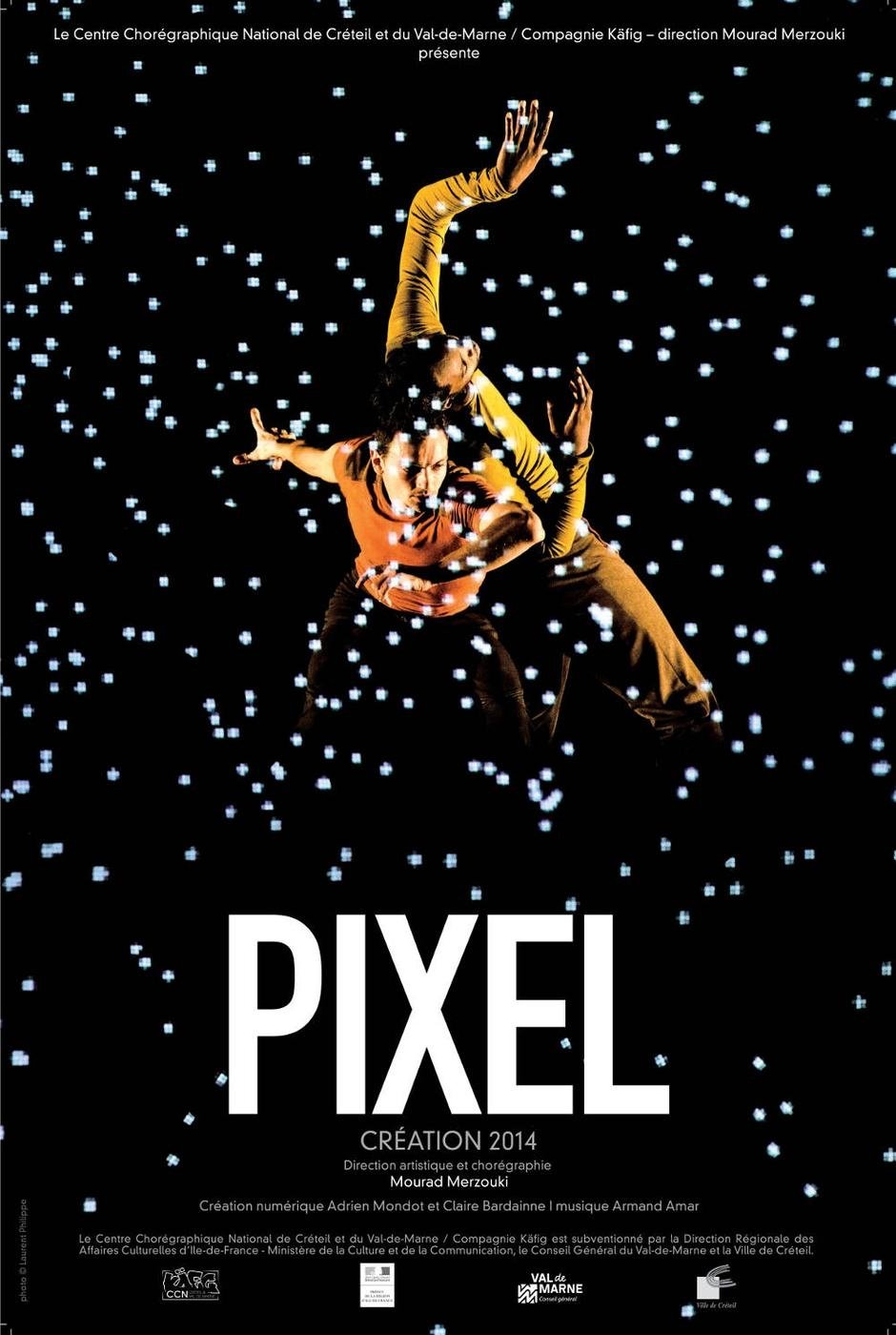
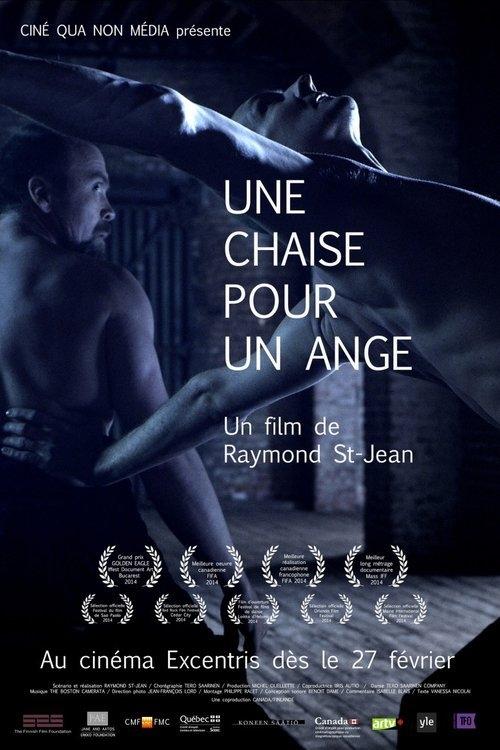
At the crossroads of arts, bodies and images merge to create a world of poetry and dreams.
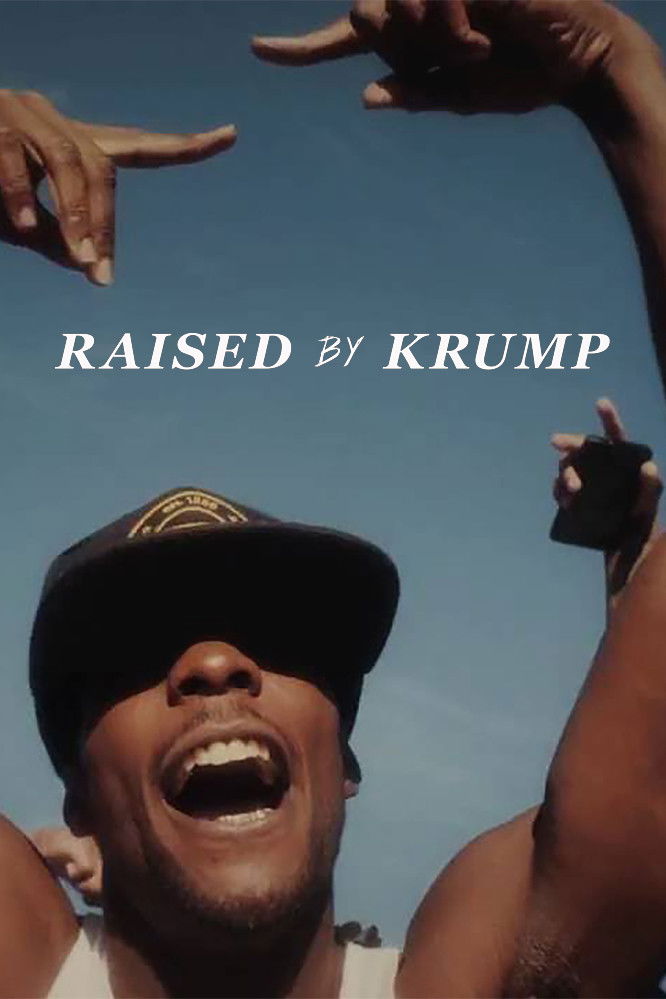
“Raised by Krump” explores the LA-born dance movement “krumping,” and how the dance has helped the lives of some of the area’s most influential dancers.
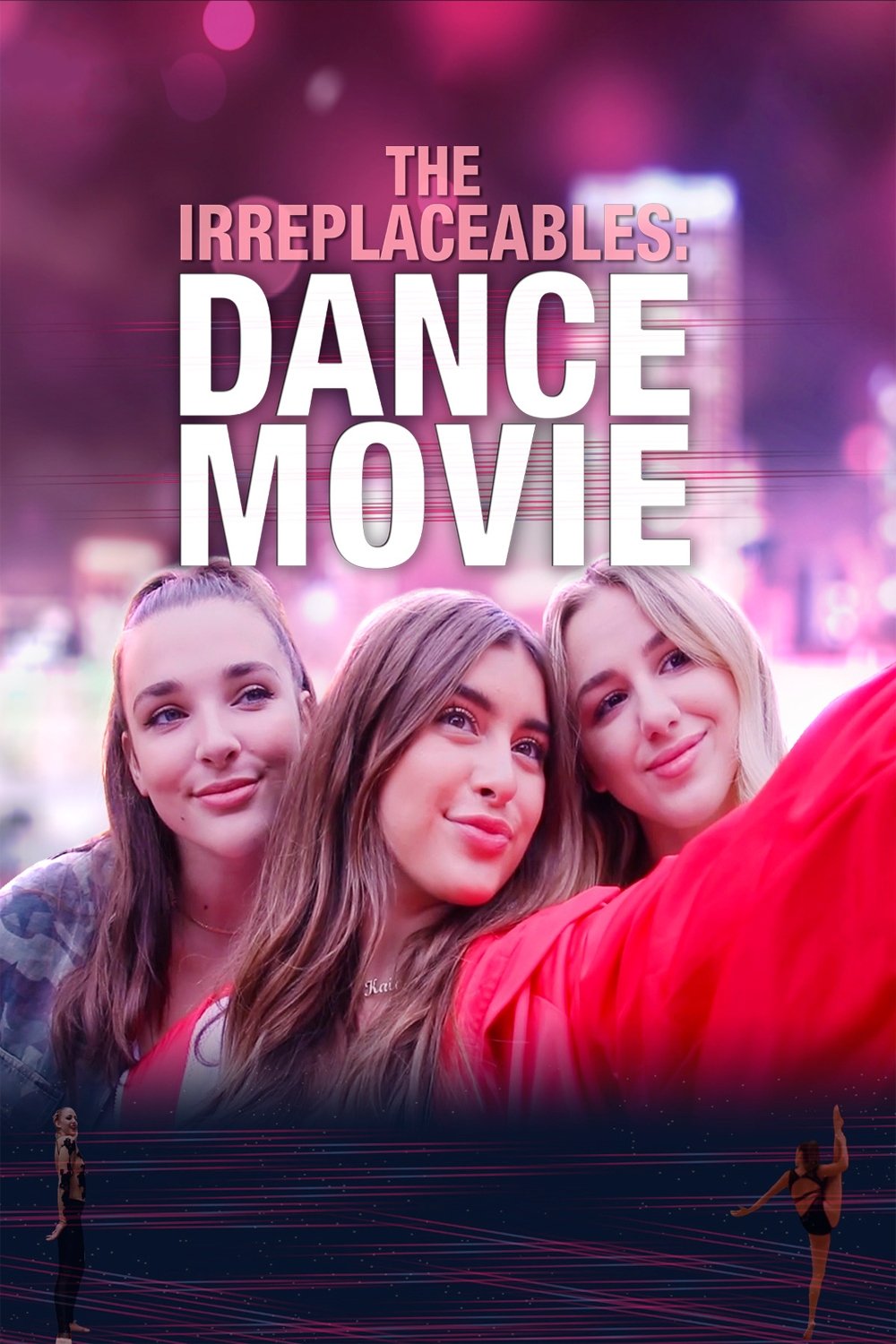
Join Dance Moms stars, Kendall Vertes, Chloe Lukasiak, and Kalani Hilliker as they perform on The Irreplaceables Tour. Watch along as the girls tour around Peru and perform their world-famous dances for eager fans.
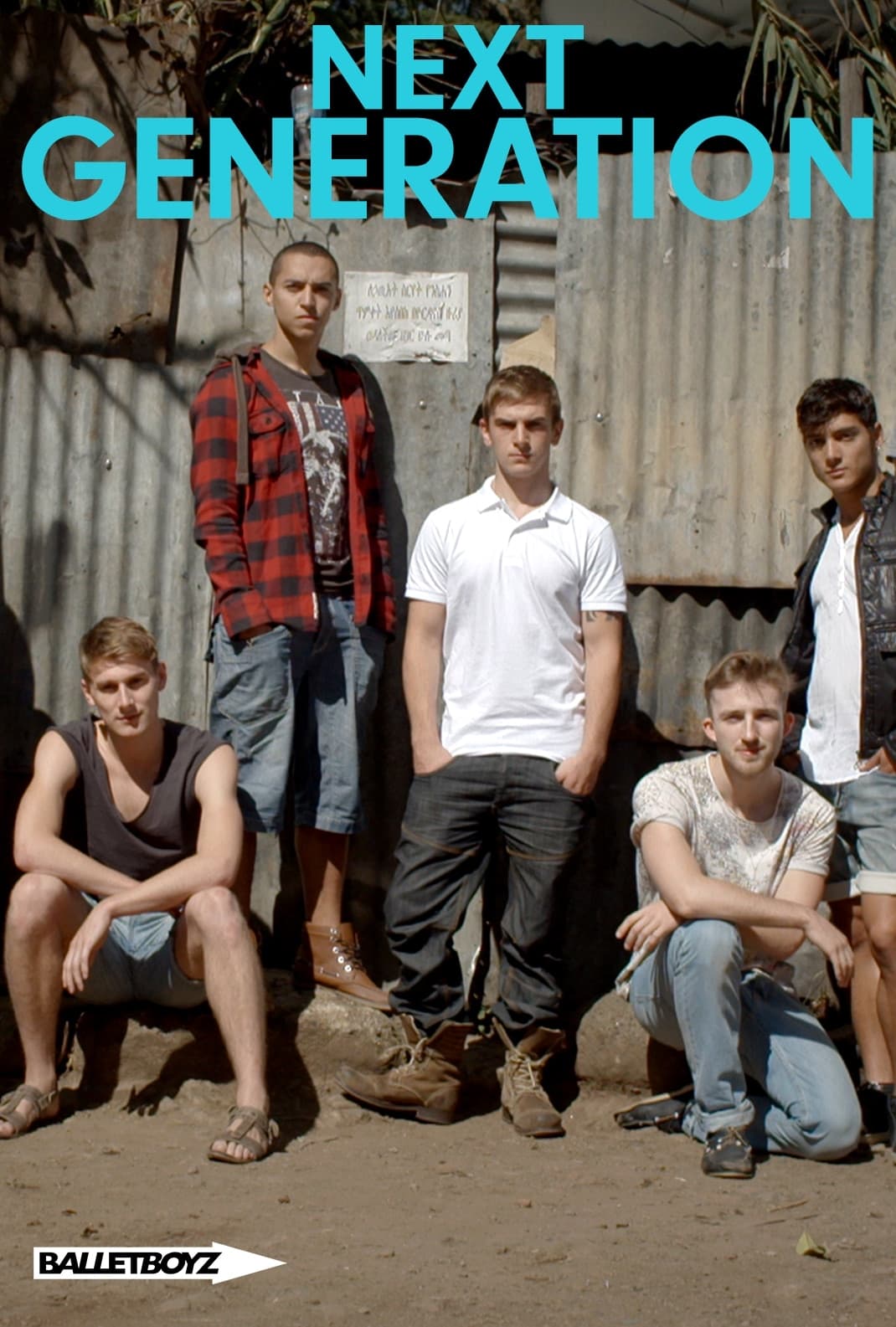
Documentary capturing the rise of all-male dance company, BalletBoyz from first auditions to a performance in Addis Ababa City Hall, Ethiopia.
Follows the young people of Selma, Alabama's RATCo (Random Acts of Theatre Company) as they journey to New York City to share their story of hope, resilience, and overcoming.
When Jacques d'Amboise took a group of dancers and members of his teaching staff to China, they worked with acclaimed dancer Dou Dou Huang and more than a hundred Chinese children. Their goal: to create a special performance using a variety of dance styles - including hip-hop, freestyle jazz and traditional Chinese folk dance - that would premiere at the Shanghai Grand Theatre in honor of the 2007 Shanghai Special Olympics World Games. Part of a month-long cultural exchange between d'Amboise's National Dance Institute and several Chinese troupes, featuring some of that country's most talented young dancers, the collaboration underscored the power of dance to transcend obstacles of culture and language.
For two hundred years, the Shakers have been America's most successful utopian society. While seeking harmony, order and perfection in every aspect of their lives, they built minimalistic furniture and buildings that influenced modern design. The Shakers wrote songs of exquisite beauty and danced to the point of ecstasy during their religious meetings. Inspired by this music and dance, choreographer Tero Saarinen created Borrowed Light, a dance piece about communal life and individual sacrifice. Shot in Finland and the United States, featuring interviews and excerpts from Borrowed Light, this documentary explore the cultural legacy of this religious group devoted to creating heaven on earth.
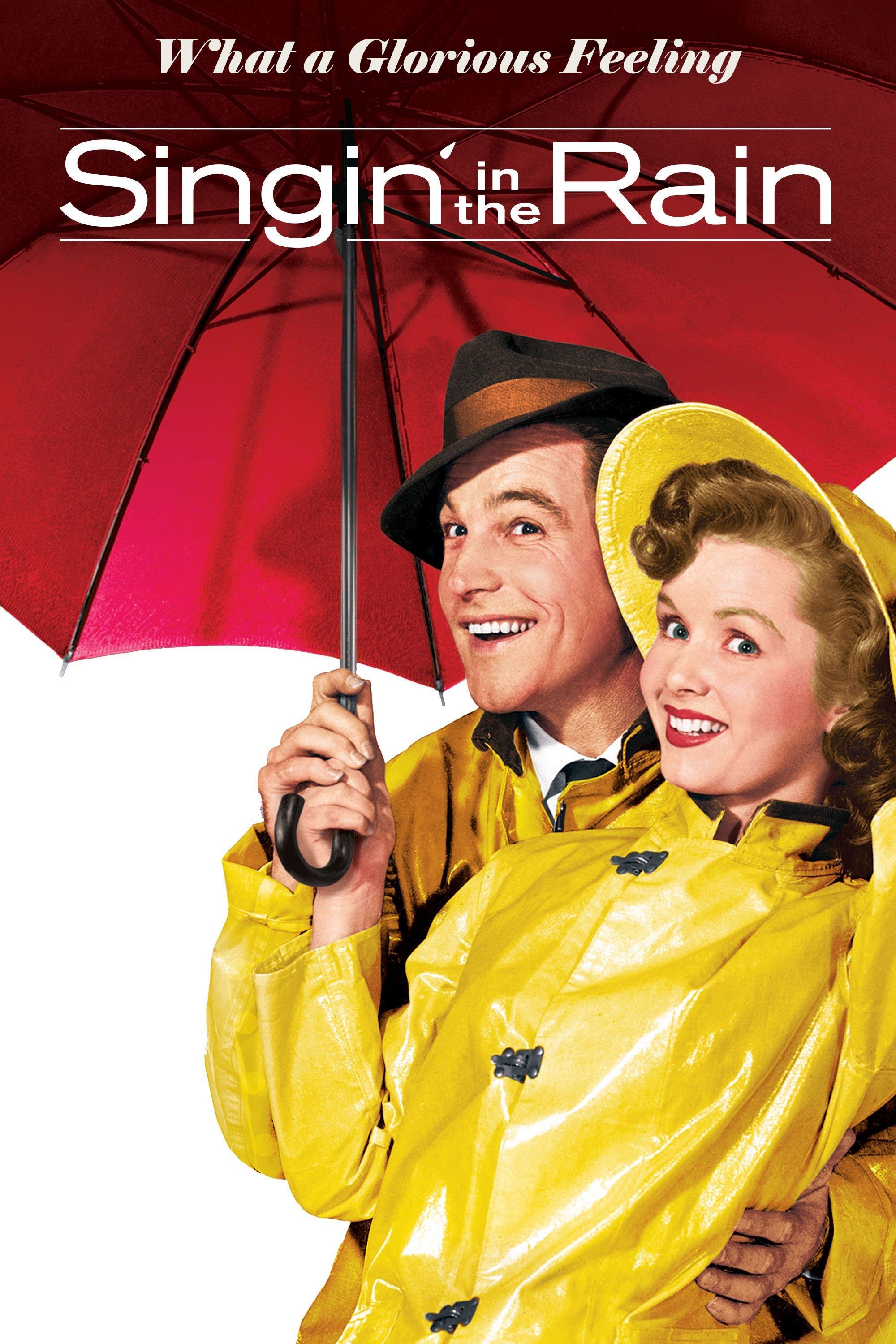
Movie and stage icon Debbie Reynolds hosts the making of "Singin' in the Rain". The short documentary includes Donald O'Connor, who played the comical "Cosmo Brown", Stanley Donen, one half of the directors next to Gene Kelly, and Kathleen Freeman, who played Phoebe Dinsmore, Lina Lamont's (Jean Hagen) voice coach.
During his thirty-year career, Walter Hus, a Belgian composer and pianist, has taken a thousand musical faces. While he wanted to compose a new work, a crisis blocked his creation. During an exchange with his therapist, he comes to an existential question: "Who am I musically? » Through the portrait of this composer, as abundant as it is fascinating, the film aims to give access to his creative process and thus to the endurance and beauty of creation.
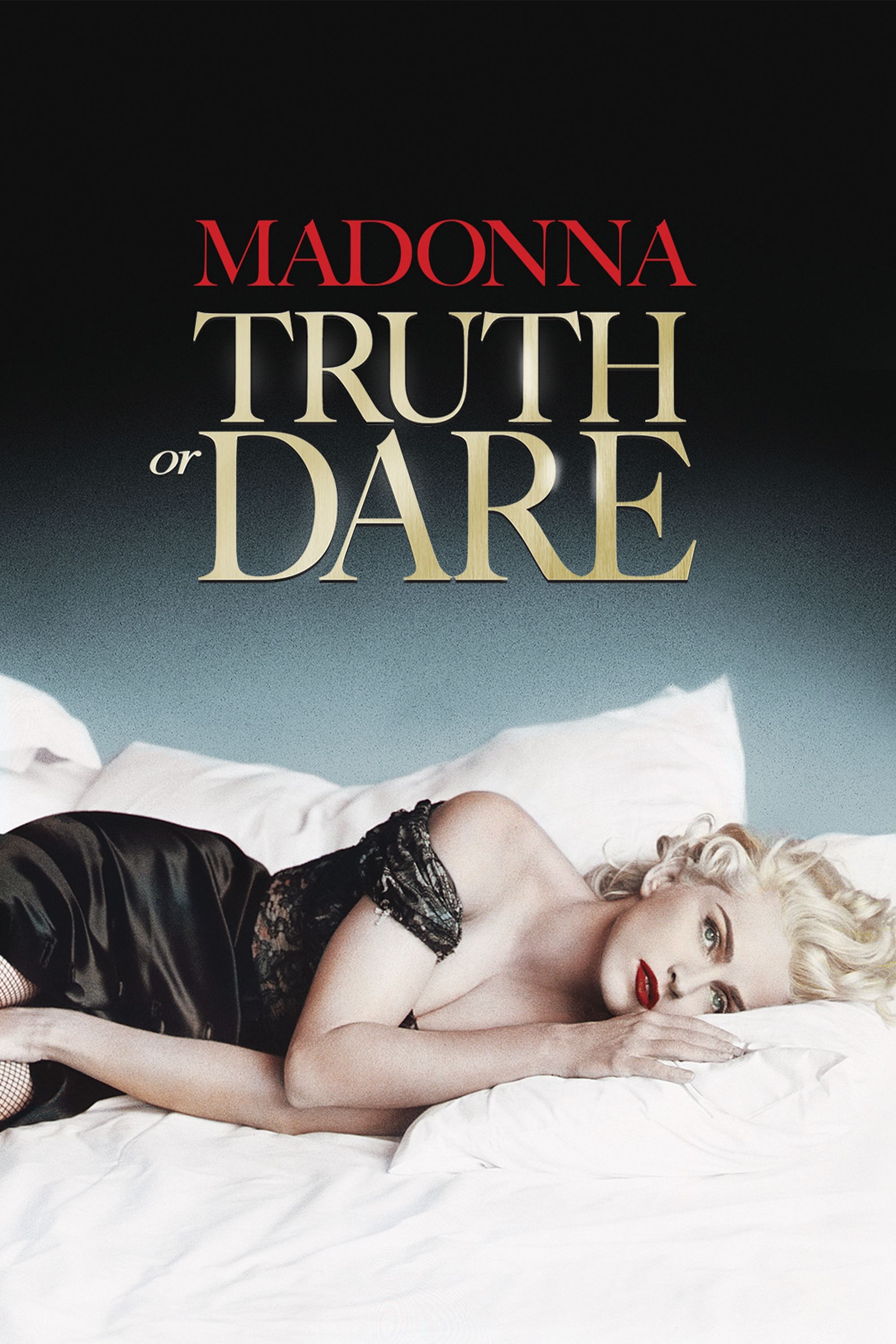
From the rains of Japan, through threats of arrest for 'public indecency' in Canada, and a birthday tribute to her father in Detroit, this documentary follows Madonna on her 1990 'Blond Ambition' concert tour. Filmed in black and white, with the concert pieces in glittering MTV color, it is an intimate look at the work of the icon, from a prayer circle before each performance to bed games with the dance troupe afterwards.
In this documentary, Argentinians dance to their favourite hits.
A portrait of the day-to-day operations of the National Gallery of London, that reveals the role of the employees and the experiences of the Gallery's visitors. The film portrays the role of the curators and conservators; the education, scientific, and conservation departments; and the audience of all kinds of people who come to experience it.
This short documentary describes the process and inspiration behind the creation and performance of a new Cuban ballet based on Afro-Cuban traditions and beliefs.
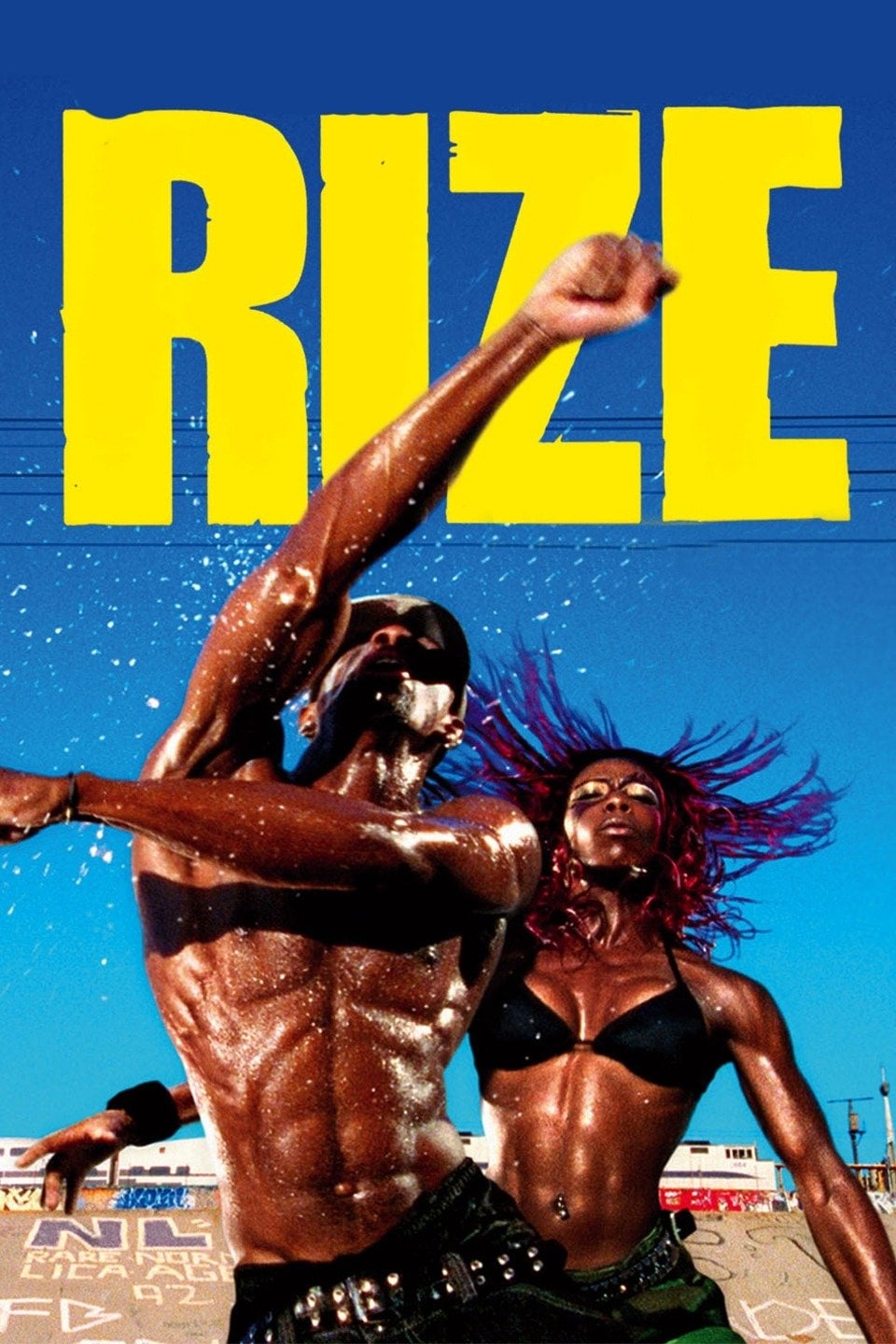
A documentary film that highlights two street derived dance styles, Clowning and Krumping, that came out of the low income neighborhoods of L.A.. Director David LaChapelle interviews each dance crew about how their unique dances evolved. A new and positive activity away from the drugs, guns, and gangs that ruled their neighborhood. A raw film about a growing sub-culture movements in America.
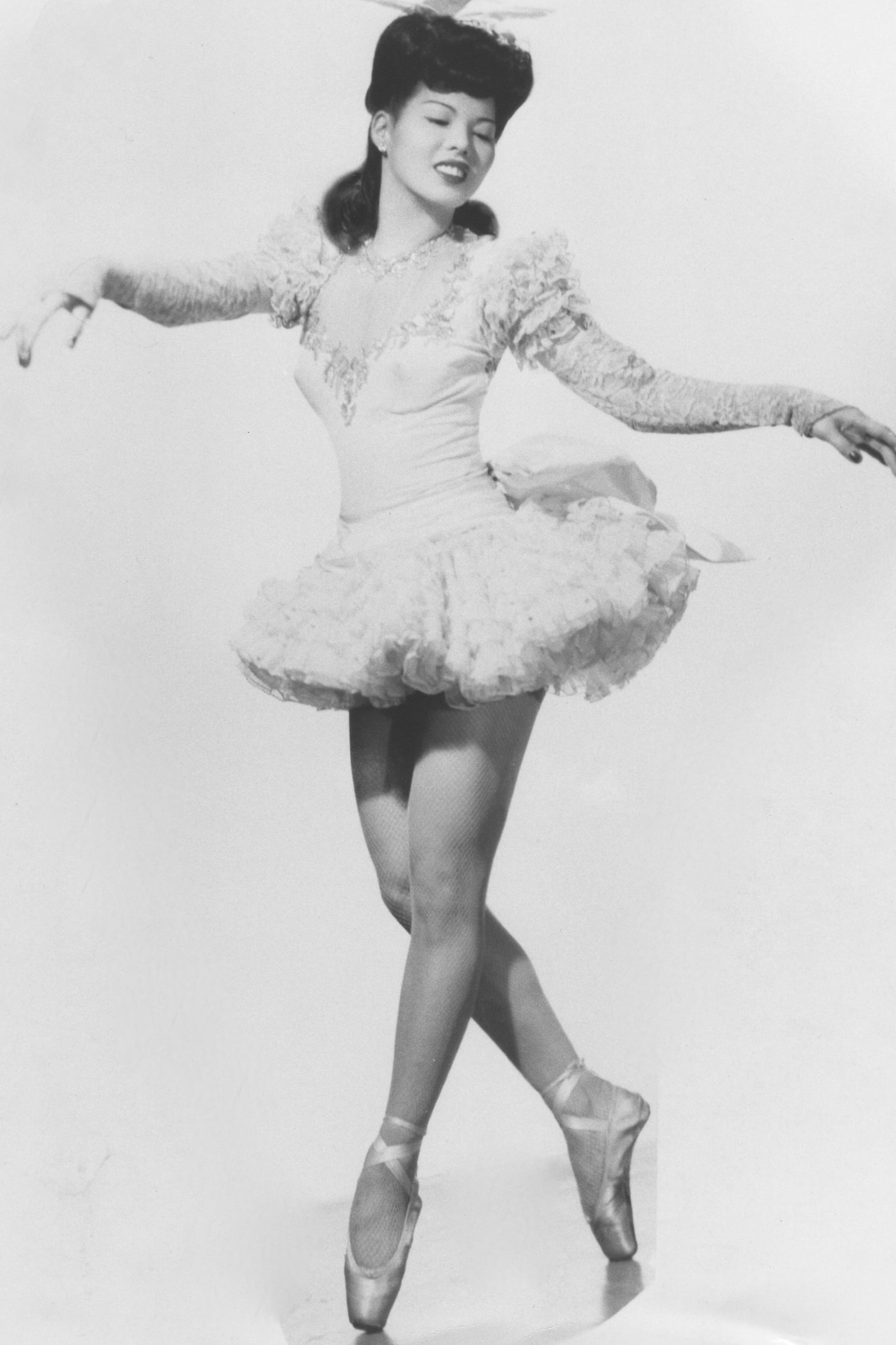
Swinging and twirling Dorothy Toy Fong the legendary tap dancer is still exciting at 99 years old. Award-winning reporter Rick Quan traces Fong’s journey as a famous duo with Paul Wing and exciting run with her Oriental Showgirl group. Fong’s wondrous spirit dances off the screen and into your heart.
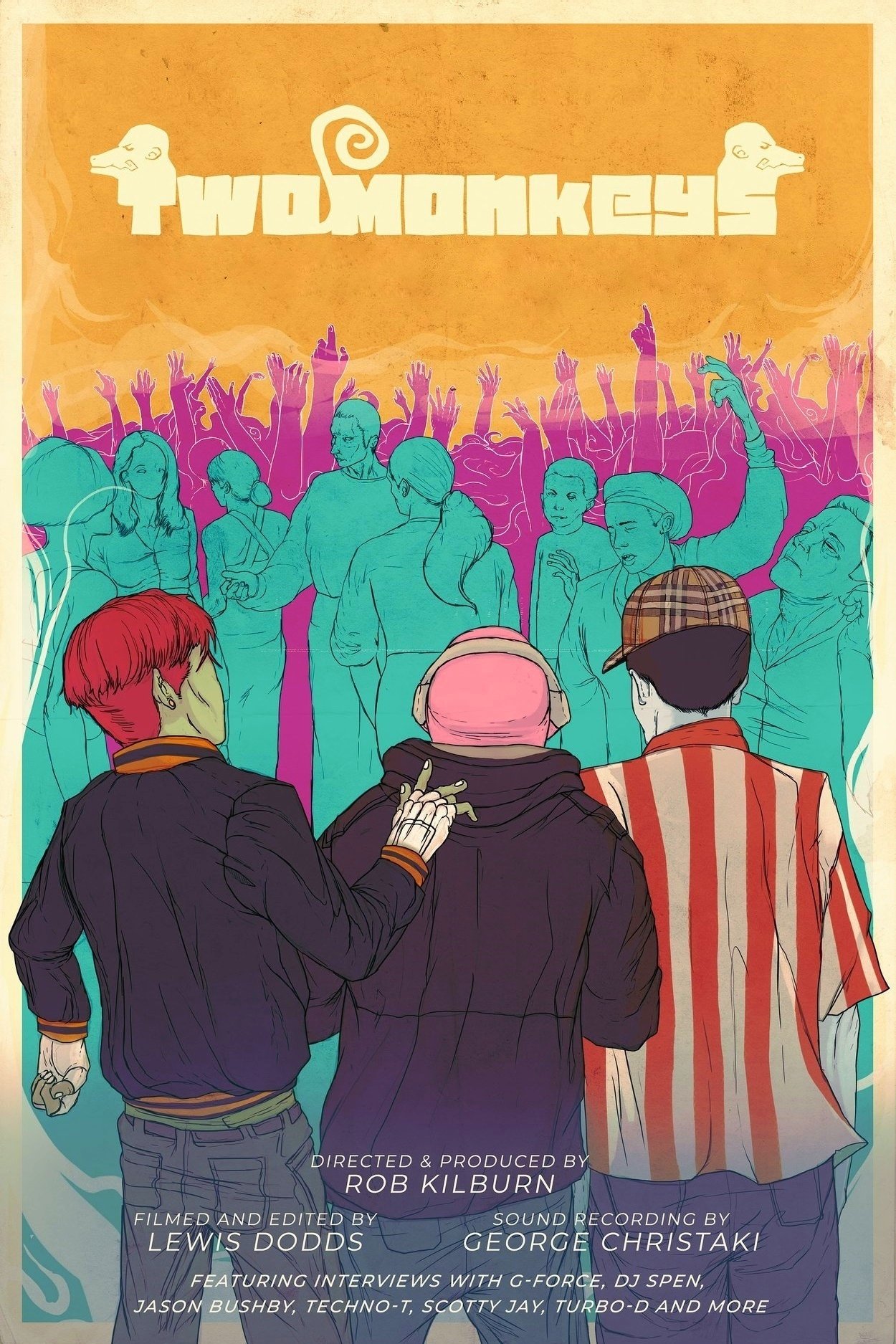
An independent documentary focusing on the Blue Monkey and New Monkey nightclubs in Sunderland. The dawn of the rave scene in the late 80s and early 90s changed the face of music forever and left a legacy that still continues to this day. Hear the stories of those who lived through it and were involved in the North East scene at the beggining. From raid to ruins, we shed light on the rise and fall of the Blue Monkey and New Monkey nightclubs investigating the music and the controversy that came with the all night rave clubs.
Al Pacino's deeply-felt rumination on Shakespeare's significance and relevance to the modern world through interviews and an in-depth analysis of "Richard III."
Brilliant, long in-the-works story of the life and art of the world's greatest comedian and the cinema's first genius, Charlie Chaplin. Produced, written and directed by renowned film critic Richard Schickel.
An inside look at one of the most anticipated movie sequels ever with James Cameron and cast.
Inspired by New York City streetball, influential brand AND1 turned local legends on the court into international icons. So why did it come to an end?
SEDUCED AND ABANDONED combines acting legend Alec Baldwin with director James Toback as they lead us on a troublesome and often hilarious journey of raising financing for their next feature film. Moving from director to financier to star actor, the two players provide us with a unique look behind the curtain at the world's biggest and most glamourous film festival, shining a light on the bitter-sweet relationship filmmakers have with Cannes and the film business. Featuring insights from directors Martin Scorsese, 'Bernando Bertolucci' and Roman Polanski; actors Ryan Gosling and Jessica Chastain and a host of film distribution luminaries.
Ranjit, a farmer in India, takes on the fight of his life when he demands justice for his 13-year-old daughter, the victim of a brutal gang rape. His decision to support his daughter is virtually unheard of, and his journey unprecedented.
A string of threatening emails escalates into a revenge plot involving a newly married US marshal and his ex-girlfriend.
The Making-of James Cameron's Avatar. It shows interesting parts of the work on the set.
A detailing of the rise to prominence and global sporting superstardom of six supremely talented young Manchester United football players (David Beckham, Nicky Butt, Ryan Giggs, Paul Scholes, Phil and Gary Neville). The film covers the period 1992-1999, culminating in Manchester United's European Cup triumph.
Those who knew iconic funnyman John Candy best share his story, in their own words, through never-before-seen archival footage, imagery, and interviews.
Sergei Polunin is a breathtaking ballet talent who questions his existence and his commitment to dance just as he is about to become a legend.
The life and career of an actor, artist, and icon. His own journey through his own camera.
A purely observational non-fiction film that takes viewers into the ethically murky world of end-of-life decision making in a public hospital.
Explore the evolution of Buzz Lightyear from toy to human in the making of Pixar’s Lightyear. Dive into the origin and cultural impact of everyone’s favorite Space Ranger, the art of designing a new “human Buzz,” and the challenges faced by the Lightyear crew along the way.
Alexander McQueen's rags-to-riches story is a modern-day fairy tale, laced with the gothic. Mirroring the savage beauty, boldness and vivacity of his design, this documentary is an intimate revelation of McQueen's own world, both tortured and inspired, which celebrates a radical and mesmerizing genius of profound influence.
A sexual wellness company gains fame and followers, then members come forward with shocking allegations.
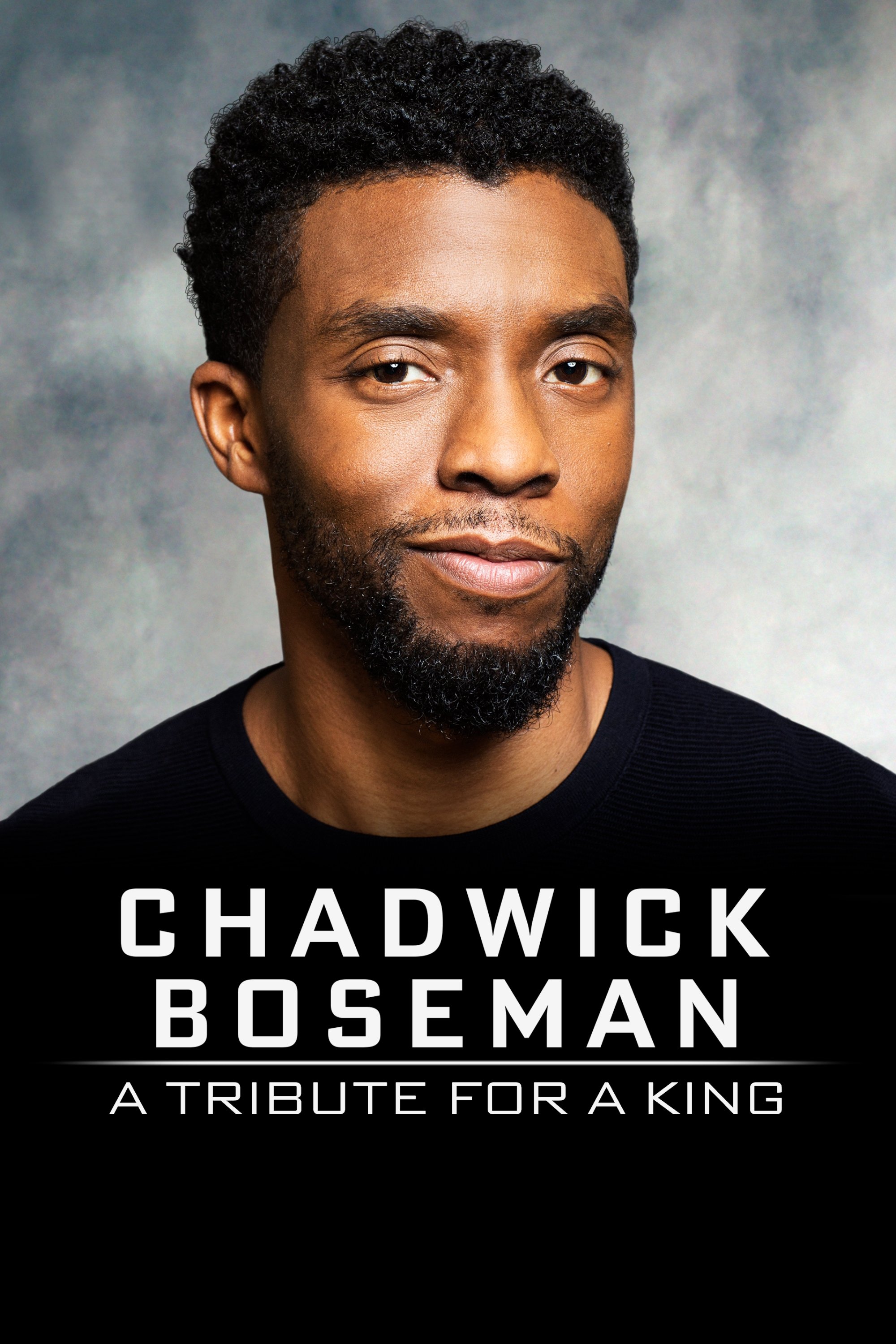
A tribute to Chadwick Boseman, celebrating his life and legacy.
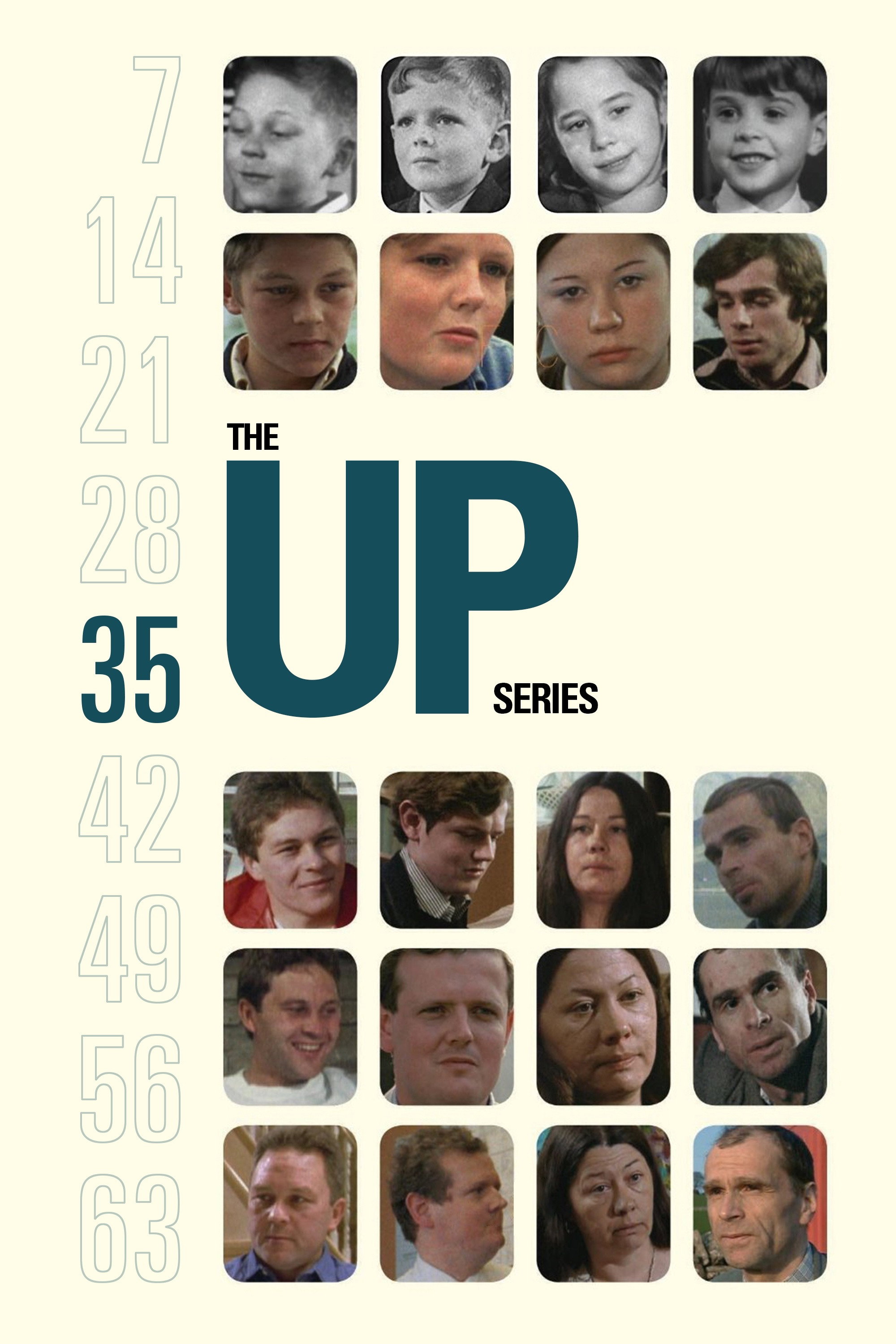
Director Michael Apted revisits the same group of British-born adults after a 7 year wait. The subjects are interviewed as to the changes that have occurred in their lives during the last seven years.
Alex Gibney explores the charged issue of pedophilia in the Catholic Church, following a trail from the first known protest against clerical sexual abuse in the United States and all way to the Vatican.
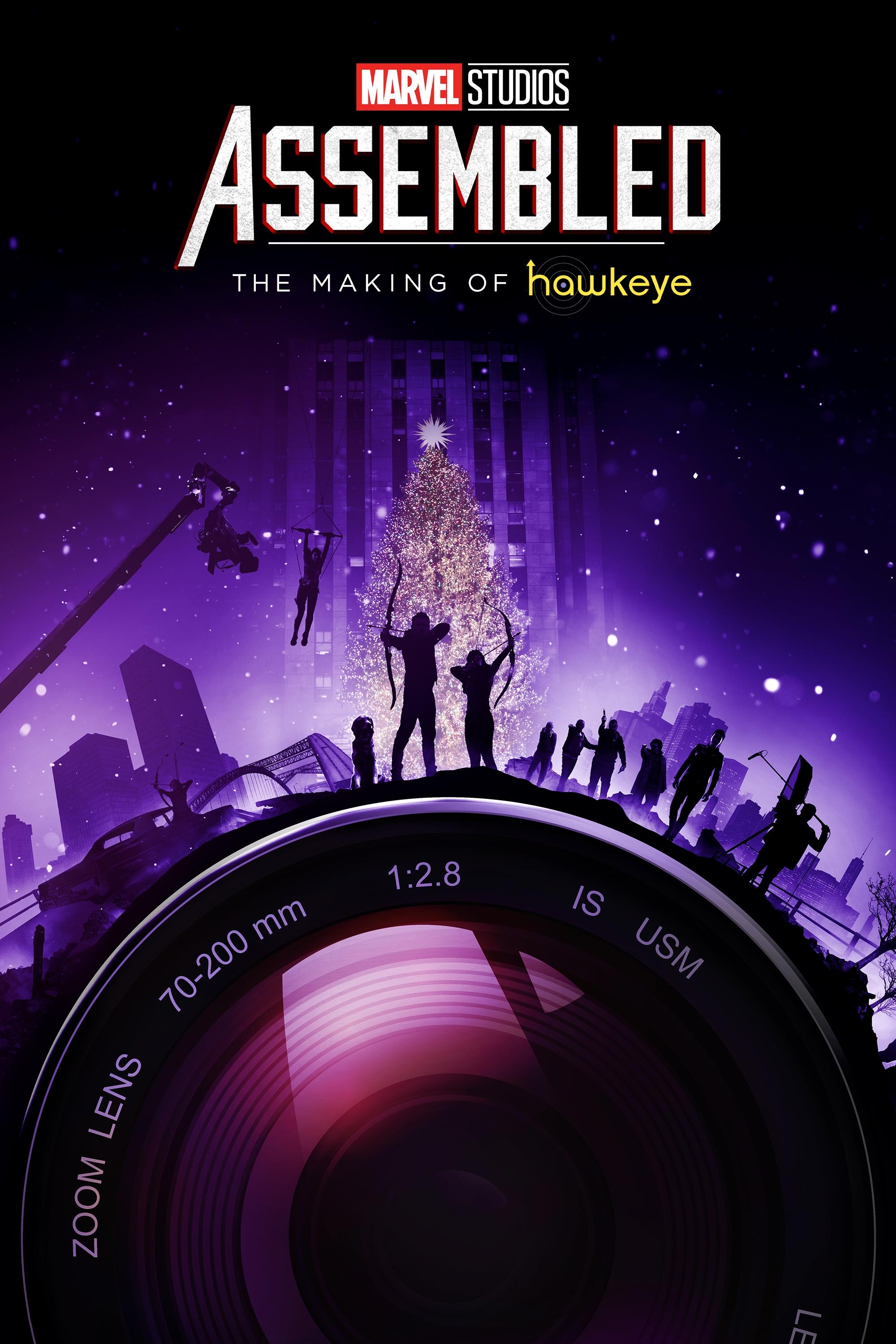
Join the likes of Jeremy Renner, Hailee Steinfeld, Florence Pugh, and Vincent D’Onofrio as they reveal how Marvel Studios’ “Hawkeye” was conceived and created. Witness firsthand what it took to pull off the show’s pulse-pounding action set pieces, and discover how iconic characters from the pages of Marvel Comics such as Kate Bishop were adapted and brought to life for the six-episode series.