Social & External
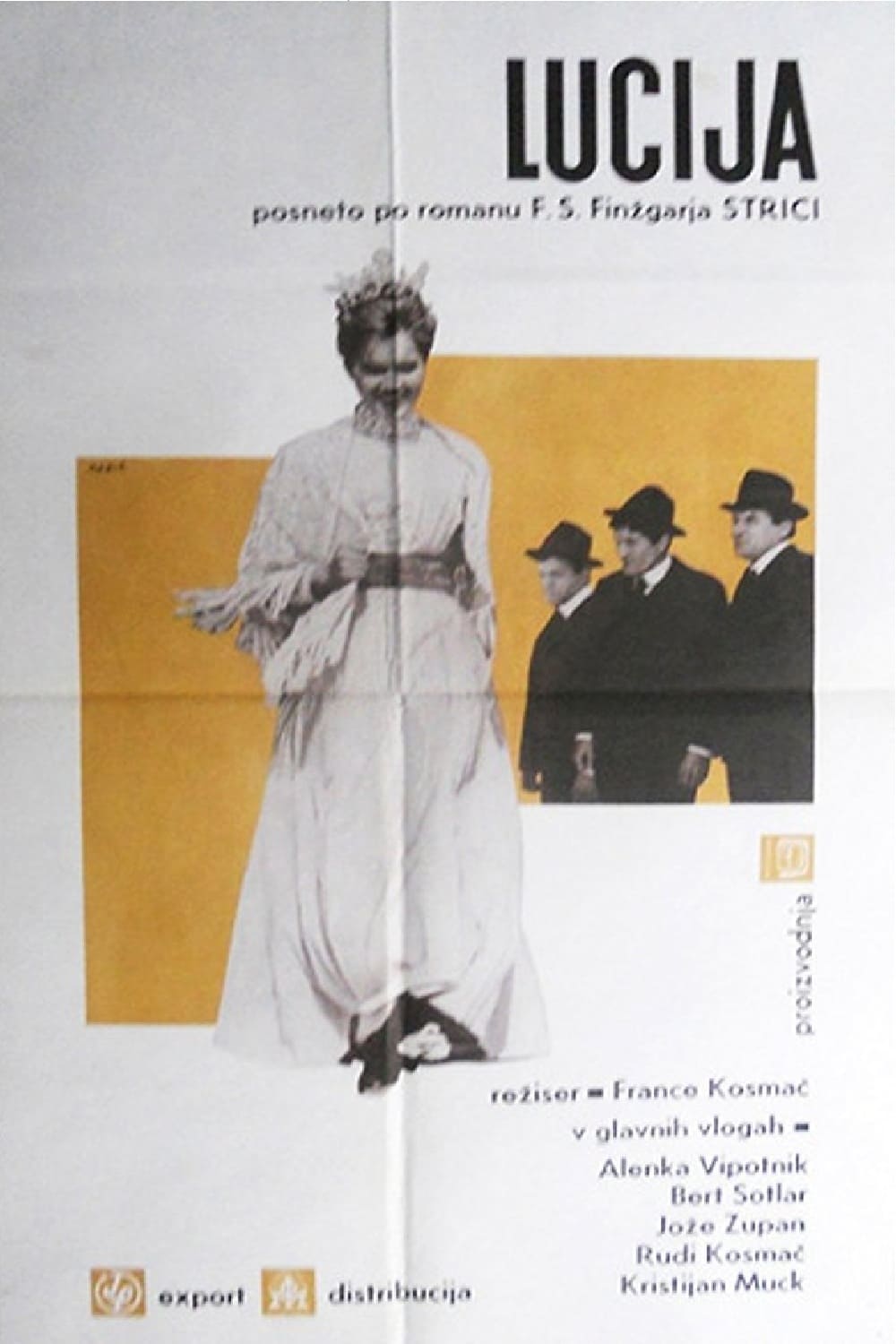
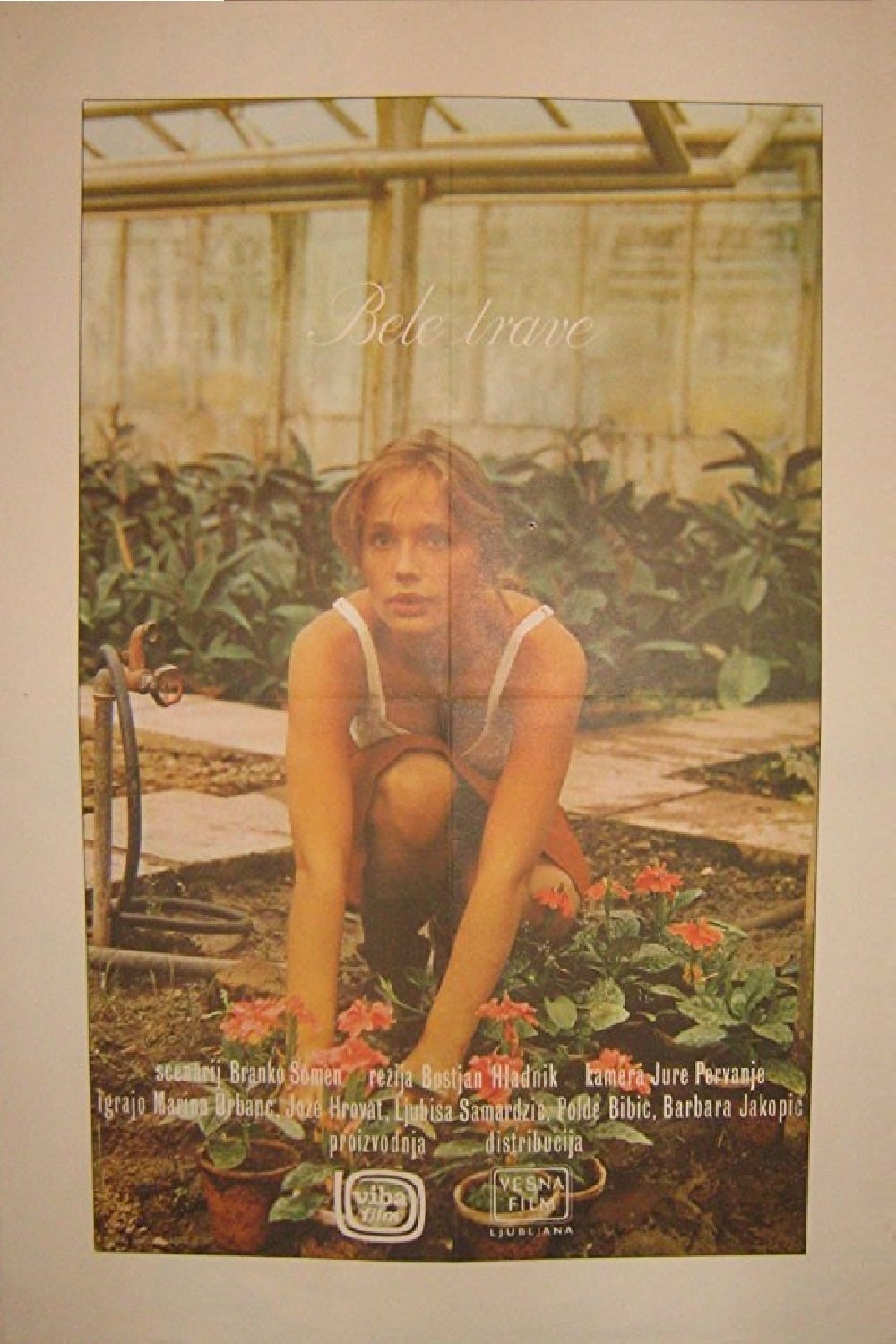
In 1940, shortly before the outbreak of war, a young boy Marjan lives a carefree life with his gang in Ljubljana, experiencing all the problems of his age. With Lenka he's experiencing his first "pure" love, while discovering sexuality... The Italian occupation brings many changes, gang breaks up, some join the liberation movement, the others join collaborationist forces. Marjan remain "unlisted". Italians surrender, and hand over the city to Germans. Frivolous Milena, who has good connections with them, seduces Marjan whom she lost her innocence with. The war is over and the partisans win. The new authorities mistakenly imprison Marjan.
The movie explores the origin of the Ukrainian language and persecution of those who defended its authenticity. Using examples of other countries, creators of the film prove that a nation cannot exist without a language.
A film about the first Laibach album officially released in Yugoslavia. The record came out despite the political ban that was in place on the band's name at the time, in 1985 - but without the name or a title. A black cross on the cover was enough.
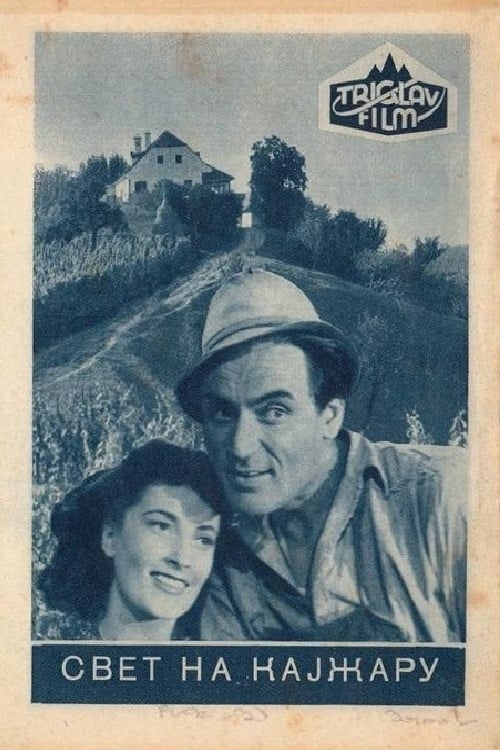
A post-WW2 story about the village largely involved in wine-making business. The peasants who claimed possessions of lands, woods, and churches after communist party seized the power hold a party where a member of so-called reactionary forces (kulaks, clergy and Axis collaborators) tries to break in and stop it.
Equal parts film, conversation, and social experiment, this interactive documentary uses footage shot by activists in the crowd of the Maribor uprisings, a 2012 to 2013 Slovenian protest, to pull you into the fray, where you must collectively decide what happens next.
Worker Maks Bigec decides to take things in his own hands when he hears that his factory will be closed. He takes the factory director as a hostage and demands that the state should reopen the factory.
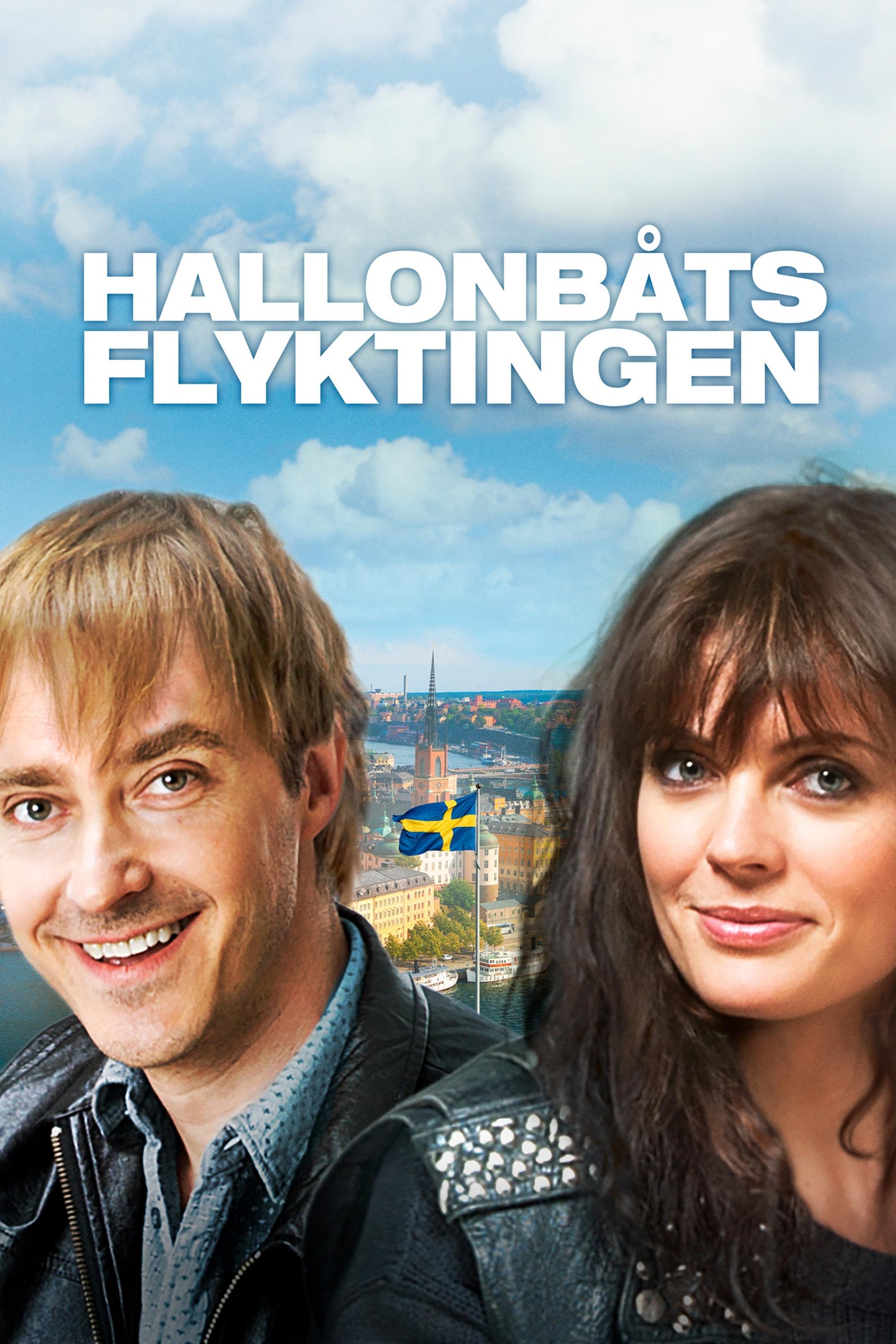
Mikko Virtanen feels like a Swedish soul trapped in a Finnish body. Full of disgust for everything Finnish, he sees Sweden as heaven. Upon meeting a suicidal Swedish psychologist Mikael Anderson, he seizes an opportunity for an identity switch. Raspberry Boat Refugee is a comedy about cultural differences in the Nordic countries, their nationalism and, not least, prejudices about our neighbours. It also proves how futile it is to try to escape oneself.
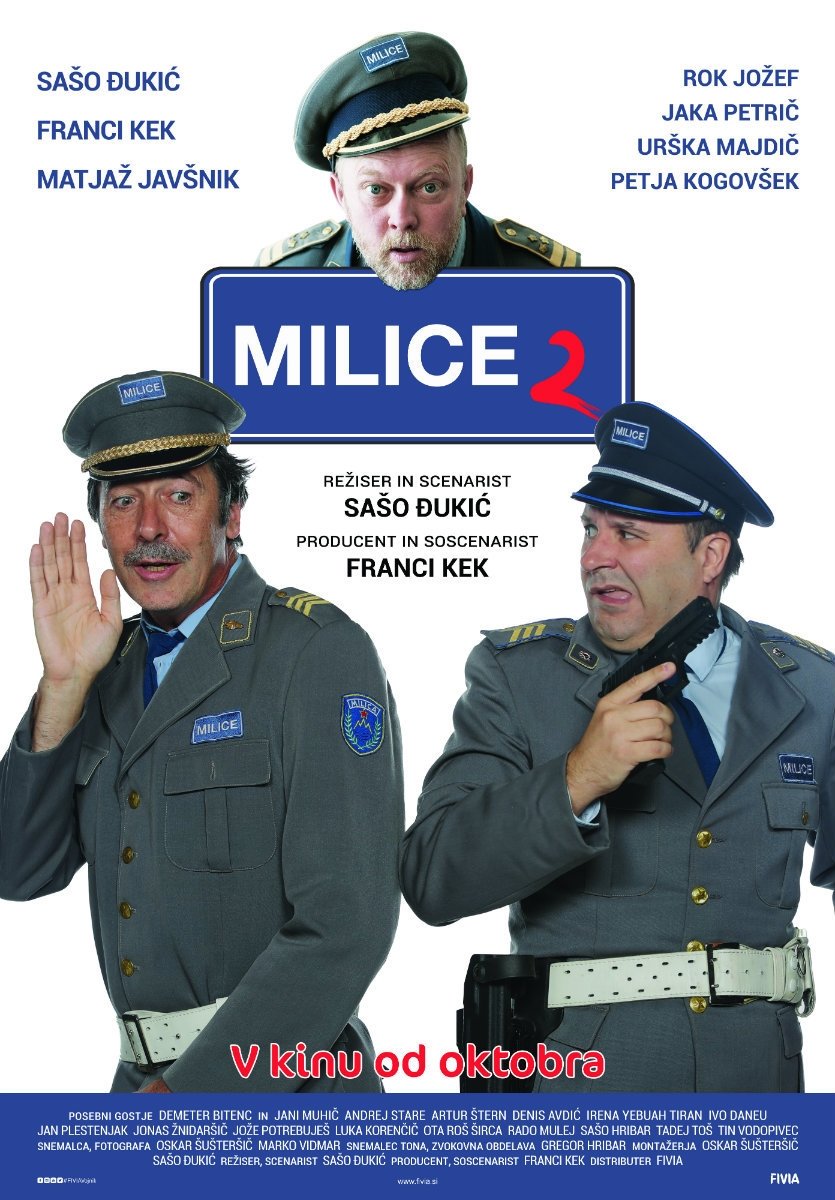
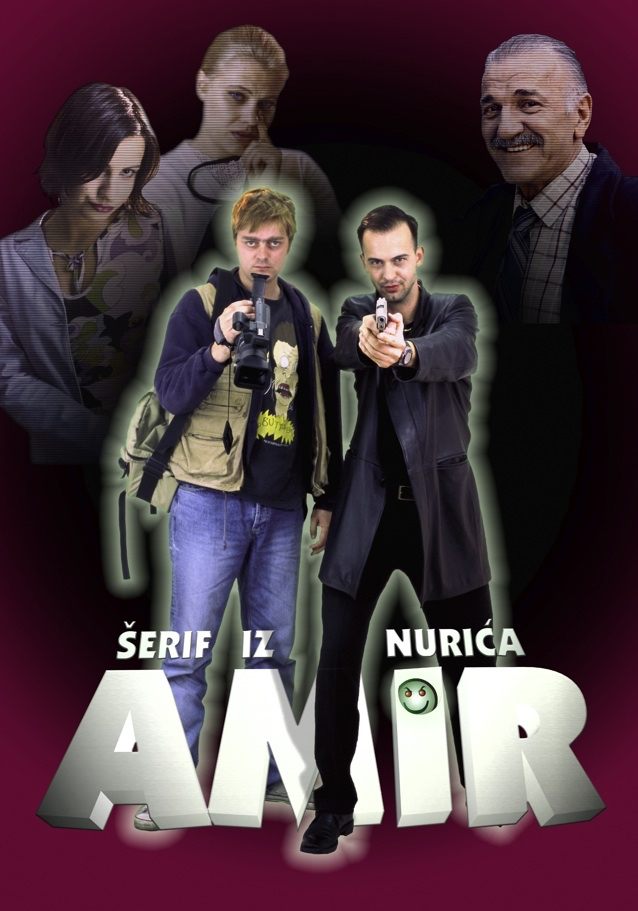
Two "milice" officers Janez and Franci are back after 20 years. This time they have to deal with Czech mafia and their leader Franta.
The reconstruction of creation of an influential avantguarde movement called "Novo Mesto Spring" that arrived on Slovenian cultural scene during 1920s. Within this movement worked significant local artists such as composer Mario Kogoj, painter Rihard Jakopic, poet Danijel Bohoric and many others.
Slovenia, Australia and Tomorrow the World is a drama film with elements of comedy. The central character Boris works as a machinery maintenance man in a factory, hoping that his work and efforts will be awarded in the future. And indeed, he is given an opportunity by Cosmica, a company providing door-to-door sales and counselling services as well as investment in securities.
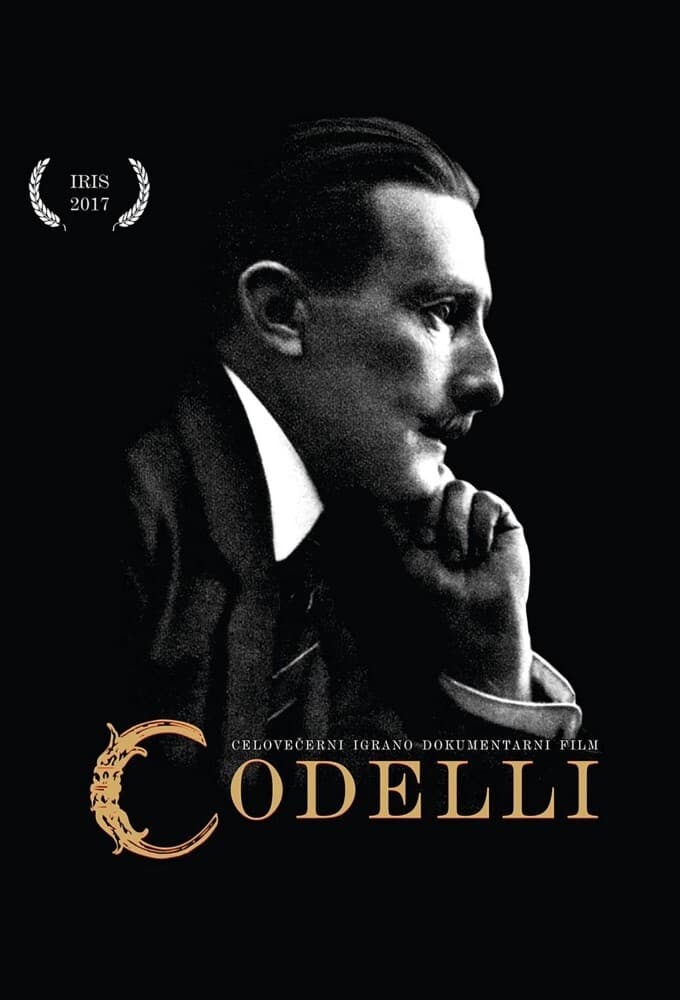
Codelli is a feature-length docudrama about a little-known film project by Slovenian inventor Baron Anton Codelli. Together with filmmaker and adventurer Hans Schomburgk he filmed in Togo in 1914 the first live-action film in Africa, which possibly inspired James Rice Burroughs for his novel on Tarzan. In the company of three Codelli’s descendants and actor Primož Bezjak, we traced the fate of Codelli’s film, brought the remains from Togo and Berlin to Ljubljana and used the Green Screen technology to bring to life 15 live-action scenes based on 600 Codelli’s museum photographs.
The documentary follows seven stories from the set of deadly sins and virtues. The concepts have been interpreted through the ambiguity, associations and meanings triggered by various social contexts. Using phenomena from our recent history, the story focuses on justice, prudence, sloth, greed, gluttony, temperance, pride. With regard to each phenomenon, i.e. each sin or/and virtue, there is the question of the duality of borders. If virtue is a desire subdued, and sin a desire that goes too far and crosses the border, this necessarily implies an area of ambiguity, of borders and questions about what is right and what isn’t.
A Slovenian narrative film made out of the eponymous children's show.
In 2009, a group of military enthusiasts led by the commander France (Gojmir Lešnjak - Gojc) decides to occupy Trieste. The group that stages battles performs it at a completely fictional location. However, this hobby is not to the liking of France's wife Marija (Silva Čušin) and his daughter Mateja (Anja Drnovšek). The daughter as a representative of the young generation has no understanding of her father's enthusiasm for partisans, battles and Tito. France is also confronted by the Slovenian police led by the commander Brane (Dario Varga) as Brane forbids France to stage any more battles ... Will the young generation accept our history and will Trieste be ours?
A coming-of-age story set in Slovenian town during WW2.
A story set in a Slovenian village during Italian occupation. Stefuc, a man who has been widowed twice and has four daughters, wants to get married for the third time with Zana, who's already engaged and pregnant with Ludvik. Stefuc tries to separate them away, but realizes that he'll have to marry Hedvika, a nice looking girl who has just returned from Milan. In the meantime, Italian fascist authorities decide to eradicate five Slovenian songs with the help of local traitors.
A student of music education comes to the music festival where organizers mix him up with the conductor. He accepts the role which creates lots of comic situations.
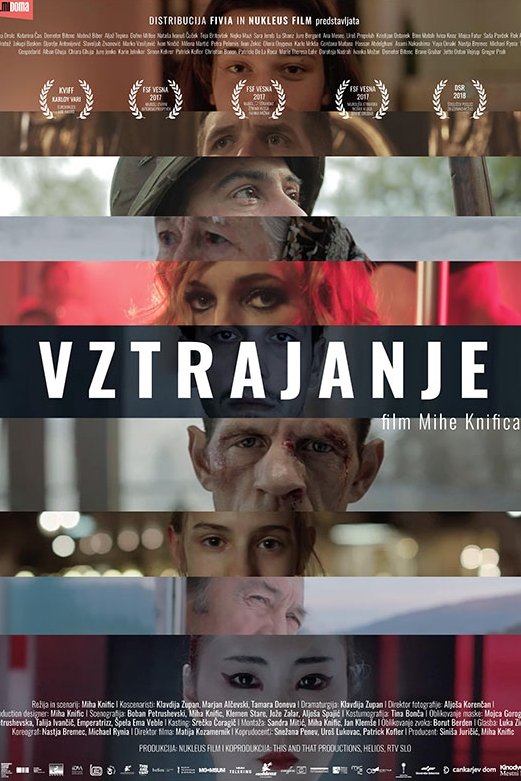
The stories narrated by the film bring together individuals all over the world, spanning over sixty years and thus symbolically covering the approximate period of a single human life. Each of the stories is based on true accounts and events, summed up from newspaper articles, statements, and media announcements. Through internal monologues the collage makes up a whole which transcends any individual story.
At the end of the last century hunters who hunted wild roosters, while waiting for prey to show up, were killing time with storytelling. The first story is about Jernac that had a fight with Tomas because of Rezika. Another story tells about Tincek, limp foundling, who spent his youth with the Komar family, where he fell in love with their Lencka. The third is the story of a rich Miholac whose attention was grabbed by poor Polonca, a romance that was opposed by his father. The central theme of all stories is love that eventually everybody die of.
Three stories connected by the motifs of water and death told in neorealist style.