Standing near the reptile section in a zoo we can learn a lot about the animals on both sides of the separating glass.
Social & External
The people behind it
It portrays a pioneering and risky work carried out in a small Xinane base, by FUNAI, near Parallel 10º South, west of Acre, on the border with Peru. In simple installations, in the middle of the jungle, the sertanista José Carlos Meirelles carries out the difficult mission of protecting the isolated Indians of the region, with the help of anthropologist Terri Aquino. With few resources, specialists perform their tasks tirelessly. In addition to carrying out a permanent negotiation with the riverside populations in the area, they also deal with the confrontation with traffickers and squatters who try to invade it.
For centuries, Stonehenge has been cloaked in mystery. Who built it? How did they do it? Why did they do it and what is its significance? Now, a team of archaeologists takes a high-tech approach to find out, and their discoveries will exceed all expectations. Learn the full story of the world's most investigated prehistoric site, featuring a forgotten people who were meticulous planners, profound believers and true warriors. It's a 10,000-year-old tale, pieced together by state-of-the-art survey equipment and compelling archaeological evidence.
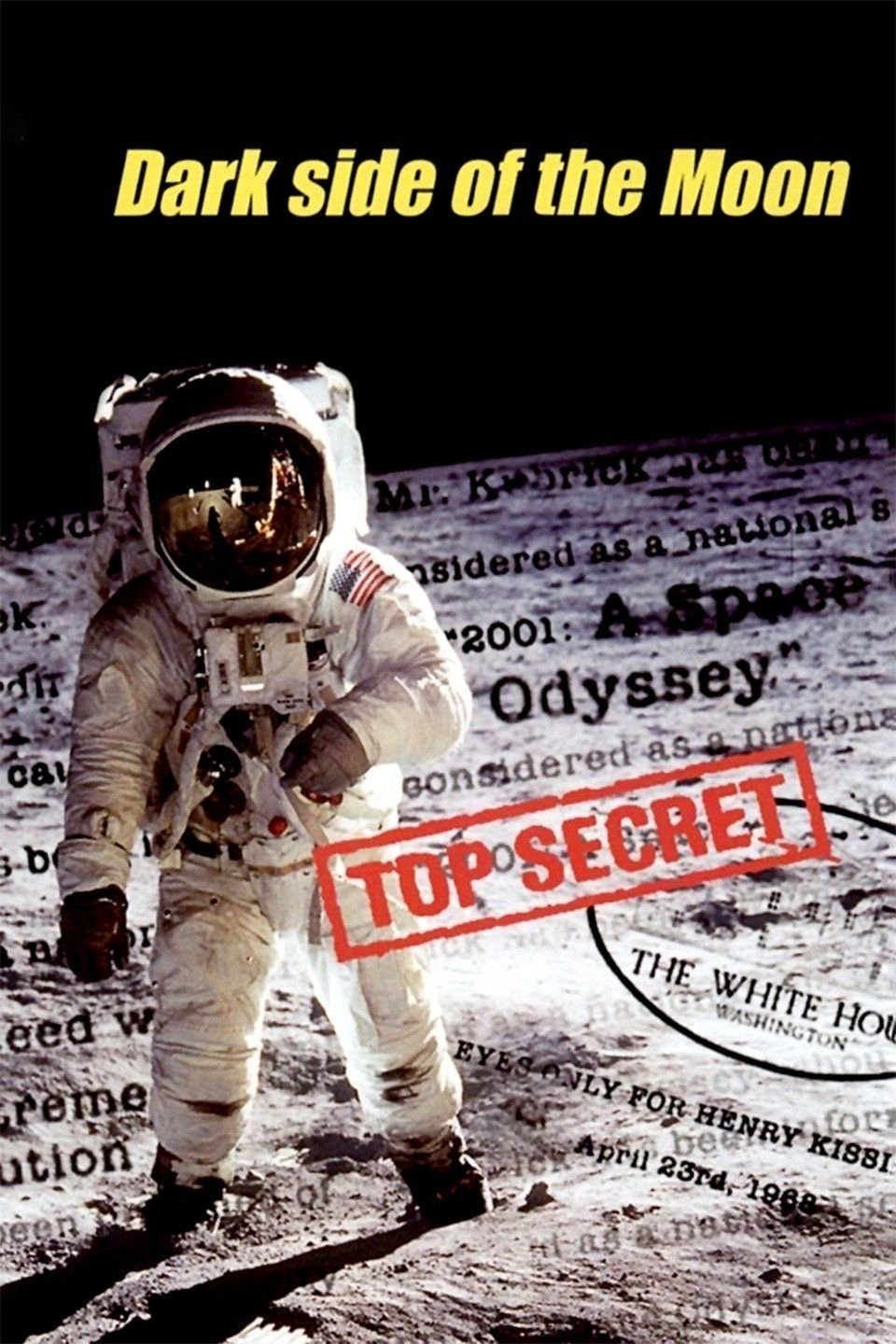
A French documentary or, one might say more accurately, a mockumentary, by director William Karel which originally aired on Arte in 2002 with the title Opération Lune. The basic premise for the film is the theory that the television footage from the Apollo 11 Moon landing was faked and actually recorded in a studio by the CIA with help from director Stanley Kubrick.
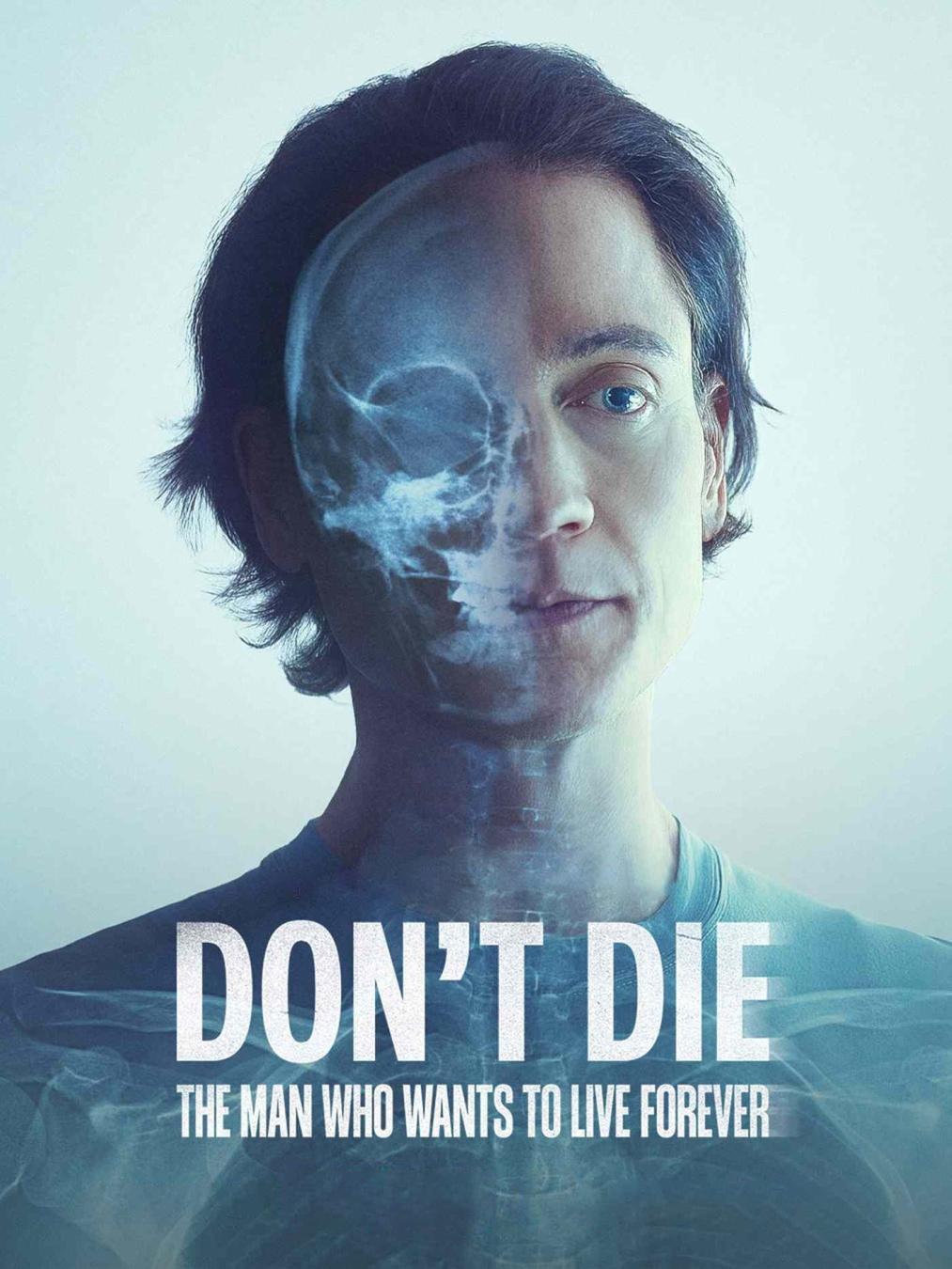
In this documentary, wealthy entrepreneur Bryan Johnson puts his body and fortune on the line to defy aging and extend his life beyond all known limits.
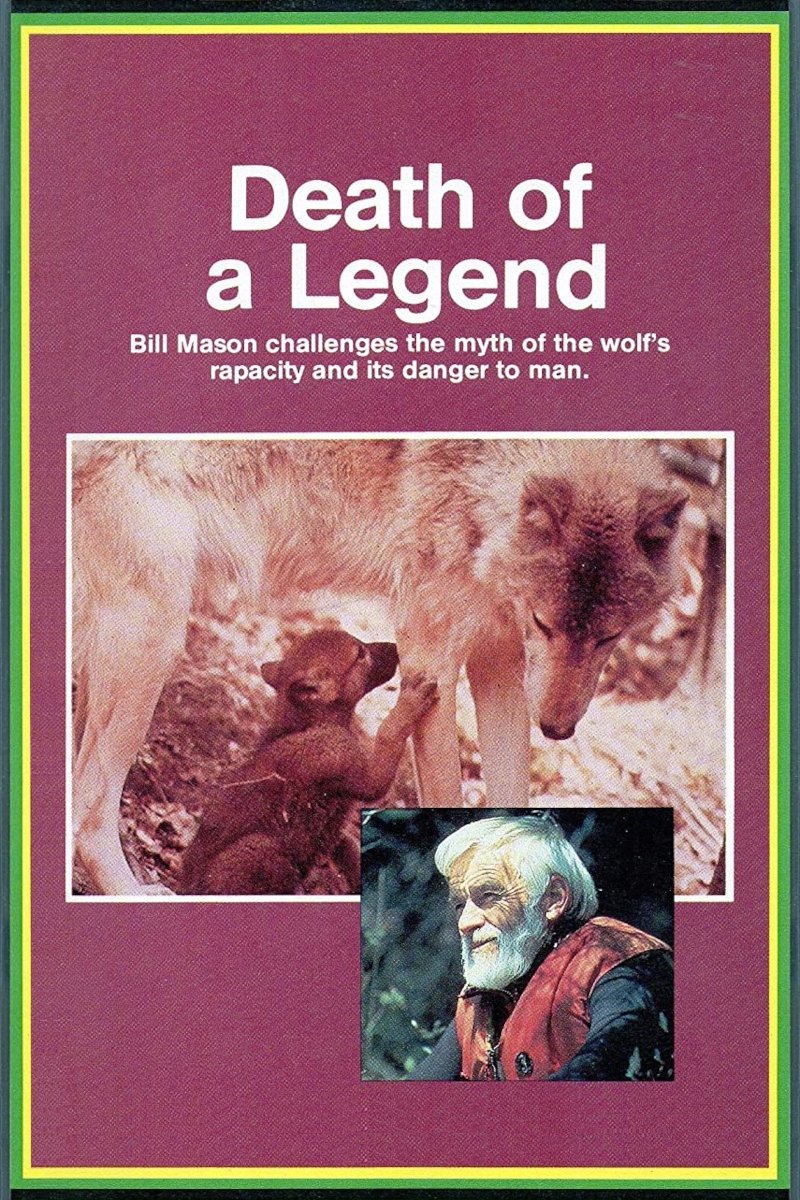
This documentary film is about wolves and the negative myths surrounding the animal. Exceptional footage portrays the wolf's life cycle and the social organization of the pack, as well as film of caribou, moose, deer and buffalo.
Two filmmakers juxtapose field recordings and documented moving images as an attempt to reconcile with their place in their desensitized semi-urban hometown in India.
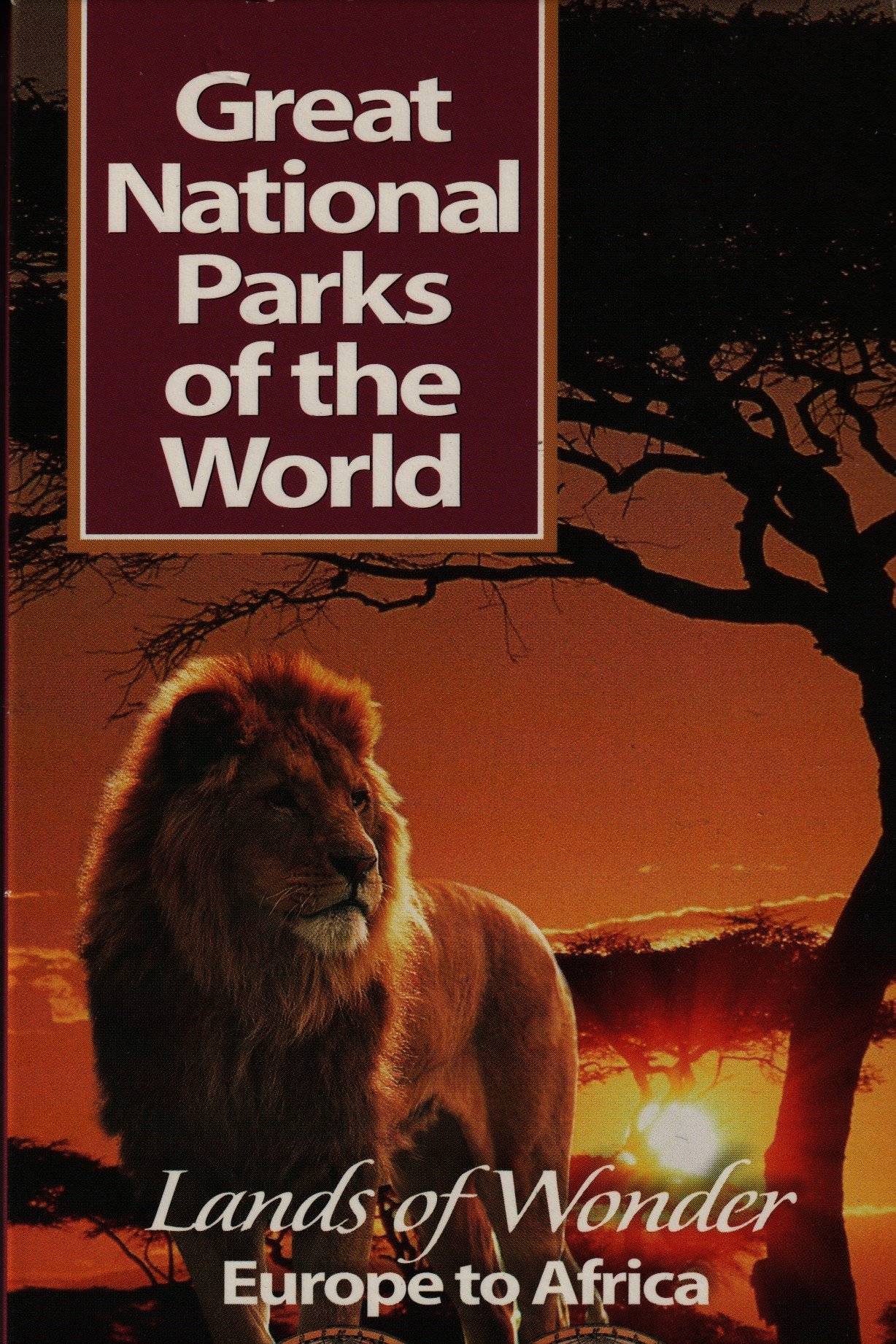
Take a thrilling journey to four of the greatest national treasures of Europe and Africa. Walk along the misty shores of Ireland's rocky northern coast to experience the legendary Giant's Causeway. Search for elusive mountain gorillas in Uganda's lush Impenetrable Forest. Climb the stunning snow-capped peaks of Italy's timeless Alps to discover the regal ibex in Gran Paradiso National Park. Behold the spectacle of thundering herds of migrating wildebeest, zebra and gazelle on Africa's fabled Serengeti Plains.
In a village near Bednja all the inhabitants are born on the same date - 17th October. There are many theories about the causes of this unusual phenomenon, but one thing is certain: it has marked the locals' private and social life.
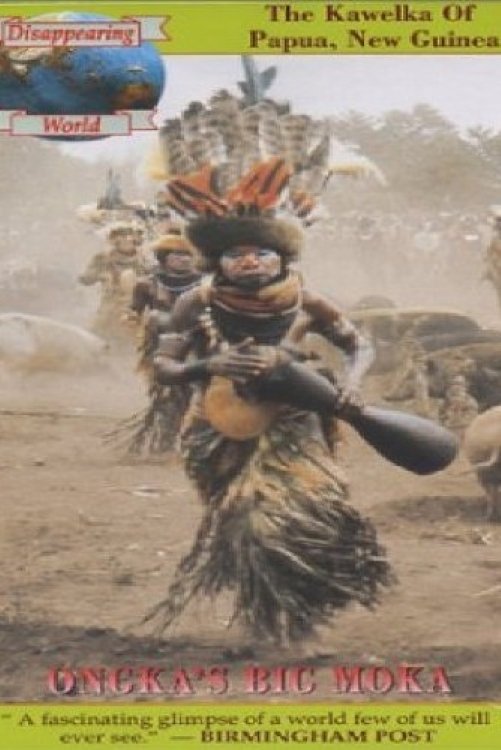
The film follows Ongka's struggles to accumulate huge numbers of pigs and other items of value to present at a Moka ceremony to another tribe.
It tells the story of 3 scientific renegades: a botanist (Robin Wall Kimmerer), a forester (Suzanne Simard), and a philosopher (Paco Calvo) who listen and learn from plants. Today the world is finally waking up to their message.
Dream and deficiency, a letter without recipient.
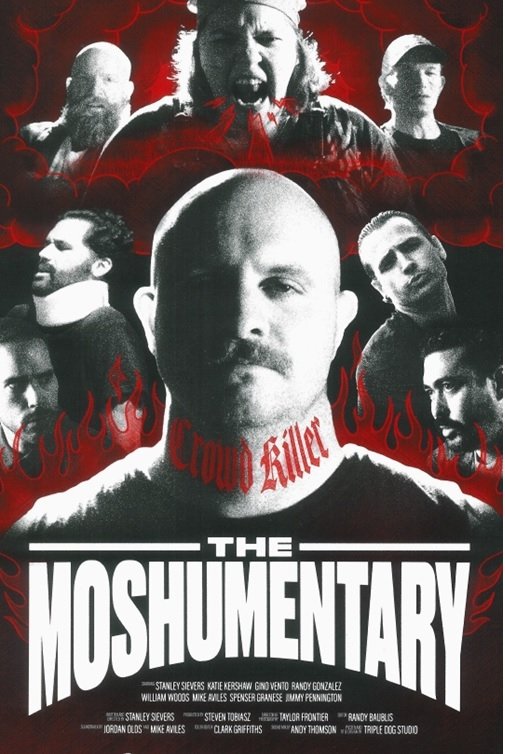
After being banned from moshing due to his violent past, a grown man must right his previous wrongs in order to come out of mosh retirement for his favorite band's reunion show.
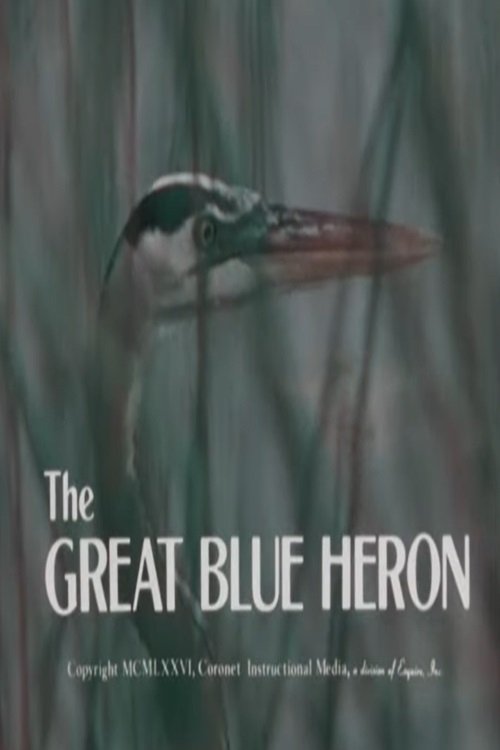
Provides, through onsite study and observations of a young biologist, an introduction to the life cycle and habitat of the blue heron. Shows its cycles of migration, reproduction and growth and obstacle to survival.
A lonely drone pilot sets off to capture the perfect composition.
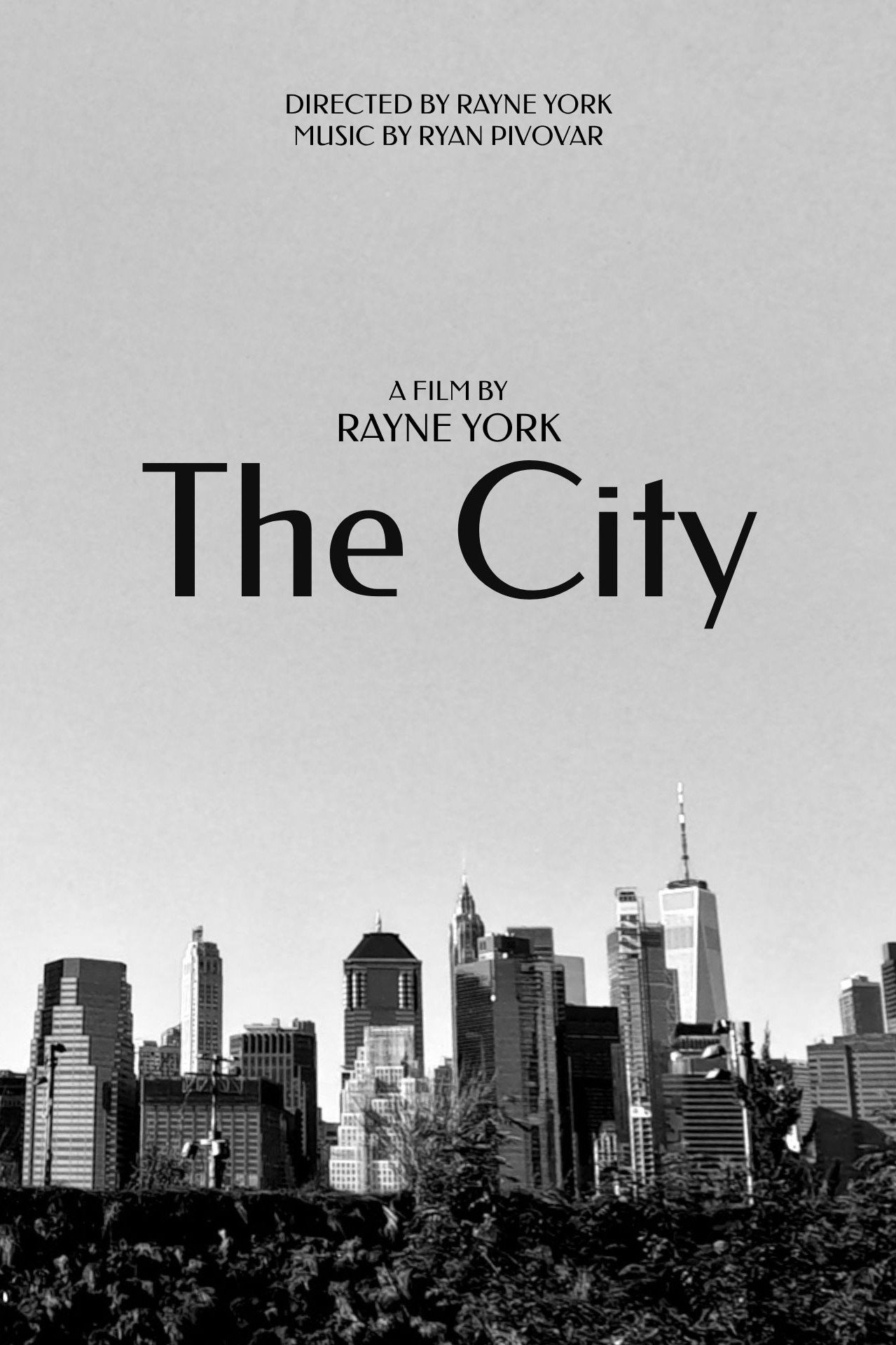
The City is a short film that takes audiences on an unscripted visual journey across New York City over the course of a year. A spotlight is shown on seemingly ordinary moments in our lives, revealing their true beauty and importance. An orchestral score guides viewers across seasons as they explore New York for what feels like the first time. Although The City takes place in New York, what makes it special is the people. The authentic moments that just happen to take place between towering skyscrapers and 21 bridges.
Consisting of a single shot, Spiders on a Web is one of the earliest British examples of close-up natural history photography. Made by one of the pioneers of the British film industry, G.A. Smith, this short film details spiders trapped in an enclosure, and despite the title, does not actually feature a web.
A visual montage portrait of our contemporary world dominated by globalized technology and violence.
In an intimate and joyful story of love in the face of loss, celebrated poets Andrea Gibson and Megan Falley find strength—and unexpected hilarity—in what might be their final year together.
Over 35 years after Bob Lazar's revelations, this documentary exposes secrets of a facility the government still denies. Featuring Lazar's testimony, recreations, and new evidence, it reopens a case that continues to spark global curiosity
Unravel the case of Utah therapist Jodi Hildebrandt, whose child abuse arrest with parenting YouTuber Ruby Franke exposed a twisted tale of manipulation.
A string of threatening emails escalates into a revenge plot involving a newly married US marshal and his ex-girlfriend.
Through deeply personal interviews with her siblings and an examination of the photographs, letters, and belongings left behind, Mariska assembles a new portrait of her mother Jayne Mansfield, an extraordinary and complex woman.
An exploration of technologically developing nations and the effect the transition to Western-style modernization has had on them.
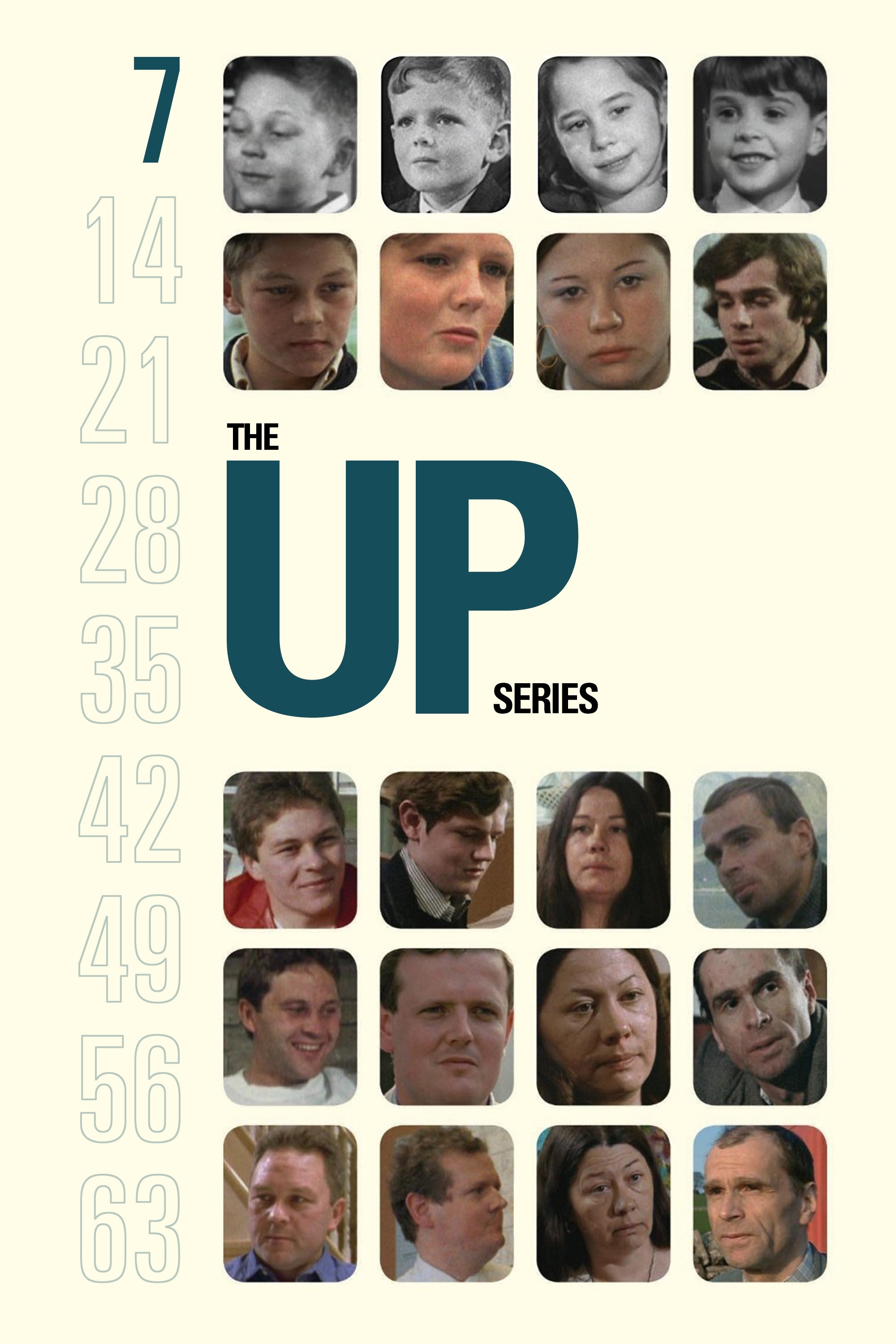
A group of British children aged 7 from widely ranging backgrounds are interviewed about a range of subjects. The filmmakers plan to re-interview them at 7 year intervals to track how their lives and attitudes change as they age.
Carefully picked scenes of nature and civilization are viewed at high speed using time-lapse cinematography in an effort to demonstrate the history of various regions.
A compilation of over 30 years of private home movie footage shot by Lithuanian-American avant-garde director Jonas Mekas, assembled by Mekas "purely by chance", without concern for chronological order.
Director Michael Apted revisits the same group of British-born adults after a 7 year wait. The subjects are interviewed as to the changes that have occurred in their lives during the last seven years.
A documentary on the expletive's origin, why it offends some people so deeply, and what can be gained from its use.
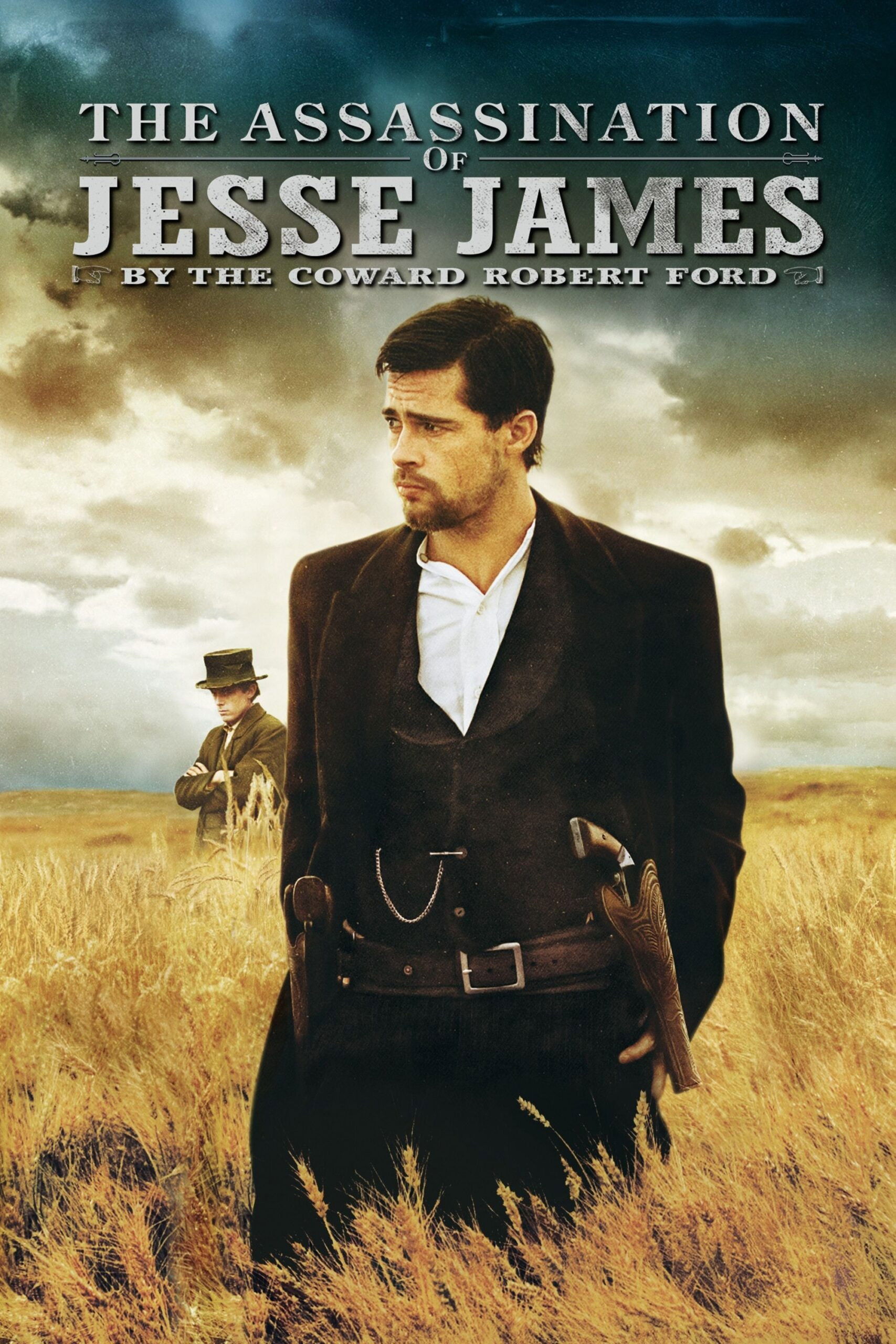
Explores the true story of the notorious Jesse James, how the myth developed during his lifetime, and how the legends have persisted over 100 years after his death at the hands of his former friend, Robert Ford.
Using the book 'Fragments', which collects Marilyn Monroe's poems, notes and letters, and with participation from the Arthur Miller and Truman Capote estates who have contributed more material, each of the actresses will embody the legend at various stages in her life.
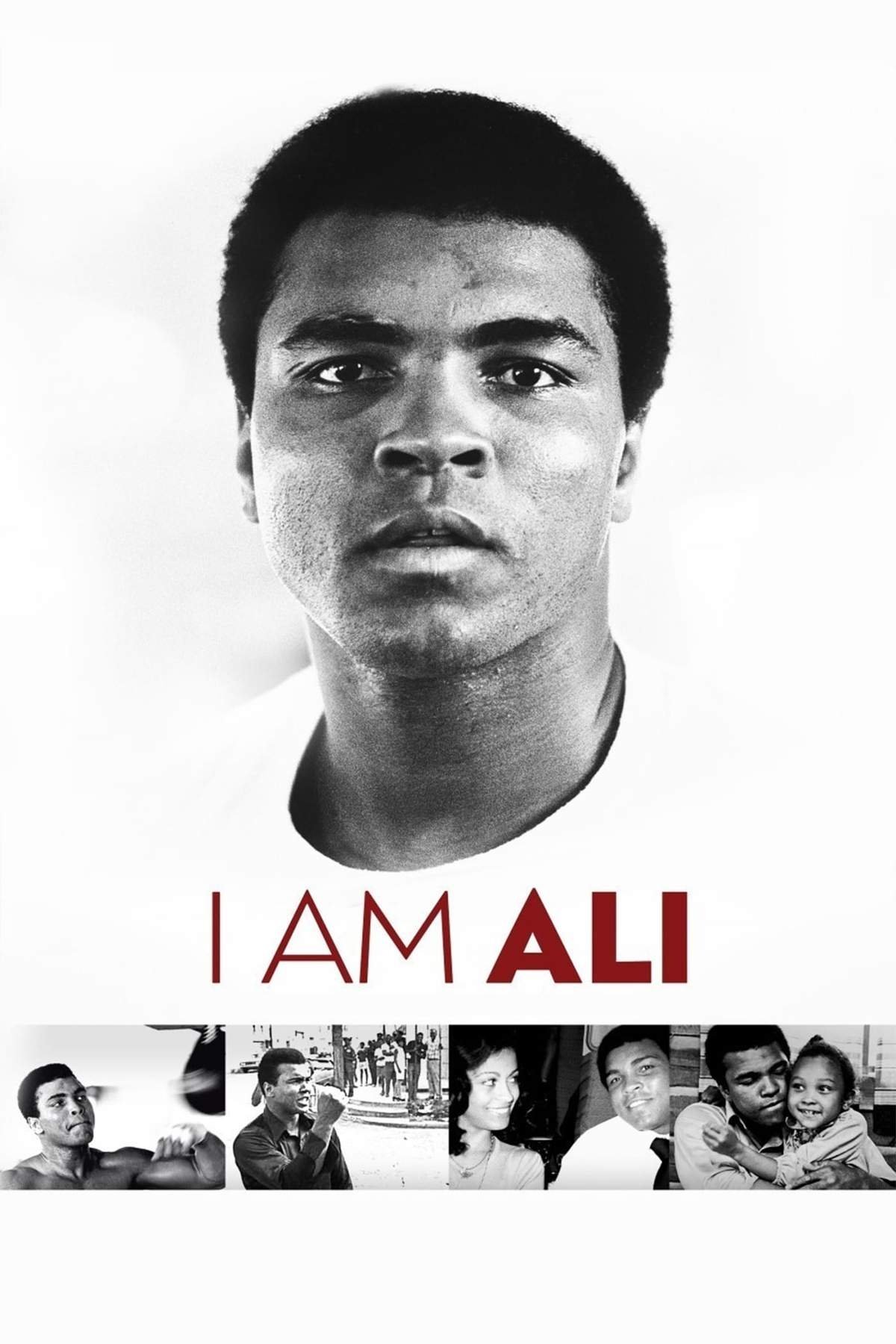
Unprecedented access to Muhammad Ali's personal archive of "audio journals" as well as interviews and testimonials from his inner circle of family and friends are used to tell the legend's life story.
SEDUCED AND ABANDONED combines acting legend Alec Baldwin with director James Toback as they lead us on a troublesome and often hilarious journey of raising financing for their next feature film. Moving from director to financier to star actor, the two players provide us with a unique look behind the curtain at the world's biggest and most glamourous film festival, shining a light on the bitter-sweet relationship filmmakers have with Cannes and the film business. Featuring insights from directors Martin Scorsese, 'Bernando Bertolucci' and Roman Polanski; actors Ryan Gosling and Jessica Chastain and a host of film distribution luminaries.
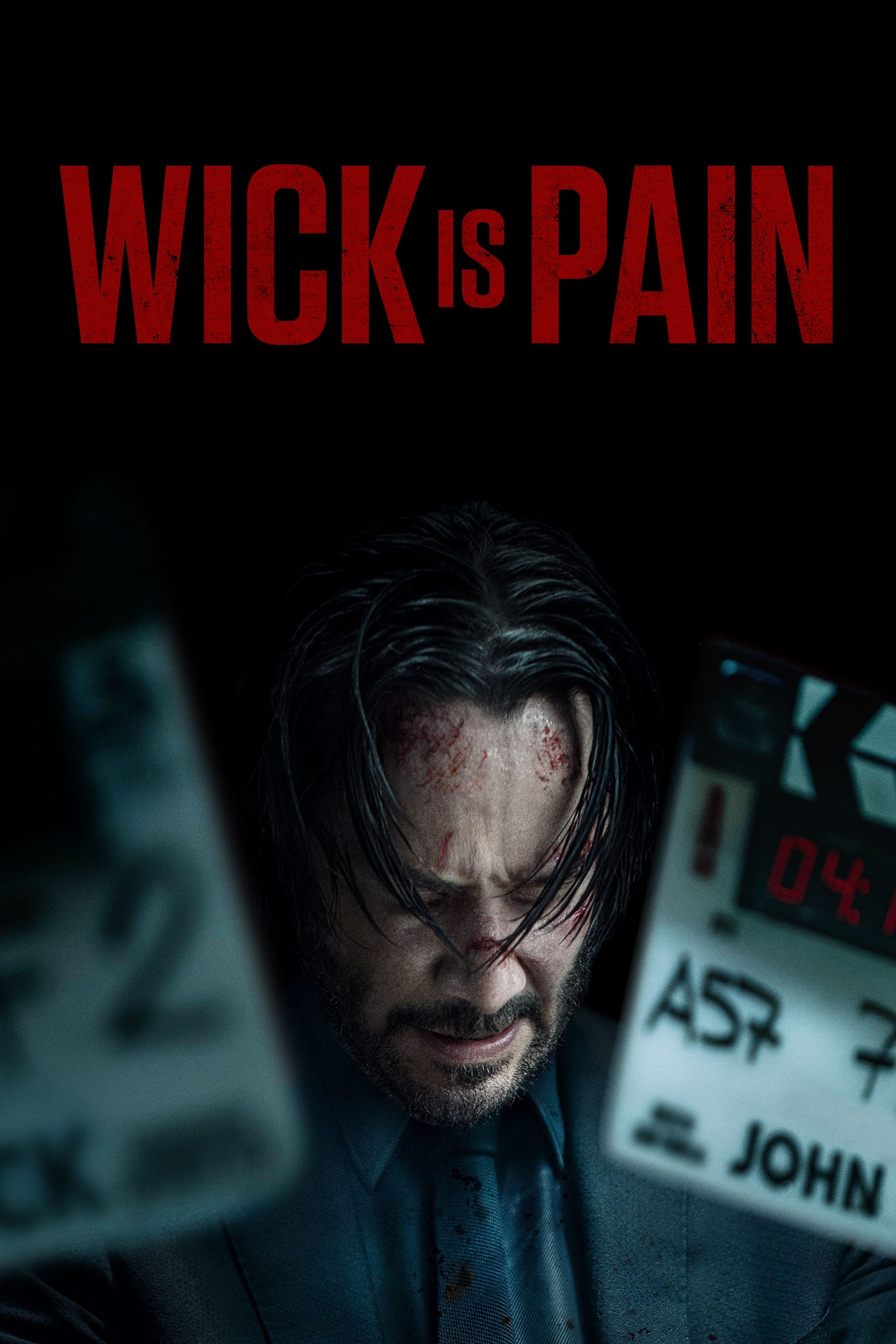
Witness the never-before-seen footage and true story behind the John Wick phenomenon – from independent film to billion-dollar franchise.
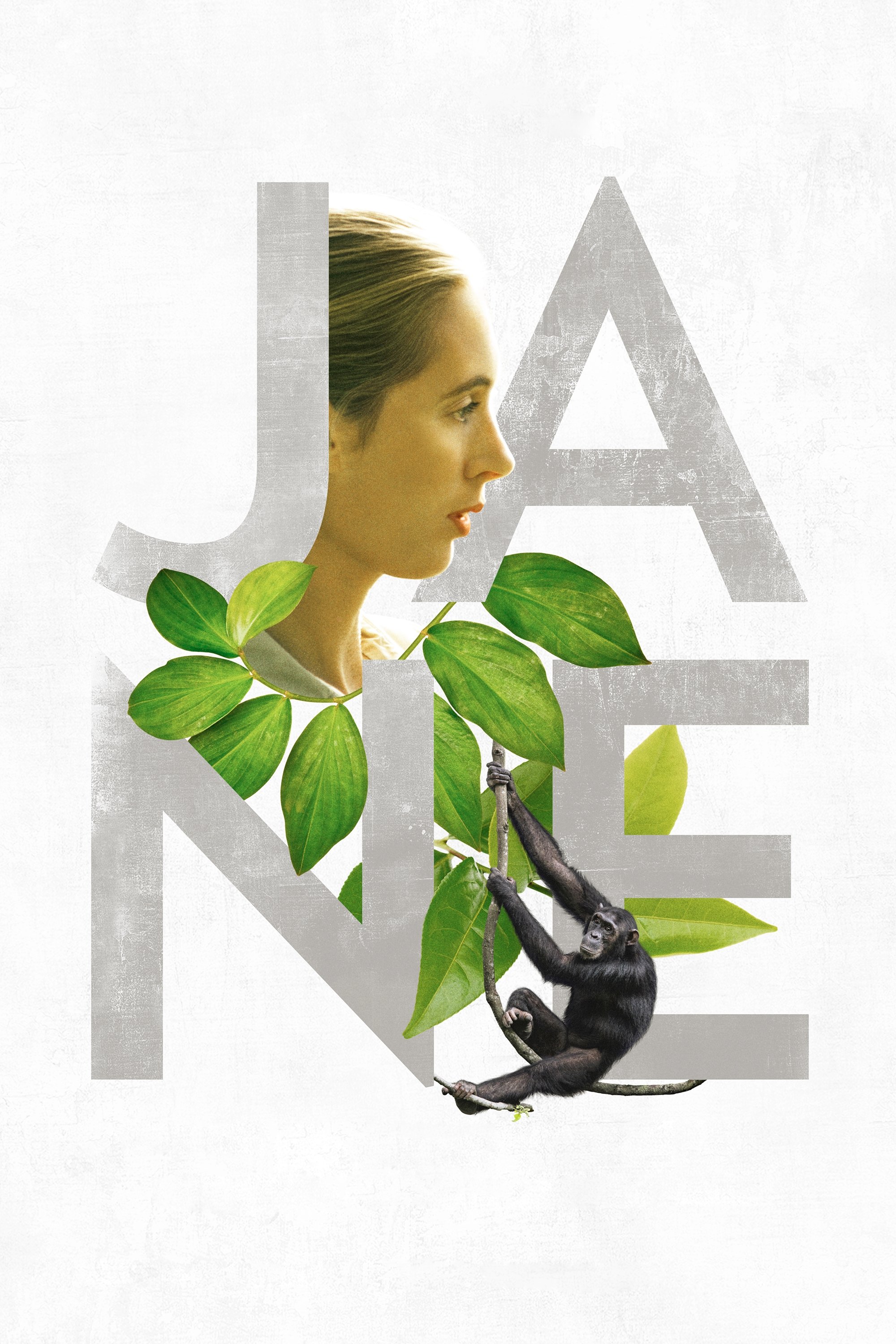
Drawing from never-before-seen footage that has been tucked away in the National Geographic archives, director Brett Morgen tells the story of Jane Goodall, a woman whose chimpanzee research revolutionized our understanding of the natural world.
In 2019, Nepalese mountain climber Nirmal “Nims” Purja set out to do the unthinkable by climbing the world’s fourteen highest summits in less than seven months. (The previous record was eight years). He called the effort “Project Possible 14/7” and saw it as a way to inspire others to strive for greater heights in any pursuit. The film follows his team as they seek to defy naysayers and push the limits of human endurance.
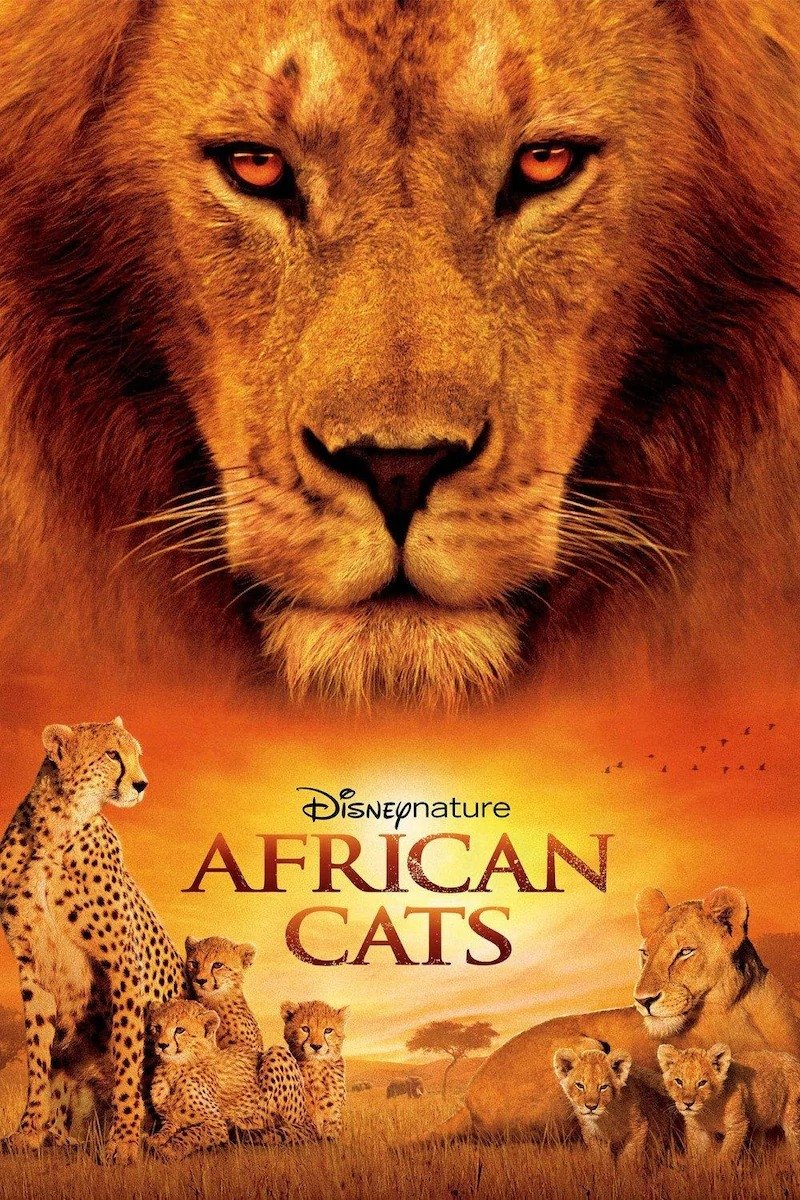
African Cats captures the real-life love, humor and determination of the majestic kings of the savanna. The story features Mara, an endearing lion cub who strives to grow up with her mother’s strength, spirit and wisdom; Sita, a fearless cheetah and single mother of five mischievous newborns; and Fang, a proud leader of the pride who must defend his family from a once banished lion.