A warship is displayed
Social & External
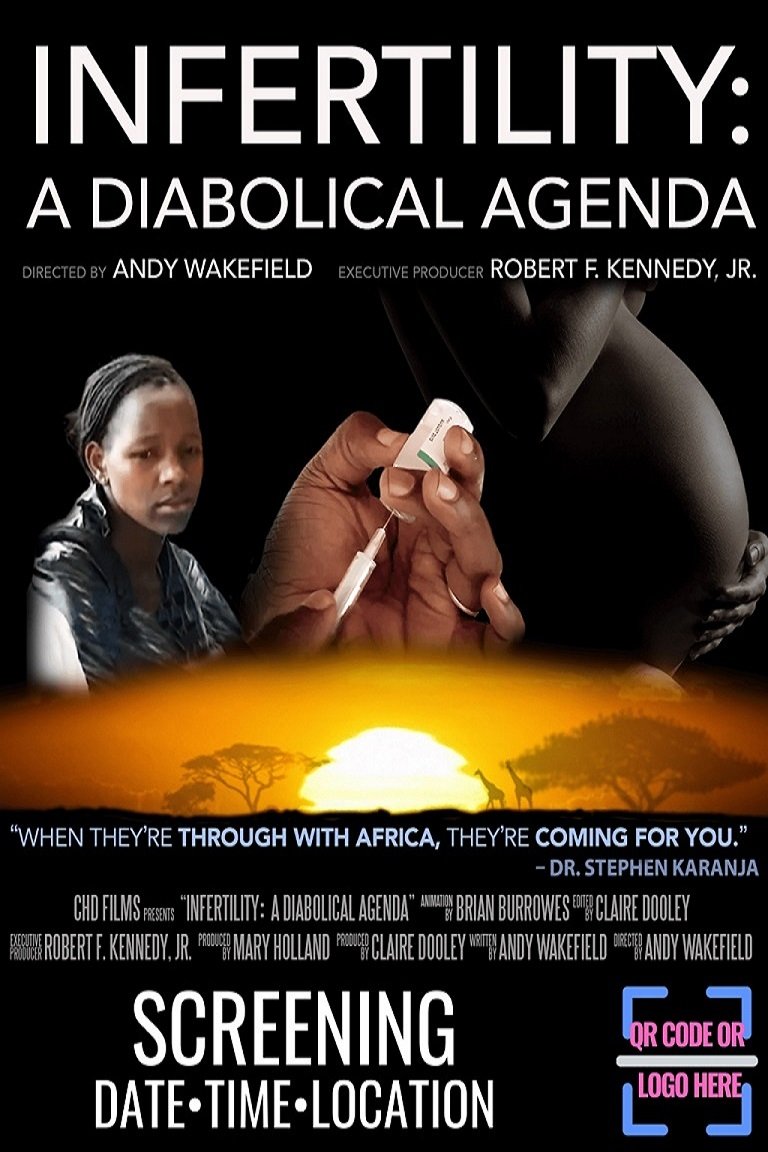
Watch the chilling tale of African women whose fertility was tragically stripped away through an experimental tetanus vaccination program. Are women from other continents next?
An overview of the best methods and techniques for taking nude photographs.
Damiano David's short film for the presentation of his first somo album: Funny Little Fears. He speaks and sings about his fears.
Members of the voluntary Human Extinction Movement in Mexico try to convince people not to procreate to achieve gradual human extinction. Soon, an involuntary event will put their ideas into perspective: a pandemic.
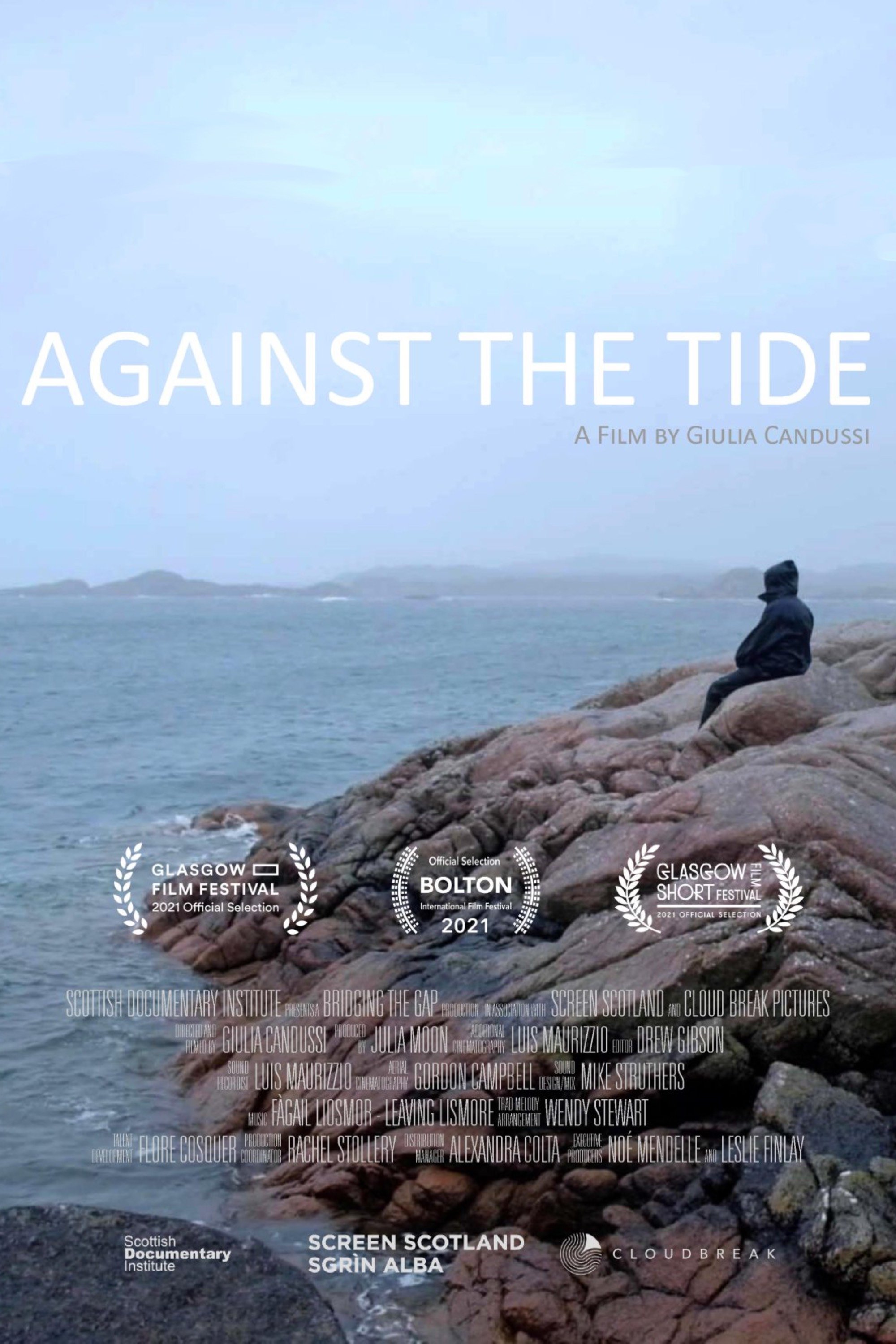
A remote and wild island on the west coast of Scotland is home to a small group of people that live in deep connection with the land, the sea and the weather. For different reasons, they left their city life to escape their inner demons and to live as eco-friendly and sustainable as possible.
Short film against the oppression of women. At first, differences in education are presented and then how the relationship between women and men looks like in the professional world.
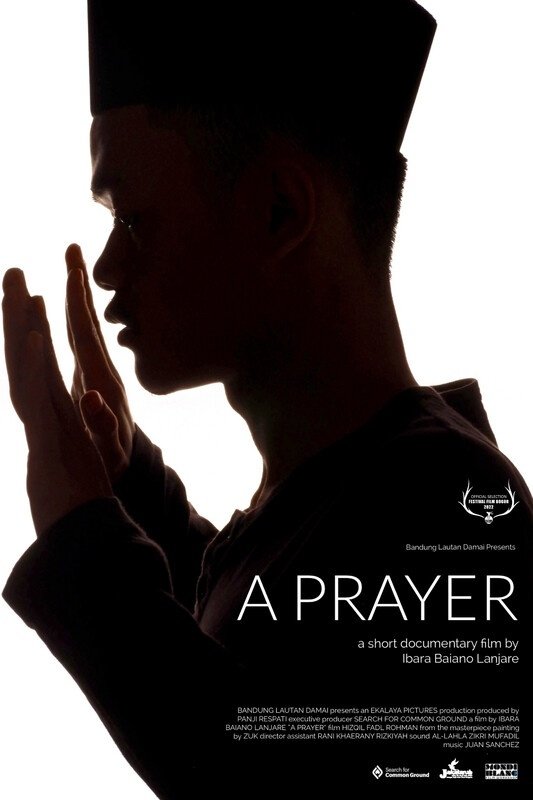
Indonesia's 1945 Constitution guarantees the independence of every citizen to embrace their religion and to worship according to their beliefs. Is it applied well in current day Indonesia?
Chronicle of the Occupation.
A documentary which offers insights into the adaptation of the original stage play and the making of this new production of Beckett's work.
On the surface, this collection of shorts by up-and-coming African American filmmakers arrived at a perfect time. The cutting-edge products of the New Black Cinema of the early '90s had disappeared, giving way to embarrassingly stereotypical, scatological fare such as Booty Call and Next Friday. This feature-packed compilation (which includes production notes, interviews with all of the filmmakers, and audio commentary by four) attempts to prove that African American cinema is intent on moving past the lowbrow humor, as six of the seven shorts steer clear of any comedy.
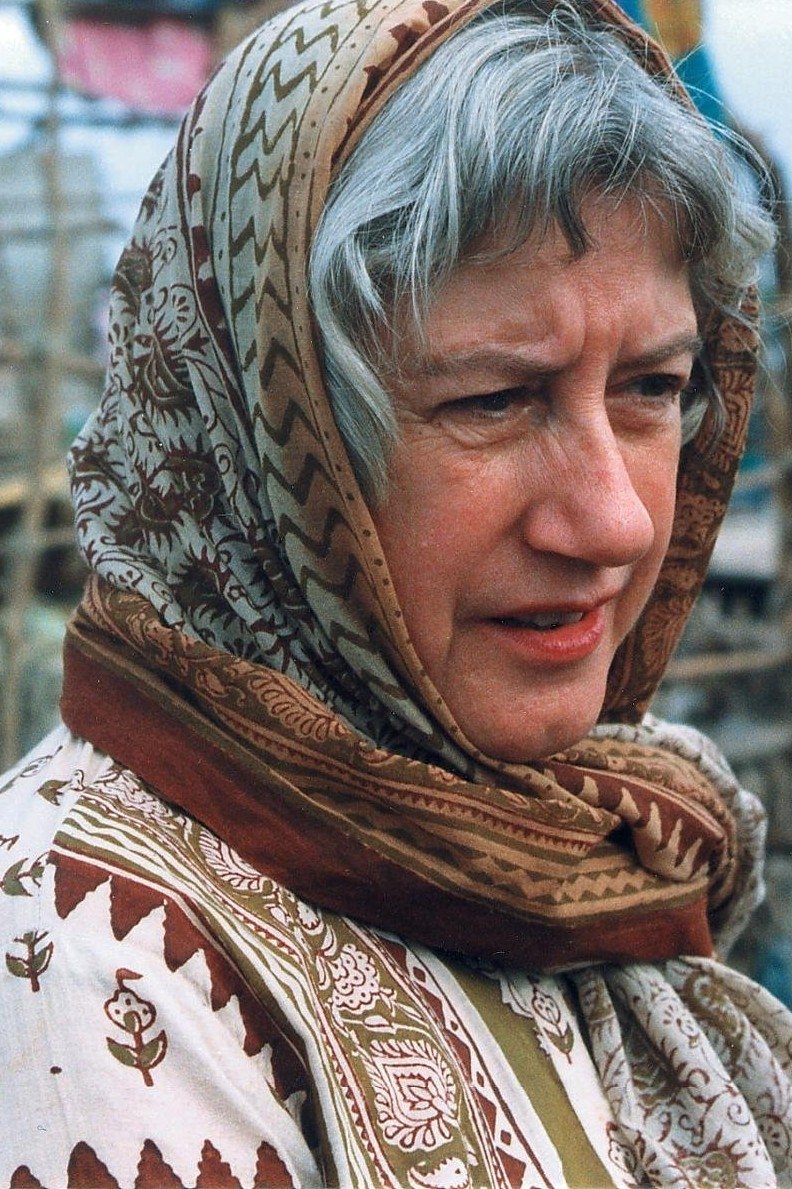
A Calling to Care is the inspiring story of 55 year-old Grace Stanley, a Canadian nurse who left her home and prestigious career behind to answer a calling halfway around the world in Karachi, Pakistan. Teaching nursing to local women in a strict Muslim culture that forbids them to even to touch men is a formidable task. However, Grace challenges her own values and belief systems to find common ground with her students, helping them to excel and feel respect for themselves in a culture that doesn't respect them. Whether it is getting her hands painted with henna, swimming fully-clothed in the ocean, or marching bravely with them on International Women's Day, Grace bonds with her students in a very special way, and ultimately discovers how the West can learn a lot more from the Third World than she ever thought.
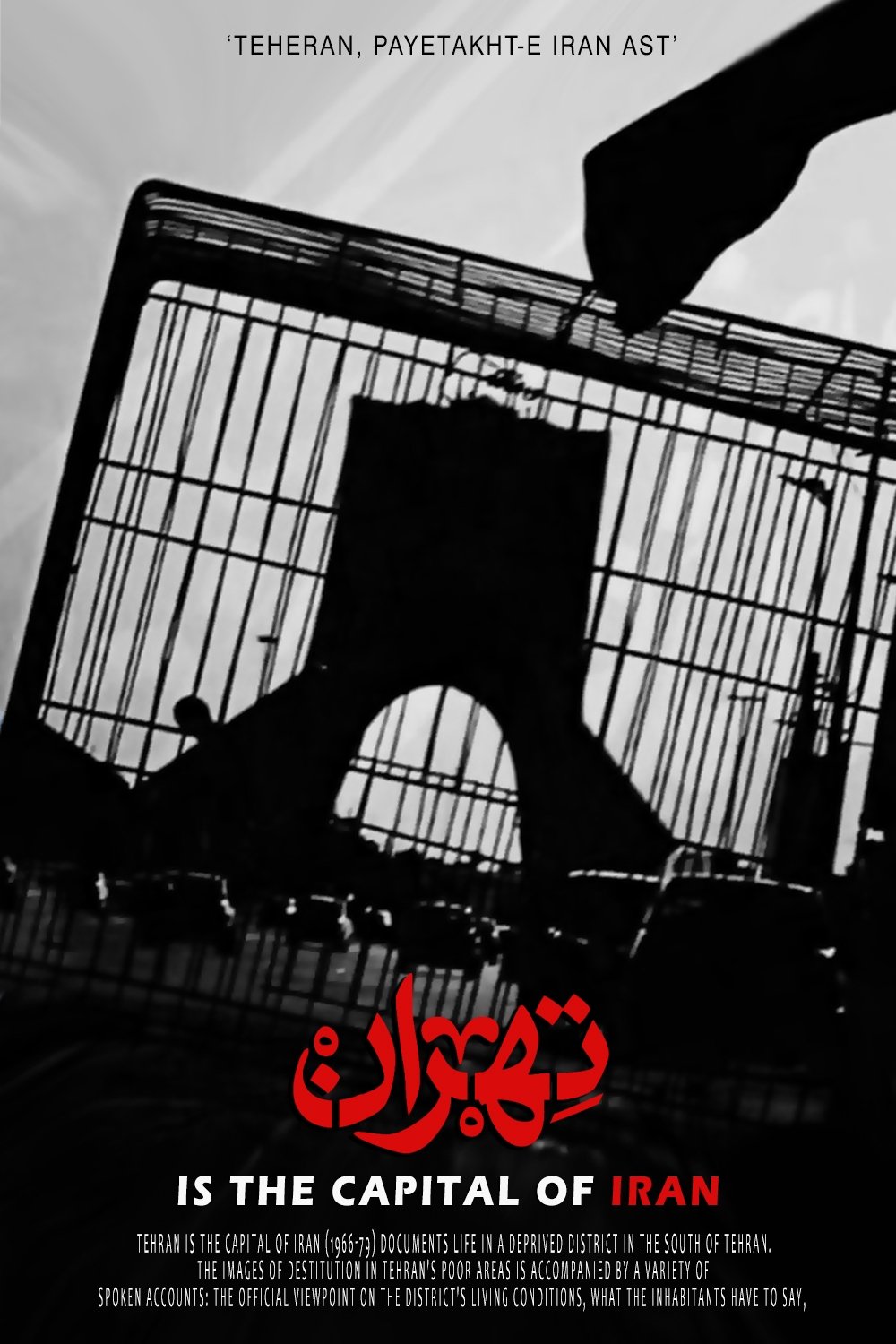
Tehran Is the Capital of Iran (1966-79) documents life in a deprived district in the south of Tehran. The images of destitution in Tehran's poor areas is accompanied by a variety of spoken accounts: the official viewpoint on the district's living conditions, what the inhabitants have to say, and occasional extracts read out of school manuals. The key element in Shirdel's film is the counterpoint effect he creates with image and sound. His impressively powerful portrayal of social unease helps reinforce the impact of his astonishing documentary images and social themes.
In the north of the Philippines lies the area of Banaue, known for its rice cultivation. Roger lives here in a small village. Roger is thirteen and has five brothers and sisters. As the oldest, he is responsible for the daily firewood. To get this, Roger sets off into the mountains every other day. At seven in the morning, they start. A truck takes Roger and his four friends out into the steep, forested slopes above the rice terraces. With them on the back of the truck are the 'scooters', homemade wooden scooters with which the firewood is driven down to the valley. Once they reach the top, they cut down smaller logs, chop them up and pack their scooters full of them. After this strenuous work, the great fun begins. On bumpy paths and at breakneck speed, they make their way back to the village. Races and tricks are part of the fun, of course.
Cecilie, Hildegunn and Merete have something in common. They are all adults and collect LEGO. This short documentary gives a glimpse into their passion, and the role the popular plastic bricks plays in their lives.
Adults reflect on the experience of losing a parent at a young age.
A collage of five people from different cultures living in Switzerland. They reflect on life by looking at their origins. The liveliness and diversity of life can be divined.
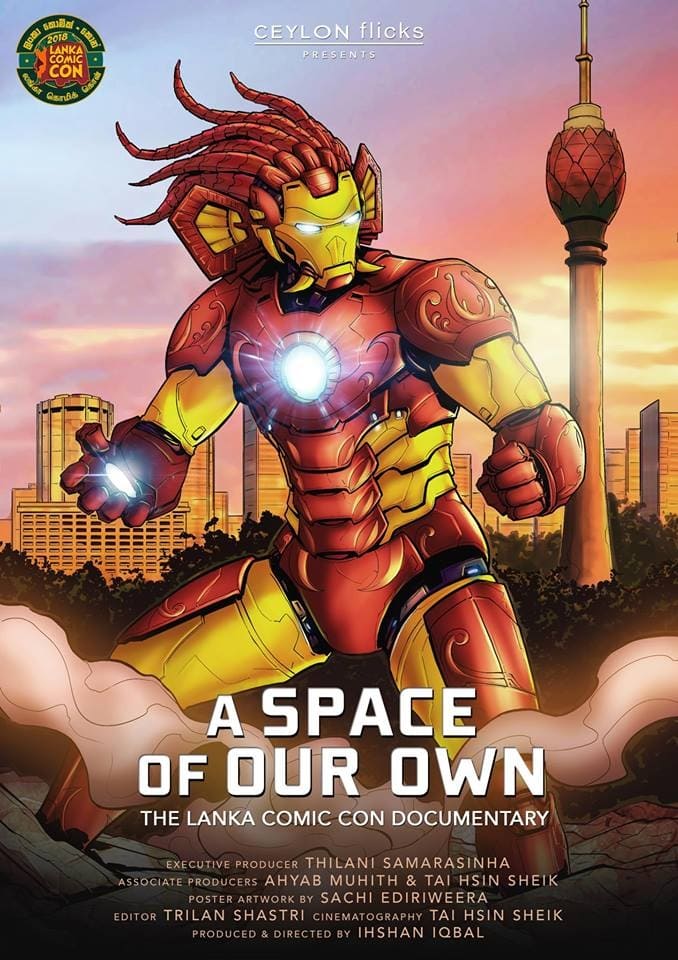
A Documentary about the Lanka Comic Con, history of how it started, and its community.
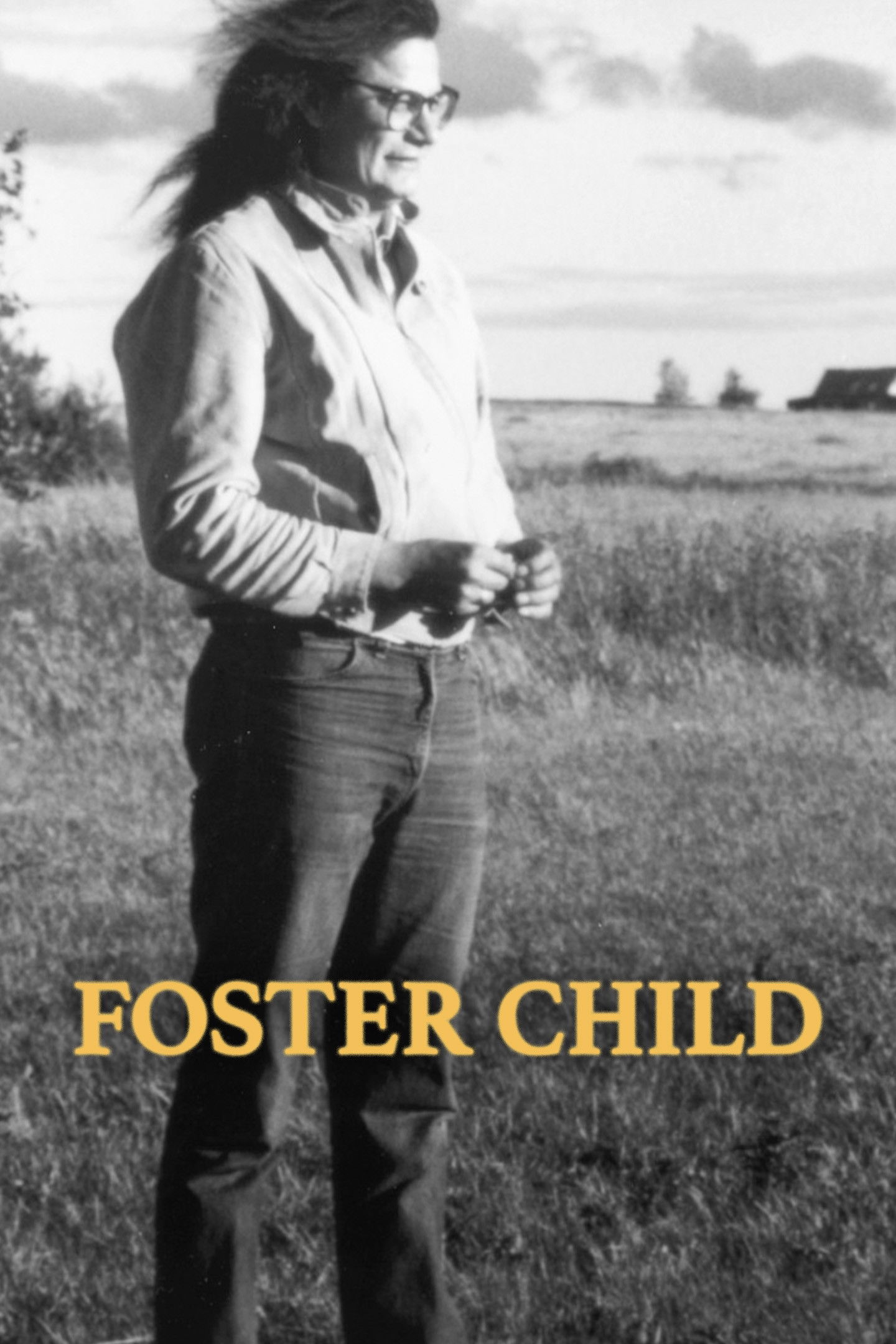
Gil Cardinal searches for his natural family and an understanding of the circumstances that led to his becoming a foster child. An important figure in the history of Canadian Indigenous filmmaking, Gil Cardinal was born to a Métis mother but raised by a non-Indigenous foster family, and with this auto-biographical documentary he charts his efforts to find his biological mother and to understand why he was removed from her. Considered a milestone in documentary cinema, it addressed the country’s internal colonialism in a profoundly personal manner, winning a Special Jury Prize at Banff and multiple international awards.
Short film about the tanks of the NVA (army of the German Democratic Republic)
Daniel Craig candidly reflects on his 15 year adventure as James Bond. Including never-before-seen archival footage from Casino Royale to the upcoming 25th film No Time To Die, Craig shares his personal memories in conversation with 007 producers, Michael G Wilson and Barbara Broccoli.
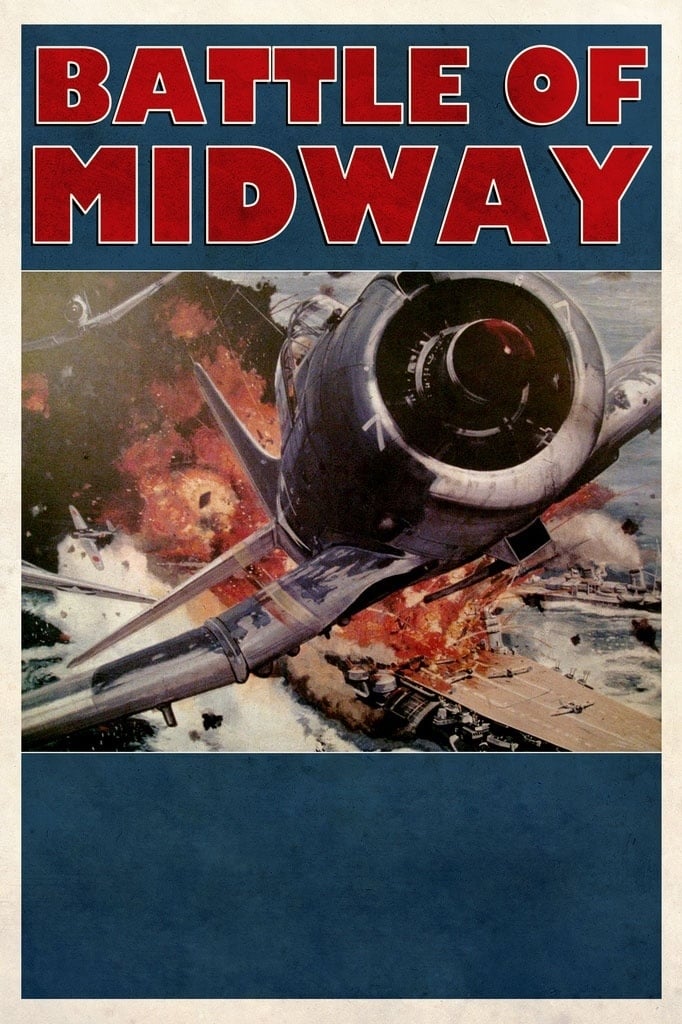
The Japanese attack on Midway in June 1942, filmed as it happened. Preserved by the Academy Film Archive, in partnership with Twentieth Century Fox Film Corporation, in 2006.
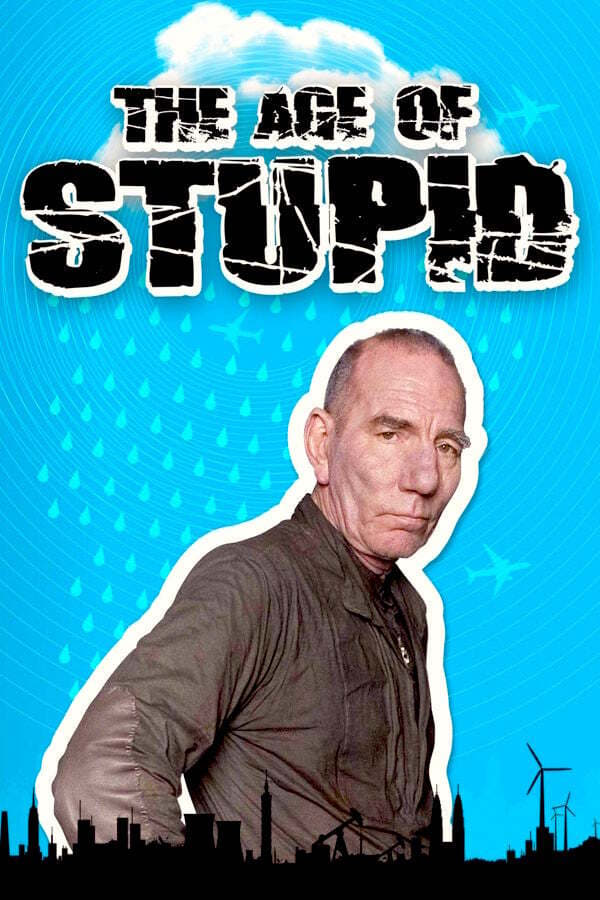
Pete Postlethwaite stars as a man living alone in the devastated future world of 2055, looking at old footage from 2008 and asking: why didn’t we stop climate change when we had the chance?
A documentary focused on plastic pollution in the world's oceans.
When Allied forces liberated the Nazi concentration camps in 1944-45, their terrible discoveries were recorded by army and newsreel cameramen, revealing for the first time the full horror of what had happened. Making use of British, Soviet and American footage, the Ministry of Information’s Sidney Bernstein (later founder of Granada Television) aimed to create a documentary that would provide lasting, undeniable evidence of the Nazis’ unspeakable crimes. He commissioned a wealth of British talent, including editor Stewart McAllister, writer and future cabinet minister Richard Crossman – and, as treatment advisor, his friend Alfred Hitchcock. Yet, despite initial support from the British and US Governments, the film was shelved, and only now, 70 years on, has it been restored and completed by Imperial War Museums under its original title "German Concentration Camps Factual Survey".
The life and career of an actor, artist, and icon. His own journey through his own camera.
A love letter from a young mother to her daughter, the film tells the story of Waad al-Kateab’s life through five years of the uprising in Aleppo, Syria as she falls in love, gets married and gives birth to Sama, all while cataclysmic conflict rises around her. Her camera captures incredible stories of loss, laughter and survival as Waad wrestles with an impossible choice– whether or not to flee the city to protect her daughter’s life, when leaving means abandoning the struggle for freedom for which she has already sacrificed so much.
The Captains is a feature-length documentary film written and directed by William Shatner. The film follows Shatner as he interviews the other actors who have portrayed starship captains in the Star Trek franchise.
A documentary about the life and films of director John Ford.
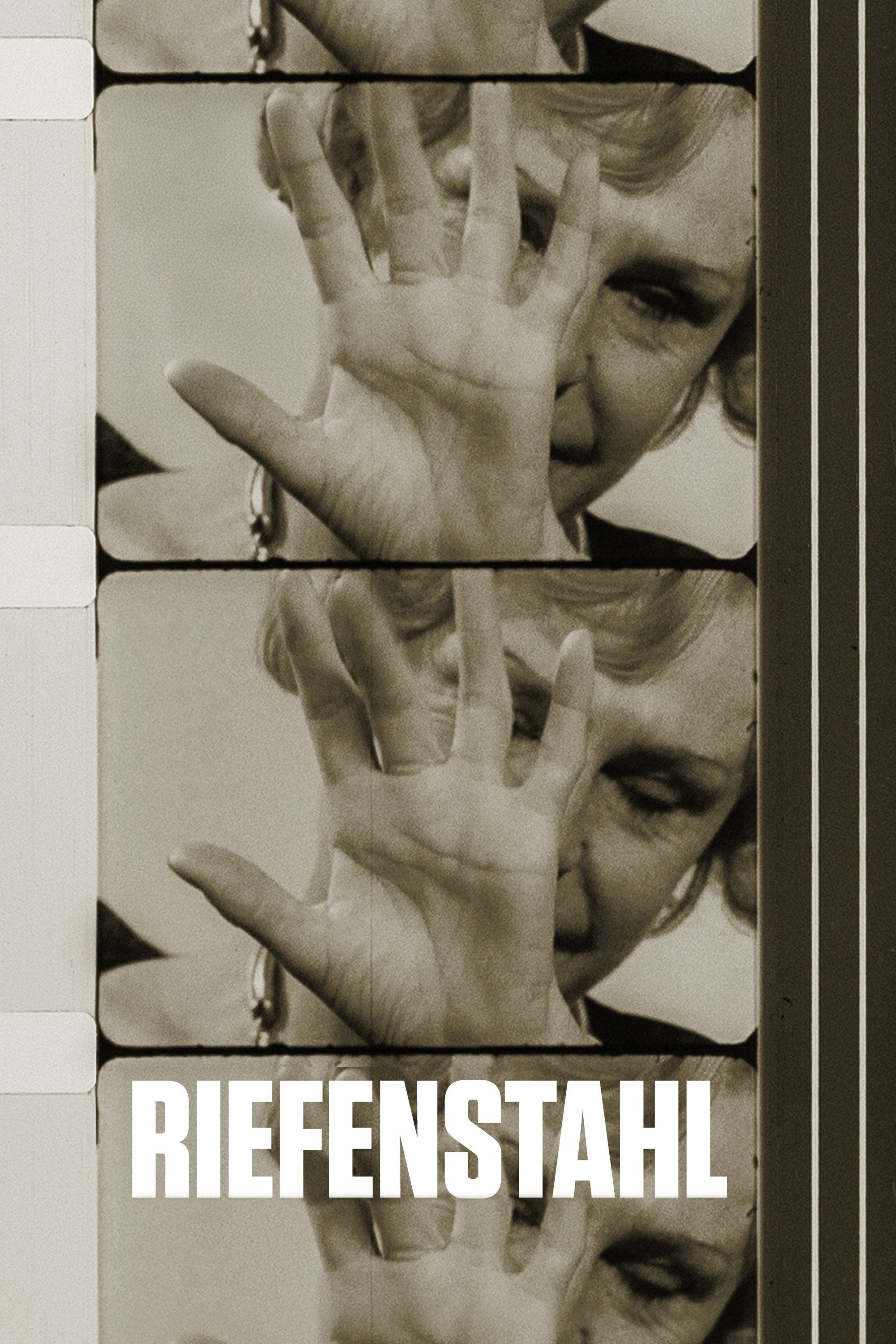
Explores Leni Riefenstahl's artistic legacy and her complex ties to the Nazi regime, juxtaposing her self-portrayal with evidence suggesting awareness of the regime's atrocities.
A documentary on the modeling industry's 'supply chain' between Siberia, Japan, and the U.S., told through the experiences of the scouts, agencies, and a 13-year-old model.
Al Pacino's deeply-felt rumination on Shakespeare's significance and relevance to the modern world through interviews and an in-depth analysis of "Richard III."
JB Smoove and Martin Starr host a celebration of 20 years of "Spider-Man" movies, from the Sam Raimi trilogy to Marc Webb's movies and the trio from Jon Watts.
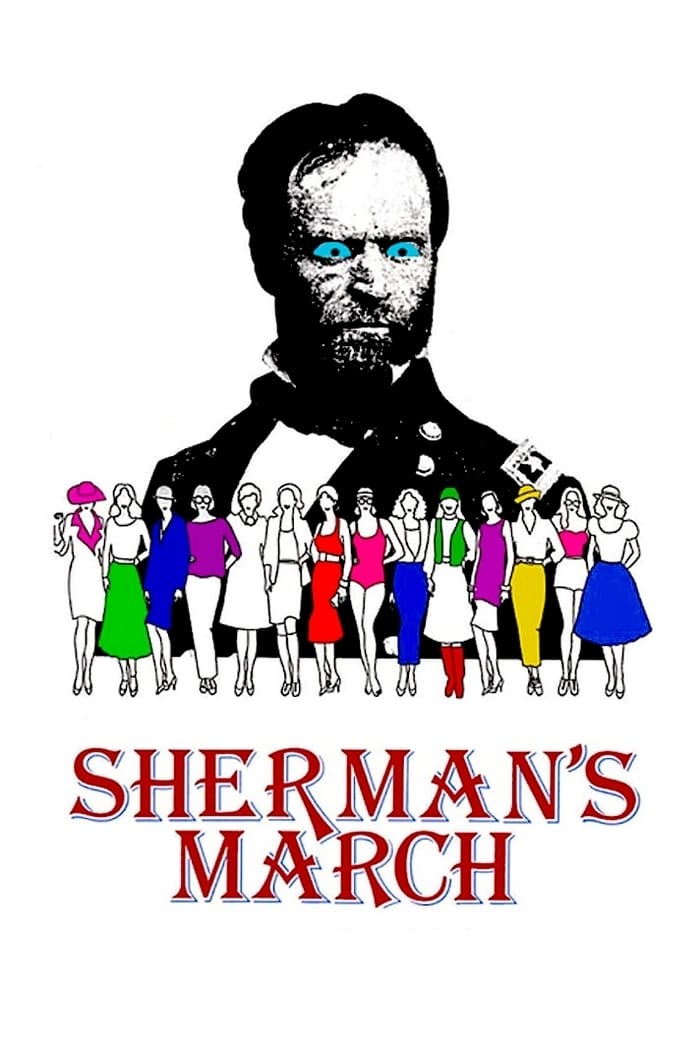
Ross McElwee sets out to make a documentary about the lingering effects of General Sherman's march of destruction through the South during the Civil War, but is continually sidetracked by women who come and go in his life, his recurring dreams of nuclear holocaust, and Burt Reynolds.
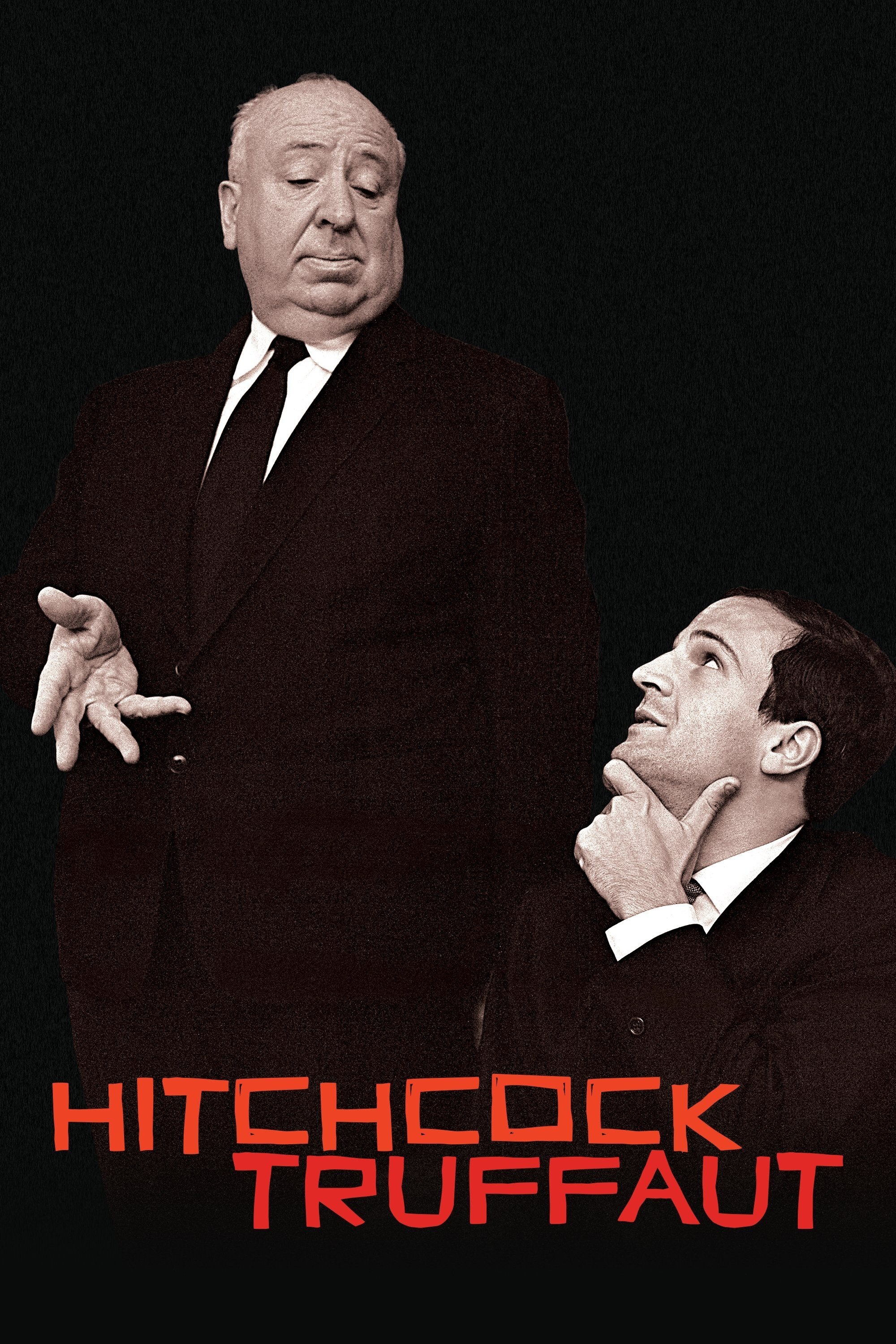
Filmmakers discuss the legacy of Alfred Hitchcock and the book “Hitchcock/Truffaut” (“Le cinéma selon Hitchcock”), written by François Truffaut and published in 1966.
Martin Scorsese’s portrait of writer and social commentator Fran Lebowitz, celebrated for her sharp wit and observations on modern life. Filmed at New York’s Waverly Inn and intercut with archival footage and interviews, the documentary captures Lebowitz’s distinctive worldview through her spontaneous monologues and public appearances.
Those who knew iconic funnyman John Candy best share his story, in their own words, through never-before-seen archival footage, imagery, and interviews.
Amber Heard and Nicole Kidman discuss their characters Mera and Atlanna.
Through deeply personal interviews with her siblings and an examination of the photographs, letters, and belongings left behind, Mariska assembles a new portrait of her mother Jayne Mansfield, an extraordinary and complex woman.
This character-driven film considers the evolving sex trafficking landscape as seen by the main players: the exploited, the pimps, the johns that fuel the business, and the cops who fight to stop it.