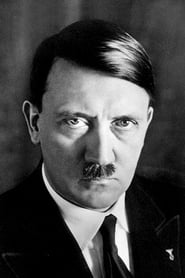
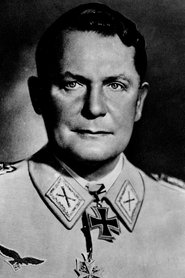
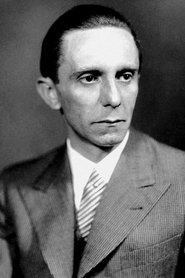
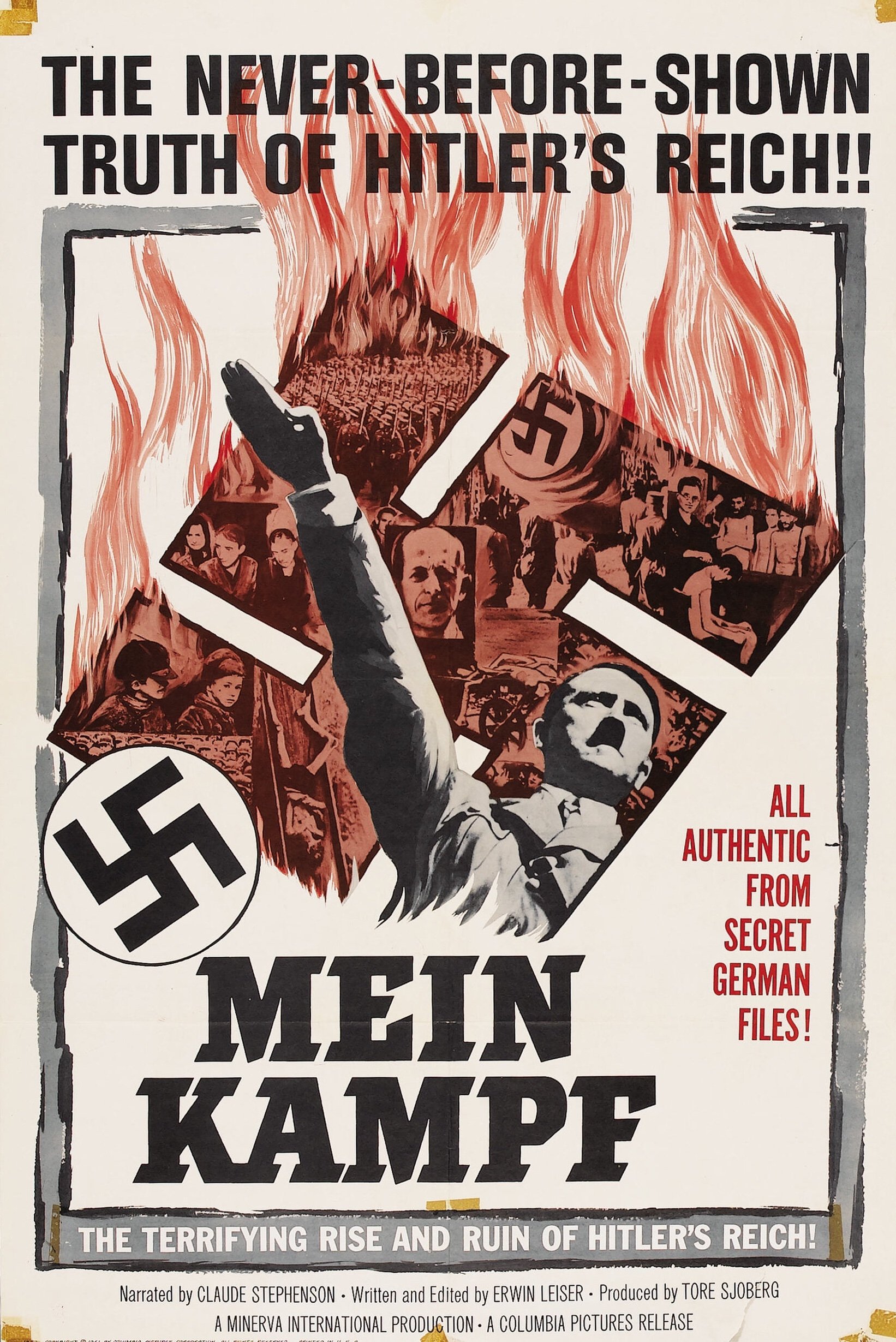
Short film about Hitler's rise to power in 1933
Social & External
Narrator (voice)
Self (archive footage)
A man talks about heroin abuse and withdrawal.
Arthur Lipsett's first film is an avant-garde blend of photography and sound. It looks behind the business-as-usual face we put on life and shows anxieties we want to forget. It is made of dozens of pictures that seem familiar, with fragments of speech heard in passing and, between times, a voice saying, "Very nice, very nice." The film was nominated for an Oscar for Best Live Action Short Film.
Though best known for his collage films, Lawrence Jordan here makes exquisite study of the different aspects of light lilting through the early morning fog of California winter. Painterly gradations of color and juxtapositions in scale are beautifully arranged to music by Antonio Vivaldi.
While reconstruction of L’Atalante as a major feature has captured critical attention and debate, we also know that in 1933 even contemporary audiences, critics and politicians grasped the dangerous messages of Vigo’s mini-epic of school rebellion and took their scissors to it while keeping it from the public for more than a decade. Still, alternative versions reached other countries – including a different, early version in Italy – and pieces remain. Together with the rushes, outtakes and on location footage of Vigo during the shoot, Young Devils in School helps us to better understand Vigo’s original vision.

Storyboard showcase of Anno's ghibli museum short.
A glimpse of life as seen through young people at a Zimbabwean children's home.
A lyrical portrait of Amsterdam and its changing appearance during a rain-shower.

The filmmaker's father and uncle, Norm and Stan, are third generation Japanese Americans. They are "all American" guys who love bowling, cards and pinball. Placed in the Amache internment camp as children during World War II, they don't think the experience affected them that much. But in the course of navigating the maze of her father's and uncle's pursuits while simultaneously trying to inquire about their past, the filmmaker is able to find connections between their lives now and the history that was left behind.

The Puppeteer is a powerful, moving glimpse into the art of puppetry and the passion of a brilliant artist. The film treats viewers to Igor's street corner magic and following a dramatic turn of events, leaves us to reflect on life, art and the pursuit of dreams.
The problem of slum dwellings in the 1930s.
Sonny Bono appears onscreen to tell kids that marijuana is a "bummer" that turns you into a "weedhead" and will make you "trip out" (the fact that, based upon his performance, Sonny appears to have ingested unknown substances before the cameras started rolling tends to limit the film's crediblity somewhat).
Produced for the "Little Nicky" Special Edition DVD.
An experimental meditation on Times Square's marquees and iconic advertising that captures the concurrently seedy and dazzling aspects of New York's Great White Way.
A look at the parallel lives of Charlie Chaplin and Adolf Hitler and how they crossed with the creation of the film “The Great Dictator,” released in 1940.
On the night of November 9-10, 1938, the Nazis initiated anti-Jewish violence throughout the German Reich. Hundreds of photographs and films rediscovered in archives provide insight into these pogroms. 30,000 Jews were deported to concentration camps. The November Pogroms mark a deeply disturbing event in German history that remains so to this day.
How does a machine learn to read the world? Testimonies and screen recordings introduce the experience of online micro-workers from the Global South: their job is to teach the AI of self-driving cars to navigate the streets of the Global North.
In What Makes a Woman, Munroe Bergdorf sets out to explore the changing world of gender and identity by way of her very own, very personal journey. Showing her in quiet, intimate, and extremely vulnerable moments. An honest insight into gender identity, Bergdorf prepares for a life-changing facial surgery, helping her finally picture herself as a woman.
A study of life at Christmastime in Moose Factory, an old settlement mainly composed of Cree families on the shore of James Bay, composed entirely of children's crayon drawings and narrated by children.
A keen chronicle of the unlikely rise to power of Adolf Hitler (1889-1945) and a dissection of the Third Reich (1933-1945), but also an analysis of mass psychology and how the desperate crowd can be deceived and shepherded to the slaughterhouse.
A showcase of German chancellor and Nazi Party leader Adolf Hitler at the 1934 Nuremberg Rally.
Daniel Craig candidly reflects on his 15 year adventure as James Bond. Including never-before-seen archival footage from Casino Royale to the upcoming 25th film No Time To Die, Craig shares his personal memories in conversation with 007 producers, Michael G Wilson and Barbara Broccoli.
A documentary on the expletive's origin, why it offends some people so deeply, and what can be gained from its use.
Alexander McQueen's rags-to-riches story is a modern-day fairy tale, laced with the gothic. Mirroring the savage beauty, boldness and vivacity of his design, this documentary is an intimate revelation of McQueen's own world, both tortured and inspired, which celebrates a radical and mesmerizing genius of profound influence.
A purely observational non-fiction film that takes viewers into the ethically murky world of end-of-life decision making in a public hospital.
Filmed and edited in intimate vérité style, this movie follows visionary medical practitioners who are working on the cutting edge of life and death and are dedicated to changing our thinking about both.
Amber Heard and Nicole Kidman discuss their characters Mera and Atlanna.
Filmmakers discuss the legacy of Alfred Hitchcock and the book “Hitchcock/Truffaut” (“Le cinéma selon Hitchcock”), written by François Truffaut and published in 1966.
The life and career of an actor, artist, and icon. His own journey through his own camera.
When Allied forces liberated the Nazi concentration camps in 1944-45, their terrible discoveries were recorded by army and newsreel cameramen, revealing for the first time the full horror of what had happened. Making use of British, Soviet and American footage, the Ministry of Information’s Sidney Bernstein (later founder of Granada Television) aimed to create a documentary that would provide lasting, undeniable evidence of the Nazis’ unspeakable crimes. He commissioned a wealth of British talent, including editor Stewart McAllister, writer and future cabinet minister Richard Crossman – and, as treatment advisor, his friend Alfred Hitchcock. Yet, despite initial support from the British and US Governments, the film was shelved, and only now, 70 years on, has it been restored and completed by Imperial War Museums under its original title "German Concentration Camps Factual Survey".
A celebration of the universe, displaying the whole of time, from its start to its final collapse. This film examines all that occurred to prepare the world that stands before us now: science and spirit, birth and death, the grand cosmos and the minute life systems of our planet.
Lyrical and powerfully personal essay film that reflects on the deaths of her husband Lou Reed, her mother, her beloved dog, and such diverse subjects as family memories, surveillance, and Buddhist teachings.
Join director Clint Eastwood and his creative team, along with Bradley Cooper and Sienna Miller, as they overcome enormous creative and logistic obstacles to make a film that brings the truth of Navy SEAL Chris Kyle's story to the screen.
A documentary shot by filmmakers all over the world that serves as a time capsule to show future generations what it was like to be alive on the 24th of July, 2010.
Documentary about the making of American Pie (1999), American Pie 2 (2001) and American Wedding (2003).
What happened after Einstein fled Nazi Germany? Using archival footage and his own words, this docudrama dives into the mind of a tortured genius.
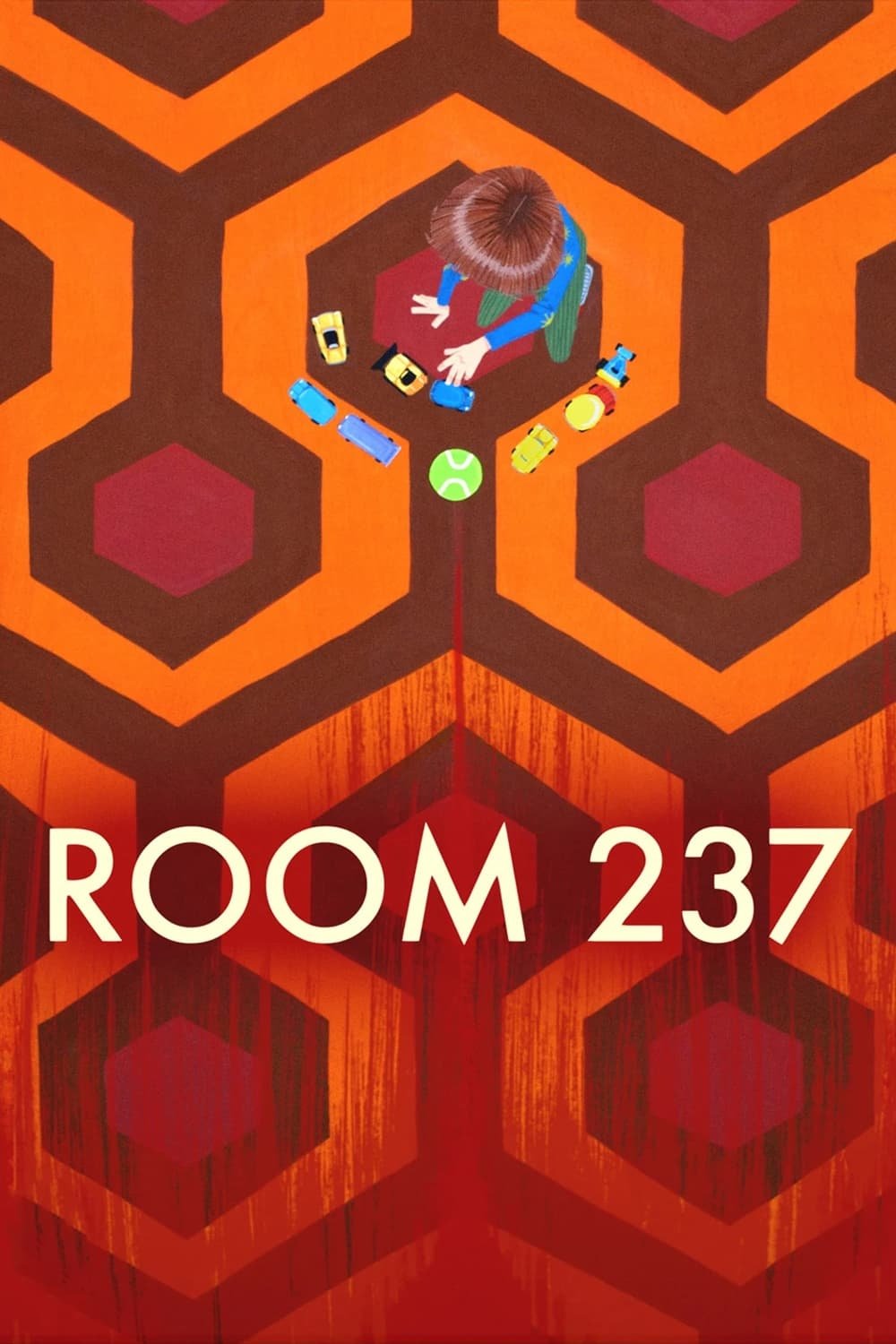
A subjective documentary that explores various theories about hidden meanings in Stanley Kubrick's classic film The Shining. Five very different points of view are illuminated through voice over, film clips, animation and dramatic reenactments.
Those who knew iconic funnyman John Candy best share his story, in their own words, through never-before-seen archival footage, imagery, and interviews.
Offbeat documentarian Chris Smith provides a behind-the-scenes look at how Jim Carrey adopted the persona of idiosyncratic comedian Andy Kaufman on the set of Man on the Moon.