East German short film
Social & External
The people behind it
The life and work of Halle-born Georg Friedrich Händel, the Händel Museum, and the Händel Festival in Halle are presented.
Documentary about the reconstruction of Dresden's Semperoper opera house.
A short film about the changing face of London Soho and the implications of gentrification on Mimi, an aging transvestite.
Documentary on the making of Hammer's adaptation of "The Hound of the Baskervilles".
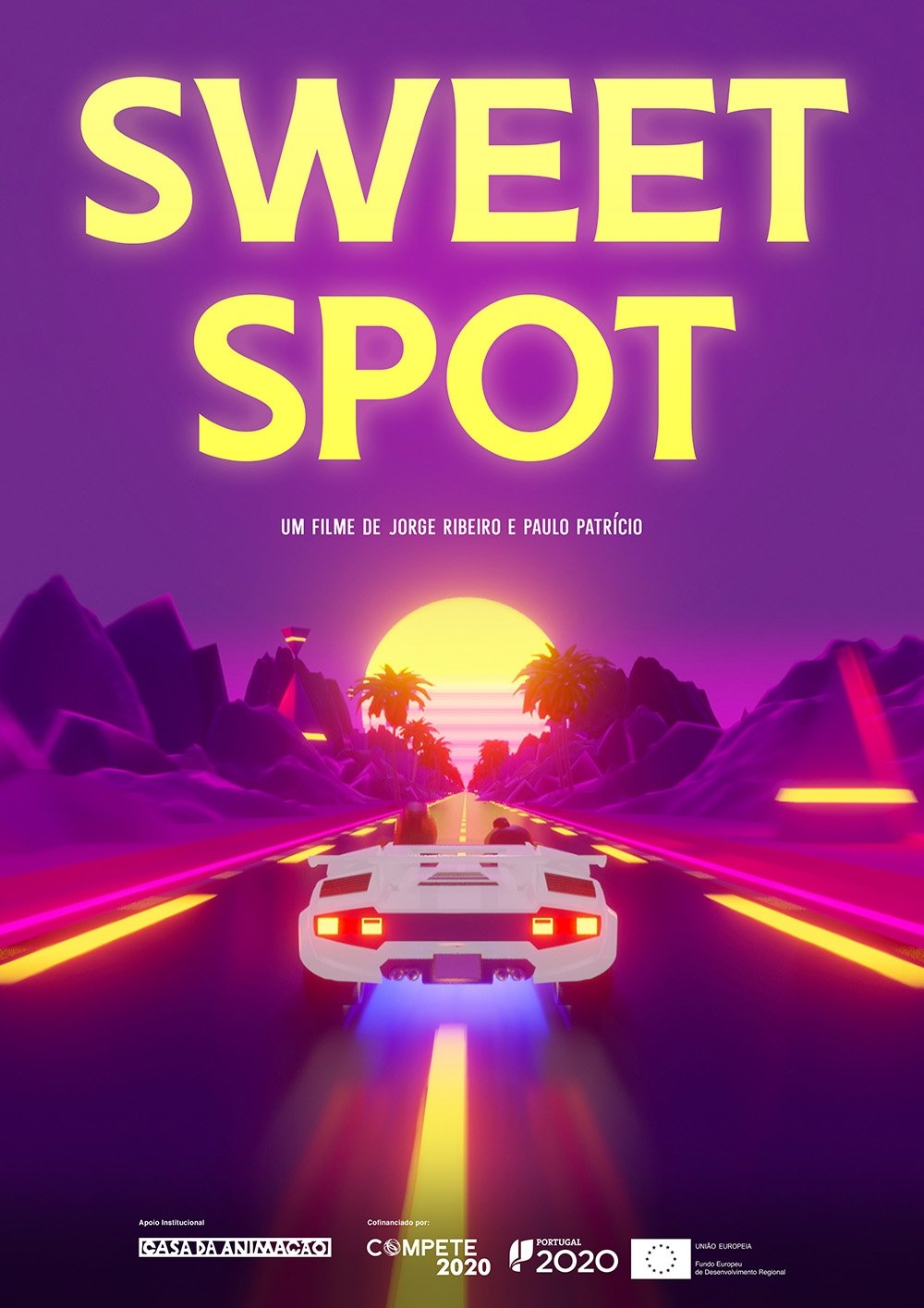
“Sweet Spot” is an experimental animated short film that uninhibitedly explores the dialog between the work and its authors, Jorge Ribeiro and Paulo Patrício, whose points of view and creative approaches, both in terms of cinematographic language and ways of being, are quite different. Through this duality, and starting from a shared but at the same time individual process, the directors seek to understand at what point the short film they are making together reaches its “sweet spot”. In other words, the ideal point at which the work is considered finished.
This short documentary introduces us to a town where no one pays rent: Simoom Sound in central British Columbia, where loggers live on sturdy river craft. Every week there are visitors: the general storekeeper, the flying postman and most importantly, the forest ranger, who is ever alert to the threat of fire.
The 1966 visit of Hollywood movie star Kirk Douglas at the legendary Polish State Film School in Lódz.
In 2002, Lana Kaiser became well known in the first season of the German version of the Idol television franchise. She was born in 1985 and went by her birth name Daniel Küblböck. At only 17 years old she polarised the audience with her androgynous appearance and open bisexuality. On September 9th 2018, Lana disappeared from a cruise ship on her way to North America. Most media outlets and the majority of the public didn‘t consider calling her by her chosen name, Lana Kaiser. Philipp Gufler's video installation is a personal portrait of the singer and entertainer.
Part of Chris Marker’s Bestiaire (Petit Bestiaire) collection, An Owl Is an Owl Is an Owl is a short video meditation on the gaze and movement of owls—sometimes still, sometimes in flight—observed with the quiet, rhythmic attention typical of Marker’s later video work.
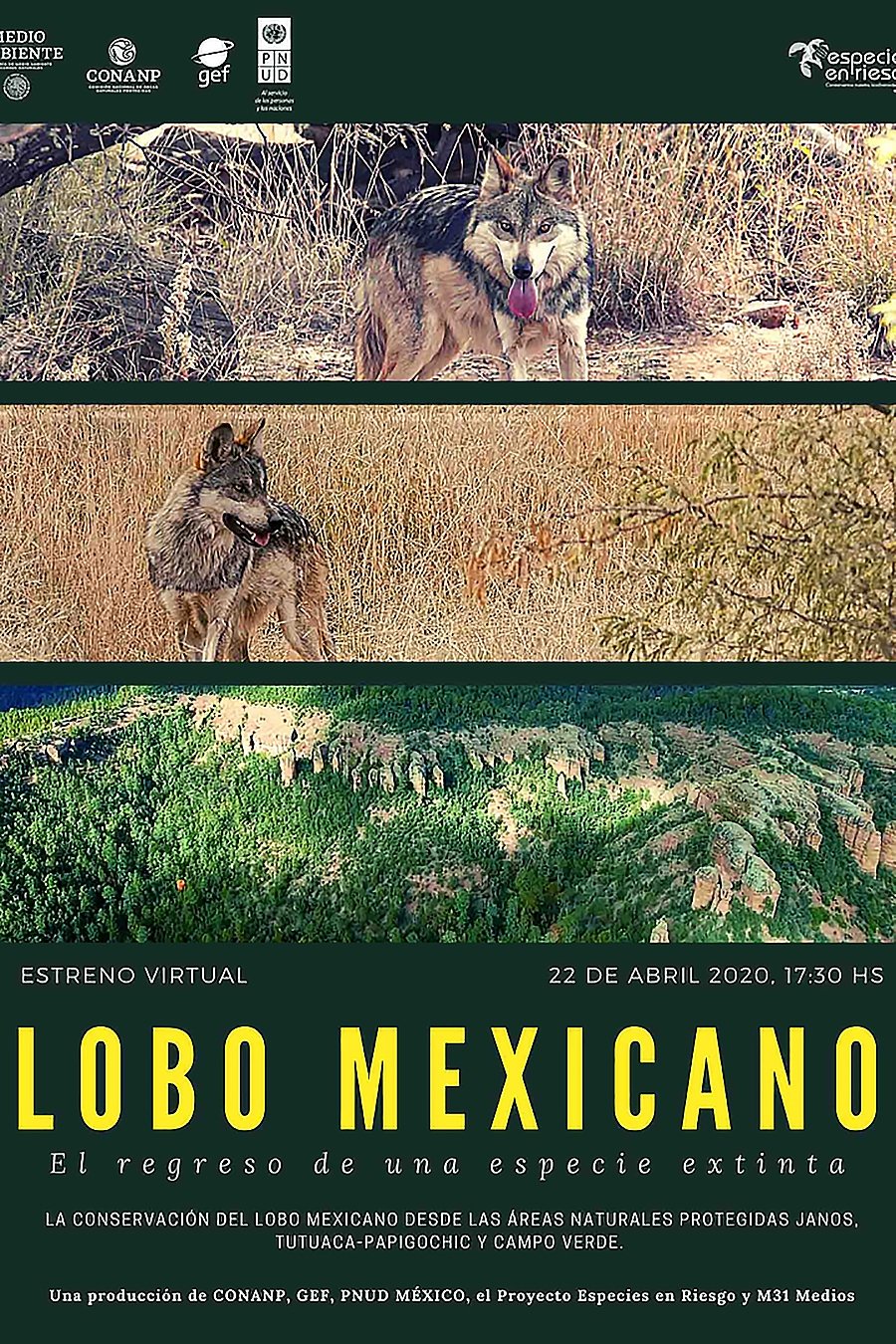
About the mexican wolf in northwest Chihuahua, the search for its conservation among local communities, landowners, and the Livestock Assurance Fund.
This documentary shows the fishing grounds of the far north. It provides an insight into the hard and dangerous work on a fishing trawler ; laying out and hauling in the fishing nets, processing the fish on board and storing it in the cold store.
The start of a long-term observation of the Bronnmann family from Cologne, who have seven children - what are their concerns, plans, and dreams?
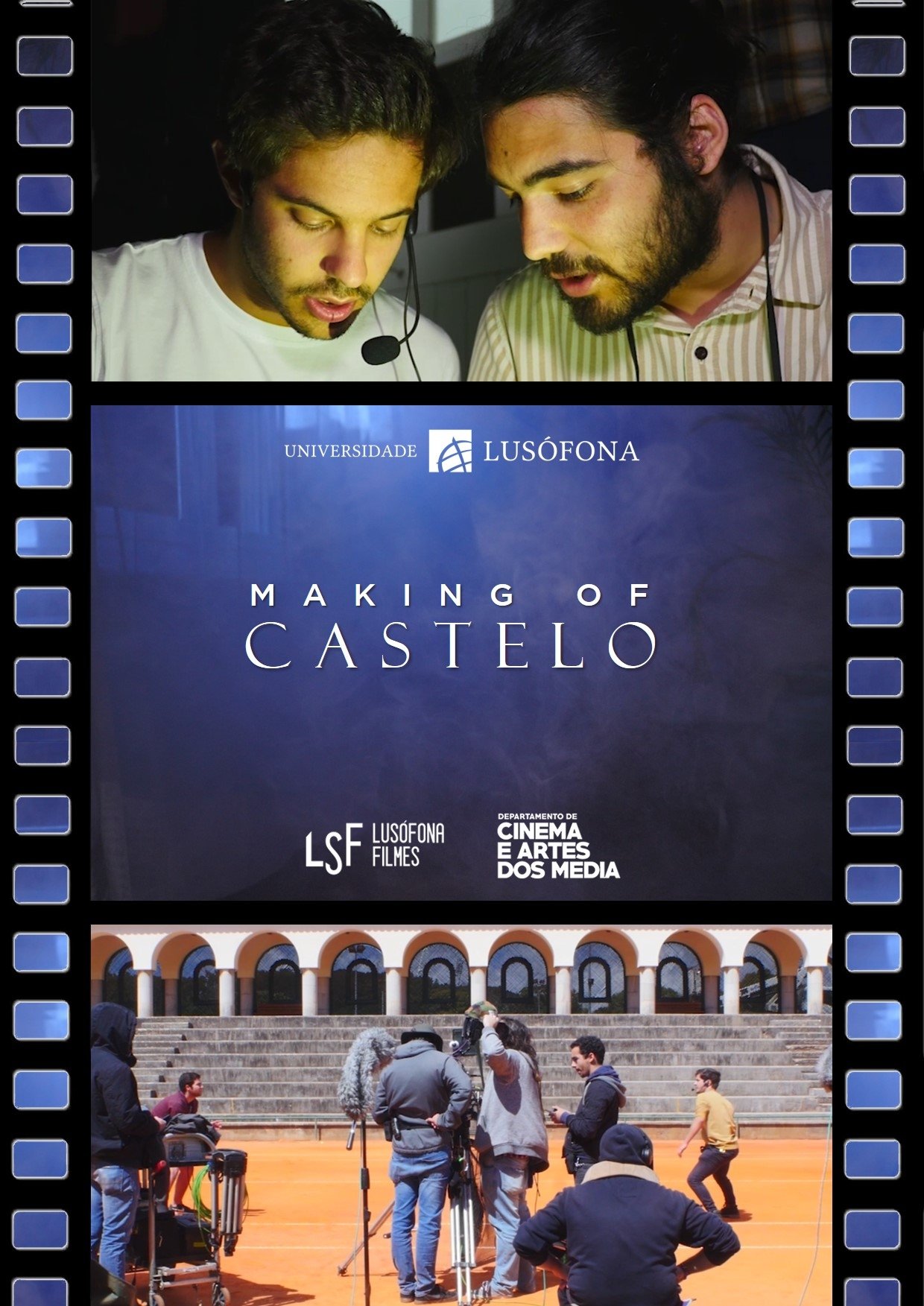
A two parts making of documentary, following José Augusto Silva and his film crew during the shooting of a university short film called Castelo.
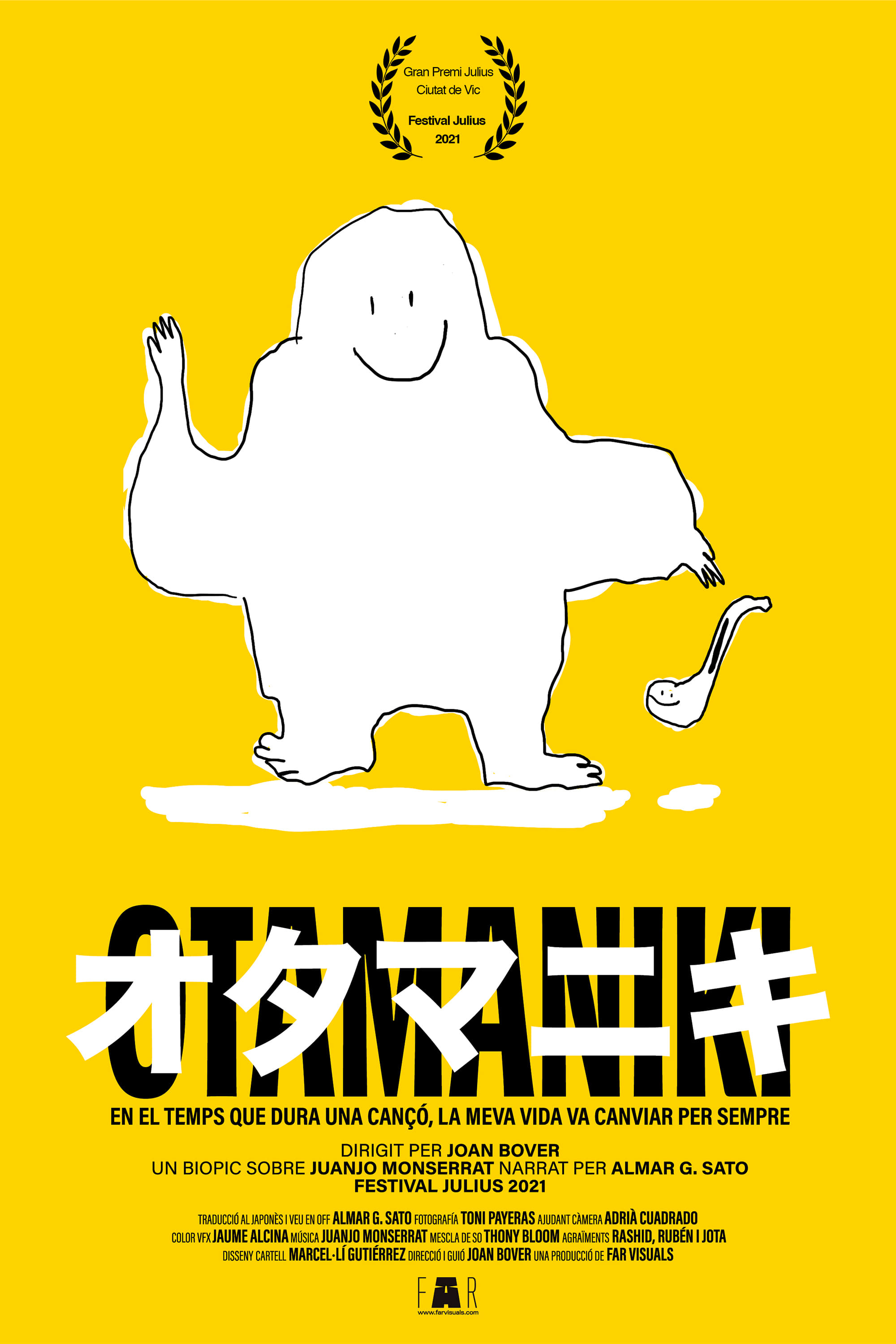
Biopic filmed in a single shot about the Majorcan musician Juanjo Monserrat.
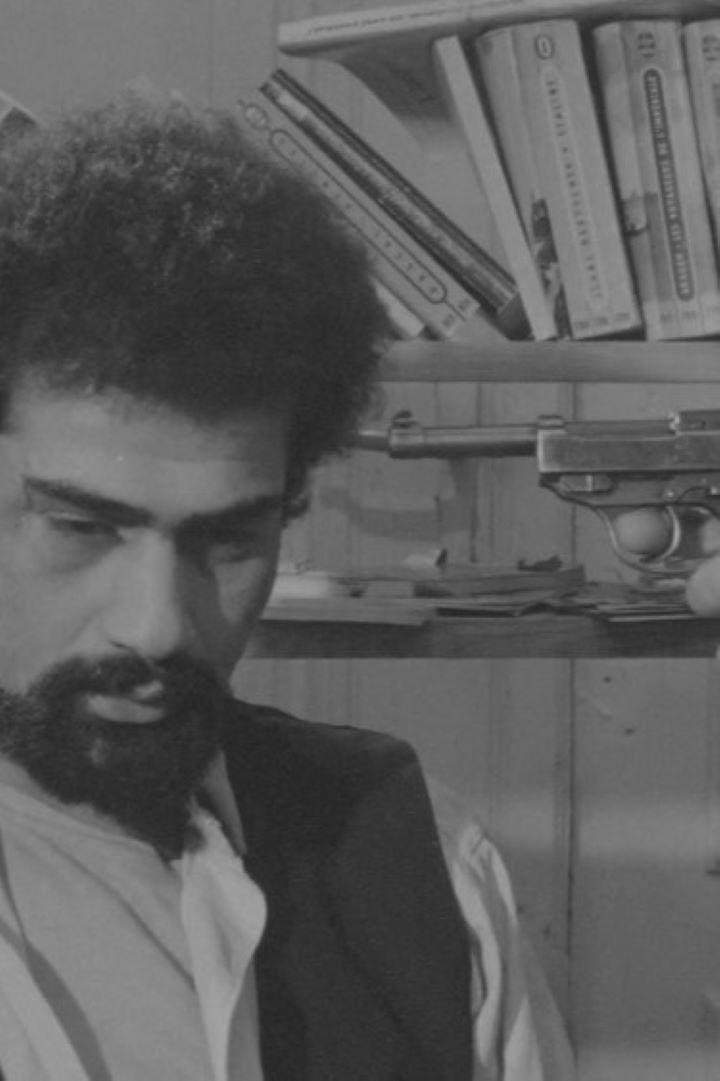
Settling of scores among international Marxist revolutionaries. A spirit of Mhedi Ben Barka inspired revolt.
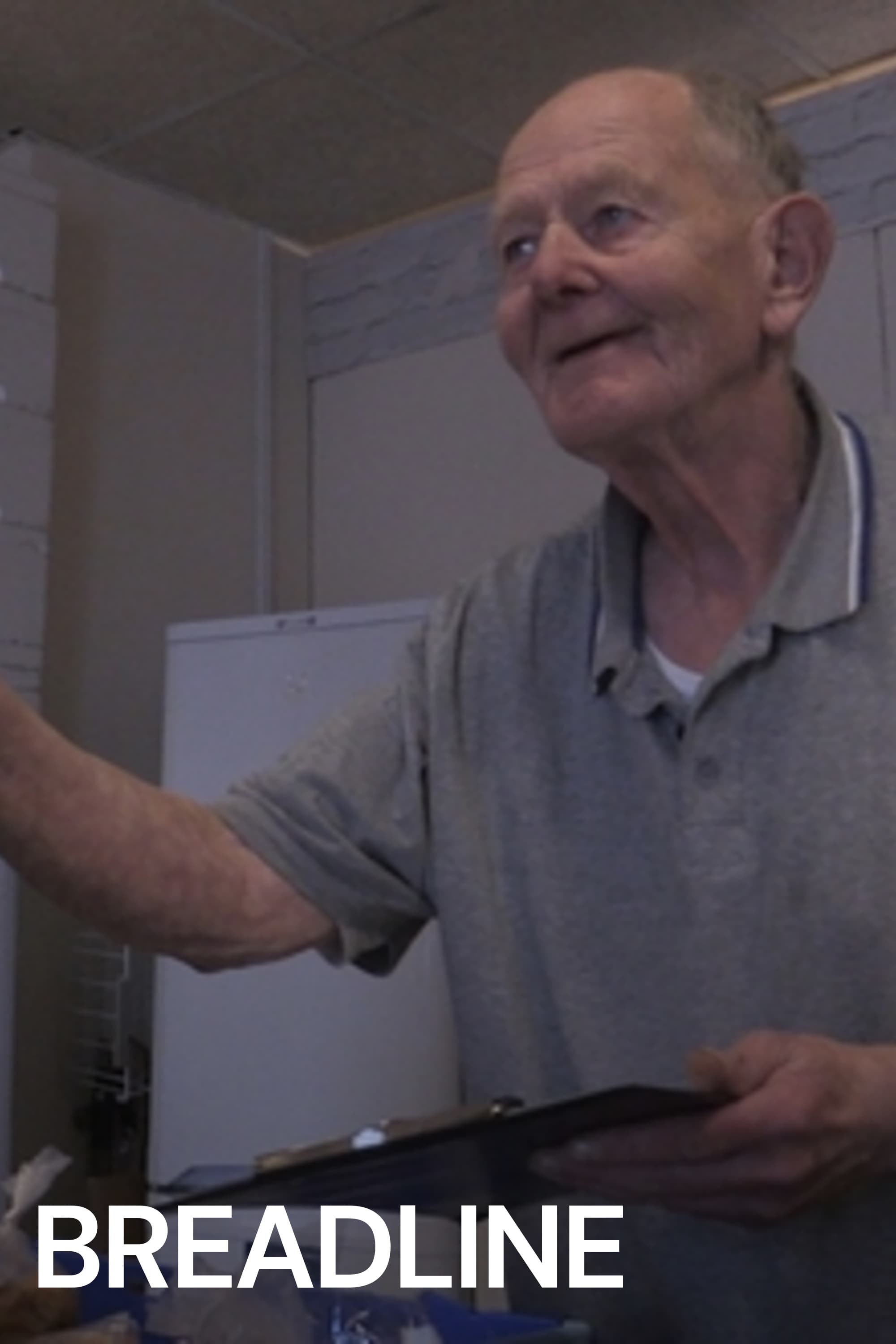
In a forgotten seaside town in the north of England, seventy eight year old Dave hands out food and kindness to those in need. After ten years of austerity, this nuanced portrait of a volunteer-run food bank penetrates the harsh reality of contemporary Britain.
In 1964 Film Culture magazine chose Andy Warhol for its annual Independent Film award. The plan was to show some of Andy's films and have Andy come on stage and hand him the award. Andy said, no, he didn't want a public presentation.
Daniel Craig candidly reflects on his 15 year adventure as James Bond. Including never-before-seen archival footage from Casino Royale to the upcoming 25th film No Time To Die, Craig shares his personal memories in conversation with 007 producers, Michael G Wilson and Barbara Broccoli.
A documentary about the life and films of director John Ford.
A purely observational non-fiction film that takes viewers into the ethically murky world of end-of-life decision making in a public hospital.
A love letter from a young mother to her daughter, the film tells the story of Waad al-Kateab’s life through five years of the uprising in Aleppo, Syria as she falls in love, gets married and gives birth to Sama, all while cataclysmic conflict rises around her. Her camera captures incredible stories of loss, laughter and survival as Waad wrestles with an impossible choice– whether or not to flee the city to protect her daughter’s life, when leaving means abandoning the struggle for freedom for which she has already sacrificed so much.
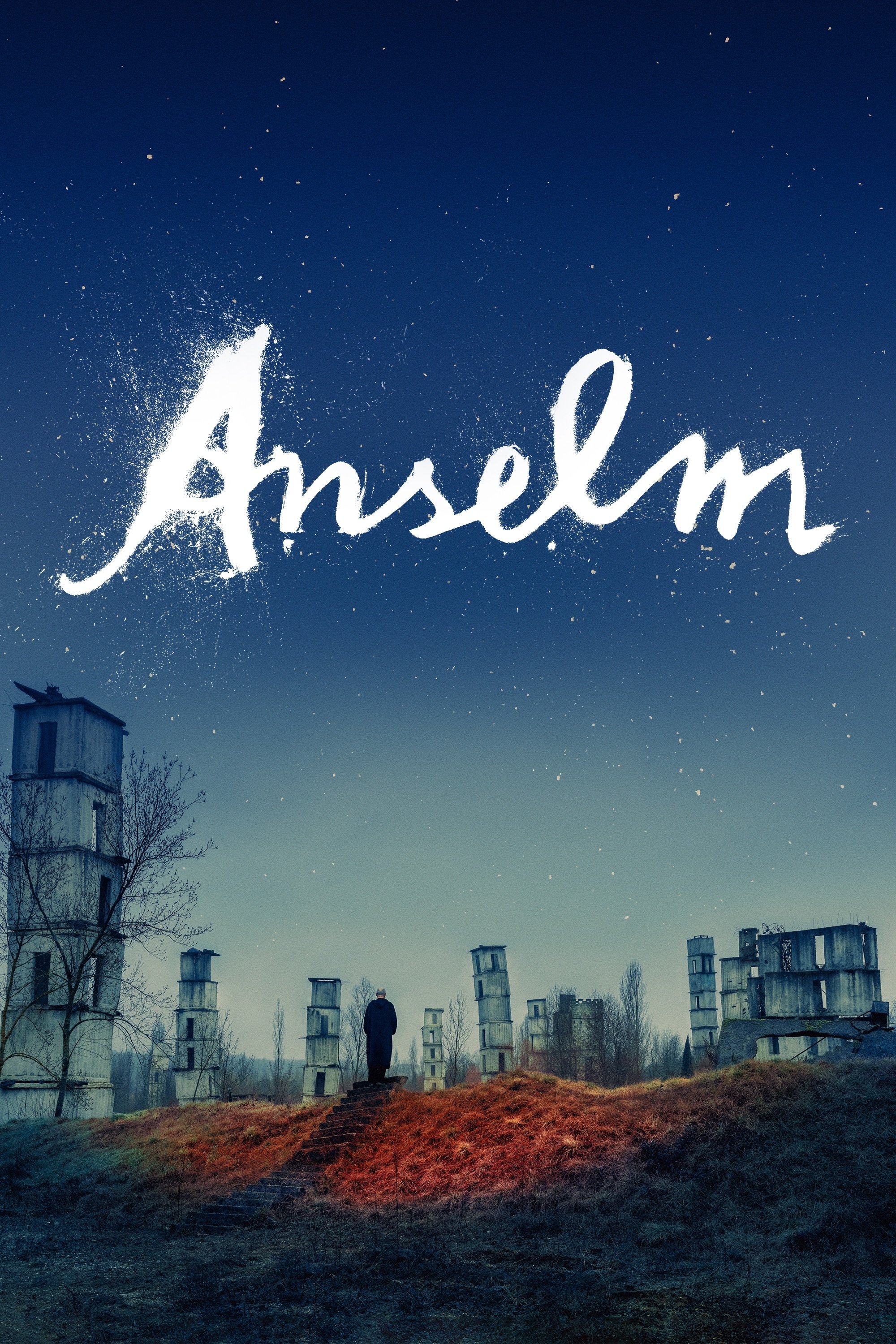
This unique cinematic experience dives deep into an artist’s work and reveals his life path, inspiration, and creative process. It explores his fascination with myth and history. Past and present are interwoven to diffuse the line between film and painting, allowing the audience to be completely immersed in the remarkable world of one of the greatest contemporary artists, Anselm Kiefer. Wim Wenders shot this unique portrait over the course of two years in stunning 3D.
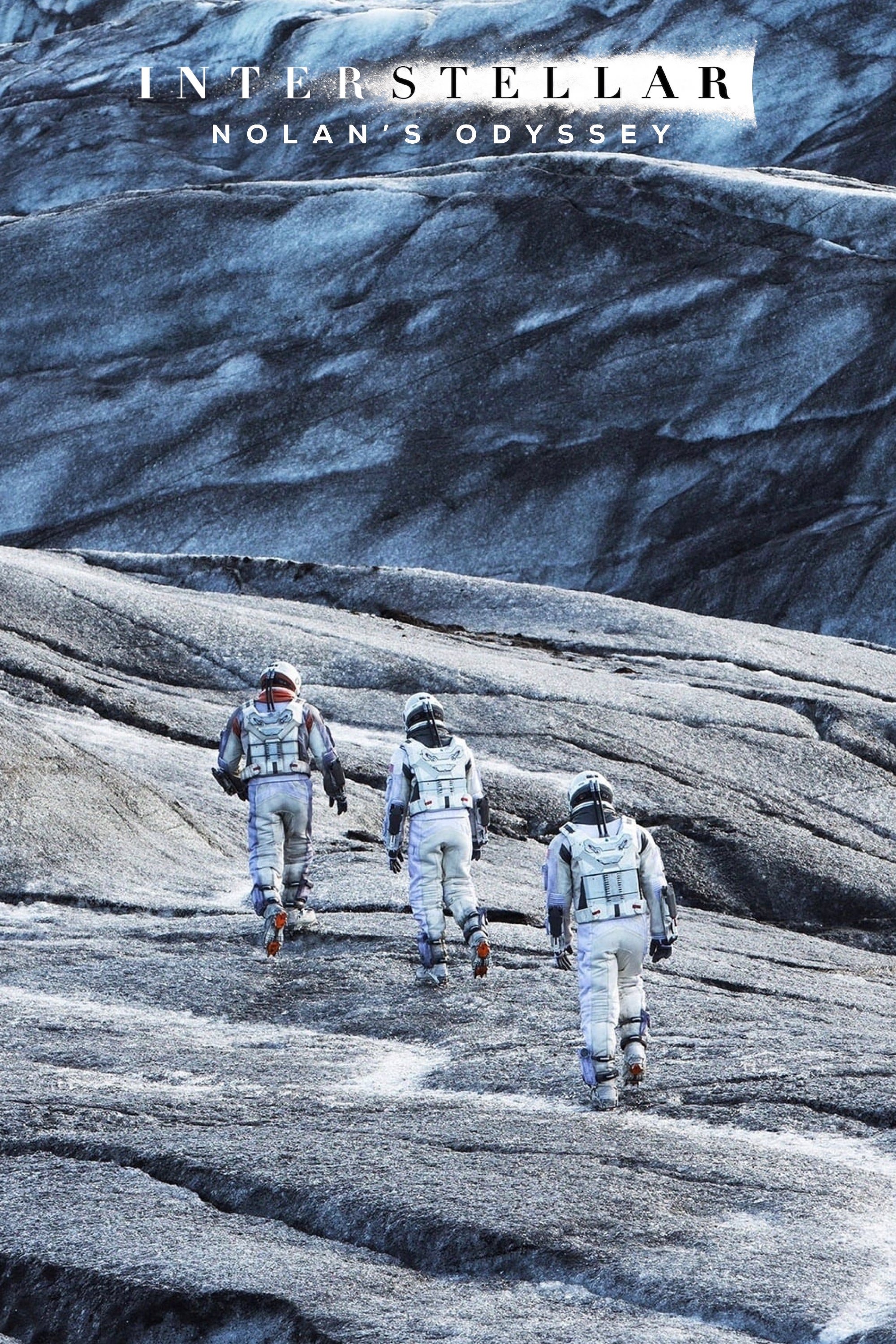
A look behind the lens of Christopher Nolan's space epic.
The film follows adventurer Jeff Johnson as he retraces the epic 1968 journey of his heroes Yvon Chouinard and Doug Tompkins to Patagonia.
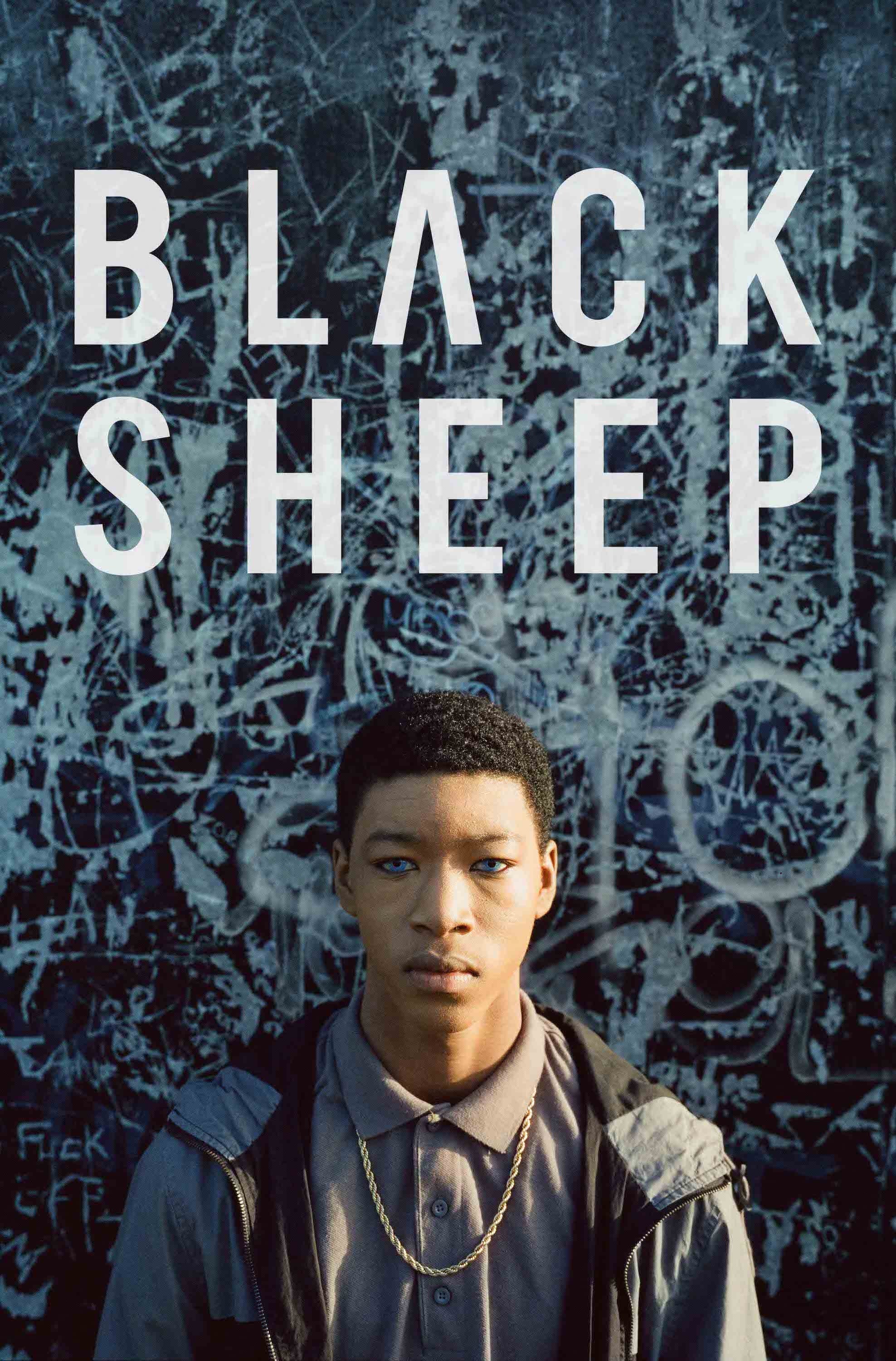
After the high-profile killing of Damilola Taylor, Cornelius' family move out of London. But when they discover their new town is run by racists, Cornelius takes a drastic step to survive.
In 2019, Nepalese mountain climber Nirmal “Nims” Purja set out to do the unthinkable by climbing the world’s fourteen highest summits in less than seven months. (The previous record was eight years). He called the effort “Project Possible 14/7” and saw it as a way to inspire others to strive for greater heights in any pursuit. The film follows his team as they seek to defy naysayers and push the limits of human endurance.
A night of drunken chaos rocks a quiet Dutch town in this shocking documentary about a teen's birthday invite that accidentally went viral on Facebook.
Featuring interviews with filmmakers and industry legends, discover the origins and evolution of The Joker, and learn why The Clown Prince of Crime is universally hailed as the greatest comic-book supervillain of all time.
Alexander McQueen's rags-to-riches story is a modern-day fairy tale, laced with the gothic. Mirroring the savage beauty, boldness and vivacity of his design, this documentary is an intimate revelation of McQueen's own world, both tortured and inspired, which celebrates a radical and mesmerizing genius of profound influence.
In the Realms of the Unreal is a documentary about the reclusive Chicago-based artist Henry Darger. Henry Darger was so reclusive that when he died his neighbors were surprised to find a 15,145-page manuscript along with hundreds of paintings depicting The Story of the Vivian Girls, in What is Known as the Realms of the Unreal, of the Glodeco-Angelinnian War Storm, Cased by the Child Slave Rebellion.
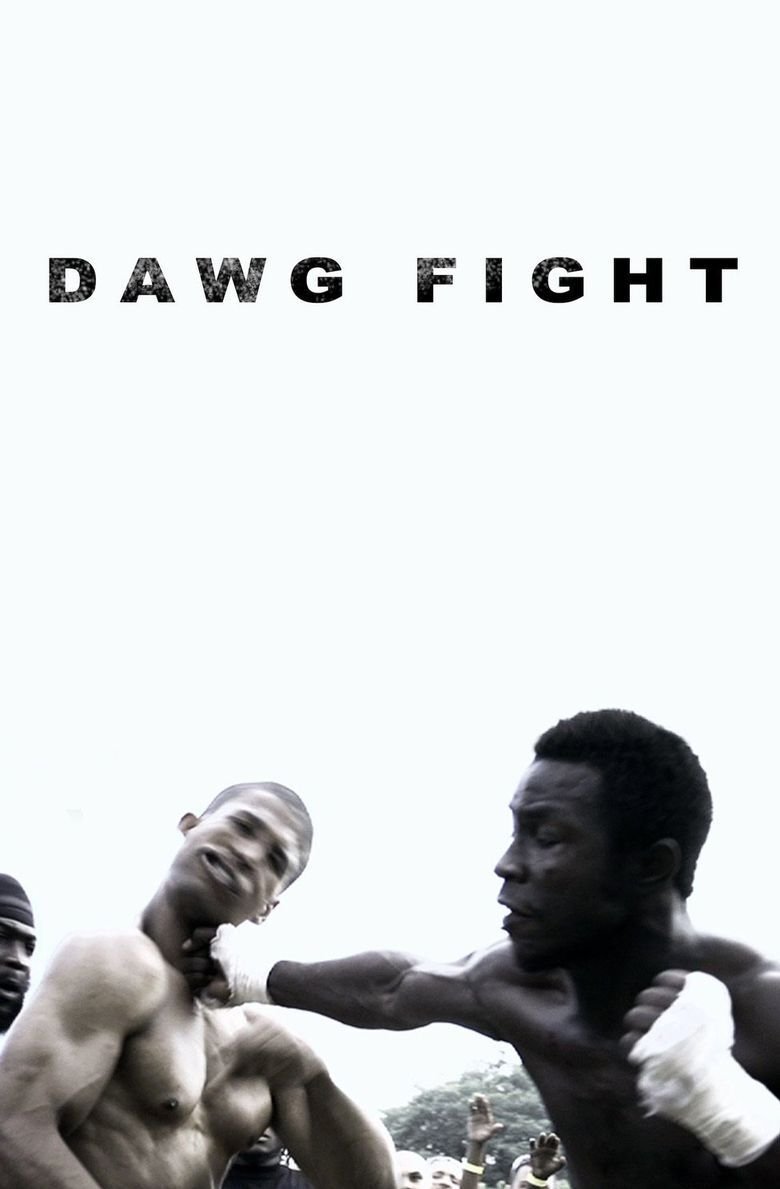
In a crime-plagued neighborhood near Miami, brutal, bare-knuckled backyard fights give young men a chance to earn money -- and self-respect.
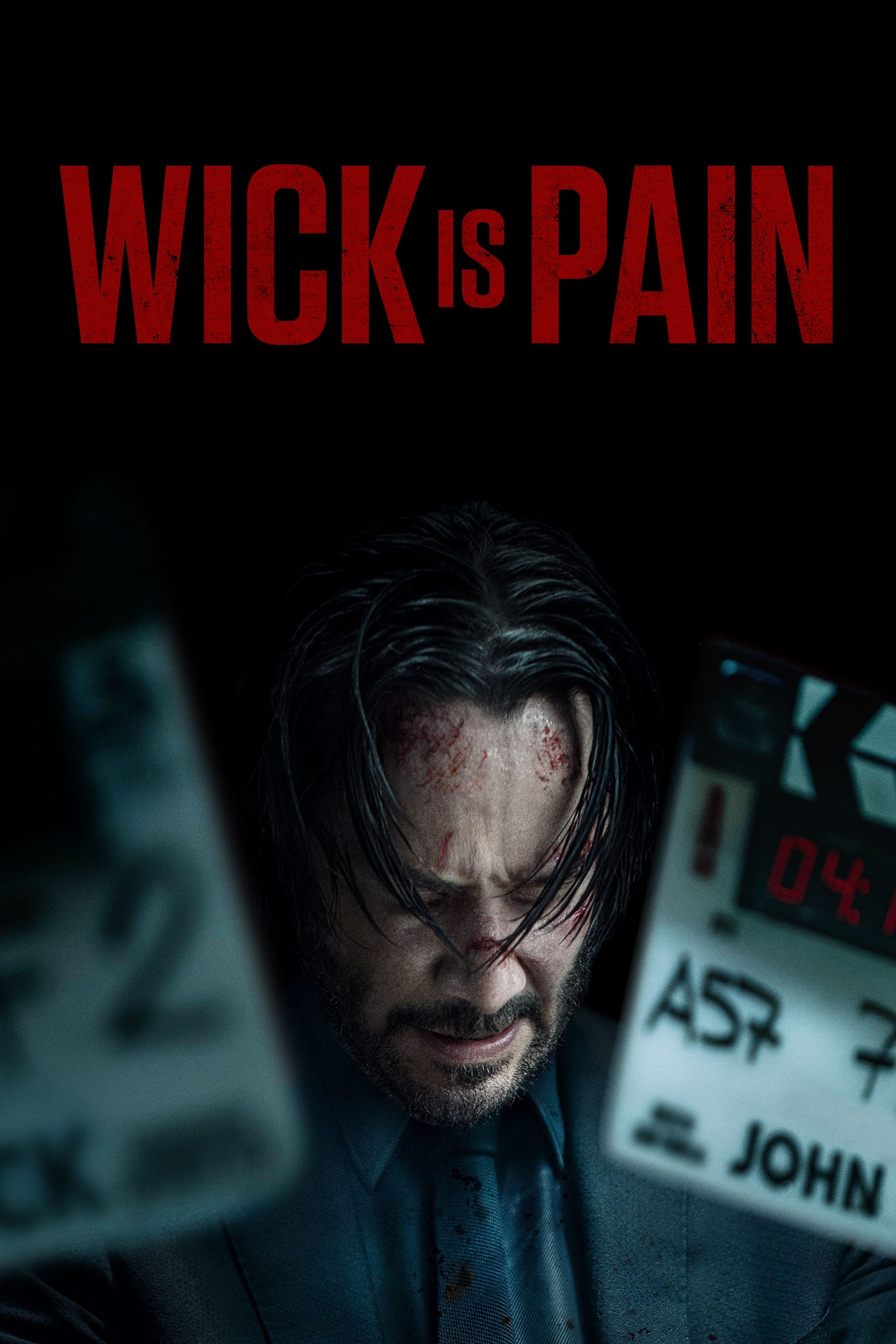
Witness the never-before-seen footage and true story behind the John Wick phenomenon – from independent film to billion-dollar franchise.
In 2015, Christopher Nolan curated a selection of short films by the surrealist animators the Quay Brothers to be distributed as a touring 35mm presentation. The three films—"In Absentia" (2000), "The Comb" (1991) and "Street of Crocodiles" (1986)—were accompanied by this brief portrait of the brothers at work in their London studio.
Korengal picks up where Restrepo left off; the same men, the same valley, the same commanders, but a very different look at the experience of war.
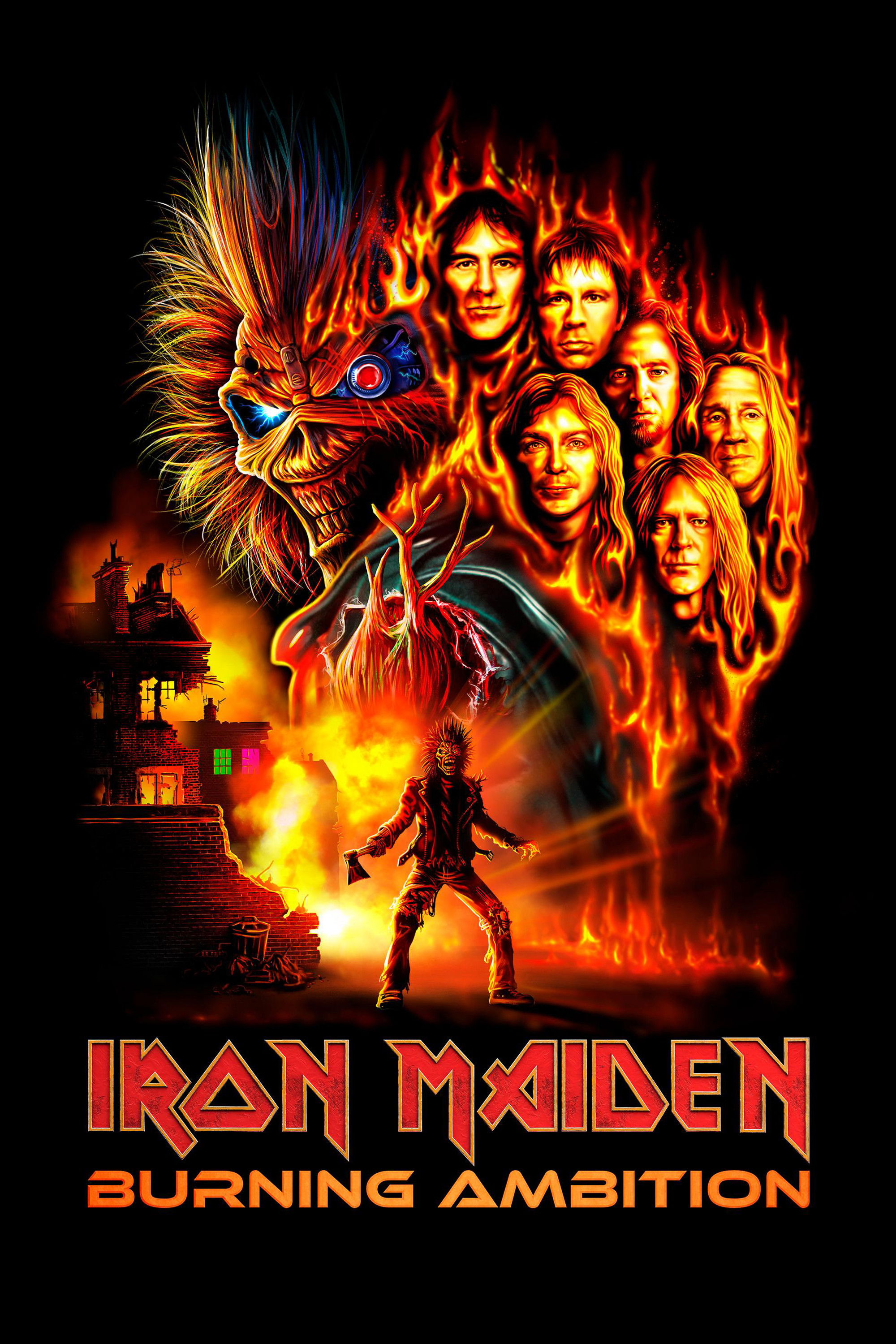
With unprecedented access to the official archives and intimate recollections from the band, both current and past, Iron Maiden: Burning Ambition invites fans to experience one of the most iconic journeys in music history. Spanning five decades, this electrifying documentary charts the band’s rise from the pubs of East London to the world’s biggest stadiums. Featuring exclusive interviews with band members and contributors such as Javier Bardem, Lars Ulrich and Chuck D, as well as all-new animated sequences of the band's legendary mascot, Eddie, the film offers a rare and intimate look at Iron Maiden’s uncompromising vision and unwavering connection with their truly global army of fans.
SEDUCED AND ABANDONED combines acting legend Alec Baldwin with director James Toback as they lead us on a troublesome and often hilarious journey of raising financing for their next feature film. Moving from director to financier to star actor, the two players provide us with a unique look behind the curtain at the world's biggest and most glamourous film festival, shining a light on the bitter-sweet relationship filmmakers have with Cannes and the film business. Featuring insights from directors Martin Scorsese, 'Bernando Bertolucci' and Roman Polanski; actors Ryan Gosling and Jessica Chastain and a host of film distribution luminaries.
JB Smoove and Martin Starr host a celebration of 20 years of "Spider-Man" movies, from the Sam Raimi trilogy to Marc Webb's movies and the trio from Jon Watts.