Social & External
Unknown Role
Arthur Guérin-Boëri is suffocating in his local swimming pool. His swim lane has become a dead end. The French athlete, multiple world champion in dynamic apnea, decides to leave the warmth of his pool and plunge into the frozen waters of a Finnish lake to set a new record. His journey then led him to immerse himself almost naked under a block of ice, in an attempt to set a new record in the icy waters of a Canadian lake. In his quest for legitimacy, which brings him close to death on several occasions, Arthur ends up finding himself.
In the town of Xoco, the spirit of an old villager awakens in search of its lost home. Along its journey, the ghost discovers that the town still celebrates its most important festivities, but also learns that the construction of a new commercial complex called Mítikah will threaten the existence of both the traditions and the town itself.
The Confederation of Haitian Workers (CTH) invited an Industrial Workers of the World (IWW) delegation to Haiti to learn about their fight against "le plan neoliberal" and recruit help in the form of material aid and solidarity. The delegation was in Haiti from April 24 to May 25, 2008, two weeks after the country erupted in mass protest at burgeoning food prices. This video shares the stories and experiences.
A love letter to a place that will forever be home, a visual ode, and a farewell to a neighborhood that is rapidly changing due to the forces of gentrification and Miami’s housing crisis.
Three groups of adolescent girl friends from Quebec are going through tough changes. The process of inventing their own bodies and identity are being recorded on the move by their smartphones and shared with their peers from other parts of the networked world. Due to their strong need of external confirmation, they alter their lives into a series of retouched pictures and videos. The film camera, however, captures their feelings of void, loneliness and deep inner insecurities that are not so attractive for Periscope, TikTok or Instagram. An intimate portrait of adolescence is made with full comprehension of experiencing and self-presentation in a generation growing up on the brink of the real and virtual worlds.
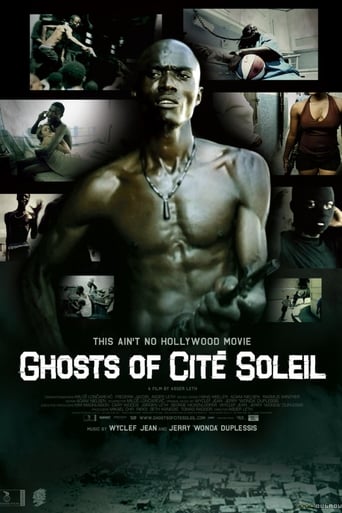
In the slum of Cité Soleil, President Aristide's most loyal supporters were ruling as kings. The five major gang leaders were controlling heavily armed young men; the Chiméres. The Secret army of President Jean-Bertrand Aristide. "Ghosts of Cité Soleil" is a film about Billy and Haitian 2pac. Two brothers. Gang Leaders of the Chiméres.
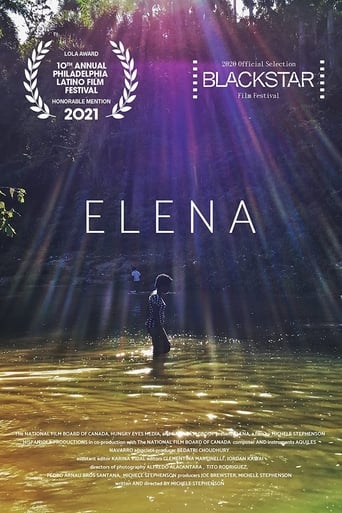
Director Michèle Stephenson’s new documentary follows families of those affected by the 2013 legislation stripping citizenship from Dominicans of Haitian descent, uncovering the complex history and present-day politics of Haiti and the Dominican Republic through the grassroots electoral campaign of a young attorney named Rosa Iris.
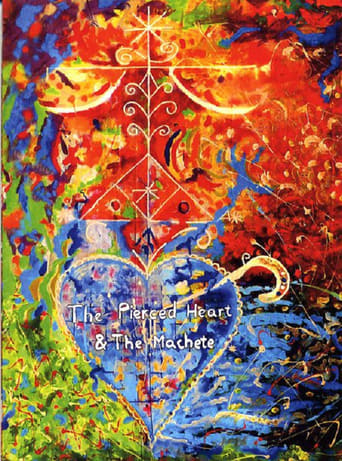
The Pierced Heart & The Machete is a vivid, unflinching exploration of two annual Vodou pilgrimages in Haiti. The first is for Èzili Danto, goddess of love, art and passion; worshipers from all over the world descend on the southwestern town of Ville-Bonheur to bathe in the sacred waterfall where Dantò resides. The second pilgrimage is for Dantòs' husband Ogoun, god of war, iron and healing. It takes place at the end of July in the northern town of Plaine du Nord, where practitioners bathe in a mud pool and make flamboyant sacrifices. This beautifully shot film offers disorienting yet illuminating glimpses of the contradictory and complementary aspects of these two lwa, the electrifying rites that honor them, and the intense music that accompanies these ecstatic and bloody ceremonies.
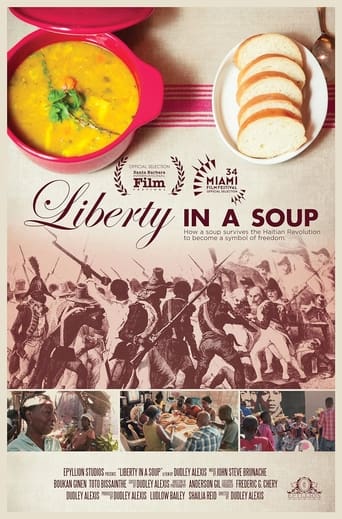
Every New Year, and in celebration of their Independence, Haitian families gather together to feast in honor of a line of ancestors that fought for their freedom. The centerpiece of the festivity is the joumou soup—a traditional soup dating back centuries ago. The joumou soup is a concretization of war and victory, oppression and emancipation, and the deeply rooted celebratory traditions of the Haitian culture.
In 1925, during the occupation of Haiti, a U.S. Marine Corps sergeant was stationed in charge of the small island of La Gonave. He befriended the natives and was so popular that they named him King Faustin I and installed him as their ruler. He ruled the island for three years, then left and returned to make this documentary.
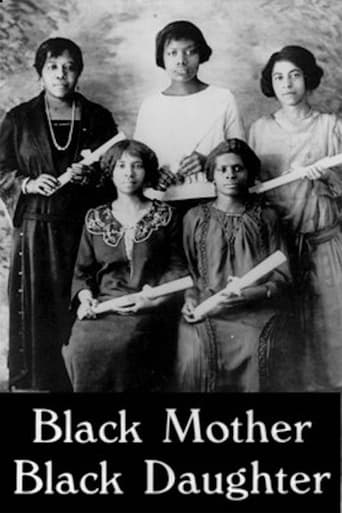
Black Mother Black Daughter explores the lives and experiences of black women in Nova Scotia, their contributions to the home, the church and the community and the strengths they pass on to their daughters.
Newly discovered interviews with Elizabeth Taylor and unprecedented access to the star’s personal archive reveal the complex inner life and vulnerability of the groundbreaking icon.
Abdul Rohman is a student and one of the caretakers in the Kaliopak Cultural Islamic Boarding School. He has spent these last two years there. Process of finding true self, peace, and knowledge, he found in this place. Kaliopak Cultural Islamic Boarding School has become a ‘savannah’ of knowledge and art for him. This space has helped him in the process of channeling his idealism in his ideology of thought and views on life.
Music and politics collide when international music star, Pras Michel of the Fugees, returns to his homeland of Haiti following the devastating earthquake of 2010 to mobilize a presidential campaign for Haiti's most controversial musician: Michel Martelly aka Sweet Micky. The politically inexperienced pair set out against a corrupted government, civil unrest, and a fixed election. When Pras's former bandmate, superstar Wyclef Jean, also enters the presidential race, their chances seem further doomed. But with the help of a few friends, including Ben Stiller and former president Bill Clinton, they never give up on their honest dream of changing the course of Haiti's future forever
After a failed suicide attempt and time in a psychiatric hospital, Raffael, a young father, decides that he must create his own “missing screw.” Over the next six months, with the help of a sculptor friend, he meticulously crafts a 10-foot screw sculpture while documenting the process with a found video camera. Raffael leaves the psychiatric hospital, curious to see if art and creativity could help him survive in the outside world. With no money and only a vague plan, he says goodbye to his family and embarks on an epic, poignant, often hilarious journey around the globe. He travels with the screw to the Dachau concentration camp, Van Gogh’s grave, the Guggenheim Museum, and the Ganges River in India. Along the way Raffael finds patrons, lovers, and friends - but his son feels abandoned. Can Rafael reinvent himself, his art, and his family?
Ma traversée is a personal quest, filmed over 20 years, recounting the racial issues and privileges that have punctuated the filmmaker’s life in three French-speaking societies: Guadeloupe, France and Quebec. From her own story emerges the broader narrative of colonization, colorism, assimilation, integration and the social benefits of “race” and their impact even today. Brutalized by police officers in Montreal in December 2017 in front of witnesses, the filmmaker takes a step back to understand this gesture, which speaks to the social interpretation of skin color.
Follows the defiance of two art institutions in the Caribbean: one closed but squatted by artists, the other fighting to stay open. Against the backdrop of political strife, Haitian and Guadeloupean artists grapple with the concept of freedom in their battle to preserve their spaces.
This 1996 documentary takes a nostalgic ride through history to present the experiences of Black sleeping-car porters who worked on Canada's railways from the early 1900s through the 1960s. There was a strong sense of pride among these men and they were well-respected by their community. Yet, harsh working conditions prevented them from being promoted to other railway jobs until finally, in 1955, porter Lee Williams took his fight to the union.
In an effort to understand where she came from, Fabiola asked a question that became the central phrase of the film: what would my life have been like if I'd stayed in Haiti? Taking as her starting point her biological mother's precarious economic situation, she had no choice but to entrust her daughter to her care. Fabiola could have ended up restavek, or in a loving foster family, or on the streets abandoned to her fate, or adopted abroad.