Social & External
The people behind it
Peter Himič
narrator
Documentary on the annual French award ceremony where the Victoire accolade is delivered by the French Ministry of Culture to recognize outstanding achievement in the music industry.
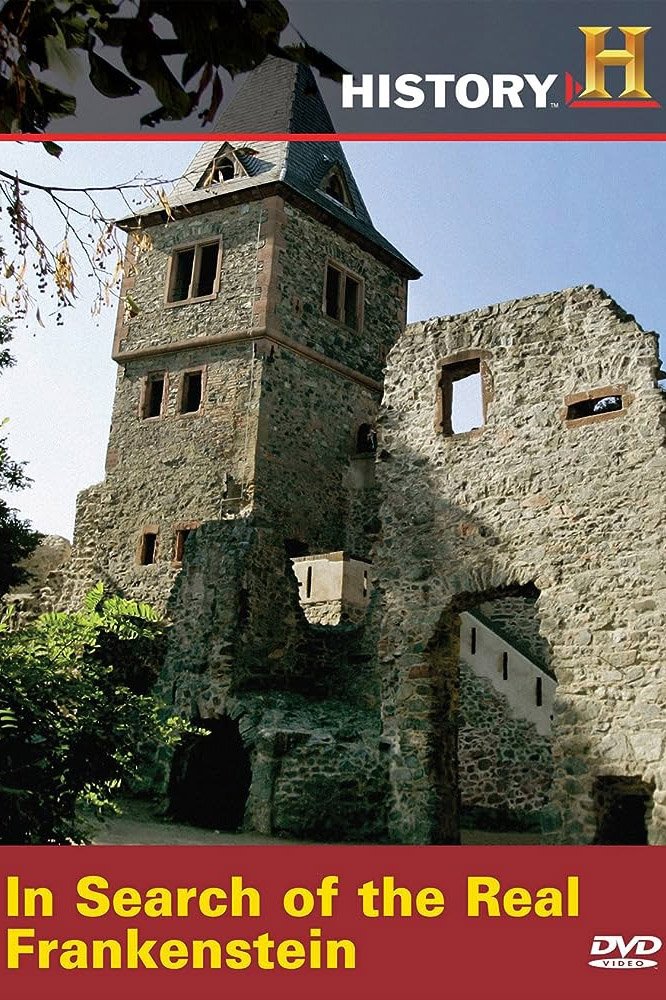
Long before Mary Shelley wrote her famous story of Victor Frankenstein and his monster, a real-life mad scientist called Johann Konrad Dipple dabbled in similar grave-robbing and reanimation. This History Channel special uncovers Dipple's eager experiments with fresh corpses, as well as his attempts to concoct life-giving potions.
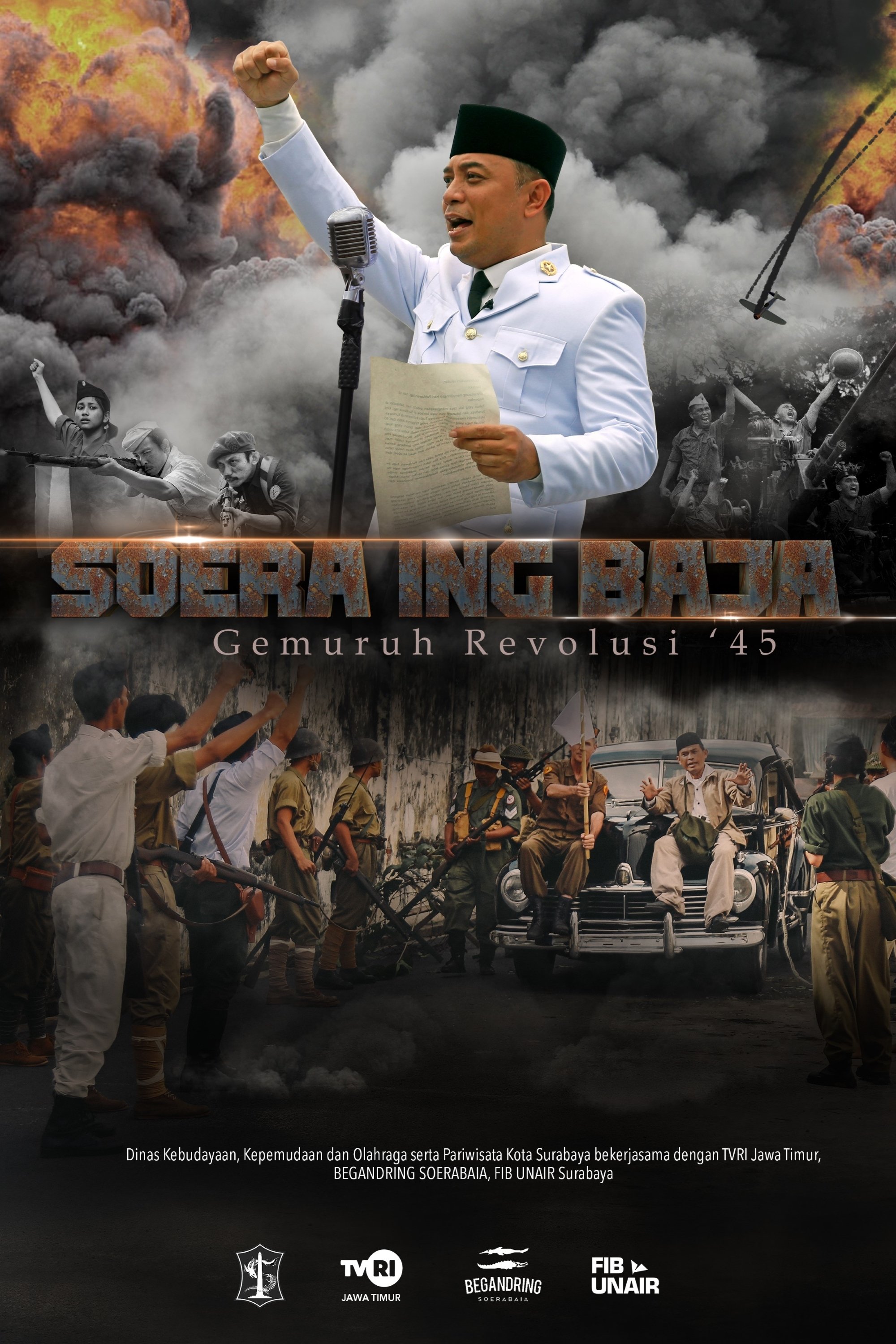
A description of the events that occurred after the proclamation of Indonesian independence in Surabaya until the national battle of Surabaya occurred. The central government designated November 10 as Heroes' Day and built a Heroes Monument to commemorate this great event.
What We Never Forget For Peace Here Now is a personal peace memorial produced in the United States, a country that does not have war memorials dedicated to peace. This video explores how we forget and how we remember memories of war. I think about who are my survivors and witnesses of war, and the deep impressions they've given me, becoming a part of me. Drawing inspiration from peace activists young and old, I ask viewers to join me in a practice of peace, here and now.
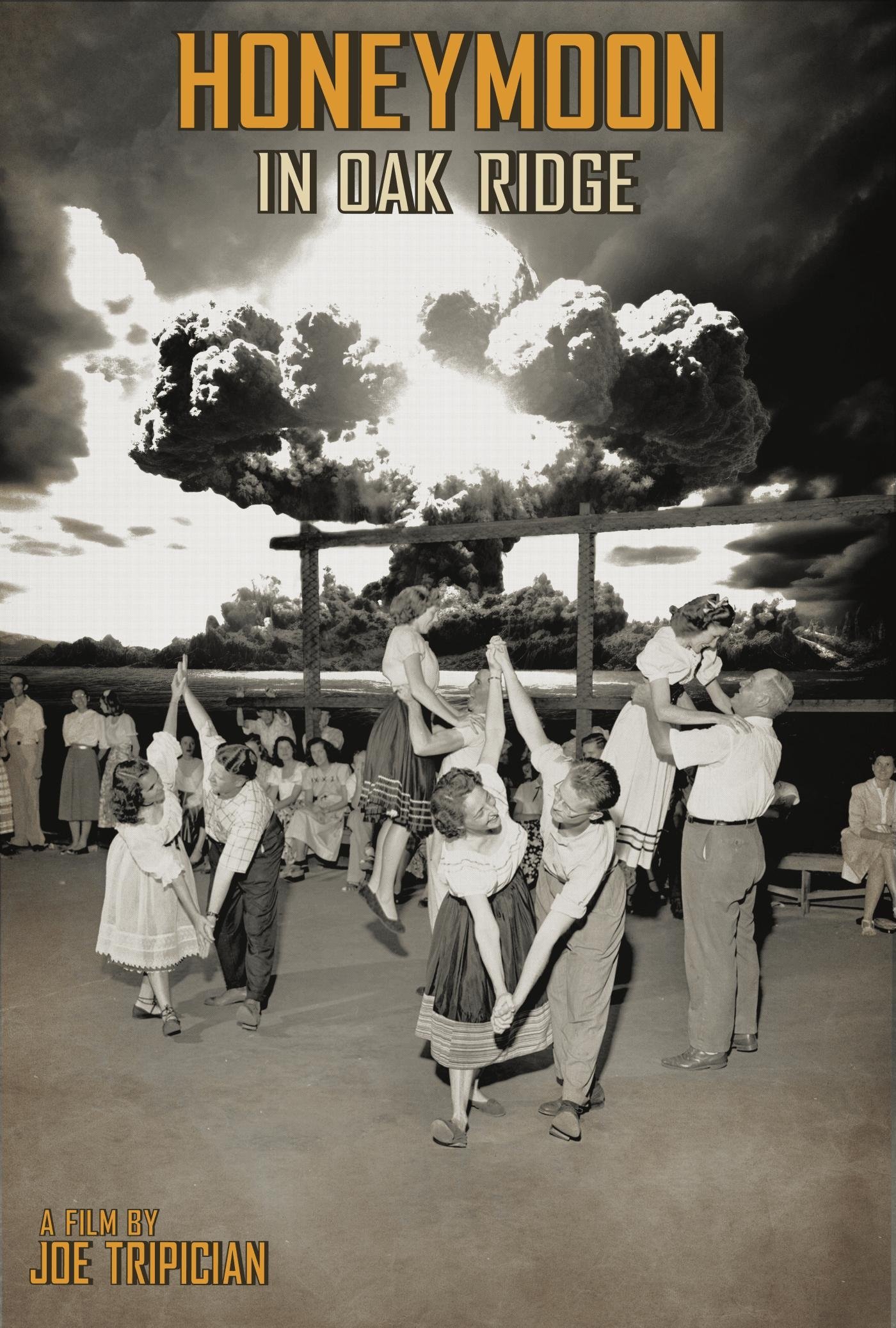
A filmmaker embarks on a poignant journey with his parents to the secret city where they unknowingly contributed to the creation of the first atomic bombs.
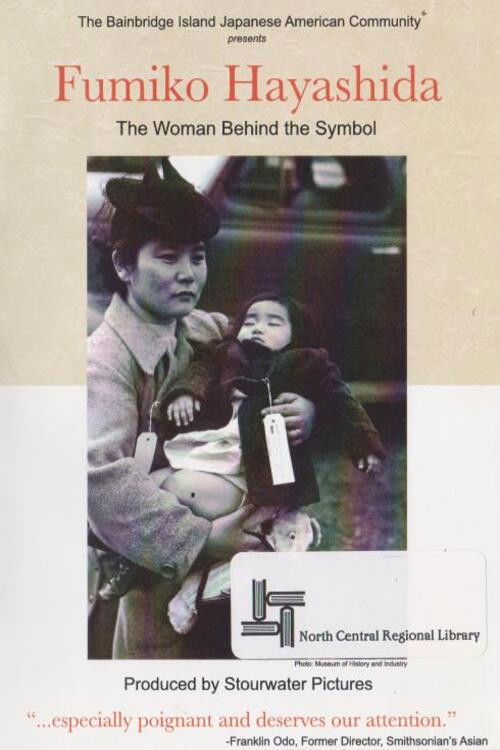
Fumiko Hayashida: The Woman Behind the Symbol is both a historical portrait of Fumiko, her family and the Bainbridge Island Japanese American community in the decades before World War II as well as a contemporary story which follows 97-year old Fumi and her daughter Natalie as they return to the site of the former Minidoka internment camp, their first trip back together in 63 years. The film reveals how the iconic photograph became the impetus for Fumiko to publicly lobby against the injustices of the past.
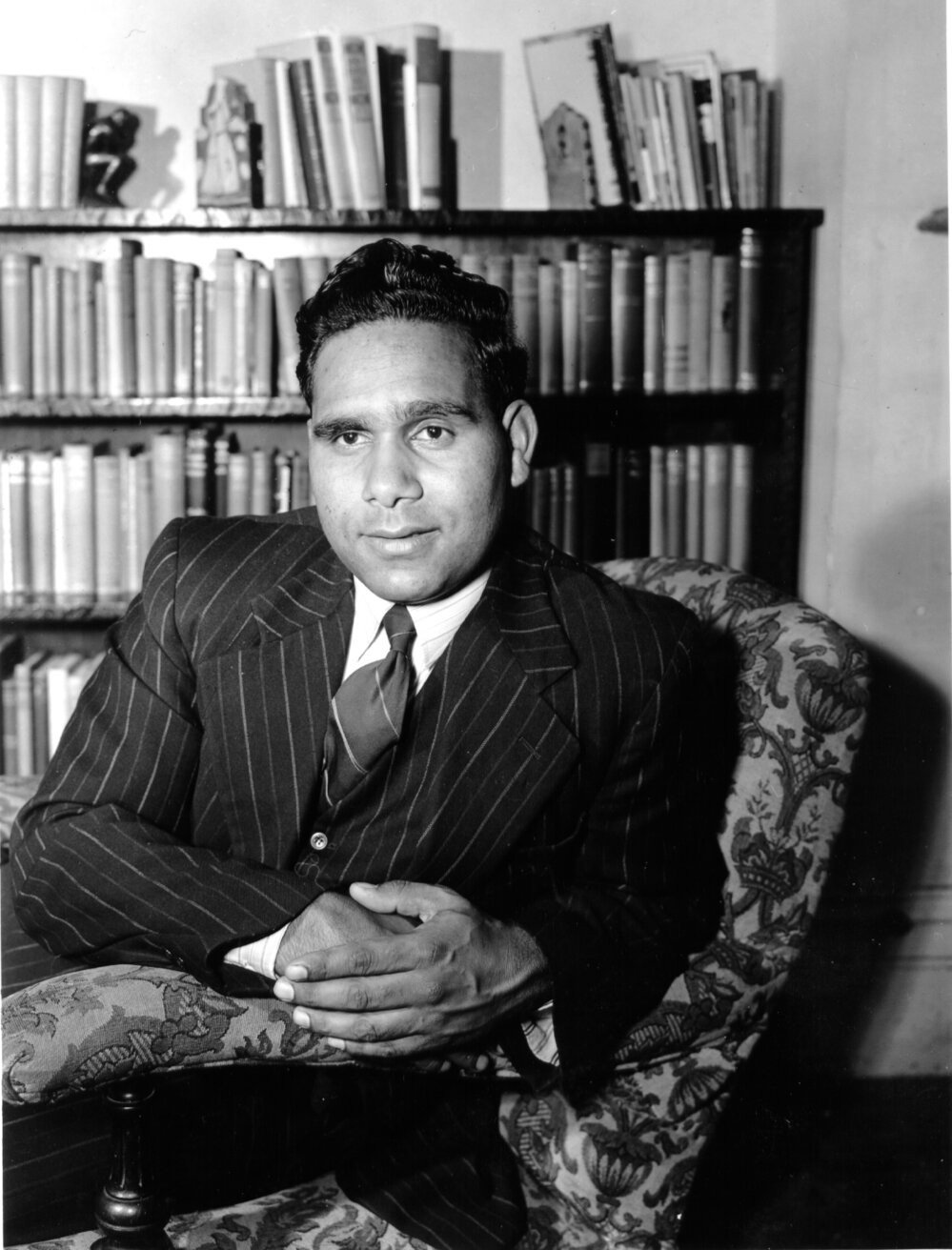
An insight into the life of Indigenous singer Harold Blair, who achieved overseas success at a personal cost. In 1945, Harold broke free of the restrictions placed on his community to perform opera and begin to change the limitations of the era.
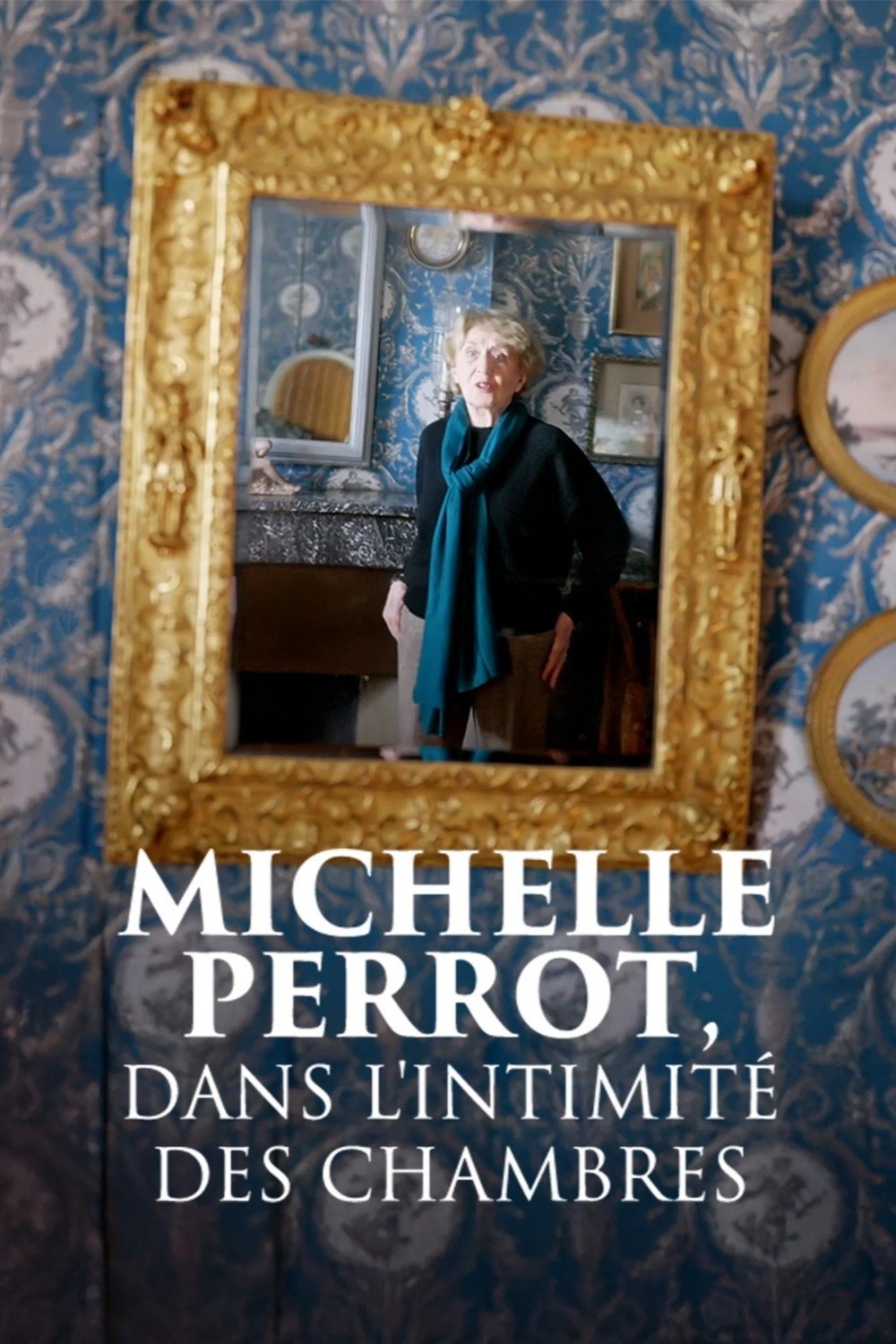
In her often pioneering work, historian Michelle Perrot has continually questioned the fate of those on the margins of our society, giving them a voice to break the silence of history. In her Histoire de chambres (History of Bedrooms), published in 2009, Michelle Perrot speaks in the first person for the first time. She explores the social and intimate role of bedrooms throughout history. Inspired by these reflections, Teri Wehn Damisch paints a "bedroom" portrait of the historian: we enter with Michelle Perrot into the bedrooms of the house in Nohant, where the rebel George Sand, her first heroine, lived. The defining events of her childhood, the awakening of her political consciousness, her daring research, her decisive encounters, her view of feminism: Michelle Perrot immerses us in the episodes that shaped her life as a free woman and placed her among the most influential intellectual figures of our time.
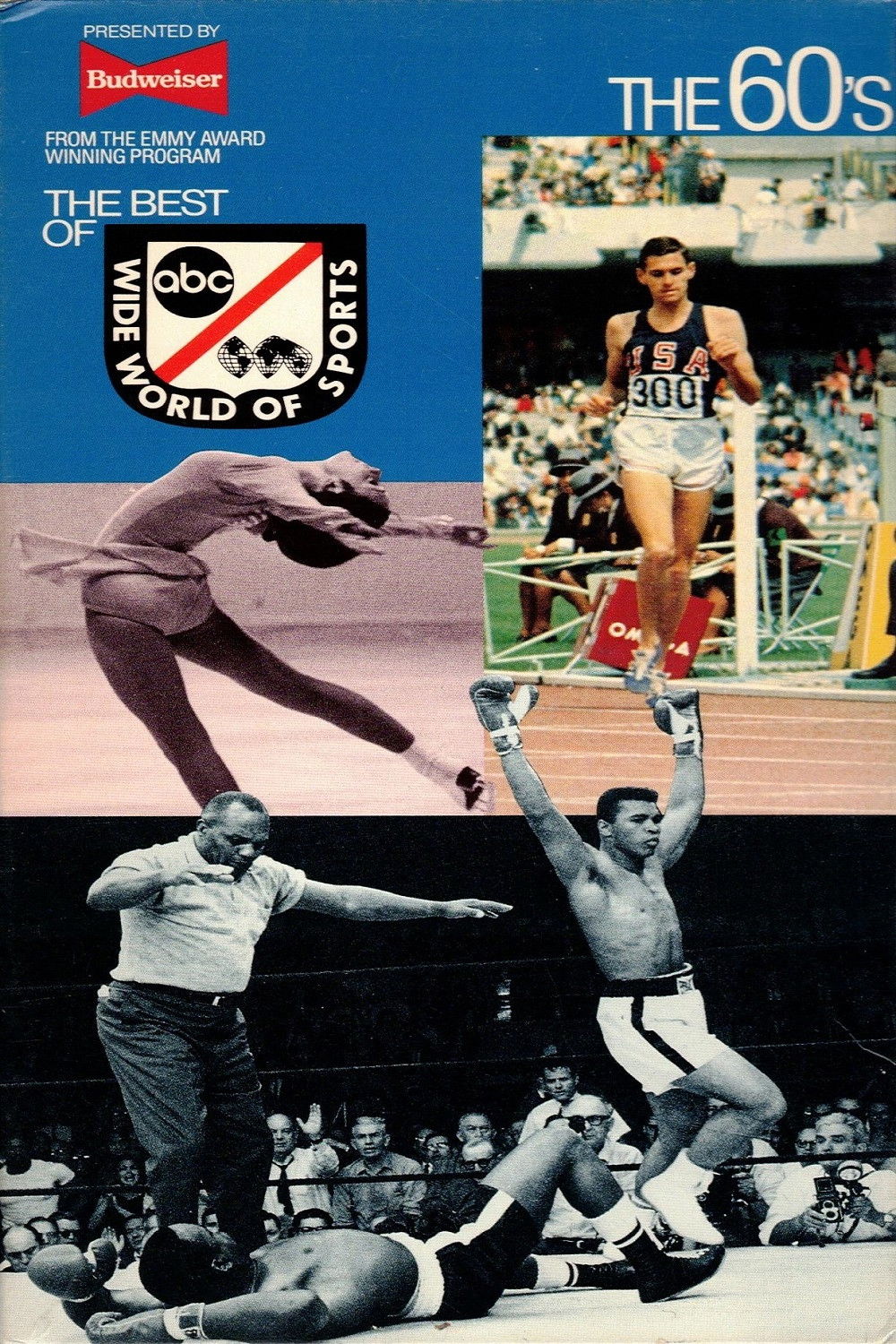
ABC's Wide World of Sports first started spanning the globe in 1960, and a generation of sports fans and weekend TV viewers were hooked from the start. In this videocassette, featuring highlights of that first decade, Wide World captured the famous moments of competition all over the globe.
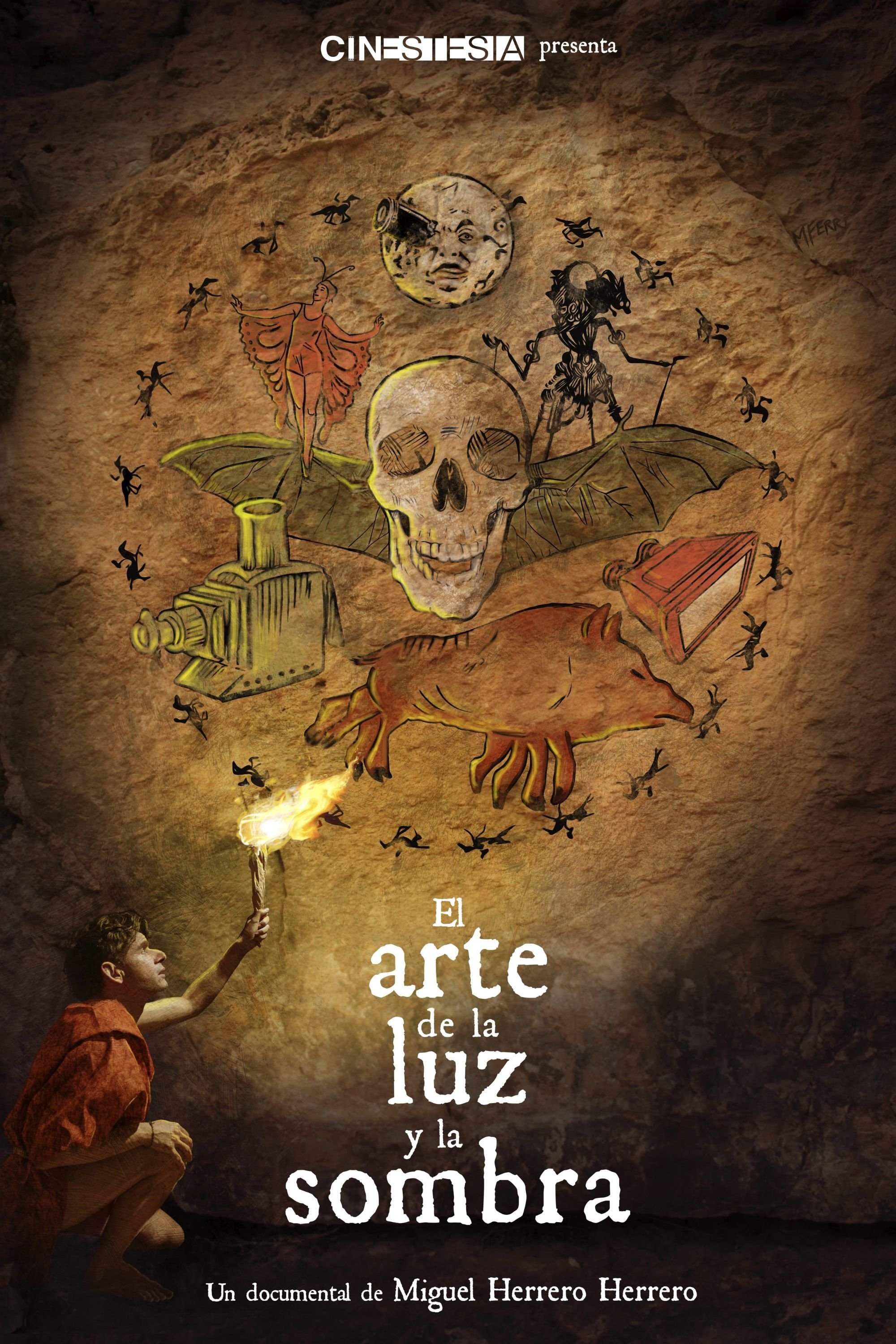
The unknown and fascinating origins of cinema and audiovisuals from prehistory to the beginning of the 20th century.
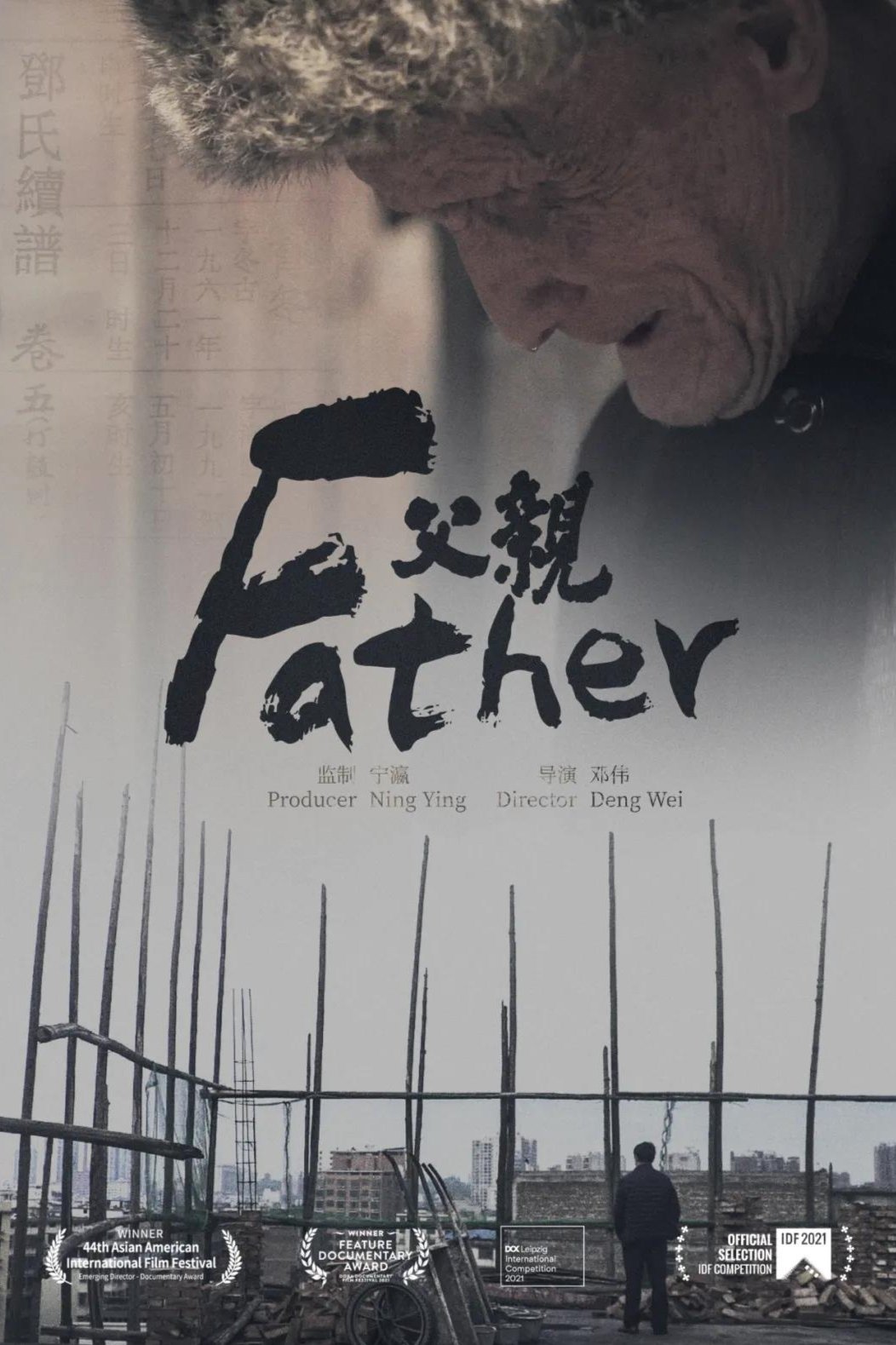
The director's grandfather is a blind fortune teller and his father a real-estate owner. They have grievances against each other for dismantling the old house. Grandfather thinks it's time for him to leave and asks Father to quit his job. At the same time, an accident happens at Father's construction site. They are entangled in dealing with the hatred from the past and the kinship that has always existed.
Elizabeth II has reigned over Great Britain for 70 years and is preparing to celebrate her platinum jubilee. Having become the heroine of one of the world's most watched television series during her lifetime, the Queen of England is the greatest star in history. At 96, the Queen is known to be in fragile health. With each new health scare, the world is in turmoil. Here is a portrait of this iconic figure of British royalty.
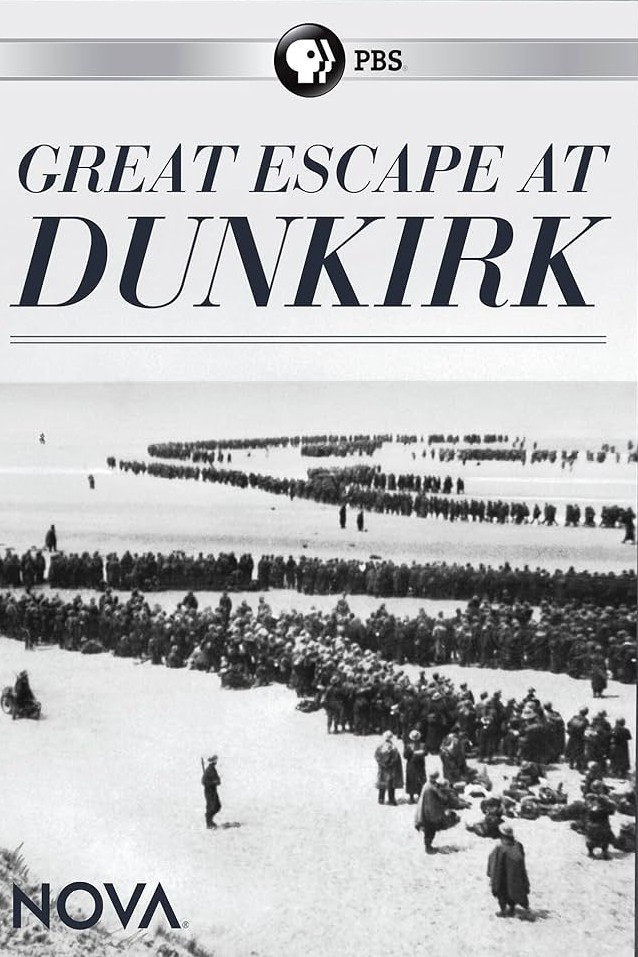
As France fell to the German armies in May 1940, 400,000 Allied troops were trapped on the beaches of Dunkirk. Their annihilation seemed certain—a disaster that could have led to Britain’s surrender. But then, in a last-minute rescue, Royal Navy ships and a flotilla of tiny civilian boats evacuated hundreds of thousands of soldiers to safety across the Channel. A team of archaeologists and historians recovers fresh evidence of the courage, technical ingenuity, and brilliant planning that led to the operation’s success. With access to previously classified files recently released by the British government, they uncover the truth behind the myths of Dunkirk—notably, a claim that the Royal Air Force failed to protect the stranded men from the Luftwaffe’s constant bombing of the beaches. This film debunks the myths and highlights the essential role of RAF planes and pilots in reversing the desperate stakes that played out in the air above the beleaguered men.
This incredible journey features the famous steam trains that power through the spectacular San Juan Mountains of southwestern Colorado. From Durango to Silverton, see the forested wilderness, and its beautiful lakes, waterfalls, and rivers. Be amazed at the route that travels over narrows passes, high bridges, and steep cliffs!
An ancestral house builds itself, comes to life, and shows us its story spanning one hundred fifty years. Through the ages, it allows us to perceive the passage of time.
This revealing documentary honors the legendary Sidney Poitier—iconic actor, filmmaker, and civil rights activist. Featuring interviews with Denzel Washington, Spike Lee, Halle Berry, and more.
Brilliant, long in-the-works story of the life and art of the world's greatest comedian and the cinema's first genius, Charlie Chaplin. Produced, written and directed by renowned film critic Richard Schickel.
Daniel Craig candidly reflects on his 15 year adventure as James Bond. Including never-before-seen archival footage from Casino Royale to the upcoming 25th film No Time To Die, Craig shares his personal memories in conversation with 007 producers, Michael G Wilson and Barbara Broccoli.
A documentary about the making of season five of the acclaimed AMC series Breaking Bad.
A documentary about the life and films of director John Ford.
A documentary about how a dominant cultural and demographic institution both sustains their traditional activities and adapts to the digital revolution.
The life and career of one of comedy's most inimitable modern voices, Mr. Gilbert Gottfried.
A string of threatening emails escalates into a revenge plot involving a newly married US marshal and his ex-girlfriend.
The life and career of an actor, artist, and icon. His own journey through his own camera.
The life of Mr. Spock, as well as that of Leonard Nimoy, the actor who played him for almost fifty years, written and directed by his son: Adam.
An inside look at one of the most anticipated movie sequels ever with James Cameron and cast.
SEDUCED AND ABANDONED combines acting legend Alec Baldwin with director James Toback as they lead us on a troublesome and often hilarious journey of raising financing for their next feature film. Moving from director to financier to star actor, the two players provide us with a unique look behind the curtain at the world's biggest and most glamourous film festival, shining a light on the bitter-sweet relationship filmmakers have with Cannes and the film business. Featuring insights from directors Martin Scorsese, 'Bernando Bertolucci' and Roman Polanski; actors Ryan Gosling and Jessica Chastain and a host of film distribution luminaries.
This documentary focuses on the actors and their journey over two summers to create the remake to the original IT, by Stephen King. The documentary originally released as bonus material, bundled with IT: Chapter Two.
Documentary of the making of the sequel to the popular Schwarzenegger film, The Terminator.
Investigators reveal how Boeing’s alleged priority of profit over safety could have contributed to two catastrophic crashes within months of each other.
A detailing of the rise to prominence and global sporting superstardom of six supremely talented young Manchester United football players (David Beckham, Nicky Butt, Ryan Giggs, Paul Scholes, Phil and Gary Neville). The film covers the period 1992-1999, culminating in Manchester United's European Cup triumph.
Join the likes of Jeremy Renner, Hailee Steinfeld, Florence Pugh, and Vincent D’Onofrio as they reveal how Marvel Studios’ “Hawkeye” was conceived and created. Witness firsthand what it took to pull off the show’s pulse-pounding action set pieces, and discover how iconic characters from the pages of Marvel Comics such as Kate Bishop were adapted and brought to life for the six-episode series.
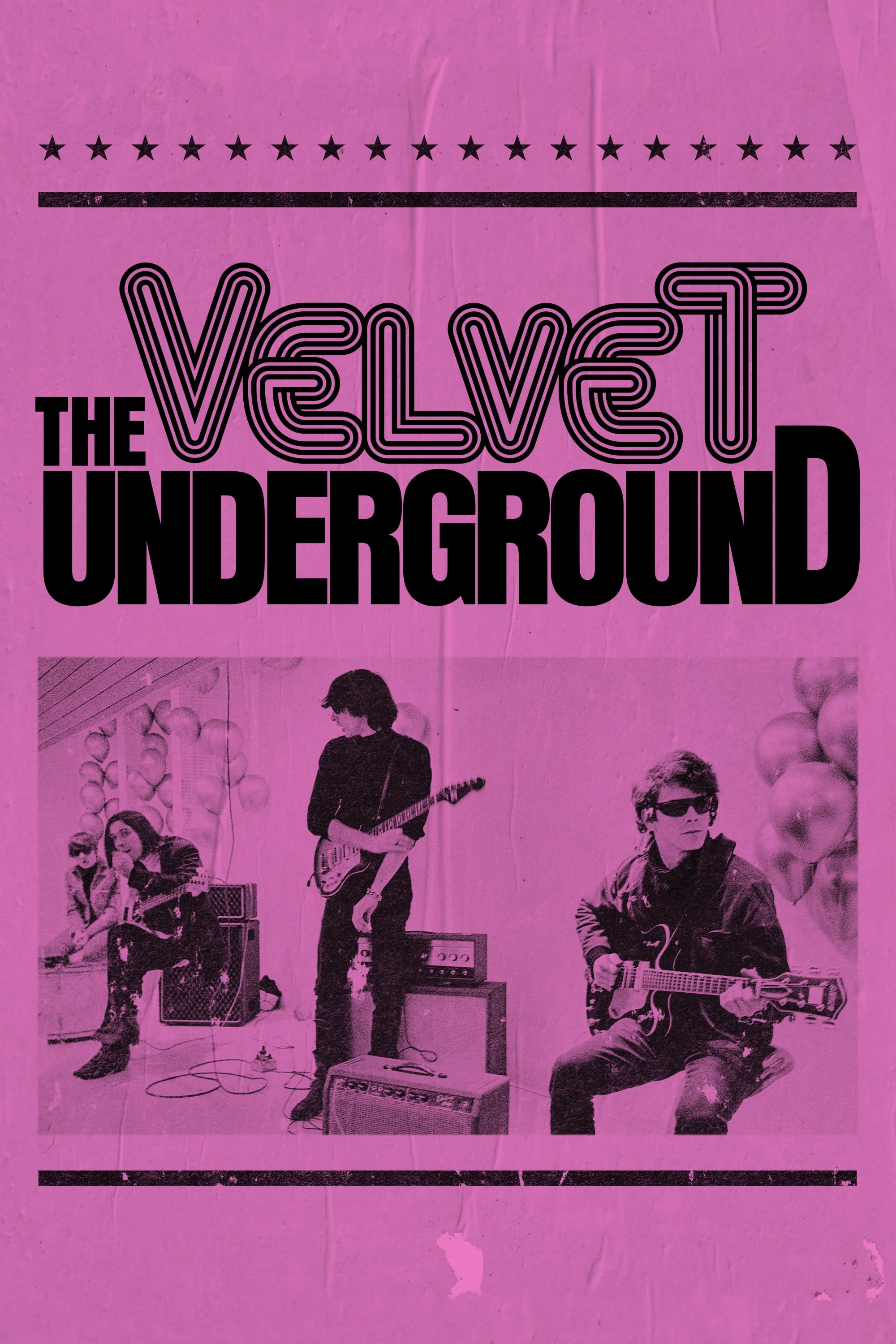
Experience the iconic rock band's legacy in the first major documentary to tell their story. Directed with the era’s avant-garde spirit by Todd Haynes, this kaleidoscopic oral history combines exclusive interviews with dazzling archival footage.
From the heights of her modeling fame to her tragic death, this documentary reveals Anna Nicole Smith through the eyes of the people closest to her.
Over 35 years after Bob Lazar's revelations, this documentary exposes secrets of a facility the government still denies. Featuring Lazar's testimony, recreations, and new evidence, it reopens a case that continues to spark global curiosity