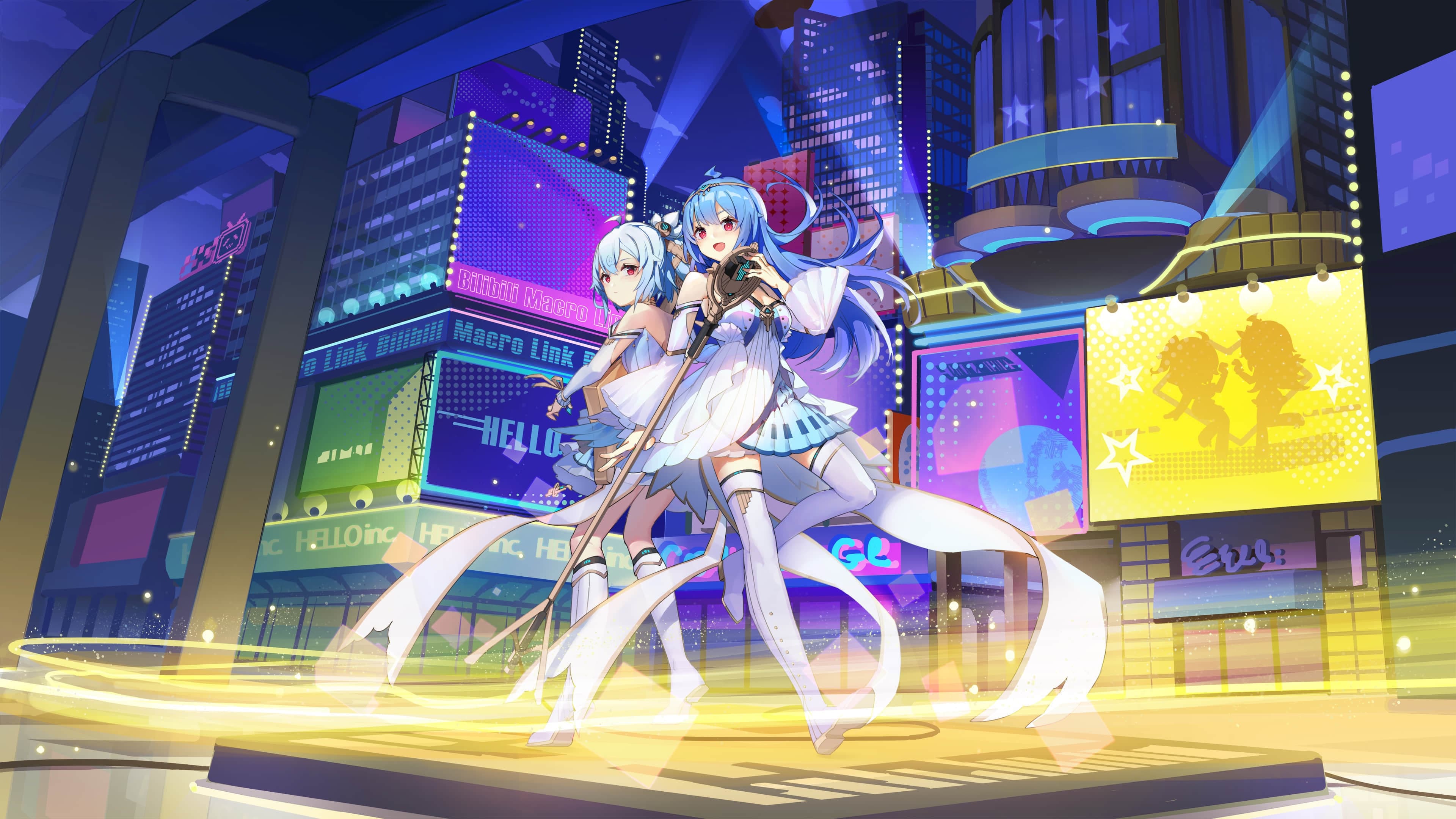
- Status
- Released
- Language
- ZH
- Released
- July 11, 2021
Featuring
Cast & crew
Ayumi Takasaki

Kiyoe Yoshioka

Lyn Inaizumi

Mika Nakashima
Keep watching
More like this
 9.5
9.5Sheena Ringo: Gekokujyo Xstasy
2000 · Film
Makihara Noriyuki Concert 2024 “TIME TRAVELING TOUR” 2nd Season ~Yesterday Once More~
2024 · Film
ZARD MUSIC VIDEO COLLECTION ~25th ANNIVERSARY~
2016 · Film
2009《我爱南京》李志跨年演唱会
2009 · Film

ZARD Le Portfolio 1991-2006
2006 · Film
STRANGE ATTRACTIONS?
2003 · Film

叶丽仪 45年香港情演唱会
2015 · Film
李志2011-2012年“IMAGINE” 跨年音乐会
2011 · Film
《明日方舟》2026「音律联觉-昔时我见」
2026 · Film
 10.0
10.0崔健“滚动三十”2016工体演唱会
2016 · Film

謝霆鋒香港《Evolution Nic Live進化演唱會》
2025 · Film
 10.0
10.0Arknights: Ambience Synesthesia 2024 RES:Souvenance
2024 · Film
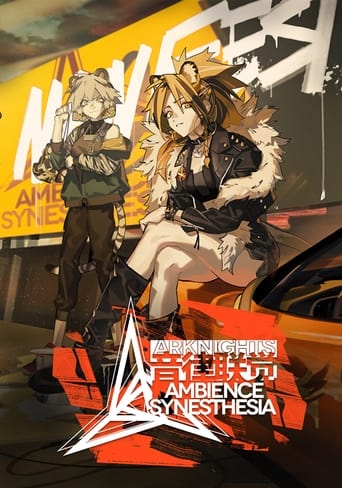 10.0
10.0Arknights: Ambience Synesthesia 2021
2021 · Film
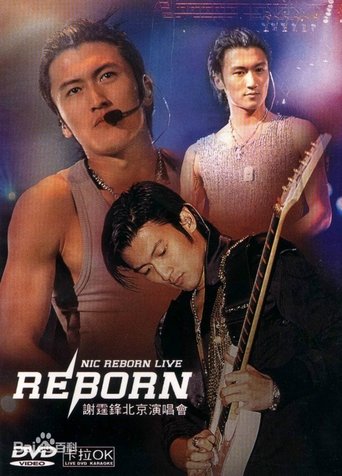
谢霆锋2003Reborn演唱会 北京站
2004 · Film
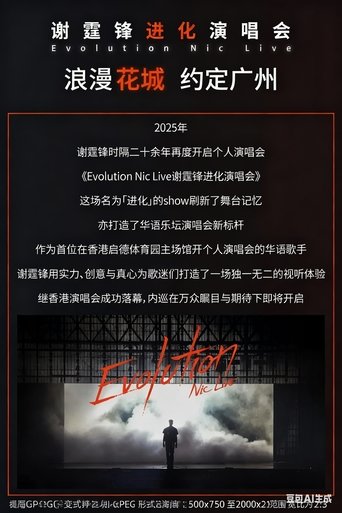
谢霆锋2026进化演唱会北京鸟巢站
2026 · Film

梁文音為什麼聽情歌演唱會
2024 · Film
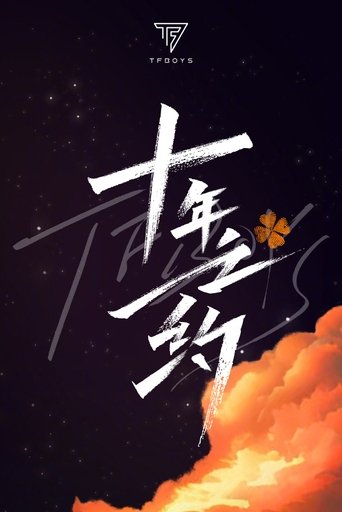 9.0
9.0TFBOYS 10-Year Disbandment Concert
2023 · Film
 10.0
10.0Paramore: Rock am Ring 2013
2013 · Film

飞轮海想入飞飞台北演唱会
Film

温哥华酱油乐队
2011 · Film
Picked for you
Recommended movies
 5.8
5.8Make Your Move
2013 · Film
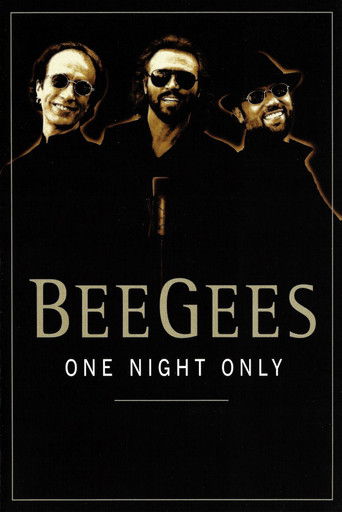 8.2
8.2Bee Gees: One Night Only
1998 · Film
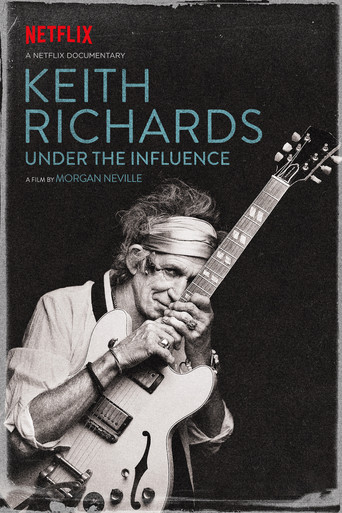 6.8
6.8Keith Richards: Under the Influence
2015 · Film
 6.3
6.3The Big Store
1941 · Film
 6.4
6.4Too Late Blues
1961 · Film
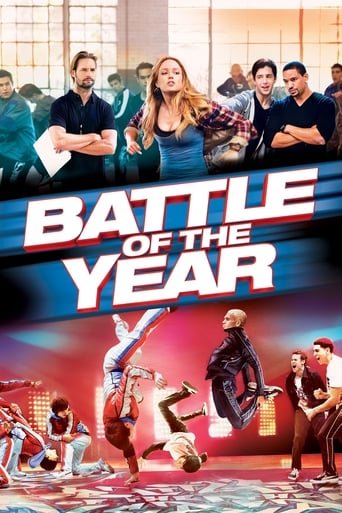 6.8
6.8Battle of the Year
2013 · Film
 7.1
7.1I Am Easy to Find
2019 · Film
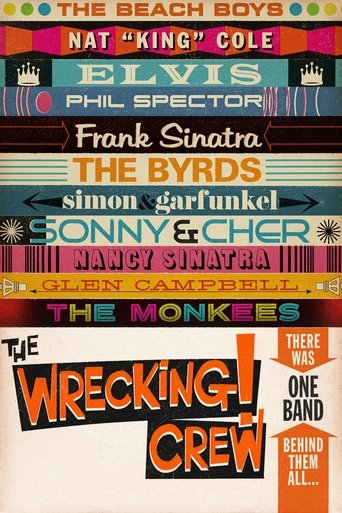 7.3
7.3The Wrecking Crew
2008 · Film
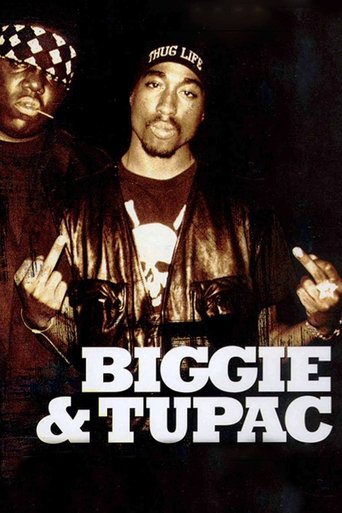 6.4
6.4Biggie & Tupac
2002 · Film
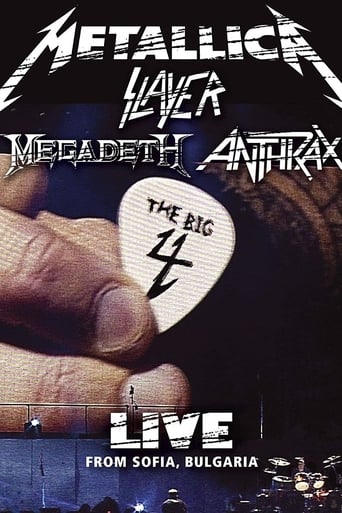 8.3
8.3The Big Four: Live in Sofia
2010 · Film
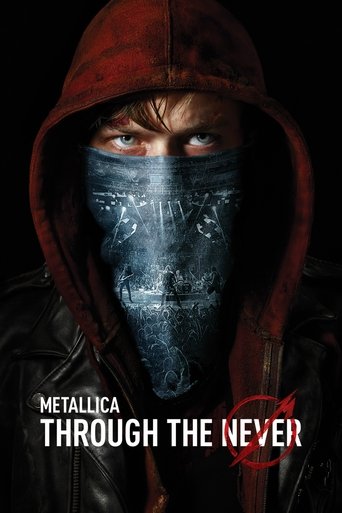 6.9
6.9Metallica: Through the Never
2013 · Film
 6.7
6.7Pure Country 2: The Gift
2010 · Film
 5.8
5.8Make Mine Music
1946 · Film
 8.0
8.0Shawn Mendes: Live in Concert
2020 · Film
 6.9
6.9Star!
1968 · Film
 7.1
7.1John & Yoko: Above Us Only Sky
2018 · Film
 6.5
6.5Hounddog
2008 · Film
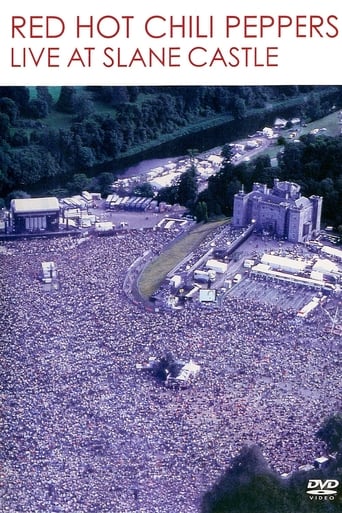 8.7
8.7Red Hot Chili Peppers: Live at Slane Castle
2003 · Film
 6.3
6.3Coyote Ugly
2000 · Film
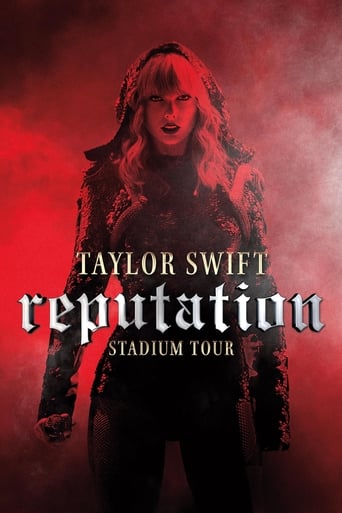 8.2
8.2Taylor Swift: Reputation Stadium Tour
2018 · Film