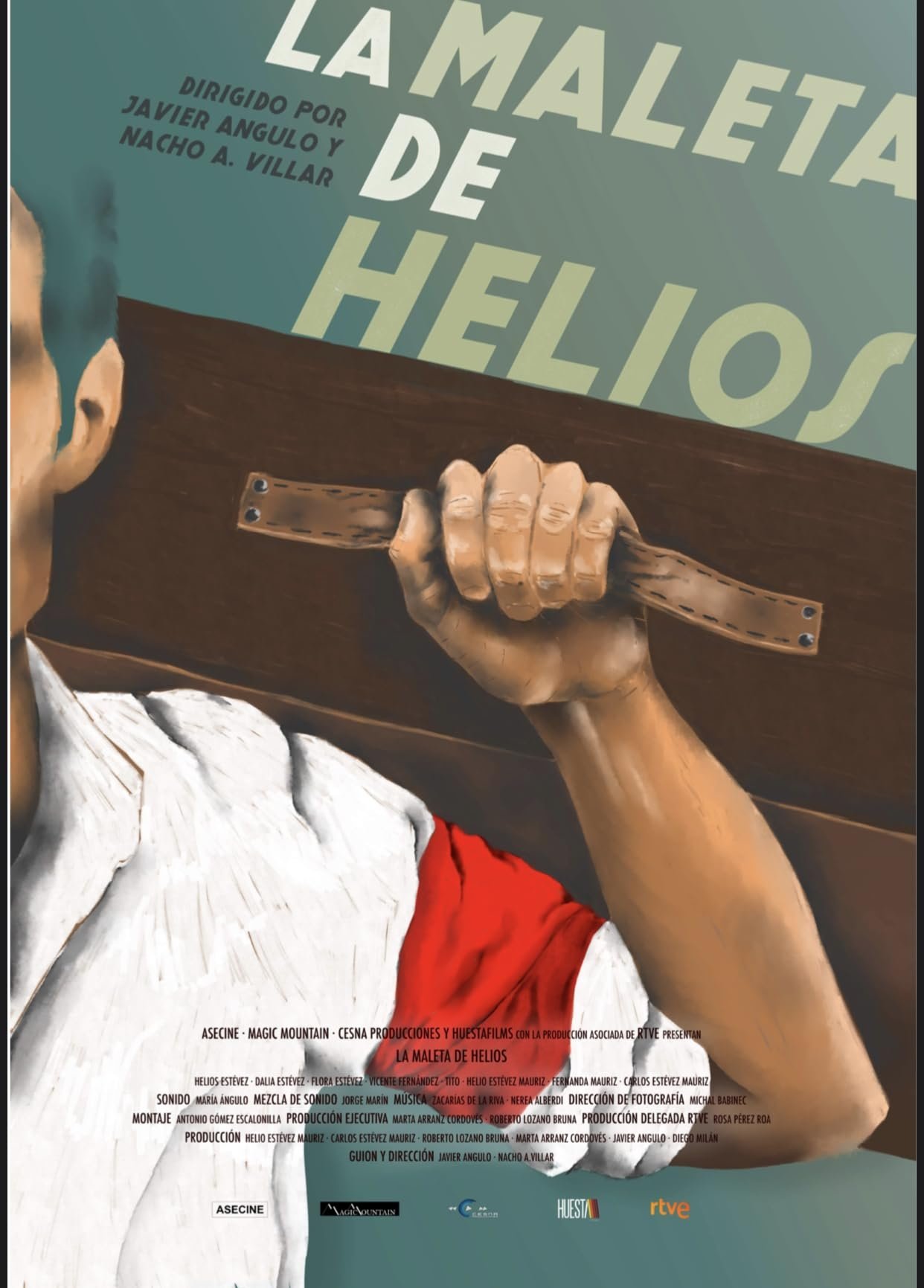
The son of an anarchist republican who went into exile in Mexico in 1941 brings back to Spain the suitcase with which his father left Spain. Through his testimonies we will discover the exciting story of his father, unknown until today in Spain.
Social & External
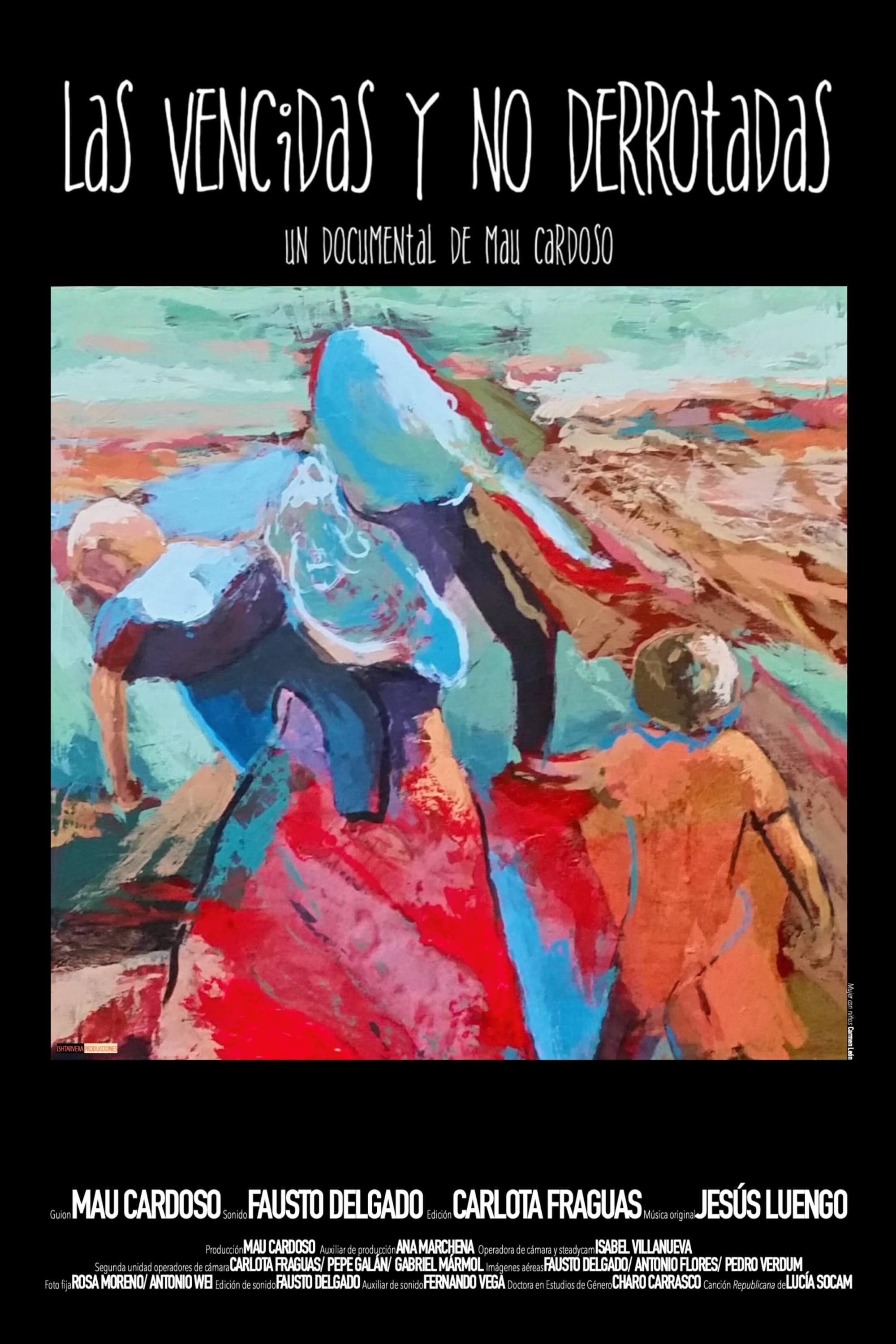
In 1936, after the coup d'état perpetrated by Franco against democratic Spain and the subsequent dictatorship that followed a bloody Civil War, women suffered physical, sexual, economic, educational and political violence, leading to the largest theft of babies in the world. History of recent Europe. 'Las vencidas y no derrotadas' is a documentary with the testimonies of these women, whose faces bear the mark left by unhealed wounds. Its protagonists tell us about real events, reliving events that were milestones in their families, towns and cities, supported by graphic documentation of family and personal memories, as well as images and audios from historical archives.
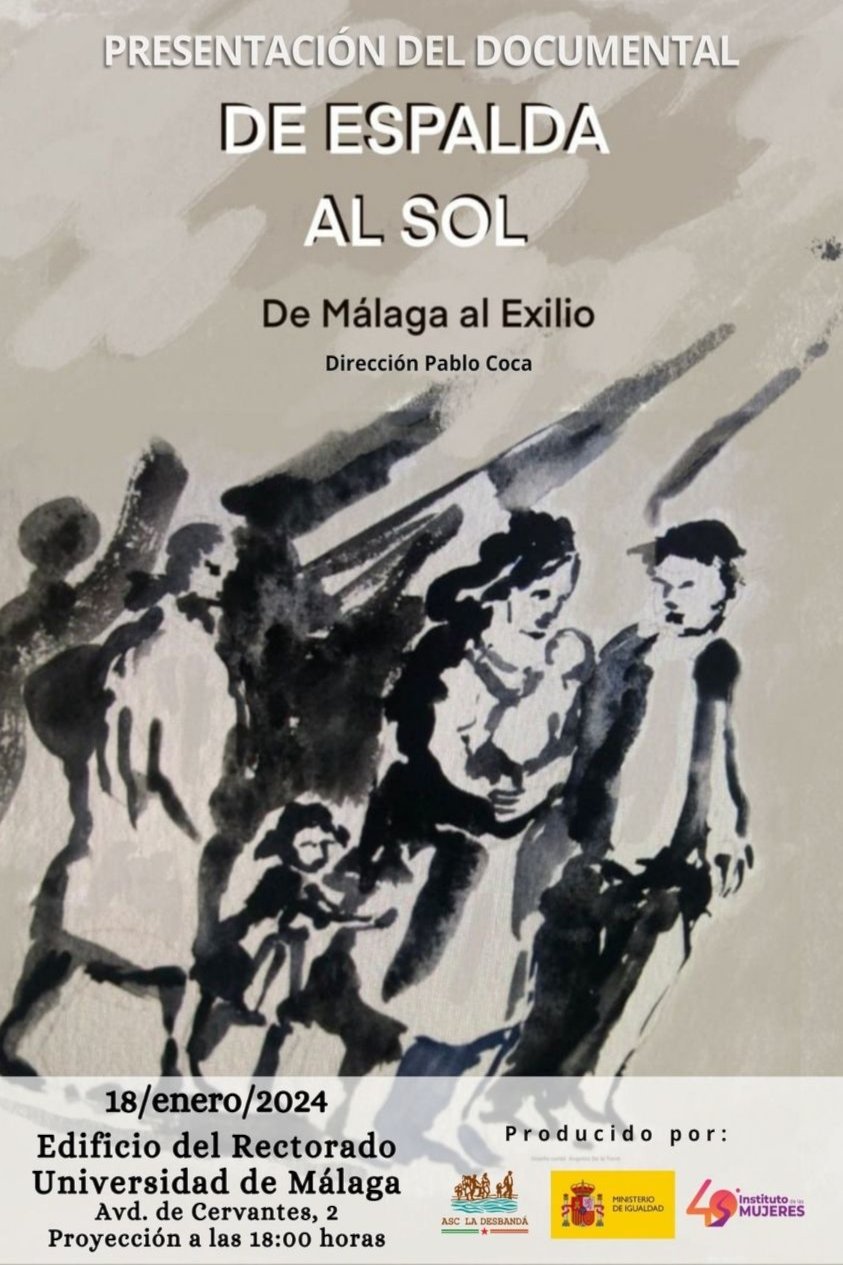
This documentary collects, through the testimonies of five survivors, four women and one man, the tragedy experienced in “la Desbandá de Málaga and the subsequent exile to France. At the entrance of Queipo de Llano's troops into the city of Malaga, thousands of people, mostly women and children, fled to Almería along the road. They were bombed by sea, land and air by the German army, Mussolini's army and Franco's troops from the then Moroccan colony. Around five thousand people died on these two hundred kilometers of road. This exodus was known as “La desbandá”.
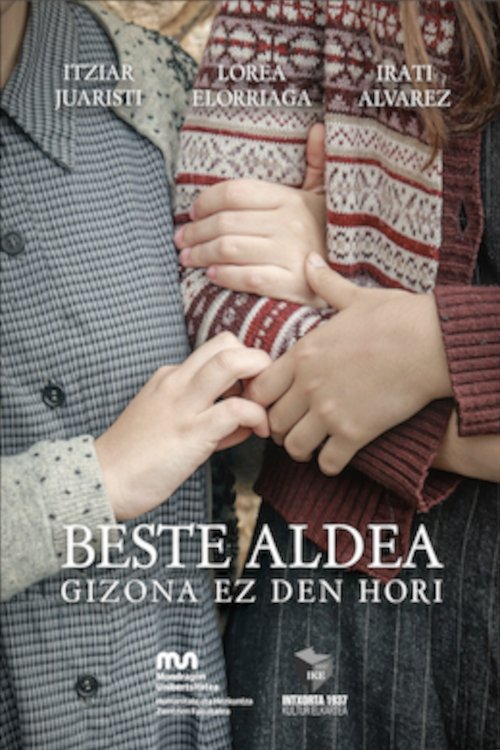
In 1936, the war broke out in Spain and in 1937 the front was maintained for many months around Angiozar and Elgeta. It has often been talked about what men experienced, but women have also experienced the war. Through this documentary, their bravery and courage, both at the front and in resistance away from the front, has been highlighted and recalled.
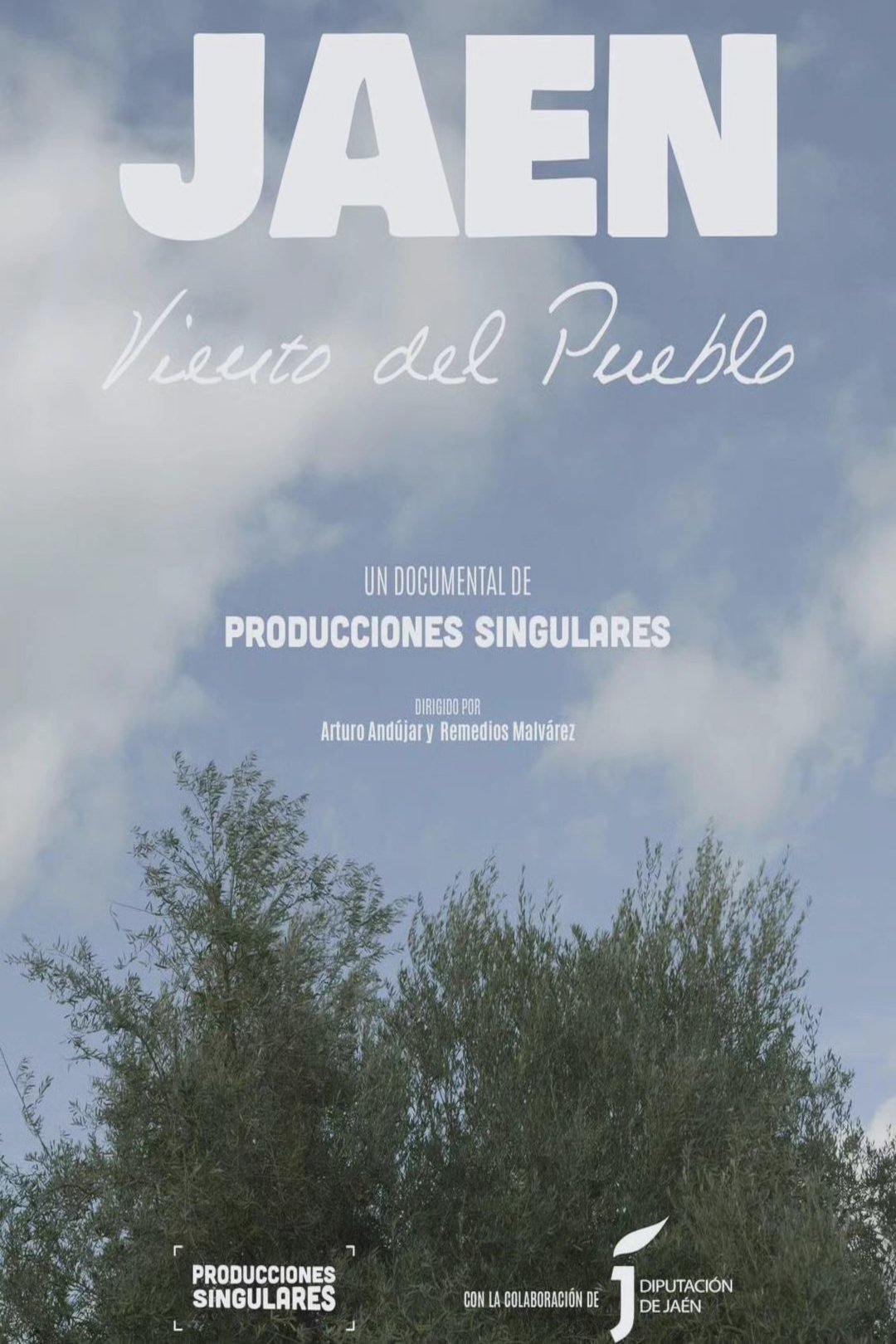
The documentary 'Jaén, Viento del Pueblo' places the viewer in the year 1936 and takes them to the present day, analyzing and pivoting around the processes of exhumation of the graves in the province of Jaén, the stories of relatives and experts
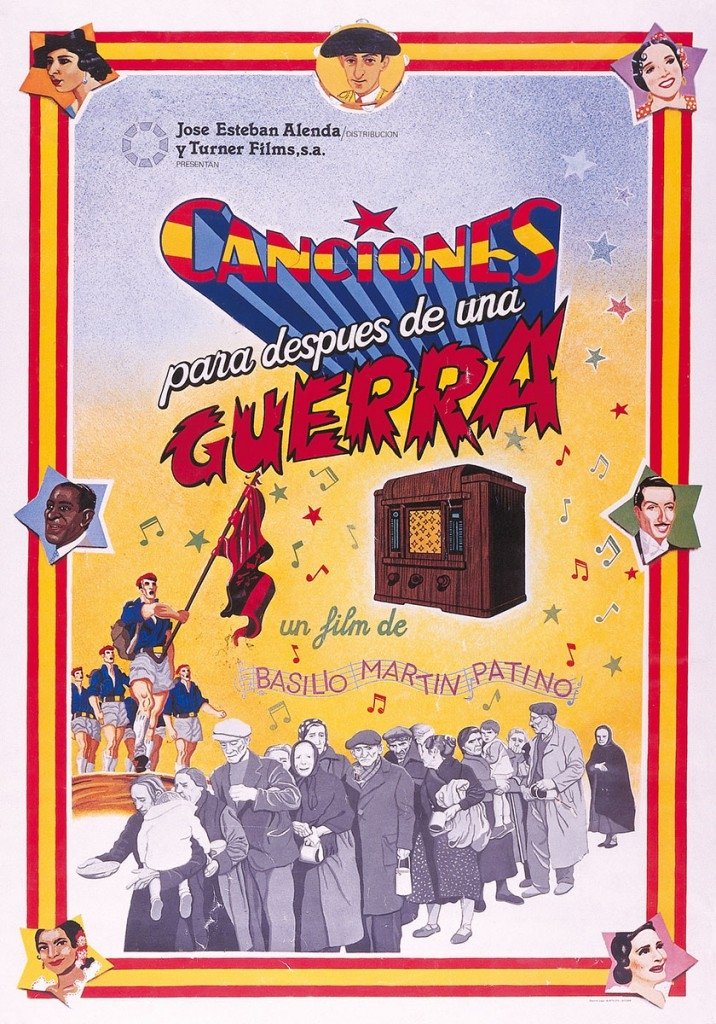
A particular reading of the hard years of famine, repression and censorship after the massacre of the Spanish Civil War (1936-39), through popular culture: songs, newspapers and magazines, movies and newsreels.
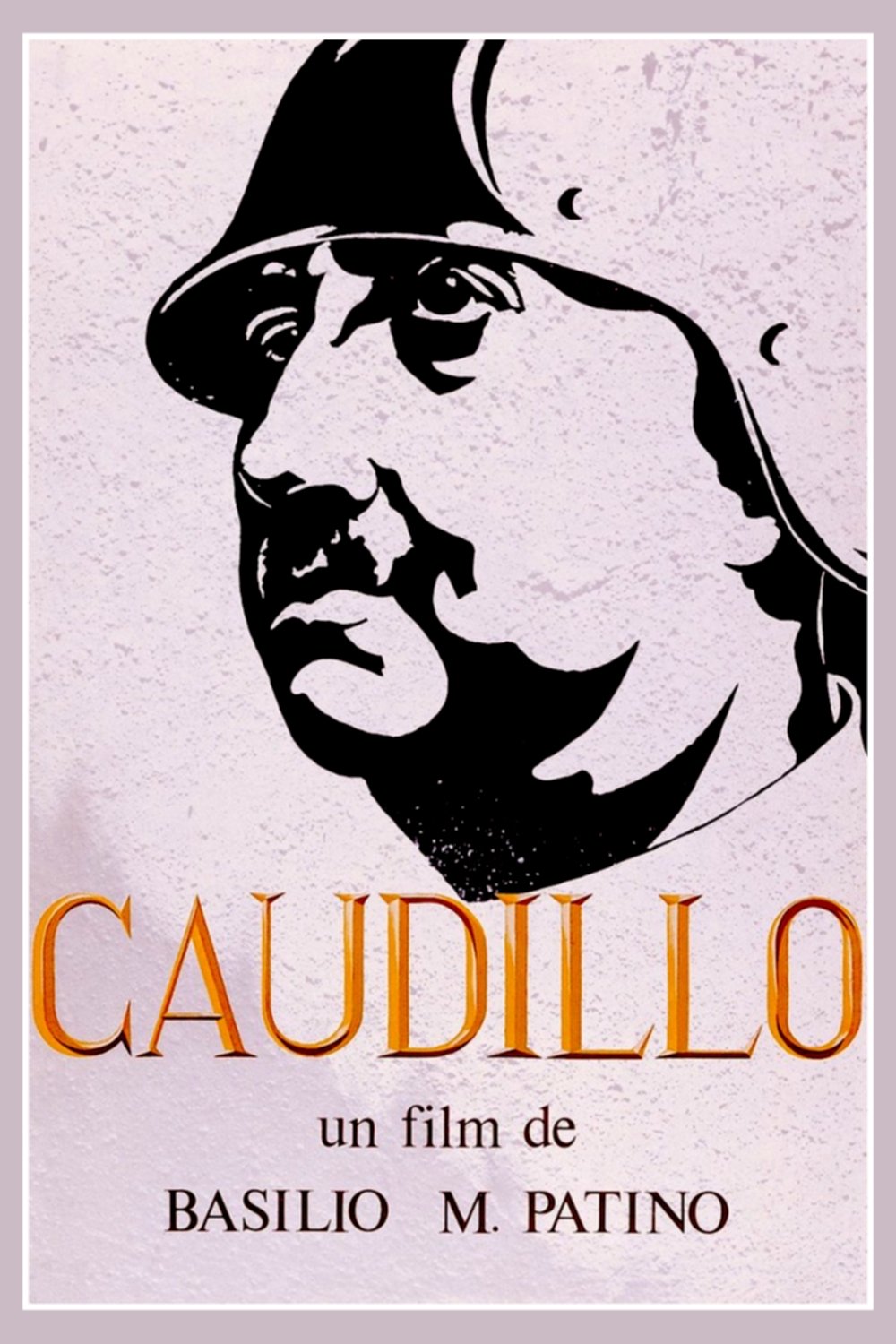
Caudillo is a documentary film by Spanish film director Basilio Martín Patino. It follows the military and political career of Francisco Franco and the most important moments of the Spanish Civil War. It uses footage from both sides of the war, music from the period and voice-over testimonies of various people.
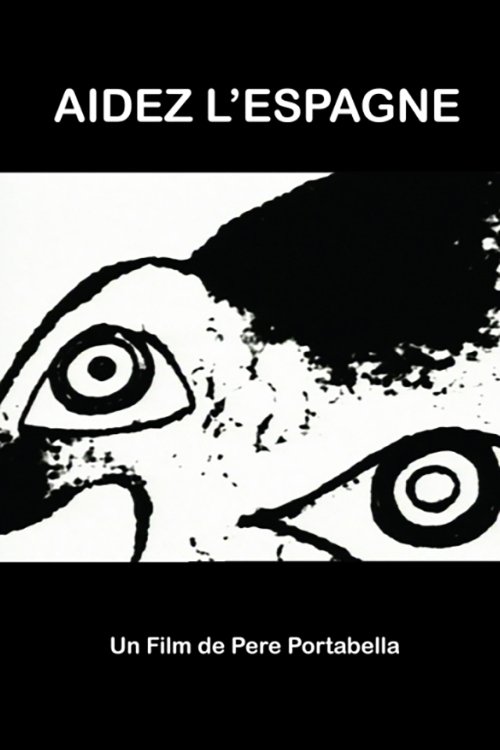
The Colegio de Arquitectos de Catalunya commissioned Pere Portabella to make this film for the Joan Miró retrospective exhibit in 1969. There were heated discussions on whether it would be prudent to screen the film during the exhibit. Portabella took the following stance: "either both films are screened or they don't screen any" and, finally, both Miro l'Altre and Aidez l'Espagne were shown. The film was made by combining newsreels and film material from the Spanish Civil War with prints by Miró from the series "Barcelona" (1939-1944). The film ends with the painter's "pochoir" known as Aidez l'Espagne.
An account of the brief life of the writer Albert Camus (1913-1960), a Frenchman born in Algeria: his Spanish origin on the isle of Menorca, his childhood in Algiers, his literary career and his constant struggle against the pomposity of French bourgeois intellectuals, his communist commitment, his love for Spain and his opposition to the independence of Algeria, since it would cause the loss of his true home, his definitive estrangement.
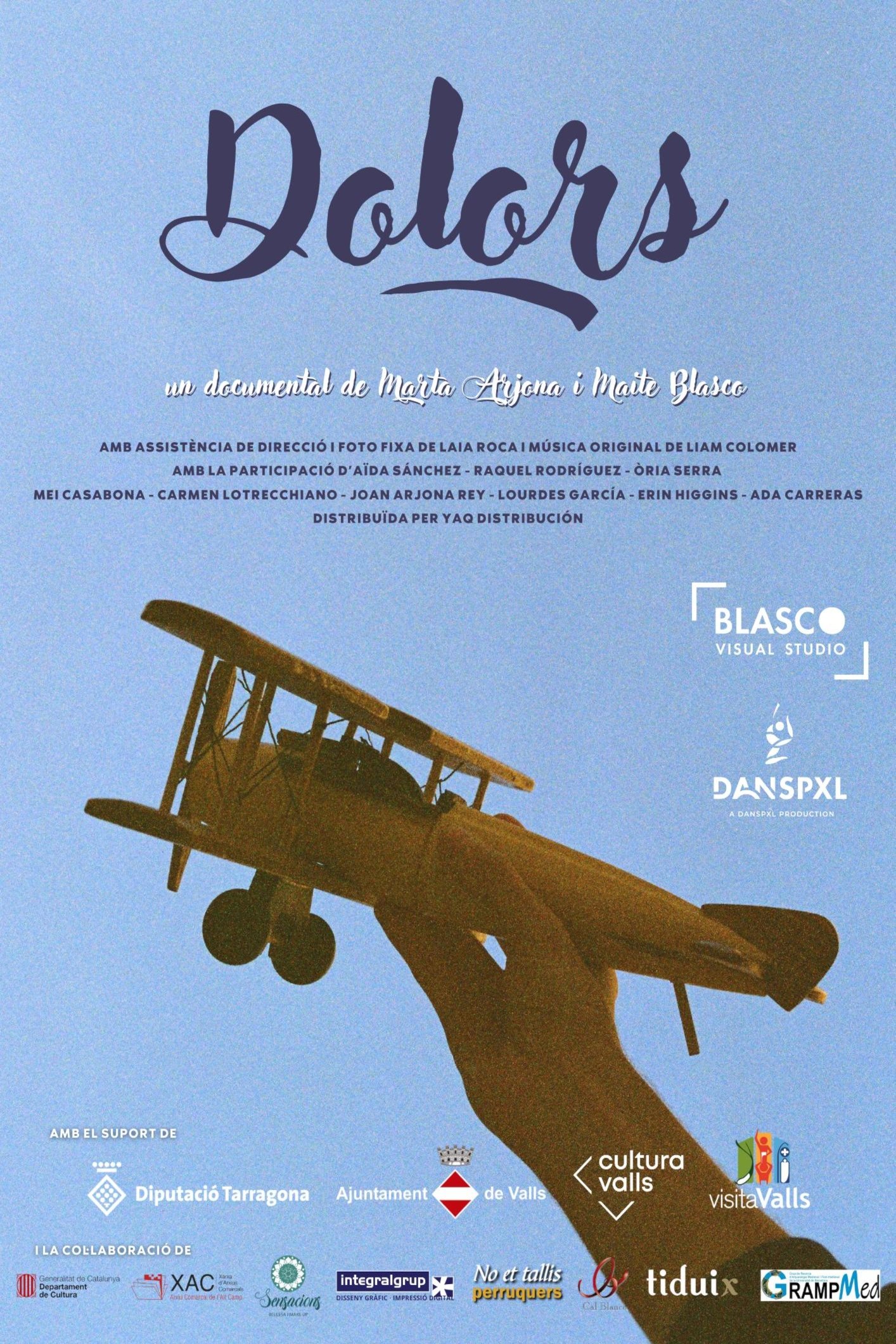
The role of historians is key in the history of humanity because their objective is to investigate the past to avoid repeating the same mistakes in the future. Furthermore, they often bring to light the history of unique individuals who, due to circumstances, have not received the recognition they deserve, especially in the case of women. This documentary focuses on the work of the historian Aïda Sánchez, who rescued Dolours Vives Rodon from oblivion, one of the pioneering women in piloting aircraft in our country and who played a vital role during the Spanish Civil War.
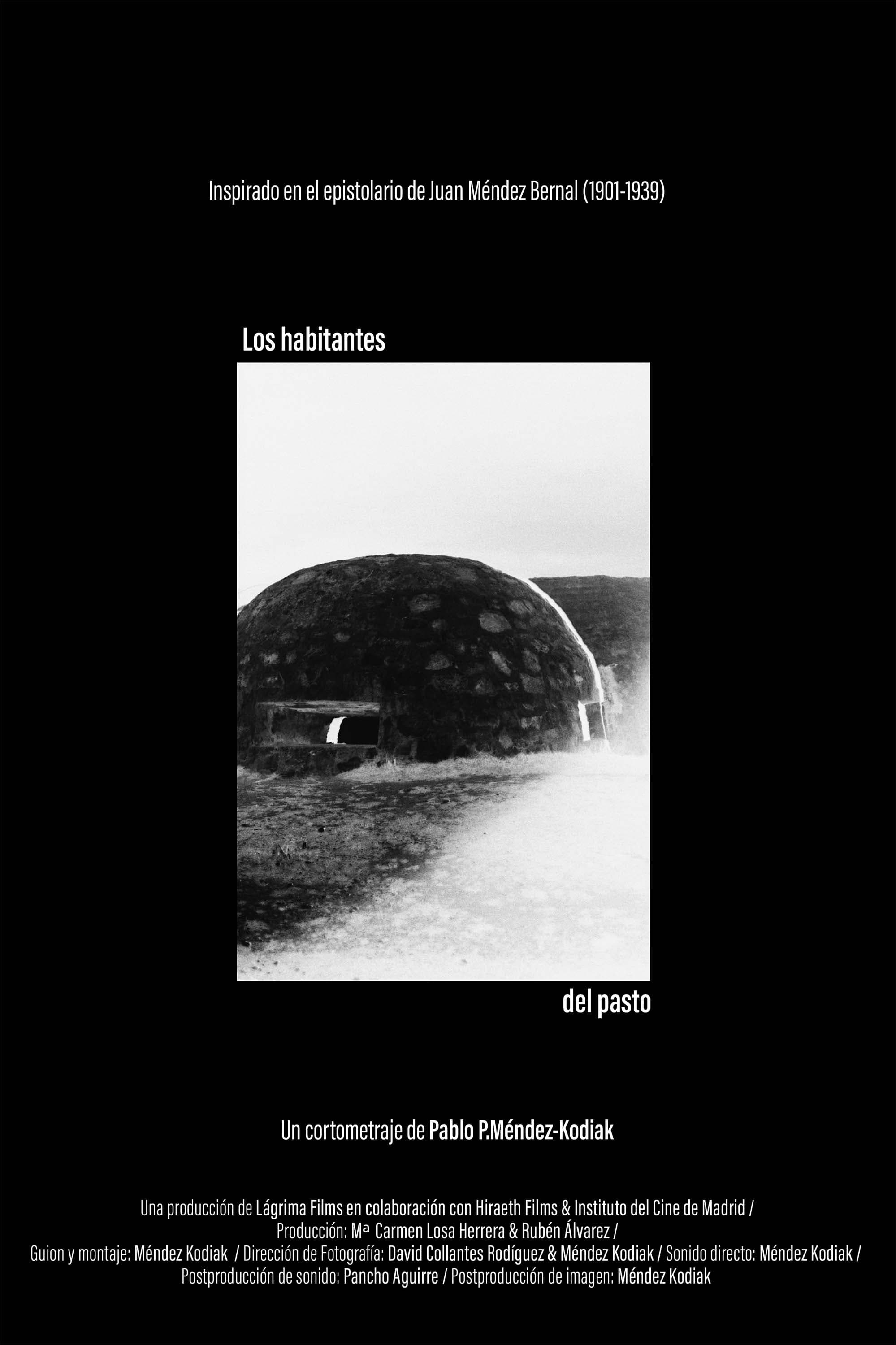
Juan Méndez Bernal leaves his house on the 9th of april of 1936 to fight in the imminent Spanish Civil War. 83 years later, his body is still one of the Grass Dwellers. The only thing that he leaves from those years on the front is a collection of 28 letters in his own writing.
Obsessively referring to the traumas and wounds that the Spanish civil war (1936-39) and Franco's dictatorship (1939-75) caused in their day no longer serves to explain the impassable abyss of incomprehension and hatred that the abject policies and radical positions adopted by both the right and the left in recent decades have opened up before the citizens of a country that is barely known beyond hackneyed cultural clichés.
A feature-length documentary based on film reports from the Spanish civil war.
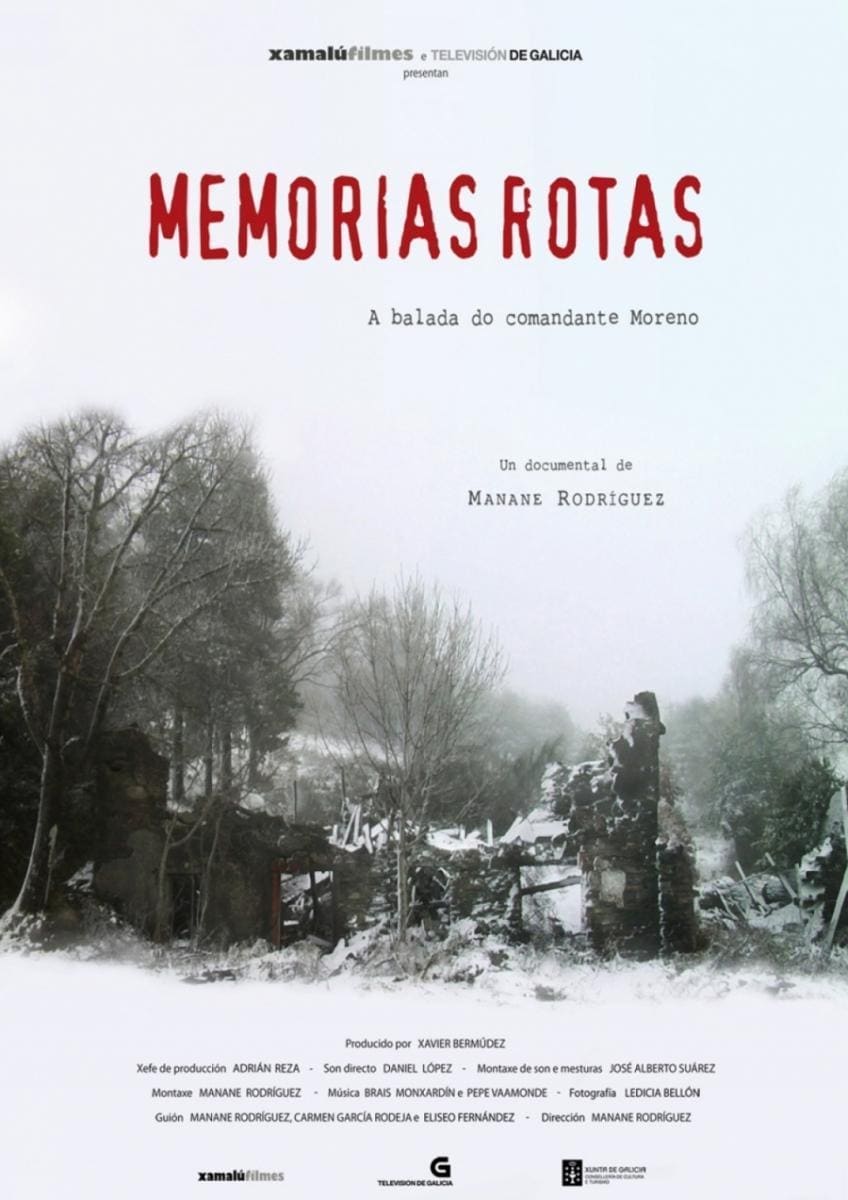
An audiovisual chronicle of the Spanish Civil War in Galicia. Memorias Rotas centers on a group of republican fighters leaded by Commander José Moreno. The group disappears as they fail trying to escape by sea in the border between Galicia and Asturias and nobody ever knows about them.
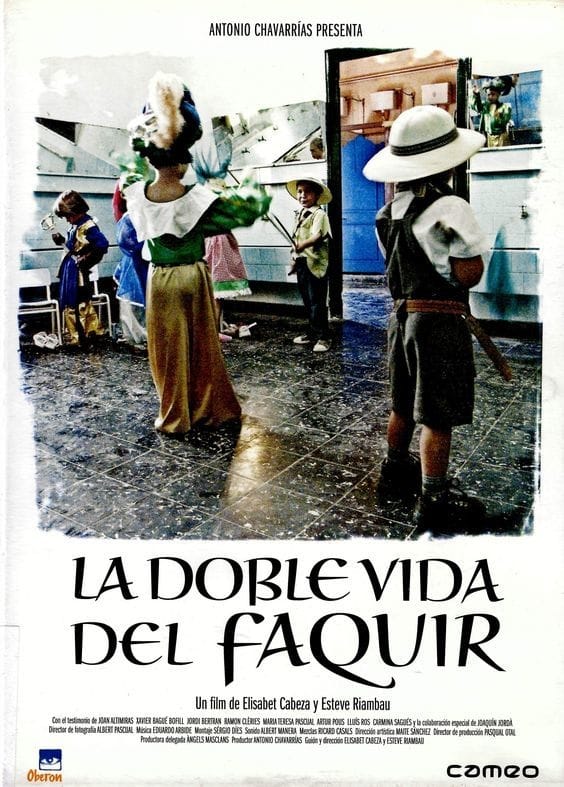
La doble vida del faquir (The magicians) returns to the scene of a school in the Catalan town of Sant Julià de Vilatorta where, in 1937, in the midst of civil war, a film-maker in hiding and a group of orphaned children dressed up as sultans and explorers shot an exotic adventure film. The films protagonists relive those childhood days when they were able to switch their school smocks for oriental turbans, while reality imposed its own fancy dress ball with military uniforms and priests dressed in civilian garb.
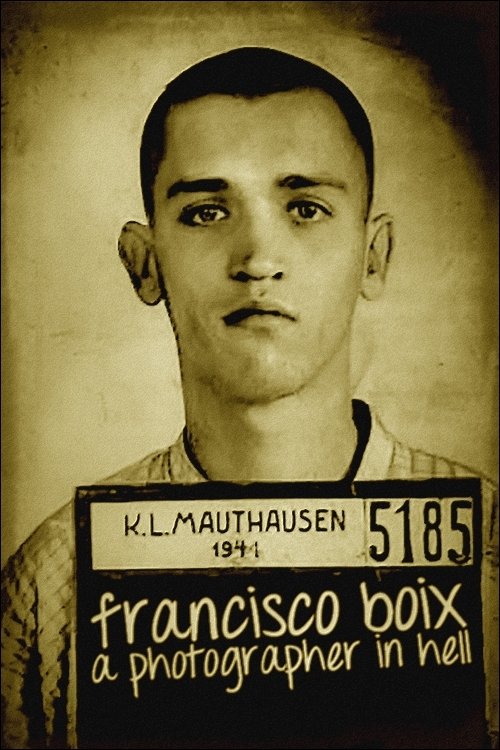
In 1939, just finished the Spanish Civil War, Spanish republican photographer Francesc Boix escapes from Spain; but is captured by the Nazis in 1940 and imprisoned in the Mauthausen concentration camp, in Austria, a year later. There, he works as a prisoner in the SS Photographic Service, hiding, between 1943 and 1945, around 20,000 negatives that later will be presented as evidence during several trials conducted against Nazi war criminals after World War II.
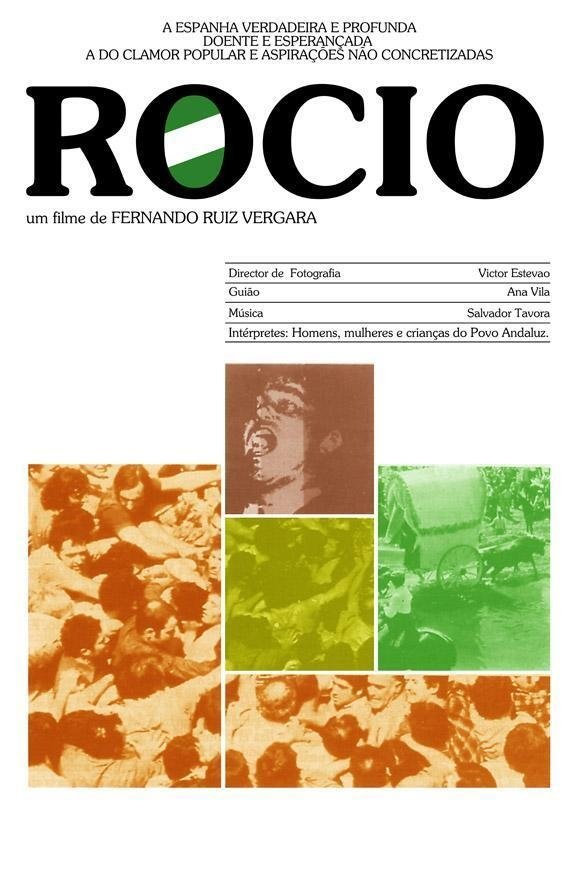
The film shows the genesis of the El Rocío pilgrimage and unveils the economic, socio-political and religious reasons and interests that nurture the phenomenon.
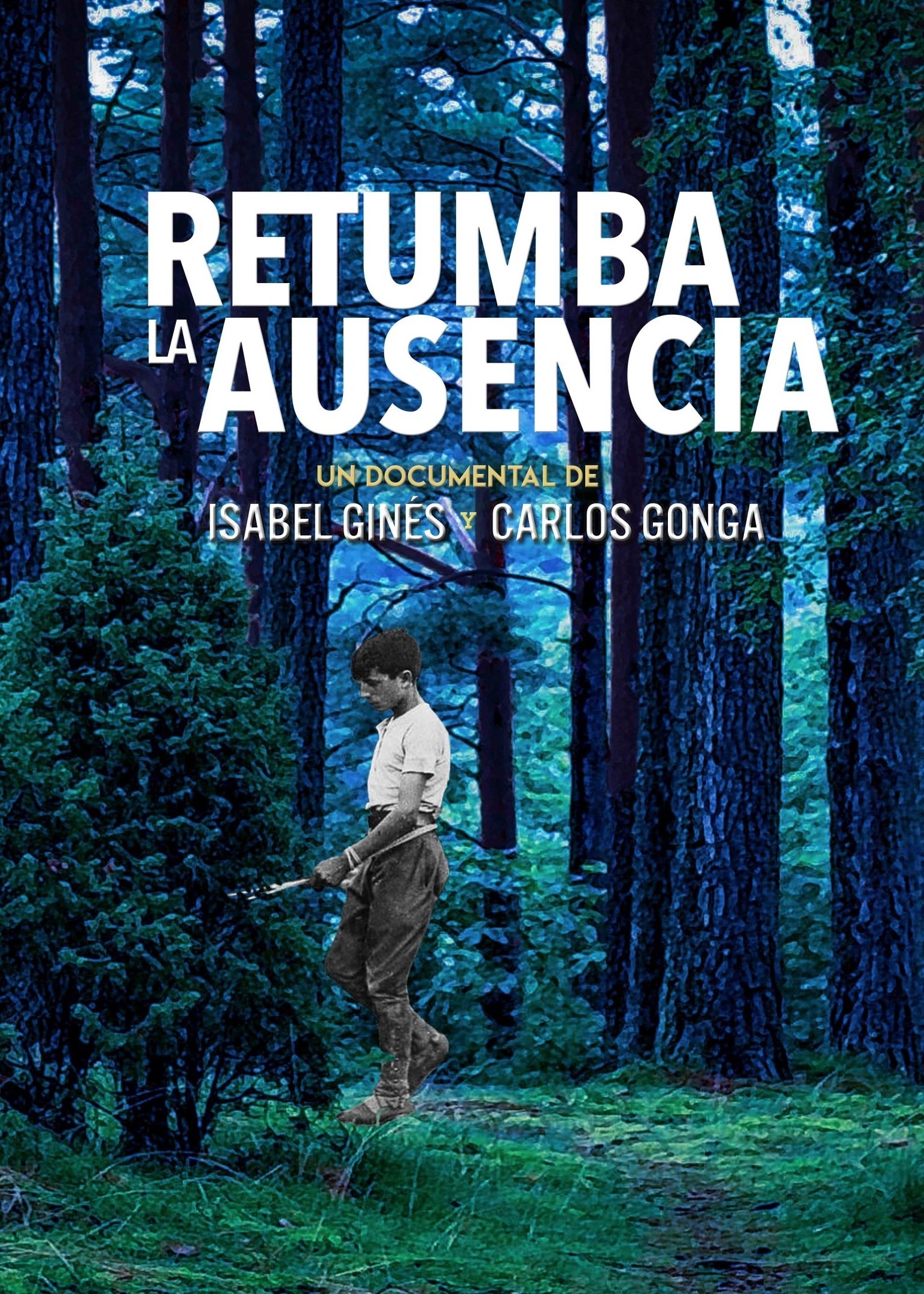
Documentary that recovers the memory of the neighbors who were victims of Franco's repression in the Tiétar Valley and the Sierra de San Vicente, in the province of Toledo, and surrounding towns. Many of them are listed as missing: they were made to disappear at dawn and their families never saw them again.

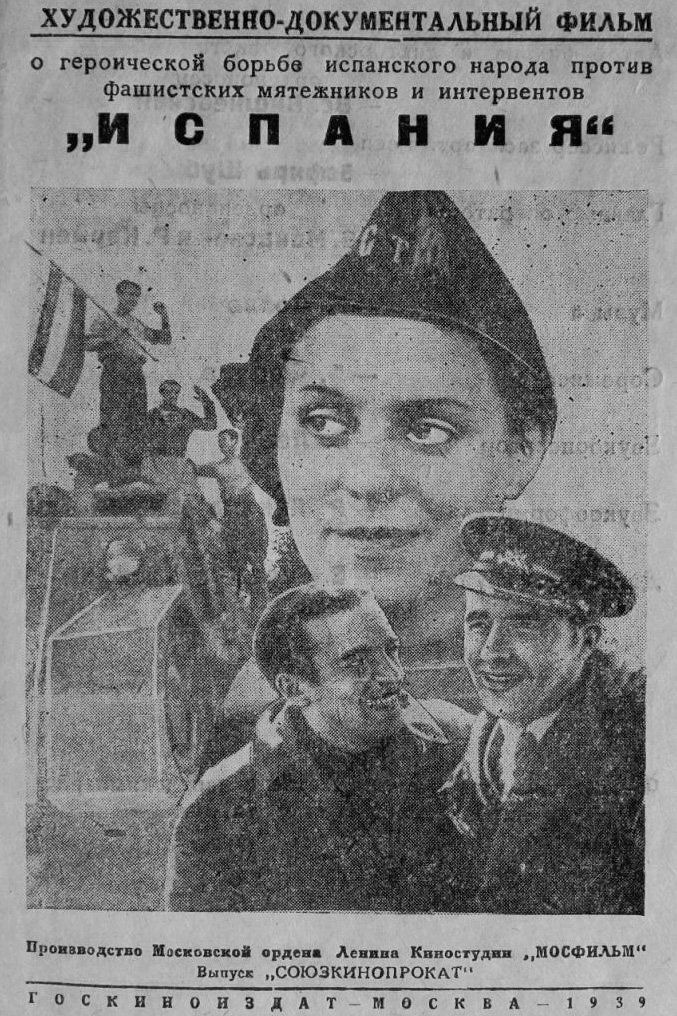
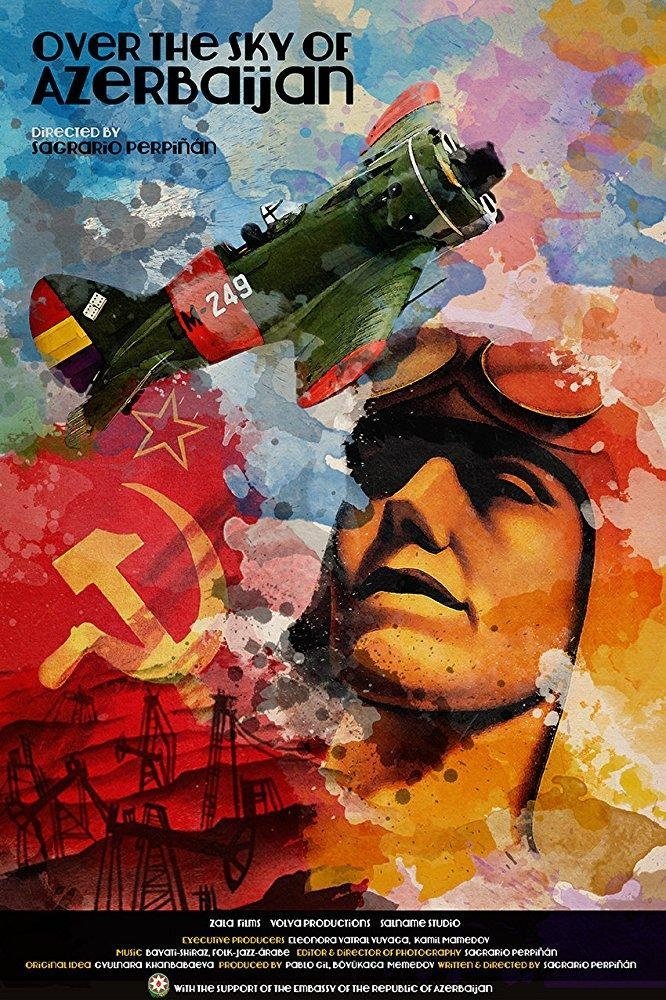
During the Spanish Civil War, more than 500 young Spanish pilots went through the Russian Aviation School in Kirovabad, former capital of the current Republic of Azerbaijan. Once the Spanish war was over, some of them remained in Soviet territory and continued their fight against Fascism on the side of the Russian army.

The documentary film by director Bartomeu Vilà relives the experiences of one of the last cinematographers of the Republic, Joan Mariné, exceptional witness to a moment in the history of Catalan cinema that, despite the economic precariousness, the lack of means and the difficult international circumstances, was characterized by its high production, never surpassed, and its innovation in forms and contents. Through the memories and experiences of Joan Mariné (Barcelona, 1920), the documentary takes a tour of the films he filmed during those years of contention, both with the Sindicat d'Espectacles de la CNT/FAI, and later with the production company of the Republican Generalitat, Laya Films.
The film, directed by Pedro Grimaldi, with his mother as the protagonist, narrates the events unleashed in Jerez since the occupation of the military rebels on July 19, 1936. It is a tribute to the "wounded generation", the one who lost their childhood in the context of the war and the postwar period. Girls and boys who had to mature quickly. But, above all, it is a recognition of a generation of resilient, brave and fighting women who were doubly victims: by the violence of the war itself and by their status as women.
The life and career of an actor, artist, and icon. His own journey through his own camera.
A detailing of the rise to prominence and global sporting superstardom of six supremely talented young Manchester United football players (David Beckham, Nicky Butt, Ryan Giggs, Paul Scholes, Phil and Gary Neville). The film covers the period 1992-1999, culminating in Manchester United's European Cup triumph.
A chronological account of the influential late 1970s English rock band.
When Allied forces liberated the Nazi concentration camps in 1944-45, their terrible discoveries were recorded by army and newsreel cameramen, revealing for the first time the full horror of what had happened. Making use of British, Soviet and American footage, the Ministry of Information’s Sidney Bernstein (later founder of Granada Television) aimed to create a documentary that would provide lasting, undeniable evidence of the Nazis’ unspeakable crimes. He commissioned a wealth of British talent, including editor Stewart McAllister, writer and future cabinet minister Richard Crossman – and, as treatment advisor, his friend Alfred Hitchcock. Yet, despite initial support from the British and US Governments, the film was shelved, and only now, 70 years on, has it been restored and completed by Imperial War Museums under its original title "German Concentration Camps Factual Survey".
A documentary about the life and films of director John Ford.
In this genre-bending tale, Errol Morris explores the mysterious death of a U.S. scientist entangled in a secret Cold War program known as MK-Ultra.
Through deeply personal interviews with her siblings and an examination of the photographs, letters, and belongings left behind, Mariska assembles a new portrait of her mother Jayne Mansfield, an extraordinary and complex woman.
A documentary on the expletive's origin, why it offends some people so deeply, and what can be gained from its use.
SEDUCED AND ABANDONED combines acting legend Alec Baldwin with director James Toback as they lead us on a troublesome and often hilarious journey of raising financing for their next feature film. Moving from director to financier to star actor, the two players provide us with a unique look behind the curtain at the world's biggest and most glamourous film festival, shining a light on the bitter-sweet relationship filmmakers have with Cannes and the film business. Featuring insights from directors Martin Scorsese, 'Bernando Bertolucci' and Roman Polanski; actors Ryan Gosling and Jessica Chastain and a host of film distribution luminaries.
A documentary that explores the downloading revolution; the kids that created it, the bands and the businesses that were affected by it, and its impact on the world at large.
James Cameron and Simcha Jacobovici go on an adventure to find the lost city of Atlantis by using Greek philosopher Plato as a virtual treasure map.
An unflinching look at the how the battle over abortion rights has played out in the United States over the last 15 years.
The life and career of one of comedy's most inimitable modern voices, Mr. Gilbert Gottfried.
The remarkable story of The Weather Underground, radical activists of the 1970s, and of radical politics at its best and most disastrous.
With exclusive access to his extraordinary unseen and unheard personal archive including hundreds of hours of audio recorded over the course of his life, this is the definitive Marlon Brando cinema documentary. Charting his exceptional career as an actor and his extraordinary life away from the stage and screen with Brando himself as your guide, the film will fully explore the complexities of the man by telling the story uniquely from Marlon's perspective, entirely in his own voice. No talking heads, no interviewees, just Brando on Brando and life.
Those who knew iconic funnyman John Candy best share his story, in their own words, through never-before-seen archival footage, imagery, and interviews.
A documentary about the making of David Fincher's 2008 film THE CURIOUS CASE OF BENJAMIN BUTTON. Virtually every element in the evolution of the Fincher's film is documented here, from the project's attachment to numerous other directors during the 1990s, to its shoot in 2006 and 2007 in New Orleans, to its complex, CGI-intensive postproduction process.
From the heights of her modeling fame to her tragic death, this documentary reveals Anna Nicole Smith through the eyes of the people closest to her.
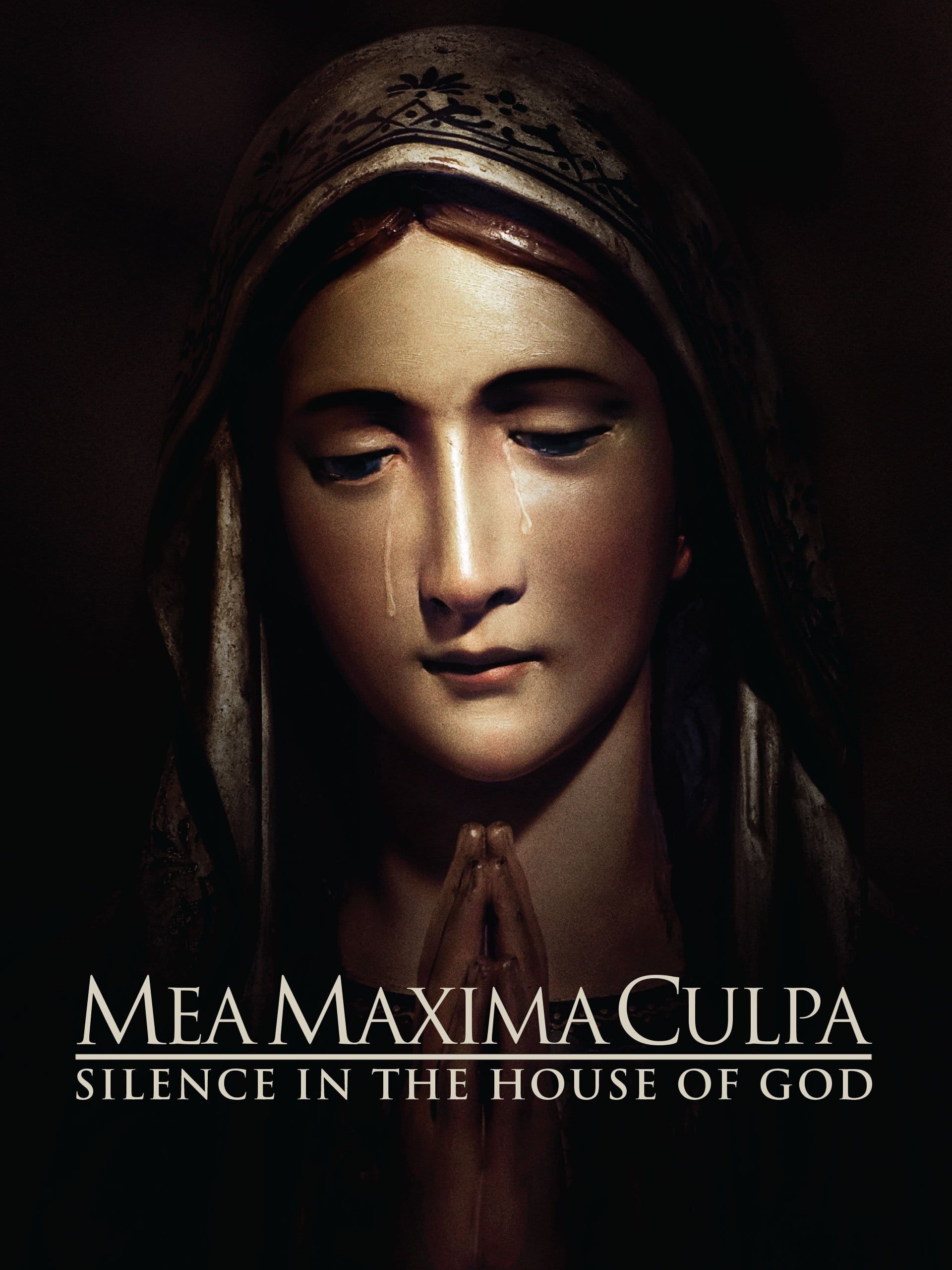
Alex Gibney explores the charged issue of pedophilia in the Catholic Church, following a trail from the first known protest against clerical sexual abuse in the United States and all way to the Vatican.
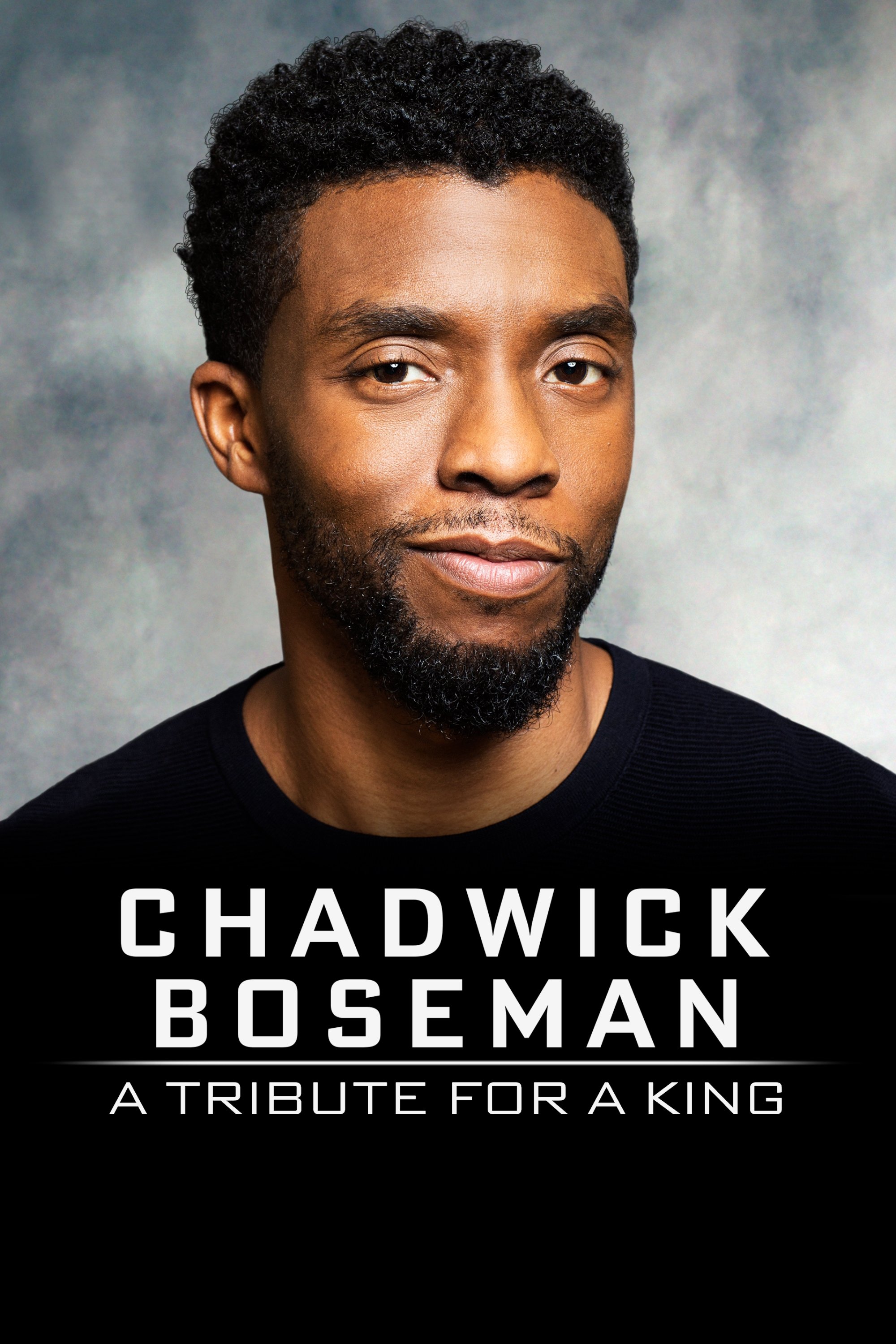
A tribute to Chadwick Boseman, celebrating his life and legacy.