Social & External

Swiss television documentary on the first years of the dictatorship, filmed (in color) in 1977 by a team led by director André Gazut and journalist Claude Smadja. Strongly critical of authoritarianism and the failures of the economic model that was beginning to be adopted, the report shows different aspects of the ideological and technical implementation of the military government. From the purge in universities to the precariousness of the Minimum Employment Program, from the revenge of employers in the countryside to the lamentable composition of the constitutional commission, the show is full of conversations with personalities close to the regime (Jaime Guzmán, Maximilianio Errázuriz, Manuel Valdés, Ruy Barbosa, Arturo Fontaine Aldunate, among others) which is interspersed with testimonies from residents and farmers, victims of violence and poverty.
In Maija Blåfield’s documentary, eight former North Koreans talk about what it was like to watch illegal films in a closed society. In addition to the 'waste videos', South Korean films were also smuggled into the country via China.

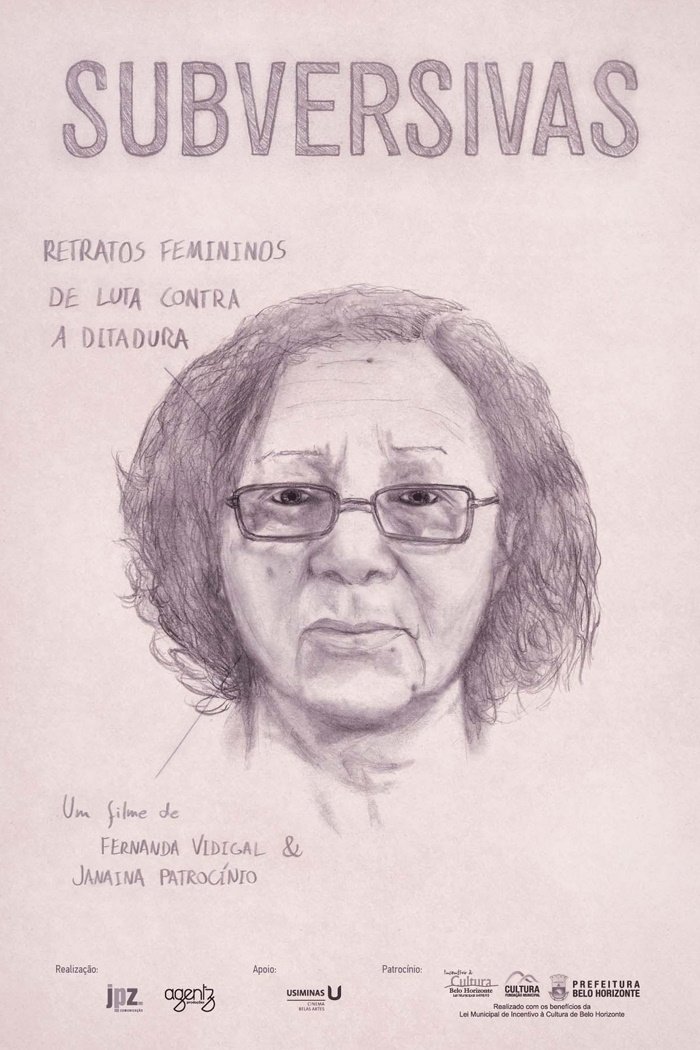
Four lucid grandmothers tell their story forgotten by history: the militancy and resistance of the young women of the leftist youth against the dictatorship of Marcos Pérez Jiménez.

It follows Chilean writer Antonio Skármeta as he celebrates the end of the autocrats. Cheerful farewell rituals accompany others facing political persecution on their way to fly home.
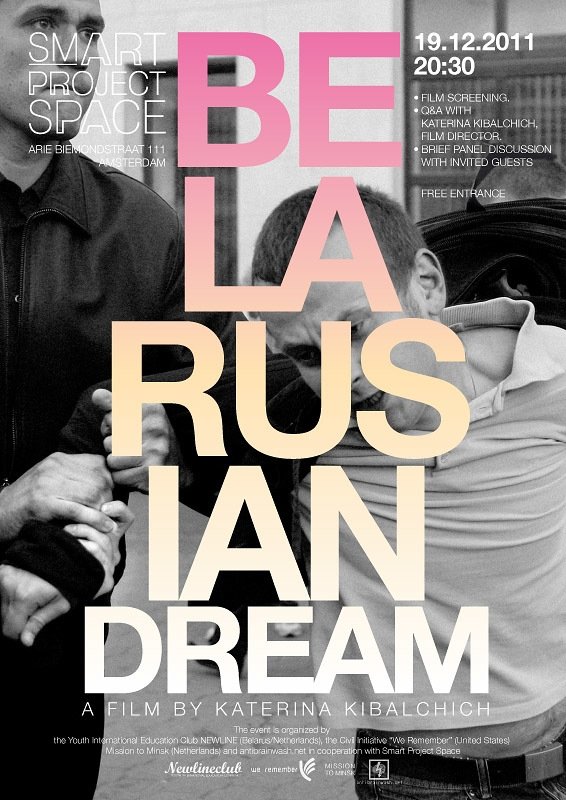
A film about dreams and ambitions in the Belarus through the eyes of the younger generation. An insight into the recent history of Belarus and the growing movement for change in 'Europe's last dictatorship'.
Fernando Lemos, a Portuguese surrealist artist, fled from dictatorship to Brazil in 1952 searching for something better. The movie follows the last moments of his journey and the struggle for the preservation of his legacy, trying to fulfill his last great desire: to be a good dead man.
A semi-fictional correspondence between two women: one goes to Iran in 1979 to topple the Shah; the other experiences the onerous years of Ceaușescu’s Romania. Their biographies run in parallel via images of everyday life and videograms of revolution.
Images of Argentinian companies and factories in the first light of day, seen from the inside of a car, while the director reads out documents in voiceover that reveals the collusion of the same concerns in the military dictatorship’s terror.
During the first days after the 1973 Chilean coup d’état, the political leadership of the Popular Unity government was arrested and transferred to Dawson Island, Magallanes Region, extreme south of Chile and the mainland. The wives of the then political prisoners began an incessant effort to find out the whereabouts of their husbands and then try to return them alive. In these circumstances, they meet and spontaneously organize into a group they call the “Dawsonianas.”
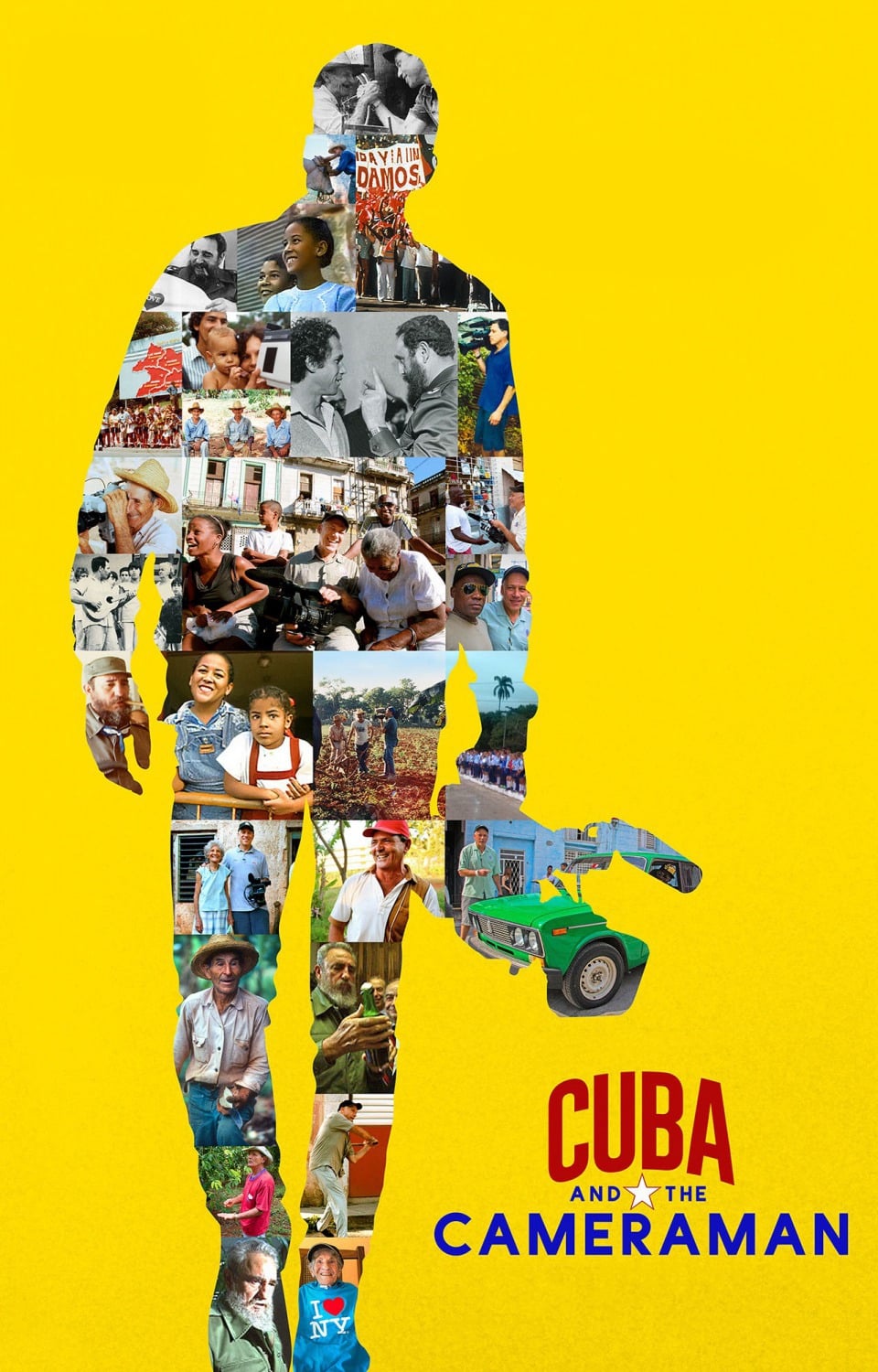
This revealing portrait of Cuba follows the lives of Fidel Castro and three Cuban families affected by his policies over the last four decades.
Margherita Sarfatti, Mussolini's lover and advisor, was a woman who exerted a great influence on the Duce and on Italian cultural life. Through archival documents, autobiographical texts and love letters, the documentary paints a portrait of the woman who helped create the myth of the Duce.
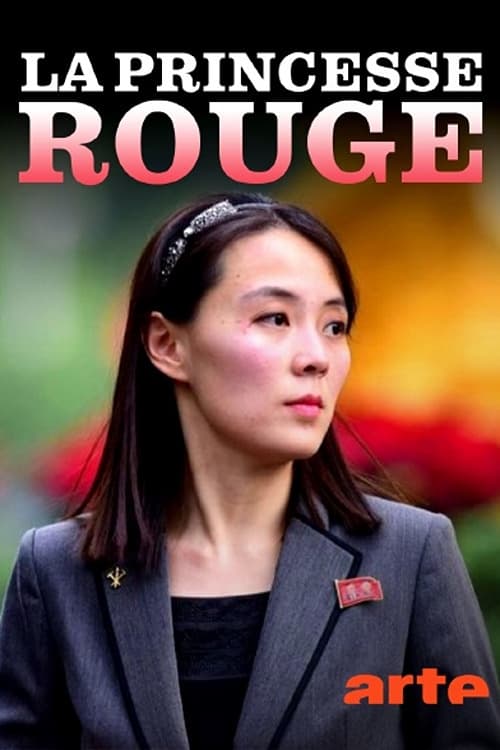
Who is Kim Yo-jong? In a context of maximum tensions between North Korea and the United States, Pierre Haski paints an unprecedented portrait of the little sister of Kim Jong-un, whose influence in Pyongyang is growing stronger day by day.
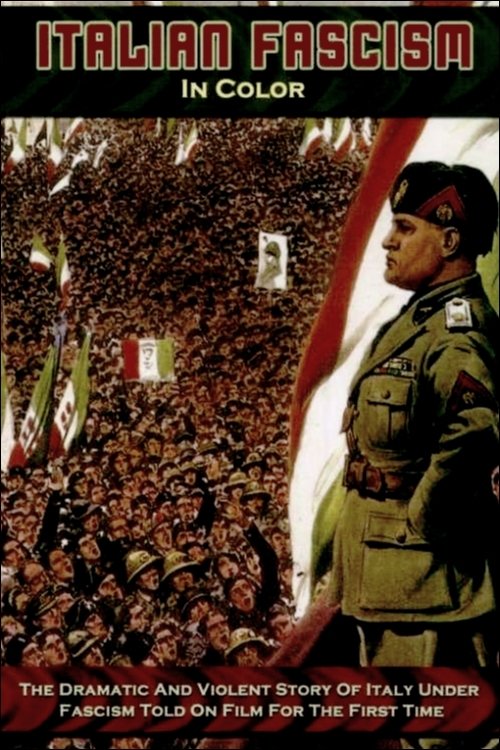
After the World War I, Mussolini's perspective on life is severely altered; once a willful socialist reformer, now obsessed with the idea of power, he founds the National Fascist Party in 1921 and assumes political power in 1922, becoming the Duce, dictator of Italy. His success encourages Hitler to take power in Germany in 1933, opening the dark road to World War II. (Originally released as a two-part miniseries. Includes colorized archival footage.)
The recent democratic revolutions throughout Eastern Europe—Serbia in 2000, Georgia in 2003, and the Ukraine in 2004—all seemed to follow a quick and easy pattern: the exposure of rigged elections, followed by massive street protests, and a regime that collapsed without a fight. But THE DEMOCRATIC REVOLUTIONARY HANDBOOK reveals the lengthy and meticulous preparations behind these seemingly spontaneous demonstrations, showing how modern marketing techniques have combined with revolutionary politics to transform the region's governments.
In 1977, Silvia Suppo was kidnapped and raped under the last Argentine civil-military dictatorship. As a consequence, she became pregnant, and the repressors performed an abortion on her "to correct the mistake." In 2009, her testimony was key to achieving the first conviction for crimes against humanity of a federal judge, Víctor Brusa, and his task force. Three months later, she was brutally murdered in her shop in Rafaela (Santa Fe / Argentina). Today her murder remains unpunished. This documentary reconstructs Silvia in the dimension of her woman, mother and friend, in her political character and in her sensitivity, so that we all know her cause. We seek a truth that does justice to her death and rescues her, above all, the value of her life.
Florian Hartung and Dirk Pohlmann have reconstructed a previously unknown dimension of the collaboration between Nazis and the CIA in the Cold War. Drawing upon recently released documents, the film exposes for the first time a perfidious, worldwide net that reaches deep into the power structures of the Federal Republic of Germany. Lending their authority to the fact-finders’ mission are high-ranking statesmen, journalists and historians.
The story of the tortuous struggle against the silence of the victims of the dictatorship imposed by General Franco after the victory of the rebel side in the Spanish Civil War (1936-1975). In a democratic country, but still ideologically divided, the survivors seek justice as they organize the so-called “Argentinian lawsuit” and denounce the legally sanctioned pact of oblivion that intends to hide the crimes they were subjects of.