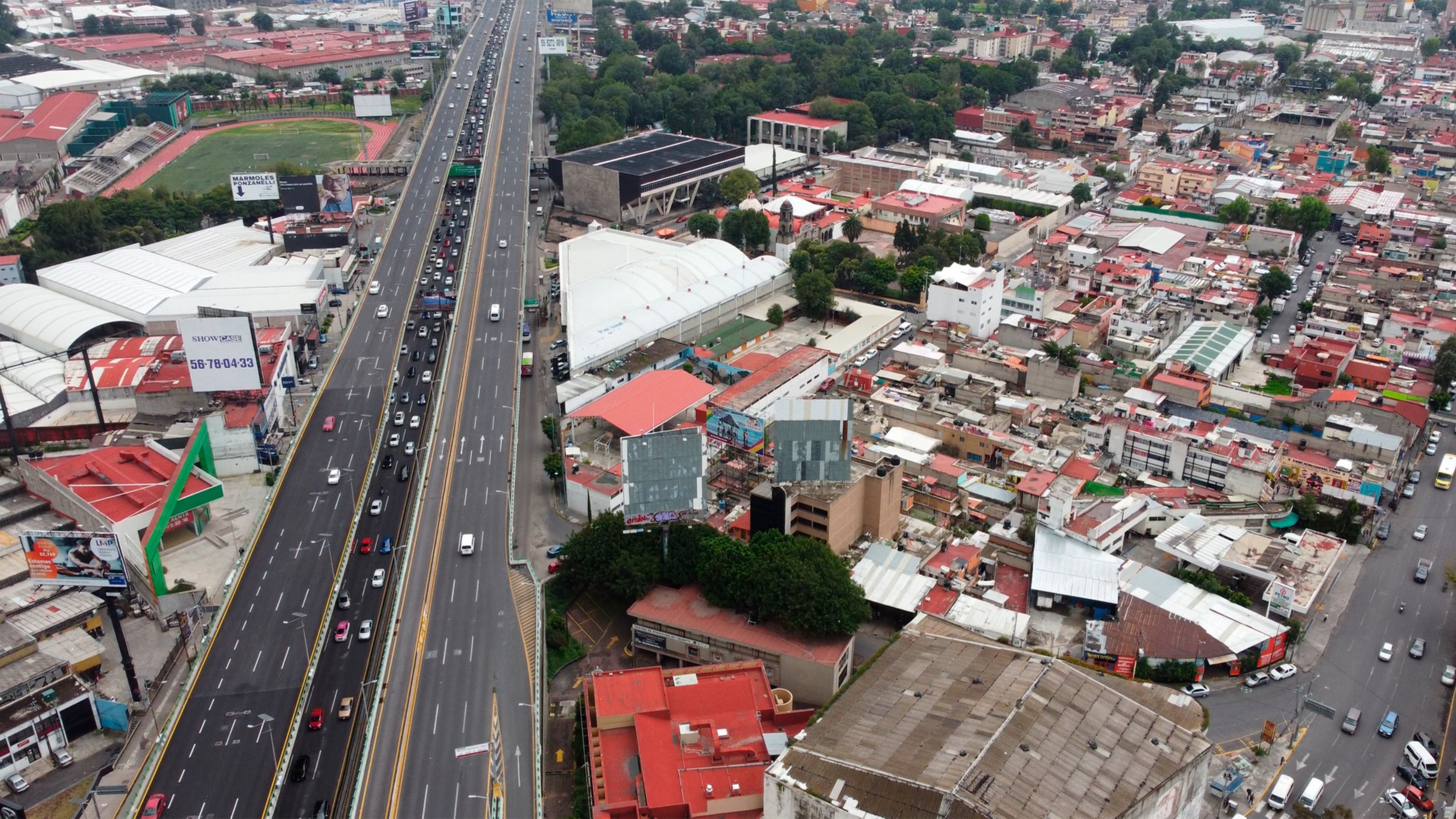
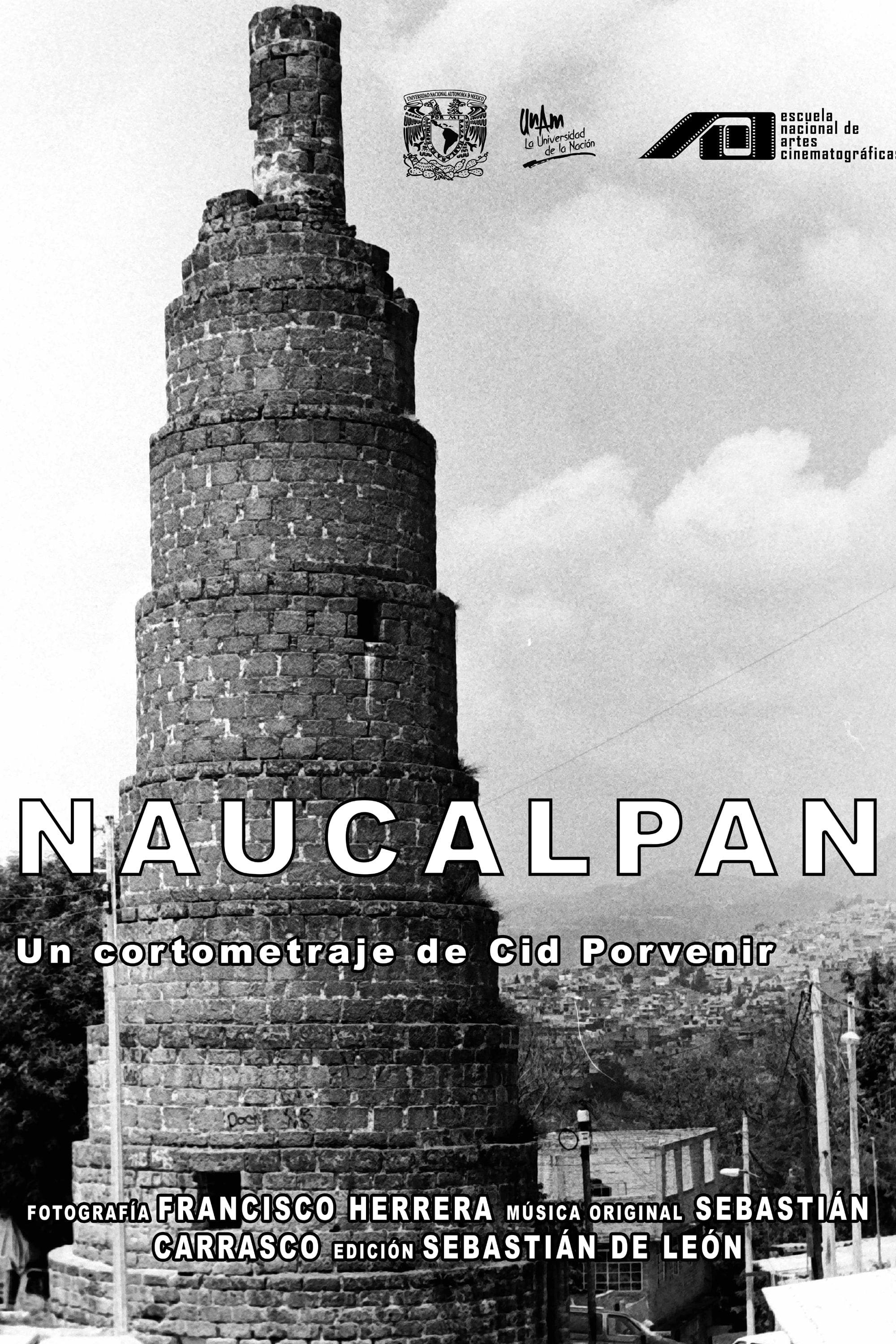
The vertiginous progress of modernity has caused the spaces that humanity previously inhabited, now remain forgotten.
Social & External
Discover Les Ballets Trockadero de Monte Carlo (The Trocks), an all-male company that for 45 years has offered audiences their passion for ballet classics mixed with exuberant comedy. With every step they poke fun at their strictly gendered art form.
Found memories decayed by the shock patterns of childhood trauma. This films is made mostly with footage found in the bin of an ophanage. The white progressivelly disolve within a darknest more and more dense. Faces progressivelly disolves within one another.
Filmed at the time Hockney was painting Mr and Mrs Clark and Percy, Portrait of David Hockney is made up of a limited number of shots, observing the periphery details of his flat and studio. Each view is held so as to focus on its particular qualities and composition and, with the accompanying soundtrack of off-screen phone calls, conversations and musings, builds up a picture of Hockney’s daily life.
No Ward is a short documentary about the forced migration of New Orleans residents to cities in Texas. The film juxtaposes the migrations that occurred as a result of Hurricane Katrina in 2005, and Hurricane Gustav in 2008.
This short documentary examines the complex range of issues affecting urban transport in developing countries. After examining cost and available technology, as well as the different needs of the industrialized middle class and the urban poor, the film proposes some surprising solutions.
Documentary on movie special effects.
Filmmaker Helena de Llanos, who lives in the chaotic house, full of memories and treasures, where her grandfather, Fernando Fernán Gómez (1921-2007), legendary writer, actor and director; and his wife, the actress and writer Emma Cohen (1946-2016), shared their lives, analyzes the relationship that the living have with the dead through the places and objects they have left behind.
A series of ten shots, three minutes in length, of various locales in Munich.
Macchie solari (Autopsy), L'etrusco uccide ancora (The Etruscan kills again), commandos are titles that refer to a category for lovers, that of B-movies, Italian thriller of the '60s and' 70s. But in the life and in the poetry of their director, Armando Crispino, there is more, says his son Francesco. Searching for a meeting with his father in the maze of his production, he finds himself investigating the world of Italian genre cinema. Finding that even in this area left in the shadows by the critical discourse we can find more, and better, than we think.
Three arrested and detained undocumented immigrants must navigate the system to fight impending deportation.
Stanislaw Ignacy Witkiewicz, better known as Witkacy, enivsages the future horrors of the Polish nation, as embodied by Stalin and Hitler, and the world collapsing into chaos.
"Labyrinth" is a groundbreaking multi-screen 45-minute presentation produced for Chamber III of the Labyrinth at Expo 67 in Montreal, using 35 mm and 70 mm film projected simultaneously on multiple screens. A film without commentary in which multiple images, sometimes complementary, sometimes contrasting, draw the viewer through the different stages of a labyrinth. The tone of the film moves from great joy to wrenching sorrow; from stark simplicity to ceremonial pomp. It is life as it is lived by the people of the world, each one, as the film suggests, in a personal labyrinth. Re-released in 1979 as "In the Labyrinth" by the National Film Board of Canada in a 21-minute single projection format.
On the heels of the critically acclaimed record '2', Pepperoni Playboy follows the life of musician Mac Demarco as he records his latest album 'Salad Days'. The charming, carefree Mac gives viewers a glimpse of his life and process at home in Brooklyn and on tour in China and Australia. With his own brand of humor, he takes on the role as mentor and presents a parody how-to guide for aspiring indie rock musicians. Throughout the film, the talented multi-instrumentalist's wildly bizarre behavior is displayed as is his growing maturity as a songwriter.
A team of misfit runners from New Jersey share fast and fun times as they navigate through their pandemic season, chasing the elusive sectional title.
In autumn 1944, during the Liberation of Brittany, writer Louis Guilloux worked as an interpreter for the American army. He was a privileged witness to some little-known dramatic aspects of the Liberation: the rapes and murders committed by GIs on French civilians. He also discovered the racism of American military justice. This experience haunted the novelist for thirty years. In 1976, he recounted it in a short novel, "Ok, Joe", which went unnoticed. This film compares his account with the memories of the last witnesses to these forgotten crimes and their punishments.
A film about the consequences of leaving an all-consuming way of life. Three people born and raised in the Unification Church (a cult formed in Korea in the 1950s), all having left the Church in their adulthood, examine their experiences within and without the cult that defined their entire universe.
This film was reconstructed and completed in 1995 by Javier Codesal for the Filmoteca de Andalucia, from the montage and the sound that Val del Omar had outlined before his death, after having returned to a project abandoned twenty years before with the incorporation of significant additions (above all in the soundtrack). Val del Omar's notes show that, as he typically did, he had other alternative titles in mind, such as "Acariño de la Terra Meiga" (Caress of the Magic Land), "Acariño a nosa terra" (Caress of Our Land), or "Barro de ánimas" (Clay of Souls), and that in the final phase of the unfinished project he wanted to add a second sound channel – following the diaphonic principle, and using electro-acoustic techniques – consisting of ambient material that he intended to record at the first screenings of the film in the very places and to the very people that were its origin: its "clay".
A short, experimental documentary featuring sculptures by Alonso de Berruguete and Juan de Juni. Shot within the Valladolid National Museum, the film is an excercise in what Val de Omar called "Tactile vision".