Social & External
France, 1920s: An affluent ladies' man finds himself in love with a homely married woman.
This is a romantic biographical film about Franz Liszt. In a distinguished saloon of Paris, the unknown composer, Liszt, defeats the renown Thalberg at a piano competition. Through his playing, he wins the favours and later the hand of the countess D'Agoult. A daughter is born in their marriage, Cosima. Liszt is better and better known, Marie introduces him to the circle of artists.
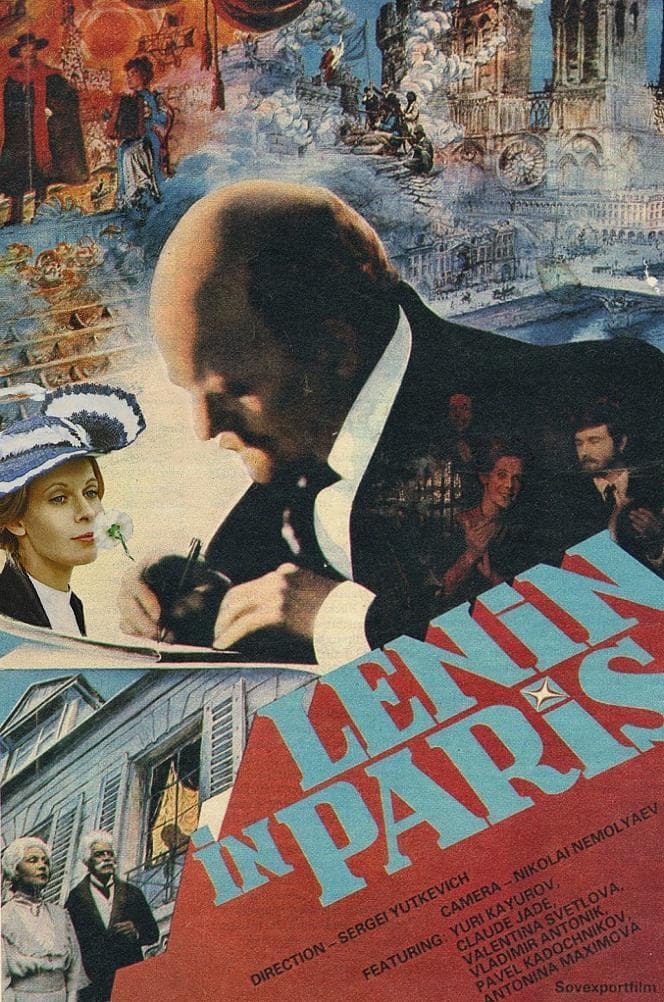
1911. Lenin organizes the first Bolshevik party school near Paris, in the small town of Longjumeau. Through a chain of historical parallels and associations, this time is intertwined with the events of the Paris Commune, the October Revolution and the political struggles of the post-revolutionary years.
Paris, Kingdom of France, August 18, 1572. To avoid the outbreak of a religious war, the Catholic princess Marguerite de Valois, sister of the feeble King Charles IX, marries the Huguenot King Henry III of Navarre.
The true story of the most decorated dog in American military history - Sgt. Stubby - and the enduring bonds he forged with his brothers-in-arms in the trenches of World War I.
A legendary city everyone dreams of visiting, Paris has retained all its authenticity, resembling more a collection of villages rather than one major metropolis. From the Eiffel Tower to Notre Dame de Paris, we discover the French capital's most emblematic monuments, and the vibrant life of its boulevards
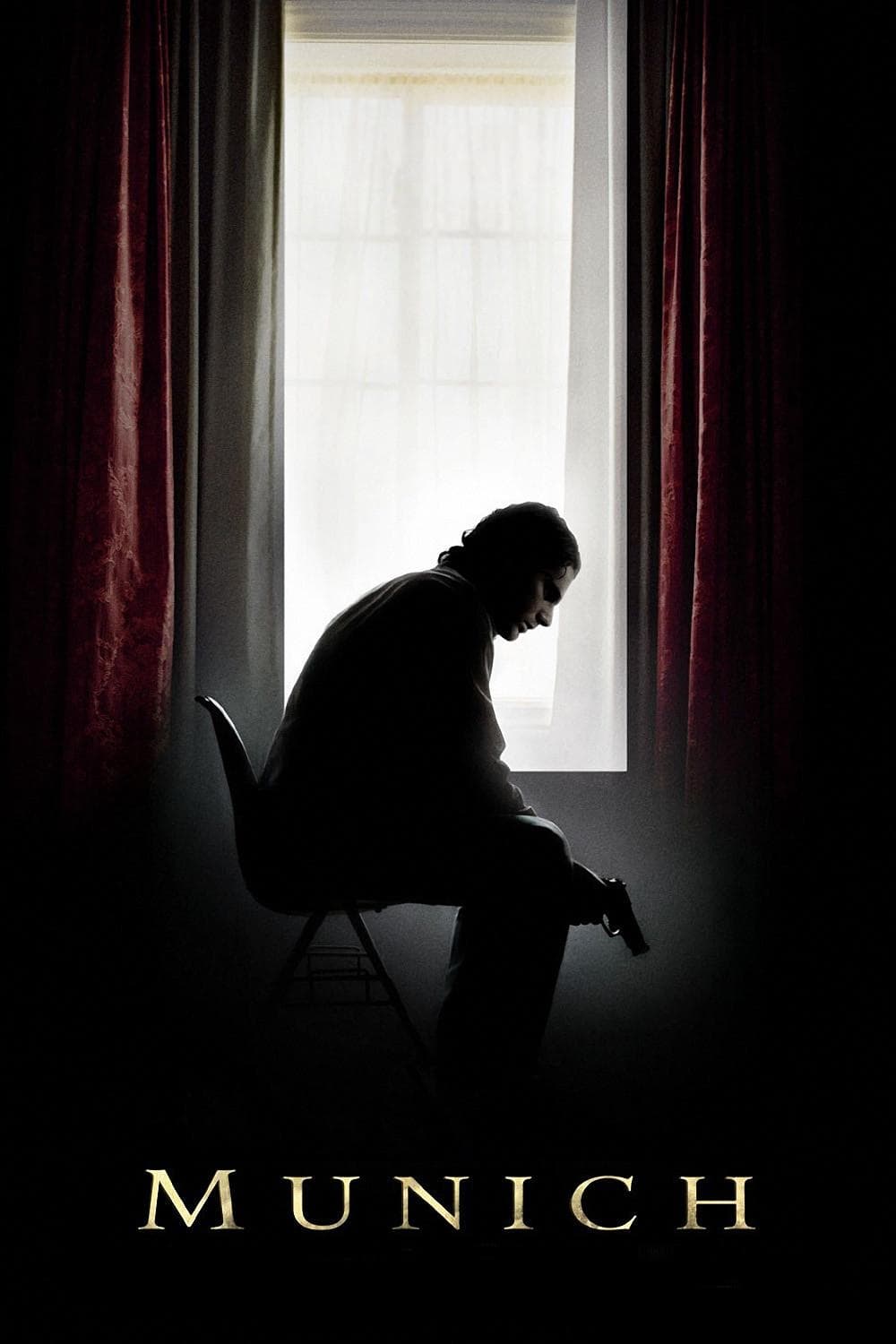
During the 1972 Olympic Games in Munich, eleven Israeli athletes are taken hostage and murdered by a Palestinian terrorist group known as Black September. In retaliation, the Israeli government recruits a group of Mossad agents to track down and execute those responsible for the attack.
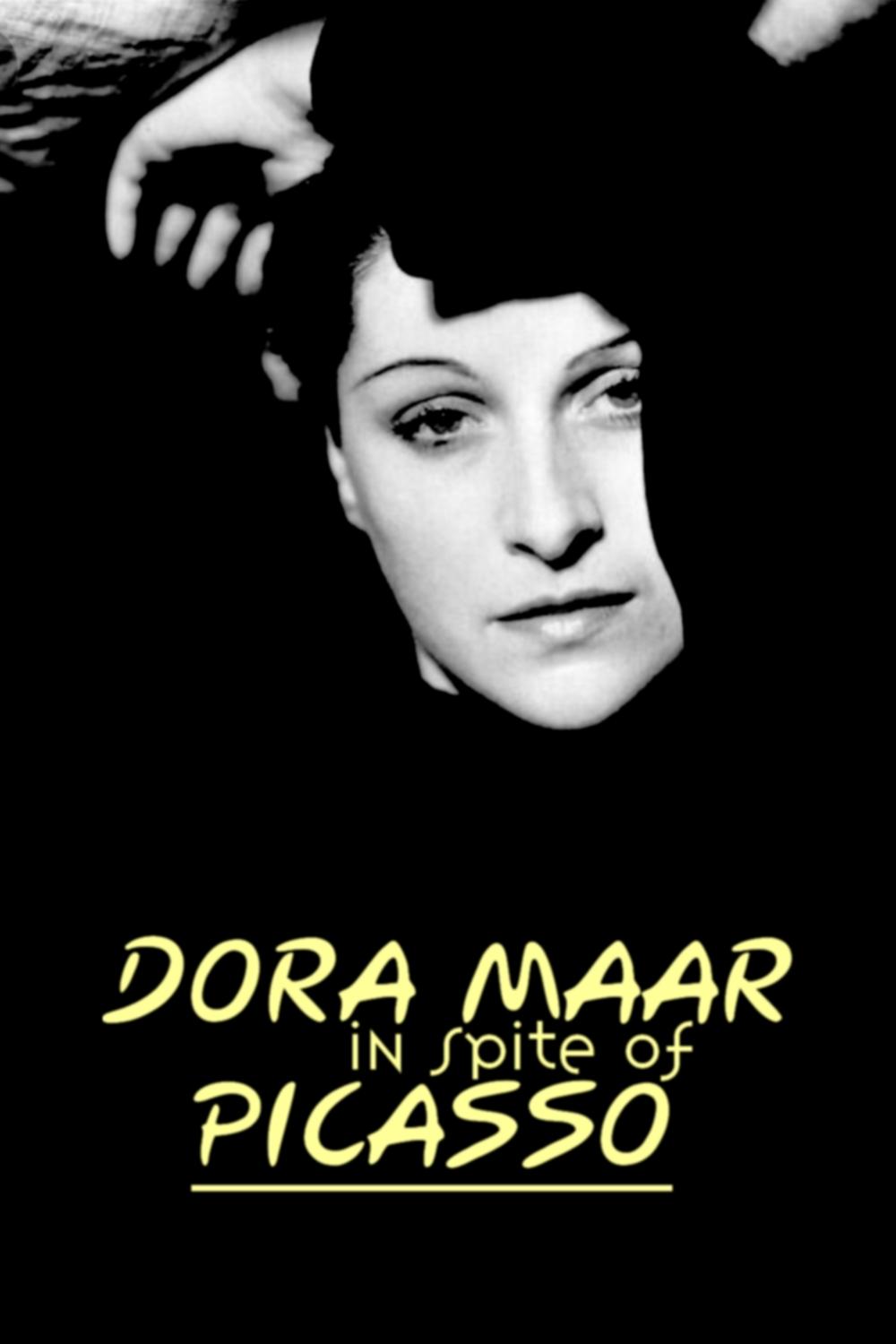
Dora Maar, a world-class photographer who began her artistic career in the French Surrealist scene of the 30s, lived in the shadow of Spanish painter Pablo Picasso, her lover between 1935 and 1943, with whom she maintained a chaotic, even violent, relationship. Fortunately, she survived Picasso's abusive behavior and its sequels to find a new path, the best one, the one that is worth to be told, in spite of Picasso.
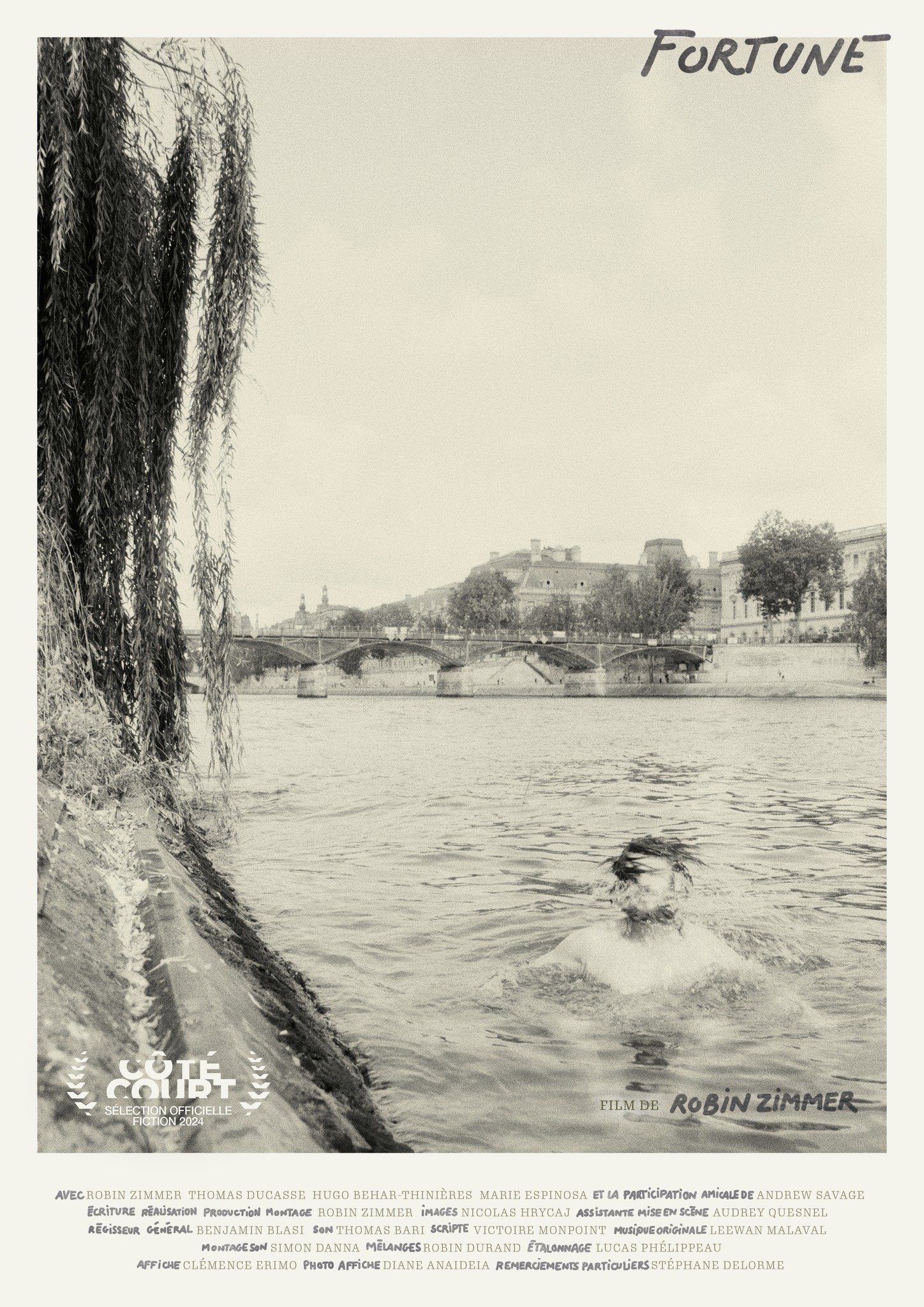
Ruben has been living in the tourist centre of Paris for several years. He's never managed to make a niche for himself. Instead, he has been living in his little hideaway. August, Ruben is suffocating, and is forced to resurface.
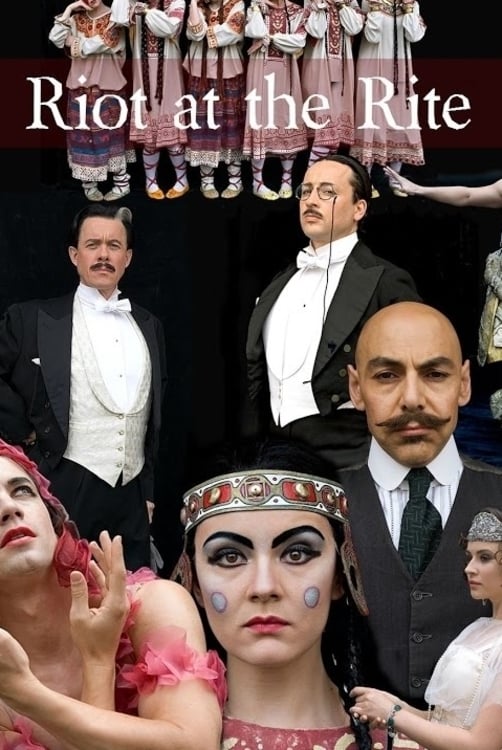
In the spring of 1913, Parisian businessman Gabriel Astruc opens a new theater on the Champs Elysées. The first performance is the premiere of Igor Stravinsky's 'The Rite of Spring', danced by the Ballet Russes. The rehearsal process is extremely fraught: the orchestra dislike Stravinsky's harsh, atonal music; the dancers dislike the 'ugly' choreography of Vaslav Nijinsky. The volatile, bisexual Nijinsky is in a strained relationship with the much older Sergei Diaghilev, the Ballet Russes' charismatic but manipulative impresario. Public expectation is extremely high after Nijinsky's success in 'L'apres-midi d'un faune'. Finally, 'The Rite of Spring' premieres to a gossip-loving, febrile, fashion-conscious Parisian audience sharply divided as to its merits.
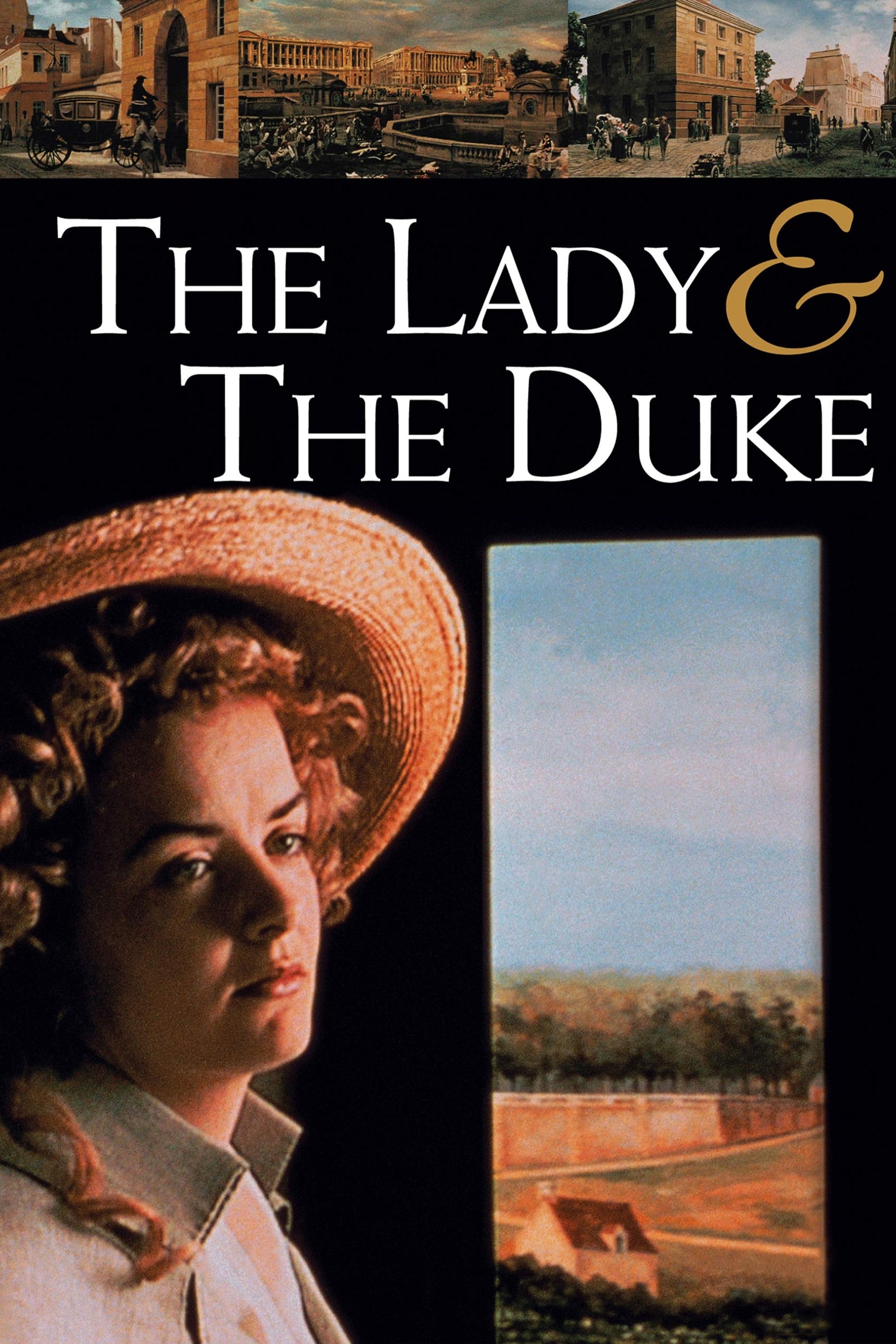
Grace Dalrymple Elliot is a British aristocrat trapped in Paris during the French Revolution. Determined to maintain her stiff upper lip and pampered life despite the upheaval, Grace continues her friendship with the Duke of Orléans while risking her life and liberty to protect a fugitive.
Sometimes reduced to the image of a cursed artist, Amedeo Modigliani, an admirer of the masters of the Italian Renaissance, has traced an unparalleled path in modern art.
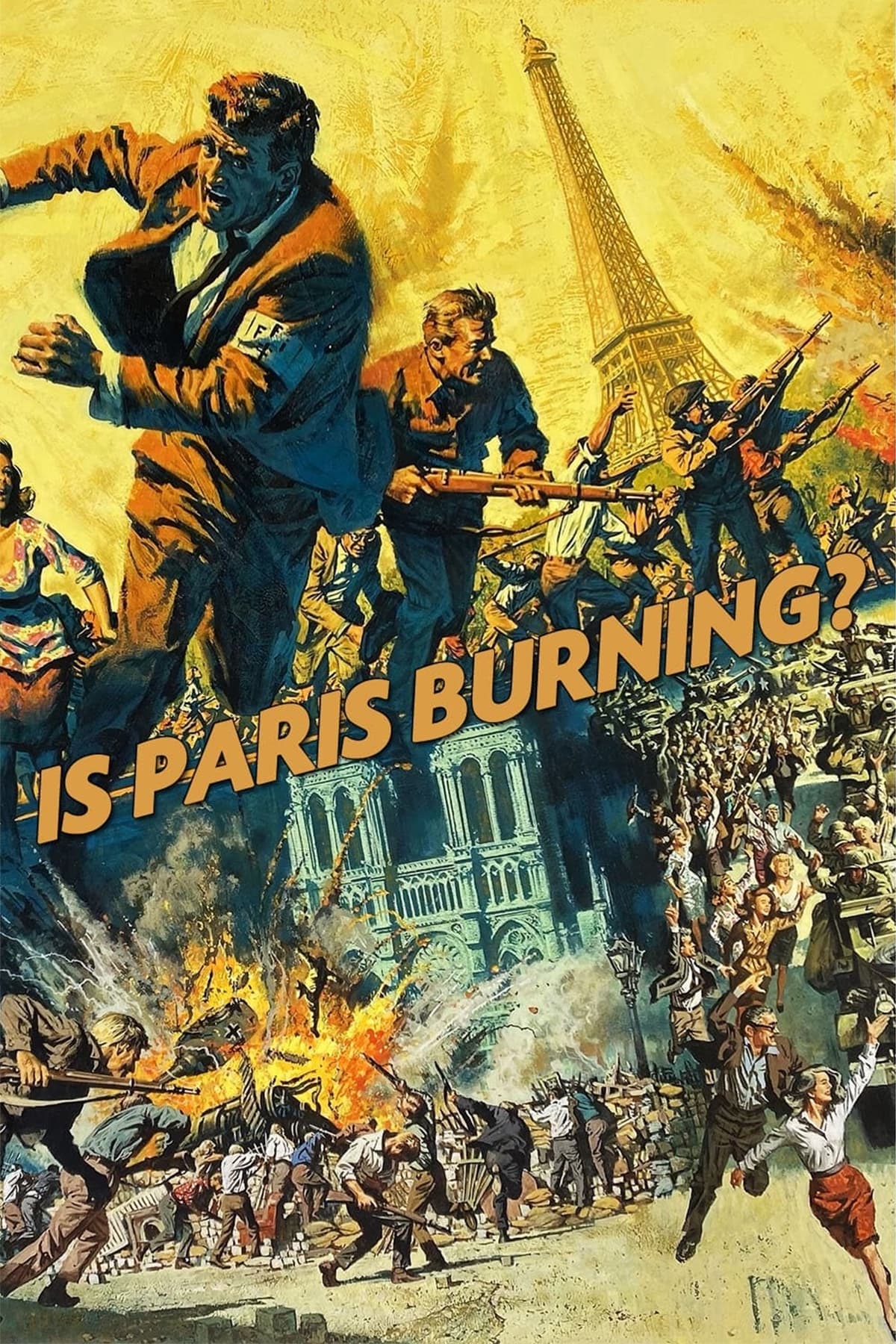
Near the end of World War II, Gen. Dietrich von Choltitz receives orders to burn down Paris if it becomes clear the Allies are going to invade, or if he cannot maintain control of the city. After much contemplation Choltitz decides to ignore his orders, enraging the Germans and giving hope to various resistance factions that the city will be liberated. Choltitz, along with Swedish diplomat Raoul Nordling, helps a resistance leader organize his forces.
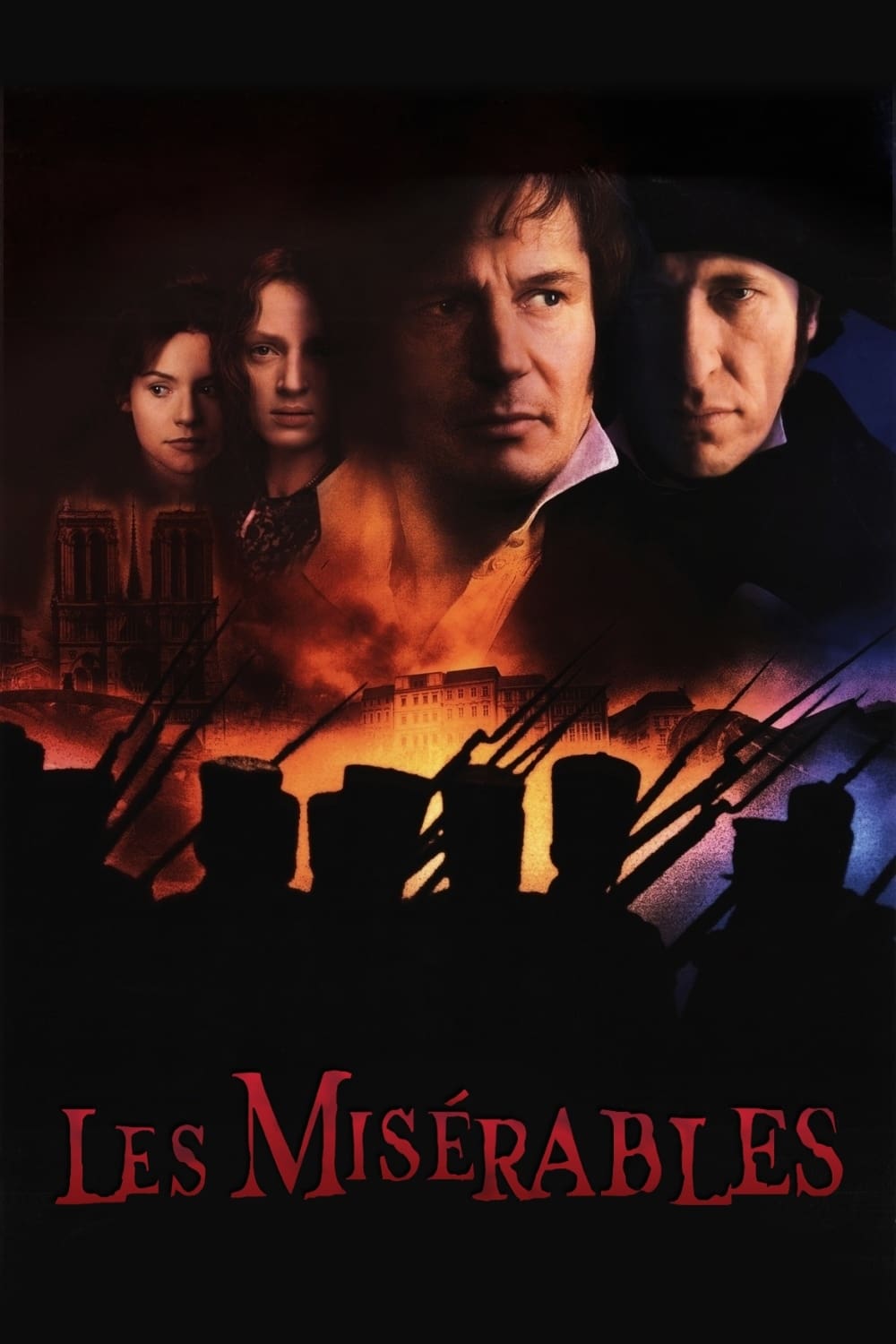
In 19th century France, Jean Valjean, a man imprisoned for stealing bread, must flee a relentless policeman named Javert. The pursuit consumes both men's lives, and soon Valjean finds himself in the midst of the student revolutions in France.
A look back at "La Cage aux Folles", which ran non-stop for five years, from February 1973, on the stage of the Théâtre du Palais Royal in Paris. At a time when homosexuality was considered a crime by the law, Poiret and Serrault achieved great success in boulevard theater. Their success continued on the silver screen, with three Oscar nominations and a Broadway musical. Combining never-before-seen archives from the play, extracts from the film, confessions by Poiret and Serrault, and interviews with witnesses, this is the story of a wild epic.
The history of cinematic sound, told by legendary sound designers and visionary filmmakers.
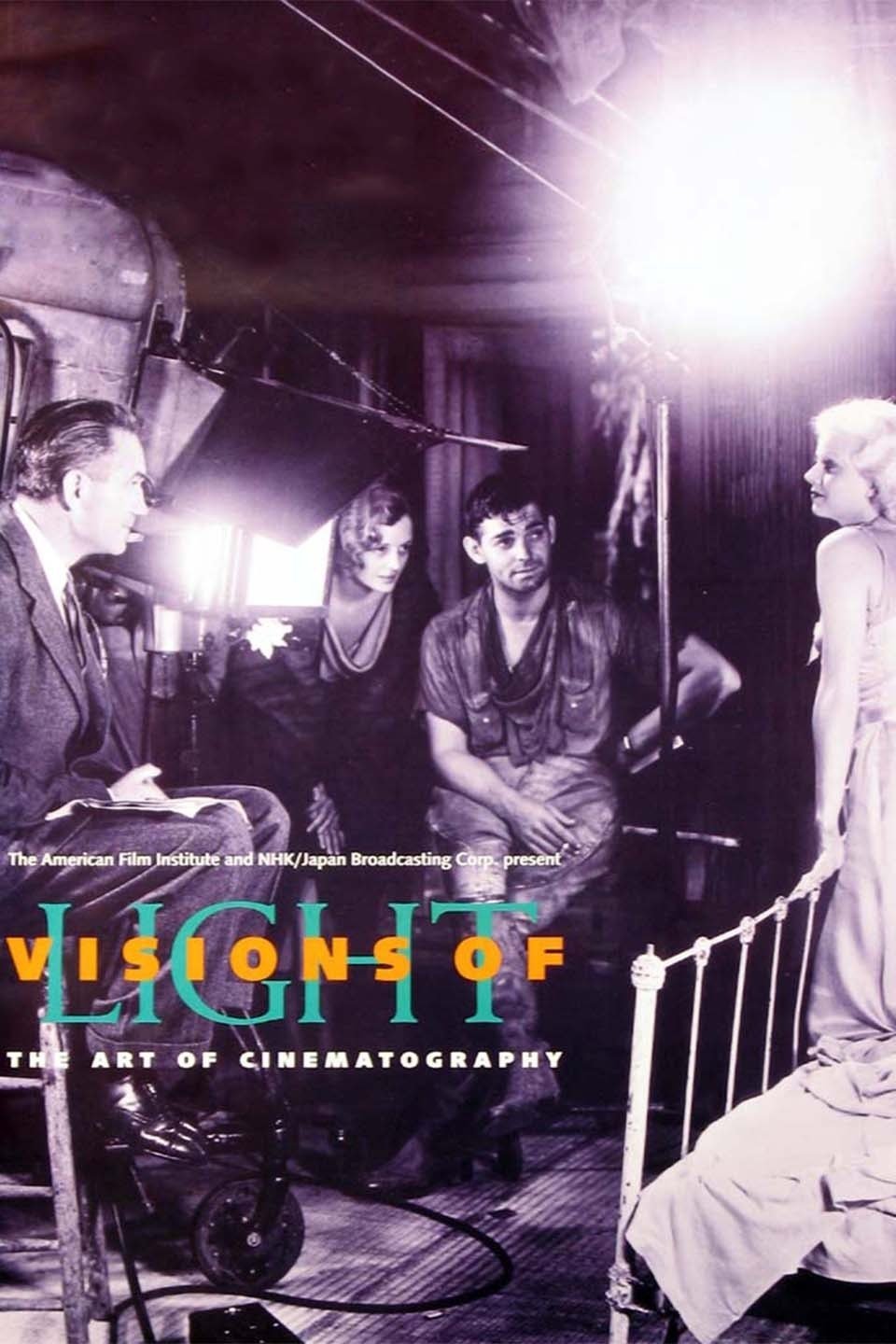
Cameramen and women discuss the craft and art of cinematography and of the "DP" (the director of photography), illustrating their points with clips from 100 films, from Birth of a Nation to Do the Right Thing. Themes: the DP tells people where to look; changes in movies (the arrival of sound, color, and wide screens) required creative responses from DPs; and, these artisans constantly invent new equipment and try new things, with wonderful results. The narration takes us through the identifiable studio styles of the 30s, the emergence of noir, the New York look, and the impact of Europeans. Citizen Kane, The Conformist, and Gordon Willis get special attention.
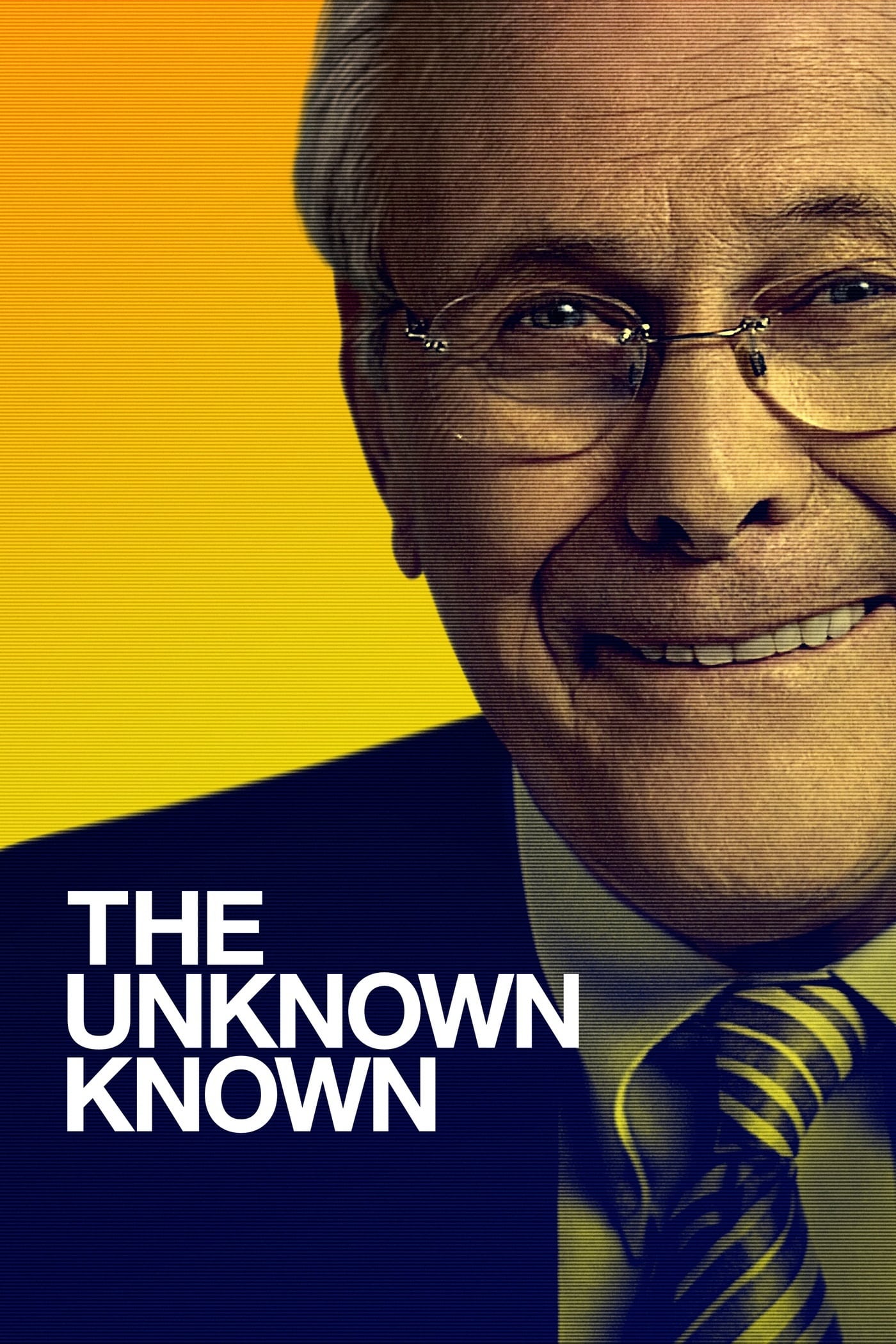
Former United States Secretary of Defense, Donald Rumsfeld, discusses his career in Washington D.C. from his days as a congressman in the early 1960s to planning the invasion of Iraq in 2003.
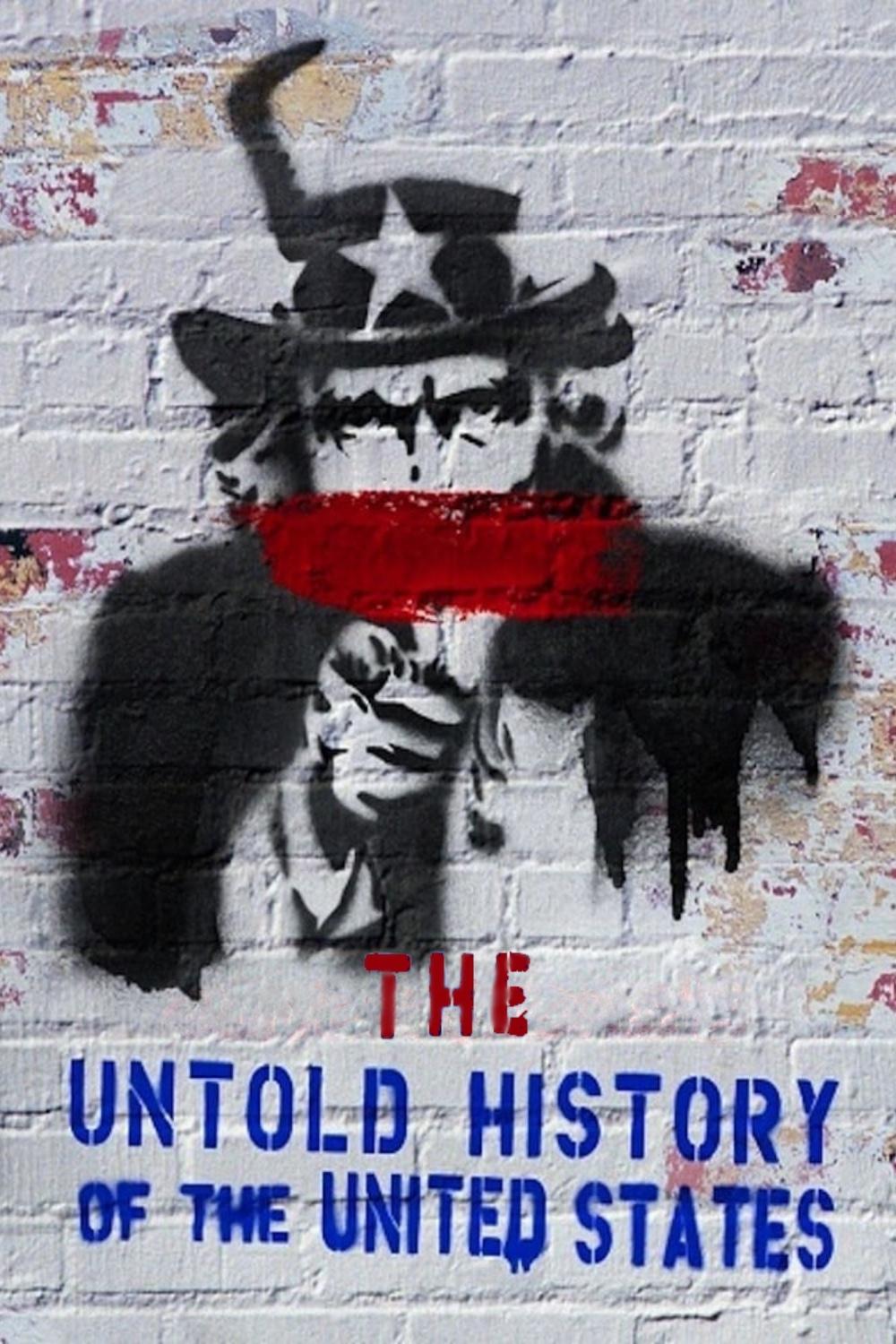
Oliver Stone charts the history of the United States from the Second World War to the present.
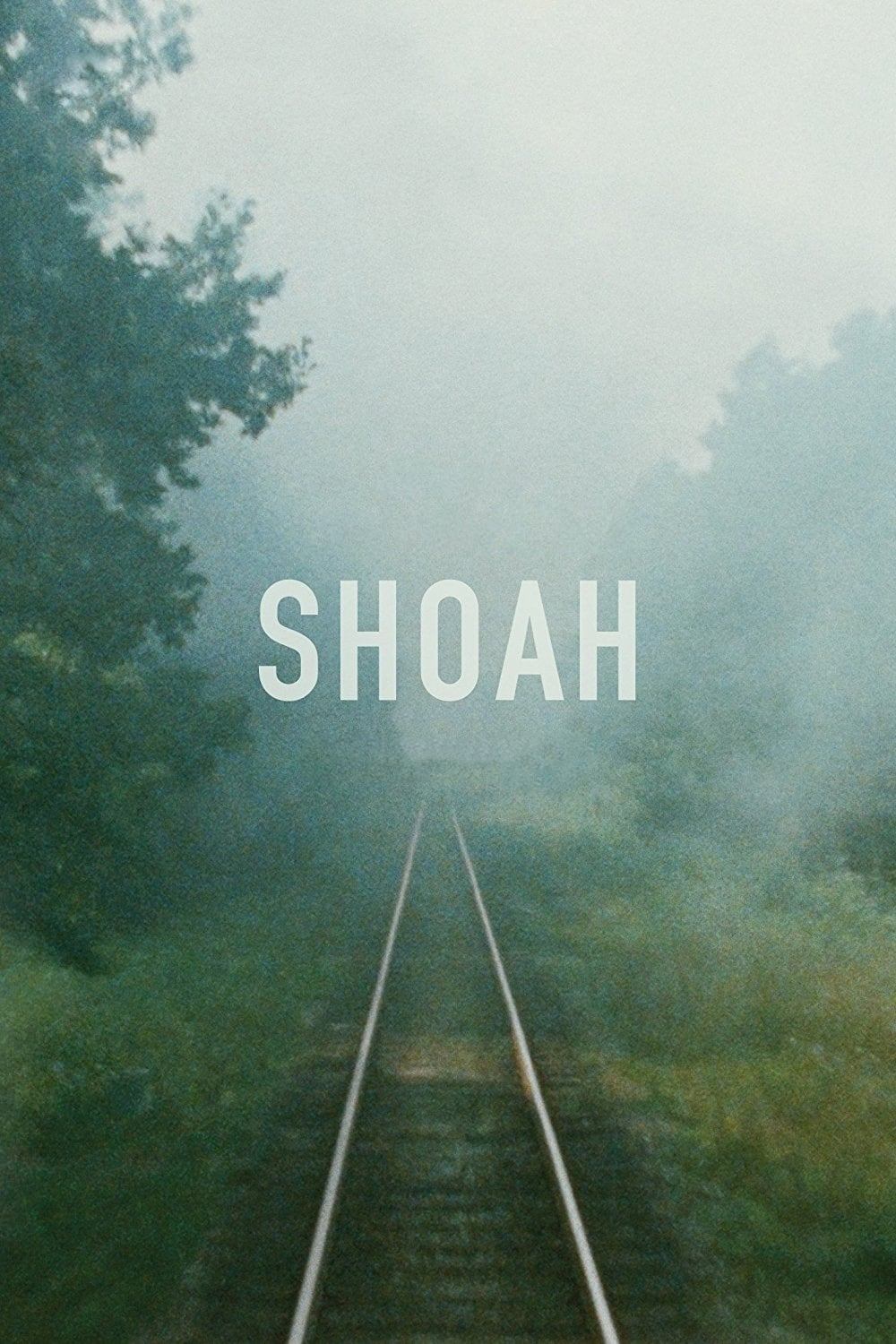
Director Claude Lanzmann spent 11 years on this sprawling documentary about the Holocaust, conducting his own interviews and refusing to use a single frame of archival footage. Dividing Holocaust witnesses into three categories – survivors, bystanders, and perpetrators – Lanzmann presents testimonies from survivors of the Chelmno concentration camp, an Auschwitz escapee, and witnesses of the Warsaw Ghetto Uprising, as well as a chilling report of gas chambers from an SS officer at Treblinka.
Documentary about the art of film editing. Clips are shown from many groundbreaking films with innovative editing styles.
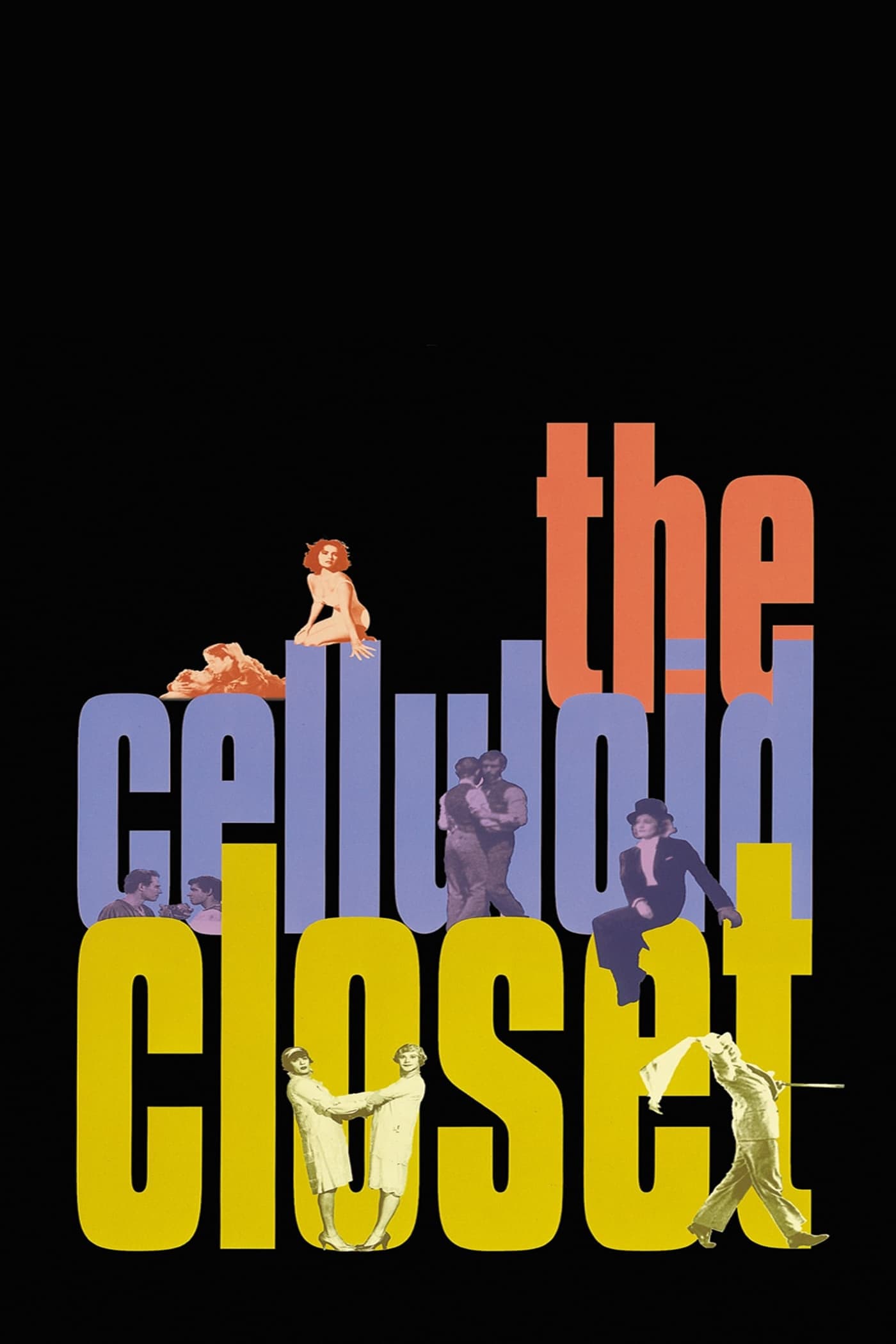
Exuberant, eye-opening movie that serves up a dazzling hundred-year history of the role of gay men and lesbians have had on the silver screen. Film contains fabulous footage from 120 films showing the changing face of cinema sexuality, from cruel stereotypes to covert love to the activist triumphs of the 1990s.
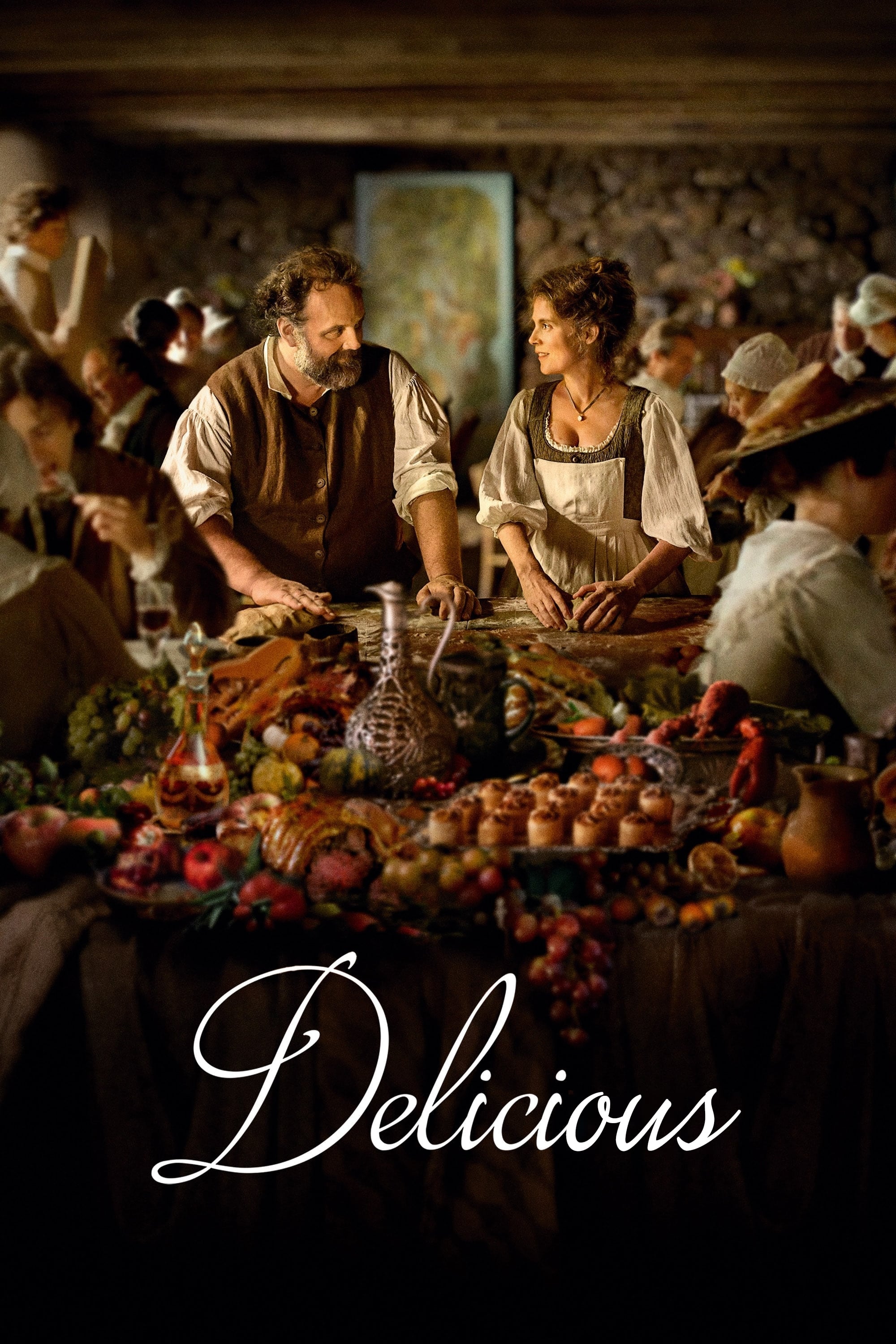
France, 1789 - just before the Revolution. When talented chef Manceron is dismissed from his prestigious position by the Duke of Chamfort, he loses the taste for cooking. But when he meets the mysterious Louise, together they decide to create the very first restaurant in France.
JB Smoove and Martin Starr host a celebration of 20 years of "Spider-Man" movies, from the Sam Raimi trilogy to Marc Webb's movies and the trio from Jon Watts.
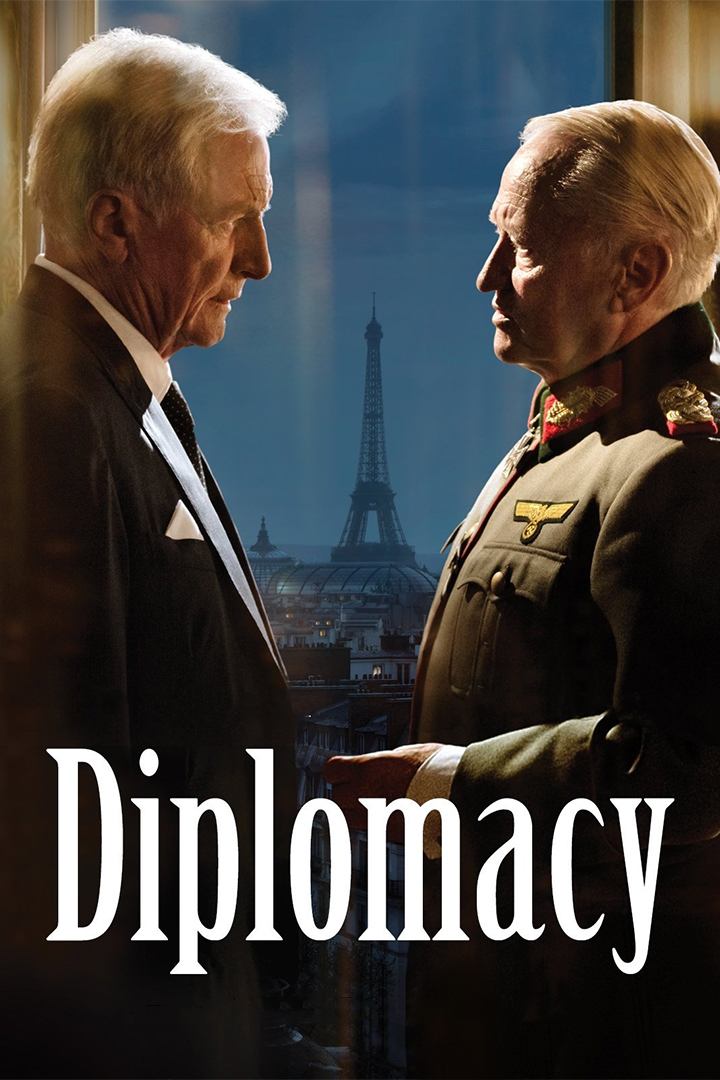
On the night of August 24, 1944, the fate of Paris rests with General von Choltitz, who plans to destroy the city on Hitler's orders. As the general prepares to detonate explosives throughout the capital, Swedish consul Raoul Nordling uses diplomacy in a desperate bid to convince him to defy the orders and save Paris.
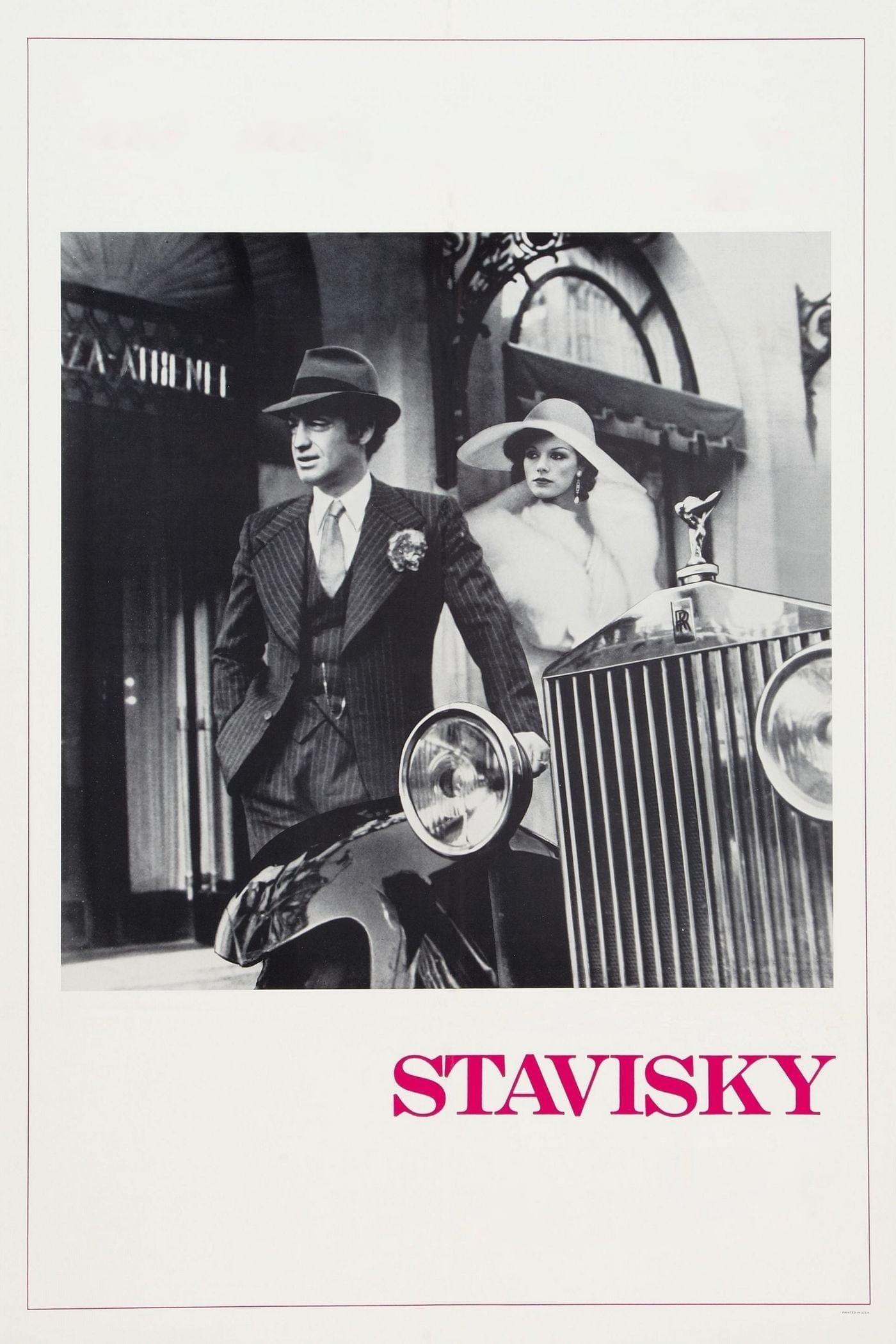
Biarritz, 1933. Charm and talent help small-time swindler Serge Alexandre, alias Stavisky, to bribe his way into the centre of French political power. But when his great scam involving millions gets exposed, he brings the government to the verge of collapse and the country to the brink of civil war.
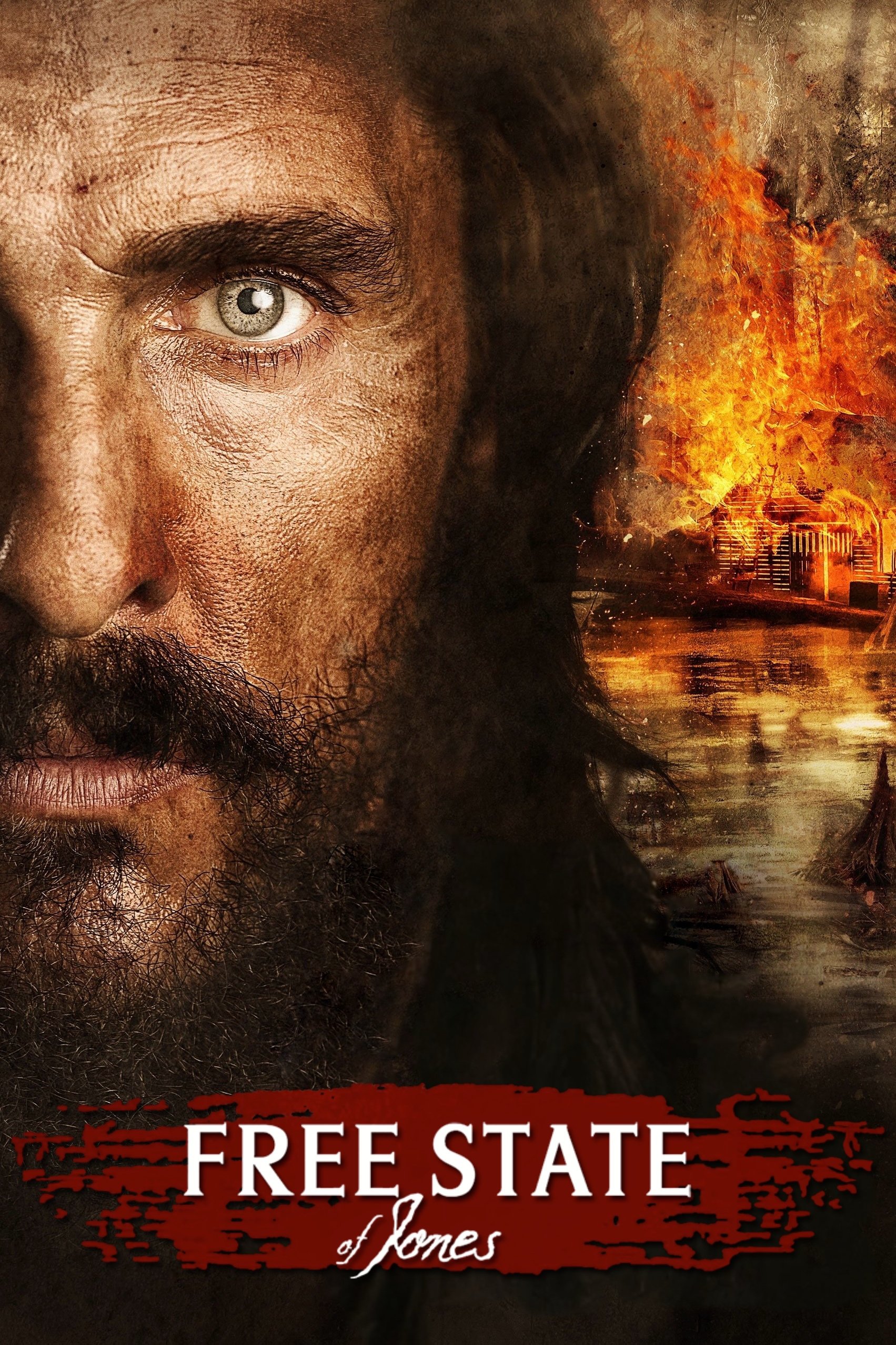
In 1863, Mississippi farmer Newt Knight serves as a medic for the Confederate Army. Opposed to slavery, Knight would rather help the wounded than fight the Union. After his nephew dies in battle, Newt returns home to Jones County to safeguard his family but is soon branded an outlaw deserter. Forced to flee, he finds refuge with a group of runaway slaves hiding out in the swamps. Forging an alliance with the slaves and other farmers, Knight leads a rebellion that would forever change history.
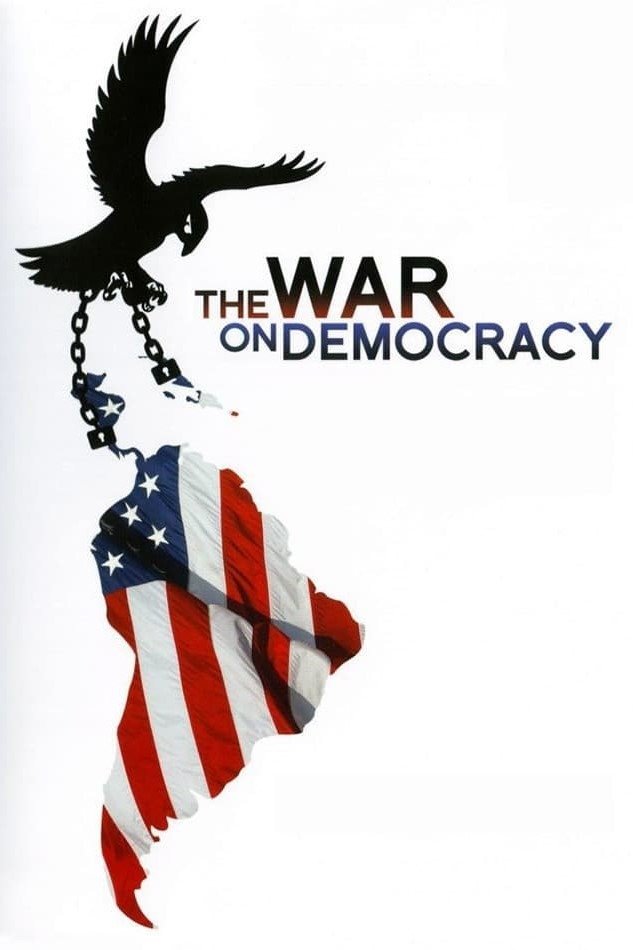
Set both in Latin America and the United States, the film explores the historic and current relationship of Washington with countries such as Venezuela, Bolivia and Chile. Pilger says that the film "...tells a universal story... analysing and revealing, through vivid testimony, the story of great power behind its venerable myths. It allows us to understand the true nature of the so-called "war on terror". According to Pilger, the film’s message is that the greed and power of empire is not invincible and that people power is always the "seed beneath the snow".
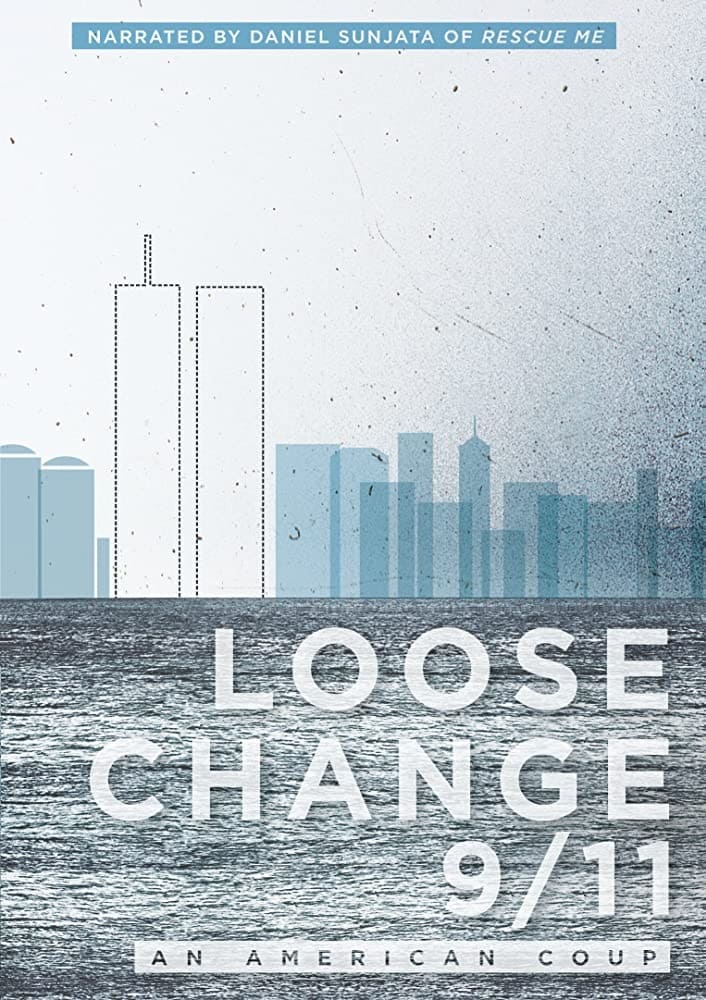
With the departure of the Bush Administration and the arrival of an “era of transparency,” opportunities are arising for the disclosure of new information that may shed more light on the events that took place before and after 9/11/2001. Loaded with powerful, new footage and in-depth interviews this documentary presents a wide array of evidence both known and unknown…until now.
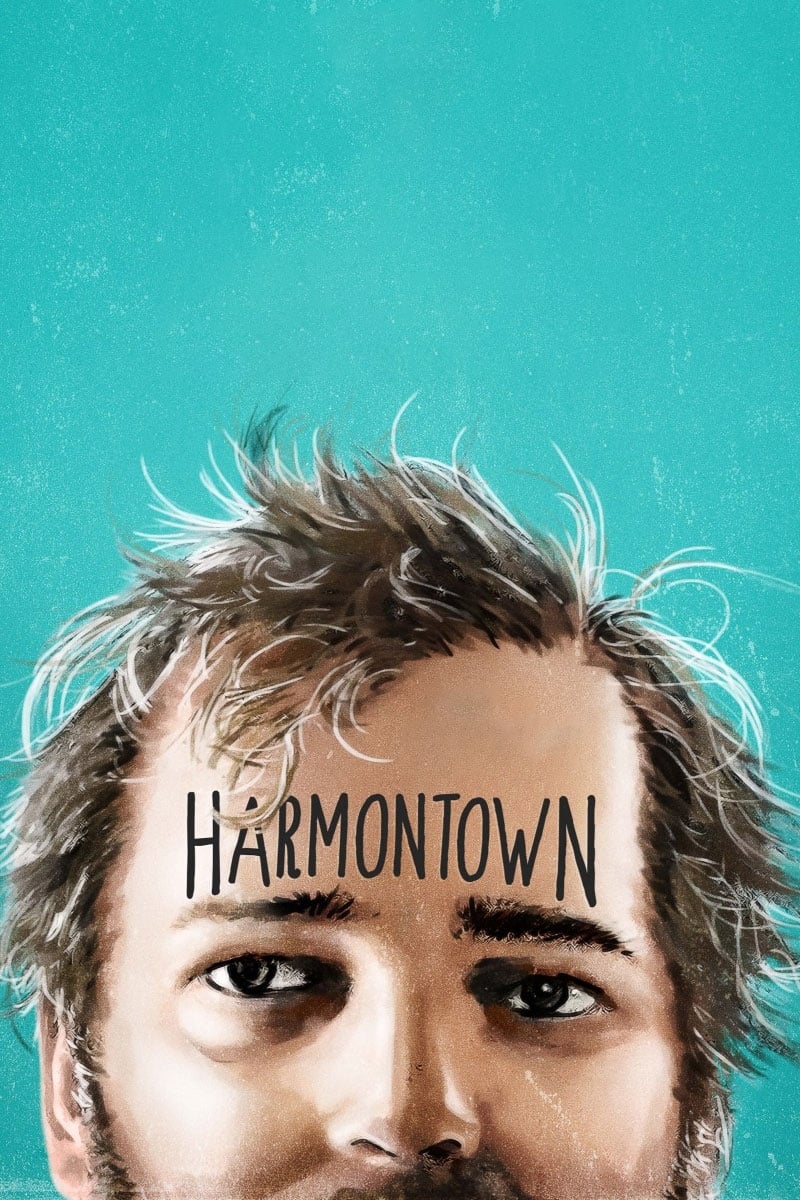
A comedic, brutally honest documentary following self-destructive TV writer Dan Harmon as he takes his live podcast on a national tour.
Pete Postlethwaite stars as a man living alone in the devastated future world of 2055, looking at old footage from 2008 and asking: why didn’t we stop climate change when we had the chance?
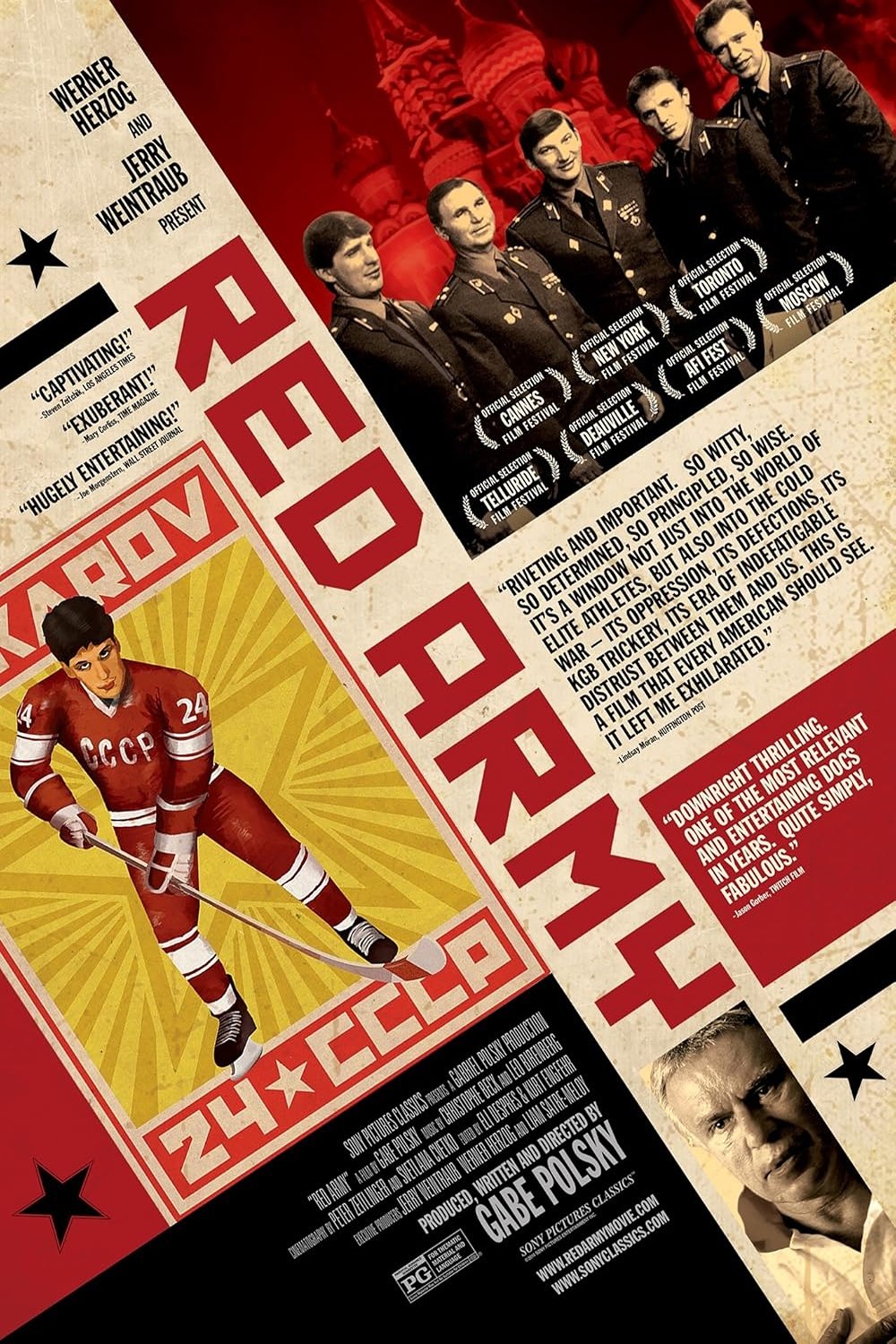
A documentary highlighting the Soviet Union's legendary and enigmatic hockey training culture and world-dominating team through the eyes of the team's Captain Slava Fetisov, following his shift from hockey star and celebrated national hero to political enemy.
Experience the events of September 11, 2001 through the eyes of President Bush and his closest advisors as they personally detail the crucial hours and key decisions from that historic day.
The Making-of James Cameron's Avatar. It shows interesting parts of the work on the set.
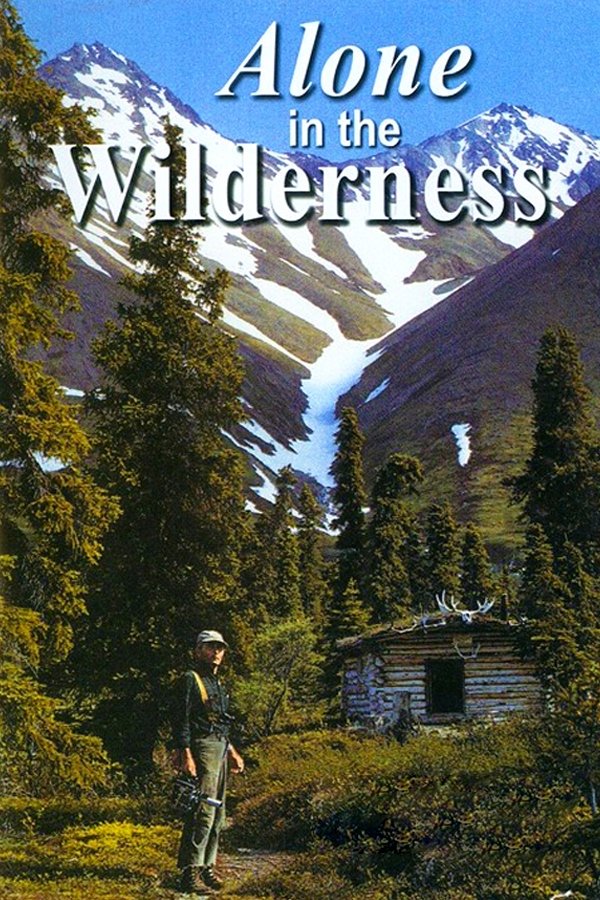
Dick Proenneke retired at age 50 in 1967 and decided to build his own cabin in the wilderness at the base of the Aleutian Peninsula, in what is now Lake Clark National Park. Using color footage he shot himself, Proenneke traces how he came to this remote area, selected a homestead site and built his log cabin completely by himself. The documentary covers his first year in-country, showing his day-to-day activities and the passing of the seasons as he sought to scratch out a living alone in the wilderness.