Social & External
Buenaventura Durruti
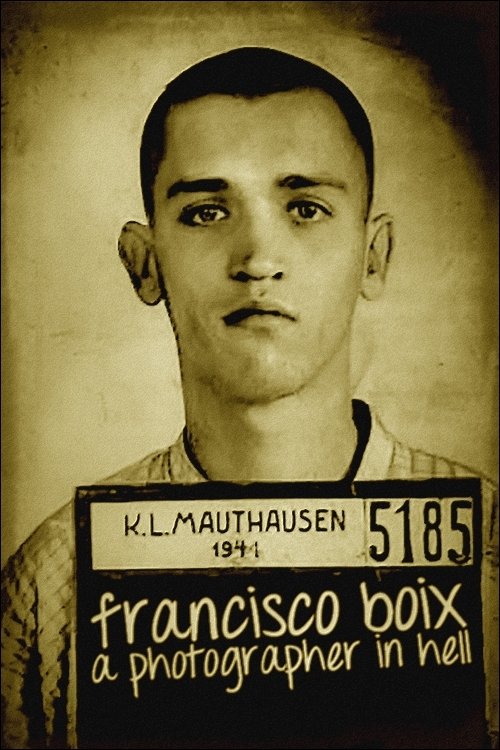
In 1939, just finished the Spanish Civil War, Spanish republican photographer Francesc Boix escapes from Spain; but is captured by the Nazis in 1940 and imprisoned in the Mauthausen concentration camp, in Austria, a year later. There, he works as a prisoner in the SS Photographic Service, hiding, between 1943 and 1945, around 20,000 negatives that later will be presented as evidence during several trials conducted against Nazi war criminals after World War II.
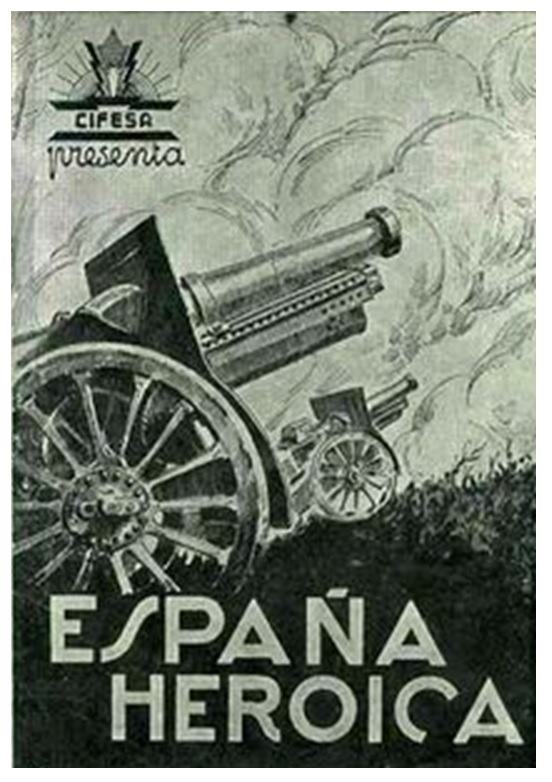
Documentary produced by Falange and edited in Berlin, in response to the international success of the Republican production "Spain 1936" (Le Chanois, 1937).
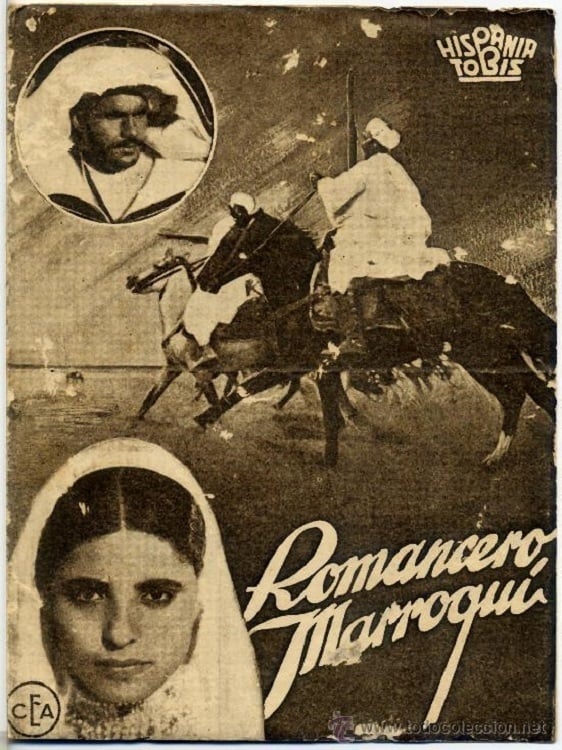
The young farmer Aalami leaves his family to find work elsewhere. He gets to know the country and its people, customs and traditions at Küste in North Africa: Market life in Tetuan, the art of craftsmanship, the life of the Moors, dances and festivities in honour of the caliph, white mosques, the call of the muezzin of the minaret and the music of the shepherd flutes. Aalami also follows Franco's call and flies from Morocco to Spain to fight at Bürgerkrieg. In the end Aalami comes back to his wife and children.
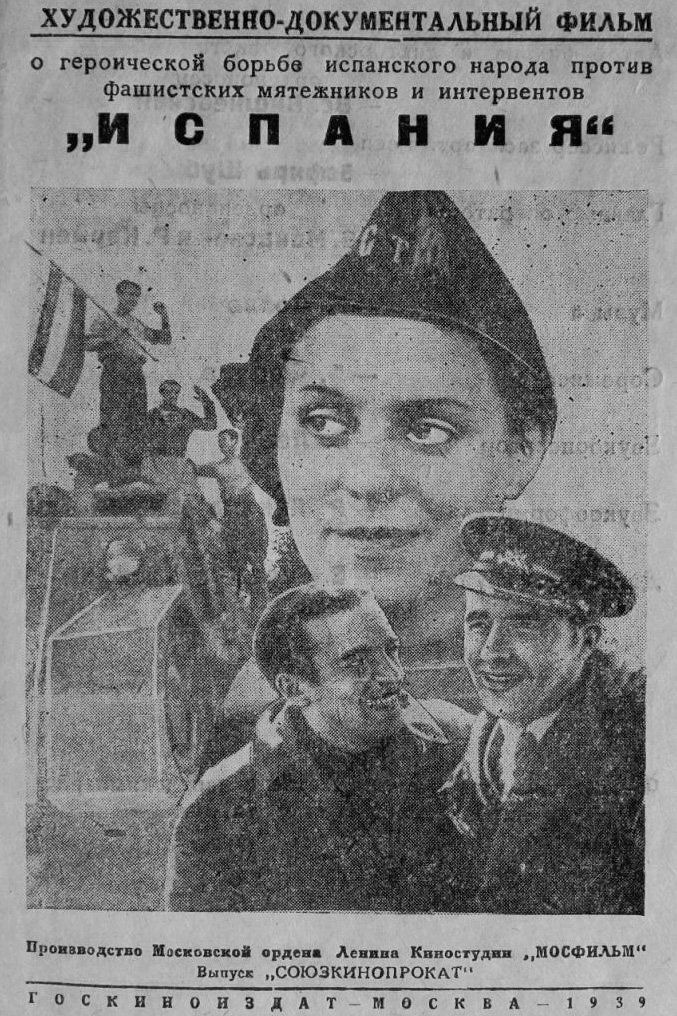
A feature-length documentary based on film reports from the Spanish civil war.
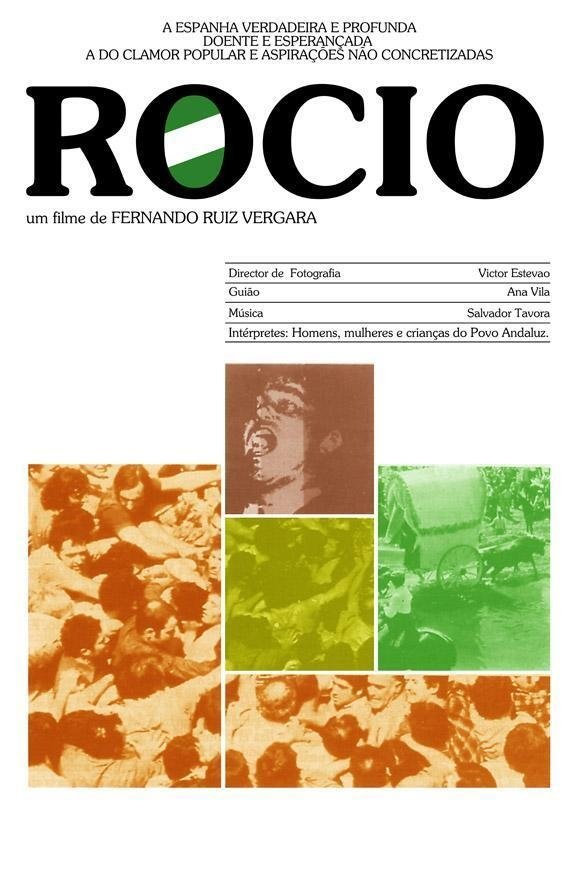
The film shows the genesis of the El Rocío pilgrimage and unveils the economic, socio-political and religious reasons and interests that nurture the phenomenon.
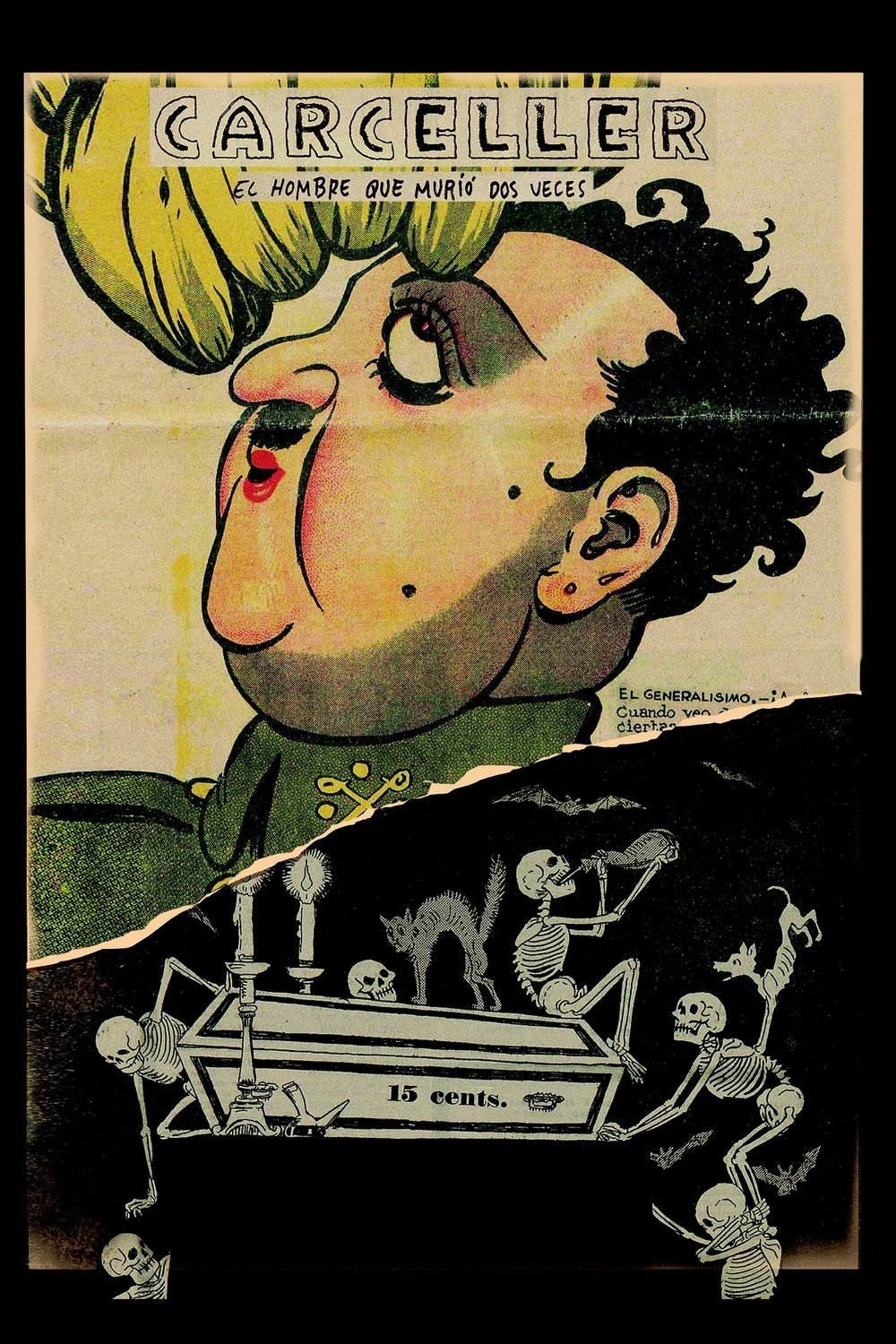
The life story of Vicente Miguel Carceller (1890-1940), a Spanish editor committed to freedom who, through his weekly magazine La Traca, connected with the common people while maintaining a dangerous pulse with the powerful.
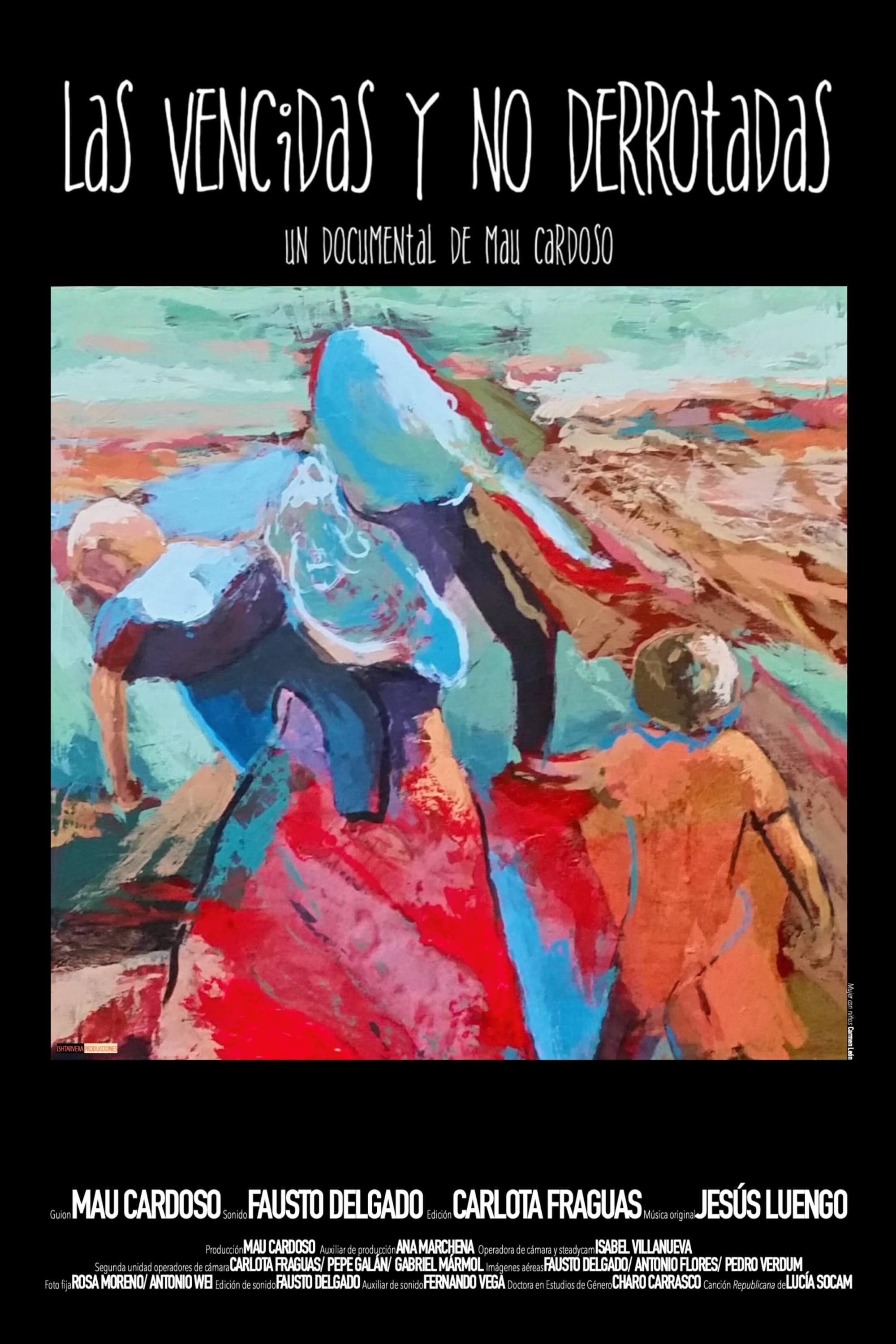
In 1936, after the coup d'état perpetrated by Franco against democratic Spain and the subsequent dictatorship that followed a bloody Civil War, women suffered physical, sexual, economic, educational and political violence, leading to the largest theft of babies in the world. History of recent Europe. 'Las vencidas y no derrotadas' is a documentary with the testimonies of these women, whose faces bear the mark left by unhealed wounds. Its protagonists tell us about real events, reliving events that were milestones in their families, towns and cities, supported by graphic documentation of family and personal memories, as well as images and audios from historical archives.
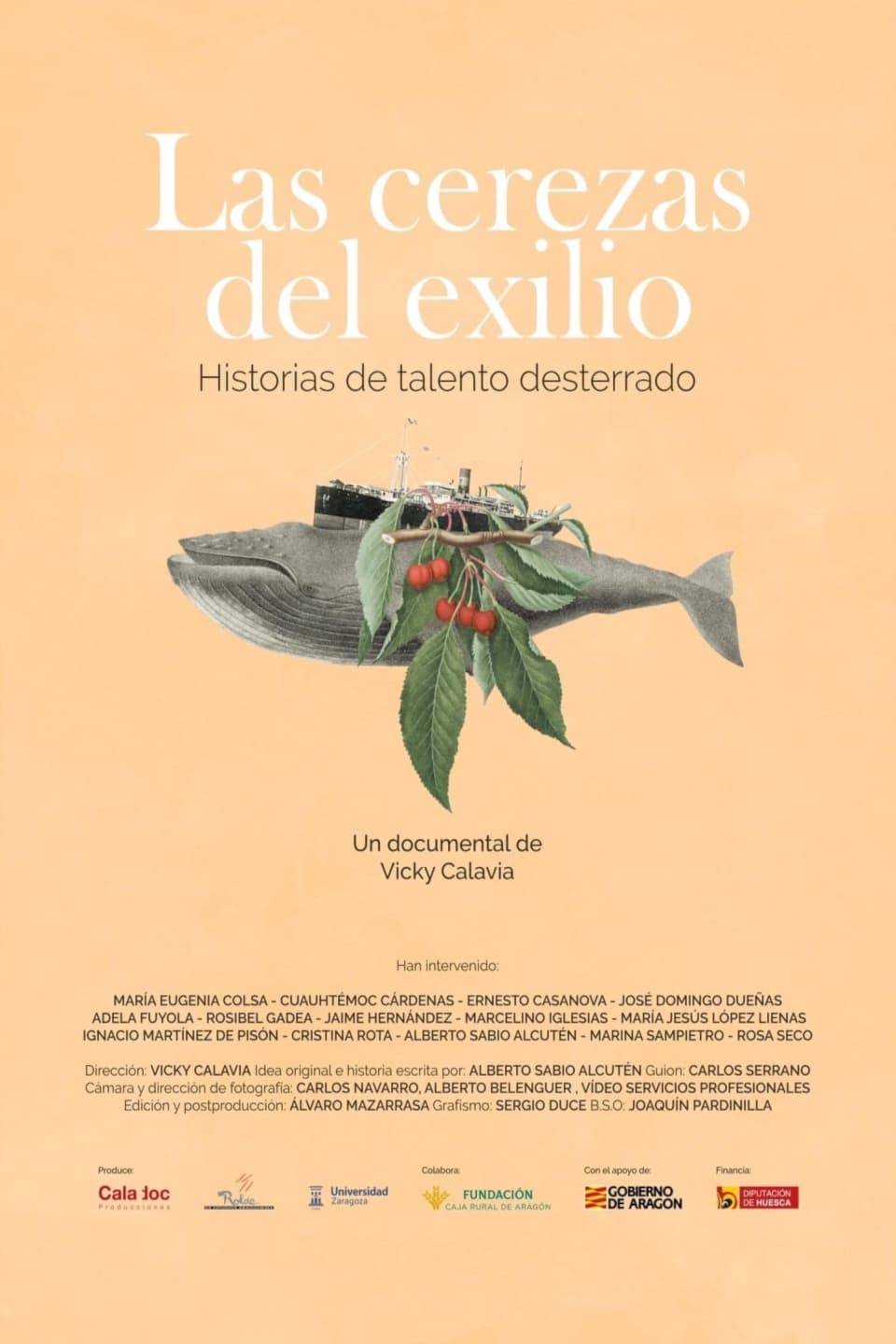
This film reveals testimonies, reflections and memories from the experience of many Aragonese who, after the Republican defeat in the civil war, had to cross the Atlantic in search of survival.
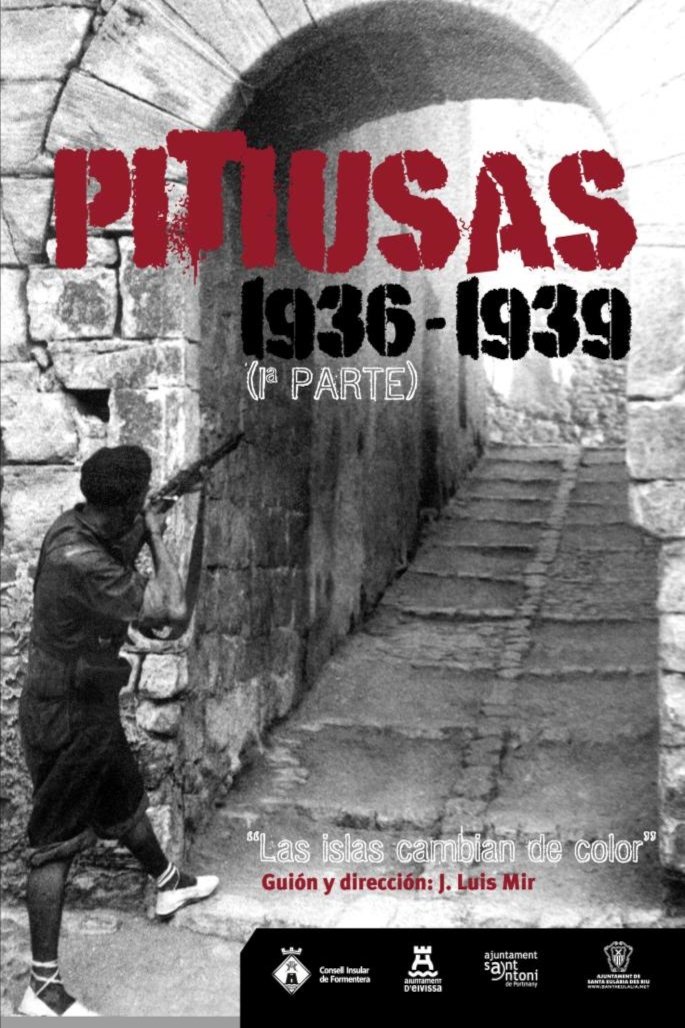
In 'Las islas cambian de color', the coup d'état and the beginning of the repression against the Republicans are narrated, highlighting figures such as Margalida Roig Colomar, to give way to the landing of Bayo, the role of the Anti-Fascist Militia Committee and its temporary dominance of the island.
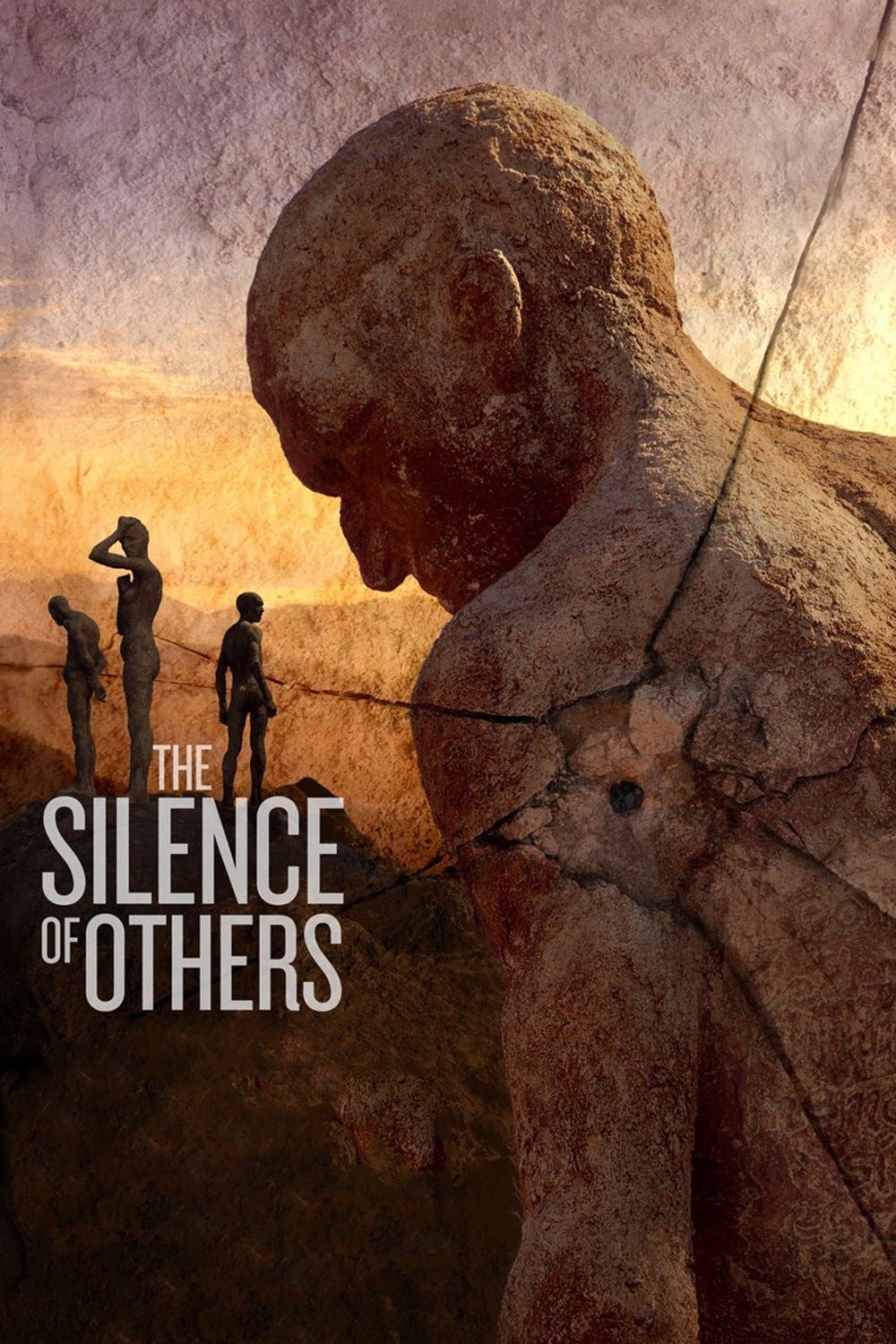
The story of the tortuous struggle against the silence of the victims of the dictatorship imposed by General Franco after the victory of the rebel side in the Spanish Civil War (1936-1975). In a democratic country, but still ideologically divided, the survivors seek justice as they organize the so-called “Argentinian lawsuit” and denounce the legally sanctioned pact of oblivion that intends to hide the crimes they were subjects of.
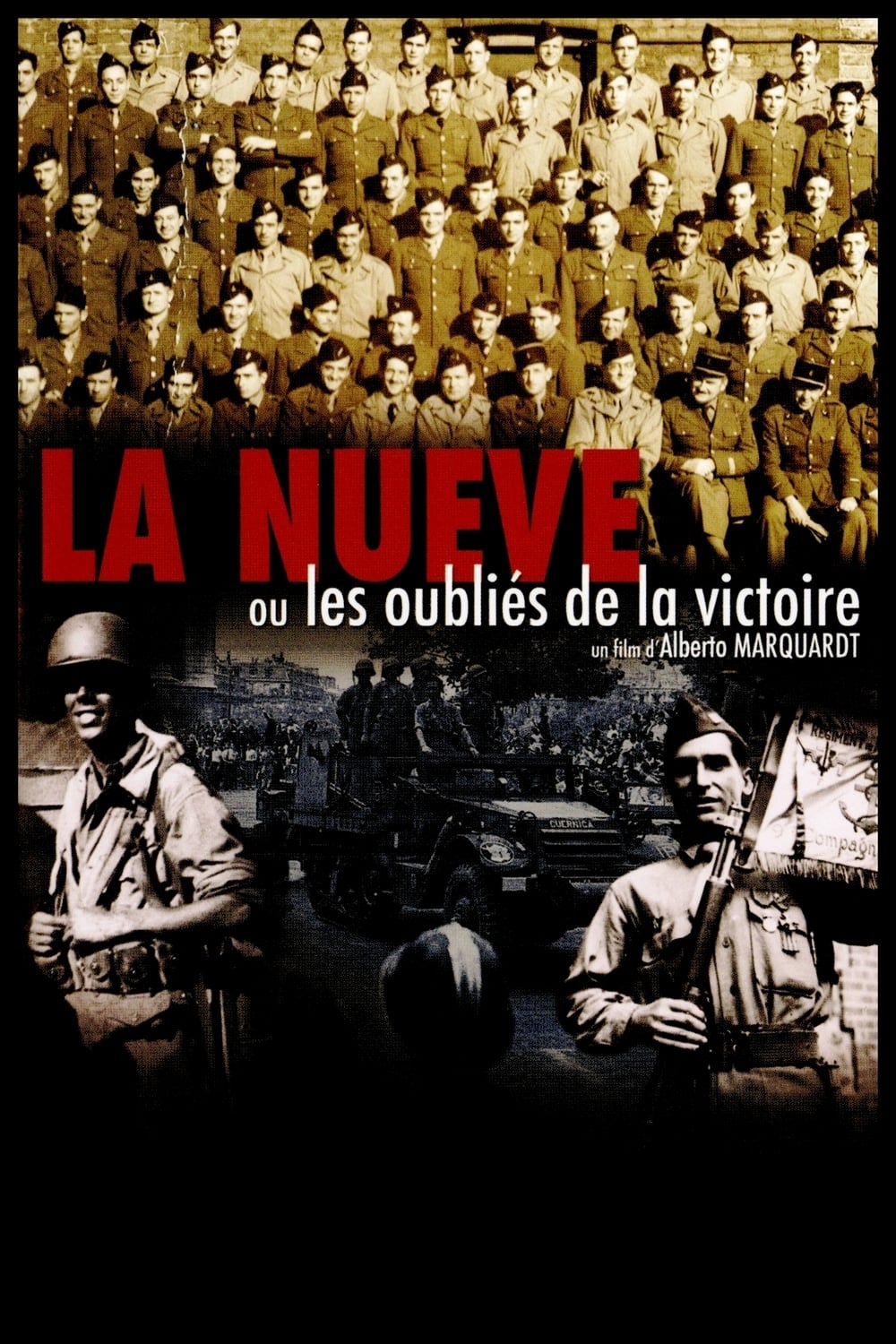
The story of the Spanish Republicans of La Nueve, the 9th Company of the Régiment de marche du Tchad, part of the French 2nd Armored Division, known as Leclerc Division, whose troops were the first who entered Nazi-occupied Paris on August 24, 1944.
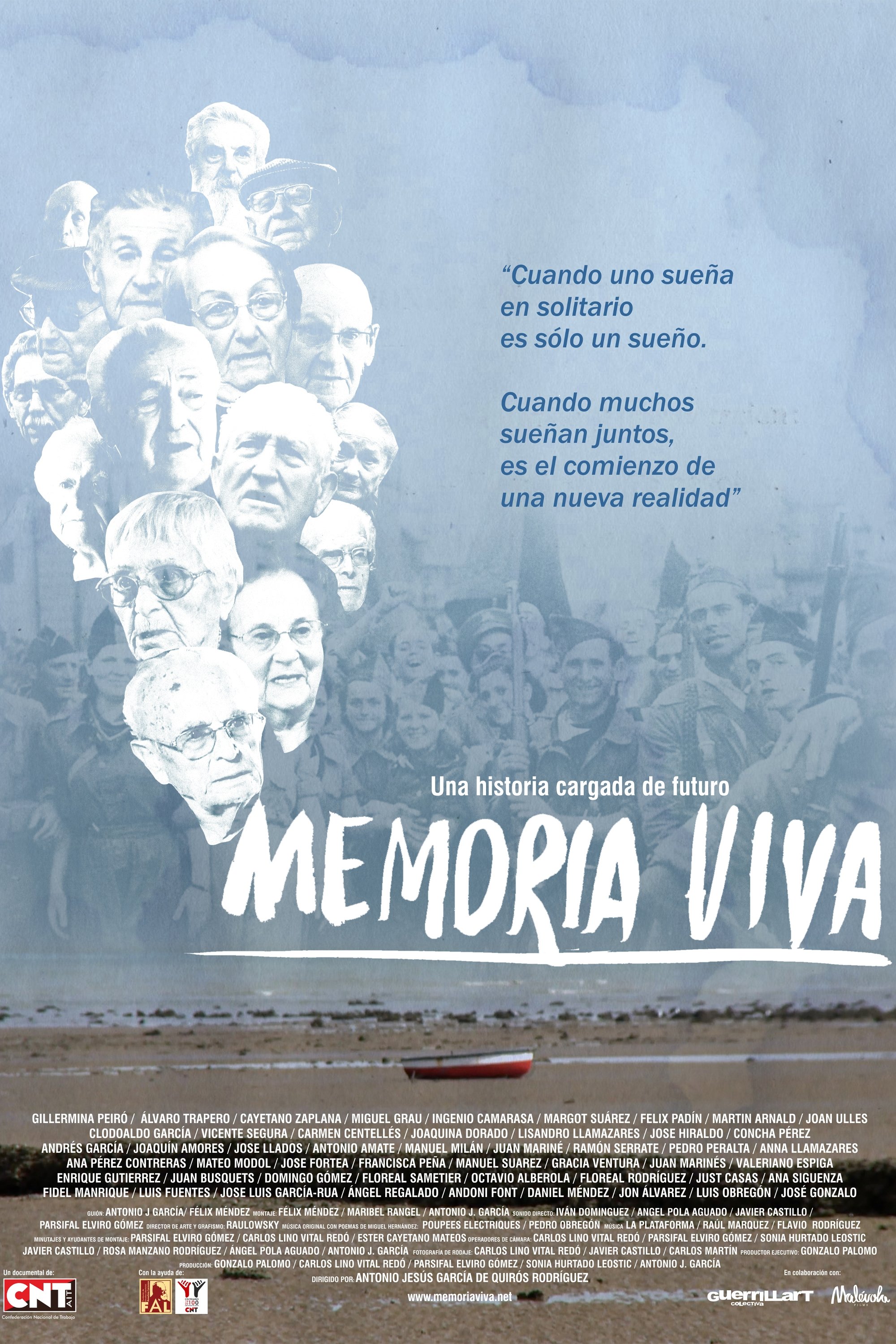
The Living Memory Project began back in 2009 on the 70th anniversary of the end of the Spanish Civil War with the recording of the event, organized in Paris to the Spanish Exiles and the victims of the Nazi extermination camp of Mauthausen. Our goal thereafter focused on collecting the greatest possible number of testimonies related to the history of Spanish anarcho-syndicalism. As part of the celebrations of 100 years of CNT we set up the project, the union decided to fund it and we set off . We travelled 12,000 km visiting three countries relying on the logistical support of CNT and selfless work of their members as well as partners Malicious Films GuerrillART. This is the result: 80 hours worth of records, 300 hours worth of testimony in timing and transcription meant for reference purposes at the Anselmo Lorenzo Foundation and 0 actors. Written by Antonio J. García de Quirós Rodríguez
Women from the different Spanish regions dress in their traditional costumes to attend the triumphal parade celebrating the victory of Francisco Franco and the rebel side over the Second Republic in 1939; the deeds of past heroes are remembered; and a patriotic poem by Nicaraguan poet Rubén Darío is recited.
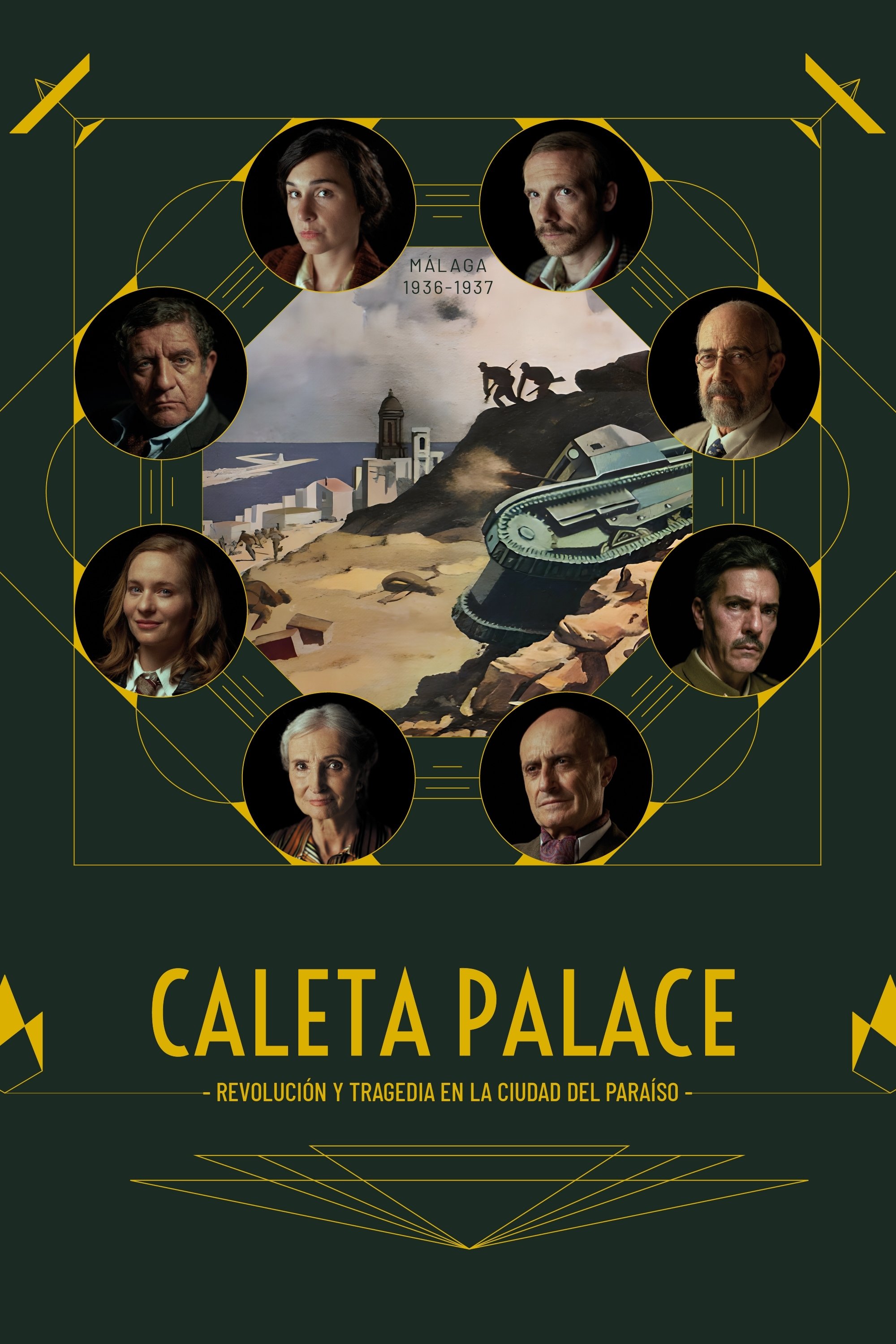
Eight foreign characters recall their exploits and fears in Malaga, a paradise city that starts a revolution on July 18th 1936, as the military coup is stopped by popular rebellion, until February 9th 1937, when Mussolini troops take Malaga and put it under the rule of Franco. Seven months that shape the stark tale of a besieged city, the first capital to be conquered in Spanish Civil War and a prelude of WW2.