In the mid-1990s, Dieter Dubbert accidentally ends up with the Miskito Indians in Bismuna, Nicaragua. Here he begins to work with drug-addicted and delinquent young people from Germany who would otherwise disappear into homes and prisons.

Social & External
Self
This third opus will take us into the homes of some of the Adamant and Averroes & Rosa Parks’ protagonists, during the visits led by their caregivers.
American resort developers bear down on the wild west coast of Nicaragua, hoping to build the next tourist paradise. With lax labour and environmental regulations, some of the developers take full advantage of the situation, and the local fishermen start accusing them of exploitation and land thievery. Unexpectedly, in the midst of this conflict, firebrand Daniel Ortega and the Sandinistas sweep back into government, boldly empowering the local fishermen. The tables turn viciously on the American developers, who get much more than they bargained for. But when the local fishermen, corrupted by new found power, begin acting in the same manner as the American developers, questions are posed about human nature, morality, and ethics on a much larger scale.
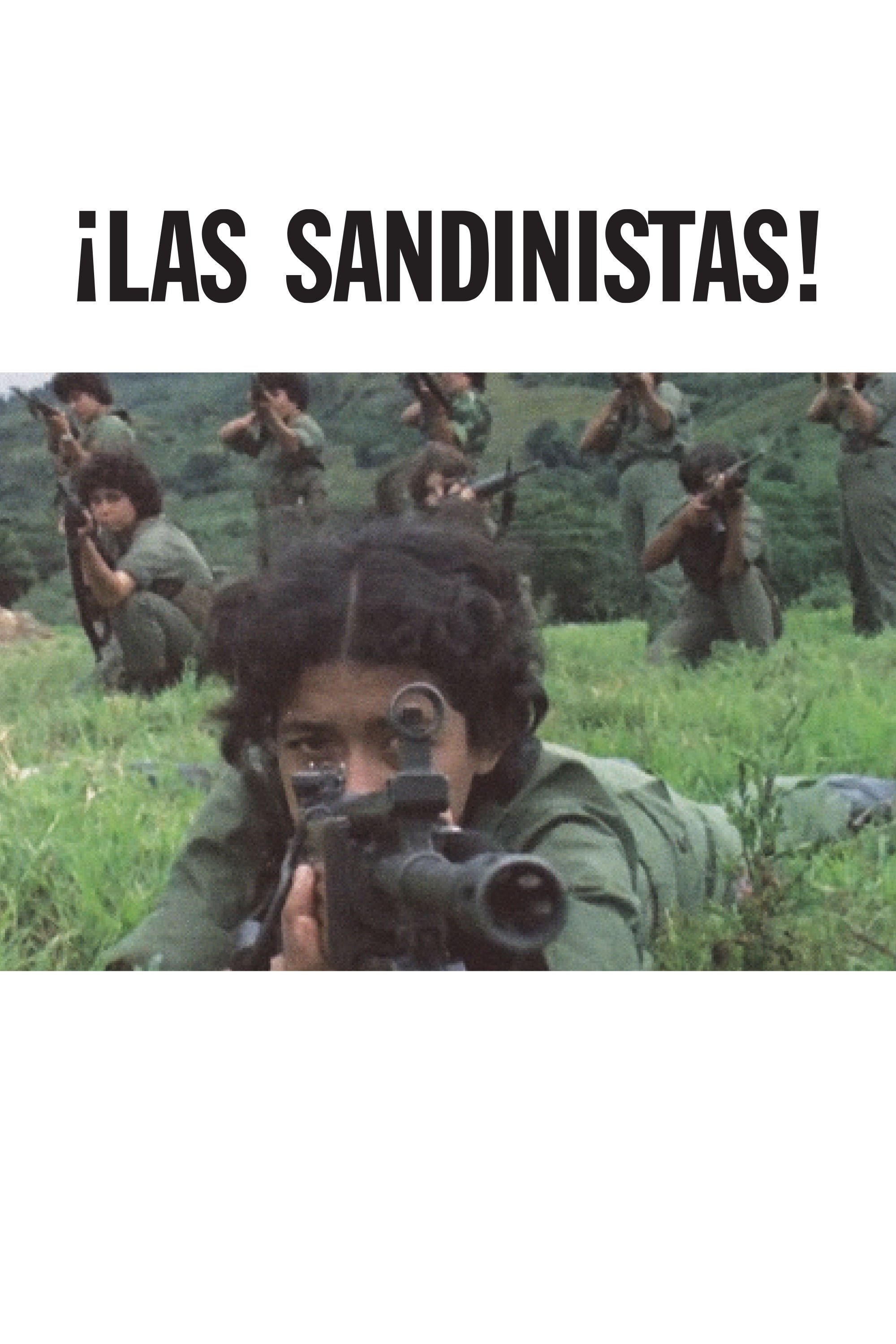
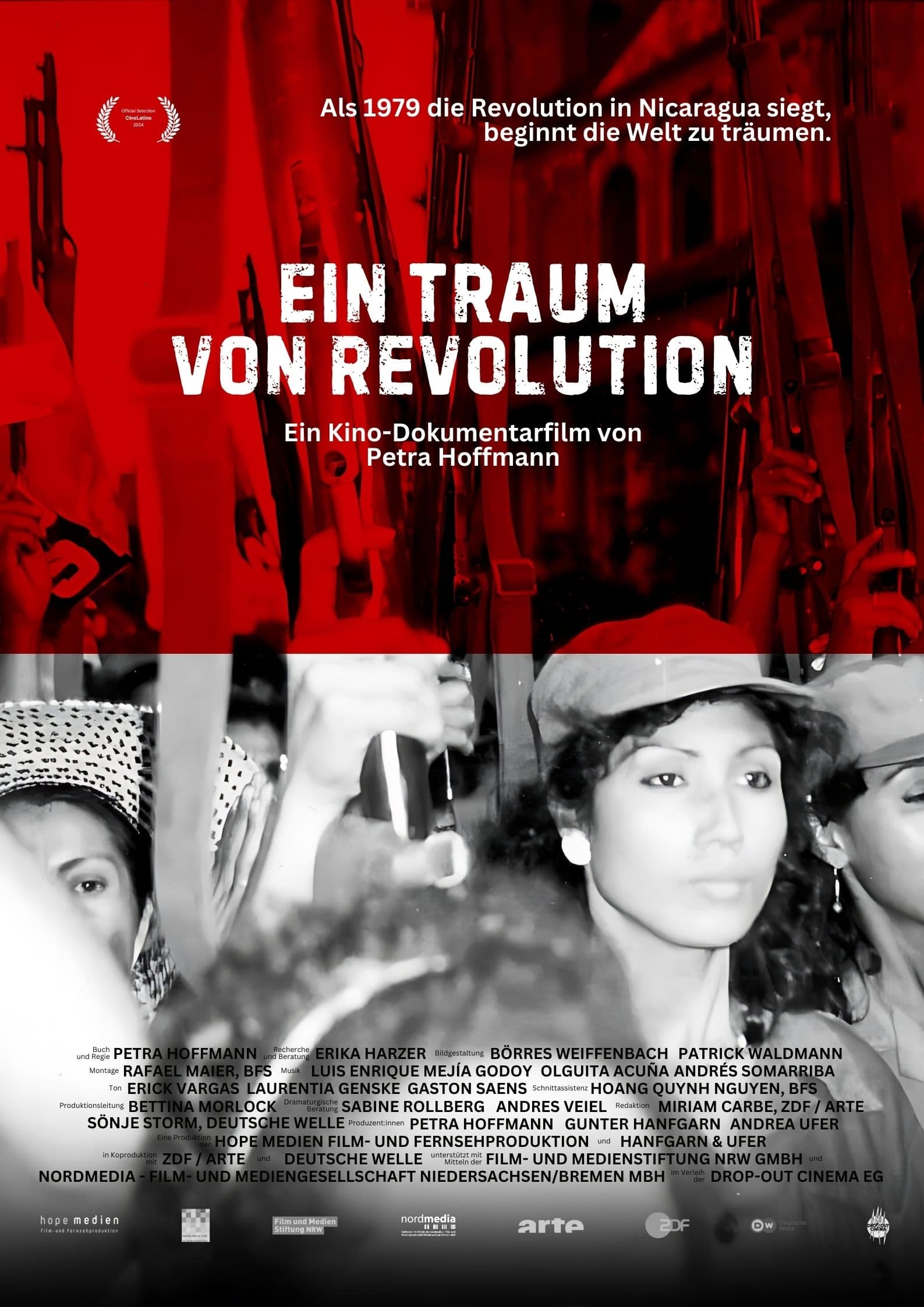
¡Las Sandinistas! uncovers the disappearing stories of women who shattered barriers to lead combat and social reform during Nicaragua’s 1979 Sandinista Revolution, and who continue to lead Nicaragua’s current struggle for democracy and equality.
The filmmaker delves into her family's past and the seemingly intact world of childhood begins to fall apart. Here, the private sphere reflects the helplessness and excessive demands of German society in the 1970s - between the shadows of the National Socialist past and new utopias.
Juan “Accidentes” Dominguez is on his biggest case ever. On behalf of twelve Nicaraguan banana workers he is tackling Dole Food in a ground-breaking legal battle for their use of a banned pesticide that was known by the company to cause sterility. Can he beat the giant, or will the corporation get away with it?
Born from the ashes of the iconic punk band Ebba Grön, this documentary tells the story of Imperiet and their journey to become the leading star of the post-punk generation and one of Sweden's biggest rock bands. It's also the story of Sweden, at a time in which they took their firm position on the world stage and when political commitment from the artists was a necessity.
Young people who have to survive without a home base are helped on their way to a life on their own two feet at Wonen Met Kansen. Little by little, with trial and error, but with the rock-solid confidence that the supervisors have in them.
It's December 16, 1972, 50 years ago. The first social cooperative in the world is born in Trieste. It was formed by 28 people: two sociologists, two psychologists, five nurses, a healthcare assistant, two doctors and sixteen private individuals who all have the same residential address: via San Cilino 16, Trieste. They are interned in a psychiatric hospital and therefore have no civil and political rights: they cannot vote, marry or make a will. Imagine founding a cooperative. Thus the Court of Trieste rejected the request to establish the cooperative. It would have been a long march through the institutions.

Social workers dispel myths about why children are removed from their biological parents, breaking down their overwhelming workload. Lawyers uncover the harsh reality of young children navigating the legal system. Advocacy organizations try to keep children safe and away from predators. An eclectic array of interviews from foster care alumni explore their connections (or lack thereof) with social workers, the fragile bond with each foster home, how trust can fall apart, and how those unable to adapt spent time in group homes. The film concludes with alumni success stories, working to remove the stigma of foster care.
Father Edward J. Flanagan is a familiar name to many Americans, often for the Oscar-winning 1938 film starring Spencer Tracy about Flanagan’s groundbreaking child welfare organization. But the story extends far beyond that, to a man whose name and legacy are still well-known as far as Germany and Japan. Flanagan gained influence and admiration over the course of his life from Presidents, CEOs, celebrities and more, but none mattered more to him than that of the children for whom he tirelessly worked. A sobering reminder of this was during WWII, as Flanagan saw droves of former Boys Town citizens go off to war. In fact, so many former Boys Town boys named Flanagan as their next of kin that the American War Dads Association named him as America’s No. 1 War Dad.
The Interrupters tells the moving and surprising stories of three Violence Interrupters — former gang members who try to protect their Chicago communities from the violence they once caused.
The conflict between Dole Food Company and Swedish filmmaker Fredrik Gertten unfolds dramatically in the documentary "BIG BOYS GONE BANANAS!" as the corporation attempts to suppress Gertten's earlier film, "BANANAS!"—chronicling Nicaraguan workers' lawsuit against Dole. Initially selected for the 2009 Los Angeles Film Festival, "BANANAS!" was abruptly removed from competition, followed by a negative article in the Los Angeles Business Journal and legal threats from Dole's attorneys. Gertten captures this saga of corporate intimidation, media manipulation, and legal challenges in his documentary, showcasing the struggles documentary filmmakers face and highlighting the threat to freedom of speech posed by powerful corporations protecting their reputations.
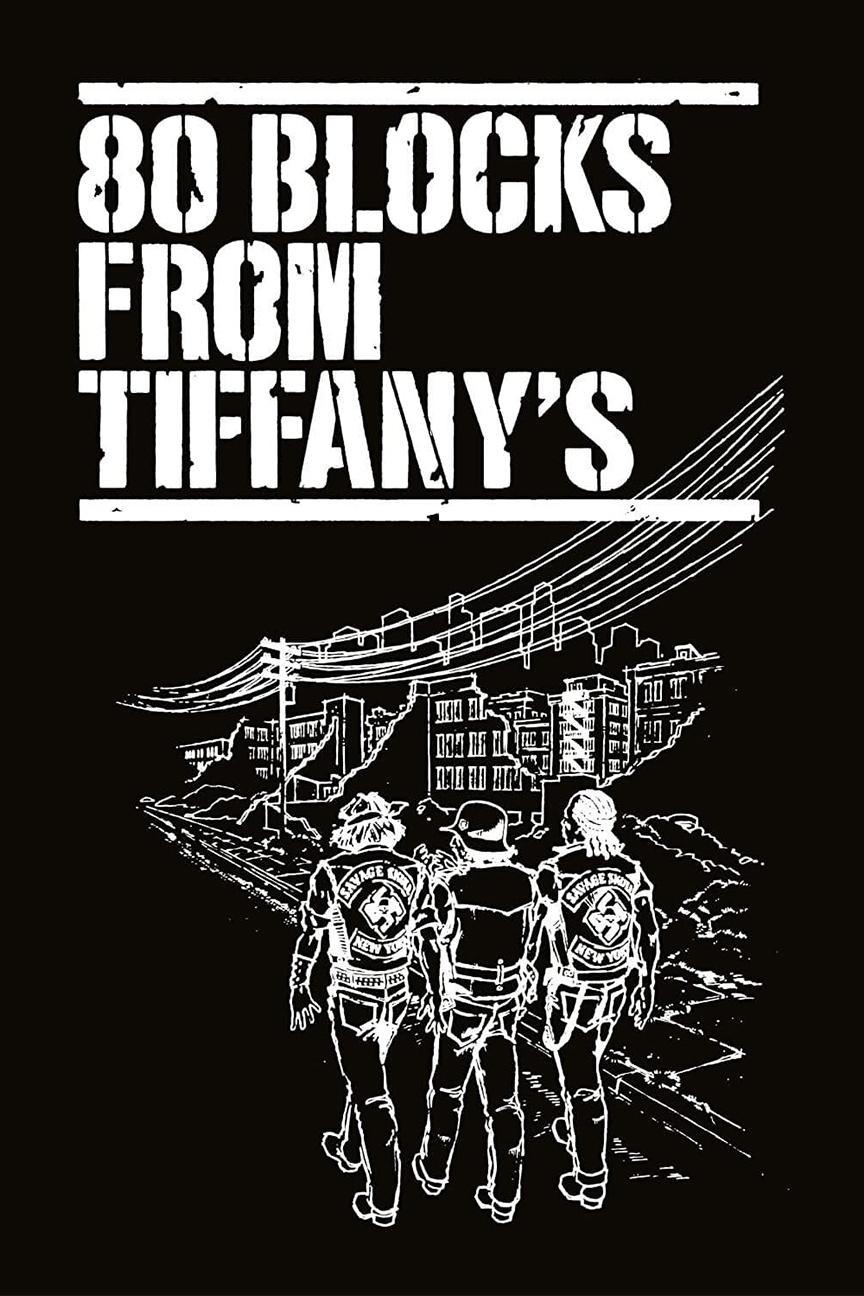
This 1979 documentary depicts the daily life of gangs in the South Bronx. It deals primarily with two African American and Puerto Rican gangs known as the "Savage Skulls" and the "Savage Nomads".
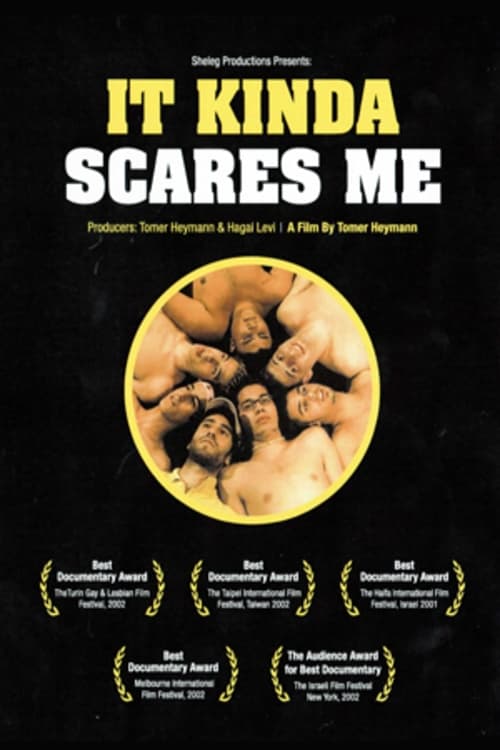
It Kinda Scares Me is a documentary about a drama coach and the “delinquent” boys he teaches. In their world, bravado is everything and Friday nights are for getting into fights. Tomer Heymann, both filmmaker and drama coach, encourages the boys to create something from their pain and marginalization, while they struggle in rehearsals to preserve their much-prized Israeli machismo. When Tomer announces to the group that he is gay, they are shocked, but his commitment to their play wins the day as they prepare for a performance that will give voice to the lives of disaffected Israeli youth.

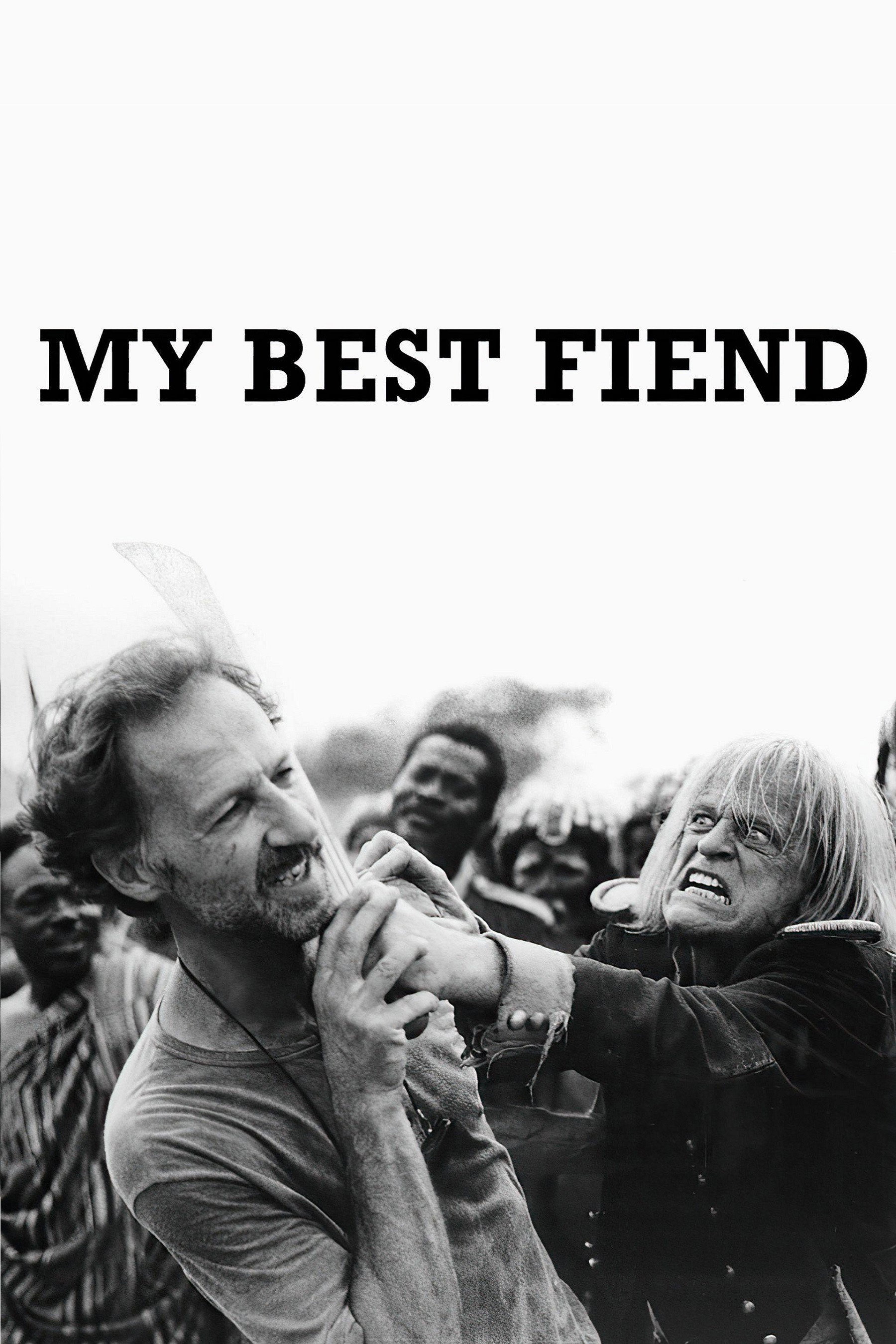
Three Nicaraguan-American artists from the Washington D.C. Metro area discuss growing up in two cultures and how it influences their art.
Thomas Hirschhorn, one of the few Swiss artists of world renown, often touches on social wounds with his provocative works. In 2013, Hirschhorn built a monument for Italian philosopher and communist Antonio Gramsci in a public housing project in the Bronx. The contentious artist collaborated with neighborhood residents whose everyday life is impacted by poverty, unemployment and crime. Conflicts and misunderstandings are bound to arise as Hirschhorn’s absolute devotion to art is confronted with the resident’s lack of prospects and fatalistic outlooks. The «Gramsci Monument» becomes a summer-long experiment where diverse worlds collide: blacks and whites, the art elite and street kids, party people and poets, politicians and philosophers. A nuanced film about art, politics and passion.
A group of Miskito Indians use Nicaraguan child soldiers in their resistance against the Sandinistas.
In the spring of 1962, members of the Christian Peace Service aid group flew in from Bern, Switzerland and settled in the poorest villages in all of Greece. Led by photographer and social worker Fritz Berger, the group itself had one purpose: the provision of aid and development services to local communities inhabiting the southwest region of Lefkada. What followed were revolutionary advancements that would leave their lives forever changed.