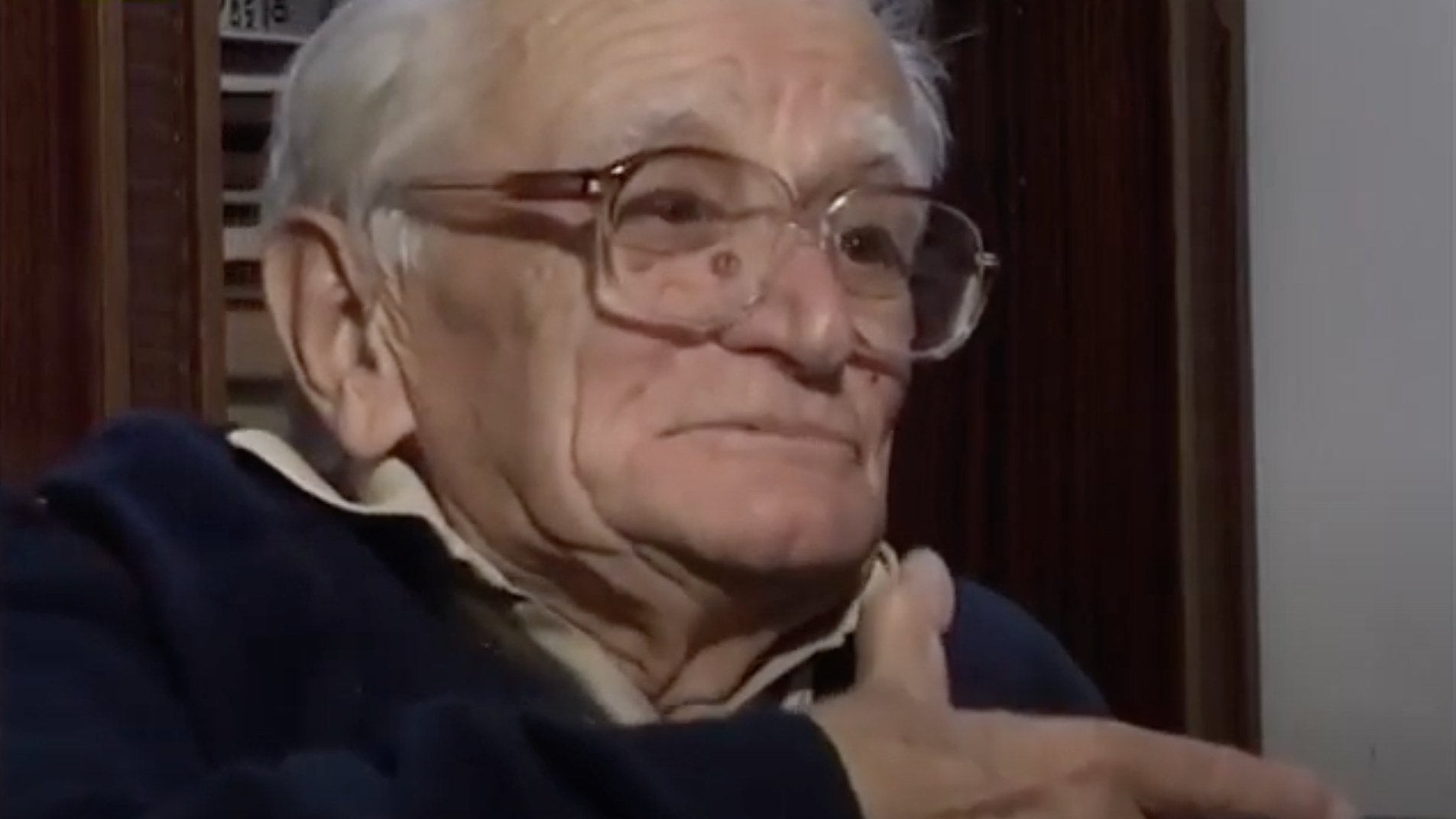
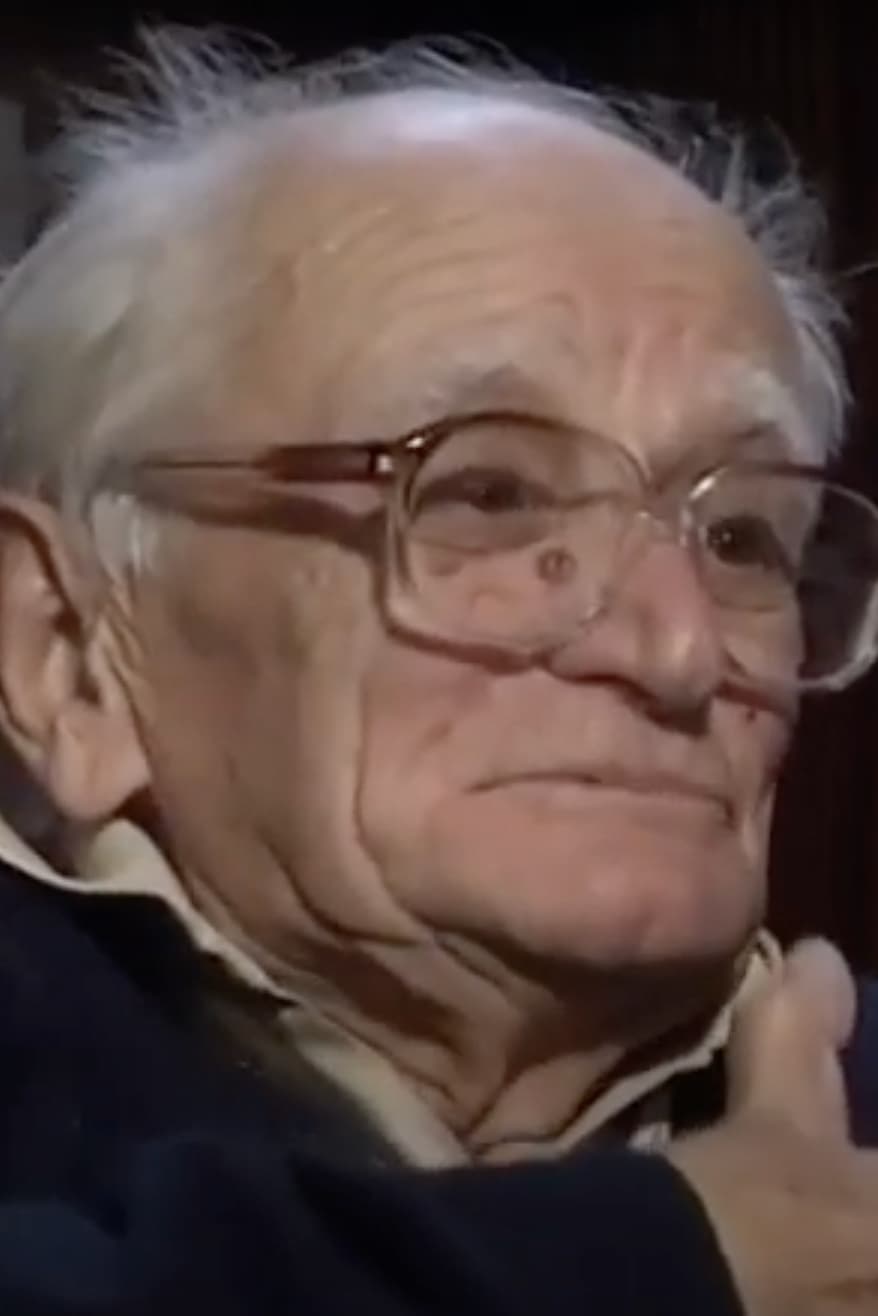
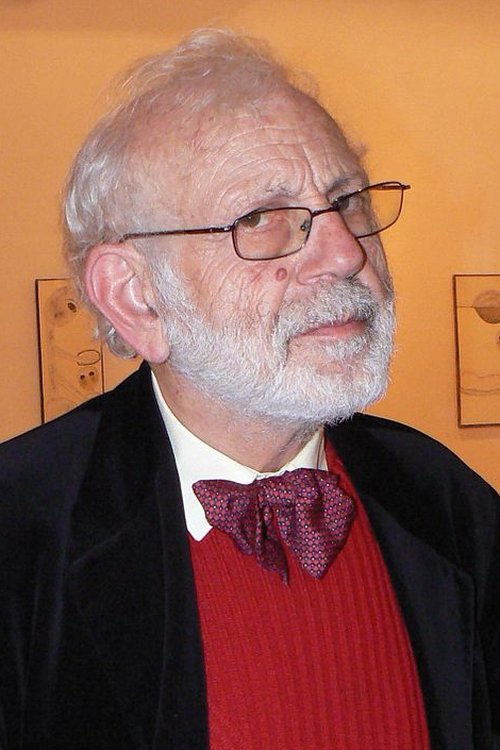
This film is a documentary portrait of the great Bulgarian Writer and poet Valeri Petrov.
Social & External
Self
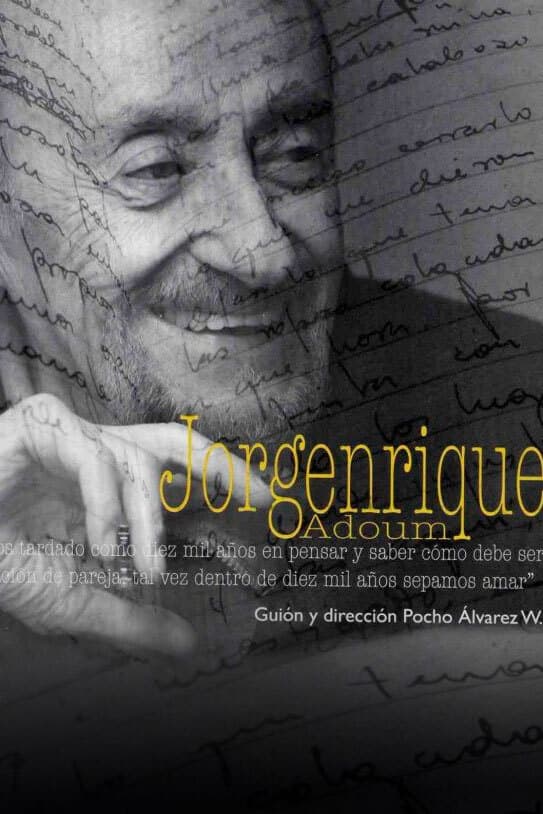
Documentary about ecuadorian writer Jorge Enrique Adoum.
Lucien Francoeur, rock poet of the French imagination of North America, lives the destiny he has chosen for himself at 200 miles an hour.
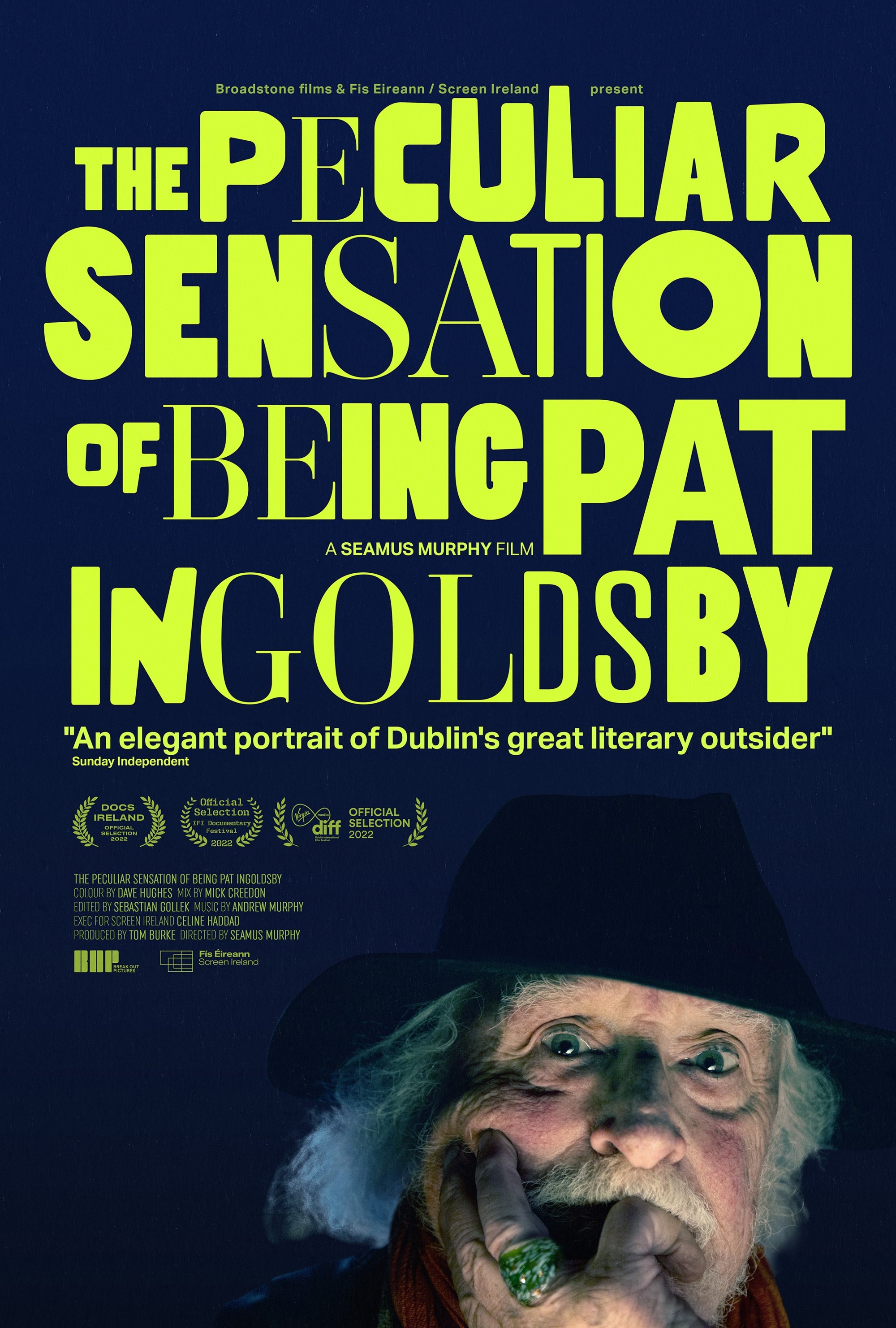
Seamus Murphy’s documentary examines Irish writer Pat Ingoldsby’s unique world. Ingoldsby’s poems and candid anecdotes bear witness to a visceral relationship with his beloved Dublin, fellow Dubliners and anything that catches his interest. Personal challenges, a sensitive humanity and a lifetime as a maverick have taught him to harness reality and reach well beyond it to avenge the banal with absurd magic. It heals him as it does us.
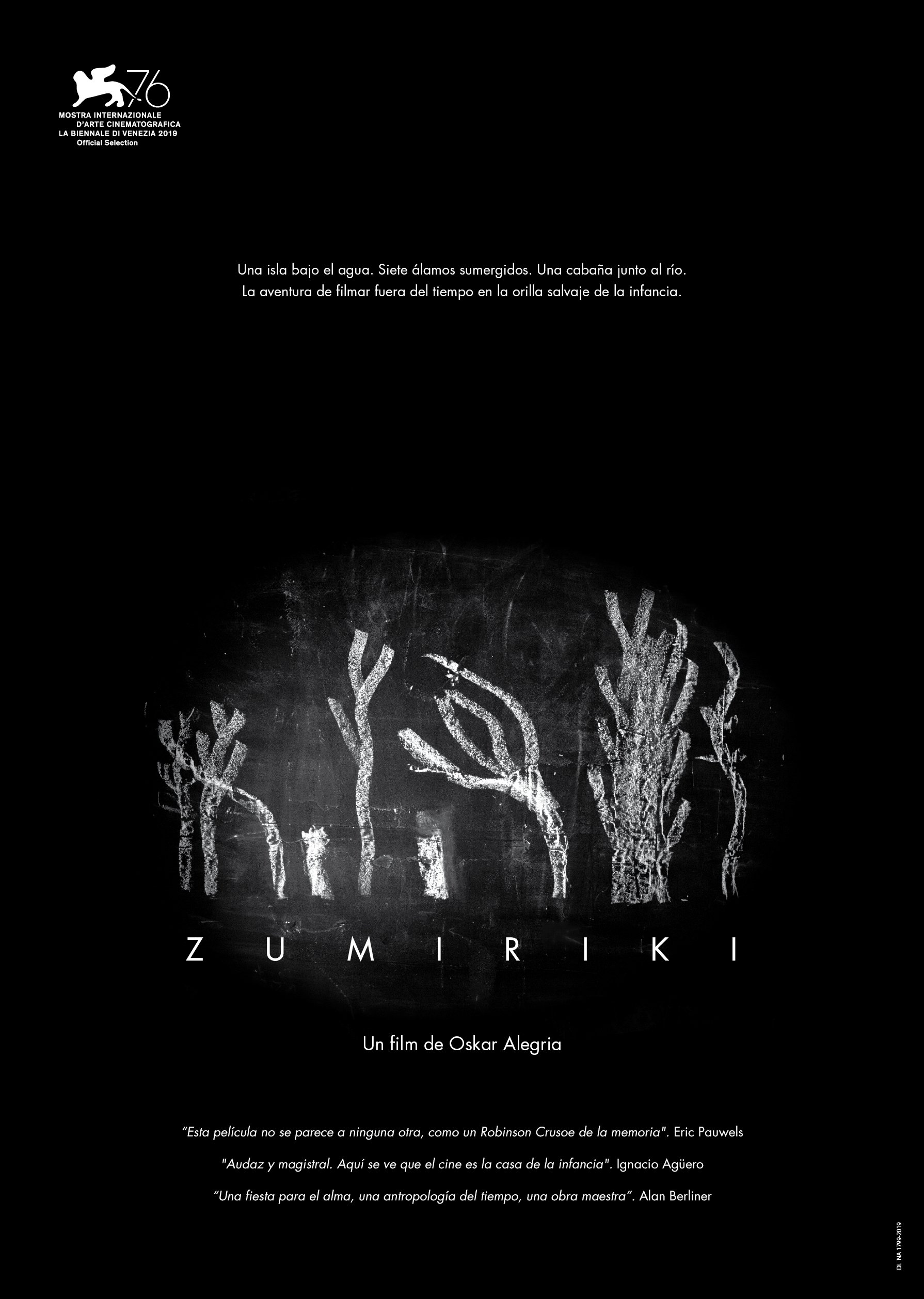
Is it possible to travel twice to the same memory? The filmmaker built a cabin on an isolated riverbank, just opposite his childhood island, which had disappeared under the water after the construction of a dam. The goal was to go back to that place, which had become invisible. Only the trees of the island where he’d played stood firm in the middle of the water, like the masts of a broken toy boat, so the air was the only space left, the only vestige of the past to be conquered. This film is a diary of a castaway in memories: four months of a Walden experience in a lost paradise with two hens, a small vegetable garden and a clock that stopped forever at 11.36 and 23 seconds.
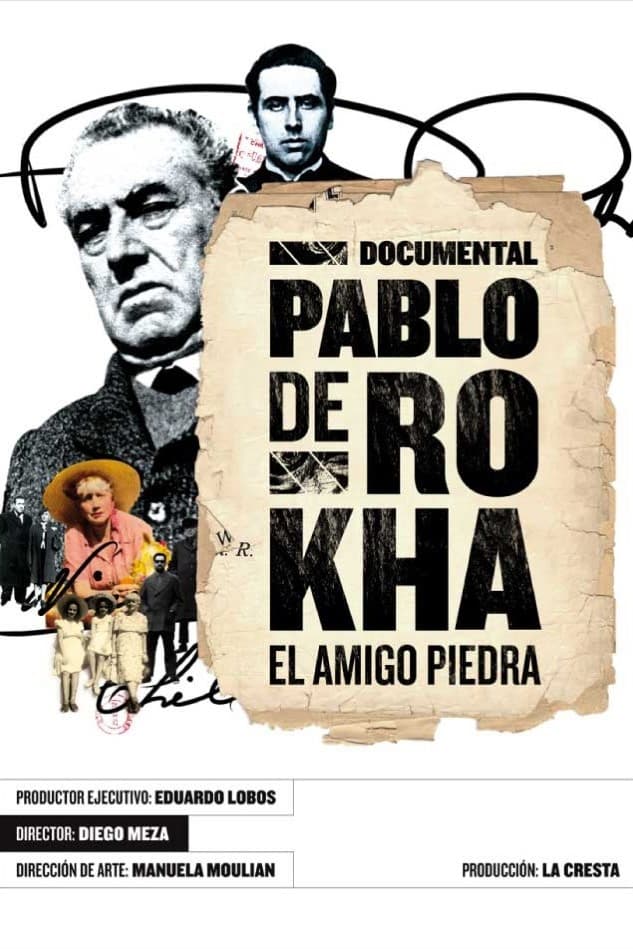
Documentary film about the great forgotten of Chilean literature. With interviews with family members, poets and artists who knew him, this feature film explores the unknown world of this mythical character of Chilean literature. His life and work, a metaphor of an unknown Chile, prior to the disputes of the 1970s, is the gateway to an aesthetic, political and human account of this great Chilean poet.
A group of writers from Hidalgo get together to generate their works and create a community around literature.
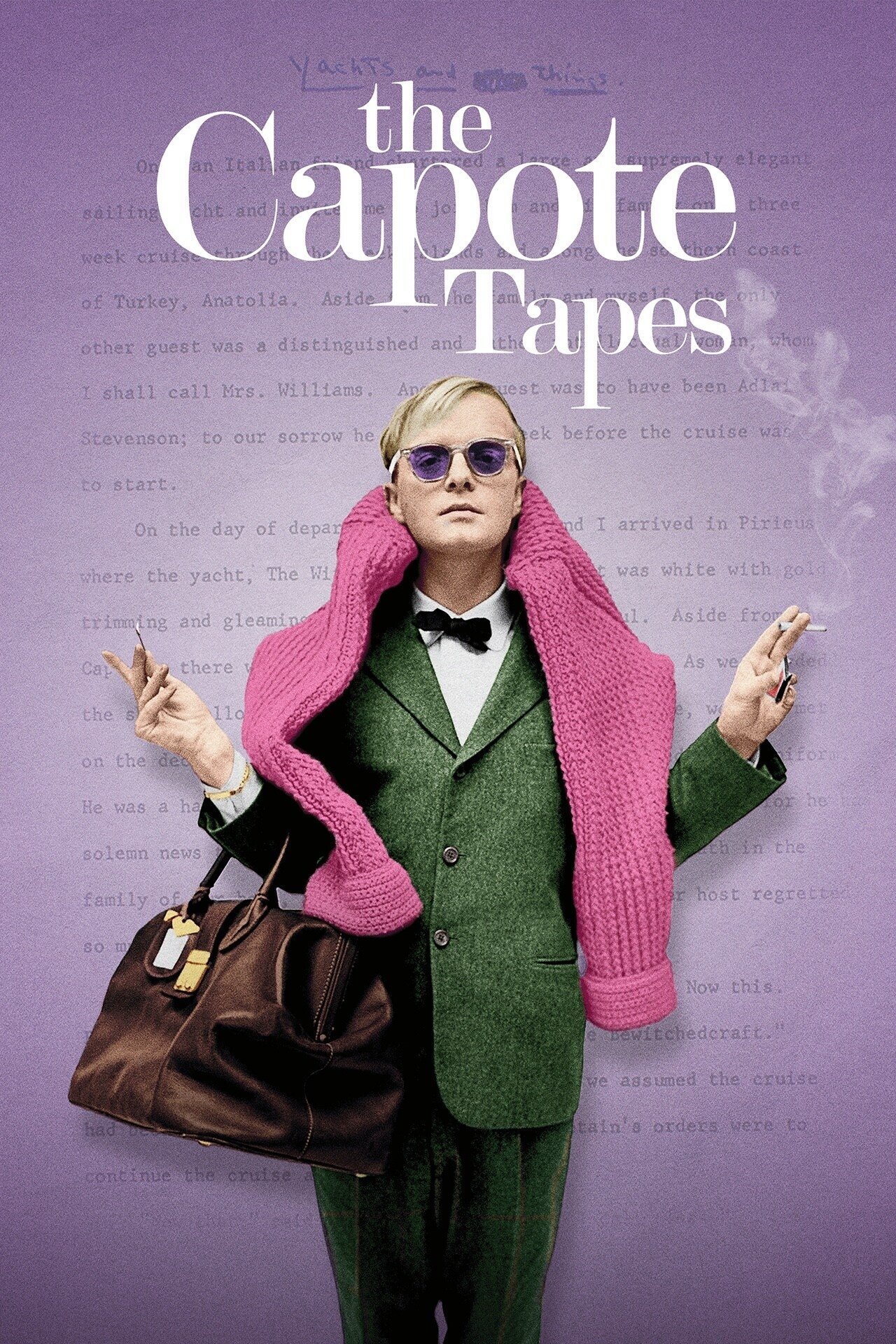
A portrait of the brilliant American writer Truman Capote (1924-84) and the New York high society of his time.
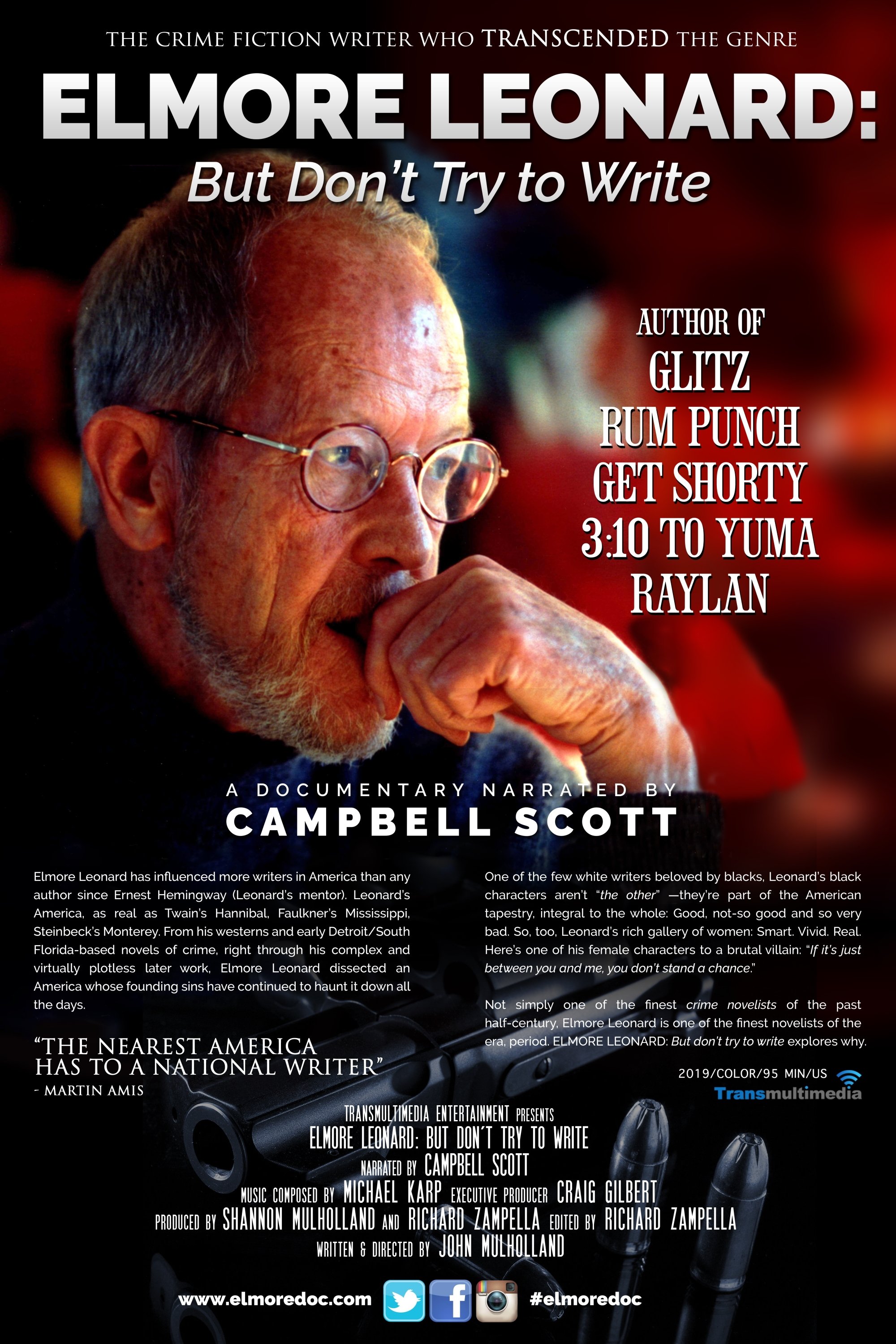
Elmore Leonard, author of more than 40 novels, is renowned in the literary community. From his westerns and early novels of crime based in Detroit and South Florida, right through his complex and virtually plotless later work, Elmore Leonard dissected an America whose founding sins have continued to haunt it all the days. Leonard’s depiction of America is as real as Twain’s Hannibal, Faulkner’s Mississippi and Steinbeck’s Monterey. The new documentary ELMORE LEONARD: “But don’t try to write” explores the prolific author’s legacy and his influence on generations of writers. The documentary features exclusive images and previously unseen home movie footage, family photographs, and in-depth interviews with both literary experts and those who knew him well, including colleagues, family, and childhood friends.
A poignant and humorous film telling the life story of the hugely popular author of the discworld series of books, in his own words.
After World War II a group of young writers, outsiders and friends who were disillusioned by the pursuit of the American dream met in New York City. Associated through mutual friendships, these cultural dissidents looked for new ways and means to express themselves. Soon their writings found an audience and the American media took notice, dubbing them the Beat Generation. Members of this group included writers Jack Kerouac, William Burroughs, Allen Ginsberg. a trinity that would ultimately influence the works of others during that era, including the "hippie" movement of the '60s. In this 55-minute video narrated by Allen Ginsberg, members of the Beat Generation (including the aforementioned Burroughs, Anne Waldman, Peter Orlovsky, Amiri Baraka, Diane Di Prima, and Timothy Leary) are reunited at Naropa University in Boulder, CO during the late 1970's to share their works and influence a new generation of young American bohemians.
Cacaso, a Brazilian poet, lived in Rio de Janeiro. Born Antonio Carlos de Brito (1944-1987) he was one of the leaders of the marginal poetry movement. Cacaso filled notebooks not only with poems but reflections, drawings and collages. He also became a lyricist and partner of celebrated songwriters such as Tom Jobim, Edu Lobo, Toninho Horta, João Donato and Sivuca.
Five gay Black men who are HIV-positive discuss how they are battling the double stigmas surrounding their infection and homosexuality.
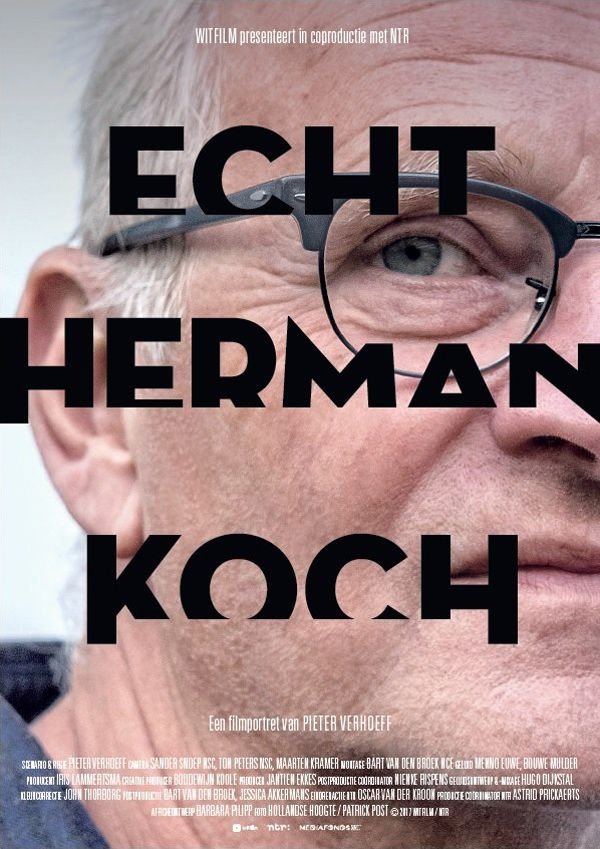
A portrait about the Dutch writer Herman Koch. Koch started his career with the popular TV-show 'Jiskefet' and went on to become the best selling and most translated writer from the Netherlands
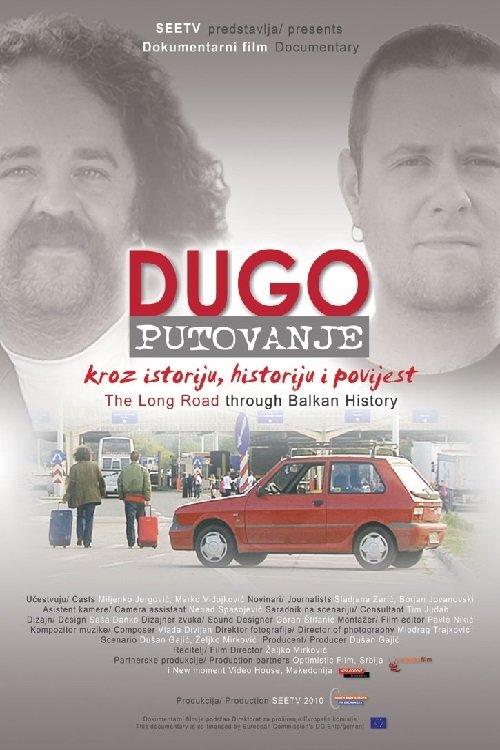
Bosnian Croat writer Miljenko Jergović and Serbian writer Marko Vidojković replace one another by the steering wheel of Yugo, a symbol of their common past while driving on the Brotherhood and Unity Highway that stretched across five of six republics of Yugoslavia.
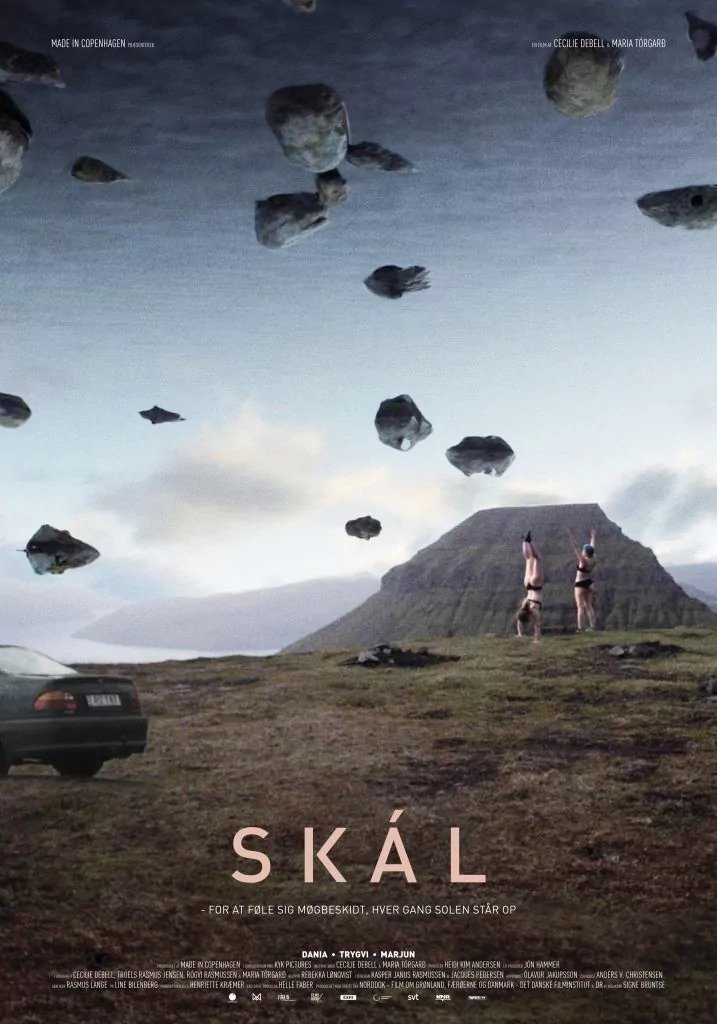
Dania is 21 years old and grew up in a Christian community in the Faroe Islands’ Bible belt. She has just moved to Tórshavn and is seeing Trygvi, a hip-hop artist and poet locally known as Silvurdrongur (Silver Kid). He comes from a secular family and writes poems and texts about the shadow sides of humanity. Dania herself sings in a Christian band but is fascinated by Trygvi’s courage to write brutally honest lyrics. As she tries to find her place in the world and understand herself, she starts to write more personal texts. Her writings develop into a collection of critical poems called ‘Skál’ (‘Cheers’), about the double life that she and other youths must live in the conservative Christian world.
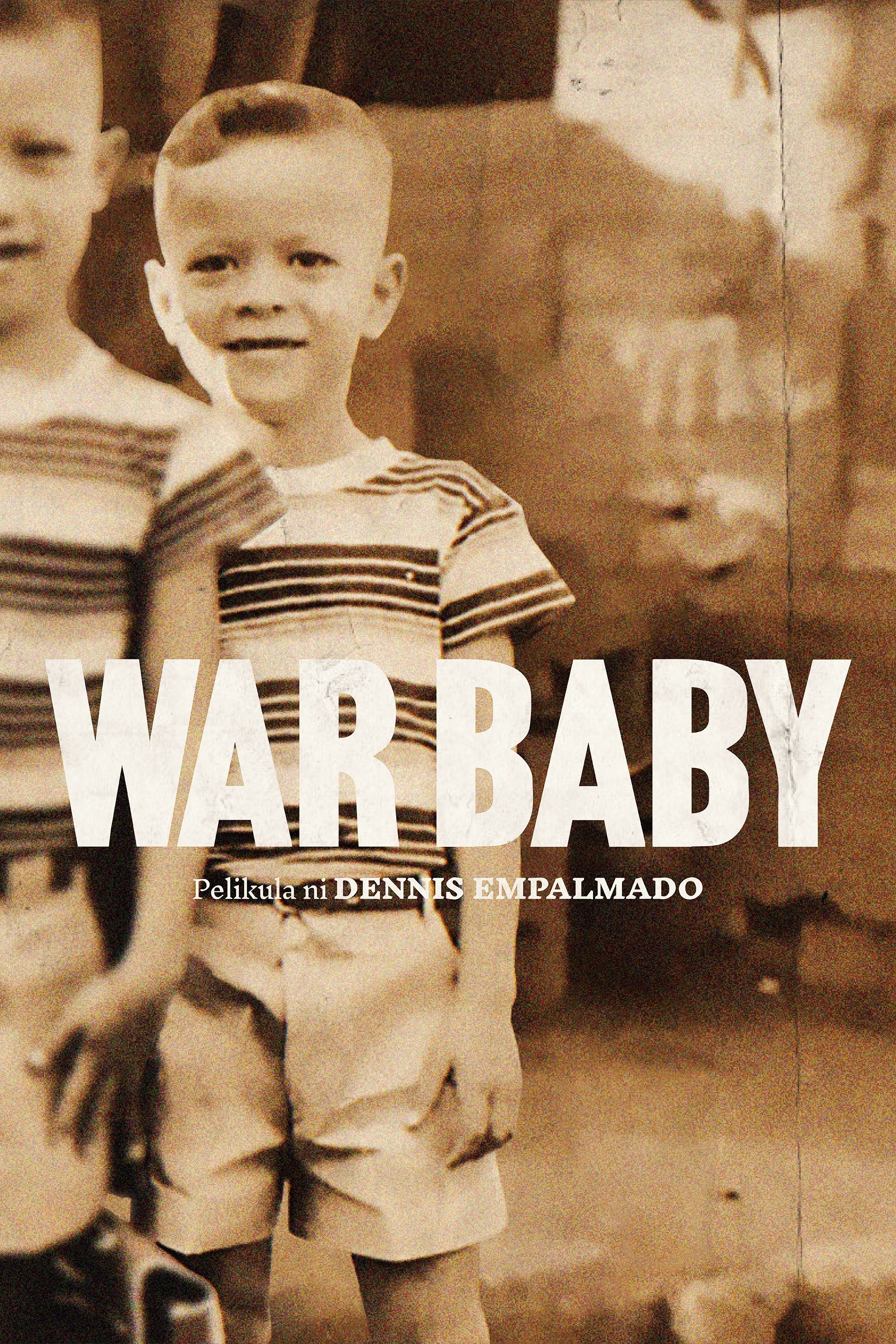
Meet Duewand Collier Jr.-Male, 68 years old, American Citizen, a child conceived in the backdrop of the Philippines-American Mutual Defense Treaty, born and raised with Catholic guilt. He has made peace with his past and now tells his story-a story of love.
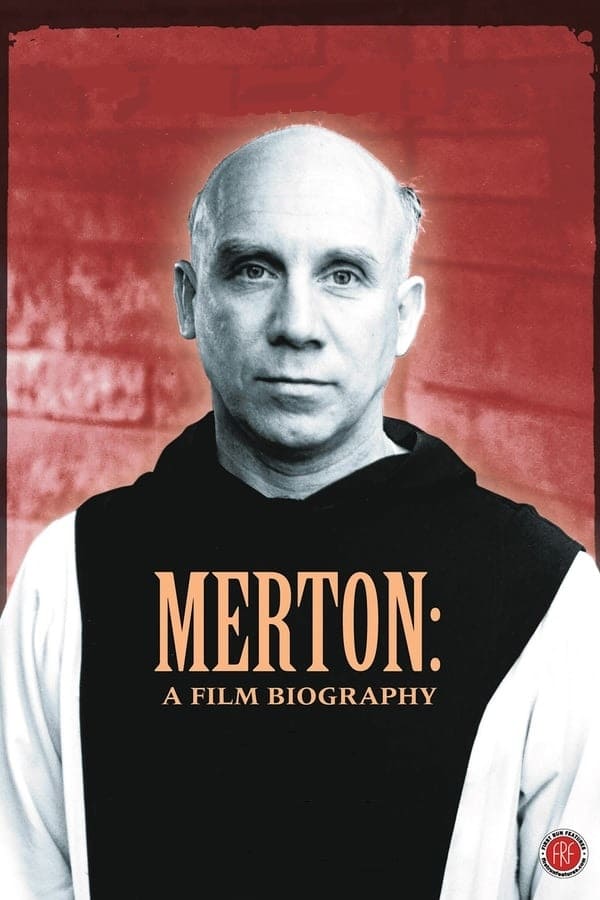
In his lifetime, Thomas Merton was hailed as a prophet and censured for his outspoken social criticism. For nearly 27 years he was a monk of the austere Trappist order, where he became an eloquent spiritual writer and mystic as well as an anti-war advocate and witness to peace. Merton: A Film Biography provides the first comprehensive look at this remarkable 20th century religious philosopher who wrote, in addition to his immensely popular autobiography The Seven Storey Mountain, over 60 books on some of the most pressing social issues of our time, some of which are excerpted here. Merton offers an engaging profile of a man whose presence in the world touched millions of people and whose words and thoughts continue to have a profound impact and relevance today.
The poignant journey of a transgender actor unfolds, as twenty-three years after last performing on stage as a man, she makes her return in the iconic role of Aunt Eller in an LGBTQ+ production of the Rogers and Hammerstein classic Oklahoma! at the Oregon Shakespeare Festival.
The life and career of an actor, artist, and icon. His own journey through his own camera.
A compilation of over 30 years of private home movie footage shot by Lithuanian-American avant-garde director Jonas Mekas, assembled by Mekas "purely by chance", without concern for chronological order.
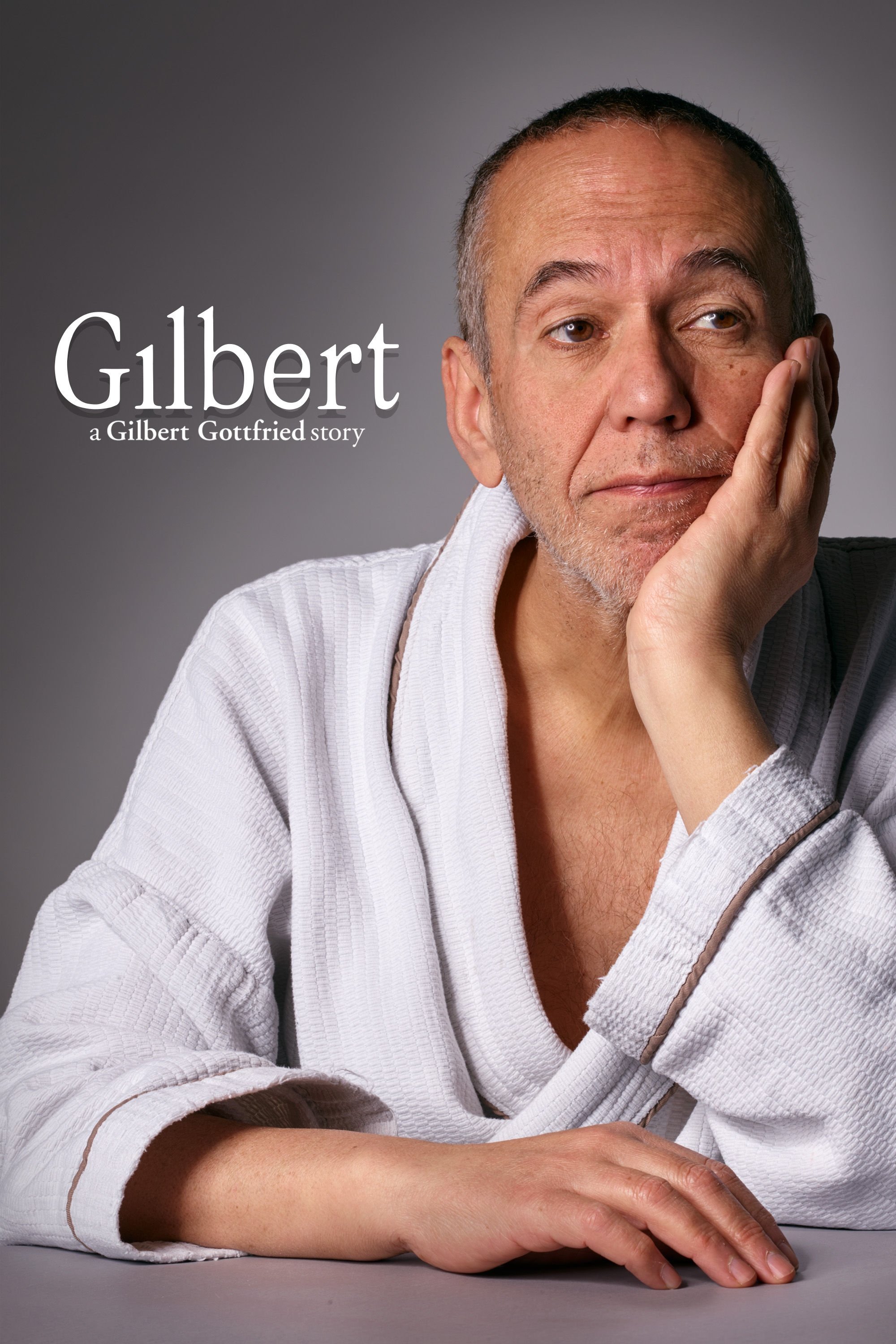
The life and career of one of comedy's most inimitable modern voices, Mr. Gilbert Gottfried.
Daniel Craig candidly reflects on his 15 year adventure as James Bond. Including never-before-seen archival footage from Casino Royale to the upcoming 25th film No Time To Die, Craig shares his personal memories in conversation with 007 producers, Michael G Wilson and Barbara Broccoli.
From a prolific career in film and television, Anton Yelchin left an indelible legacy as an actor. Through his journals and other writings, his photography, the original music he wrote, and interviews with his family, friends, and colleagues, this film looks not just at Anton's impressive career, but at a broader portrait of the man.
Those who knew iconic funnyman John Candy best share his story, in their own words, through never-before-seen archival footage, imagery, and interviews.
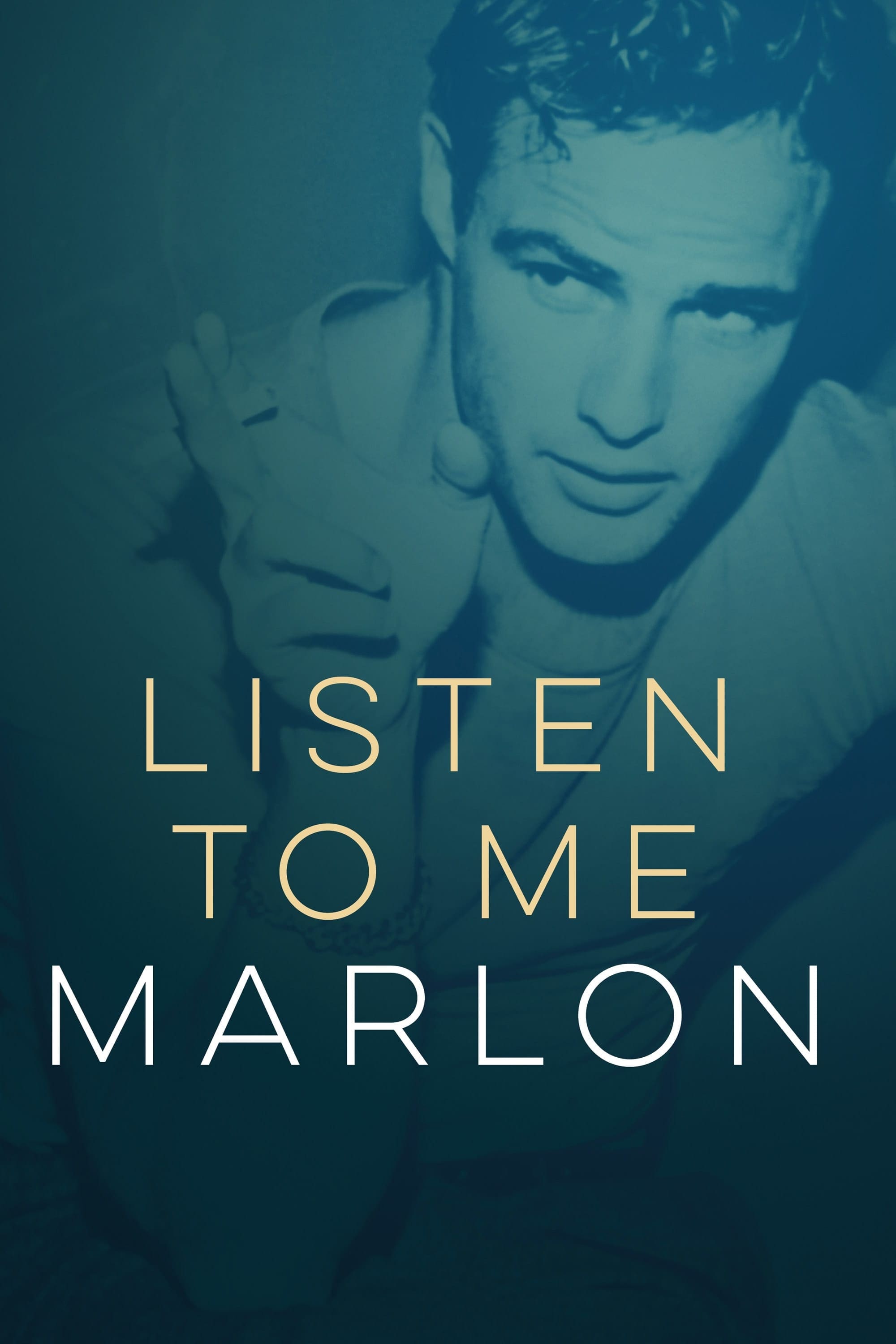
With exclusive access to his extraordinary unseen and unheard personal archive including hundreds of hours of audio recorded over the course of his life, this is the definitive Marlon Brando cinema documentary. Charting his exceptional career as an actor and his extraordinary life away from the stage and screen with Brando himself as your guide, the film will fully explore the complexities of the man by telling the story uniquely from Marlon's perspective, entirely in his own voice. No talking heads, no interviewees, just Brando on Brando and life.
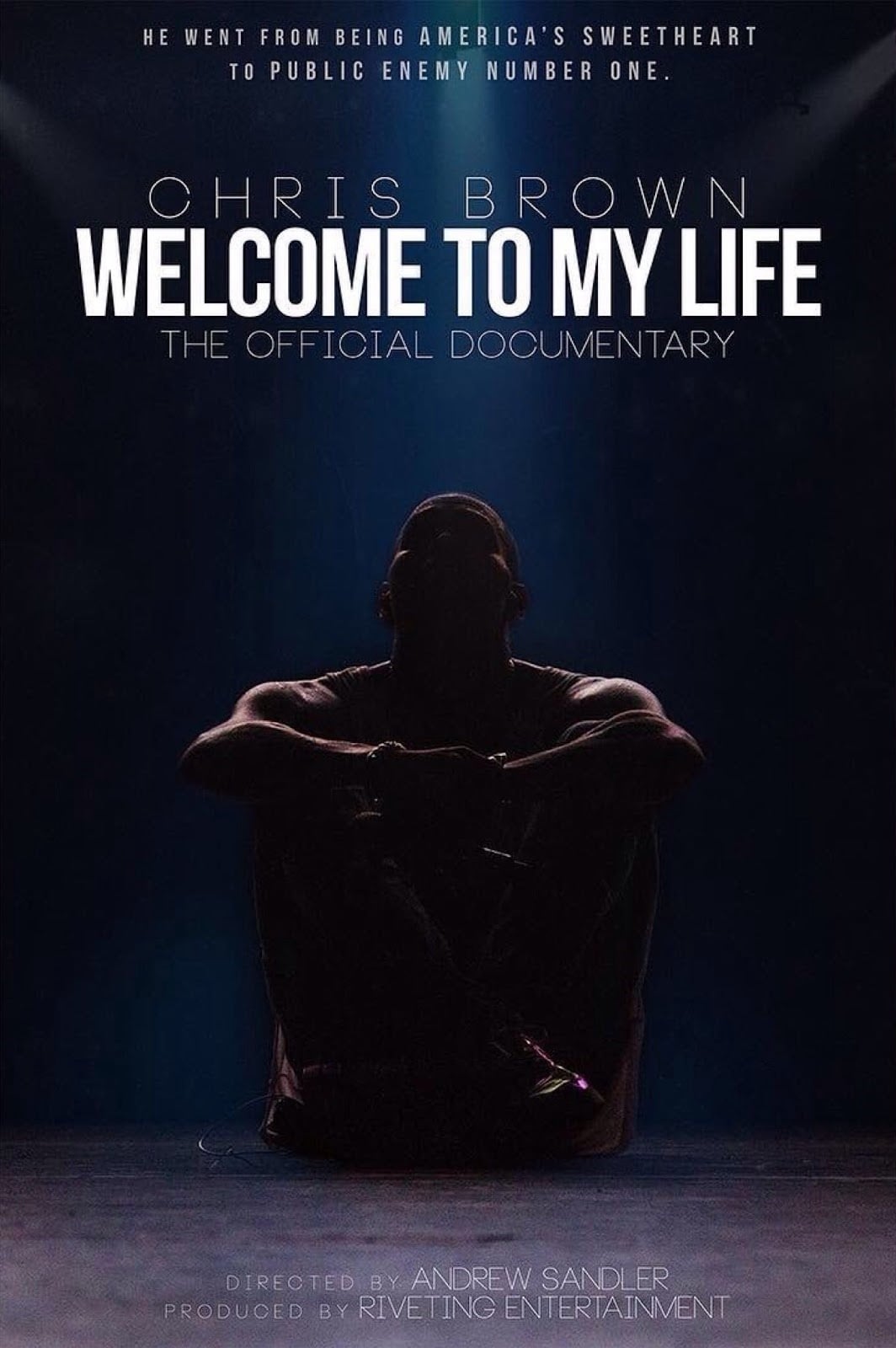
This compelling Documentary moves beyond the spotlight and past the attention-grabbing headlines to give pop superstar Chris Brown a chance to tell his own story. New interviews with the international phenomenon reveal long-awaited answers about his passion for making music, his tumultuous and much publicized relationships, and the pitfalls of coming of age in the public eye. Also included is new concert footage, behind-the-scenes access, and special interviews from Usher, Jennifer Lopez, DJ Khaled, Mike Tyson, Jamie Foxx and others.
Through deeply personal interviews with her siblings and an examination of the photographs, letters, and belongings left behind, Mariska assembles a new portrait of her mother Jayne Mansfield, an extraordinary and complex woman.
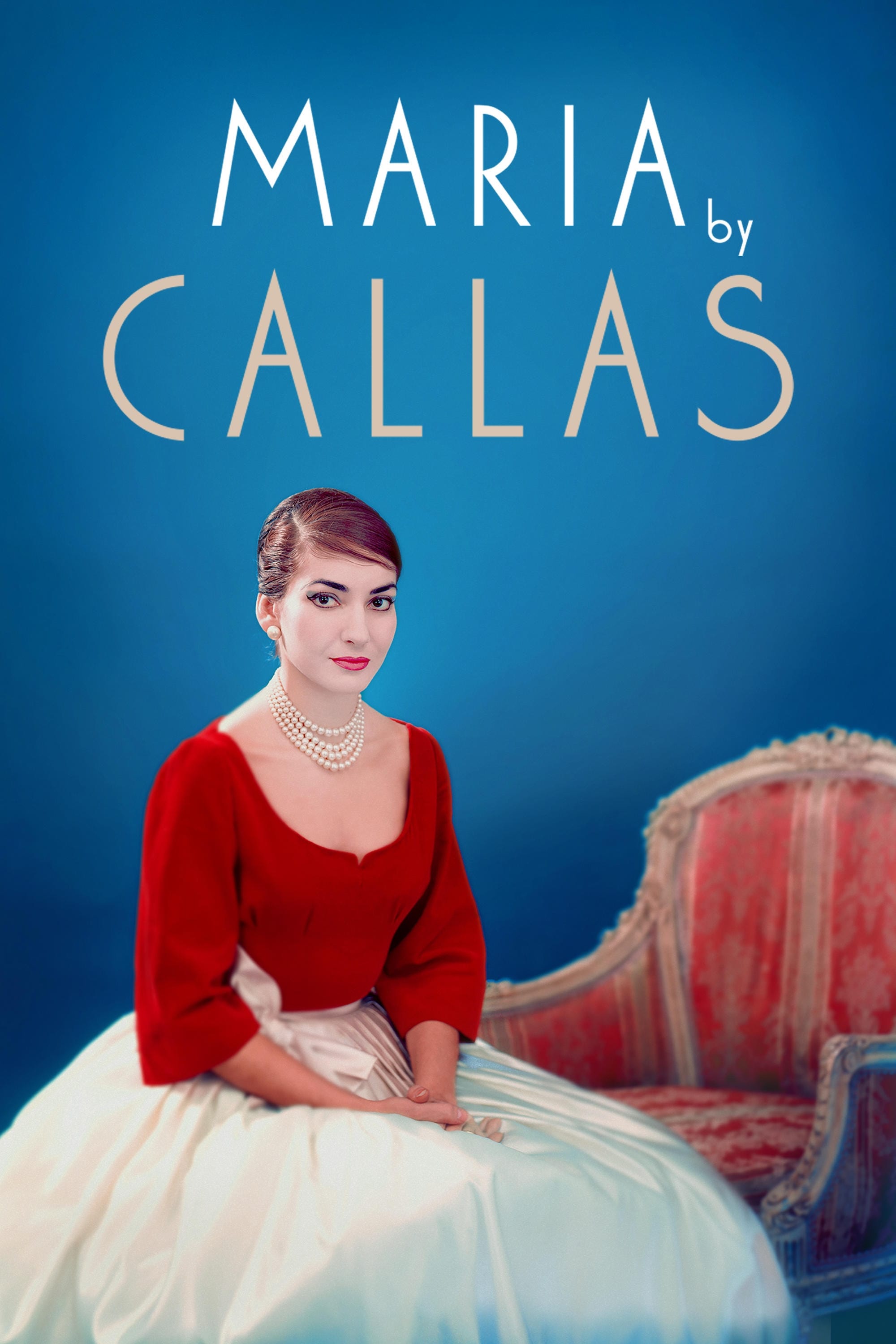
Told through performances, TV interviews, home movies, family photographs, private letters and unpublished memoirs, the film reveals the essence of an extraordinary woman who rose from humble beginnings in New York City to become a glamorous international superstar and one of the greatest artists of all time.
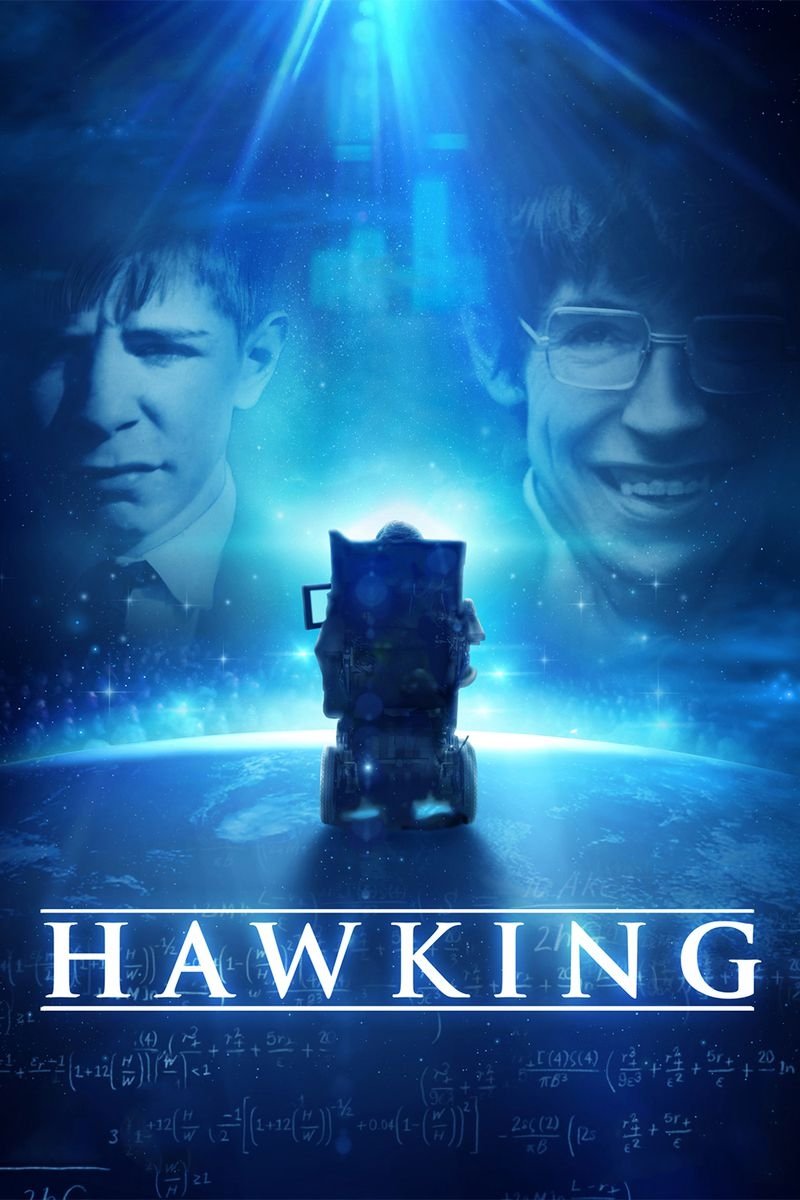
The extraordinary story of the planet’s most famous contemporary scientist, told in his own words and by those closest to him. Made with unique access to Hawking’s private life, this is an intimate and moving journey into Stephen's world, both past and present.
Lyrical and powerfully personal essay film that reflects on the deaths of her husband Lou Reed, her mother, her beloved dog, and such diverse subjects as family memories, surveillance, and Buddhist teachings.
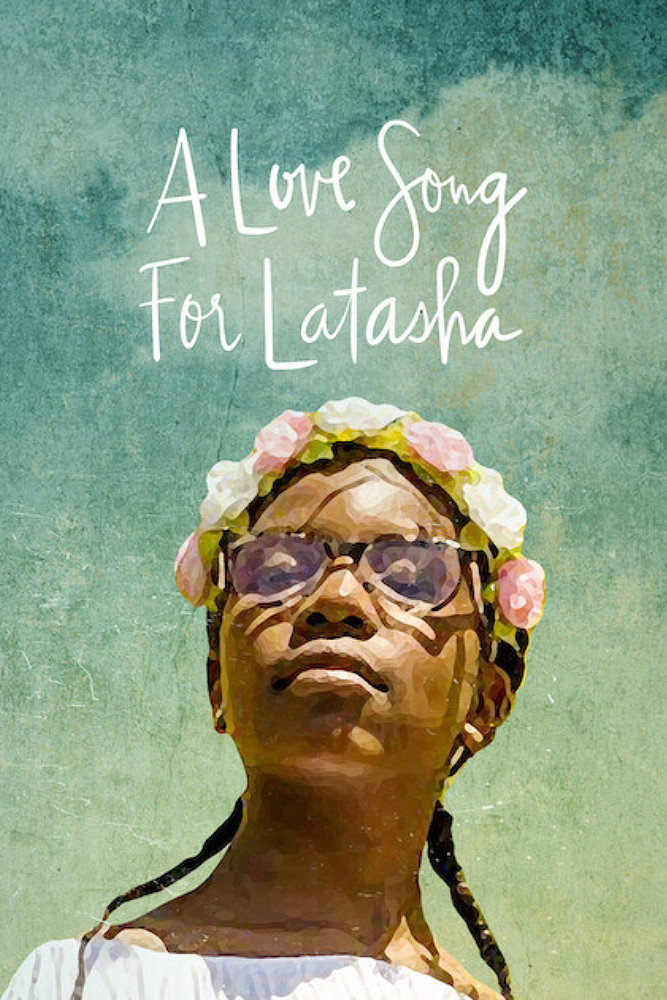
A dreamlike conversation with the past and the present, reimagining Latasha Harlins' story by excavating intimate memories shared by those who loved her.
From the heights of her modeling fame to her tragic death, this documentary reveals Anna Nicole Smith through the eyes of the people closest to her.
Ross McElwee sets out to make a documentary about the lingering effects of General Sherman's march of destruction through the South during the Civil War, but is continually sidetracked by women who come and go in his life, his recurring dreams of nuclear holocaust, and Burt Reynolds.
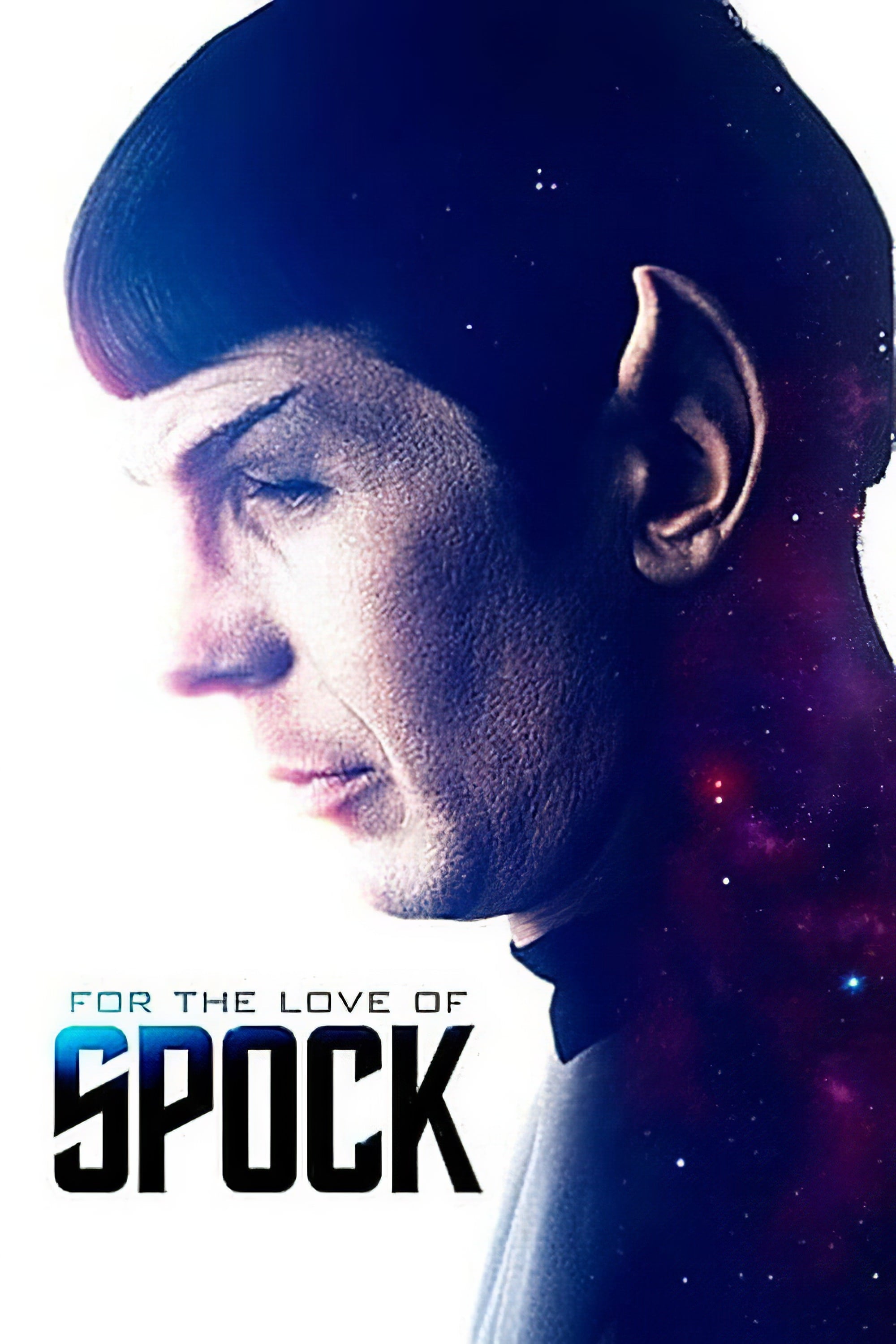
The life of Mr. Spock, as well as that of Leonard Nimoy, the actor who played him for almost fifty years, written and directed by his son: Adam.
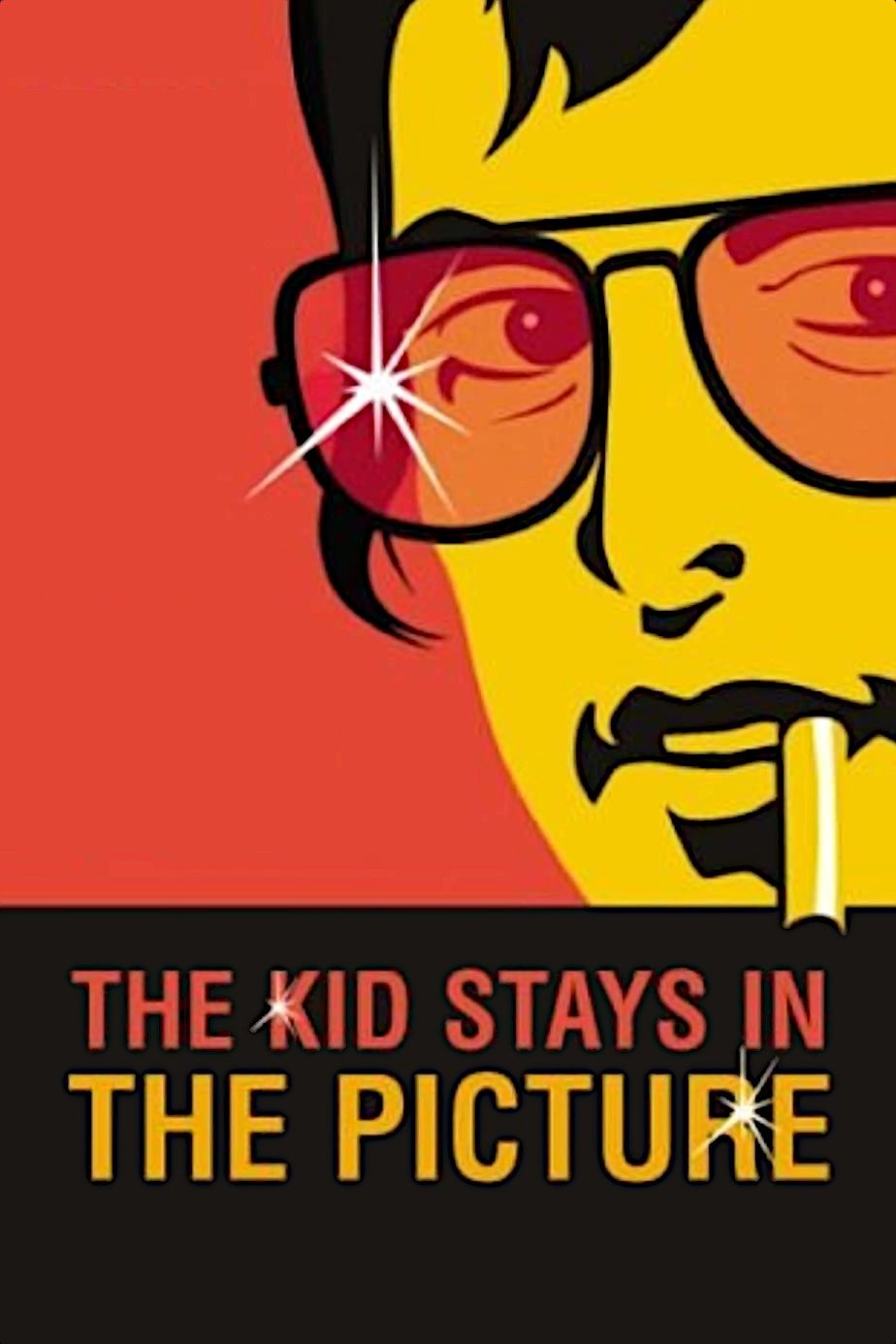
Documentary about legendary Paramount producer Robert Evans, based on his famous 1994 autobiography.
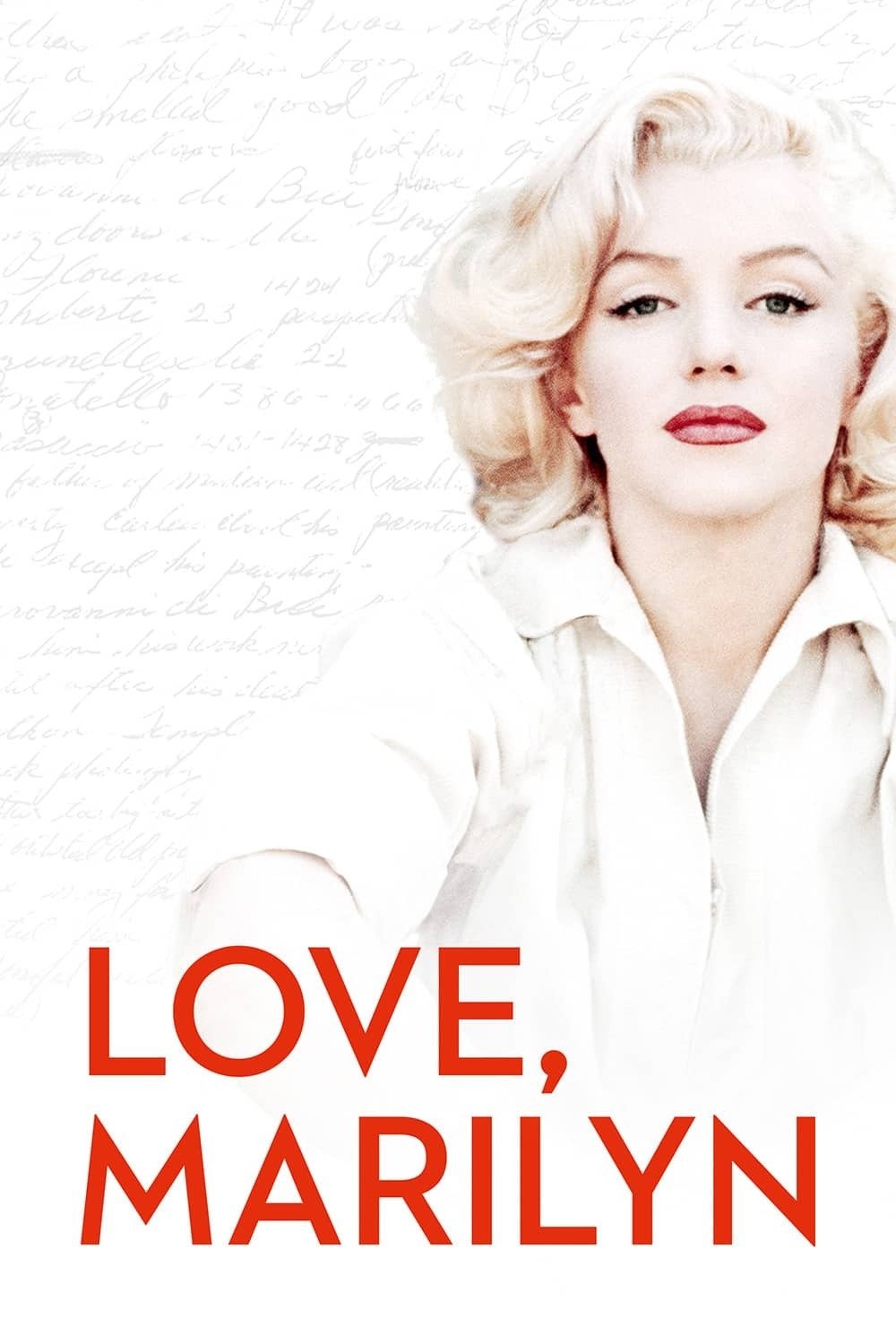
Using the book 'Fragments', which collects Marilyn Monroe's poems, notes and letters, and with participation from the Arthur Miller and Truman Capote estates who have contributed more material, each of the actresses will embody the legend at various stages in her life.
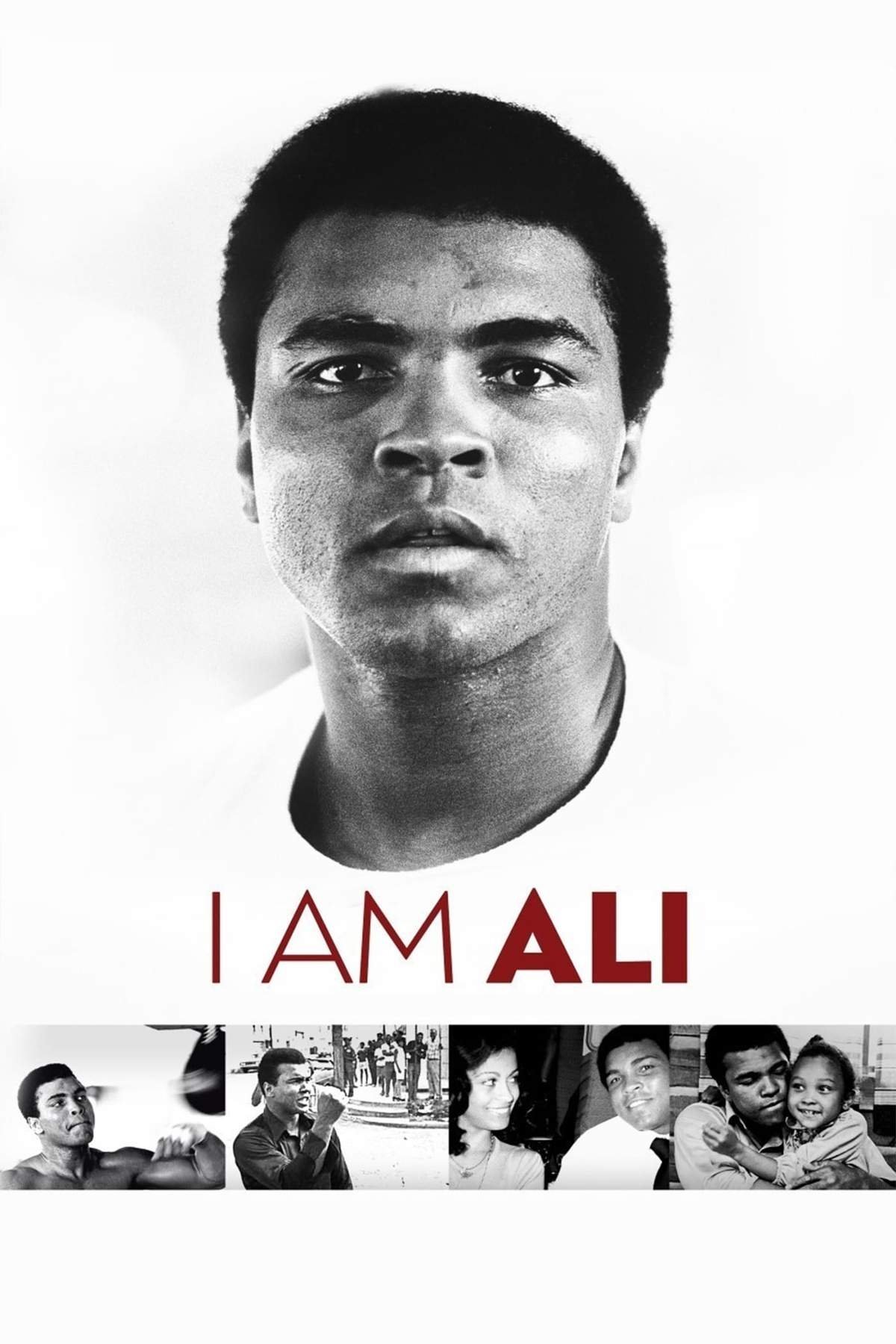
Unprecedented access to Muhammad Ali's personal archive of "audio journals" as well as interviews and testimonials from his inner circle of family and friends are used to tell the legend's life story.
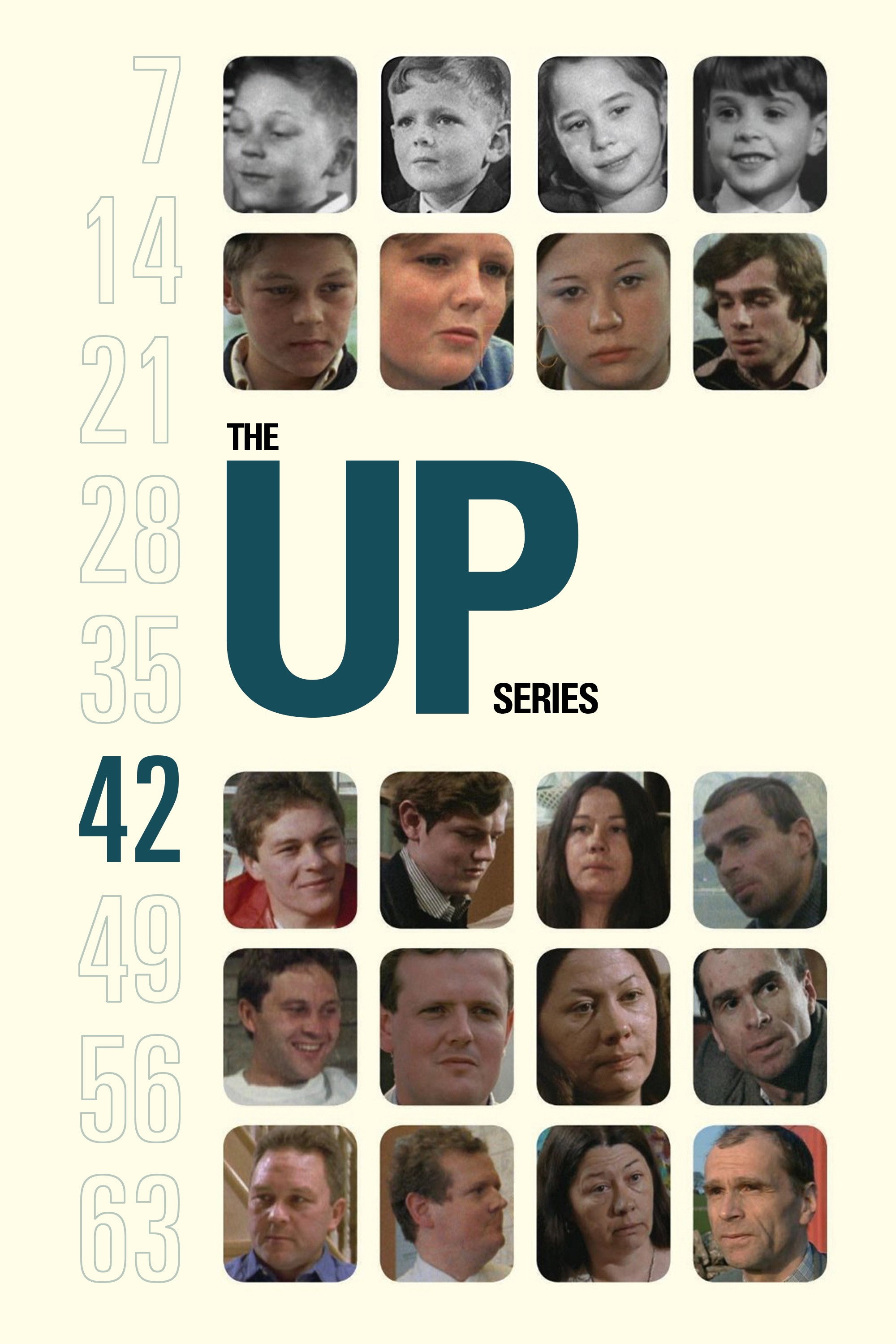
Director Michael Apted revisits the same group of British-born adults after a 7 year wait. The subjects are interviewed as to the changes that have occurred in their lives during the last seven years.