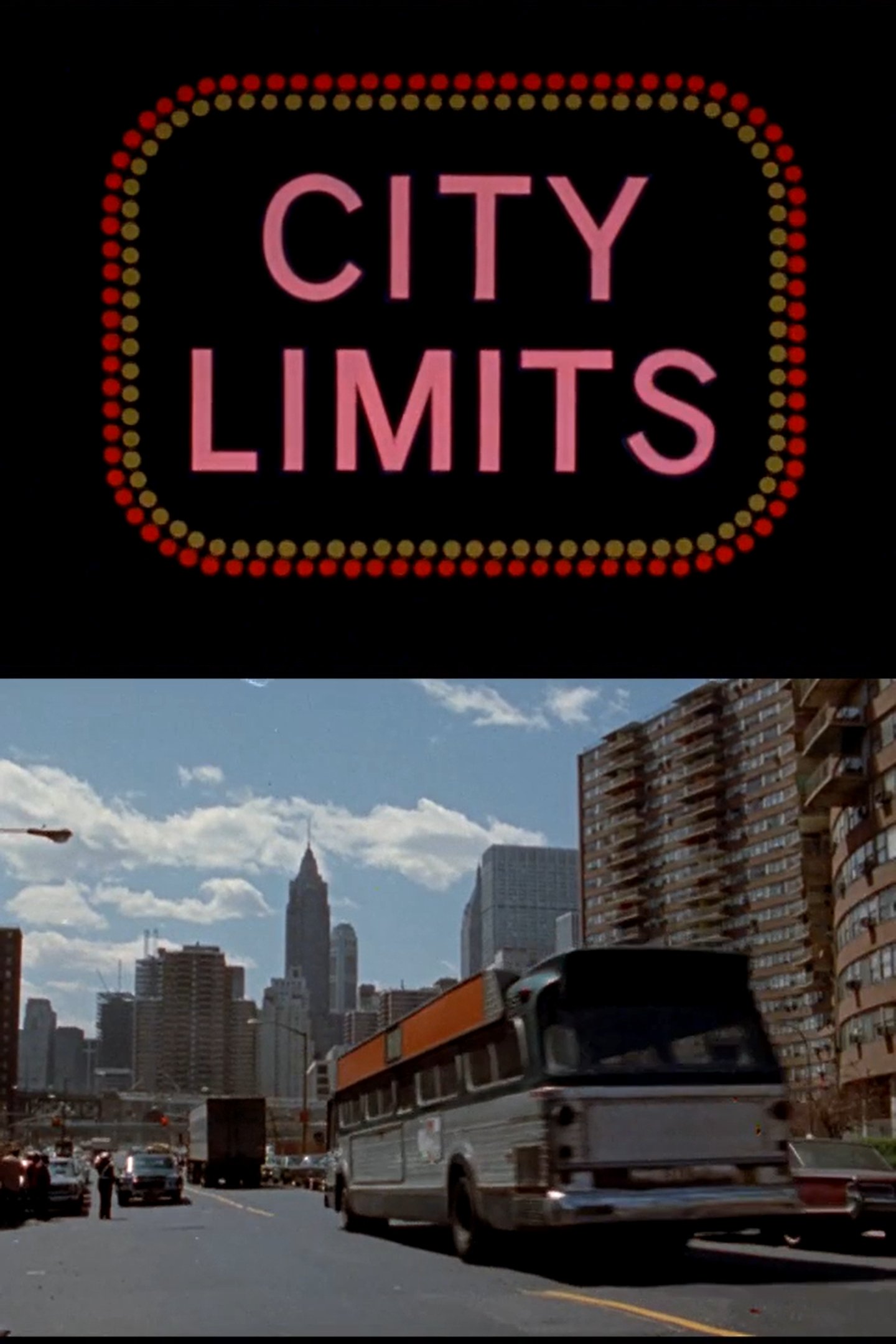
Exploring the impact of the now defunct Steinberg supermarkets on the urban environment.
Social & External
The people behind it
Arthur Hammond
Narrator (voice)
A biography documentary of the Argentine modernist architect Amancio Williams.
Author and activist Jane Jacobs talks about the problems and virtues of North American cities.
"Ellas en la ciudad" (Them in the City) focuses on the first settlers of the neighborhoods on the outskirts of Seville. Through their stories, we discover that they have been the backbone of a city that has turned its back on them.
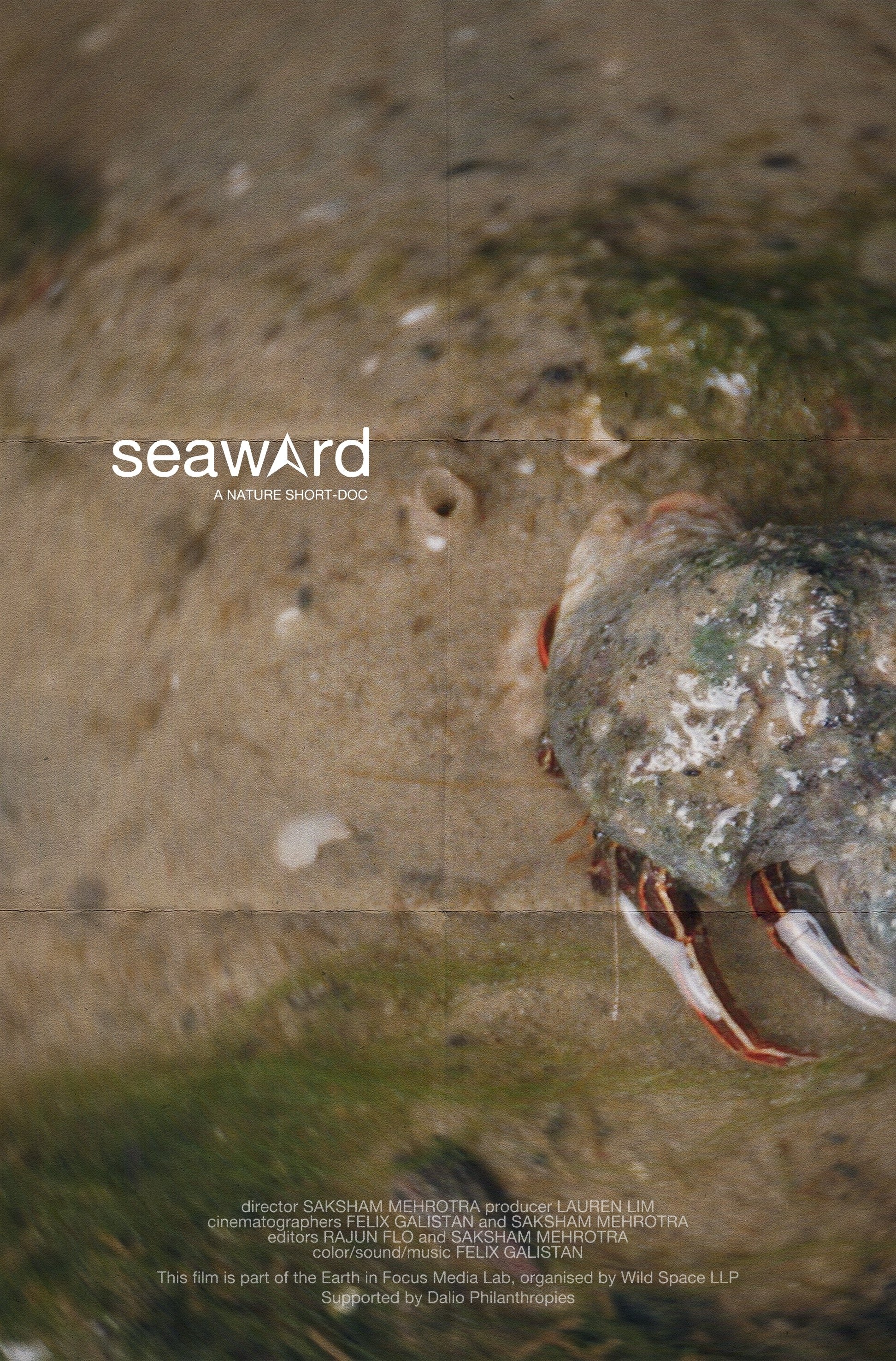
Singapore’s coastlines are always in flux - a delicate dance between the receding tides and the rising earthmovers. 'seaward' drifts through the peripheries of this very landscape, offering a quiet meditation on the life that endures at the edges of a changing island.
From fresh local produce to ethically sourced ingredients, step behind the scenes with the UK's royally acclaimed supermarket.
Two students from the Czech Film Academy commission a leading advertising agency to organize a huge campaign for the opening of a new supermarket named Czech Dream. The supermarket however does not exist and is not meant to. The advertising campaign includes radio and television ads, posters, flyers with photos of fake Czech Dream products, a promotional song, an internet site, and ads in newspapers and magazines. Will people believe in it and show up for the grand opening?
A short documentary covering the horrific events behind the Mexia Supermarket which took place in 1999.
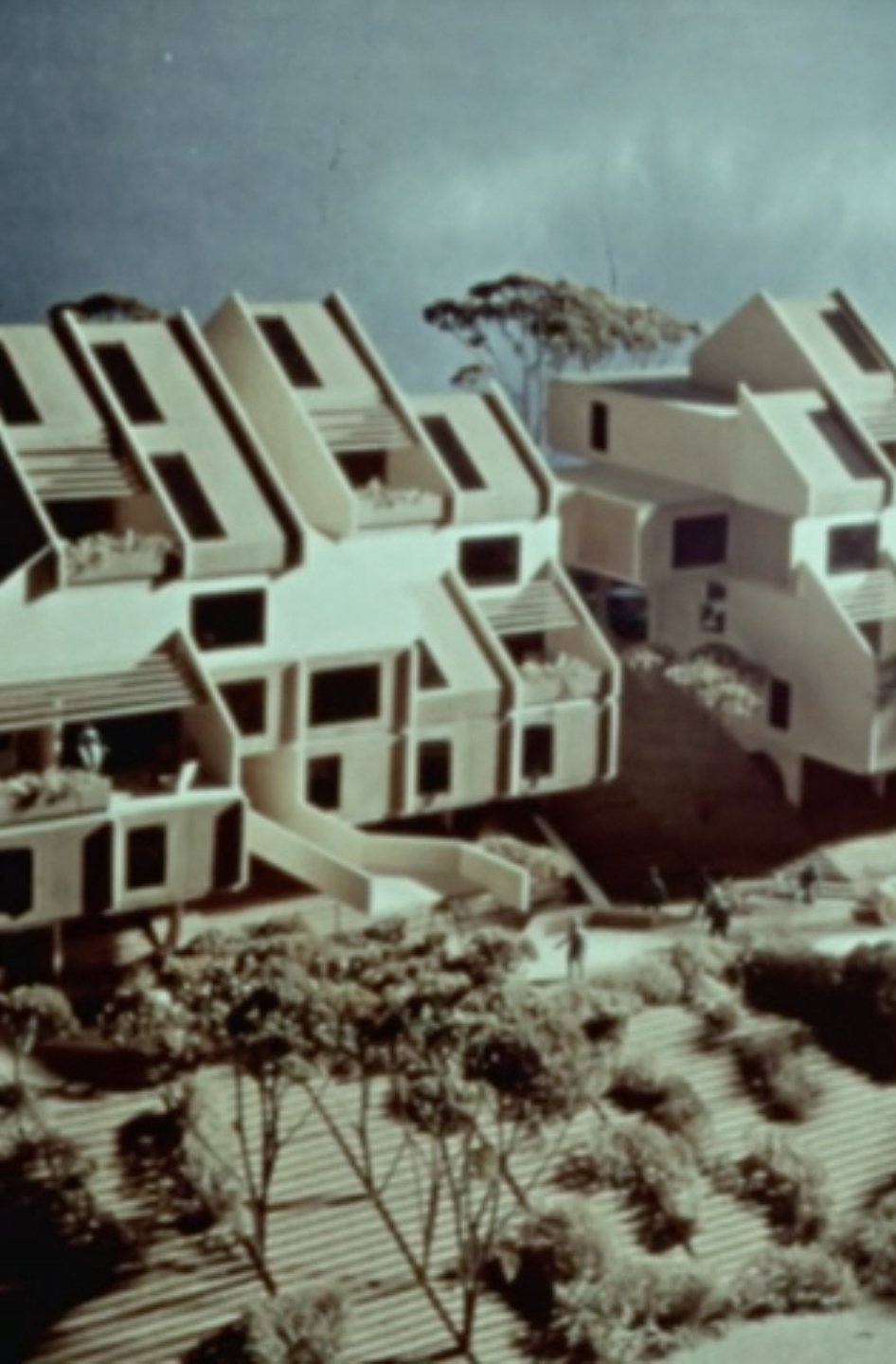
The human side of town planning, as exemplified in Baltimore, Maryland. The Coldspring Project concerned a proposed housing development for lower and upper income levels on a three hundred-acre site adjoining a wildlife sanctuary. The film records the differences aired in meetings of various interest groups that tried to modify the plan according to their views, and the compromise reached, based on plans drawn up by Montréal architect Moshe Safdie.
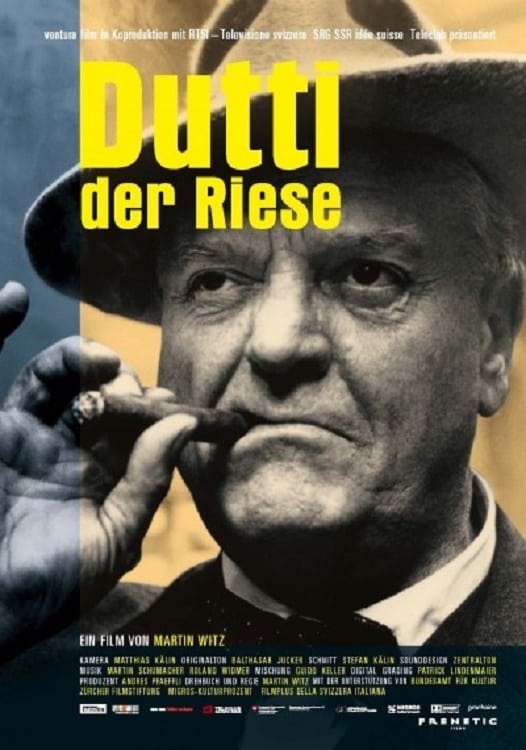
Documentary about Swiss grocery store pioneer Gottlieb Duttweiler
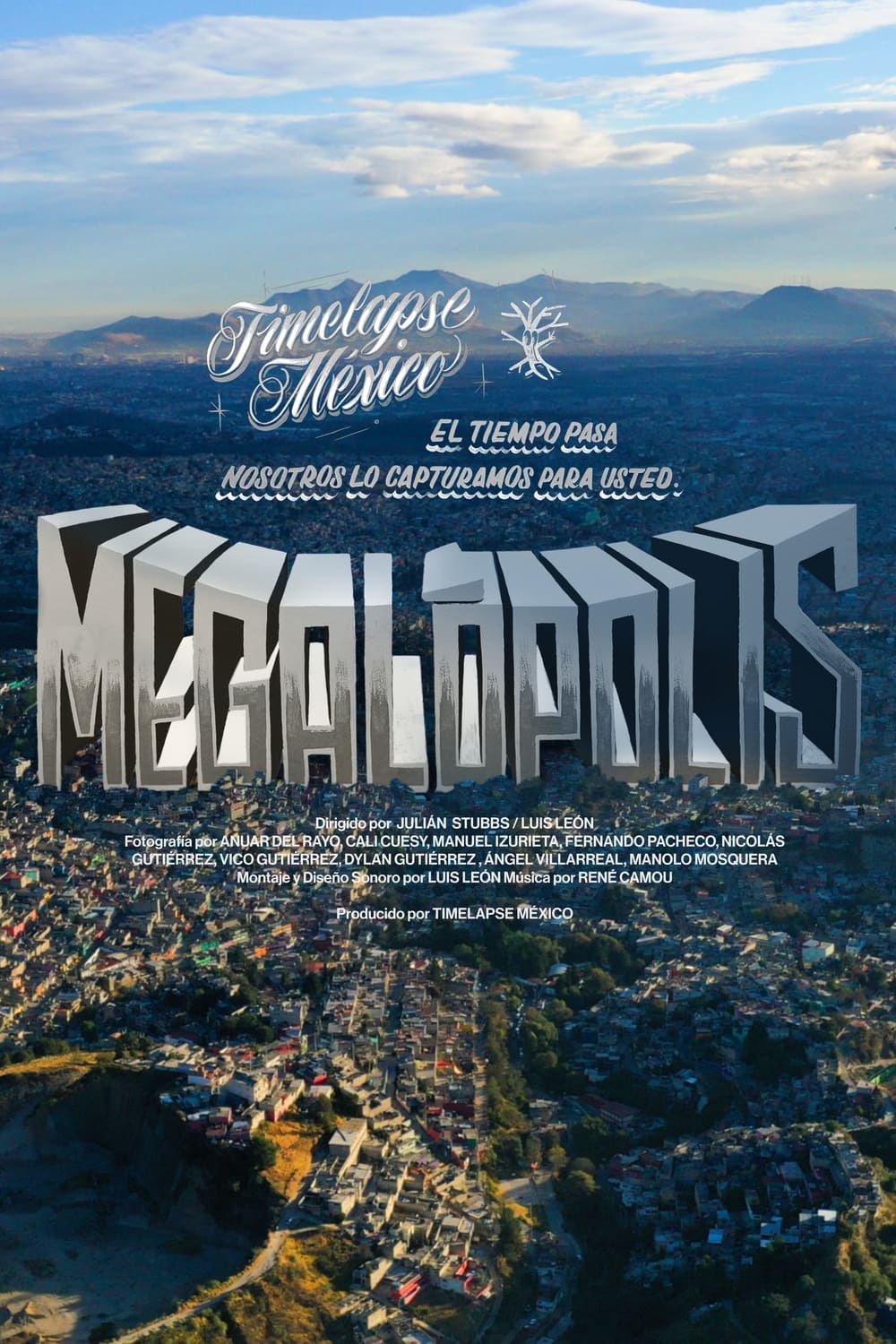
Exploration of the territory in a delirious time-space journey through the largest Megalopolis in America.
Two shoplifters recount the day they were caught and held in supermarket prison, and the lifelong ban which followed.
In the town of Xoco, the spirit of an old villager awakens in search of its lost home. Along its journey, the ghost discovers that the town still celebrates its most important festivities, but also learns that the construction of a new commercial complex called Mítikah will threaten the existence of both the traditions and the town itself.
Filmmakers Robert Kenner and Melissa Robledo reunite with investigative authors Michael Pollan and Eric Schlosser to take a fresh look at our efficient yet vulnerable food system.
Focusing on the Matta-Viel complex, the immediate environment, the program, the materiality, the community of neighbors and its architects and what they represented in the modern Latin American architectural panorama.
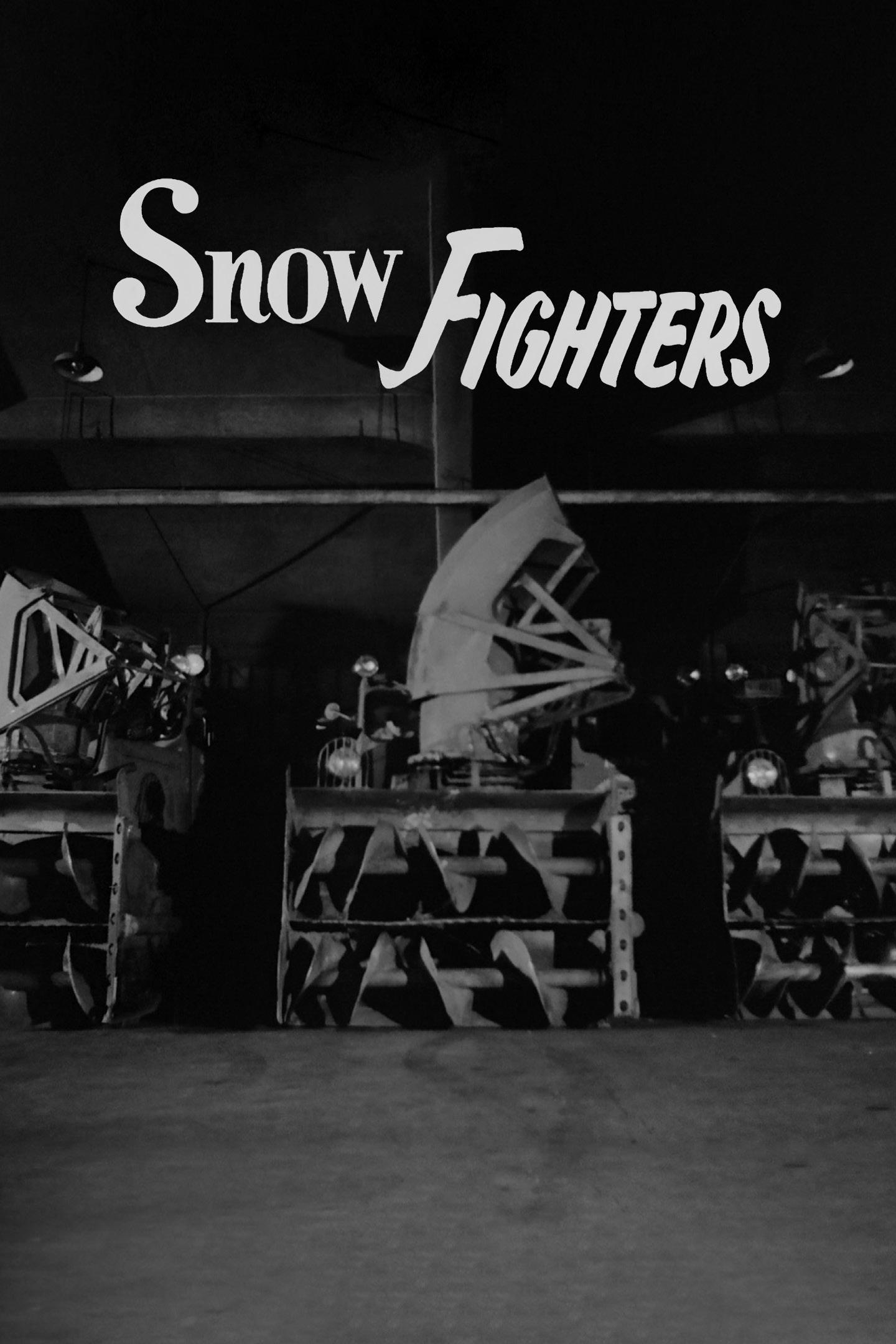
A close-up of a snow-bound city, and the men, money and machinery it takes to dig it out.
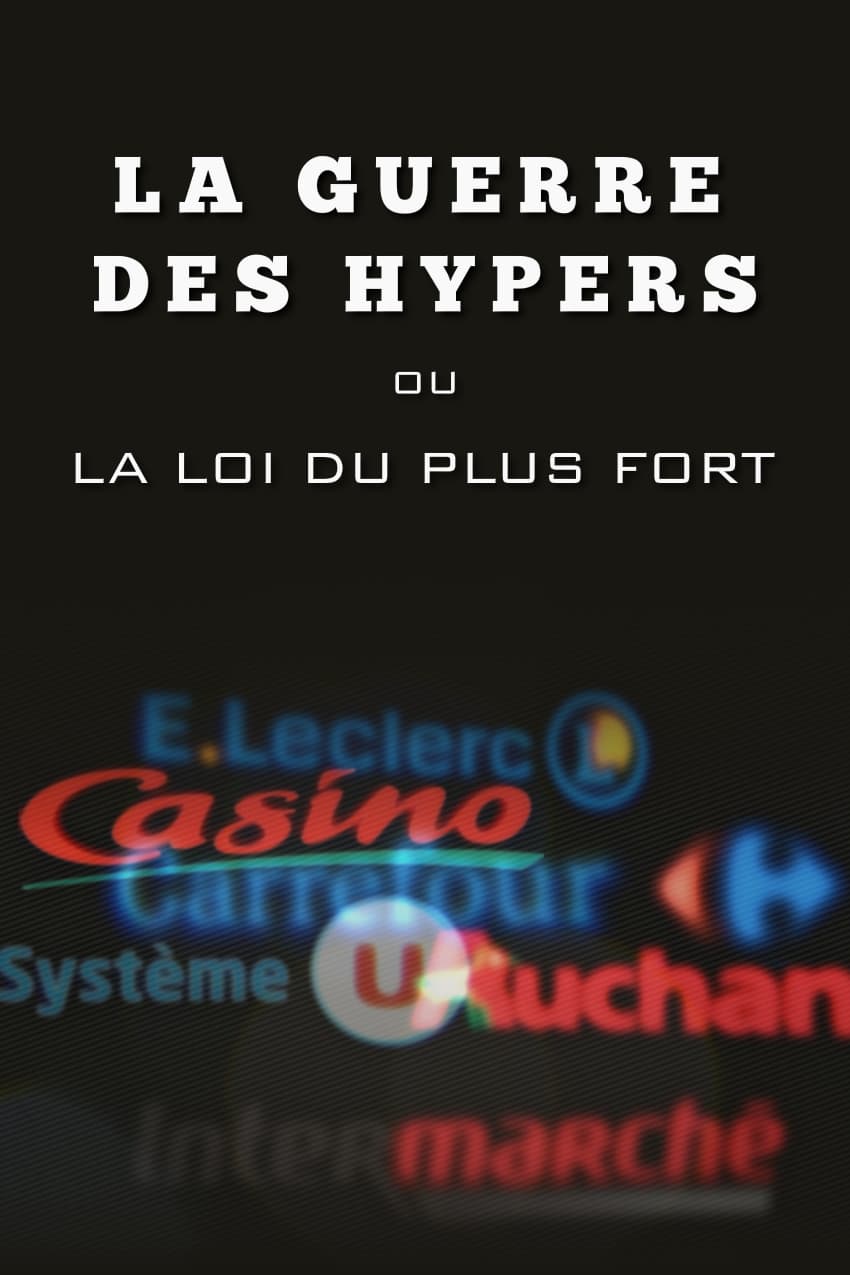
This film tells the story of the economic war between the four main companies of the large retailers. This war symbolizes the transformation of the economy of the consumption over the last 50 years. It also questions the present and future stakes: how to imagine the 21th century's consumption style.
The supermarket chains used to seem unbeatable, capturing the lion’s share of the grocery market. But for some years now they have been in crisis. In the wake of a fierce price war, retailers are resorting to increasingly aggressive commercial negotiation methods at the expense of suppliers, farmers and producers. Further competition is coming from the tech giants as Amazon and Alibaba invest in the food industry. What are the implications of all these changes on working conditions, the quality of our food and the future of our planet?
The documentary offers an overview of the district of Cidade Tiradentes and its inhabitants. It starts by the acquisition of land by the public authorities from the 1970s onwards, to the occupation of what is today one of the largest housing projects in Latin America.
Filmed over nearly five years in twenty-five countries on five continents, and shot on seventy-millimetre film, Samsara transports us to the varied worlds of sacred grounds, disaster zones, industrial complexes, and natural wonders.
An inside look at one of the most anticipated movie sequels ever with James Cameron and cast.
Over 35 years after Bob Lazar's revelations, this documentary exposes secrets of a facility the government still denies. Featuring Lazar's testimony, recreations, and new evidence, it reopens a case that continues to spark global curiosity
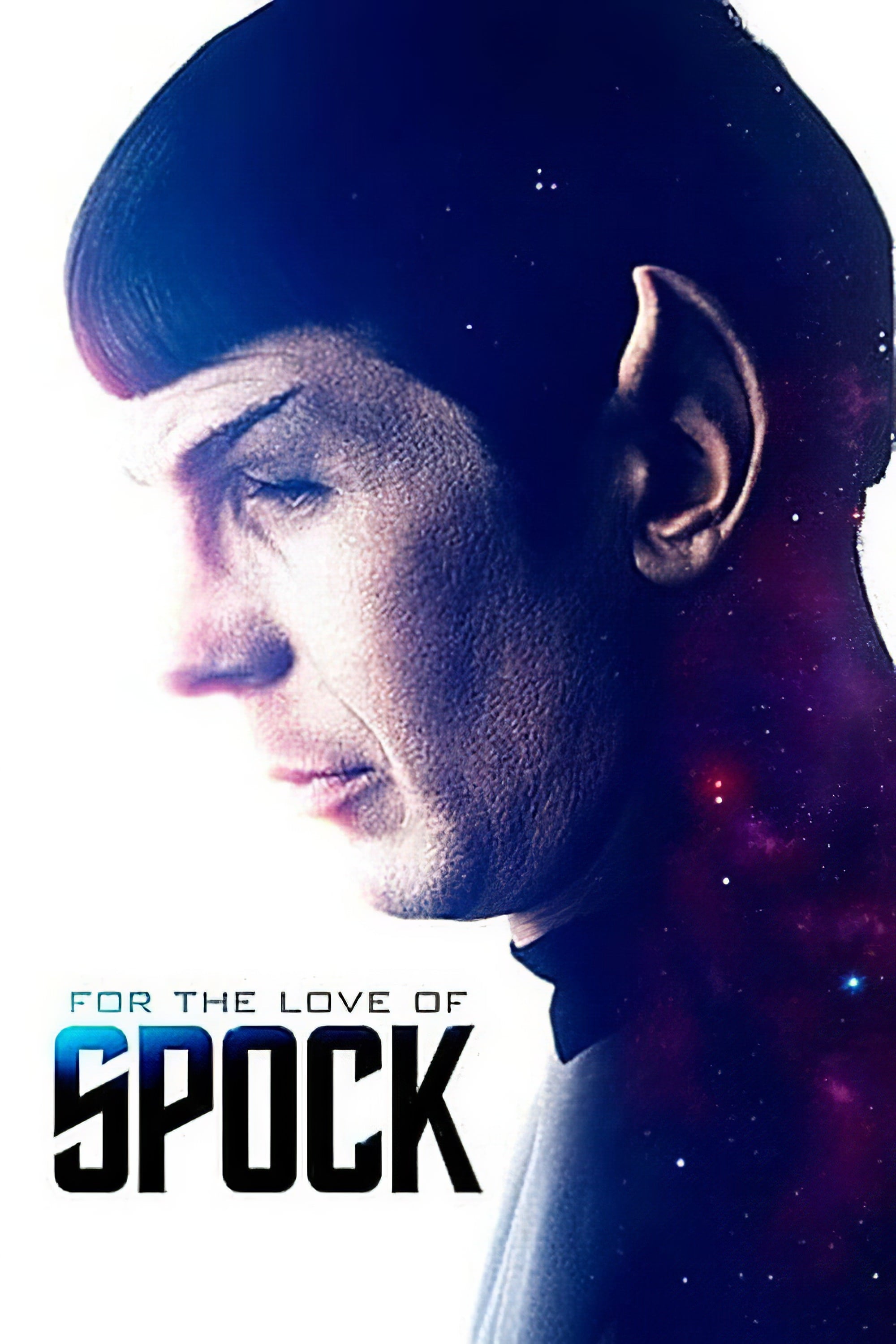
The life of Mr. Spock, as well as that of Leonard Nimoy, the actor who played him for almost fifty years, written and directed by his son: Adam.
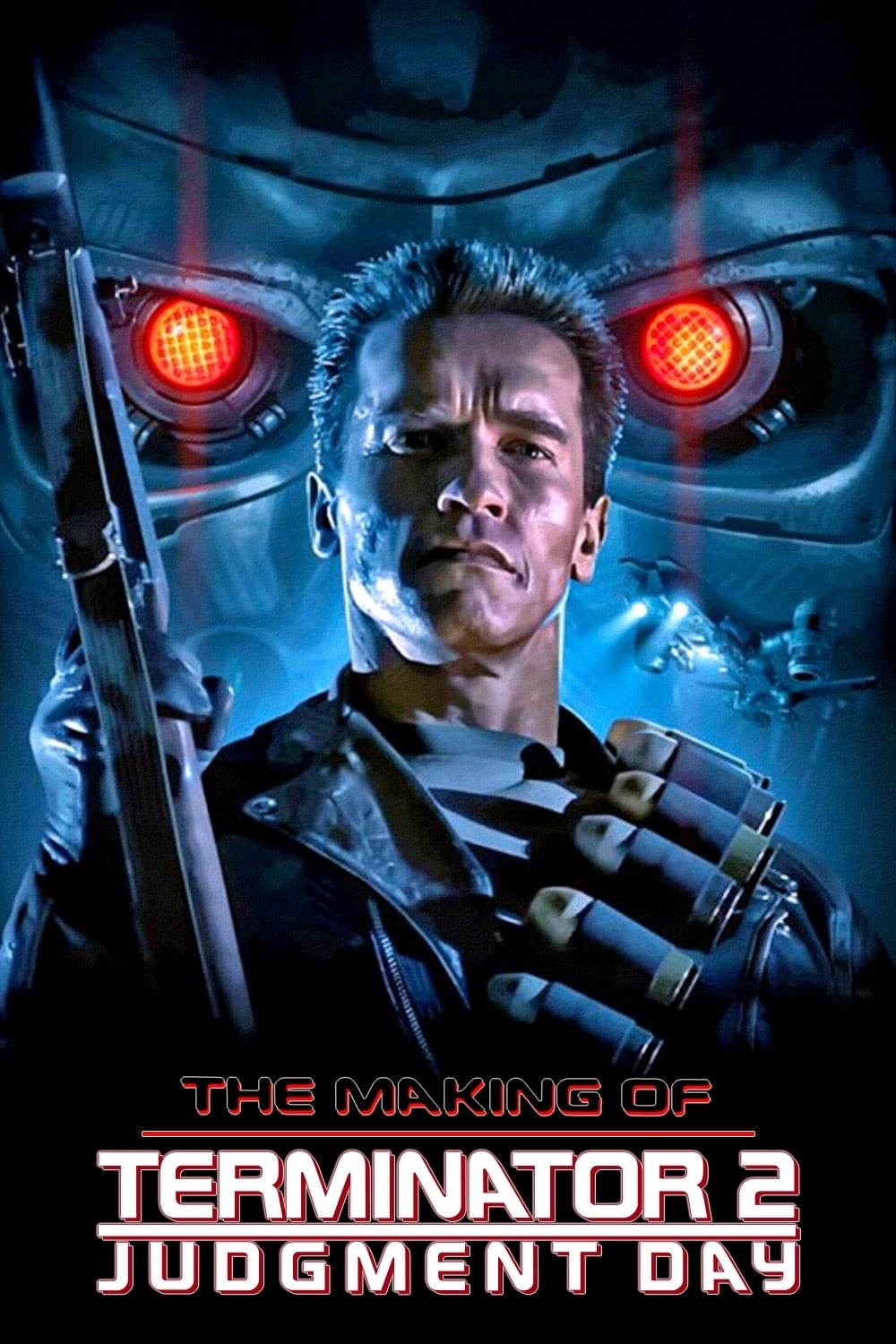
Documentary of the making of the sequel to the popular Schwarzenegger film, The Terminator.
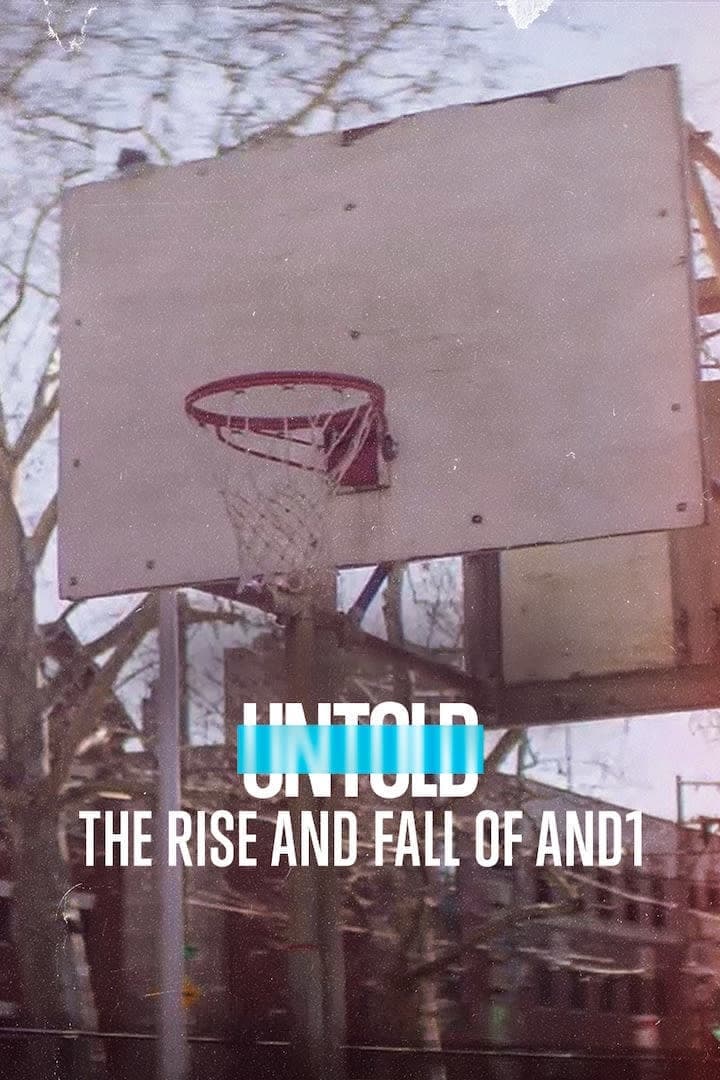
Inspired by New York City streetball, influential brand AND1 turned local legends on the court into international icons. So why did it come to an end?
Al Pacino's deeply-felt rumination on Shakespeare's significance and relevance to the modern world through interviews and an in-depth analysis of "Richard III."
Those who knew iconic funnyman John Candy best share his story, in their own words, through never-before-seen archival footage, imagery, and interviews.
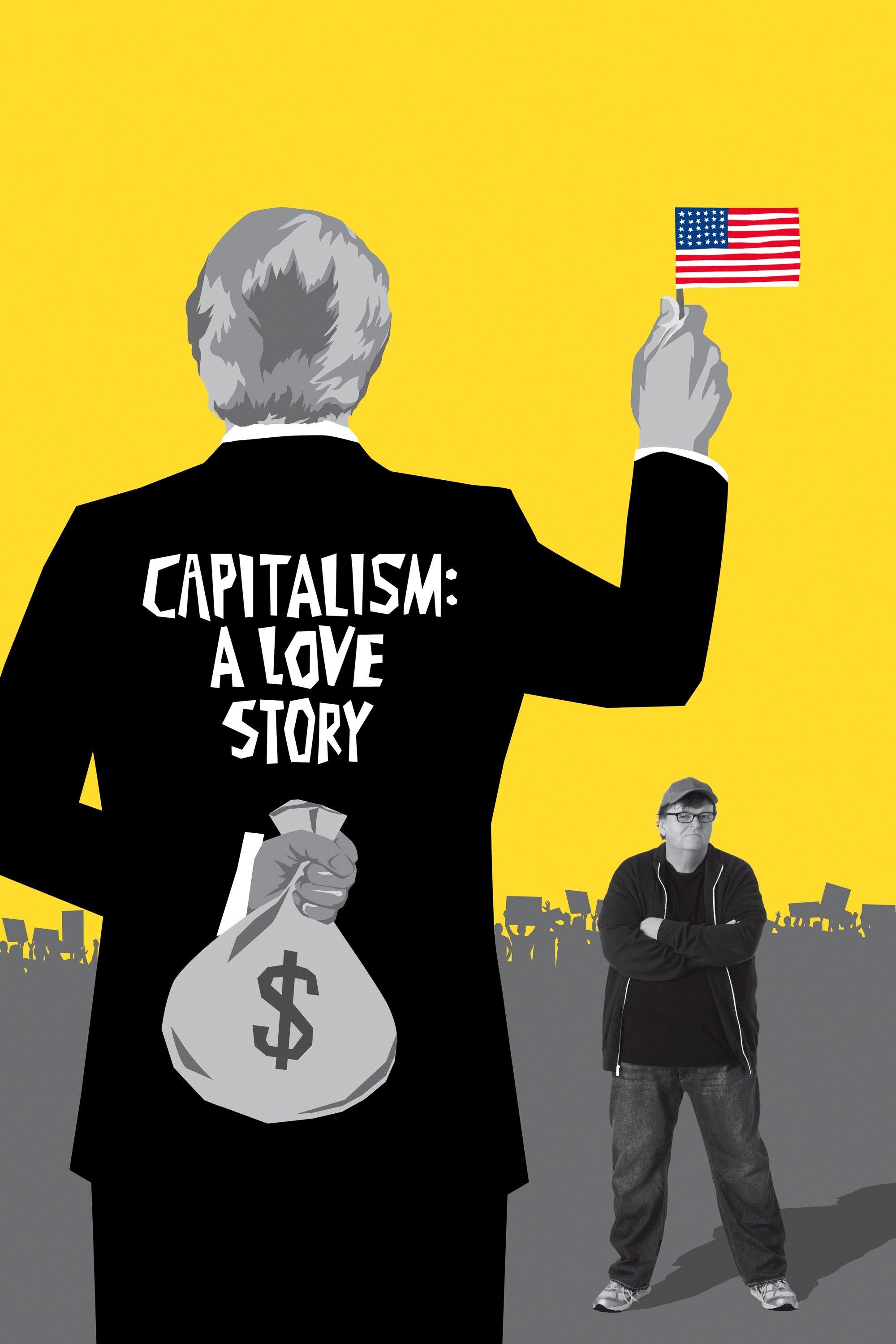
Michael Moore comes home to the issue he's been examining throughout his career: the disastrous impact of corporate dominance on the everyday lives of Americans (and by default, the rest of the world).
A compilation of over 30 years of private home movie footage shot by Lithuanian-American avant-garde director Jonas Mekas, assembled by Mekas "purely by chance", without concern for chronological order.
A visual montage portrait of our contemporary world dominated by globalized technology and violence.
A look at the history of the comic book publication that launched such legendary characters as Superman, Batman and Wonder Woman.
The life and career of an actor, artist, and icon. His own journey through his own camera.
A string of threatening emails escalates into a revenge plot involving a newly married US marshal and his ex-girlfriend.
Through deeply personal interviews with her siblings and an examination of the photographs, letters, and belongings left behind, Mariska assembles a new portrait of her mother Jayne Mansfield, an extraordinary and complex woman.
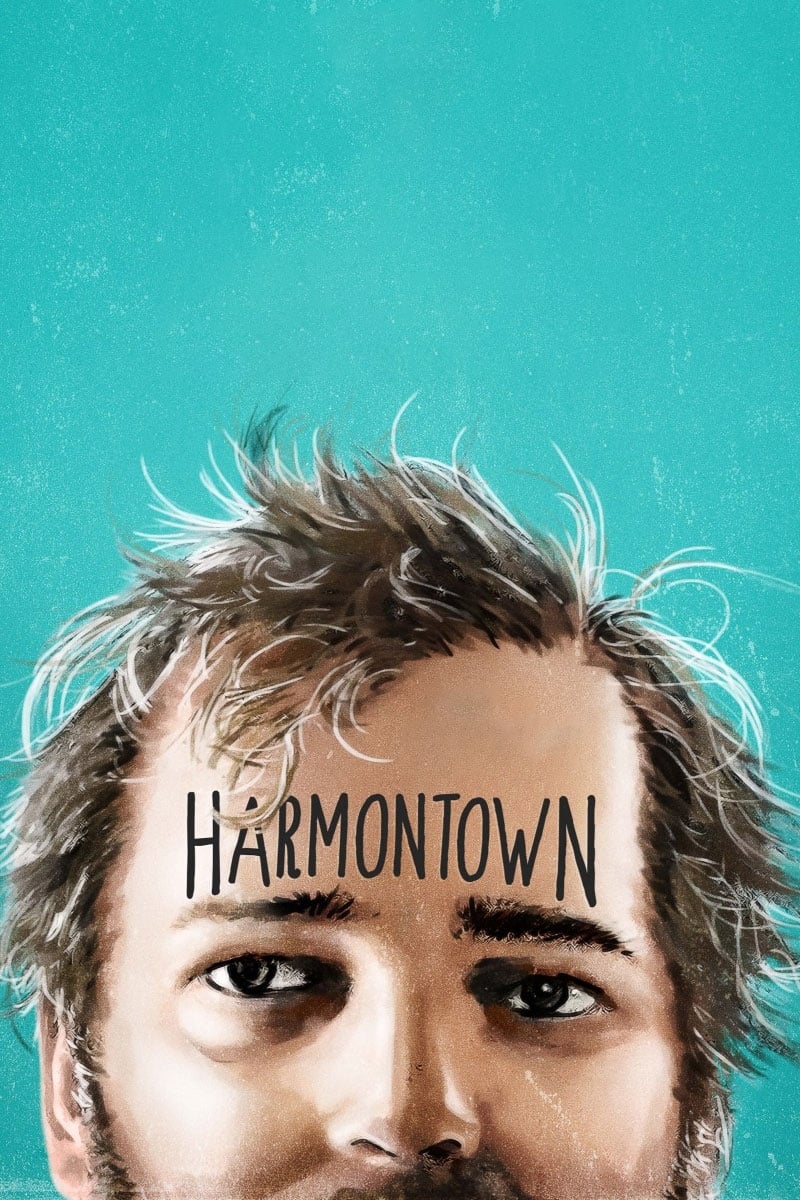
A comedic, brutally honest documentary following self-destructive TV writer Dan Harmon as he takes his live podcast on a national tour.
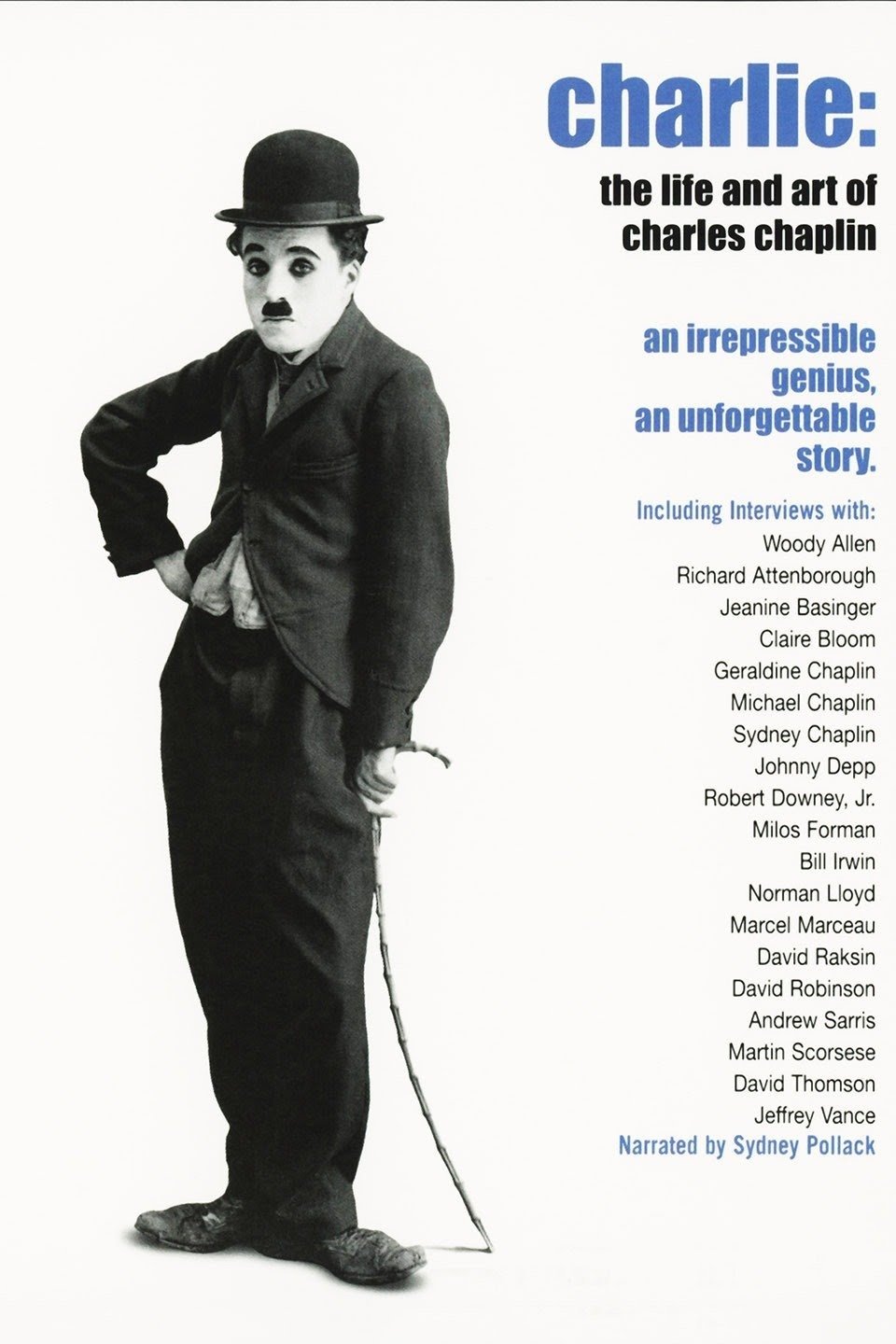
Brilliant, long in-the-works story of the life and art of the world's greatest comedian and the cinema's first genius, Charlie Chaplin. Produced, written and directed by renowned film critic Richard Schickel.
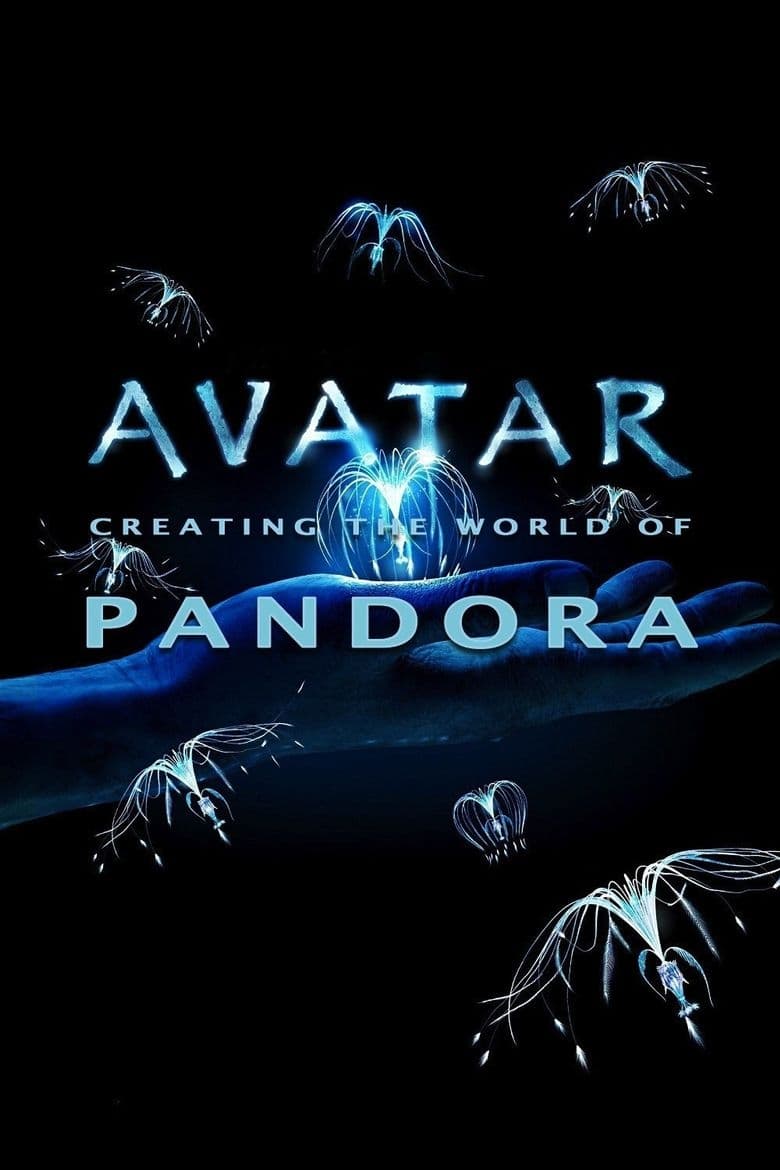
The Making-of James Cameron's Avatar. It shows interesting parts of the work on the set.
A documentary detailing the epic Rogues' Gallery of DC Comics from The Joker and Lex Luthor, Sinestro, Darkseid and more, this documentary will explore the Super Villains of DC Comics.
Ranjit, a farmer in India, takes on the fight of his life when he demands justice for his 13-year-old daughter, the victim of a brutal gang rape. His decision to support his daughter is virtually unheard of, and his journey unprecedented.