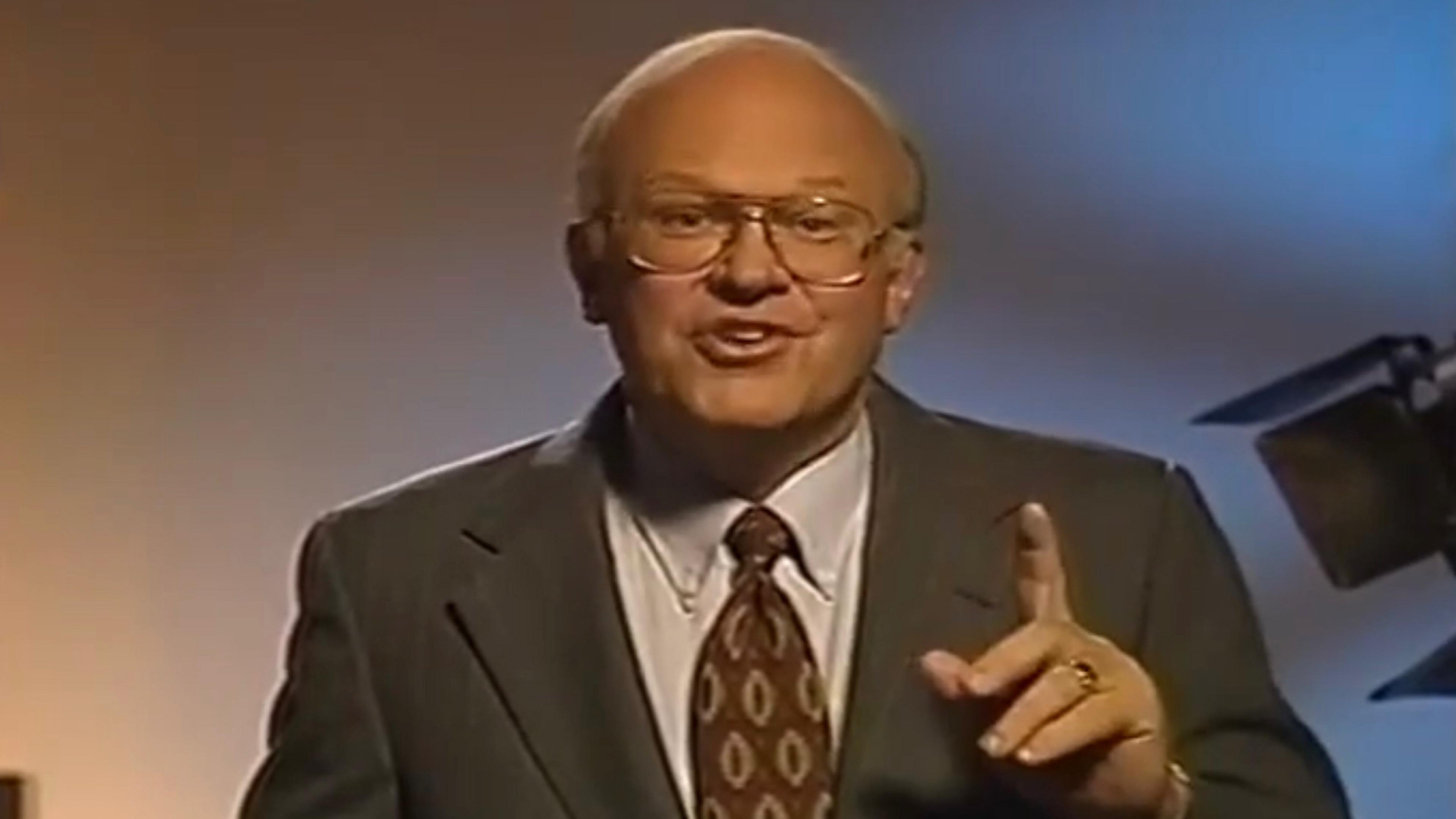
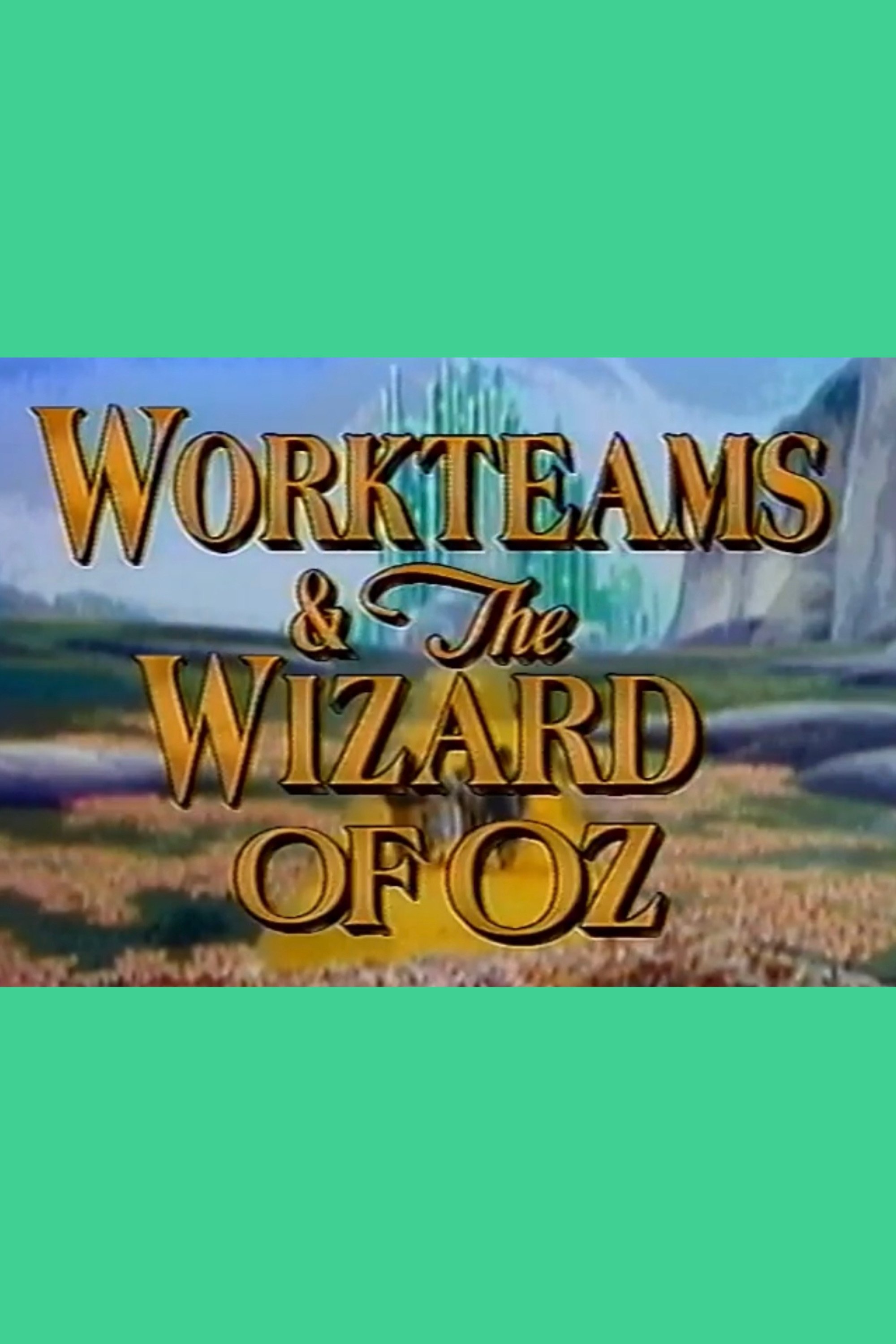
Ken Blanchard describes six keys to successful teamwork, all found in a Hollywood movie classic.
Social & External
The people behind it
Ken Blanchard
Self
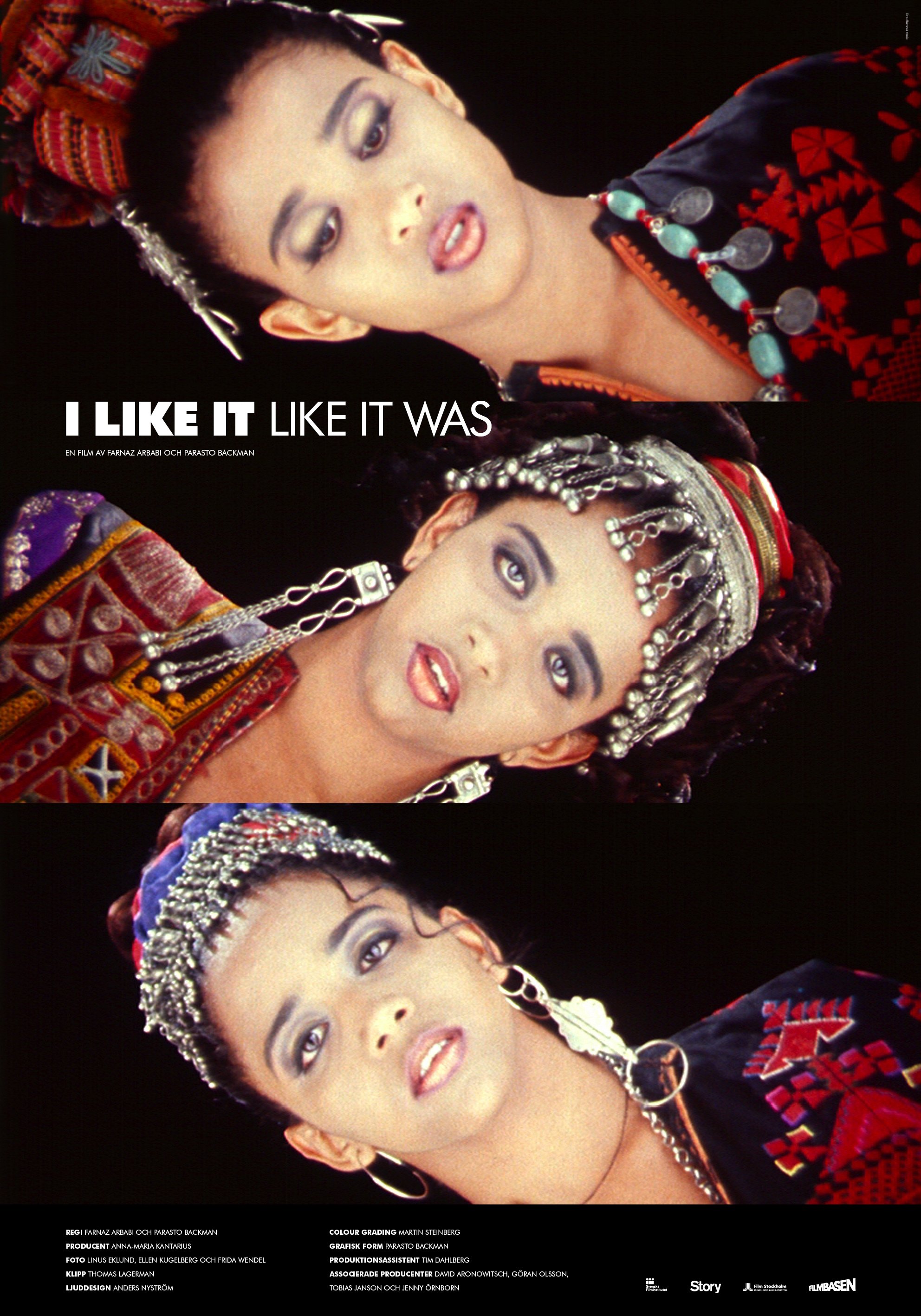
In 1991 three teen girls called Midi, Maxiand Efti became celebrities over night and the suburb Akalla was suddenly known all over Sweden. Fifteen years later two old friends try to make a film about the phenomenon. But Midi, Maxi and Efti no longer have contact, and they are not at all interested in talking about the past. A melancholically journey to the past by two friends who have a hard time letting go. "I like it like it is and I like it like it was but I'm not so sure any more any any more..." From the song "Bad Bad Boys" by Midi, Maxi & Efti.
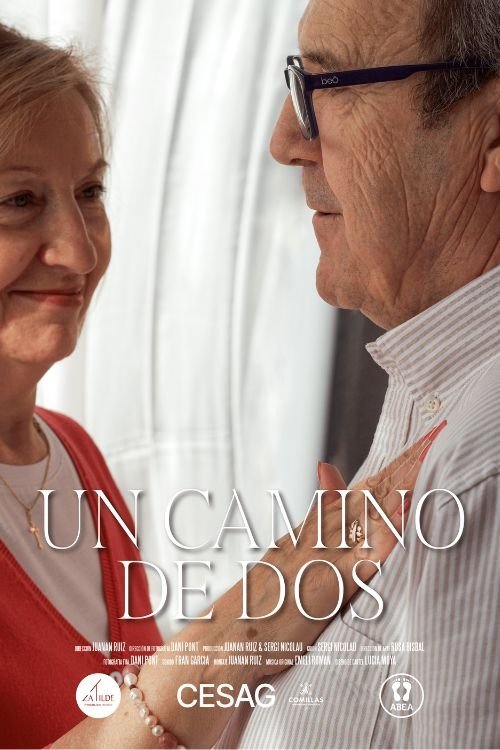
Segismundo Morey has spent his last few years facing the challenges imposed by Andrade’s rare disease. This medical condition, which affects his nervous and muscular system, has left a deep mark on his daily life and that of those around him. Over the years, Segismundo has had to overcome physical and emotional obstacles, dealing with difficulties in walking and moving normally. However, despite the constant challenges, he has found comfort and strength in the unconditional love and support of his family. Together, they have faced the adversities of Andrade’s disease, forming an indestructible bond that has been key in their shared journey.
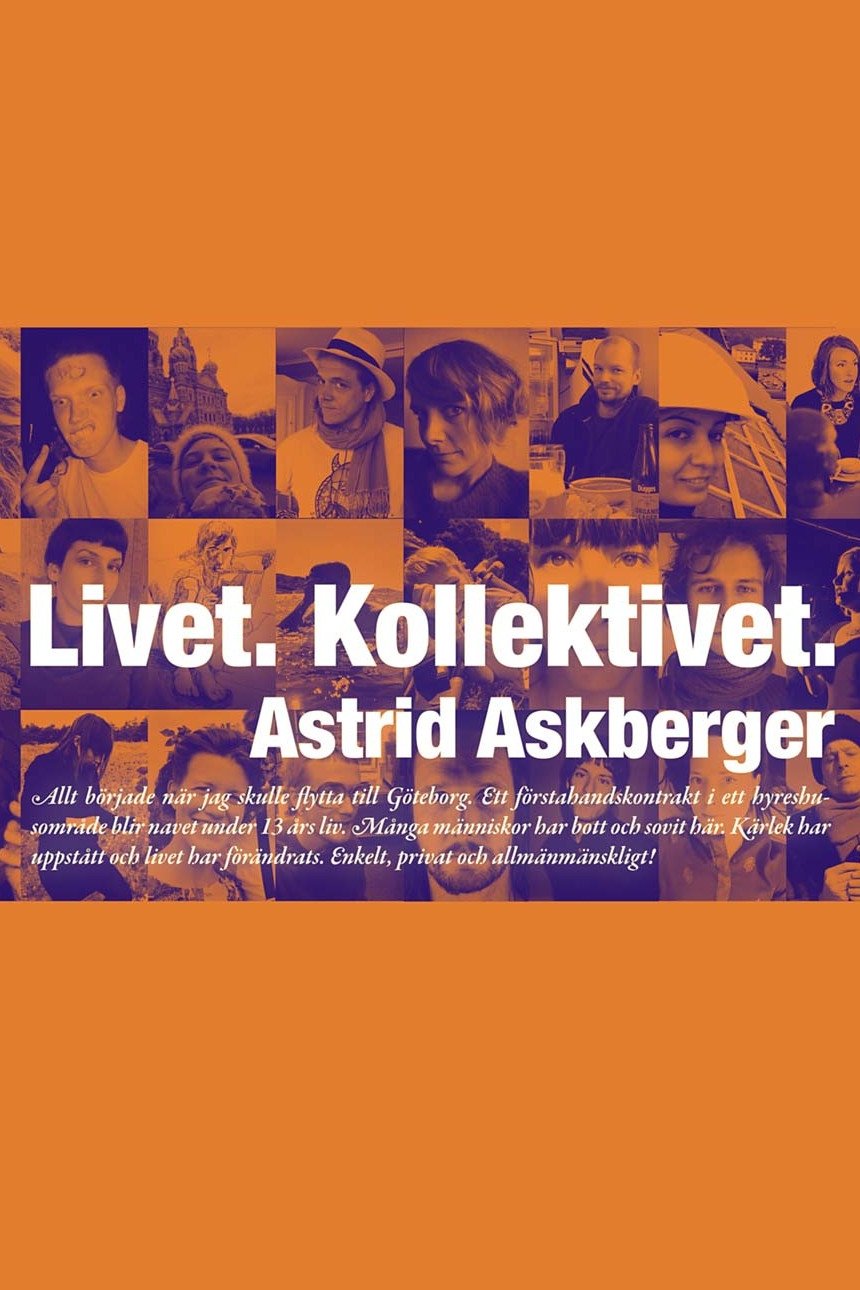
It all started when Astrid was going to move to Gothenburg. A first-hand lease in an apartment district turns into a hub for 13 years of life. Many people have lived and slept here. Love has bloomed and life has been changed.
In 1968 Herz Frank made Without Legends (Bez leģendām) at the Kuibishev studios, together with Aloizs Brenčs and Aleksandr Sazhin. The film is based on the memoirs of Hero of Socialist Labor Professor Ivan Vasilyevich Komzin, former head of construction of the V. I. Lenin Volga Hydroelectric Power Station; Hero of Socialist Labor excavator operator V. Klementyev; Honored excavator operator Viktor Vasilyevich Starikov; and writer Konstantin Kirillovich Lapin. Documentary filmmakers from Kuibyshev were making a film about the excavator operator and Hero of Socialist Labor, Boris Yegorovich Kovalenko. However, the material turned out to be too ambiguous to create a film about a model Soviet working man. They turned for advice to the Riga-based documentary filmmaker Herz Frank. He shot additional footage and edited the collected material in such a way that it became a story without legends—about an ordinary person.
One of the highest achievements of the new wave of Kirghiz cinema, which emerged in the mid-1960s. This story of a boy building sandcastles on the shores of the Issyk-Kul Lake becomes a documentary parable on the tensions between an artist and society.
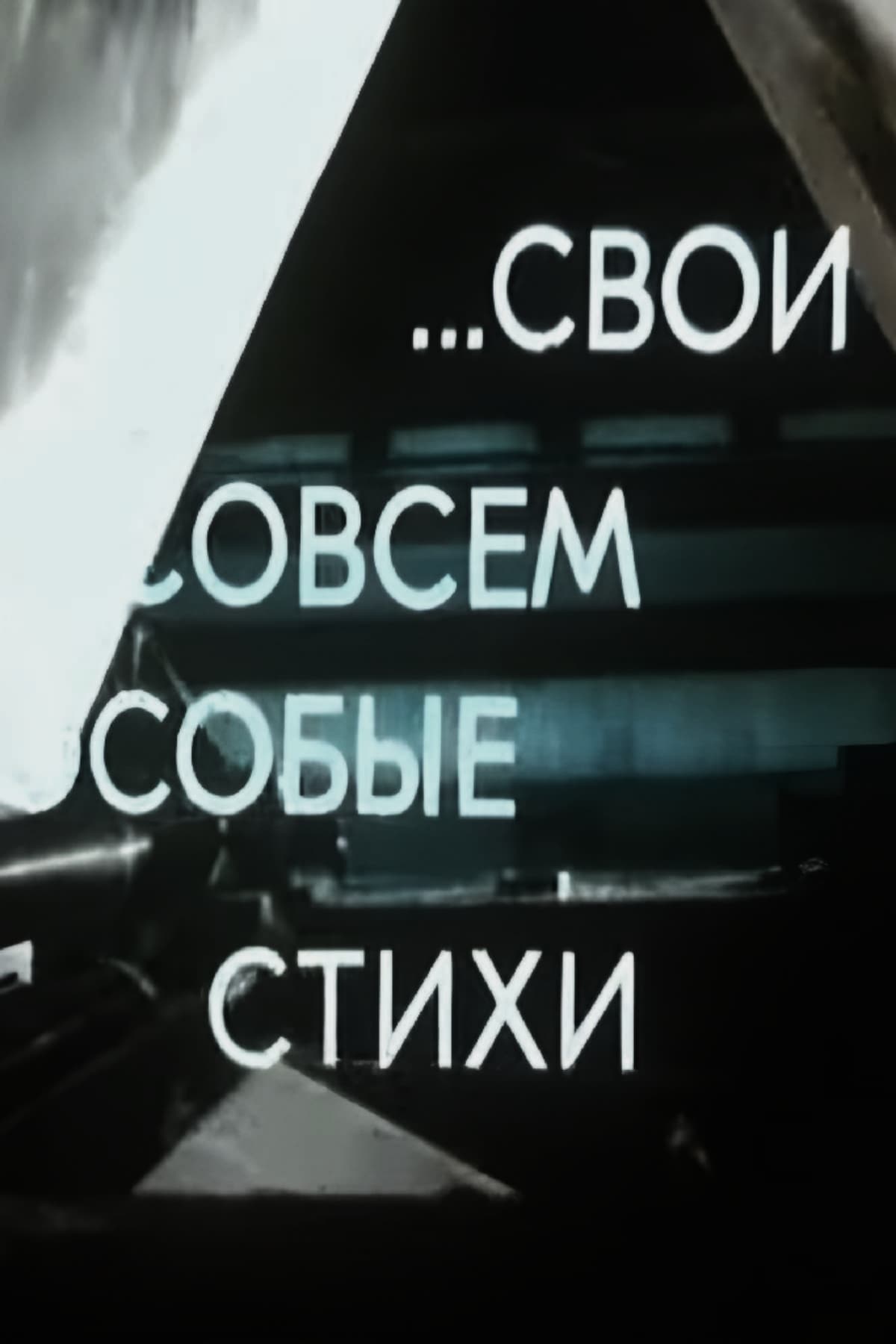
This poetic core in youngsters is also touched in Stanukina's less known Your very personal poetry (Свои, совсем особые стихи, 1982), a wonderful film about a poetry class. It is here that one recalls Kogan's admiration of Lyalya's emotional documentary skills. And it is here that one recalls Kosakovsky's depiction of Lyalya as a person of extraordinarily prosperous feelings, sensitive and energetic, childish and female, shrill and quiet. The young poets are marvellously sneaky, respectfully adoring and creatively playing with - maybe even deconstructing - "Aleksandr Sergeevich", Mr. Pushkin, Russia's exclusive trade mark of high culture and literature.
Movie-lesson observations in the classroom teacher of the Leningrad Conservatory honored artist of the RSFSR N..The Serval. Forty physical steps from the Leningrad Conservatory to the Kirov (Mariinsky) theatre - the way of the artist, overcome, physically and emotionally exhausting rehearsals. Great camera work.
A film about a simple village woman Zinaida Zvereva who married a disabled frontline soldier and lay all the hardships of living together onto herself
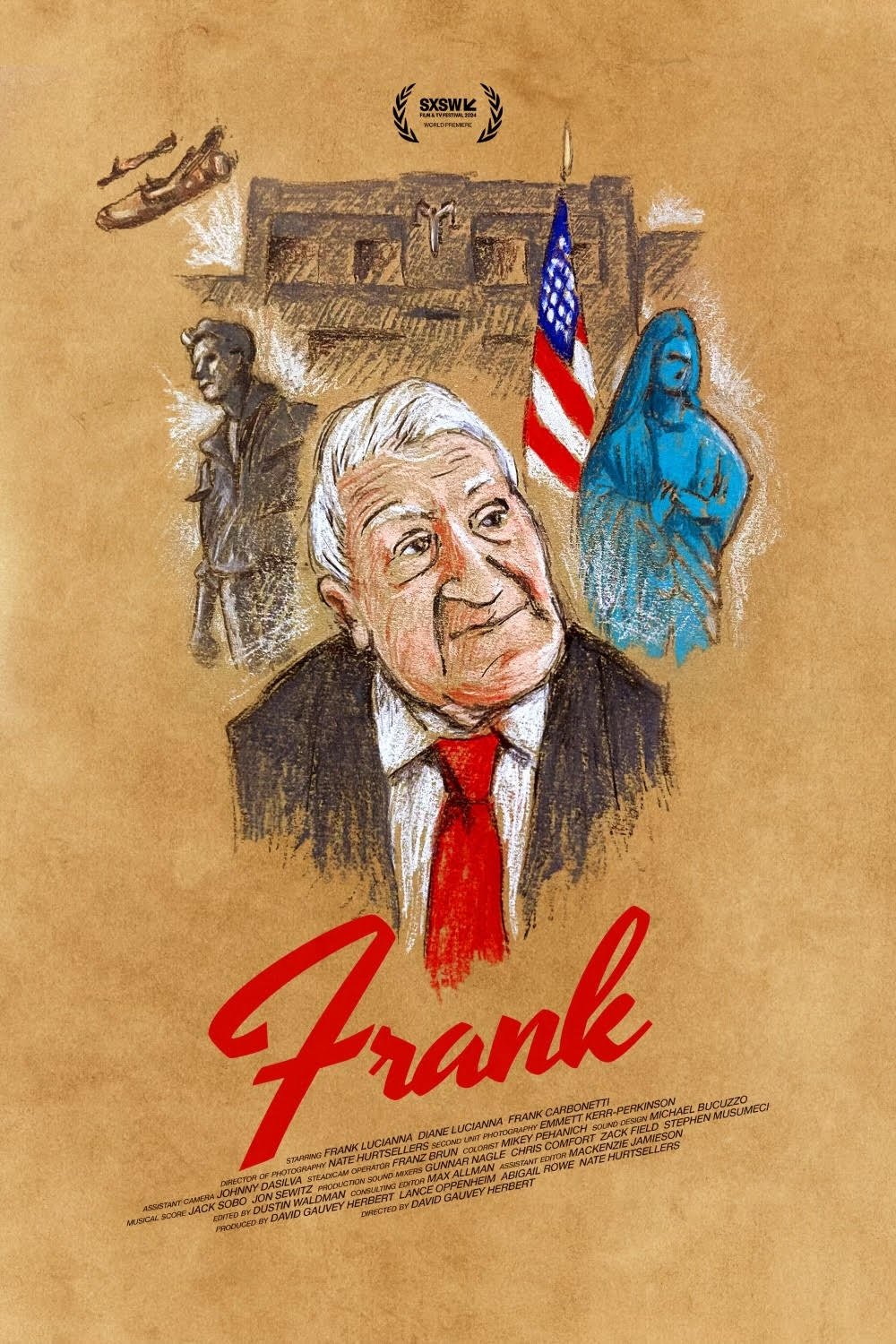
A portrait of America's oldest practicing attorney as he embarks on his final case.
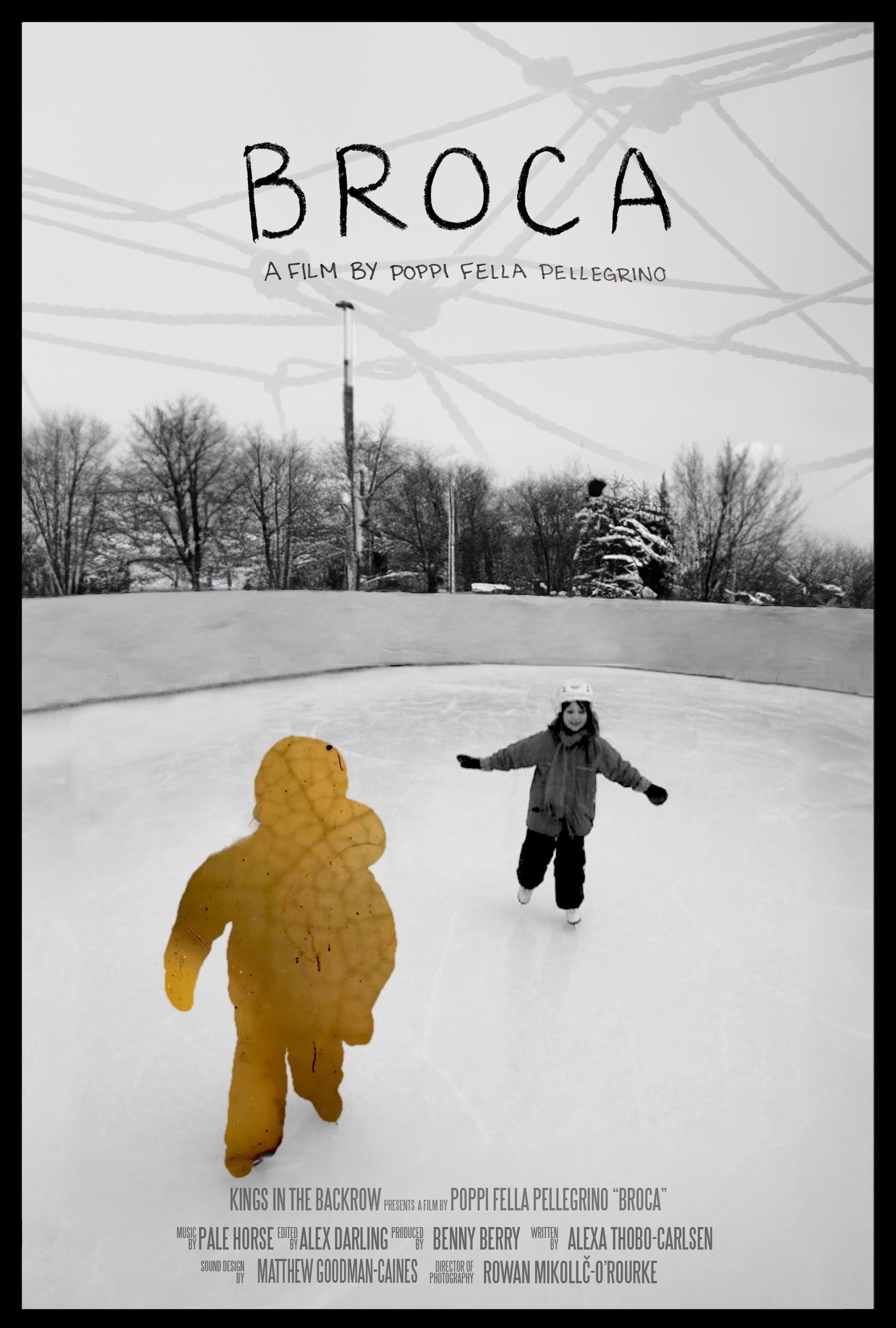
Using poetry, interviews with psychologists and survivors, and corporeal imagery, Broca is an experimental documentary hybrid that explores how the mind-body connection is altered after trauma. The Broca’s Area in the brain is involved primarily in speech production. During a traumatic event or when trying to recall a traumatic event, this area shuts down. This makes it harder for a survivor to talk about what’s happened. Our project is an experimental documentary hybrid that offers a platform for survivors to tell their stories both verbally and non-verbally.
Documentary musical essay on the topic of "Grenzwert". It was created in 72 hours.
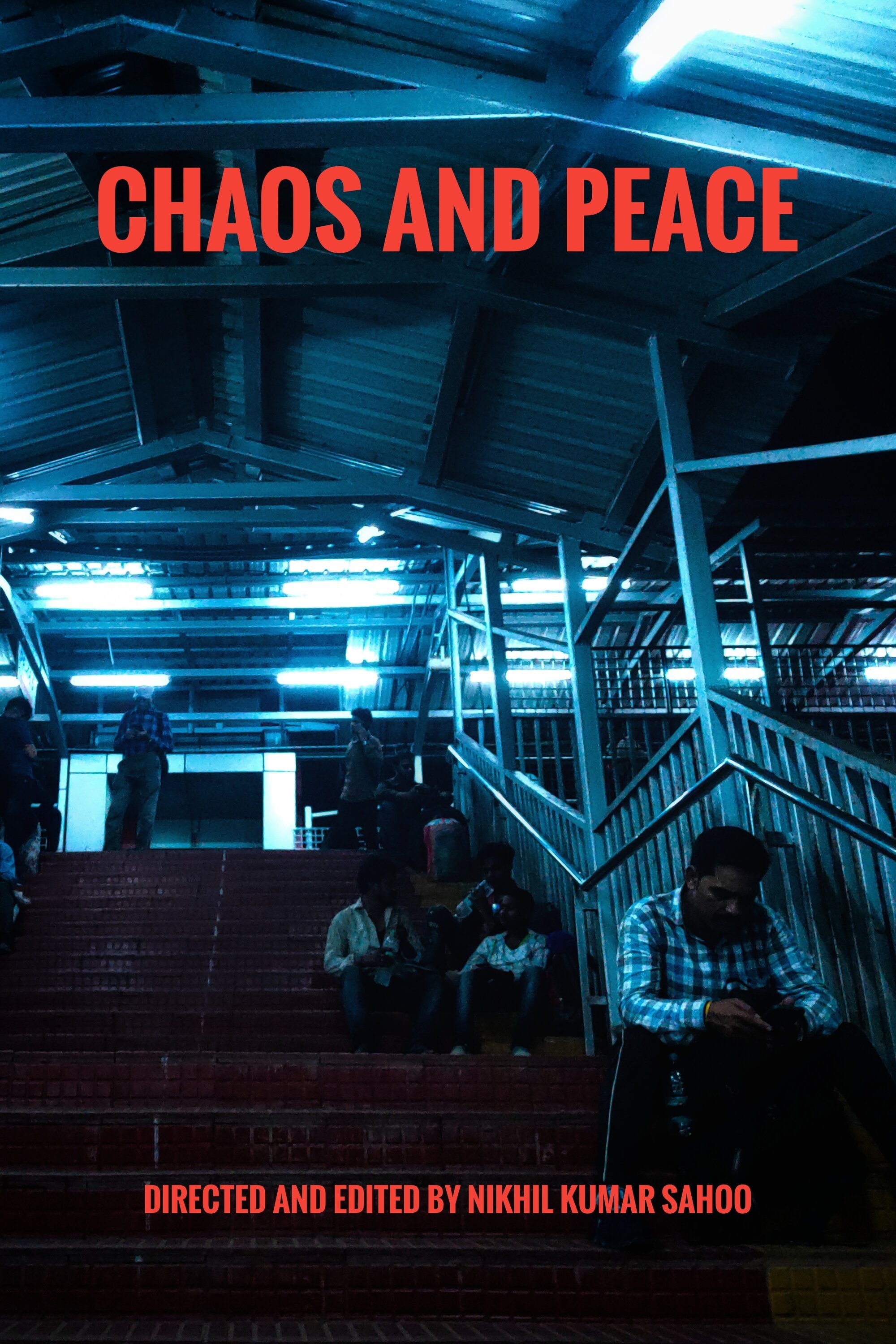
A contrast between village, peaceful life, and city, hectic life, told through images.
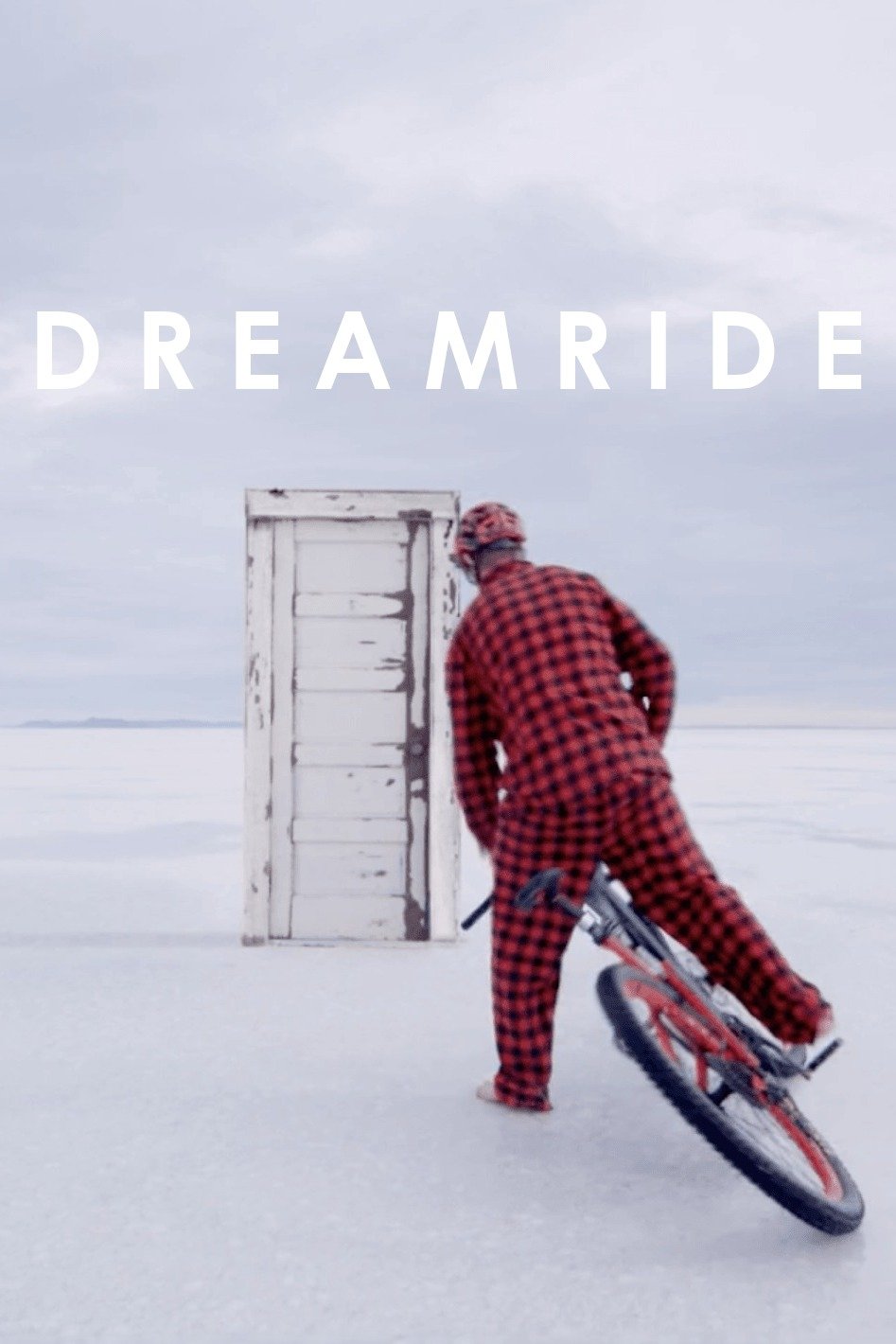
Take an adventure into a world where the trails never end, and the only limit is your imagination. Built atop a poetic narrative, athlete Mike Hopkins takes audiences on a journey through his dreams.
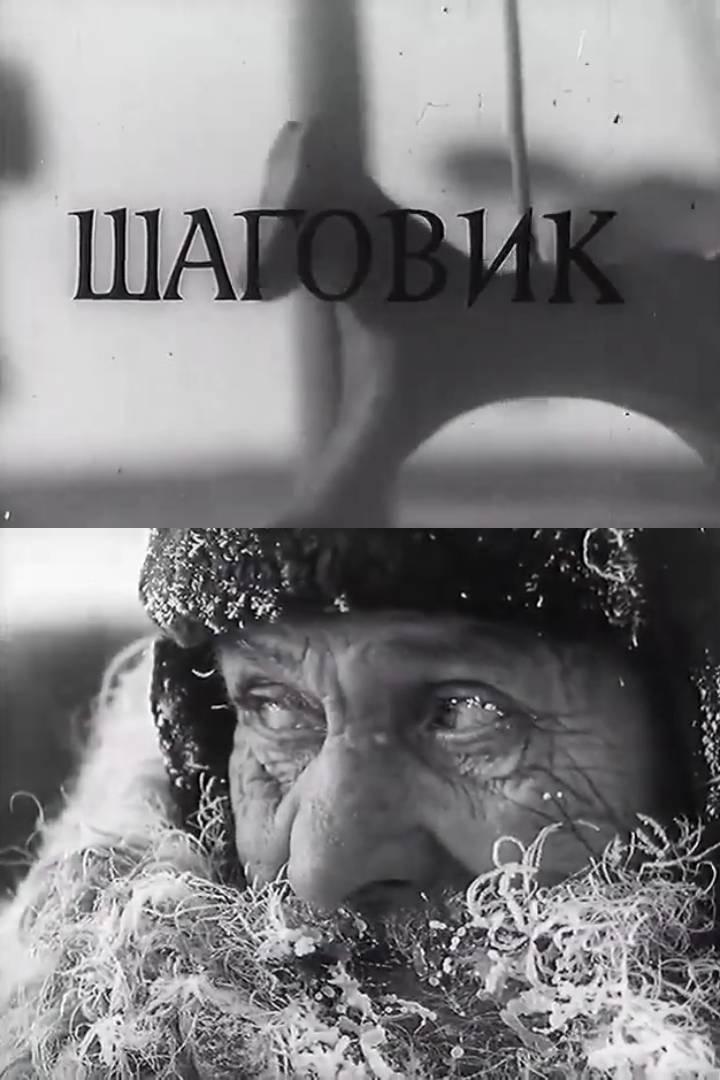
The film tells a story of Kosynka, a pregnant mare, and her owner, a battered old man. Kosynka leads the “horse walker,” designed to train young horse to walk steadily and at a pace. Set to a soundtrack of Bach and Russian folk music, this film is another example of a parable-like narrative, which became more popular in Soviet documentary in the early 1970s.
Forty four years ago, it seemed like a good idea to build a squat, concrete motel in downtown Columbia, Missouri. But within a few years, guests were calling for a do-over. Now, with the downtrodden building’s fate sealed, the Rabid Hands artist collective arrives on the scene as hospice workers, assisting in the passing of the building’s soul. What ensues is a New Orleans-style voodoo celebration of a previously unsung piece of architecture.
Ivy Bairley and Chance Conerly return as a duo to showcase the tragic downfall of Eugine Mulvihil's Action Park.
Made at the height of 'cold war' paranoia, this drama-documentary shows the work of the UK Warning and Monitoring Organisation, who's duties included the issuing of public warnings of any nuclear missile strike and the subsequent fallout.
A documentary covering the making of Chicken Run.
Short documentary on India
Short documentary on fish
Daniel Craig candidly reflects on his 15 year adventure as James Bond. Including never-before-seen archival footage from Casino Royale to the upcoming 25th film No Time To Die, Craig shares his personal memories in conversation with 007 producers, Michael G Wilson and Barbara Broccoli.
A feature length documentary about the all-women team at the helm of Pixar's original feature, Turning Red. With unprecedented behind-the-scenes access to Director Domee Shi and her core leadership crew, this story shines a light on the powerful professional and personal journeys that brought this incredibly comical, utterly relatable, and deeply heartfelt story to the screen.
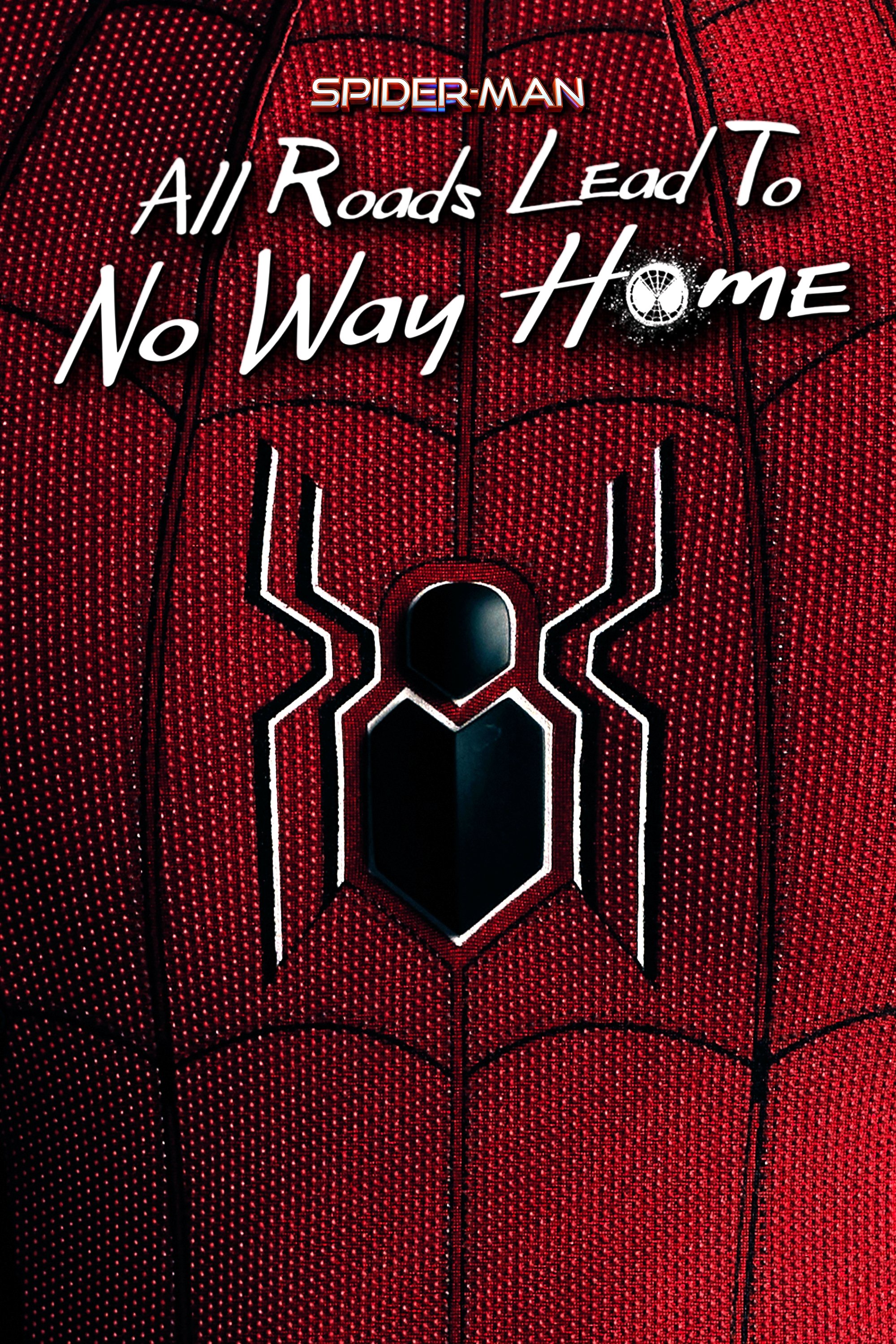
JB Smoove and Martin Starr host a celebration of 20 years of "Spider-Man" movies, from the Sam Raimi trilogy to Marc Webb's movies and the trio from Jon Watts.
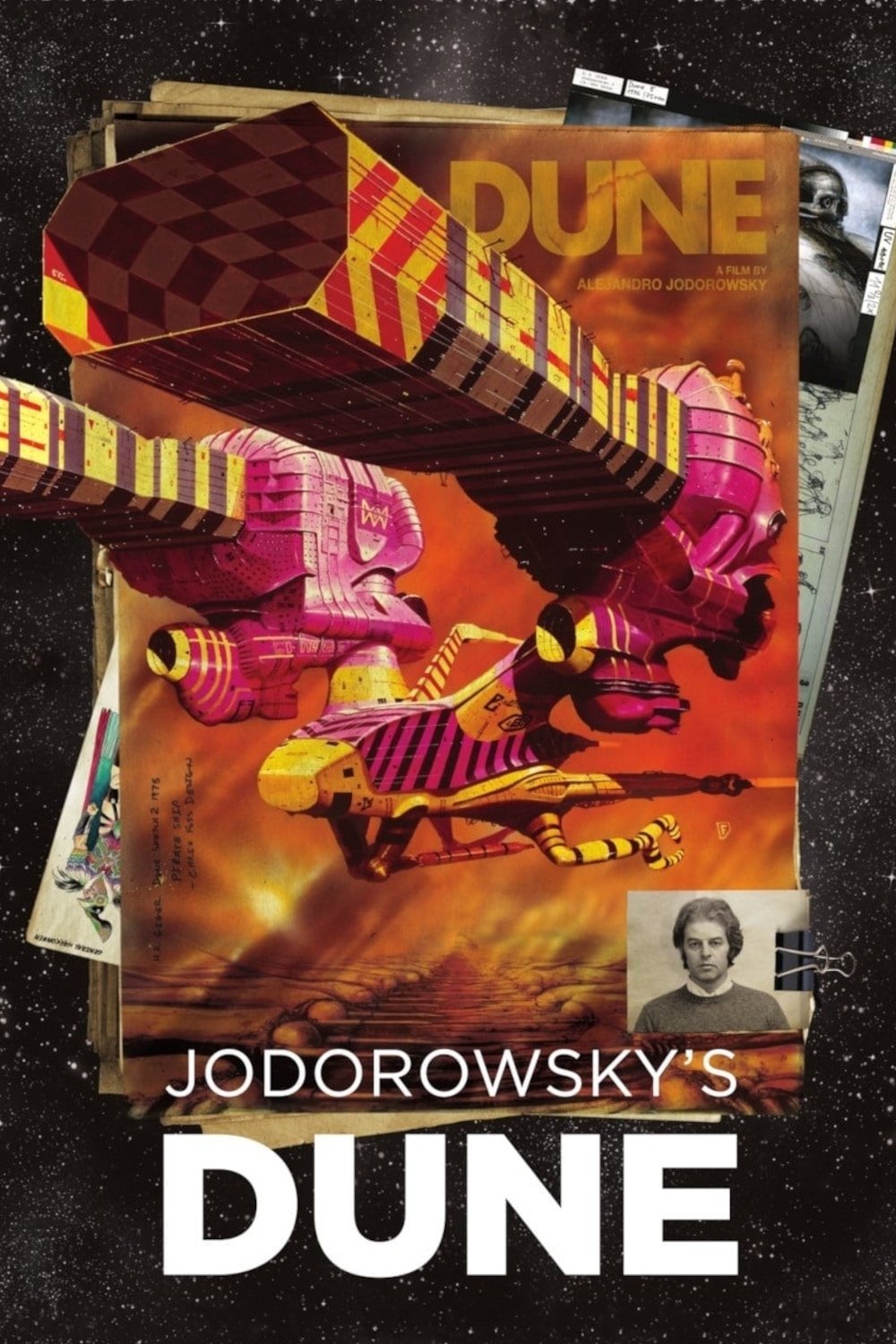
In 1974, Chilean-French director Alejandro Jodorowsky embarked on the quixotic project of adapting Frank Herbert's influential novel Dune (1969) for the big screen. After investing two years, and millions of dollars, the gigantic project ended in failure; but the artists Jodorowsky brought together to carry it out continued to work together, and ended up laying the foundations for modern science fiction cinema.
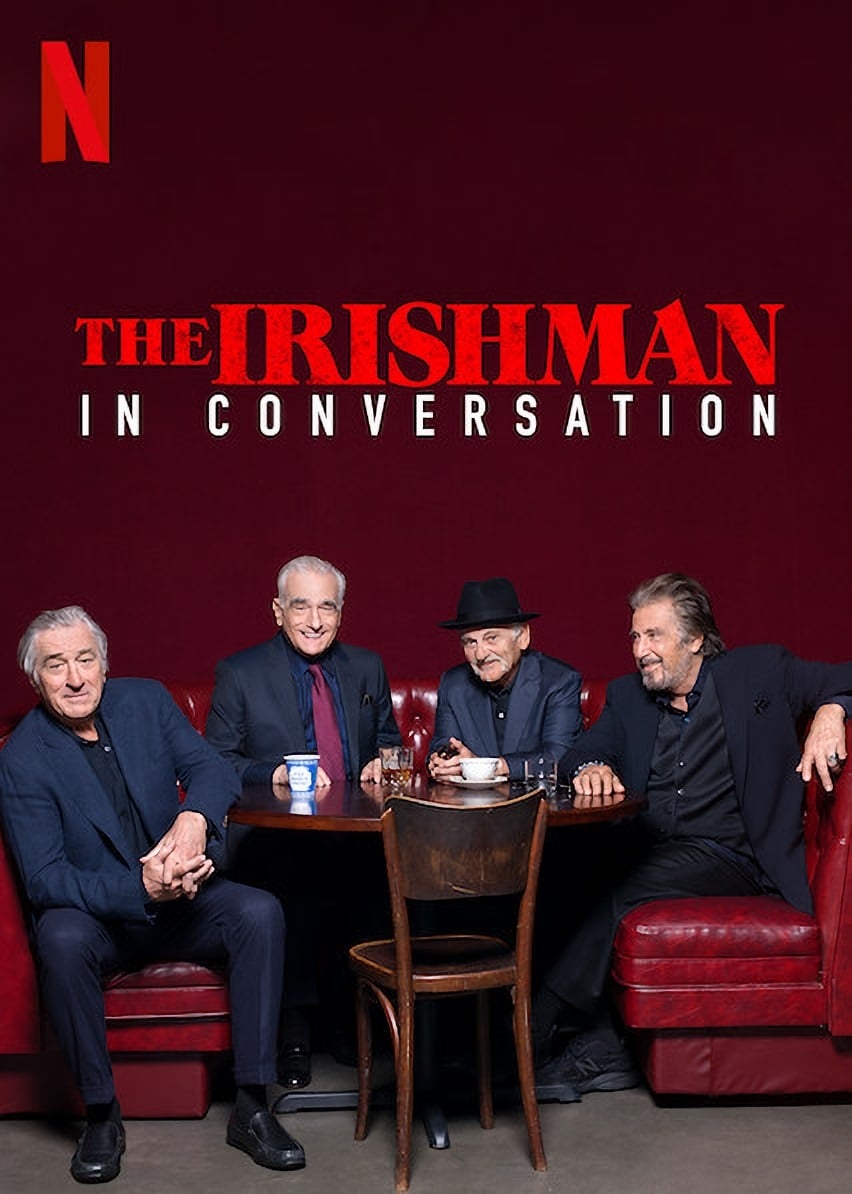
Martin Scorsese, Robert De Niro, Joe Pesci, and Al Pacino in conversation about The Irishman.
Join director Clint Eastwood and his creative team, along with Bradley Cooper and Sienna Miller, as they overcome enormous creative and logistic obstacles to make a film that brings the truth of Navy SEAL Chris Kyle's story to the screen.
A look at the first years of Pixar Animation Studios - from the success of "Toy Story" and Pixar's promotion of talented people, to the building of its East Bay campus, the company's relationship with Disney, and its remarkable initial string of eight hits. The contributions of John Lasseter, Ed Catmull and Steve Jobs are profiled. The decline of two-dimensional animation is chronicled as three-dimensional animation rises. Hard work and creativity seem to share the screen in equal proportions.
With mesmerizing footage and time lapses of animators at work, this behind-the-scenes special captures the artistry of a unique tale years in the making.
Explore the evolution of Buzz Lightyear from toy to human in the making of Pixar’s Lightyear. Dive into the origin and cultural impact of everyone’s favorite Space Ranger, the art of designing a new “human Buzz,” and the challenges faced by the Lightyear crew along the way.
The film follows adventurer Jeff Johnson as he retraces the epic 1968 journey of his heroes Yvon Chouinard and Doug Tompkins to Patagonia.
The elite pilots of the Air Force Thunderbirds display exceptional skill, trust and courage during a high-stakes training season.
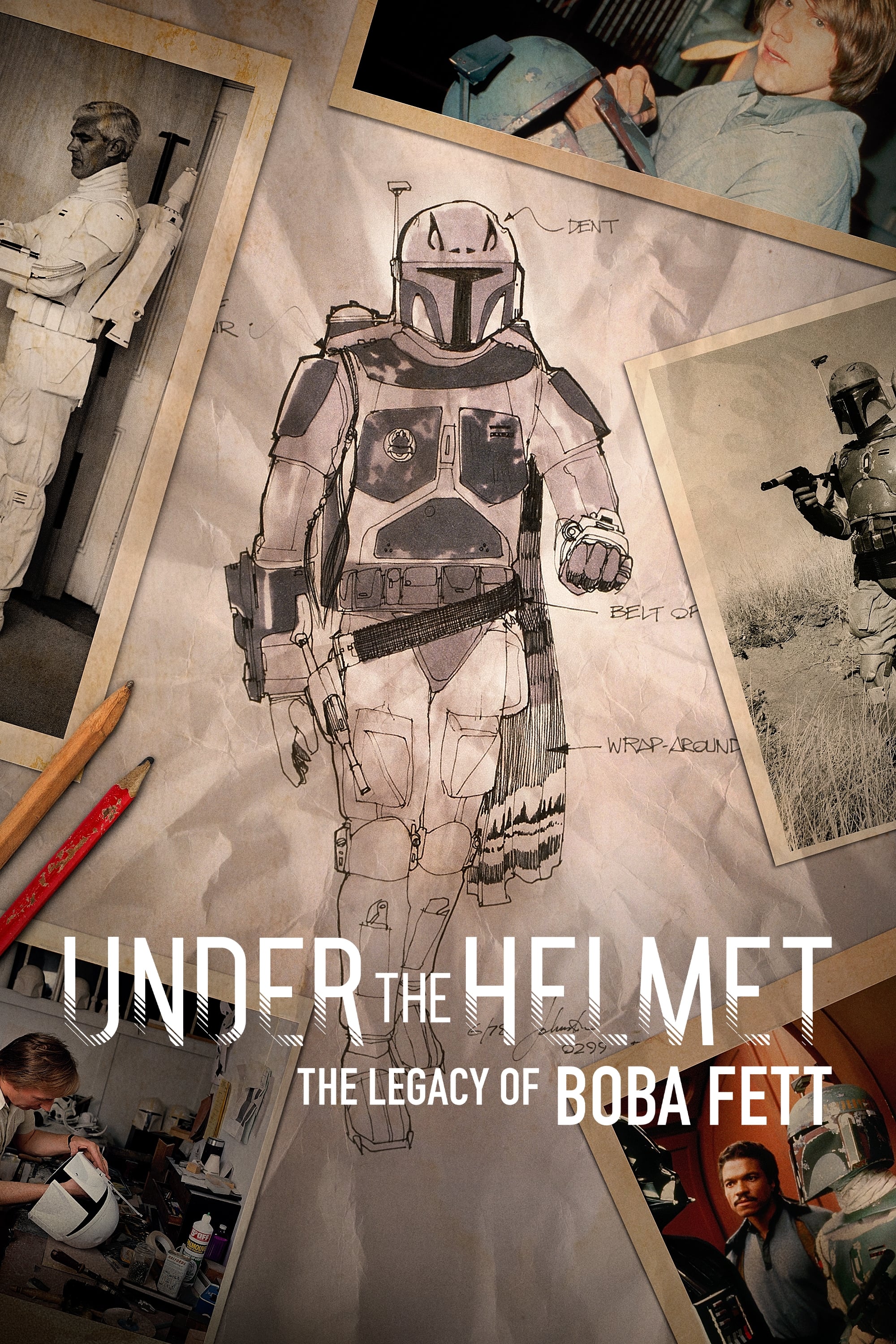
A special celebrating the origins and legacy of Star Wars' legendary bounty hunter, Boba Fett.
This documentary focuses on the actors and their journey over two summers to create the remake to the original IT, by Stephen King. The documentary originally released as bonus material, bundled with IT: Chapter Two.
Arthur Lipsett's first film is an avant-garde blend of photography and sound. It looks behind the business-as-usual face we put on life and shows anxieties we want to forget. It is made of dozens of pictures that seem familiar, with fragments of speech heard in passing and, between times, a voice saying, "Very nice, very nice." The film was nominated for an Oscar for Best Live Action Short Film.
Al Pacino's deeply-felt rumination on Shakespeare's significance and relevance to the modern world through interviews and an in-depth analysis of "Richard III."
A visual montage portrait of our contemporary world dominated by globalized technology and violence.
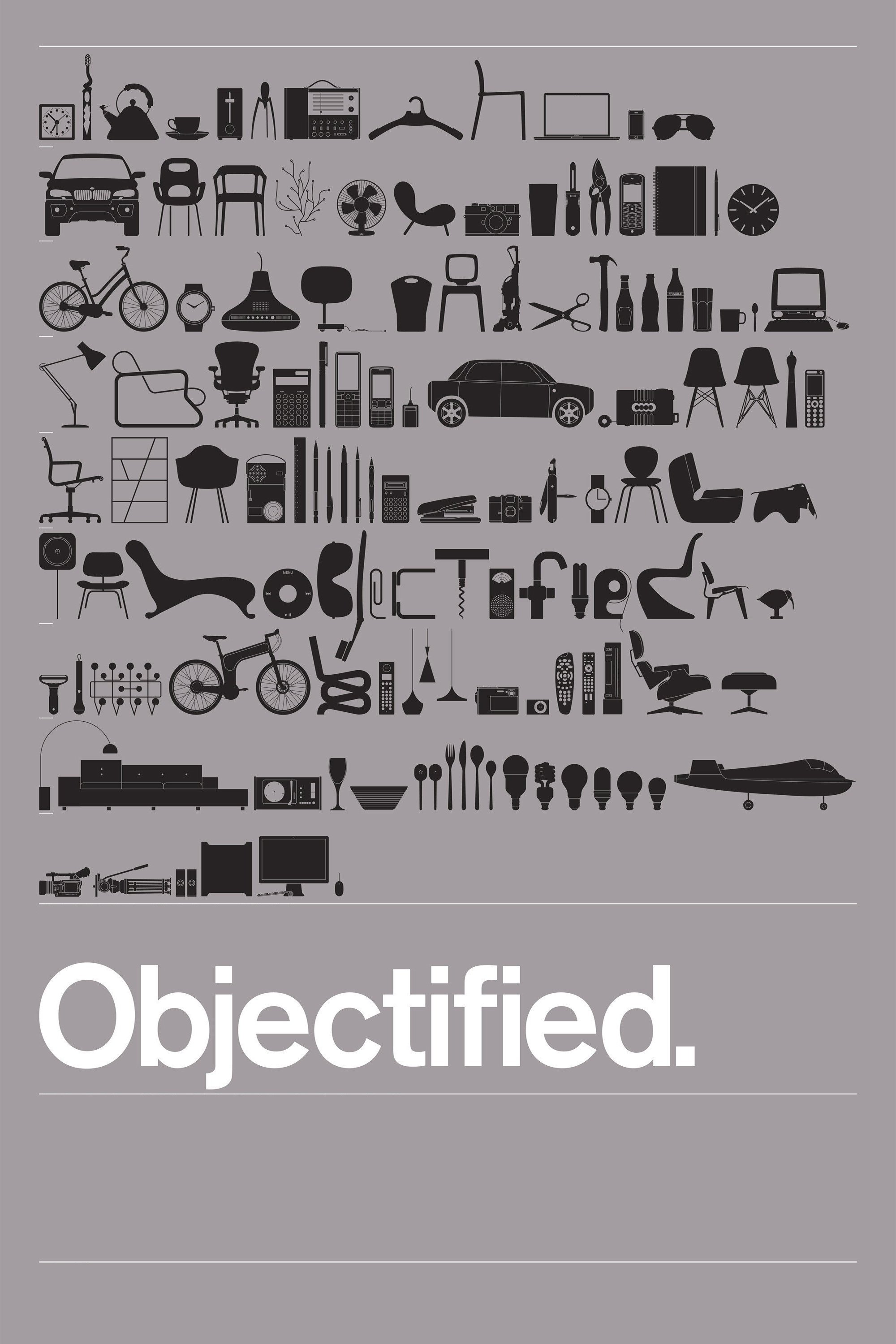
A feature-length documentary about our complex relationship with manufactured objects and, by extension, the people who design them.
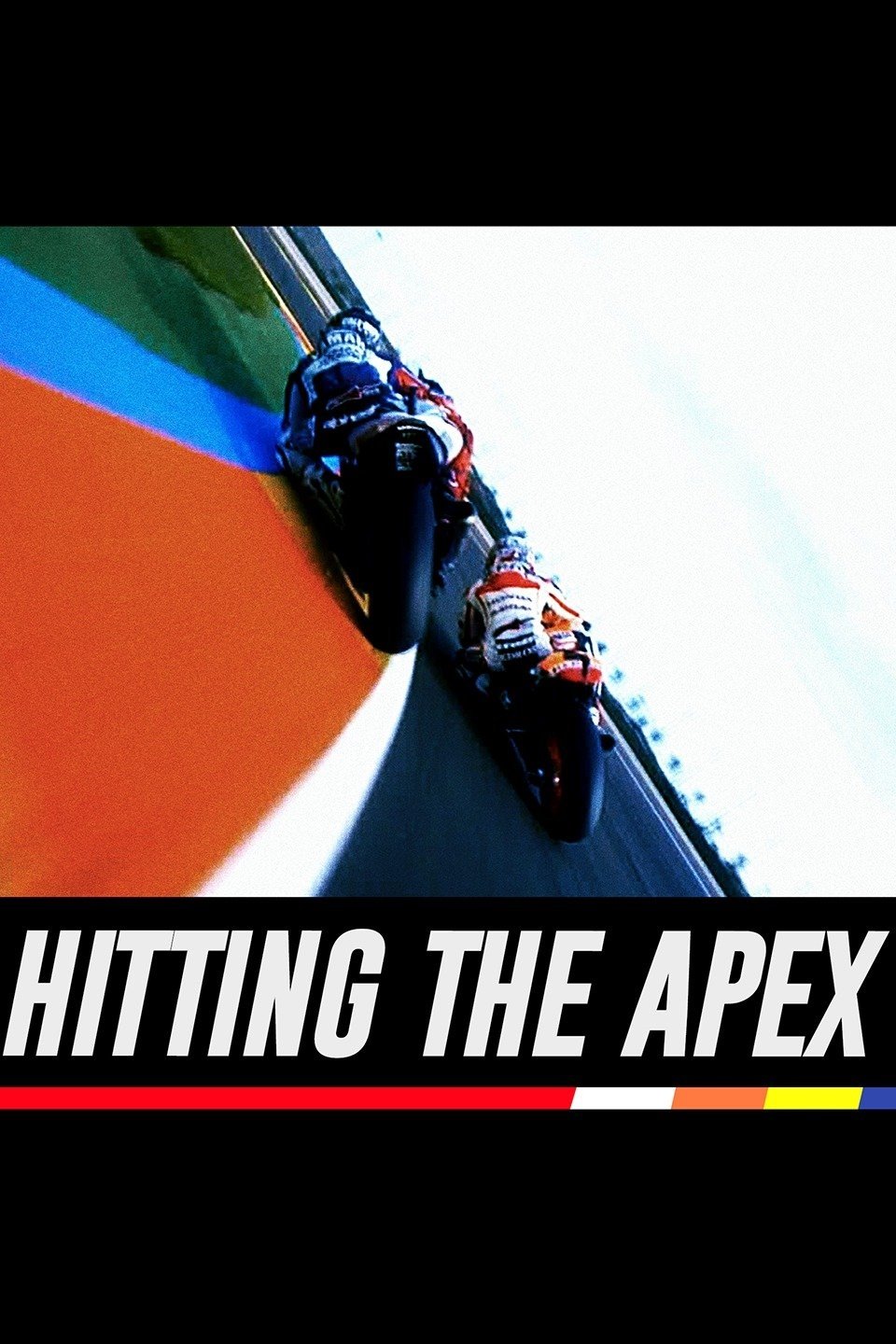
The inside story of six fighters – six of the fastest motorcycle racers of all time – and of the fates that awaited them at the peak of the sport. It's the story of what is at stake for all of them: all that can be won, and all that can be lost, when you go chasing glory at over two hundred miles an hour – on a motorcycle. But this documentary is also an opportunity to understand the passionate relationship that links the pilots, the technical teams and the legions of fans to the spirit of GP Moto.
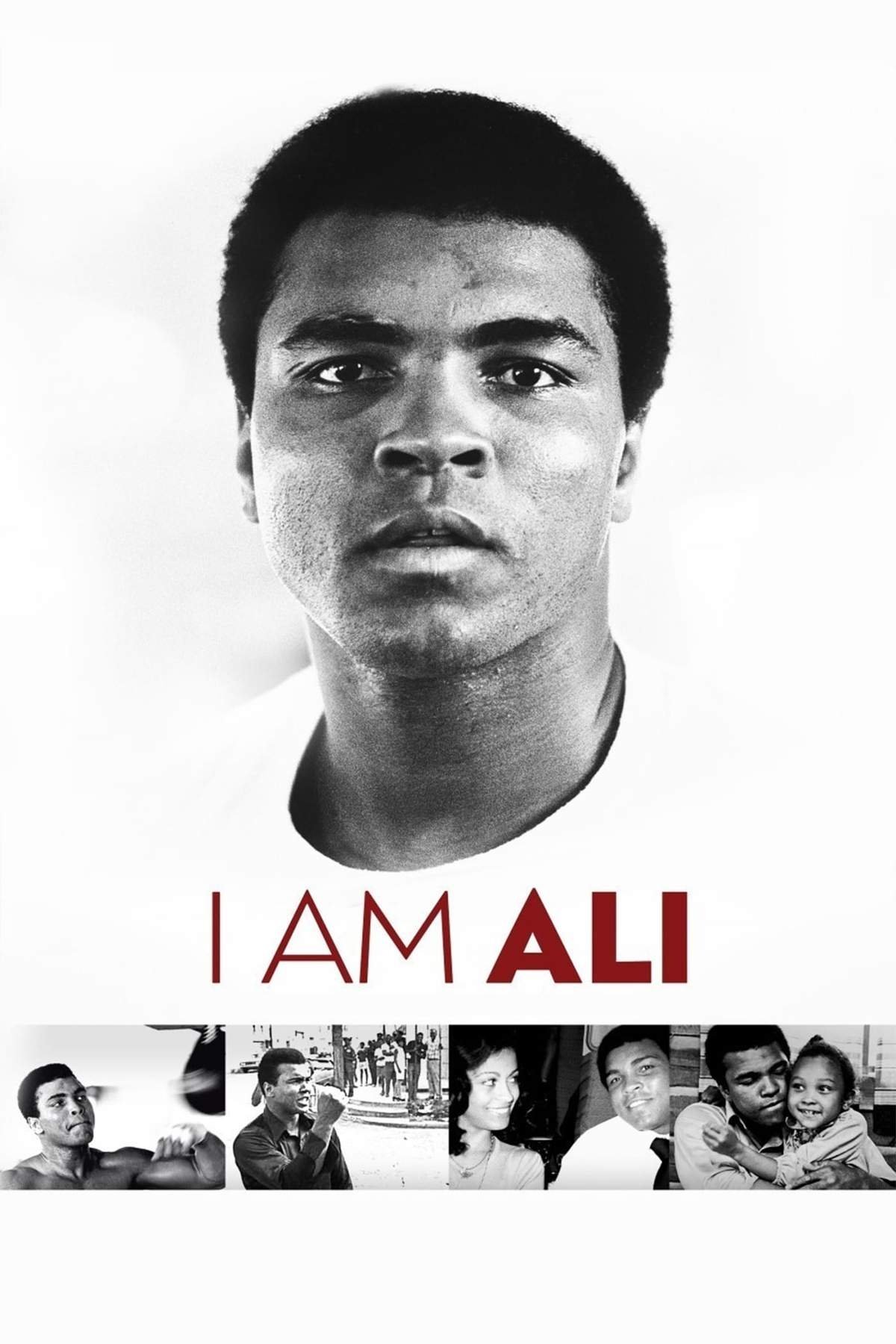
Unprecedented access to Muhammad Ali's personal archive of "audio journals" as well as interviews and testimonials from his inner circle of family and friends are used to tell the legend's life story.
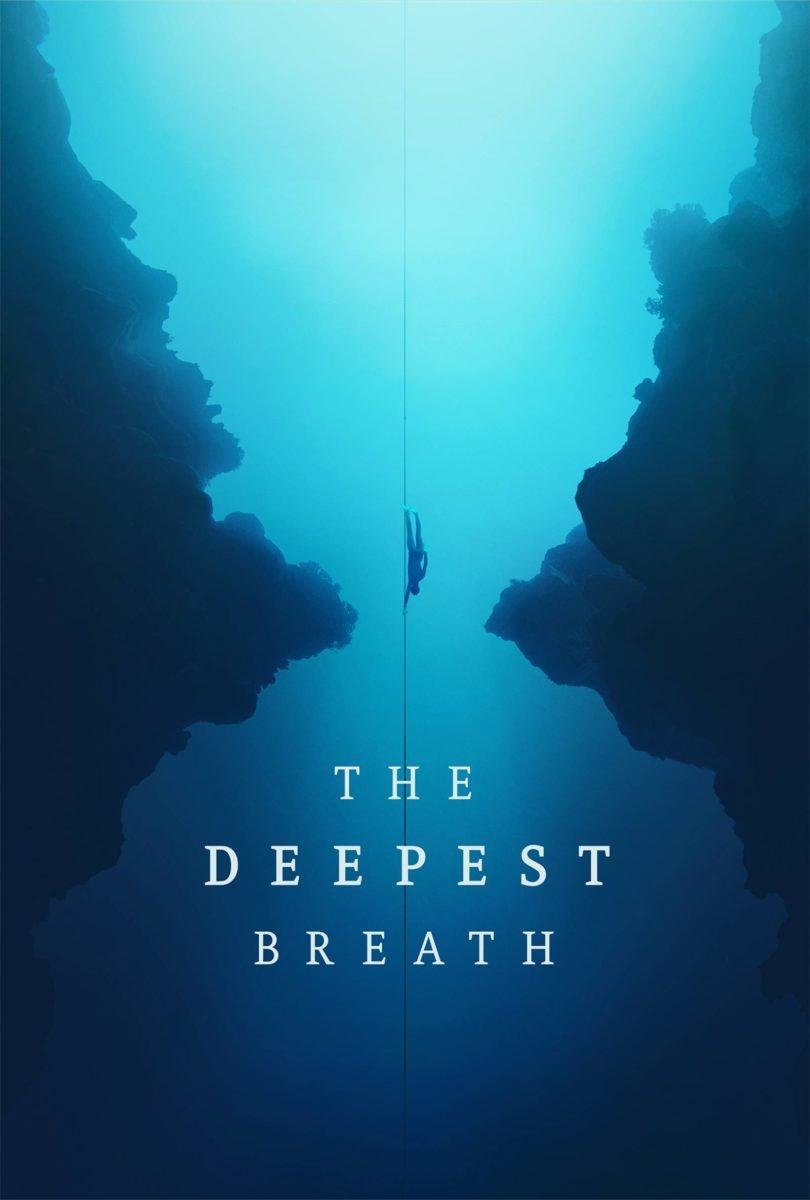
Bonded by their love of freediving, a record-setting champion and a heroic safety diver try to make history with a remarkable feat, ready to risk it all.