Social & External
The people behind it
Frank Farenski
Self
Peter Altmaier
13-year-old inventor Aidan has discovered that trees use a mathematical formula to gather sunlight in crowded forests. Now he wonders why we don't collect solar energy the same way.
A short documentary illustrating how art can influence public perception towards environmental issues. Green Patriot Posters is a highly acclaimed multimedia design campaign that challenges artists to deepen public understanding and ignite collective action in the fight against climate change. So far, it has reached five million people through print media, public space and digital culture. The film features interviews with key Green Patriot Posters contributors (Shepard Fairey, Michael Bierut, DJ Spooky, Mathilde Fallot) and its founders (The Canary Project, Dmitri Siegel).
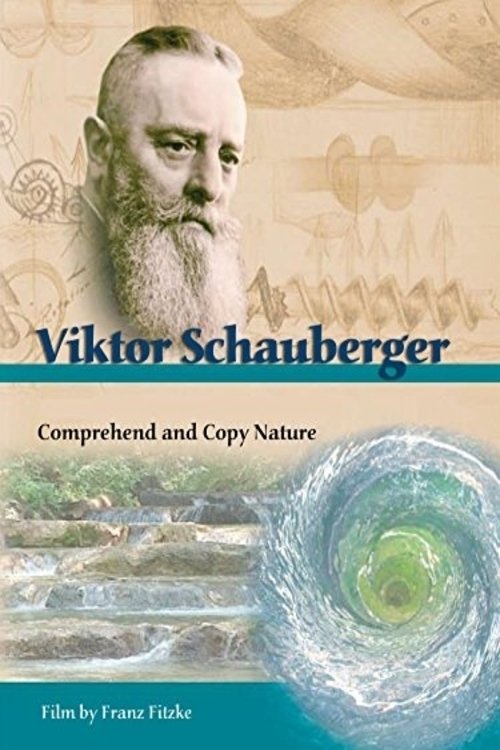
The first film about Viktor Schauberger's life's work. A comprehensive survey of historical facts, current research and various practical applications into both technology and the natural world.
Filmmaker Jamie Redford embarks on a surprising journey across the U.S. to meet entrepreneurs, community activists and ordinary citizens who are pioneering the use of clean energy technology, often in the most unlikely places, in the process creating jobs, turning profits and making Americans’ lives healthier.
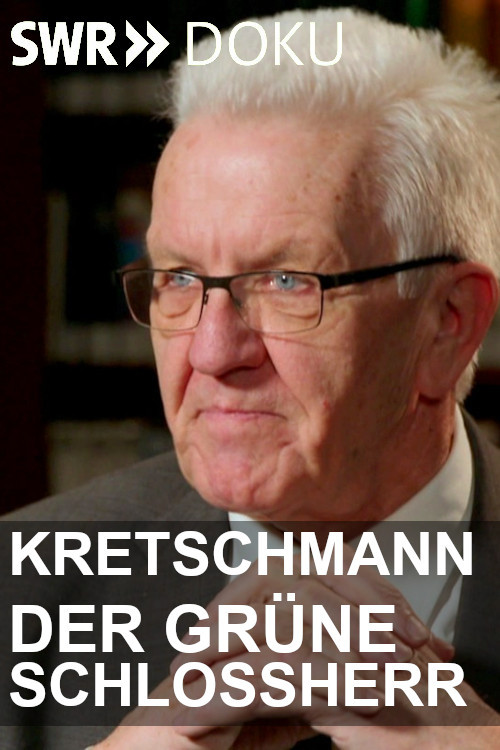
Winfried Kretschmann is the first Green politician to rise to the top of a state government — and so far the only one. He has governed Baden-Württemberg as Minister-President since 2011, longer than any of his predecessors. Soon, his tenure will come to an end: Kretschmann will not run again in the 2026 state election. This film takes stock of his time in office. A Catholic with a communist past. A conservative in a left-leaning party. A Green in the automotive heartland of Baden-Württemberg: Winfried Kretschmann’s political biography is a long journey marked by surprises and contradictions. Jenni Rieger and Jürgen Rose retrace this path. They speak with Kretschmann’s party colleagues and coalition partners, long-time close aides and early companions such as Joschka Fischer, Cem Özdemir, and Annalena Baerbock, as well as political rivals like Volker Bouffier, Markus Söder, and Bodo Ramelow. Has Germany’s first Green Minister-President changed the country?
The inspiring story of America's first solar town, how it has shaped the alternative energy ideas and policies of today, and how it can lead us to a more sustainable future.
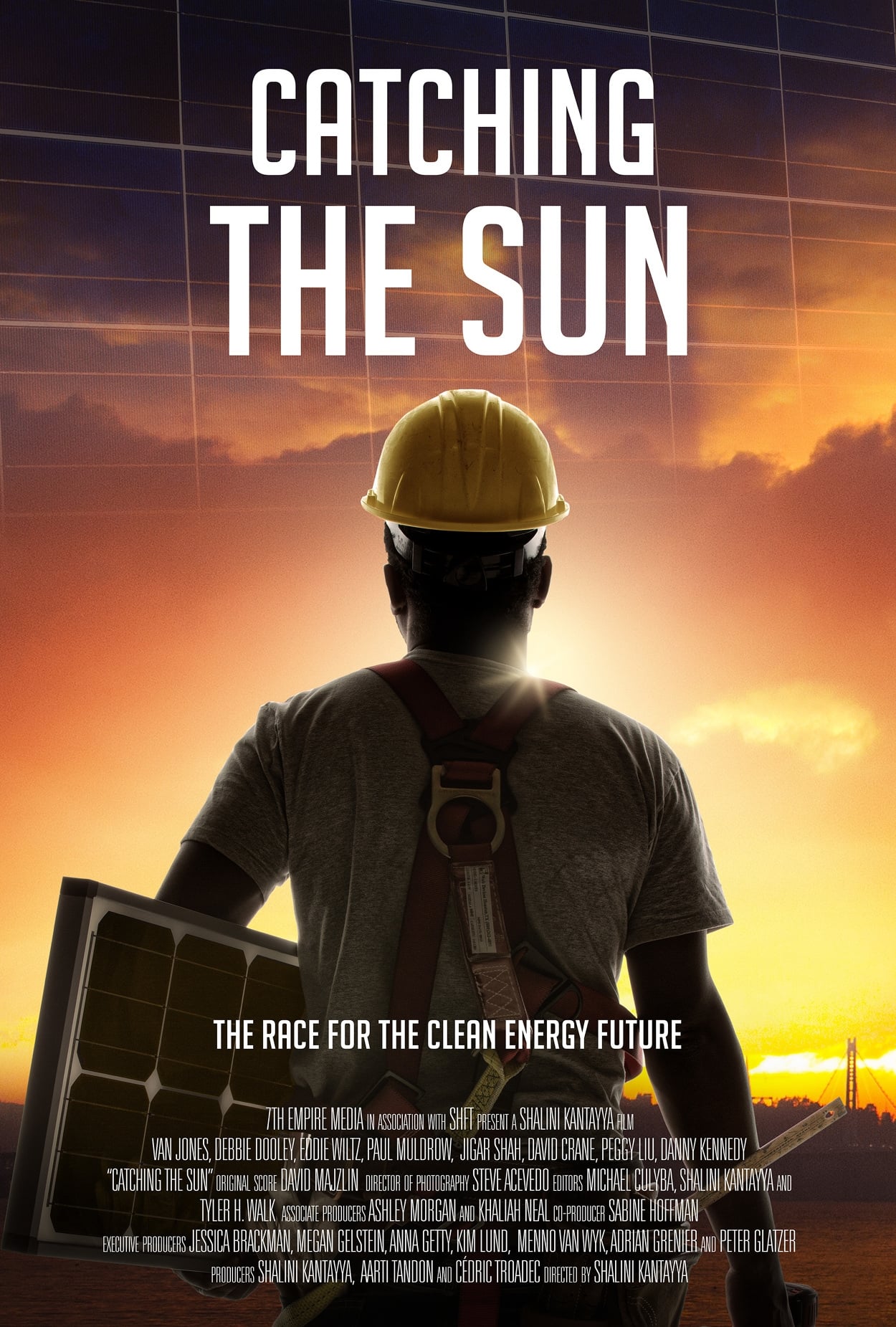
An unemployed American worker, a Tea Party activist, and a Chinese solar entrepreneur. But who wins and who loses the battle for power in the 21st century? Through interwoven character dramas spanning the U.S. and China, Catching the Sun explores the global economic race to lead the clean energy future.
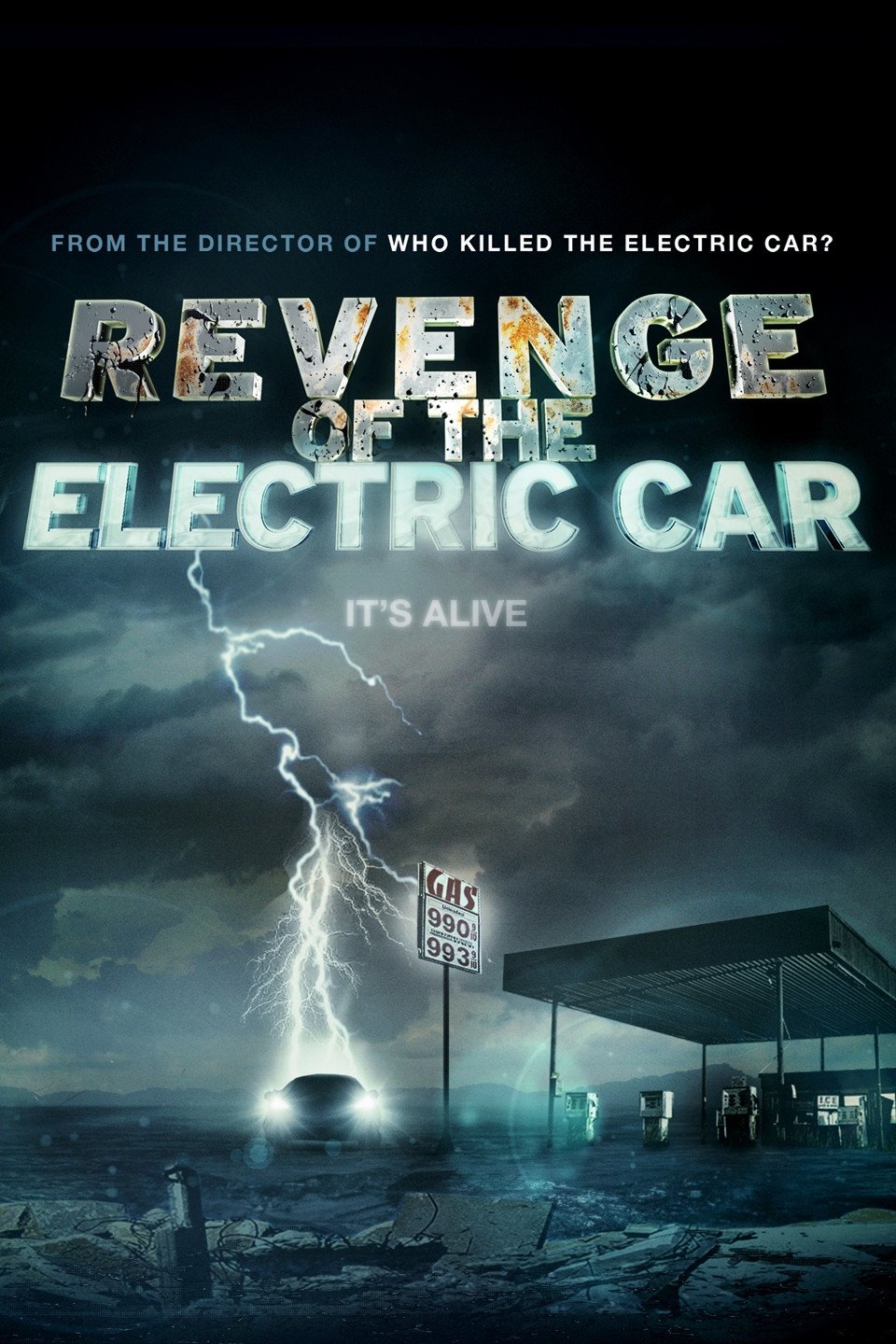
A sequel to 2006's Who Killed the Electric Car?, director Chris Paine once again looks at electric vehicles. Where in the last film electric cars were dismissed as uneconomical and unreliable, and were under multiple attacks from government, the auto industry, and from energy companies who didn't want them to succeed, this film chronicles, in the light of new changes in technology, the world economy, and the auto industry itself, the race - from both major car companies like Ford and Nissan, and from new rising upstarts like Tesla - to bring a practical consumer EV to market.
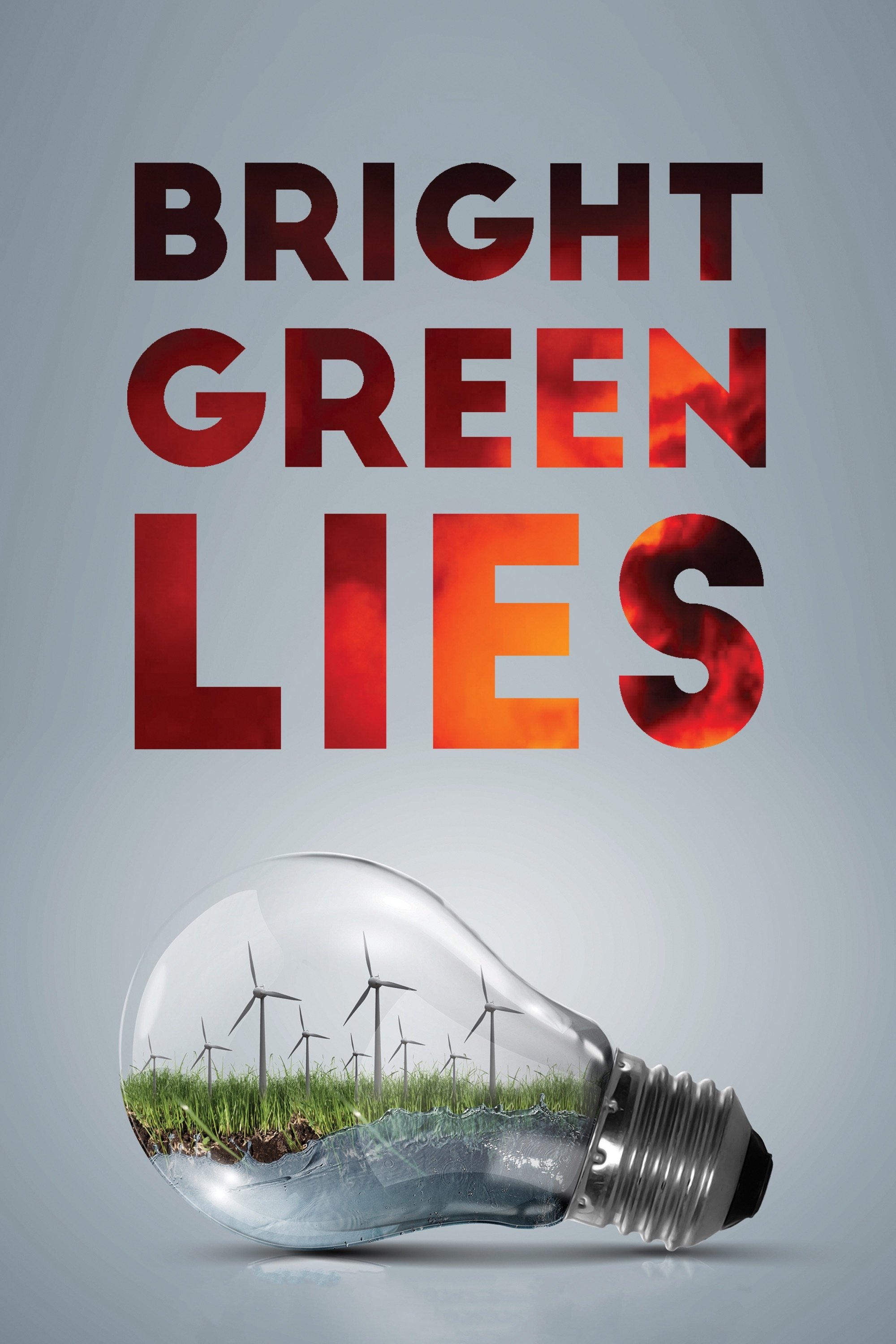
Bright Green Lies investigates the change in focus of the mainstream environmental movement, from its original concern with protecting nature, to its current obsession with powering an unsustainable way of life. The film exposes the lies behind the notion that solar, wind, hydro, biomass, or green consumerism will save the planet. Tackling the most pressing issues of our time will require us to look beyond the mainstream technological solutions and ask deeper questions about what needs to change.
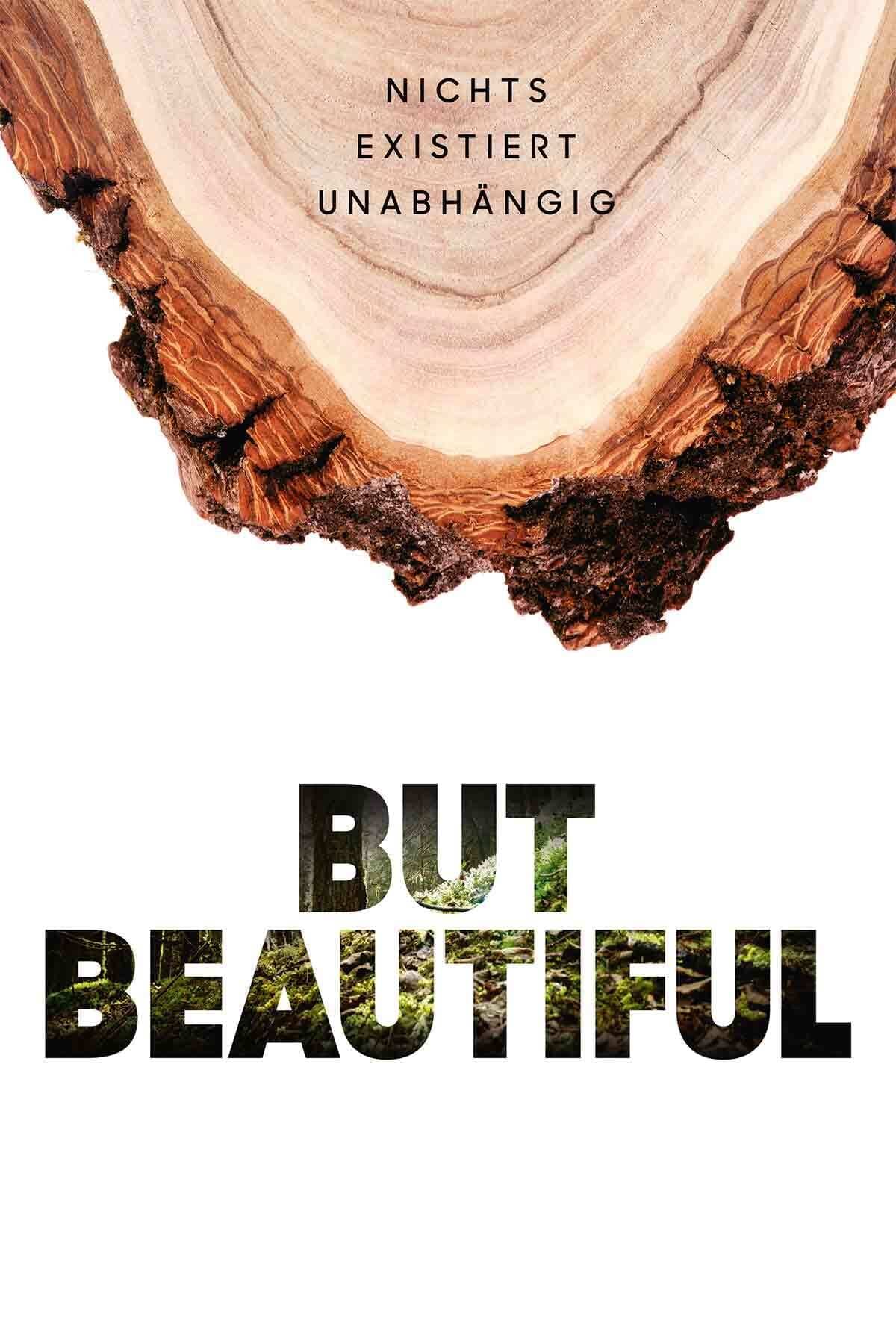
In his new film, Erwin Wagenhofer is looking for the good and beautiful in this world.
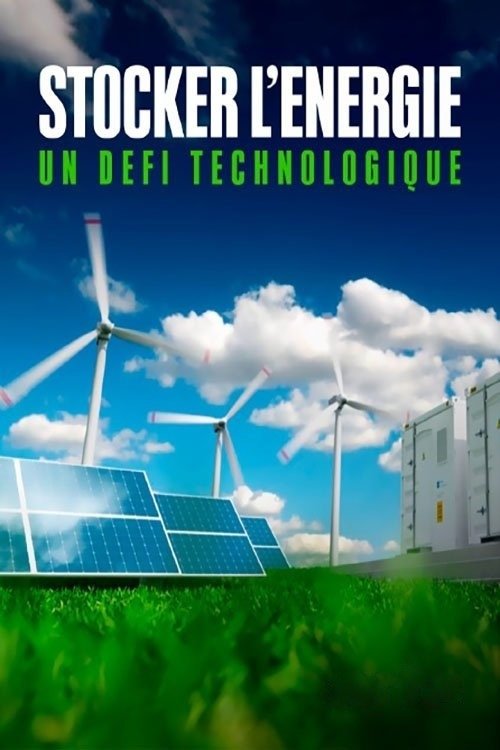
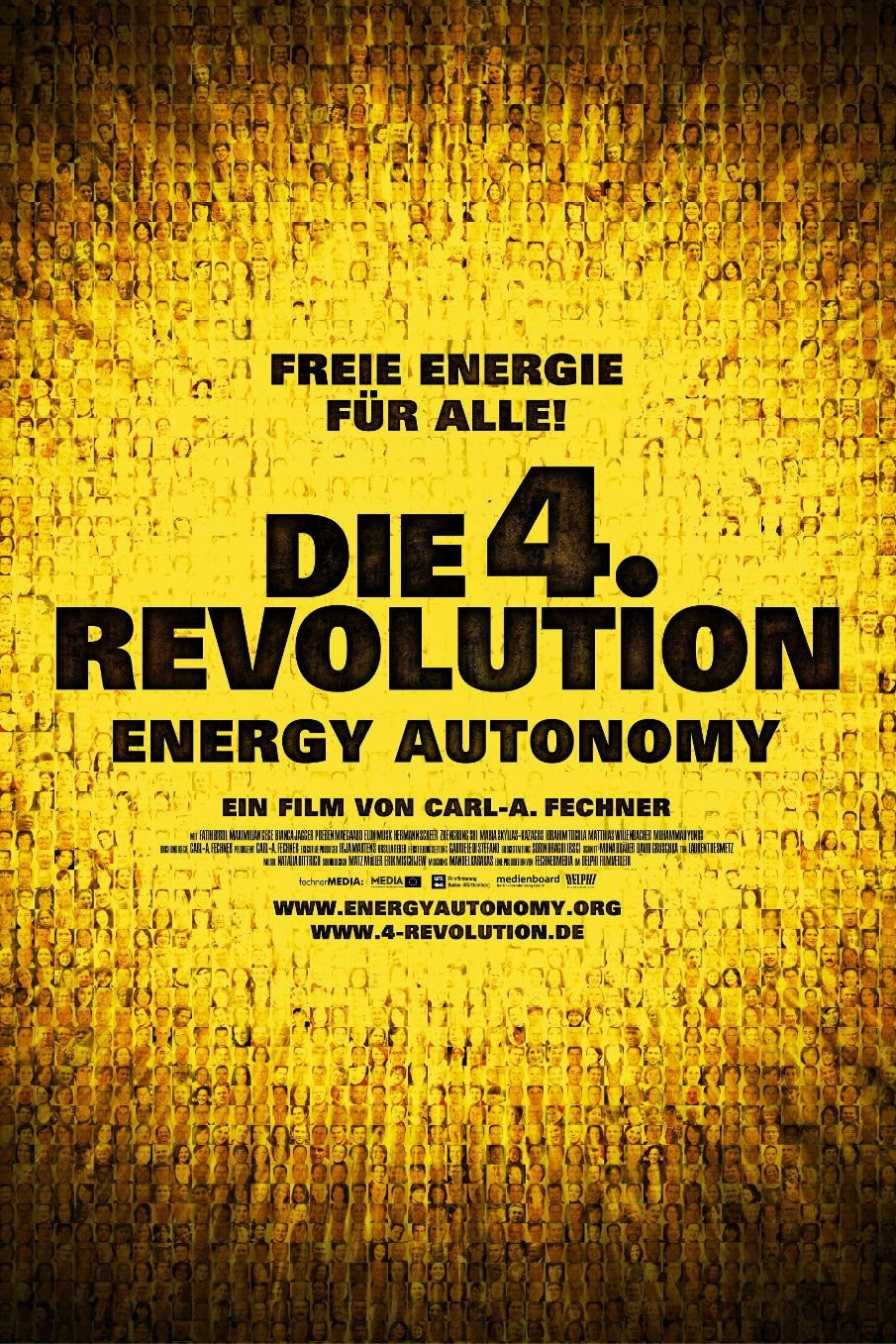
The documentary presents a compelling vision: a global community whose energy supply is 100 percent renewable, accessible, affordable, and clean for all. A global restructuring that reorganizes the balance of power and distributes capital more fairly could begin now. We just have to do it!
How LFTR, the Liquid Fluoride Thorium Reactor, will unlock abundant clean energy stored in Earth's plentiful thorium.
20 years ago the small town of Wunsiedel was at the edge: businesses had to close, jobs were lost, locals left for good. When a bunch of idealists decided to stop this race to the bottom. They developed a plan not only to put the region's energy supply on a completely new foundation, but also to create new prospects.
A look at the origins, history and conspiracies behind the "Majestic 12", a clandestine group of military and corporate figureheads charged with reverse-engineering extraterrestrial technology.
A visual montage portrait of our contemporary world dominated by globalized technology and violence.
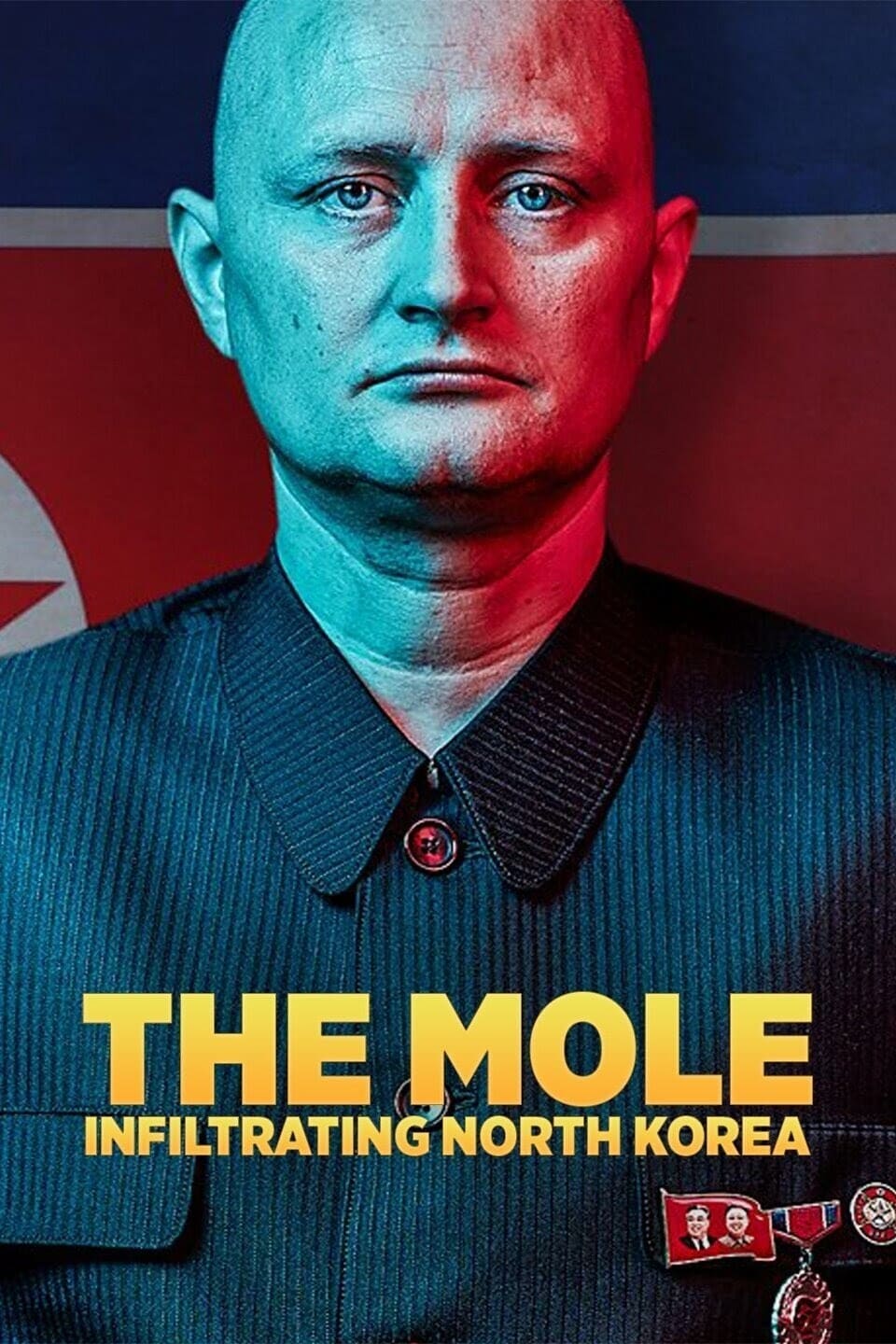
A real-life undercover thriller about two ordinary men who embark on an outrageously dangerous ten-year mission to penetrate the world's most secretive and brutal dictatorship: North Korea.
Musician and performance artist Laurie Anderson reflects on the deaths of her husband Lou Reed, her mother and her beloved dog.
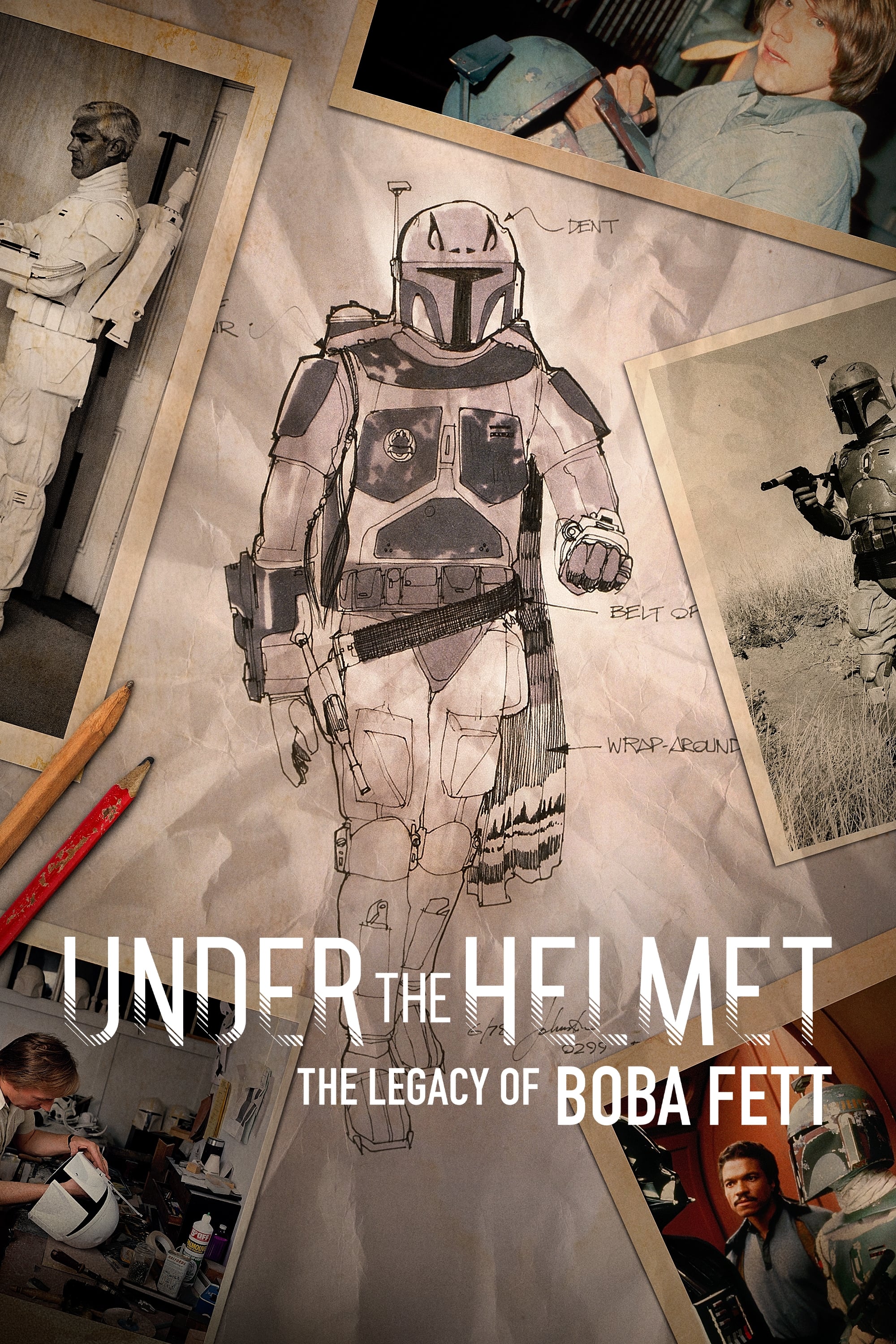
A special celebrating the origins and legacy of Star Wars' legendary bounty hunter, Boba Fett.
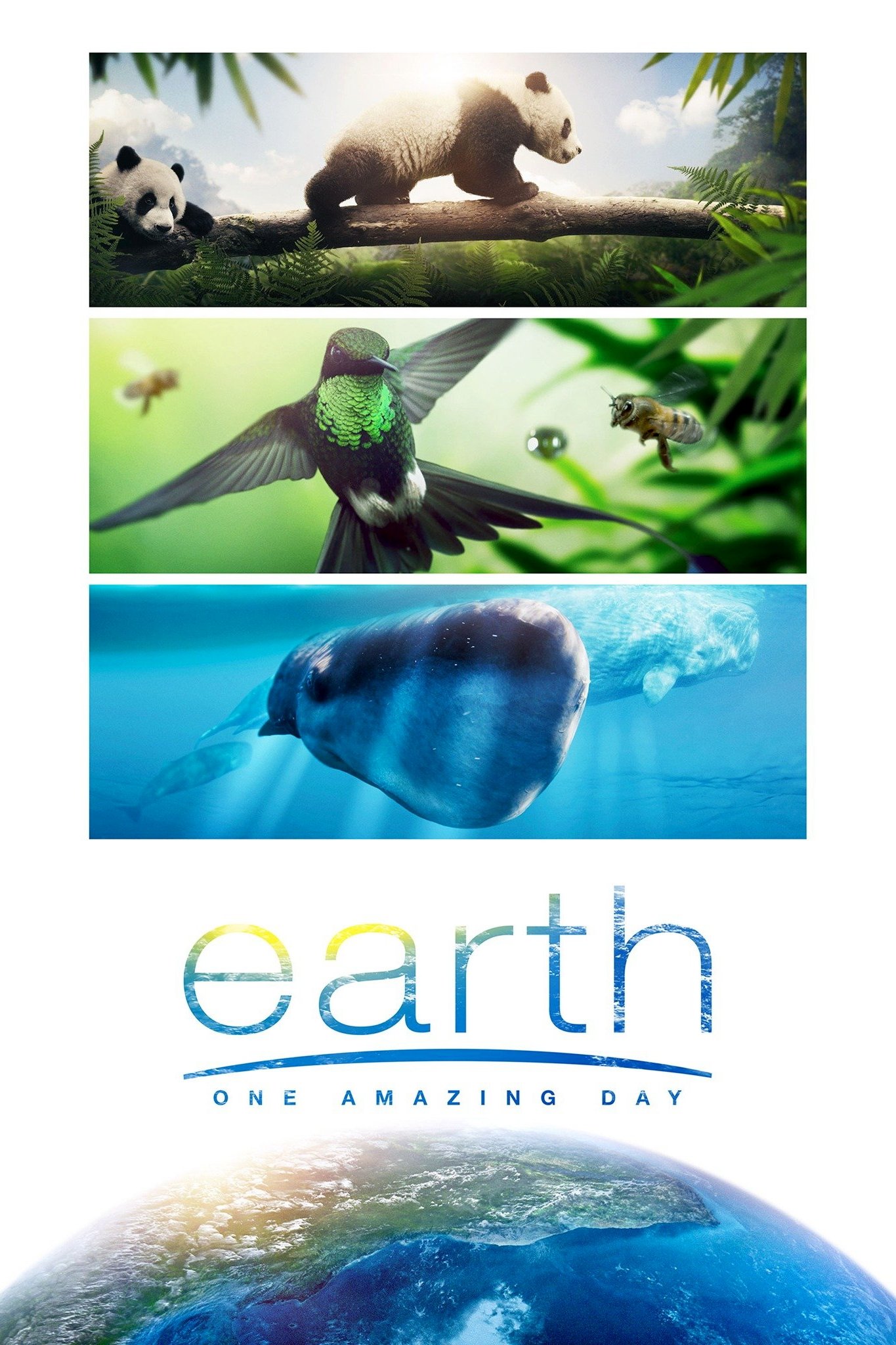
An astonishing journey revealing the awesome power of the natural world. Over the course of one single day, we track the sun from the highest mountains to the remotest islands to exotic jungles.
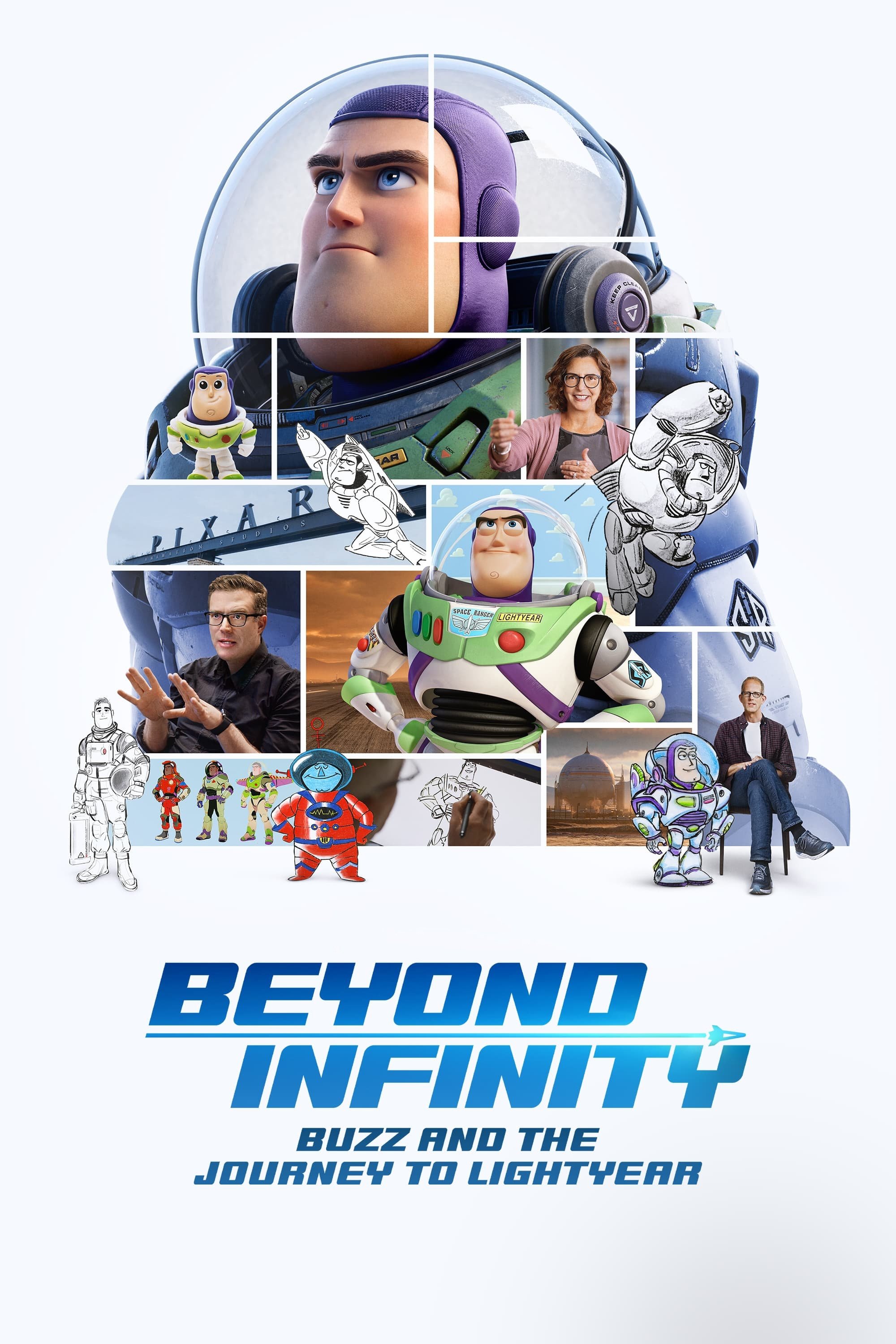
Explore the evolution of Buzz Lightyear from toy to human in the making of Pixar’s Lightyear. Dive into the origin and cultural impact of everyone’s favorite Space Ranger, the art of designing a new “human Buzz,” and the challenges faced by the Lightyear crew along the way.
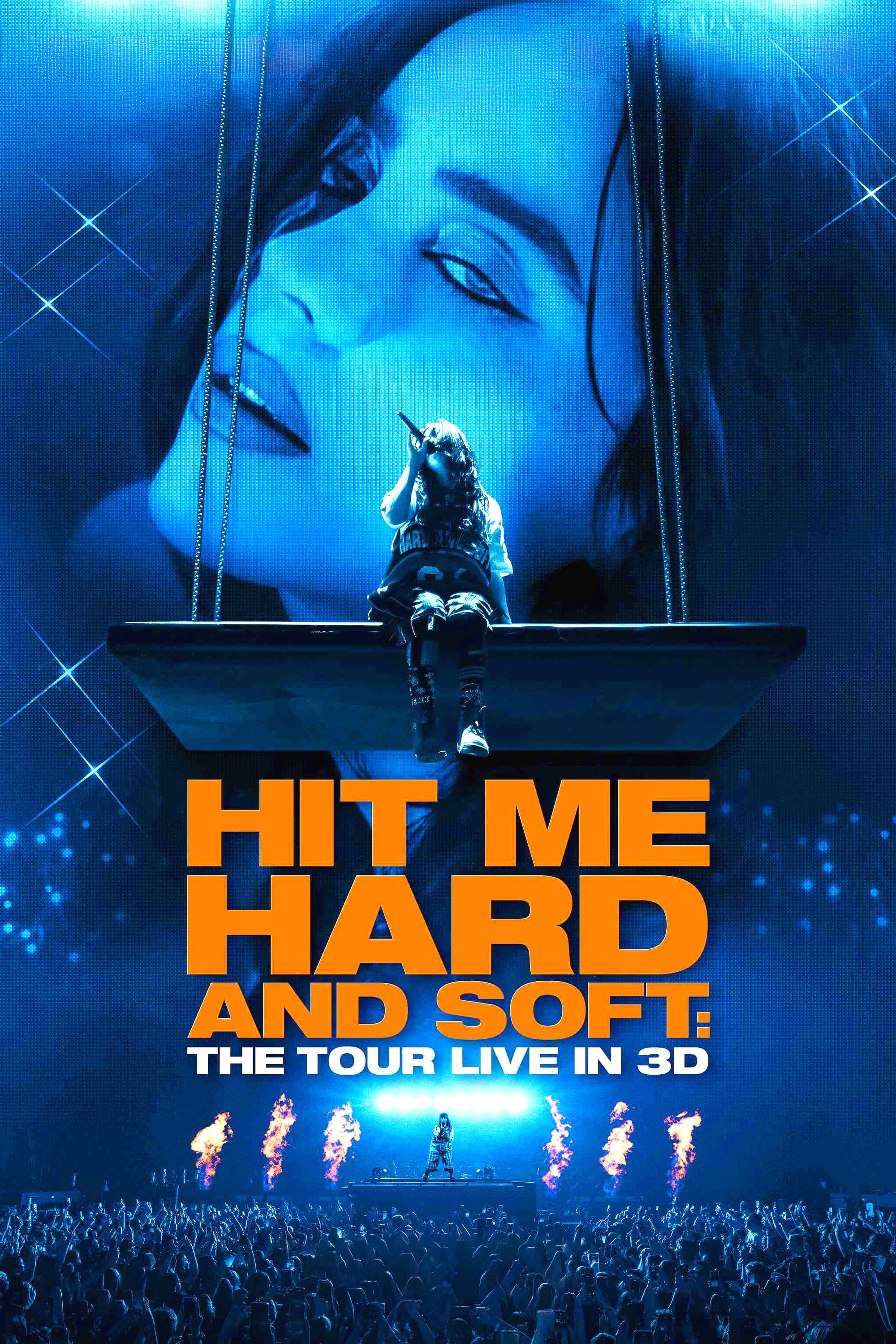
Captured during Billie Eilish's sold-out world tour, a concert experience from one of the most celebrated and successful artists of her generation, presented in immersive 3D.
The life of Mr. Spock, as well as that of Leonard Nimoy, the actor who played him for almost fifty years, written and directed by his son: Adam.
BBC Arena's documentary on the Dames of British Theatre and film featuring Maggie Smith, Eileen Atkins, Judi Dench and Joan Plowright on screen together for the first time as they reminisce over a long summer weekend in a house Joan once shared with Sir Laurence Olivier.
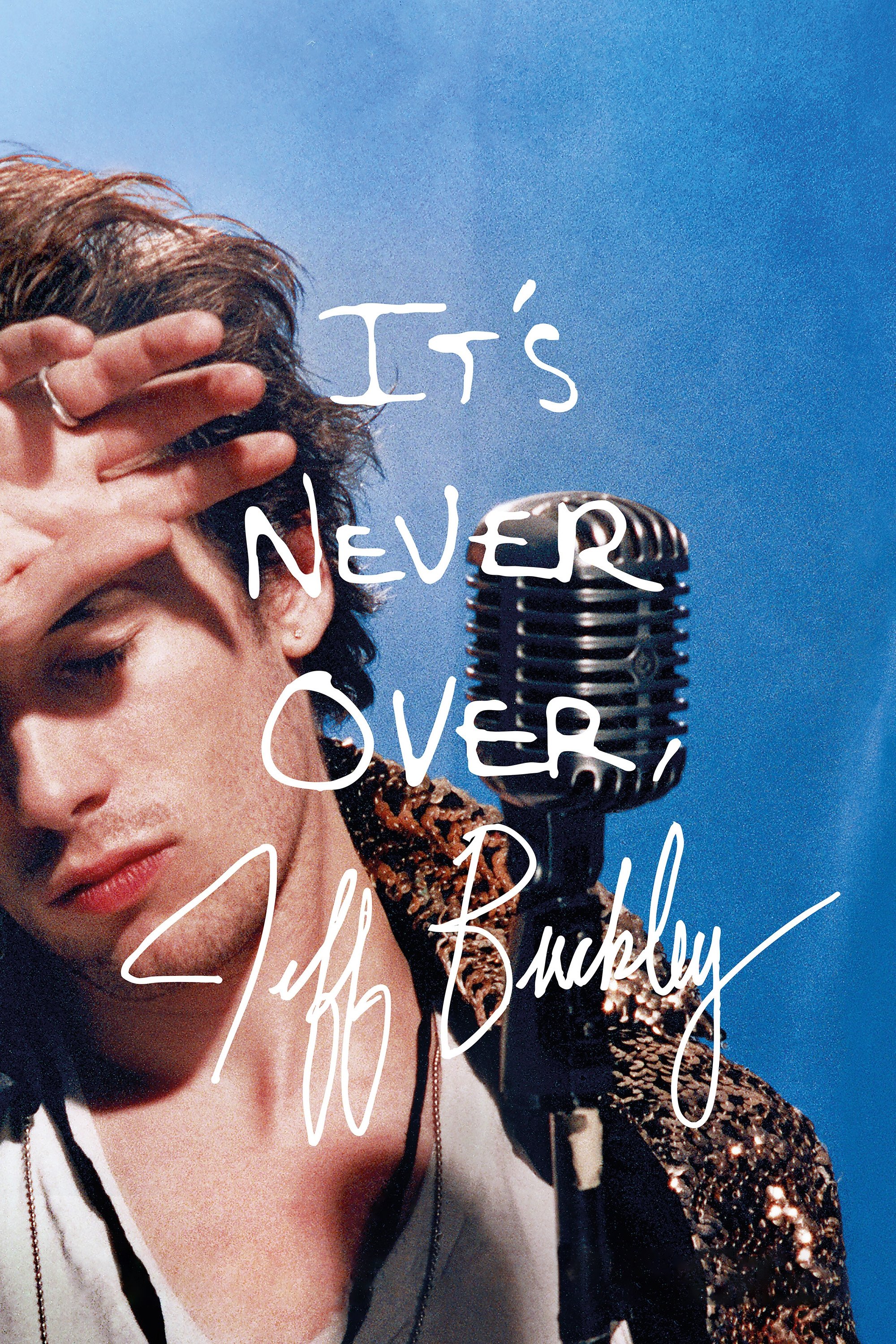
Rising musician Jeff Buckley had only released one album when he died suddenly in 1997. Now, never-before-seen footage, exclusive voice messages, and accounts from those closest to him offer a portrait of the captivating singer.
One Life captures unprecedented and beautiful sequences of animal behaviour guaranteed to bring you closer to nature than ever before, as well as a second disc packed full of never before seen extras including an exclusive making of featurette narrated by Daniel Craig.
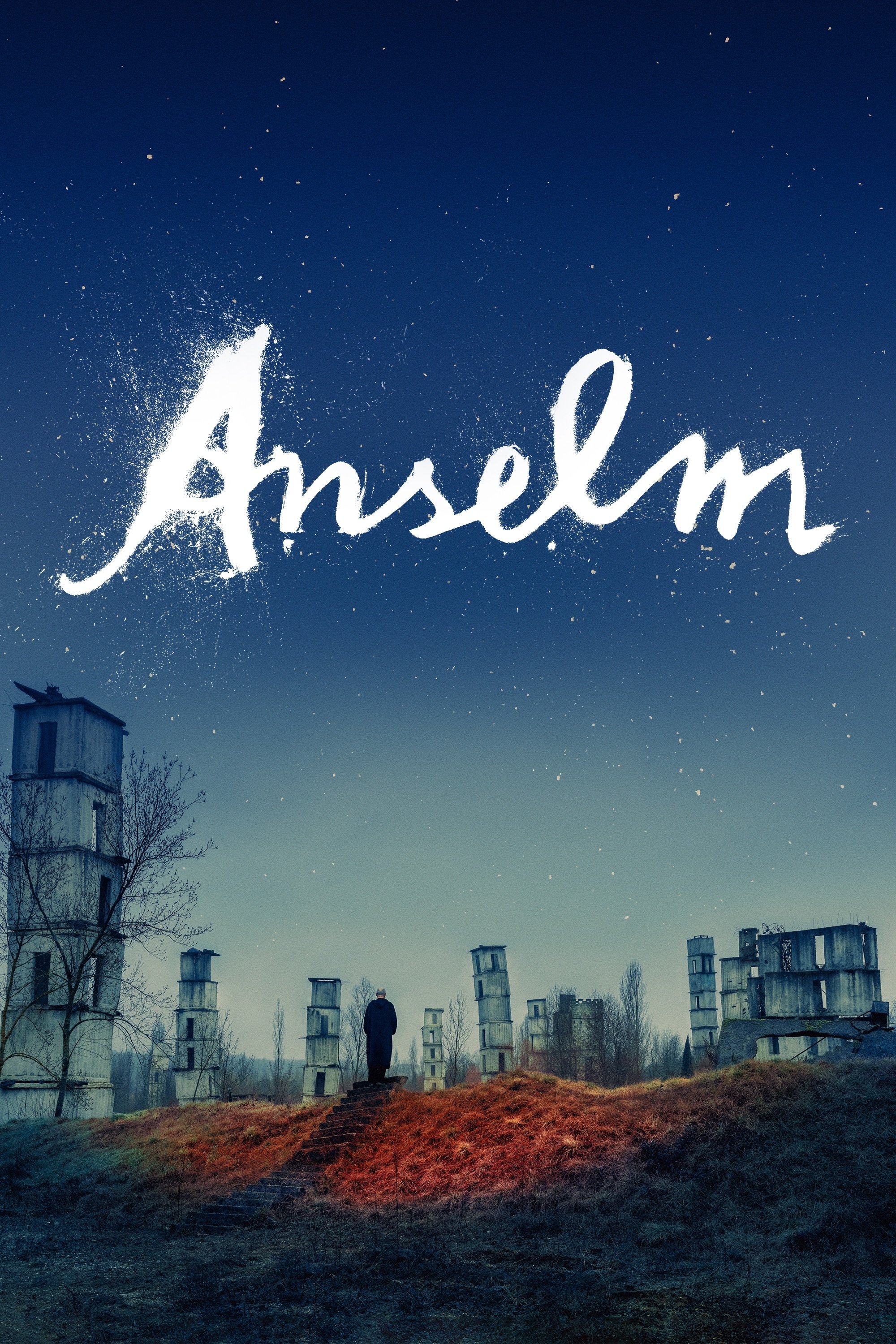
This unique cinematic experience dives deep into an artist’s work and reveals his life path, inspiration, and creative process. It explores his fascination with myth and history. Past and present are interwoven to diffuse the line between film and painting, allowing the audience to be completely immersed in the remarkable world of one of the greatest contemporary artists, Anselm Kiefer. Wim Wenders shot this unique portrait over the course of two years in stunning 3D.
A documentary detailing the epic Rogues' Gallery of DC Comics from The Joker and Lex Luthor, Sinestro, Darkseid and more, this documentary will explore the Super Villains of DC Comics.
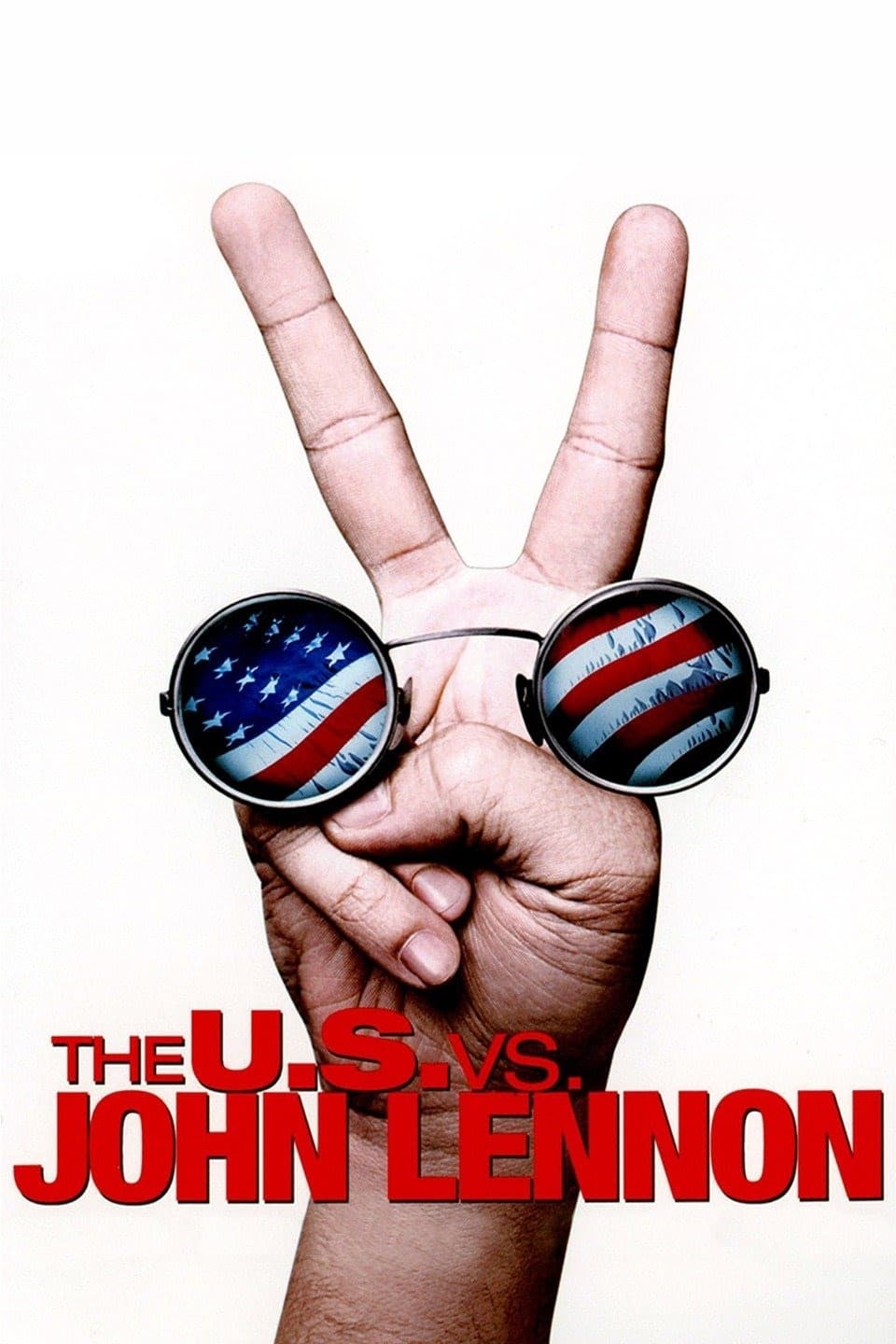
A documentary on the life of John Lennon, with a focus on the time in his life when he transformed from a musician into an antiwar activist.
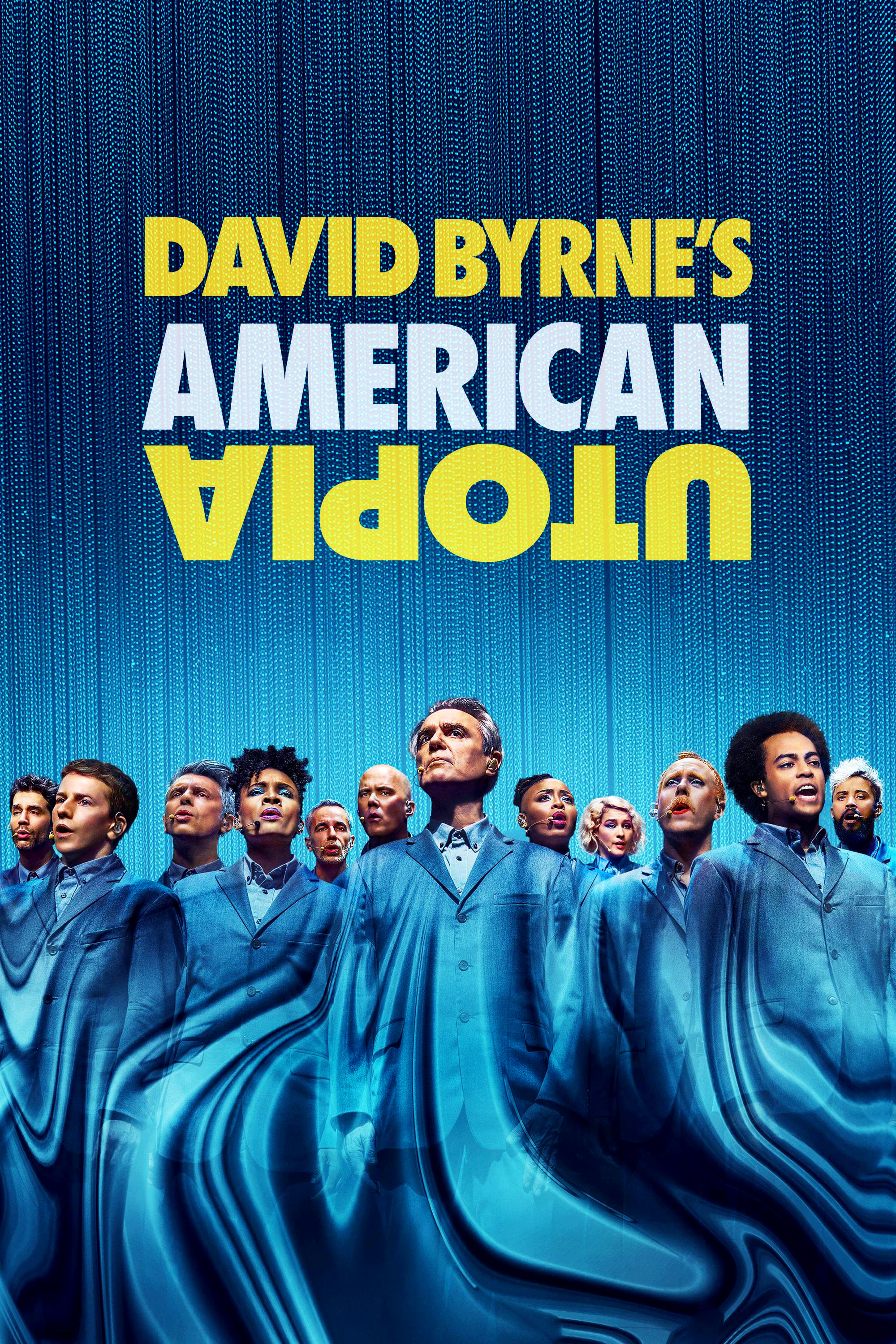
A filmed version of David Byrne's Broadway show, a unifying musical celebration that inspires audiences to connect to each other and to the global community.
This documentary focuses on the actors and their journey over two summers to create the remake to the original IT, by Stephen King. The documentary originally released as bonus material, bundled with IT: Chapter Two.
The film follows adventurer Jeff Johnson as he retraces the epic 1968 journey of his heroes Yvon Chouinard and Doug Tompkins to Patagonia.
A documentary chronicling Vogue editor-in-chief Anna Wintour's preparations for the 2007 fall-fashion issue.
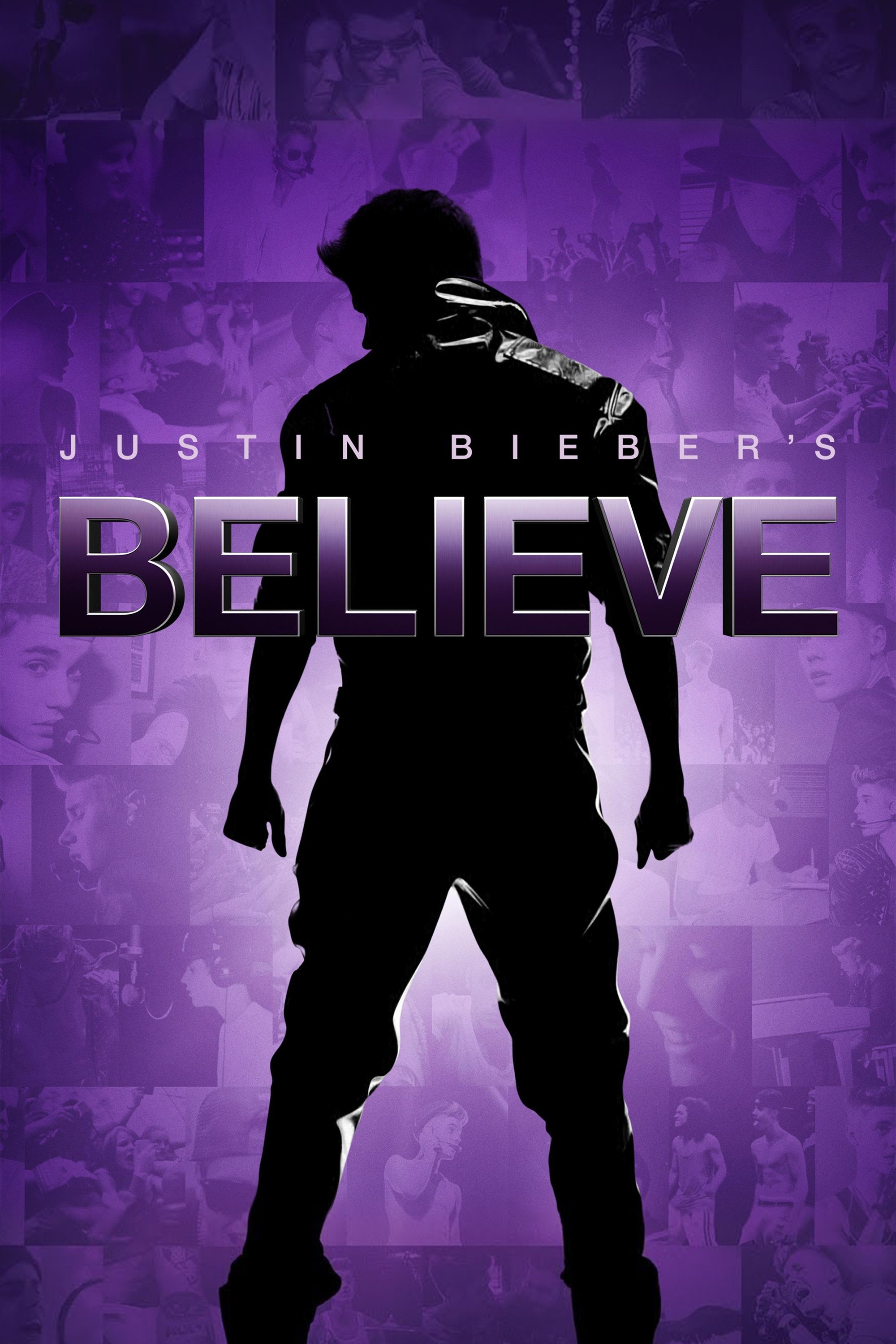
A backstage and on-stage look at Justin Bieber during his rise to super stardom.