It explores the effect that methamphetamine has had on the Navajo Nation and interviews the people whose lives have been affected by the highly addictive drug.
Social & External
The people behind it
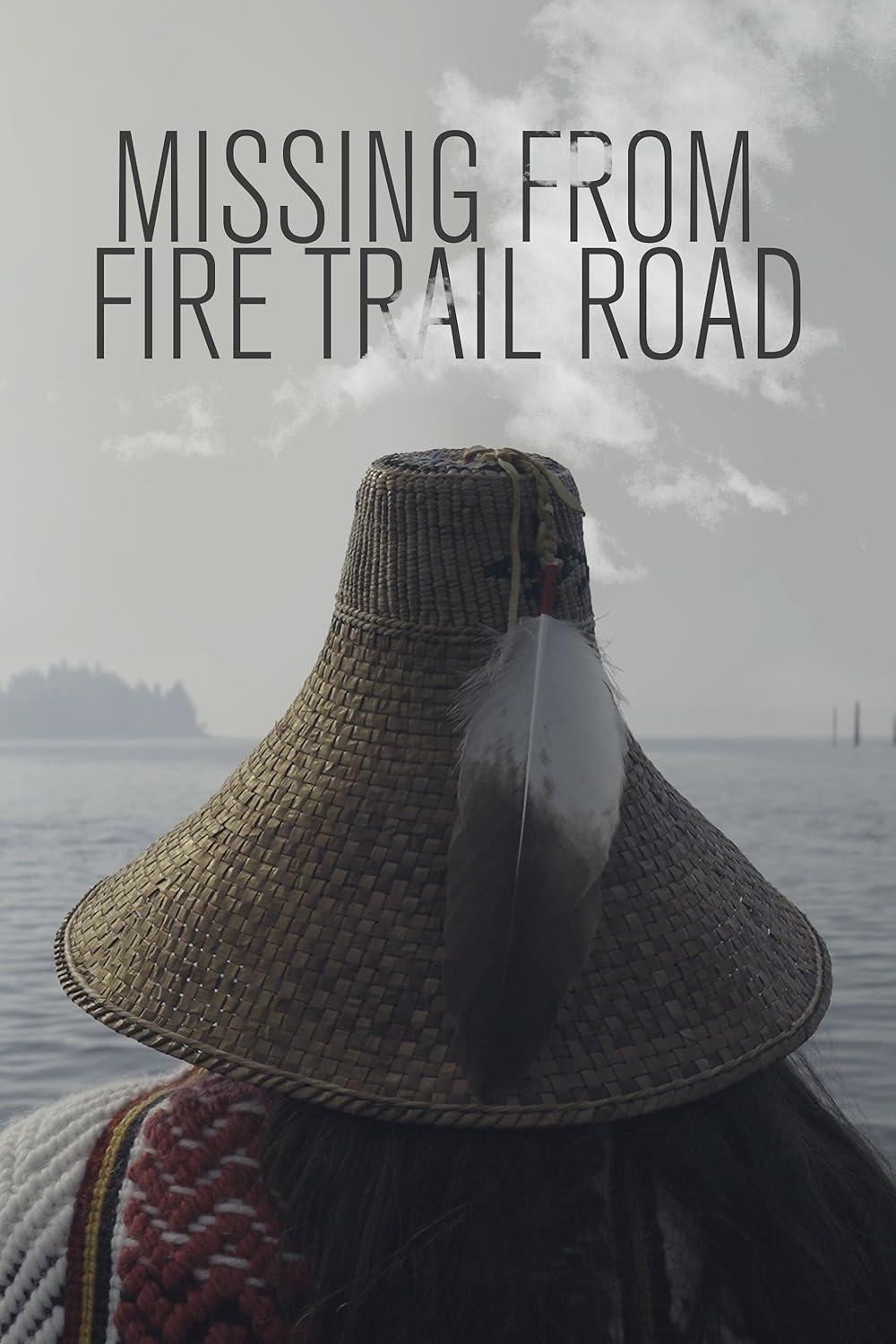
A riveting documentary detailing the case of Mary Ellen Johnson-Davis, a Native American woman who disappeared in 2020. Her story exposes how hundreds of Indigenous women continue to go missing in the USA, perpetuating trans-generational trauma on Indian reservations.
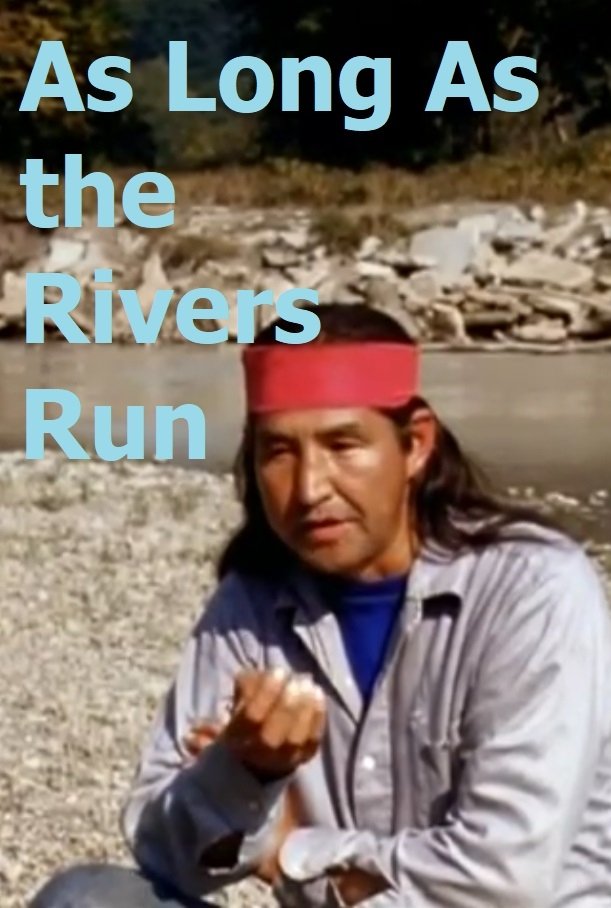
A film made by Victress Hitchcock and Ava Hamilton in 1989 on the Wind River Reservation for Wyoming Public Television.
Mr. Greene recollects Navajo history through interviews with ancient tribesmen and reports on contemporary conditions, with emphasis on the progress being made at Rough Rock School in contrast with a BIA boarding school in Utah. Rough Rock is the "experimental" institution set up to give the Native Americans direct control of the process by which their children can be educated to function, productively and with a sense of identification, in two totally different worlds.
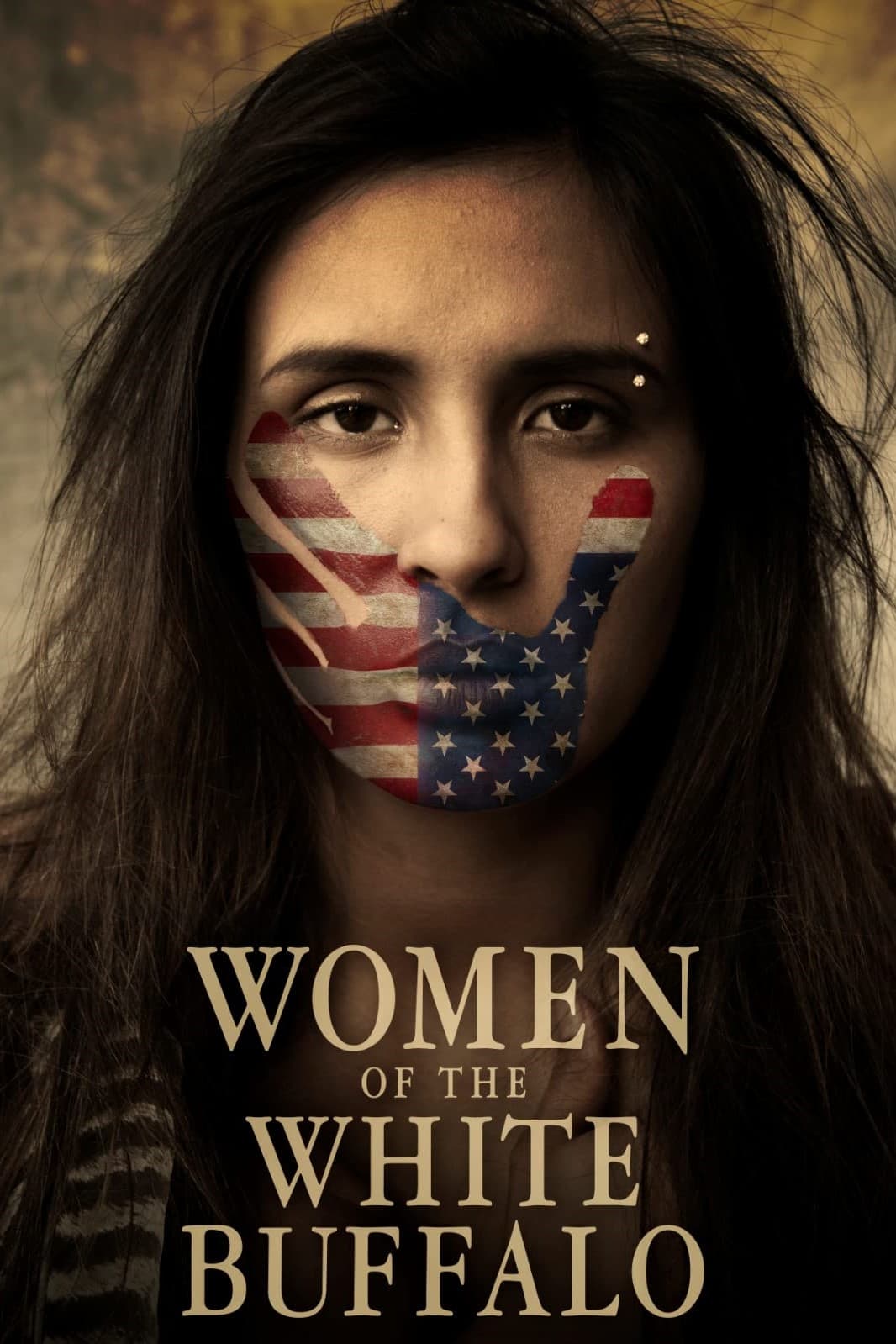
With exclusive access to the lives of 8 women, ranging in age from 10 to 98, explore powerful testimonials of loss and survival and gain insight into the experience of a modern Indigenous American living on a reservation. Gripping historical accounts and startling timely statistics guide viewers down the path that has led to these present day conditions.
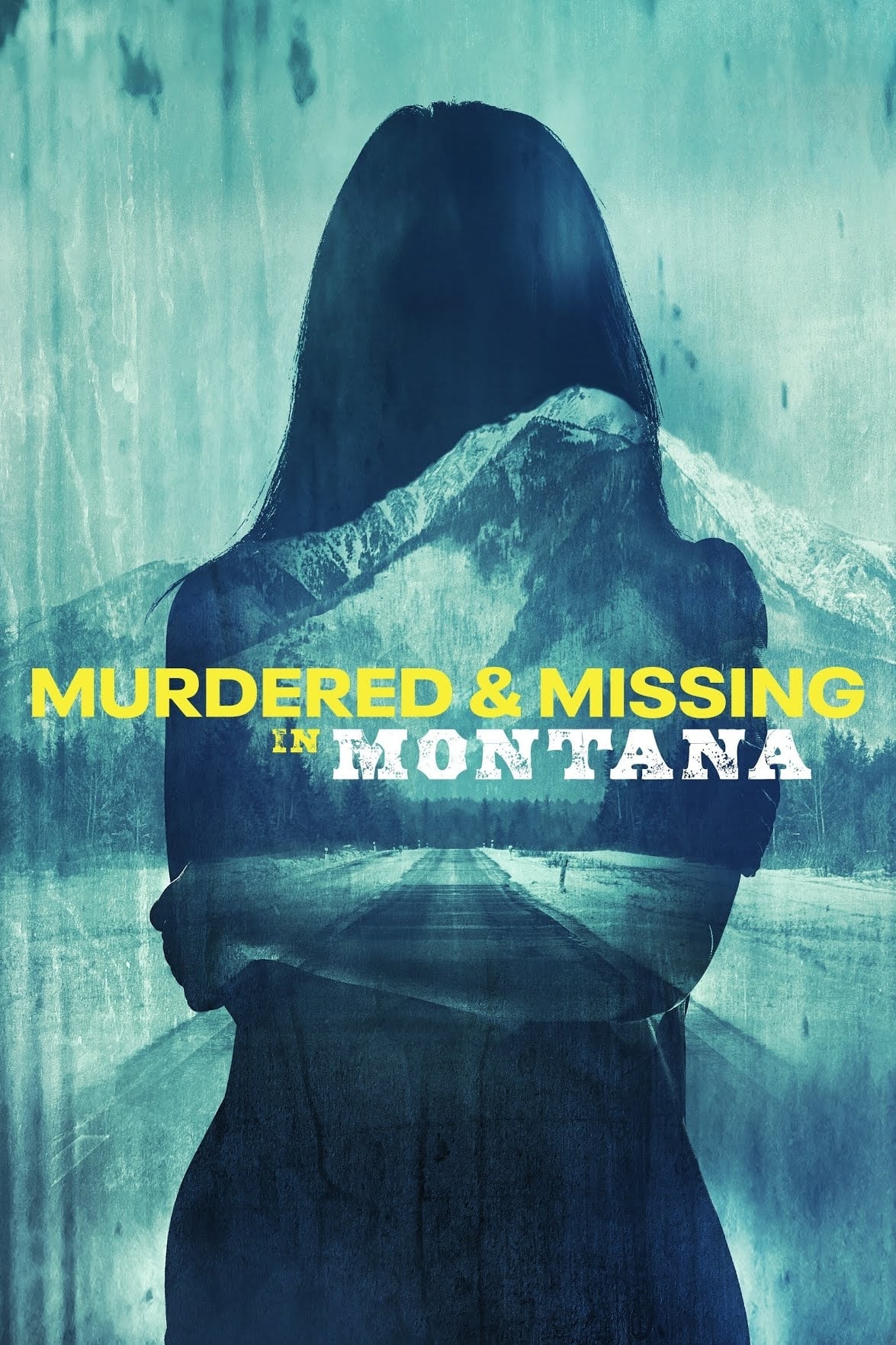
A documentary examining the mysterious deaths of three young Indigenous women in south-central Montana, featuring access to family members, tribal officials, law enforcement, and community activists.
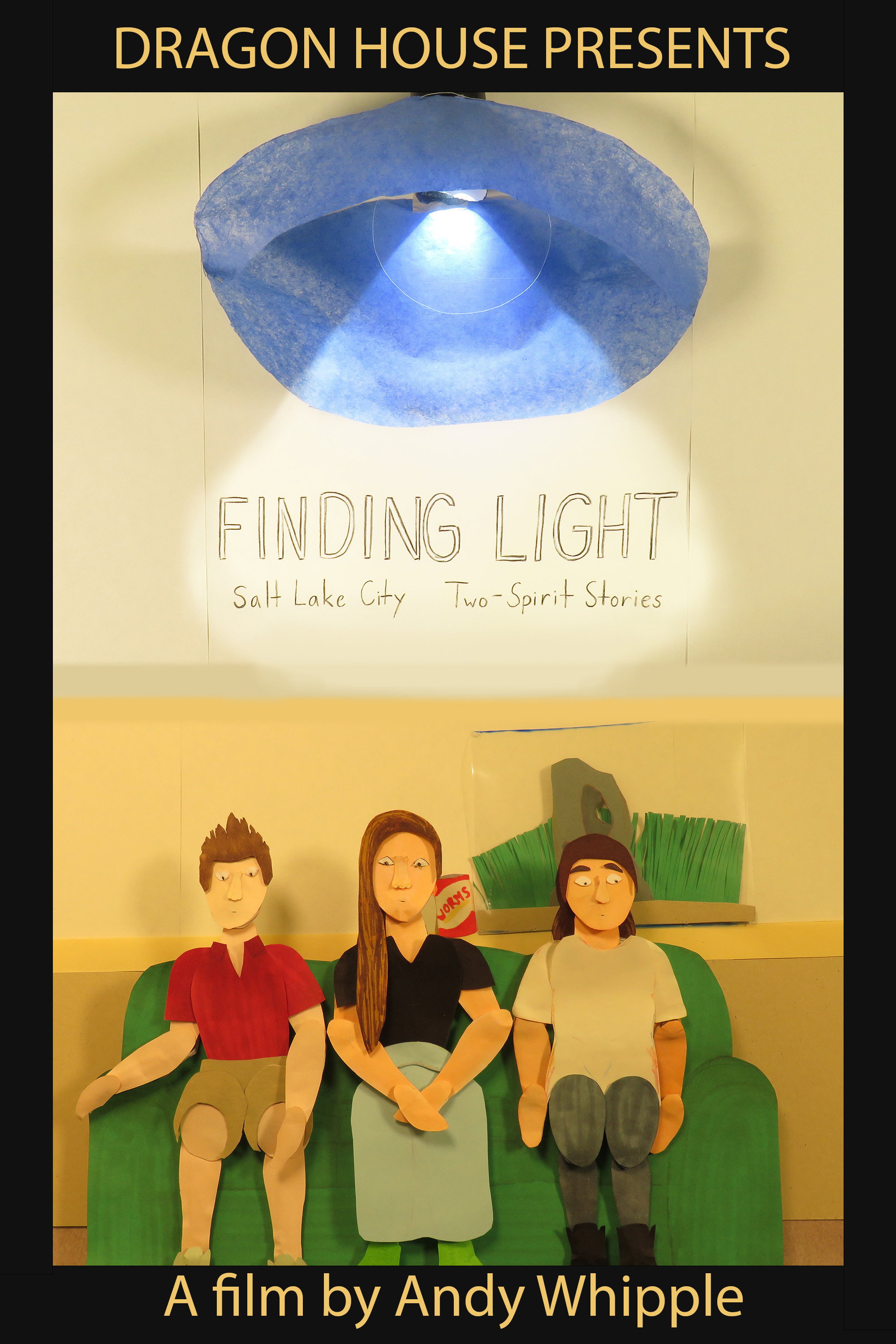
A stop-motion documentary about Two-Spirit people's gender experiences with magical-realism visuals.
A Video about a horse race held every year, during the second week of August, in Omak, Washington as a part of the Omak Stampede, a rodeo. Held for more than 70 years, the race is known for the portion of the race where horses and riders run down Suicide Hill, a 62-degree slope that runs for 225 feet (69 m) to the Okanogan River.[1] Though the race was inspired by Indian endurance races, the actual Omak race was the 1935 brainchild of a local Omak business owner.
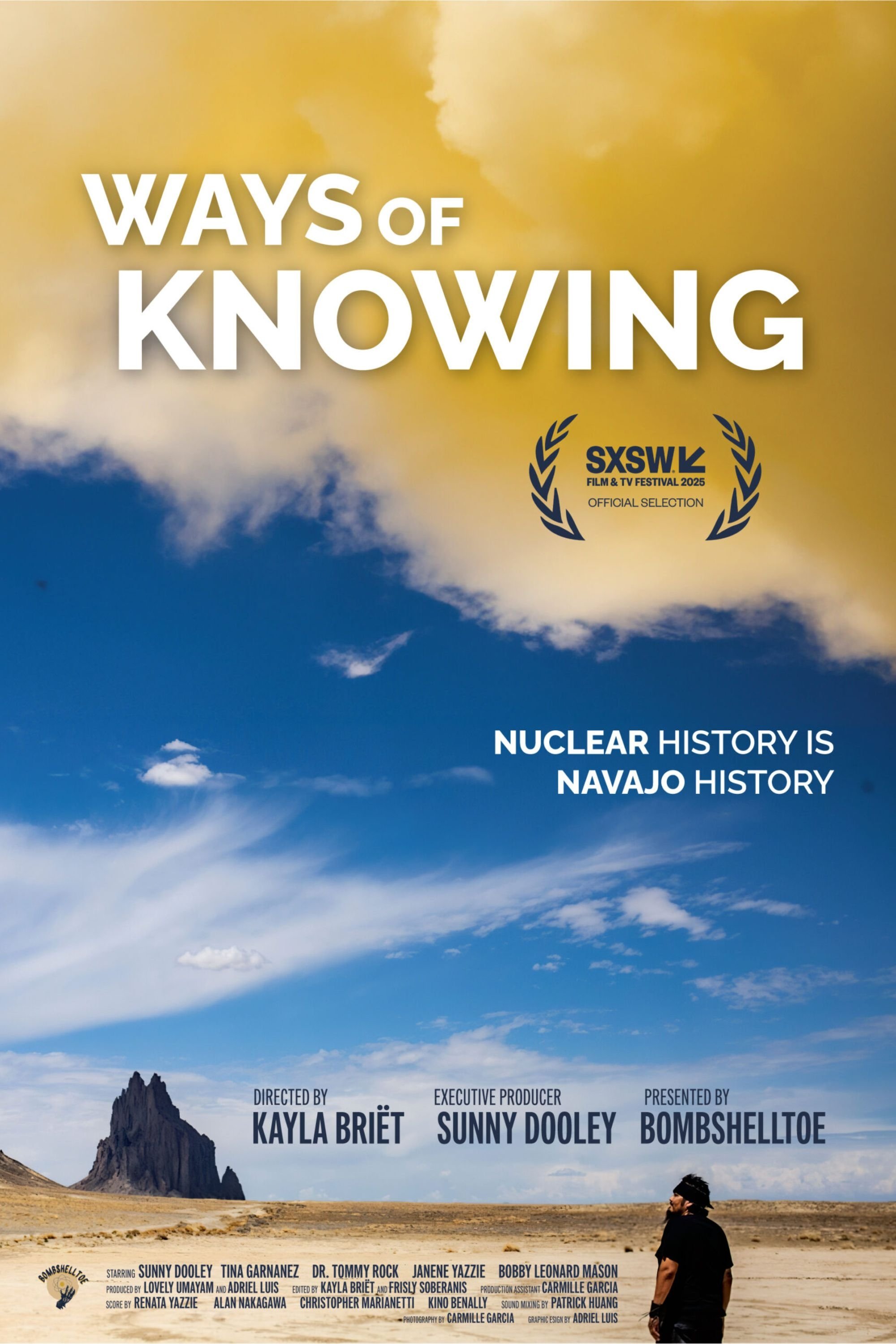
The American Southwest holds a dark legacy as the place where nuclear weapons were invented and built. Navajo people have long held this place sacred, and continue to fight for a future that transcends historical trauma. This is their story.
Actor Val Kilmer narrates this powerful film exploring the methamphetamine epidemic that's ravaged blue-collar America. Putting a human face on the problem, filmmaker Justin Hunt reveals the damage being done by this rural drug of choice, as well as the steps being taken by communities across the nation to wipe out the scourge. From Wyoming to New Mexico, Montana and Oregon, American Meth paints a picture of both devastation and hope.
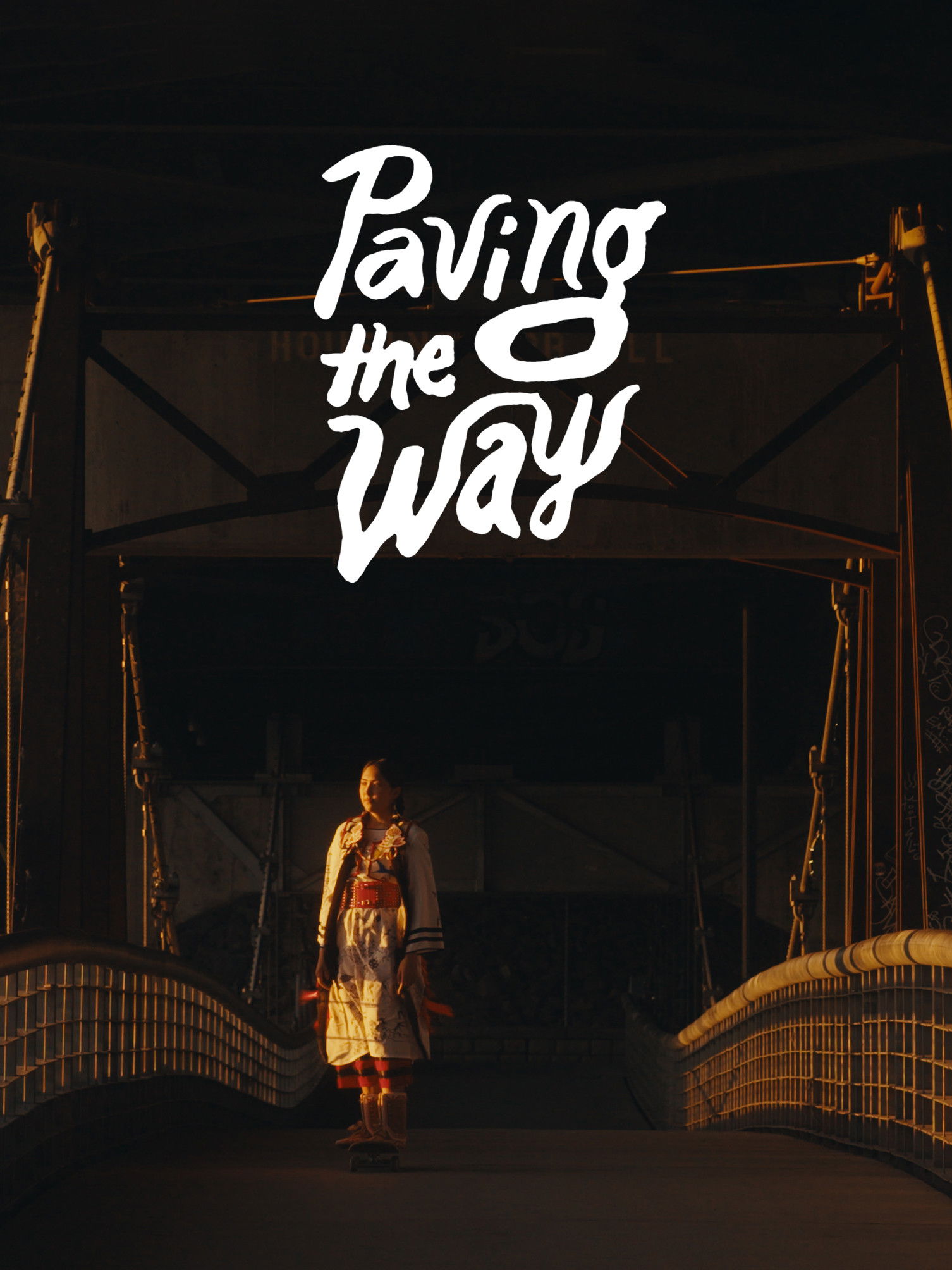
Set against the sweeping landscapes of the Flathead Indian Reservation, the film highlights skateboarding’s power to build community, foster confidence, and challenge stereotypes. More than a skateboarding film, it becomes a vibrant portrait of young people who get back up every time they fall.
A young Native American man on his way to visit his uncle learns about his Navajo heritage by attending tribal gatherings, traditional ceremonies and listening to old folktales.
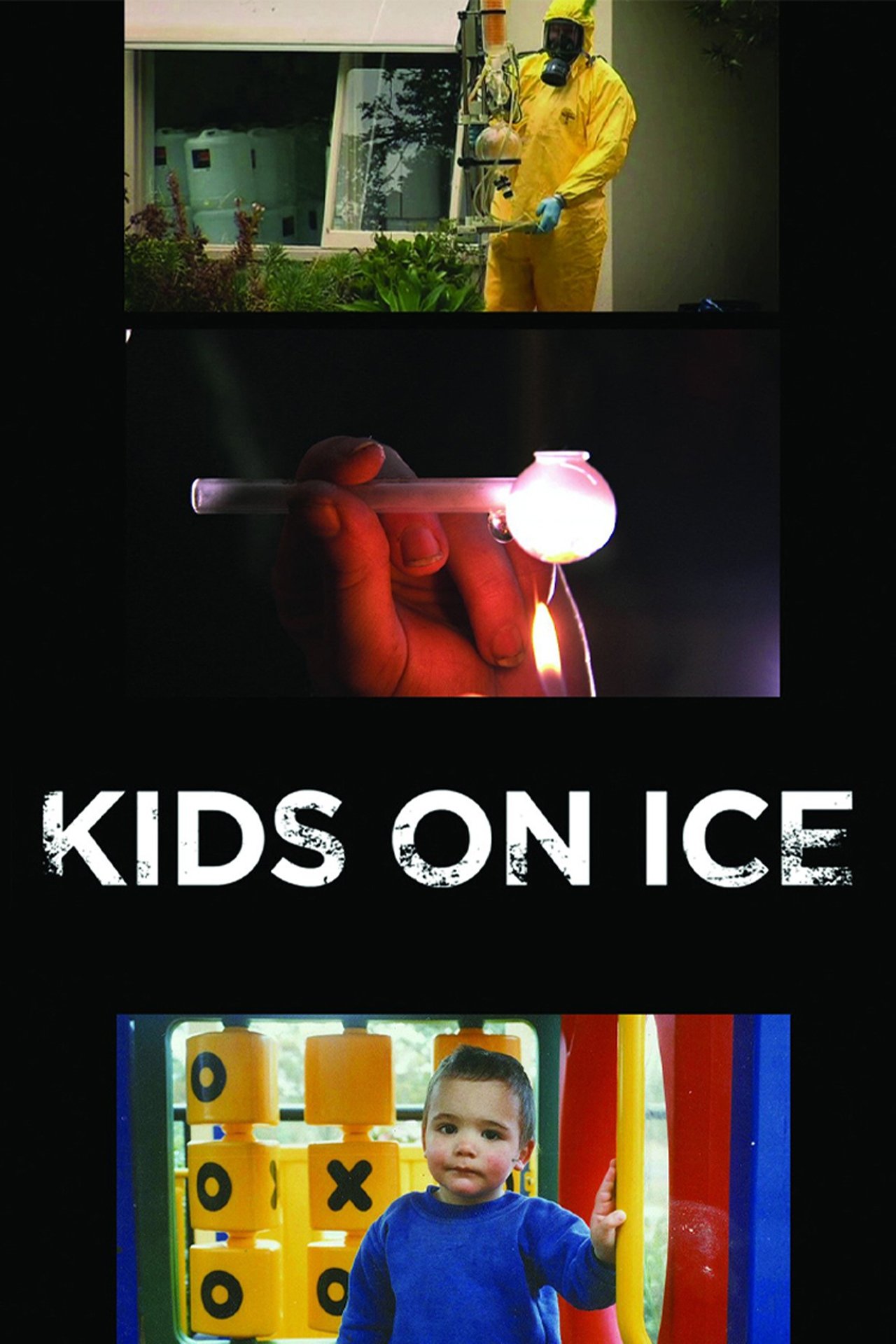
Quiet towns across rural Australia are in the grip of an Ice epidemic. Major international drug cartels are working with local outlawed motorcycle gangs to push crystal meth to a captive market of children.
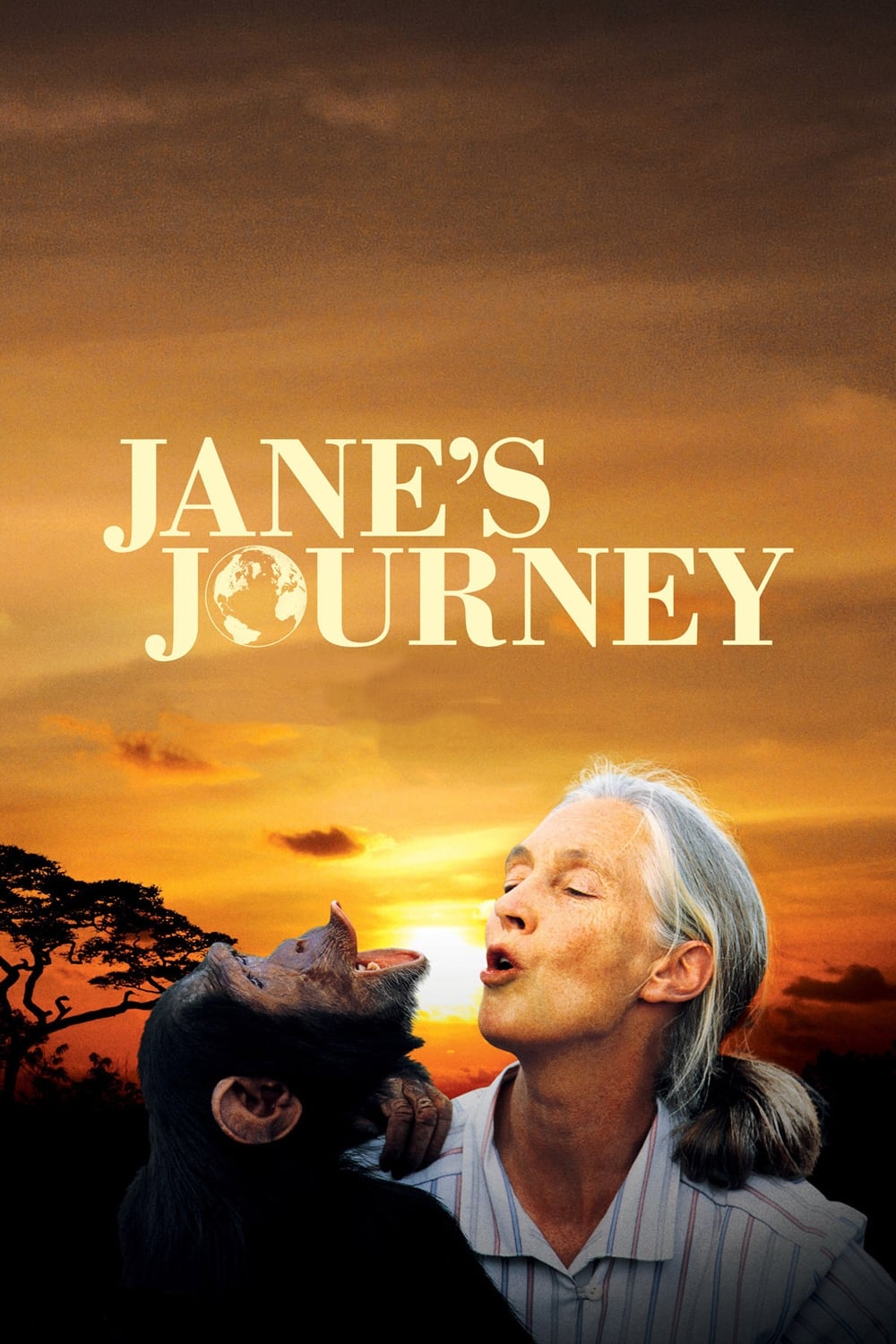
It would be hard to name anyone who has had more of an impact in the realm of animal research and wildlife conservation than Jane Goodall, whose 45 year study of wild chimpanzees in Africa is legendary. In Jane's Journey, we travel with her across several continents, from her childhood home in England, to the Gombe National Park in Tanzania where she began her groundbreaking research and where she still returns every year to enjoy the company of the chimpanzees that made her famous. Featuring a wide range of interviews and spectacular footage from her own private collection, Jane's Journey is an inspiring portrait of the private person behind the world-famous icon.
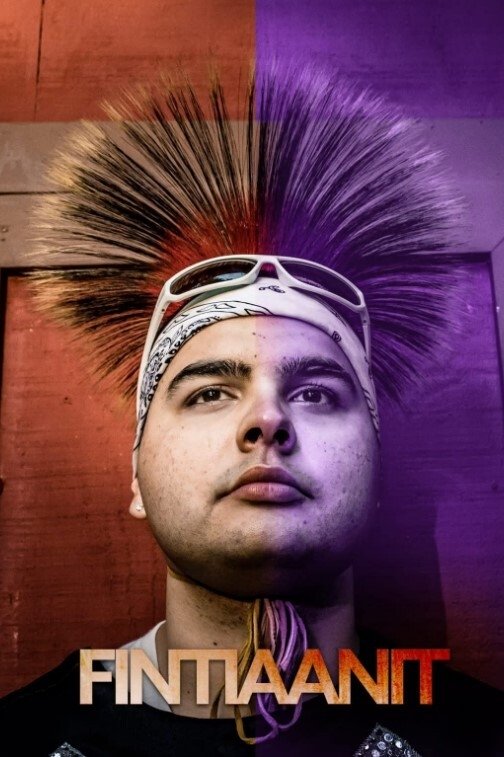
A short documentary about Americans with Native American and Finnish heritage.
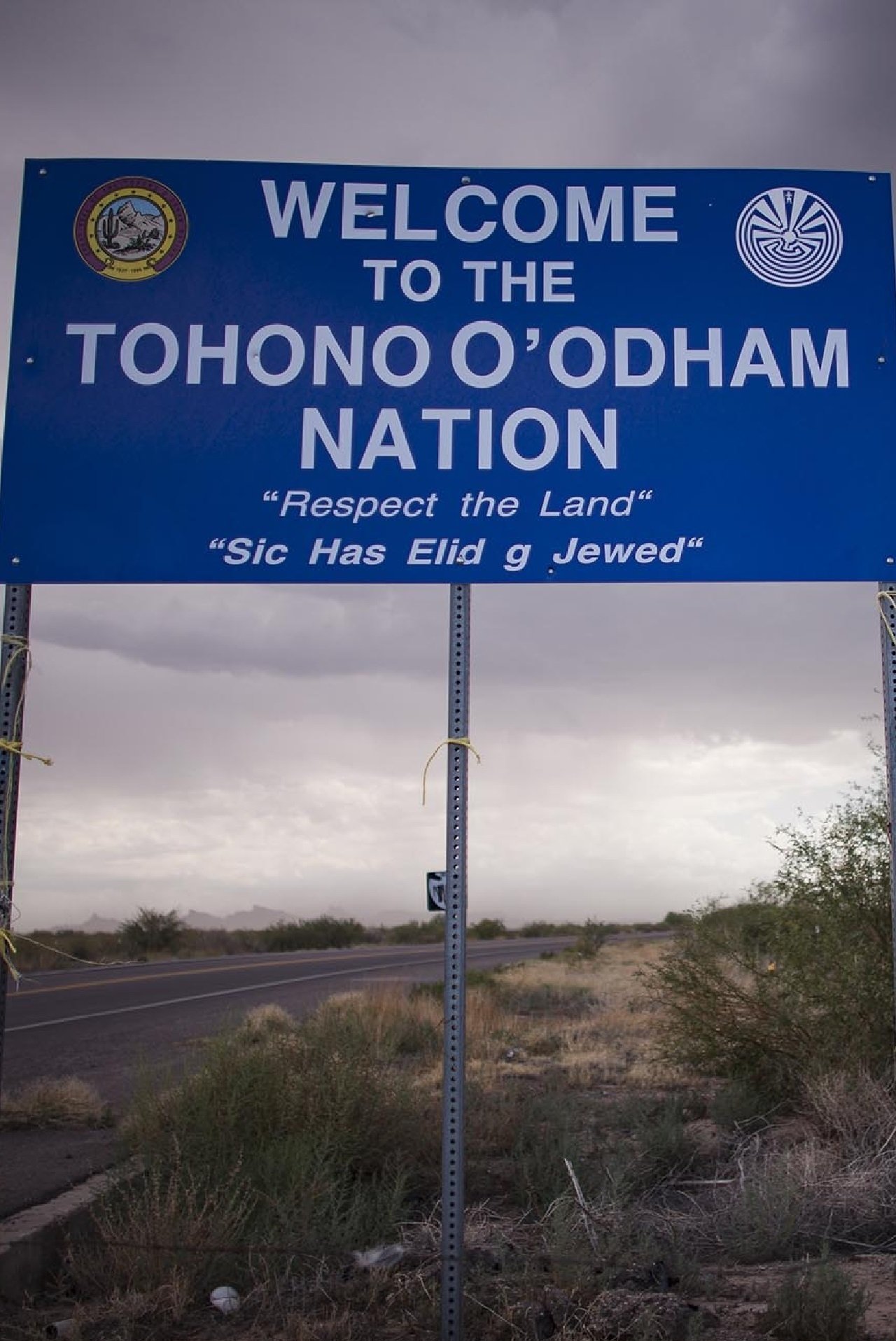
Ofelia Rivas (Tohono O’odham) was born and raised just north of the US-Mexico border, the traditional territory of the Tohono O’odham. Today, tribal members live on both sides. From threats of new border infrastructure to stricter entry laws, can Ofelia and her people’s traditional way of life survive?
When gang leader Rob Brown is sentenced to prison for a fifth time, he must confront his role in bringing violent drug culture into his beloved American Indian community in northern Minnesota. As Rob reckons with his past, his seventeen-year-old protégé, Kevin, dreams of the future: becoming the most powerful and feared Native gangster on the reservation.
Director Malakye Tsosie explores his identity through the Navajo language. A language that is spoken less frequently over the generations. However, the resilience of the language breathes through his journey with a small Navajo radio station, his family relatives, and the people of the Navajo Nation.
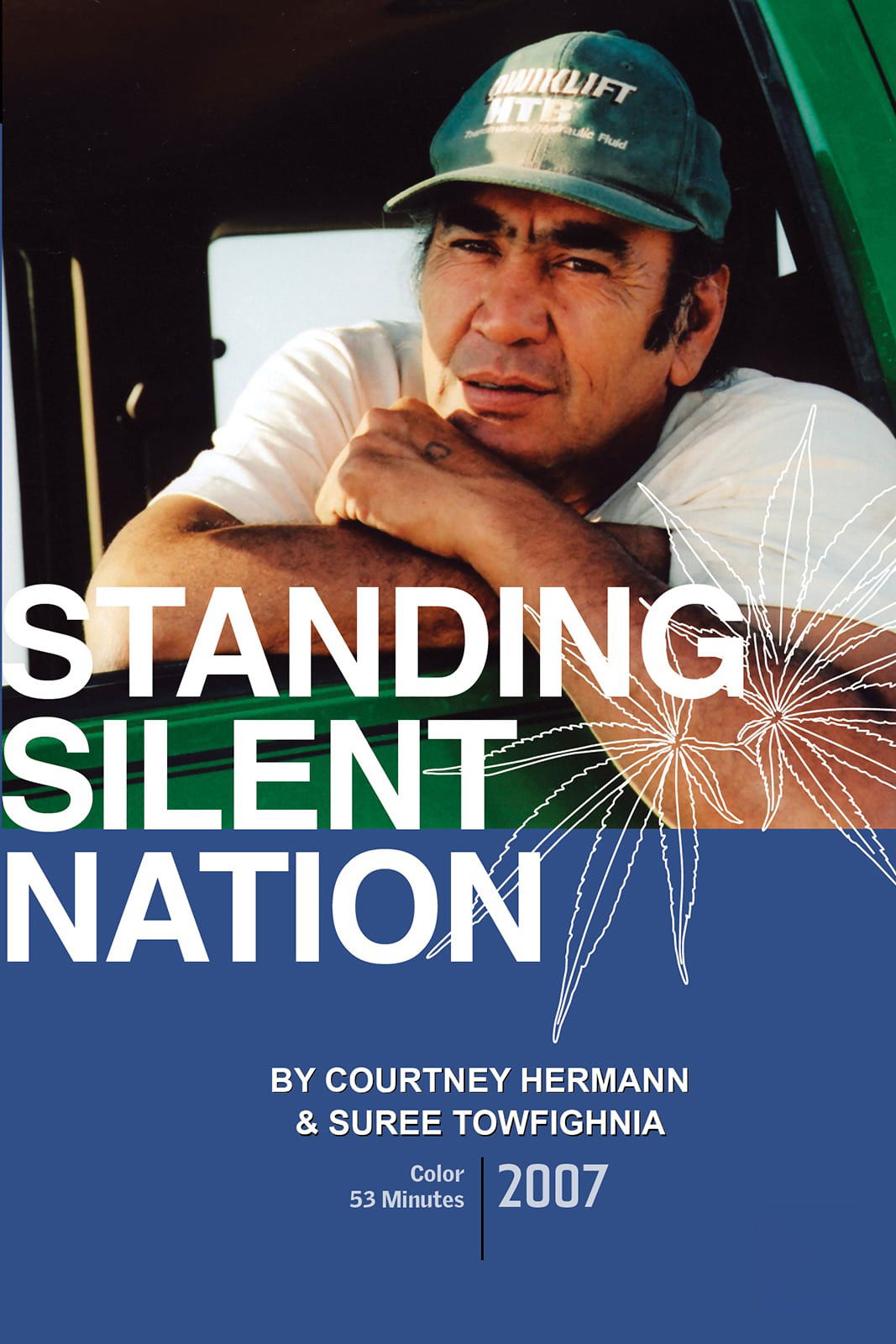
When the Oglala Sioux Tribe passed an ordinance separating industrial hemp from its illegal cousin, marijuana, Alex White Plume and his family glimpsed a brighter future. Having researched hemp as a sustainable crop that would grow in the inhospitable soil of the South Dakota Badlands, the White Plumes envisioned a new economy that would shrink the 85% unemployment rate on the Pine Ridge Reservation. They never dreamed they would find themselves swept up in a struggle over tribal sovereignty, economic rights, and common sense.
Examines the violence and civil disobedience leading up to the hallmark decision in U.S. v. Washington, with particular reference to the Nisqually Indians of Frank's Landing in Washington.
The story of the Navajo, at work and play, in the Southwestern United States, and in particular, in scenic Monument Valley. The film focuses on a typical Indian family, its daily life, struggles, and folkways, as every aspect of living is governed by Navajo gods and legends.
THE SPIRIT MOLECULE weaves an account of Dr. Rick Strassman's groundbreaking DMT research through a multifaceted approach to this intriguing hallucinogen found in the human brain and hundreds of plants, including the sacred Amazonian brew, ayahuasca. Utilizing interviews with a variety of experts to explain their thoughts and experiences with DMT, and ayahuasca, within their respective fields, and discussions with Strassman’s research volunteers, brings to life the awesome effects of this compound, and introduces us to far-reaching theories regarding its role in human consciousness.
The film follows adventurer Jeff Johnson as he retraces the epic 1968 journey of his heroes Yvon Chouinard and Doug Tompkins to Patagonia.
Takes us to locations all around the US and shows us the heavy toll that modern technology is having on humans and the earth. The visual tone poem contains neither dialogue nor a vocalized narration: its tone is set by the juxtaposition of images and the exceptional music by Philip Glass.
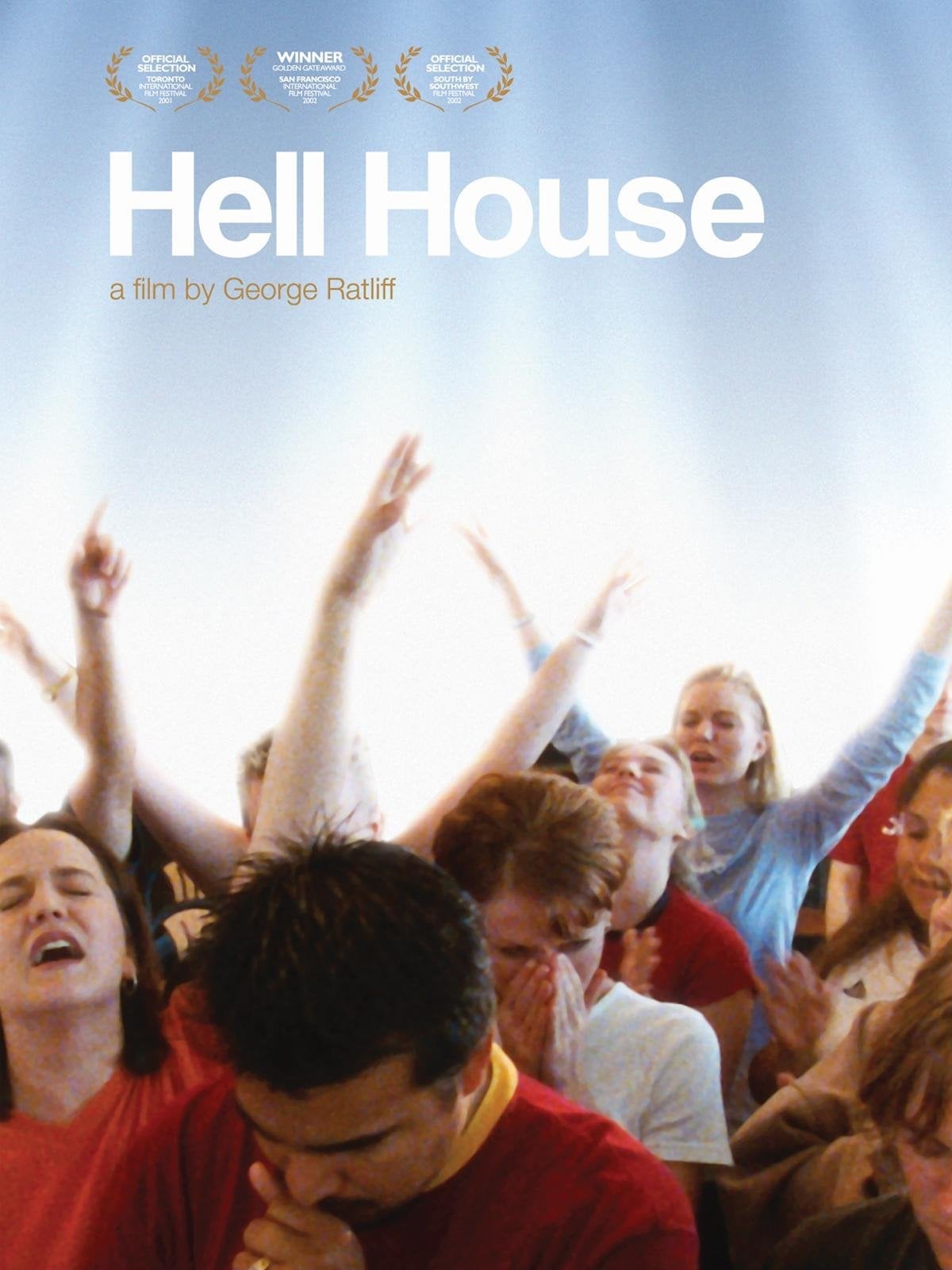
A look at the "Hell House" performed annually in October by the youth members of Trinity Church (Assemblies of God) in Cedar Hill, Texas (a Dallas suburb) — seen by over 10,000 visitors each year.
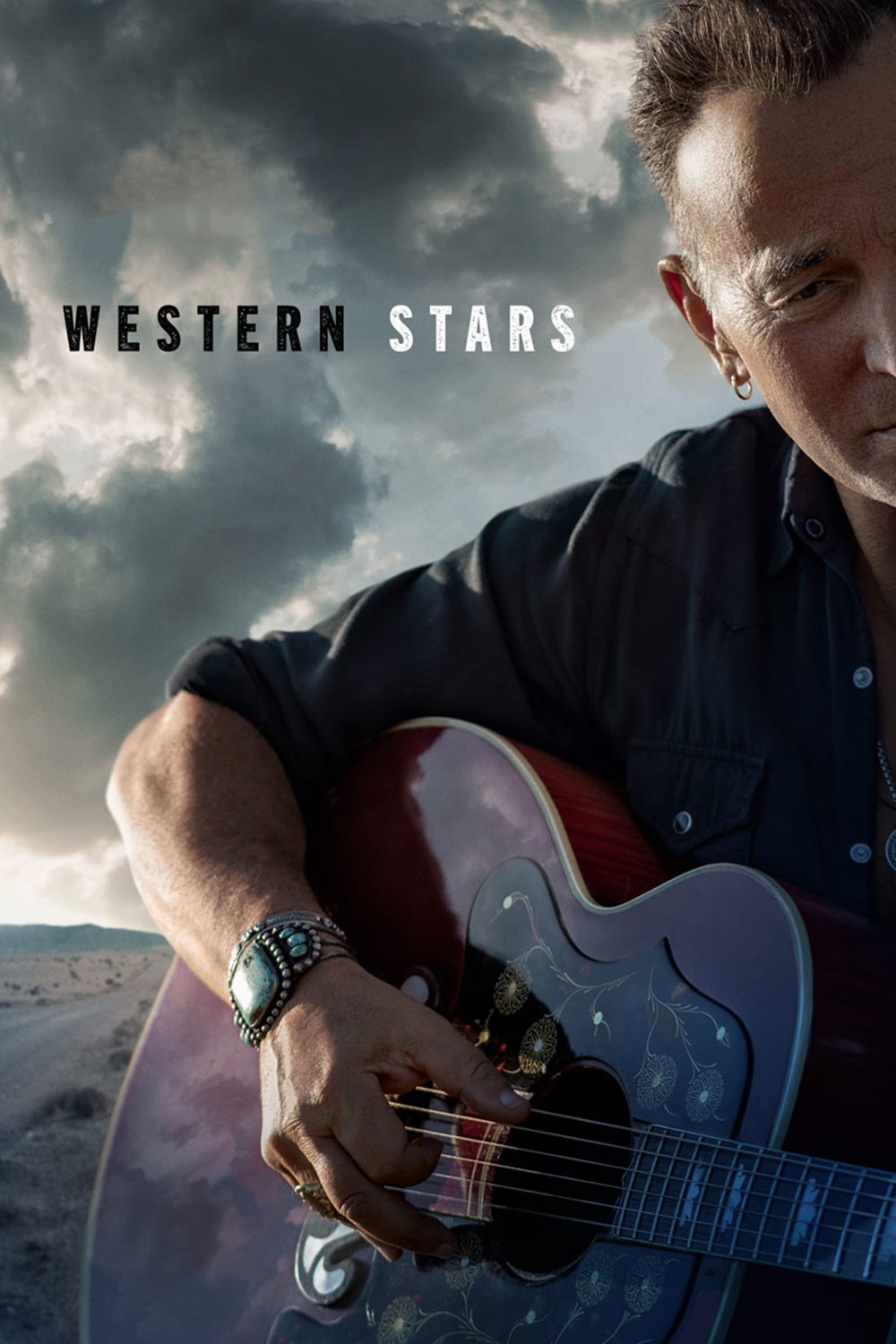
The incomparable Bruce Springsteen performs his critically acclaimed latest album and muses on life, rock, and the American dream, in this intimate and personal concert film co-directed by Thom Zimny and Springsteen himself.
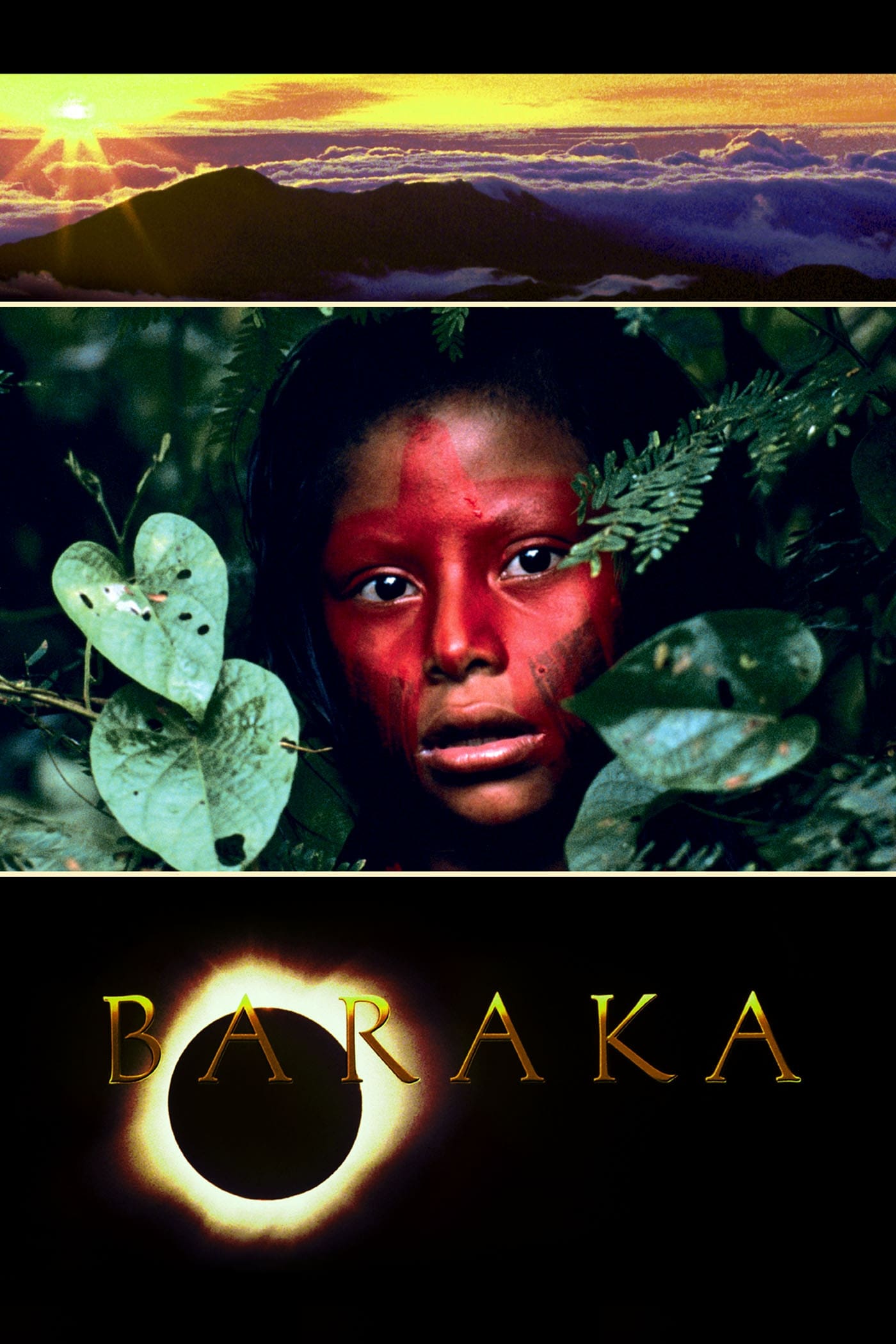
A paralysingly beautiful documentary with a global vision—an odyssey through landscape and time—that attempts to capture the essence of life.
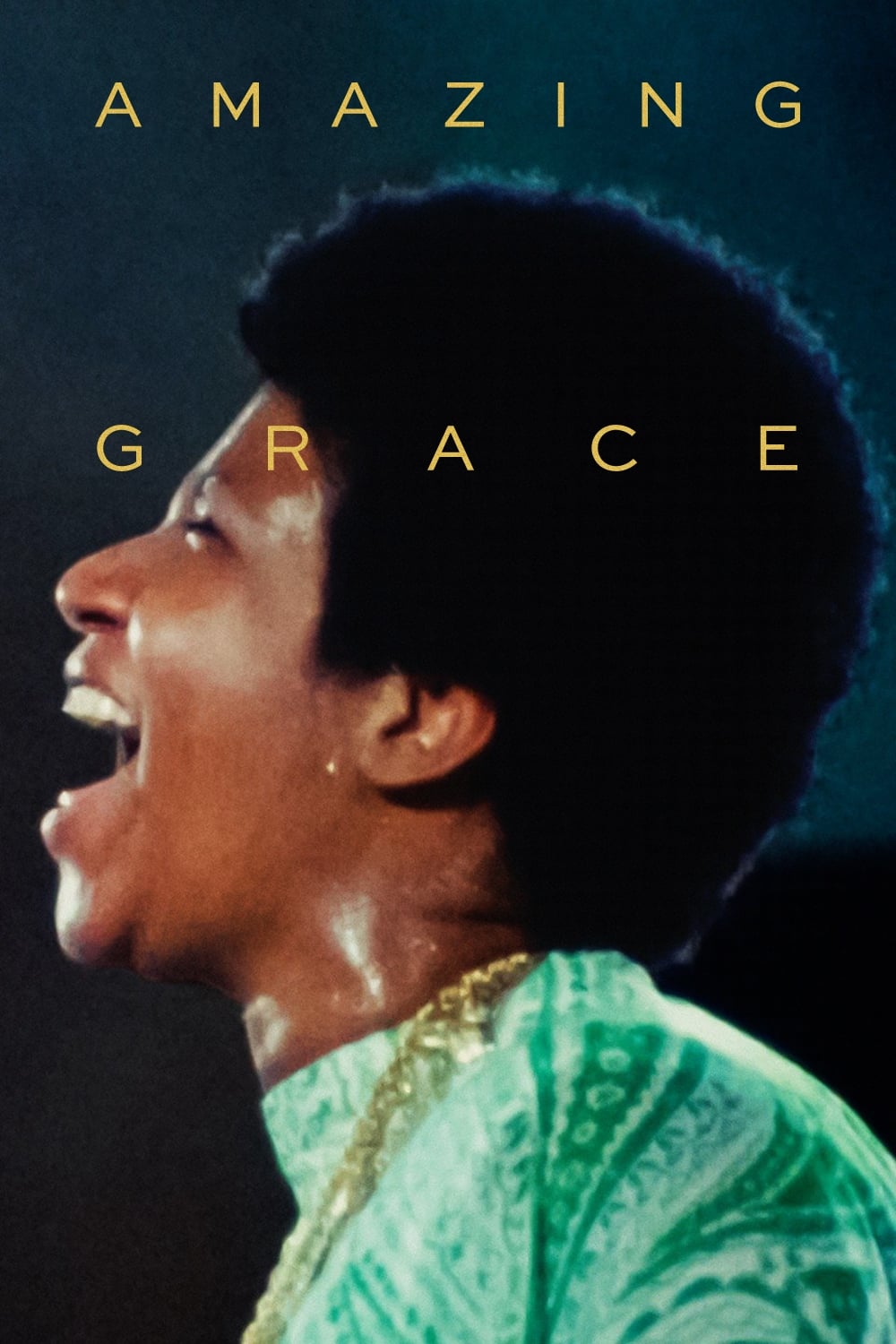
A behind-the-scenes documentary about the recording of Aretha Franklin's best-selling album finally sees the light of day more than four decades after the original footage was shot.
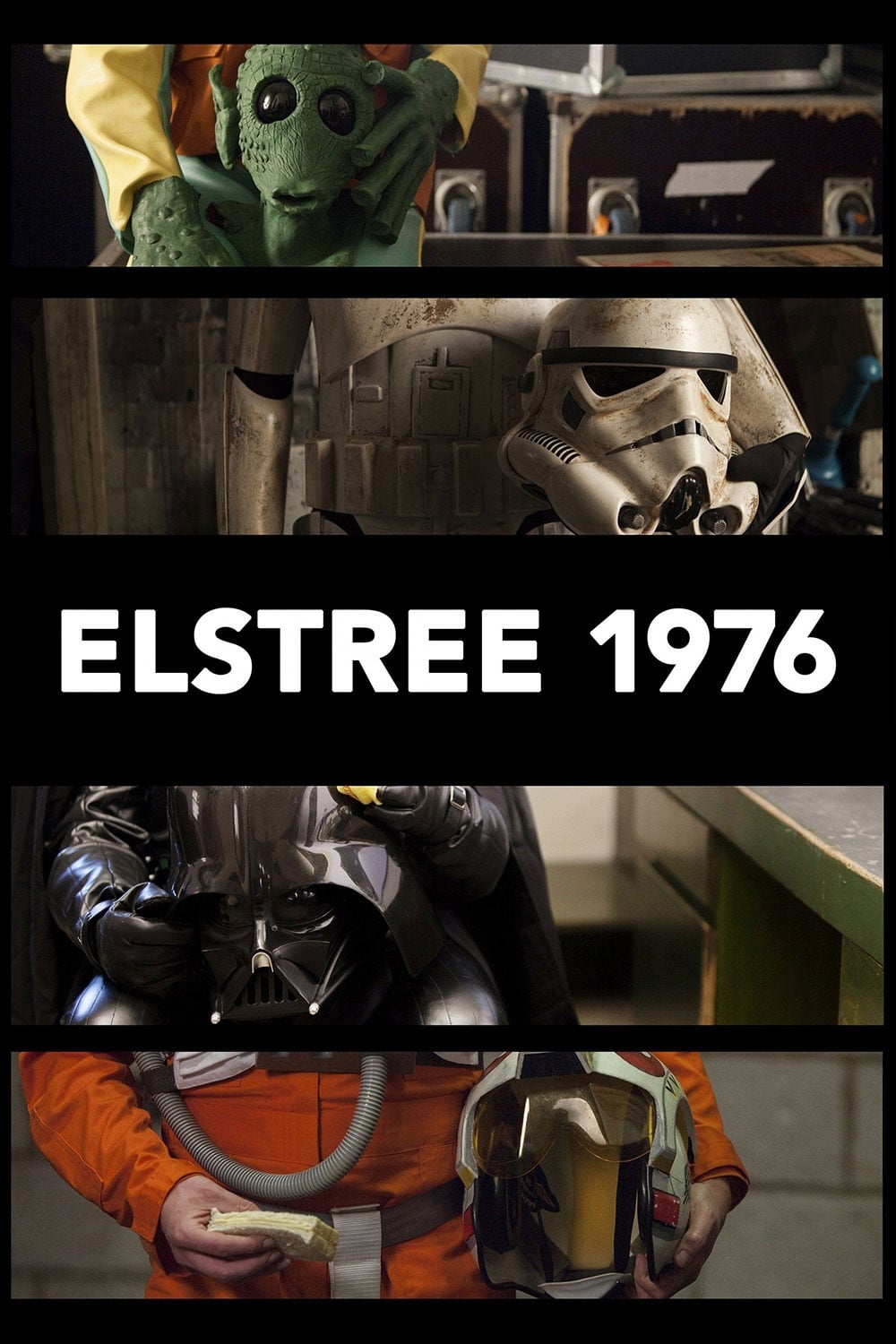
A documentary about ten very different lives connected by having appeared onscreen wearing masks or helmets in Star Wars.
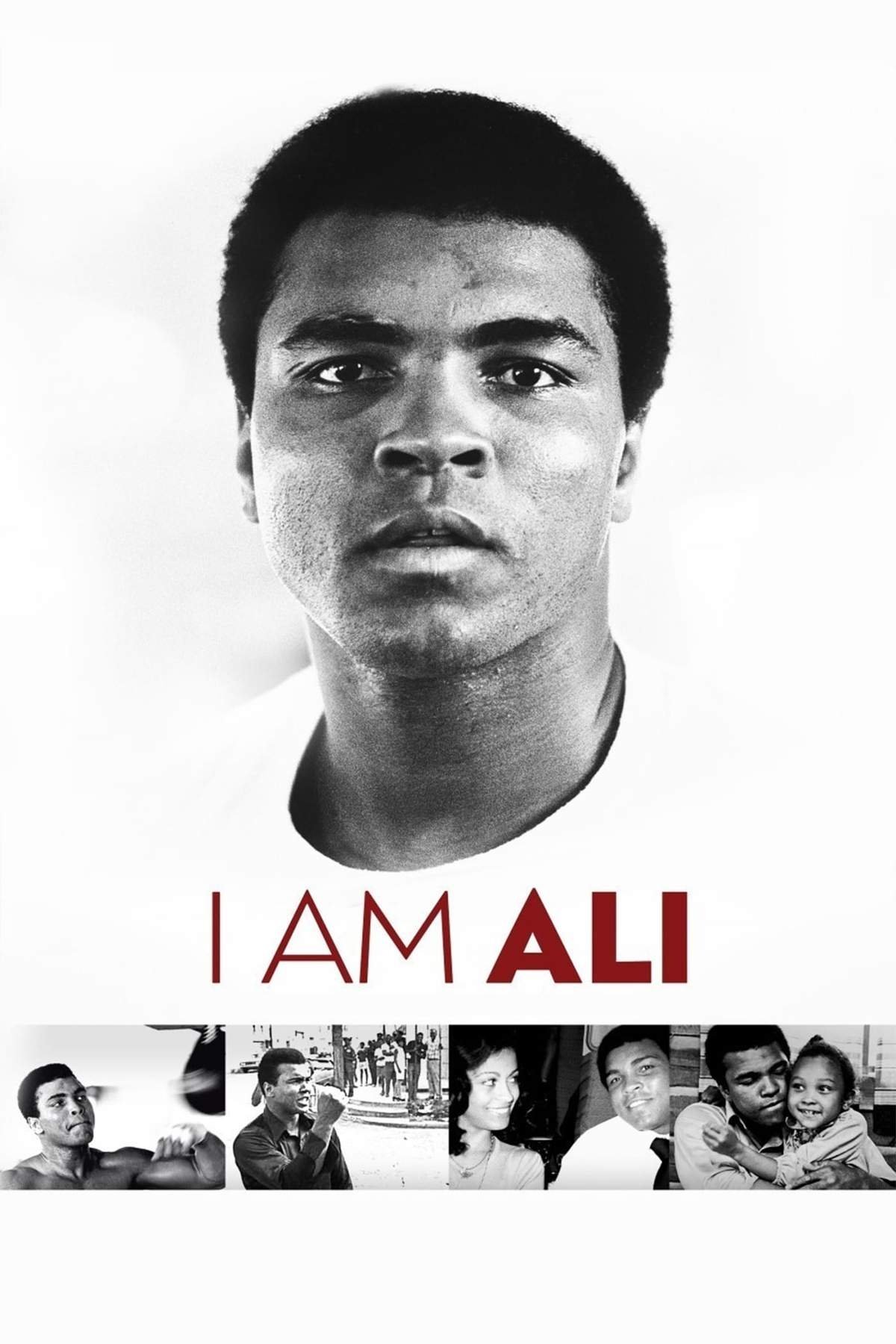
Unprecedented access to Muhammad Ali's personal archive of "audio journals" as well as interviews and testimonials from his inner circle of family and friends are used to tell the legend's life story.
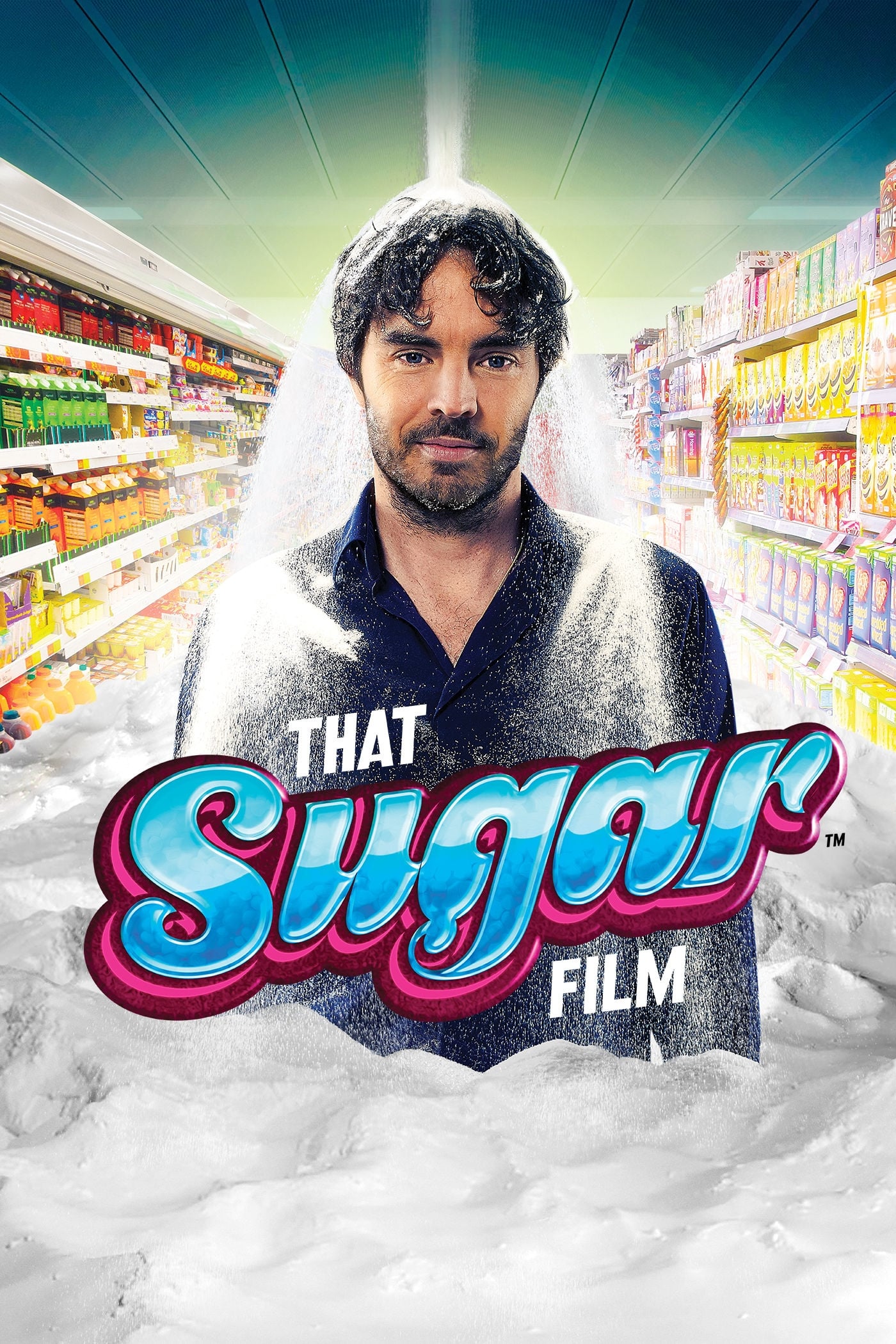
One man's journey to discover the bitter truth about sugar. Damon Gameau embarks on a unique experiment to document the effects of a high sugar diet on a healthy body, consuming only foods that are commonly perceived as 'healthy'. Through this entertaining and informative journey, Damon highlights some of the issues that plague the sugar industry, and where sugar lurks on supermarket shelves.
Daniel Craig candidly reflects on his 15 year adventure as James Bond. Including never-before-seen archival footage from Casino Royale to the upcoming 25th film No Time To Die, Craig shares his personal memories in conversation with 007 producers, Michael G Wilson and Barbara Broccoli.
Interviews with leading authors, philosophers and scientists, with an in-depth discussion of the Law of Attraction. The audience is shown how they can learn and use 'The Secret' in their everyday lives.
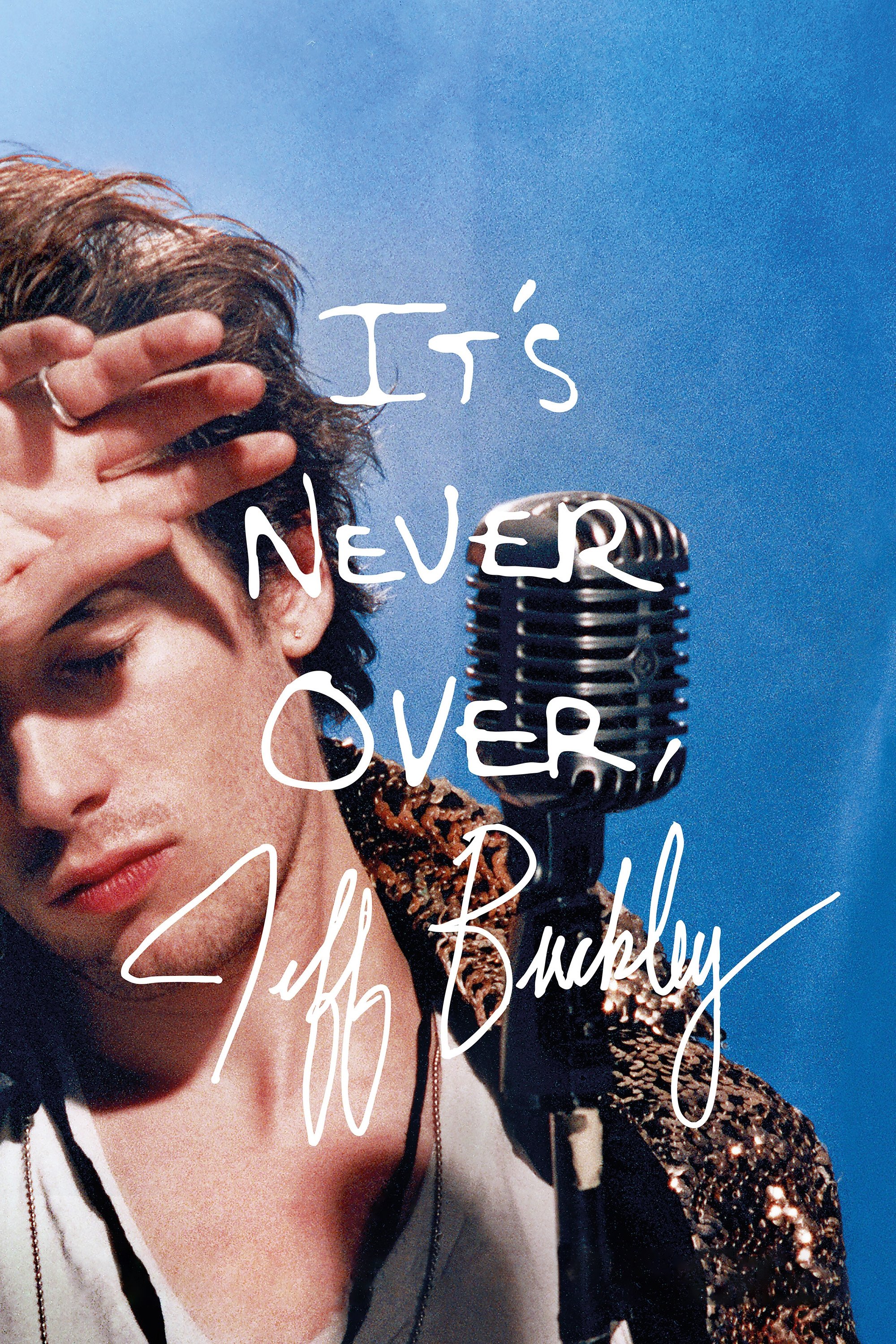
Rising musician Jeff Buckley had only released one album when he died suddenly in 1997. Now, never-before-seen footage, exclusive voice messages, and accounts from those closest to him offer a portrait of the captivating singer.
A look at the origins, history and conspiracies behind the "Majestic 12", a clandestine group of military and corporate figureheads charged with reverse-engineering extraterrestrial technology.
Told through performances, TV interviews, home movies, family photographs, private letters and unpublished memoirs, the film reveals the essence of an extraordinary woman who rose from humble beginnings in New York City to become a glamorous international superstar and one of the greatest artists of all time.
The definitive documentary on the history of nudity in feature films from the early silent days to the present, studying the changes in morality that led to the use of nudity in films while emphasizing the political, sociological and artistic changes that shaped that history. Skin will also study the gender inequality in presenting nude images in motion pictures and will follow the revolution that has created nude gender equality in feature films today.
An exploration of technologically developing nations and the effect the transition to Western-style modernization has had on them.
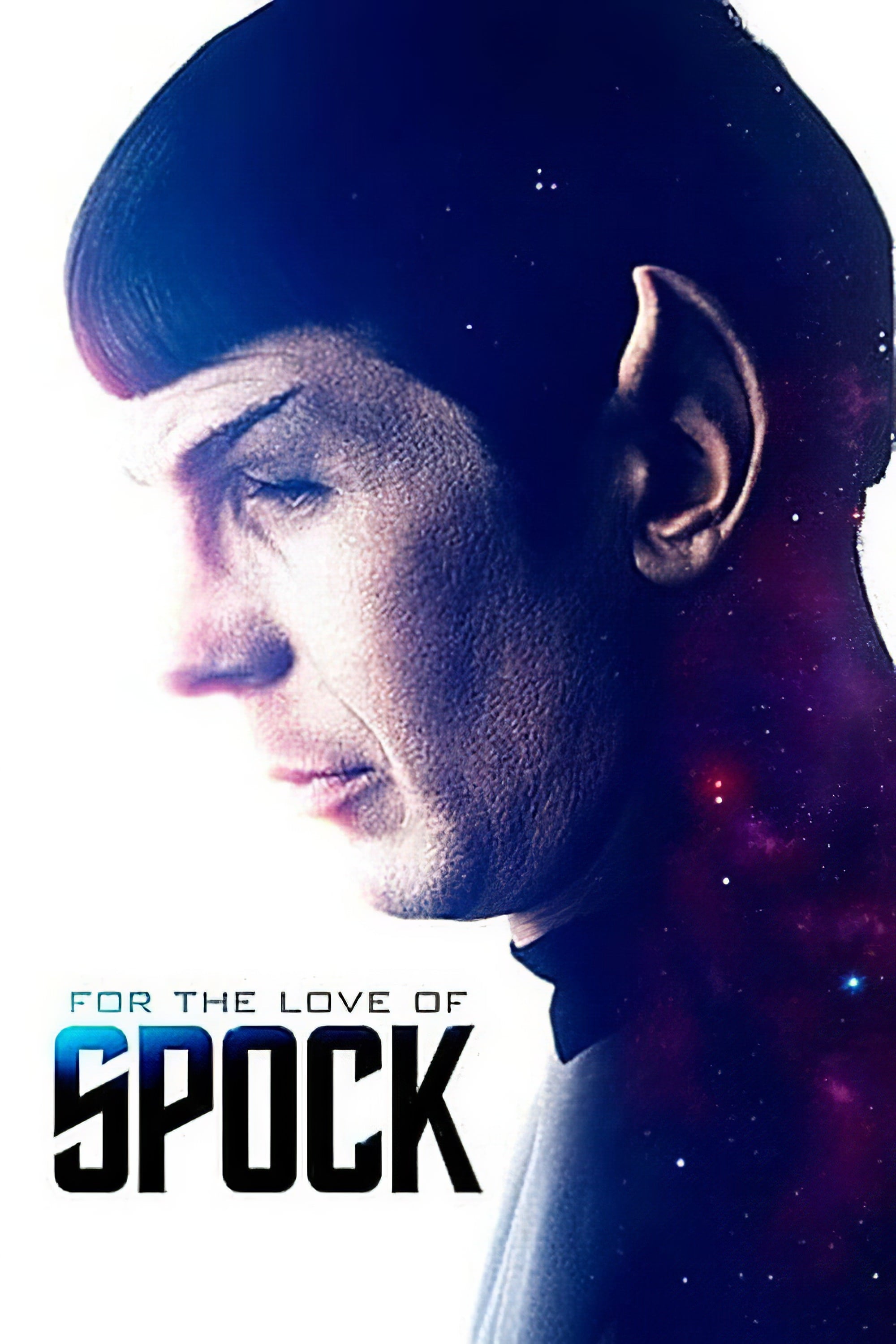
The life of Mr. Spock, as well as that of Leonard Nimoy, the actor who played him for almost fifty years, written and directed by his son: Adam.
Film adaptation of French economist Thomas Piketty's ground-breaking global bestseller of the same name: an eye-opening journey through wealth and power.
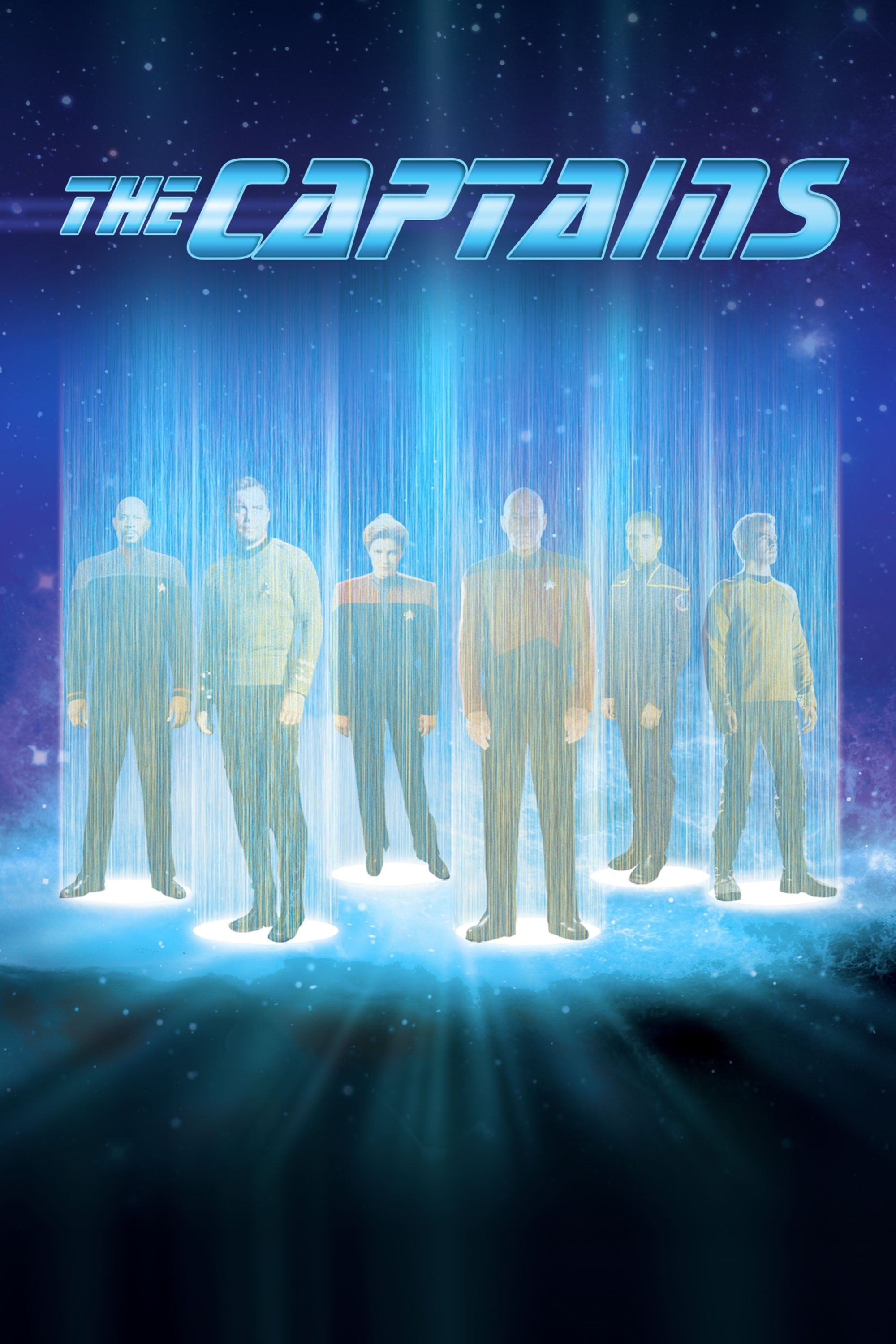
The Captains is a feature-length documentary film written and directed by William Shatner. The film follows Shatner as he interviews the other actors who have portrayed starship captains in the Star Trek franchise.