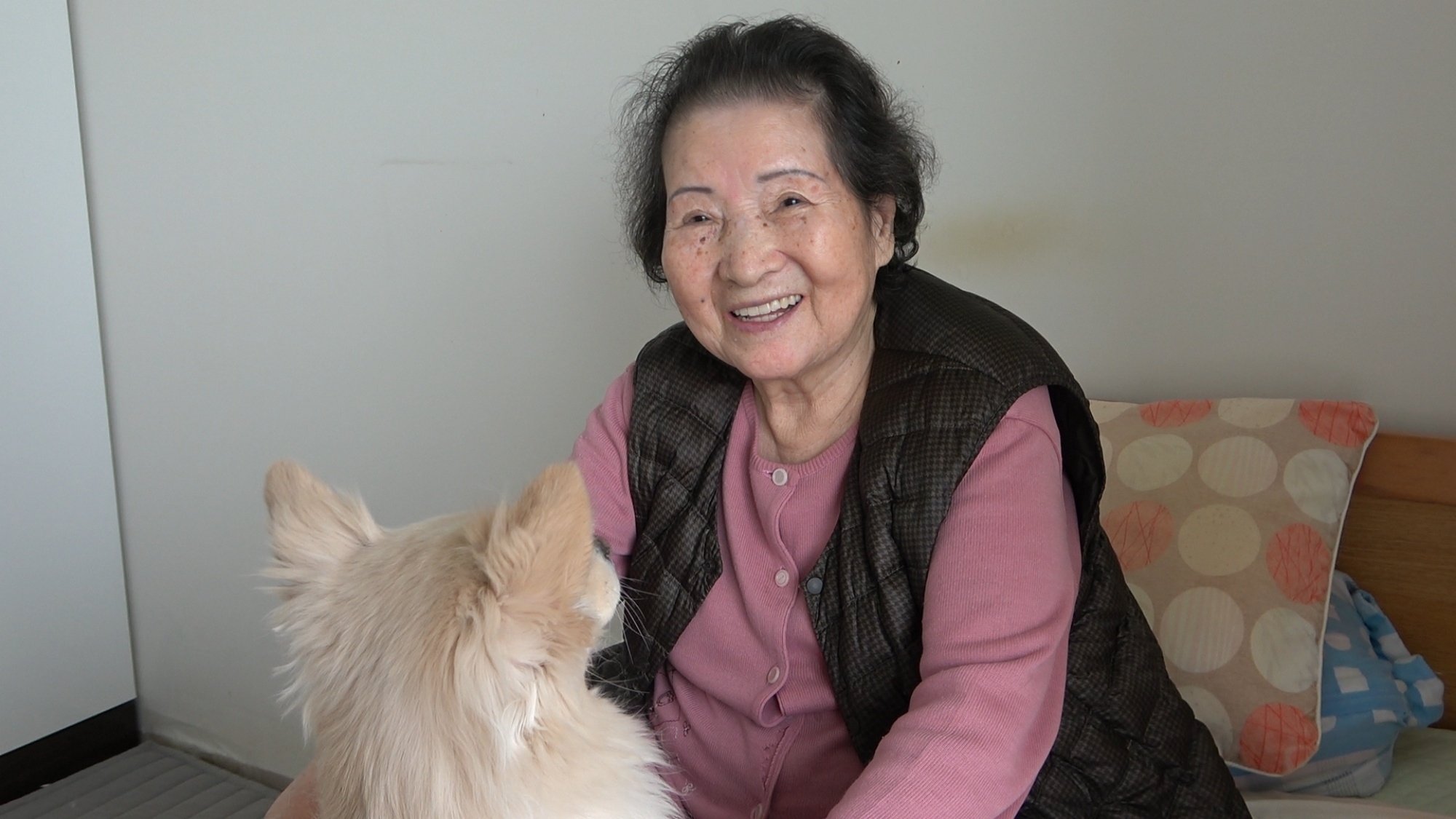
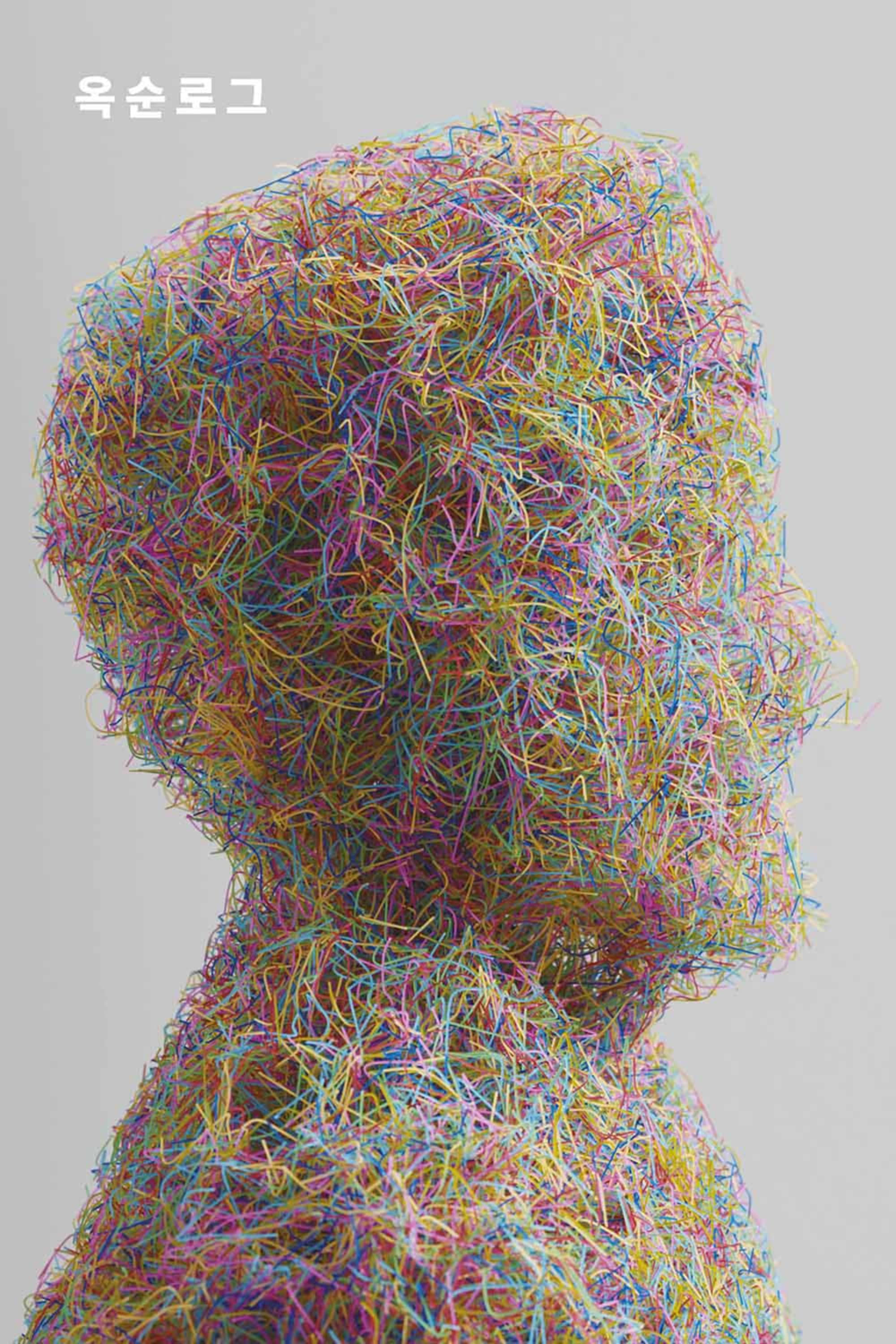
My grandmother has dementia! And I live with my grandmother. Conflicts between the younger brother and the grandmother begin due to the grandmother's repeated behavior. Among the disappearing memories, what kind of memories should we live with?
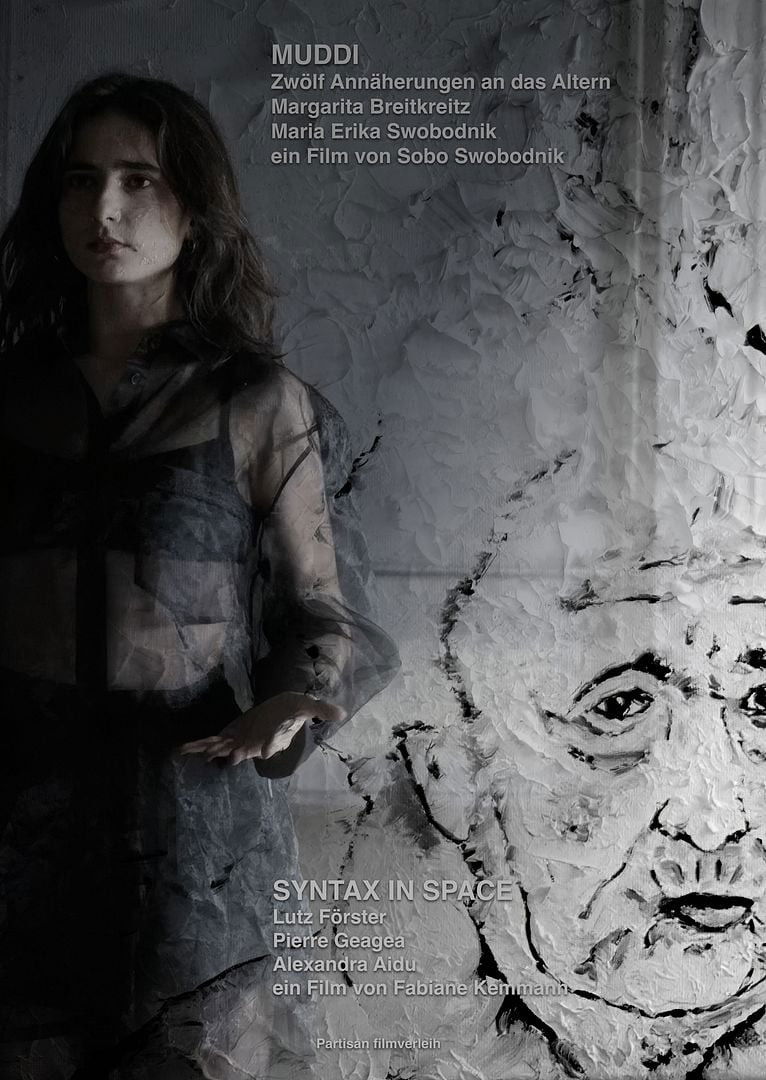
Social & External
Self
SYNCHRONOUS is an intimate portrait of love and the reverse side of love: mourning. The granddaughter/maker looks idealistically at the endless love between her grandfather and grandmother. When her grandfather dies, she decides to look for answers by filming her grandmother. What happens when you've been together all your life and your great love dies? Where is the love then?
In early September 2011, Leah decided to go to Lebanon to film her grandmother. Two weeks after the end of filming, her grandmother died of metastatic lung cancer. It would take her 12 years to regain the courage to review their last conversations. Through memories and poems she draws the portrait of her grandmother paying homage to her colorful spirit that made her unique.
Having lost her memory, A. could barely recall glimpses of her childhood in Argentina. After her death, her son visits the empty house for the last time. A sensory journey through a house without objects but filled with memory.
Unconditional: A Journey of Selfless Love explores the love, care, and sacrifices family caregivers give to their loved ones and the many loving choices they have to make. Learn what it means to be committed and loyal to someone no matter the circumstances as highlighted through four caregivers and their journeys.
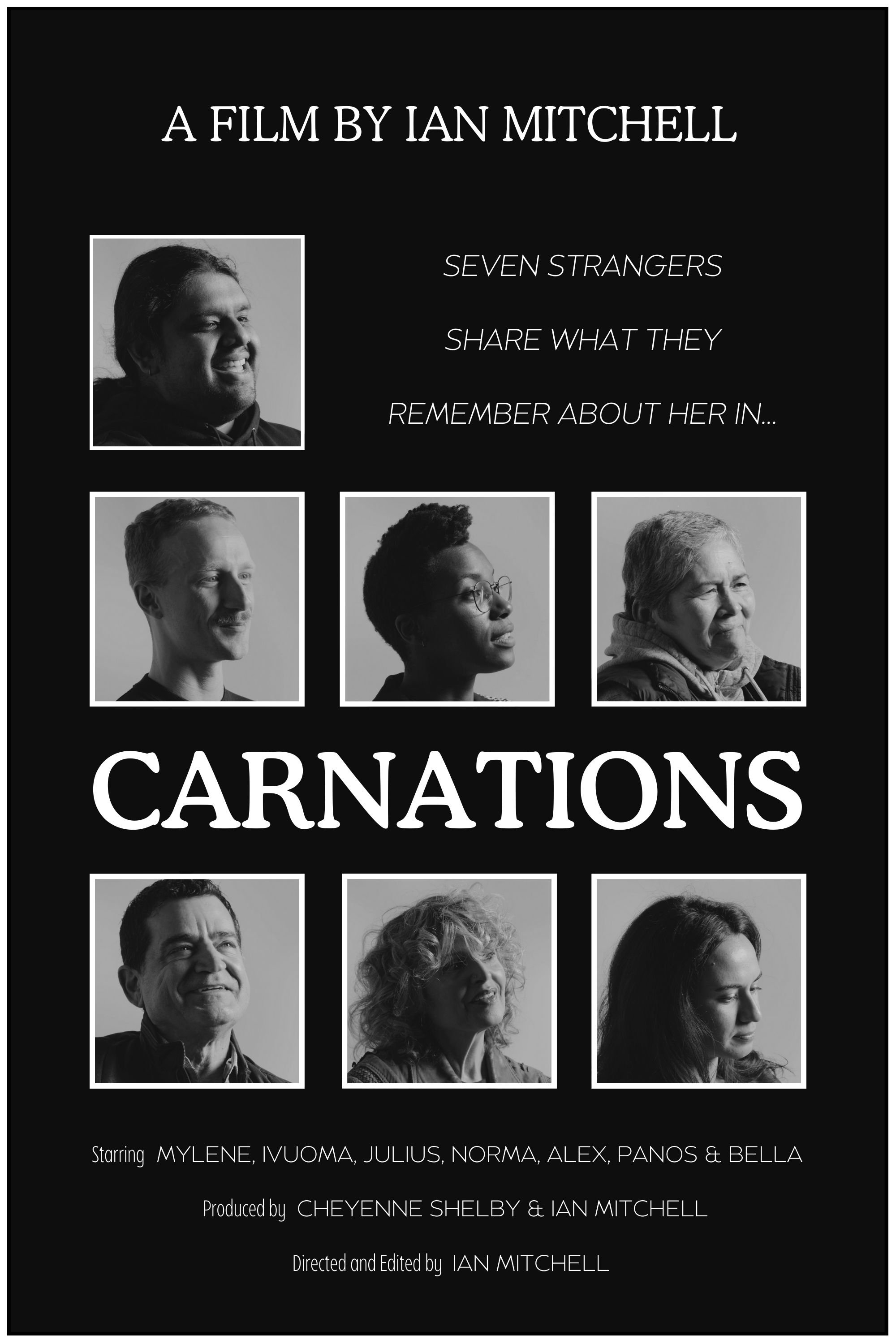
Seven strangers are interviewed to talk about the relationship they have with their mother.
When two siblings undertake an archaeological excavation of their late grandmother’s house, they embark on a magical-realist journey from her home in New Jersey to ancient Rome, from fashion to physics, in search of what life remains in the objects we leave behind.
An audiovisual representation of the degenerative dementia process based on real reports from people affected with this condition.
With depth, intimacy, and humor, FLOAT! captures filmmaker Azza Cohen's magnetic grandma’s life-affirming journey learning to swim at 82, inspiring audiences to defy societal expectations of aging and to boldly look forward at every stage.
The year’s most spectacular Documentary short films.
Dos Islas is a poetic story about old age, family and the bond between a granddaughter and a grandmother. The woman, who just turned 102, tells stories about her past and childhood. In a literary and visual way she describes the most minute details. The film dazzles the viewer with love and optimism, the time passes slowly between the two islands, which might be real people, real places or the products of the main character’s imagination.
A film in which the author seeks to express the love he feels for the central figure of the family: his grandmother. By documenting her daily life and interviewing family members about their feelings toward her, this documentary becomes a love letter.
Teta Kaabour is an 83-year old family matriarch and sharp-witted queen bee of an old Beiruti quarter. She’s been gripped as of late by the silence of her once-buzzing household where she raised children and grandchildren. Resigned to Argileh smoking and day-long coffee drinking on a now-empty balcony, Teta now invokes the deepest memories of her violinist husband who died twenty years ago. She claims a preparedness to re-unite with him.
Samirah, a grandmother who lived three parts of her life, starting with her daughter who married and then converted, the death of her husband and ending with loneliness.
A short documentary on a grandson returning home to visit his aging grandmother who was crying to see him on the phone.
A story with almost 100 years told by the 95 years old woman Floripes.
A filmmaker follows her grandparents’ daily life after her chain-smoker and alcoholic grandmother is forced to stop drinking beer for a month.
A year after Betti's passing, her children and grandchildren are still clearing out a house full of objects. Through them, they begin to remember and tell her story. This way, the family leaves behind the sad memory of a terminal illness and replaces it with the joyful person that Betti was and meant to them.