Social & External
The people behind it
Tomáš Bokůvka
Jiří Dobiáš
strojvedouci parní lokomotivy
Jaroslav Eliáš
Jana Fasorová
Heinrich Fischer
Zdeněk Heger
Ivo Hemerka
Martin Hložek
Self
Martin Hrdlička
Jaromír Krátký
Commentary (voice)
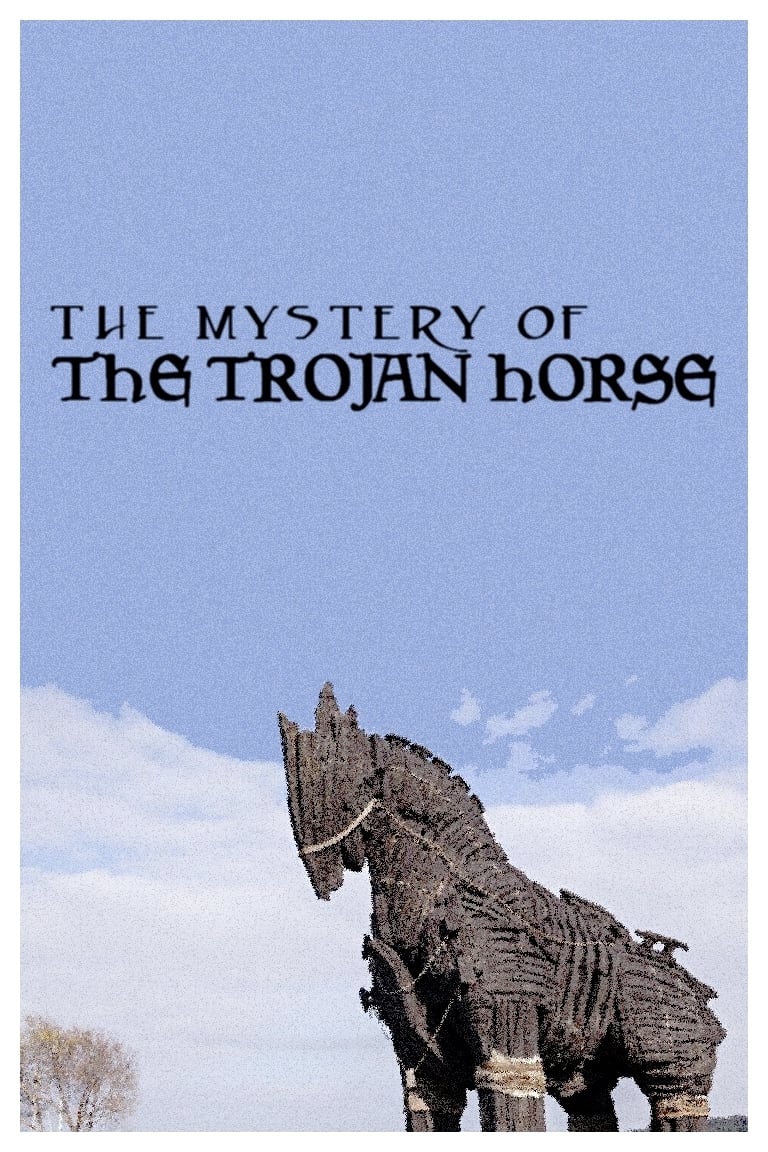
The story of the Trojan Horse is probably one of the most famous stories ever told: after ten years of bloody war, the Greek coalition decides to lift the siege and depart, but not before leaving at the gates a huge wooden horse, which the Trojans confidently lead into the city. A few hours later, the once invincible Troy goes up in flames. What exactly happened? Is this myth true or false?
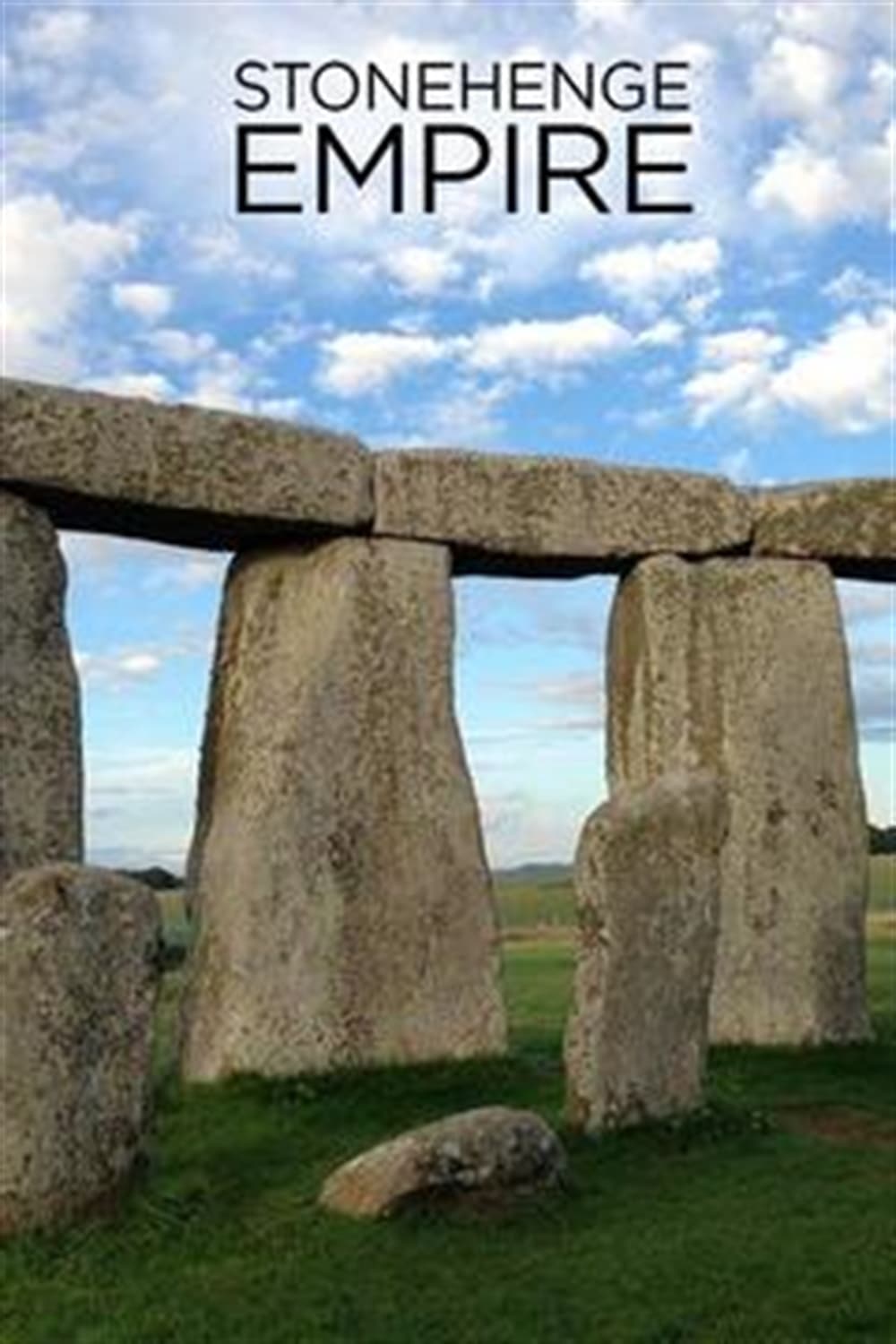
For centuries, Stonehenge has been cloaked in mystery. Who built it? How did they do it? Why did they do it and what is its significance? Now, a team of archaeologists takes a high-tech approach to find out, and their discoveries will exceed all expectations. Learn the full story of the world's most investigated prehistoric site, featuring a forgotten people who were meticulous planners, profound believers and true warriors. It's a 10,000-year-old tale, pieced together by state-of-the-art survey equipment and compelling archaeological evidence.
Following her own a foot surgery, a filmmaker embarks on an investigative journey that uncovers how a 500-year-old design flaw in modern shoes has created a silent, multi-billion dollar public health crisis, and what we can do to reclaim our health from the ground up.
Bones of the Buddha is a 2013 television documentary produced by Icon Films and commissioned by WNET/THIRTEEN and ARTE France for the National Geographic Channels. It concerns a controversial Buddhist reliquary from the Piprahwa Stupa in Uttar Pradesh, India. It was released in May, 2013, and was broadcast in July 2013 in the US on PBS as part of the Secrets of the Dead series.
The great follow-up to 'Walking with Dinosaurs' and 'Walking with Beasts', presented by Professor Robert Winston, explains the story of human evolution.
Hunting men, gathering women — that is the picture of prehistory as many of us know it. The man as a hunter was long regarded as the main breadwinner of the family and is said to have been at the top of society from the very beginning of human history. Wrong, say many researchers today.
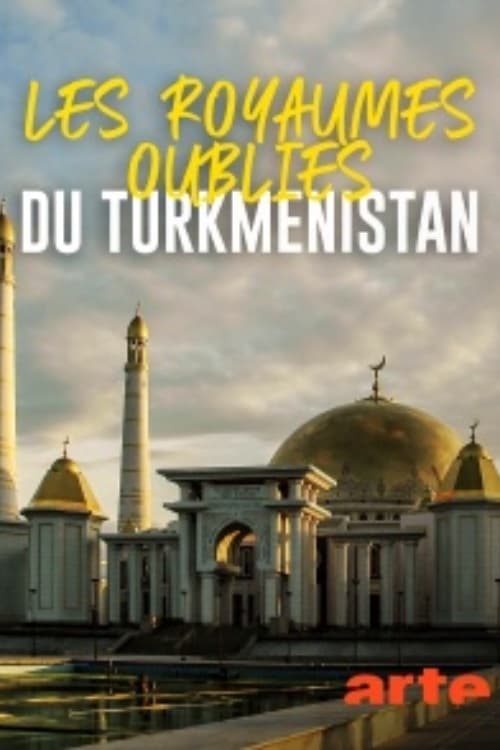
To outsiders, Turkmenistan is one of the world's least known countries. For the first time in ten years, a film crew has been free to visit spectacular excavation sites and follow international researchers into areas that have long been off-limits. Once considered the poorest part of the Soviet Union, oil and natural gas have brought new wealth to Turkmenistan today. A little known fact in the West is that 4,000 years ago, the country was home to one of the ancient world's centers of power. Although it flourished around the same time as the advanced civilizations of Mesopotamia and Egypt, the Margiana empire was later largely forgotten. Since the fall of the Soviet Union, the country has been slowly opening up to international researchers, and its astounding cultural heritage is coming to light.
Cleopatra - the most famous woman in history. We know her as a great queen, a beautiful lover and a political schemer. For 2,000 years almost all evidence of her has disappeared - until now. In one of the world's most exciting finds, archaeologists believe they have discovered the skeleton of her sister, murdered by Cleopatra and Mark Antony. From Egypt to Turkey, Neil Oliver investigates the story of a ruthless queen who would kill her own siblings for power. This is the portrait of a killer.
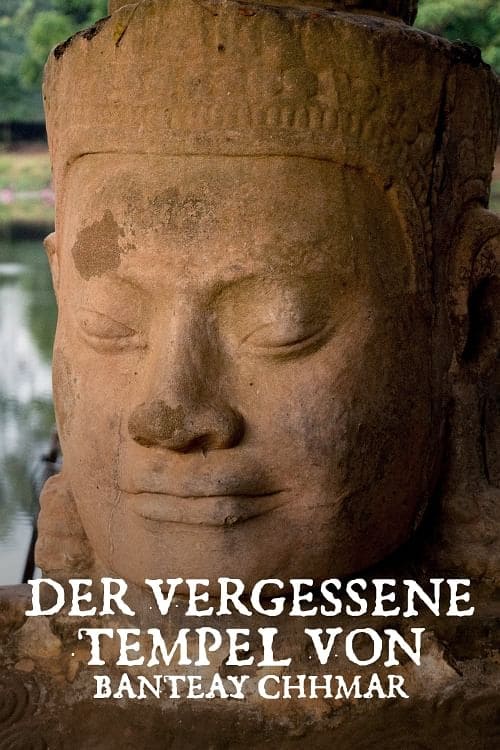
The temple complex of Banteay Chhmar in Cambodia is half-ruined, but of enchanting beauty. It is the last major temple of the old Khmer empire. The people of the village are rediscovering it: as a place of spiritual inspiration and the center of cultural life. With almost no outside help, the inhabitants of the small village are fighting to preserve and restore the complex.
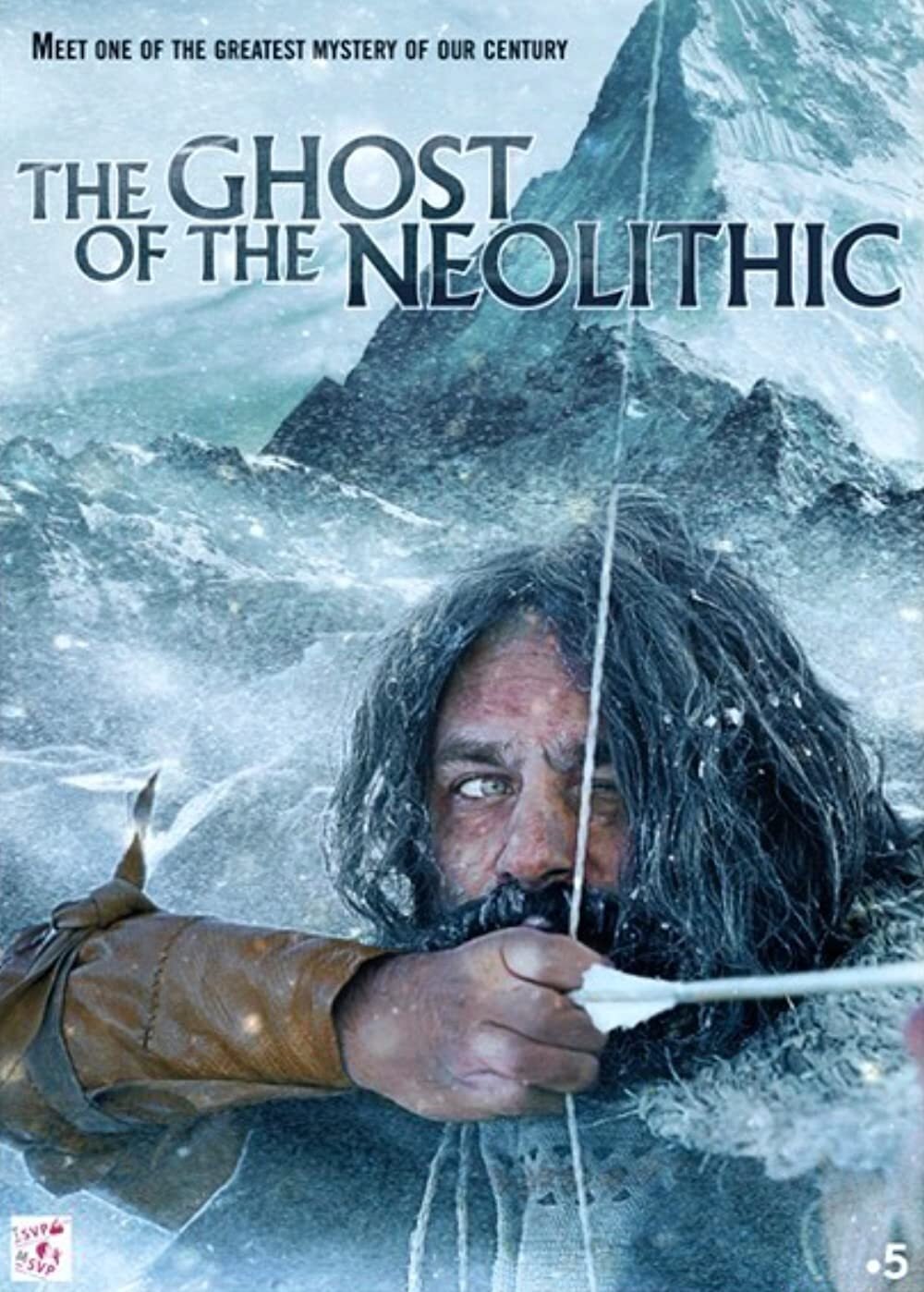
In summer 2003, when the heatwave hit in Europe, in Switzerland, the glacier below the Schnidejoch pass, released a mysterious object: a piece of a Neolithic quiver.
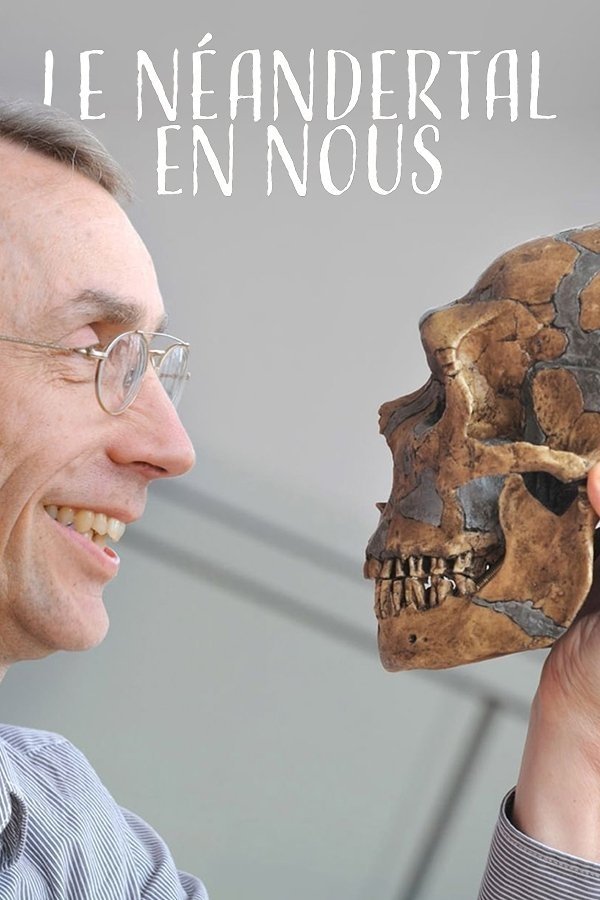
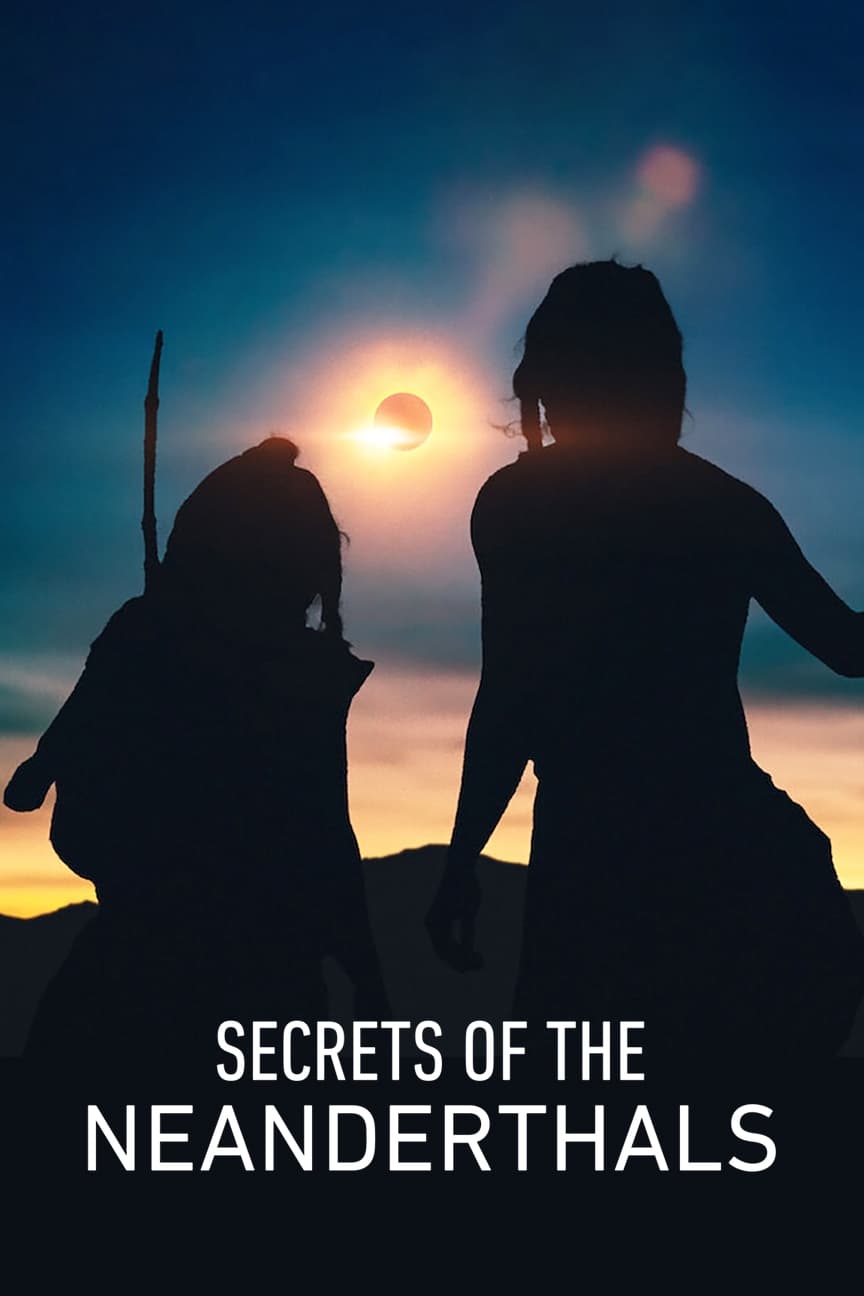
He was said to be the "First European", our mystic brother out of the ice age. Nobody knows exactly, why he disappeared 30. 000 years ago. It was in 1856 when the first bones of this prehistoric man where discovered in Germany. Since that time the Neanderthal is surrounded by mystery. How much of him does still exist inside us?
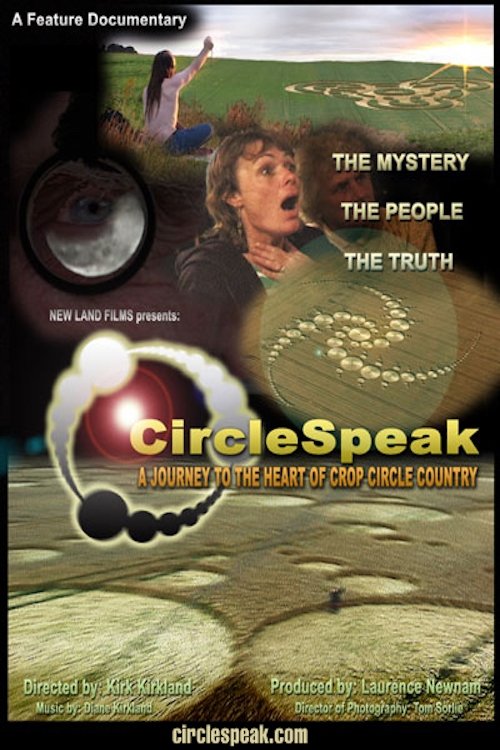
Shot in Southern England over the course of six weeks by a crew of three American filmmakers, CircleSpeak offers a nuanced look at the passions and beliefs of the people immersed in the crop circle phenomenon during the season of 2001. This feature-length documentary presents interviews with serious “researchers”, self-proclaimed “hoaxers”, local farmers and villagers who are all, in one way or another, involved in this strange and compelling summer spectacle taking place year after year.
Professor Joann Fletcher explores what it was like to be a woman of power in ancient Egypt. Through a wealth of spectacular buildings, personal artefacts and amazing tombs, Joann brings to life four of ancient Egypt's most powerful female rulers and discovers the remarkable influence wielded by women, whose power and freedom was unique in the ancient world. Throughout Egypt's history, women held the title of pharaoh no fewer than 15 times, and many other women played key roles in running the state and shaping every aspect of life. Joann Fletcher puts these influential women back at the heart of our understanding, revealing the other half of ancient Egypt.
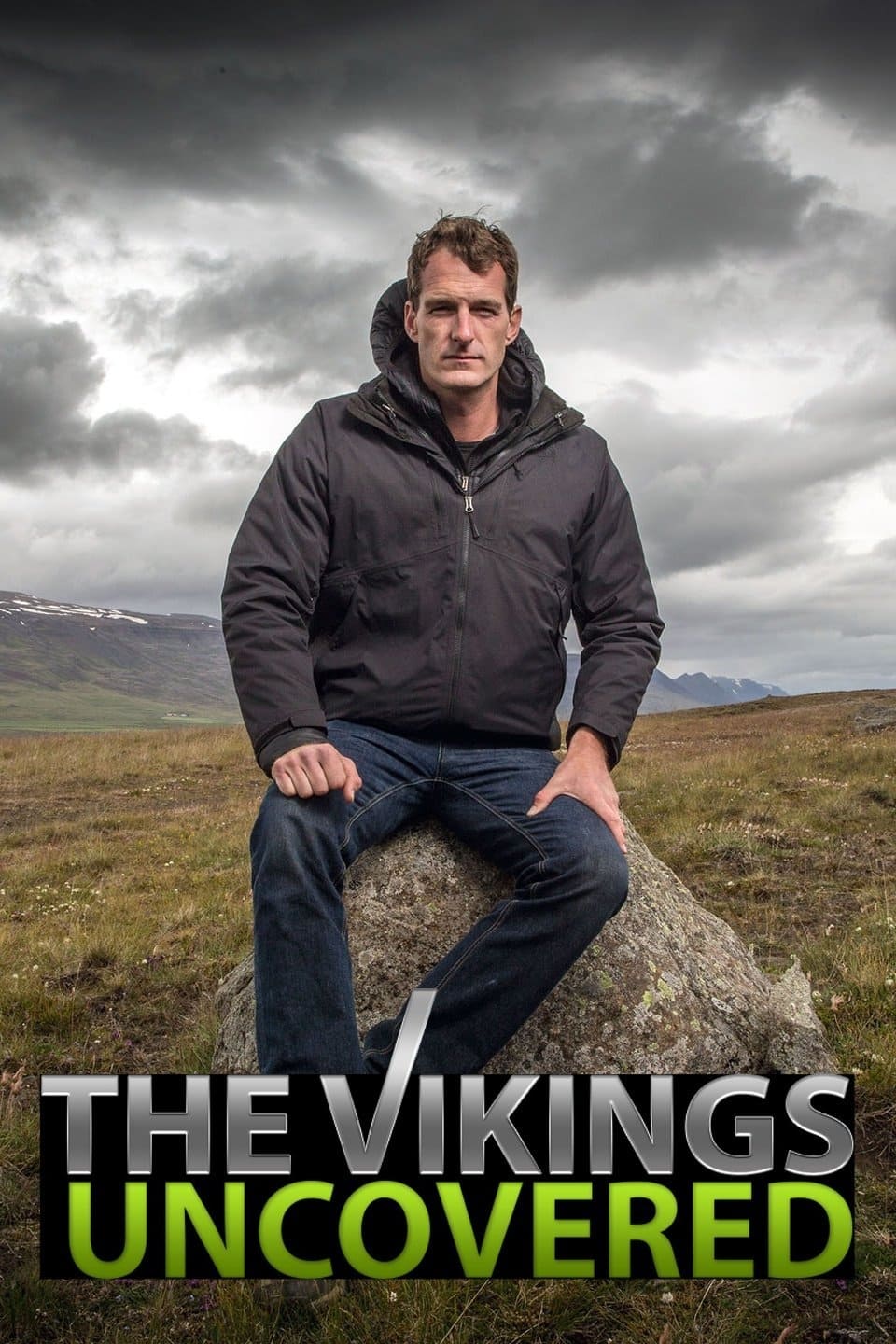
Dan Snow uncovers the lost Vikings in America with Dr Sarah Parcak. As Sarah searches for Vikings across the Atlantic, Dan explores their journey 500 years before Columbus.
Al Pacino's deeply-felt rumination on Shakespeare's significance and relevance to the modern world through interviews and an in-depth analysis of "Richard III."
This documentary delves into the mysteries surrounding the Neanderthals and what their fossil record tells us about their lives and disappearance.
An inside look at one of the most anticipated movie sequels ever with James Cameron and cast.
A string of threatening emails escalates into a revenge plot involving a newly married US marshal and his ex-girlfriend.
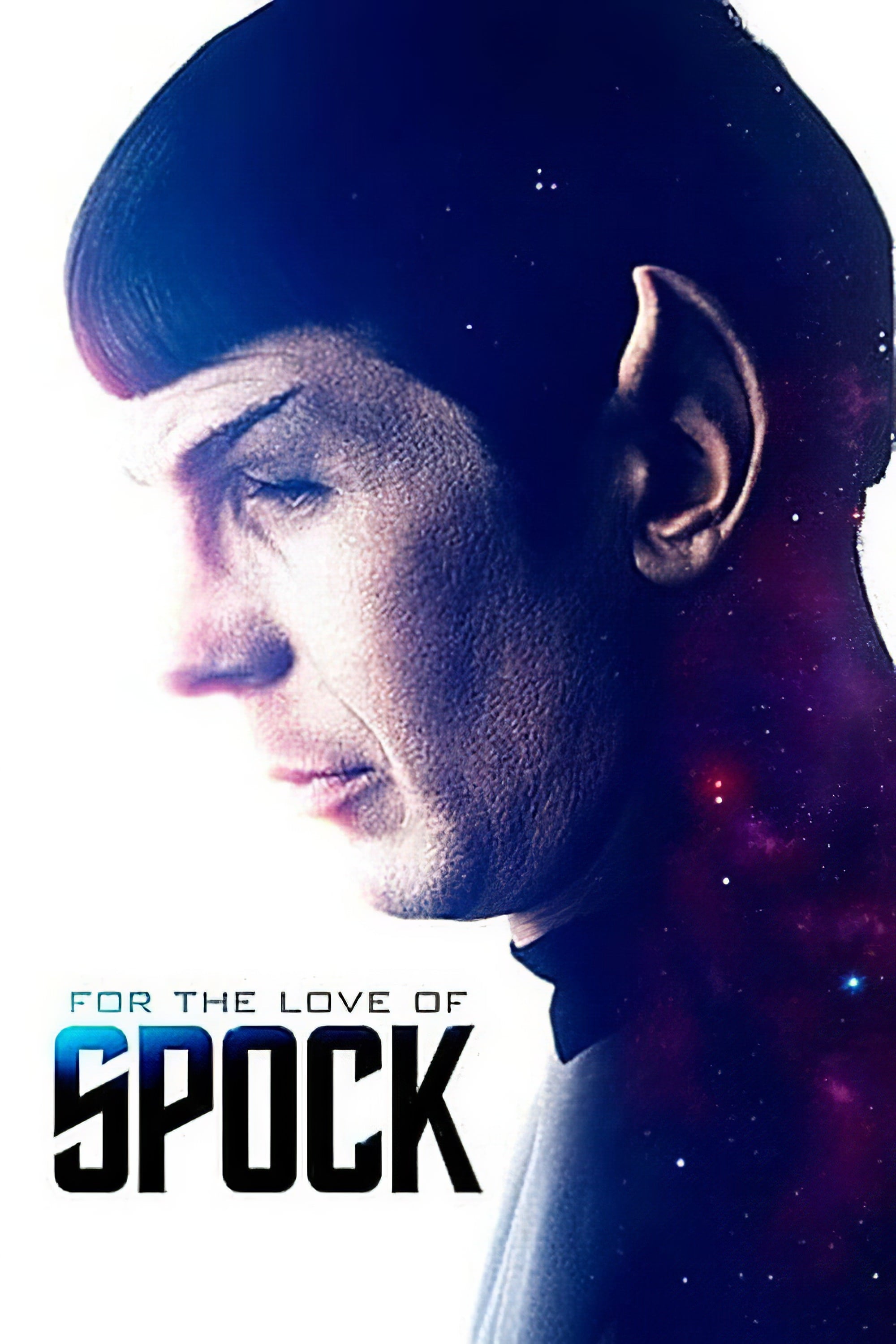
The life of Mr. Spock, as well as that of Leonard Nimoy, the actor who played him for almost fifty years, written and directed by his son: Adam.
“Showrunners” is the first ever feature length documentary film to explore the fascinating world of US television showrunners and the creative forces aligned around them. These are the people responsible for creating, writing and overseeing every element of production on one of the United State’s biggest exports – television drama and comedy series. Often described as the most complex job in the entertainment business, a showrunner is the chief writer / producer on a TV series and, in most instances, the show’s creator. Battling daily between art and commerce, showrunners manage every aspect of a TV show’s development and production: creative, financial and logistical.
This revealing documentary honors the legendary Sidney Poitier—iconic actor, filmmaker, and civil rights activist. Featuring interviews with Denzel Washington, Spike Lee, Halle Berry, and more.
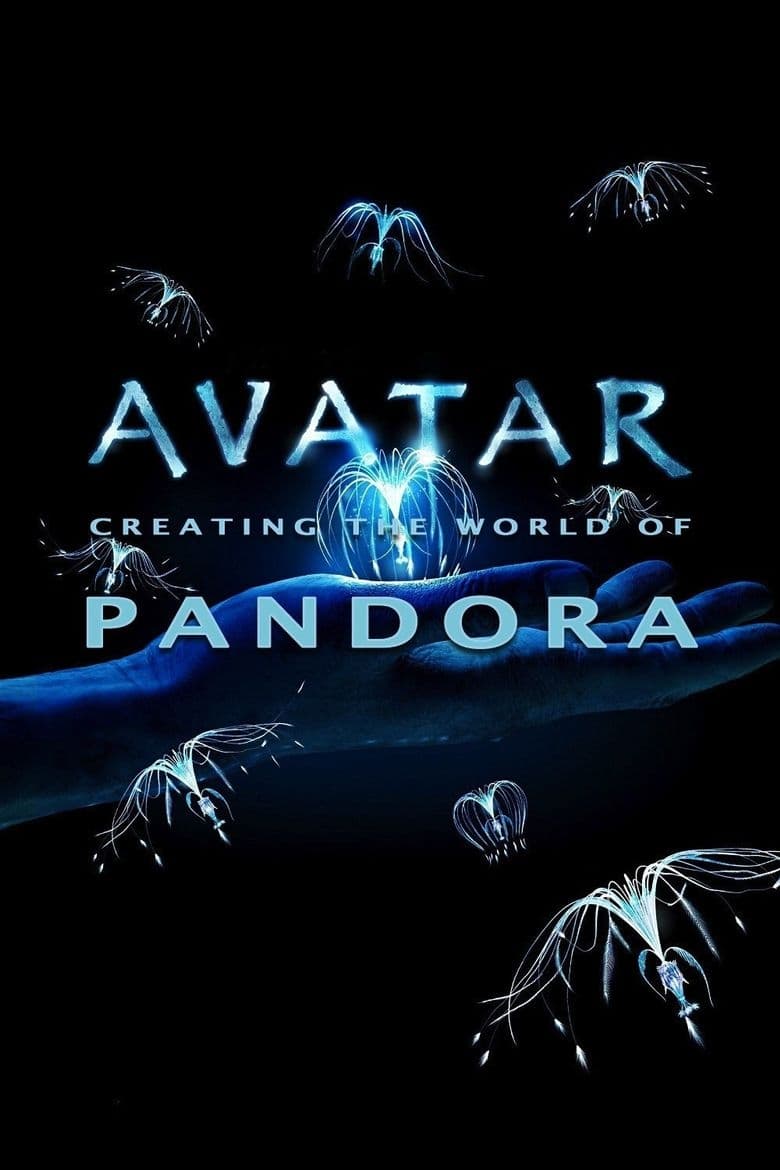
The Making-of James Cameron's Avatar. It shows interesting parts of the work on the set.
Scientists examine underground clues from over 250,000 years ago that raise questions about our early relatives — and what it truly means to be human.
The life and career of an actor, artist, and icon. His own journey through his own camera.
The life and career of one of comedy's most inimitable modern voices, Mr. Gilbert Gottfried.
An astonishing journey revealing the awesome power of the natural world. Over the course of one single day, we track the sun from the highest mountains to the remotest islands to exotic jungles.
Those who knew iconic funnyman John Candy best share his story, in their own words, through never-before-seen archival footage, imagery, and interviews.
Brilliant, long in-the-works story of the life and art of the world's greatest comedian and the cinema's first genius, Charlie Chaplin. Produced, written and directed by renowned film critic Richard Schickel.
A detailing of the rise to prominence and global sporting superstardom of six supremely talented young Manchester United football players (David Beckham, Nicky Butt, Ryan Giggs, Paul Scholes, Phil and Gary Neville). The film covers the period 1992-1999, culminating in Manchester United's European Cup triumph.
Through deeply personal interviews with her siblings and an examination of the photographs, letters, and belongings left behind, Mariska assembles a new portrait of her mother Jayne Mansfield, an extraordinary and complex woman.
Over 35 years after Bob Lazar's revelations, this documentary exposes secrets of a facility the government still denies. Featuring Lazar's testimony, recreations, and new evidence, it reopens a case that continues to spark global curiosity
A tribute to Chadwick Boseman, celebrating his life and legacy.
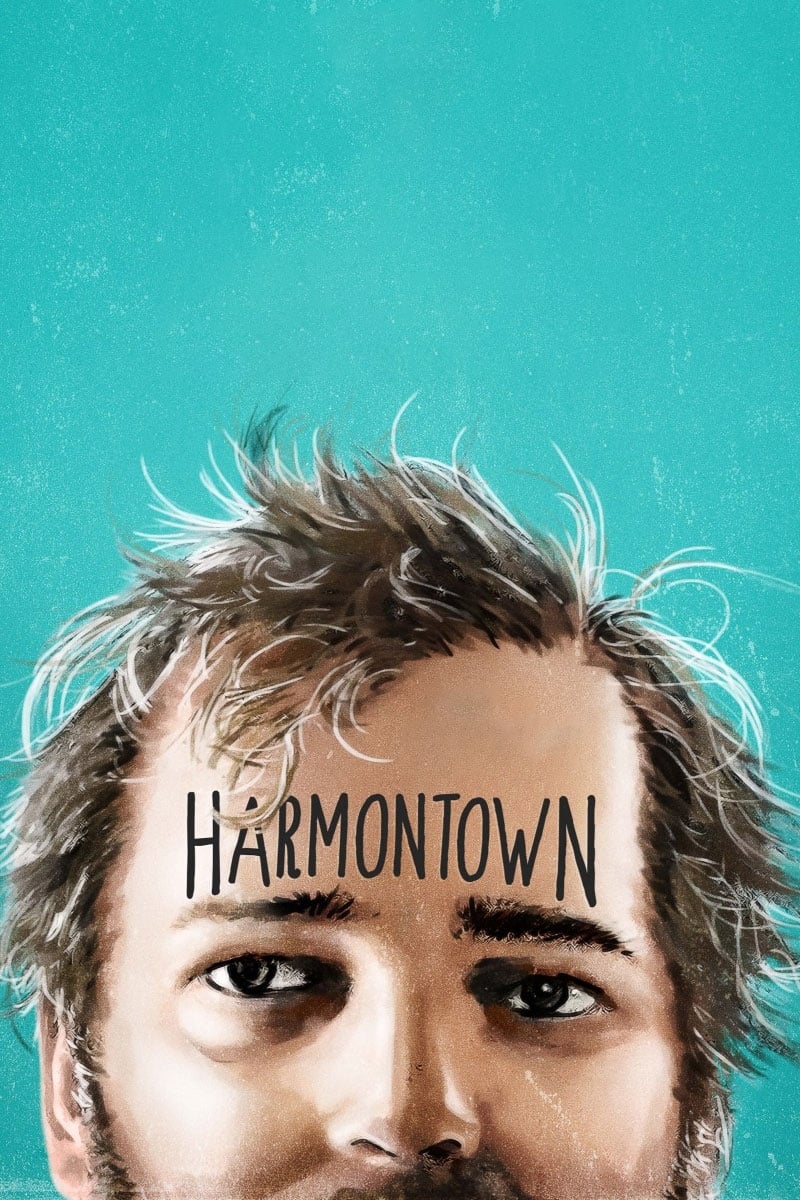
A comedic, brutally honest documentary following self-destructive TV writer Dan Harmon as he takes his live podcast on a national tour.
A documentary about the life and films of director John Ford.