Social & External
The people behind it
Zlata Adamovská
Líza
Gabriela Beňačková
Líza (singing voice)
Josef Čáp
Su-Čong
Miroslav Dvorský
Su-Čong (singing voice)
Veronika Žilková
Mi
Jiřina Marková Krystlíková
Mi (singing voice)
Jiří Hromada
Gustav
Miroslav Kopp
Gustav (singing voice)
Jiří Joran
Čang
Antonín Švorc
Čang (singing voice)
Performances from Pamela Coburn, Brigitte Fassbaender, Janet Perry, Eberhard Wachter, the Choir und Ballet der Bayerischen Staatsoper, and the Bayerisches Staatsorchester. Rosalinde, wife of Eisenstein, is having an affair with Alfred. Eisenstein is due to begin a prison sentence the next morning, and the prison governor, Frank, is expected to collect him at any moment. However, Eisenstein allows himself to be talked into attending a fancy dress ball by Dr Falke, and when Frank arrives to find Alfred with Rosalinde, he assumes him to be Eisenstein and carts him off to prison.
Renée Fleming lights up the Met stage as Hanna Glawari, the fabulously wealthy widow of the title in Lehár’s beloved operetta, set in Paris and seen in a glittering production directed and choreographed by Broadway’s Susan Stroman. Nathan Gunn is Danilo, Hanna’s former flame, who is supposed to woo and marry her in order to keep her fortune in their home country of Pontevedro. Kelli O’Hara sings Valencienne, the flirtatious young wife of the Pontevedrian ambassador in Paris, Baron Zeta, played by Thomas Allen, and Alek Shrader is her suitor, Camille. Andrew Davis conducts the waltz-rich score, and the new English translation is by Jeremy Sams.
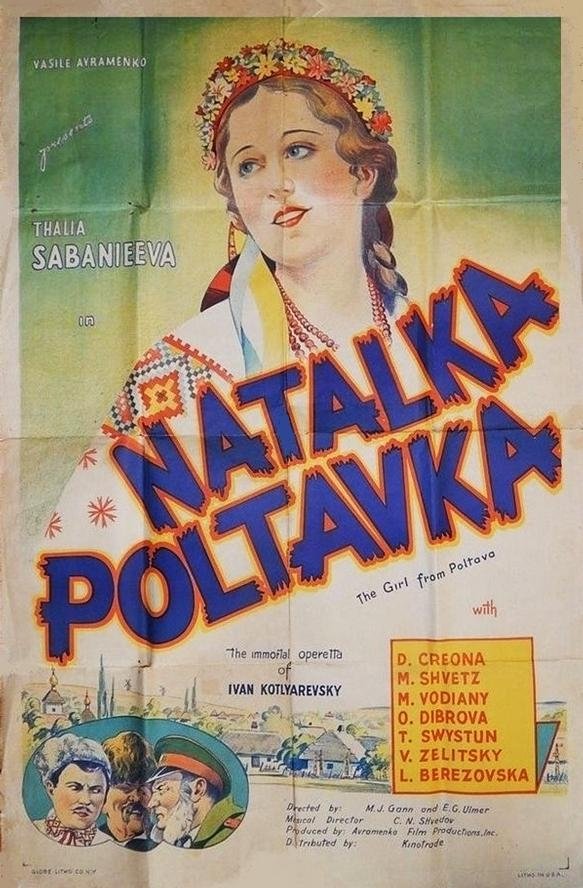
Based on the famous operetta, Natalka Poltavka was the first Ukrainian film directed in the USA. Natalka and Petro want to get married, but Natalka's father doesn't approve of the marriage — there are more affluent men in the village. Petro goes off to earn the required fortune.
This musical comedy based on an opera by Jacques Offenbach incorporates a twist on the classic Greek myth: Orpheus, a music teacher at a girls’ school in the ancient Greek city of Thebes, actually does not miss his wife Eurydice that much – until the gods and Offenbach himself pressure him to retrieve her from Hades.
A British musical film directed by Victor Hanbury and Ladislao Vajda
A drama set in the American South, where a precocious, troubled girl finds a safe haven in the music and movement of Elvis Presley.
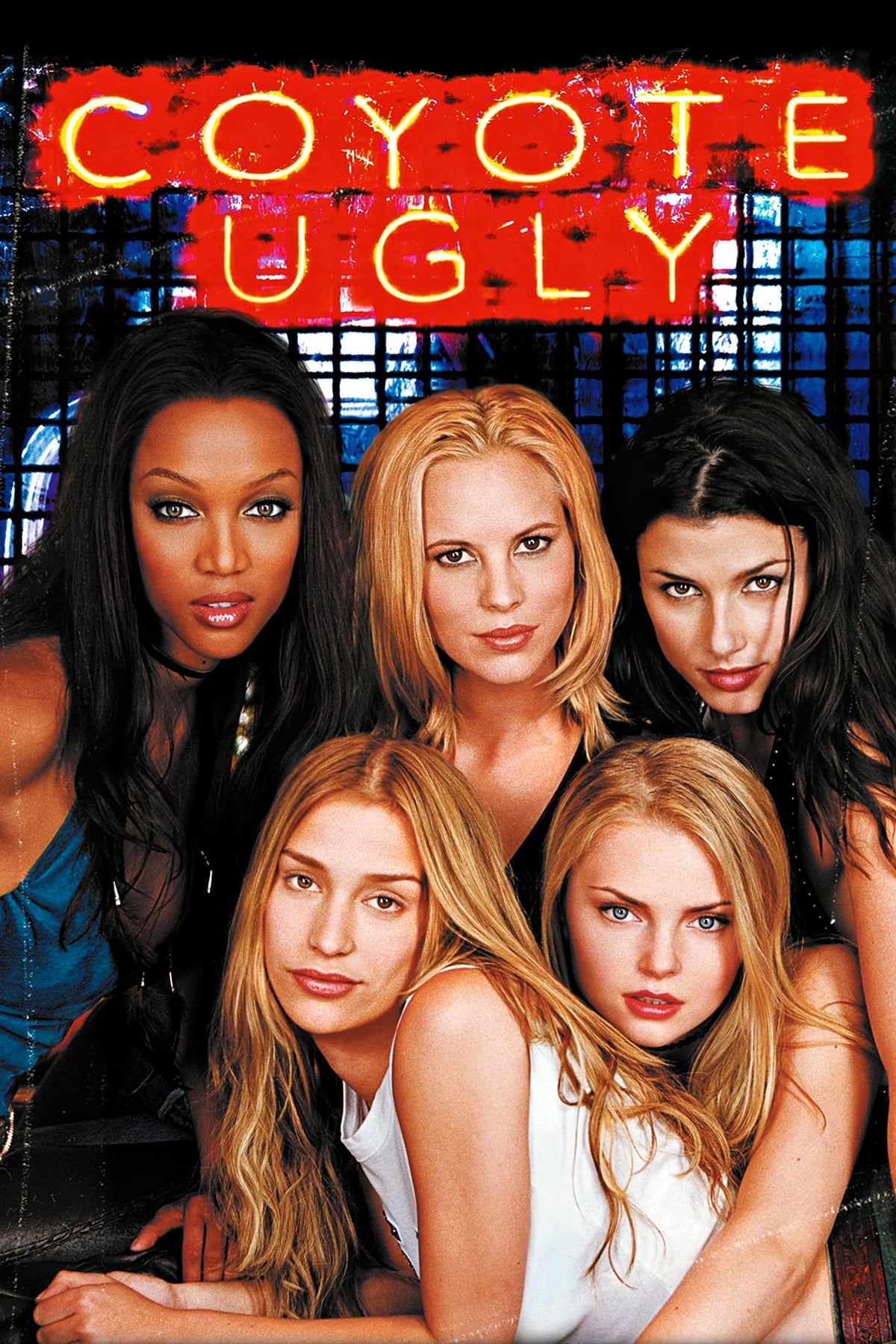
Graced with a velvet voice, 21-year-old Violet Sanford heads to New York to pursue her dream of becoming a songwriter only to find her aspirations sidelined by the accolades and notoriety she receives at her "day" job as a barmaid at Coyote Ugly. The "Coyotes" as they are affectionately called tantalize customers and the media alike with their outrageous antics, making Coyote Ugly the watering hole for guys on the prowl.
A shy teenager living on the Isle of Wight dreams of pop stardom. With the help of an unlikely mentor, she enters a singing competition that will test her integrity, talent, and ambition.
This film follows the remarkable and inspirational true story of Paul Potts, a shy, bullied shop assistant by day and an amateur opera singer by night.
A pair of star-crossed dancers in New York find themselves at the center of a bitter rivalry between their brothers' underground dance clubs.
A down-on-his-luck coach is hired to prepare a team of the best American dancers for an international tournament that attracts all the best crews from around the world, but the Americans haven't won in fifteen years.
In the town of Normal Valley, an eccentric magician named Maestro entertains the local children every day in his spooky mansion. One stormy night, the town's mayor leads a group of angry citizens to the mansion in an attempt to run Maestro out of town.
Trip, a young roadie for Metallica, is sent on an urgent mission during the band's show. But what seems like a simple assignment turns into a surreal adventure.
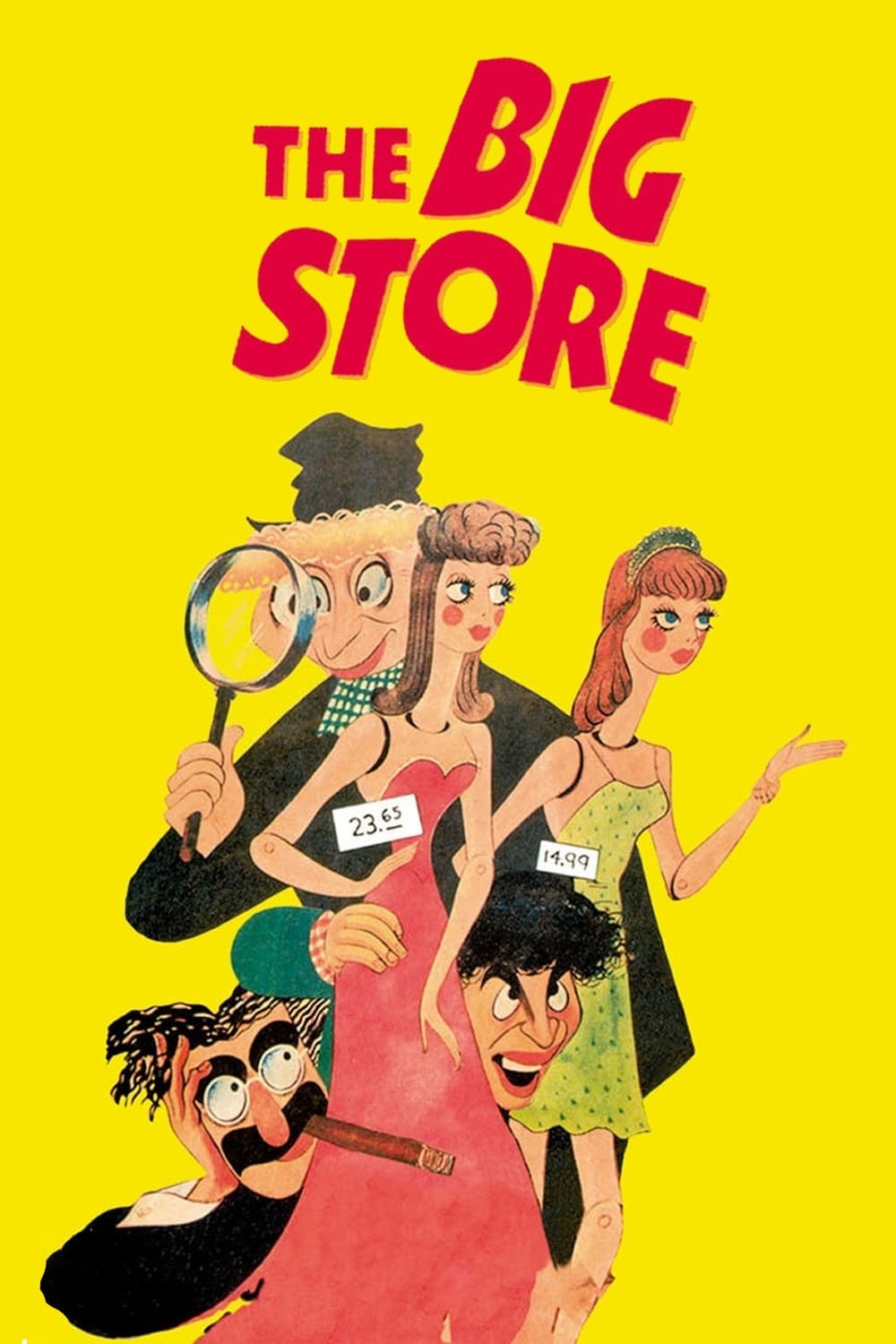
A detective is hired to protect the life of a singer, who has recently inherited a department store, from the store's crooked manager.
The Marx Brothers help young Broadway hopefuls when they get mixed up with gangsters due to a tin of sardines containing Romanoff diamonds.
A successful DJ named Darrel, managed to rescue a powerful mobster one night. In order to repay Darrell, the mobster, Frank Pacelli, gives him the task of protecting his daughter, Dolly.
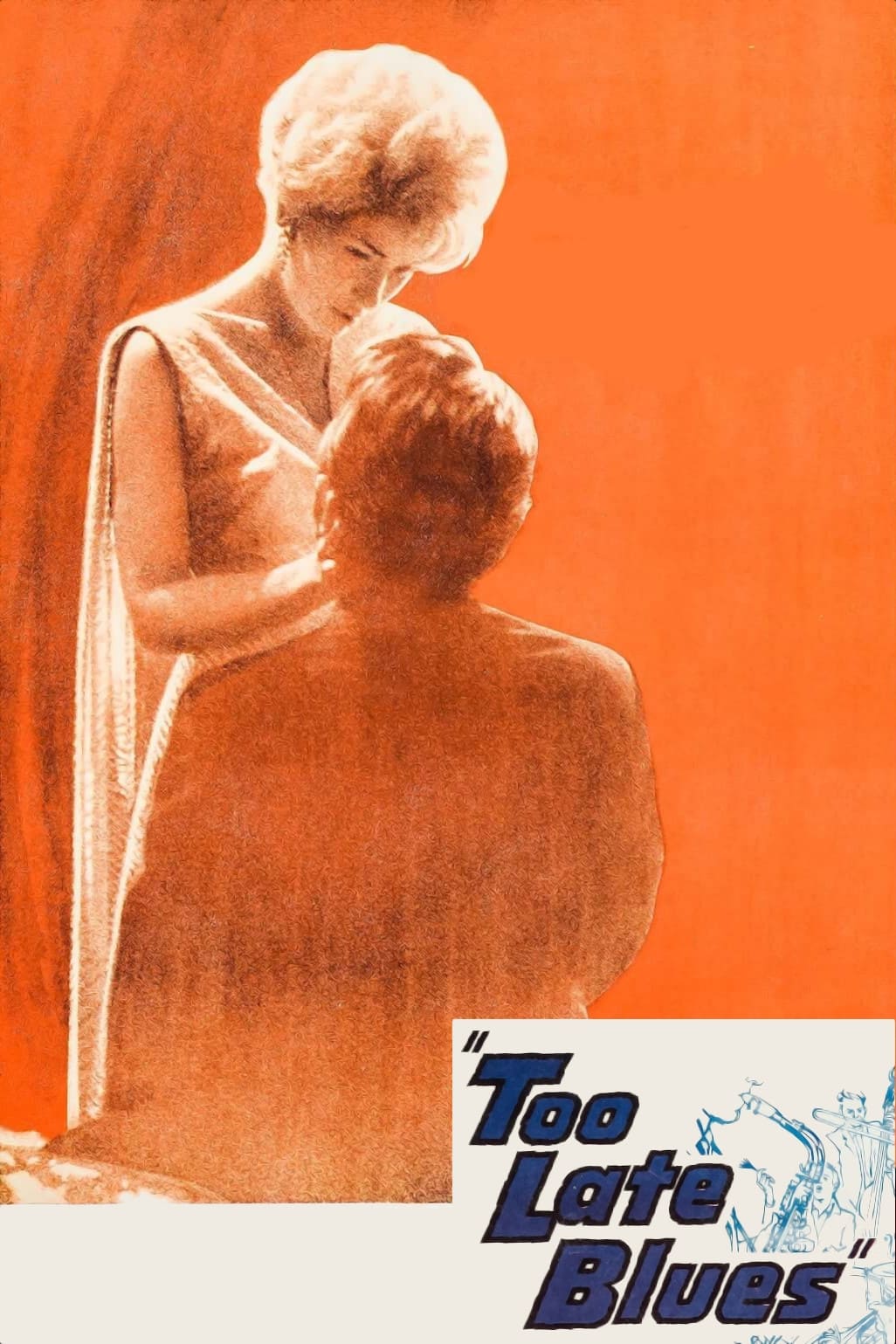
Ghost is an ideological musician and leader of a jazz band who would rather play his blues in the park to the birds than compromise himself. His peripatetic performances lead him to cross paths with a singer, while his masculinity is thrown into question following a violent brawl.
Aspiring small-town musician Chito is determined to make it big. When a clip of him performing one of his songs goes viral, he seizes the opportunity and pushes to carve out a place for himself in the new wave of Mexican-American music... and ultimately gets caught in a game more dangerous than anticipated.
The brothers Gibb perform their greatest hits from the 60's, 70's, 80's and 90's including many songs written for and made hits by other artists but never recorded by the Bee Gees themselves.
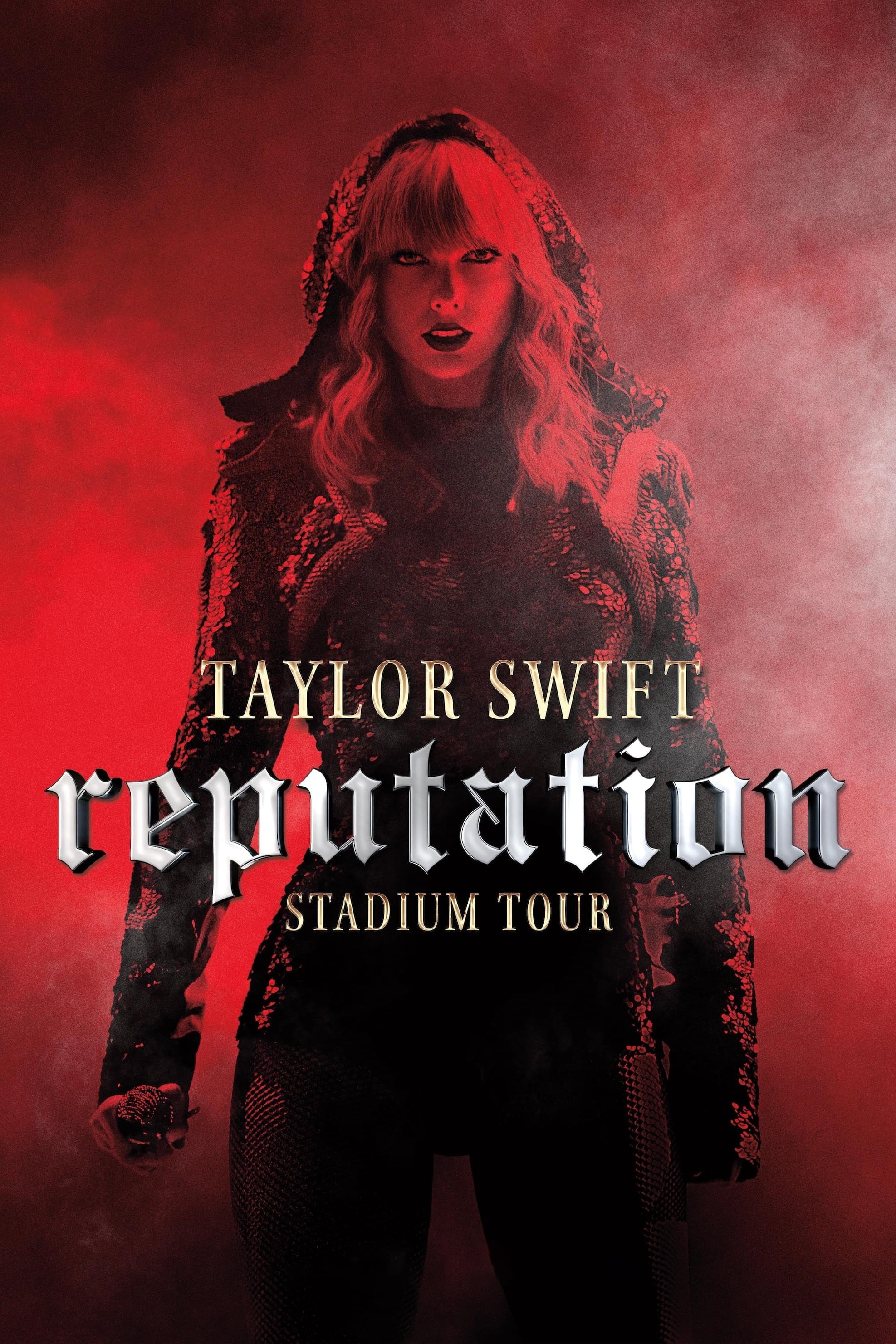
Taylor Swift takes the stage in Dallas for the Reputation Stadium Tour and celebrates a monumental night of music, memories and visual magic.
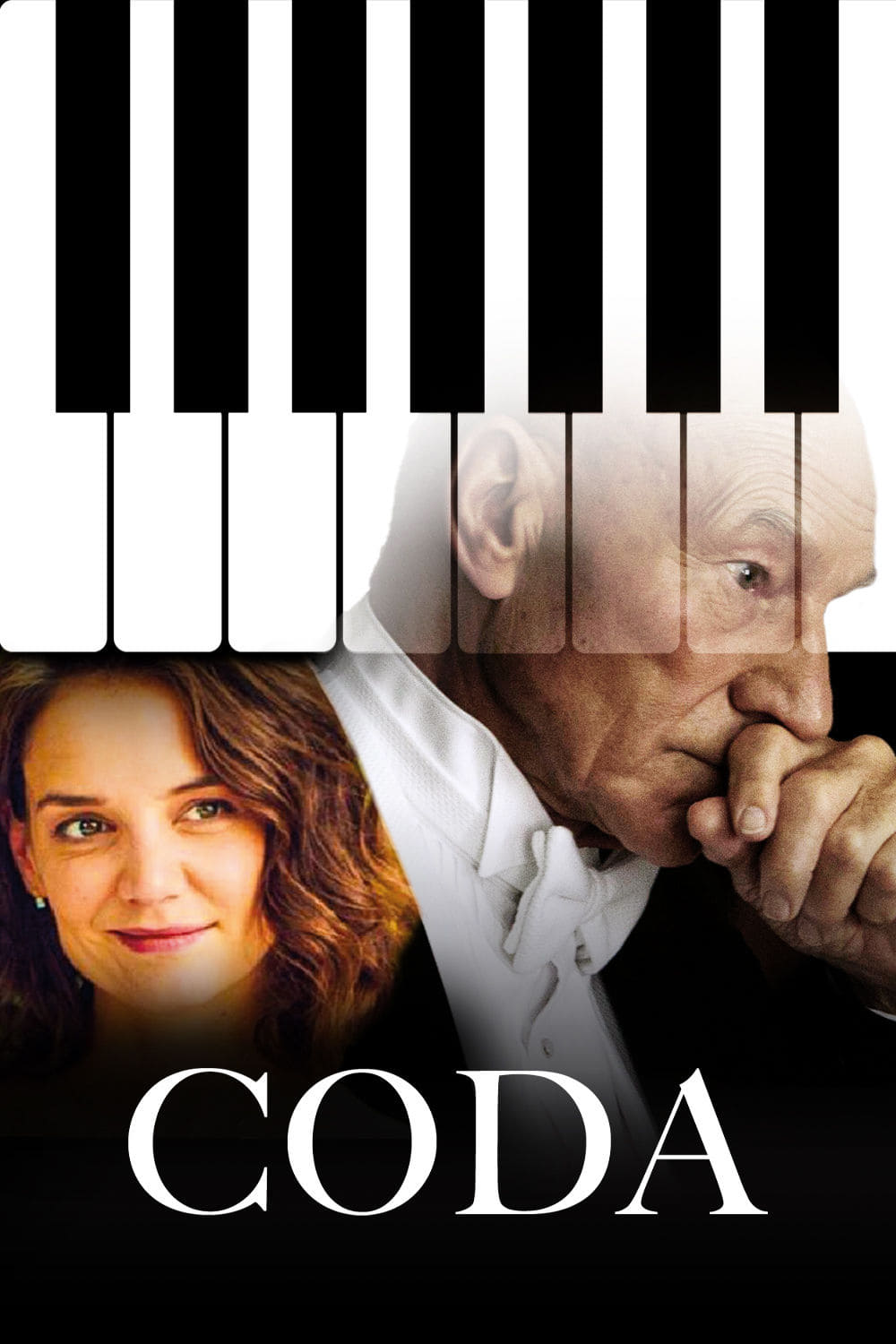
A famous pianist at the twilight of his career meets a free-spirited music critic who soon becomes his rock as his mental state deteriorates.
Gertrude Lawrence rises to stage stardom at the cost of happiness.
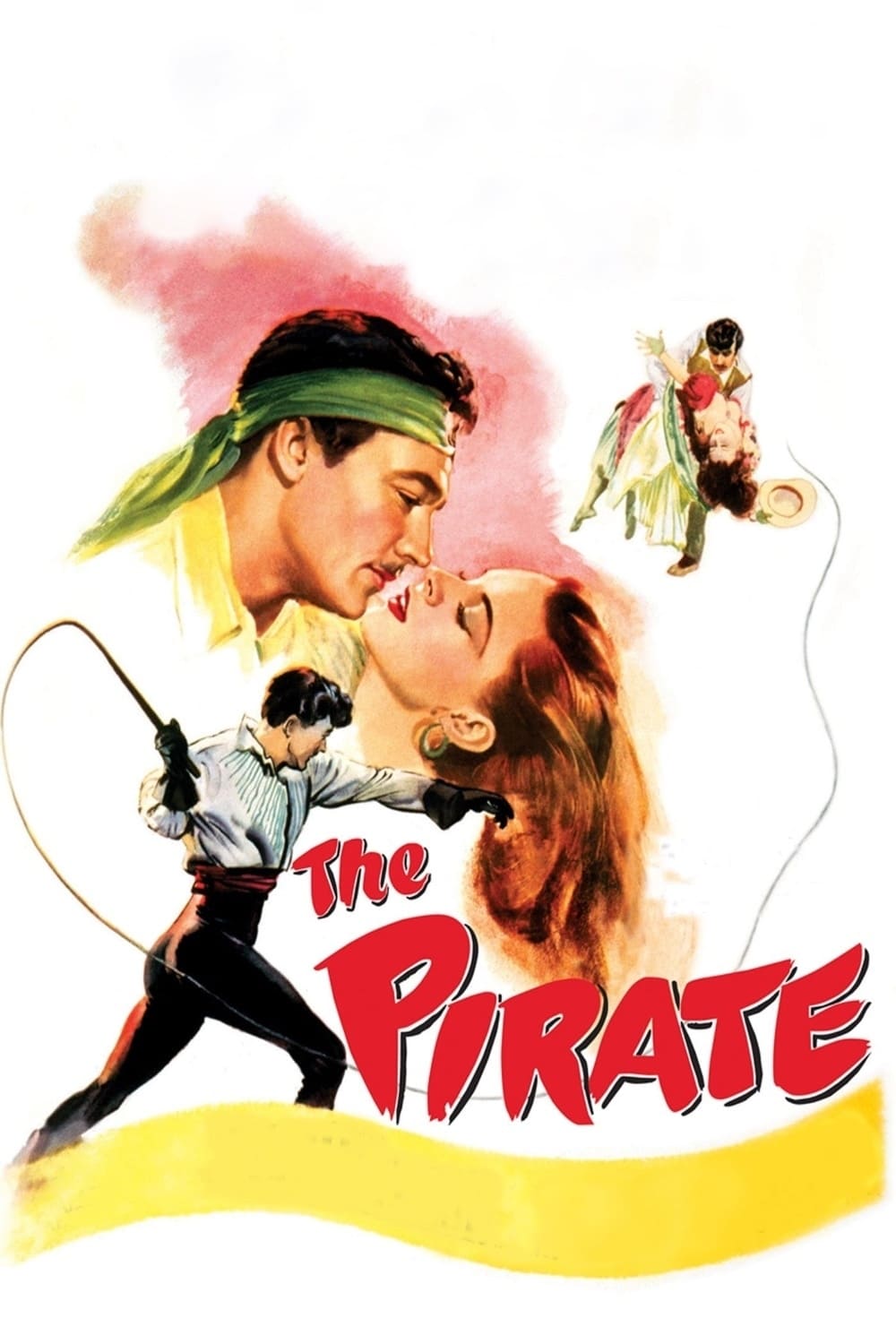
A girl is engaged to the local richman, but meanwhile she has dreams about the legendary pirate Macoco. A traveling singer falls in love with her and to impress her he poses as the pirate.
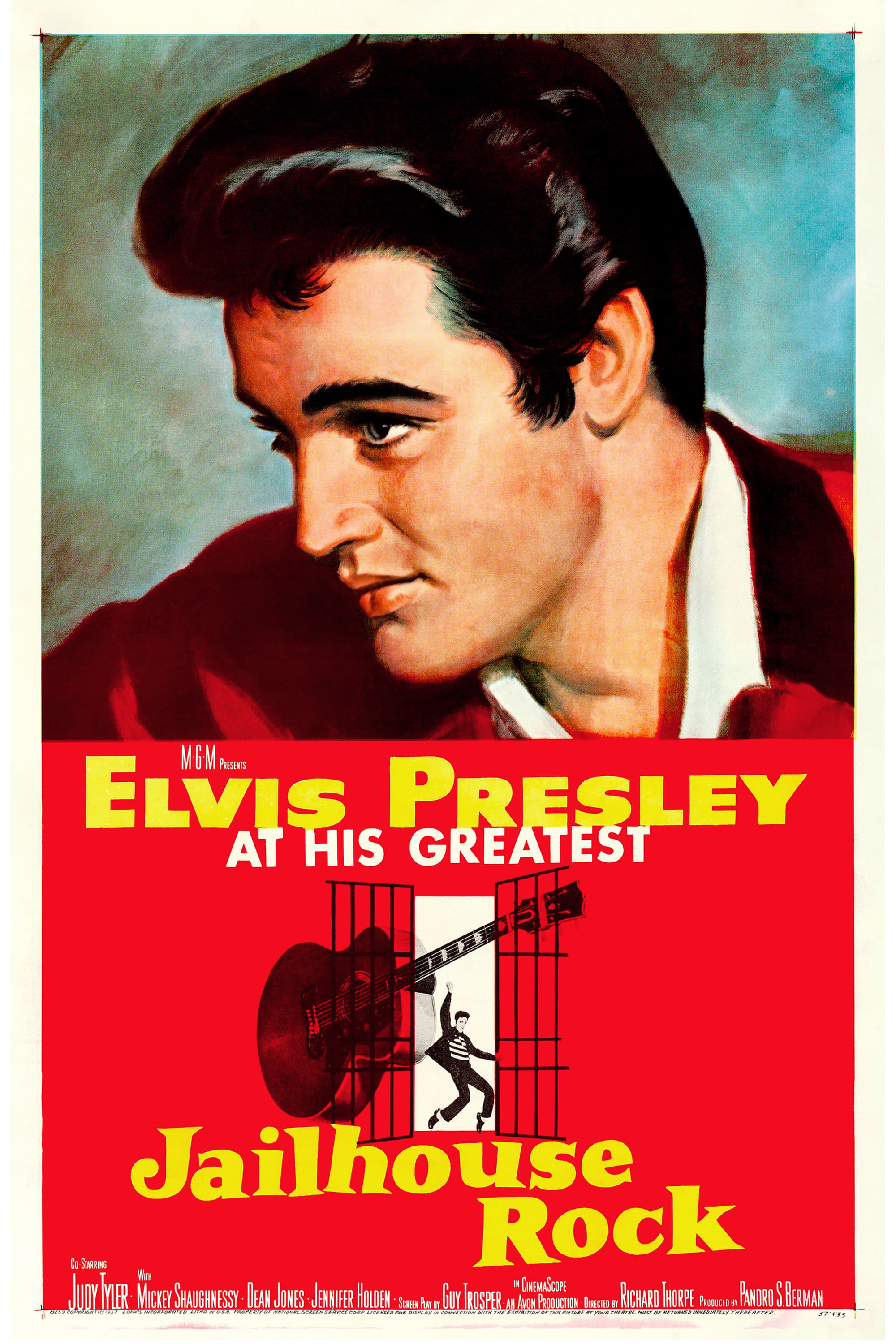
Young convict Vince Everett, serving time for manslaughter, discovers his musical talent in prison and becomes a rock and roll star after his release, navigating fame and relationships.
A teenage rapper must use his musical talent to help a friend and win the girl of his dreams while overcoming self-doubt and the expectations of his strict religious parents.