This true-life adventure story follows people who ventured deep into the remote bush of Alaska to pursue their lifelong dreams of living off the grid.
Social & External
Unknown Role
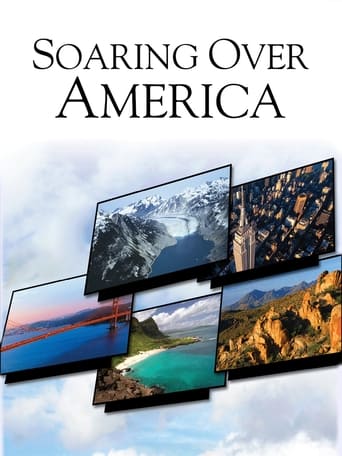
Created from public television's popular Over series, this is a tour unlike any other! Fly above landscapes and landmarks in Alaska; the Pacific Northwest; California; the Southwest; Chicago; New York City; Washington, D.C.; and everywhere in between.
Follows the story of "Grizzly Man" Timothy Treadwell and what the thirteen summers in a National Park in Alaska were like in his attempt to protect the grizzly bears. The film is full of unique images and a look into the spirit of a man who sacrificed himself for nature.
The sequel of feature-publicistic film «You Can’t Live Like That». Showing the countrymen charmless and sometimes scaring life picture of once great power with pain and anger, the author tries to uncover the reason of the country’s and nation’s tragedy.
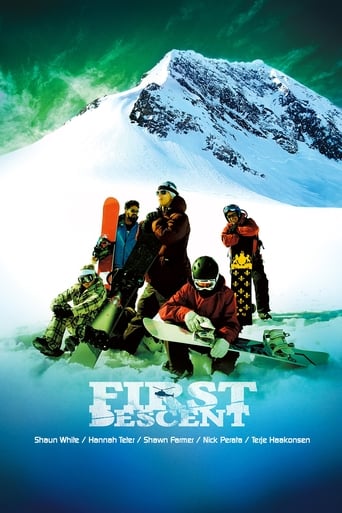
First Descent is a 2005 documentary film about snowboarding and its beginning in the 1980s. The snowboarders featured in this movie (Shawn Farmer, Nick Perata, Terje Haakonsen, Hannah Teter and Shaun White with guest appearances from Travis Rice) represent three generations of snowboarders and the progress this young sport has made over the past two decades. Most of the movie was shot in Alaska.
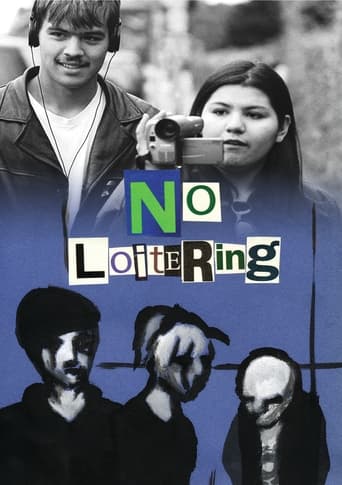
An intimate portrait of teenagers trying to understand their world and their possibilities. The film weaves together video shot by teens and by the filmmaker, as they work together to make a film and create expressive outlets for youth in the community. They organize dances and community events and paint a mural. At the same time, with humor and pathos, these young people raise issues around violence, feeling misunderstood by adults and lacking respect in their community. Set in the small town of Sitka, Alaska, home to a large Alaska Native population, the video chronicles their creativity, concerns and dreams.
In Canada and Alaska, the consequences of global warming are being keenly felt by brown bears - but in different ways by different populations. Their survival depends mainly on the quantity of wild salmon available in the region, as it is the fruit of their catch that enables the bears to accumulate fat reserves for the winter. While salmon populations off Canada's Pacific coast continue to decline year after year, in the immense Bristol Bay in western Alaska, as well as on Kodiak Island, they are increasing considerably. The water temperature in the North Pacific is now ideal for salmon development. From Canada to Alaska, the documentary follows different bear populations over a two-year period.
A documentary propaganda film produced by the U.S. Army Signal Corps about the Aleutian Islands Campaign during World War II. The film opens with a map showing the strategic importance of the island, and the thrust of the 1942 Japanese offensive into Midway and Dutch Harbor. Nominated for the Academy Award for Best Documentary Feature.
Glenn Close narrates this National Park Service movie about the many varied aspects of Gates of the Arctic National Park & Preserve. Shown at Morris Thompson Cultural & Visitors Center.
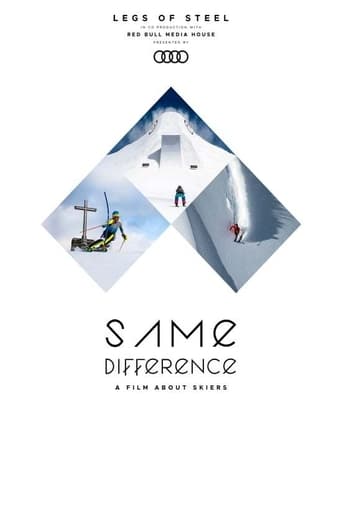
Freeride, Freestyle and Alpine racing united! Legs of Steel presents the multi-discipline ski film 'Same Difference’. True to the credo –‘a film about skiers’, this documentary will provides a one-of-a-kind view into skiing’s diversity. Follow Alpine race legend Felix Neureuther through a testing competitive season full of ultimate highs and lows. Take a ride with Fabian Lentsch, Bene Mayr & Sven Kueenle as they venture to the nerve centre of freeride skiing in Alaska, and watch on with anticipation as Freestyler Paddy Graham and his gang attempt to redefine gravity with the biggest jump ever attempted. The start gates and slopes are different and the rewards may seem wildly contrasting, but it’s all just skiing in the end.
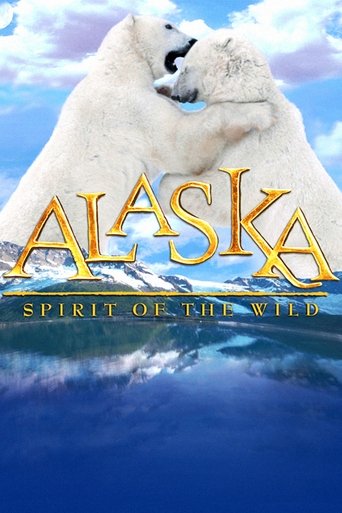
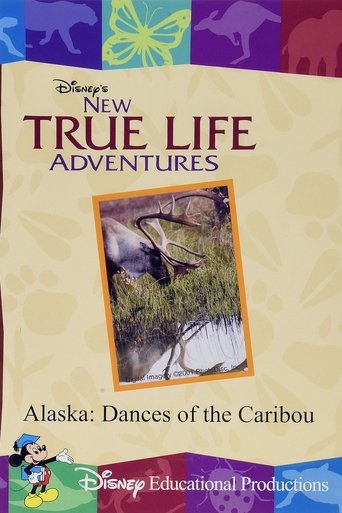
Alaska... Here, in this vast and spectacularly beautiful land teeming with abundant wildlife, discover the "Spirit of the Wild." Experience it in the explosive calving of glaciers, the celestial fires of the Aurora Borealis. Witness it in the thundering stampede of caribou, the beauty of the polar bear and the stealthful, deadly hunt of the wolf pack.
'Alaska Far Away' tells the story of the Matanuska Colonization Project of 1935, a creative and controversial New Deal program that relocated 202 families devastated by the Great Depression, taking them from the upper Midwest to the Matanuska Valley in Alaska to start an experimental farming colony. It generated a whirlwind of publicity and controversy at the time, not only as a federally-funded social experiment, but also as one of the last pioneer movements in America. The Matanuska Colony isn't just a fascinating footnote to the history of Alaska. It encompasses the despair of the Depression, the creative energy of the New Deal, the adventure of pioneering in Alaska, and the best and worst of our government and ordinary citizens in facing those extraordinary challenges.
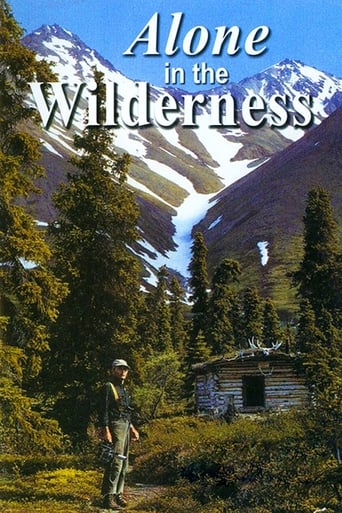
Four Alaskan bush families take the leap of faith to pursue their lifelong dream of living off the grid in the remote and unpredictable wilderness.
Twenty years ago, a young American hiker named Chris McCandless, the accomplished son of successful middle class parents, was found dead in an abandoned bus in the Alaskan wilderness and became the subject of the best-selling book and movie “Into the Wild.” Now, PBS retraces Chris McCandless’ steps to try to piece together why he severed all ties with his past, burnt or gave away all his money, changed his name and headed into the Denali Wilderness. McCandless' own letters, released for the first time, as well as new and surprising interviews, probe the mystery that still lies at the heart of a story that has become part of the American literary canon and compels so many to this day.
A once-lost silent documentary from the late 1920s, “P. E. Harris & Company: An Aleutian Adventure” chronicles a journey to Alaska’s remote Aleutian Islands. Commissioned by a Seattle-based cannery company, this rare film captures stunning maritime landscapes and the daily life of workers in an early 20th-century cannery operation. Preserved from original 35mm nitrate prints and undergoing full restoration in 2K, the film offers a rare visual record of American industrial and environmental history.
In the ice-gripped environment of Alaska's Admiralty Island, summer offers the briefest of respites. Year-round residents such as bears and seals turn to the salmon-filled waterways for sustenance. Meanwhile, migrants descend in droves, from humpback whales to over 140 million seabirds--almost half the birds in the Northern Hemisphere.
An exploration of built and natural environments along the 800-mile length of the Trans-Alaska Pipeline.
In May of 1942, across the rugged sub-Arctic wilderness of Alaska and Canada, thousands of American soldiers began one of the biggest and most difficult construction projects ever undertaken-building the Alaska Highway. This program tells how young soldiers battled mud, muskeg, and mosquitoes; endured ice, snow, and bitter cold; and cut pathways through primeval forests to push a 1,520-mile road across one of the world's harshest landscapes.
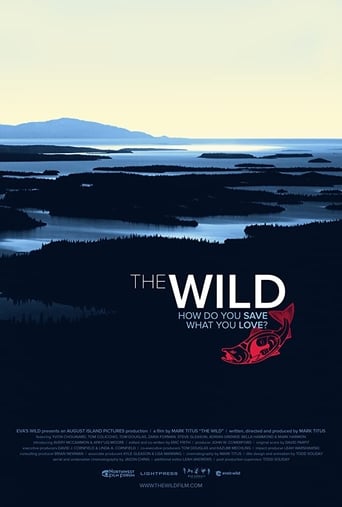
Newly into addiction recovery, an urgent threat emerges to spur filmmaker, Mark Titus back to the Alaskan wilderness - where the people of Bristol Bay and the world's last intact wild salmon runs face devastation if a massive copper mine is constructed.
This video includes excellent scenery and computer-generated videos that provide nice visual aid. These visual aides and the facts given by the narrator deliver on the National Geographic credibility you have come to expect. It includes wildlife in the Denali area, including two moose battling for a mate, as well as a brown bear cub taking out a caribou. The wildlife portion takes up about half of the video, about 25 minutes or so. The second half of this DVD shows a group of eight individuals who are climbing Mt. Mckinley. This gives an additional viewpoint of the Denali area for those who seek challenging ventures. The cons about this video are that I would have liked to see a longer wildlife portion, and it is not a very long video altogether (50 minutes), so the $18 price tag seems a bit much. If you are interested in Alaska, the arctic, national parks, mountain trekking, and wildlife, this is a good movie for you.
BACK IN MY BODY is a short documentary about musician Maggie Rogers returning to Alaska, a place that has had a huge impact on her life.