Social & External
The people behind it
"Welcome to the World of Dementia" is an NHK program adapted from the book "A Travel Guide to the World of Dementia" by Japanese author Yusuke Kakei. The protagonist embarks on a journey through the "world of dementia," encountering a specific symptom of dementia on each trip. For example, in a village of faceless people, he cannot see the faces of his friends, reflecting the difficulties dementia patients face in recognizing faces, friends, and family members. It metaphorically illustrates "the world through the eyes of dementia patients," leading viewers to understand the symptoms and physical and mental changes of dementia.
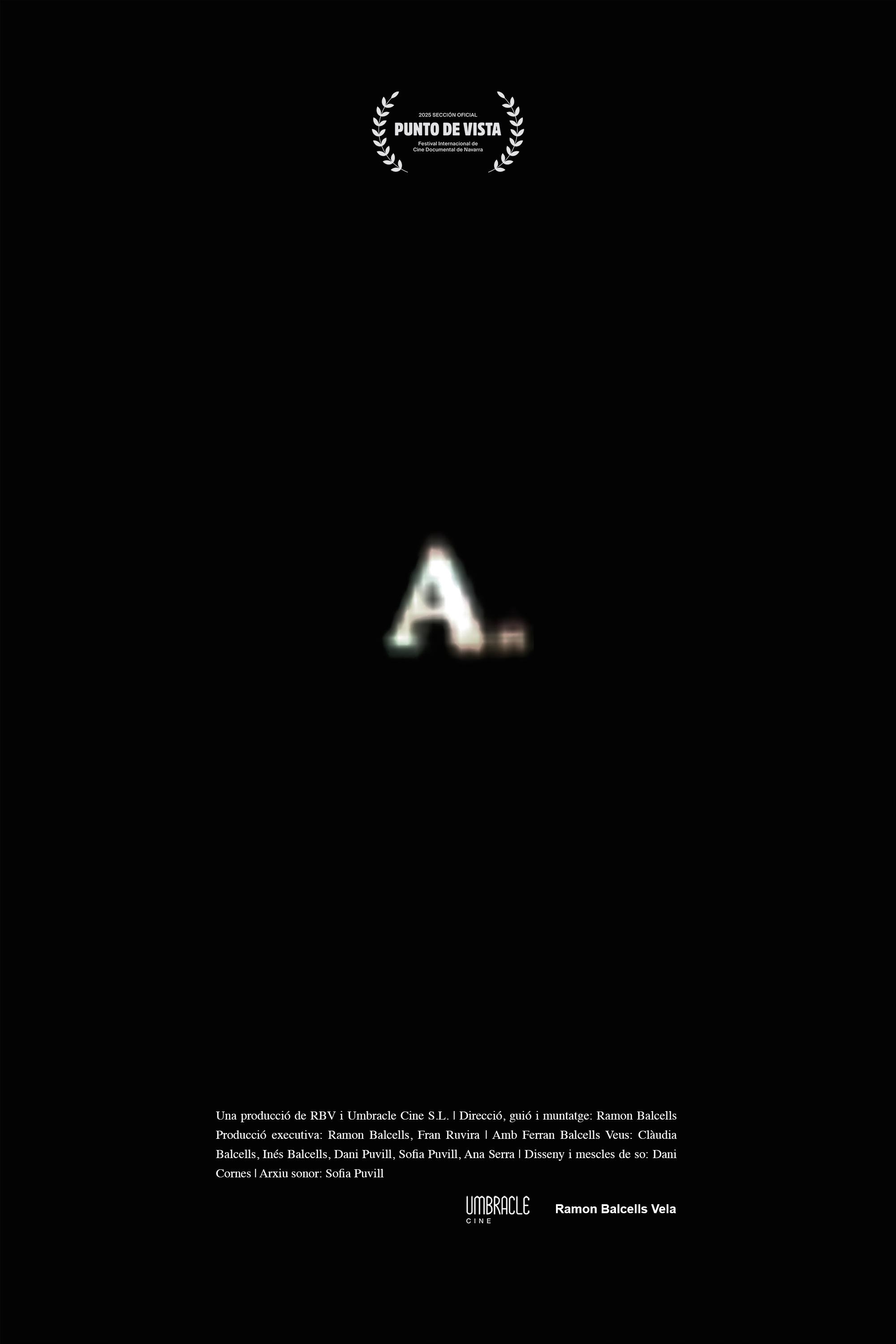
Having lost her memory, A. could barely recall glimpses of her childhood in Argentina. After her death, her son visits the empty house for the last time. A sensory journey through a house without objects but filled with memory.
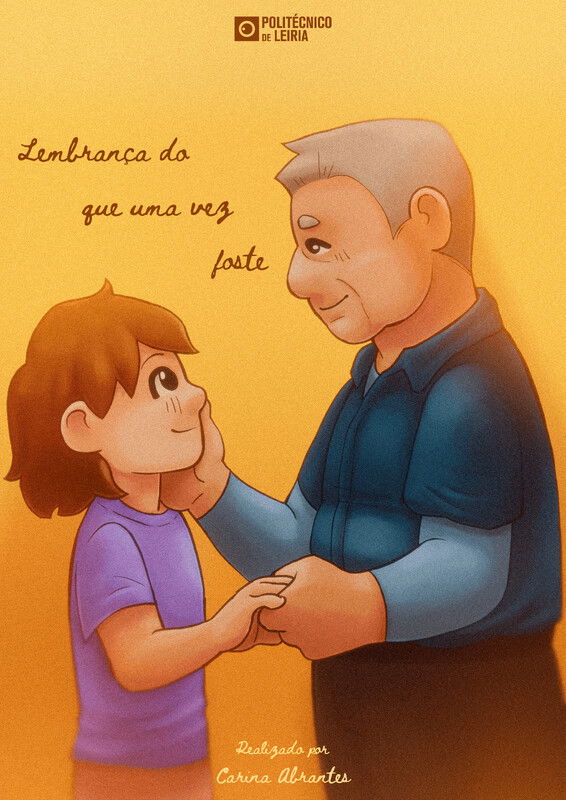
An animation about the uncertainties in human connections over time, portrayed in an affectionate relationship between a granddaughter and her grandfather with dementia as they grow old together.
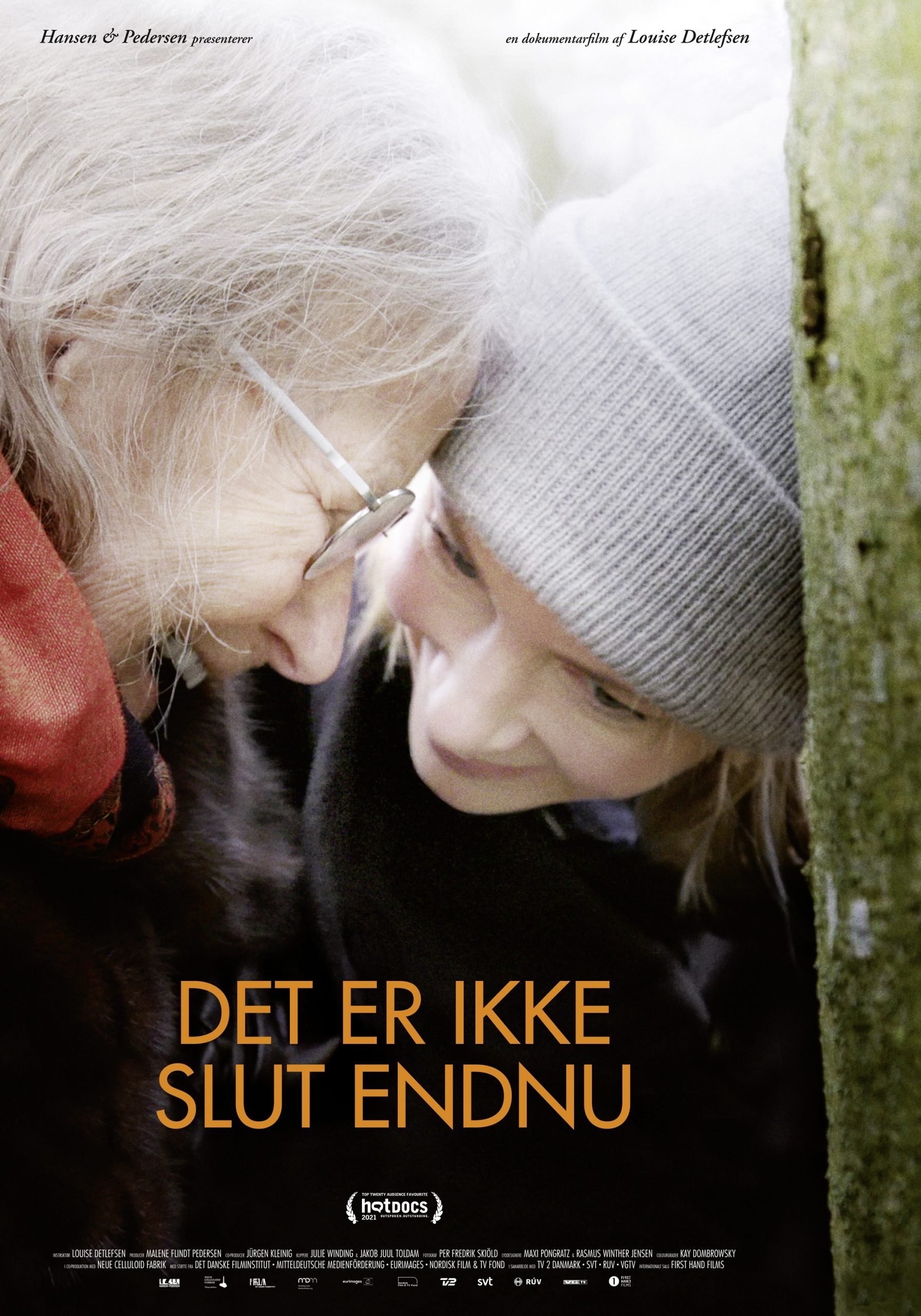
At Dagmarsminde, nurse May Bjerre Eiby refuses to conform to conventional nursing home practices that tranquilize and disregard dementia patients. For 11 residents, their healthcare regimen includes hugs, laughter, animal visits, eye contact, and lots of champagne and cake. It Is Not Over Yet looks at a radically different way to treat dementia patients, shifting from medicine to care.
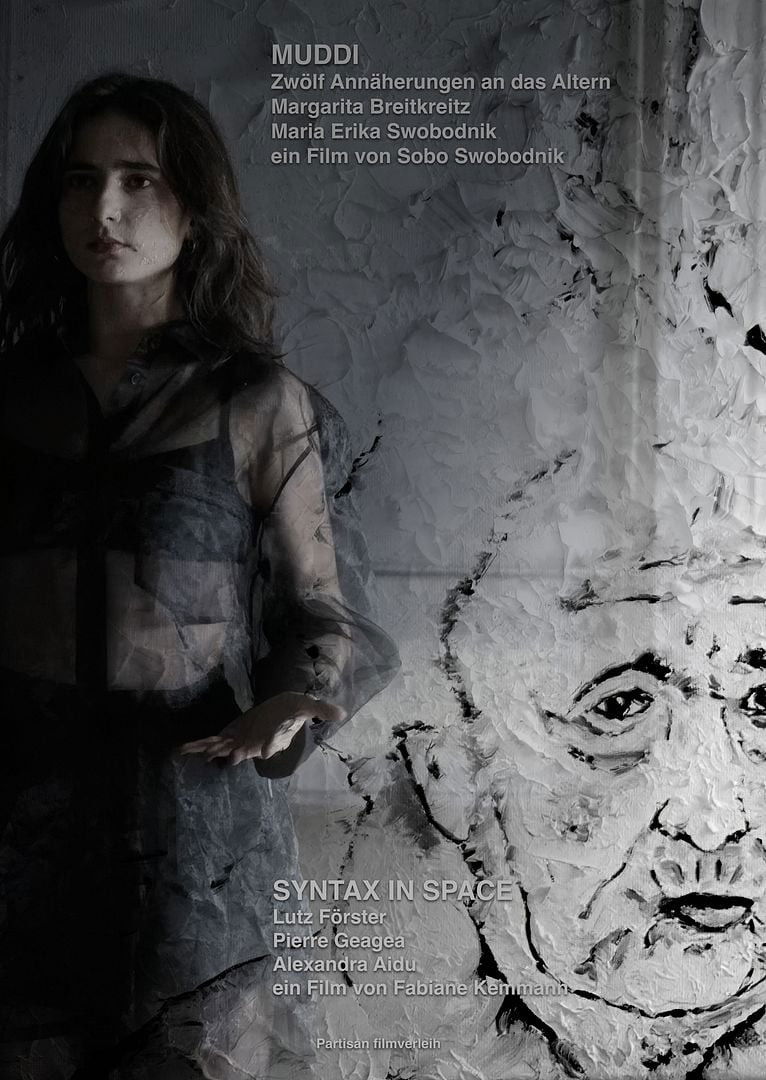
The director's mother is 90 years old—and is beginning to forget herself. Not only herself, but everything else as well. She has dementia. Only her faith and her tireless knitting of exclusively blue socks keep her alive. The director, whose relationship with his mother has been very tense throughout his life, approaches the dissolution of his mother's ego in this experimental and essayistic film with the support of Didier Eribon, Simone de Beauvoir, Norbert Elias, Jean Améry, and others. In addition to this very personal story, he also tells a universal story about the process of aging, about repression, but also about rebellion in dealing with and interacting with aging people.
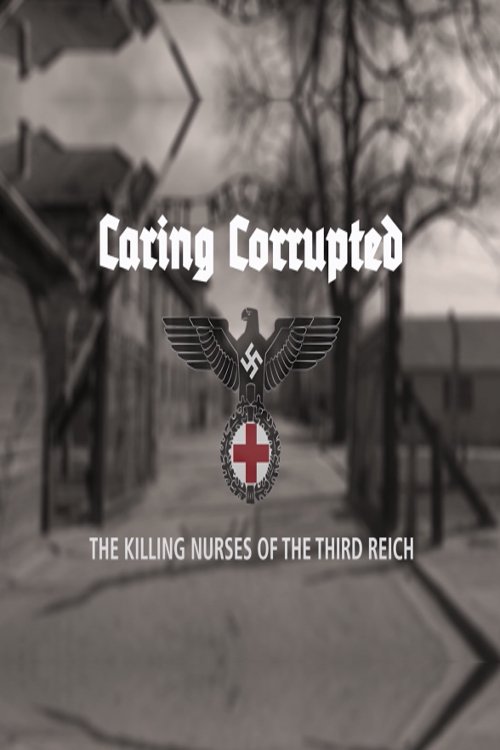
About the nurses who used their professional skills to murder the handicapped, mentally ill and infirm at the behest of the Third Reich and directly participated in genocide.
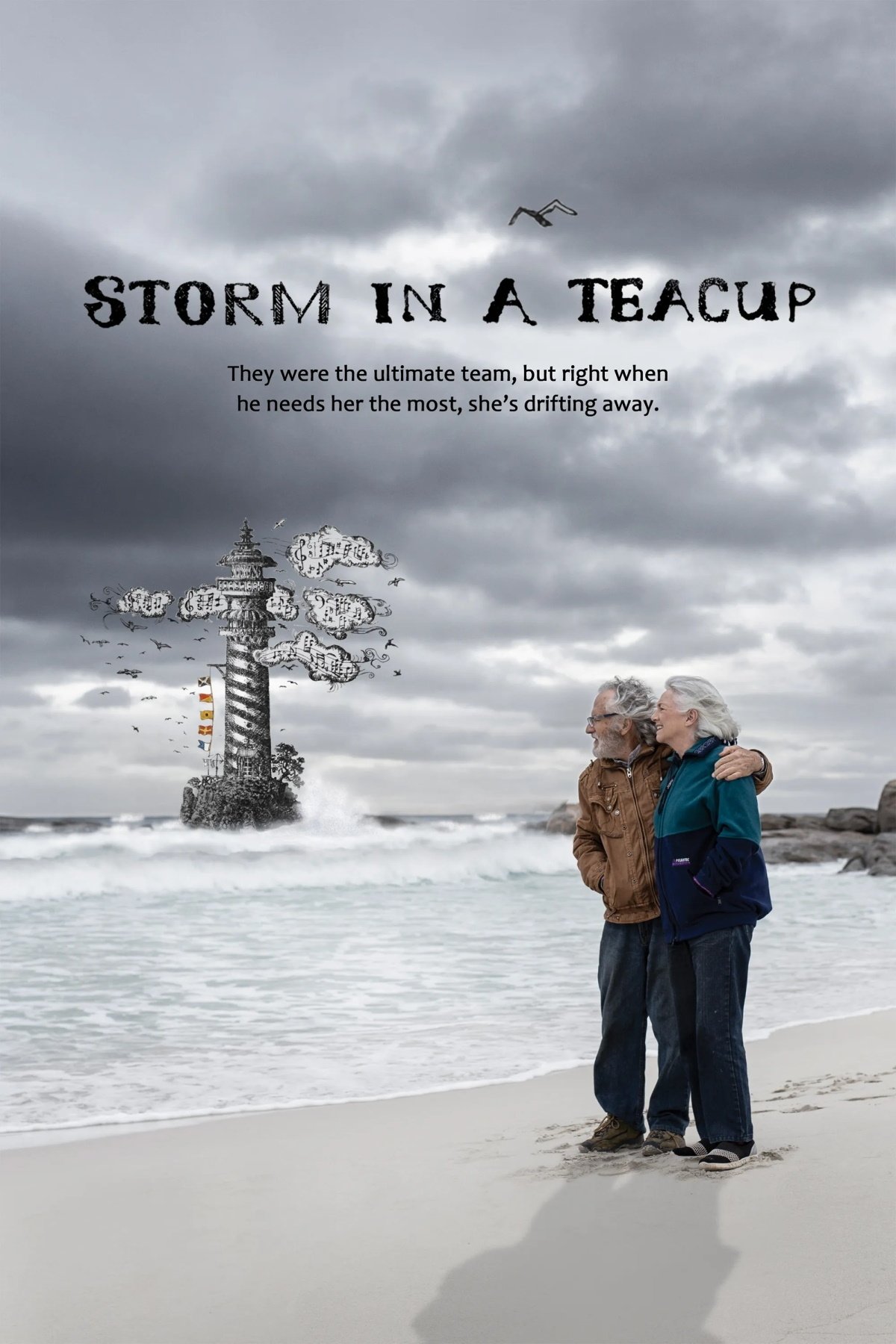
Australian artist Leon Pericles faces his greatest challenge: holding an exhibition of his life's works while facing the mental decline of his wife and collaborator Moira, as Alzheimer's disease turns their world upside down.
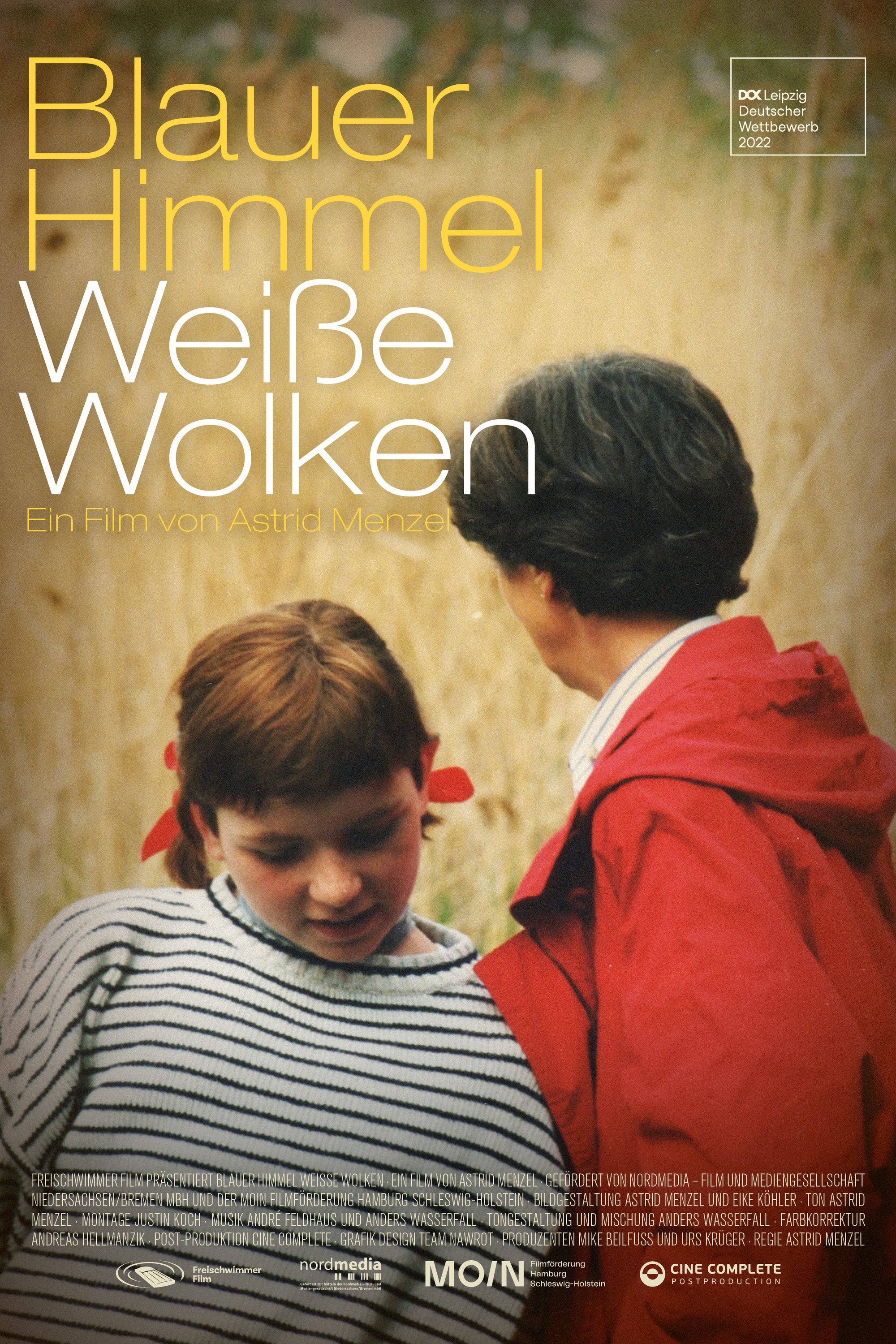
Grandma has become a little doddery. And since the death of her husband, called E.O., ever bigger gaps have opened in her memory, and her disorientation has increased. Director Astrid Menzel makes a decision: to take a ten-day canoe trip on northern German waters with her brother and the 86-year-old lady. An adventure whose outcome is uncertain and which the three travellers have to face anew at every stage.
There are 1.8 million people living with dementia in Germany. Unless there is a breakthrough in treatment, this number will rise to 2.8 million by 2050. How can these patients be cared for with dignity? One thing is certain: the problems in care—whether inpatient or outpatient—are growing. The shortcomings of the care system in German-speaking countries have been known for decades and will continue to worsen as a result of demographic change, because our society is getting older and older. The article "The problem of dementia – new approaches to care" shows examples of humane treatment of people in need of care and presents forward-looking models. Based on the personal experiences of those affected and the conceptual differences between alternative care providers, we would like to highlight possible solutions and provide new impetus for the long-overdue reform of elderly care.
An audiovisual representation of the degenerative dementia process based on real reports from people affected with this condition.
Drawing on the book of the same name, League of Denial crafts a searing two-hour indictment of the National Football League’s decades-long concealment of the link between football related head injuries and brain disorders.
Agnes was diagnosed with dementia in her fifties. Five years have passed and she is still struggling with her new identity, and the loss of who she once was. She decides to pay a visit to Nancy, who eight years ago was also diagnosed with dementia in her fifties. We follow Agnes in her quest for renewal and along the way our notions of what it means to have dementia are challenged and given a fresh perspective. A film about friendship and living with dementia.
My grandmother has dementia! And I live with my grandmother. Conflicts between the younger brother and the grandmother begin due to the grandmother's repeated behavior. Among the disappearing memories, what kind of memories should we live with?
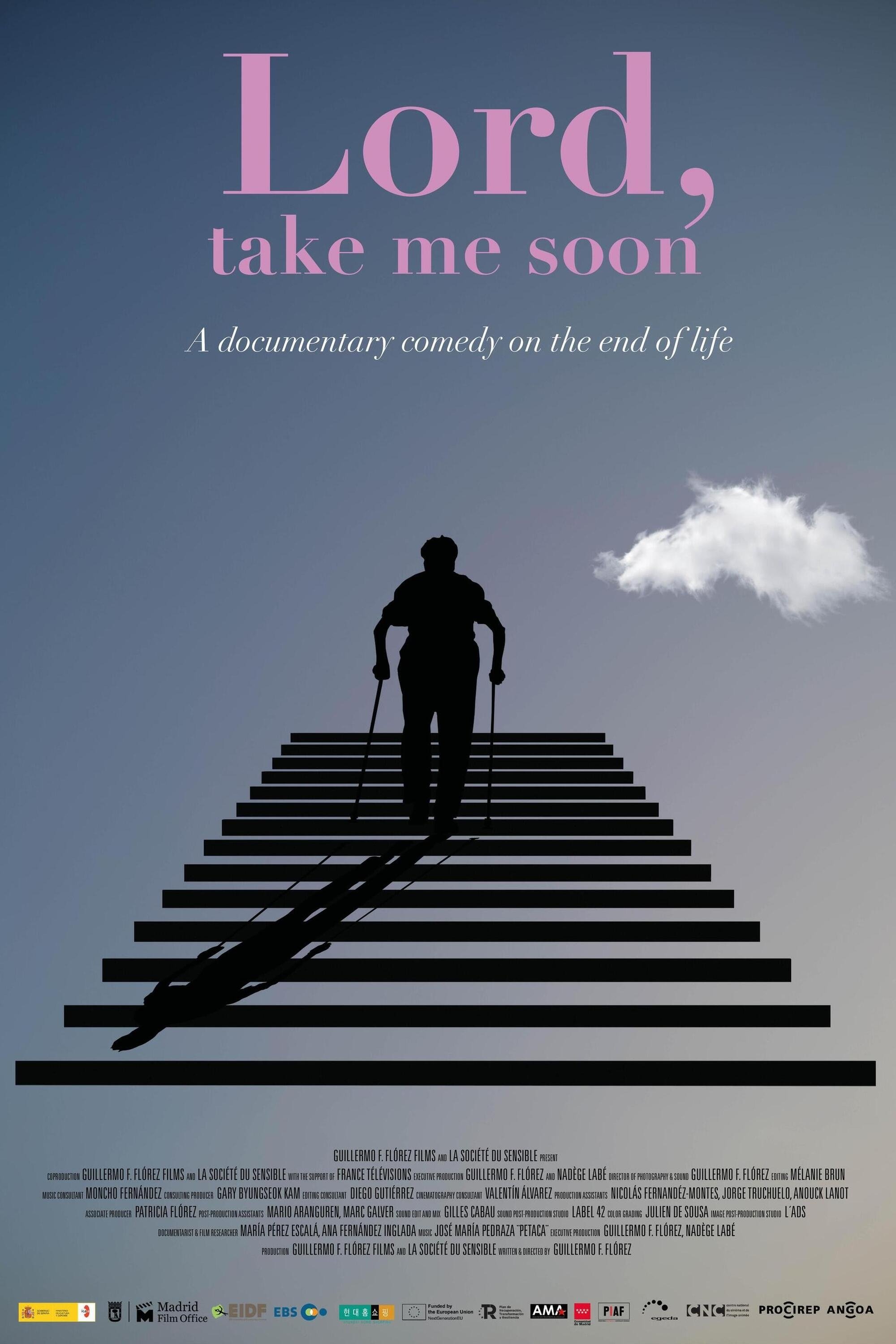
Carmen's life has been a quixotic comedy; surviving the war, becoming a nun, getting divorced in a conservative society, and having numerous lovers, always defying the rules. Now, at 86, she is planning her suicide. The film follows her final days, exploring her bond with her adopted son, as well as her journey to face death on her own terms.
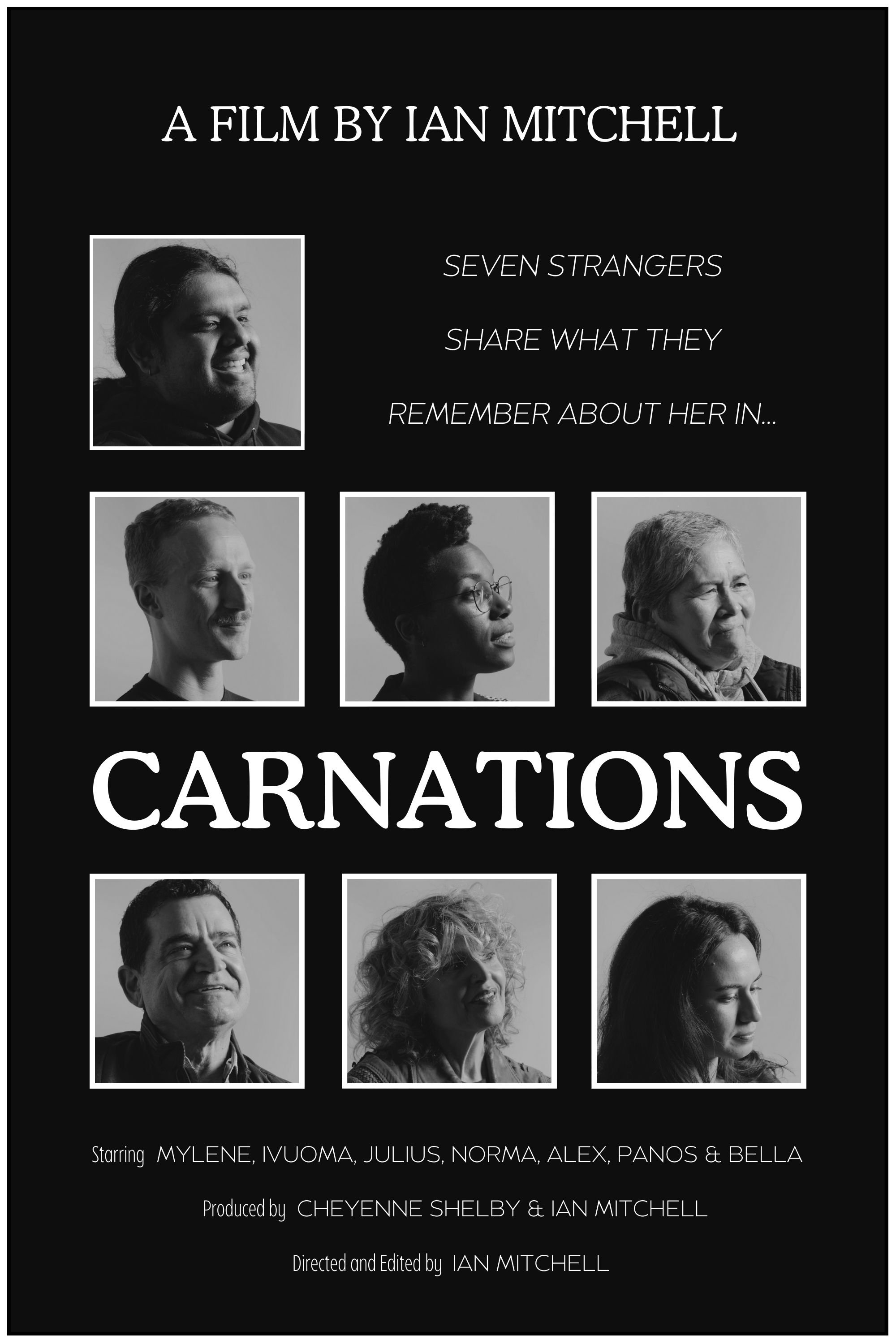
Seven strangers are interviewed to talk about the relationship they have with their mother.
Unconditional: A Journey of Selfless Love explores the love, care, and sacrifices family caregivers give to their loved ones and the many loving choices they have to make. Learn what it means to be committed and loyal to someone no matter the circumstances as highlighted through four caregivers and their journeys.
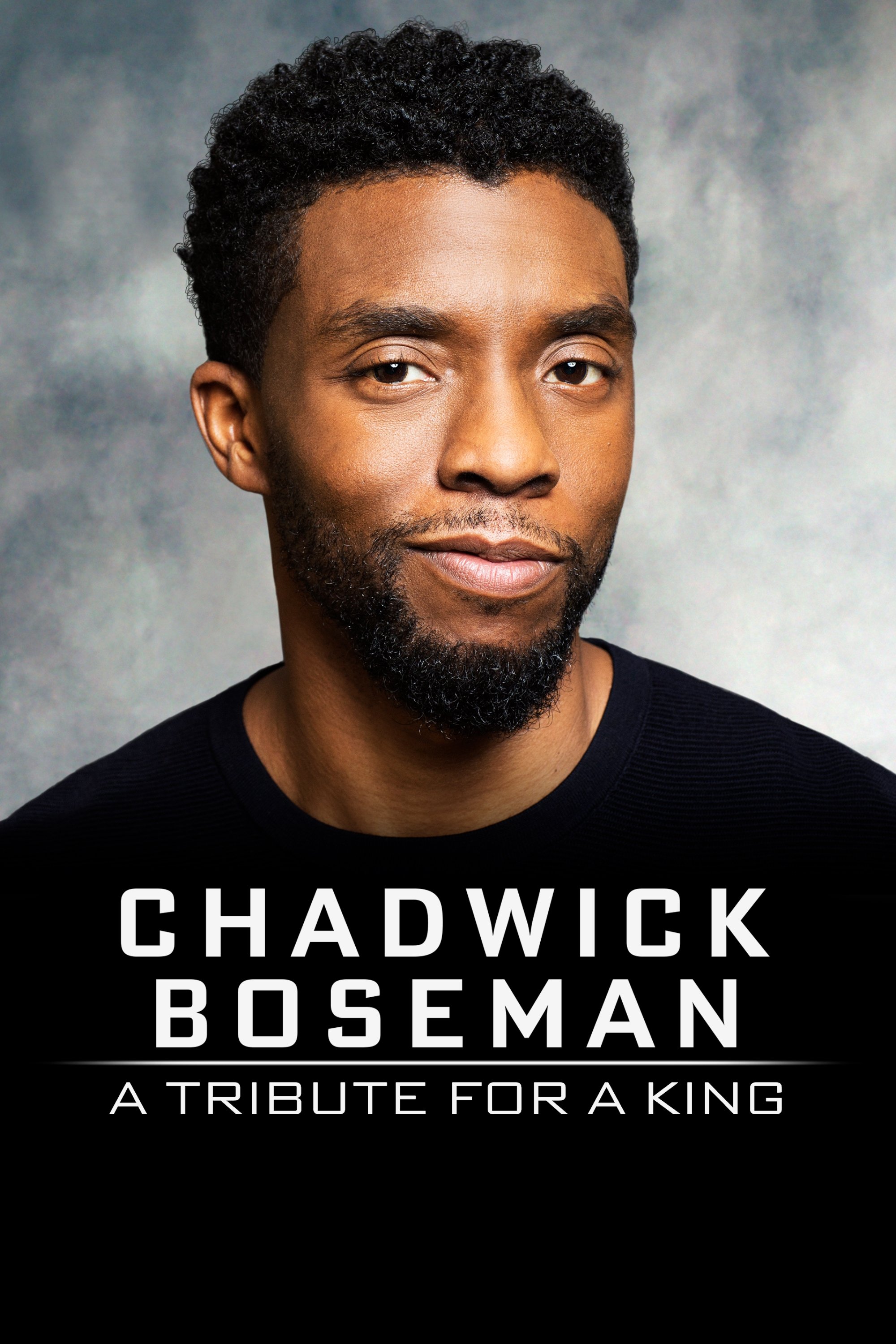
A tribute to Chadwick Boseman, celebrating his life and legacy.
A purely observational non-fiction film that takes viewers into the ethically murky world of end-of-life decision making in a public hospital.
Through deeply personal interviews with her siblings and an examination of the photographs, letters, and belongings left behind, Mariska assembles a new portrait of her mother Jayne Mansfield, an extraordinary and complex woman.
In an intimate and joyful story of love in the face of loss, celebrated poets Andrea Gibson and Megan Falley find strength—and unexpected hilarity—in what might be their final year together.
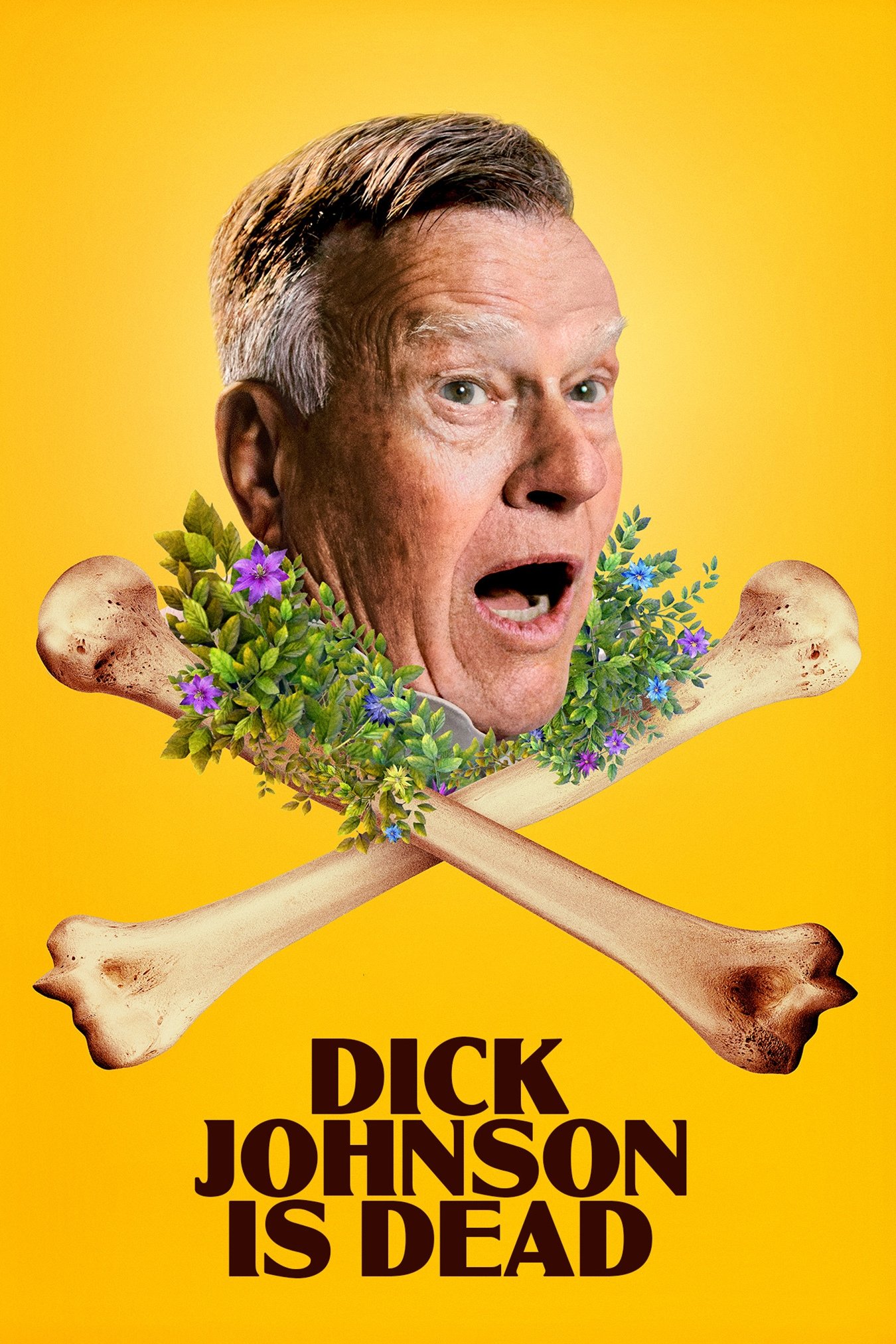
With this inventive portrait, director Kirsten Johnson seeks a way to keep her 86-year-old father alive forever. Utilizing moviemaking magic and her family’s dark humor, she celebrates Dr. Dick Johnson’s last years by staging fantasies of death and beyond. Together, dad and daughter confront the great inevitability awaiting us all.
A visual montage portrait of our contemporary world dominated by globalized technology and violence.
From the heights of her modeling fame to her tragic death, this documentary reveals Anna Nicole Smith through the eyes of the people closest to her.
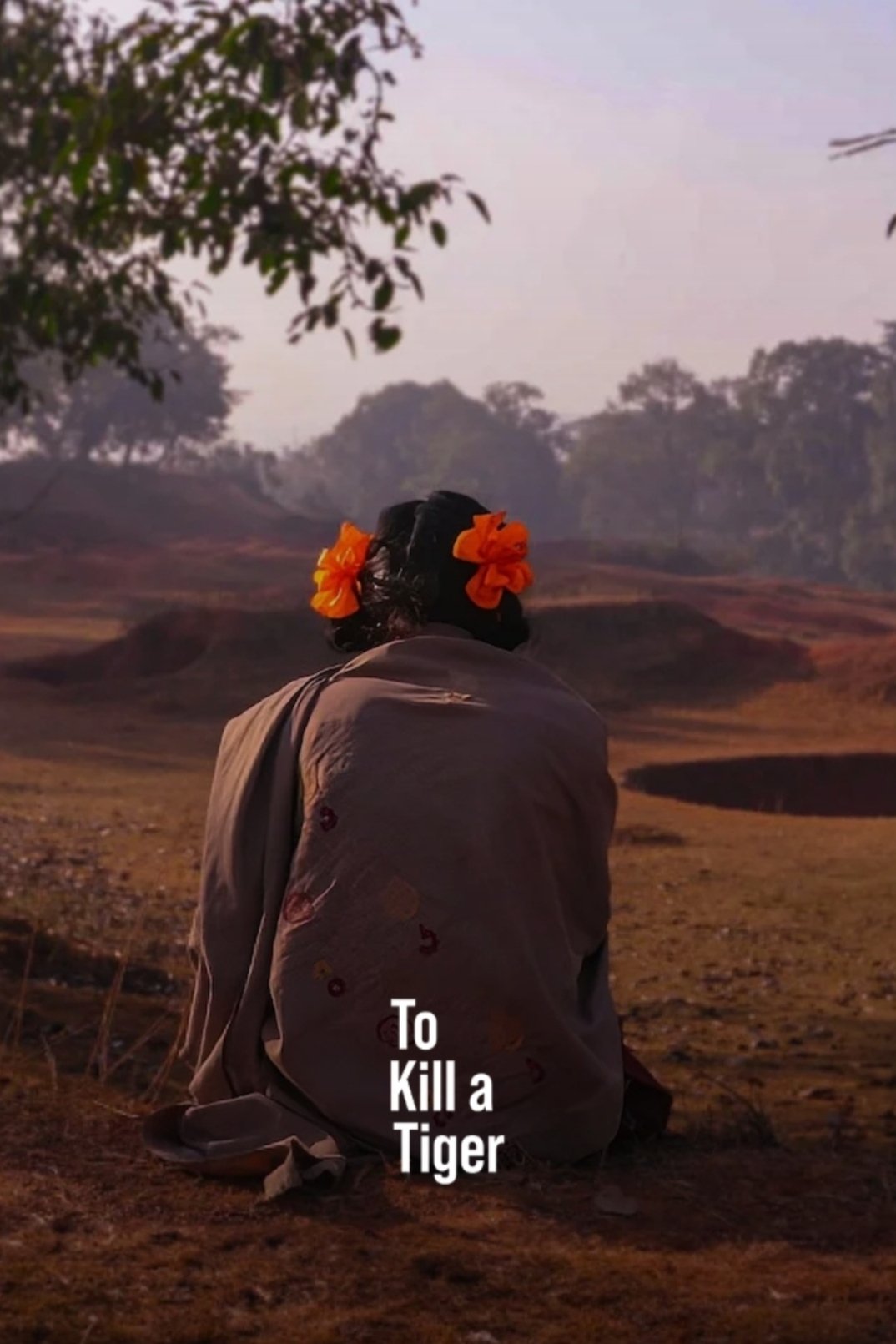
Ranjit, a farmer in India, takes on the fight of his life when he demands justice for his 13-year-old daughter, the victim of a brutal gang rape. His decision to support his daughter is virtually unheard of, and his journey unprecedented.
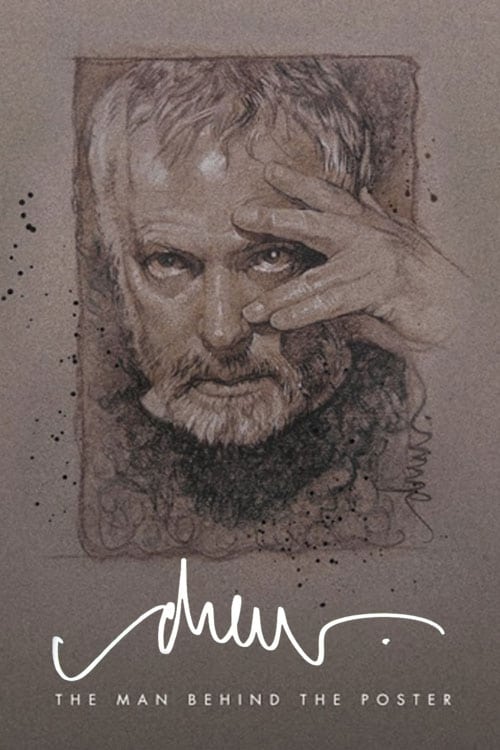
A documentary on legendary movie-poster artist Drew Struzan.
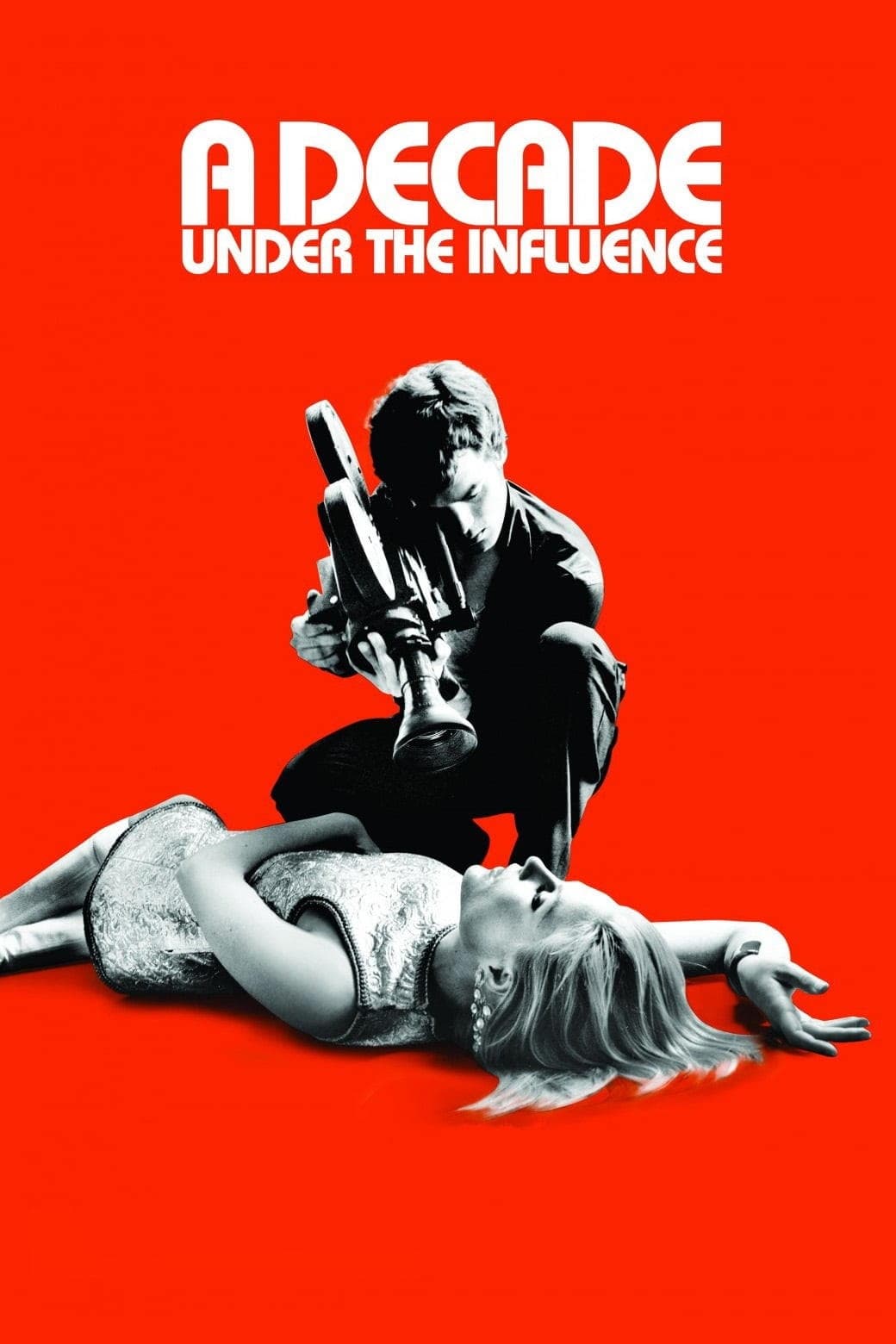
A documentary examining the decade of the 1970s as a turning point in American cinema. Some of today's best filmmakers interview the influential directors of that time.
A documentary about the life and films of director John Ford.
An inside look at one of the most anticipated movie sequels ever with James Cameron and cast.
Musician and performance artist Laurie Anderson reflects on the deaths of her husband Lou Reed, her mother and her beloved dog.
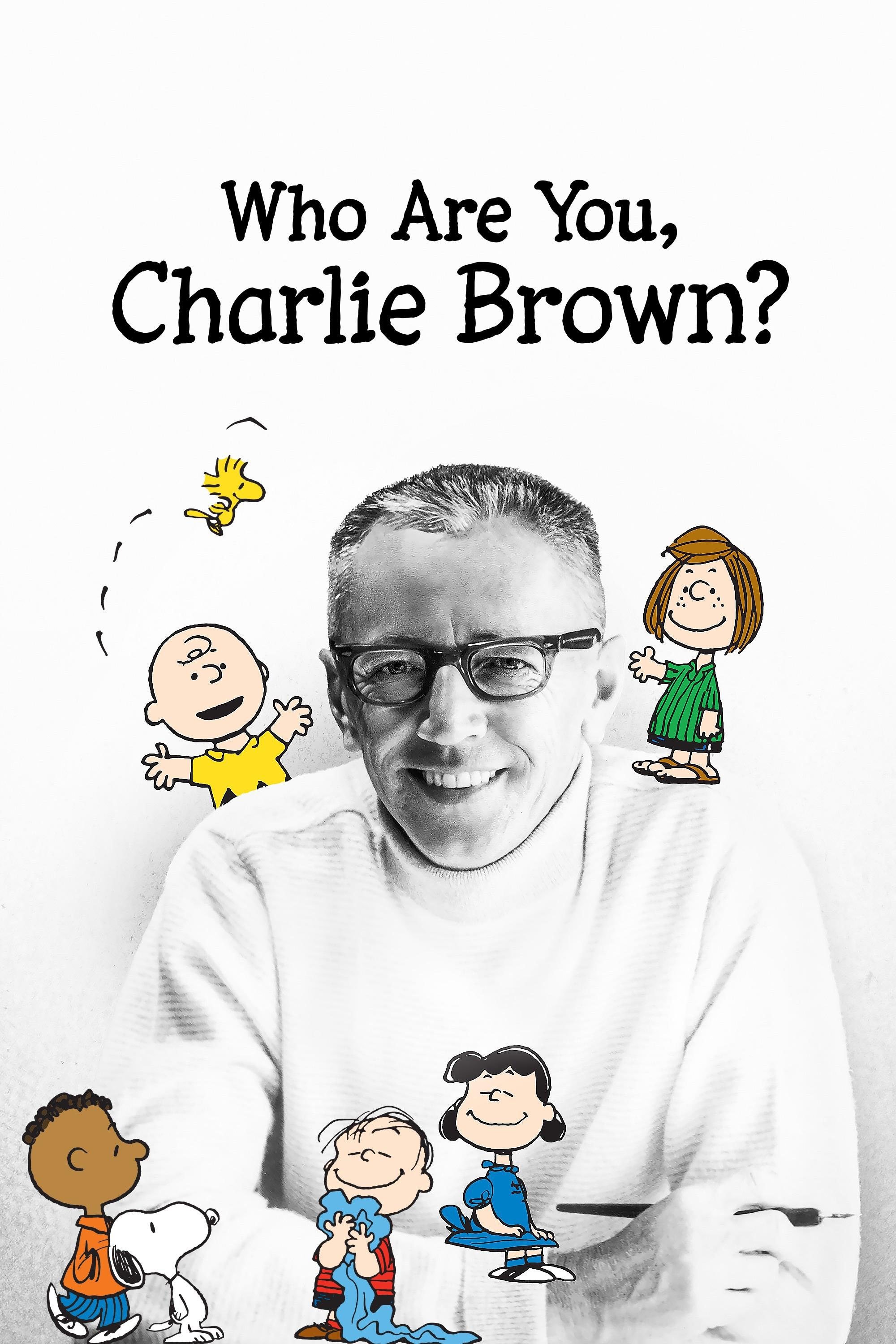
Lupita Nyong'o narrates a documentary about Peanuts and its creator, Charles M. Schulz. Famous fans—including Drew Barrymore, Kevin Smith, and Al Roker—share its influence on them, and a new animated story finds Charlie Brown on a quest.
A documentary about the making of David Fincher's 2008 film THE CURIOUS CASE OF BENJAMIN BUTTON. Virtually every element in the evolution of the Fincher's film is documented here, from the project's attachment to numerous other directors during the 1990s, to its shoot in 2006 and 2007 in New Orleans, to its complex, CGI-intensive postproduction process.
Brilliant, long in-the-works story of the life and art of the world's greatest comedian and the cinema's first genius, Charlie Chaplin. Produced, written and directed by renowned film critic Richard Schickel.
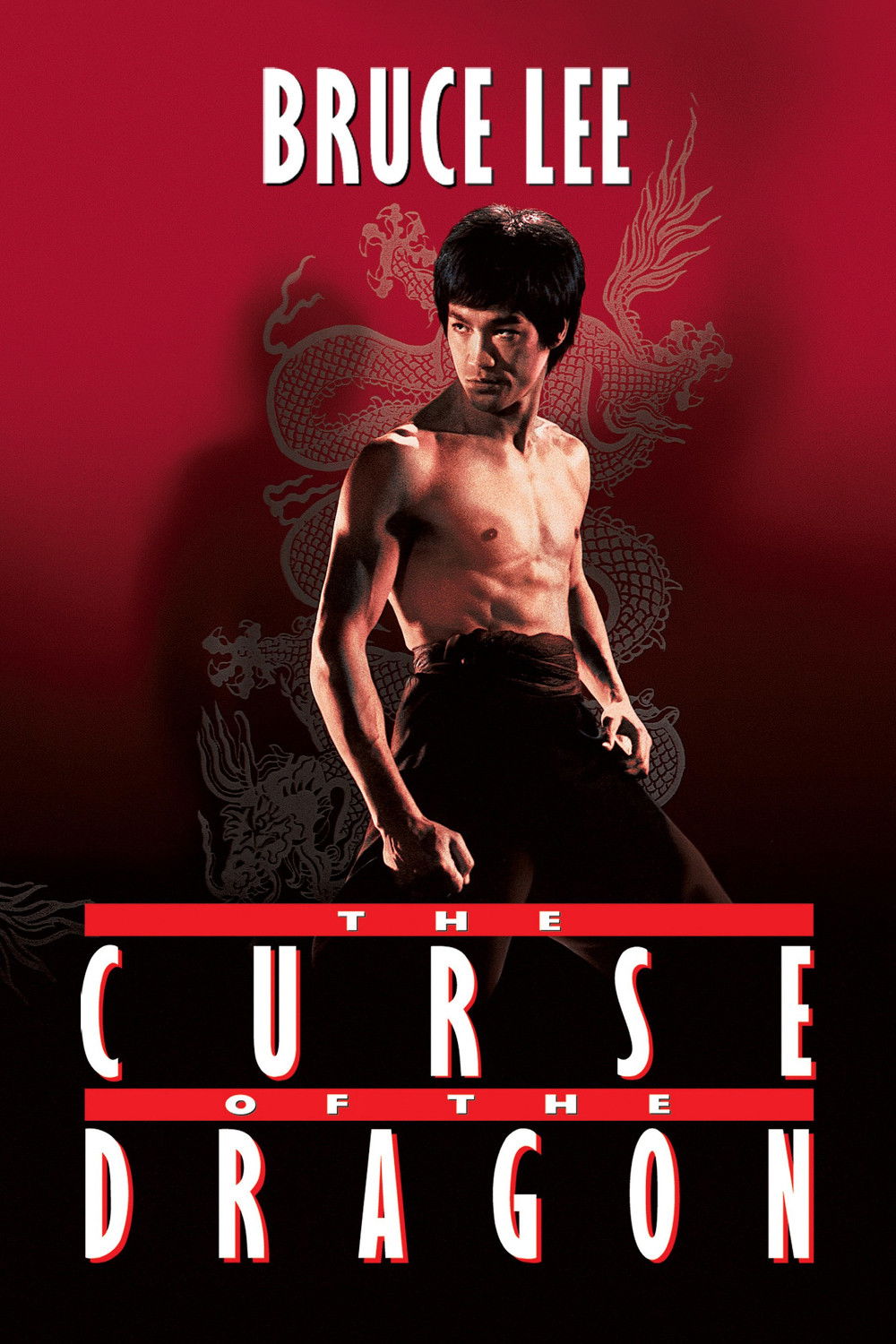
A 1993 documentary film about Bruce Lee. The film includes interviews from some of his fellow students and opponents who worked alongside him in his movies.
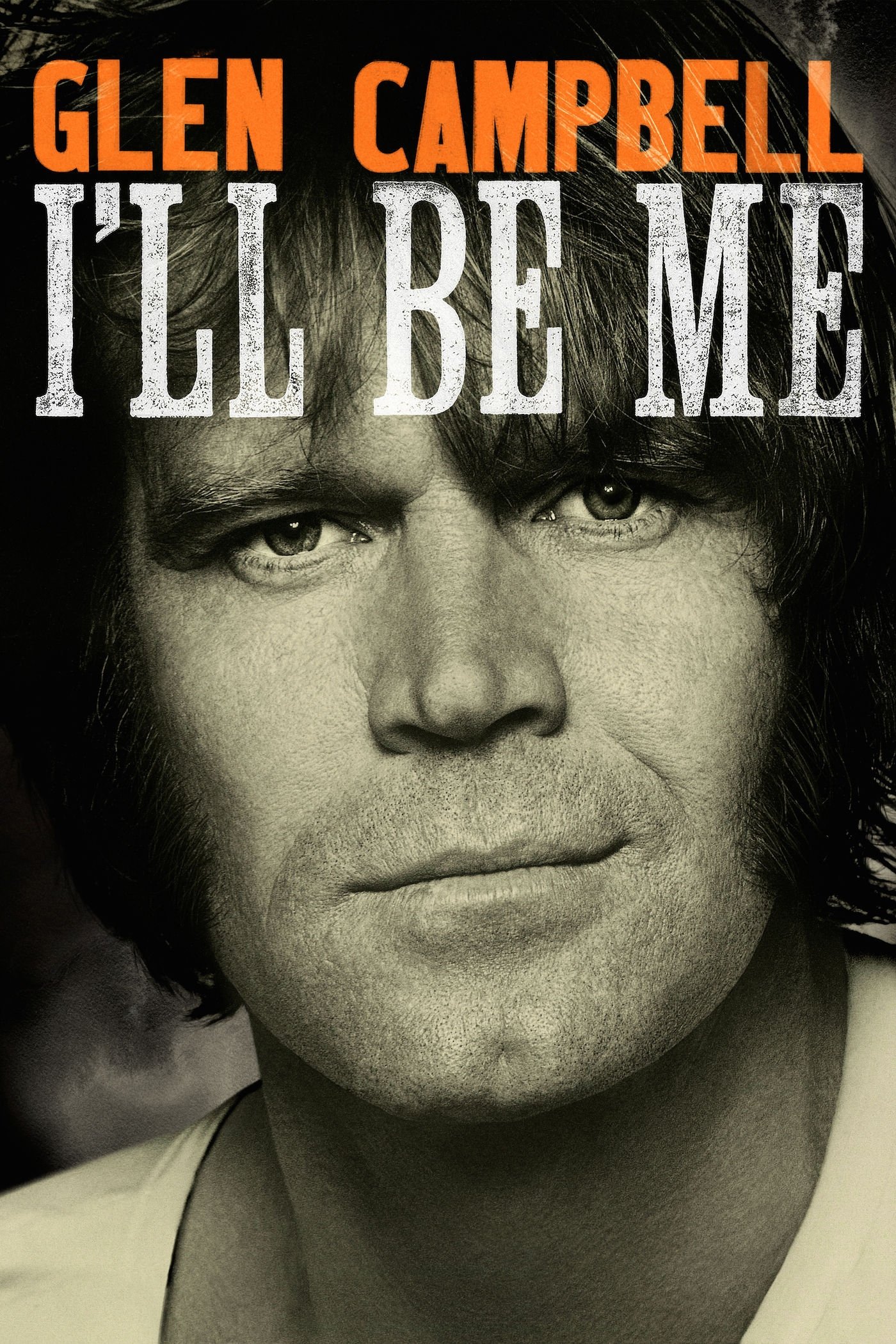
A documentary film detailing Glen Campbell's final tour and his struggle with Alzheimer's disease.
This revealing documentary honors the legendary Sidney Poitier—iconic actor, filmmaker, and civil rights activist. Featuring interviews with Denzel Washington, Spike Lee, Halle Berry, and more.
A documentary about the making of season five of the acclaimed AMC series Breaking Bad.