VICE met up with the directors of Sacred Games, Netflix's first foray into originals in India. Veterans Anurag Kashyap and Vikramaditya Motwane explain their process to us.
Social & External
Self
Hailstorm is based in the Narmada valley in central India, an area with extremely low levels of groundwater. Farmers here battle for survival, pitched against the vagaries of climate change. Following the events of a freak hailstorm over four seasons, the film unfolds the vulnerability and precarity of those that are at the sharpest end of global capitalism’s rapacious greed and the furthest from its benefits.
Family memories and personal art movingly portray author and motivational speaker Aisha Chaudhary's journey with an immune disorder and terminal illness.
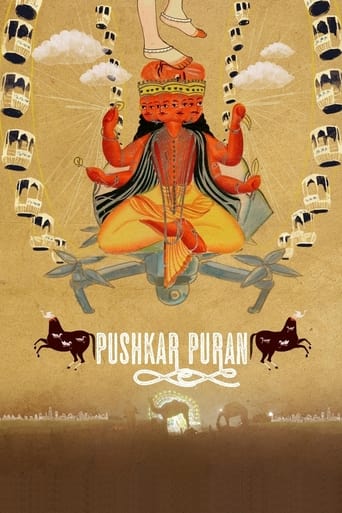
An attempt to engage with the historical, mythical and the contemporary worlds of the city of Pushkar
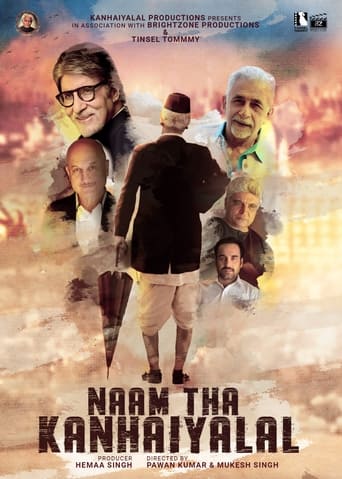
A very spellbinding story about the reel and real life of great old thespian Kanhaiyalal and his bygone era when Indian Cinema was at a nascent stage. The story tells about his inspiring journey from a confused, gullible youth to a mesmerizingly spontaneous actor. It also unfurls the turbulent phases of Kanhaiyalal's life where there is excessive alcoholism and the mysterious death of his son.
Somi is pregnant with her second child. A girl, she hopes. Together with her husband she prepares for this new phase of their parenthood. It means that their son has to go to school, but as an ex-Naxalite that is tough to achieve in contemporary India, where people like them are third-rate citizens. They lack the certificates and an opaque bureaucratic process doesn't help. Directors Isabella Rinaldi, Cristina Hanes and Arya Rothe of the NoCut Film Collective concentrate on Somi's close family ties, painting a portrait of ex-Naxalites in India. Once, Somi and her husband were communist rebels fighting for the rights of Indian tribes. However, to safeguard their family's welfare, they surrendered to the government in exchange for marginal compensation and simple accommodation.
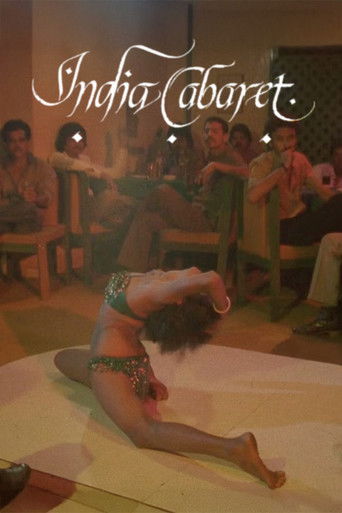
An exploration of the 'respectable' and 'immoral' stereotypes of women in Indian society told from the point of view of two striptease dancers in a Bombay cabaret.
Film made during the repressive days of the Emergency in India documents the 1974-75 uprising of the people of Bihar in Eastern India.
In light of jailed activist Umar Khalid withdrawing his petition from the Supreme Court amid repeated adjournments, journalist Ravish Kumar captures the contours of Delhi in a video letter addressed to him. What comes out is a critical piece reflecting on the cowardice and the deafening silence of Delhi on the whole matter.
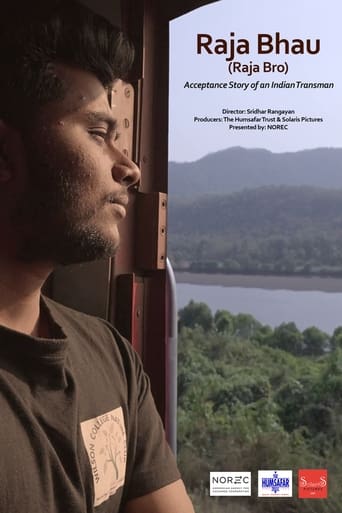
A sensitive heart-warming story of an Indian transman's acceptance, by himself and his family. Merlin, born as a girl, felt right from his childhood that he was trapped in the wrong gender.
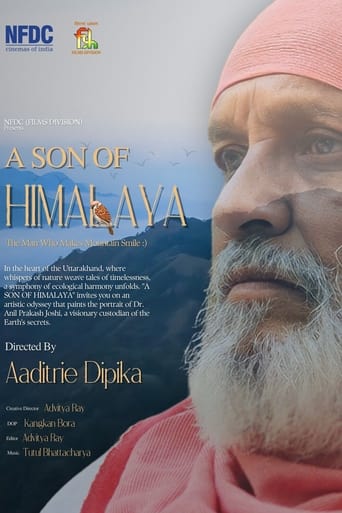
"Discover Dr Anil Prakash Joshi's Himalayan journey in 'A Son Of Himalaya". From rural roots to ecological visionary, witness his symphony of sustainability, GEP innovation, and the transformative power of nature's whispers.
Guler, a small principality near Kangra, was an artistic and cultural wellspring since it's accidental inception in the 15th century. Many greats like painters Pandit Seu, his sons Manaku, Nainsukh, and the poet Brajraj were born here. Today the whole system of patronage under which lofty endeavours were possible even in financially austere conditions is gone. And tragically even the physical landscape is submerged under a dam. The film seeks out some traces of the submerged past, through the memories of those left behind, a condensation of a bygone civilization.
Based on the poetry of R. Raj Rao, Bomgay is a collection of six vignettes that depict the underground and complex nature of the gay identity in urban India. Part Genet, part Bollywood, this film combines acidic verse and insightful imagery to reveal the emerging gay community in the post-liberalized India of the 1990s.
Filmmaker Anand Patwardhan looks to history and psychology as he delves into the possible reasons behind the demolition of the Babri Mosque.
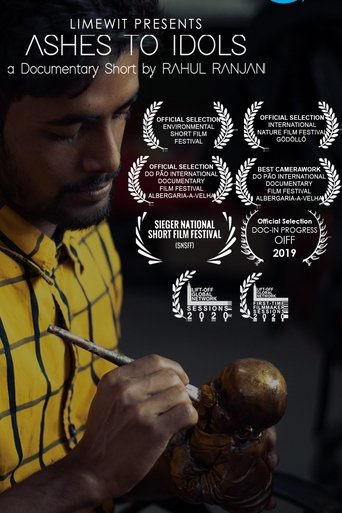
The journey from ashes to idols through the eyes of a teenager who has created many jobs in the process The documentary shows how a teenager decided to get rid of temple's waste by making idols from them and how few jail inmates became his helper in the process.
"India" developed out of my three journeys to Pune in 2001, 2002 and 2004. I arrived in a forgein country, and felt surprisingly familiar in the foreign. There in the streets, walking among the people, surrounded by their movements, their gestures, by the colors, the light, the beauty. Small things awakened my attention, sometimes only a short glimpse, a hand movement, the color of a sari, a temple hidden in a courtyard. It was like a long hot bath that I took there in Pune's streets - something unique and very beautiful.
Follows Shyam Rangeela, a stand-up comedian infamous for his Narendra Modi impersonation, and his daring pursuit of filing the general election nomination from the same constituency as the incumbent prime minister of India.
I Am is a 2011 Indian anthology film by Onir. It consists of four short films: "Omar", "Afia", "Abhimanyu", and "Megha". Each film shares the common theme of fear and each is also based on real life stories. The film was financed by donations from more than 400 different people around the world, many of whom donated through social networking sites like Facebook. There are four stories but the characters are interwoven with each story. "Abhimanyu" is based on child abuse, "Omar" on gay rights, "Megha" is about Kashmiri Pandits and "Afia" deals with sperm donation. I Am was released with subtitles in all regions as six different languages are spoken in the film: Hindi, English, Kannada, Marathi, Bengali and Kashmiri.
In India, a child goes missing every 8 minutes. Where do these children go? What happens to them? This is not just a story of one missing child. This is the reality of our nation. And yet, we sit in silence.
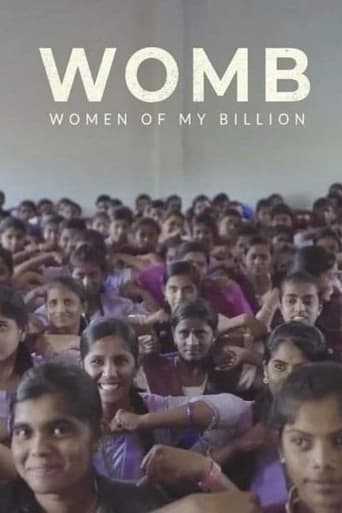
In an effort to improve feminine hygiene, a machine that creates low-cost biodegradable sanitary pads is installed in a rural village in Northern India. Using the machine, a group of local women is employed to produce and sell pads, offering them newfound independence and helping to destigmatize menstruation for all.