Documentary by Occitane Lacurie.
Social & External
Voice
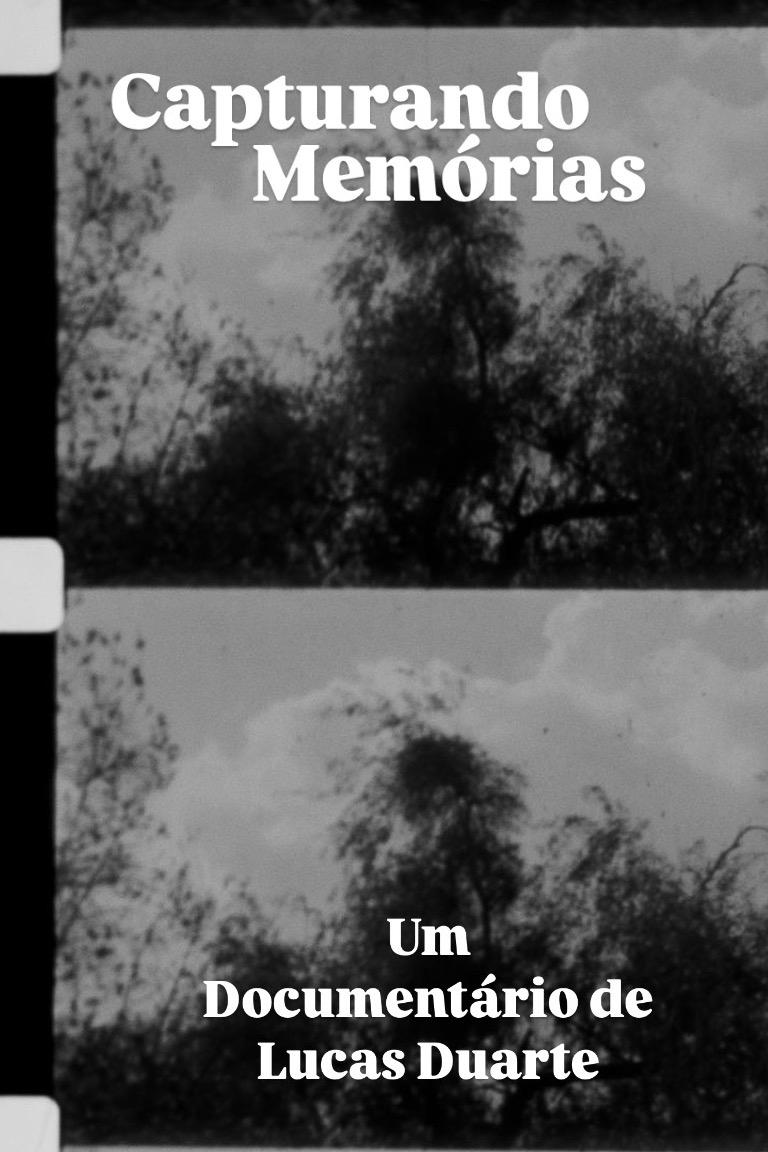
Time passes, slips away, dissolves. But what if we could hold it for a moment? "Capturing Memories" is a dive into the essence of the inconsistent, an invitation to reflect on the importance of preserving moments before they are lost in oblivion. Through visual fragments, the documentary reveals how small scenes of everyday life carry echoes of the past and seeds of the future. In a world where everything passes, what really remains? This film is a tribute to the art of immortalizing the moment, to the beauty of seeing beyond the present and to the need to give meaning to what may one day become a memory.
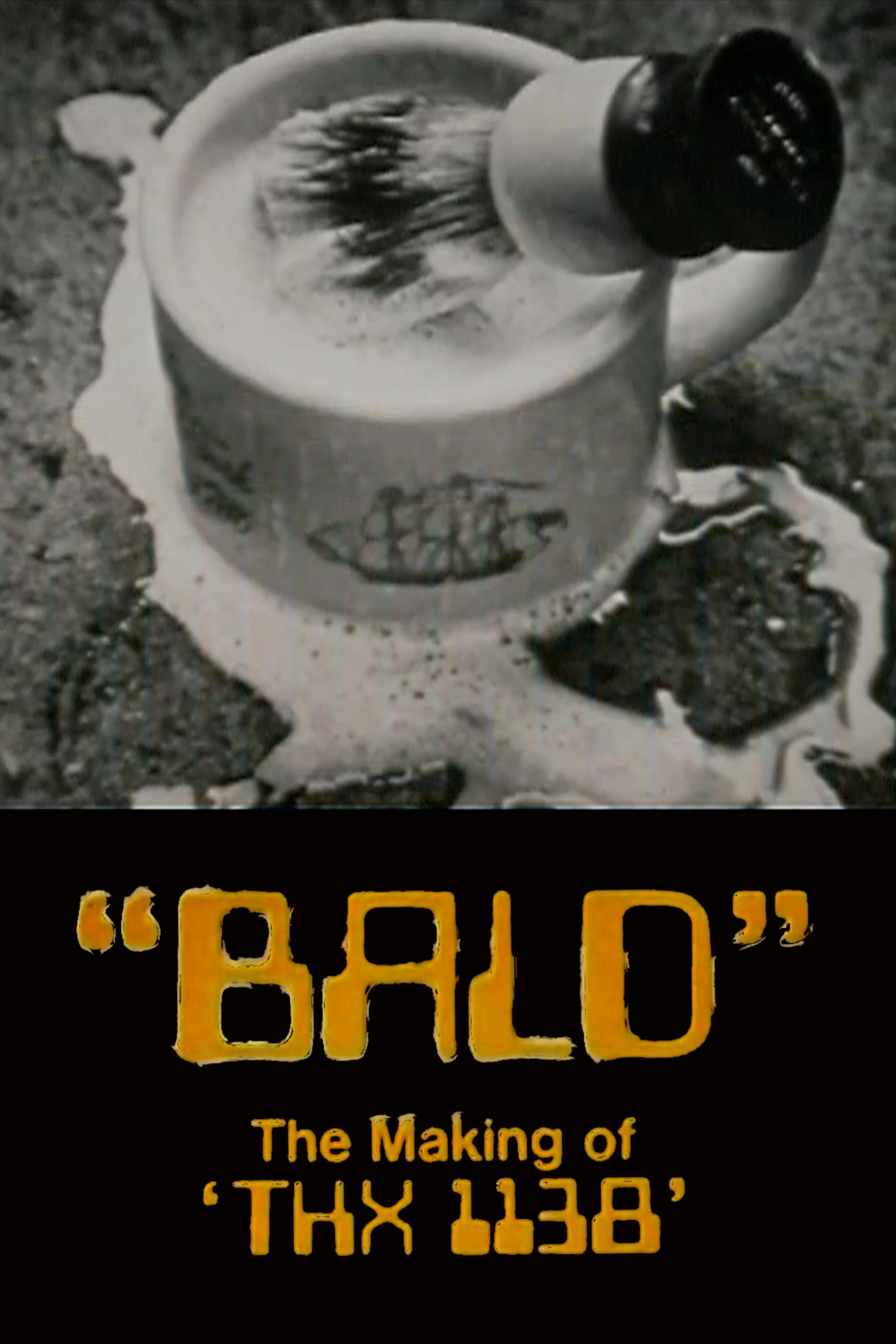
The film features a conversation between Lucas and Francis Ford Coppola, producer of THX 1138. They discuss Lucas' vision for the film, including his ideas about science fiction in general and in particular his concept of the "used future" which would famously feature in his film Star Wars. Intercut with this discussion is footage shot prior to the start of production of THX 1138 showing several of its actors having their heads shaved, a requirement for appearing in the film. In several cases the actors are shown being shaved in a public location. For example, Maggie McOmie is shaved outside the Palace of Fine Arts in San Francisco, while Robert Duvall watches a sporting event as his hair is cut off. Another actor, Marshall Efron, who would later play an insane man in the film, cut off his own hair and was filmed doing so in a bathtub.
George Lucas, Irvin Kershner, Lawrence Kasdan and John Williams look back at The Empire Strikes Back 30 years later.
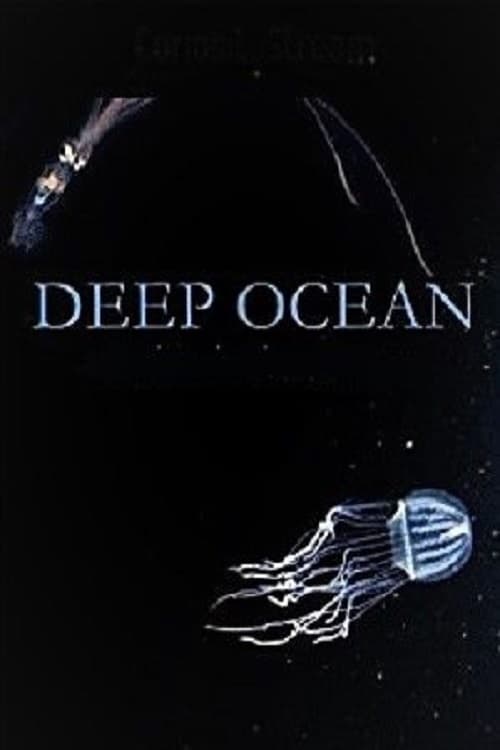
The same submarine which successfully captured the world's first moving images of a giant squid in its natural habitat is used for exploring the deep sea cliffs off the coast of New Guinea. The team encounters true living fossil species one after another. Join this exciting deep sea adventure!
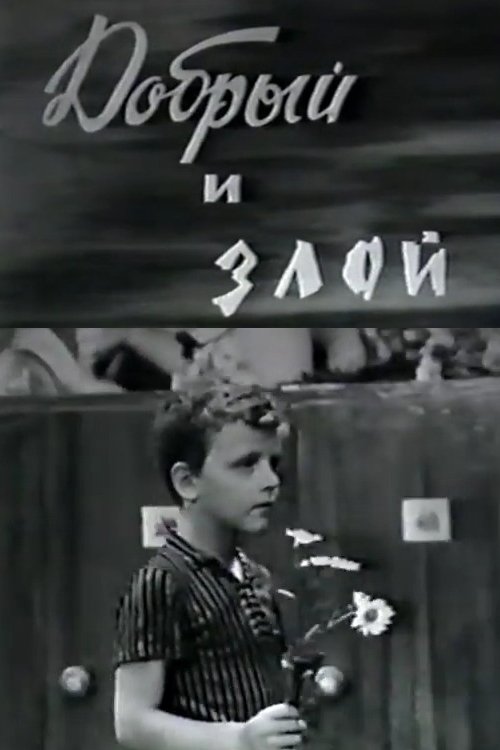
The film raises the problem of moral development of a child. It explores how the social environment shapes children's moral feelings.
Footage of the seabirds found in the Shetland Isles. One of a group of films made by Jenny Brown and bought by John Grierson for the GPO Film Library in the 1930s.
What is the difference between a story and a good story? In this short documentary, ten of the greatest screenwriters in Brazil answer this and other questions, guiding us through the universe of creative writing and all its possibilities.
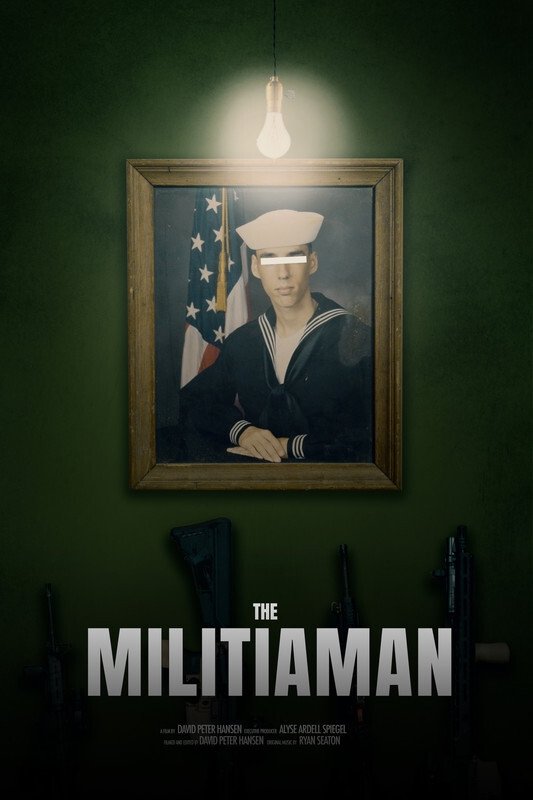
In the hills of rural Pennsylvania, the leader of a local militia must prepare his men for the turbulent political landscape of 2020 while at war with his own conscience. For over ten years, 48-year-old Iraqi War Veteran and machinist Christian Yingling has commanded a troop of private militiamen and women concerned with the government’s infringement on their constitutional rights. The group practices paramilitary drills, stockpiles food and ammo, and attends gun rights rallies in preparation for a doomsday scenario. Now that a worldwide pandemic has hit, followed by a summer of racial injustice protests and a Presidential election like no other, Christian—out of work and nearly out of money—must confront his allegiance and choose to act or not.
The film was inspired by one of the most important documentaries shot by Krzysztof Kieślowski, Talking Heads (1980). The director asked his interlocutors seemingly simple questions, such as “Who are you?” and “What do you want?”.
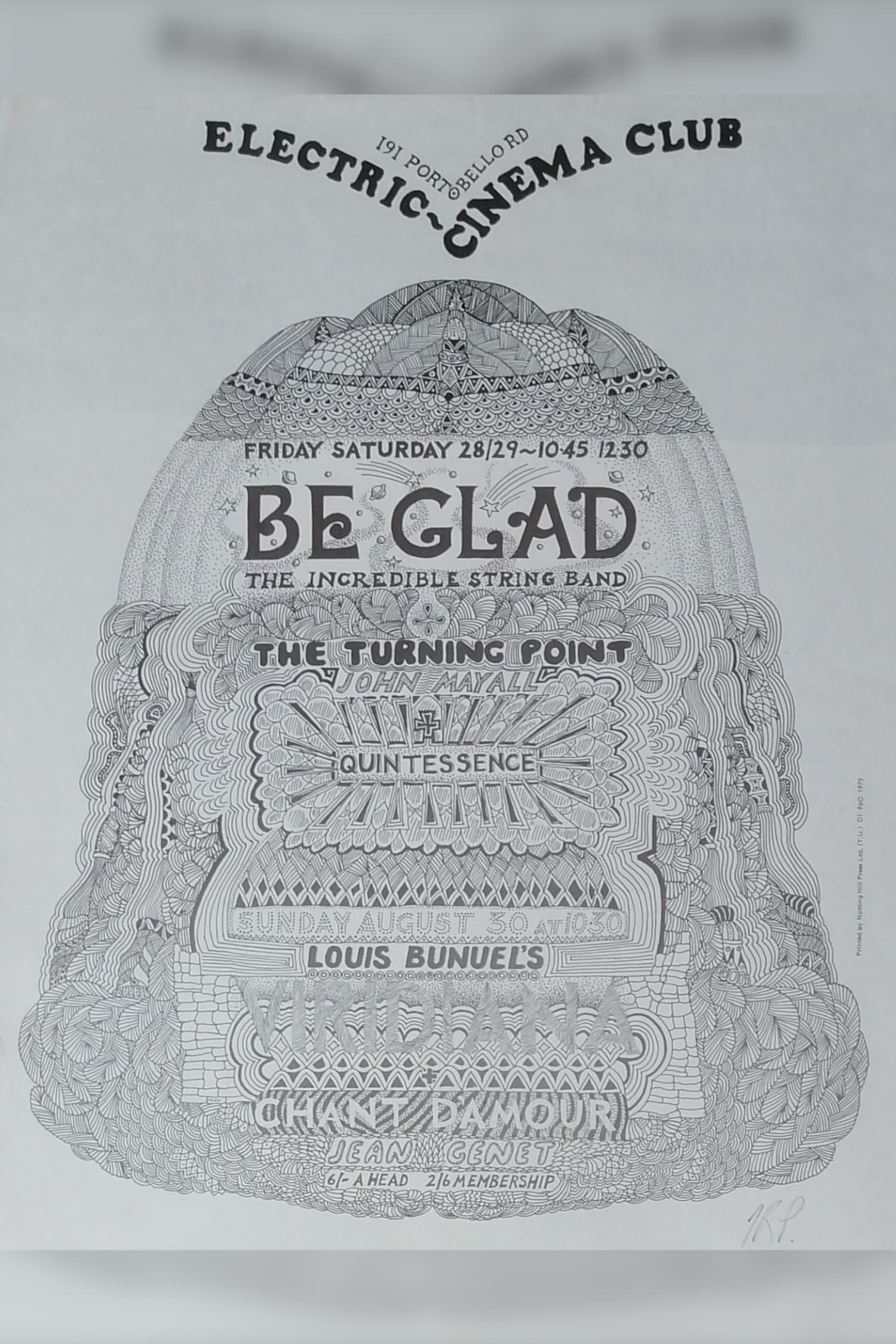
The earliest 'rockumentary' of John Mayall and his musicians filmed in their homes, dressing rooms, motorways, airports, clubs, concert halls and at festivals.
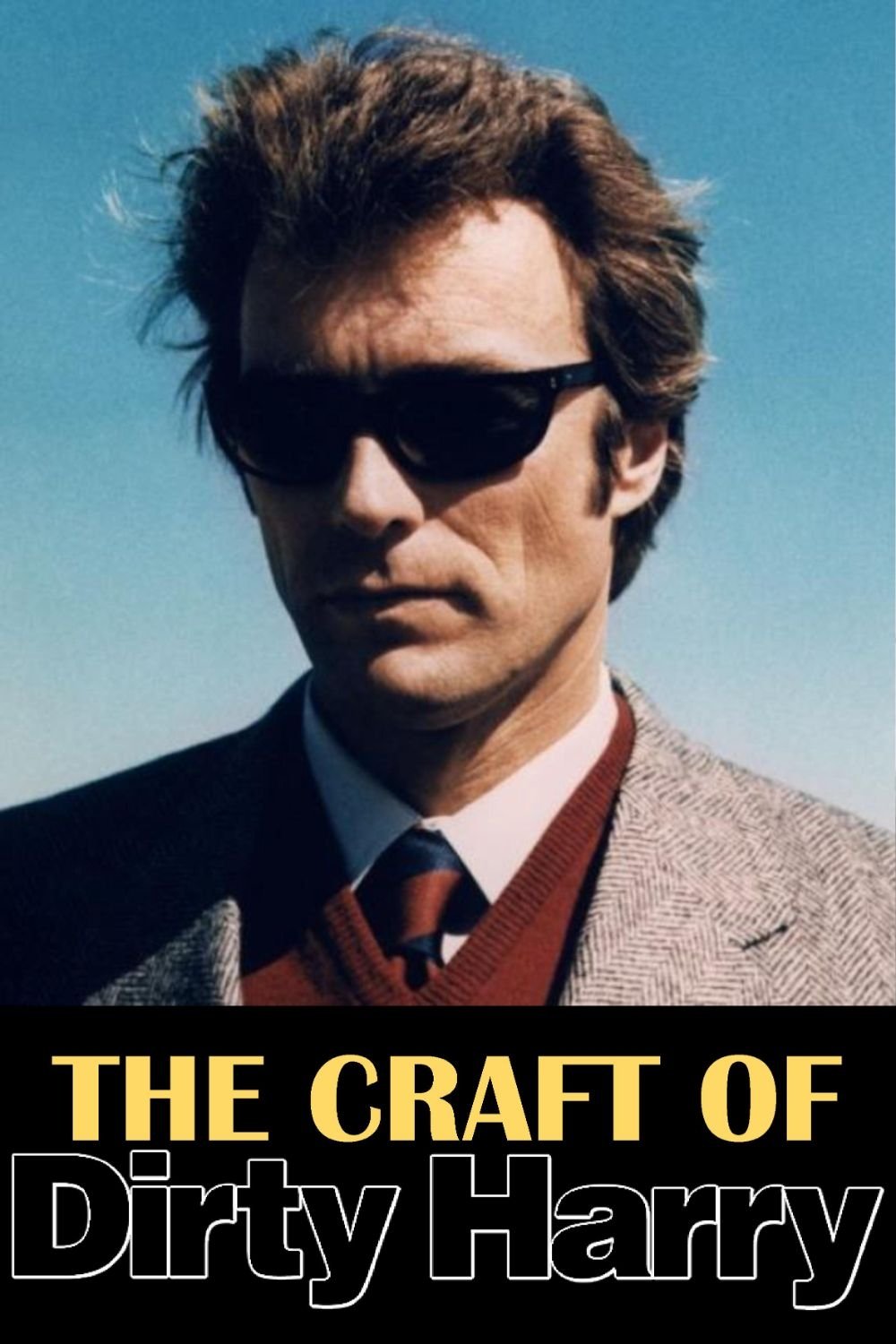
A look at the cinematographers, editors, musicians, production designers and other talent of the Dirty Harry series.
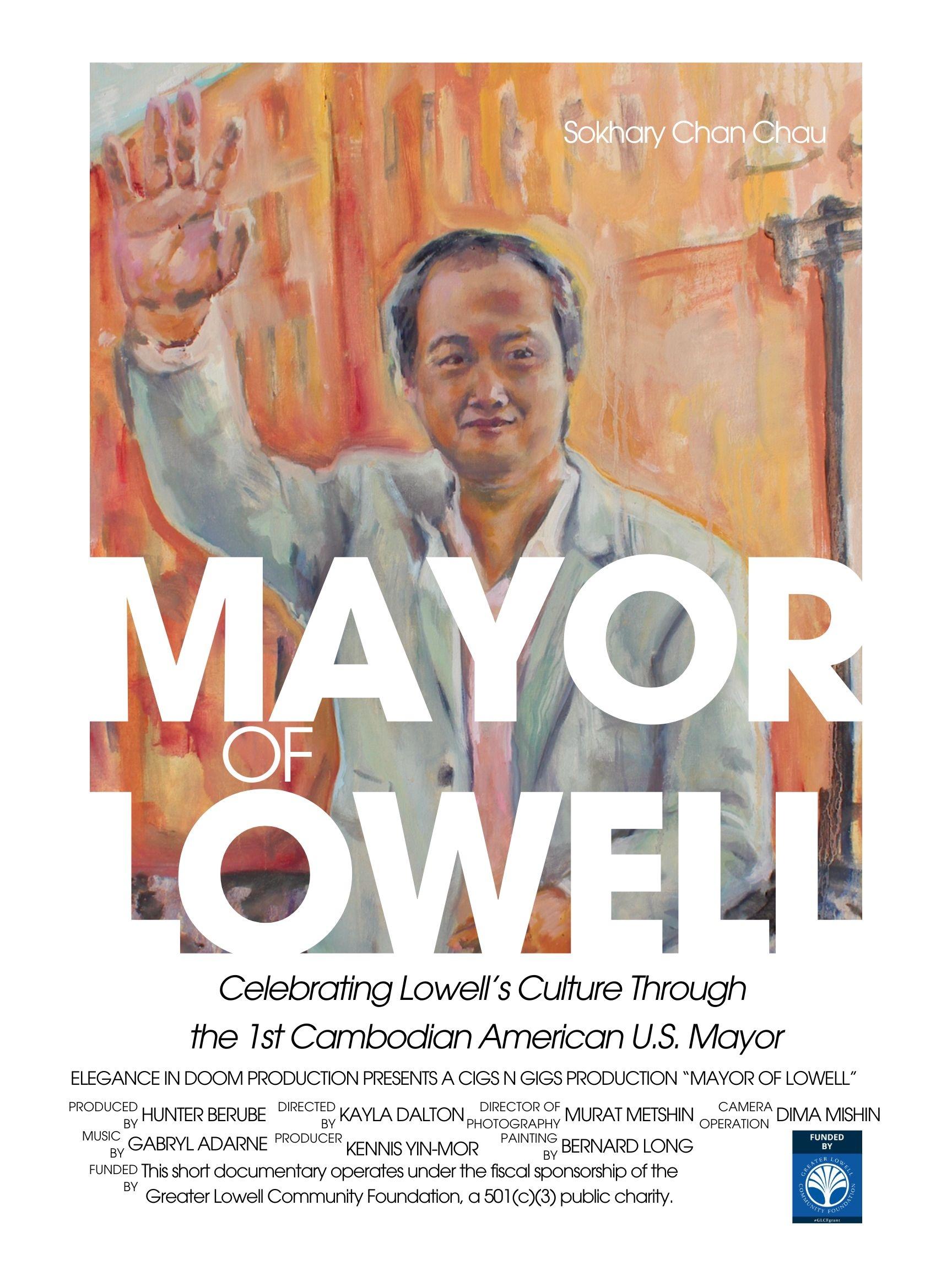
This short documentary chronicles the culture and arts of Cambodian Americans and the Lowell, MA community through the eyes of Sokhary Chau, the first Cambodian American Mayor in the United States. Chau immigrated to the U.S. at seven years old to escape the Khmer Rouge genocide. Through this unique story that showcases the best of Lowell—immigrant success, assimilation, history, and the development of the arts—we see a man born into a war-torn country who comes to America to be a first-in-the-nation leader.
Conservationist photographer and filmmaker Kyle Dudgeon, with the help of wildlife biologist Steve Hoffman, follows a family of great gray owls in the Bridger Mountains of Montana whose habitat is threatened by a logging project. The first feature film of this longtime bird photographer, The Trees with Orange Rings is a passionate documentary short profiling the natural history of these owls and confronting important environmental issues over the span of two years.
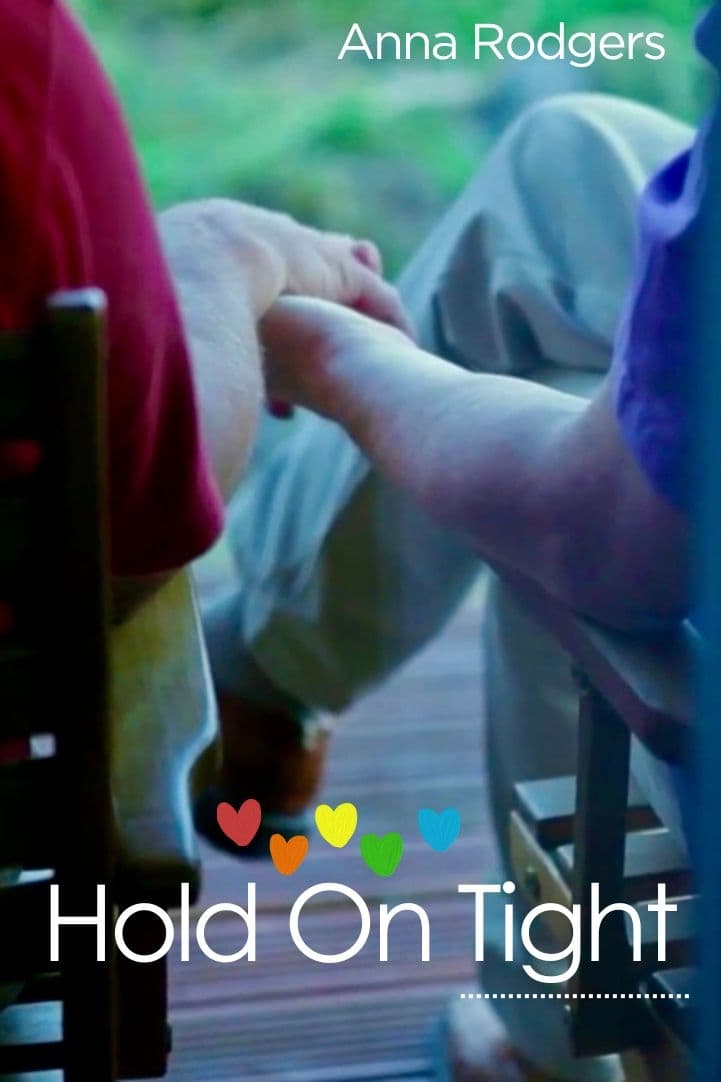
A short documentary exploring the ways LGBT couples show affection, and how small interactions like holding hands in public can carry, not only huge personal significance, but also the power to create social change.
Explores the natural history of the otter, depicted through the fictitious account of a day in the life of Otto the Otter and his mother. The narrator claims that the short features "the first film ever taken of an otter swimming underwater."
An homage to the late actor Philip Seymour Hoffman.
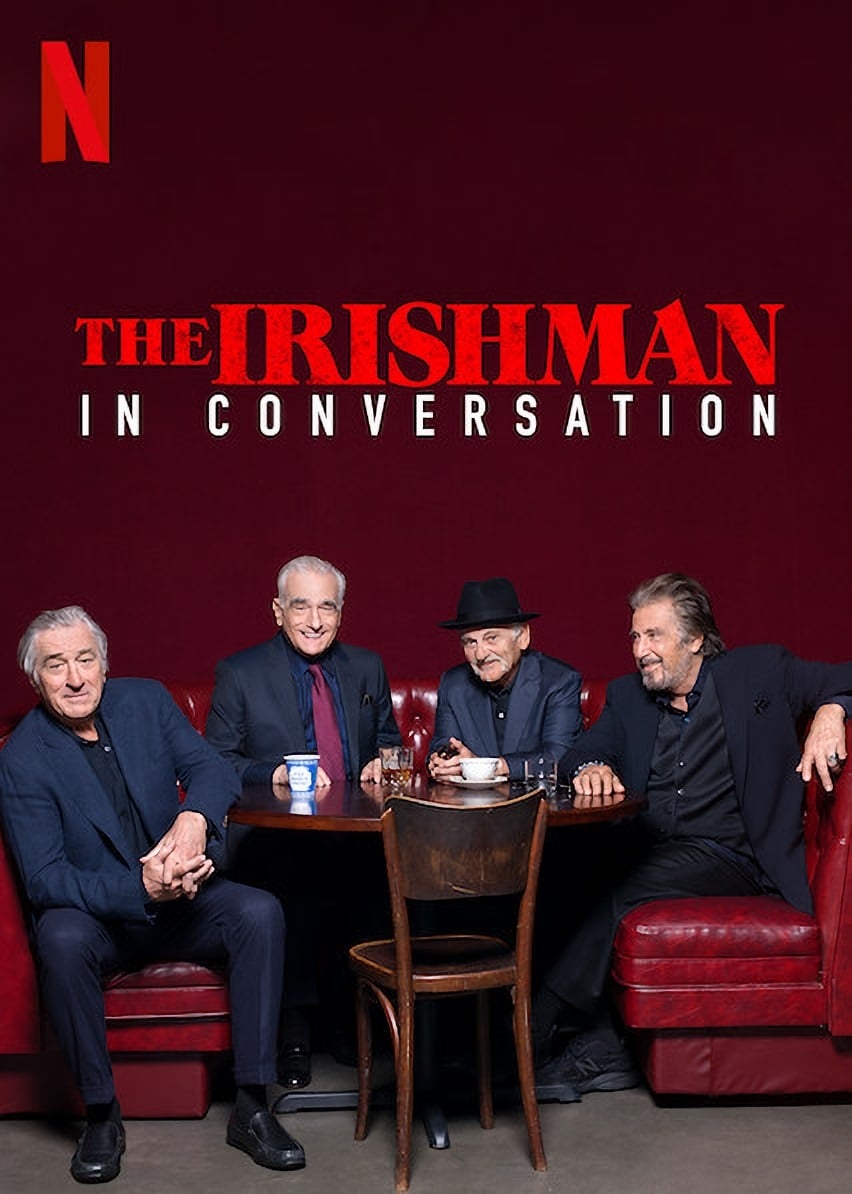
Martin Scorsese, Robert De Niro, Joe Pesci, and Al Pacino in conversation about The Irishman.
Alexis is a 32-year-old white woman married to Alain, an African from Rwanda. This documentary focuses on Alexis giving birth in her parents home. As her parents and great-grandmother look on, a calm mid-wife delivers ten and a half pound Jazmine. The documentary is Interspersed with interviews with Alexis, her husband, Alexis' parents, the soon to be great-grandmother and the midwife.
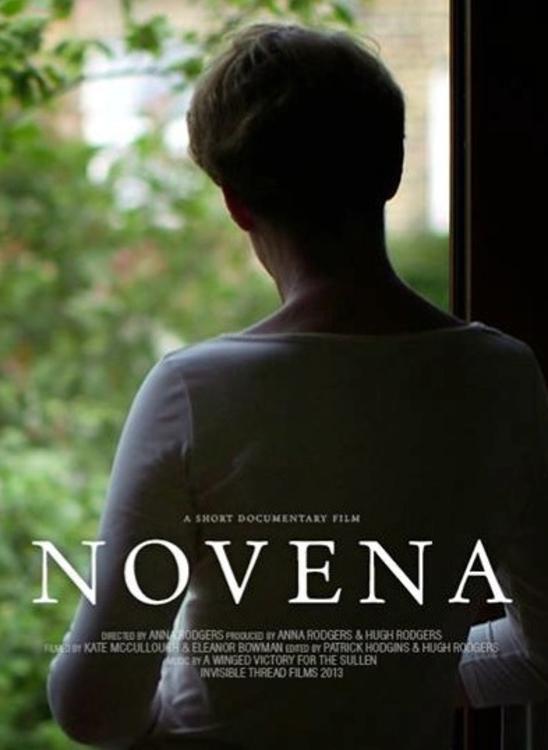
In 2012, Stephen Vaughan and Kay Ferreter are invited to address the congregation at St. Joseph's Redemptorists Church in Dundalk, Ireland for the Solemn Novena Festival. In a powerful speech, the pair describe their experiences being gay and lesbian in Ireland, feeling excluded by Catholic doctrine, and the importance of a more inclusive church.