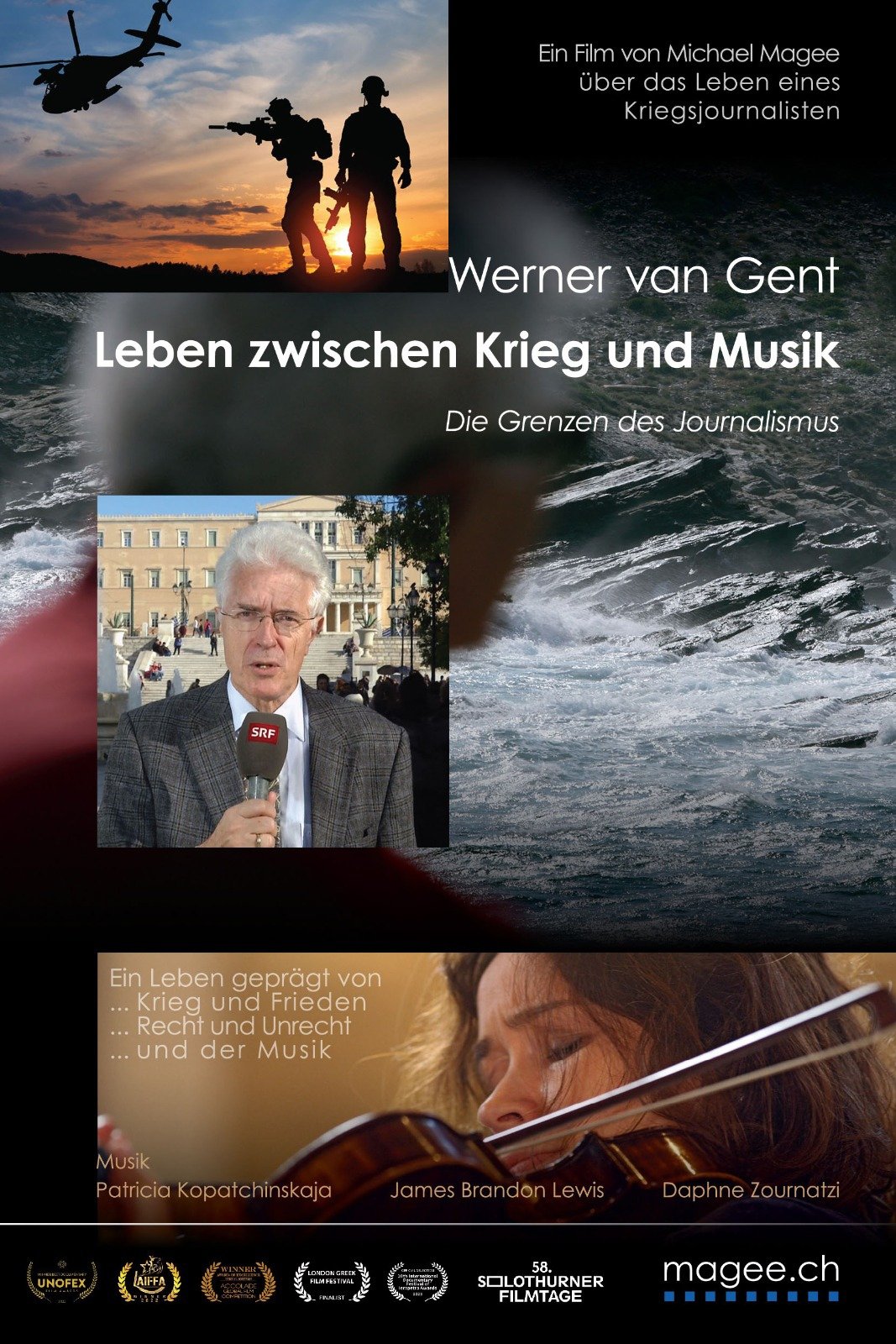
Together with his wife and journalist Amalia, Werner van Gent worked as a war journalist in Iraq, Pakistan and the Balkans.
Social & External
The people behind it
Werner van Gent
Himself
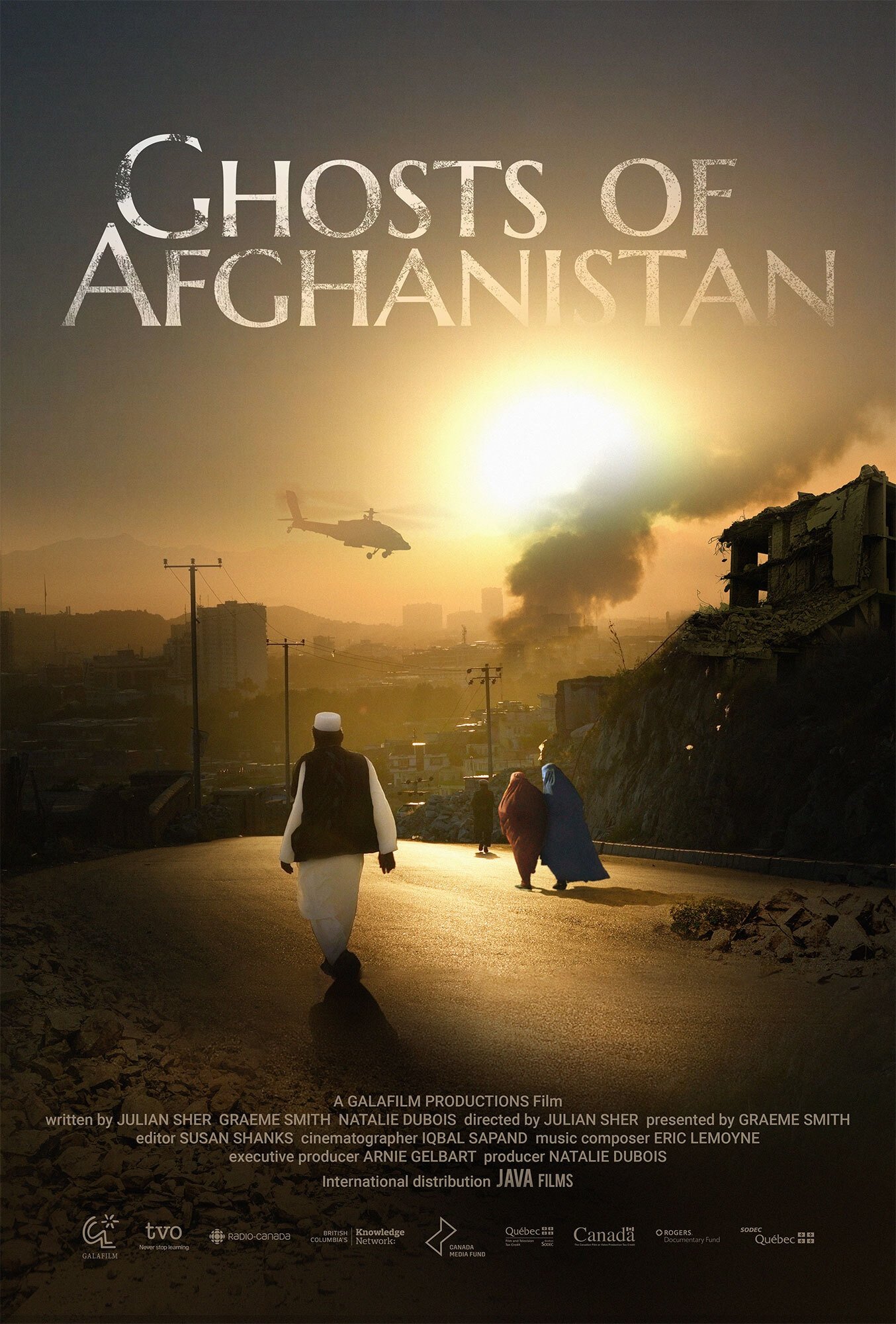
As a young and idealistic war correspondent, Graeme Smith followed the troops into battle in Afghanistan. Now he returns to a place that gave him nightmares to see if there is hope for peace. Smith revisits old friends and acquaintances and sees the deep divisions in the country.
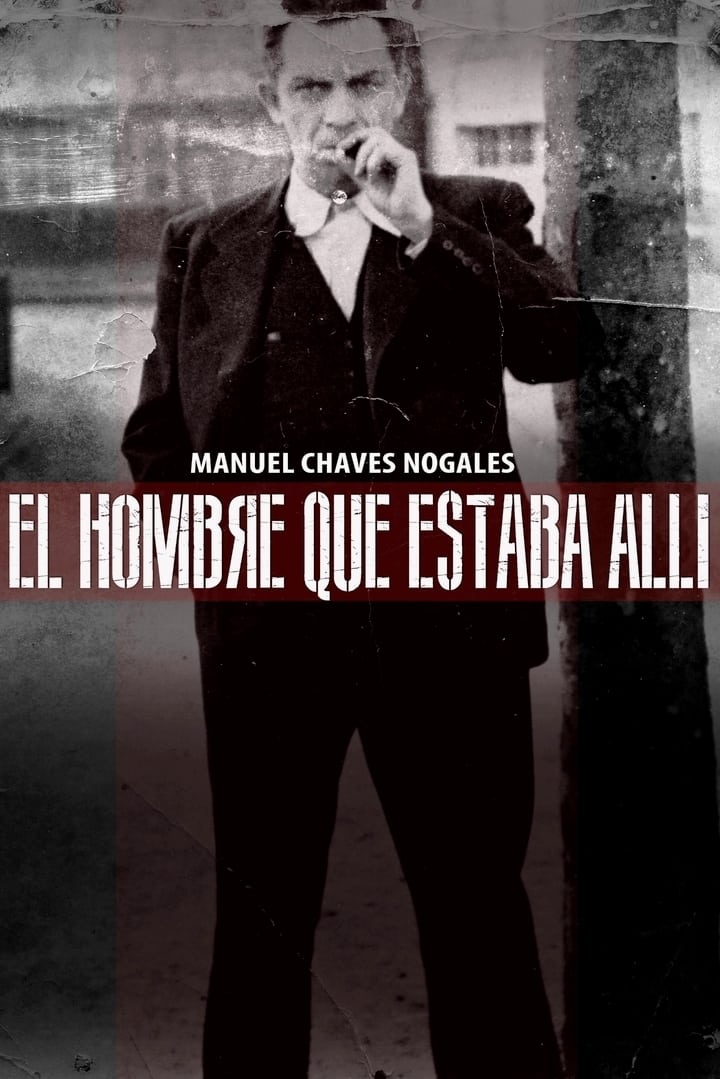
The Spanish journalist Manuel Chaves Nogales (1897-1944) was always there where the news broke out: in the fratricidal Spain of 1936, in Bolshevik Russia, in Fascist Italy, in Nazi Germany, in occupied Paris or in the bombed London of World War II; because his job was to walk, see and tell stories, and thus fight against tyrants, at a time when it was necessary to take sides in order not to be left alone; but he, a man of integrity to the bitter end, never did so.
Documentary about war photographer James Nachtwey, considered by many the greatest war photographer ever.
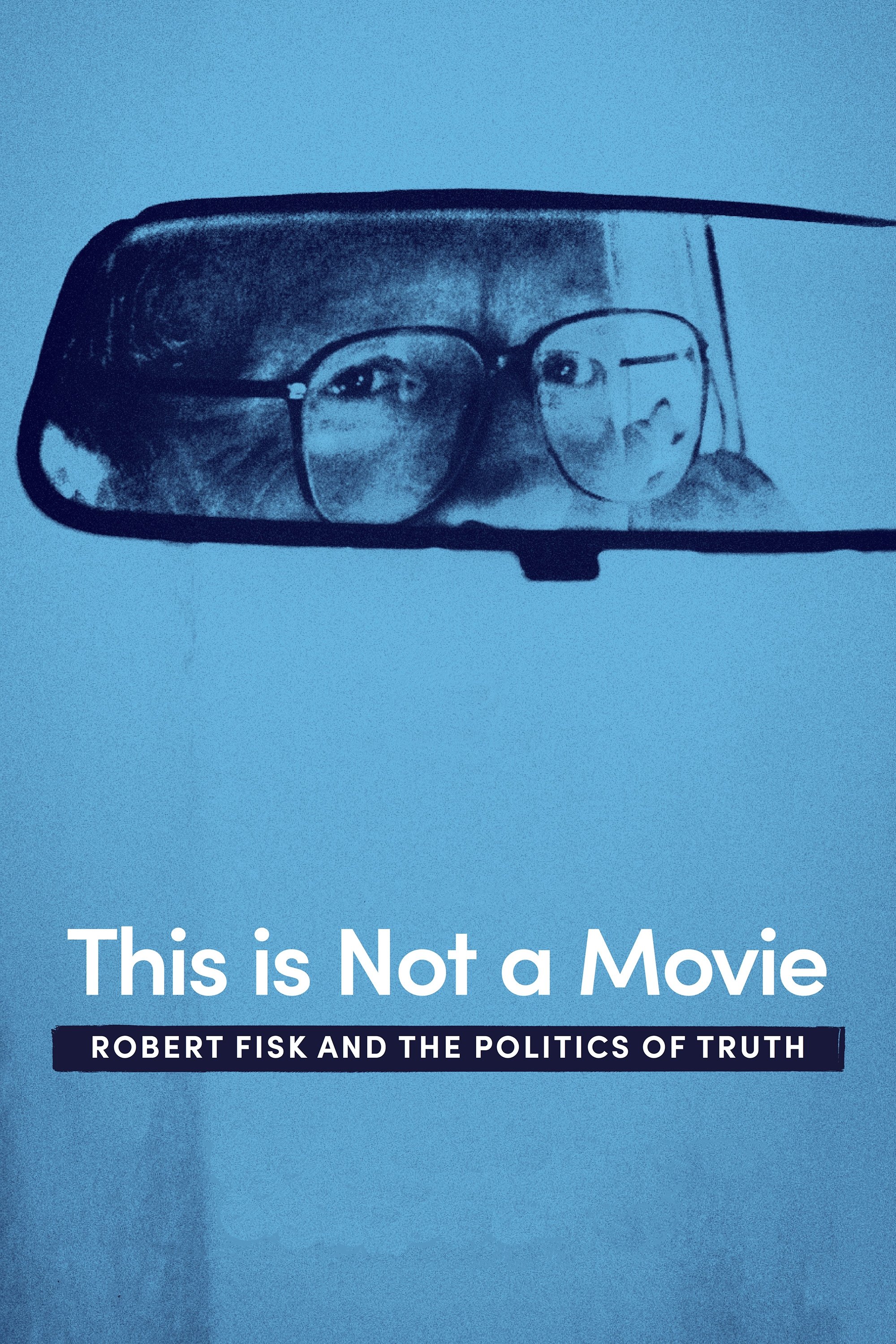
For more than forty years, British journalist Robert Fisk has reported on some of the most violent conflicts in the world, from Northern Ireland to the Middle East, always with his feet on the ground and a notebook in hand, travelling into landscapes devastated by war, ferreting out the facts and sending reports to the media he works for with the ambition of catching the interest of an audience of millions.
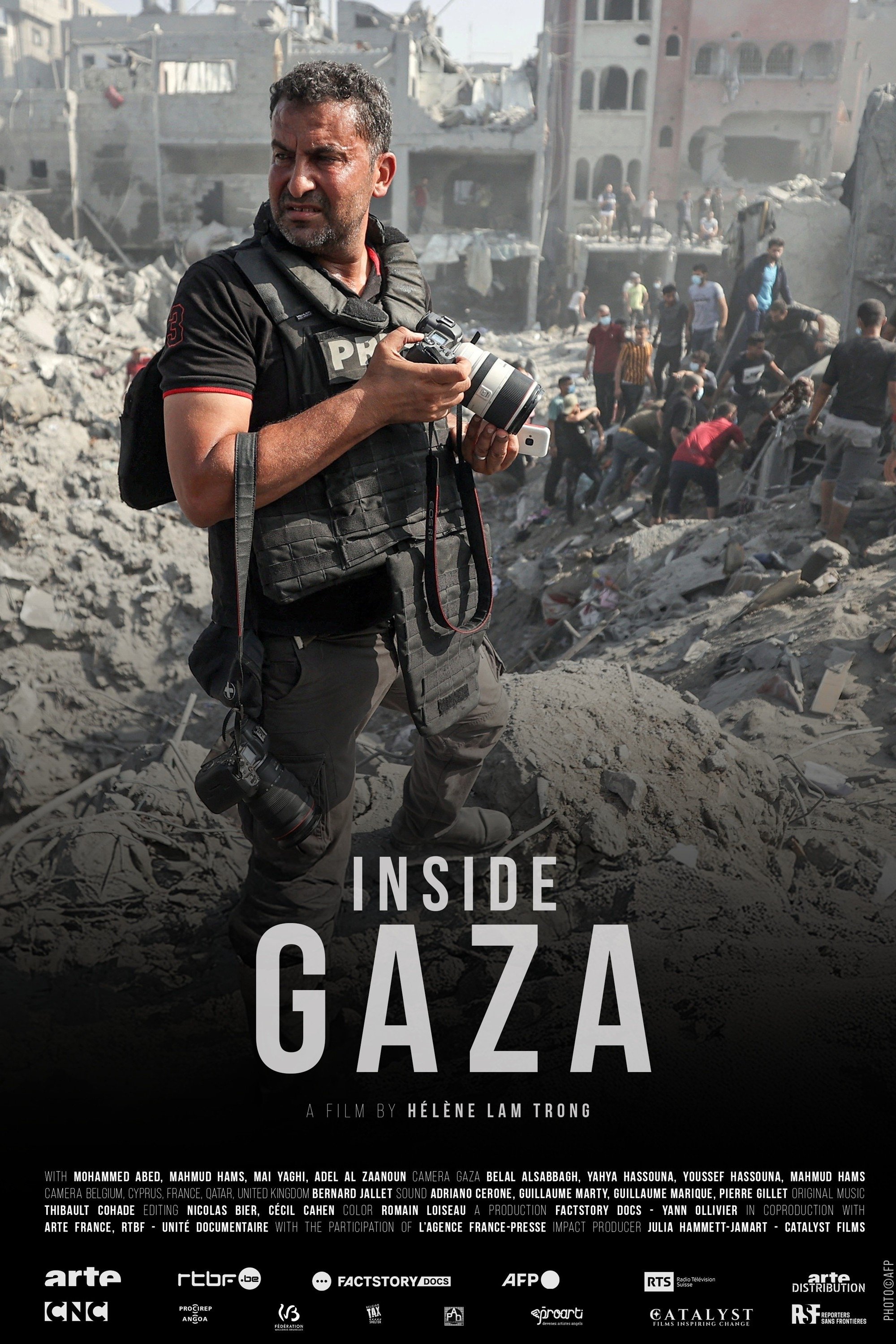
Free access to the Gaza Strip has remained closed to international journalists since the war began on October 7, 2023. AFP's permanent reporters are among the few professional witnesses to have experienced this conflict from the inside. They have watched, filmed, photographed, testified, all whilst struggling to ensure their own survival. From their exile, they recount this war, which is the deadliest ever recorded for members of the press.
The story of the last months of the 20-year war in Afghanistan through the intimate relationship between American Green Berets and the Afghan officers they trained.
An account of the professional and personal life of renowned American photographer Annie Leibovitz, from her early artistic endeavors to her international success as a photojournalist, war reporter, and pop culture chronicler.
Iran, January 16th, 1979. Shah Mohammad Reza Pahlavi flees after being overthrown. Ayatollah Khomeini returns to Tehran and proclaims the Islamic Republic on April 1st, 1979. In the same year, Saddam Hussein seizes power in Iraq and, after several border skirmishes, attacks Iran on September 22nd, 1980, initiating a cruel war that will last eight years. Since its outbreak, correspondent Saeid Sadeghi documented it from its beginning to its bitter end.
In the most dangerous country in the world for journalists, Newsweek Middle East editor, Janine di Giovanni, risks it all to bear witness, ensuring that the world knows about the suffering of the Syrian people.
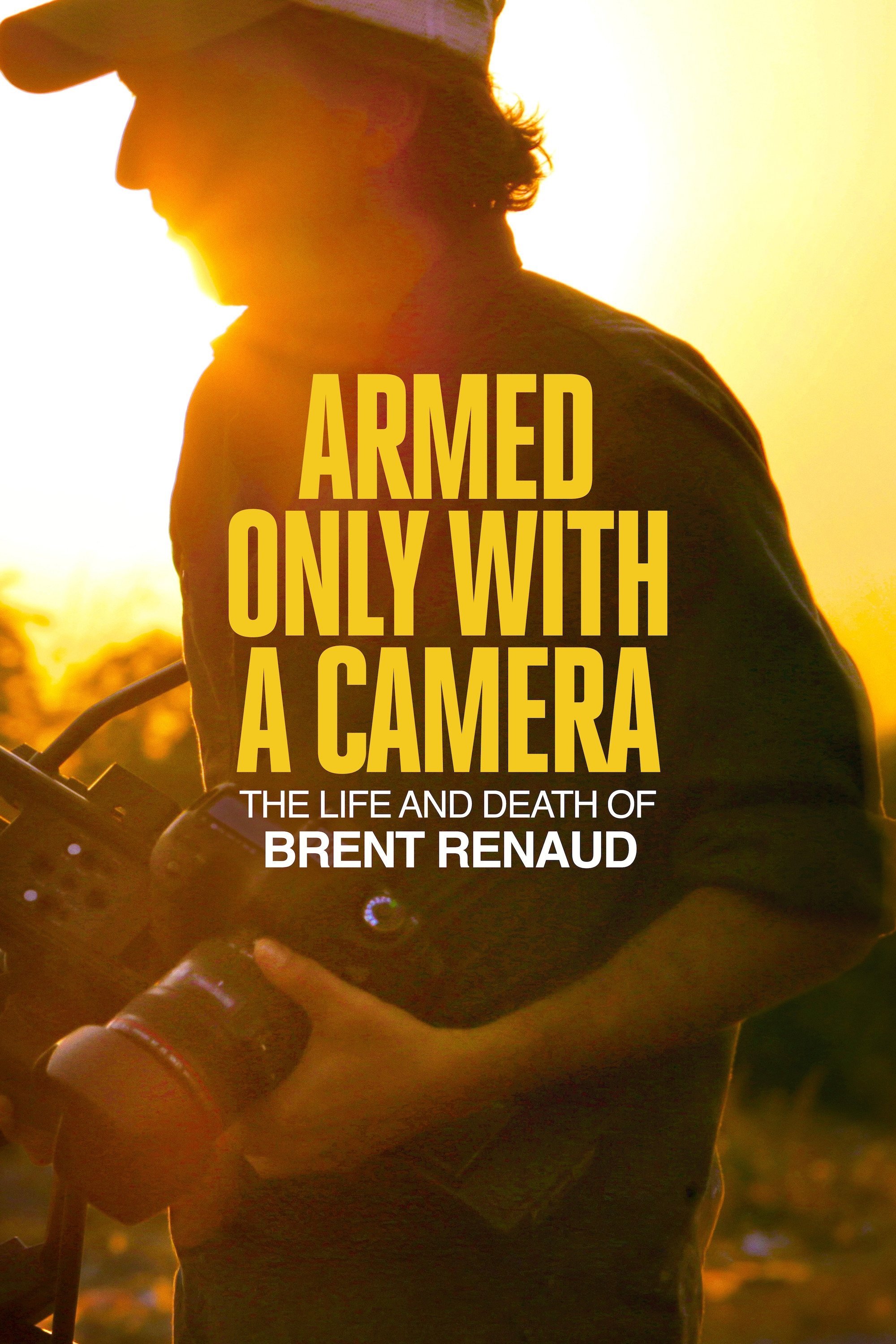
On March 13, 2022, filmmaker Brent Renaud was killed by Russian soldiers, the first American journalist to die while reporting on the war in Ukraine. His younger brother and collaborator, Craig Renaud, recovered Brent’s body and his final recordings from Ukraine and brought them back to their childhood home in Arkansas. As Brent’s journey to his final resting place unfolds, the film chronicles the years he and his brother spent covering some of the world’s most dangerous conflicts.
Four journalists talk about their experiences and share their testimonies of the Russian invasion of Ukraine.
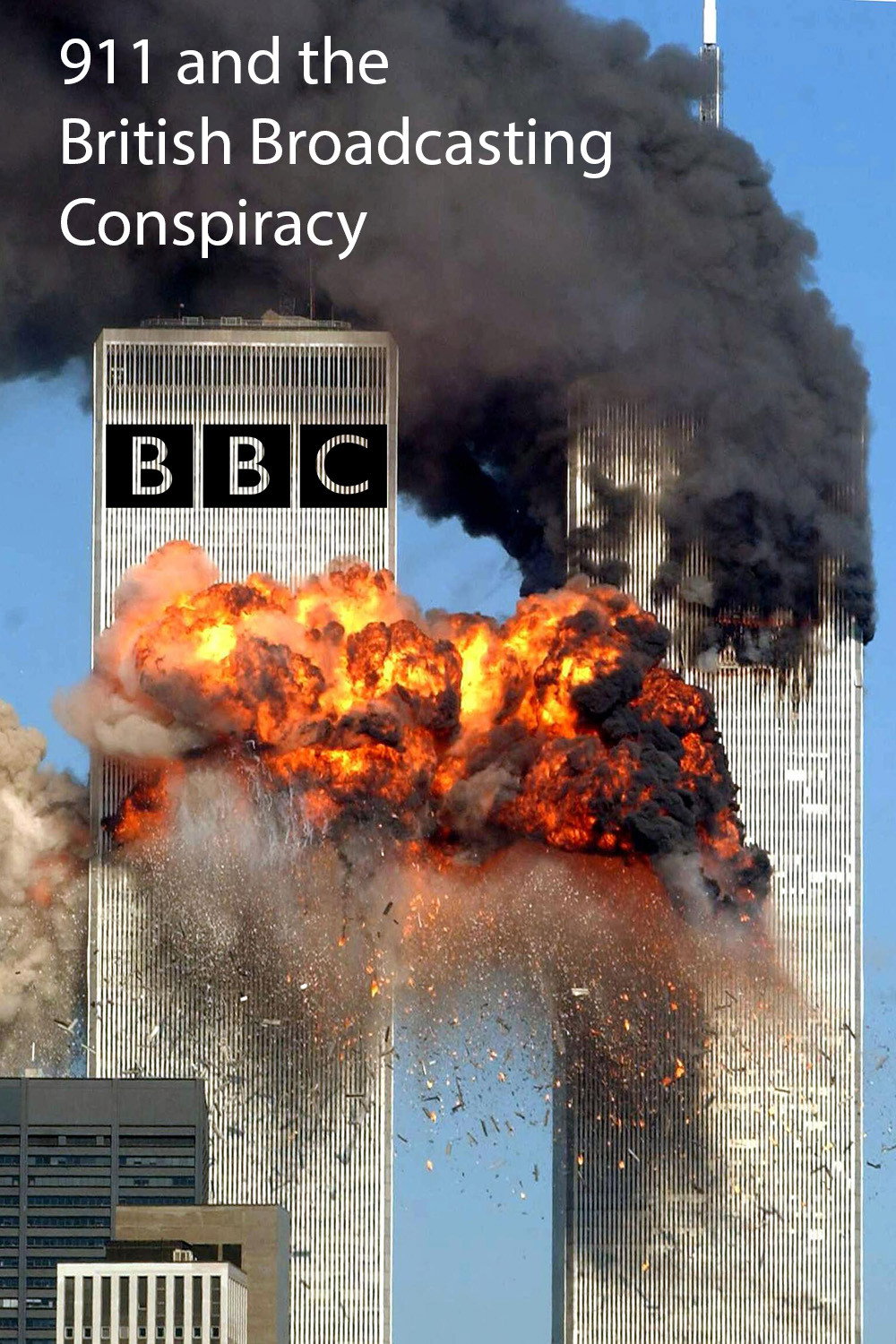
‘911 and the British Broadcasting Conspiracy’ features ex-MI5 officer David Shayler and was produced by Adrian Connock, who was also responsible for the ‘Mind the Gap’ documentary that exposed the false flag terrorist attacks of 7/7/05. Special attention has been paid to the BBC’s ‘Conspiracy Files’ programme which aired on BBC 2, February 18th 2007 and omitted hardcore evidence proving 9/11 was an inside job. ‘911 and the British Broadcasting Conspiracy’ demolishes the weak attempt by the BBC to cover up the truth behind 9/11 and exposes their foreknowledge of the collapse of WTC building 7, when they reported the event 20 minutes before the building came down.
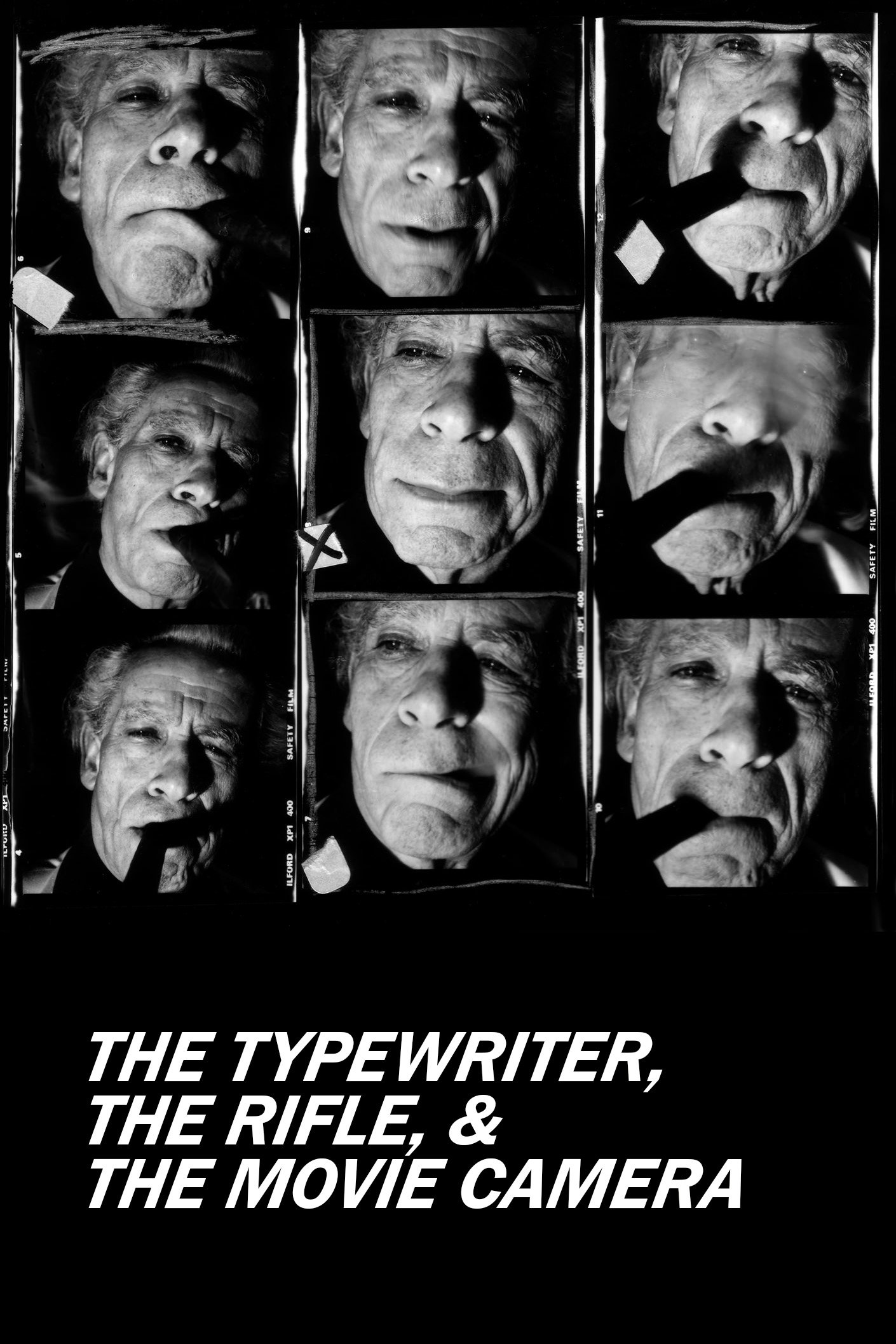
In a documentary about Samuel Fuller, the spectator gets different impressions about the Hollywood director and his films. The film is divided into the three sections: The Typewriter, the Rifle and the Movie Camera. The first segment covers Fuller's past as a newsman where he began as a copy boy and ended as a reporter. Part two describes Fuller's experiences in World War II, in which he participated as a soldier. The last section focuses on Fuller as director. Tim Robbins interviews Samuel Fuller revealing the director's own memories and impressions. Beside the interview, Jim Jarmusch, Martin Scorsese and Quentin Tarantino accompany the documentary with their comments.
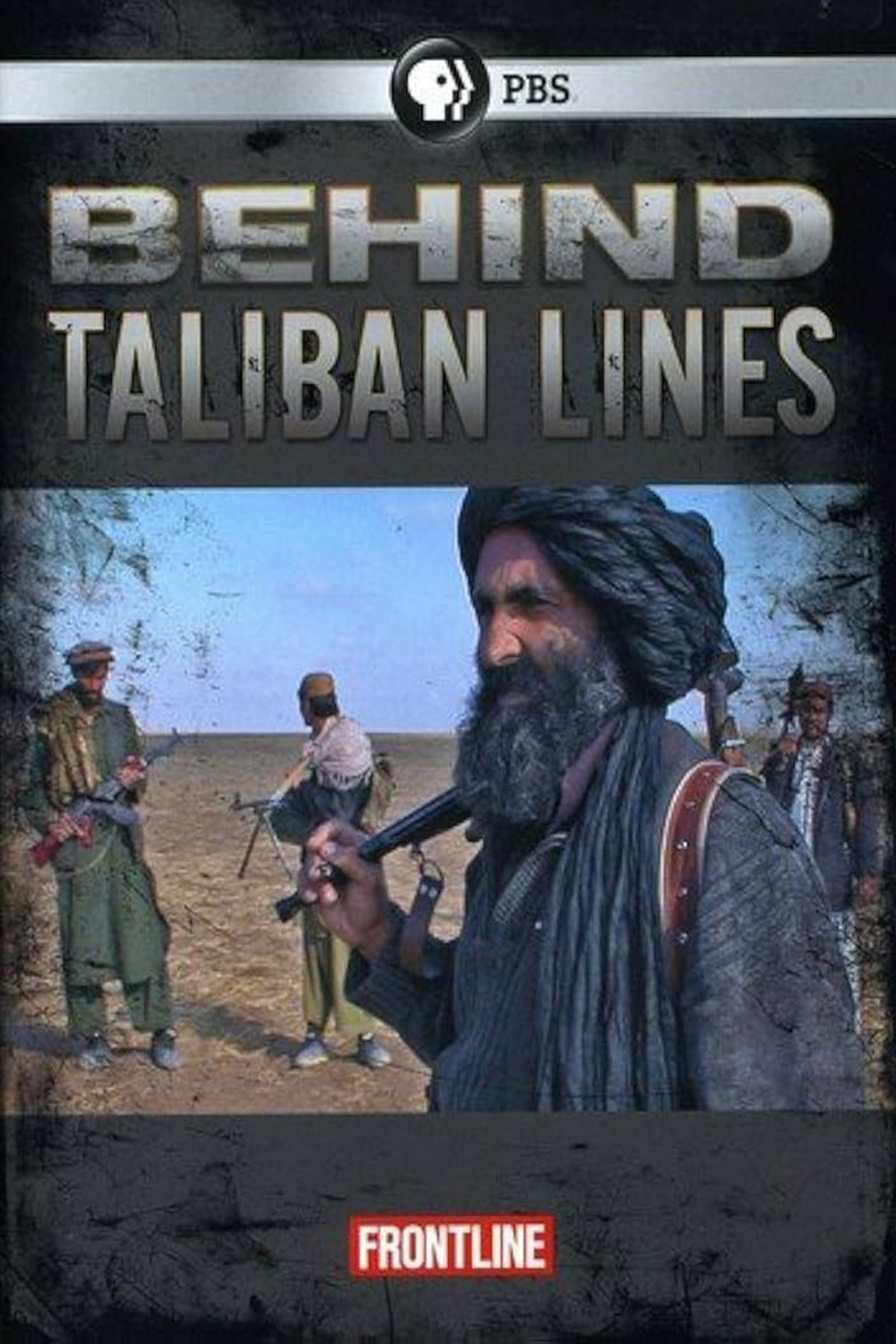
Frontline followers a reporter who is embedded with Hezb-e-Islami who are group of insurgents allied with the Taliban.
It's a satirical comedy that chronicles 3 young Canadian film makers from Yellowknife as they travel from northern Canada to the middle east just as the Iraq war is erupting. As well as being very funny, it is also quite thought provoking. The trio travels through Canada, Turkey, Israel, Jordan and finally Washington DC interviewing "regular people" for their comments on the impending war. This film won best documentary at the 2003 Whistler Film Festival in Canada.
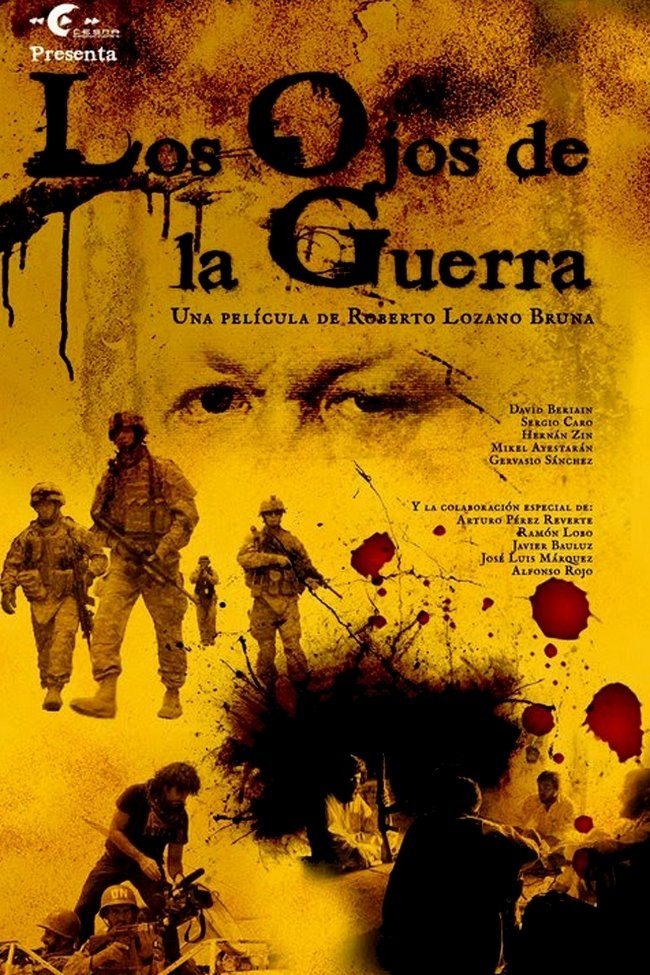
A direct call to take an active stand in defense of human rights, fearlessly denouncing their violation wherever they occur, through the testimonies of several war reporters, brave journalists who, with the most objective view possible, analyze the human condition: David Beriain and Sergio Caro in Afghanistan; Mikel Ayestaran in Iraq; Hernán Zin in the Democratic Republic of Congo; and Gervasio Sánchez in Bosnia and Herzegovina.
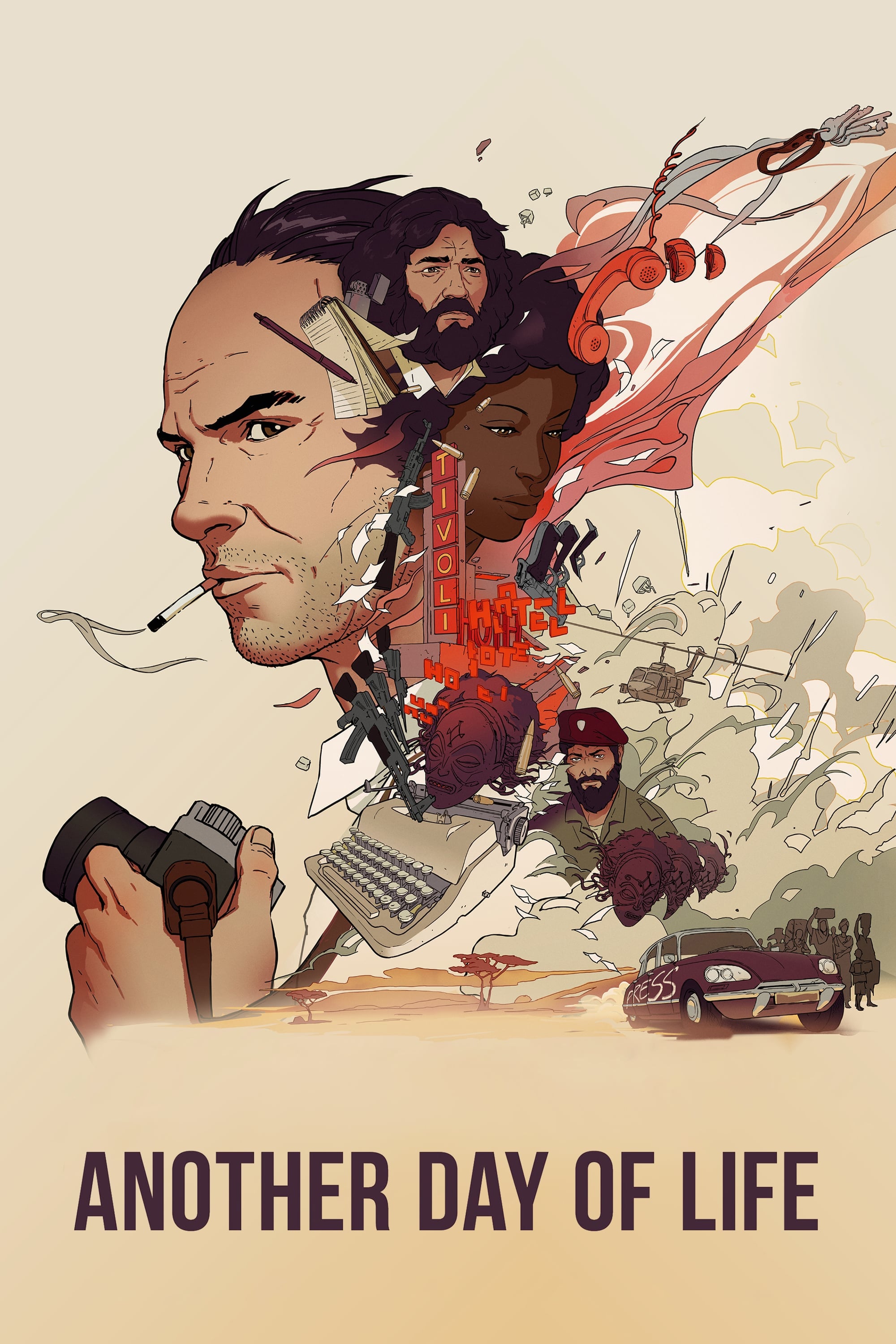
In 1975, Ryszard Kapuściński, a veteran Polish journalist, embarked on a seemingly suicidal road trip into the heart of the Angola's civil war. There, he witnessed once again the dirty reality of war and discovered a sense of helplessness previously unknown to him. Angola changed him forever: it was a reporter who left Poland, but it was a writer who returned…
In autumn 1944, during the Liberation of Brittany, writer Louis Guilloux worked as an interpreter for the American army. He was a privileged witness to some little-known dramatic aspects of the Liberation: the rapes and murders committed by GIs on French civilians. He also discovered the racism of American military justice. This experience haunted the novelist for thirty years. In 1976, he recounted it in a short novel, "Ok, Joe", which went unnoticed. This film compares his account with the memories of the last witnesses to these forgotten crimes and their punishments.
He's devoted his career to uncovering stories the powerful want buried. From My Lai to Abu Ghraib, dig into the life's work of journalist Seymour Hersh.
Directors Hetherington and Junger spend a year with the 2nd Battalion of the United States Army located in one of Afghanistan's most dangerous valleys. The documentary provides insight and empathy on how to win the battle through hard work, deadly gunfights and mutual friendships while the unit must push back the Taliban.
Korengal picks up where Restrepo left off; the same men, the same valley, the same commanders, but a very different look at the experience of war.
Through deeply personal interviews with her siblings and an examination of the photographs, letters, and belongings left behind, Mariska assembles a new portrait of her mother Jayne Mansfield, an extraordinary and complex woman.
A look at the origins, history and conspiracies behind the "Majestic 12", a clandestine group of military and corporate figureheads charged with reverse-engineering extraterrestrial technology.
The film follows adventurer Jeff Johnson as he retraces the epic 1968 journey of his heroes Yvon Chouinard and Doug Tompkins to Patagonia.
An on-the-scene documentary following the events of September 11, 2001 from an insider's view, through the lens of two French filmmakers who simply set out to make a movie about a rookie NYC fireman and ended up filming the tragic event that changed our lives forever.
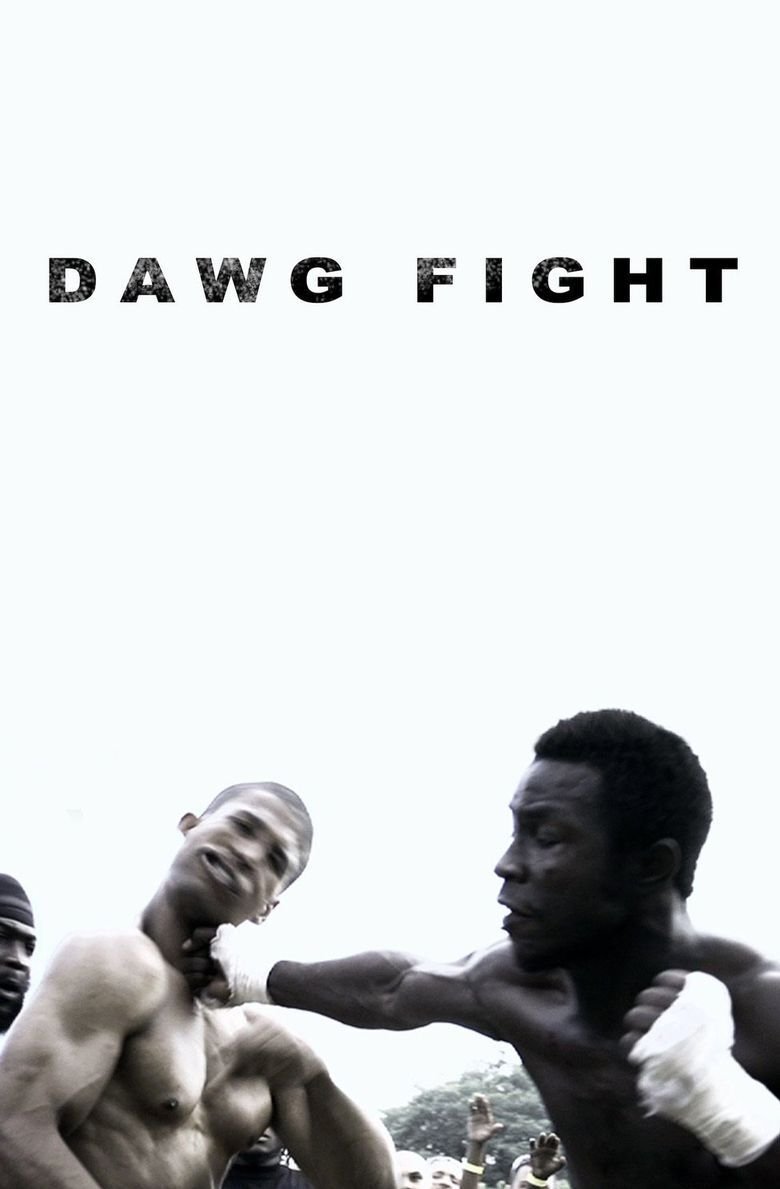
In a crime-plagued neighborhood near Miami, brutal, bare-knuckled backyard fights give young men a chance to earn money -- and self-respect.
A night of drunken chaos rocks a quiet Dutch town in this shocking documentary about a teen's birthday invite that accidentally went viral on Facebook.
A documentary on kids who attend a summer camp hoping to become the next Billy Graham.
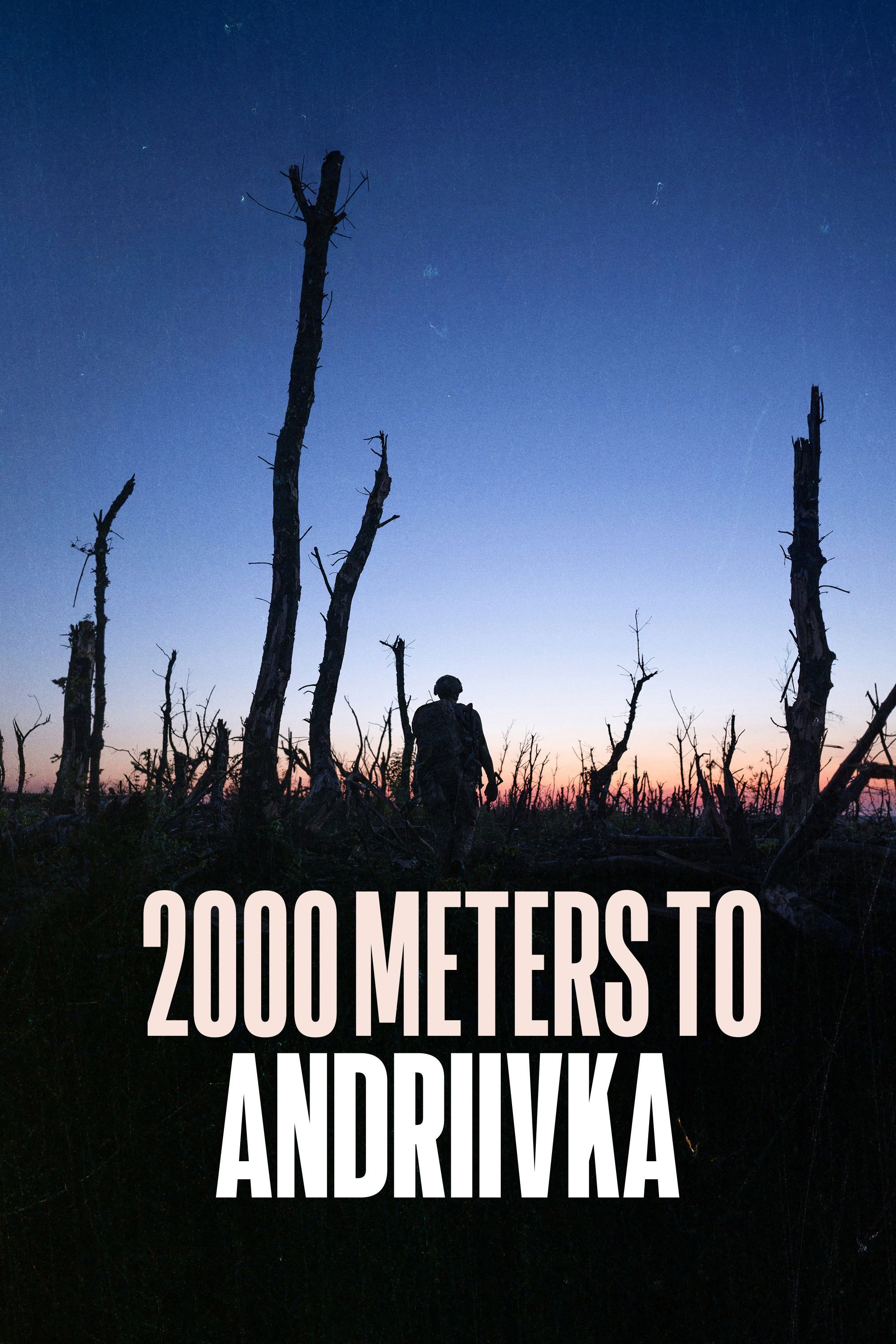
Amid the failing counteroffensive, a journalist follows a Ukrainian platoon on their mission to traverse one mile of heavily fortified forest and liberate a strategic village from Russian occupation. But the farther they advance through their destroyed homeland, the more they realize that this war may never end.
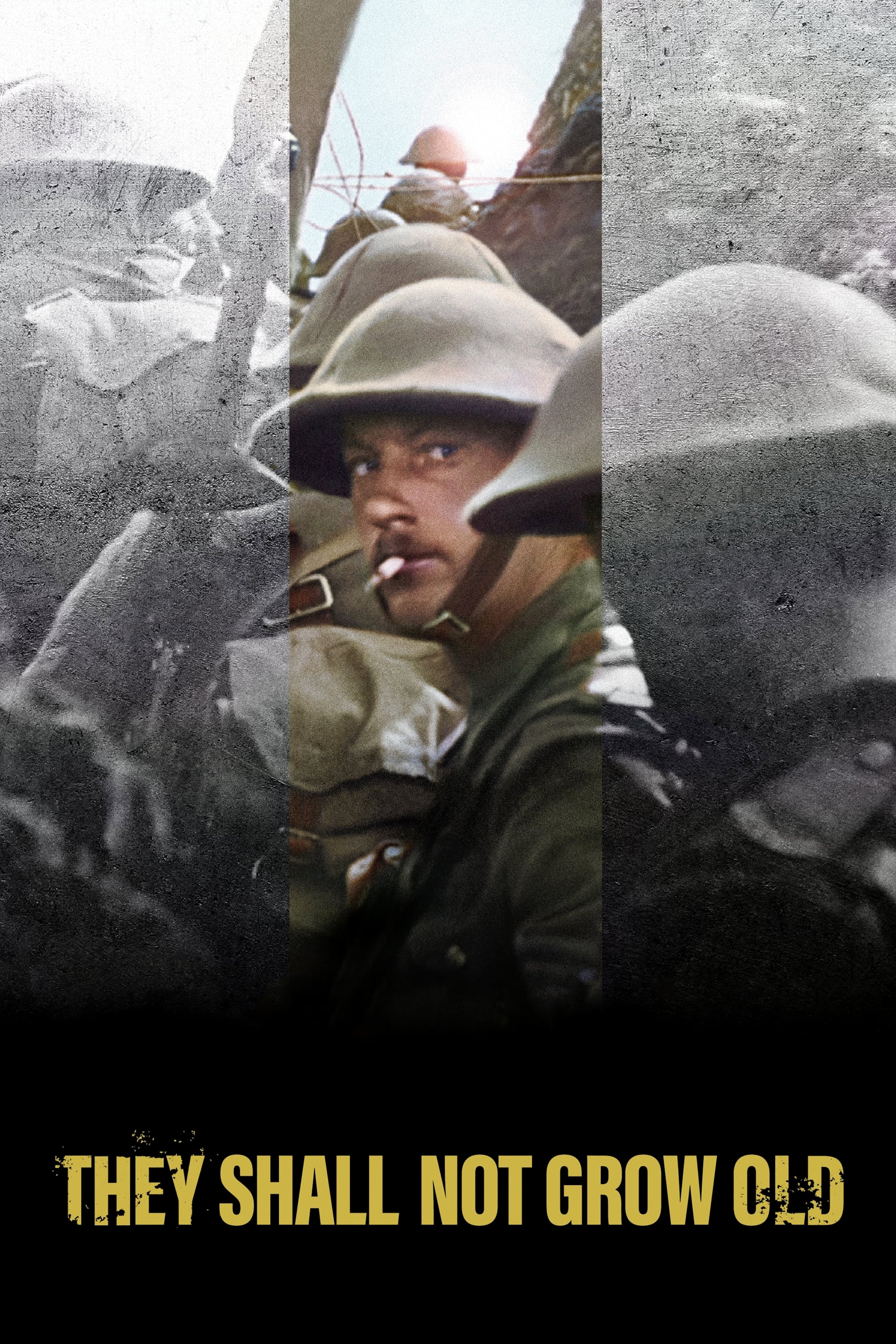
A documentary about World War I with never-before-seen footage to commemorate the centennial of Armistice Day, and the end of the war.
Prelude to War was the first film of Frank Capra's Why We Fight propaganda film series, commissioned by the Pentagon and George C. Marshall. It was made to convince American troops of the necessity of combating the Axis Powers during World War II. This film examines the differences between democratic and fascist states.
A documentary about the life and films of director John Ford.
Those who knew iconic funnyman John Candy best share his story, in their own words, through never-before-seen archival footage, imagery, and interviews.
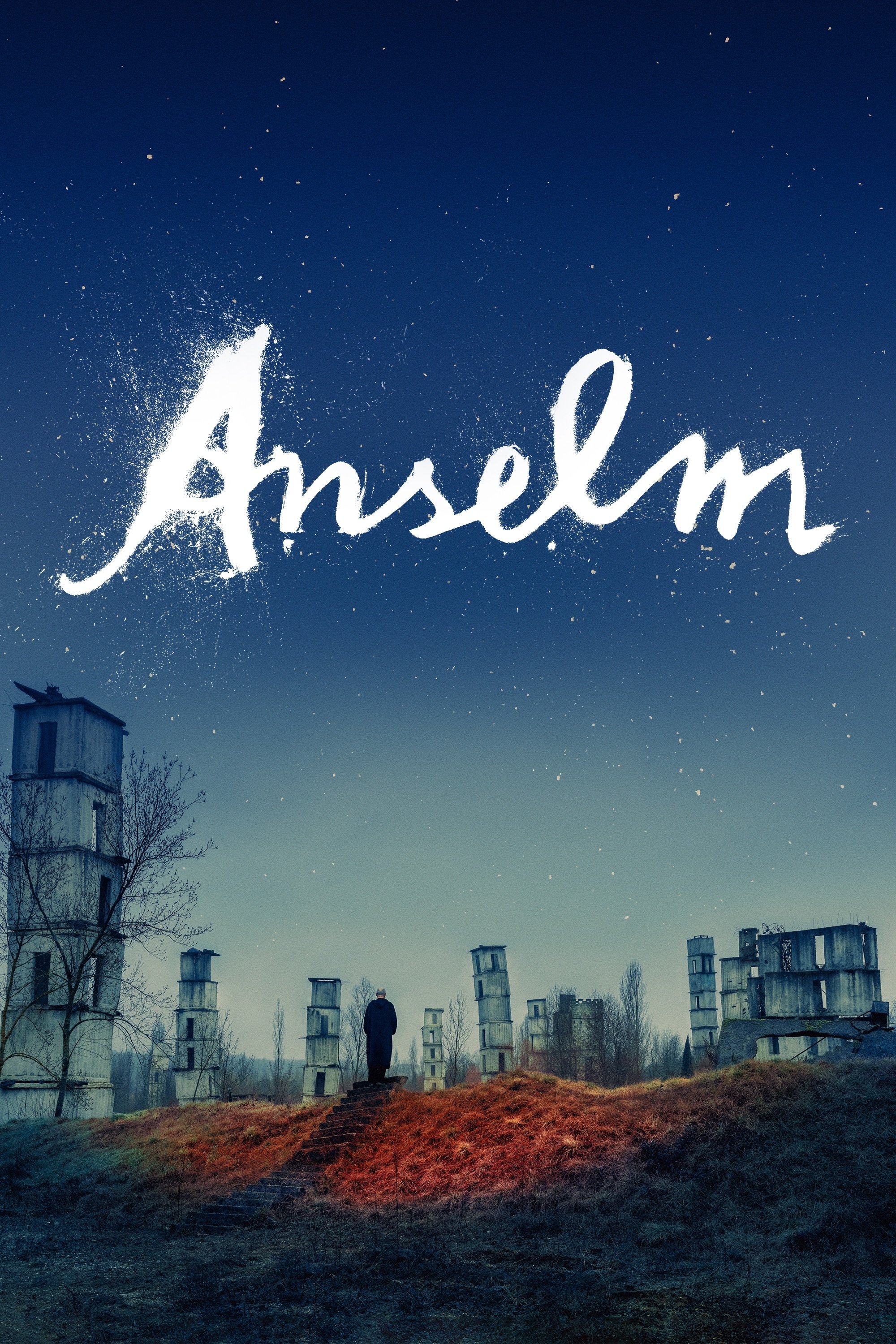
This unique cinematic experience dives deep into an artist’s work and reveals his life path, inspiration, and creative process. It explores his fascination with myth and history. Past and present are interwoven to diffuse the line between film and painting, allowing the audience to be completely immersed in the remarkable world of one of the greatest contemporary artists, Anselm Kiefer. Wim Wenders shot this unique portrait over the course of two years in stunning 3D.
A purely observational non-fiction film that takes viewers into the ethically murky world of end-of-life decision making in a public hospital.
A journalist and a photographer set out to memorialize the bedrooms left behind by children killed in school shootings.
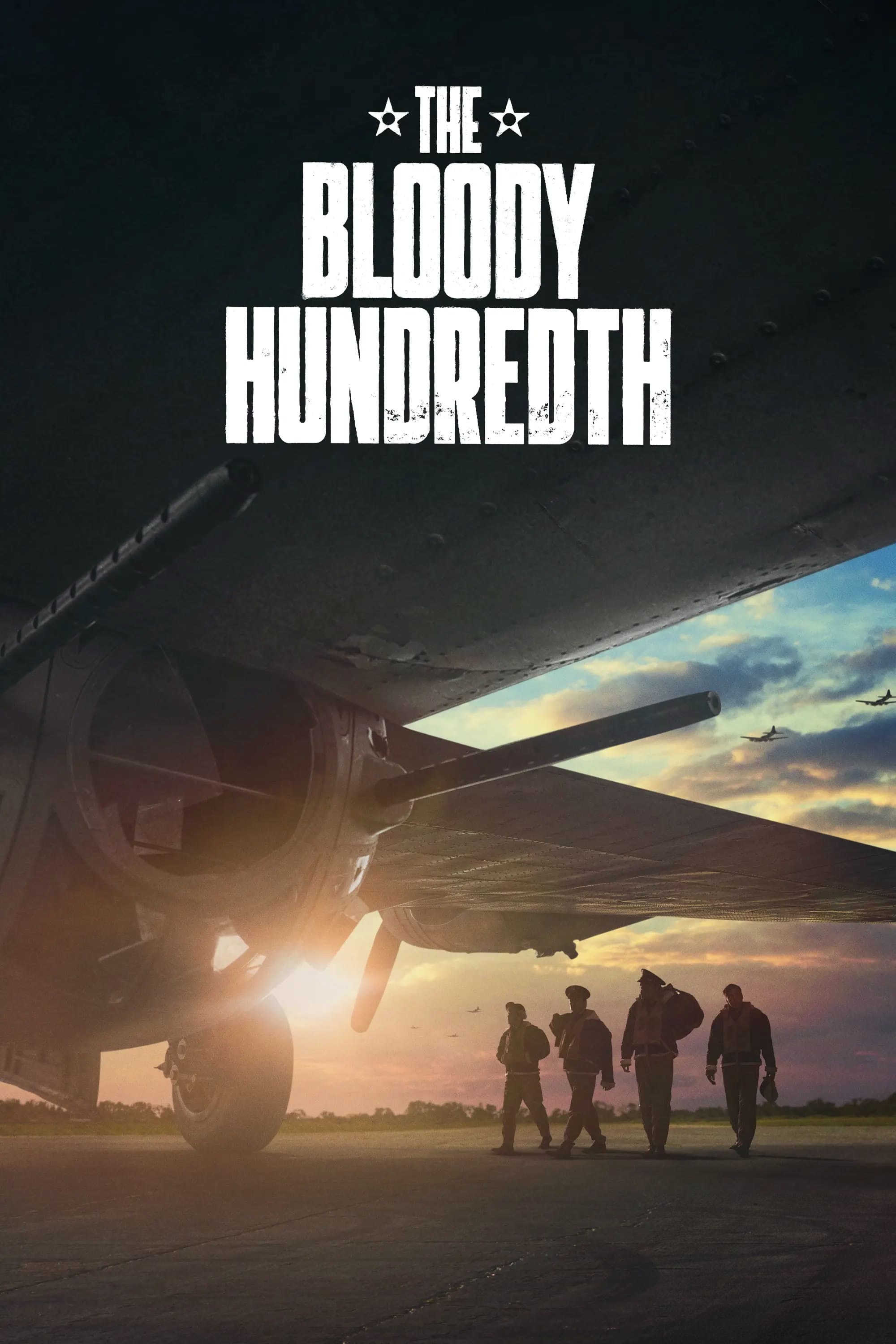
Meet the real-life airmen who inspired Masters of the Air as they share the harrowing and transformative events of the 100th Bomb Group.
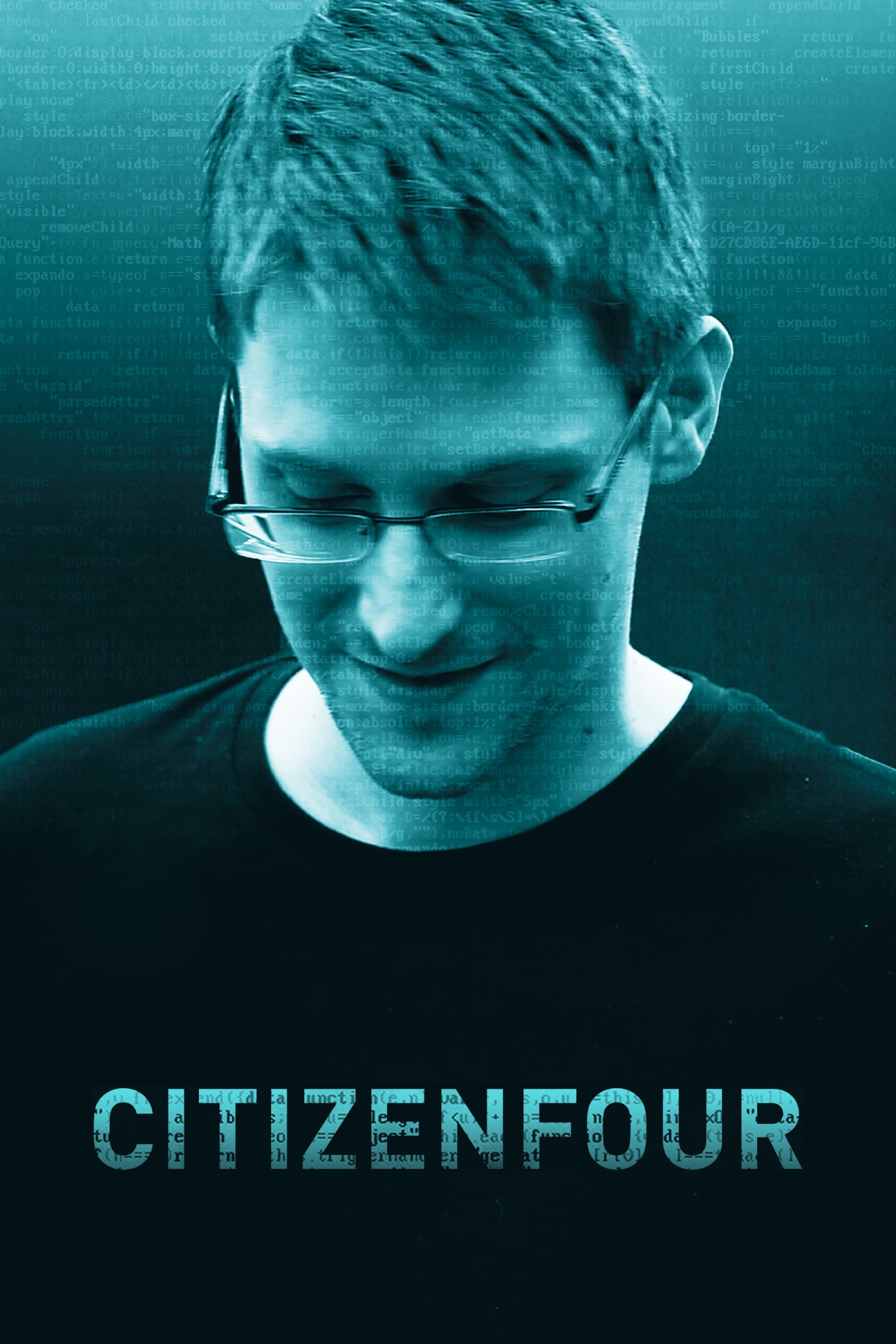
In June 2013, Laura Poitras and reporter Glenn Greenwald flew to Hong Kong for the first of many meetings with Edward Snowden. She brought her camera with her.