Follows the final days of the shogunate and Shinsengumi's Vice-Comander Hijikata Toshizo along with his fellow anti-imperialist group.
Social & External
The people behind it
Koji Yamamoto
Hijikata Toshizō
Sosuke Ikematsu
Ichimura Tetsunosuke
Masato Sakai
Yamanami Keisuke
Ainosuke Kataoka
Enomoto Takeaki
Kenji Kohashi
Shôei
Kai Shimada
Jun Toba
Yamano Yasohachi
Shigenori Yamazaki
Yoko Minamino
Mitsuru Fukikoshi
Ōtori Keisuke
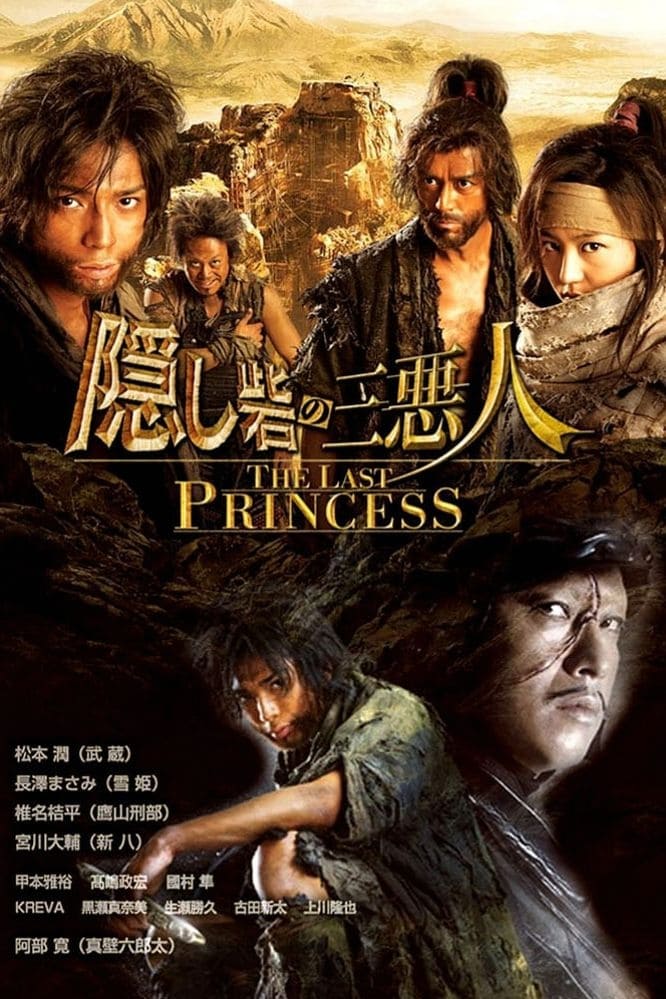
After the Akizuku clan fall in defeat to rival clan Yamana, Princess Yuki and General Rokurota take cover in a hidden fortress, along with their clan and gold treasury. Fortuitously stumbling into the hideaways, brash young miner Takezo and his bumbling sidekick Shinhachi hatch a daring plan to help transport the gold out of enemy terrain – in exchange for a share of the stash, of course. With assassins hot in pursuit, Yuki disguises as a male and ventures into the real world with Rukurota and her peasant companions, getting her first taste of danger, toil, and budding romance with the strong-minded and willful Takezo.
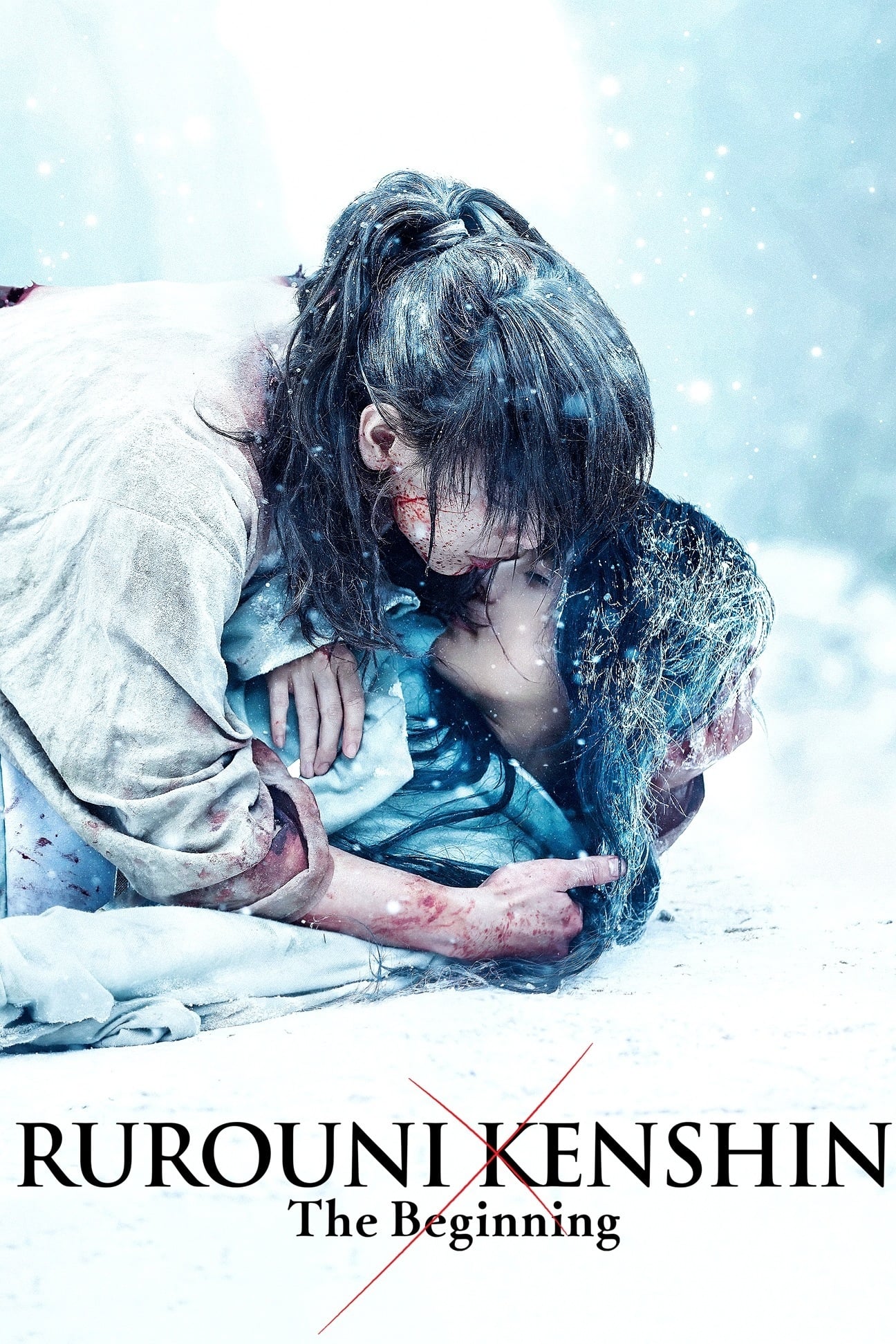
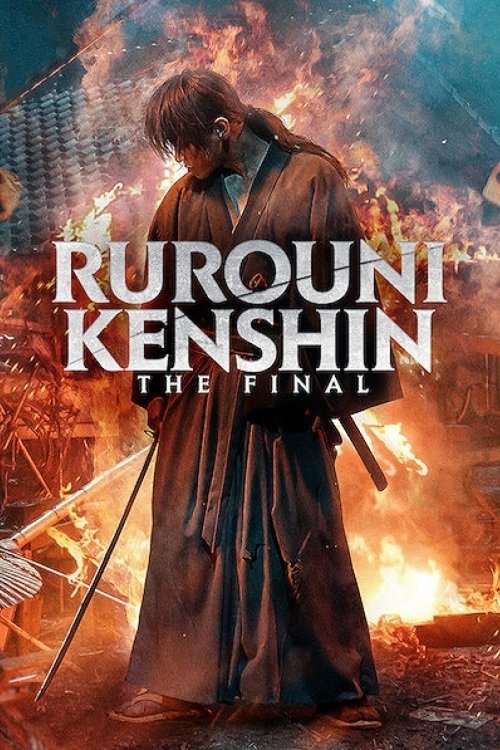
Before he was a protector, Kenshin was a fearsome assassin known as Battosai. But when he meets gentle Tomoe Yukishiro, a beautiful young woman who carries a huge burden in her heart, his life will change forever.
The tragic, yet exciting story of the friendship between Nakayama Yasubei, a member of the 47 Ronin, and Tange Tenzen, a relative by marriage of the vile Lord Kira.
After their lord is tricked into committing ritual suicide, forty-seven samurai warriors await the chance to avenge their master and reclaim their honor.
Benkei, a master fighter and killer, vows never to take another life after his conversion to Buddhism. His faith in pacifism, however, is shaken and ultimately broken by the attacks from a trio of fighters known only as the demons. Taking up his sword once more, he sets out to end their murderous terror.
One samurai is ordered to kill another by their master in punishment.
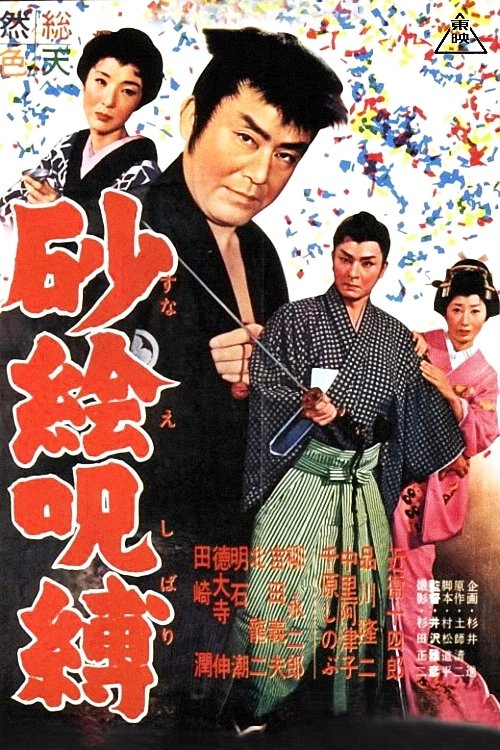
The news that the fifth Shogun Tsunayoshi was seriously ill caused a fierce struggle for the post of sixth shogun between the Mito faction and the faction of Chief Adviser Yanagisawa Yoshiyasu. Two mysterious love stories develop against the background of a violent conspiracy that arose because of a strange painting in the sand. And then the empty-headed ronin Morio Jushiro will flash his enchanted sword in this unique, thrilling story full of unexpected twists. Adapted from the novel "Sunae Jubaku: Asahishinbunsha" by Seji Hajime.
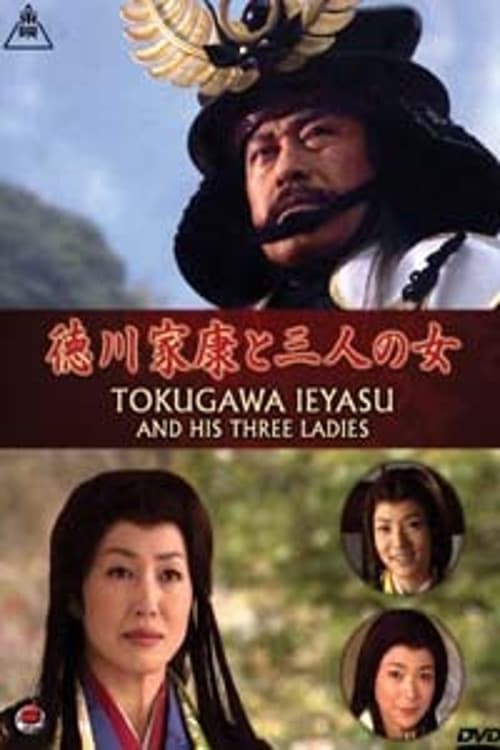
With a mixture of drama, warlords, battles, love, tragedy all set with great music, this made for television movie has it all. Showing the rise of Tokugawa Ieyasu as portrayed by Matsudaira Ken (Abarenbo Shogun) this stunning portrait of an exciting era shows how the influence of three women played a pivotal role in the formation of the Tokugawa Shogunate. Brilliant performances by Nakamura Atsuo (Cold Wind Monjiro) and Nakamura Tamao (widow of Katsu Shintaro) highlight this production as such notables as Oda Nobunaga, Toyotami Hideyoshi, Lady Sena, Princess Asahi, and Lady Yodo jump from the pages of history all leading up to the Battle of Sekigahara that would change Japan forever!
O-Shin is a young brothel worker who, one night, helps a young samurai escape from his pursuers. Against the warnings of her fellow workers, particularly Kikuno and the brothel's owner, O-Shin falls in love with the samurai.
Official Shogunate executioner Ogami Itto has been framed for disloyalty to the Shogunate by the Yagyu clan, against whom he now is waging a one-man war, along with his infant son, Daigoro.
Ogami Itto volunteers to be tortured by Yakuza in order to save a prostitute and is hired by their leader to kill an evil chamberlain.
With most of his family already dead at Ogami Itto's hands, Retsudo launches one final plot to destroy him, and when that fails, unleashes the fury of every remaining member of the Yagyu clan.
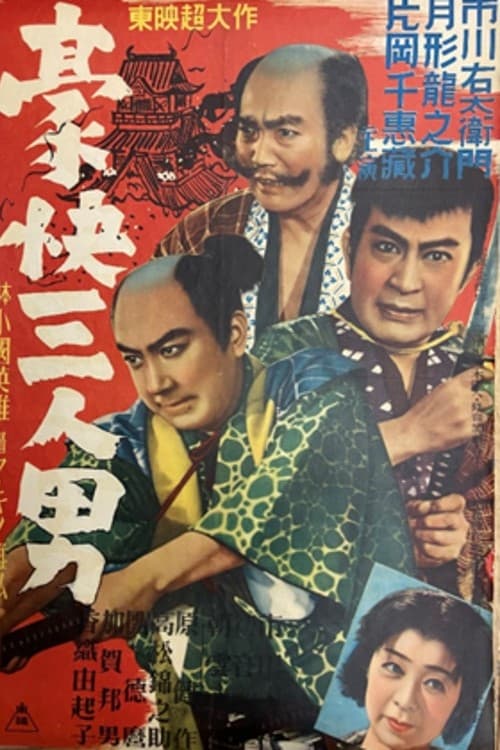
In the midst of the Siege of Osaka in the Sengoku period, a thrilling tale unfolds featuring a trio of ronin who manipulate a group of spies, a mysterious woman protecting a young lord, and the overwhelming roar of the Warring States captured on the silver screen.
When Mio was young, she lost her parents in a great flood and also became separated from her best friend Noe. Afterwards, Mio found her talent in cooking and eventually became a cook. Meanwhile, Noe has become an oiran (high-ranking courtesan).
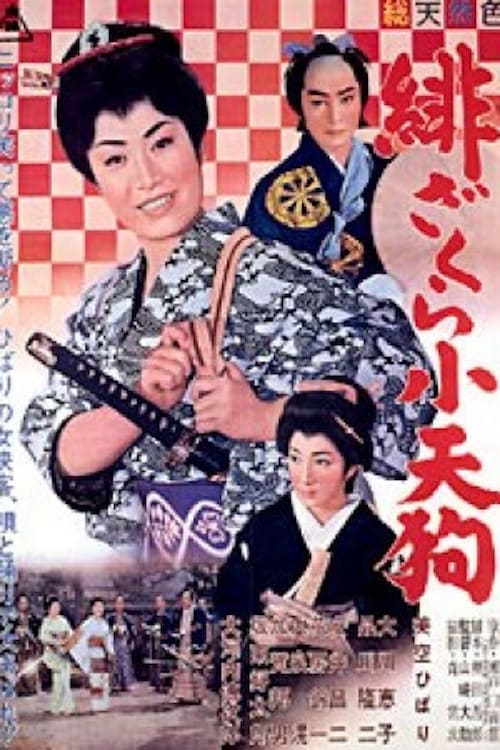
A thrilling jidaigeki features a diverse cast of characters and depicts the showdown between Jakoneko, a woman seeking to overthrow the shogunate, and Muso Kotenzu, a secret agent.
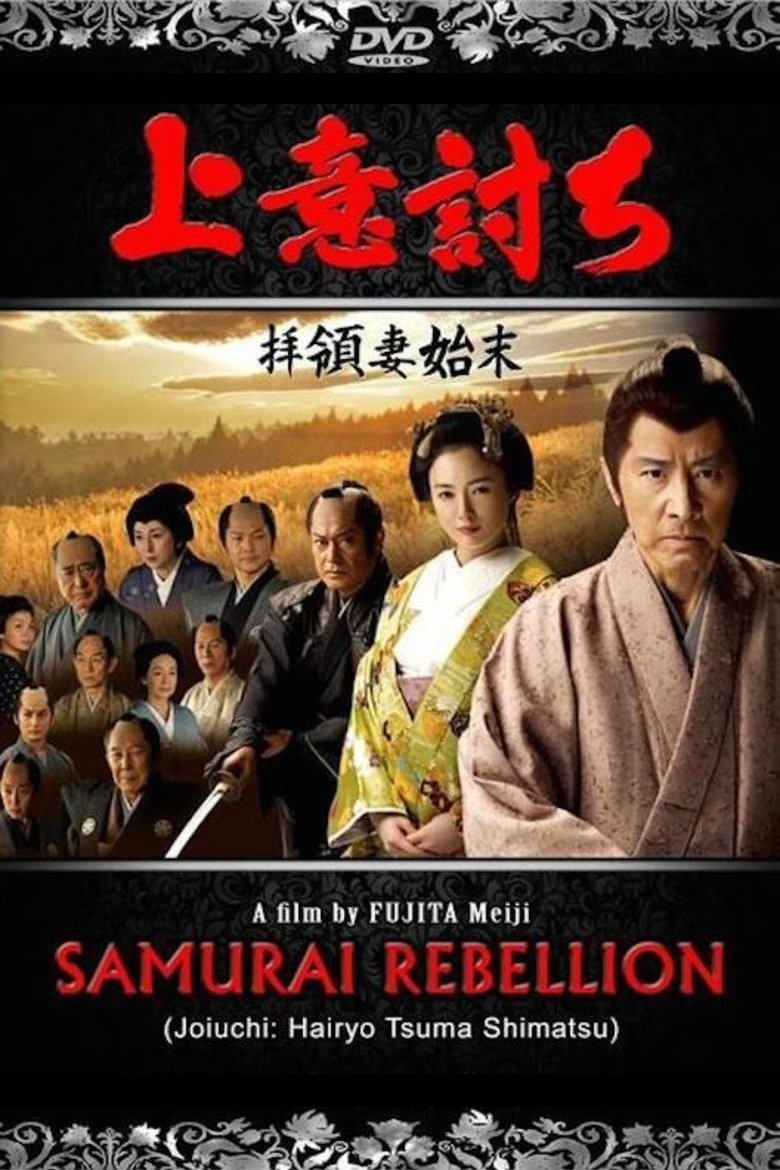
In the Edo period of Japan, a samurai’s life belonged to his lord. On the battlefield or in the home, a loyal samurai must always obey his lord’s commands. This is the tragic story of one such loyal samurai, whose love for his family forced him to make the ultimate choice of disobeying the wishes of his lord.
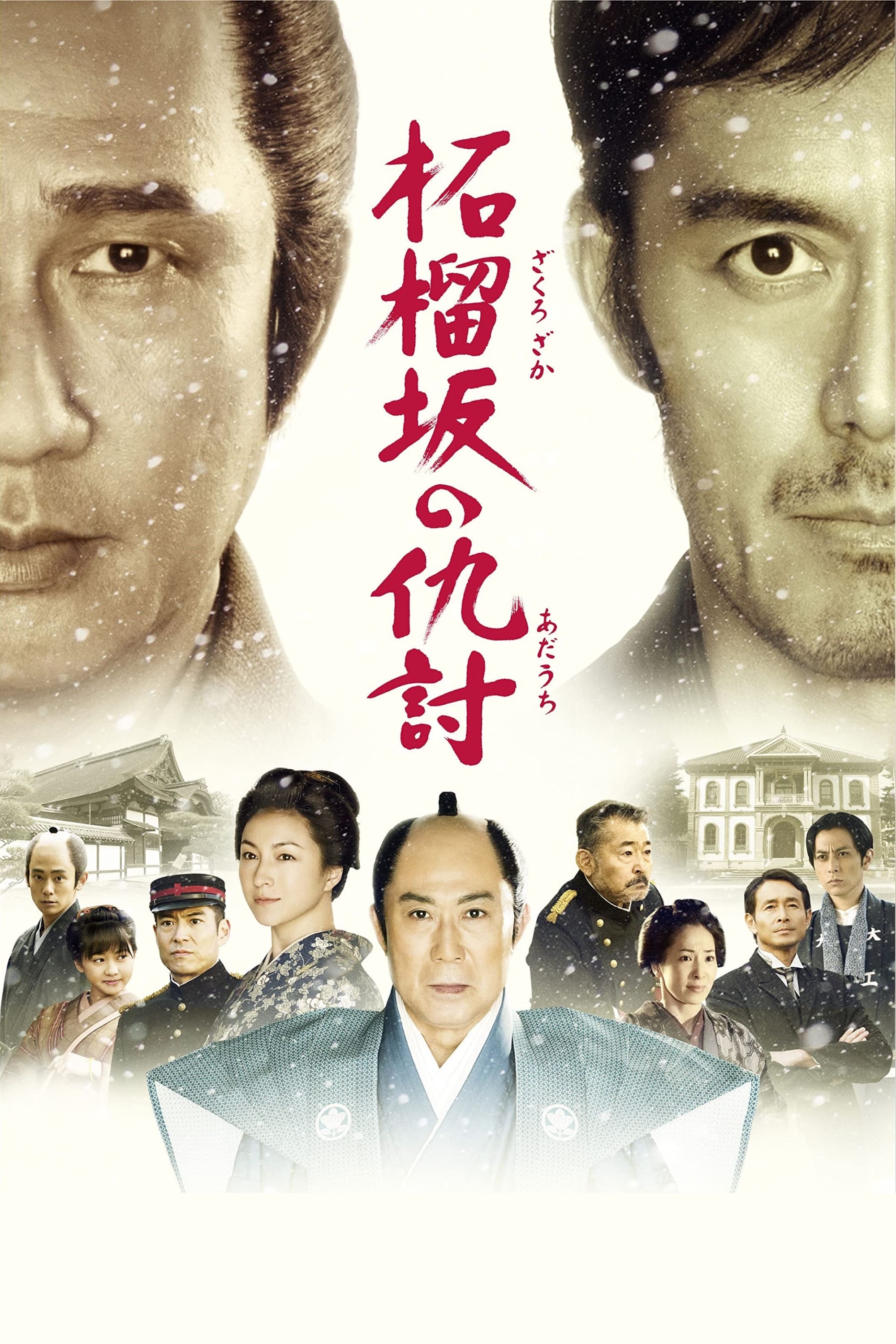
At Sakurada Gate in 1860, the shogun’s chief minister and his retinue of bodyguards are ambushed and annihilated. Bearing the responsibility and shame for this failure is Shimura Kingo, master swordsman and chief of the guard. Forbidden to take his own life in atonement, he is instead tasked with hunting down the remaining assassins; however, fate intervenes and now only one is left. Devoted to his late lord and his duty, he relentlessly pursues the sole remaining assassin for the next thirteen years. But times are changing in Japan and the way of the sword has become outlawed. What does this mean for Kingo?
A story about a tomboy, Otoshi, who is good at singing, dancing and fencing.
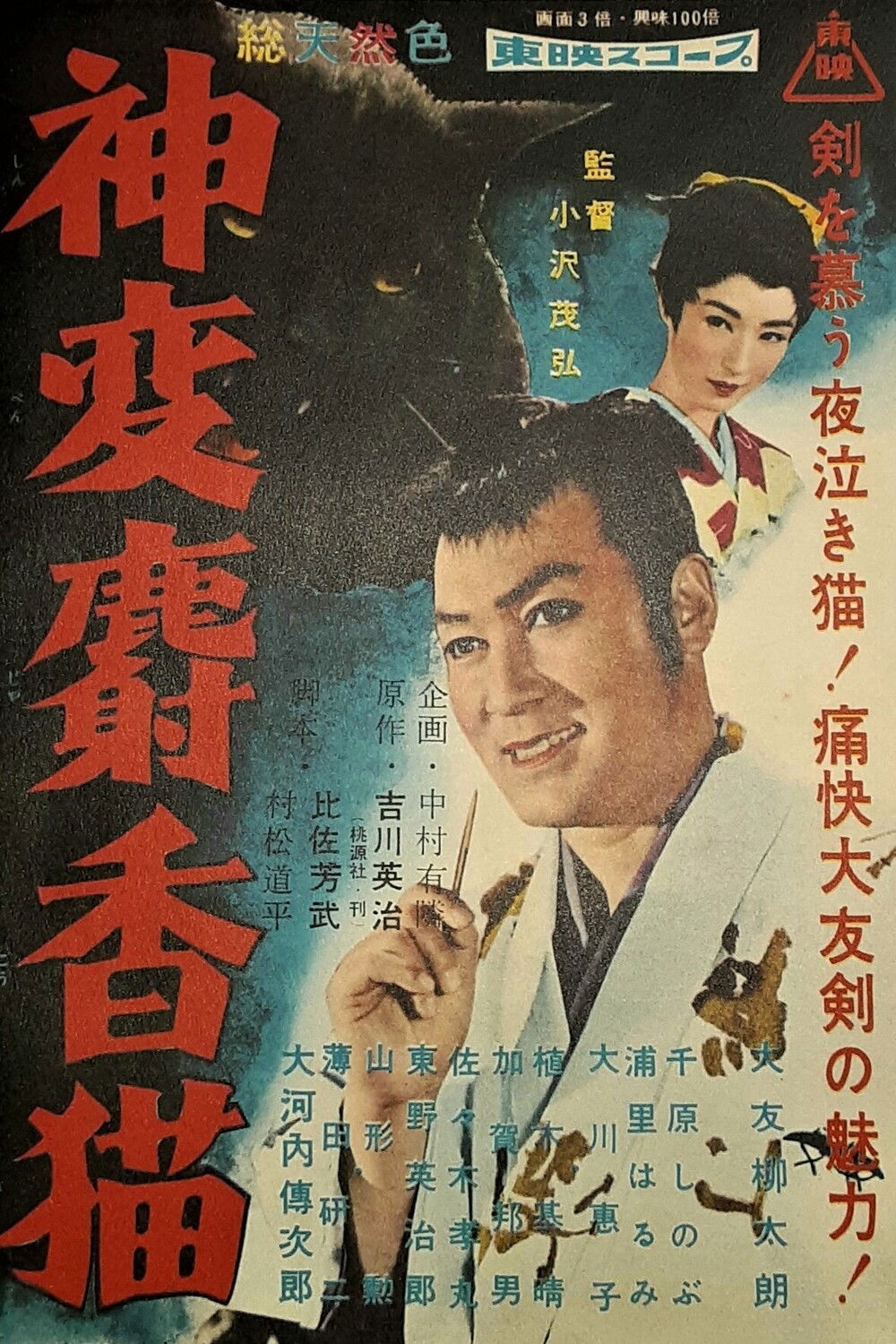
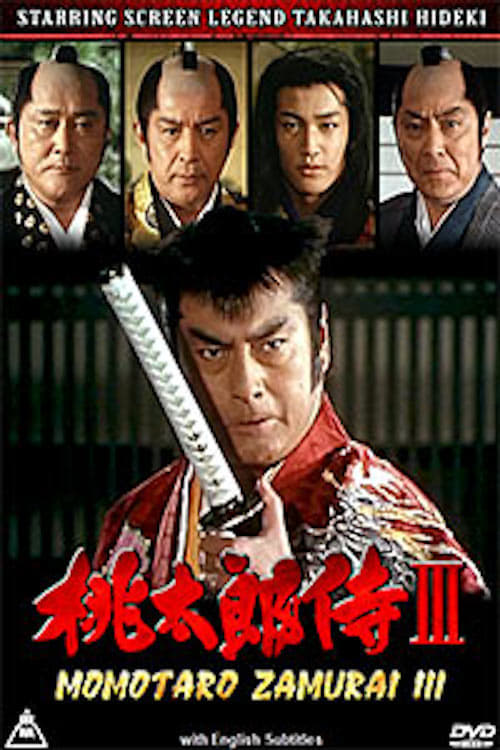
Momotaro carries this sword into battle against injustice in shogunate Japan. Aided by ninja he must now wage a furious battle against the terrible “Ran” clan, villains in league with Ohara Ukon, a bitter samurai nursing a grudge against the shogunate. Together the ruthless conspirators will threaten the foundations of shogunate rule over Japan. Only the relentless slashing sword of Momotaro may save the nation from the Ran clan's army of killers.
Set during Japan's Shogun era, this film looks at life in a samurai compound where young warriors are trained in swordfighting. A number of interpersonal conflicts are brewing in the training room, all centering on a handsome young samurai named Sozaburo Kano. The school's stern master can choose to intervene, or to let Kano decide his own path.
In 1879, Kenshin and his allies face their strongest enemy yet: his former brother-in-law Enishi Yukishiro and his minions, who've vowed their revenge.
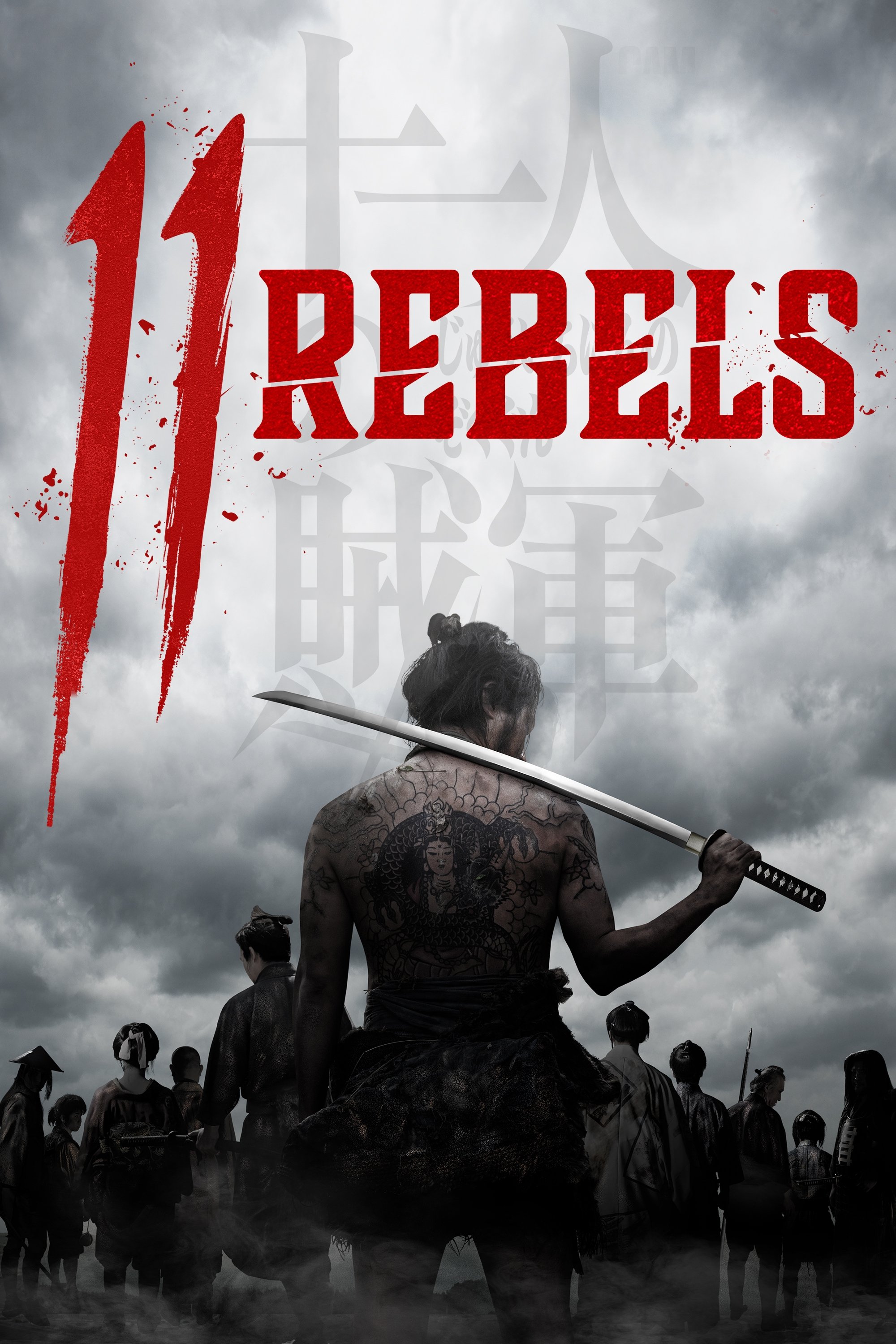
When the brutal Boshin War breaks out in Japan, a group of inmates on death row unite to defend a fortress against the Imperial army.
The true story of 20-year-old Colleen Stan, a hitchhiking woman abducted by a young couple and held captive for seven years, during which time she's tortured and forced to live as a slave to her captors.
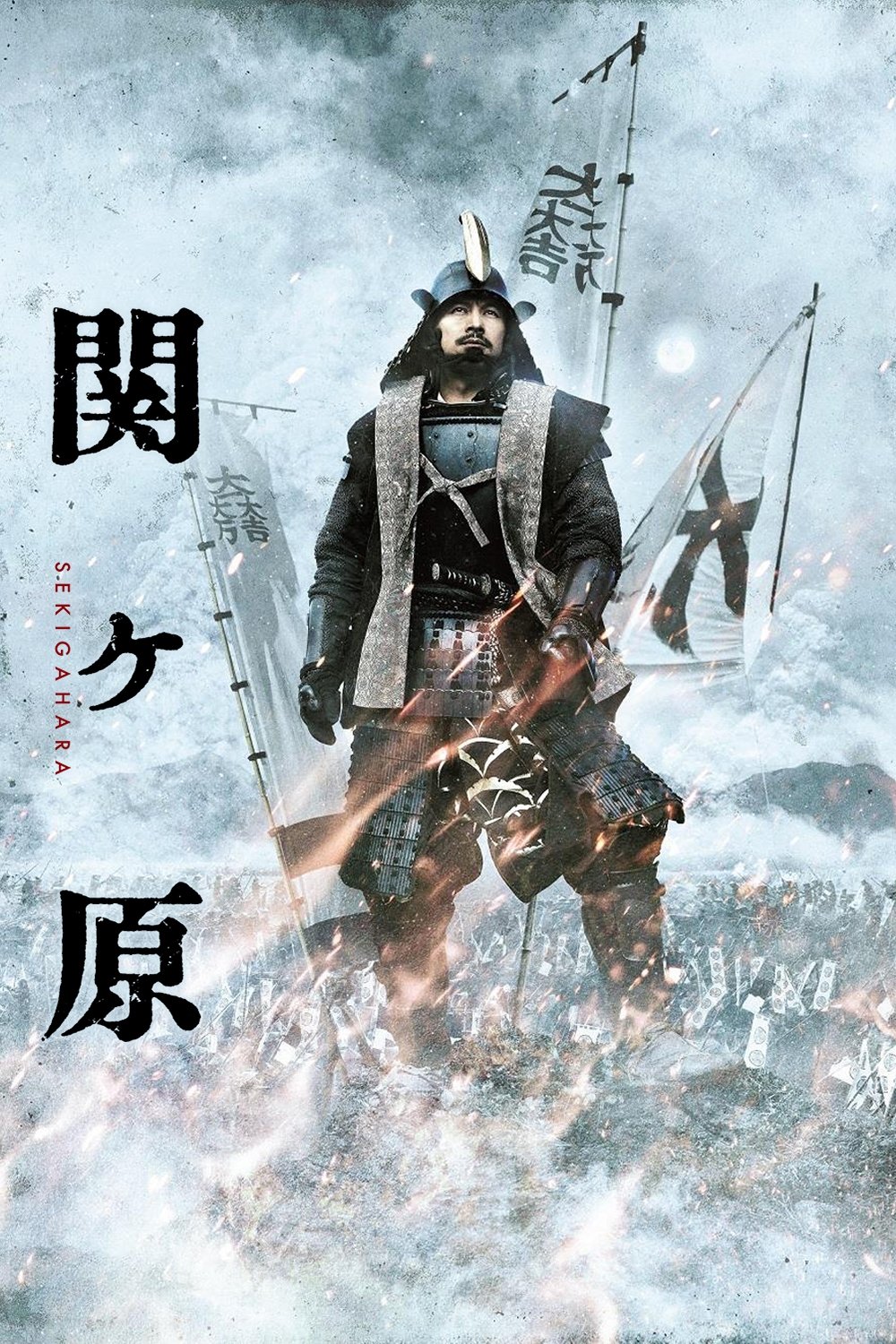
The background to and depiction of a watershed battle in Japanese history, at Sekigahara in 1600, when Tokugawa Ieyasu's Army of the East defeated the Army of the West of Ishida Mitsunari. The story includes the intrigues and shifting loyalties of the various retainers, family members, and samurai.
A seamstress recalls events leading to her act of peaceful defiance that prompted the 1955 bus boycott in Montgomery, Alabama.
Eccentric British painter J.M.W. Turner lives his last 25 years with gusto and secretly becomes involved with a seaside landlady, while his faithful housekeeper bears an unrequited love for him.
Judge Clarence Thomas' nomination to the United States' Supreme Court is called into question when former colleague, Anita Hill, testifies that he had sexually harassed her.
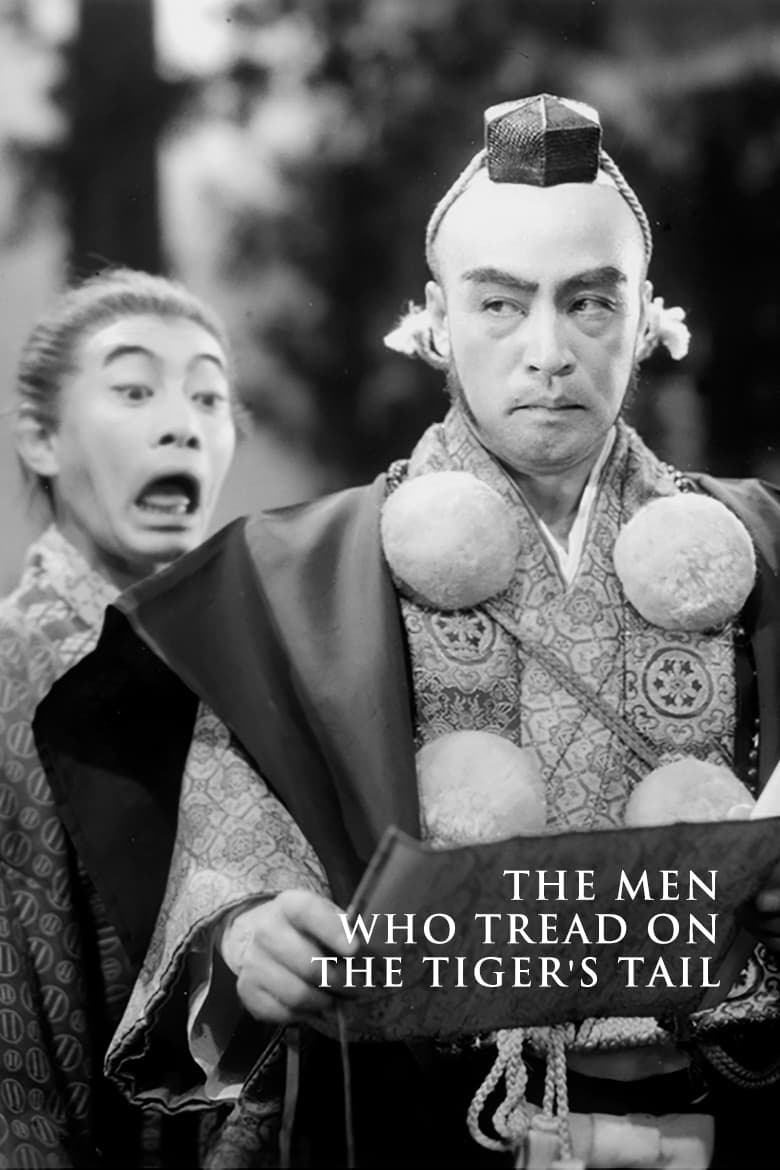
A fugitive lord and his six retainers disguise themselves as monks to bluff their way through a hostile checkpoint.
An African-American woman becomes an unwitting pioneer for medical breakthroughs when her cells are used to create the first immortal human cell line in the early 1950s.
A ronin desperately seeks a way out of financial straits; he allies with the Tosa clan under the ruthless leader Takechi, who quickly takes advantage.
Kakunoshin, renowned for his skills with a sword and in the game of go, embodies the samurai code. Falsely accused of a theft, he is forced to become a lowly ronin. Years later, when a case of missing gold pulls him into a new web of intrigue, Kakunoshin uncovers the truth behind his downfall. With the real culprit exposed, the go board flips, and a hellstorm of righteous vengeance follows.
A woman moves to live with her new husband in 17th century Amsterdam, but soon discovers that not everything is what it seems.
The story of Elizabeth Smart's kidnapping and captivity, as told from her perspective.
In 1971, a warden at Attica Penitentiary is caught up in a hostage crisis when inmates take over the prison to demand better living conditions.
Kanichiro Yoshimura is a samurai and family man who can no longer support his wife and children on the low pay he receives from his small-town clan. He is forced by his love for his family to leave for the city in search of higher pay to support them.
A WWII veteran escapes his care home in Northern Ireland and embarks on an arduous but inspirational journey to France to attend the 75th anniversary of the D-Day landings, finding the courage to face the ghosts of his past.
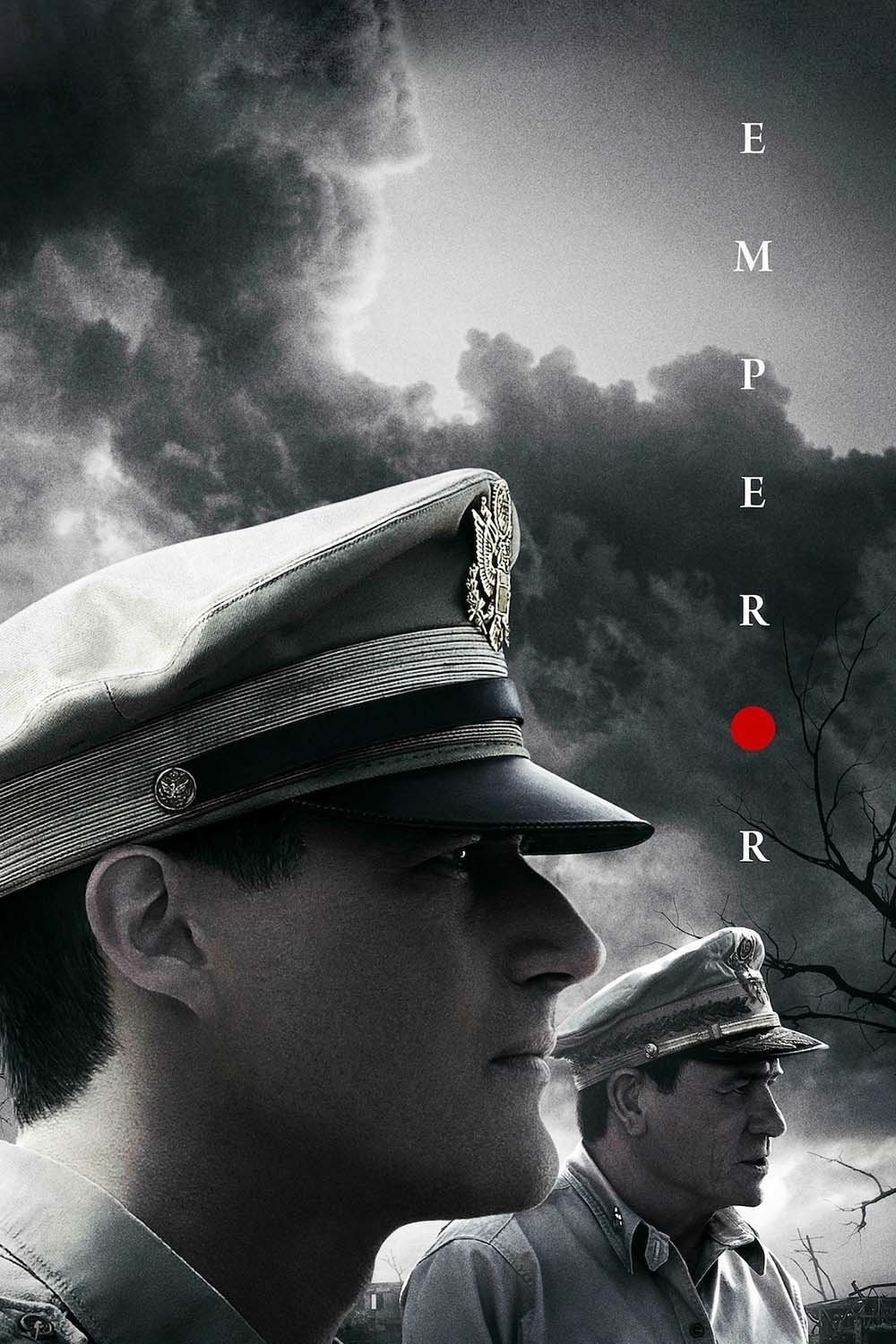
As the Japanese surrender at the end of WWII, Gen. Fellers is tasked with deciding if Emperor Hirohito will be hanged as a war criminal. Influencing his ruling is his quest to find Aya, an exchange student he met years earlier in the U.S.
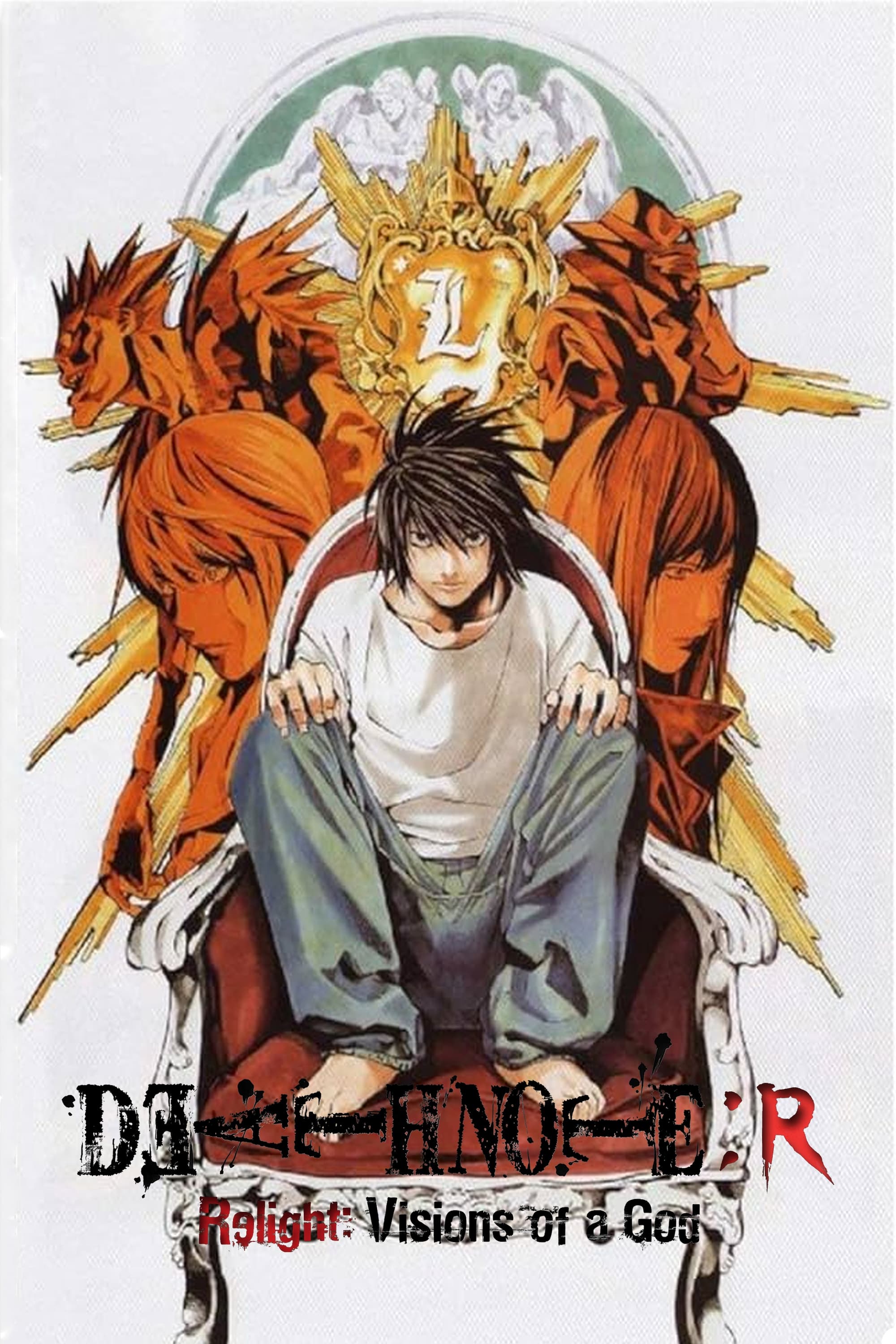
When rogue shinigami Ryuk leaves his Death Note in the human world, he has no idea how far the one who finds it will take his new-found power. With the Death Note in hand, brilliant high school student Light Yagami vows to rid the world of evil. A recap of Death Note episodes 1–26, with alternate footage.