The Sufi and the Scientist is the collective story of Sufi healer Sayyid Arif Hussain, the medieval Sufi Sheikh Haji Ali, and Dr. Thornton Streeter, a scientist working in the realm of human consciousness.
Social & External
Self
The Little Ballet Troupe of Bombay performs a "puppet ballet" of the Hindu epic, the Ramayana.
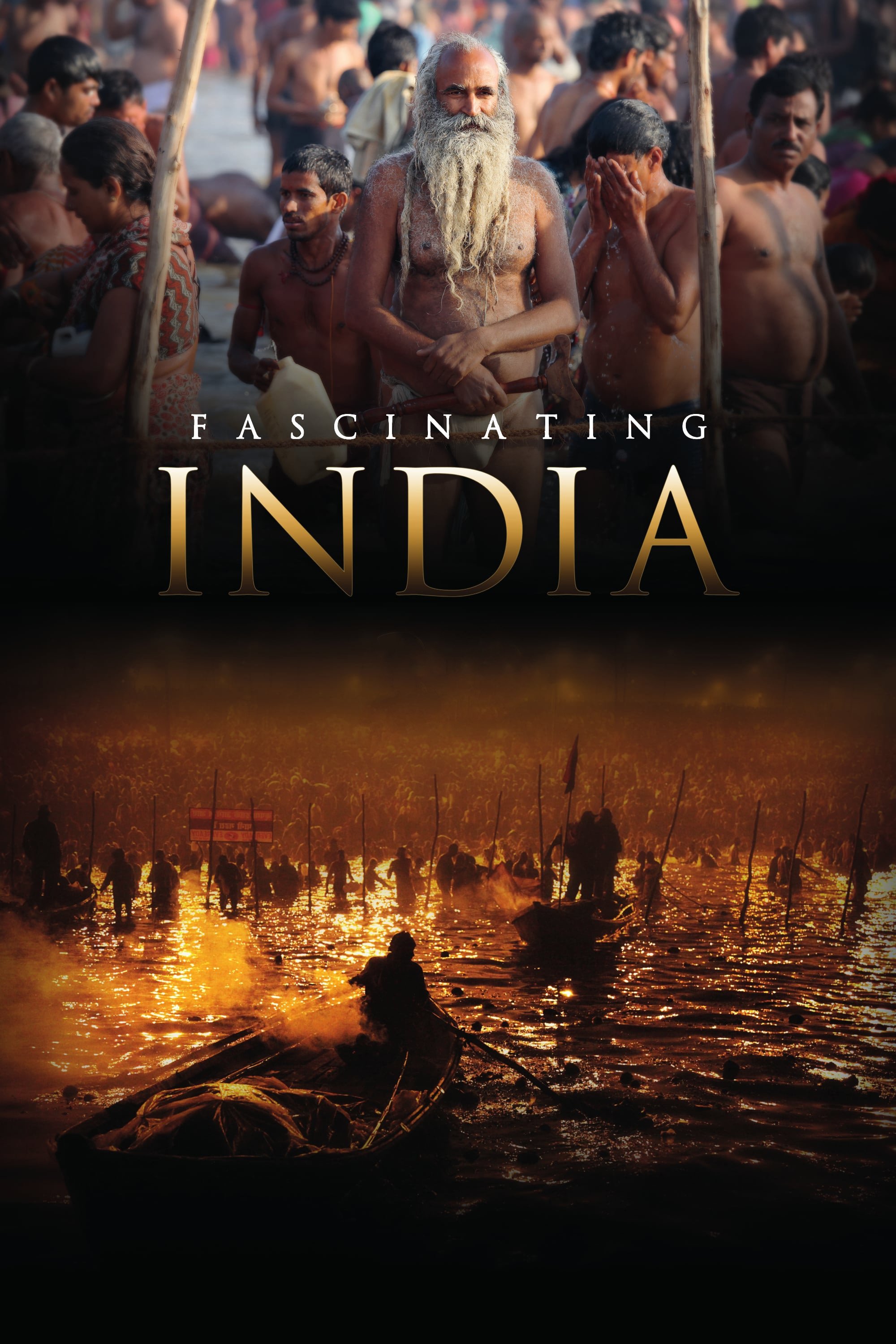
"Fascinating India" spreads an impressive panorama of India’s historical and contemporary world. The film presents the most important cities, royal residences and temple precincts. It follows the trail of different religious denominations, which have influenced India up to the present day. Simon Busch and Alexander Sass travelled for months through the north of the Indian subcontinent to discover what is hidden under India’s exotic and enigmatic surface, and to show what is rarely revealed to foreigners. The film deals with daily life in India. In Varanasi, people burn their dead to ashes. At the Kumbh Mela, the biggest religious gathering of the world, 35 million pilgrims bathe in holy River Ganges. This is the first time India is presented in such an alluring and engaging fashion on screen.
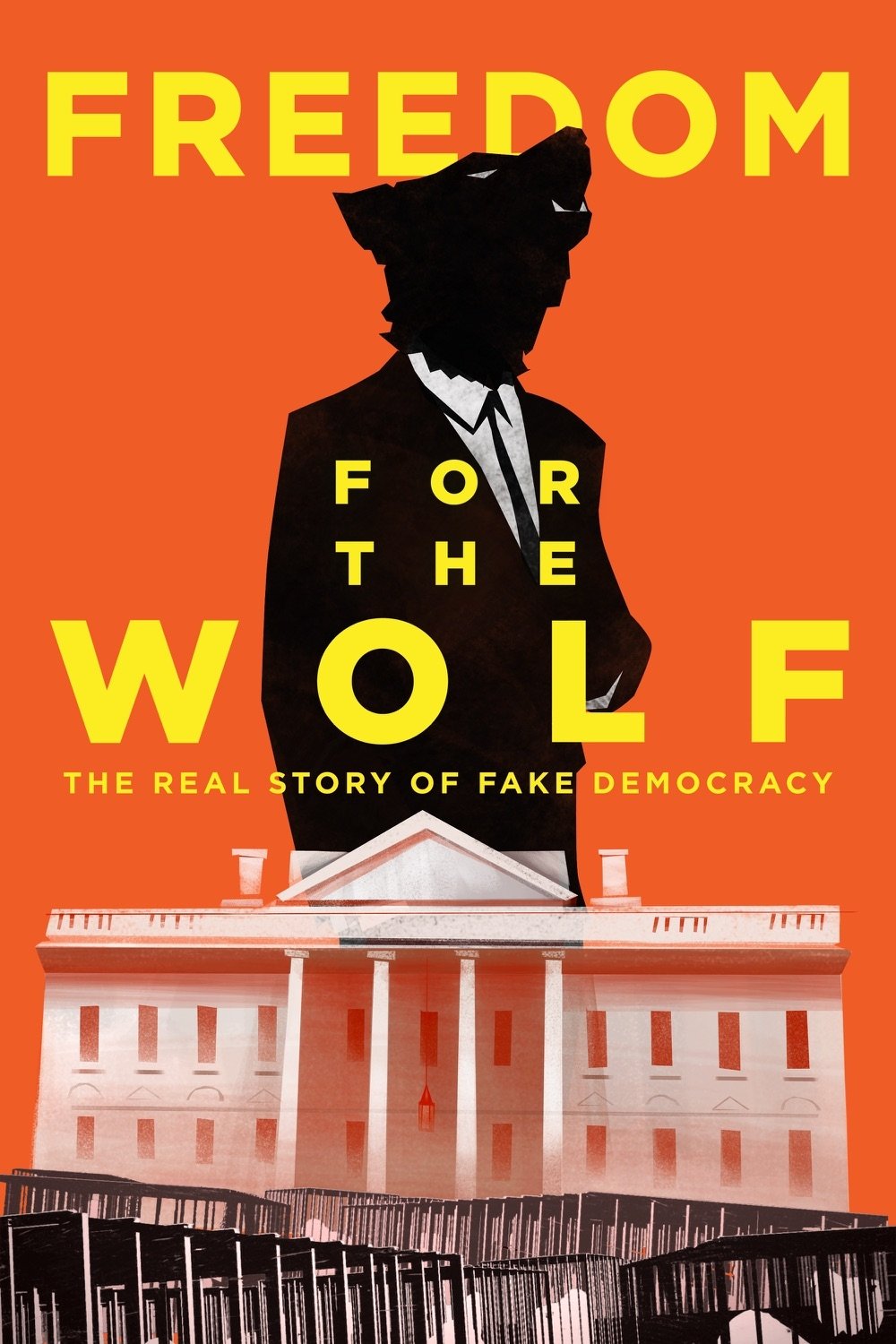
The Real Story of Fake Democracy. Filmed over three years in five countries, FREEDOM FOR THE WOLF is an epic investigation into the new regime of illiberal democracy. From the young students of Hong Kong, to a rapper in post-Arab Spring Tunisia and the viral comedians of Bollywood, we discover how people from every corner of the globe are fighting the same struggle. They are fighting against elected leaders who trample on human rights, minorities, and their political opponents.
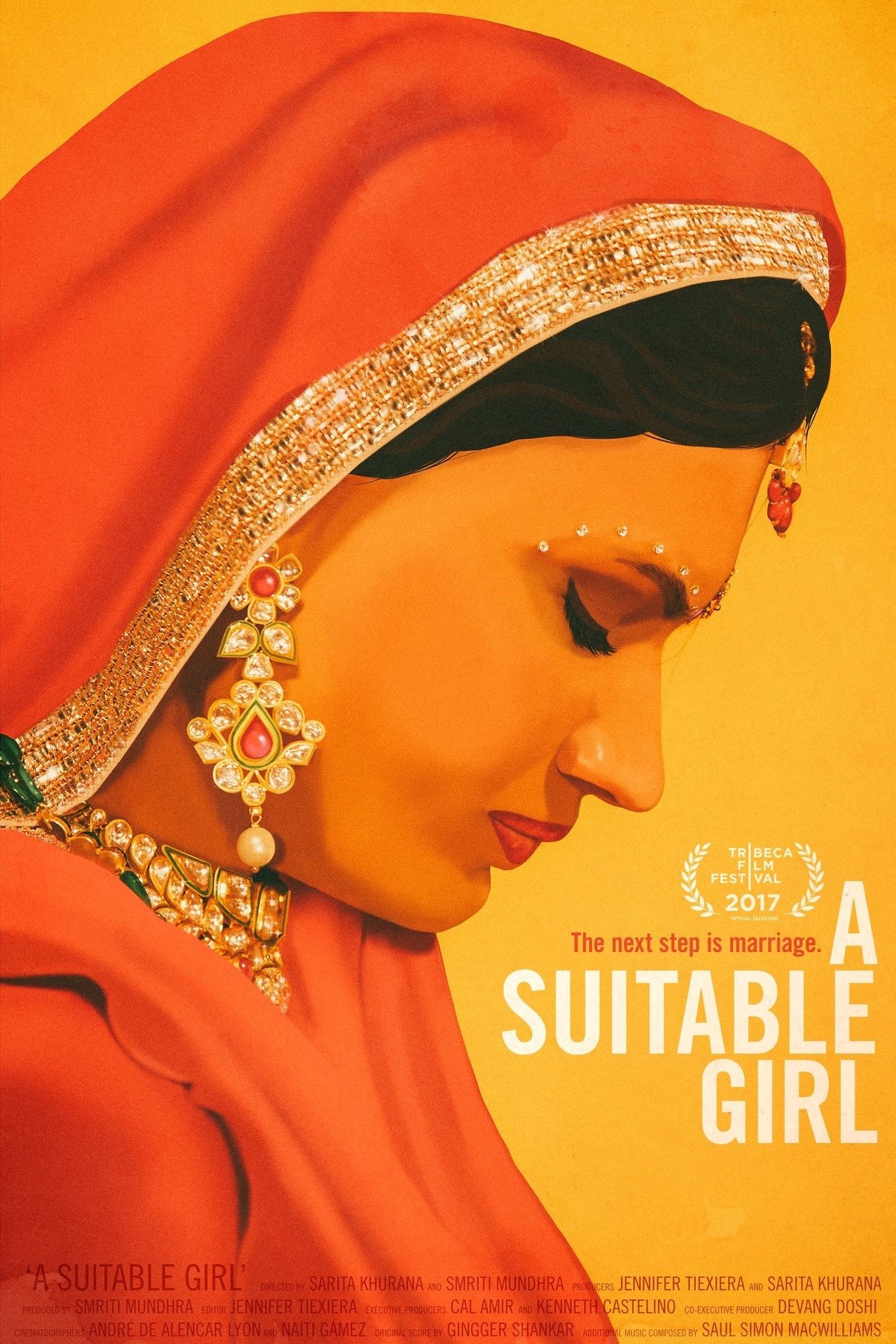
A Suitable Girl follows three young women in India struggling to maintain their identities and follow their dreams amid intense pressure to get married. The film examines the women's complex relationship with marriage, family, and society.
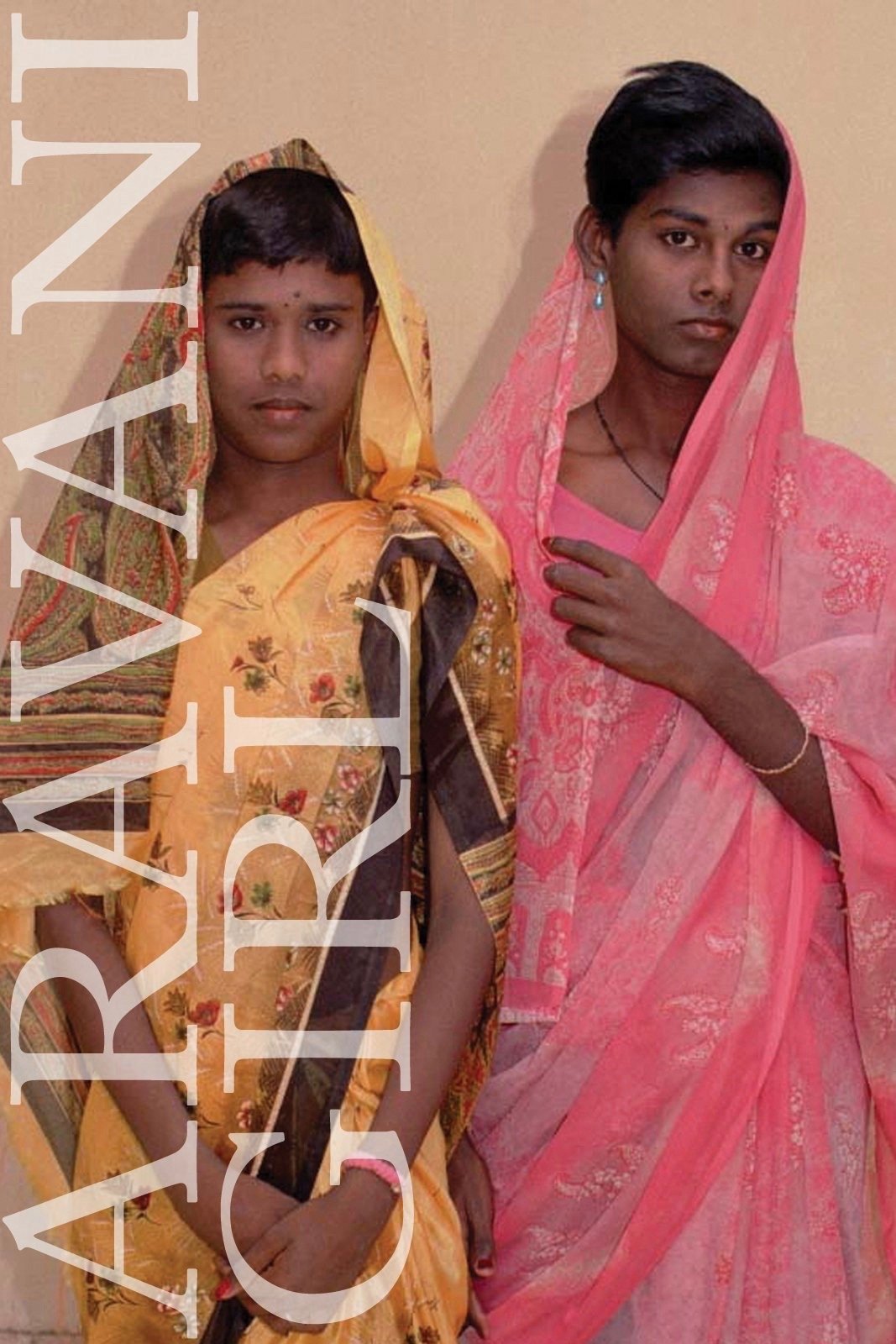
Sixteen year olds Palani and Karthik want to become "ladyboys." They're bullied in school and beaten by their families. Their parents would like to see them grow up as normal boys, but they're falling deeper and deeper into the world of the "Aravanis." Loved as dance performers but hated as homosexuals, their stories emblazon the inner conflicts of India's gender culture today.
What is the purpose of our existence ? What is the soul ? Which are the power of mind, of conscience ? What is our link to nature ? Pondering these existential questions, this movie invites us to find out an universal wisdom, meeting shamans, healers, yogis, but also philosophers and doctors. From Mongolia plains to the Amazonian forest, it leads us far than we expected at first.
Amanda is a divorced woman who makes a living as a photographer. During the Fall of the year Amanda begins to see the world in new and different ways when she begins to question her role in life, her relationships with her career and men and what it all means. As the layers to her everyday experiences fall away insertions in the story with scientists, and philosophers and religious leaders impart information directly to an off-screen interviewer about academic issues, and Amanda begins to understand the basis to the quantum world beneath. During her epiphany as she considers the Great Questions raised by the host of inserted thinkers, she slowly comprehends the various inspirations and begins to see the world in a new way.
Early film of a crowded street scene in an unidentified Indian city.
Mother India is home to many castes, tribes and religions and one common factor that brings this diverse country all together is Jewelry. Come explore the deep history and culture of the jewelry of India dating back more than 5000 years. As we explore the history we also take you into Bangalore, India and talk to local Jewelry Stores and Jewelry Artisans as they share their stories and their family history of their involvement in jewelry going far back into their family ancestry.
In the heyday of the jute industry, millions of people in Bengal made their living doing this laborious work, which has hardly changed since the industrial revolution. The 100-year-old machinery has been endlessly repaired. State aid kept this sustainable alternative to plastic going, but its future looks bleak.
This portait of life on the tea plantations is decidedly rosy – clearly, there are no exploited workers here. However, the film provides an intriguing overview of tea production – from the planting of tea seeds to the final shipping of the precious leaves across the globe.
"Time is Art" is ultimately the story of an artist's search for inspiration in a money-driven society that shuns creativity, and of the human search for meaning in a seemingly meaningless world.
New forms of manipulation and the inundation of stimuli from new media pose a great risk to children’s mental health. Finally, society has started to respond. A secular culture of consciousness is arising: meditation and new forms of resilience and mindfulness training have formed part of the curriculum in many of Europe’s schools. Can systematic inner development genuinely enable young people to take responsibility – for their own lives, for society and for the world? Can openness, compassion and an ethical attitude in children be increased by mental training?
Since the rise to power of Hindu nationalists in 2014, India has been gradually moving away from democracy towards a regime where ethnic identity prevails. This transition is driven by Hindutva, a Hindu supremacist ideology embodied by Narendra Modi. For the past 10 years, Prime Minister Modi has relentlessly pursued his fascist policy based on Hindu supremacy. This ideology of hatred towards other religions in the country, particularly Islam, has also spread globally. Those who follow this belief want India to be only for Hindus, treating people of other religions, like Muslims or Sikhs as second-class citizens. Attacks against Christians have surged by 400% since Modi's election, accompanied by discriminatory laws targeting Muslims and widespread lynching incidents. Hindutva's influence permeates all levels of Indian society. This documentary thus unveils a darker side of India, far from its portrayal as the world's largest democracy and Gandhi's dream of peace among communities.
Wheel of Time is Werner Herzog's photographed look at the largest Buddhist ritual in Bodh Gaya, India.
A dramatised documentary about the life of Rumi, a Persian mystical poet whose images of universal love and divine mystery continue to be celebrated more than 700 years after his death.
The documentary “The Leopard Rocks” accompanies Neelam, a female leopard, as she fights for the lives of her offspring, and provides a fascinating insight into the lives and adventures of one of the world's most interesting big cat species in a unique, unusual environment.
After the Indian Ocean Tsunami of 2004, widowed women struggled to receive aid due to their social status. Following the story of Mrs. Manjula along with many other women from Tamil Nadu, the challenges faced by millions of widows across the country are illuminated. From being ostracized to denied basic rights and economic opportunities, widows in India endure a cycle of discrimination and marginalization. “Kalangarai” meaning "lighthouse" in Tamil, is an organization dedicated to empowering women through initiatives such as self-help groups and educational programs. Throughout the film, "Lighthouse" illustrates the emotional journeys and resilience of these women, as well as the active change that Kalangarai strives to achieve. This documentary urges global awareness and support for widowed women’s rights, as the women’s struggles depict the intersectionality of gender, poverty, and social injustice.